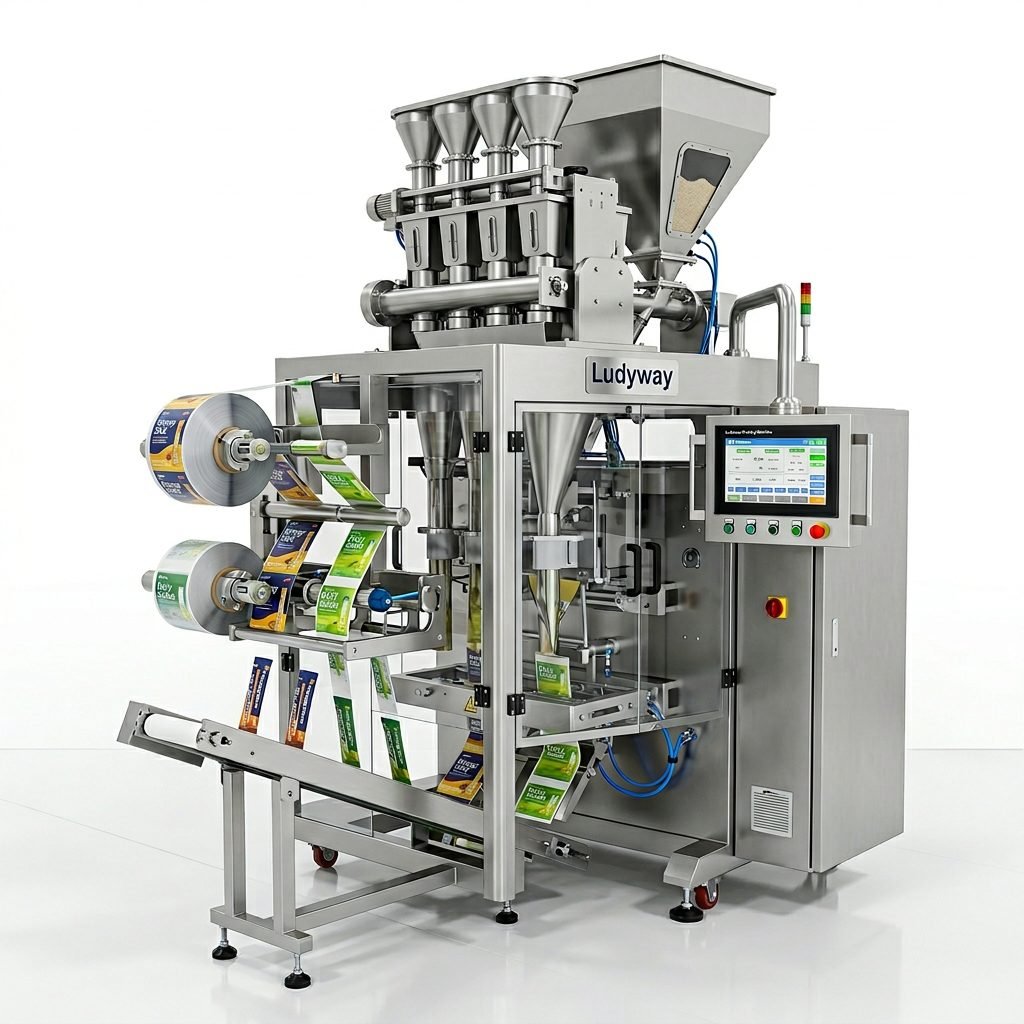
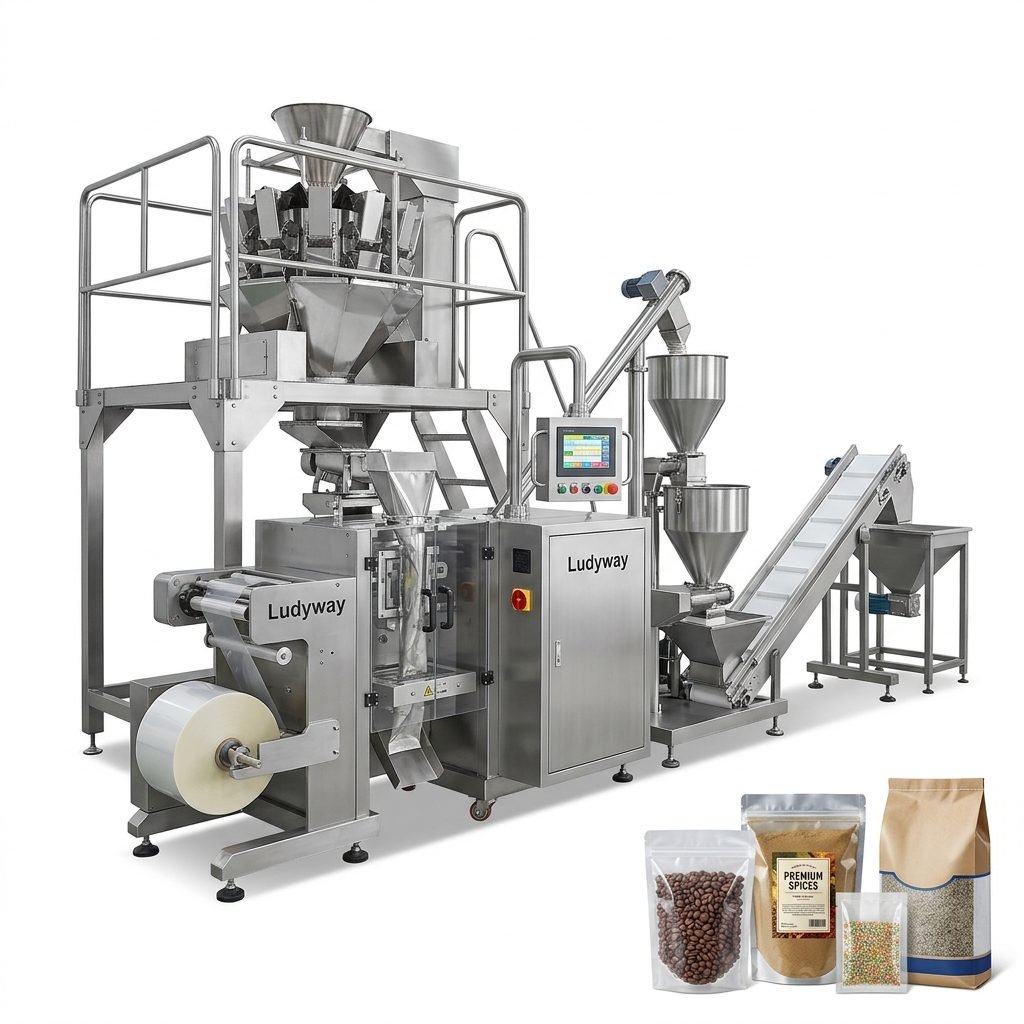
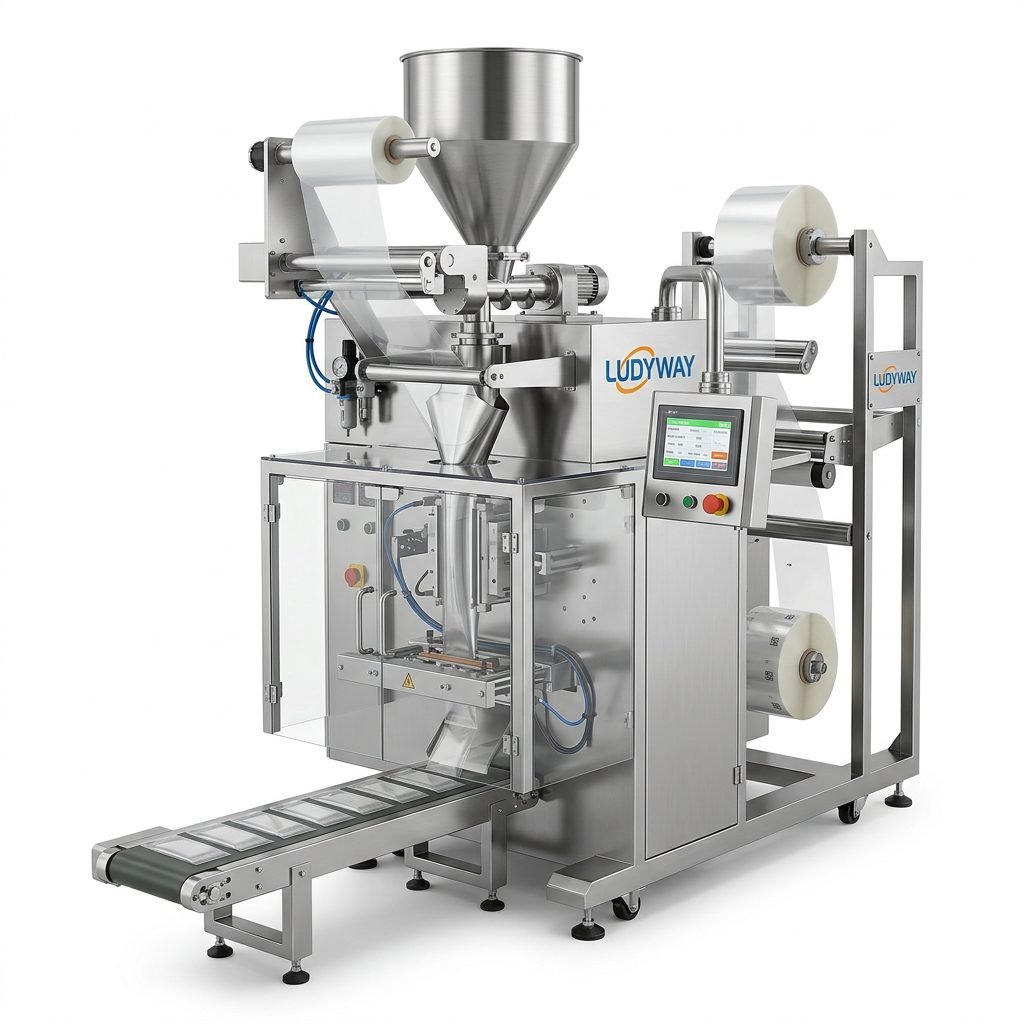
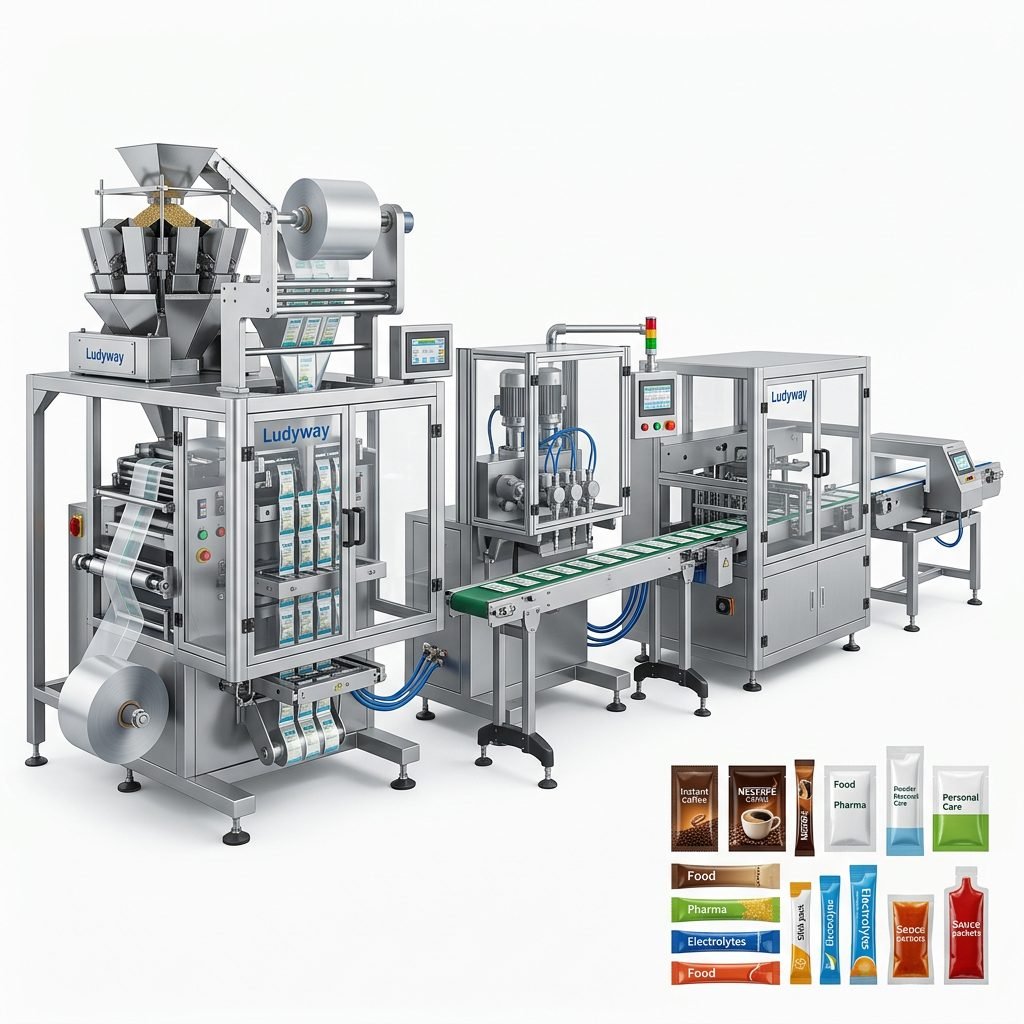
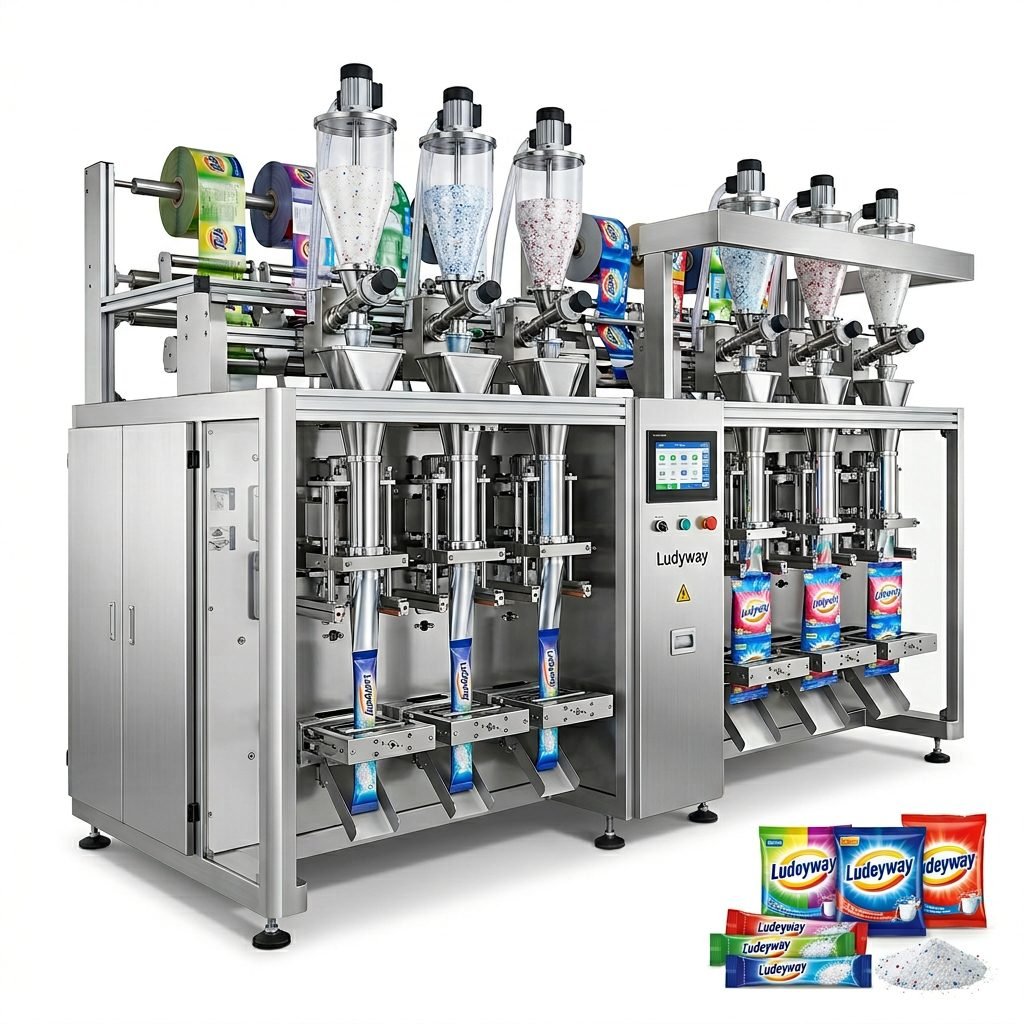
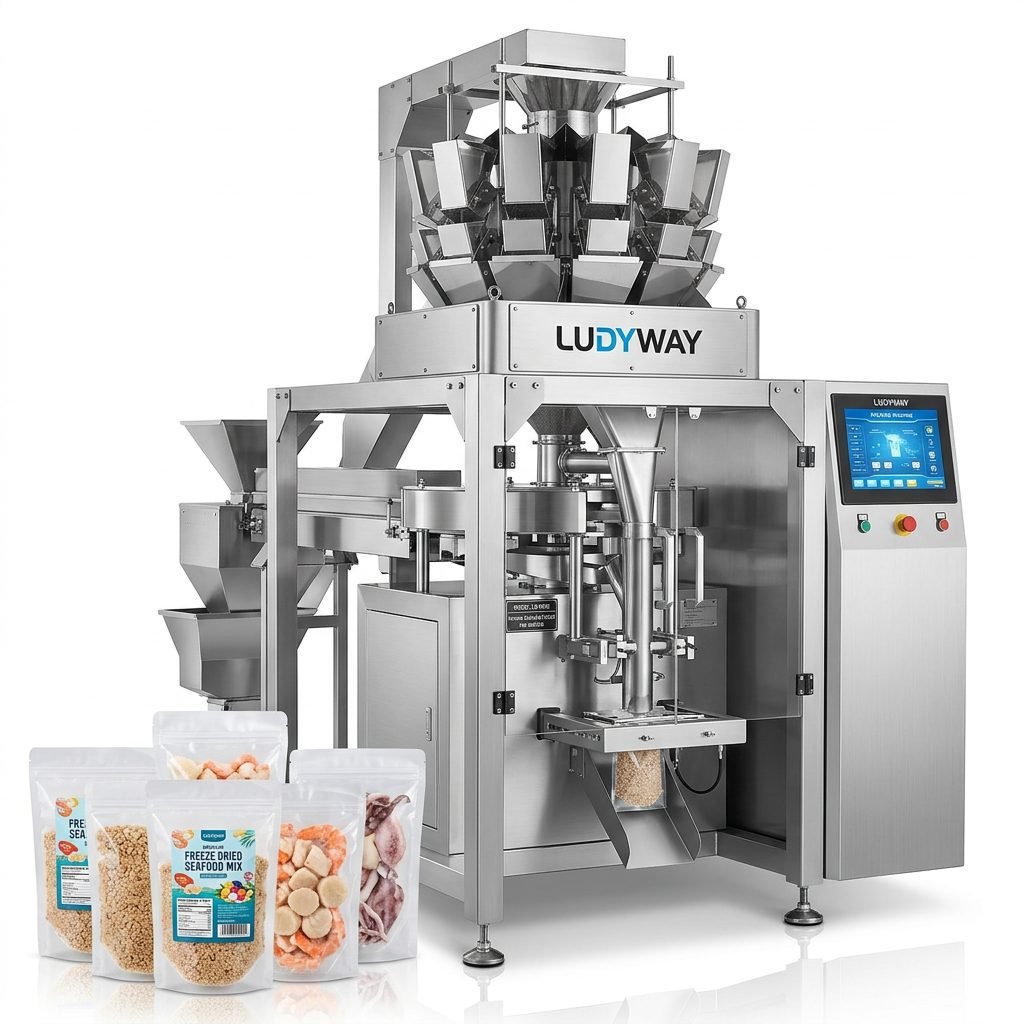
The global confectionery market continues to expand, and with it, the demand for high-speed, reliable chocolate bar packaging machines has never been greater. For manufacturers and co-packers looking to scale production, sourcing equipment from China has become an increasingly strategic choice — offering a compelling combination of advanced automation, competitive pricing, and rapid customization. This guide walks you through everything you need to know before purchasing a chocolate bar packaging machine from Chinese manufacturers.
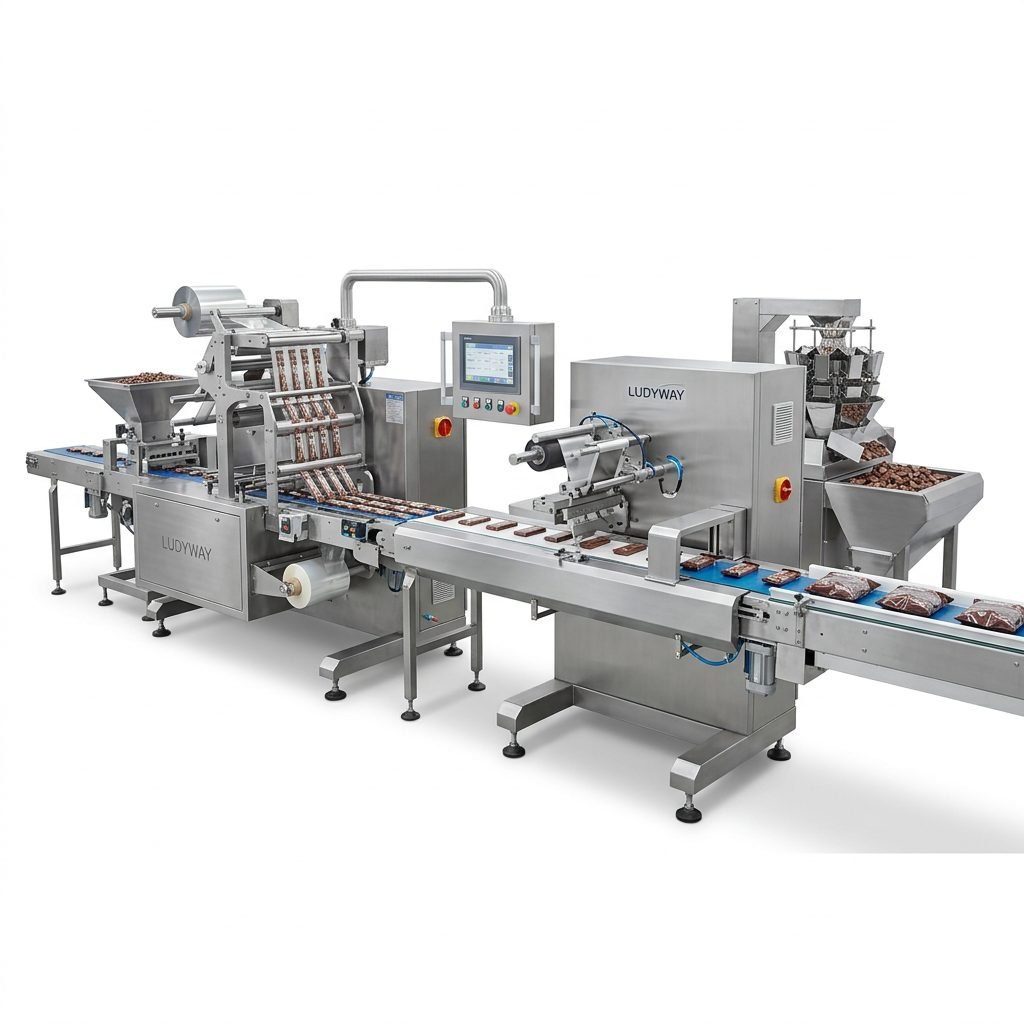
Understanding Chocolate Bar Packaging Machine Types
Before evaluating suppliers, it is essential to understand the different machine configurations available for chocolate bar packaging. The right choice depends on your product format, production speed requirements, and packaging material preferences.
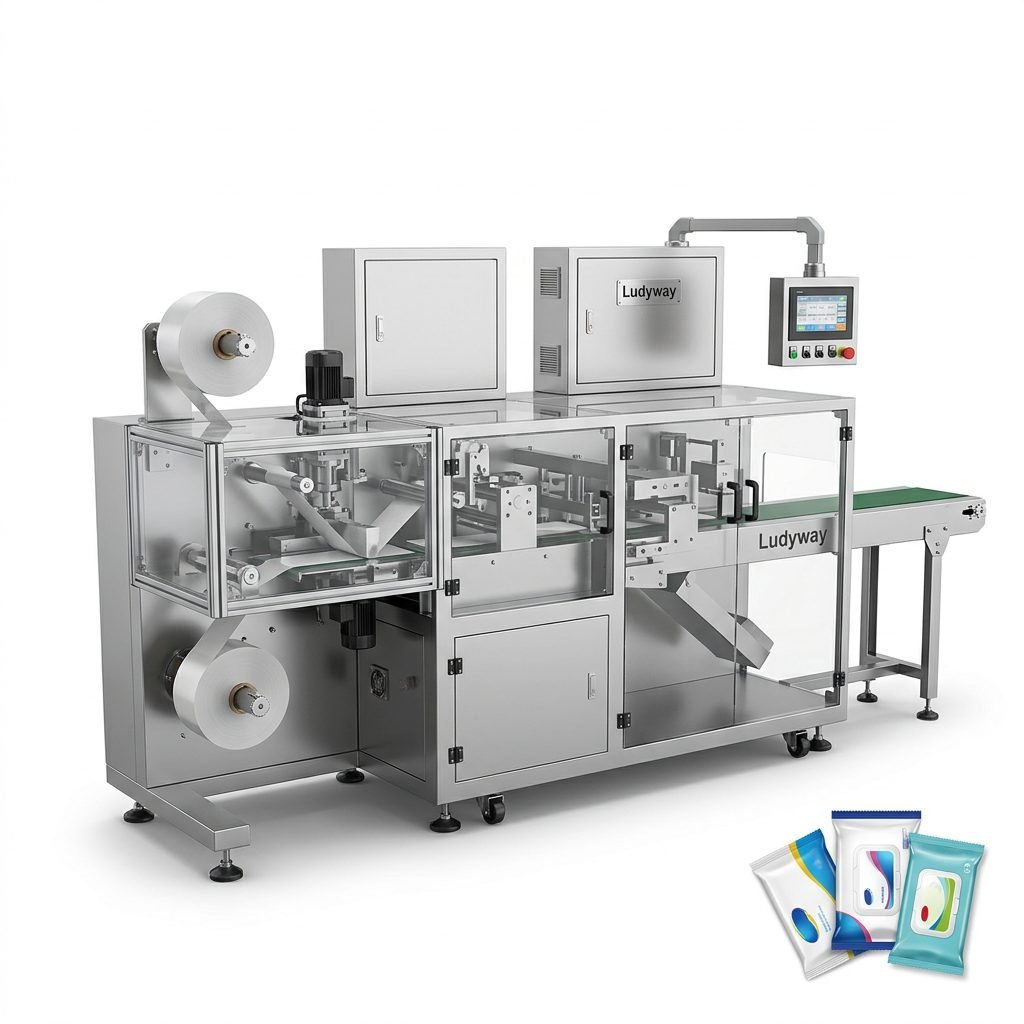
- Flow Wrapping Machines (Horizontal Form Fill Seal): The most common solution for solid chocolate bars. These machines wrap individual bars in film at speeds ranging from 100 to 800 packs per minute. Ideal for standard rectangular bars with or without a tray.
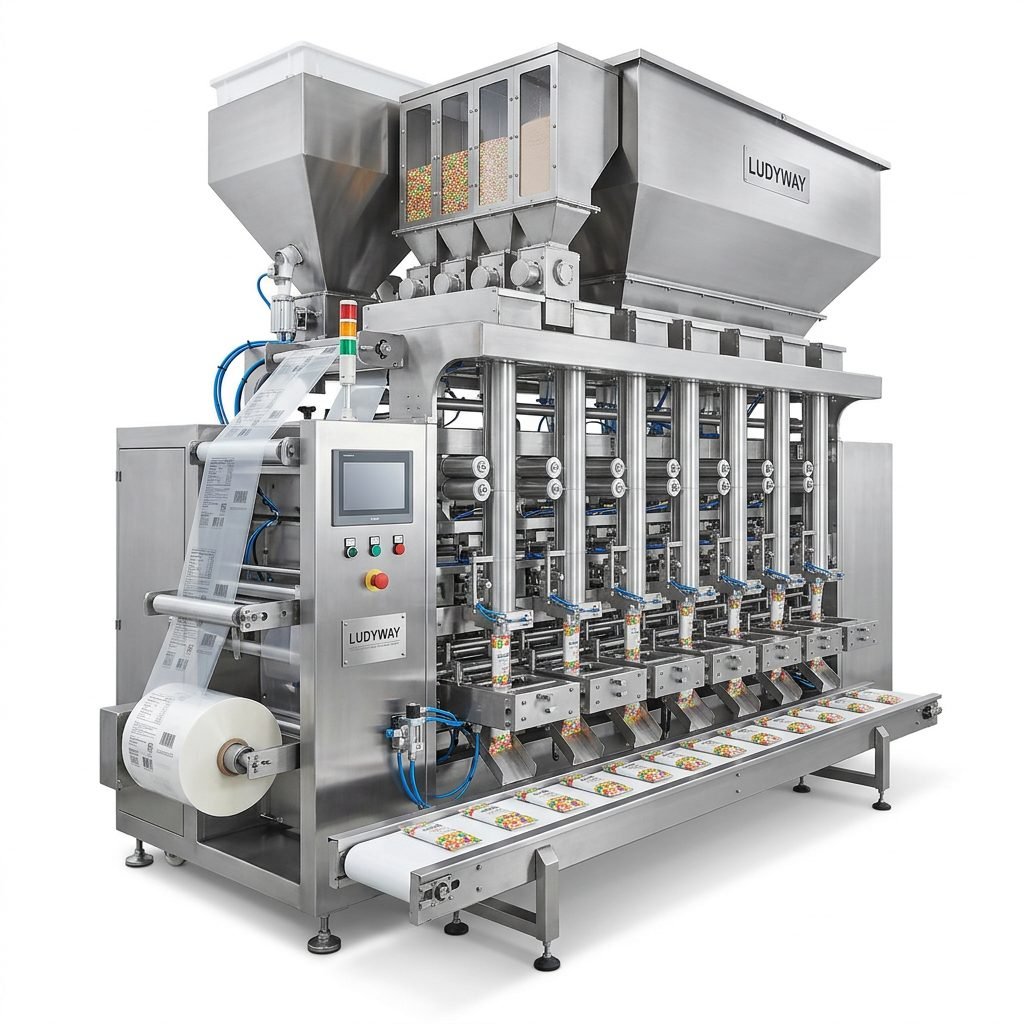
- Multi-Lane Stick Pack Machines: Suitable for smaller, portion-controlled chocolate sticks or chocolate-coated snacks. These systems can run 4 to 12 lanes simultaneously, achieving very high total output.
- Fold Wrapping Machines: Used for premium chocolate products requiring aluminum foil inner wrapping with an outer paper band. Common in the artisanal and luxury chocolate segments.
- Overwrapping Machines: Applied for secondary packaging of chocolate bar multipacks or gift boxes using clear film for retail display purposes.
- Vertical Form Fill Seal (VFFS) Systems: Typically used for chocolate chips, chocolate-coated nuts, or chocolate powder products rather than solid bars.
Key Specifications to Evaluate
When comparing chocolate bar packaging machines from different Chinese suppliers, focus on these critical technical parameters to ensure the equipment meets your production goals:
| Specification | Why It Matters | Typical Range (Chinese Manufacturers) |
|---|---|---|
| Packaging Speed | Directly determines daily output capacity and ROI timeline | 100 – 600 packs/min (flow wrap); up to 1,000+ cuts/min (multi-lane stick pack) |
| Film Width Compatibility | Affects material costs and packaging design flexibility | 90 mm – 450 mm (flow wrap); 50 mm – 260 mm per lane (multi-lane) |
| Product Size Range | Must accommodate your specific bar dimensions with changeover flexibility | Length 60–300 mm; Width 30–180 mm; Height 5–50 mm (varies by model) |
| Sealing Technology | Impacts hermetic seal integrity and shelf life for chocolate products | Heat-seal jaws (serrated or flat); cold seal compatible; ultrasonic option available |
| Automation Level | Determines labor requirements and production line integration capabilities | Semi-automatic to fully automatic with servo-driven controls and PLC integration |
| Changeover Time | Critical for manufacturers producing multiple SKUs or bar sizes | 5–30 minutes depending on model and tool-less design features |
Material Compatibility and Film Considerations
Chocolate products are sensitive to heat, moisture, and oxygen. Your packaging machine must handle the specific film structures required for adequate product protection. Most Chinese machines support a wide range of materials including:
- Cold-seal films: Preferred for chocolate bars to avoid heat exposure during sealing. These films bond under pressure without requiring elevated temperatures.
- Heat-seal laminates: BOPP/CPP, PET/PE, and metallized structures providing excellent moisture and oxygen barrier properties.
- Aluminum foil laminates: For premium products requiring maximum light and oxygen protection, commonly used in fold-wrapping applications.
- Paper-based wraps: Often combined with inner foil for traditional chocolate bar presentations.
Evaluating Chinese Chocolate Bar Packaging Machine Manufacturers
China is home to hundreds of packaging machinery manufacturers, but quality, reliability, and after-sales support vary significantly. Here are the key factors to assess when shortlisting suppliers:
Manufacturing Scale and Experience
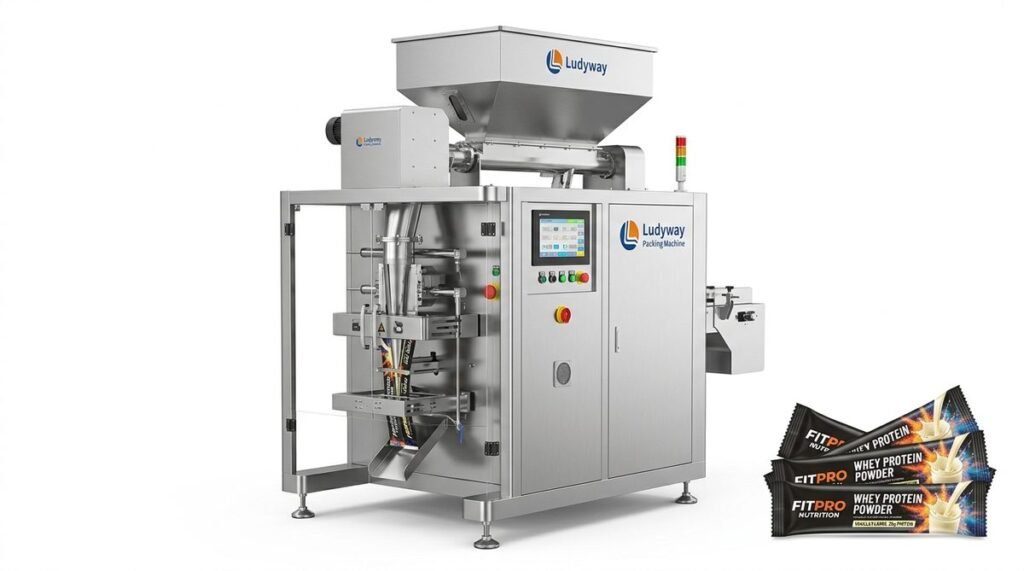
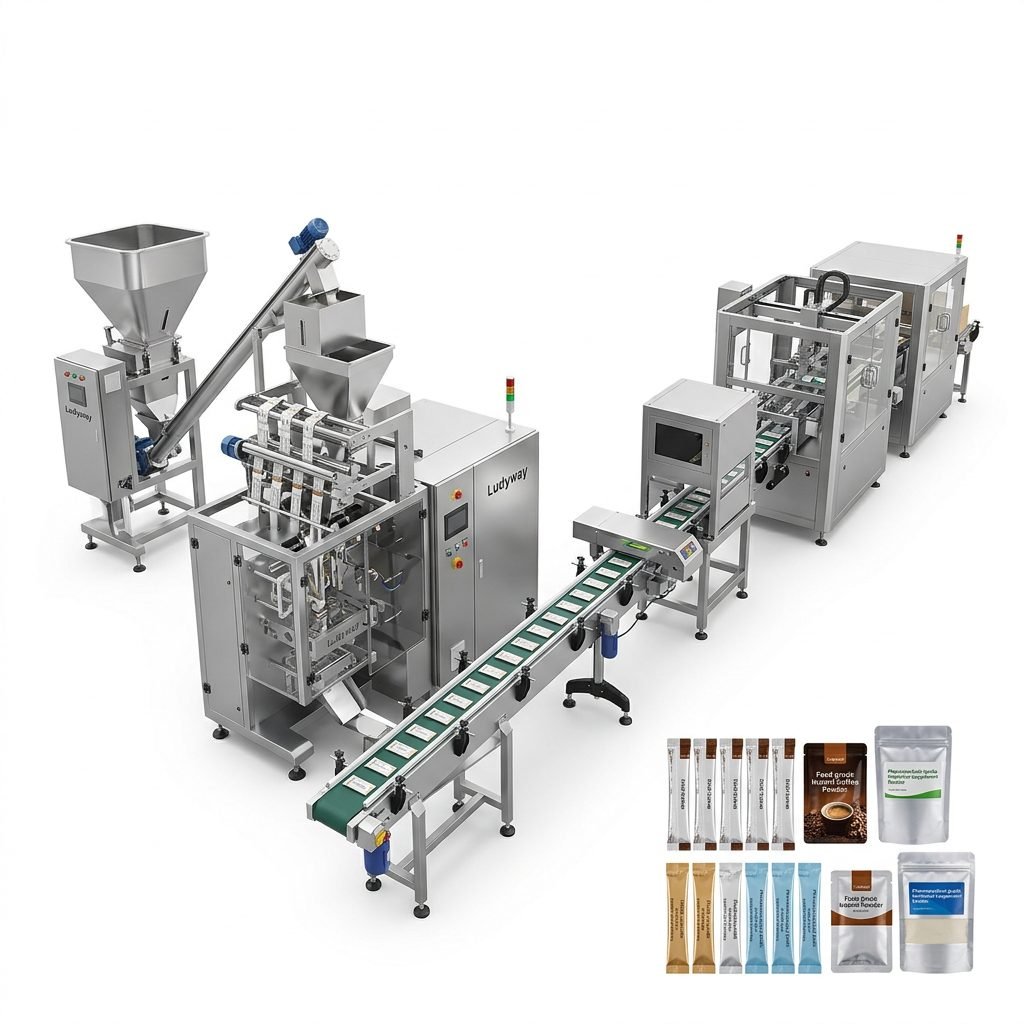
Look for manufacturers with at least 10–15 years of industry experience and a proven track record in confectionery packaging. Factory size, annual output, and the number of machines exported annually are strong indicators of production capability. One notable example is Ludyway, which operates a 20,000㎡ modern manufacturing facility and offers over 50 intelligent packaging machine models. The company has served customers in more than 100 countries and regions, with export revenue projected to exceed RMB 500 million in 2025.
Technical Capabilities and R&D Investment
Leading manufacturers invest consistently in research and development. Evaluate whether the supplier employs servo-driven motion control systems, PLC integration with HMI touchscreens, and modular design principles. These features directly impact machine precision, ease of use, and future upgradeability.
Certifications and Compliance
For food packaging equipment, certifications demonstrate commitment to quality and safety standards. Key certifications to look for include:
- CE Certification: Required for machines exported to the European Economic Area, indicating conformity with health, safety, and environmental standards.
- ISO 9001: Quality management system certification ensuring consistent manufacturing processes and continuous improvement.
- FDA Compliance (for food contact surfaces): Essential if the machine will be used in markets regulated by the U.S. Food and Drug Administration. Refer to FDA food packaging guidelines for detailed requirements.
- GOST-R / EAC: Required for machines entering the Russian and Eurasian customs union markets.
Cost Structure and Budget Planning
The price of a chocolate bar packaging machine from China depends on several variables. Understanding the cost breakdown helps in negotiating effectively and avoiding unexpected expenses:
| Cost Component | Estimated Share | Negotiation Tips |
|---|---|---|
| Base machine price | 60–75% | Request detailed quotation including all standard accessories; compare 3–5 suppliers |
| Tooling and format parts | 5–10% | Clarify how many format sets are included; negotiate spare forming tubes or folding guides |
| International freight and insurance | 5–8% | Compare FOB vs. CIF terms; work with a trusted freight forwarder for accurate estimates |
| Import duties and customs clearance | 3–12% | Research HS codes and applicable tariff rates for your destination country in advance |
| Installation and training | 2–5% | Confirm whether on-site support is included or charged separately; remote video assistance can reduce costs |
Questions to Ask Before Placing Your Order
Due diligence is essential when purchasing packaging equipment from China. The following questions help clarify capabilities, avoid misunderstandings, and establish a solid foundation for collaboration:
- Can you provide video demonstrations of the machine running a product similar to ours? Always request videos showing the actual machine, not just promotional footage.
- What is the standard warranty period, and what does it cover? Most reputable Chinese manufacturers offer 12–24 months warranty on mechanical components and 6–12 months on electrical parts.
- Do you have a local distributor or service partner in our region? Local support significantly reduces downtime. Confirm the availability of technical assistance in your country or region.
- What is the typical lead time for manufacturing and delivery? Standard lead times range from 30 to 90 days depending on machine complexity and customization requirements.
- Are spare parts readily available, and what is the typical shipping time for urgent orders? Confirm the supplier maintains a comprehensive spare parts inventory and can ship critical components via express courier when needed.
- Can the machine be integrated with upstream and downstream equipment such as automatic feeding systems, checkweighers, metal detectors, and cartoning machines?
- What training and documentation are provided? Request operation manuals, maintenance guides, and electrical schematics in English or your preferred language.

After-Sales Support and Maintenance Considerations
Long-term machine performance depends heavily on ongoing maintenance and responsive technical support. When evaluating Chinese suppliers, consider these after-sales factors:
- Remote diagnostic capabilities: Many modern machines feature remote access modules allowing technicians to troubleshoot issues via internet connection, reducing downtime significantly.
- Spare parts availability: Confirm that the manufacturer maintains a dedicated spare parts inventory and can dispatch components quickly. Ask about the most commonly replaced wear parts and their expected lifespan.
- Training programs: Comprehensive operator and maintenance training — whether on-site or remote — ensures your team can operate the equipment efficiently and perform routine maintenance independently.
- Software updates: Machines with PLC-based controls should be eligible for firmware and software updates that improve functionality or address known issues over time.
Industry Trends Shaping Confectionery Packaging
The packaging machinery sector continues to evolve rapidly. Staying informed about industry developments helps future-proof your investment. The PMMI State of the Industry reports provide comprehensive market data on packaging trends and machinery demand across sectors. Key trends currently influencing chocolate bar packaging include:
- Sustainable packaging materials: Growing consumer and regulatory pressure is driving adoption of recyclable mono-material films and paper-based packaging structures. Verify that your chosen machine can process these newer materials effectively.
- Smart factory integration: Packaging machines with IoT connectivity, production data tracking, and integration with Manufacturing Execution Systems (MES) are becoming standard requirements for larger manufacturers.
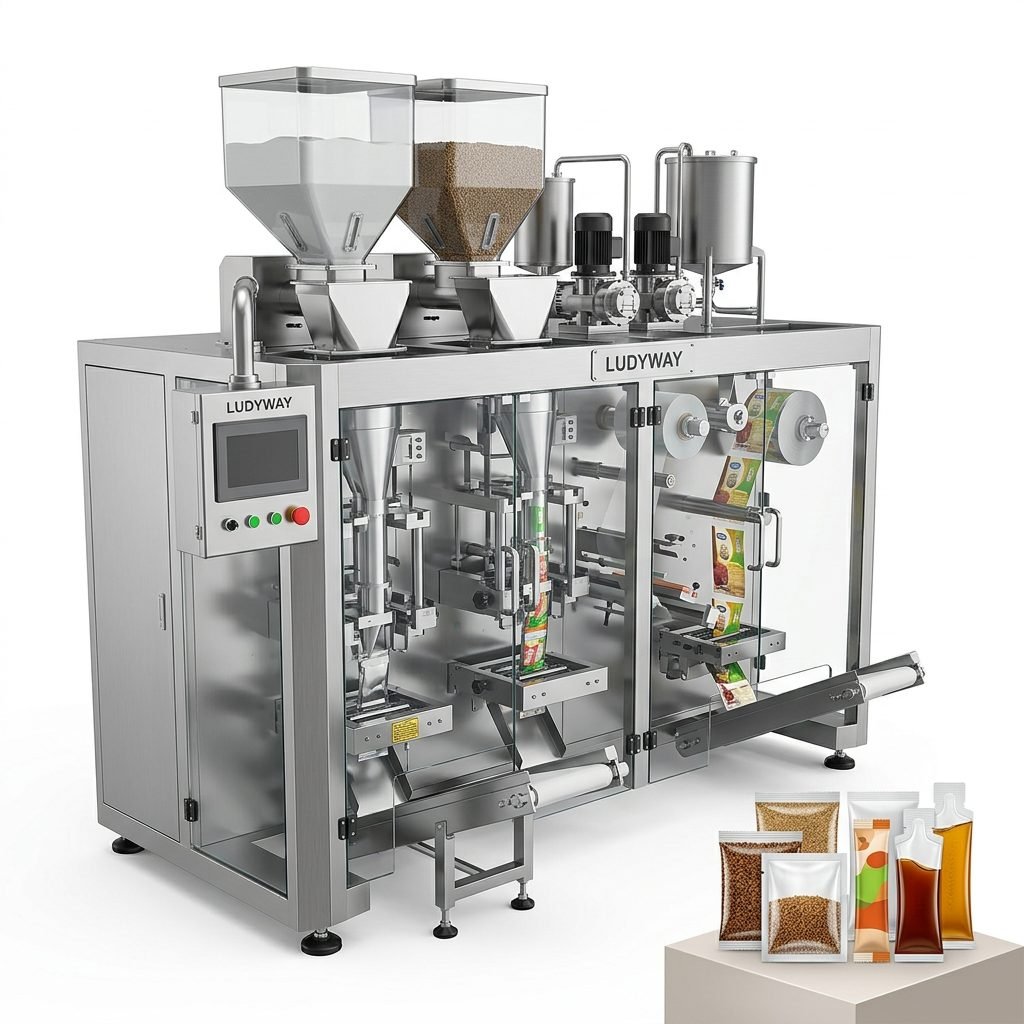
- Flexible packaging formats: The ability to switch between different pack styles — such as pillow packs, gusseted bags, and stick packs — on a single machine adds significant operational flexibility. The Flexible Packaging Association offers excellent resources on this topic.
Quality Control and Factory Acceptance Testing
Before shipping, insist on a Factory Acceptance Test (FAT). This process verifies that the machine meets all agreed-upon specifications and performs reliably under production-like conditions. Key FAT checkpoints include:
- Running the machine at the specified maximum speed for an extended duration
- Measuring seal integrity and package appearance against agreed quality standards
- Verifying all safety interlocks and emergency stop functions
- Testing changeover procedures between different product formats
- Confirming that all documentation — manuals, schematics, and spare parts lists — is complete and accurate

Navigating Import Procedures and Logistics
Importing a chocolate bar packaging machine from China involves several logistical steps. Working with an experienced freight forwarder familiar with machinery imports simplifies the process considerably:
- Incoterms clarification: FOB (Free On Board) means the supplier covers costs up to loading at the port; CIF (Cost, Insurance, Freight) includes shipping and insurance to your destination port. Understand which terms apply to your quotation.
- Customs documentation: Ensure the supplier provides a detailed packing list, commercial invoice, bill of lading, and certificate of origin. Some destinations also require fumigation certificates for wooden packaging materials.
- Port handling and inland transportation: Budget for destination port charges, customs brokerage fees, and transportation from the port to your facility. These costs vary significantly by country and should not be overlooked.
Industry Resources and References
For deeper research, the following authoritative sources provide valuable insights into packaging standards, regulations, and market intelligence:
- PMMI – The Association for Packaging and Processing Technologies — Comprehensive industry resources including market research, training, and the PACK EXPO event series.
- Flexible Packaging Association — Data, regulatory updates, and sustainability resources for the flexible packaging industry.
- FDA – Packaging and Food Contact Substances — Regulatory guidance for food packaging materials and equipment used in U.S. markets.
- ISO Packaging Standards — International standards covering packaging machinery safety, performance testing, and terminology.
- European Commission – Packaging and Packaging Waste — EU regulatory framework affecting packaging design and material choices.
- PACK EXPO International — Major industry trade show where many Chinese manufacturers exhibit their latest packaging machinery.
Making the Final Decision
Selecting the right chocolate bar packaging machine from China requires balancing technical requirements, budget constraints, and supplier reliability. Take time to visit supplier facilities if possible, or arrange comprehensive video tours. Request references from customers in your region who have purchased similar equipment. A well-chosen machine from a reputable Chinese manufacturer can deliver exceptional value, robust performance, and a rapid return on investment — positioning your confectionery business for sustainable growth in an increasingly competitive global market.