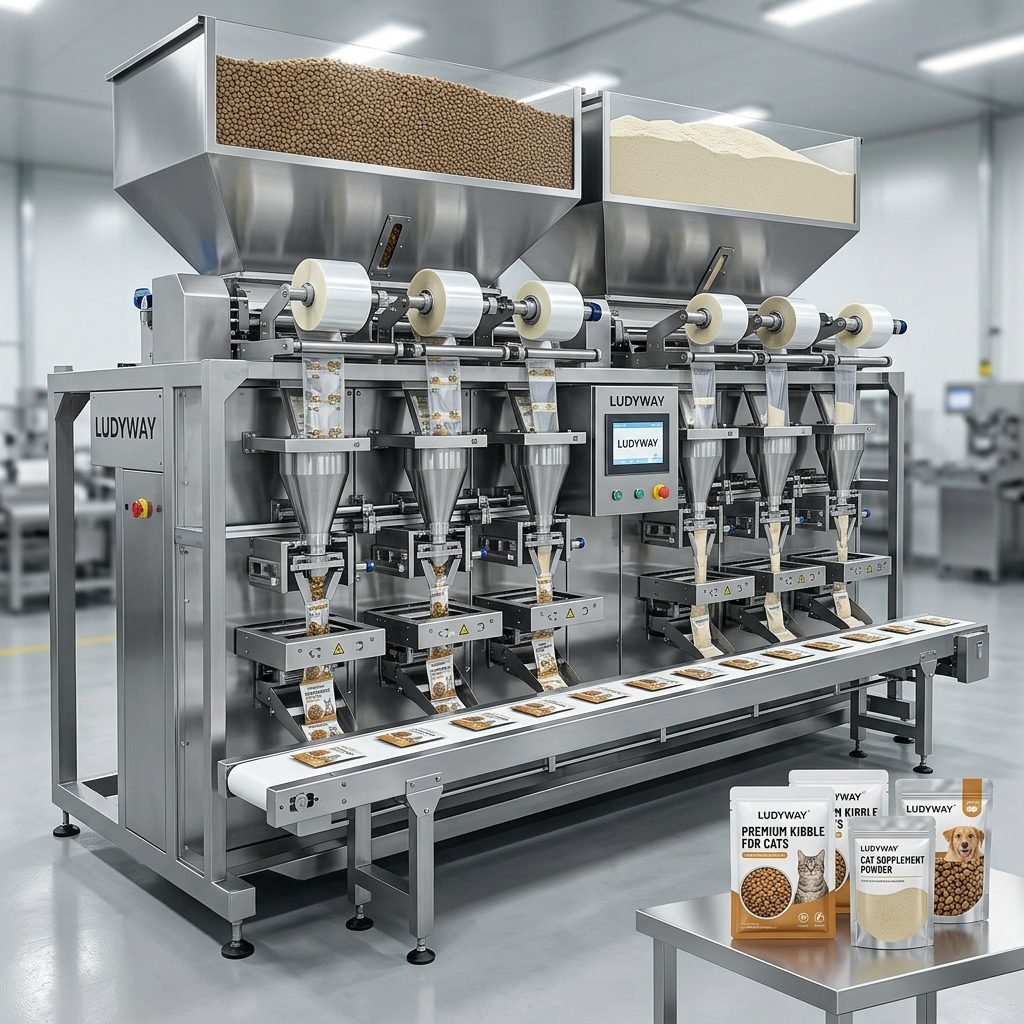
Italy represents one of the most dynamic markets for snack production in Europe, with a long-standing tradition of high-quality food manufacturing and a growing appetite for packaged convenience foods. Setting up a potato chip packaging machine production line in this competitive landscape requires careful planning, adherence to stringent EU regulations, and the selection of equipment that can deliver both speed and precision.
Understanding the Italian Snack Food Market
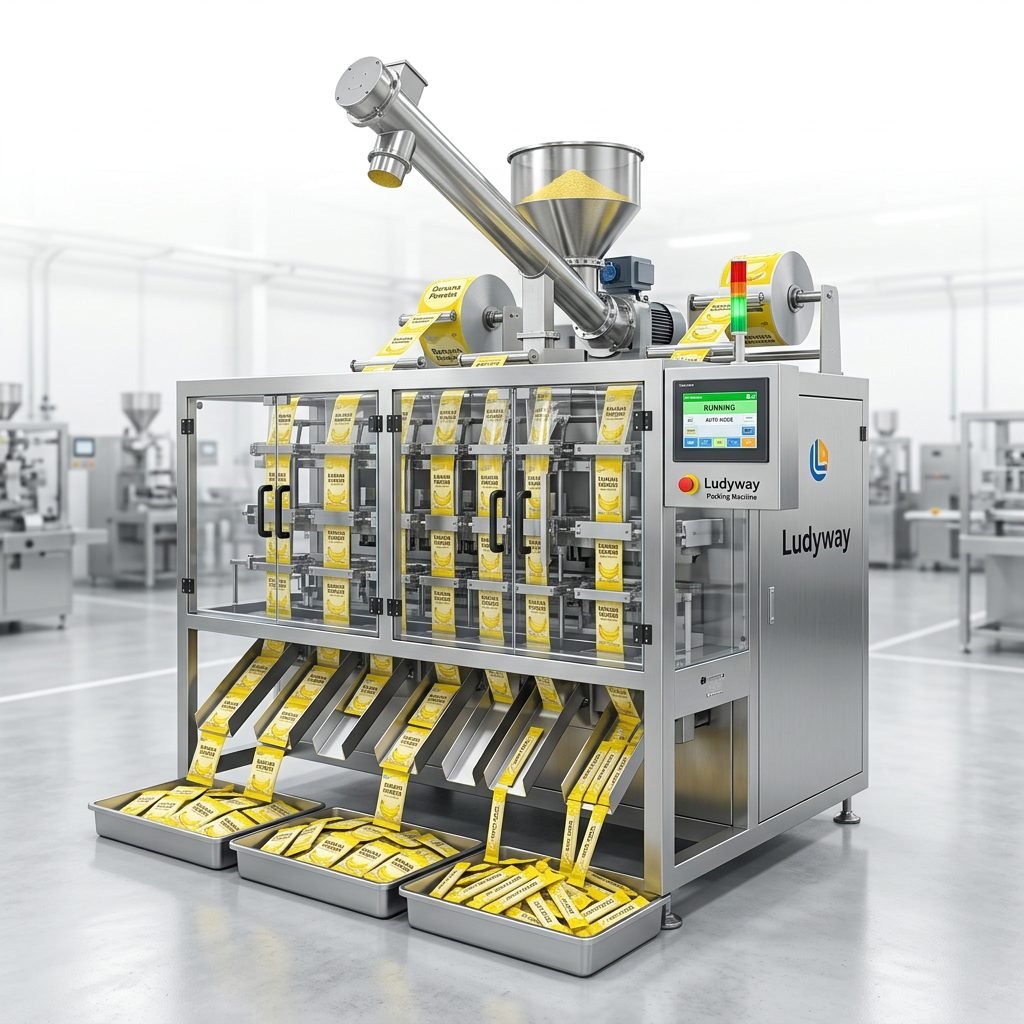
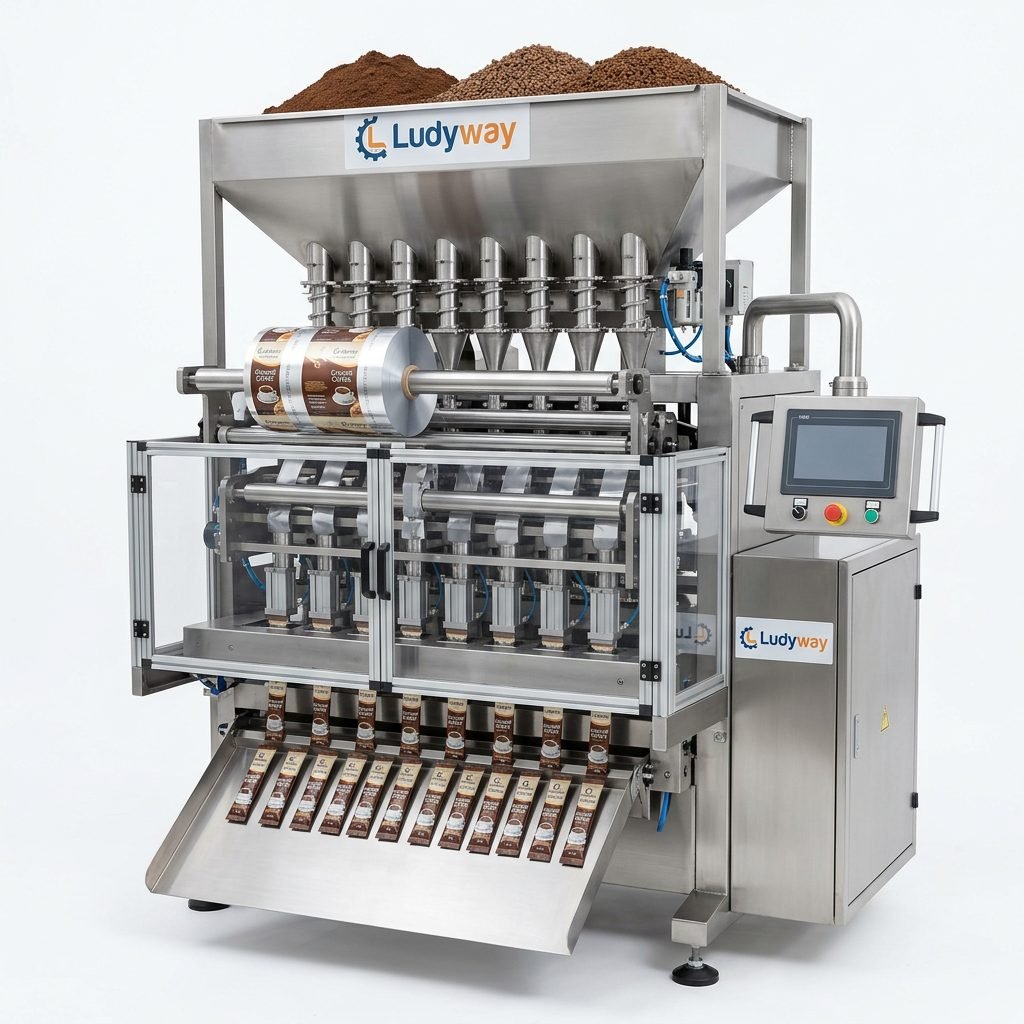
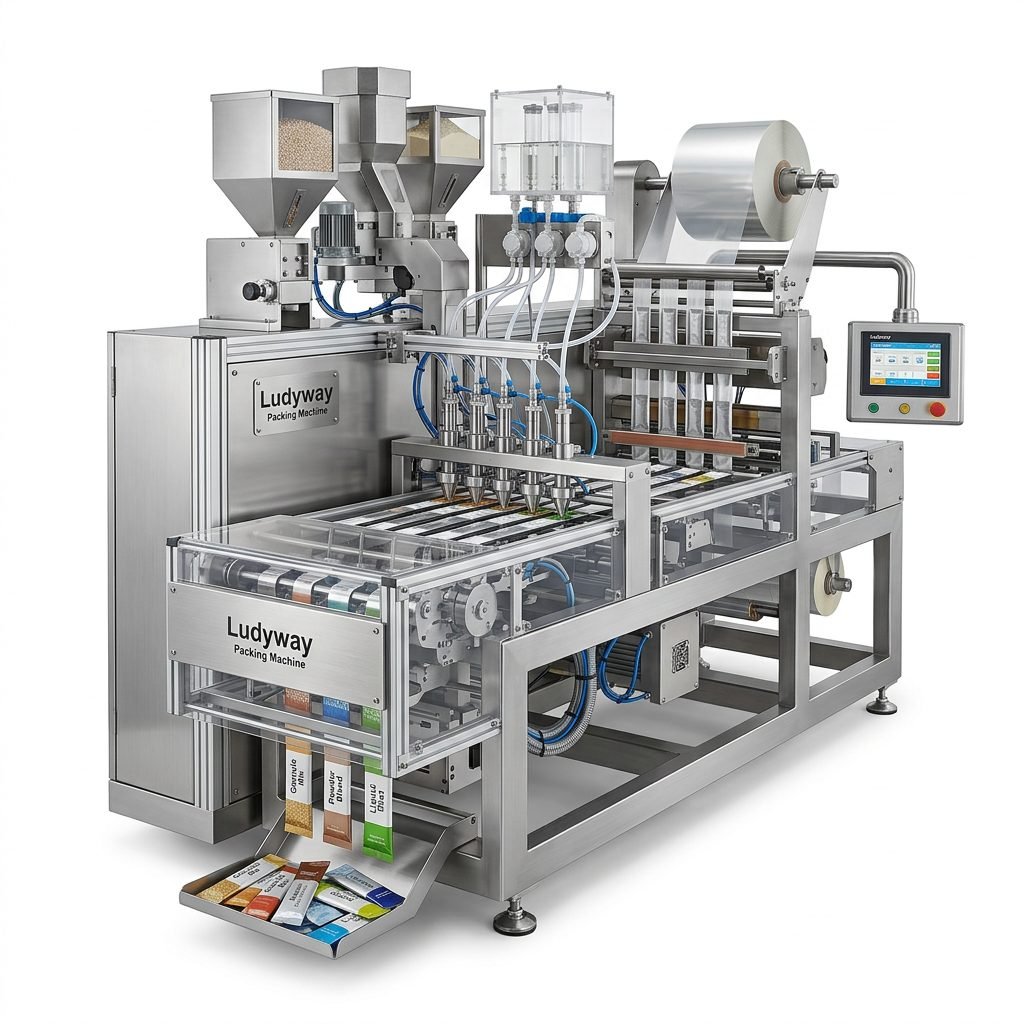
Before investing in machinery, it is essential to understand the local market dynamics. Italian consumers increasingly favor single-serve and on-the-go snack formats, which has driven demand for multi-lane stick pack and sachet packaging solutions. According to data from the Flexible Packaging Association, the flexible packaging segment continues to expand rapidly across Europe, with snack foods being a primary growth driver. Production lines must be capable of handling various bag styles, from pillow packs to gusseted pouches, while maintaining consistent seal integrity and portion control.
Key Regulatory Requirements in Italy
Any food packaging operation in Italy must comply with EU directives, including CE marking requirements for machinery and the European Packaging and Packaging Waste Regulation. Food contact materials must meet the standards set by FDA and EFSA guidelines for materials that come into direct contact with edible products. Additionally, Italian labeling laws require clear nutritional information, ingredient lists, and allergen declarations printed directly on the packaging — making high-resolution coding and marking systems an integral part of the production line.
- CE Certification — Mandatory for all packaging machinery imported into Italy
- HACCP Compliance — Hazard analysis and critical control points for food safety
- Traceability Systems — Batch coding and serialization for supply chain transparency
- Energy Efficiency Standards — Aligned with EU Green Deal objectives
Selecting the Right Packaging Equipment
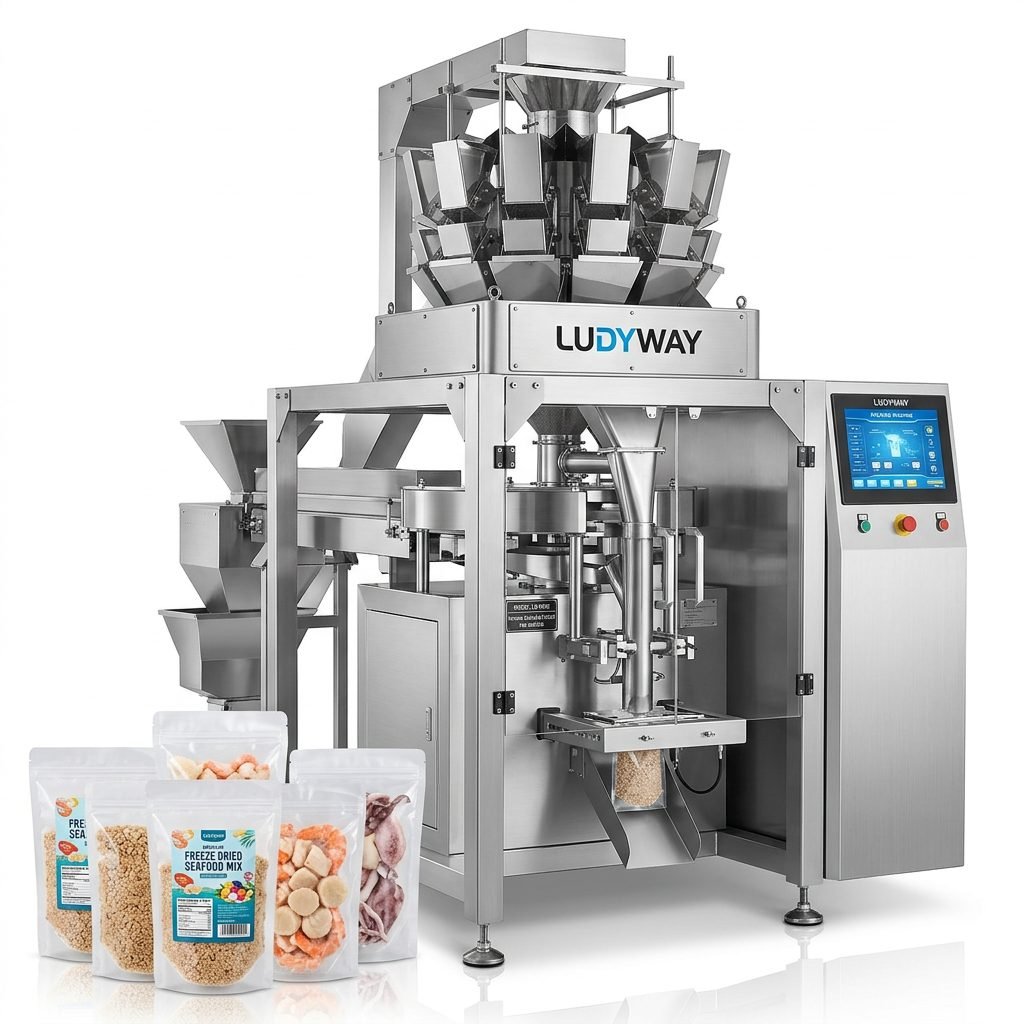
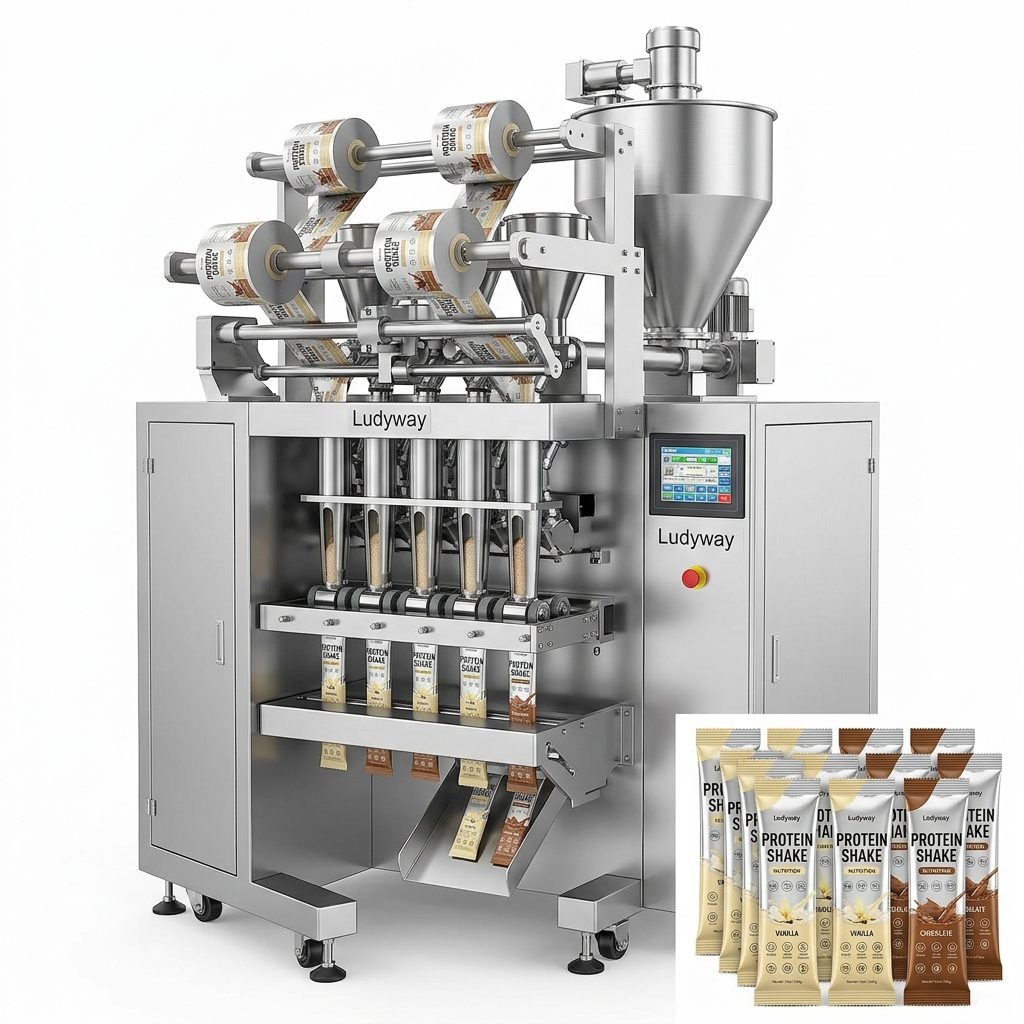
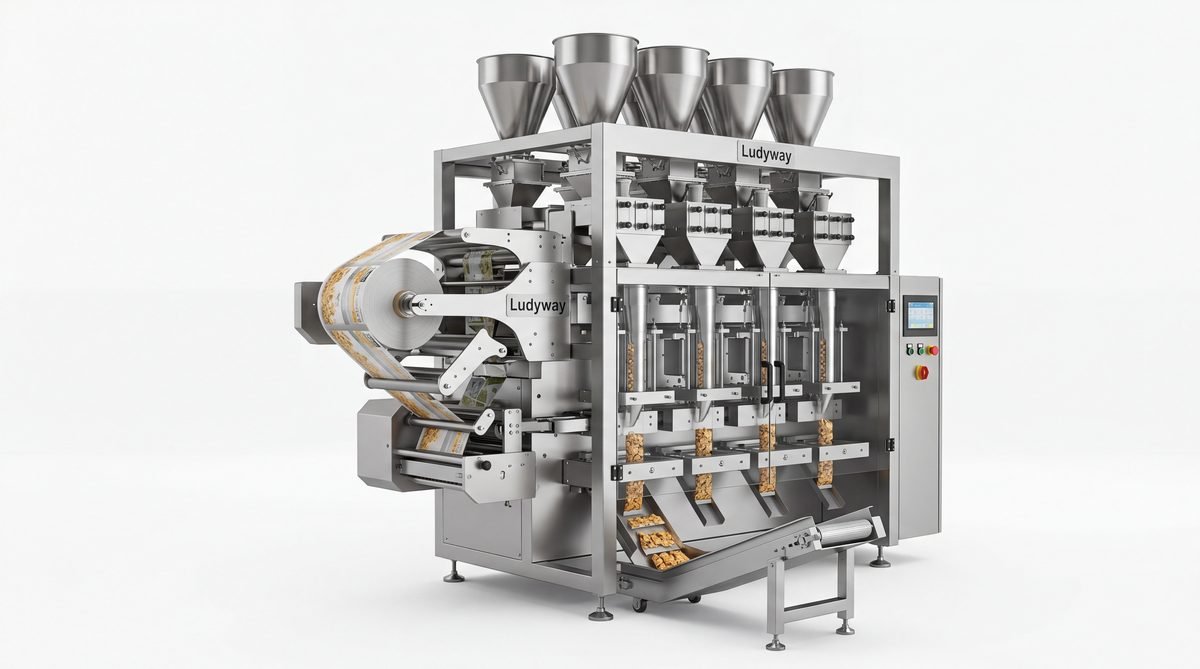
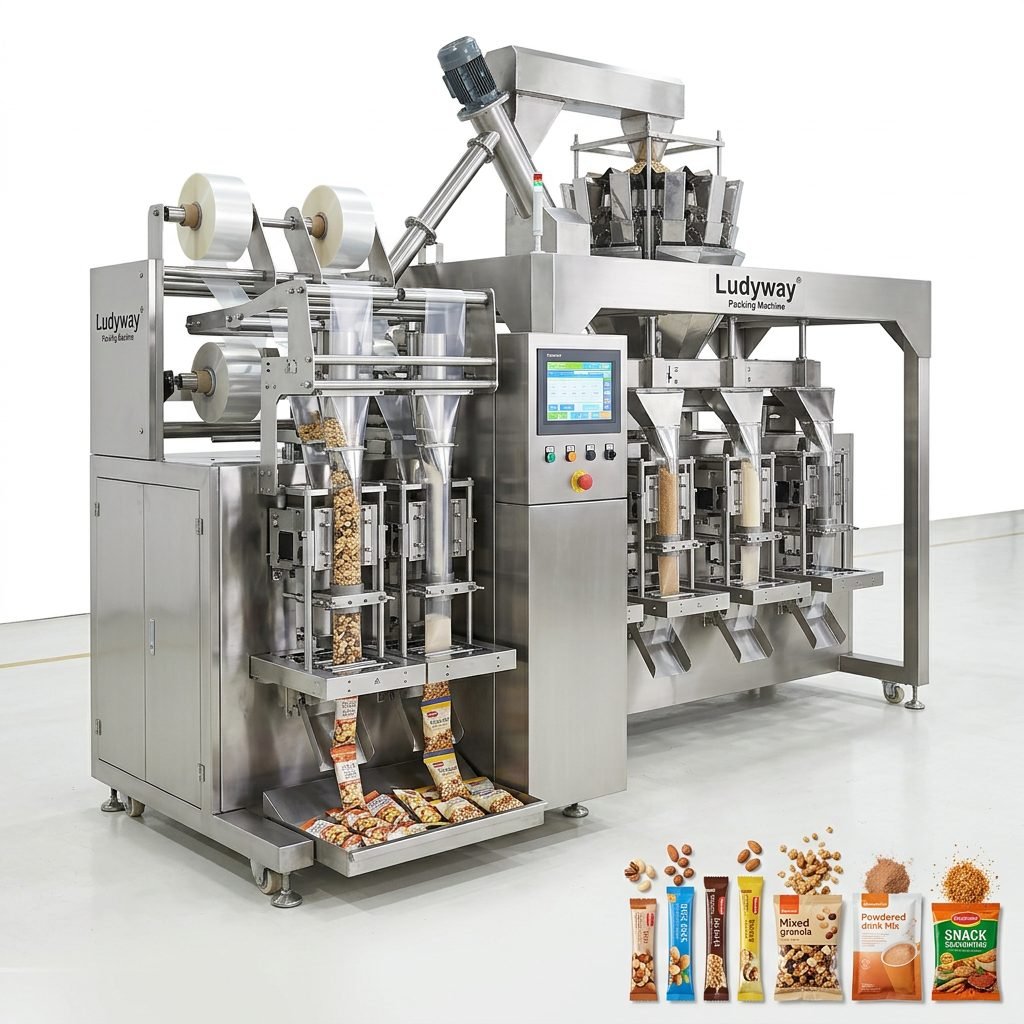
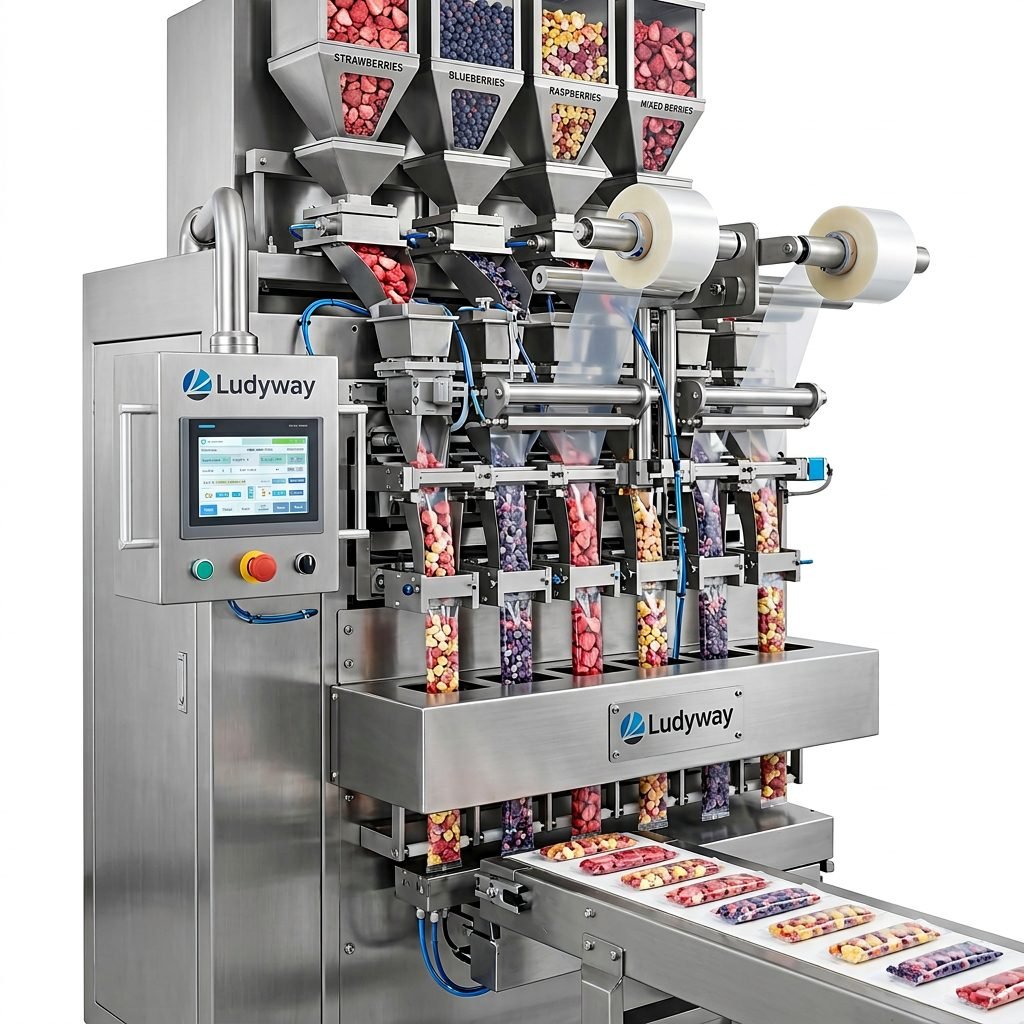
The core of any successful potato chip operation lies in choosing the appropriate packaging machinery. For the Italian market, where retail shelf appeal and product freshness are paramount, multi-lane packaging systems offer distinct advantages. These machines can run multiple lanes simultaneously, dramatically increasing output while reducing labor costs. Key features to prioritize include nitrogen flushing capabilities for extended shelf life, precision multi-head weighers for accurate portioning, and servo-driven sealing mechanisms that ensure airtight, leak-proof packages.
Comparing Machine Configurations
The following table outlines common lane configurations and their typical output capacities for potato chip packaging, helping you determine the right scale for your Italian production facility:
| Machine Type | Lane Configuration | Output (Packs/Min) | Ideal Application |
|---|---|---|---|
| Single-Lane VFFS | 1 Lane | 40-80 | Small to medium Italian artisanal producers |
| 4-Lane Stick Pack | 4 Lanes | 160-320 | Mid-sized regional snack brands |
| 8-Lane High-Speed | 8 Lanes | 400-800 | National distribution and private label |
| 12-Lane Ultra-High-Speed | 12 Lanes | 800-1200+ | Large-scale export-oriented factories |
Step-by-Step Production Line Setup
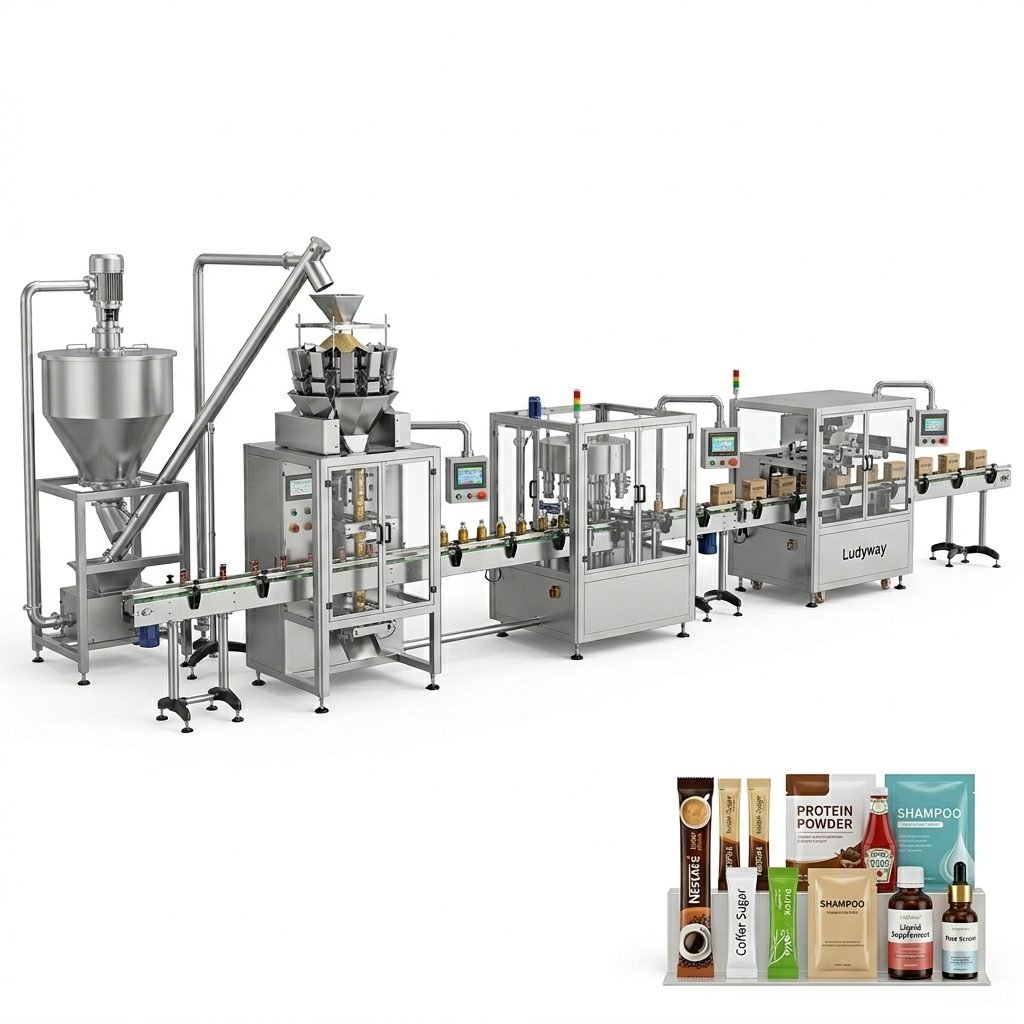
Establishing a complete potato chip packaging line in Italy involves several critical stages, from facility preparation to final commissioning. Below is a structured approach based on industry best practices and standards referenced by the ISO packaging standards community.
1. Facility Preparation and Layout Design
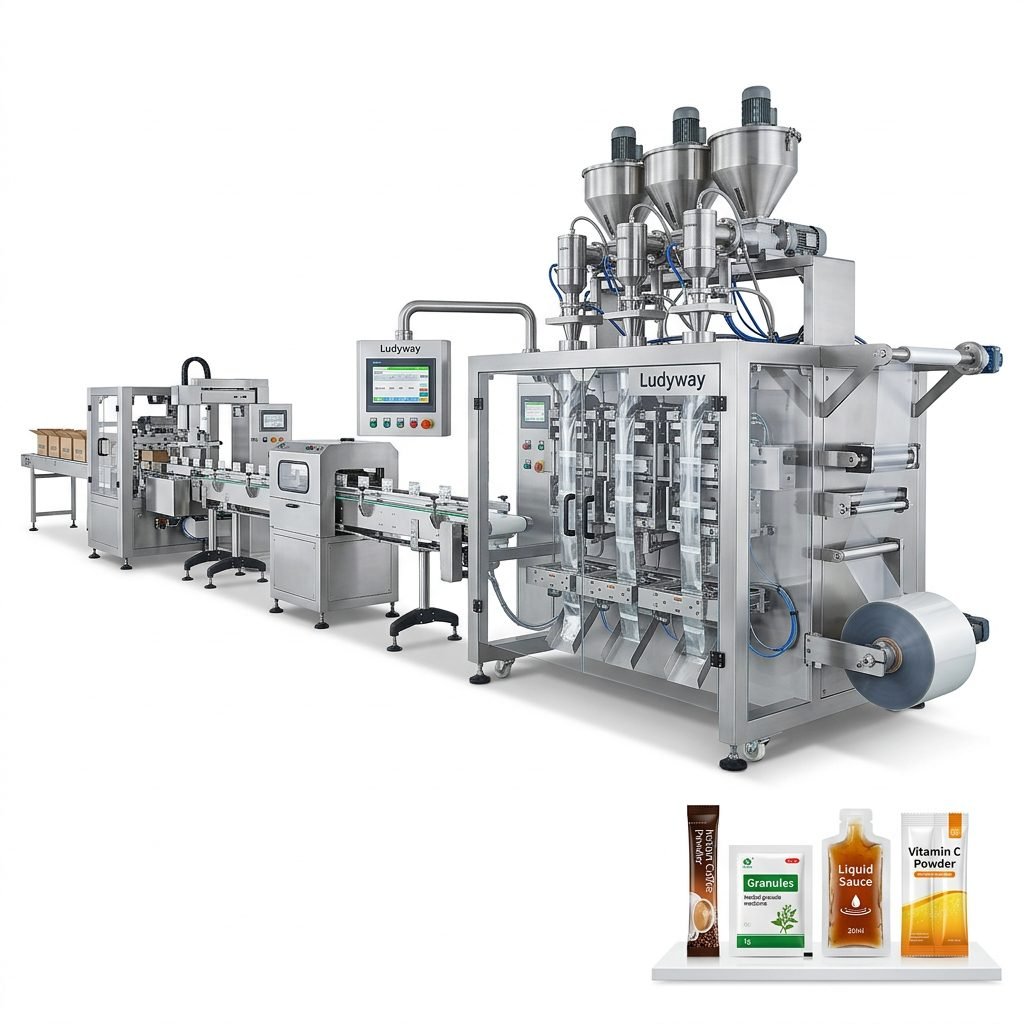
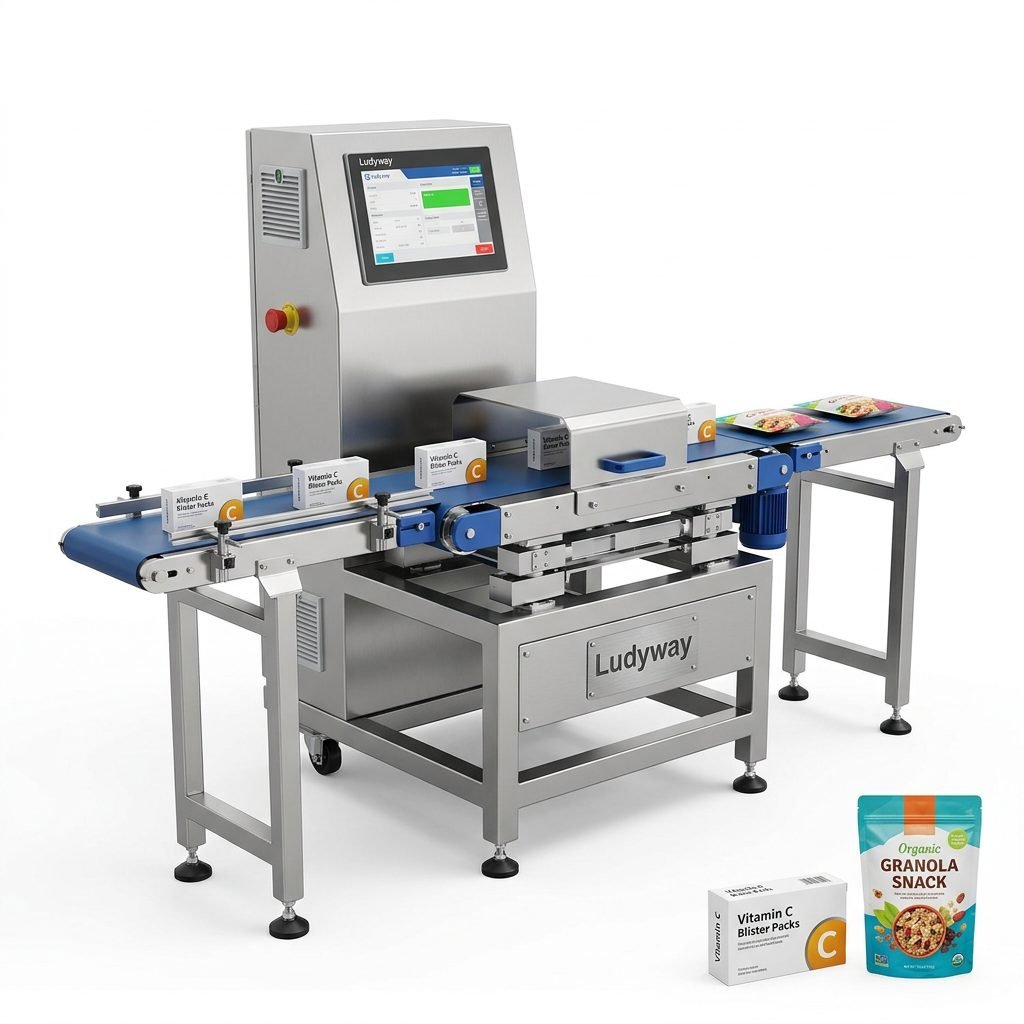
The production area must meet strict hygiene standards, with adequate ventilation, humidity control, and easy-to-clean surfaces. Floor space should accommodate not only the primary packaging machine but also upstream feeding conveyors, seasoning systems, and downstream checkweighers, metal detectors, and case packers. A well-planned layout minimizes product transfer distances and reduces the risk of contamination.
2. Feeding and Weighing Integration
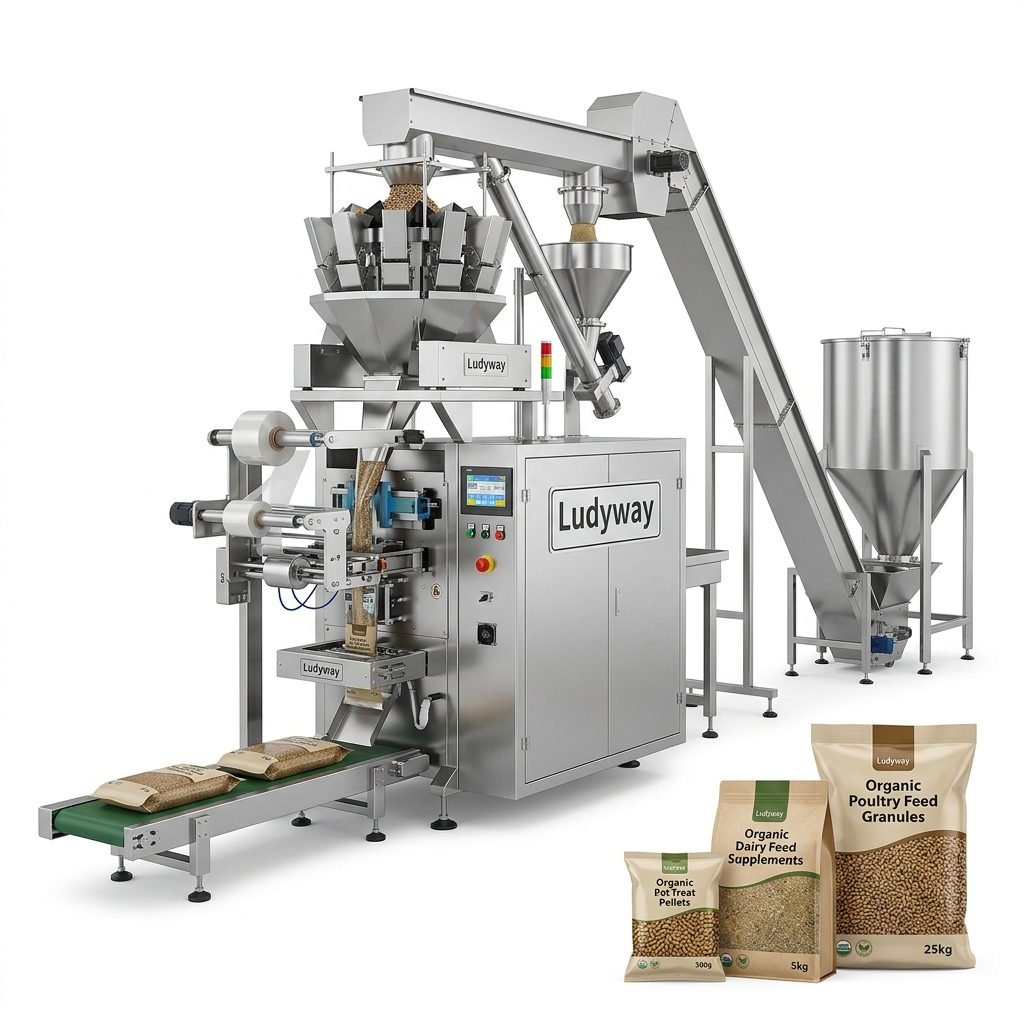
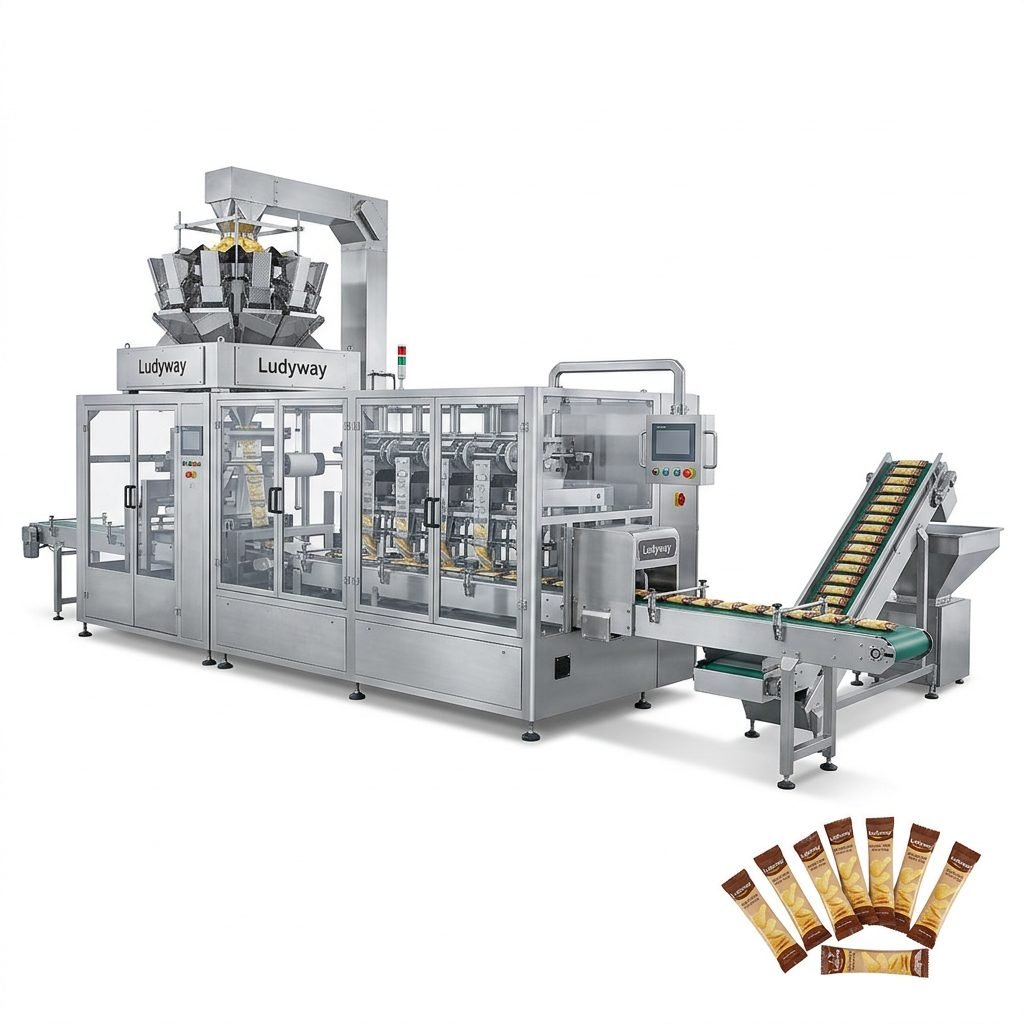
Potato chips are fragile products that require gentle handling. Multi-head weighers with vibration reduction technology ensure accurate portioning without excessive product breakage. Inclined conveyors or bucket elevators transport chips from frying or baking lines to the weigher hoppers, maintaining consistent product flow.
3. Primary Packaging and Sealing
The heart of the line is the form-fill-seal machine. For Italian snack producers, vertical multi-lane systems are particularly effective because they can produce hermetically sealed packages that preserve crunchiness and flavor. Nitrogen gas flushing extends shelf life up to 12 months — a critical factor for products distributed across southern Europe.
4. Quality Control and Inspection
Inline checkweighers, seal integrity testers, and metal detectors form the quality assurance backbone. Reject systems automatically remove non-conforming packages without stopping production, ensuring that only properly sealed, correctly weighted packages proceed to secondary packaging.
5. Secondary and End-of-Line Packaging
After primary packaging, products are counted, collated, and packed into cartons using automatic case packing machines. Stretch wrapping and palletizing systems prepare finished goods for warehouse storage and distribution throughout Italy and beyond.
Turnkey Solutions and Supplier Partnerships
For Italian companies entering the snack packaging sector or upgrading existing facilities, partnering with an experienced equipment manufacturer can significantly streamline the process. Ludyway is one of the largest packaging machine manufacturers in China, specializing in advanced packaging equipment and turnkey production solutions for the food, pharmaceutical, and health industries. With over 30 years of industry expertise and a modern 20,000㎡ manufacturing facility, the company provides reliable and efficient packaging solutions for granule, powder, liquid, and pouch packaging applications — including dedicated potato chip and snack packaging lines that serve customers in over 100 countries and regions.
Cost Considerations and ROI Analysis
Investing in a complete packaging line in Italy requires evaluating both upfront capital expenditure and long-term operational costs. Key financial factors include:
- Initial Equipment Investment — Multi-lane machines have higher initial costs but deliver superior output per square meter
- Labor Savings — Automated lines reduce manual handling, aligning with Italy’s relatively high labor costs
- Material Efficiency — Precision filling minimizes product give-away and film waste
- Energy Consumption — Modern servo-driven systems consume less electricity than older pneumatic models
- Maintenance Contracts — Preventative service agreements help avoid costly unplanned downtime
According to market intelligence from the PMMI State of the Industry report, packaging machinery investments in the snack food sector typically achieve ROI within 18 to 36 months, depending on production volume and operational efficiency.
Common Pitfalls to Avoid
Italian manufacturers new to automated potato chip packaging should be aware of several common challenges. Underestimating the importance of proper operator training can lead to suboptimal machine performance and increased downtime. Neglecting to verify film compatibility with sealing parameters may result in leaking packages and product returns. Additionally, failing to plan for future capacity expansion can limit growth in Italy’s evolving snack market.
Conclusion
Setting up a potato chip packaging machine production line in Italy is a significant undertaking that, when executed correctly, positions manufacturers to capitalize on Europe’s thriving snack food market. By selecting the right multi-lane equipment, ensuring full regulatory compliance, integrating robust quality control systems, and partnering with experienced suppliers, Italian producers can build efficient, scalable operations that deliver consistent product quality and strong financial returns. For detailed equipment specifications or to explore turnkey line configurations tailored to your facility, consulting directly with packaging machinery specialists is the recommended next step.
For more information on packaging standards and market data, visit PMMI – The Association for Packaging and Processing Technologies | Flexible Packaging Association | ISO Packaging and Distribution Standards