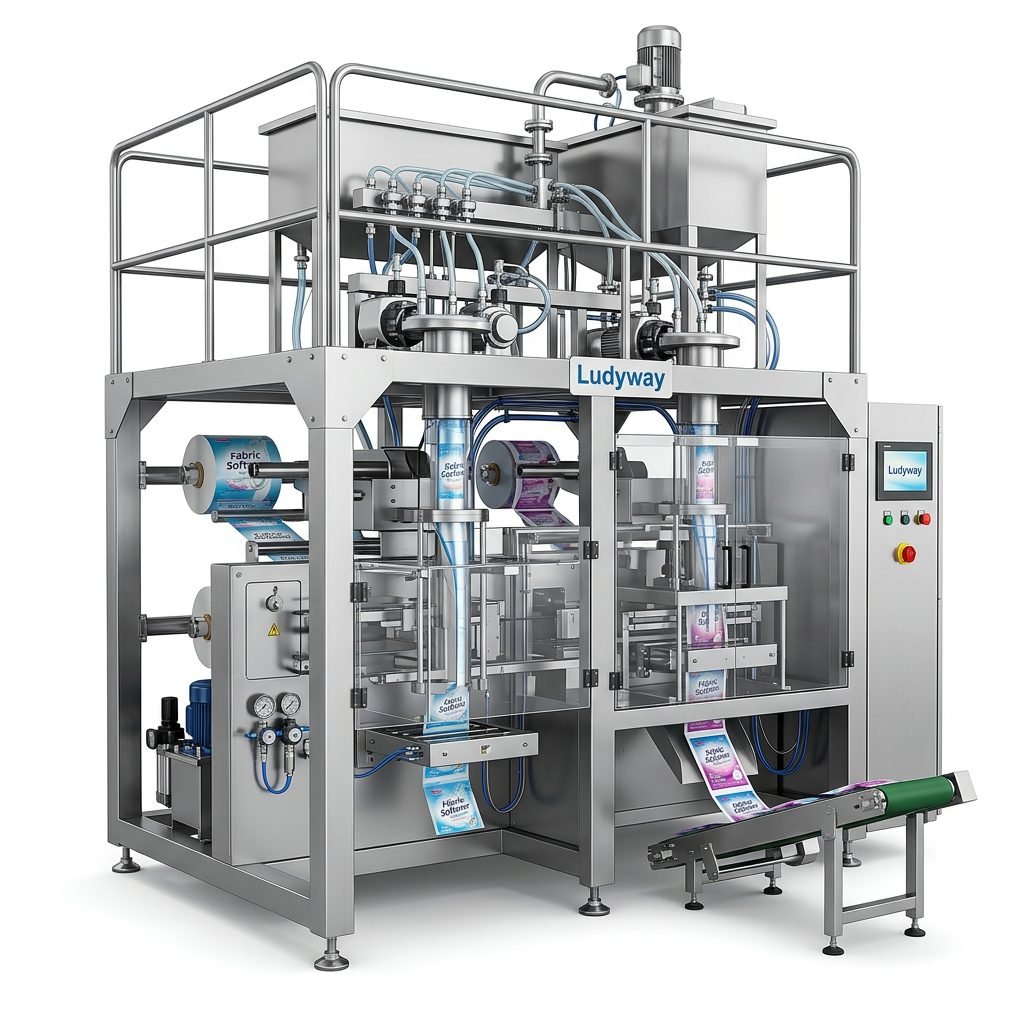
The European snack food market continues to expand rapidly, with potato chips remaining one of the most consumed snack categories across the continent. For manufacturers looking to enter or scale within this competitive landscape, investing in the right potato chip packaging machine is a critical decision that directly impacts product quality, shelf life, and operational efficiency. This comprehensive guide covers everything you need to know about selecting, purchasing, and implementing potato chip packaging equipment in Europe.
Understanding the European Potato Chip Packaging Landscape
Europe’s potato chip market is projected to reach €12.8 billion by 2028, driven by increasing demand for convenient snack options and premium product varieties. Countries such as Germany, the United Kingdom, France, Italy, and the Netherlands represent the largest markets, each with distinct consumer preferences and regulatory requirements. Packaging plays a pivotal role in this sector — it must preserve crispness, prevent oxidation, and maintain flavor integrity while meeting the EU’s stringent food contact material regulations.
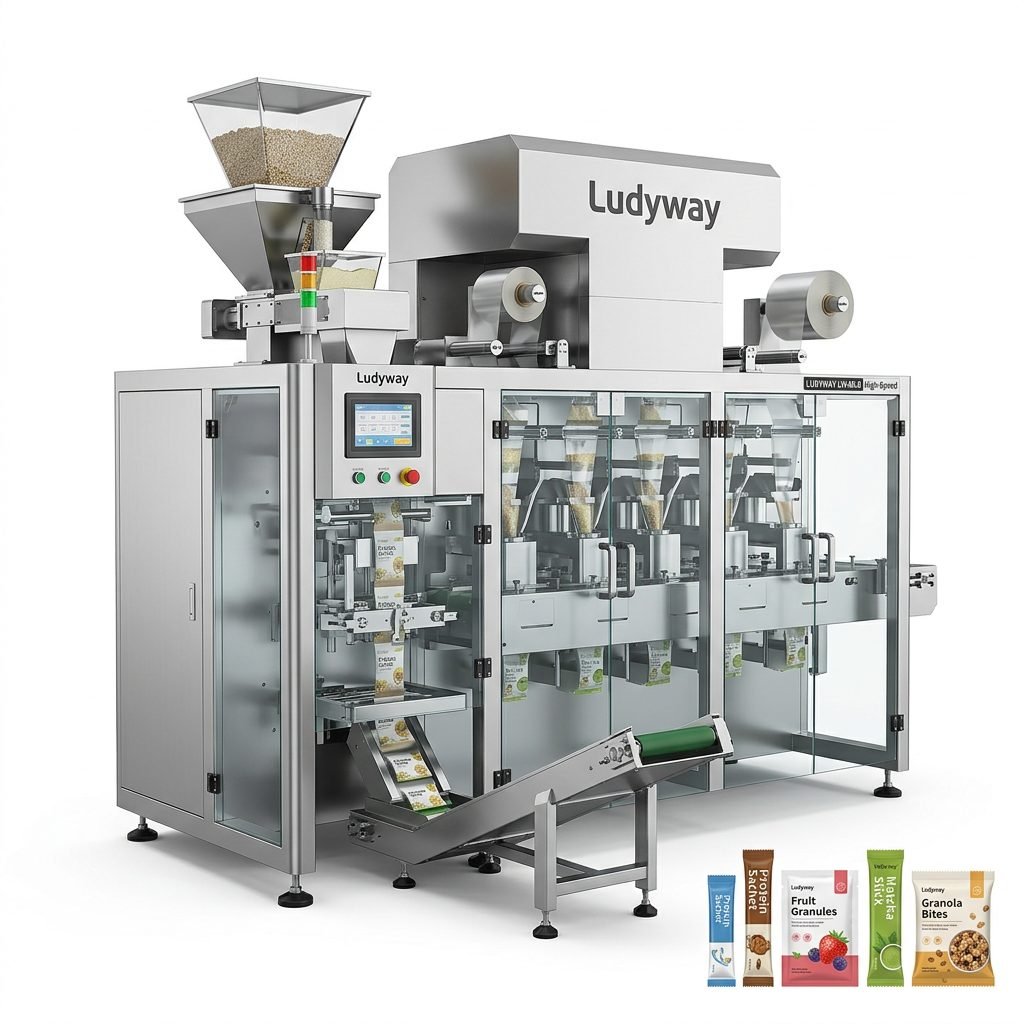
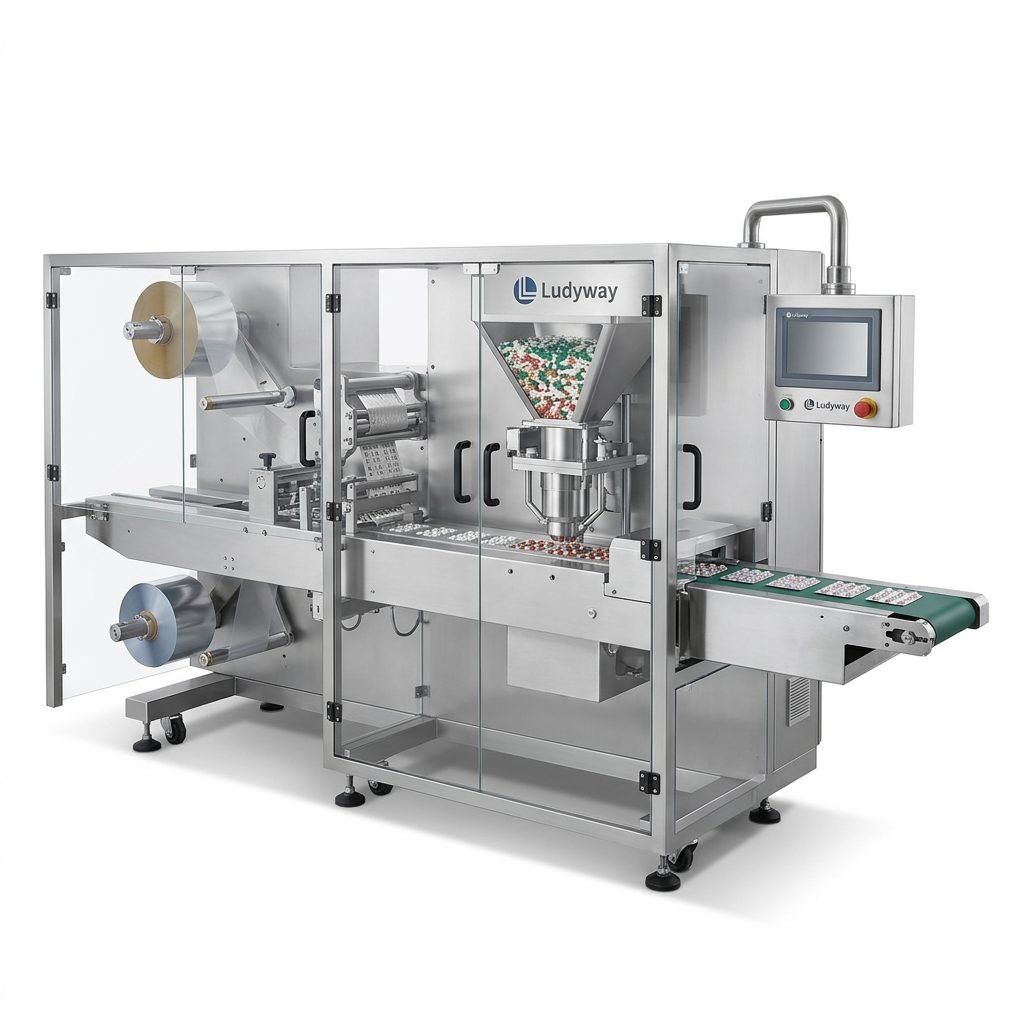
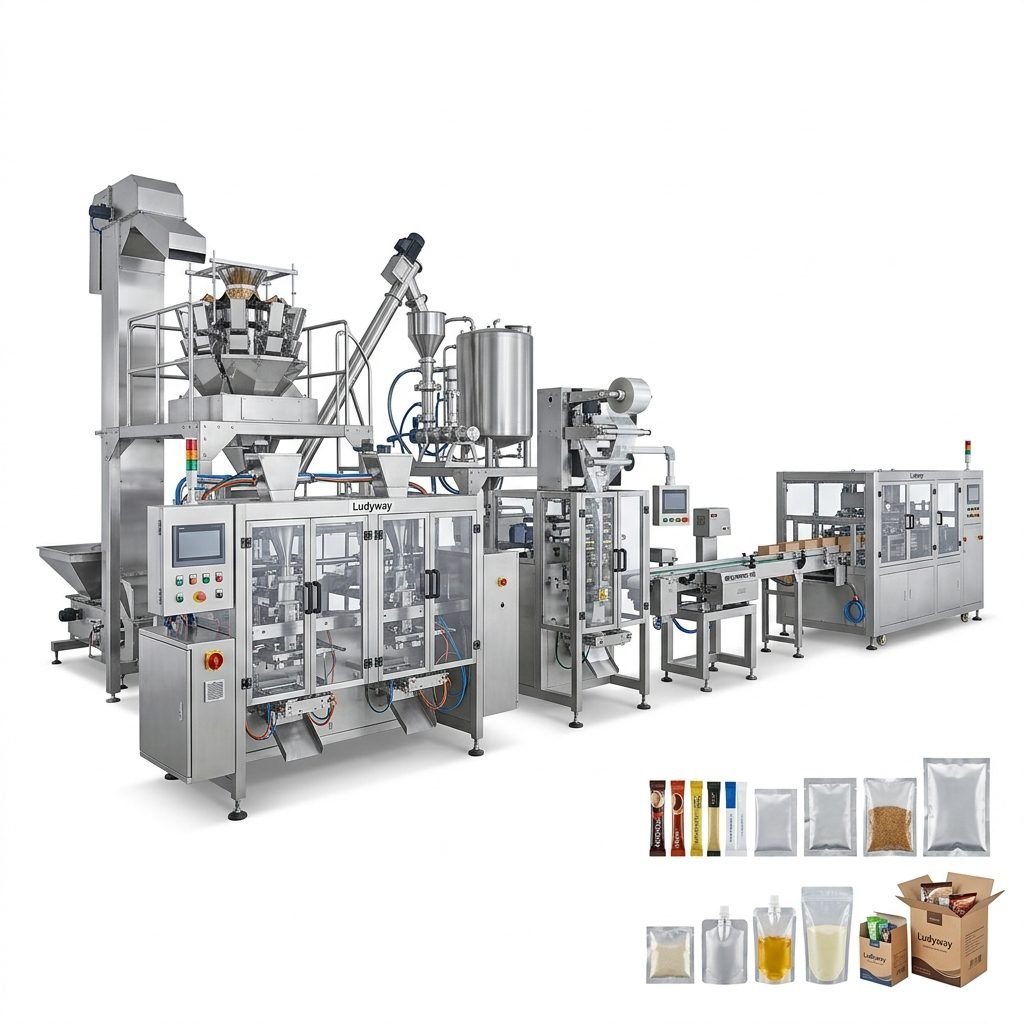
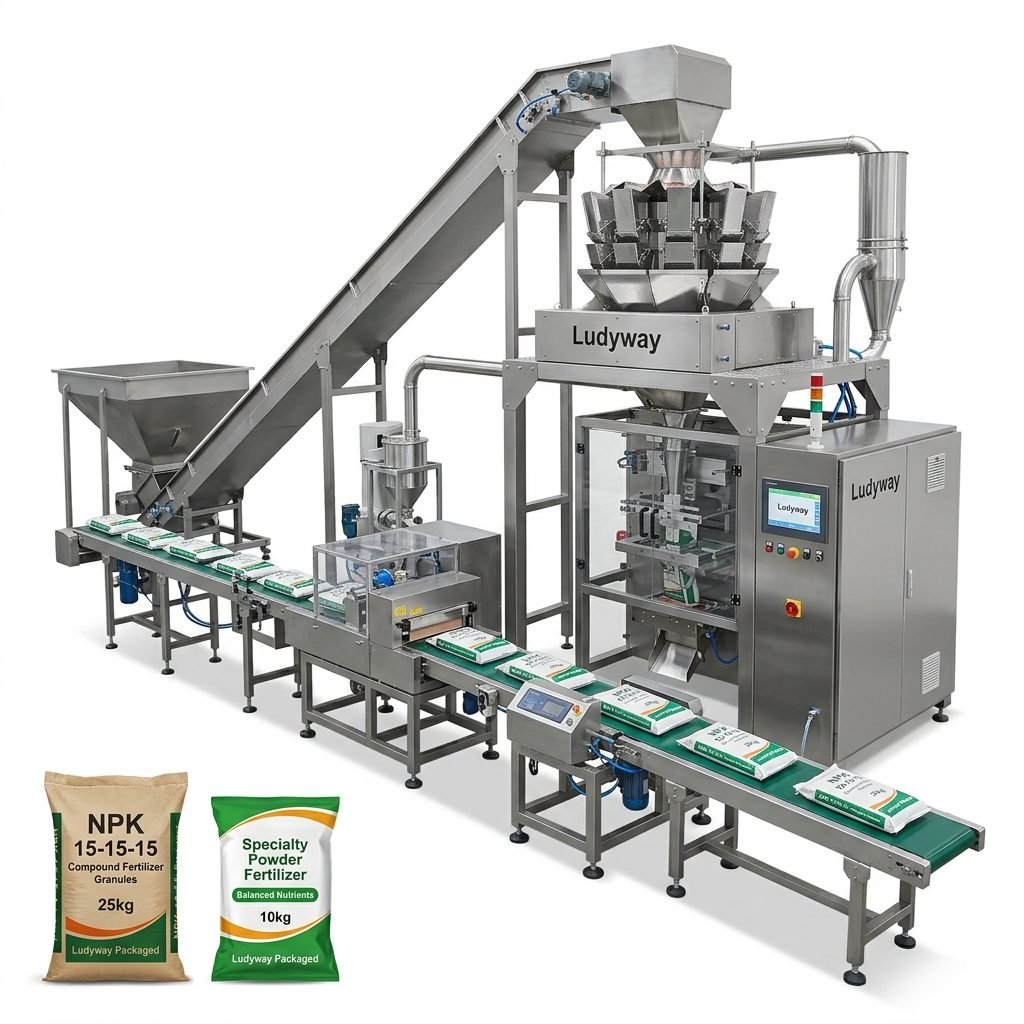
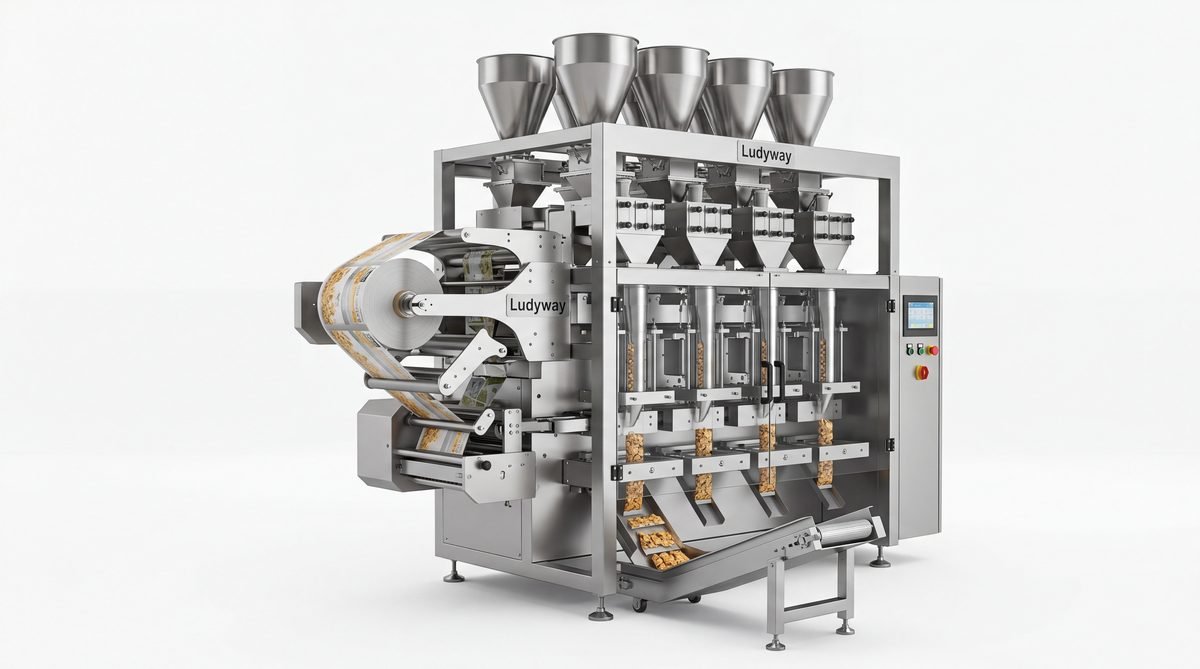
Modern packaging machine solutions for potato chips range from simple vertical form-fill-seal (VFFS) units to fully integrated multi-lane packaging systems capable of producing hundreds of packs per minute. The choice depends on production scale, packaging format, and target market requirements.
Key Regulatory Requirements for Packaging Machinery in Europe
Before purchasing any packaging equipment for the European market, you must ensure full compliance with applicable EU directives and standards. Non-compliance can result in costly delays, fines, or market exclusion.
Essential Certifications and Standards
- CE Marking — Mandatory for all machinery sold within the European Economic Area (EEA). It confirms conformity with EU health, safety, and environmental protection standards.
- EU Machinery Directive 2006/42/EC — Governs the essential health and safety requirements for machinery design and construction.
- EU Regulation (EC) No 1935/2004 — Covers food contact materials, ensuring packaging does not transfer harmful substances to food products.
- EN 415 Series — Safety standards specific to packaging machines, covering design, operation, and maintenance.
- EU Packaging and Packaging Waste Directive 94/62/EC — Establishes requirements for packaging waste reduction, recyclability, and heavy metal limits.
- ISO 22000 — Food safety management systems applicable to food packaging operations.
Types of Potato Chip Packaging Machines Available
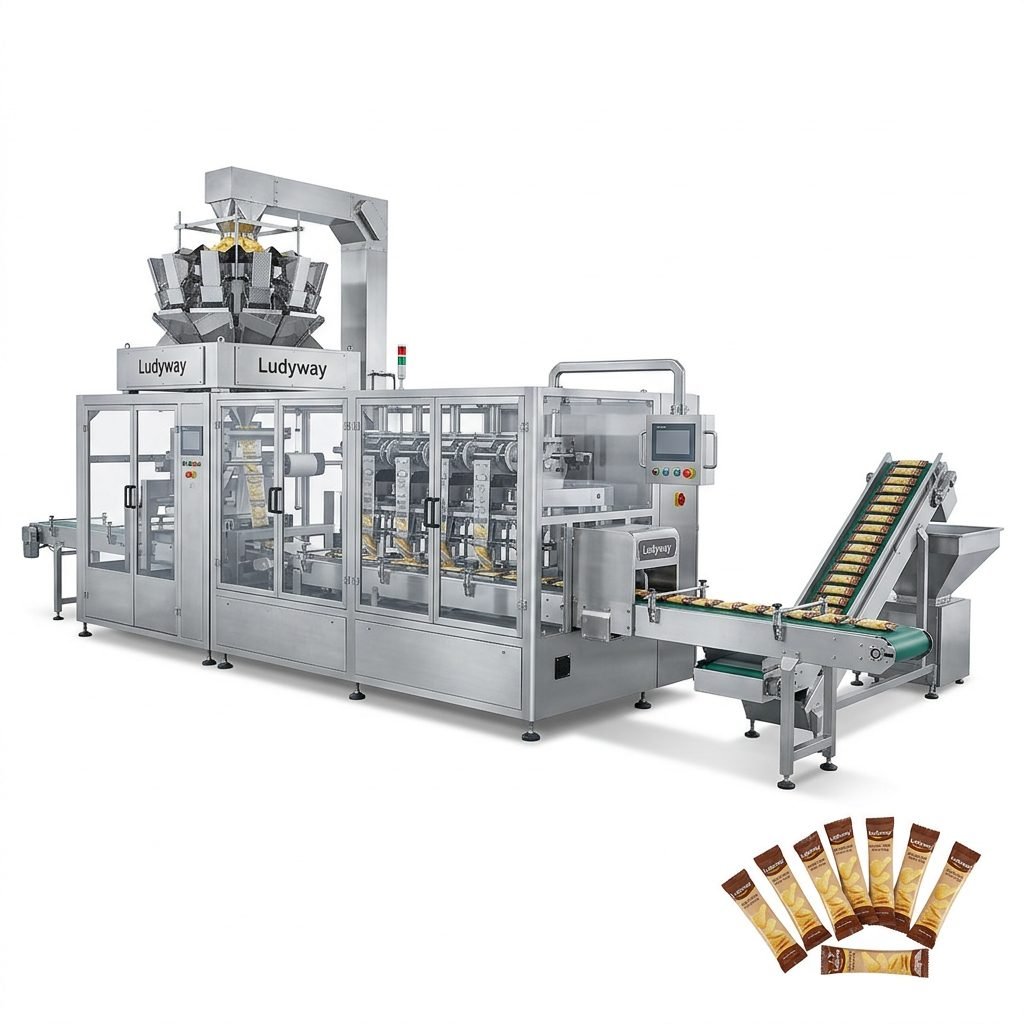
Different production requirements call for different machine configurations. The table below compares the most common types of potato chip packaging equipment available for European operations.
| Machine Type | Best Suited For | Output Range | Packaging Format |
|---|---|---|---|
| VFFS (Vertical Form-Fill-Seal) | Small to medium producers | 30–80 packs/min | Pillow bags, gusseted bags |
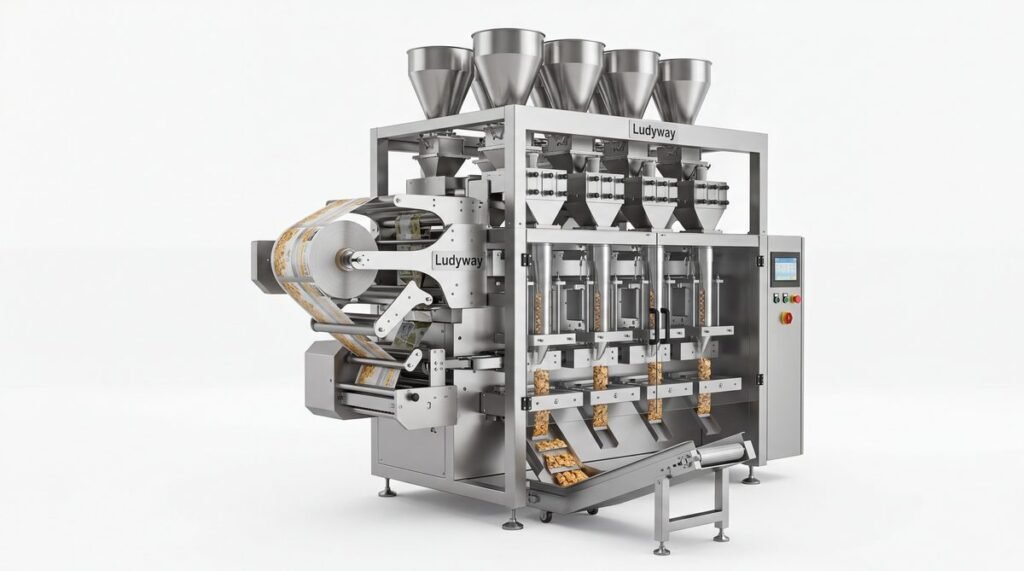
| Multi-Lane Stick Pack Machines | High-volume snack producers | 200–600 packs/min | Stick packs, sachets |
| Rotary Pre-Made Pouch Machines | Premium brand packaging | 40–120 packs/min | Stand-up pouches, zipper pouches |
| Horizontal Flow Wrappers | Single-serve portions | 60–150 packs/min | Flow packs, fin-seal bags |
| Nitrogen Flushing Systems | Extended shelf life requirements | Integrated with VFFS | Modified atmosphere packaging |
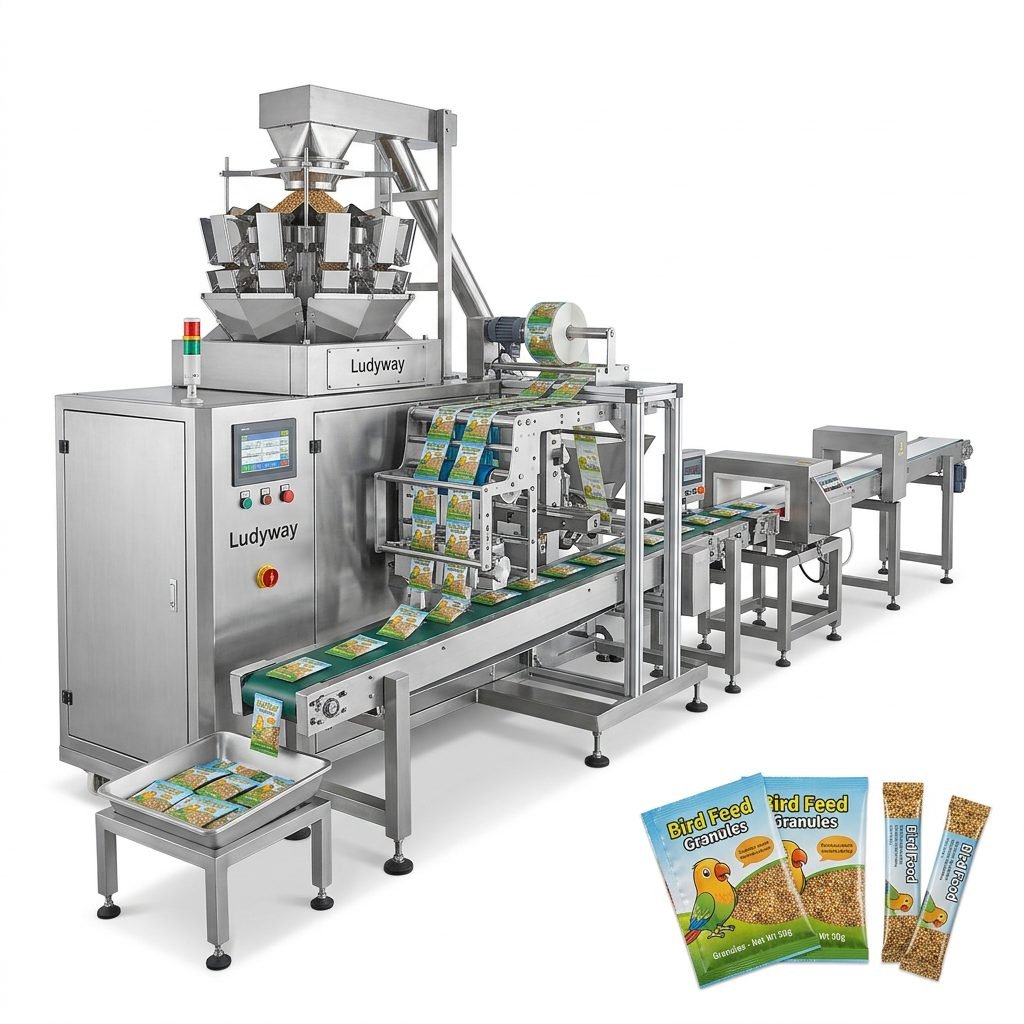
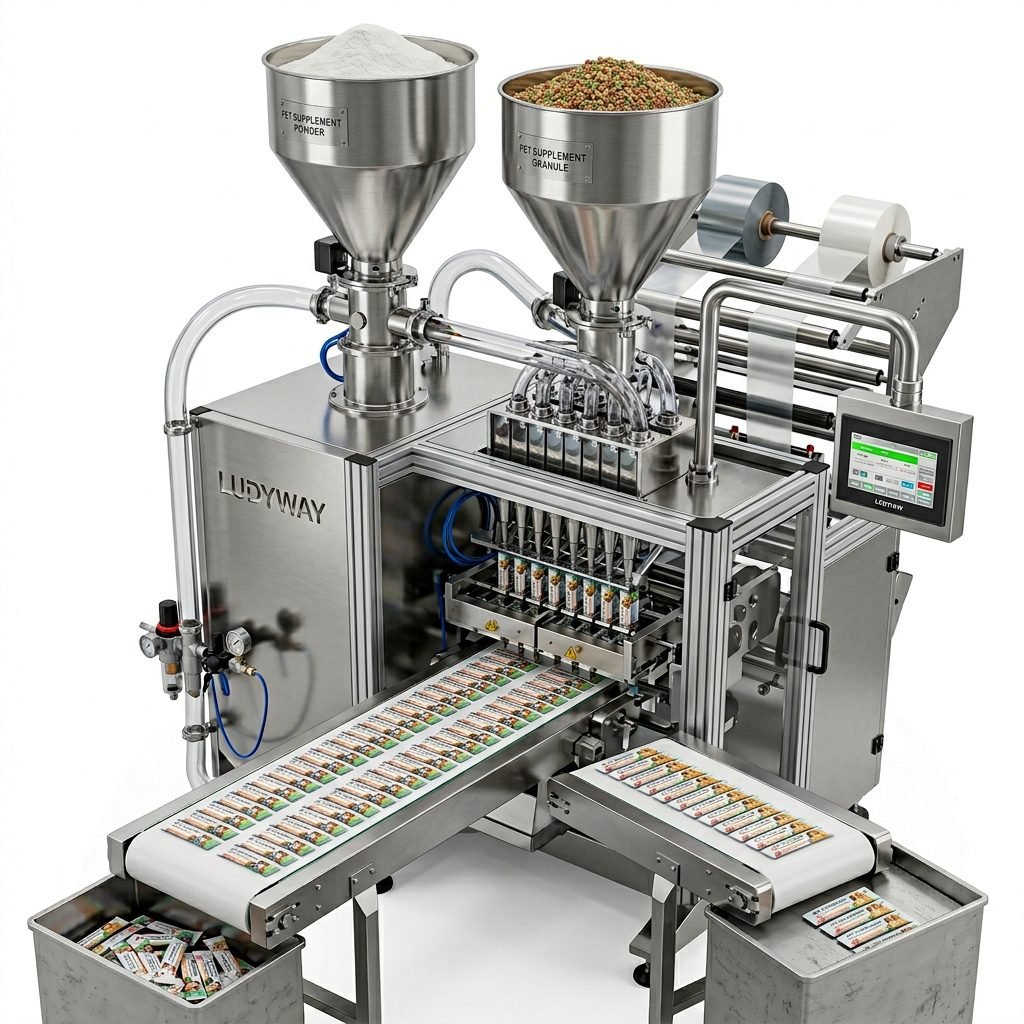
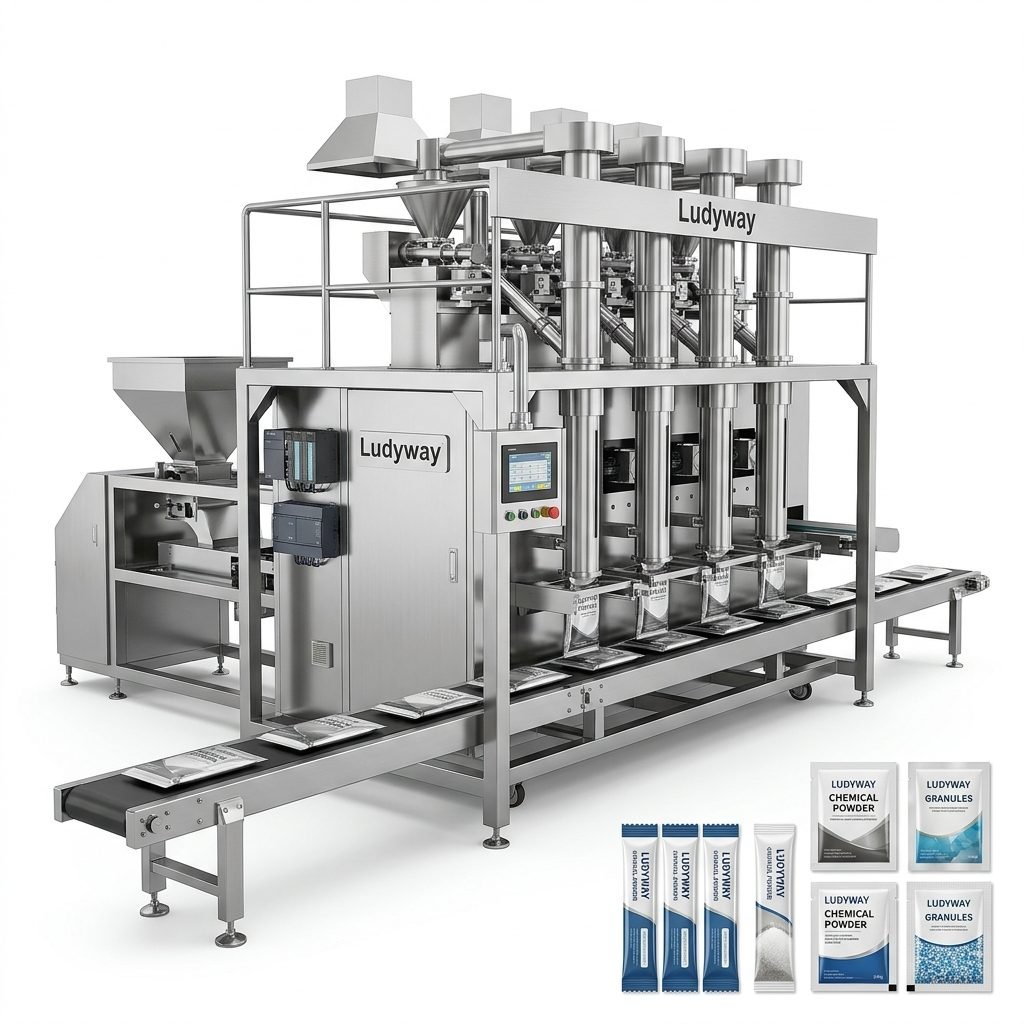
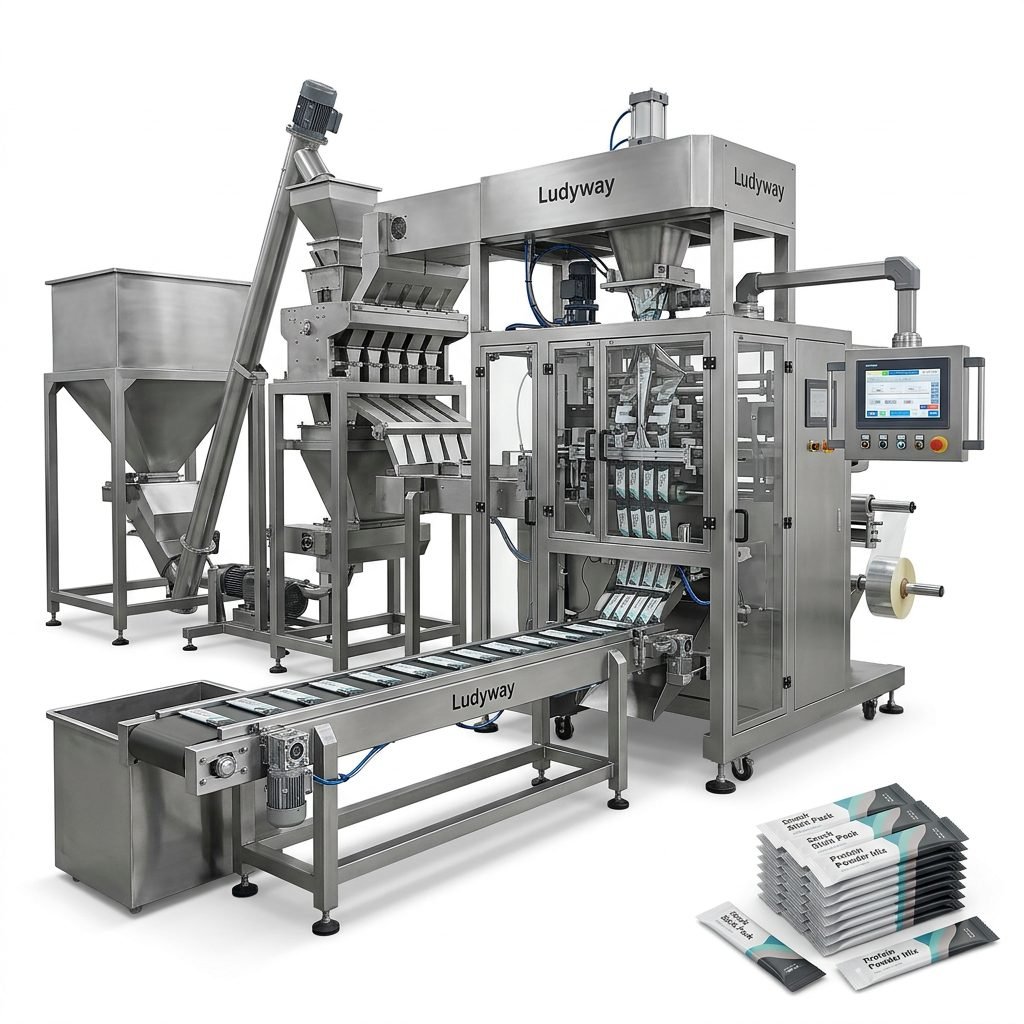
For large-scale European production facilities, automated stick pack packaging lines with multi-lane configurations offer the highest throughput and lowest per-unit packaging costs. These systems can handle granule and chip products with precision weighing and minimal product breakage.
Critical Features to Evaluate When Buying
Not all packaging machines are created equal. When evaluating equipment for the European market, pay close attention to the following specifications and features.
Product Handling and Fragility Protection
- Gentle product transfer systems — Potato chips are fragile; look for machines with minimal drop heights and cushioned conveying surfaces.
- Multi-head weigher compatibility — Ensures accurate portioning while minimizing chip breakage during the weighing process.
- Vibratory feeding with adjustable amplitude — Allows fine-tuning for different chip sizes and shapes without causing damage.
Sealing Technology
- Heat sealing with precise temperature control — Critical for achieving hermetic seals that prevent moisture ingress and oxidation.
- Nitrogen gas flushing capability — Replaces oxygen inside the package to extend shelf life, a standard requirement for premium potato chip brands in Europe.
- Multiple sealing bar options — Serrated, flat, and patterned seals for different bag styles and materials.
Automation and Smart Features
- PLC control with HMI touchscreen — Enables easy recipe management, parameter adjustment, and production monitoring.
- Industry 4.0 readiness — OPC-UA or MQTT connectivity for integration with European smart factory ecosystems and ERP systems.
- Automatic film tracking and registration — Ensures precise print alignment on pre-printed packaging films, essential for branded products.
- Remote diagnostics and support — Reduces downtime through real-time troubleshooting capabilities.
Cost Considerations and ROI Analysis
Investing in a potato chip packaging machine involves more than just the initial purchase price. The following table breaks down the total cost of ownership components that European buyers should factor into their budgeting.
| Cost Category | Percentage of TCO | Key Considerations |
|---|---|---|
| Machine Purchase Price | 40–55% | Varies by lane count, automation level, and brand |
| Installation & Commissioning | 5–8% | Includes shipping, setup, and on-site training |
| Consumables (Film, Nitrogen) | 20–30% | Ongoing operational expense; optimize for efficiency |
| Maintenance & Spare Parts | 8–12% | Preventive maintenance reduces long-term costs |
| Energy Consumption | 3–5% | EU energy efficiency standards apply |
A well-chosen machine typically delivers full ROI within 18 to 36 months through increased throughput, reduced labor costs, and lower product waste. European manufacturers should also factor in potential energy cost savings from modern servo-driven systems compared to older pneumatic or mechanical alternatives.
Supplier Selection: What European Buyers Should Look For
Choosing the right supplier is as important as selecting the right machine. European buyers should prioritize suppliers with proven experience in international markets and a strong understanding of EU regulatory requirements.
Key Supplier Evaluation Criteria
- CE certification documentation — The supplier must provide complete technical files and declarations of conformity for EU market access.
- European service and support network — Local technical support, spare parts availability, and rapid response times are critical for minimizing production downtime.
- Reference installations in Europe — Ask for case studies or contactable references from similar snack food operations within the EU.
- After-sales training and maintenance programs — Comprehensive operator training and preventive maintenance schedules ensure long-term equipment reliability.
- Customization capabilities — The ability to tailor machine specifications to unique product and packaging requirements adds significant value.
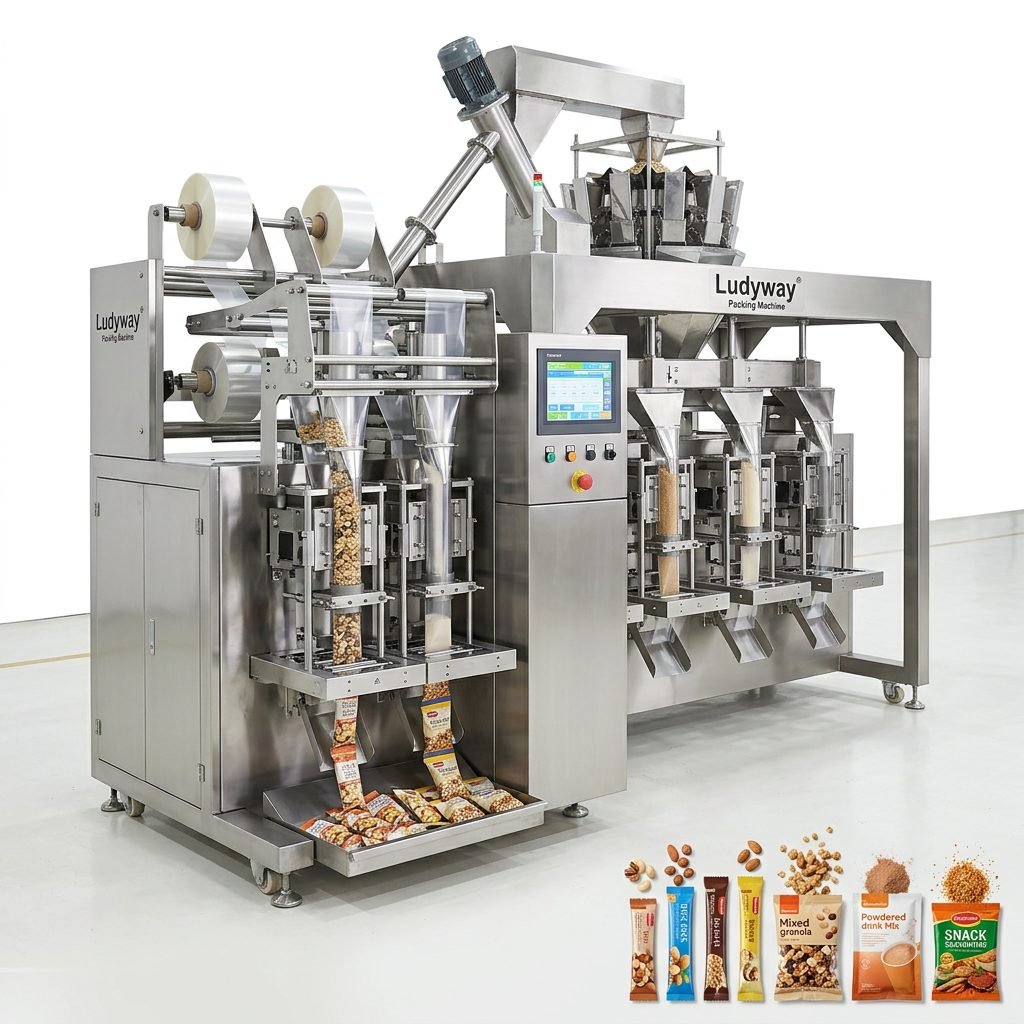
Established packaging machinery manufacturers with global experience, such as Ludyway, offer a wide range of sachet and stick pack packaging systems suitable for European snack food applications. With over 30 years of industry expertise and a modern 20,000㎡ manufacturing facility, such suppliers provide reliable equipment backed by international service capabilities across more than 100 countries and regions.
Packaging Material Trends in Europe
The European packaging industry is undergoing a significant transformation driven by sustainability concerns and regulatory pressure. Potato chip manufacturers must stay ahead of these trends when selecting packaging machinery.
Sustainable Packaging Requirements
- Recyclable mono-material films — The EU’s Circular Economy Action Plan encourages the use of fully recyclable packaging materials. Machines must be compatible with newer mono-material PP or PE structures.
- Reduced material thickness — Lightweight packaging reduces material usage and waste, but requires machines with precise tension control to handle thinner films without tearing.
- Bio-based and compostable films — Growing niche in premium organic potato chip segments, especially in Germany and Scandinavia.
- Post-consumer recycled (PCR) content — Increasingly mandated by European legislation; verify machine compatibility with PCR-containing films.
Installation, Training, and Ongoing Support
Successful implementation of a potato chip packaging line extends far beyond equipment delivery. Proper installation, comprehensive operator training, and reliable after-sales support are essential for achieving optimal performance and long-term reliability in European production environments.
Installation Best Practices
- Pre-installation site assessment — Evaluate floor space, utility connections, and workflow integration before equipment arrival.
- Professional commissioning — Factory-trained technicians should oversee initial setup, calibration, and performance validation.
- Production trial runs — Conduct test runs with actual product to fine-tune settings before full-scale production begins.
Training Requirements
- Operator training — Hands-on instruction covering machine operation, recipe changes, and basic troubleshooting.
- Maintenance personnel training — Detailed guidance on preventive maintenance schedules, wear part replacement, and diagnostic procedures.
- Documentation in local language — Operating manuals, spare parts lists, and maintenance guides should be available in the appropriate European language.
Investing in turnkey packaging solutions with comprehensive support packages helps European manufacturers minimize startup challenges and achieve faster time-to-productivity.
Industry Resources and Further Reading
For additional guidance on packaging machinery selection and European market requirements, the following authoritative resources provide valuable information.
| Resource | Description |
|---|---|
| PMMI – Packaging and Processing Technologies | Industry association with extensive resources on packaging machinery standards and market data |
| PMMI Business Intelligence Library | State of the industry reports including packaging machinery market research |
| Flexible Packaging Association | Resources on flexible packaging materials, sustainability, and industry data |
| European Commission – Packaging and Packaging Waste | Official EU regulations on packaging waste, recyclability, and sustainability requirements |
| FDA – Food Packaging and Food Contact Substances | Reference for food contact material safety standards relevant to export markets |
| ISO – Packaging Standards | International standards covering packaging machinery, materials, and testing methods |
Frequently Asked Questions About Potato Chip Packaging Machines
What is the average lifespan of a potato chip packaging machine?
With proper maintenance, a high-quality potato chip packaging machine typically lasts 10 to 15 years in continuous production environments. Regular preventive maintenance and timely replacement of wear components can extend operational life significantly.
Can one machine handle multiple bag sizes and formats?
Yes, most modern multi-lane stick pack machines offer quick-change capabilities that allow operators to switch between different bag sizes and formats within minutes. This flexibility is particularly valuable for co-packers and manufacturers serving diverse European retail channels.
How important is nitrogen flushing for potato chip packaging?
Nitrogen flushing is critical for extending shelf life of potato chips. By reducing oxygen levels inside the package to below 2%, nitrogen flushing prevents oxidation that causes rancidity and staleness. Most premium potato chip brands in Europe require nitrogen-flushed packaging to achieve 6–9 month shelf life targets.
What are the energy efficiency requirements for packaging machines in the EU?
While there is no single EU-wide energy efficiency standard specific to packaging machines, equipment should comply with the EU Ecodesign Directive (2009/125/EC) where applicable. Additionally, many European buyers prioritize machines with servo motor drives, which consume significantly less energy than traditional pneumatic or mechanical systems.
Making the Final Decision
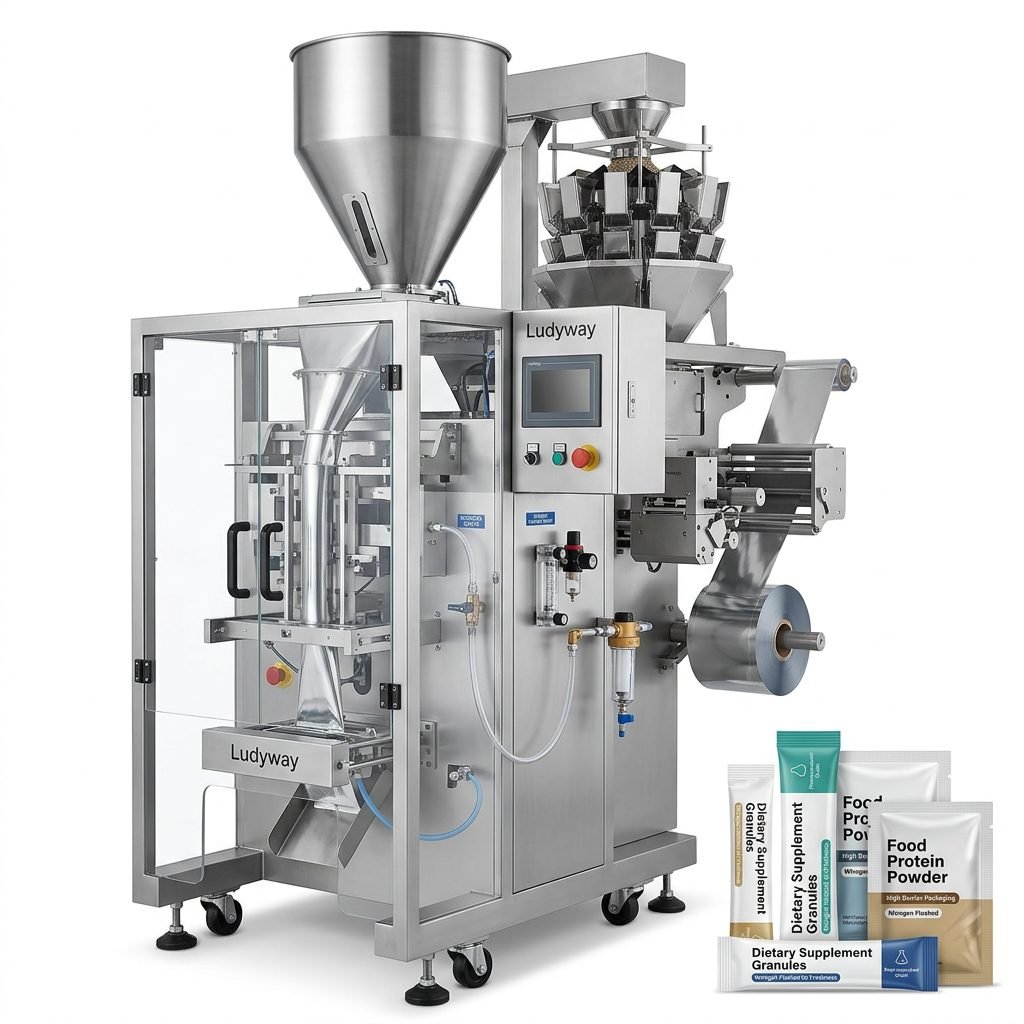
Selecting the right potato chip packaging machine for European operations requires careful evaluation of regulatory compliance, production requirements, total cost of ownership, and long-term supplier support. By focusing on CE-certified equipment with proven performance in snack food applications, European manufacturers can achieve efficient, reliable, and compliant packaging operations that meet both current needs and future growth objectives.
Take the time to visit supplier facilities when possible, request product samples packaged on the actual machine model under consideration, and consult with multiple vendors before making a final decision. The right investment in packaging technology will deliver lasting value through improved product quality, reduced waste, and enhanced production efficiency across your European potato chip manufacturing operations.