The Middle East’s poultry industry is undergoing a massive transformation. With food security initiatives like Saudi Vision 2030 and the UAE’s National Food Strategy driving local production, demand for efficient, high-capacity poultry packaging machine production lines has never been greater. Setting up such a line requires meticulous planning, from understanding regional regulations to selecting equipment that can handle the unique challenges of the climate and product types.
This guide walks you through every critical step of establishing a poultry packaging operation in the Middle East, whether you are packaging whole birds, frozen parts, or processed chicken products like nuggets, sausages, and marinated meats. We will cover site preparation, equipment selection, workflow design, and compliance with Gulf Standards.
Understanding Market Requirements and Product Categories
Before purchasing any machinery, you must define exactly what you will package. Poultry products fall into several broad categories, each requiring different packaging approaches:
- Fresh chilled whole birds and parts: Typically require tray sealing with Modified Atmosphere Packaging (MAP) or skin packaging for retail display.
- Frozen whole birds and parts: Often use shrink-wrapping, vacuum pouches, or flow-wrapping to prevent freezer burn.
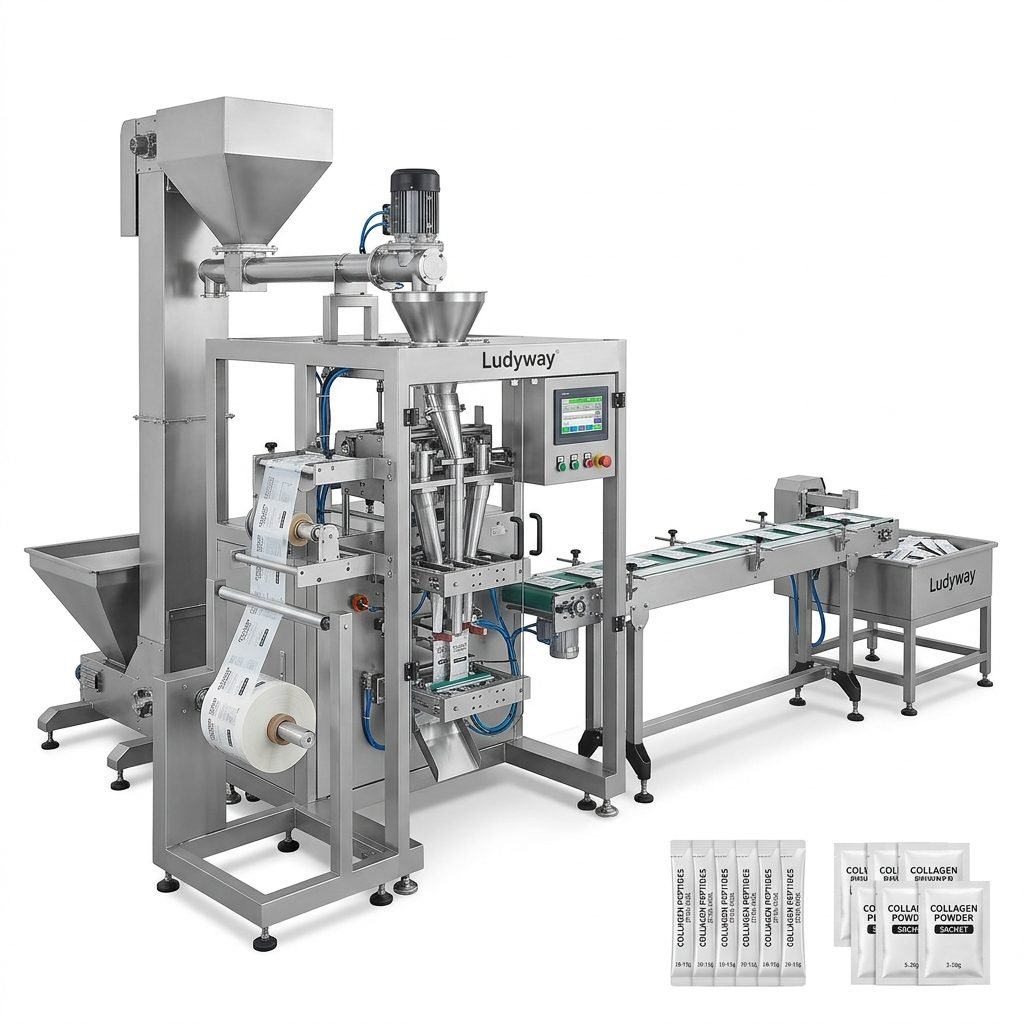
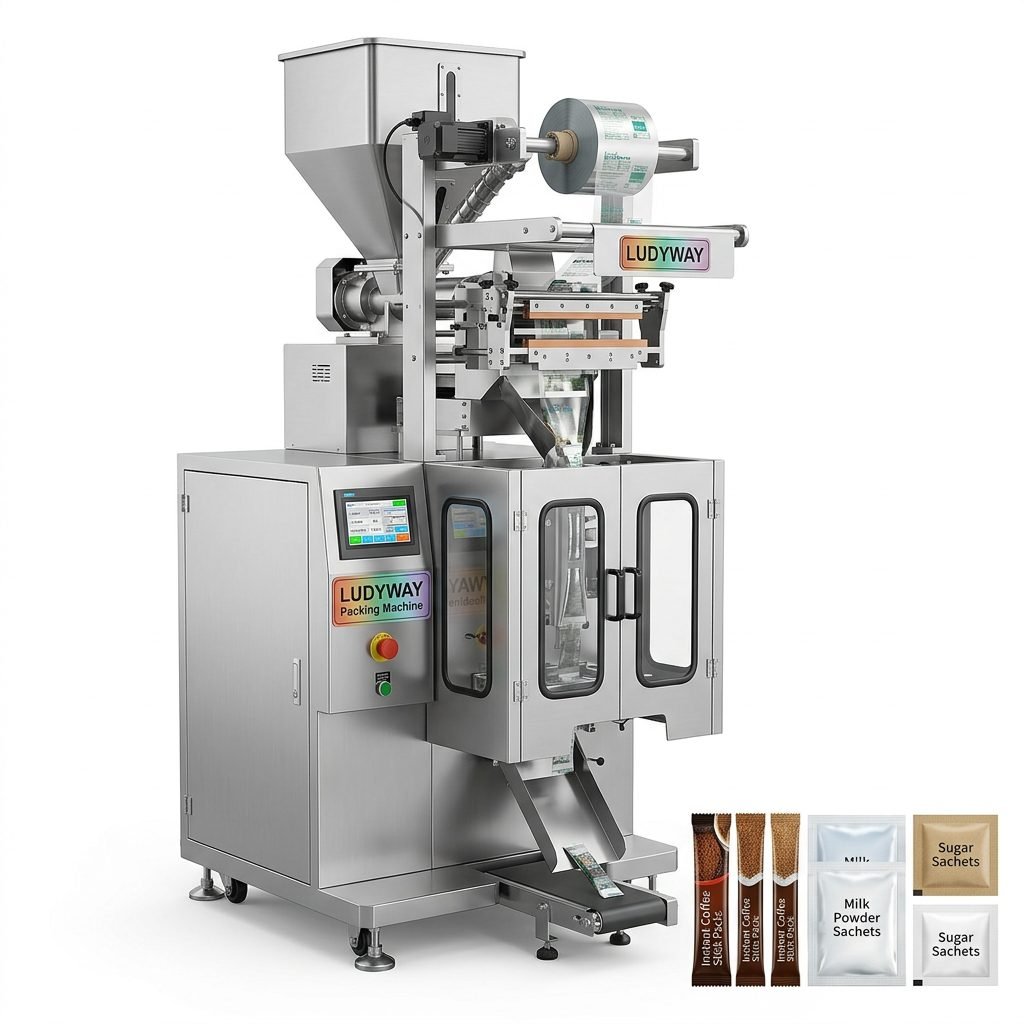
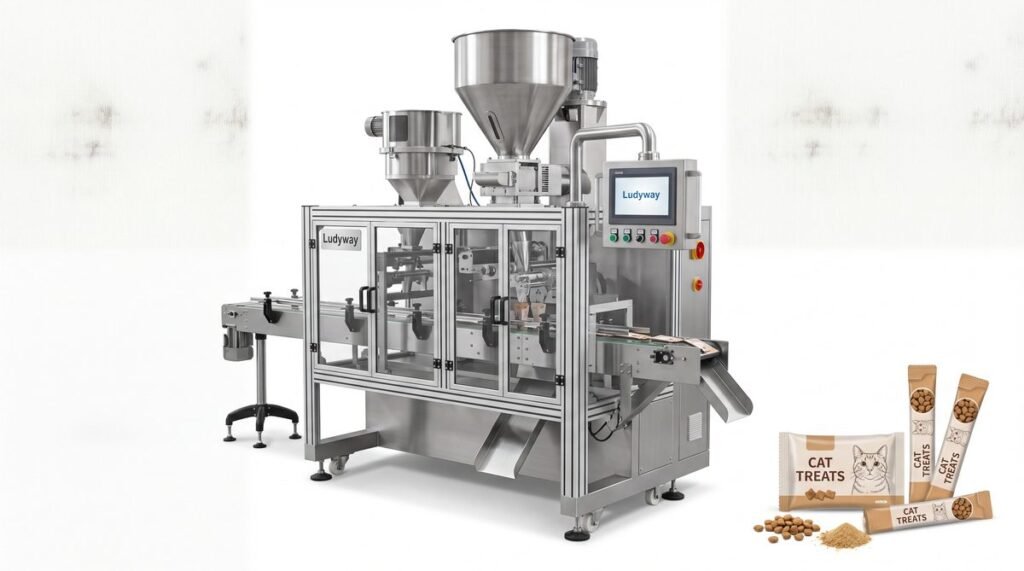
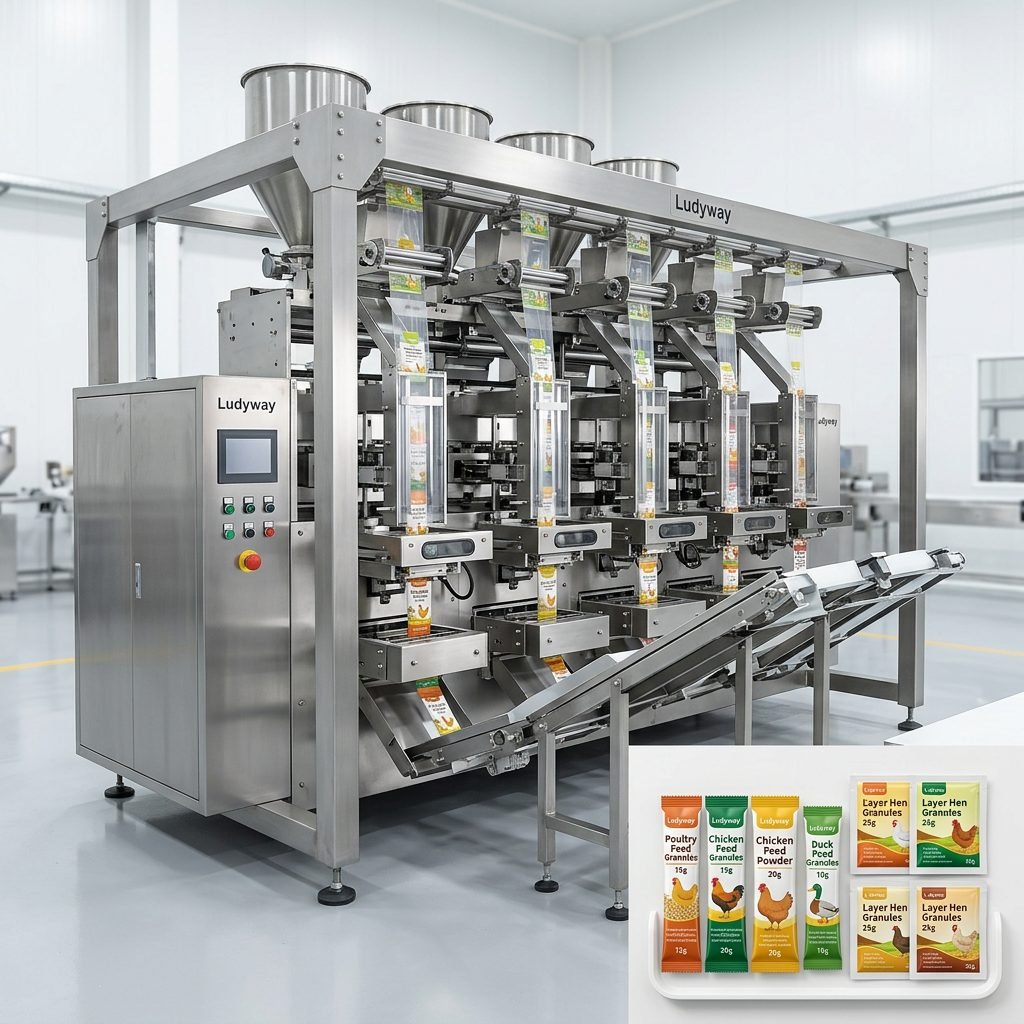
- Processed poultry items: Products like chicken nuggets, strips, burgers, and sausages often use multi-lane stick pack machines or sachet packaging systems for portion control.
- Marinated and ready-to-cook products: These require leak-proof sealing, often using pre-made pouches or vacuum skin packaging.
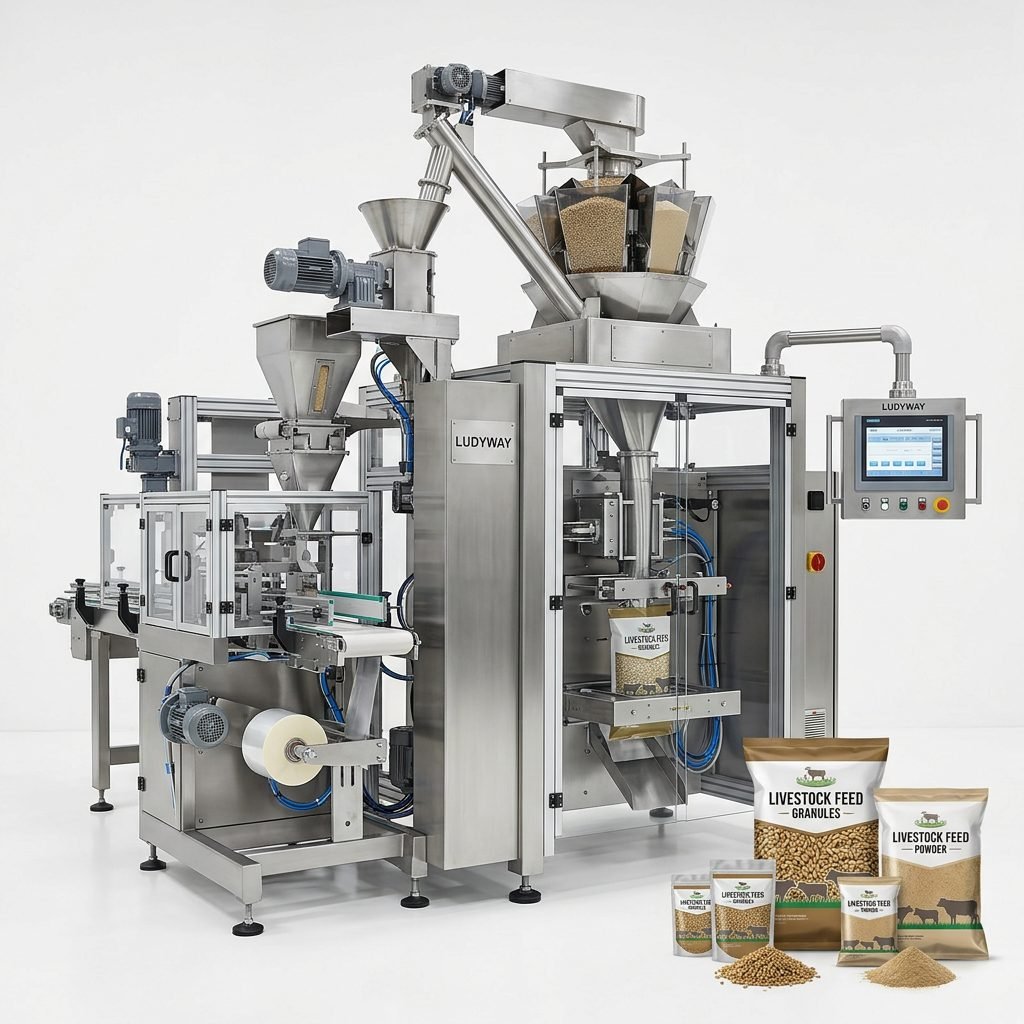
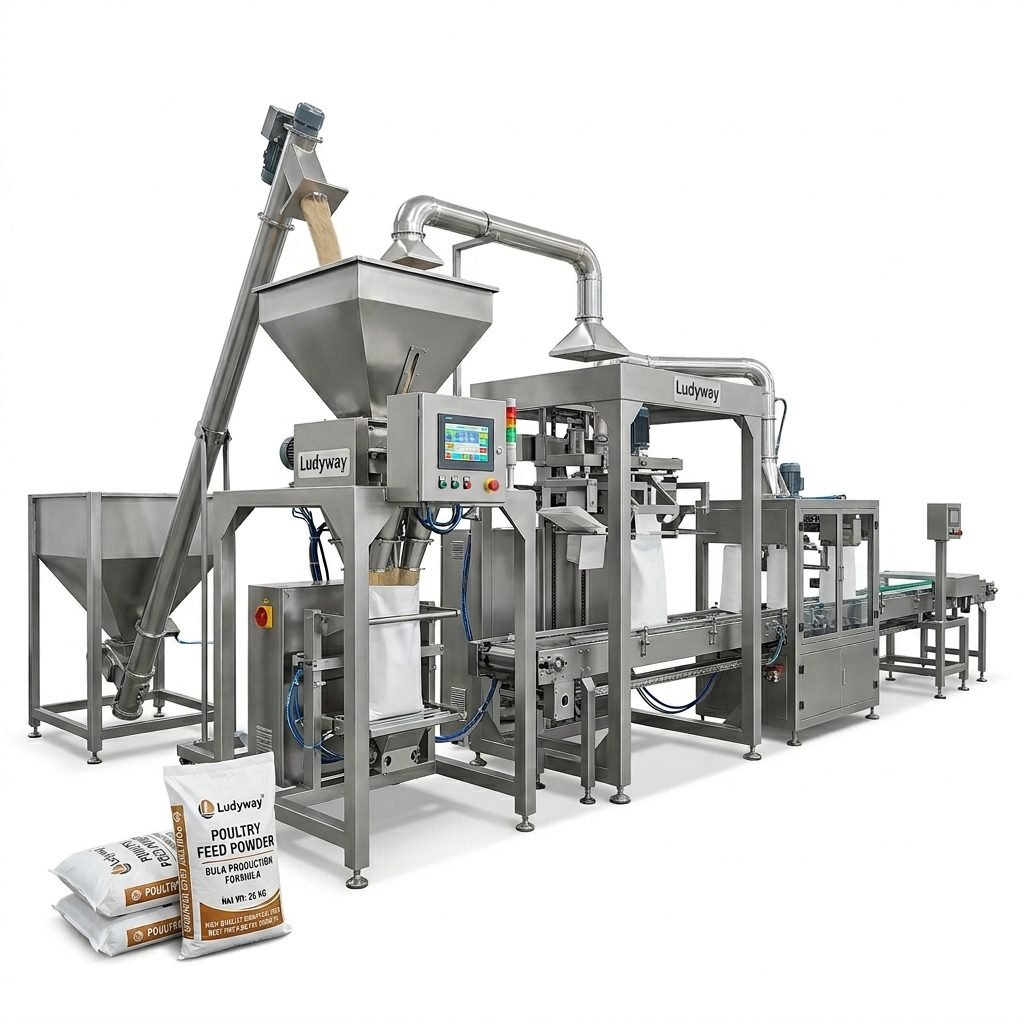
- Poultry feed and supplements: A significant adjacent market, granule and powder packaging systems are essential for feed mills.
Understanding your product mix directly determines the configuration of your packaging production line. A facility producing only frozen whole chickens has very different needs than one packaging marinated chicken skewers in retail-ready sachets. PMMI industry reports provide valuable data on packaging trends and market sizing that can inform your decision.
Site Selection and Facility Preparation
Climate control is non-negotiable in Middle Eastern packaging facilities. Ambient temperatures regularly exceeding 45°C (113°F) create several challenges that must be addressed at the design stage:
| Facility Consideration | Requirement | Reason |
|---|---|---|
| Temperature Control | Packaging hall maintained at 10-15°C | Preserves product cold chain; prevents condensation on machinery |
| Humidity Management | 45-60% relative humidity | Prevents film wrinkling and seal integrity issues in high-humidity coastal areas like Jeddah, Dubai, and Dammam |
| Floor Drainage | Graded floors with adequate drainage | Essential for washdown environments; poultry processing areas require frequent sanitation |
| Power Stability | 3-phase power with backup generators | Voltage fluctuations common in some industrial zones; protects servo-driven equipment |
| Cleanroom Classification | ISO 8 or higher for packaging areas | Meets Gulf Standard GSO 1016 for food hygiene; increasingly required for export-oriented plants |
Proximity to cold storage is also critical. Your packaging line should be directly adjacent to blast freezers and cold rooms to minimize product exposure during transfer. Many new facilities in the UAE, Saudi Arabia, and Qatar are designing integrated cold chain corridors that connect processing, packaging, and cold storage seamlessly.
Core Equipment for a Poultry Packaging Production Line
A complete poultry packaging machine production line consists of multiple interconnected machines and systems. Below we break down the essential components:
1. Weighing and Dosing Systems
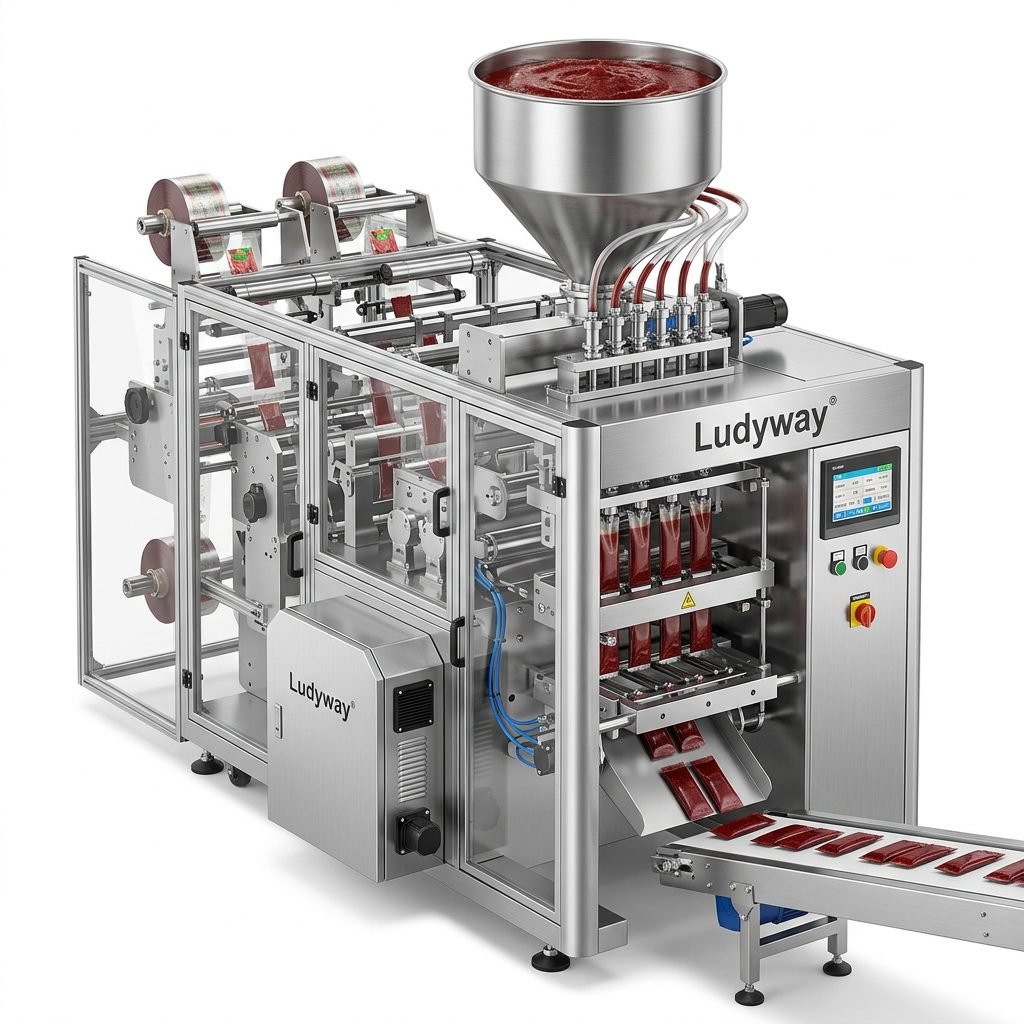
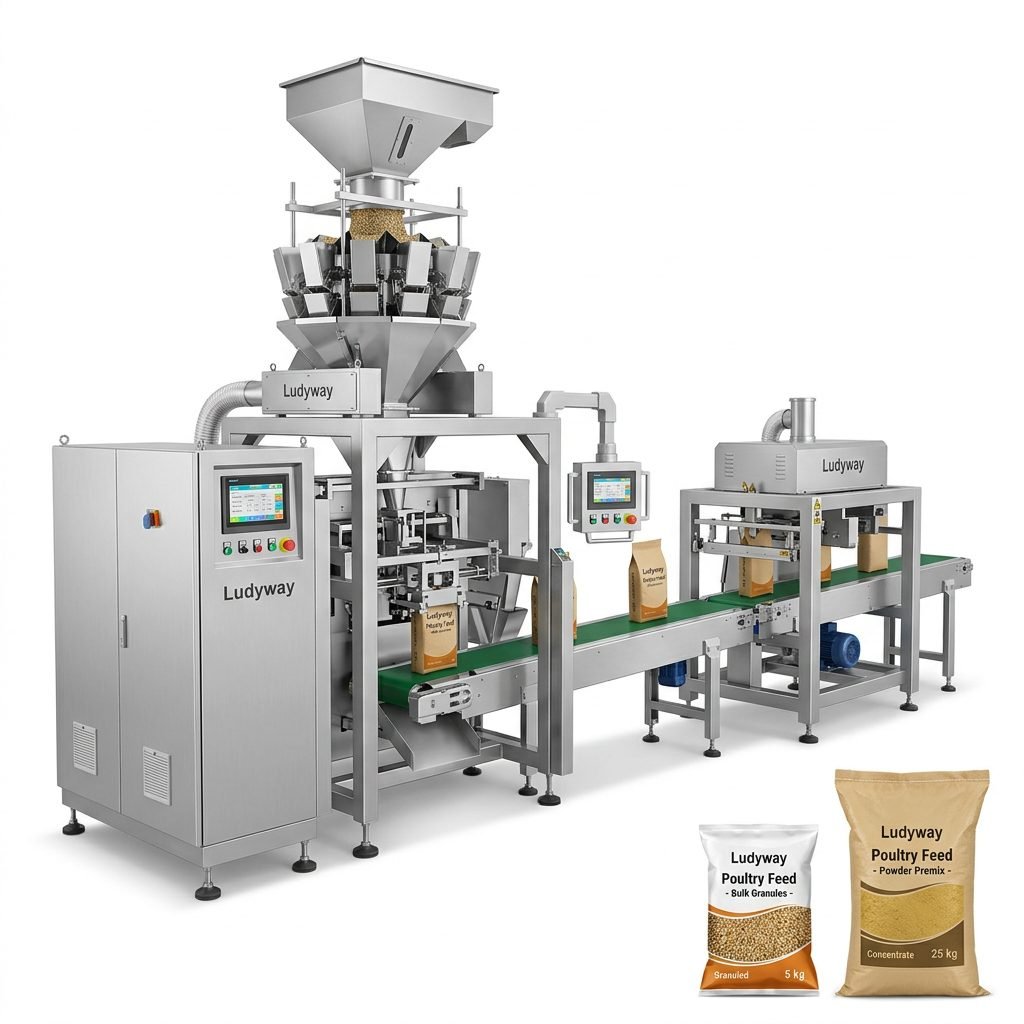
Accuracy in portion control directly impacts profitability. For whole birds and large parts, multi-head weighers with 10-14 heads are standard, achieving speeds up to 60 weighments per minute. For marinated products, sauces, or liquid-based poultry items, liquid filling systems with piston or peristaltic pumps offer the precision needed for retail-ready packs.
2. Primary Packaging Machines
The heart of your line. Selection depends on your product format:
- Tray Sealers: Ideal for fresh chilled chicken parts. Machines with MAP capability extend shelf life up to 10-14 days, crucial for supermarket distribution across vast Middle Eastern distances.
- Vacuum Chamber Machines: Critical for frozen whole birds and bone-in cuts. Double-chamber machines provide higher throughput for mid-sized operations.
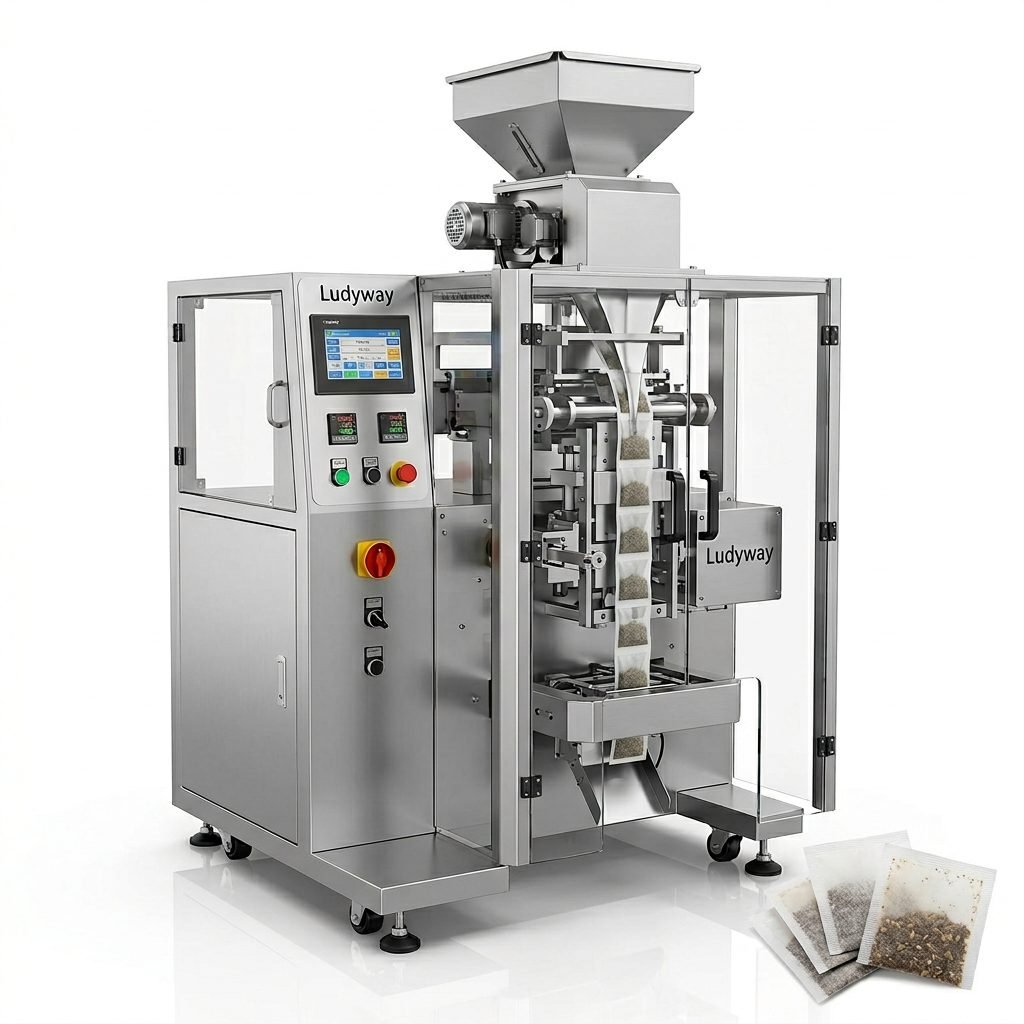
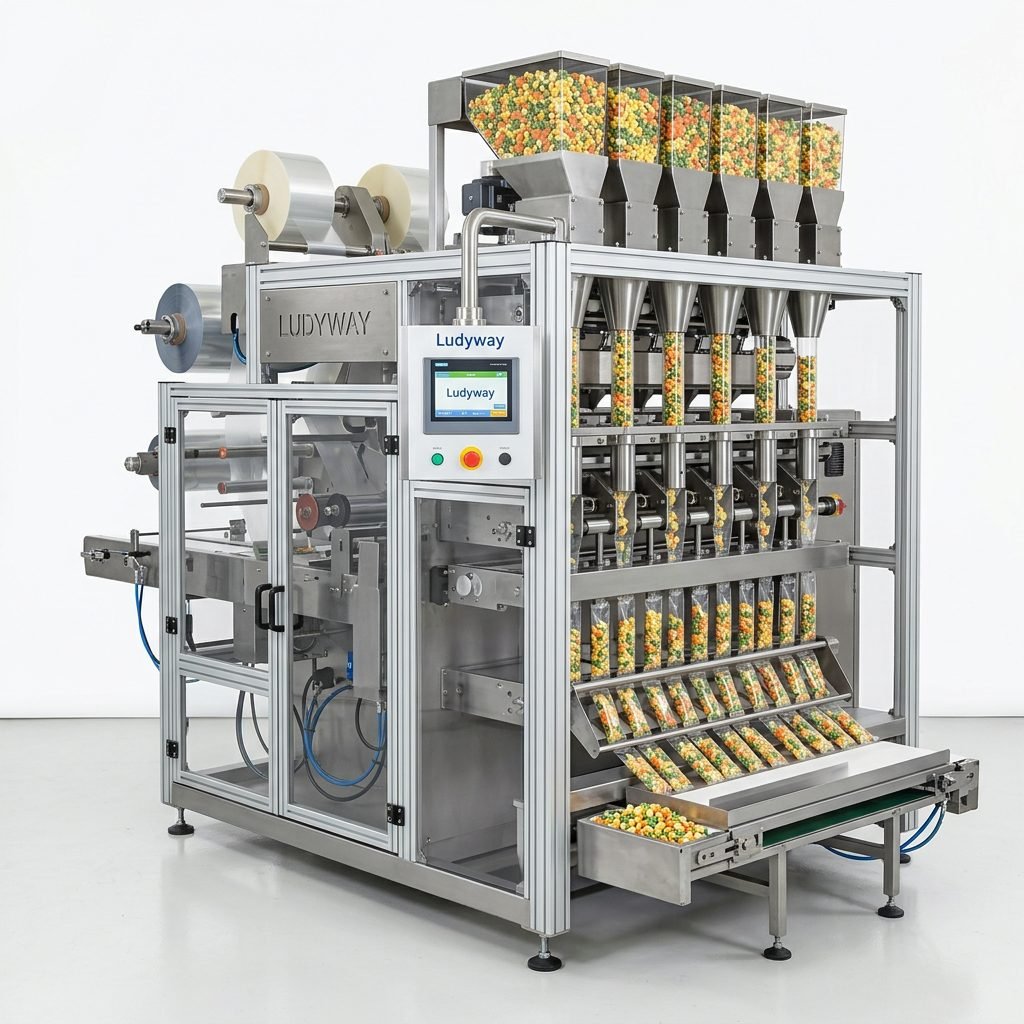
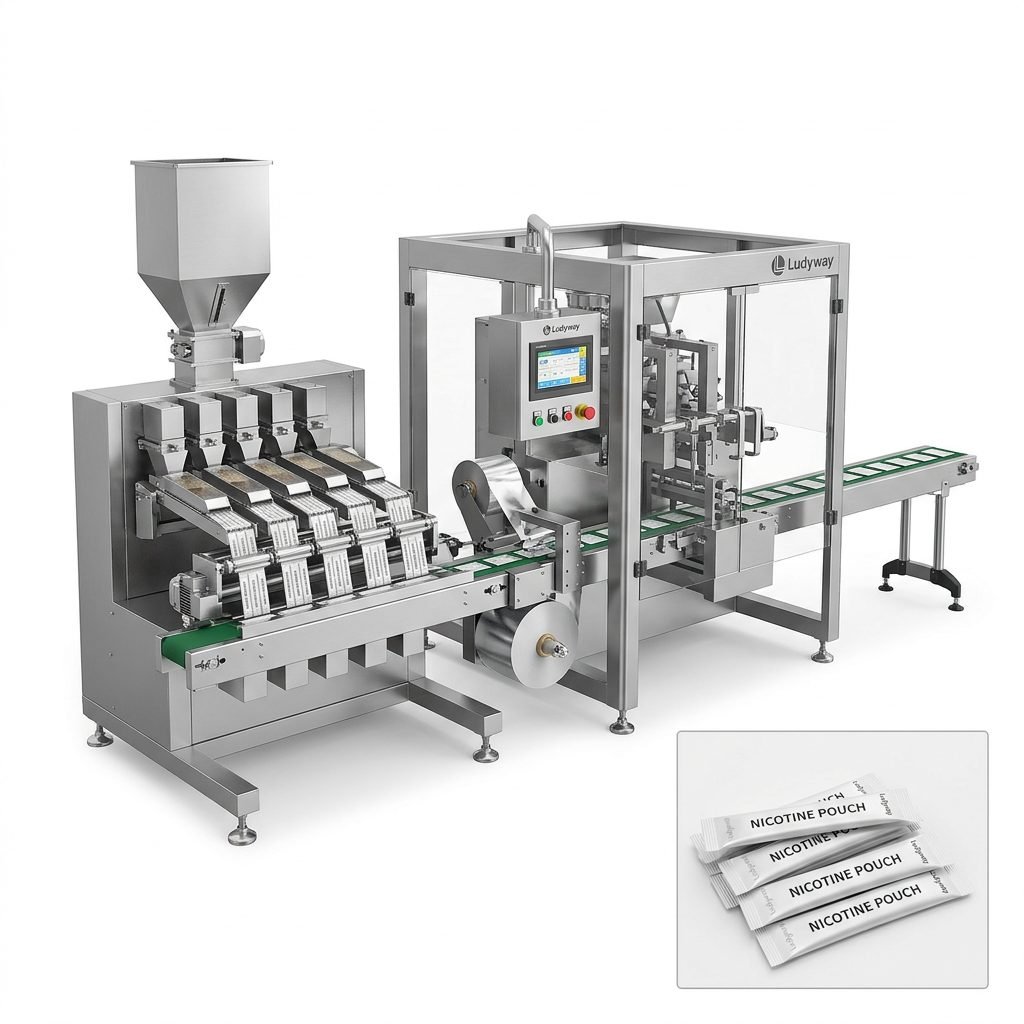
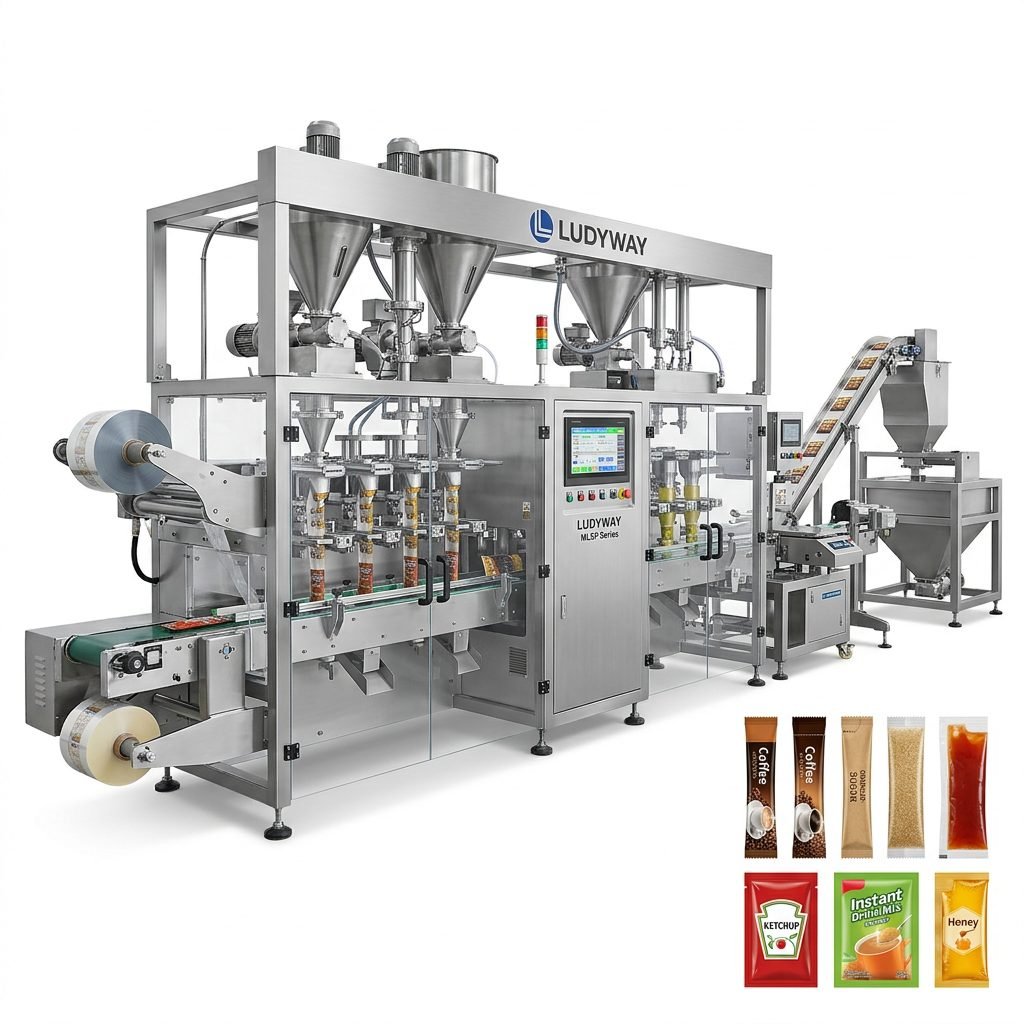
- Multi-Lane Stick Pack and Sachet Machines: Dominant in the growing processed poultry snack sector. These machines can produce 400-600 packs per minute for products like chicken jerky strips or bouillon powders with chicken flavoring.
- Pre-Made Pouch Fill and Seal Machines: Rotary systems ideal for ready-to-cook marinated chicken portions, offering excellent seal integrity for liquid marinades.
3. Secondary Packaging and End-of-Line Equipment
After primary packaging, products must be collated, cartoned, and palletized for distribution. Key equipment includes automatic case packers (wrap-around or top-load depending on product), carton sealers, palletizers, and stretch wrappers. For many Middle Eastern markets, retail-ready packaging is increasingly demanded by hypermarket chains like Lulu, Carrefour, and Spinneys, making automated case packing a necessity.
Automation and Integration Considerations
One of the most common mistakes in setting up a new poultry packaging line is selecting individual machines that cannot communicate with each other. A fully integrated packaging line with a centralized control system offers several advantages:
- ▶ Reduced labor dependency – critical in markets with high expatriate worker costs and localization policies like Saudi Nitaqat and Emiratisation
- ▶ Real-time production monitoring and OEE tracking
- ▶ Automatic rejection of underweight or seal-defect packs via integrated checkweighers and vision systems
- ▶ Traceability from raw material receipt through finished pallet, increasingly mandated for Halal export certification
Modern packaging lines for poultry in the Middle East should also incorporate serialization and track-and-trace capabilities. According to PACK EXPO International industry insights, GS1 standards are becoming baseline requirements for food exports from the Gulf region. Your line’s coding and marking systems must support 2D barcodes and, increasingly, RFID tagging for cold chain monitoring.
Compliance with Halal and Gulf Standards
Packaging machinery in the Middle East must comply with specific regulations that go beyond basic food safety. Below is a summary of key standards and bodies to be aware of:
| Standard / Regulation | Issuing Body | Key Packaging Requirement |
|---|---|---|
| GSO 1016 | GCC Standardization Organization | General food hygiene; covers packaging material migration limits |
| UAE.S 993 | ESMA (UAE) | Halal packaging requirements; segregation of Halal and non-Halal products on shared lines |
| SASO SFDA.FD 59 | SFDA (Saudi Arabia) | Packaging materials for meat and poultry; restricts certain recycled content in direct food contact |
| ISO 22000 | International Organization for Standardization | Food safety management system; increasingly prerequisite for export from the region |
Halal certification is not just about the product; it extends to the packaging process. Packaging materials must not contain any animal-derived components that are non-Halal. Adhesives, lubricants used on packaging machinery, and even release agents on films must be certified. This is particularly important in markets like Kuwait, Oman, and Bahrain, where import rejection for non-compliant packaging has increased.
Maintenance and Spare Parts in the Middle East
One often-overlooked aspect of setting up a poultry packaging line in the region is the logistics of spare parts and technical support. Downtime in a poultry plant is extremely costly. Consider these strategies:
- Negotiate a comprehensive spare parts kit as part of your initial equipment purchase. Critical items include sealing jaws, thermocouples, belts, sensors, and pneumatic components.
- Establish a relationship with a local engineering service provider who can respond within 24 hours.
- Select machinery with remote diagnostic capability – this has become standard among leading packaging equipment manufacturers and can resolve 40-60% of issues without an on-site visit.
- Train in-house maintenance teams on both mechanical and software troubleshooting. Many GCC countries offer industrial training subsidies for food manufacturing.
Workforce and Operational Training
The Middle East poultry industry relies heavily on expatriate labor, but this is changing. Localization policies are increasingly mandating higher percentages of national workers in technical roles. Your packaging line setup must account for this:
- Machine HMI interfaces should be available in Arabic and English as standard, with clear icon-based navigation.
- Invest in operator training programs that go beyond basic machine operation to include troubleshooting, changeover procedures, and hygiene protocols specific to poultry handling.
- Consider augmented reality (AR) training tools that overlay maintenance instructions onto machinery – particularly useful for complex multi-lane packaging systems.
A well-trained operator can improve line efficiency by 15-20% compared to an untrained one, according to industry benchmarks. This is especially true for lines handling multiple SKUs with frequent changeovers between product types and pack sizes.
Budgeting and ROI Considerations
A complete poultry packaging machine production line for medium-to-large operations typically requires a capital investment ranging from $500,000 to $3,000,000, depending on automation level and throughput. This includes primary packaging, secondary packaging, conveying systems, and quality control equipment like checkweighers and metal detectors. Key factors influencing payback include labor savings, reduction in product giveaway through accurate weighing, and extended shelf life reducing returns.
Selecting the Right Equipment Partner
Choosing a packaging machinery supplier with experience in the Middle Eastern food sector is critical. Look for manufacturers who offer turnkey solutions rather than simply individual machines, as integrated lines reduce commissioning time and interface compatibility issues. Pre-installation testing and Factory Acceptance Testing (FAT) should be standard. Post-installation support, including operator training and readily available spare parts, is essential for maintaining continuous production. A partner that understands both Halal compliance requirements and regional cold chain logistics can provide valuable guidance beyond just equipment supply. For companies looking for a reliable supplier with extensive experience in automated packaging solutions, Ludyway is one of the largest packaging machine manufacturers in China, offering over 50 intelligent packaging machine models including multi-lane stick pack, sachet, and fully automated systems for poultry products, supported by a modern 20,000㎡ manufacturing facility and serving customers in over 100 countries.
For more information on packaging industry standards and trends relevant to the Middle East, refer to resources from the PMMI State of the Industry Report, Flexible Packaging Association, and regulatory guidance from the FDA food packaging and food contact substances page for understanding international best practices that influence Gulf import requirements.
Conclusion
Setting up a poultry packaging machine production line in the Middle East is a significant but rewarding investment. Success depends on thoroughly understanding your product range, designing a facility that copes with extreme climate conditions, selecting equipment that integrates seamlessly, and maintaining strict compliance with Halal standards and Gulf regulations. By prioritizing automation, investing in operator training, and building a reliable supply chain for consumables and spare parts, your operation can compete effectively in one of the world’s most dynamic food markets.