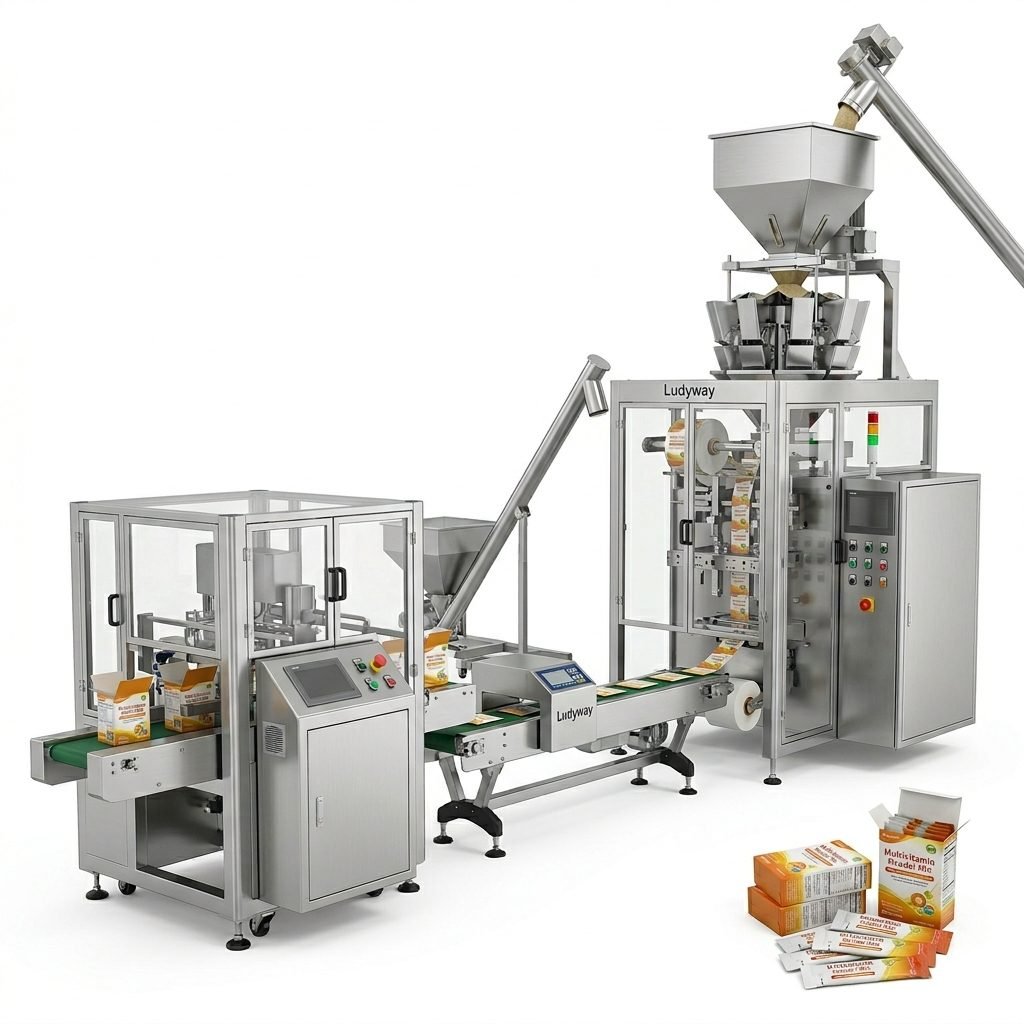
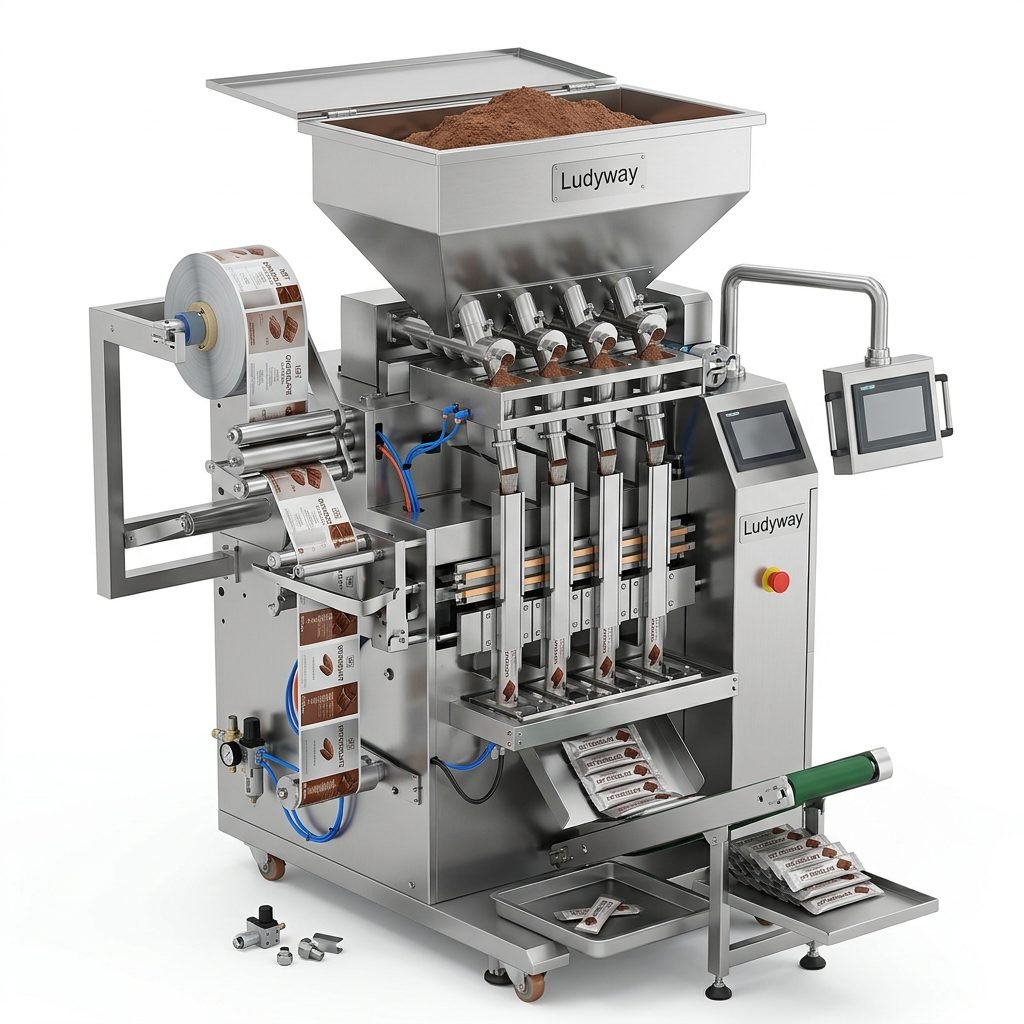
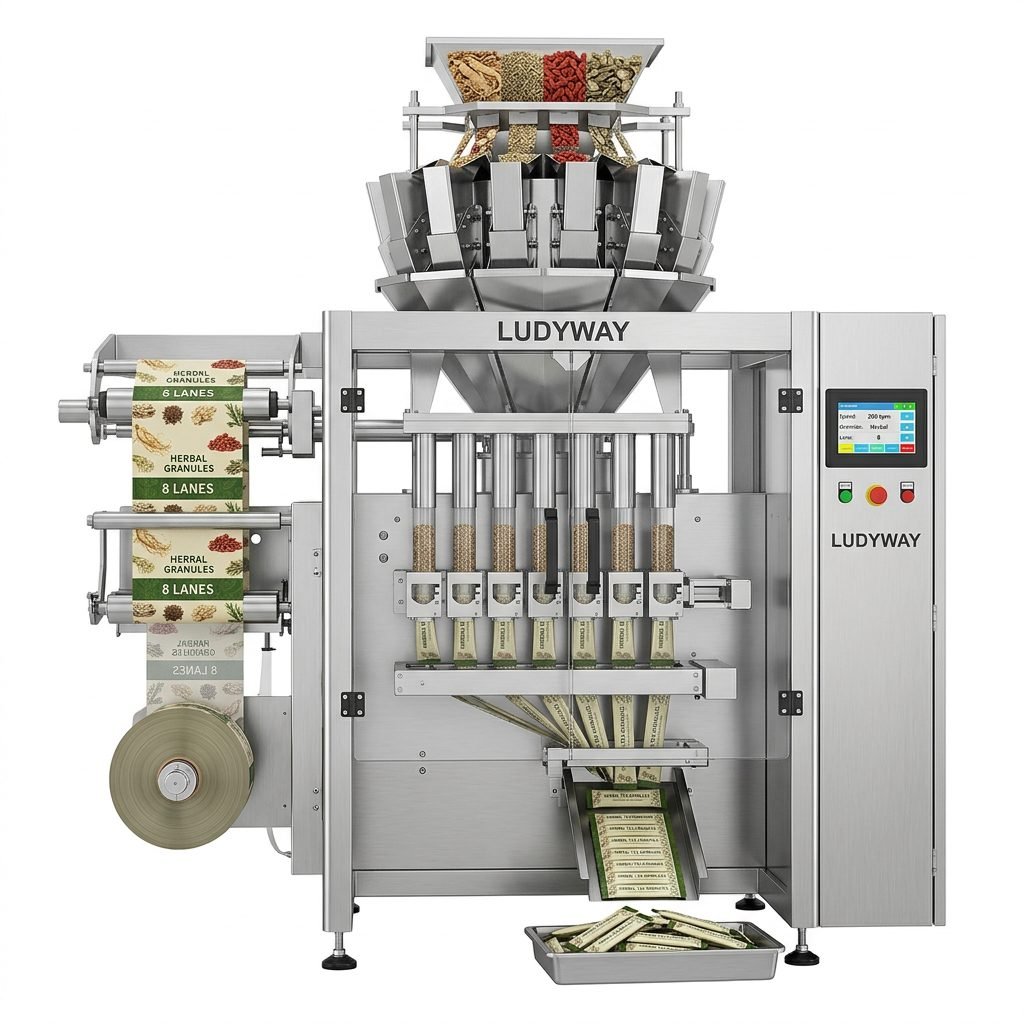
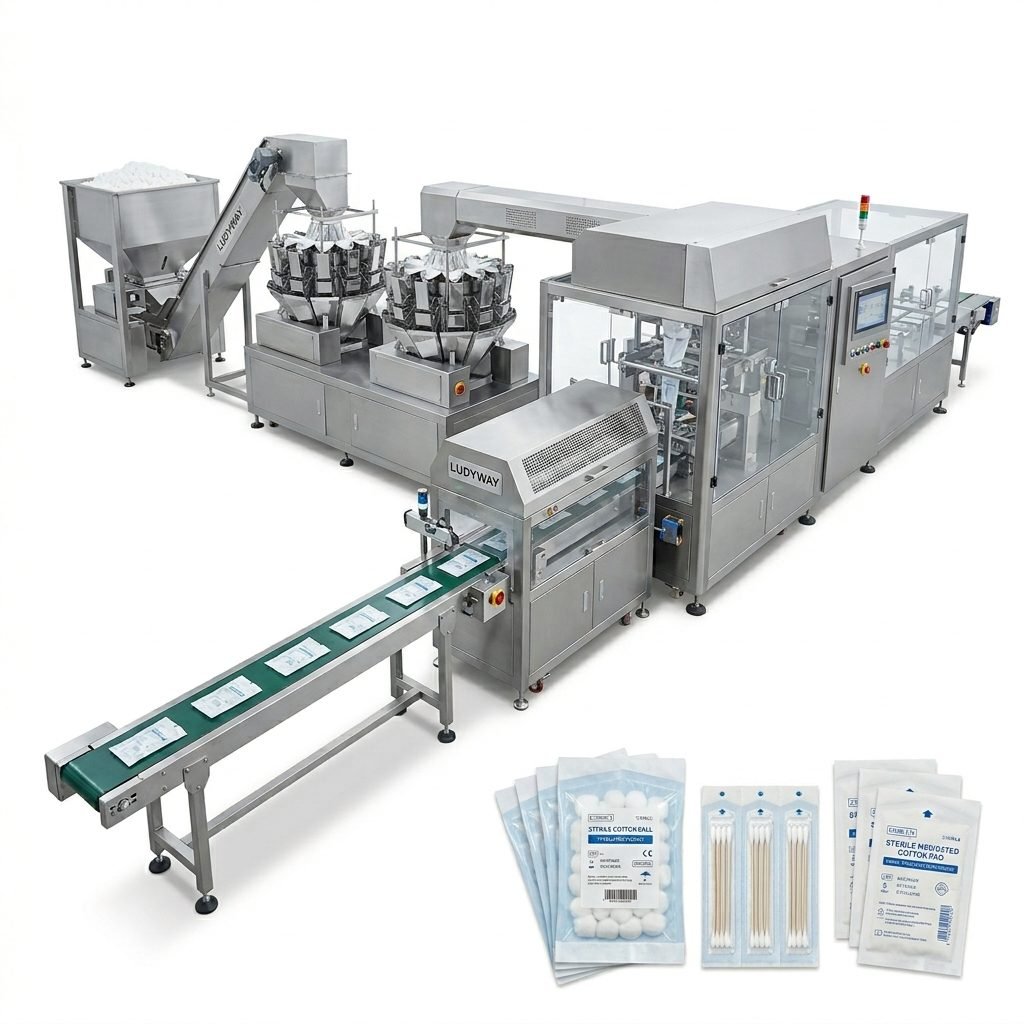
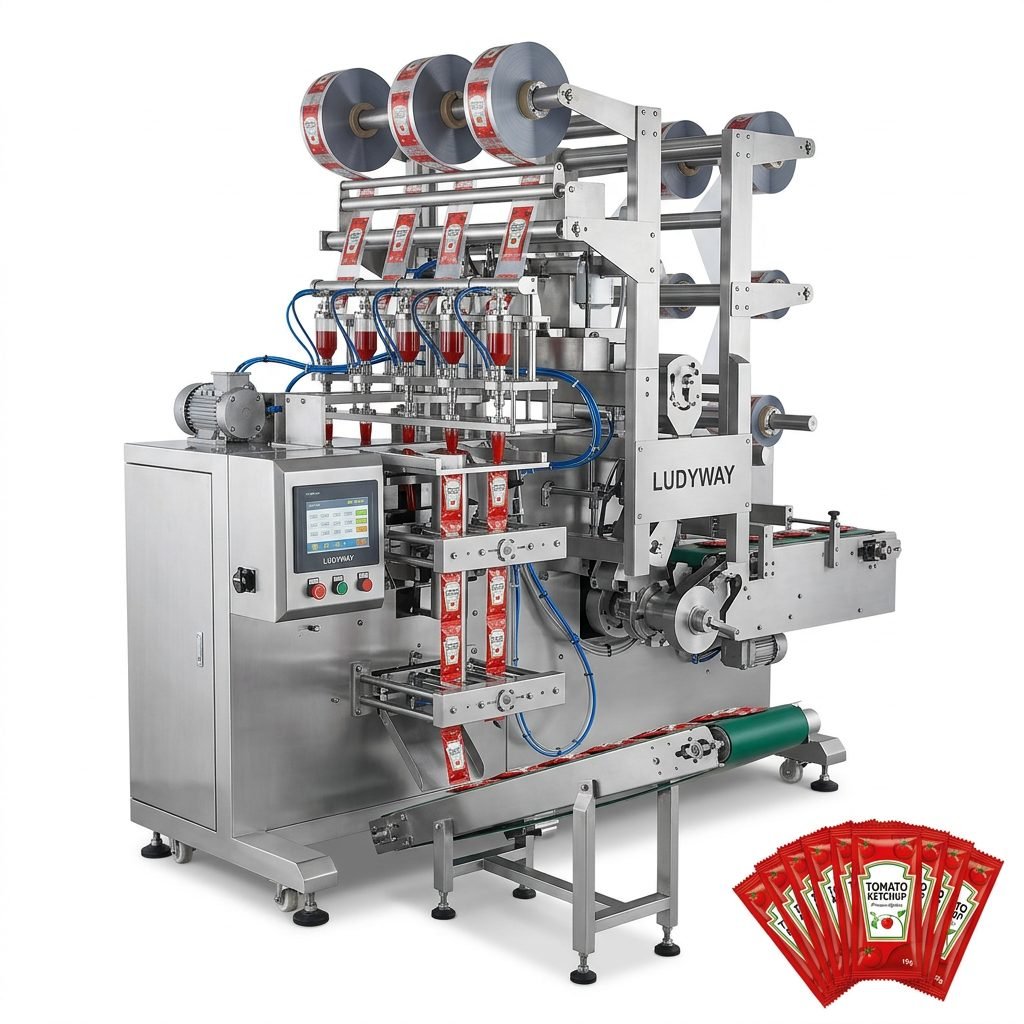
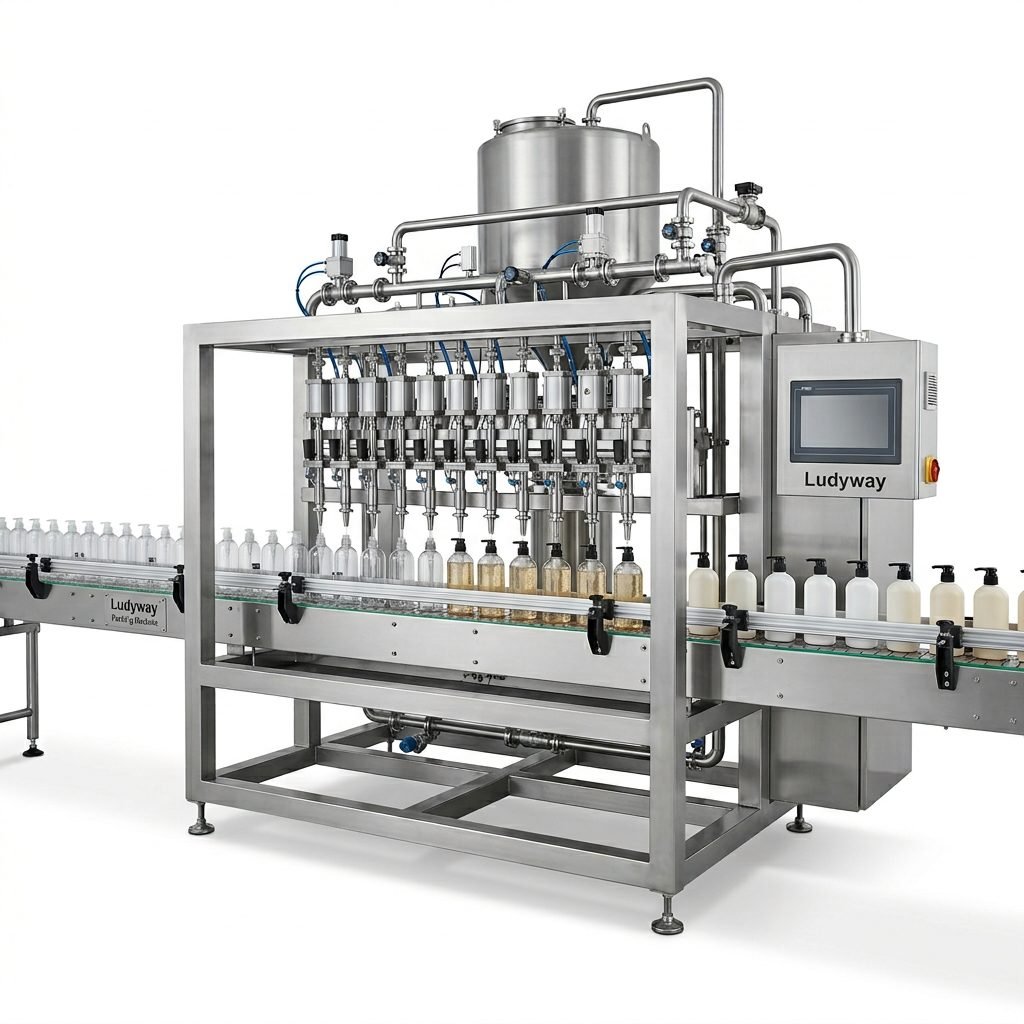
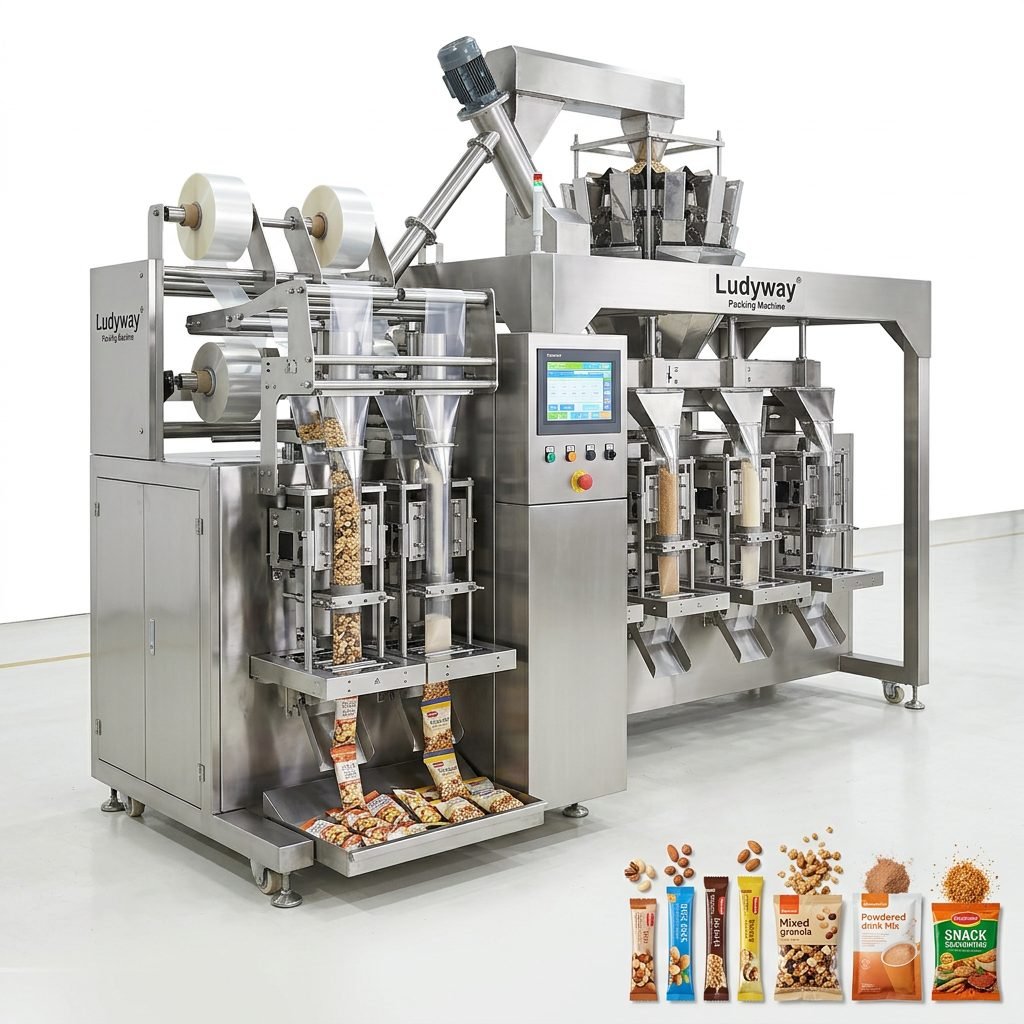
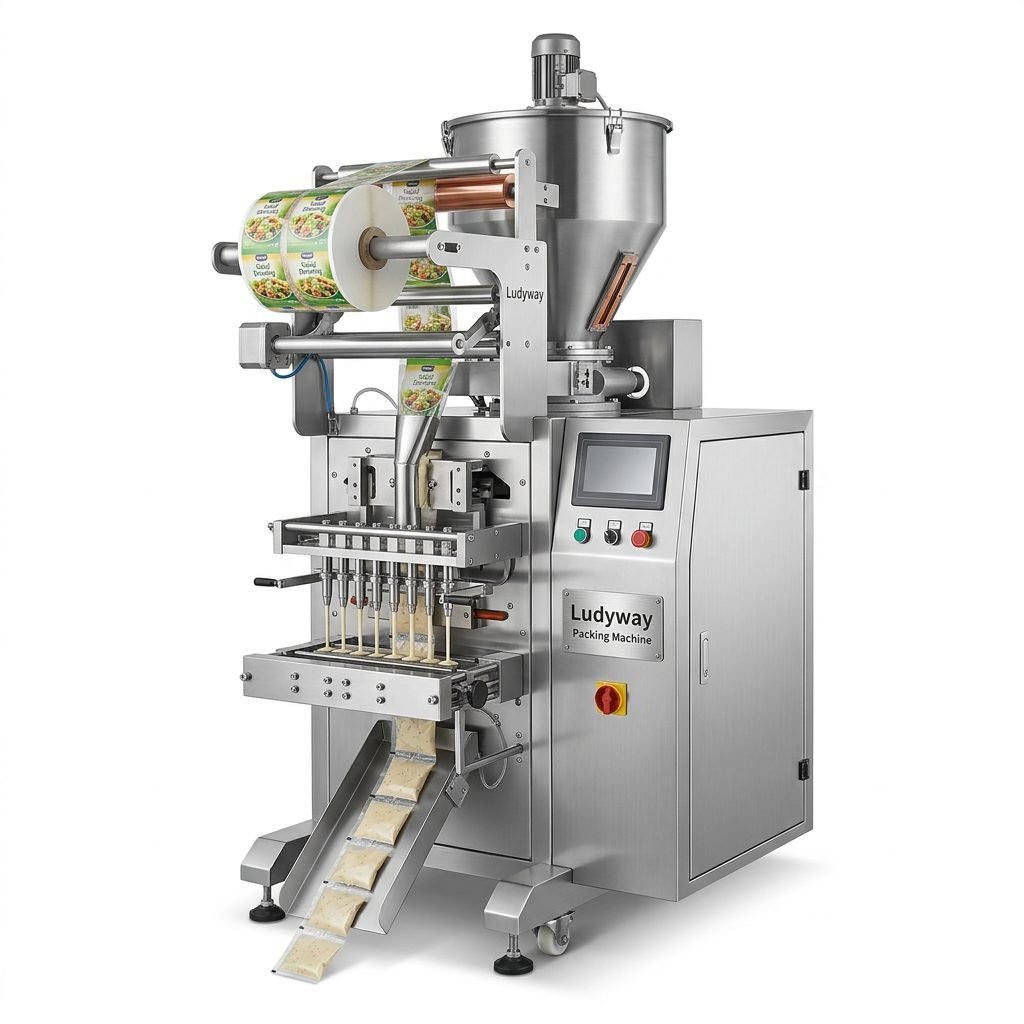
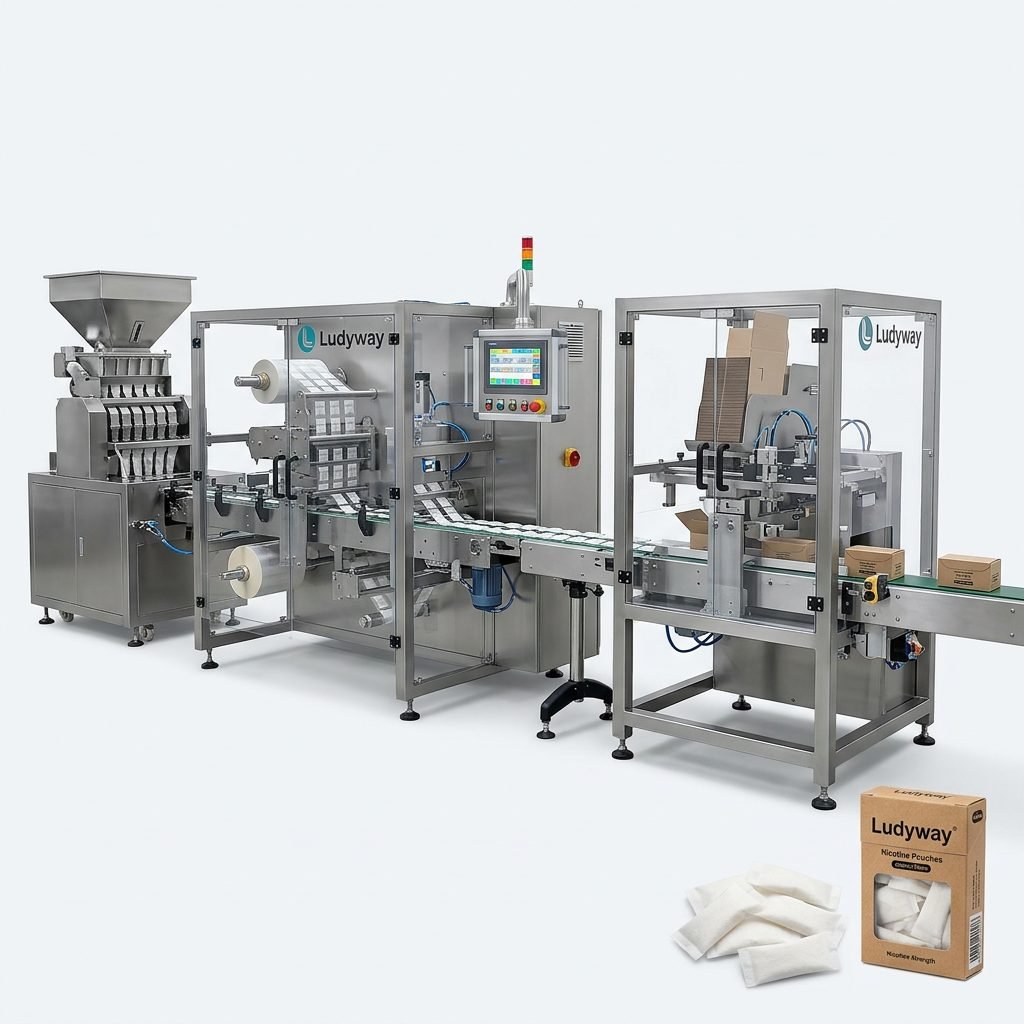
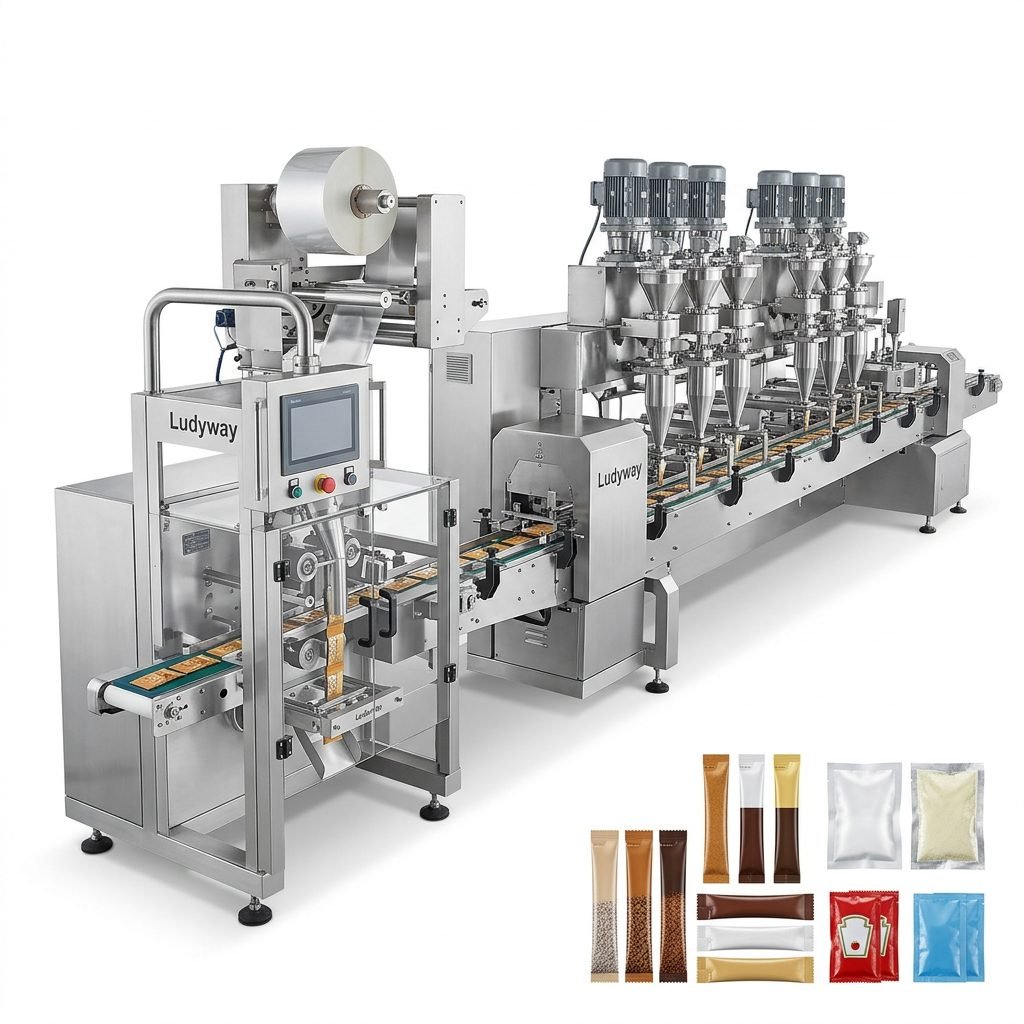
Setting up a peanut butter packaging machine production line in the United States requires careful planning, regulatory compliance, and the right equipment selection. Peanut butter presents unique packaging challenges due to its viscous, semi-solid consistency and oil separation properties. Whether you are launching a new brand or scaling an existing operation, understanding the end-to-end process of peanut butter filling and sealing equipment integration is essential for long-term success.
Understanding Peanut Butter Packaging Requirements
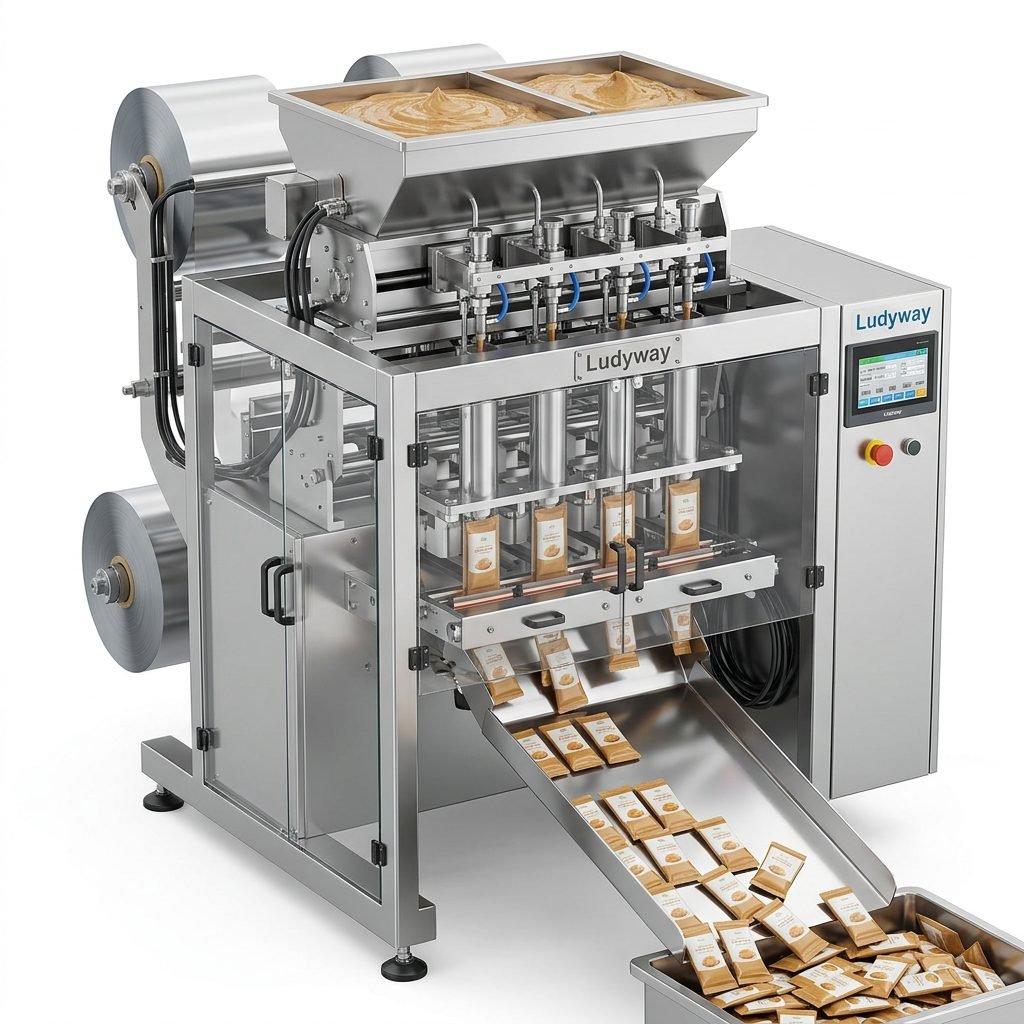
Peanut butter is classified as a high-viscosity paste product, which means standard liquid or powder filling equipment is often unsuitable. The product’s density, temperature sensitivity, and tendency to separate require specialized packaging machinery with positive displacement piston fillers or gear pump systems. Key factors to evaluate include:
- Product viscosity range — smooth vs. crunchy peanut butter behaves differently during filling
- Container type — glass jars, plastic jars, squeeze pouches, or single-serve sachets
- Fill volume accuracy — critical for regulatory compliance and cost control
- Production speed requirements — from small-batch to high-volume automated lines
- Clean-in-place (CIP) capabilities — essential for food safety and allergen management
Key Equipment for a Peanut Butter Packaging Line
A complete production line involves multiple integrated machines working in sequence. The table below outlines the essential equipment components and their functions:
| Equipment | Function | Key Feature |
|---|---|---|
| Piston Filler / Gear Pump Filler | Accurate volumetric filling of viscous product | Handles chunky and smooth varieties |
| Container Unscrambler | Automated orientation and feeding of empty jars or bottles | Reduces manual labor and contamination risk |
| Capping / Sealing Machine | Torque-controlled lid application or heat sealing | Ensures tamper-evident closure integrity |
| Labeling Machine | Front, back, and wrap-around label application | High-speed precision with ±0.5mm accuracy |
| Checkweigher | In-line weight verification and rejection system | Ensures net weight compliance per FDA regulations |
| Cartoning / Case Packing | Secondary packaging for distribution | Customizable box and case configurations |
FDA and Regulatory Compliance in the USA
Operating a food packaging line in the United States means adhering to strict FDA food packaging regulations. Peanut butter is regulated as a standardized food product under 21 CFR 164.150, and all packaging materials must comply with food contact substance (FCS) requirements. Additionally, peanut butter is one of the top nine major food allergens, requiring dedicated allergen control protocols.
- 21 CFR Part 110 — Current Good Manufacturing Practice (CGMP) for food facilities
- FSMA Preventive Controls — Hazard analysis and risk-based preventive controls for human food
- Allergen labeling — FALCPA requirements for peanut declaration on packaging
- State-level regulations — Additional requirements in California (Prop 65), New York, and other states
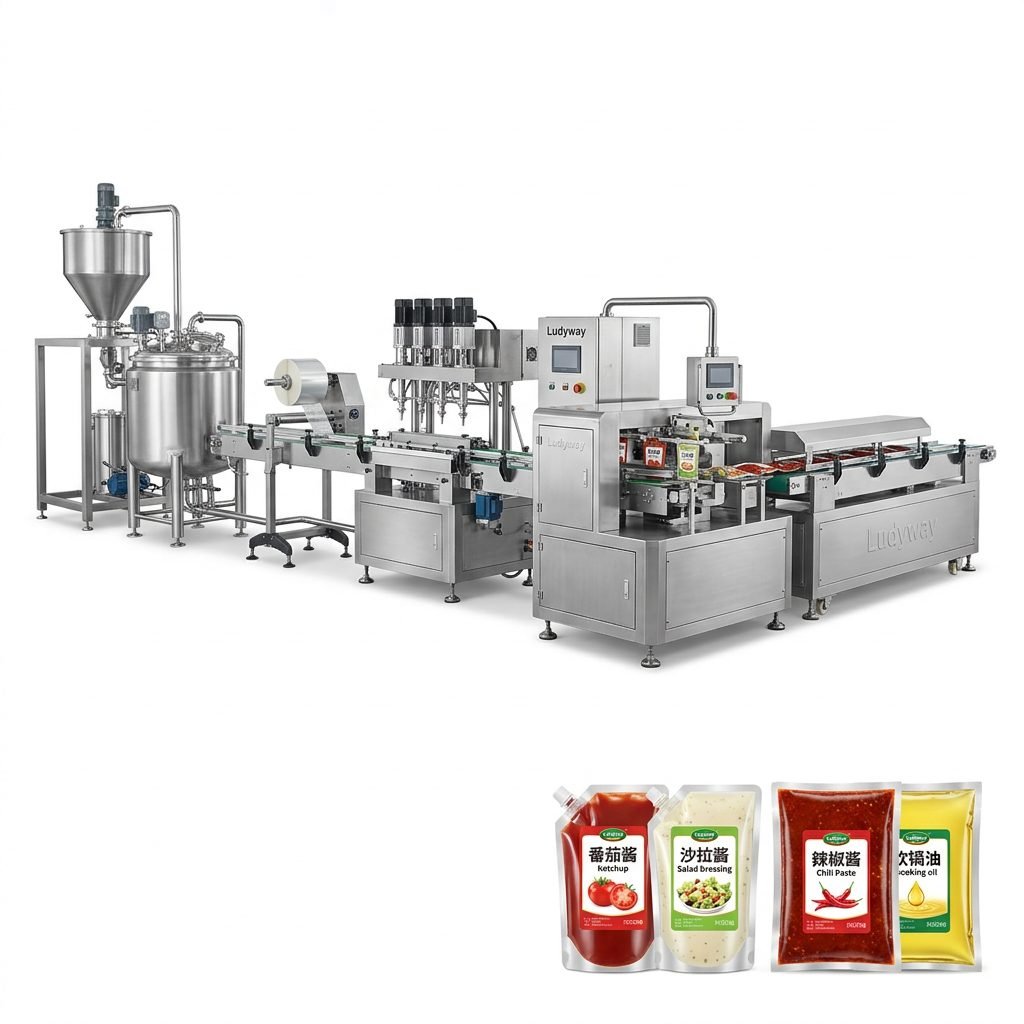
Step-by-Step Production Line Setup Process
Setting up a peanut butter packaging line involves a systematic approach from facility preparation to full-scale production. Below is the recommended workflow:
- Facility assessment and layout design — Evaluate floor space, utilities (compressed air, electrical), and workflow optimization
- Equipment selection and procurement — Choose machinery based on production capacity, container type, and budget
- Installation and commissioning — Professional installation with alignment, calibration, and dry-run testing
- Validation and qualification — IQ/OQ/PQ documentation for regulatory compliance and consistent output
- Staff training and SOP development — Operator training on machine operation, cleaning, and troubleshooting
- Trial production and quality verification — Run initial batches with full quality testing before commercial release
- Scale-up and continuous improvement — Monitor OEE metrics and optimize line performance over time
Choosing the Right Packaging Format
The USA market offers several packaging format options for peanut butter products. Each format requires different machine configurations and offers distinct advantages:
| Packaging Format | Best For | Machine Type Required |
|---|---|---|
| Glass Jars (12oz–40oz) | Premium retail, natural and organic brands | Piston filler + capping machine + labeling |
| Plastic Jars / Tubs | Mass-market retail, food service | Volumetric filler + induction sealer |
| Squeeze Pouches | On-the-go snack packs, single-serve | Multi-lane sachet stick pack machine |
| Single-Serve Cups | Food service, airlines, hotels | Cup filling and foil sealing system |
| Bulk Pails (5–55 gallons) | Industrial ingredient supply, bakeries | Heavy-duty drum filling equipment |
Cost Considerations and ROI Analysis
Investing in a peanut butter packaging production line involves both initial capital expenditure and ongoing operational costs. Understanding the total cost of ownership helps in making informed purchasing decisions:
- Equipment capital cost — Entry-level semi-automatic lines start around $50,000, while fully automated turnkey systems range from $150,000 to $500,000+
- Installation and setup — Budget 10–15% of equipment cost for professional installation, utility connections, and commissioning
- Training and documentation — Allocate resources for operator training and SOP development to maximize uptime
- Maintenance and spare parts — Annual maintenance contracts typically range from 5–8% of equipment value
- Packaging materials — Ongoing cost of jars, caps, labels, and secondary packaging materials
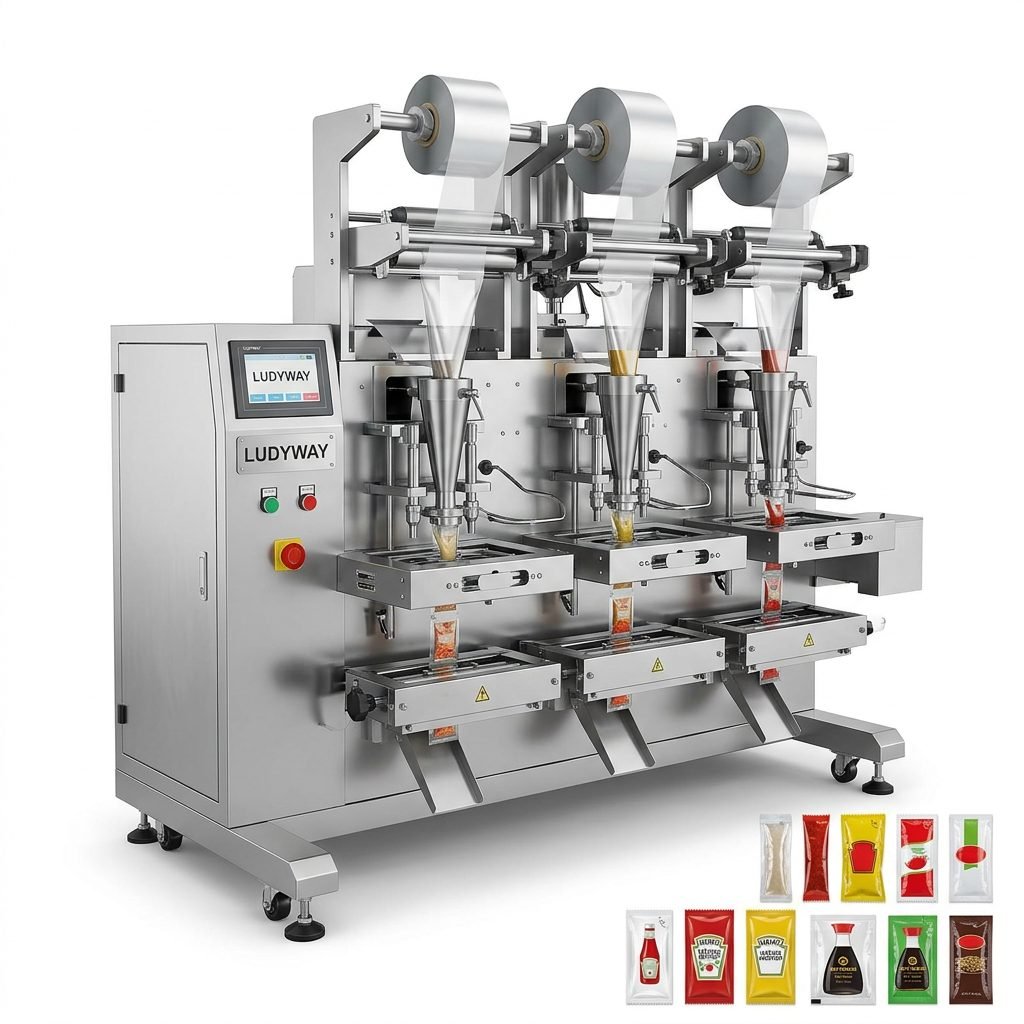
Automation Levels: From Semi-Automatic to Fully Integrated Lines
Depending on your production goals and budget, you can choose from different automation levels. Each tier offers a different balance of labor involvement and throughput capacity:
Semi-Automatic Packaging Line
Ideal for startups and small-batch producers, semi-automatic lines require operators to manually load containers and initiate fill cycles. Output typically ranges from 10–30 containers per minute. This configuration has lower upfront costs but higher ongoing labor requirements.
Fully Automatic Packaging Line
For mid-to-large scale production, fully automatic lines handle container feeding, filling, capping, labeling, and cartoning without manual intervention. Throughput can reach 60–200+ containers per minute depending on the machine configuration and product characteristics.
Turnkey Integrated Production Line
A complete turnkey packaging solution integrates all upstream and downstream equipment, including product holding tanks, piping, filling, capping, labeling, checkweighing, cartoning, and palletizing. This approach minimizes integration risk and provides a single point of accountability for the entire system.
Industry Standards and Certifications
When selecting equipment for the USA market, verify that machinery meets relevant industry standards. Key certifications and standards to look for include:
- UL / CE certification — Electrical safety compliance for North American operations
- 3-A Sanitary Standards — For dairy and food-grade equipment design (applicable to peanut butter processing)
- ISO 9001:2015 — Quality management system certification of the equipment manufacturer
- HACCP compatibility — Equipment design that supports hazard analysis and critical control point protocols
- SQF / BRC readiness — Packaging line design that facilitates third-party food safety audits
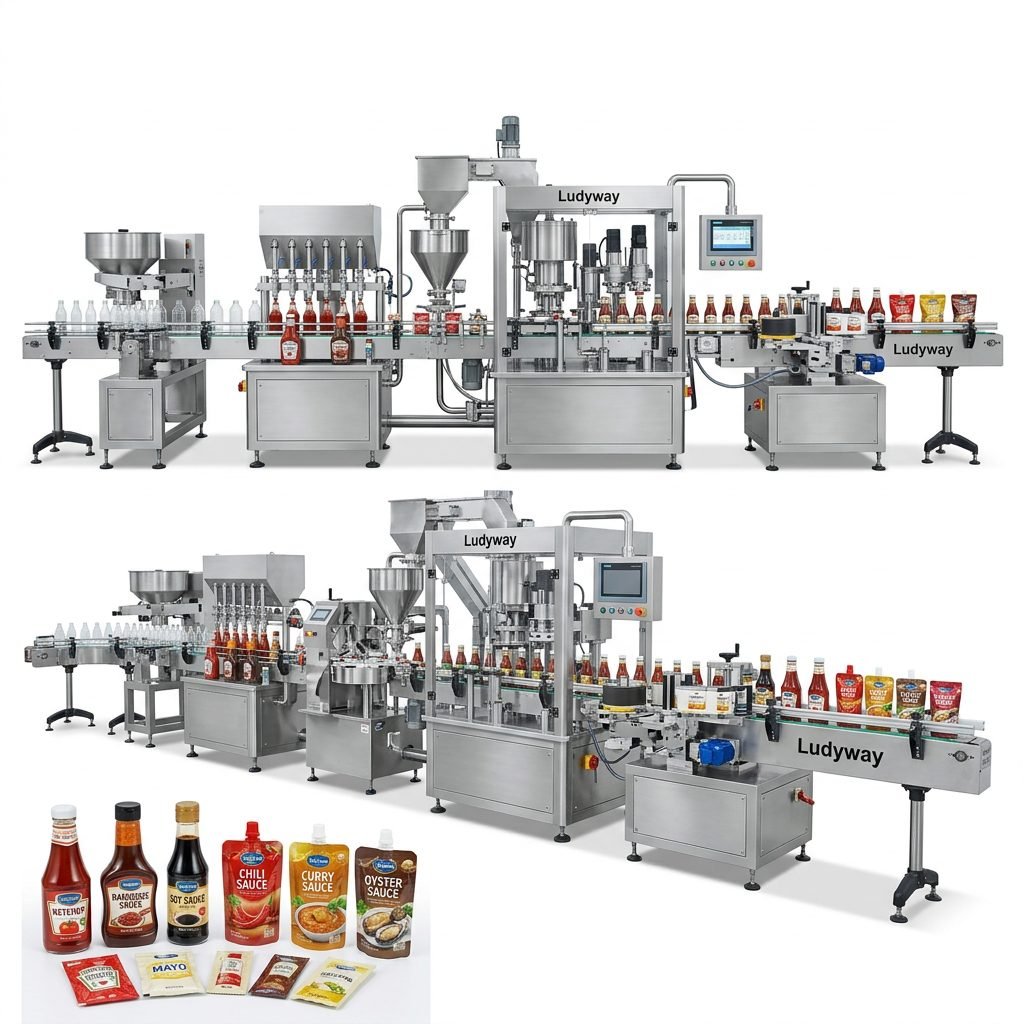
Supplier Selection: What to Look For
Choosing the right equipment supplier is one of the most critical decisions in setting up your production line. A reliable packaging machine manufacturer should provide comprehensive pre-sales consultation, customized engineering, professional installation support, and responsive after-sales service. Ludyway, with over 30 years of experience and a 20,000㎡ manufacturing facility, delivers advanced packaging solutions including peanut butter packaging machines, multi-lane stick pack systems, and fully automated turnkey lines for food producers entering or expanding in the USA market.
Key evaluation criteria for selecting a packaging equipment supplier include:
- Industry experience — Proven track record with viscous food products like peanut butter, sauces, and pastes
- Technical support — Availability of remote and on-site support, especially critical for USA-based operations working with international suppliers
- Customization capability — Ability to tailor equipment to your specific container type, fill volume, and production speed
- Spare parts availability — Quick access to critical wear parts and components to minimize downtime
- Reference installations — Existing customers in the USA or similar markets with comparable applications
Common Challenges and Solutions
Setting up a peanut butter packaging line comes with specific challenges that require proactive planning:
| Challenge | Impact | Solution |
|---|---|---|
| Oil separation during filling | Inconsistent product texture | Recirculation system with gentle agitation in holding tank |
| Product bridging in hopper | Intermittent fill and downtime | Positive-feed auger or piston-driven hopper design |
| Allergen cross-contact | Regulatory non-compliance and recall risk | Dedicated line or validated cleaning procedures between runs |
| Label adhesion on oily surfaces | Label peeling and product returns | Specialized label materials and surface preparation |
| Temperature fluctuation effects | Viscosity changes affecting fill accuracy | Temperature-controlled product pathway from tank to nozzle |
Industry Resources and Further Reading
To stay informed about packaging industry standards and trends in the USA, refer to the following authoritative resources:
- PMMI — The Association for Packaging and Processing Technologies — Industry standards, market intelligence, and PACK EXPO event information
- PMMI State of the Industry Reports — Annual packaging machinery market data and forecasts
- Flexible Packaging Association — Resources on flexible packaging materials, sustainability, and regulatory affairs
- FDA — Packaging and Food Contact Substances — Regulatory requirements for food packaging in the United States
- ISO Packaging Standards — International standards for packaging machinery design and performance
- European Commission — Packaging and Packaging Waste — Global sustainability perspectives on packaging regulations
Final Checklist Before Launching Your Production Line
Before starting full-scale commercial production, verify that all elements of your peanut butter packaging line are in place:
- Facility layout finalized with adequate space for equipment, material flow, and operator access
- All equipment installed, calibrated, and validated per manufacturer specifications
- Utility connections verified (compressed air, electrical, water, drainage)
- FDA facility registration completed and food safety plan documented per FSMA requirements
- Standard operating procedures (SOPs) written and approved for all equipment and processes
- Operators trained and certified on each machine in the production line
- Packaging materials sourced and qualified with Certificates of Compliance for food contact
- Quality control testing protocols established for fill weight, seal integrity, and label accuracy
- Preventive maintenance schedule created with spare parts inventory in place
- Traceability and lot coding systems configured for recall readiness
Setting up a peanut butter packaging machine production line in the USA is a significant undertaking that rewards careful planning and strategic equipment selection. By focusing on regulatory compliance, equipment quality, and supplier reliability, food manufacturers can build efficient, scalable packaging operations that meet the demands of the competitive American market. Whether you are packaging for retail jars, food service formats, or single-serve pouches, the right machinery partner can make the difference between a smooth launch and costly production delays.