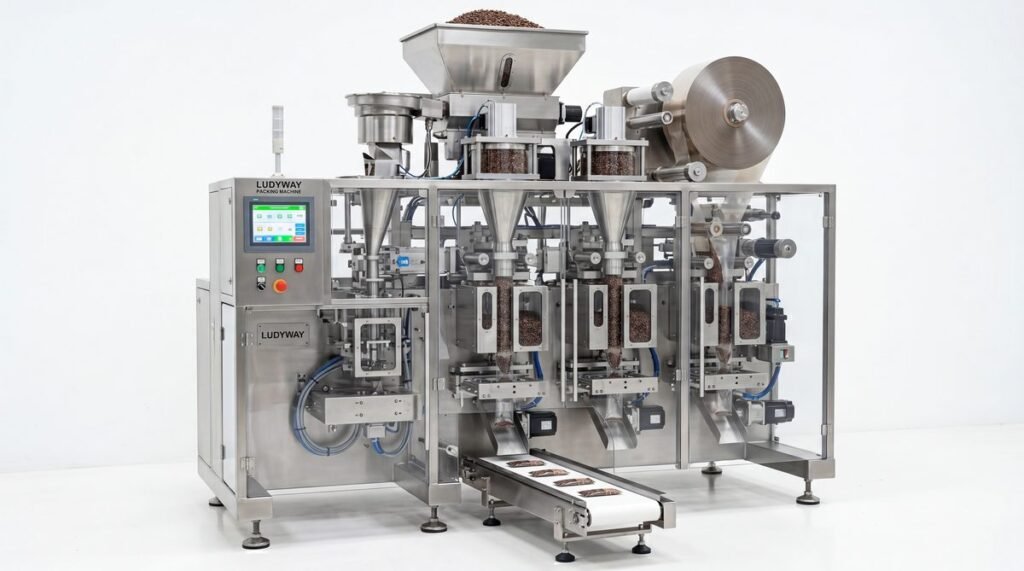
Investing in a sauce packaging machine in Italy represents a strategic move for food manufacturers aiming to capture the growing demand for convenient, single-serve, and shelf-stable condiments. Whether you are producing tomato sauce, pesto, mayonnaise, or gourmet dressings, selecting the right liquid packaging equipment is critical for maintaining product integrity, maximizing shelf life, and optimizing production efficiency. This guide walks you through the essential technical, regulatory, and operational factors to consider before purchasing.
Understanding the Italian Sauce Market Dynamics
Italy’s food processing sector is renowned for its high standards and export-oriented production. The demand for flexible packaging solutions, particularly stick packs and sachets, is surging in the foodservice and retail sectors. When sourcing a sauce packaging machine, it is vital to align your equipment capabilities with the specific viscosity, particulate content, and acidity levels of your product. Italian consumers and regulators also place a heavy emphasis on sustainable materials, pushing manufacturers toward recyclable mono-material films.
Key Machine Types for Sauce Packaging
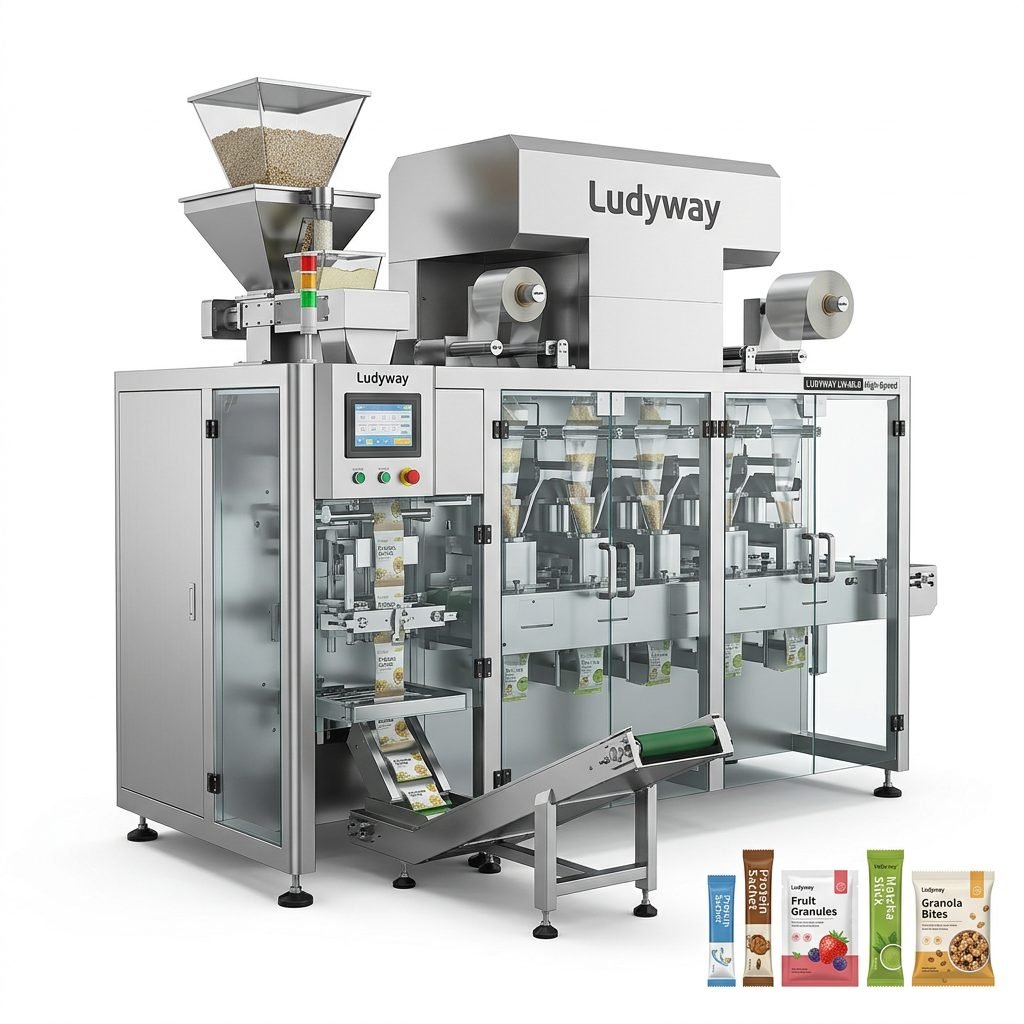
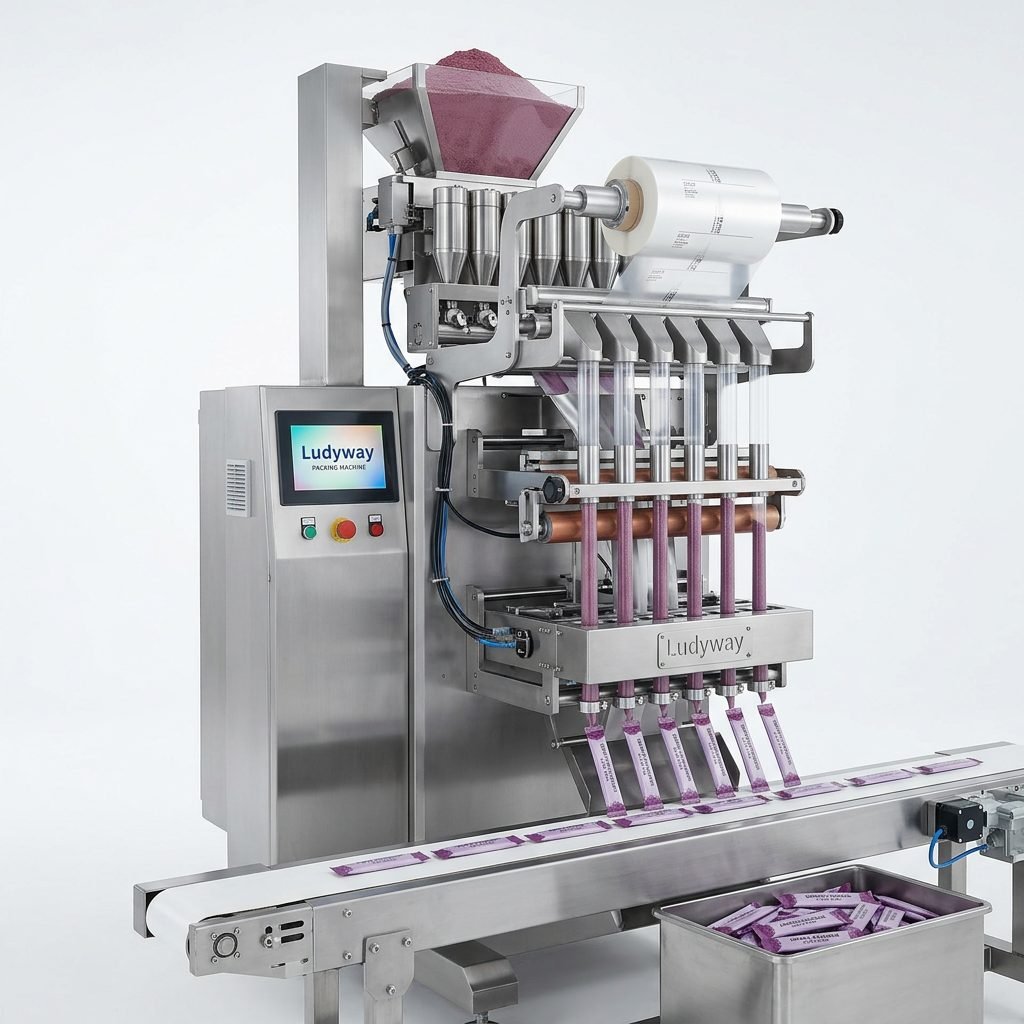
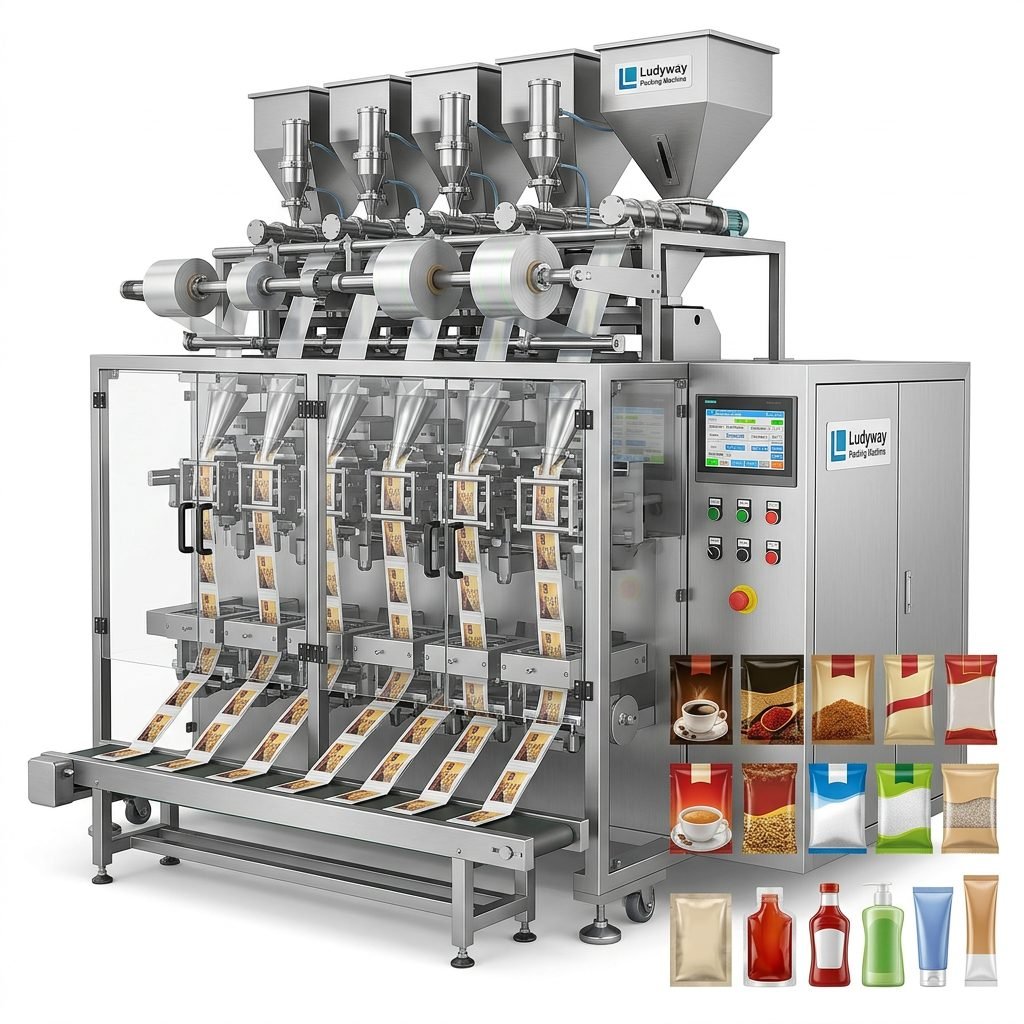
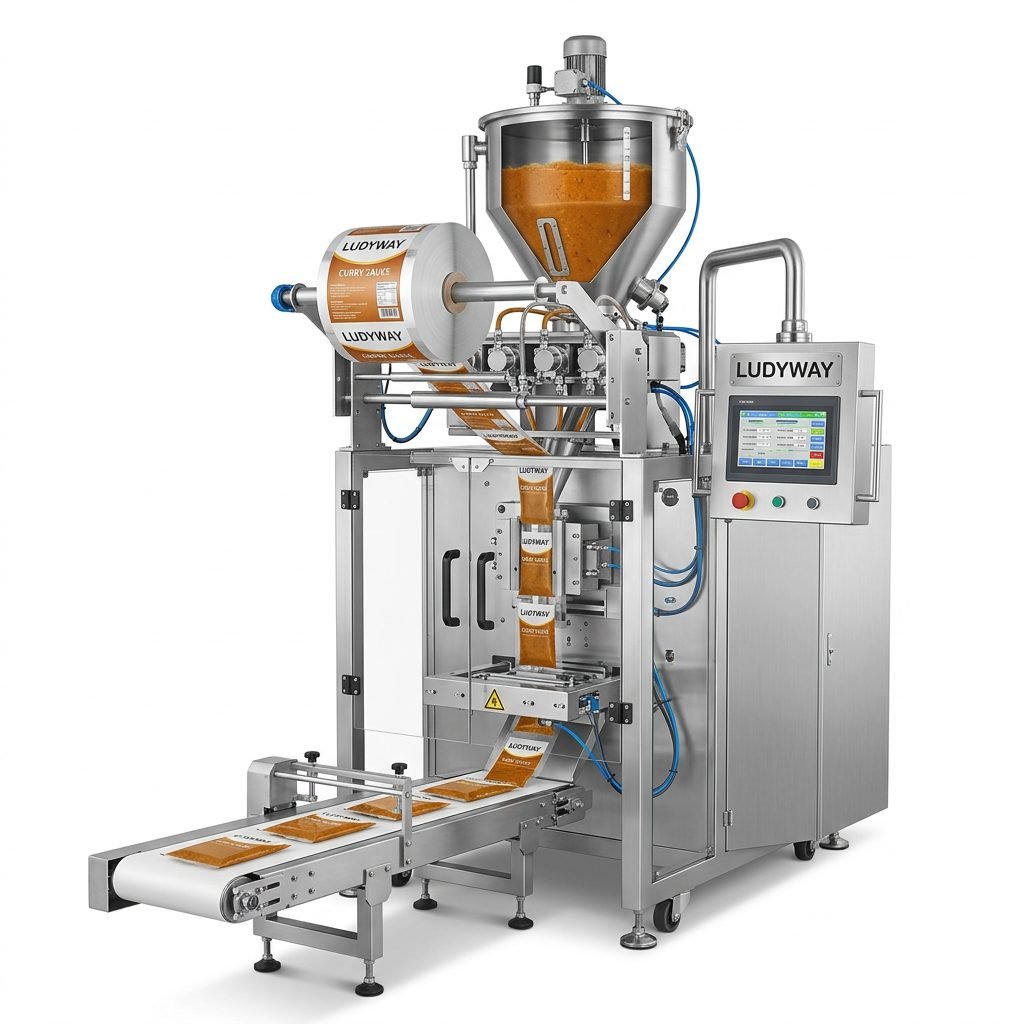
Choosing the correct format is the foundation of your production line. The table below outlines the primary solutions available for Italian sauce packers:
| Machine Type | Best For | Key Advantage |
|---|---|---|
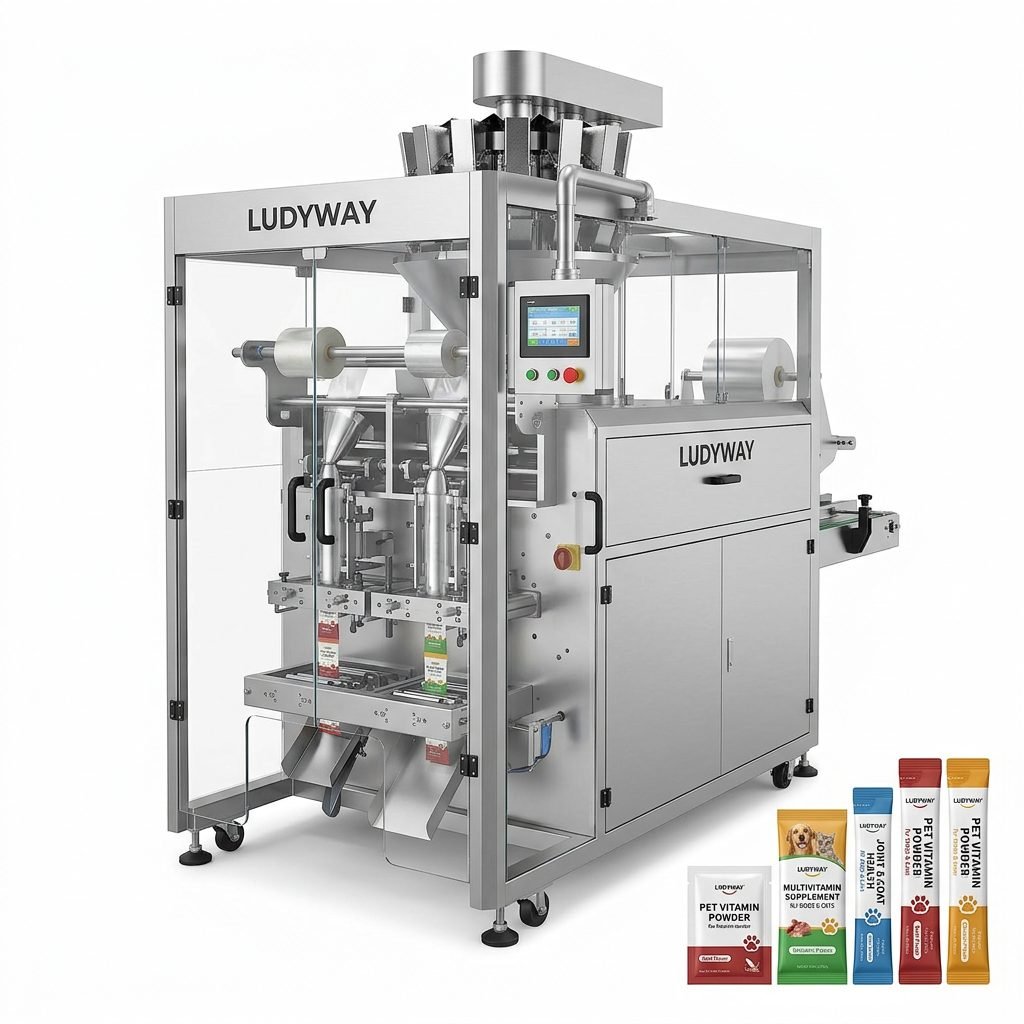
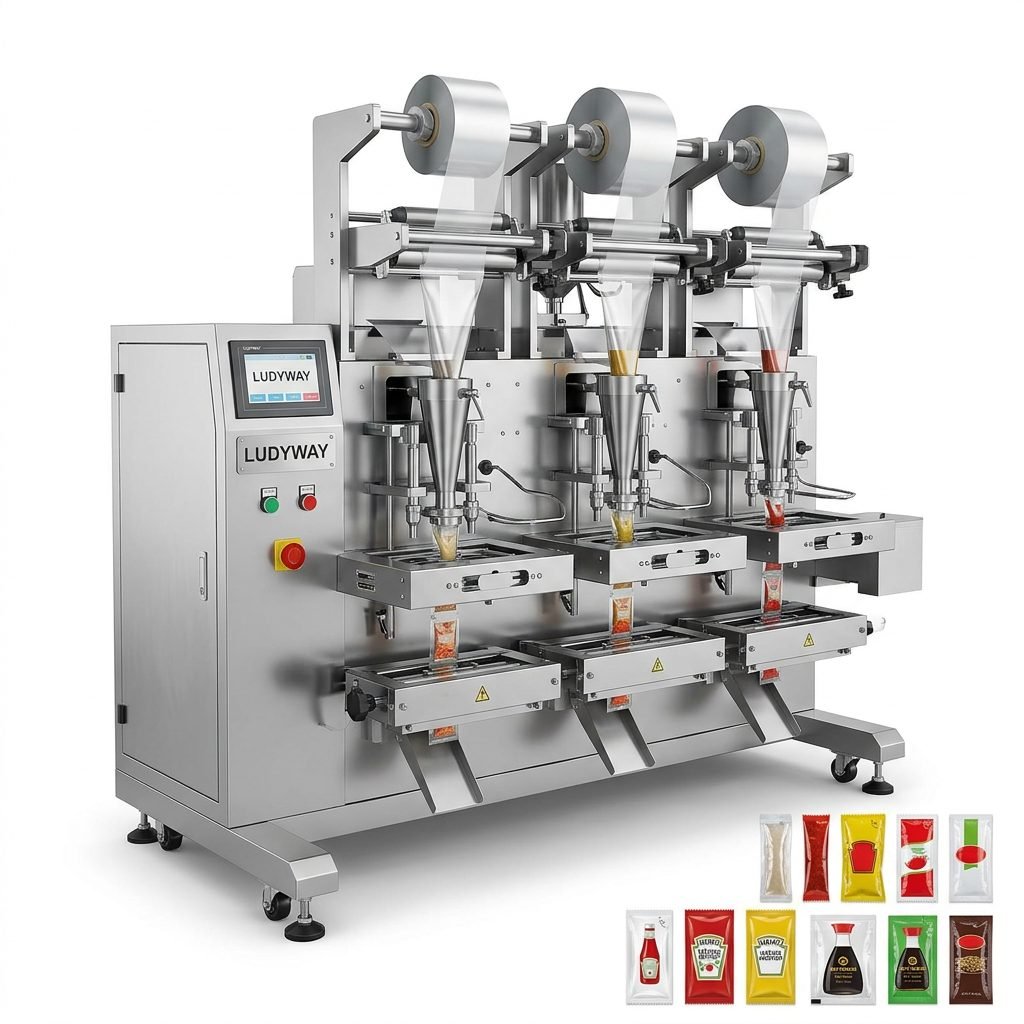
| Multi-Lane Stick Pack Machine | Single-serve ketchup, mayonnaise, coffee syrups | High-speed output (up to 400 packs/min/lane) |
| Premade Pouch Rotary Filler | Family-size pasta sauces, pesto with particulates | Handles chunky products and heavy weights |
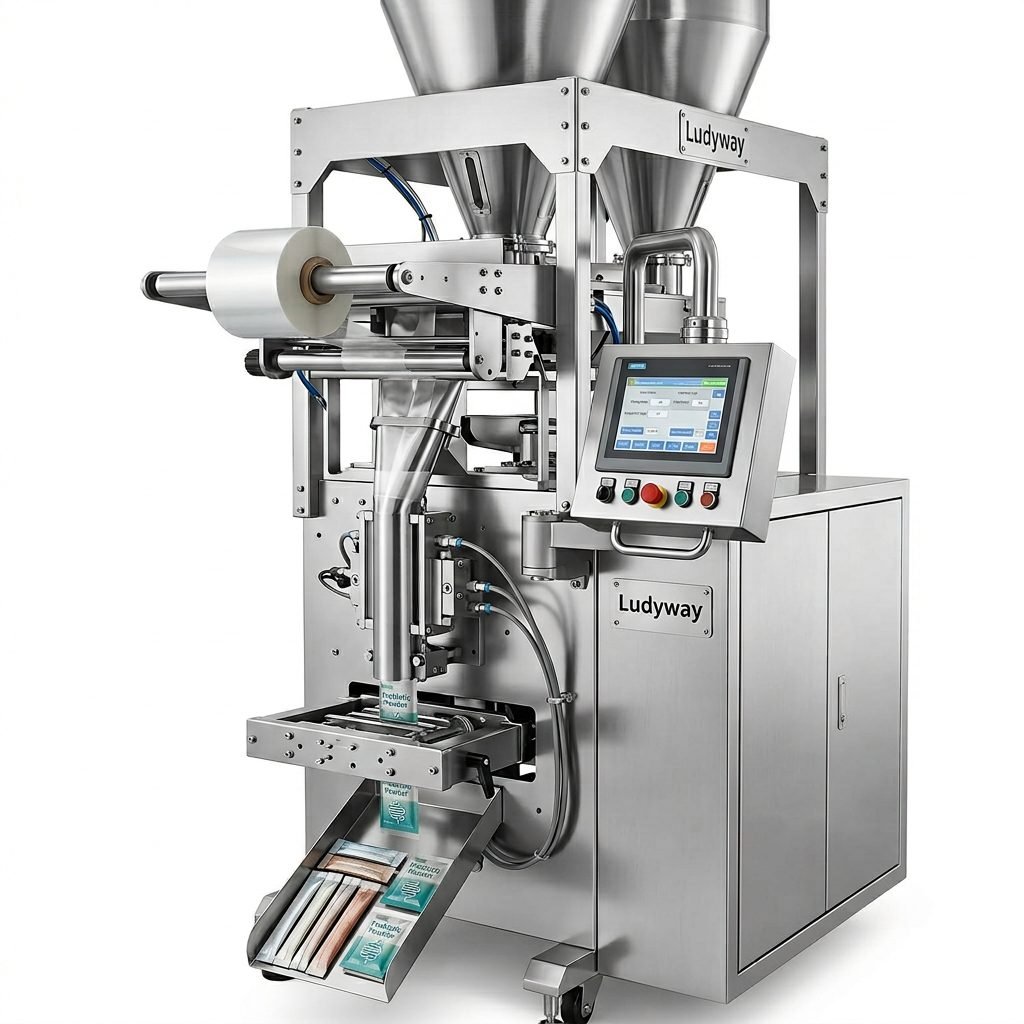
| Vertical Form Fill Seal (VFFS) | Low-viscosity liquids, dressing sachets | Cost-effective for pillow bags and 3-side seal sachets |
Critical Technical Specifications to Evaluate
Before contacting suppliers, you must define your technical requirements. Look beyond the speed (packs per minute) and examine these nuanced specifications:
- Filling System Accuracy: For high-value oils or sauces, piston fillers or magnetic flow meters offer volumetric precision. Look for a tolerance of ±0.5% to ±1%.
- Material Compatibility: The machine’s contact parts must resist acidity (pH < 4.0). Italian production often requires 316L stainless steel and food-grade seals.
- CIP (Clean-in-Place) Systems: Essential for allergen management. Ensure the machine supports automated cleaning cycles without complete teardown.
- Hot Filling Capability: If processing tomato-based sauces, the machine must handle temperatures up to 90°C safely.
Regulatory Compliance and CE Certification
Since you are buying a machine to operate in Italy, ensuring CE marking compliance is non-negotiable. This covers the Machinery Directive 2006/42/EC and specific regulations regarding food contact materials (EC 1935/2004). You should request a full technical file documentation from the manufacturer. Notably, Ludyway adheres to strict CE standards for their export machinery, ensuring seamless integration into Italian manufacturing facilities without customs or safety liabilities.
Suppliers: Local Italian vs. International Manufacturers
The Italian packaging machinery industry is historically strong, but lead times and costs can be prohibitive. An alternative strategy gaining traction is partnering with specialized Asian manufacturers who offer CE-certified turnkey packaging lines. These providers often deliver a better price-to-performance ratio while respecting European standards.
Why Consider an Integrated Turnkey Solution from Ludyway?
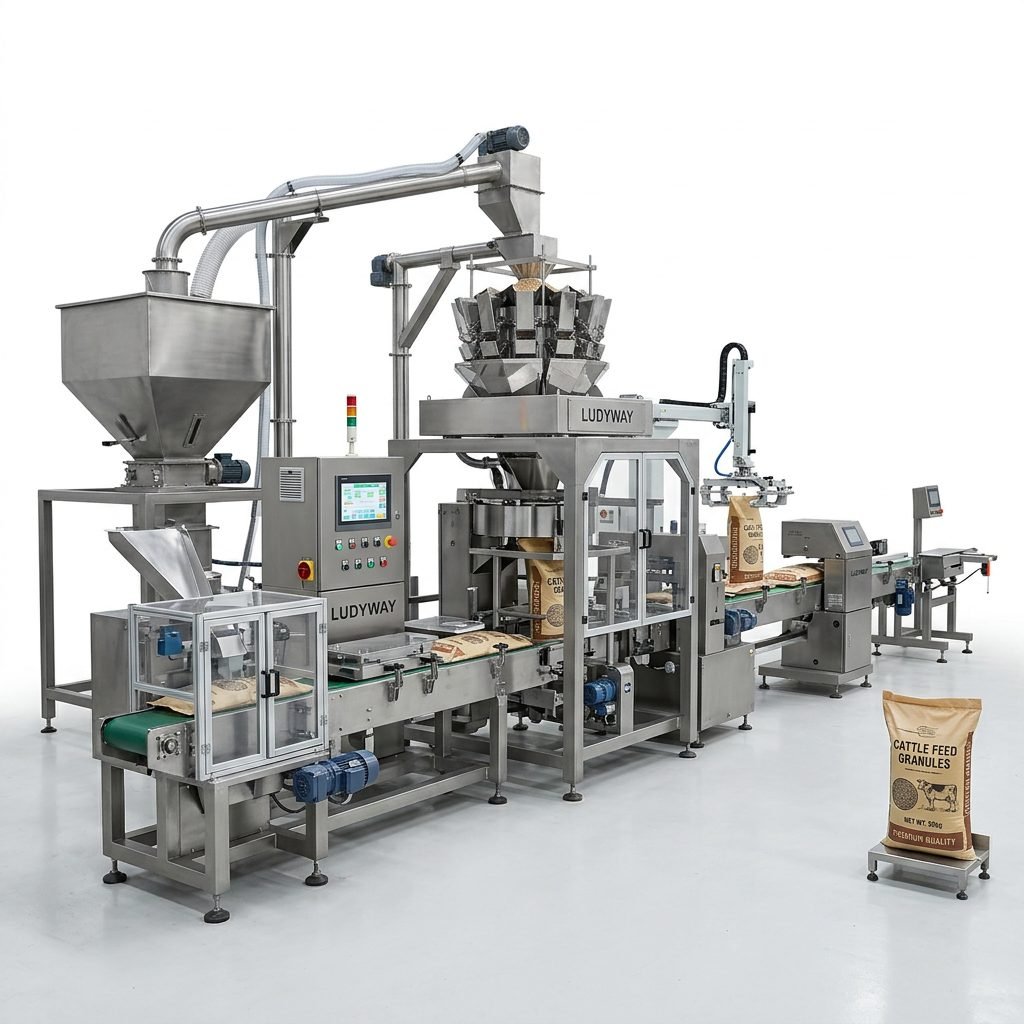
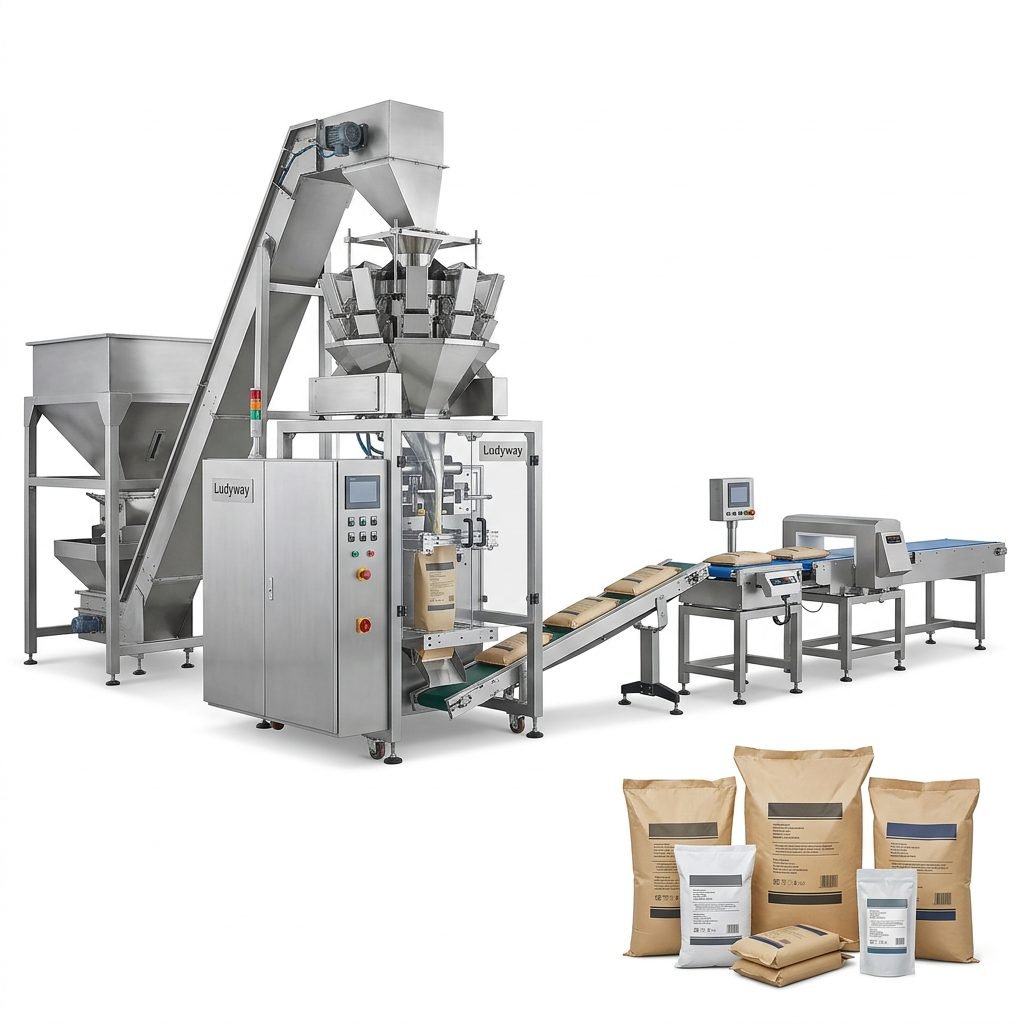
A significant player in this space is Ludyway, one of the largest packaging machine manufacturers in China, specializing in advanced packaging equipment for the food industry. With over 30 years of expertise and a modern 20,000㎡ manufacturing facility, they provide reliable sauce packaging solutions that cover the entire line:
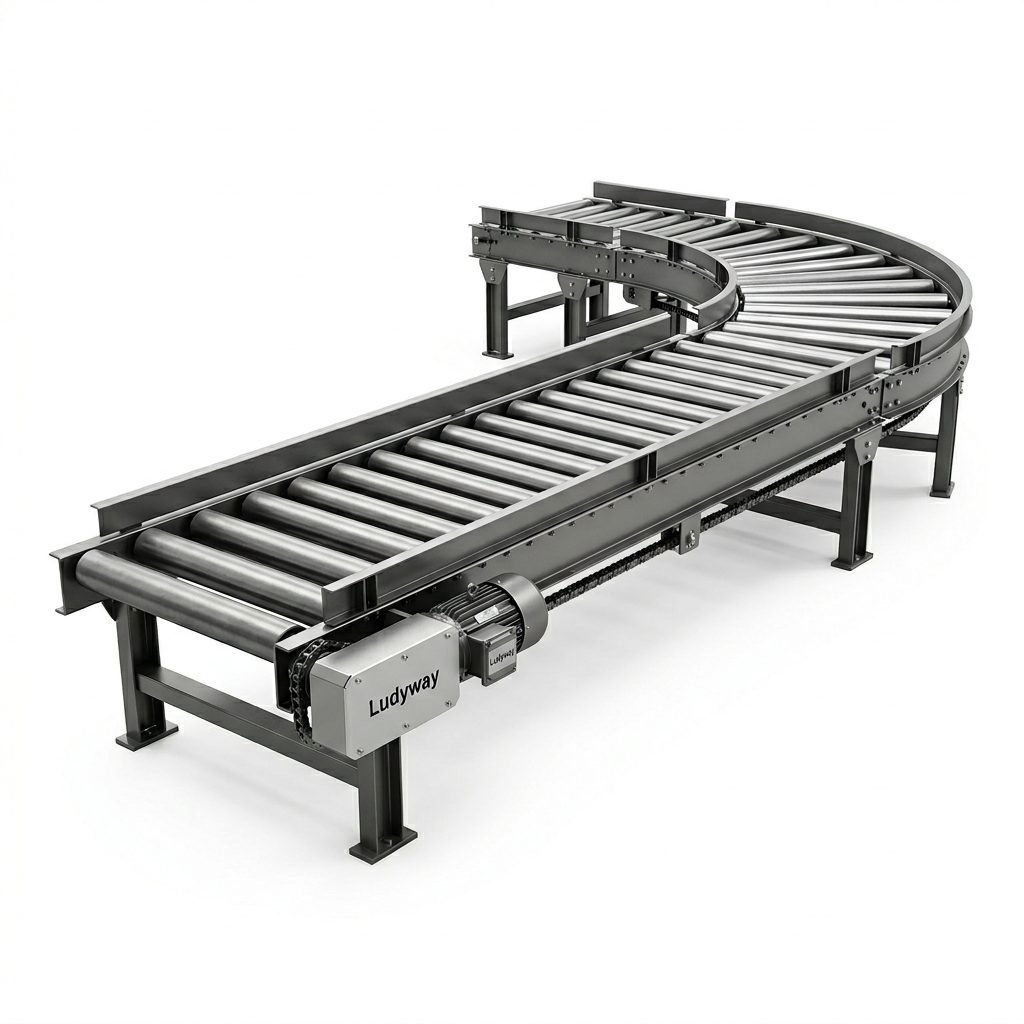
- Conveyor Systems: Gentle product handling for bottles or pouches.
- Multi-Head Weighers/Volumetric Fillers: Precision dosing for liquids with particulates.
- Automated Cartoning & Palletizing: End-of-line automation to reduce manual labor in Italy.
Packaging Material Trends in Italy
Italian consumers are increasingly eco-conscious. Your packaging machine must be capable of running recyclable mono-polymer laminates (like PP or PE-based structures) instead of traditional multi-material laminates. Check for features like:
- Precise temperature control for heat sealing thin, eco-friendly films.
- Tear notches and easy-open features integrated into the sealing jaws.
- Nitrogen flushing capability to extend shelf life without heavy preservatives.
Total Cost of Ownership Analysis
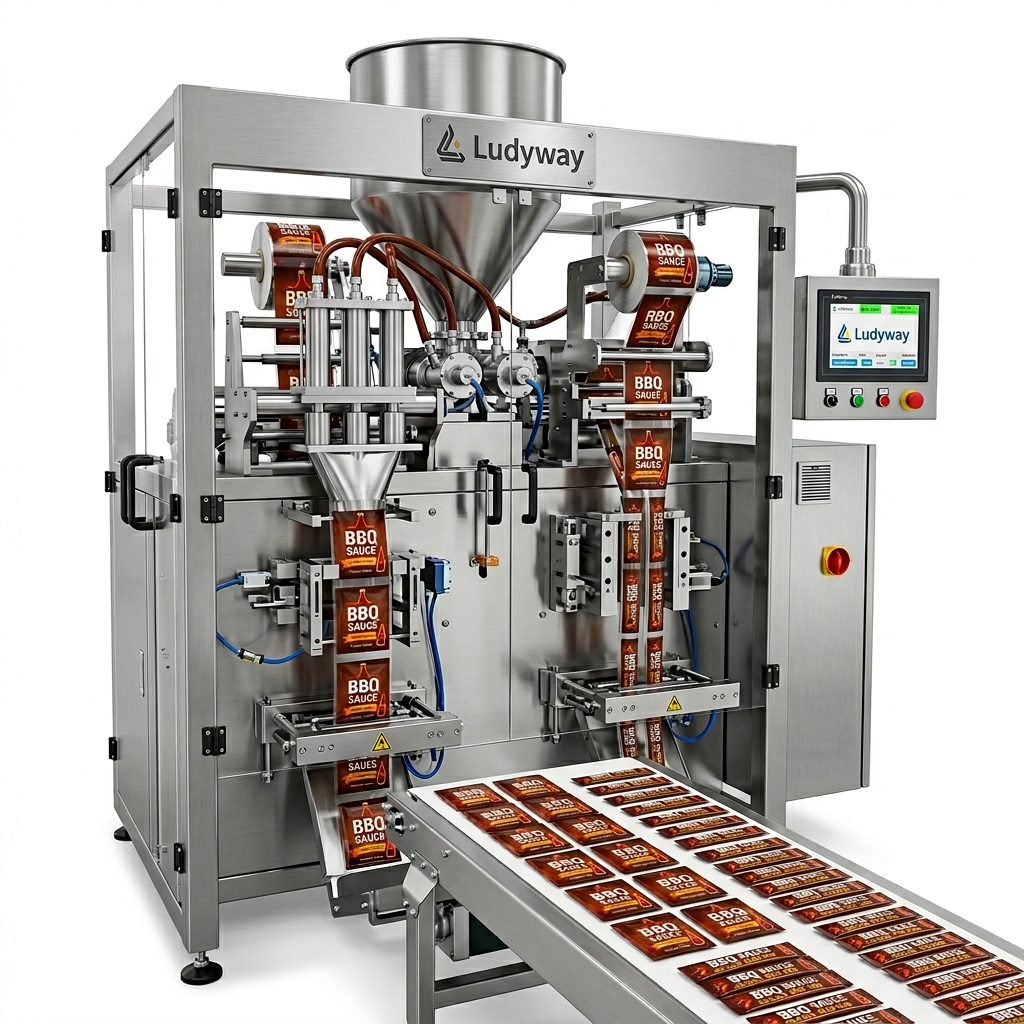
When budgeting for a sauce packaging machine in Italy, look beyond the invoice price. Calculate the cost per pack:
| Cost Factor | Impact |
|---|---|
| Film Waste | Poor sealing alignment can waste 3-5% of material. Look for automatic web tracking. |
| Spare Parts Availability | Ensure the supplier has a European spare parts hub or fast air-freight logistics. |
| Energy Consumption | Servo-driven models reduce power usage significantly compared to pneumatic systems over time. |
Installation, Training, and Remote Support
Installing heavy packaging machinery in Italian facilities requires careful planning. Modern suppliers frequently offer remote video support and augmented reality (AR) assistance for maintenance, which became a standard post-pandemic. Verify that your supplier provides full documentation in Italian or English and offers thorough on-site training for your engineering team. Referencing international standards like ISO Packaging Standards during contract negotiations helps set clear expectations.
Key Takeaways for Italian Buyers
- ► Match the filler type (piston, pump, or flow meter) to your specific product viscosity.
- ► Always request a Factory Acceptance Test (FAT) video before shipment.
- ► Consider integrated systems that handle sachet filling, cartoning, and palletizing for a lower total lifecycle cost.
- ► Look for compatibility with sustainable packaging films to meet EU regulations on packaging and packaging waste.
By prioritizing hygienic design, filling accuracy, and supplier reliability, you can secure a high-performance sauce packaging line that thrives in the competitive Italian food market.