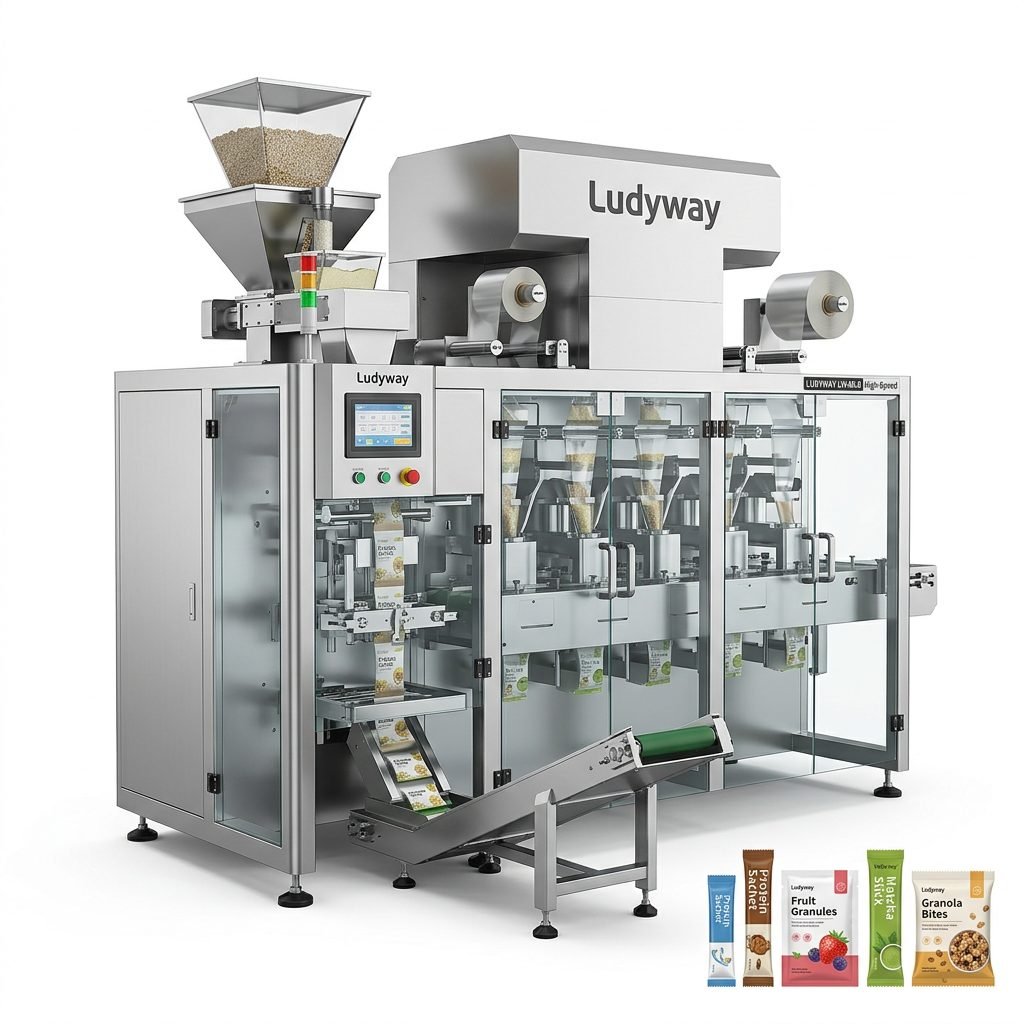
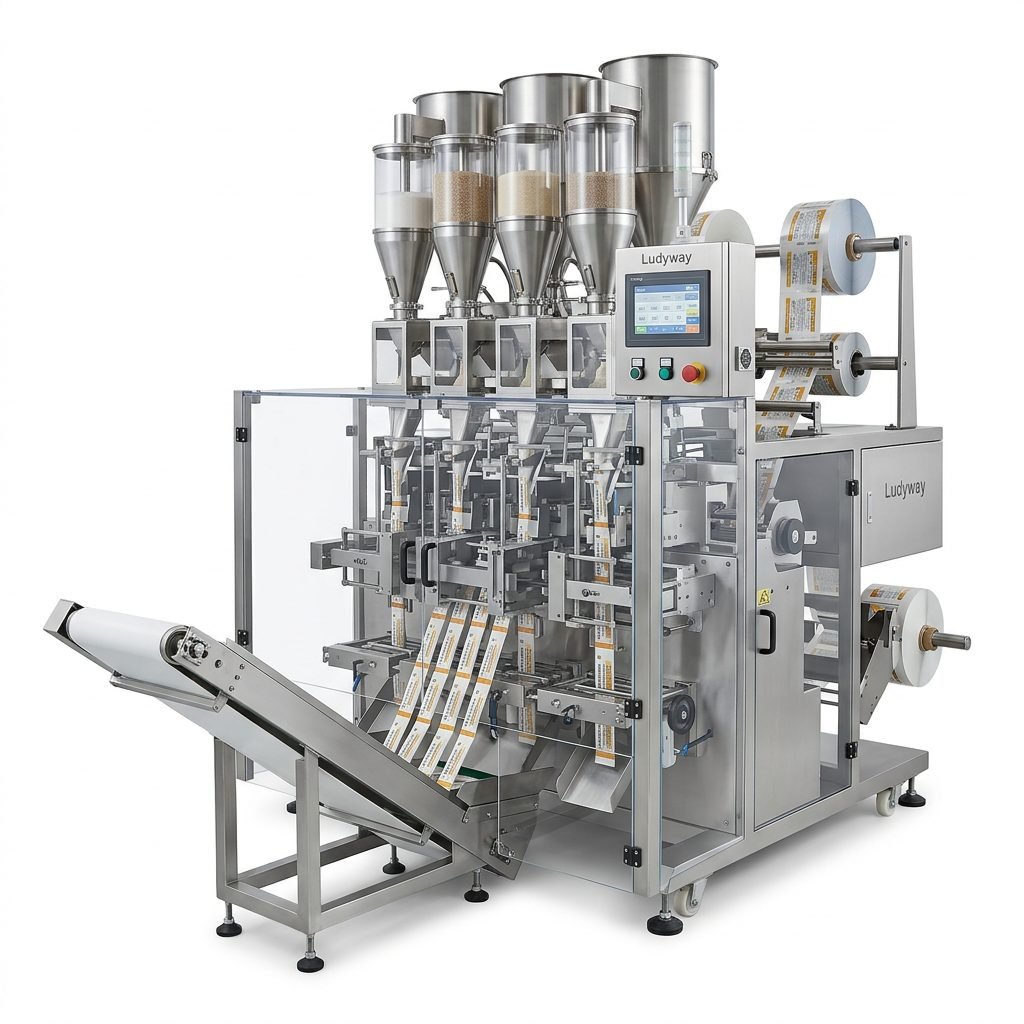
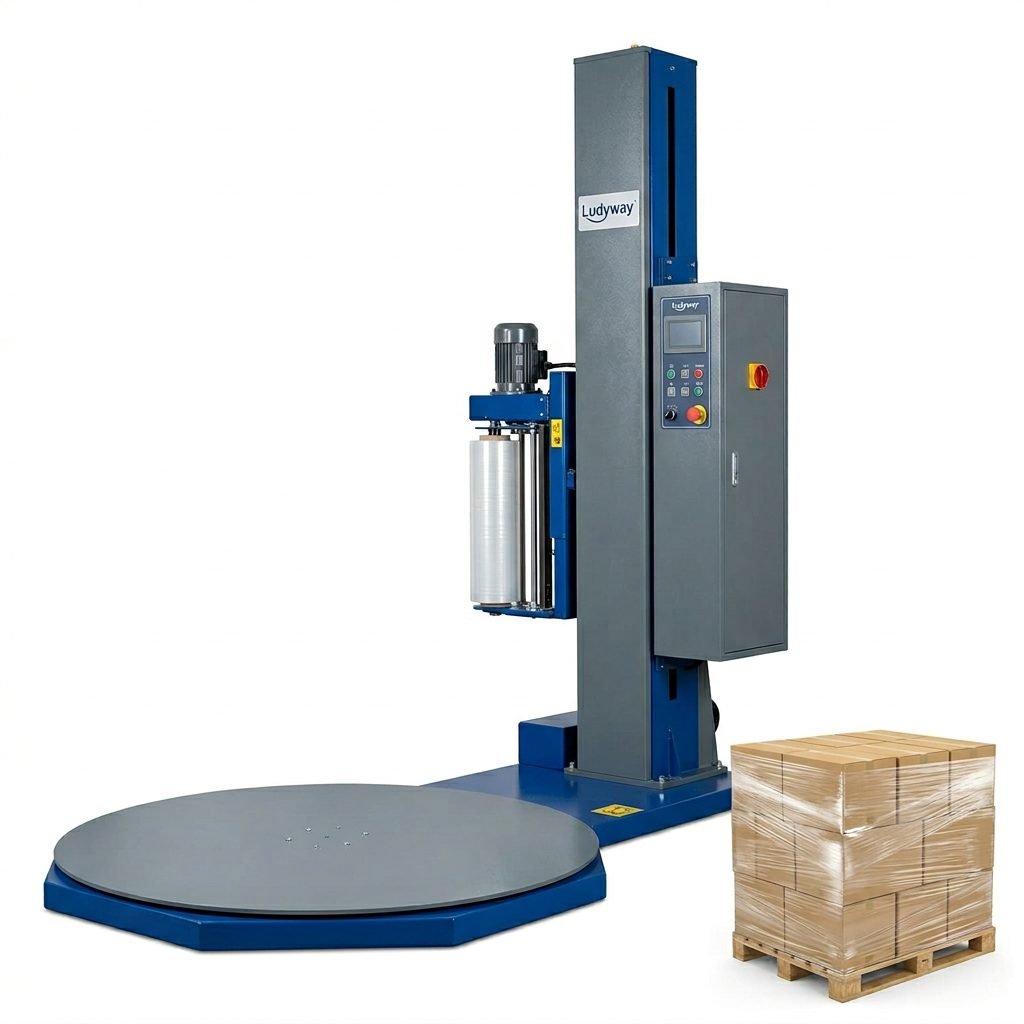
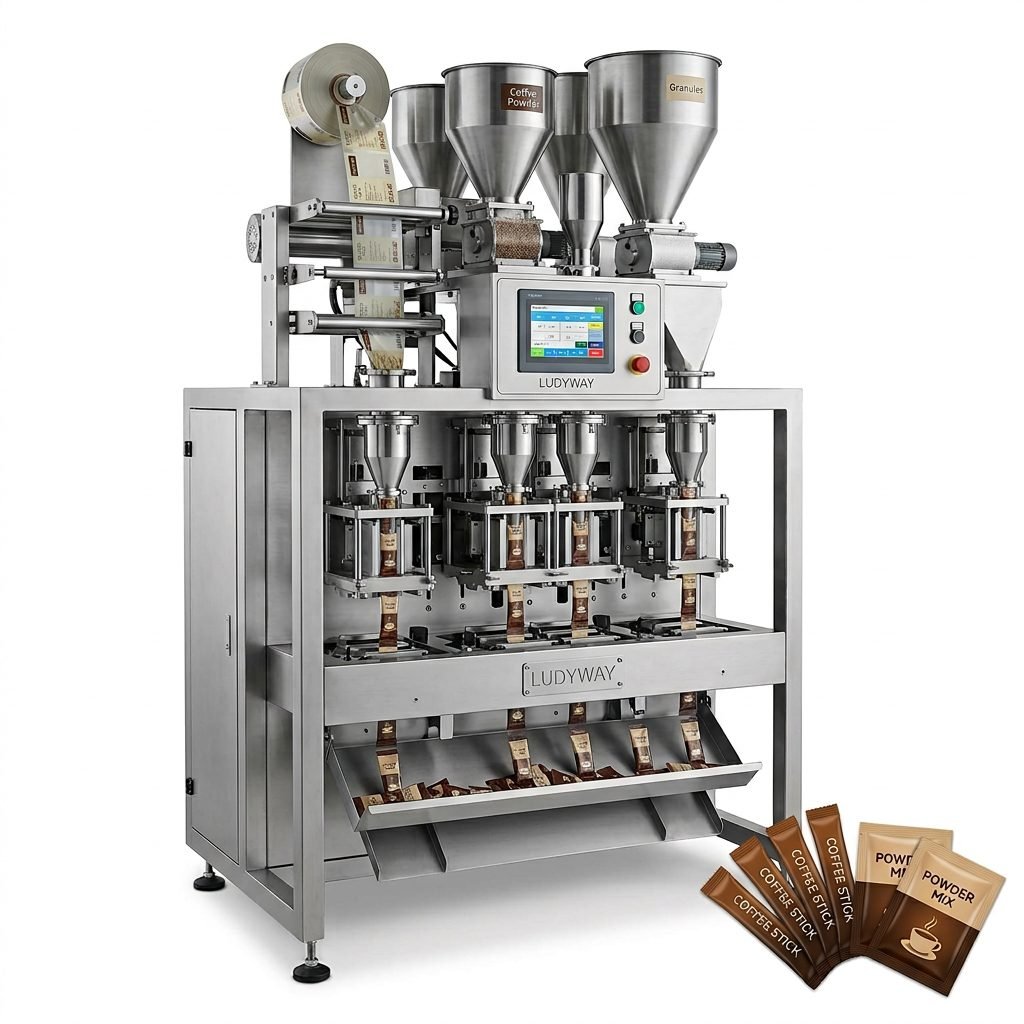
Investing in the right beverage packaging machine is a critical decision for manufacturers aiming to scale production, ensure product quality, and optimize operational costs. Whether you are packaging instant coffee sticks, energy drink powders, juice sachets, or milk tea packets, selecting the appropriate machinery can significantly impact your bottom line. This comprehensive guide explores the types of beverage packaging machines available, breaks down the costs involved, and provides actionable buying tips to help you make an informed decision.
Understanding Beverage Packaging Machine Categories
Beverage packaging equipment is highly diverse, designed to handle different product consistencies, packaging formats, and production volumes. Understanding the core categories is the first step toward narrowing down your options.
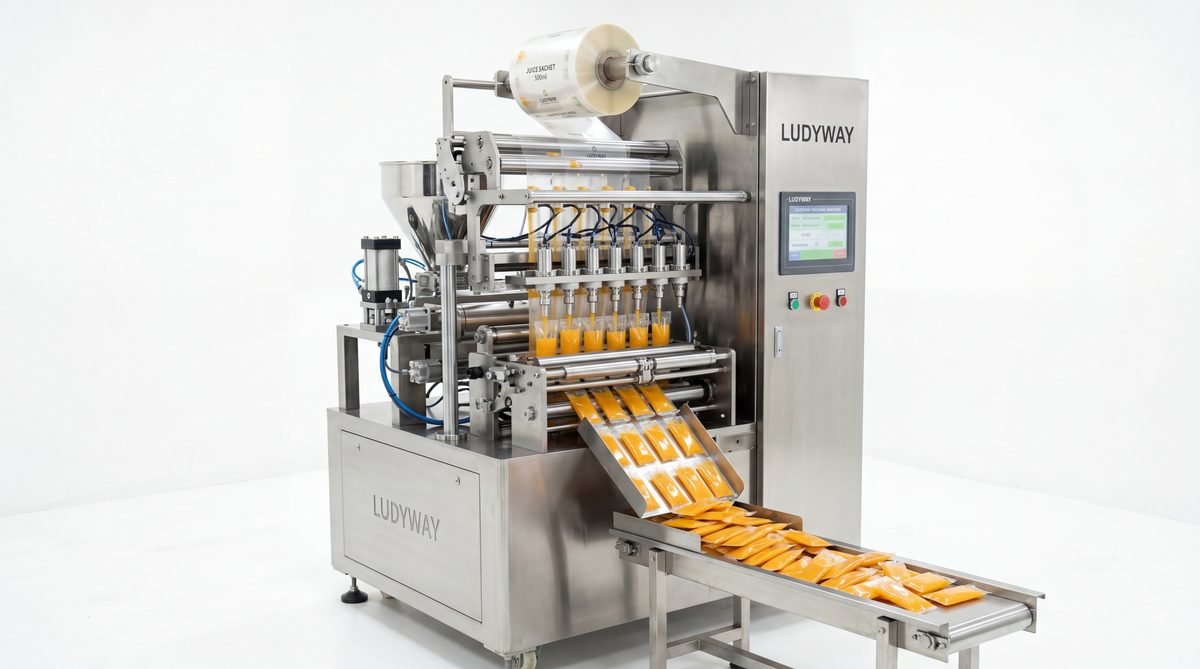
Liquid Beverage Packaging Machines
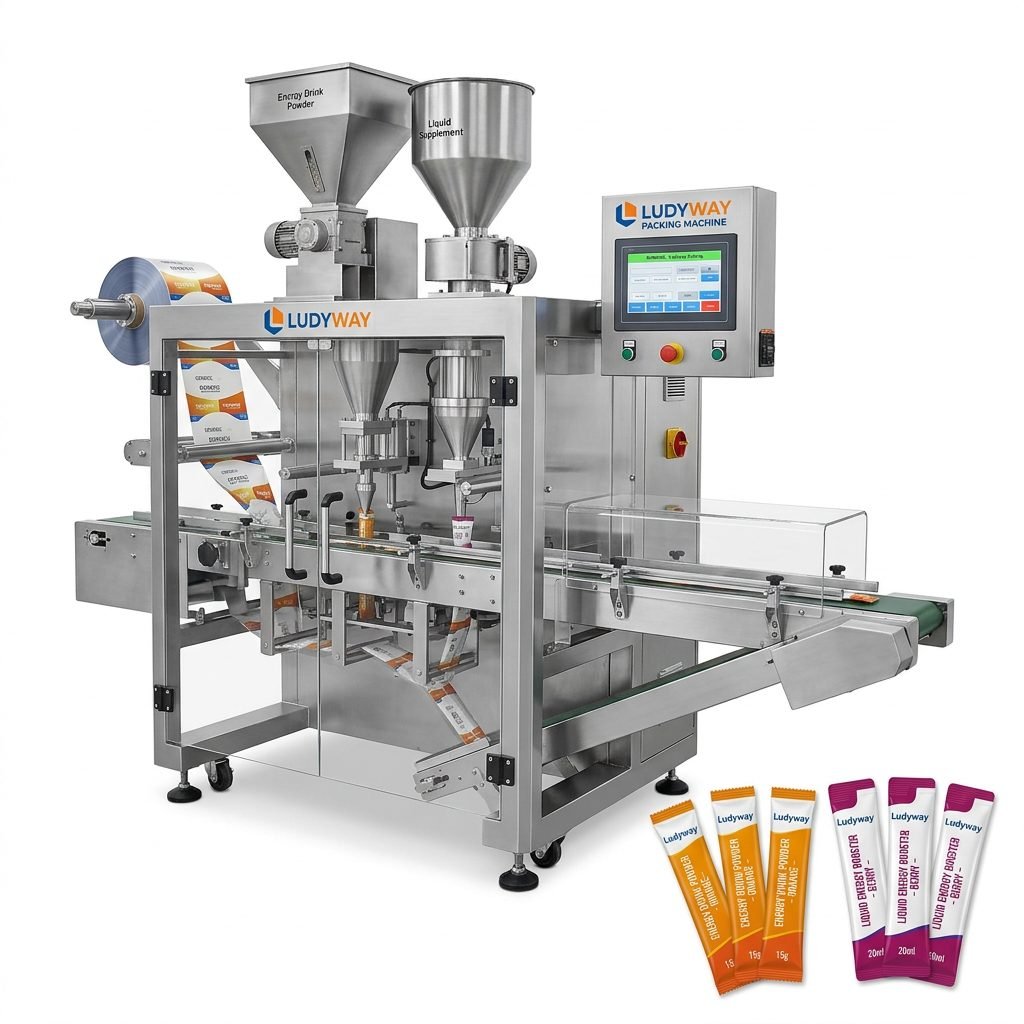
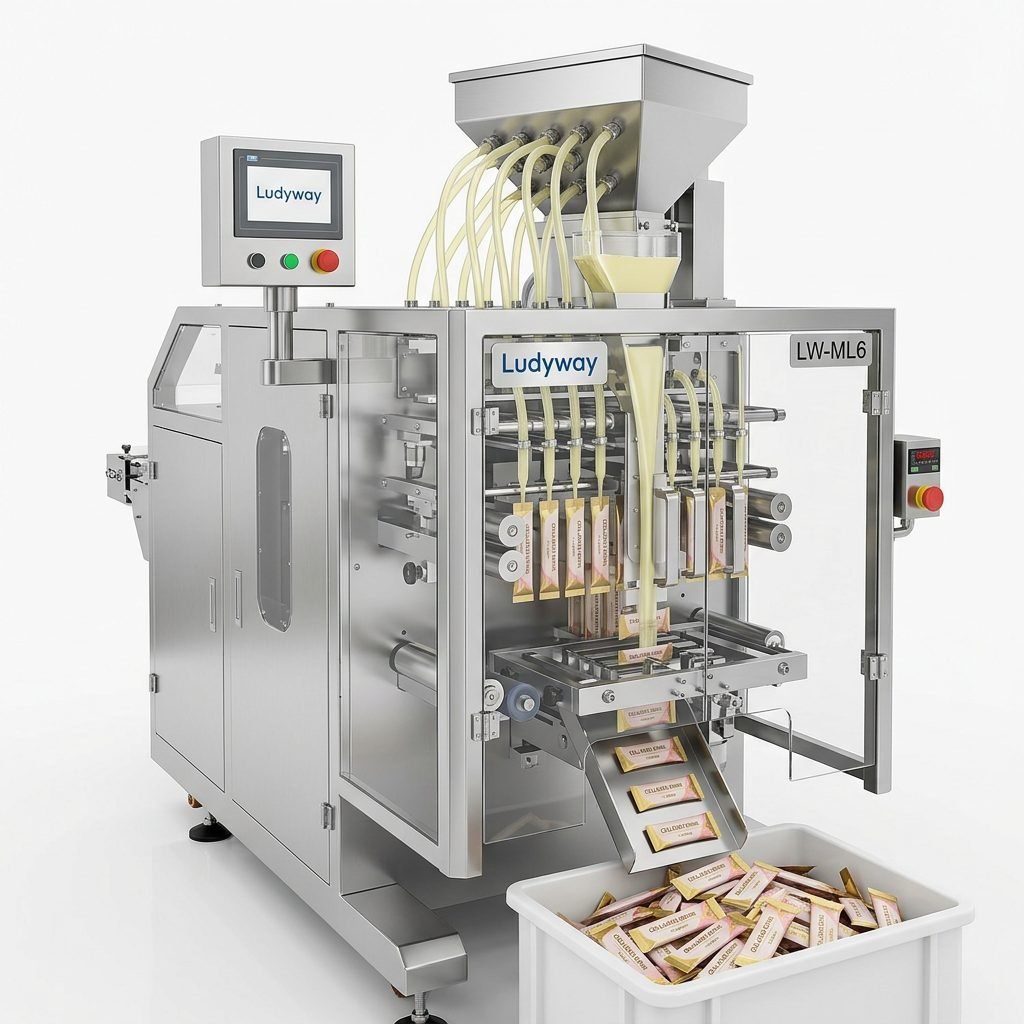
These machines are engineered for water-based and viscous liquid products, including juices, energy drinks, coconut water, and dairy beverages. They typically feature precision liquid filling nozzles and can produce sachets, stick packs, or pouches. Key considerations include filling accuracy, anti-drip mechanisms, and compatibility with food-grade materials.
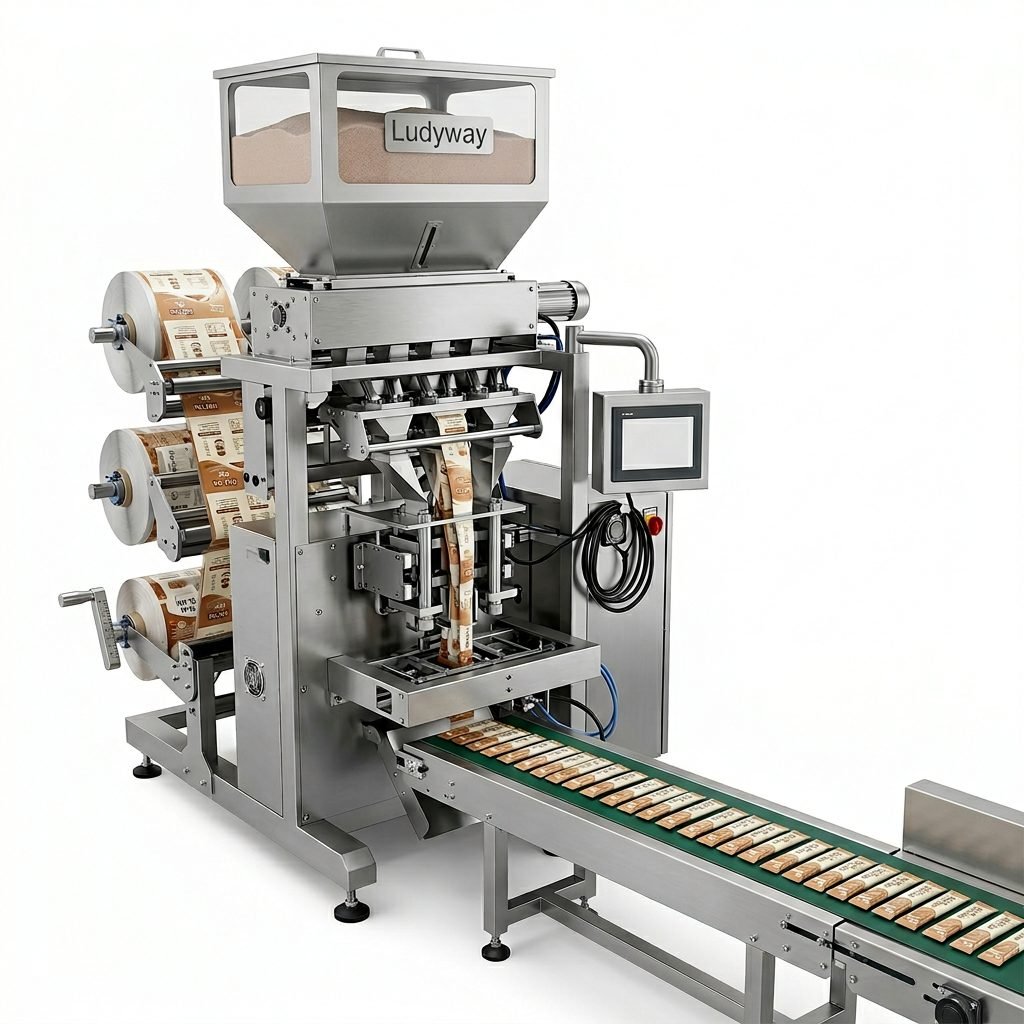
Powder Beverage Packaging Machines
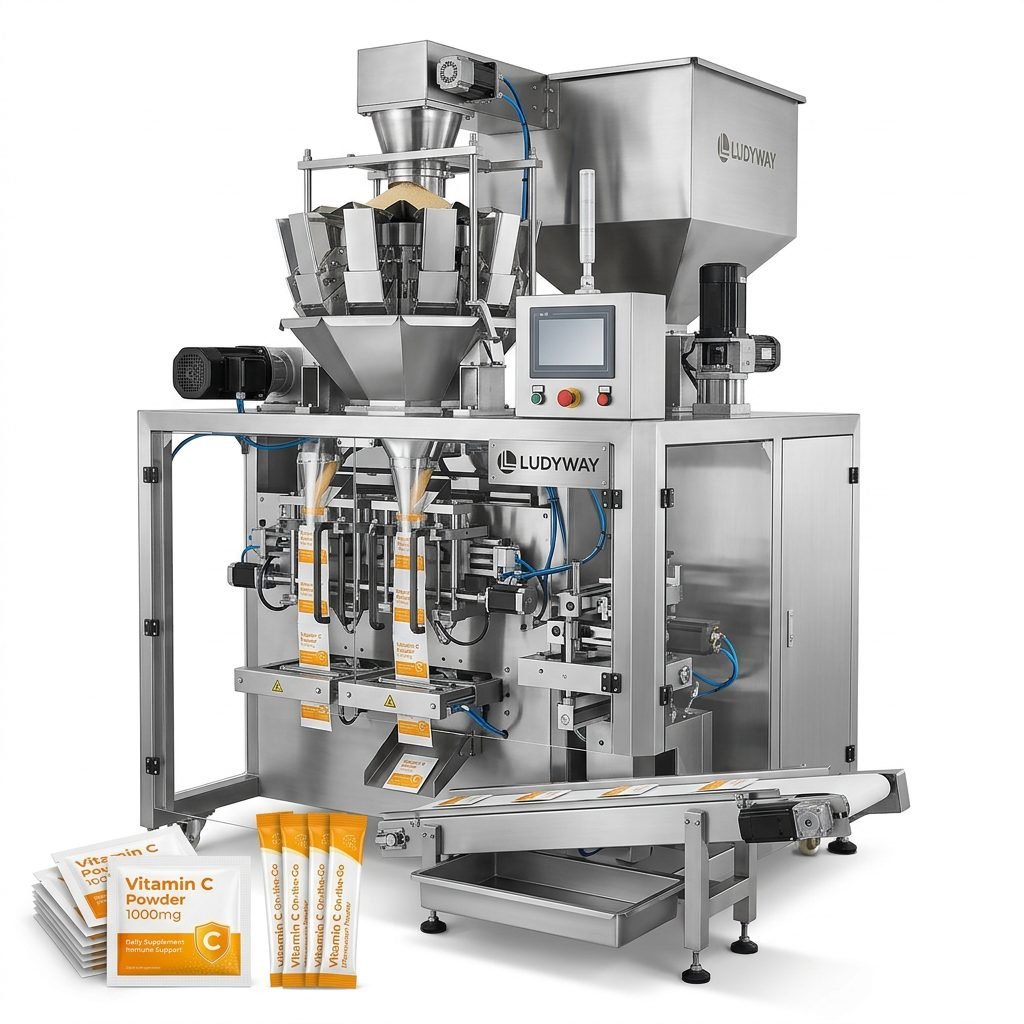
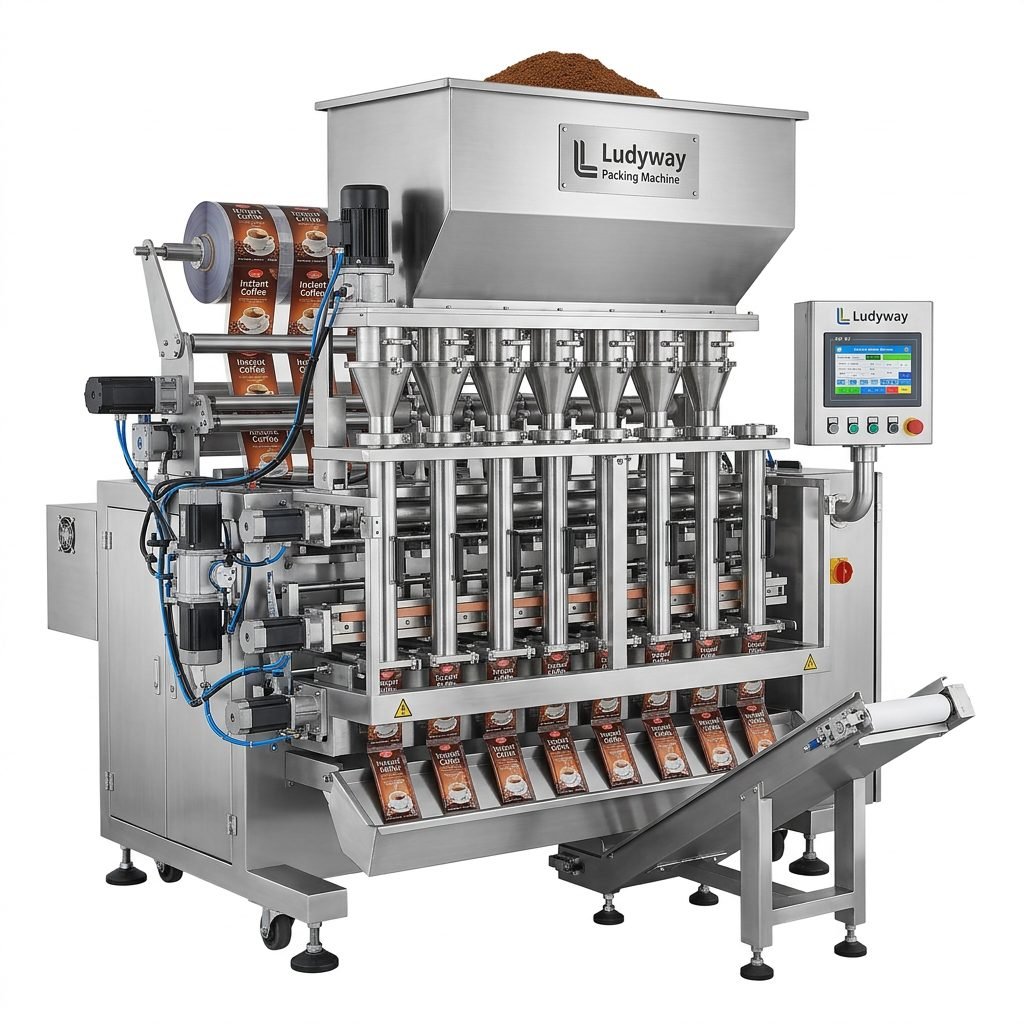
Designed for instant coffee, milk tea powder, protein shakes, and electrolyte mixes, powder packaging machines require specialized dosing systems such as auger fillers or volumetric cup fillers. Dust control and seal integrity are paramount for powder products to prevent contamination and ensure shelf stability.
Granule and Solid Beverage Packaging Systems
For products like tea leaves, coffee beans, or granulated drink mixes, granule packaging machines use multi-head weighers or vibratory feeding systems. These machines excel at handling free-flowing solids and are often deployed in high-speed multi-lane configurations for maximum output.
Popular Packaging Formats for Beverages
The format you choose directly influences the machine type you need. Below are the most common formats in the global beverage market:
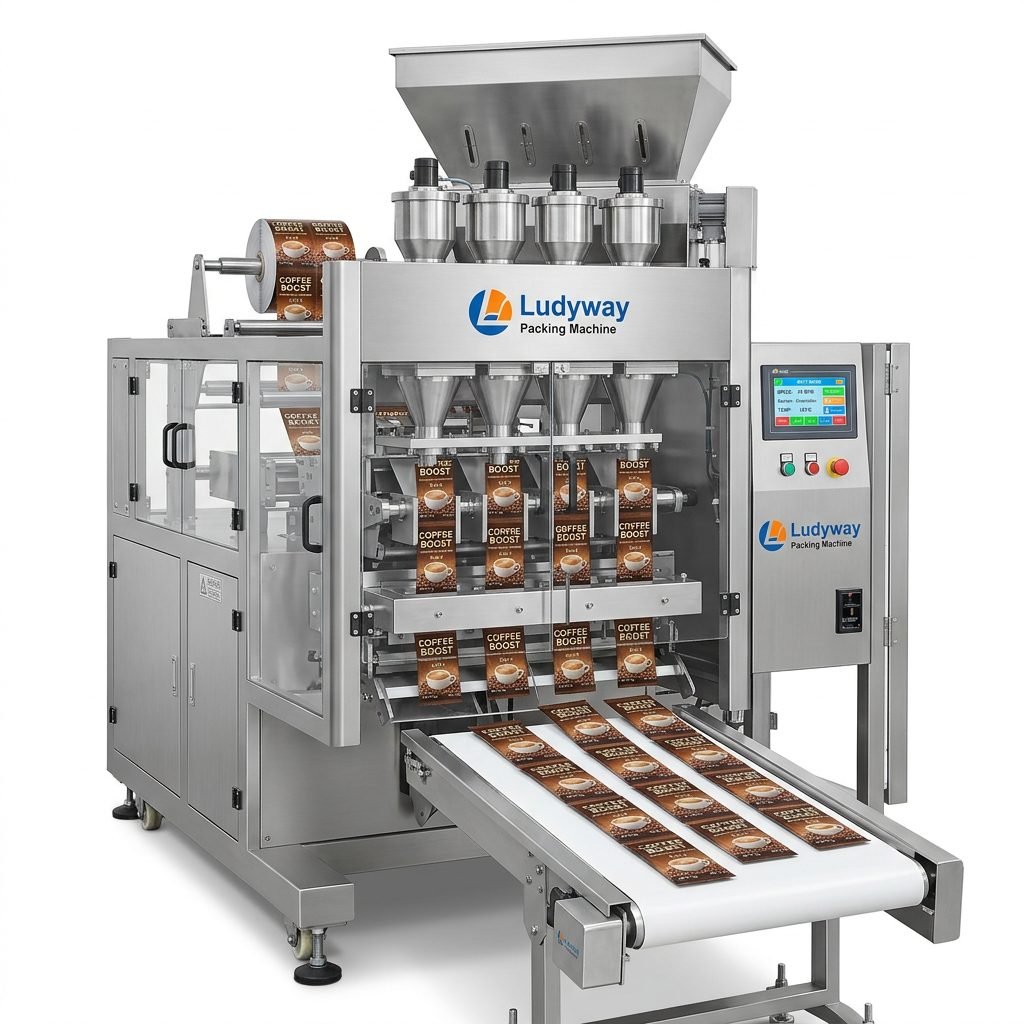
- Stick Packs – Narrow, single-serve packets ideal for instant coffee, sugar, and powdered drinks.
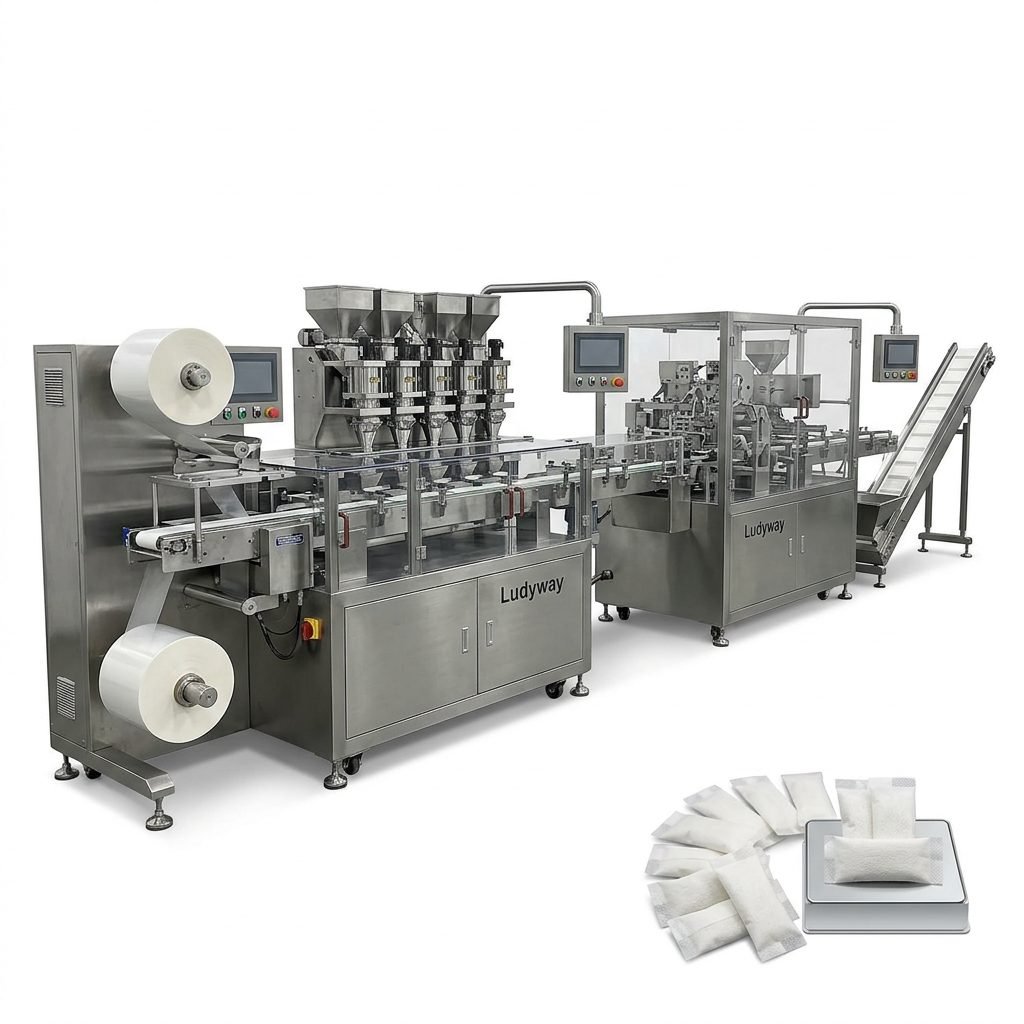
- Sachets – Flat, rectangular packets used for juices, sauces, and liquid concentrates.
- Pouches – Stand-up or flat pouches with resealable zippers, popular for premium beverage powders.
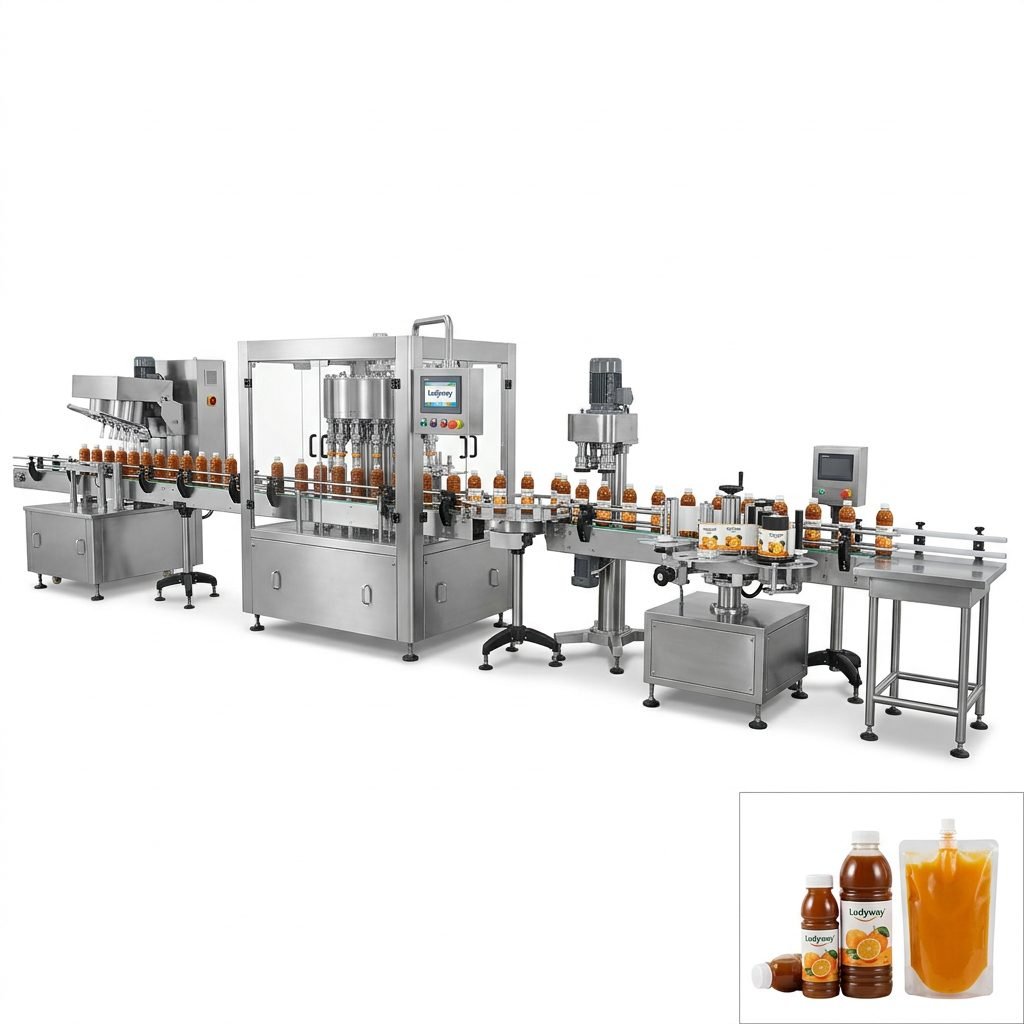
- Bottles – Rigid containers requiring filling, capping, and labeling lines.
- Capsules – Single-serve coffee or tea capsules requiring specialized filling and sealing equipment.
Beverage Packaging Machine Cost Breakdown
Understanding the cost structure of beverage packaging machinery helps in budgeting and ROI calculation. Prices vary significantly based on automation level, speed, and configuration.
| Machine Type | Estimated Price Range (USD) | Best For |
|---|---|---|
| Single-Lane Sachet Machine | $5,000 – $25,000 | Small to medium production |
| Multi-Lane Stick Pack Machine | $30,000 – $120,000 | High-volume powder/ granule beverages |
| Liquid Filling & Sealing Line | $20,000 – $150,000 | Juices, energy drinks, concentrates |
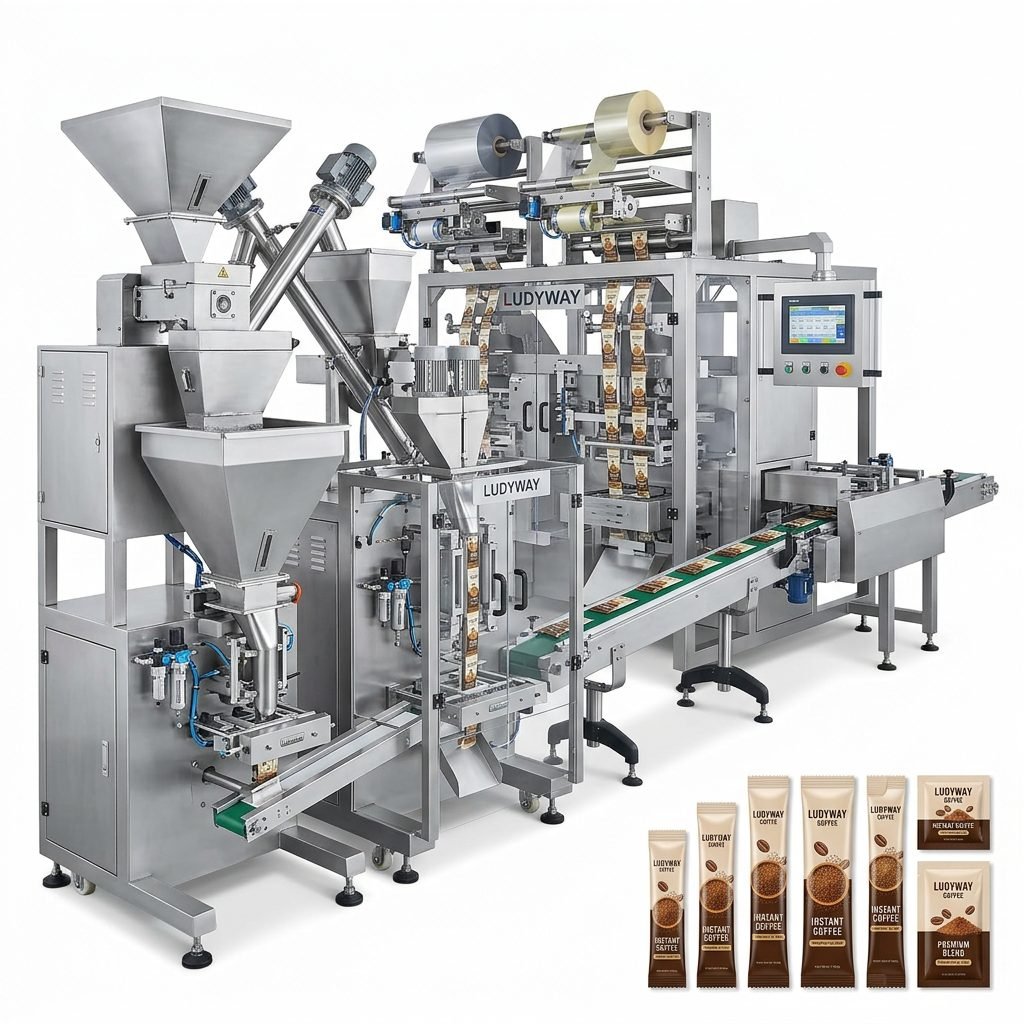
| Fully Automated Turnkey Line | $100,000 – $500,000+ | Large-scale integrated production |
| Capsule Filling & Sealing Machine | $15,000 – $80,000 | Coffee/tea capsule production |
Additional cost factors include customization requirements, after-sales support, shipping and installation, and compliance with international standards such as CE, FDA, or ISO certifications. Always request a detailed quotation that accounts for these variables.
Key Features to Evaluate Before Buying
When comparing beverage packaging machines, focus on these critical specifications to ensure the equipment meets your production goals:
- Production Speed – Measured in packs per minute (ppm); multi-lane machines can achieve 200–600 ppm.
- Filling Accuracy – Essential for product consistency and regulatory compliance, especially in food and pharmaceutical-grade beverages.
- Material Compatibility – Ensure the machine handles your chosen packaging film, whether it’s aluminum foil, PET, or biodegradable laminates.
- Changeover Flexibility – Quick-change parts enable switching between different sachet sizes and formats with minimal downtime.
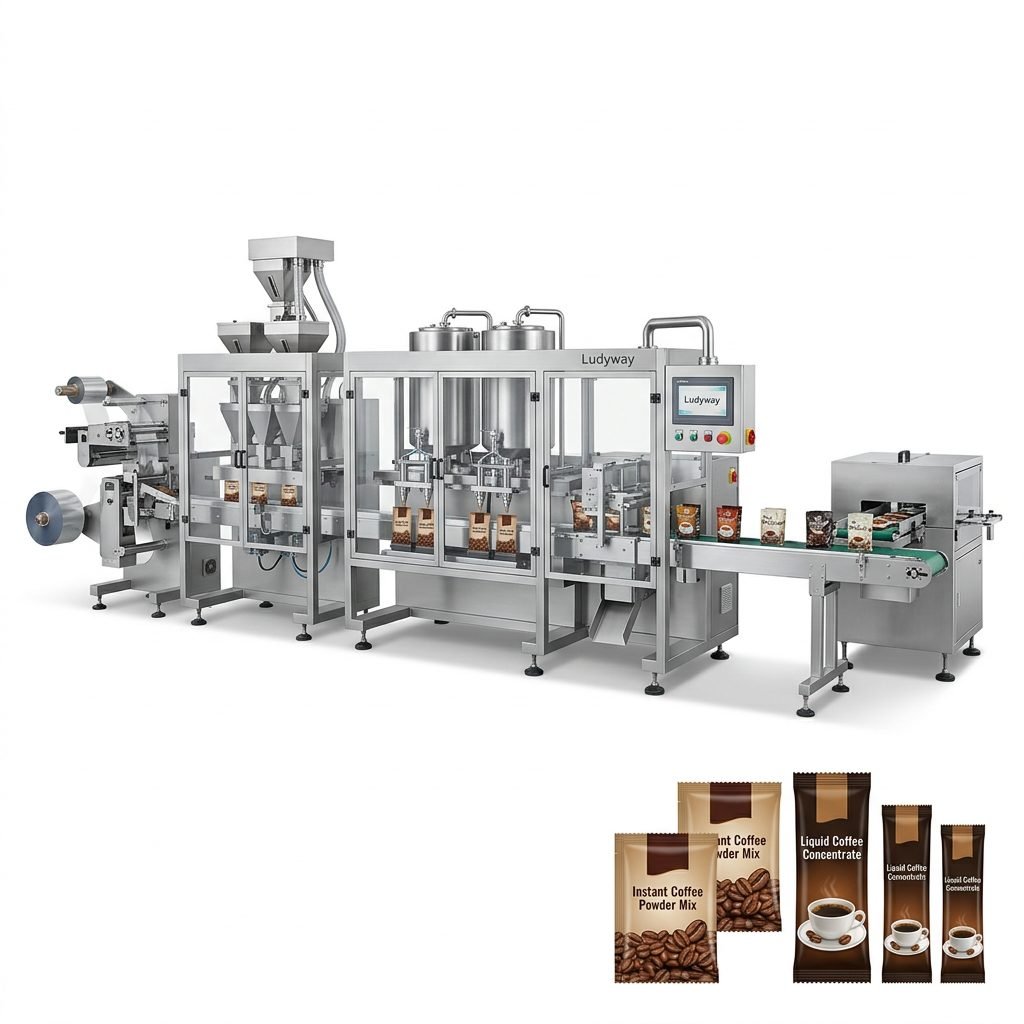
- Automation Level – Options range from semi-automatic to fully automated systems integrating filling, sealing, coding, and cartoning.
Energy Efficiency and Sustainability
Modern beverage packaging machinery increasingly prioritizes energy-efficient motors and reduced material waste. Machines with servo-driven controls offer precise movements that minimize film consumption and electricity usage, aligning with global sustainability targets. Learn more about packaging industry market research and trends from PMMI.
Regional Considerations for Global Buyers
Purchasing beverage packaging equipment across borders requires attention to regional regulations, power supply specifications, and local service availability:
- North America & Europe: Strict FDA and EU packaging regulations; prioritize CE-certified machines with comprehensive documentation.
- Asia-Pacific: Rapidly growing market with competitive pricing; verify supplier credibility and manufacturing standards.
- Middle East & Africa: Consider machines with robust dust and heat resistance for challenging environmental conditions.
- Latin America: Look for bilingual technical support and readily available spare parts inventory.
Supplier Evaluation and Due Diligence
Selecting the right manufacturer is as important as choosing the machine itself. A thorough supplier assessment minimizes risk and ensures long-term support. One notable manufacturer in the global packaging machinery sector is Ludyway, a company with over 30 years of experience and a modern 20,000㎡ production facility, offering more than 50 intelligent packaging machine models to customers across 100+ countries.
Questions to Ask Potential Suppliers
- Do they have experience in your specific beverage category?
- Can they provide references or case studies from similar projects?
- What is the warranty period and what does it cover?
- Do they offer remote diagnostics, on-site training, and after-sales support?
- Are spare parts readily available and reasonably priced?
Turnkey Solutions vs. Standalone Machines
For manufacturers seeking a seamless setup, turnkey packaging lines that integrate filling, sealing, labeling, coding, and cartoning offer significant advantages. These systems reduce the complexity of coordinating multiple vendors and ensure compatibility across all modules. Conversely, standalone machines provide flexibility for smaller operations or those with existing equipment seeking incremental upgrades. Review flexible packaging industry resources for additional guidance on material and format choices.
ROI Calculation and Long-Term Value
Calculating the return on investment for a beverage packaging machine involves more than just the purchase price. Consider these factors in your financial model:
- Labor savings – Automated systems reduce manual intervention and associated costs.
- Material waste reduction – Precision filling and sealing minimize product giveaway and film waste.
- Increased throughput – Higher speeds translate to greater output per shift.
- Downtime costs – Reliable machines with strong support networks keep production running.
- Energy consumption – Servo-driven systems typically use 30–50% less electricity.
Financing and Payment Terms
Many international suppliers offer flexible payment structures, including letters of credit, T/T with installment plans, and leasing options. Negotiating favorable payment terms can ease cash flow pressure and align payments with delivery milestones. Always have a clear contract specifying delivery timelines, acceptance criteria, and penalty clauses for delays.
Compliance and Certification Requirements
Beverage packaging machines must adhere to stringent food safety standards. Key certifications to look for include:
| Certification | Region / Purpose |
|---|---|
| CE Marking | European Economic Area – conformity with health and safety standards |
| FDA Compliance | United States – food contact substances and GMP requirements |
| ISO 9001 | Global – quality management systems |
| ISO 22000 | Global – food safety management |
| GOST-R | Russia and CIS countries |
For detailed information on food packaging regulations from the FDA and ISO packaging standards, consult these authoritative resources to ensure full compliance.
Installation, Training, and After-Sales Support
A smooth installation process sets the foundation for long-term operational success. Comprehensive operator training ensures your team can maximize machine productivity and troubleshoot minor issues independently. When evaluating suppliers, prioritize those offering:
- On-site installation and commissioning by certified engineers
- Hands-on operator and maintenance training programs
- Remote technical support and video diagnostics
- Readily available spare parts with global shipping
- Annual maintenance contracts for preventive servicing
Common Mistakes to Avoid
Even experienced buyers can fall into common traps when purchasing beverage packaging equipment. Avoid these pitfalls to ensure a successful investment:
- Over-specifying or under-specifying – Buy a machine that matches your actual production needs, not an inflated projection.
- Ignoring total cost of ownership – Factor in maintenance, spare parts, energy, and consumables over the machine’s lifespan.
- Skipping factory acceptance testing – Always conduct or remotely witness a FAT before shipment.
- Neglecting packaging material trials – Test your specific films and products on the machine before finalizing the order.
- Choosing based solely on price – The cheapest option often results in higher long-term costs through downtime and inefficiency.
Future-Proofing Your Investment
As the beverage industry evolves toward personalized nutrition, sustainable packaging, and smart factory integration, forward-thinking manufacturers should consider machines with modular designs that accommodate future upgrades. Features like IoT connectivity for predictive maintenance, compatibility with recyclable mono-materials, and the flexibility to handle multiple product types position your operation for long-term competitiveness. Explore EU packaging and packaging waste regulations to stay updated on sustainability requirements.
Packaging Machine Quick Comparison Table
| Feature | Semi-Automatic | Fully Automatic | Turnkey Line |
|---|---|---|---|
| Operator Involvement | High | Low | Minimal |
| Production Capacity | 50–150 ppm | 200–600 ppm | 1,000+ ppm |
| Initial Investment | $5,000–$30,000 | $30,000–$200,000 | $150,000–$1,000,000+ |
| Footprint | Small | Medium | Large |
| Scalability | Limited | Moderate | High |
Final Recommendations
Purchasing a beverage packaging machine is a strategic investment that shapes your production capabilities for years to come. Start by clearly defining your product specifications, target output, and budget range. Research suppliers thoroughly, request product demonstrations, and validate machine performance with your actual packaging materials. Whether you are entering the market with a single-lane sachet machine or scaling up with a fully automated multi-lane system, the right equipment partner will provide the technology, training, and support necessary for sustained success in the competitive global beverage industry. For deeper insights, access the 2026 State of the Industry report from PMMI to understand emerging trends and benchmark data.