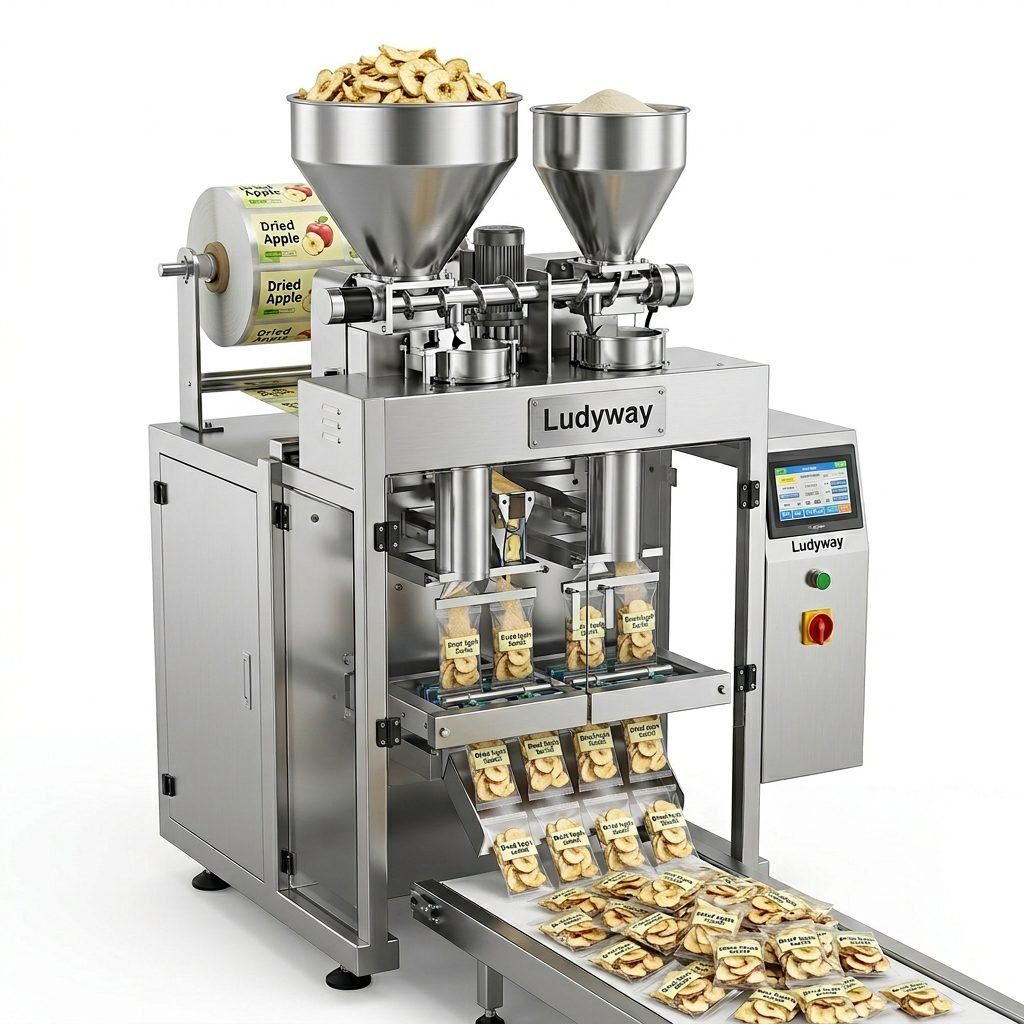
Establishing a chicken packaging machine production line in Asia requires careful planning around equipment selection, capital investment, and operational workflow. With the region’s growing demand for processed and portioned poultry products, setting up an efficient line is both a strategic opportunity and a technical challenge.
Understanding the Core Components of a Chicken Packaging Line
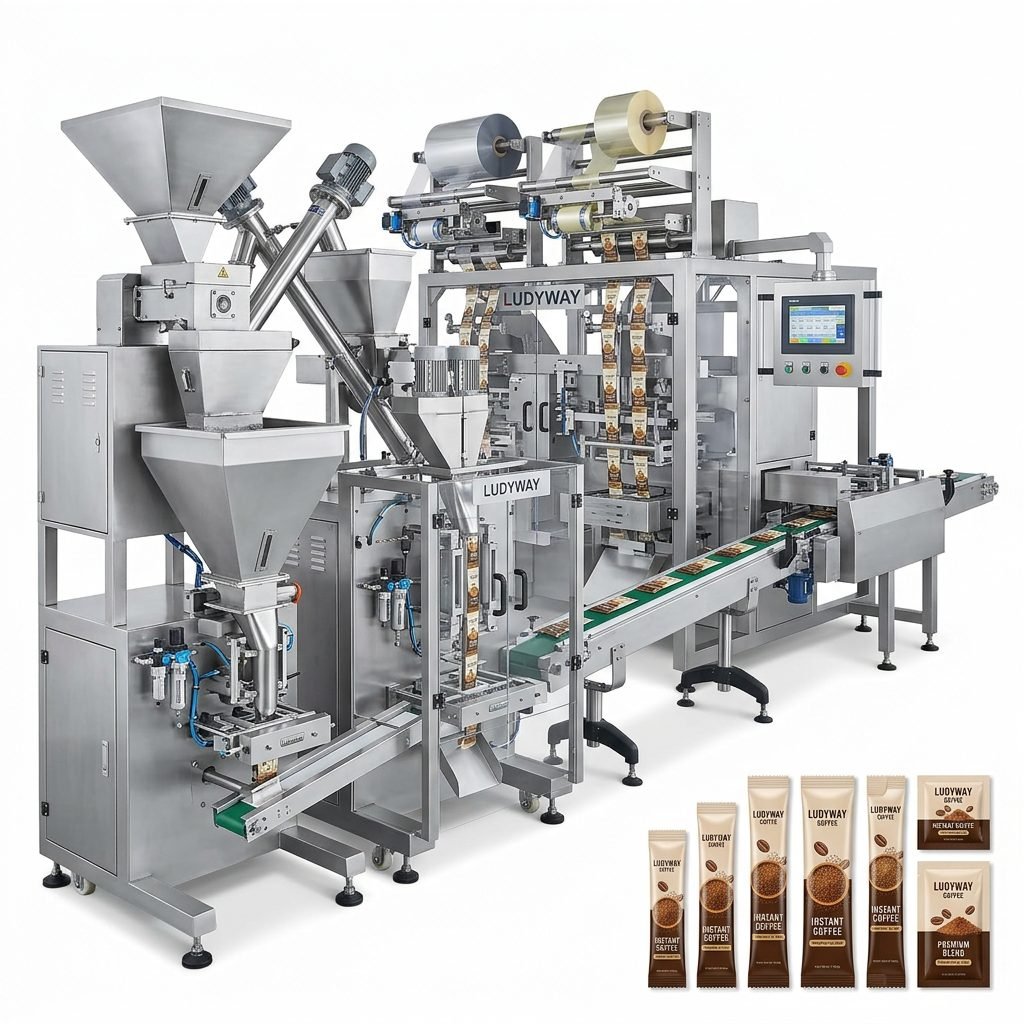
Before diving into costs and steps, it’s essential to understand what makes up a modern poultry packaging system. A typical line integrates multiple stations that handle weighing, filling, sealing, and secondary packaging. The exact configuration depends on whether you are packing fresh cuts, frozen portions, marinated products, or processed chicken items like nuggets and sausages.
Primary Equipment Categories
Selecting the right machinery is the foundation of your production line. Below are the key equipment types you will evaluate:
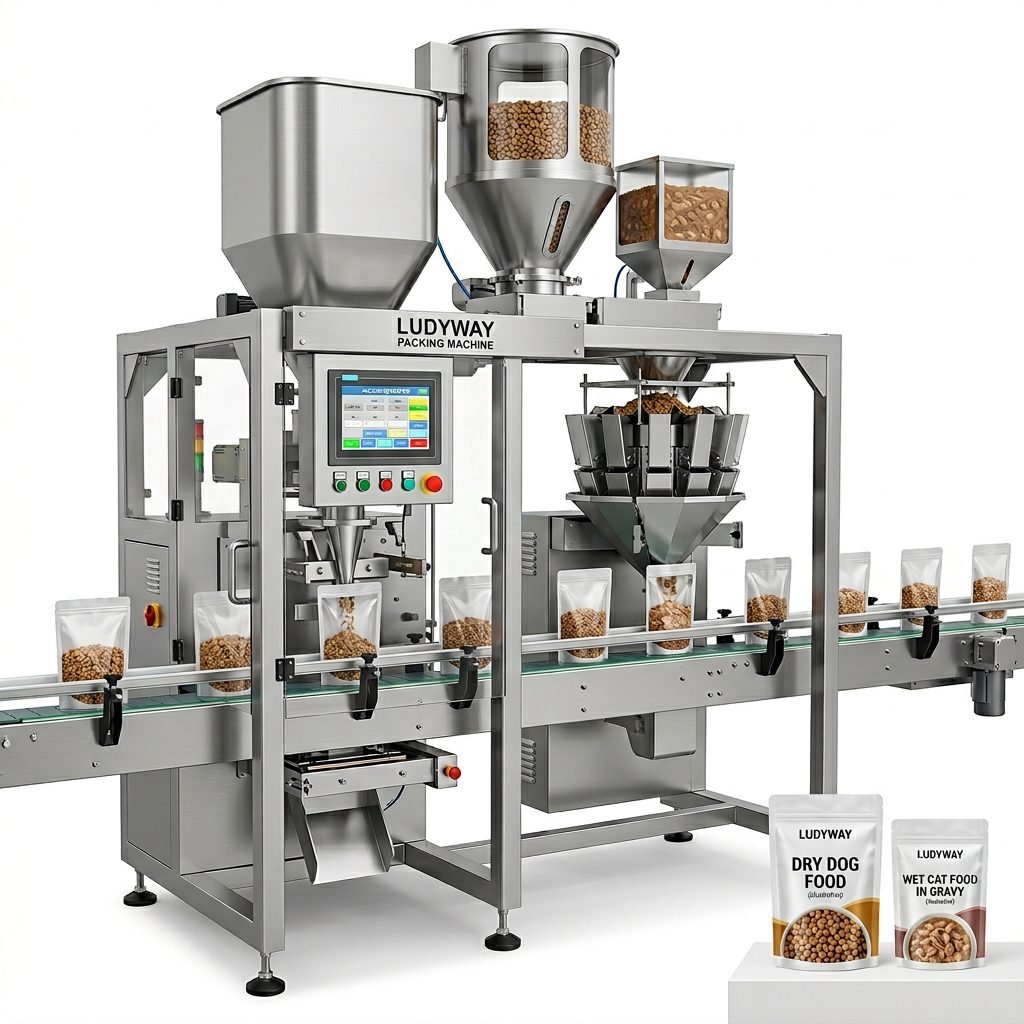
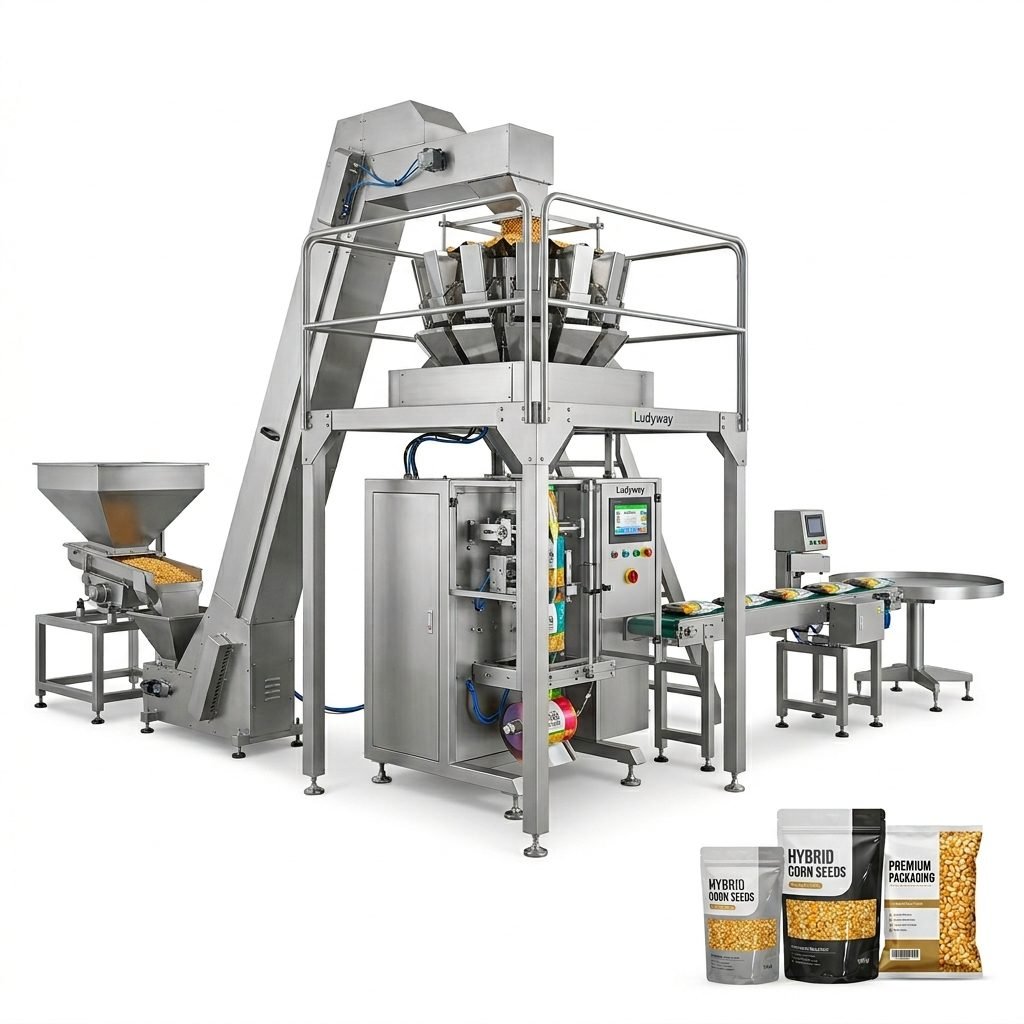
- Weighing and Feeding Systems: Multi-head weighers or linear weighers designed for sticky, irregular chicken pieces ensure precise portion control.
- Primary Packaging Machines: Tray sealers for MAP (Modified Atmosphere Packaging), vacuum packaging machines for extended shelf life, or flow wrappers for frozen portions.
- Filling and Sealing Units: For marinated chicken or sauce-based products, liquid and solid combination fillers integrated with sachet or pouch sealing stations are critical.
- Secondary Packaging Automation: Cartoning machines, case packers, and palletizers streamline end-of-line logistics.
Estimated Costs for Setting Up in Asia
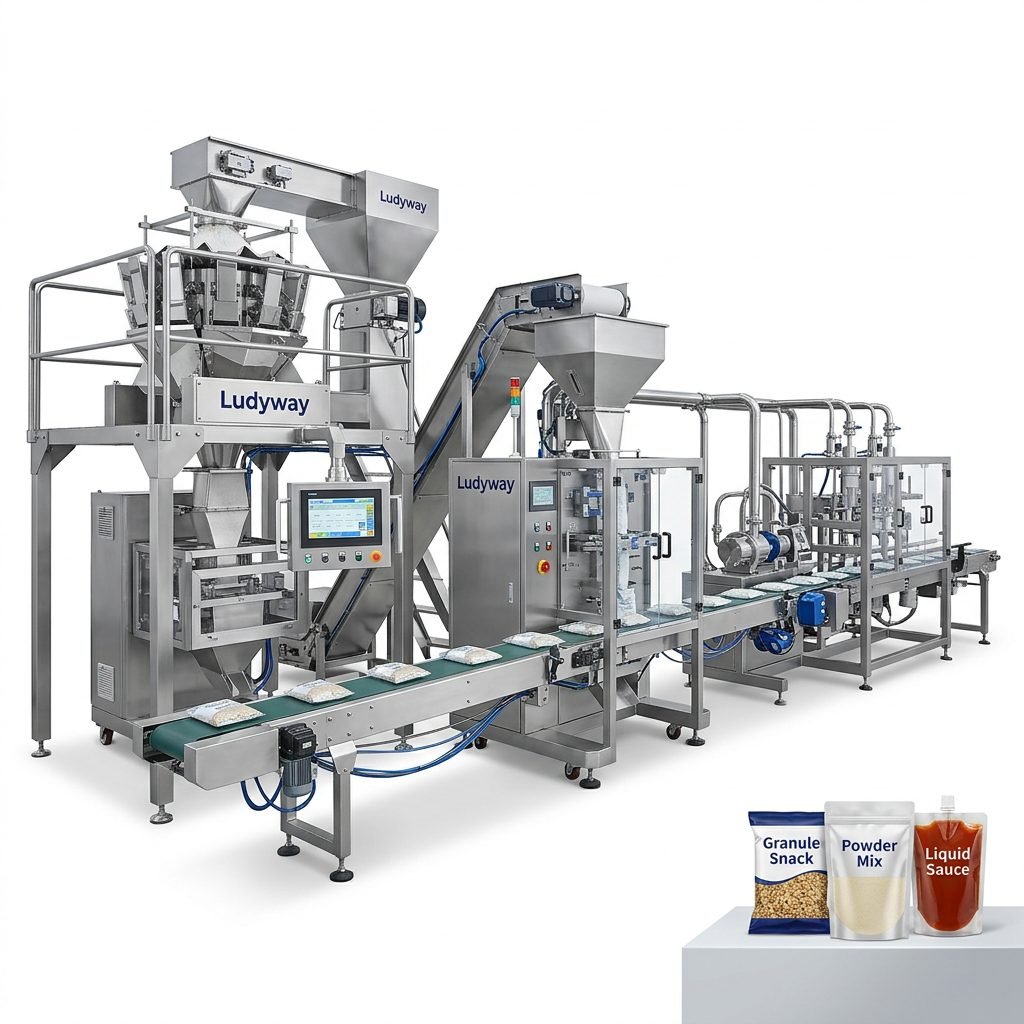
Cost is a decisive factor. Your budget will vary based on automation level, production capacity, and whether you choose standard or customized solutions. The table below provides a general cost breakdown for a mid-scale chicken packaging line in the Asian market.
| Cost Component | Estimated Range (USD) | Remarks |
|---|---|---|
| Weighing & Feeding | $15,000 – $45,000 | Depends on head count and accuracy |
| Primary Packaging Machine | $25,000 – $120,000 | Tray sealer, VFFS, or vacuum system |
| Conveying & Integration | $8,000 – $25,000 | Custom belt systems and transfers |
| Secondary Packaging | $20,000 – $80,000 | Cartoners, case packers, palletizers |
| Installation & Training | $5,000 – $20,000 | On-site setup and staff training |
Note: These figures are indicative. Turnkey solutions from experienced manufacturers often provide better long-term ROI through integrated engineering and after-sales support. The PMMI Business Intelligence Library offers detailed market research on packaging machinery investment trends globally.
Step-by-Step Guide to Building Your Production Line
Setting up a chicken packaging line involves more than purchasing equipment. Follow these structured steps to minimize downtime and ensure compliance with food safety standards.
Step 1: Define Your Product and Packaging Format
Start by clearly specifying the chicken product type — fresh tray-packed breast fillets, frozen IQF portions, marinated wings in pouches, or ready-to-eat chicken snacks. Each format demands a different machine configuration. Your choice impacts film type, sealing technology, and shelf-life requirements.
Step 2: Assess Production Capacity Requirements
Calculate your target output in packs per minute (PPM) or kilograms per hour. This determines whether you need single-lane or multi-lane systems. For reference, industry standards on packaging machinery performance can be reviewed through PMMI’s 2025 State of the Industry report.
Step 3: Select a Suitable Facility Location
Consider proximity to poultry suppliers, cold chain logistics, labor availability, and utility costs. The facility must accommodate hygienic zoning, washdown areas, and temperature-controlled environments for raw chicken handling.
Step 4: Source Equipment from Reliable Manufacturers
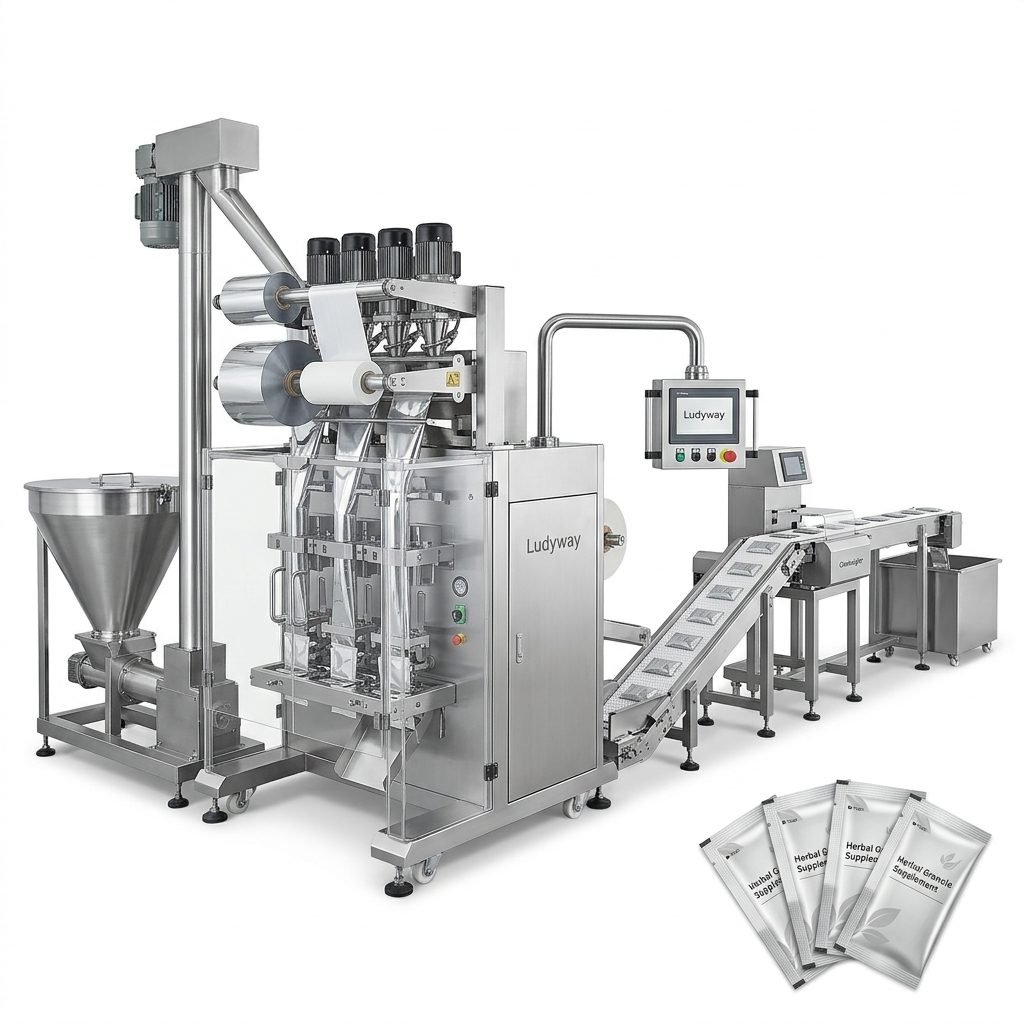
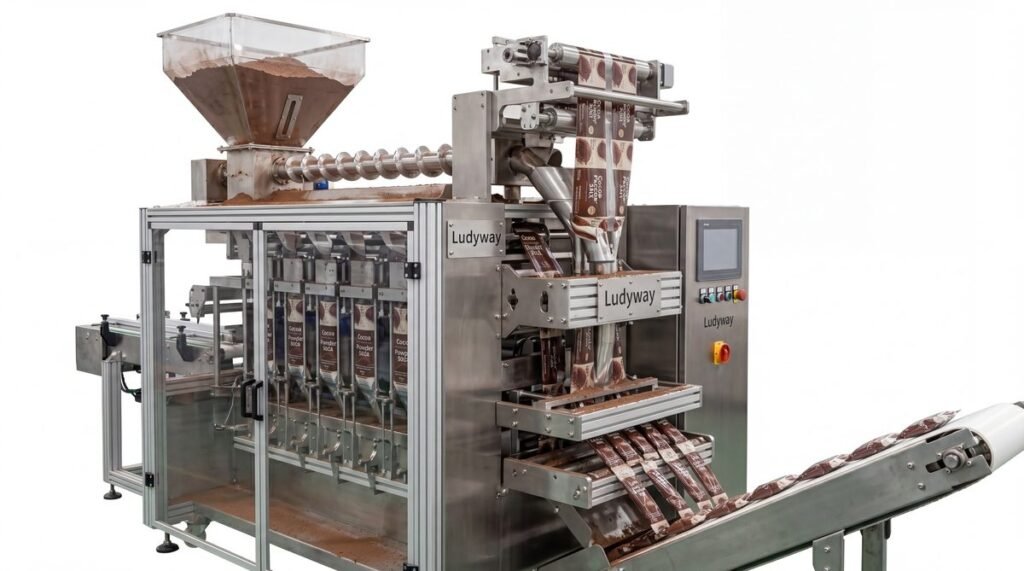
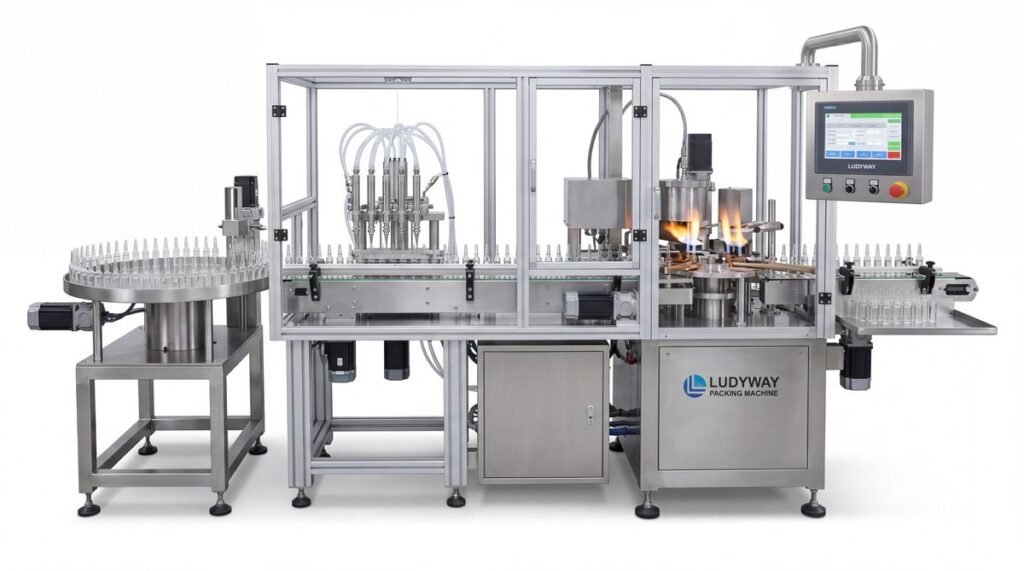
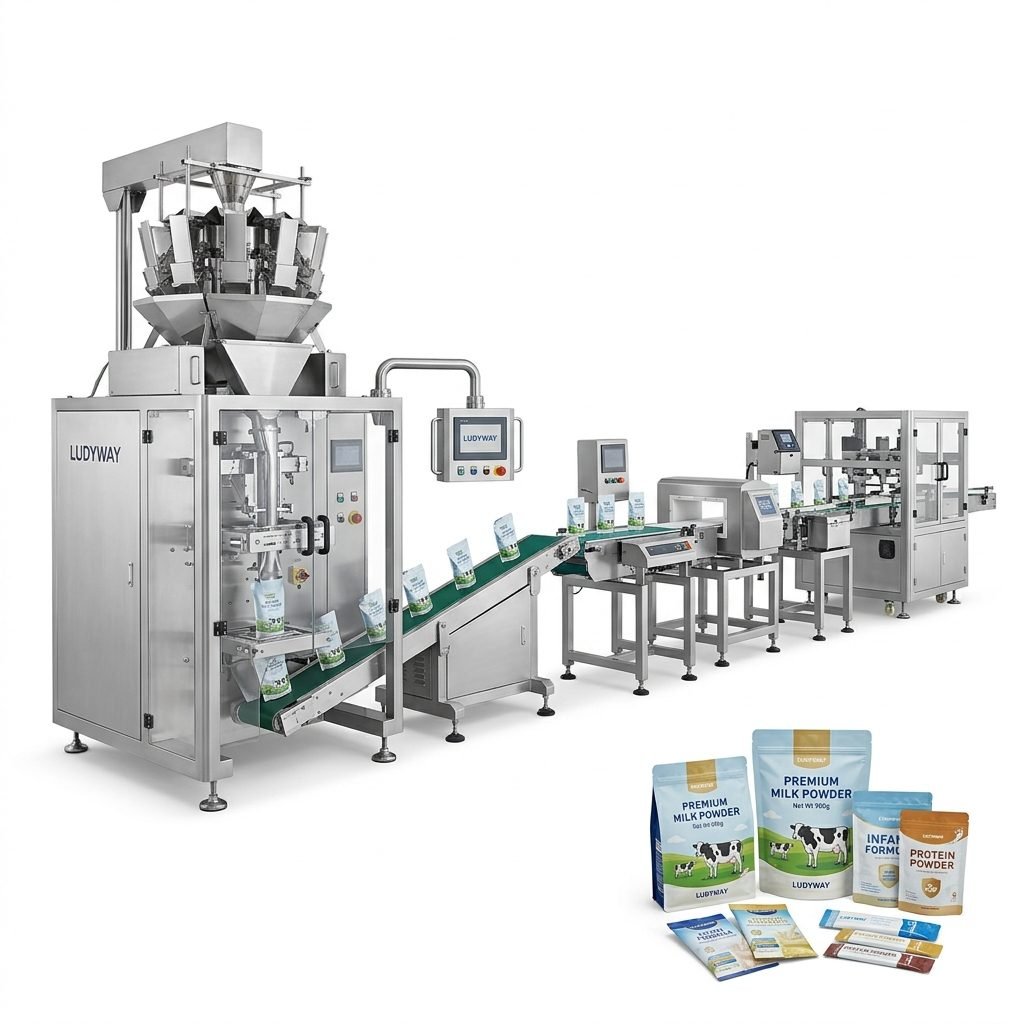
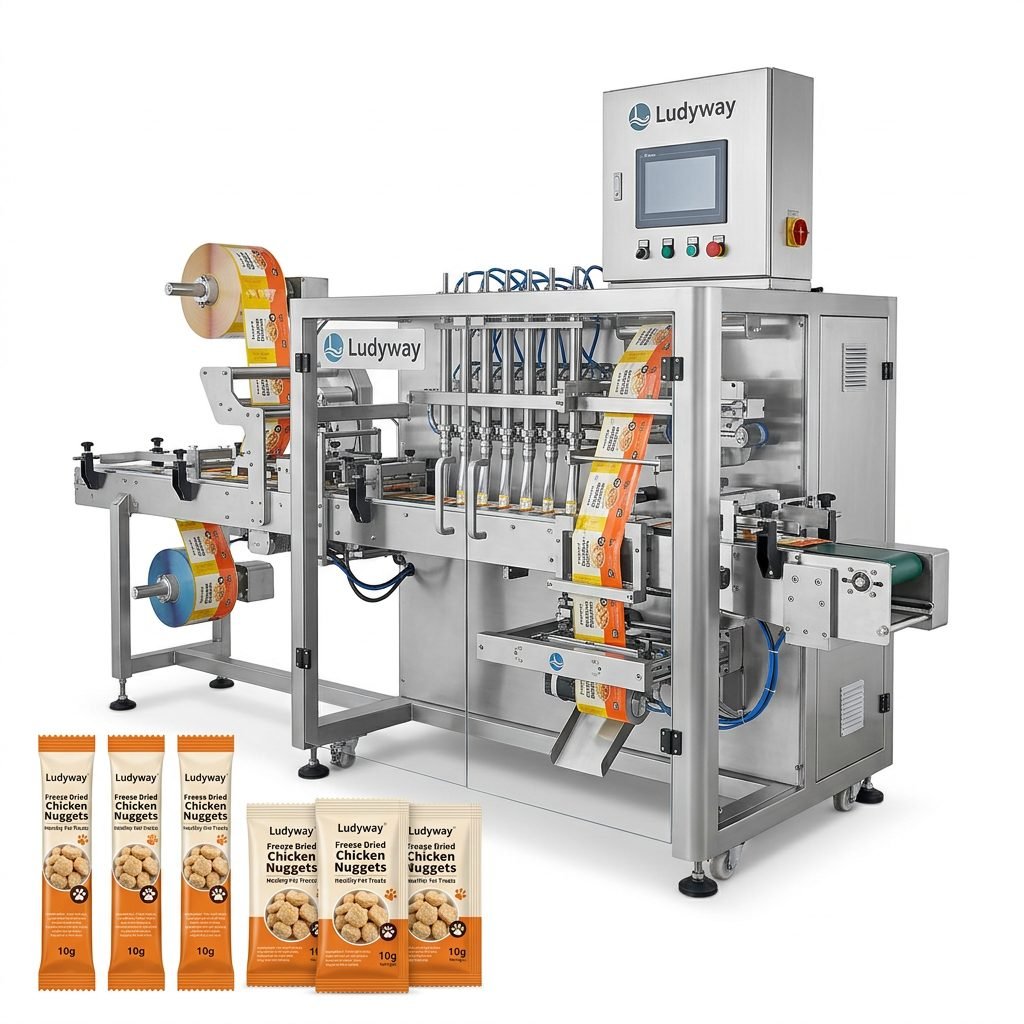
Vet suppliers based on experience with protein packaging, stainless steel construction, washdown compatibility, and local service support. Ludyway, one of the largest packaging machine manufacturers in China, provides advanced turnkey solutions that cover granule, powder, liquid, and pouch applications — including poultry and food processing lines — backed by over 30 years of industry expertise and a modern 20,000㎡ manufacturing facility. Always request a factory acceptance test (FAT) and site acceptance test (SAT) as part of your procurement contract.
Step 5: Plan Your Line Layout and Integration
Design a linear or U-shaped layout that minimizes cross-contamination between raw and cooked zones. Integrate metal detectors, checkweighers, and X-ray inspection systems according to HACCP guidelines. The FDA’s Food Contact Substances regulations provide a framework for packaging material compliance.
Step 6: Install, Validate, and Train
Commission the line with qualified technicians. Conduct operational qualification (OQ) and performance qualification (PQ) runs using your actual chicken products. Train operators on cleaning, changeover, and basic troubleshooting procedures.
Regulatory Considerations in Asian Markets
Each country has distinct food packaging regulations. Thailand, Vietnam, China, and Indonesia enforce strict hygiene standards for poultry processing. Familiarize yourself with local GMP requirements and refer to international standards such as ISO 11607 for packaging validation. The Flexible Packaging Association’s regulatory affairs resources are also valuable references.
Common Pitfalls to Avoid
- Underestimating film compatibility: Chicken fat and marinades can weaken seals if the wrong film structure is used.
- Ignoring washdown requirements: Equipment must withstand daily high-pressure cleaning with chemical agents.
- Overlooking spare parts availability: Local stock of critical wear parts prevents extended downtime.
- Insufficient operator training: A well-trained team significantly reduces changeover time and packaging waste.

Why Turnkey Solutions Are Gaining Traction
More poultry processors in Asia are opting for turnkey chicken packaging lines from a single supplier. This approach simplifies project management, ensures seamless integration, and often reduces total cost of ownership. The Flexible Packaging Association’s knowledge hub highlights how integrated solutions improve efficiency across food segments. When evaluating turnkey partners, look for proven experience in protein handling, comprehensive after-sales networks, and customization capabilities to match your product range.
Final Checklist Before You Invest
- Confirm your target production volume and packaging format.
- Shortlist at least three equipment suppliers with poultry processing references.
- Review facility layout for hygiene compliance and material flow.
- Budget for installation, training, and first-year spare parts.
- Validate packaging shelf life through laboratory testing.
For further guidance on packaging machinery standards and industry benchmarks, consult the PMMI packaging industry resources or the European Commission’s packaging waste regulation framework, which increasingly influences Asian export requirements through international trade agreements.