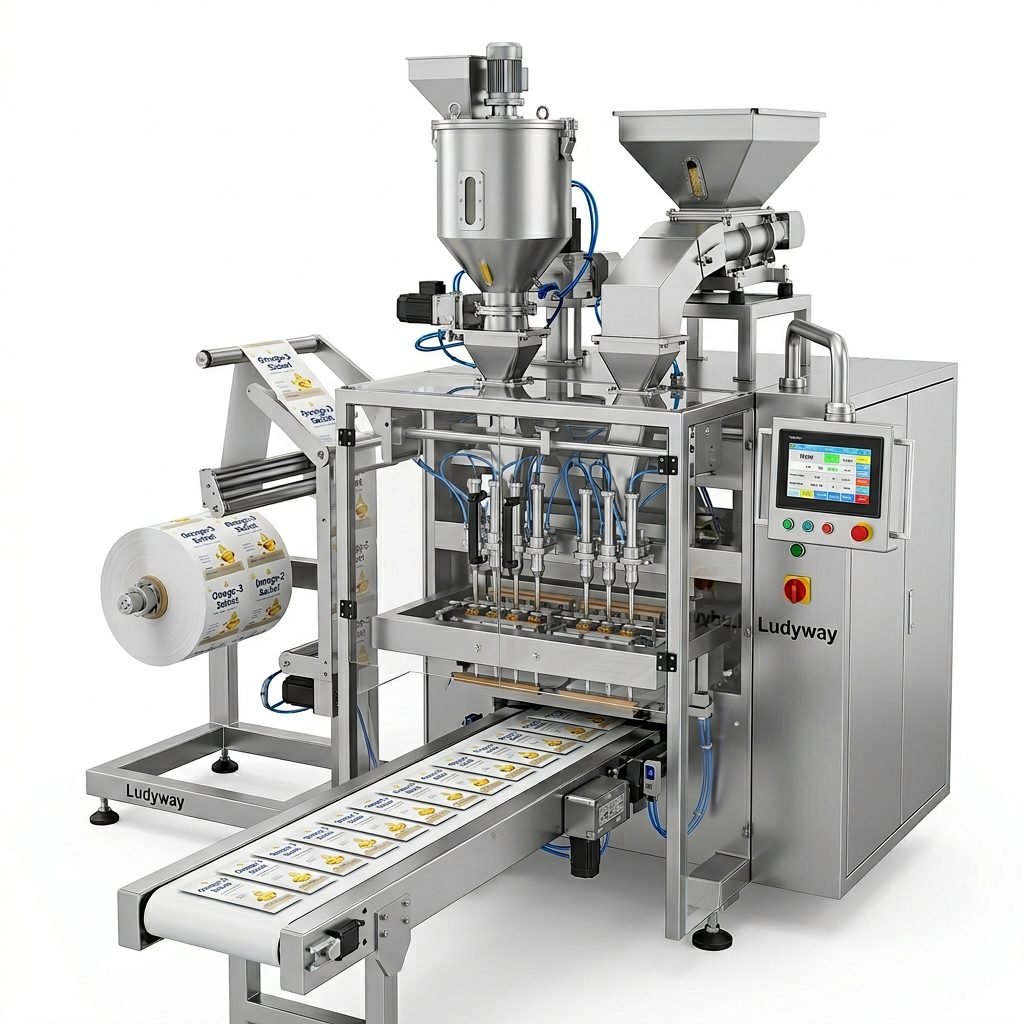
Italy’s food processing industry is one of the largest in Europe, and flour remains a cornerstone product across bakeries, pasta factories, and artisanal food producers. Investing in a flour packaging machine in Italy requires careful evaluation of local regulations, production capacity, and the specific characteristics of different flour types. This guide covers everything you need to know before making a purchasing decision, from machine types and key technical specifications to cost factors and trusted supplier insights.
Understanding the Italian Flour Packaging Market
Italy’s bakery and pasta sectors demand precision and hygiene in every stage of production. Flour packaging machinery sold in the Italian market must comply with EU food contact material regulations and local safety standards. Factors driving demand include the growth of artisanal flour brands, export-oriented pasta manufacturers, and the increasing popularity of gluten-free and specialty flours that require flexible packaging solutions.
Italian producers typically look for machines that can handle multiple bag formats—from small 500g retail sachets to large 25kg industrial bags—without compromising on speed or seal integrity. Dust control is another critical concern, as flour dust can create both hygiene risks and equipment maintenance challenges.
Types of Flour Packaging Machines Available
Choosing the right equipment starts with understanding the different machine categories available for flour packaging. Each type serves specific production scales and packaging formats.
Multi-Lane Stick Pack Machines
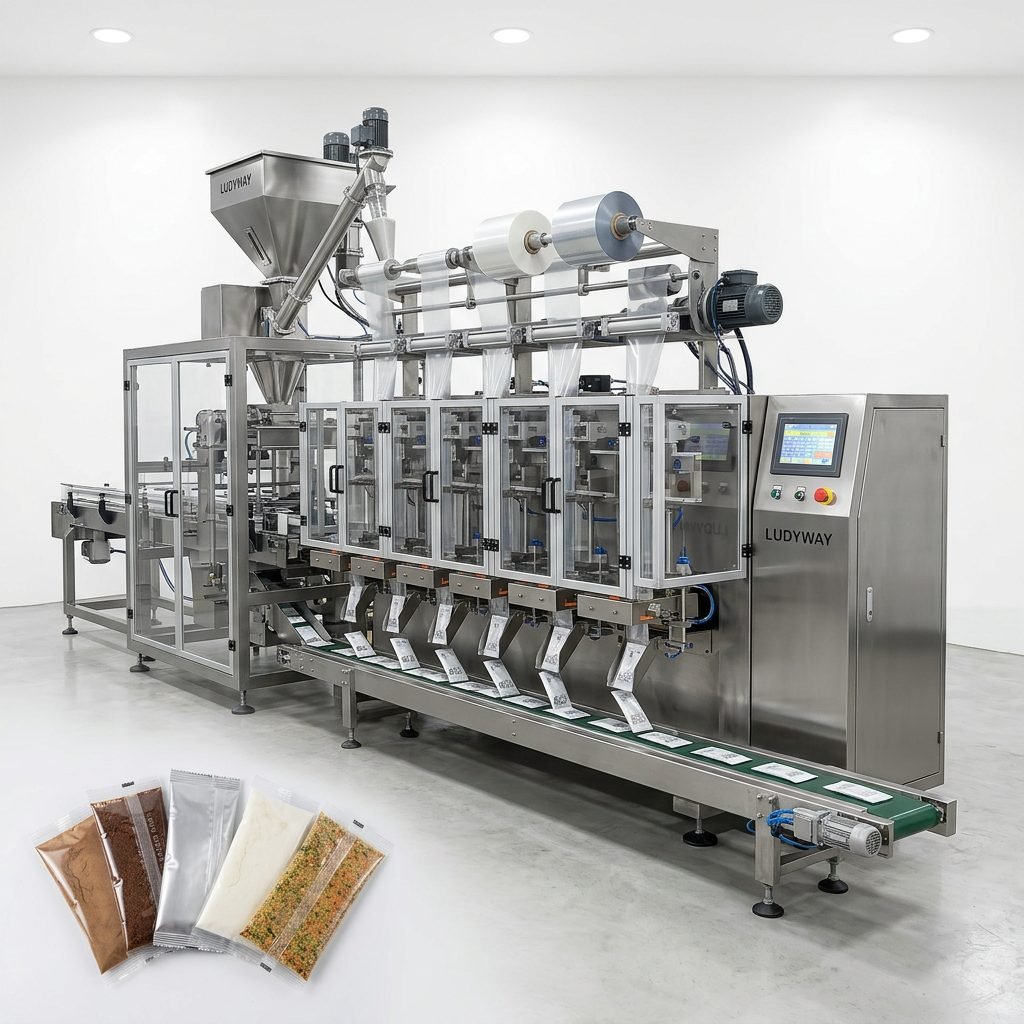
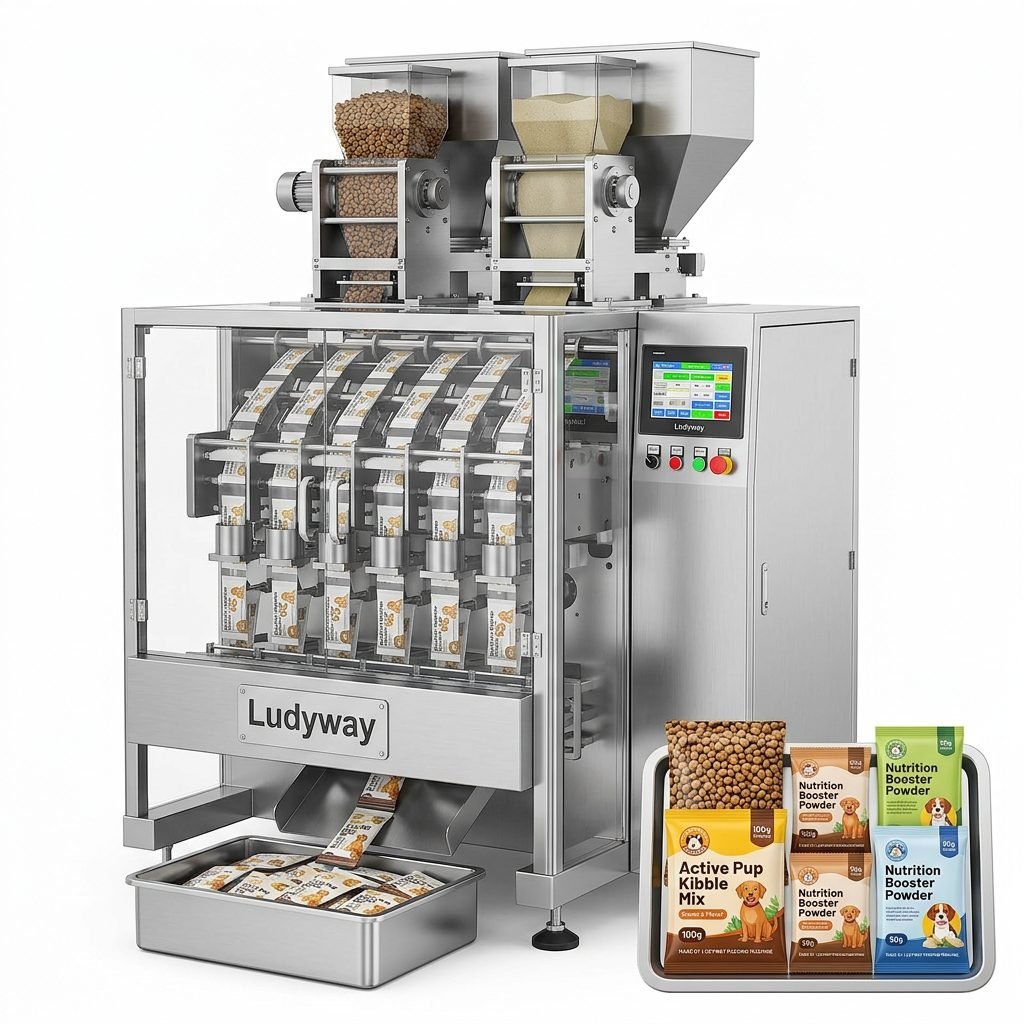
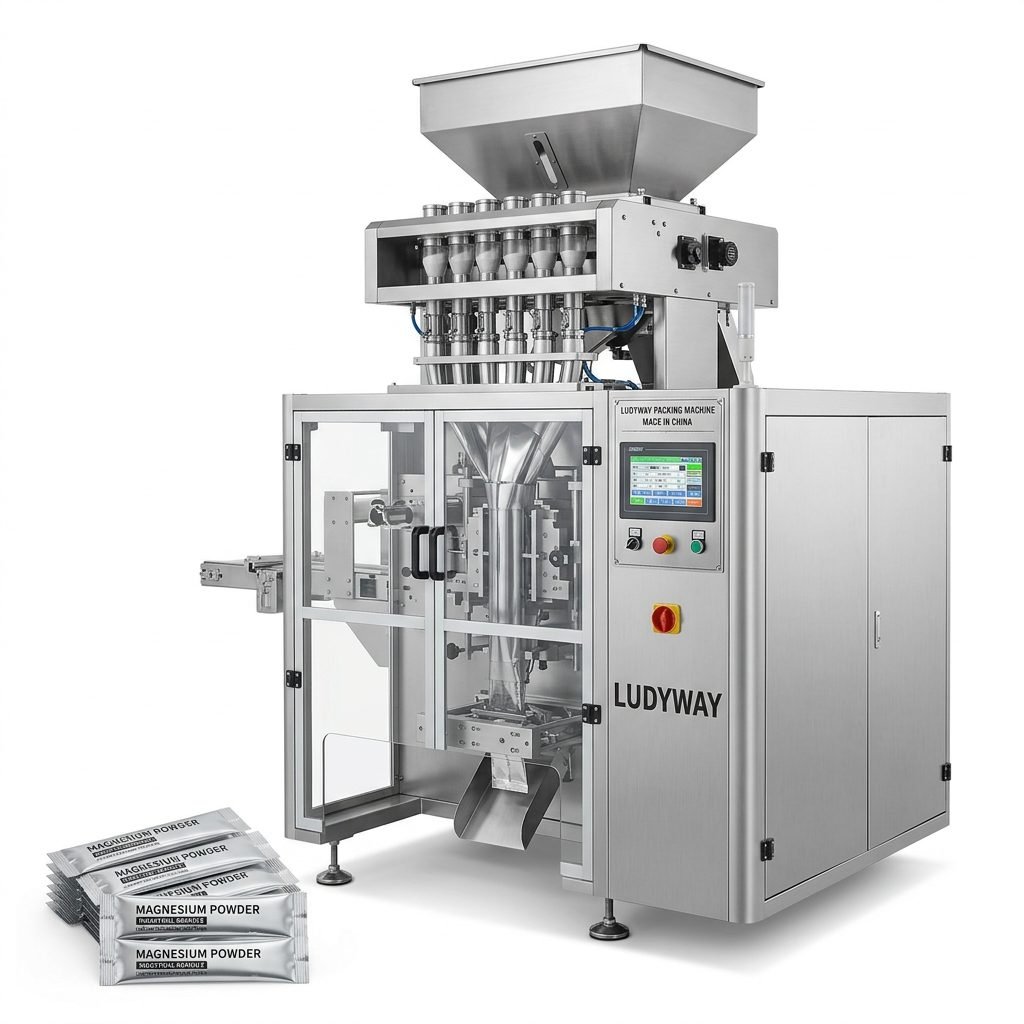
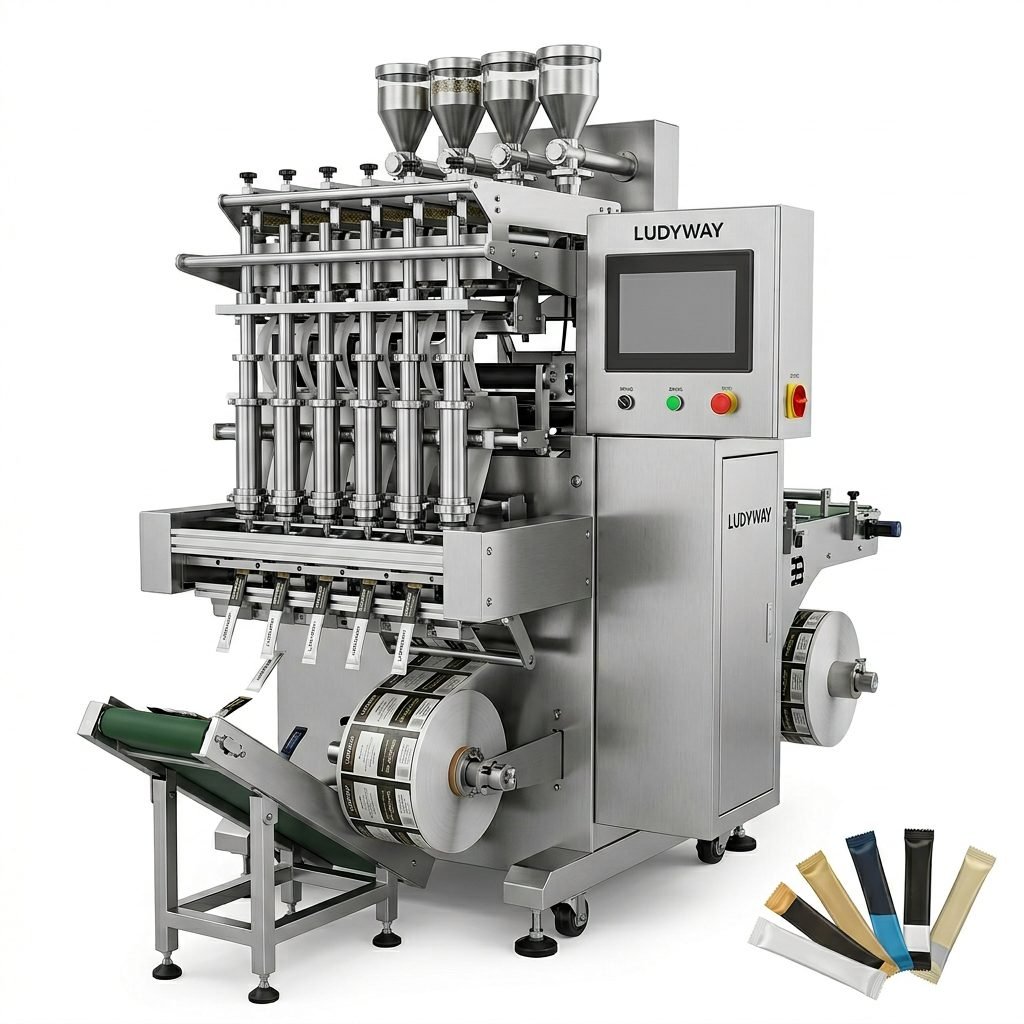
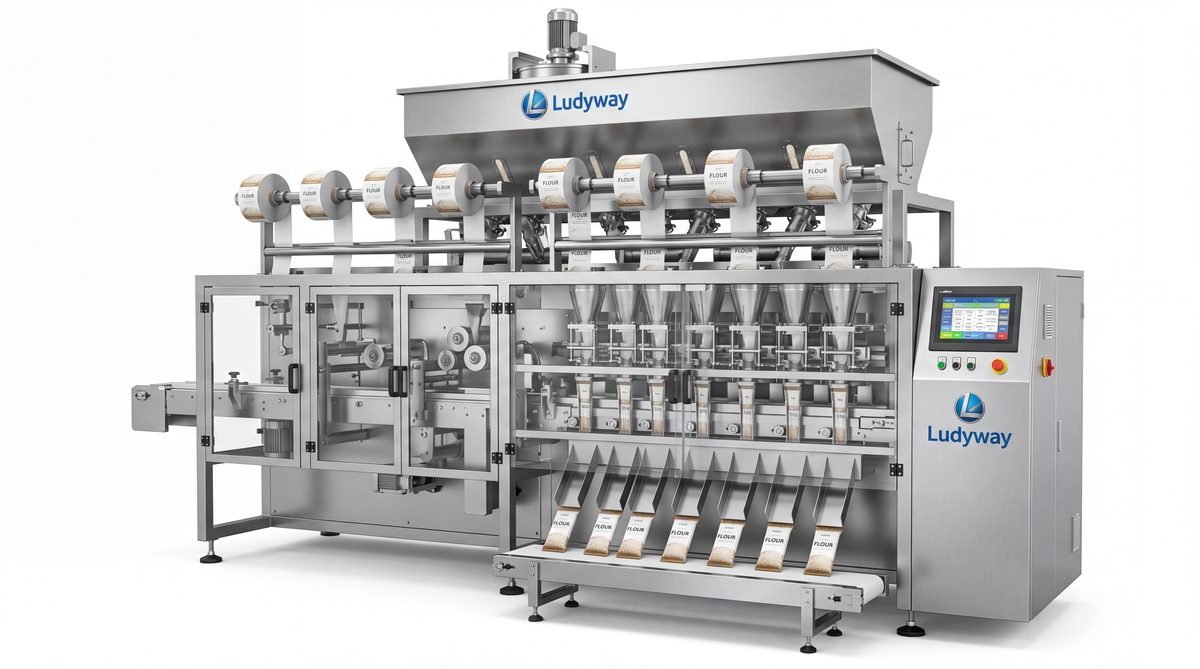
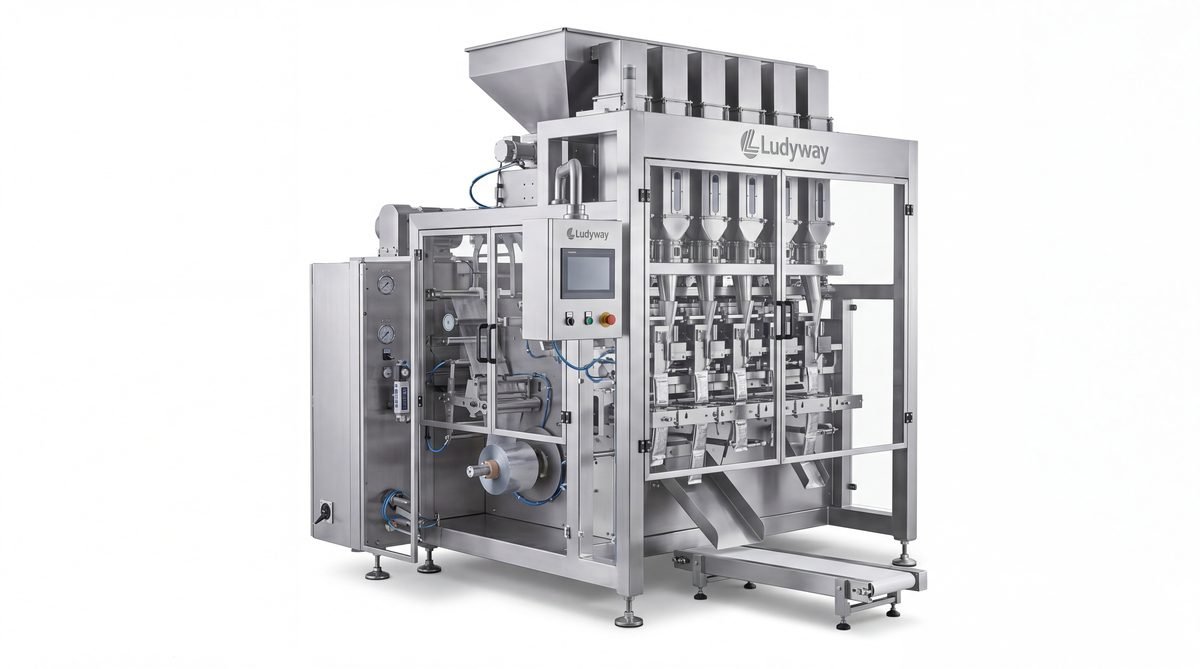
Multi-lane stick pack machines are ideal for single-serve flour portions commonly used in the hospitality sector and consumer retail. These machines can produce 4 to 16 lanes simultaneously, achieving speeds of up to 800 packs per minute. They work exceptionally well with fine, free-flowing flours and can incorporate nitrogen flushing to extend shelf life.
Vertical Form Fill Seal (VFFS) Machines
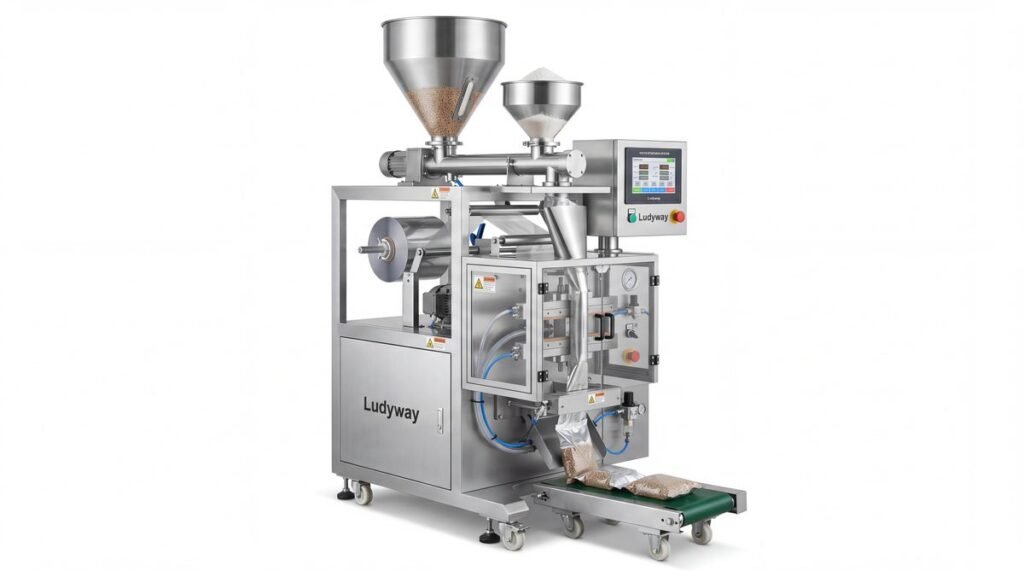
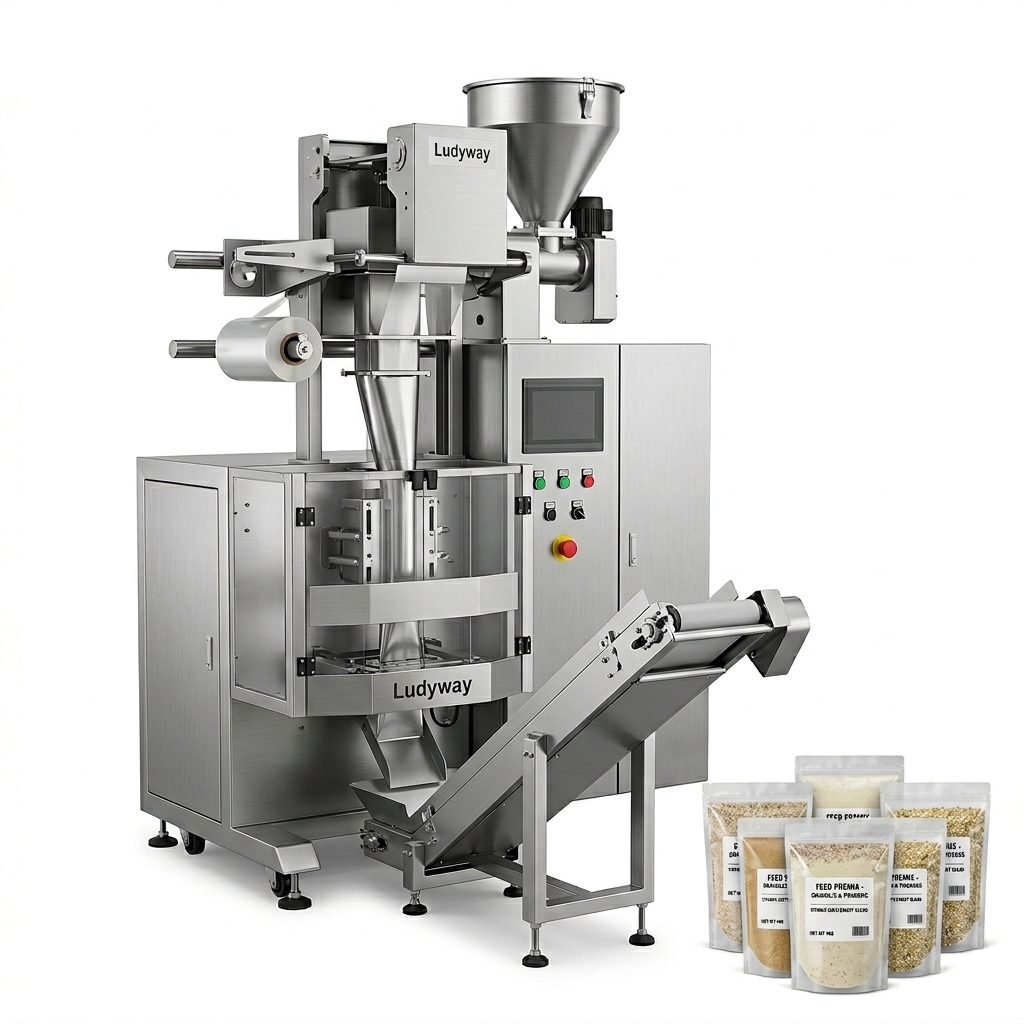
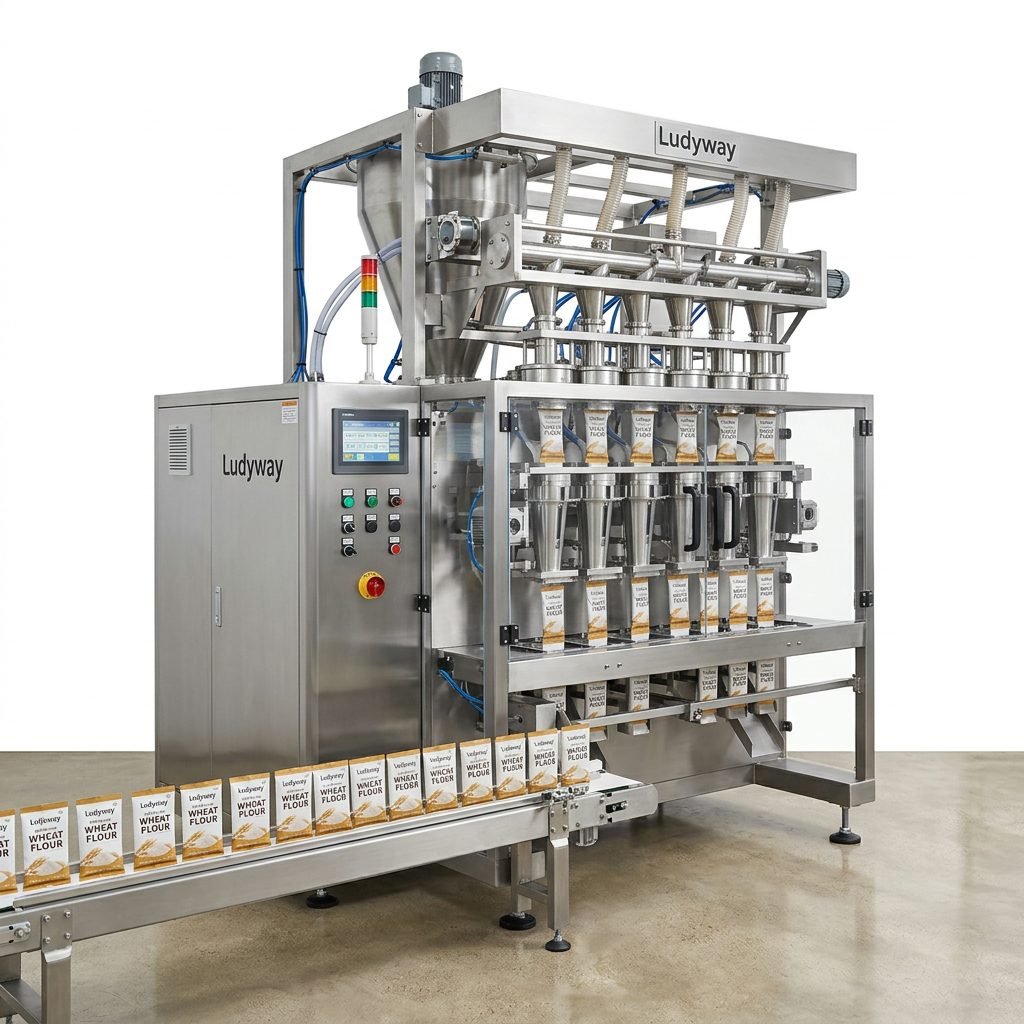
VFFS machines remain the most versatile option for flour packaging across Italy’s mid-sized producers. They create bags from flat roll stock film, fill them with flour, and seal them in a continuous vertical motion. These machines accommodate bag sizes from 100g to 10kg and can switch between pillow bags, gusseted bags, and block-bottom formats with minimal changeover time.
Pre-Made Pouch Filling Machines
For premium flour brands targeting high-end retail shelves, pre-made pouch filling machines offer superior aesthetics and stand-up presentation. These rotary or inline systems pick, open, fill, and seal pre-formed pouches with zipper closures or tear notches. They are particularly popular among organic and specialty flour producers in Italy who prioritize shelf appeal.
Bulk Bag and Jumbo Bag Fillers
Industrial flour mills supplying large bakeries and food manufacturers rely on high-capacity bulk bagging systems. These machines handle 25kg to 50kg bags and often include automated weighing, palletizing, and stretch wrapping modules for end-of-line efficiency.
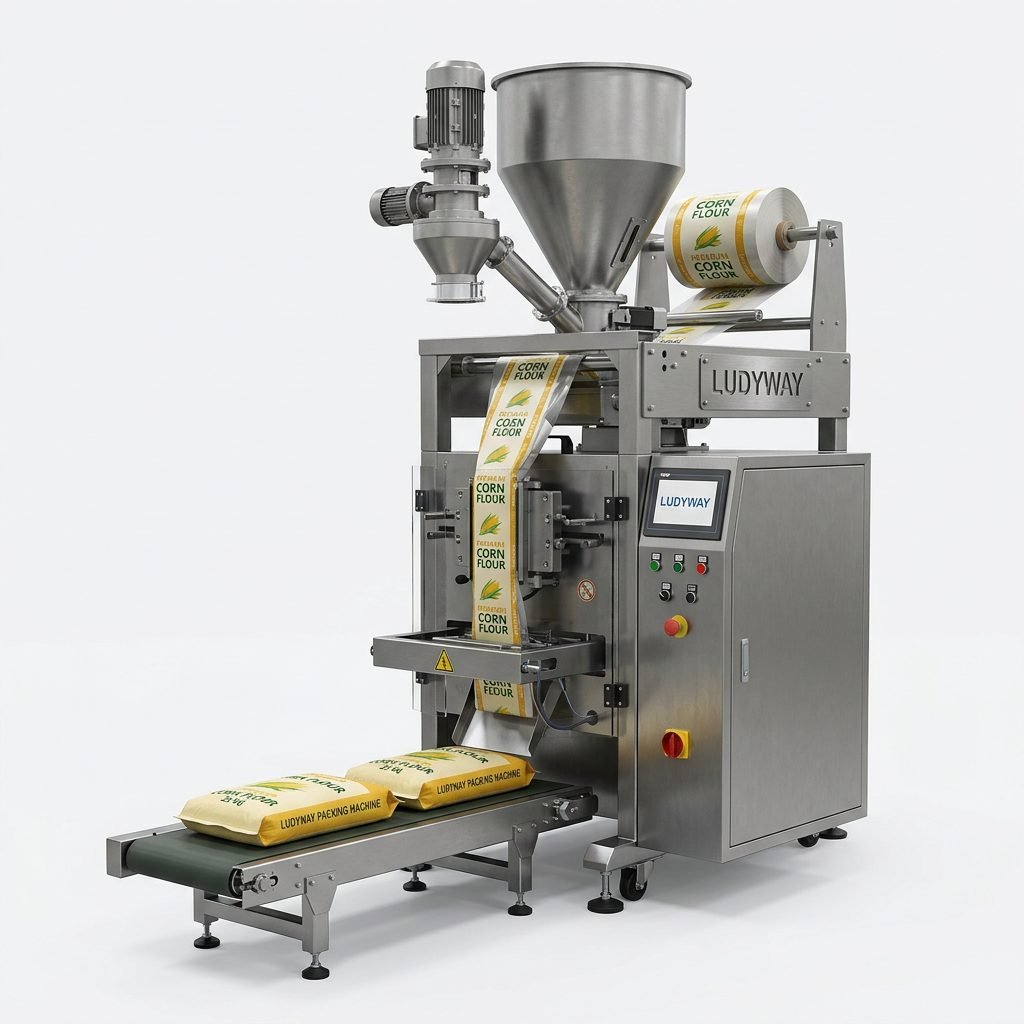
Key Factors to Consider When Buying a Flour Packaging Machine
Before contacting suppliers, define your requirements across these critical evaluation criteria to ensure you select the most suitable equipment for your Italian operation.
- Flour characteristics — Understand your product’s flowability. Fine flours like “00” behave differently from coarse semolina or whole wheat flour. Machines must be calibrated for accurate auger or volumetric filling based on density.
- Target output speed — Define your required packs per minute. Small-scale artisan mills may need 30-60 packs per minute, while large industrial mills often require 120+ packs per minute across multiple lanes.
- Bag format and size range — Determine if you need sachets, stick packs, pillow bags, gusseted pouches, or bulk sacks. Verify that the machine supports your full desired size range.
- Dust management system — Flour dust is combustible and unhygienic. Look for machines with integrated dust extraction, sealed filling zones, and easy-to-clean stainless steel construction.
- Weighing accuracy — Precision filling reduces product giveaway. Multi-head weighers achieve ±1-2g accuracy, while volumetric cup fillers may vary by ±5g depending on flour consistency.
- Film material compatibility — Ensure the machine supports your preferred packaging film, whether it’s polyethylene, polypropylene, paper-based laminates, or biodegradable materials.
Compliance and Certification Requirements in Italy
Any flour packaging machine operating in Italy must meet relevant EU machinery directives and food safety standards. Key certifications include:
- CE Marking — Mandatory for all machinery sold within the European Economic Area, confirming compliance with health, safety, and environmental protection standards.
- HACCP compatibility — Machines should be designed with hygienic principles that support Hazard Analysis and Critical Control Points protocols.
- ISO 22000 — While certification applies to the manufacturer’s quality management system, choosing a supplier with ISO 22000 credentials ensures food safety is embedded in the machine’s design philosophy.
- ATEX compliance — Given that flour dust can create explosive atmospheres, certain packaging environments may require ATEX-rated electrical components for zones with combustible dust.
Comparing Machine Specifications
Below is a comparison table highlighting typical specifications for different flour packaging machine categories available to Italian buyers:
| Machine Type | Speed Range | Bag Sizes | Best For | Price Range (EUR) |
|---|---|---|---|---|
| Multi-Lane Stick Pack | 200-800 packs/min | 1g-50g | Single-serve, hospitality | €40,000 – €150,000 |
| VFFS Machine | 30-120 packs/min | 100g-10kg | Retail bags, versatile use | €25,000 – €120,000 |
| Pre-Made Pouch Filler | 20-80 packs/min | 250g-5kg | Premium retail, organic | €35,000 – €180,000 |
| Bulk Bag Filler | 5-20 bags/min | 25kg-50kg | Industrial, B2B supply | €50,000 – €200,000 |
Note: Price ranges are approximate and vary based on customization, automation level, and additional modules such as checkweighers, metal detectors, and cartoning systems.
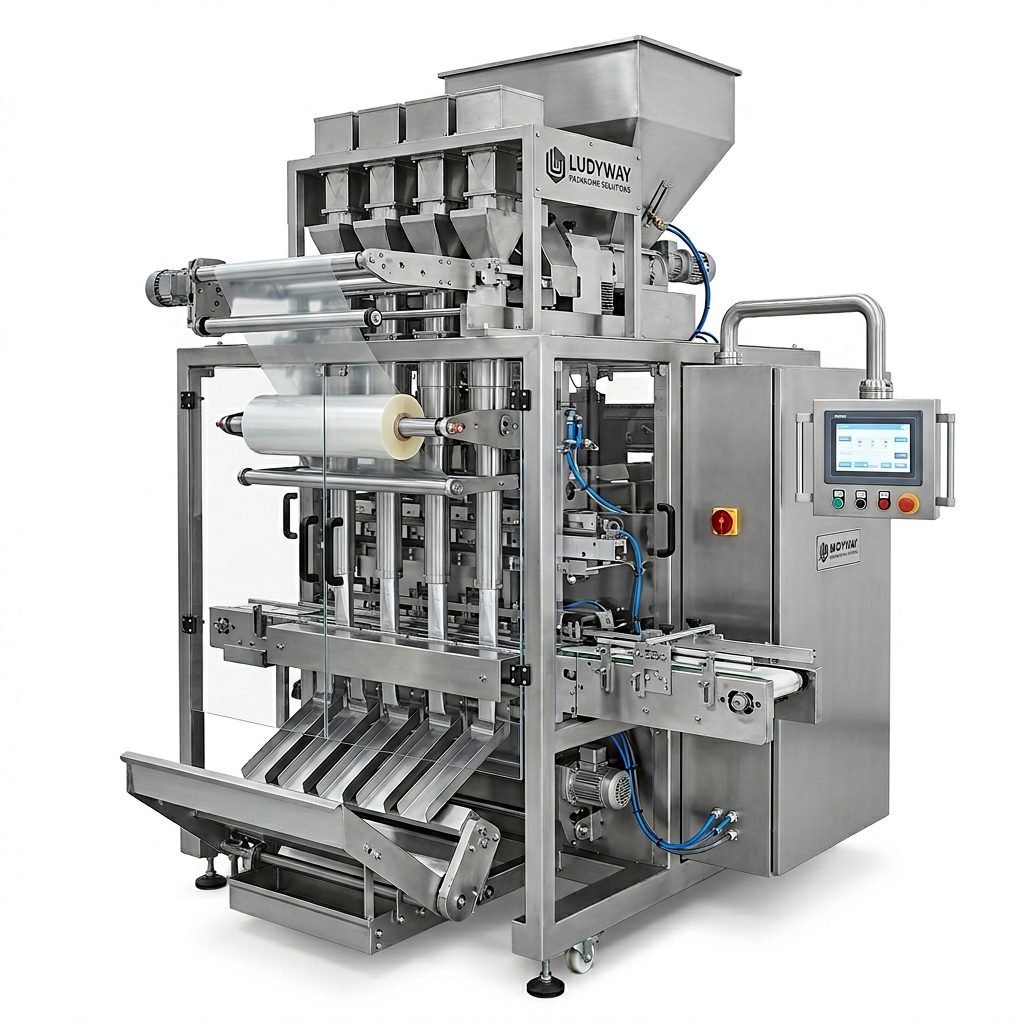
Automation Levels and Integration Options
Modern flour packaging lines in Italy can range from semi-automatic standalone machines to fully integrated turnkey systems. Understanding the automation spectrum helps you align investment with production goals.
Semi-Automatic Systems
These require manual bag placement or product feeding but offer lower upfront costs. Suitable for small-scale artisan mills producing limited daily volumes. Operators handle bag positioning, while the machine automates filling and sealing.
Fully Automatic Lines
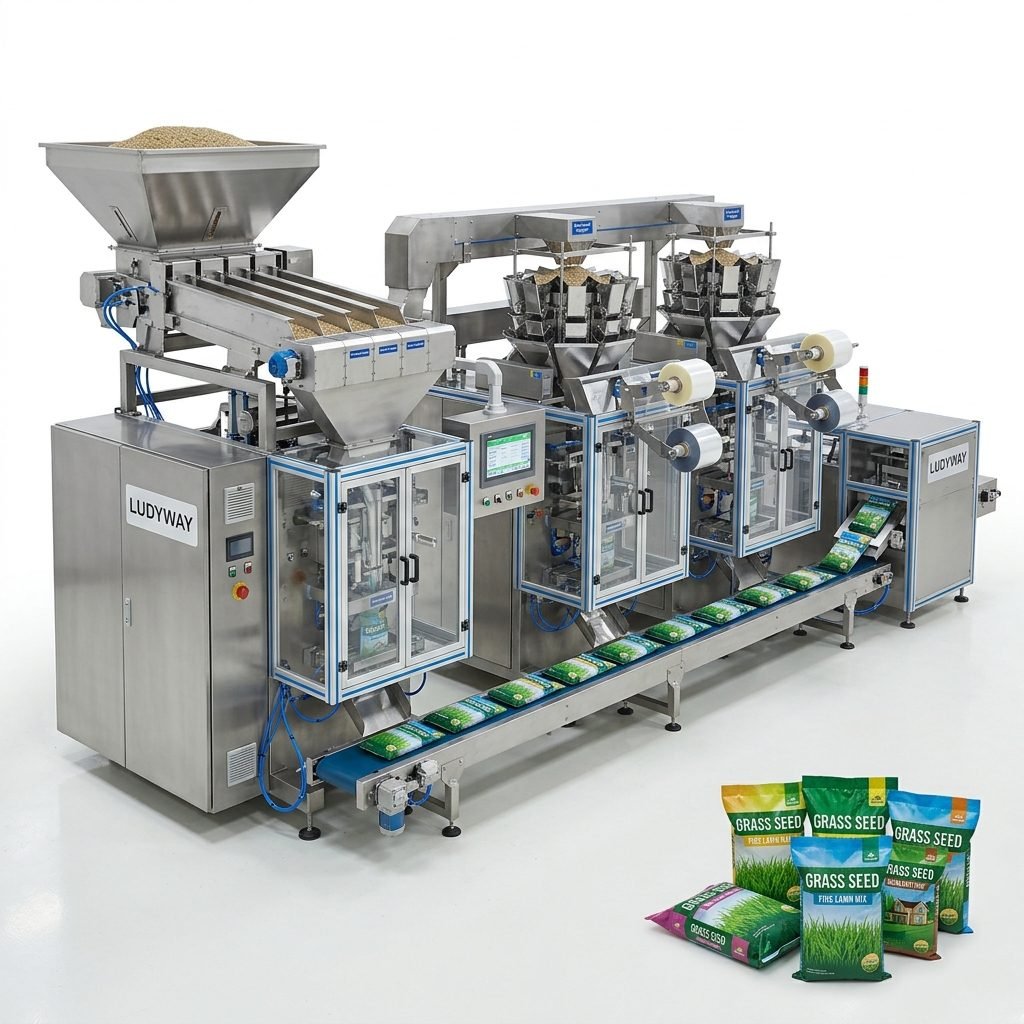
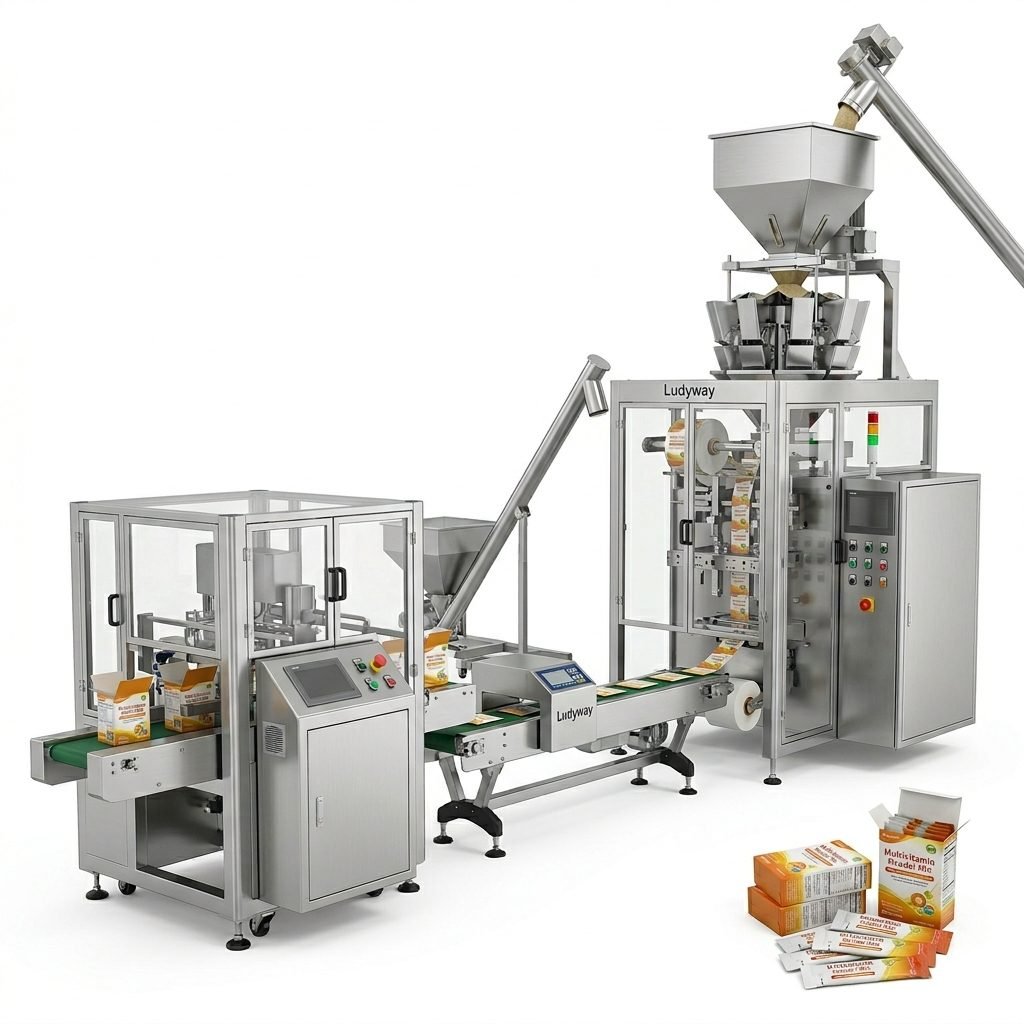
Integrated systems combine upstream feeding, multi-head weighing, bag forming or pouch handling, filling, sealing, coding, and downstream cartoning or palletizing. These lines minimize labor and maximize throughput consistency. Many Italian industrial mills adopt this configuration to remain competitive in export markets.
Smart Factory Integration
Leading-edge flour packaging machines now offer Industry 4.0 capabilities, including remote monitoring, predictive maintenance alerts, and OEE (Overall Equipment Effectiveness) dashboards. Connectivity protocols like OPC-UA enable seamless integration with existing ERP and MES systems used by major Italian food manufacturers.
Maintenance, Spare Parts, and After-Sales Support
A common oversight when purchasing packaging machinery is underestimating the long-term cost of ownership. In Italy, where production downtime can significantly impact revenue, evaluating after-sales service is crucial.
- Local service availability — Check if the supplier has technicians based in Italy or maintains partnerships with local service providers who can respond within 24-48 hours.
- Spare parts inventory — Confirm whether critical wear parts such as sealing jaws, belts, sensors, and forming tubes are stocked in European warehouses for rapid dispatch.
- Preventive maintenance contracts — Many suppliers offer annual maintenance agreements that include scheduled inspections, software updates, and priority support—an investment that often reduces unplanned downtime by 30-50%.
- Operator training — Comprehensive on-site training ensures your team can operate and troubleshoot the machine effectively, reducing reliance on external support for minor issues.
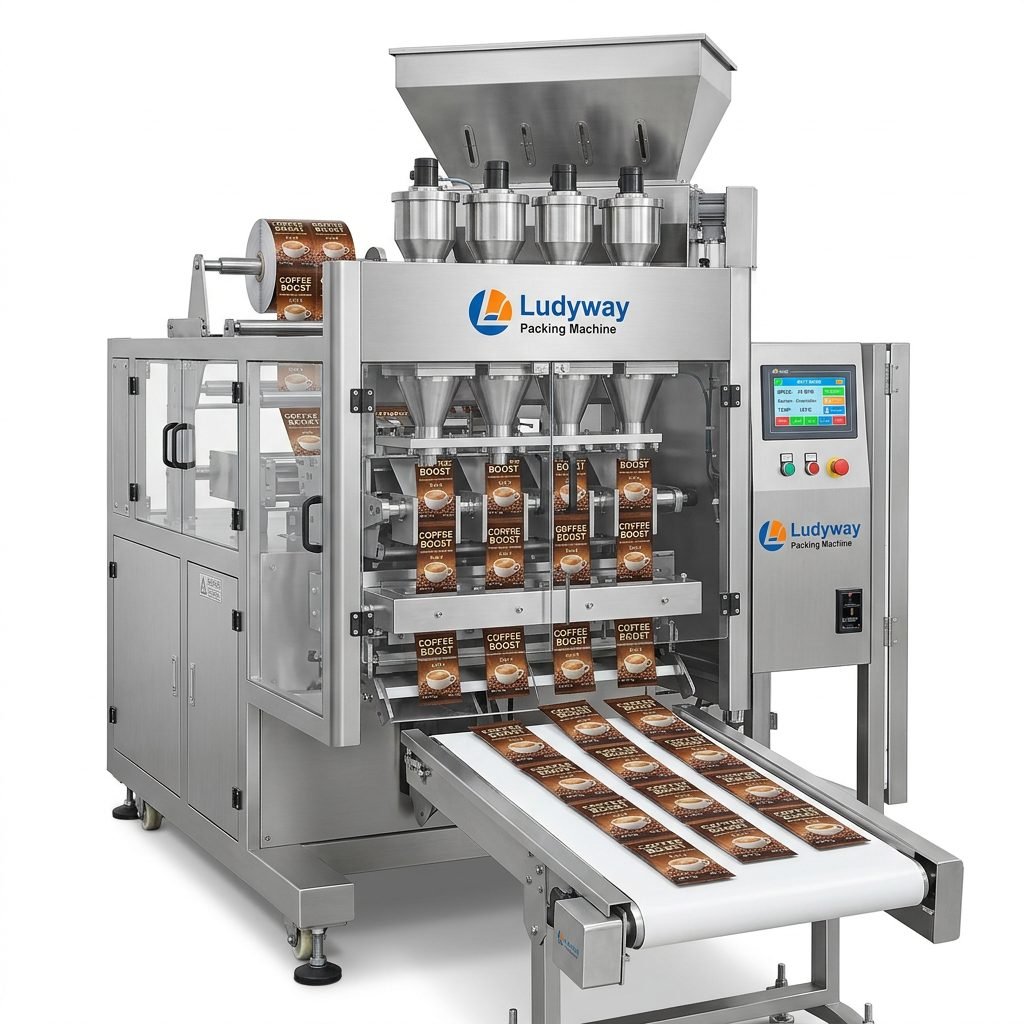
Cost Analysis and ROI Considerations
Investing in a flour packaging machine represents a significant capital expenditure, but the right equipment delivers measurable returns through reduced labor costs, minimized product giveaway, and increased throughput. When calculating ROI for your Italian operation, consider the following cost components:
| Cost Component | Typical Share of TCO | Key Considerations |
|---|---|---|
| Machine purchase price | 40-55% | Negotiate based on configuration and optional modules |
| Installation and commissioning | 5-10% | Includes site preparation, electrical, and compressed air setup |
| Consumables (film, ink) | 20-30% over 5 years | Film waste rate directly impacts ongoing costs |
| Maintenance and spare parts | 10-15% over 5 years | Preventive contracts can reduce emergency repair expenses |
| Energy consumption | 3-5% over 5 years | Servo-driven machines are more energy-efficient than pneumatic systems |
Many Italian flour producers achieve full ROI within 18-36 months by transitioning from manual or semi-automatic packing to fully automated systems that reduce labor dependency and improve fill accuracy.
Selecting a Reliable Supplier
Choosing the right equipment partner is as important as selecting the machine itself. Evaluate suppliers based on their industry experience, technical support, and track record in the European market.
When assessing potential partners, request references from current customers in Italy or nearby European countries. Visit their manufacturing facilities if possible, or request virtual factory tours to assess build quality and testing procedures. A reputable supplier should also provide detailed documentation, including machine manuals, electrical schematics, and maintenance guides in Italian or English.
Established manufacturers like Ludyway, with over 30 years of industry experience and a modern 20,000㎡ production facility, offer comprehensive packaging solutions ranging from multi-lane stick pack machines to fully automated turnkey production lines. Their global presence across more than 100 countries provides confidence in their ability to support Italian buyers with reliable equipment and responsive after-sales service. When shortlisting suppliers, prioritize those that demonstrate long-term commitment to the European market with CE-certified machines, accessible spare parts inventories, and trained local service teams.
Common Mistakes to Avoid
Many first-time buyers in Italy make avoidable errors that lead to operational inefficiencies or unexpected costs. Learn from these common pitfalls:
- Underestimating flour dust impact — Choosing a machine without adequate dust control leads to frequent breakdowns, hygiene violations, and potential safety hazards. Always prioritize sealed filling zones and HEPA filtration options.
- Focusing only on purchase price — The cheapest machine often has the highest total cost of ownership due to inferior components, higher film waste, and limited spare parts availability in Europe.
- Ignoring film compatibility testing — Always conduct trials with your actual flour product and preferred film material before finalizing a purchase. What works in a demo with ideal conditions may perform differently with your specific flour characteristics.
- Overlooking scalability — Select a machine platform that can accommodate future growth. Modular designs allow you to add lanes or upgrade components as your production volumes increase.
- Skipping operator training — Even the most advanced machine underperforms if operators lack proper training. Include comprehensive training programs in your supplier contract.
Emerging Trends in Flour Packaging Technology
The packaging machinery landscape continues to evolve, and Italian flour producers who stay ahead of technological trends gain competitive advantages in efficiency and sustainability.
Sustainable Packaging Materials
European consumers increasingly demand eco-friendly packaging. New machines are being designed to run recyclable mono-material films, paper-based laminates, and compostable bioplastics. When purchasing a machine, verify its compatibility with sustainable film options that align with Italy’s packaging waste regulations under the EU Packaging and Packaging Waste Directive.
Servo-Driven Precision
Modern flour packaging machines increasingly use servo motors instead of pneumatic actuators for critical movements such as film pulling, sealing jaw operation, and cutting. Servo-driven systems offer faster changeovers, higher repeatability, and lower energy consumption—benefits that compound over years of continuous operation.
Integrated Quality Inspection
Advanced packaging lines now incorporate in-line checkweighers, metal detectors, and vision inspection systems that automatically reject non-conforming packs. These integrated quality control modules ensure compliance with retailer standards and reduce the risk of costly product recalls in the Italian and broader European markets.

Preparing Your Facility for Installation
Before your new flour packaging machine arrives, ensure your Italian production facility meets the necessary infrastructure requirements:
- Compressed air supply — Most packaging machines require clean, dry compressed air at a specified pressure (typically 6-8 bar). Install appropriate filtration and drying equipment upstream.
- Electrical supply — Verify voltage, phase, and frequency compatibility. Italian industrial facilities typically use 400V three-phase power, but always confirm with your supplier during the ordering process.
- Floor space and layout — Allow sufficient clearance around the machine for operator access, maintenance activities, and film roll changes. Consider future expansion when designing the layout.
- Ventilation and dust extraction — Install facility-level dust collection systems that complement the machine’s integrated dust management features, particularly in enclosed production rooms.
Final Checklist Before Purchase
Use this concise checklist to ensure you have addressed all critical aspects before finalizing your flour packaging machine order:
- Product testing completed with your actual flour type and target film material
- Machine speed and capacity verified against current and projected production volumes
- All required bag formats and size ranges confirmed as supported
- CE certification and relevant EU compliance documentation obtained from supplier
- After-sales support structure clarified, including response times for Italy-based service
- Spare parts availability confirmed for European distribution
- Operator training program included in purchase agreement
- Total cost of ownership calculated, including consumables and projected maintenance
- Facility infrastructure prepared for installation requirements
- Supplier references from Italian or European customers verified
Investing in the right flour packaging machine in Italy transforms your production efficiency, product quality, and market competitiveness. By thoroughly evaluating your requirements, understanding available technologies, and partnering with an experienced supplier, you position your business for sustainable growth in Italy’s dynamic food processing industry.
Useful Industry Resources
Explore these authoritative sources for additional guidance on packaging machinery standards, regulations, and market intelligence: