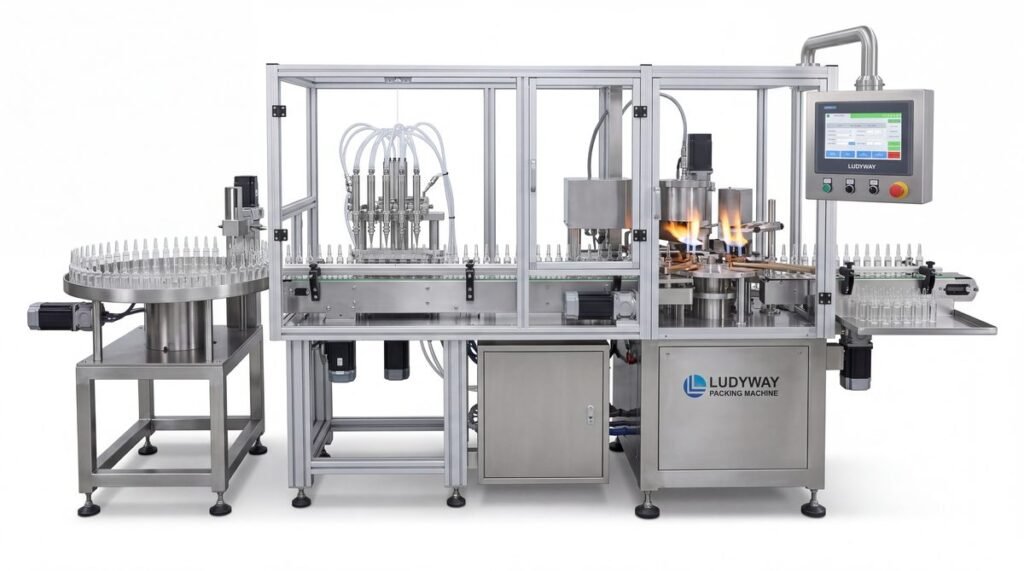
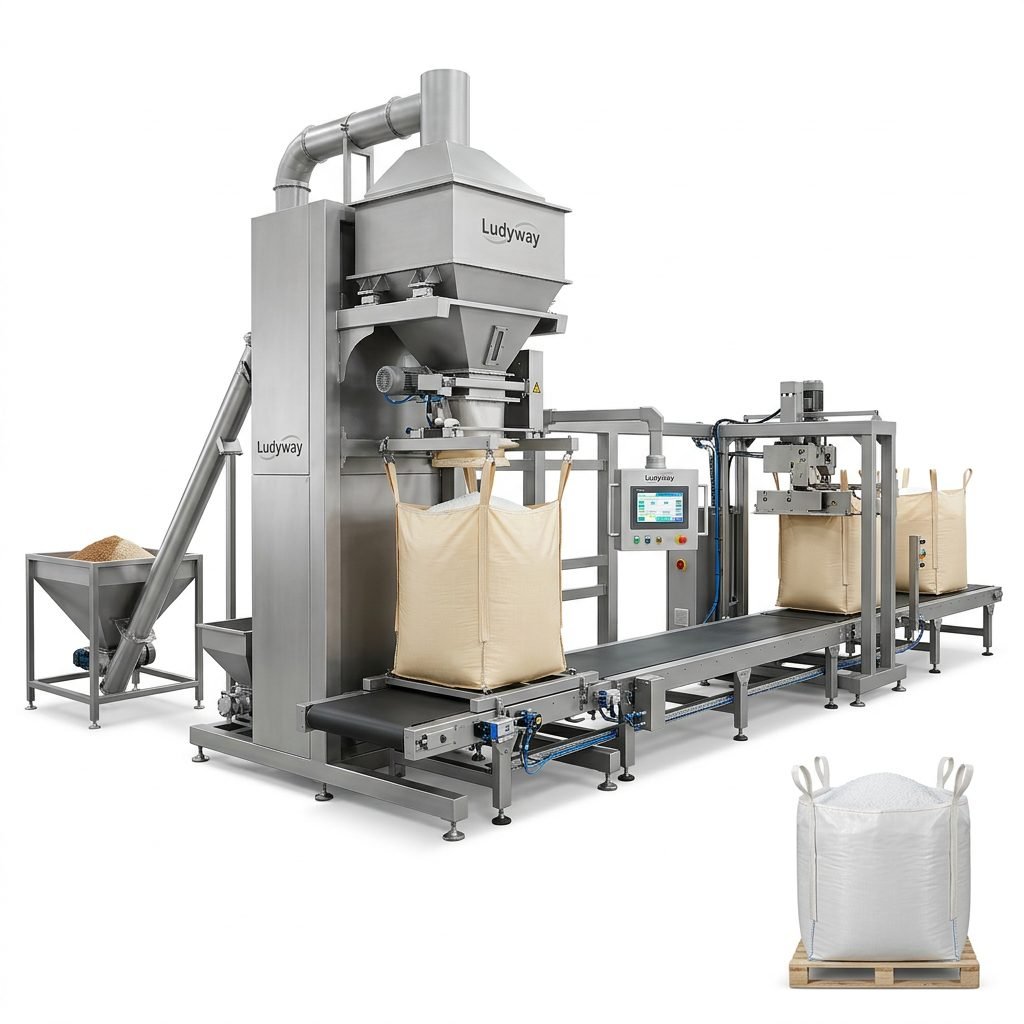
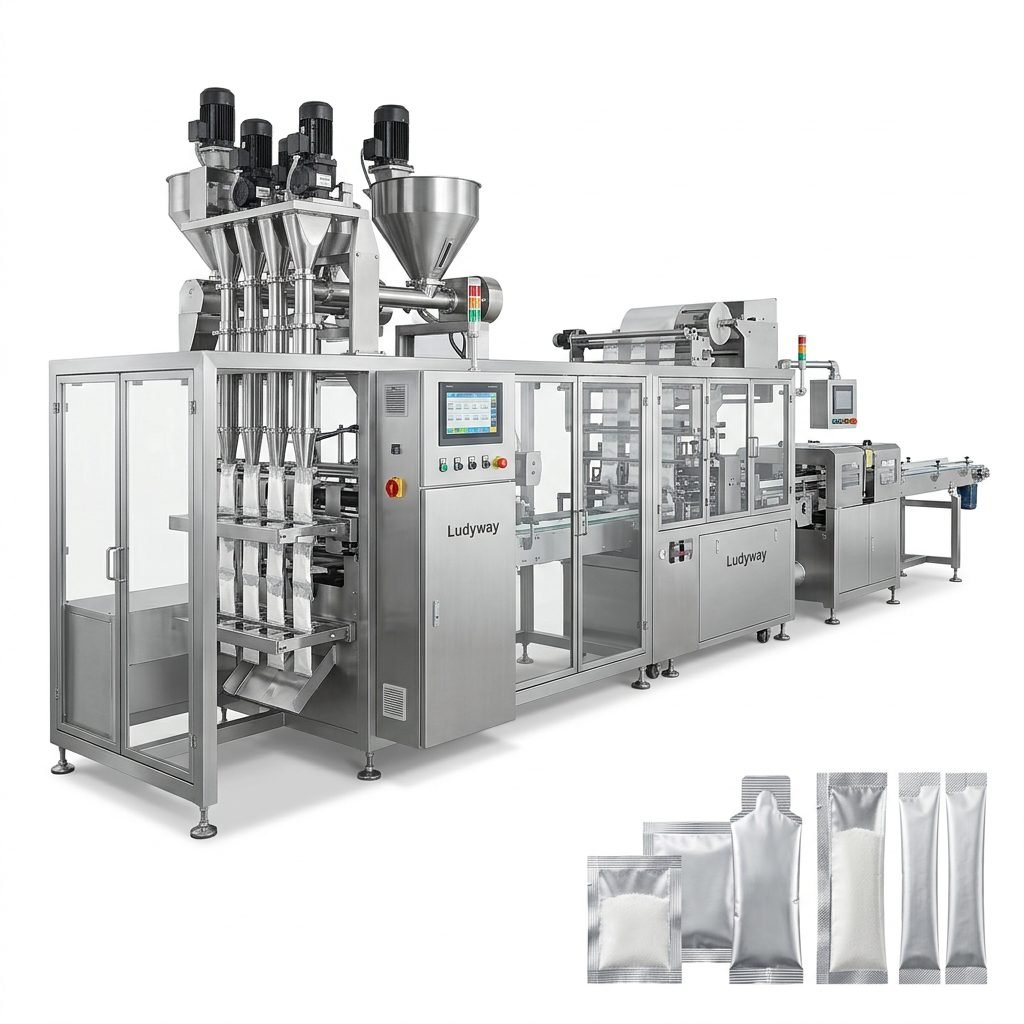
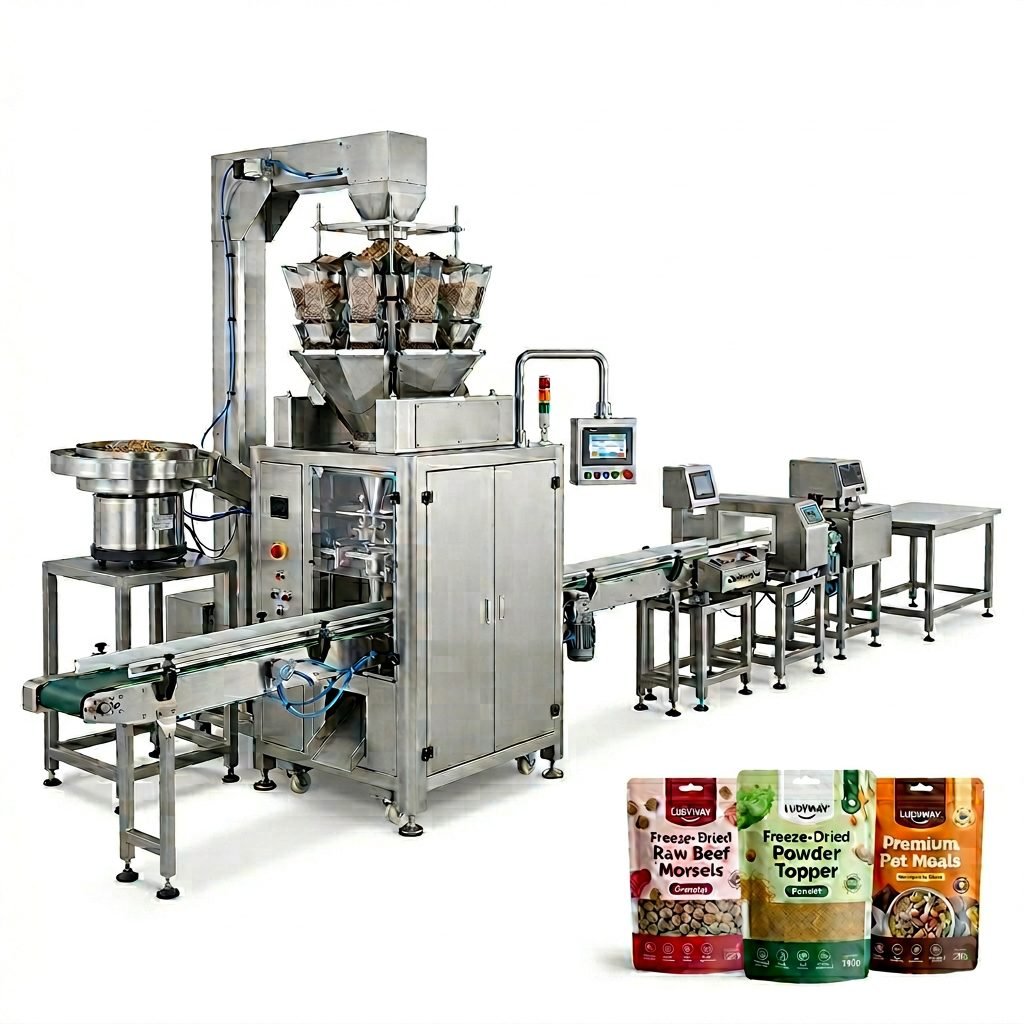
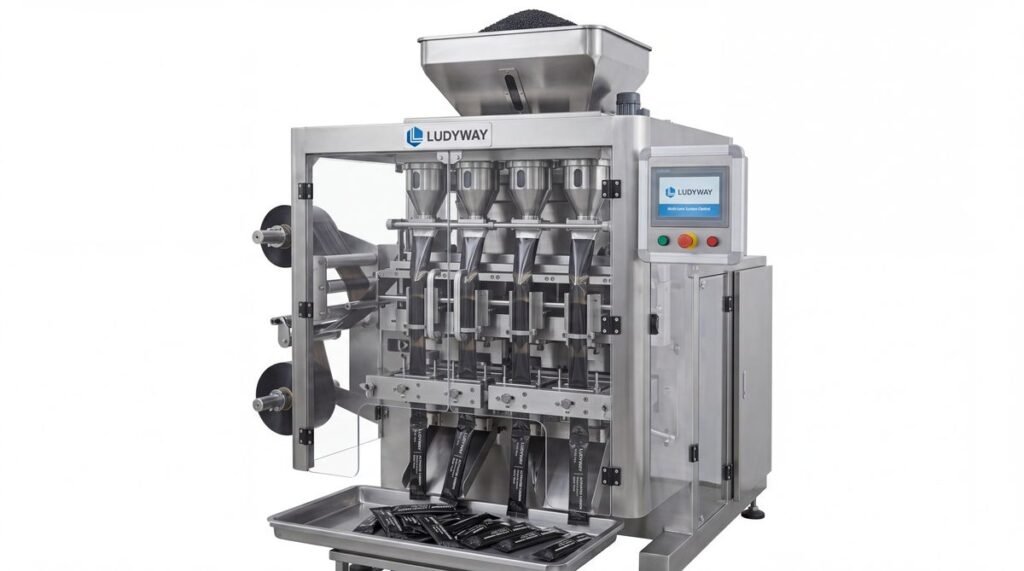
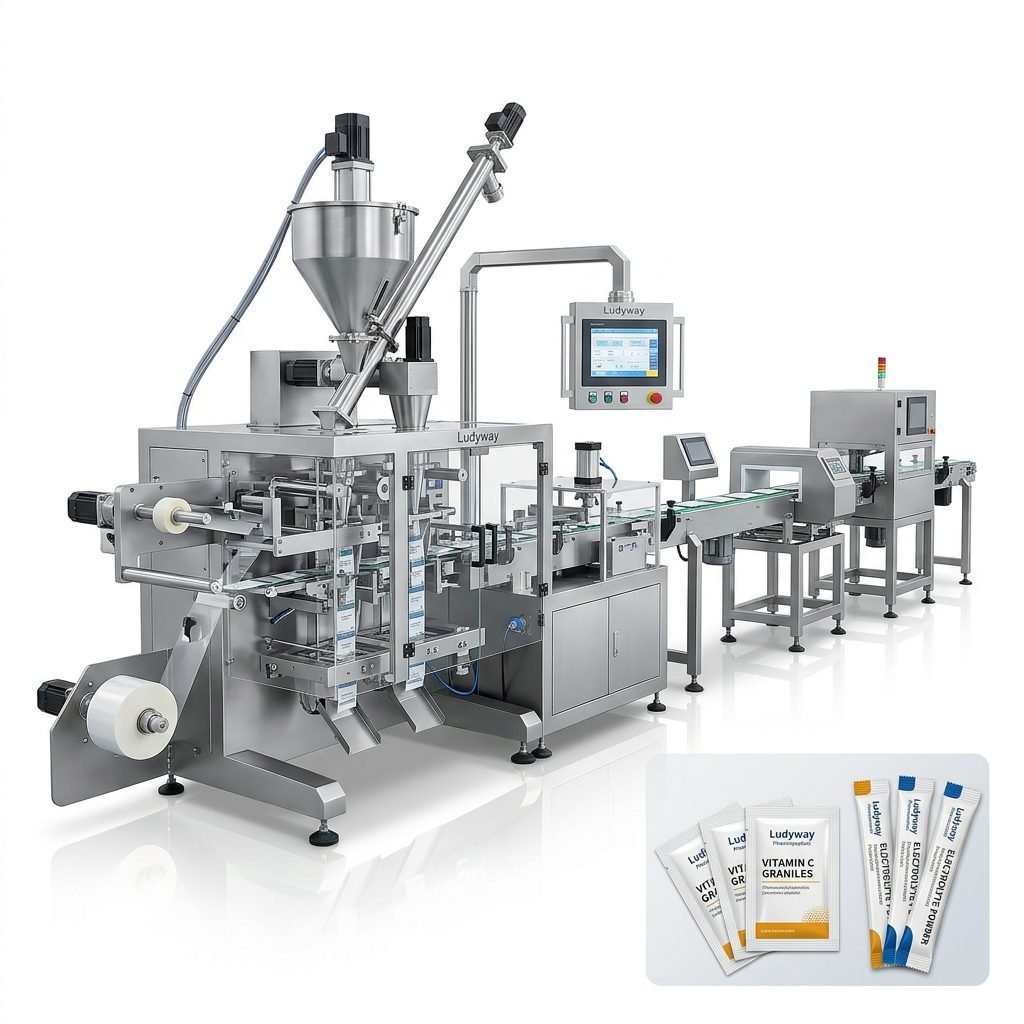
Investing in a vacuum sealer packaging machine is a strategic decision for businesses across Germany’s food processing, pharmaceutical, and industrial sectors. Vacuum packaging technology extends product shelf life, reduces waste, and ensures compliance with stringent European quality standards. Whether you are a mittelständisches Unternehmen or a large-scale manufacturer, selecting the right equipment can significantly impact your operational efficiency and bottom line.
Why German Businesses Need Vacuum Sealer Packaging Machines
Germany is Europe’s largest packaging market, driven by a strong manufacturing base and growing demand for extended shelf life packaging solutions. Vacuum sealers remove oxygen from the package, inhibiting bacterial growth and preserving product freshness. For businesses dealing with granules, powders, and solid products, this technology is indispensable. Key benefits include:
- Extended product shelf life — significantly reduces spoilage and food waste
- Enhanced product protection — prevents oxidation, moisture damage, and contamination
- Improved logistics efficiency — compact vacuum-sealed packages optimise storage and transport
- Compliance with EU regulations — meets European Commission packaging requirements
- Brand presentation — professional vacuum packaging enhances product appeal on retail shelves

Types of Vacuum Sealer Packaging Machines
Understanding the different machine configurations helps you match equipment to your specific production needs. The most common types available for German businesses include:
- Single-chamber vacuum sealers — ideal for small to medium batch production, commonly used in artisan food operations and laboratory settings
- Double-chamber vacuum sealers — designed for higher throughput with alternating chamber operation, suitable for mid-sized meat and cheese processors
- Continuous belt vacuum sealers — fully automated systems for high-volume production lines, prevalent in large-scale food manufacturing
- Tray sealing machines — modified atmosphere packaging (MAP) solutions for fresh produce, ready meals, and delicate products
- External vacuum sealers — versatile units for sealing bags outside the chamber, useful for oversized or irregularly shaped items
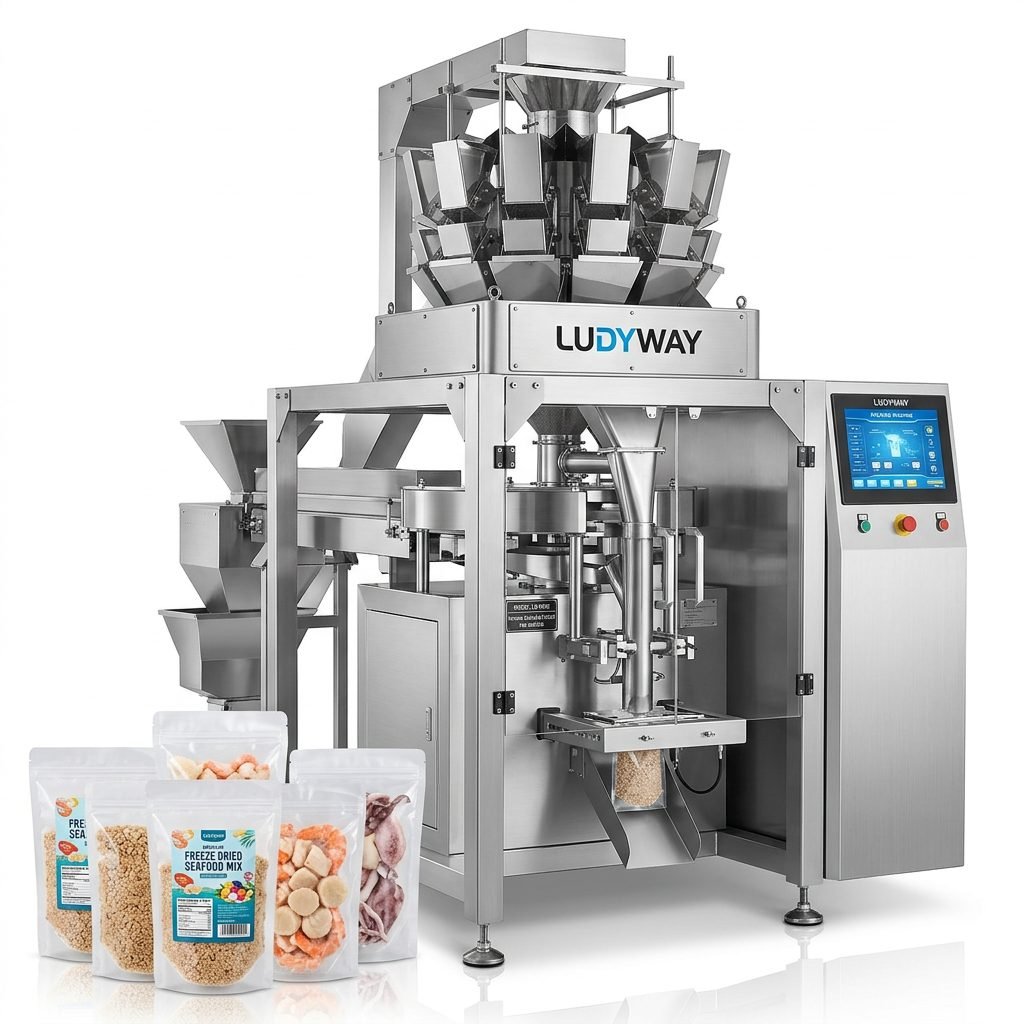
Key Factors to Consider When Choosing a Vacuum Sealer
Selecting the right vacuum packaging machine requires careful evaluation of several technical and operational factors. The table below outlines the primary considerations for German businesses:
| Selection Factor | Description | Key Consideration for Germany |
|---|---|---|
| Production Volume | Daily or hourly packaging output requirements | Align with Industry 4.0 production targets |
| Product Type | Granules, powders, liquids, solids, or mixed consistencies | Ensure compatibility with German food grade standards |
| Packaging Material | Film type, thickness, and barrier properties | Must meet FDA food contact substance regulations and EU directives |
| Automation Level | Manual, semi-automatic, or fully automatic operation | Crucial for managing German labour costs |
| CE Certification | Mandatory conformity marking for EU market access | Non-negotiable requirement for all equipment sold in Germany |
| Energy Efficiency | Power consumption and operational costs | Critical given Germany’s high industrial electricity prices |
| Maintenance Support | Availability of spare parts and technical service | Look for suppliers with EU-based service networks |
Production Volume and Speed Requirements
Assessing your daily throughput is the first step. A small German butcher shop may only need a single-chamber unit processing 20-30 cycles per hour, while a large-scale food manufacturer in North Rhine-Westphalia might require a continuous belt system handling thousands of packages per shift. Always factor in future growth when specifying capacity.
Product Compatibility and Packaging Materials
Different products demand different sealing parameters. Granules and powders require precise vacuum control to prevent product extraction, while liquid-containing products need specialised sensor-controlled cycles. German businesses should verify that their chosen machine supports recyclable and sustainable packaging films in line with the Verpackungsgesetz (Packaging Act). Refer to the Flexible Packaging Association resources for guidance on material selection.
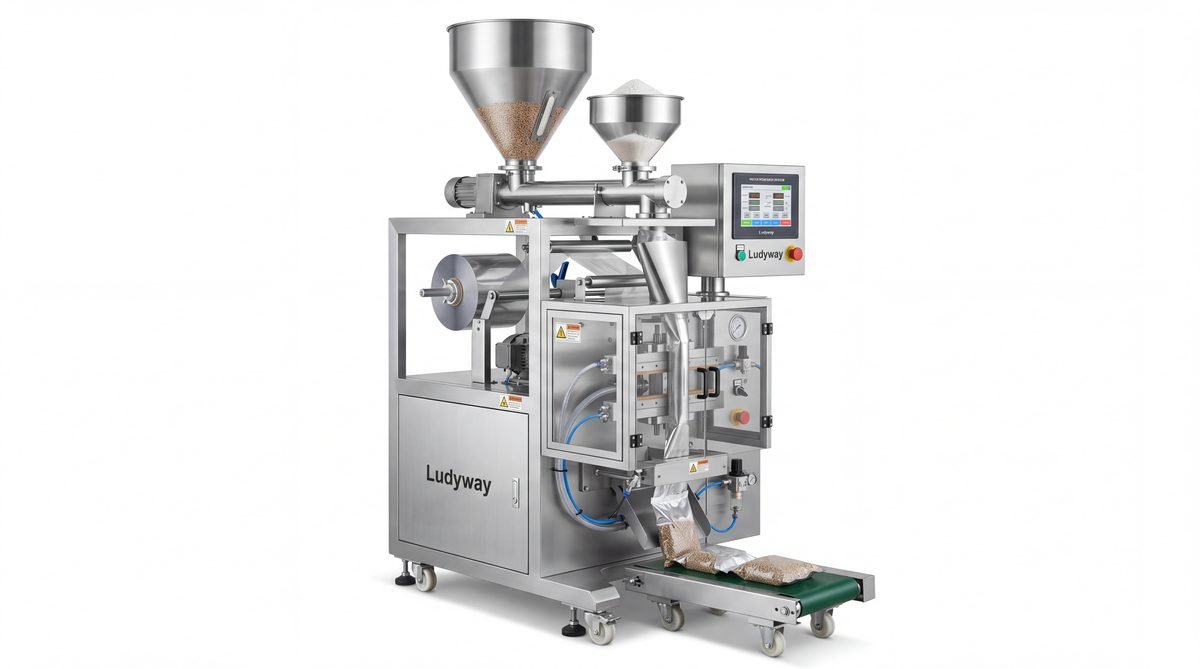
German Market Requirements and Compliance
Any packaging machinery sold and operated in Germany must comply with a comprehensive set of regulations. The CE marking is the cornerstone, indicating conformity with EU health, safety, and environmental protection standards. Additionally, businesses should verify:
- DIN EN 415 series — safety standards specific to packaging machines
- EHEDG guidelines — hygienic design requirements for food processing equipment
- ISO packaging standards — internationally recognised benchmarks per ISO packaging specifications
- German LFGB compliance — food and feed code requirements for food contact materials
- Energy-related product (ErP) directives — ecodesign requirements for energy-consuming products
Industry Applications in Germany
Vacuum sealer packaging machines serve a broad spectrum of German industries. Each sector has unique requirements that influence machine selection:
- Fleischwaren (Meat Products) — high-volume double-chamber and belt sealers for fresh and processed meats, cold cuts, and sausages
- Milchprodukte (Dairy) — MAP tray sealers and vacuum chambers for cheese blocks, sliced cheese, and butter
- Pharmazeutika (Pharmaceuticals) — precision vacuum sealers with validated sealing parameters for APIs, granule formulations, and medical devices
- Tiefkühlkost (Frozen Foods) — high-barrier vacuum packaging to prevent freezer burn on vegetables, ready meals, and bakery products
- Industrieprodukte (Industrial Goods) — heavy-duty vacuum sealers for chemicals, additives, and bulk granular materials
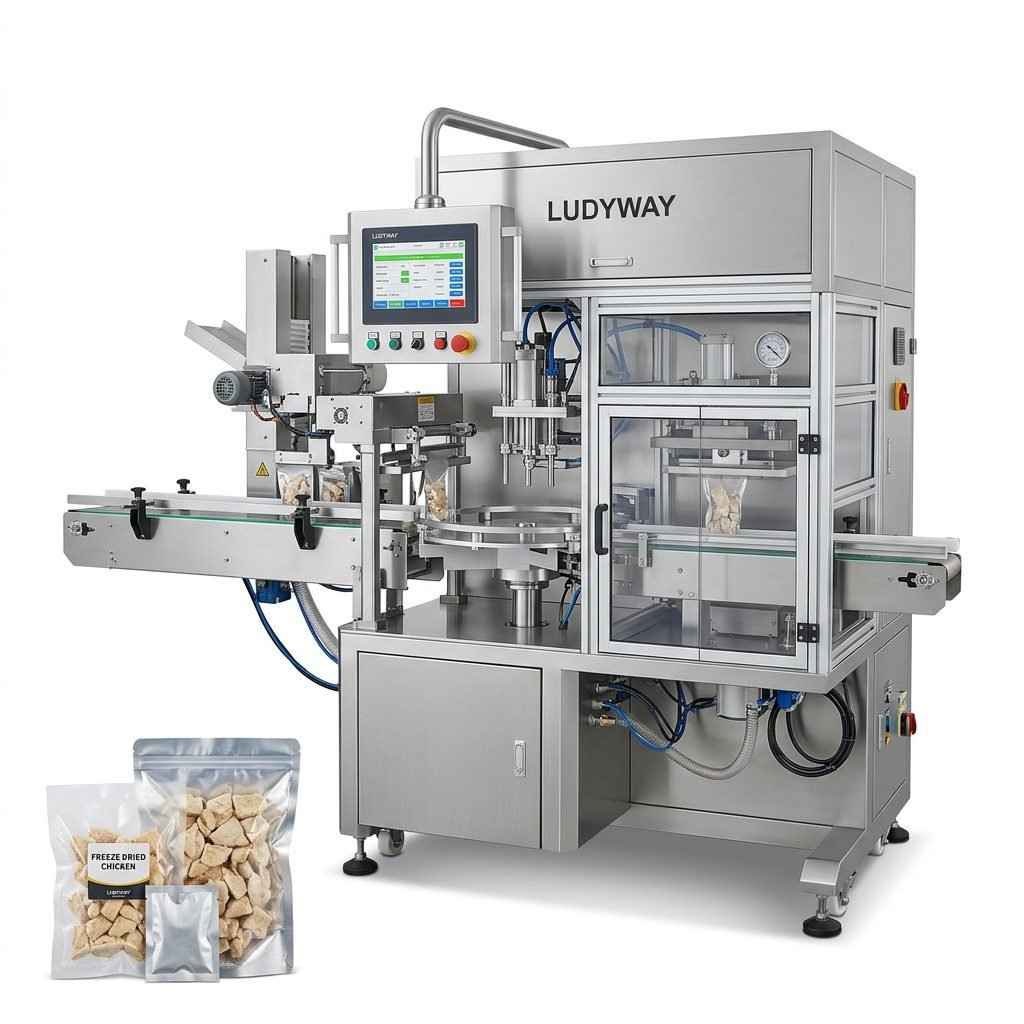
Food Industry Applications
Germany’s Lebensmittelindustrie is the largest end-user of vacuum packaging technology. From Wurst producers in Bavaria to Käse manufacturers in the Allgäu region, vacuum sealers ensure product quality throughout the supply chain. The trend towards convenience foods and ready meals has further accelerated adoption of advanced MAP and vacuum skin packaging solutions.
Pharmaceutical and Medical Applications
The German pharmaceutical sector demands validated packaging processes that comply with Good Manufacturing Practice (GMP) guidelines. Vacuum sealers used in pharma applications must offer traceable sealing parameters, cleanroom compatibility, and integration with serialisation systems. Key applications include granule medicines, powder formulations, and sterile medical device packaging.
Cost Considerations and Return on Investment
The purchase price of a vacuum sealer packaging machine is only one component of the total cost of ownership. German businesses should evaluate:
- Initial capital expenditure — machine cost, installation, and training
- Operating costs — electricity consumption, packaging film usage, and labour requirements
- Maintenance expenditure — spare parts availability, service contracts, and downtime costs
- Productivity gains — increased throughput, reduced product waste, and improved shelf life
- Regulatory compliance savings — avoiding penalties through proper certification and documentation
Maintenance and After-Sales Support
Reliable after-sales support is critical for minimising production downtime. When evaluating suppliers, German businesses should prioritise those offering local technical support within the EU, readily available spare parts, and comprehensive training programmes. Remote diagnostics capabilities are increasingly valuable, allowing technicians to troubleshoot issues without an on-site visit.
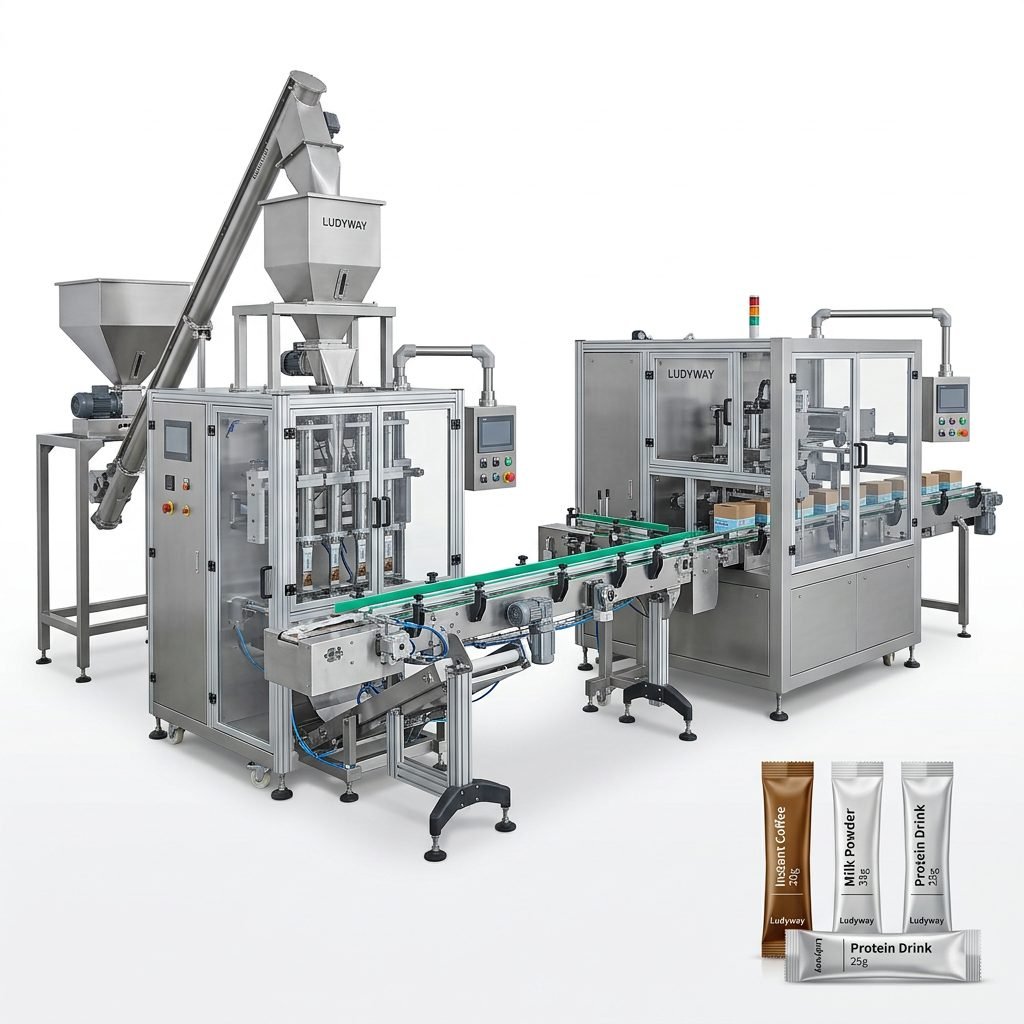
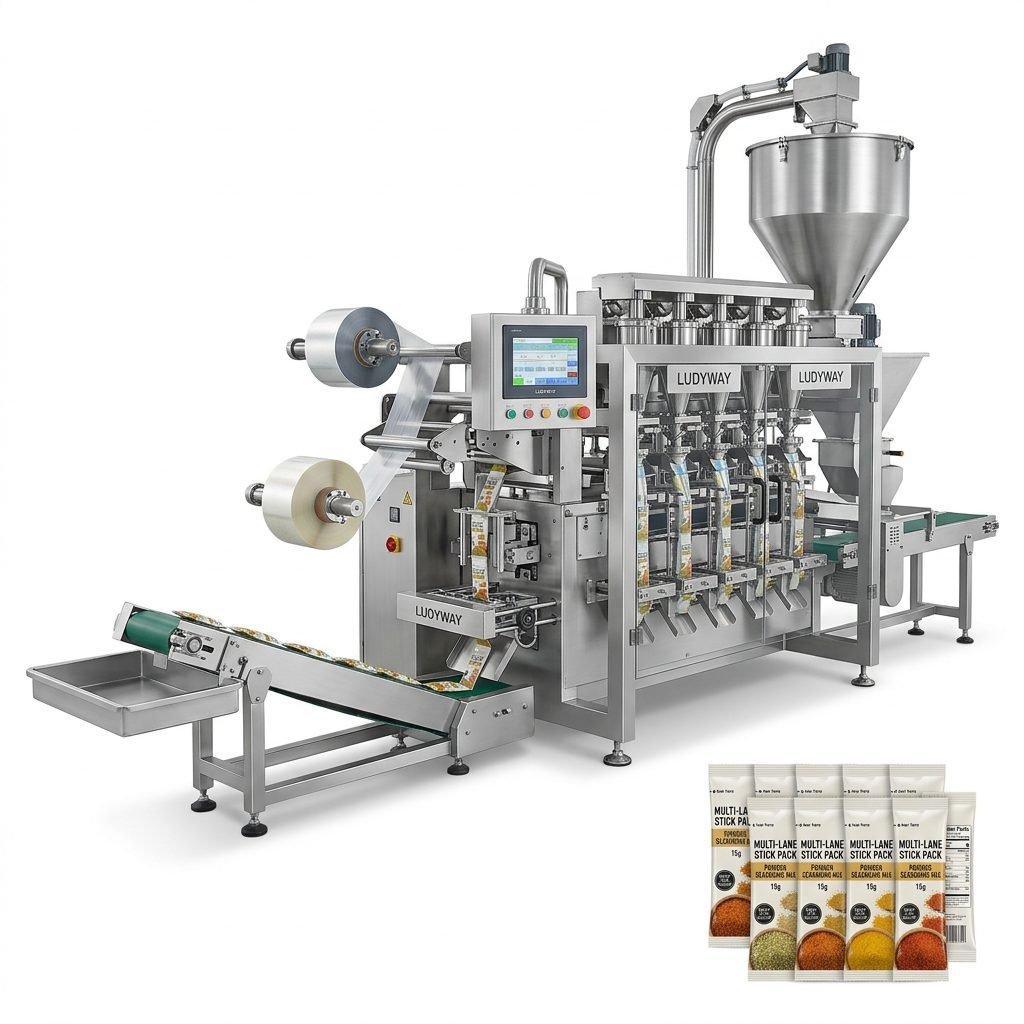
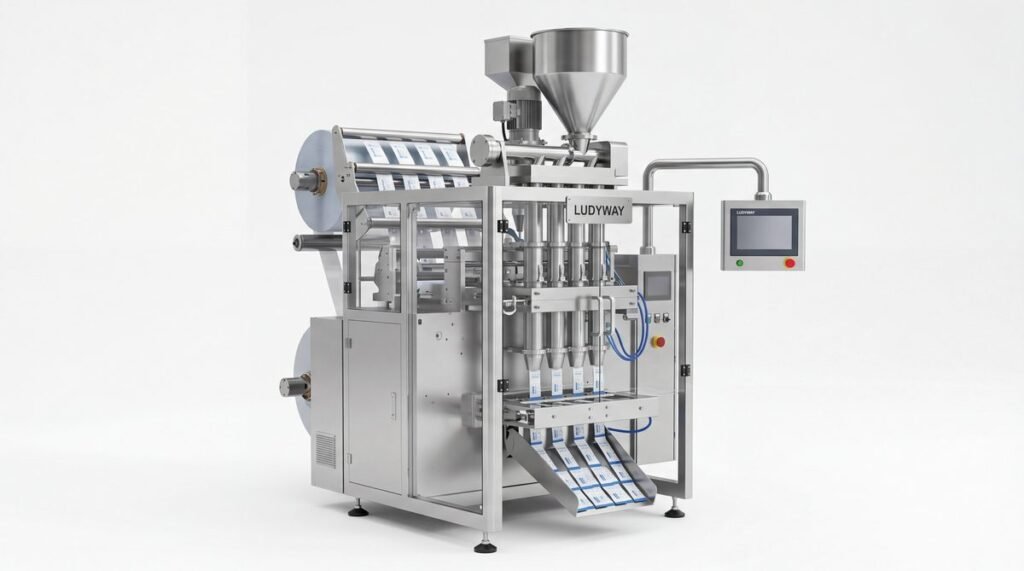
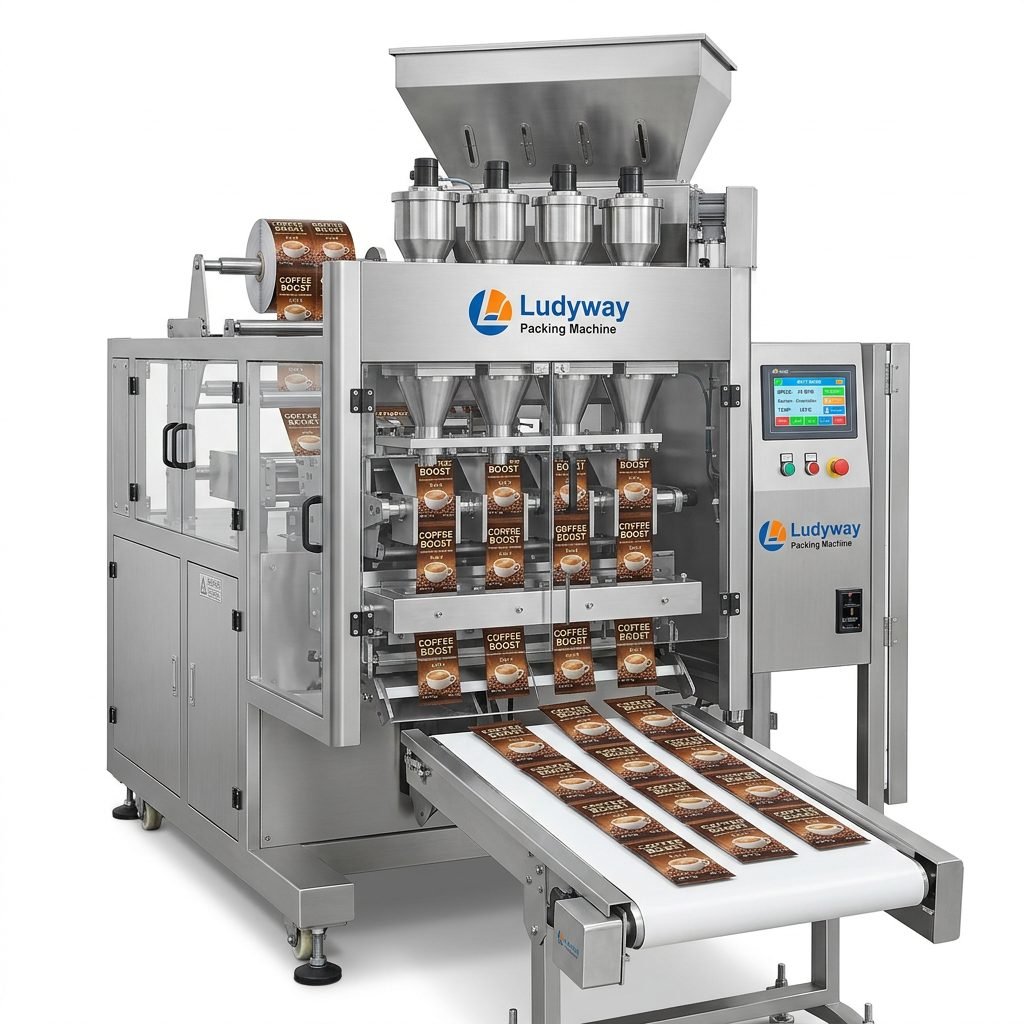
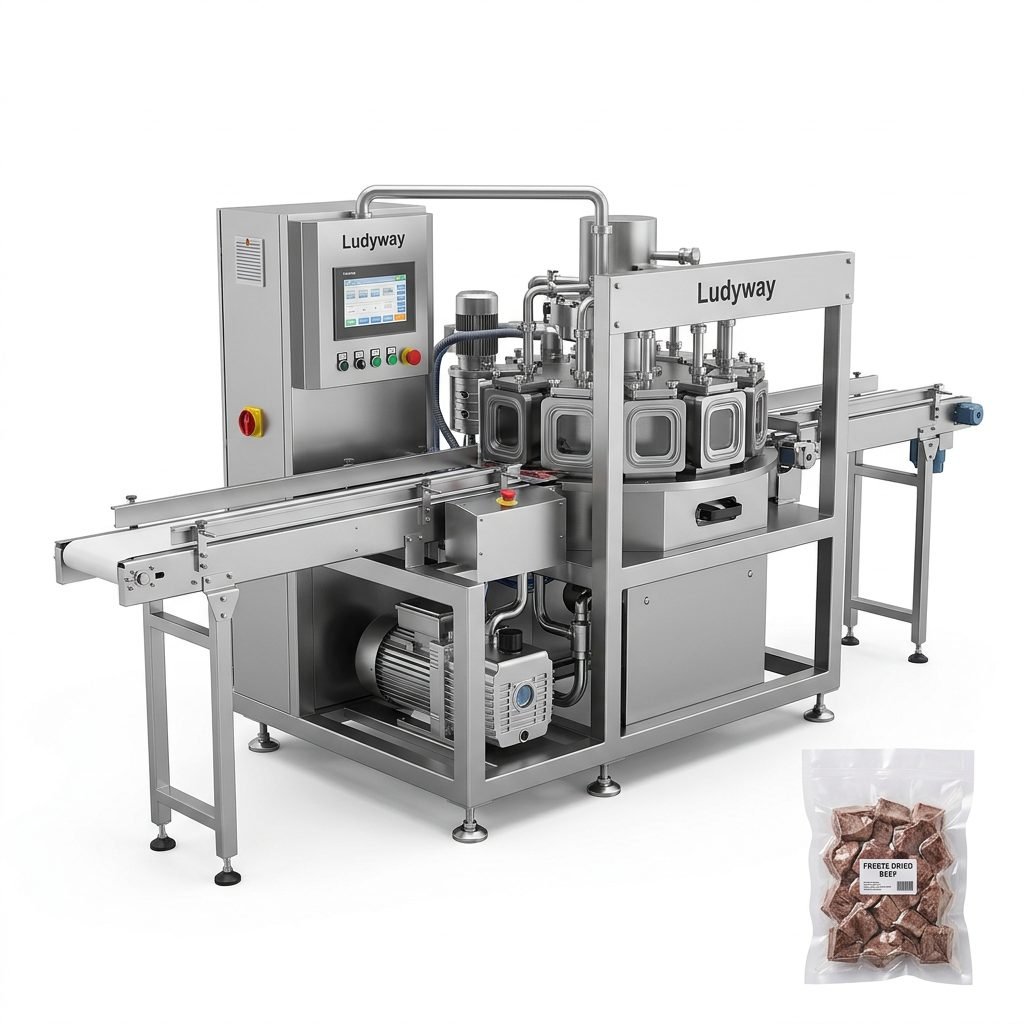
For companies seeking turnkey packaging solutions with comprehensive European support, manufacturers like Ludyway provide a broad range of vacuum sealing and automated packaging equipment backed by decades of engineering expertise. Their systems are designed to meet international quality standards while offering cost-effective alternatives to traditional European equipment suppliers. For detailed specifications, visit the PMMI Business Intelligence Library for industry benchmarks and market research.
Questions to Ask Your Supplier
- Is the machine CE-certified for the German market?
- What is the average lifespan of critical components such as sealing bars and vacuum pumps?
- Do you offer on-site installation and training in Germany?
- What is the lead time for spare parts delivery to German addresses?
- Can you provide references from existing German or EU customers?
Conclusion: Making an Informed Purchase Decision
Selecting the right vacuum sealer packaging machine for your German business requires balancing technical specifications, regulatory compliance, and long-term operational costs. By thoroughly evaluating your production requirements, understanding the German regulatory landscape, and partnering with reputable equipment suppliers, you can secure a packaging solution that delivers reliable performance, consistent product quality, and a strong return on investment. The German market’s emphasis on quality, efficiency, and sustainability makes it essential to choose equipment that aligns with these values while providing the flexibility to adapt to evolving market demands.