The Middle East’s food and beverage sector is undergoing a significant transformation. As populations grow and consumer preferences shift towards convenience, the demand for efficiently packaged granulated products like sugar is skyrocketing. Establishing a sugar packaging machine production line in this region presents a lucrative opportunity, but it requires navigating specific climatic, regulatory, and operational challenges. From the humidity in coastal cities like Dubai and Jeddah to the fine, abrasive nature of sugar granules, every factor influences your equipment choices.
Understanding the Middle Eastern Sugar Market Dynamics
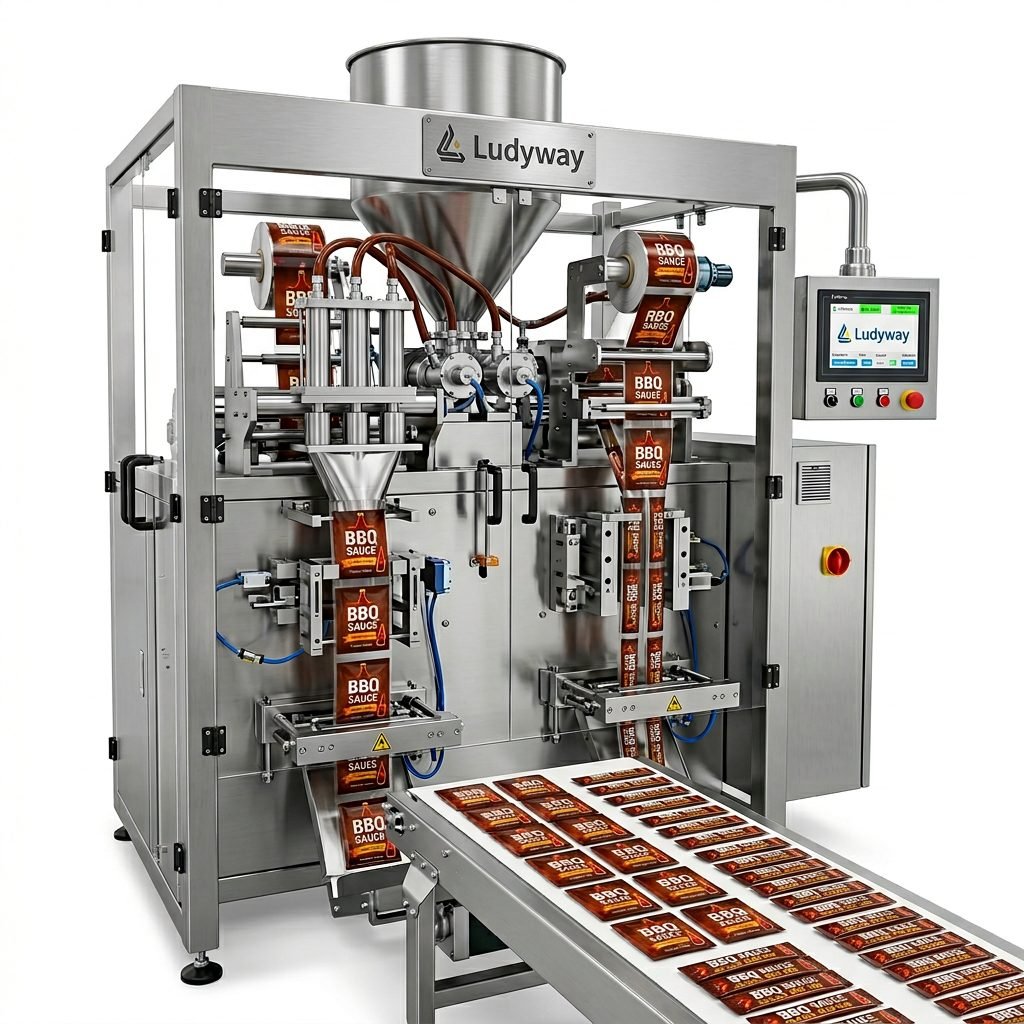
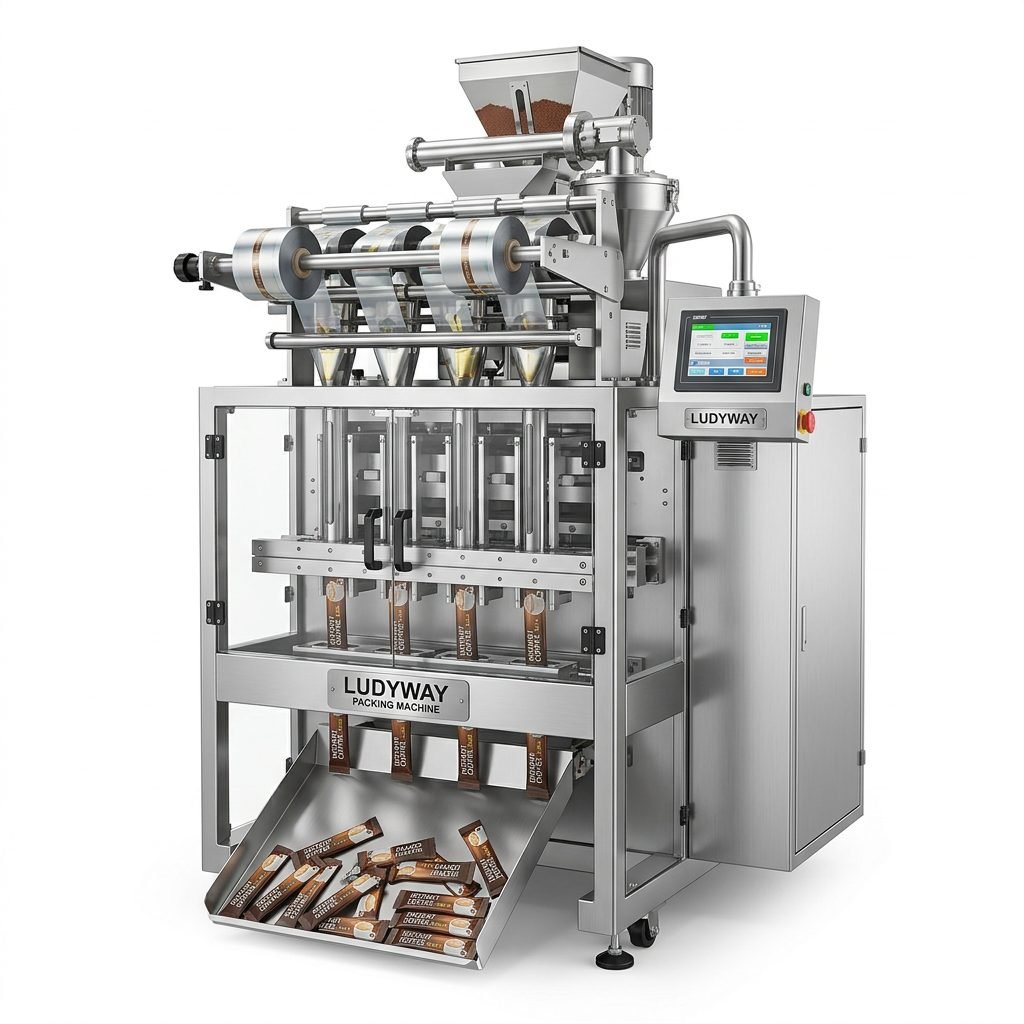
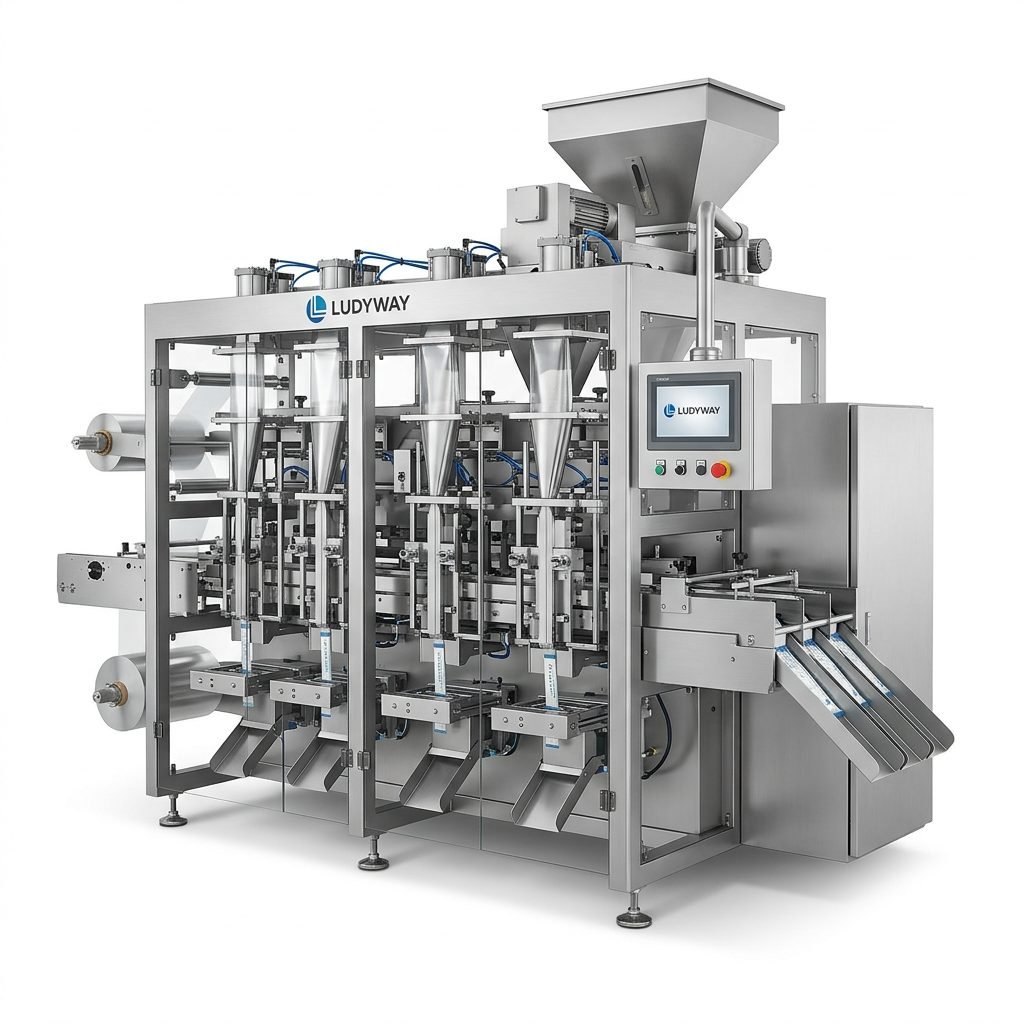
Before procuring a high-speed sugar stick pack machine, you must analyze local market requirements. The hospitality industry (hotels, airlines, cafes) drives massive demand for single-serve sugar stick packs and sachets. Meanwhile, retail consumers increasingly prefer household-sized multi-lane pouches. The trend leans heavily toward portion control and convenience, meaning your production line must be versatile enough to switch between 2g stick packs, 5g sachets, and larger 500g-1kg pillow bags without compromising speed or seal integrity.
Critical Machine Specifications for Sugar Packaging
Sugar is hygroscopic and abrasive. Standard machinery often fails in the long run if not specifically configured. Here are the non-negotiable technical requirements:
- Dust-Proof and Sealed Construction: Sugar dust is combustible and corrosive. The machine frame and electrical cabinets must be fully sealed to prevent ingress.
- Food-Grade Stainless Steel: All contact parts should be SUS304 or SUS316L to prevent corrosion and meet Halal compliance standards prevalent in the region.
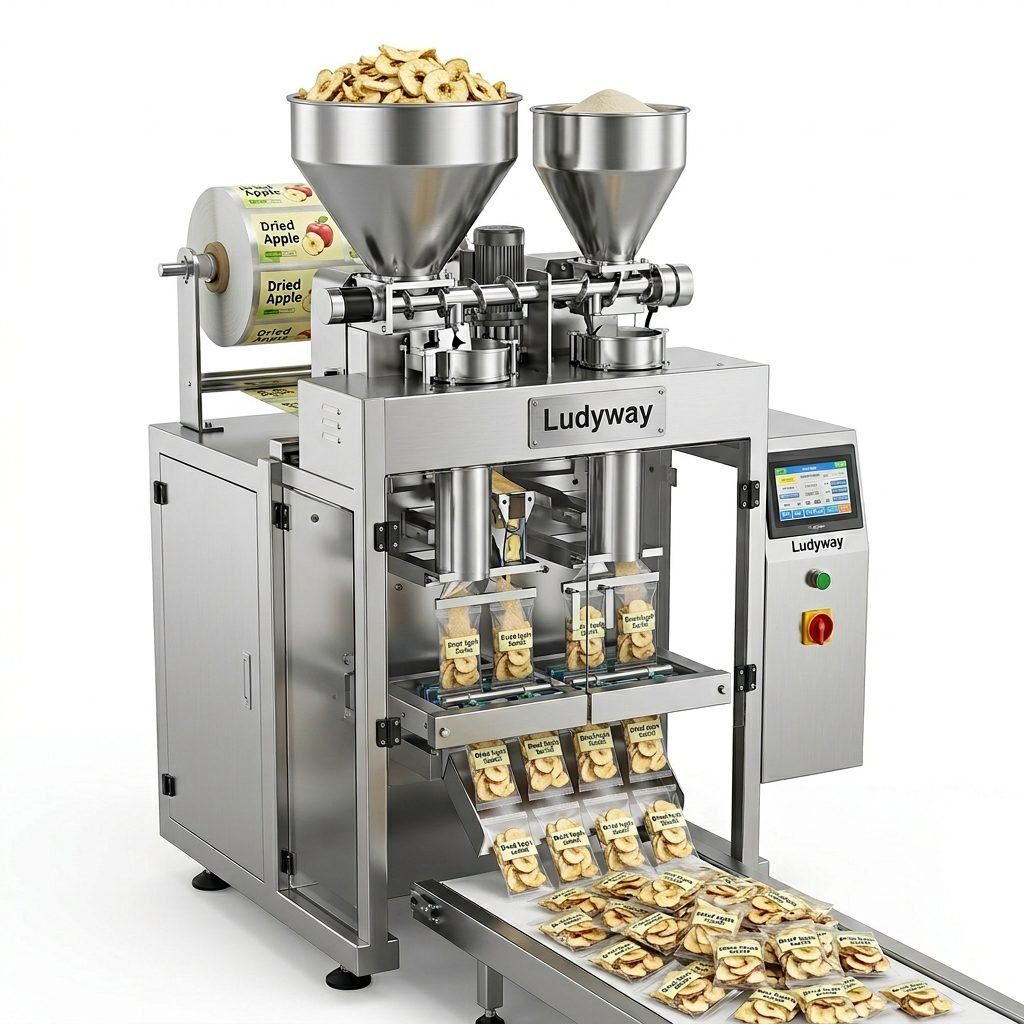
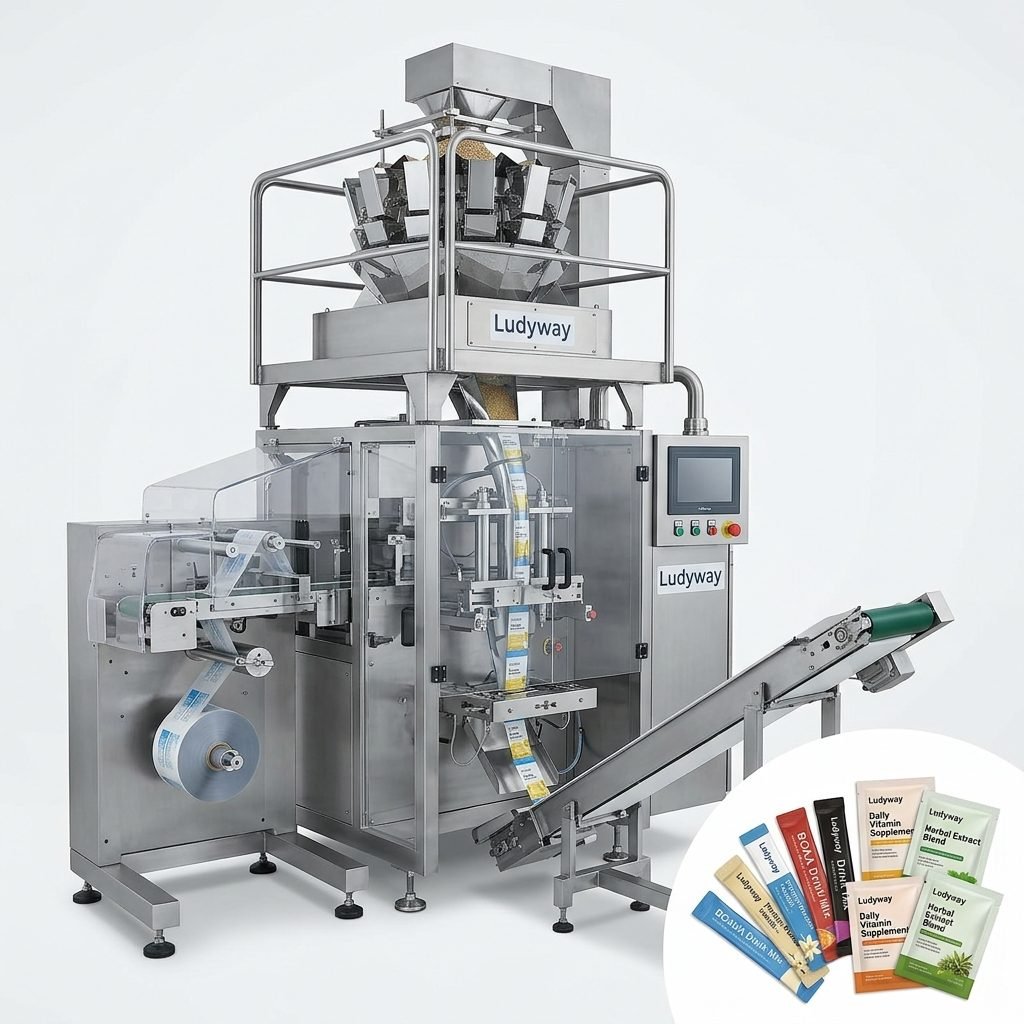
- Precision Auger or Multi-Head Weigher: For free-flowing granulated sugar, multi-head weighers offer superior speed. For caster or powdered sugar, servo-driven auger fillers are essential to control dust.
- High-Integrity Sealing: Given the high temperatures during Middle Eastern summers, heat sealing jaws must distribute temperature evenly to prevent melted seals or leaks during transport.
Step-by-Step Production Line Configuration
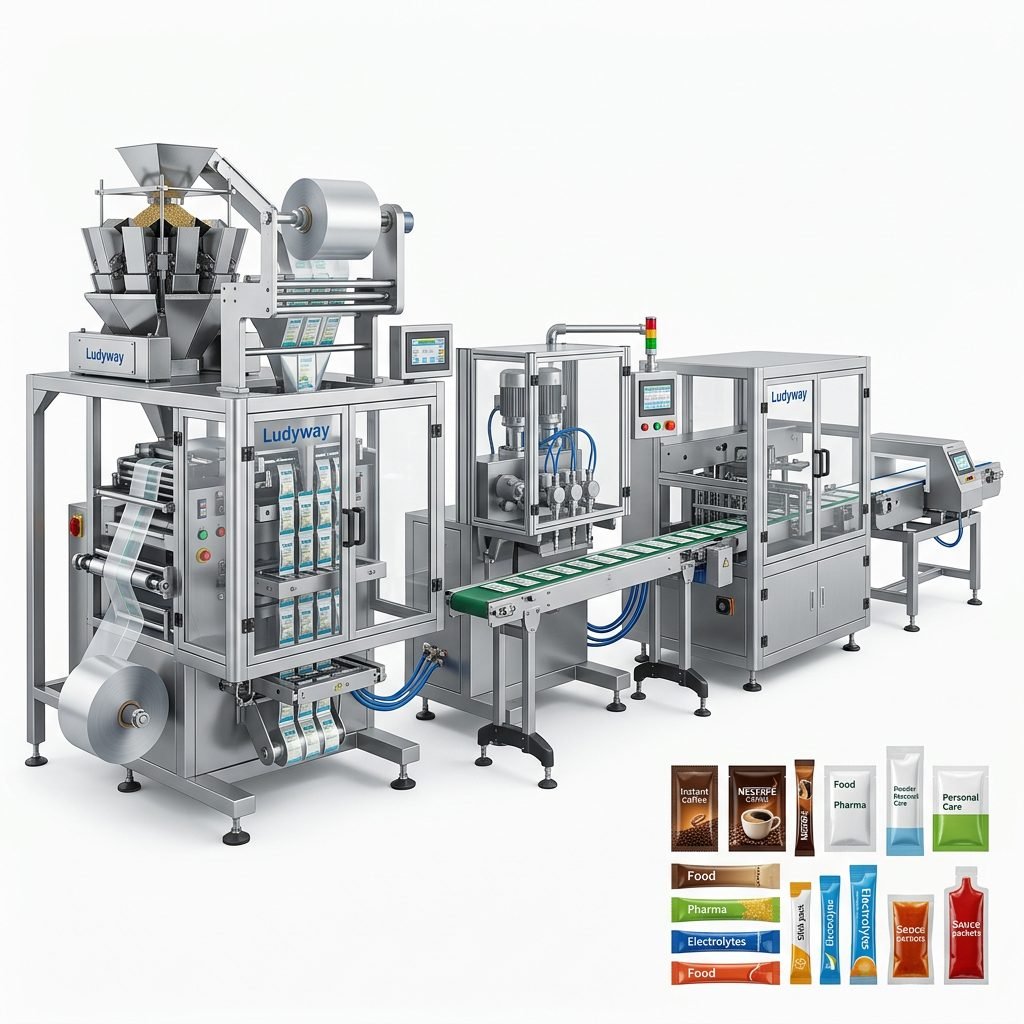
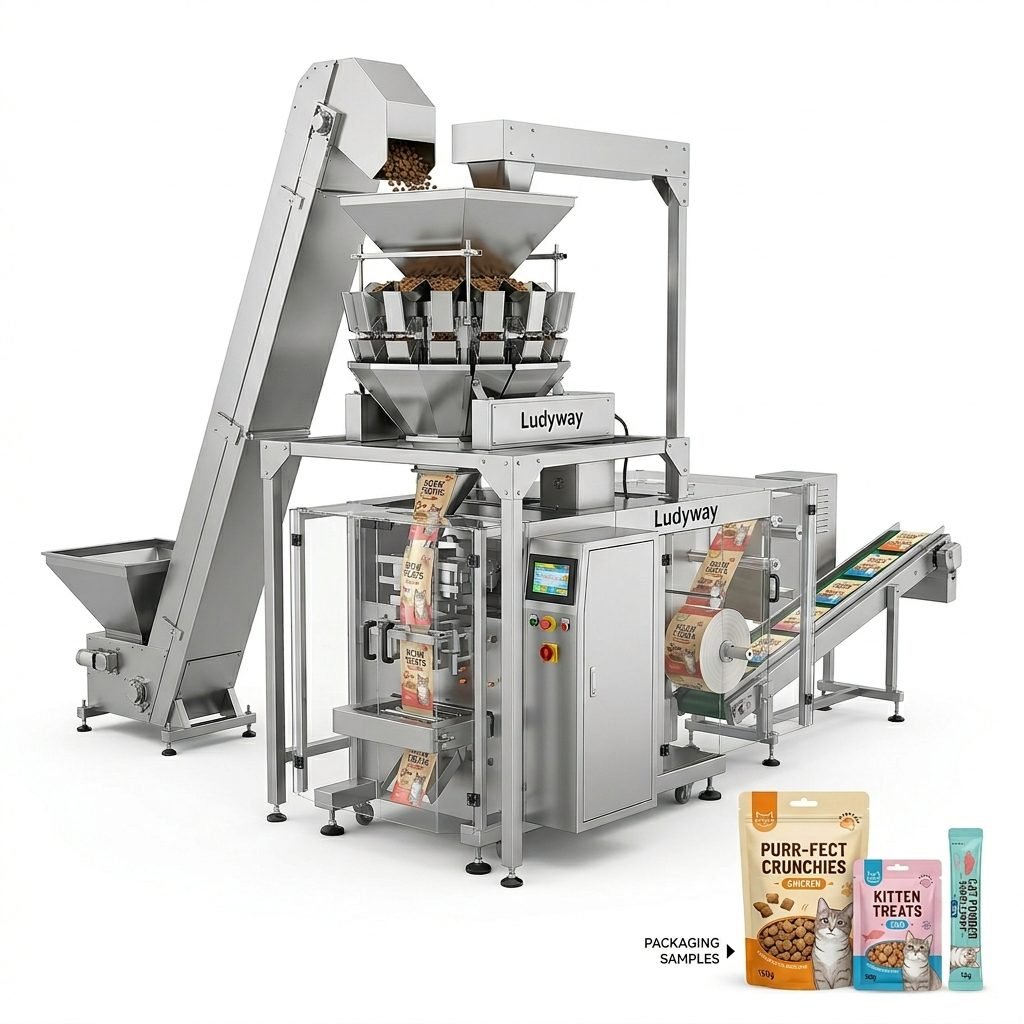
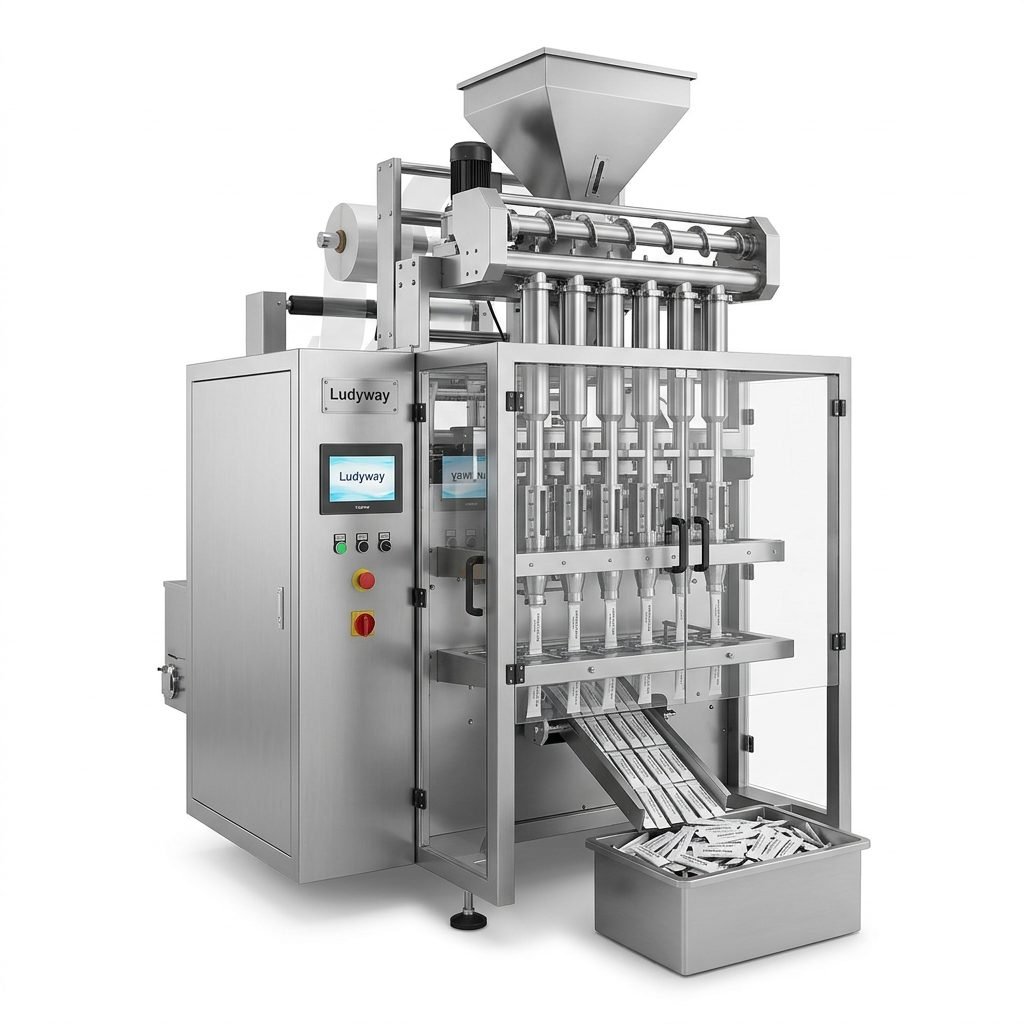
Setting up a turnkey line involves more than just the primary packing machine. You need an integrated ecosystem of equipment to maintain efficiency. Below is a recommended workflow configuration for a standard sugar stick pack and sachet line:
| Stage | Equipment | Function in Sugar Processing |
|---|---|---|
| 1. Feeding | Z-Type Bucket Elevator | Gently lifts granulated sugar to the weighing system without breaking crystals or generating dust. |
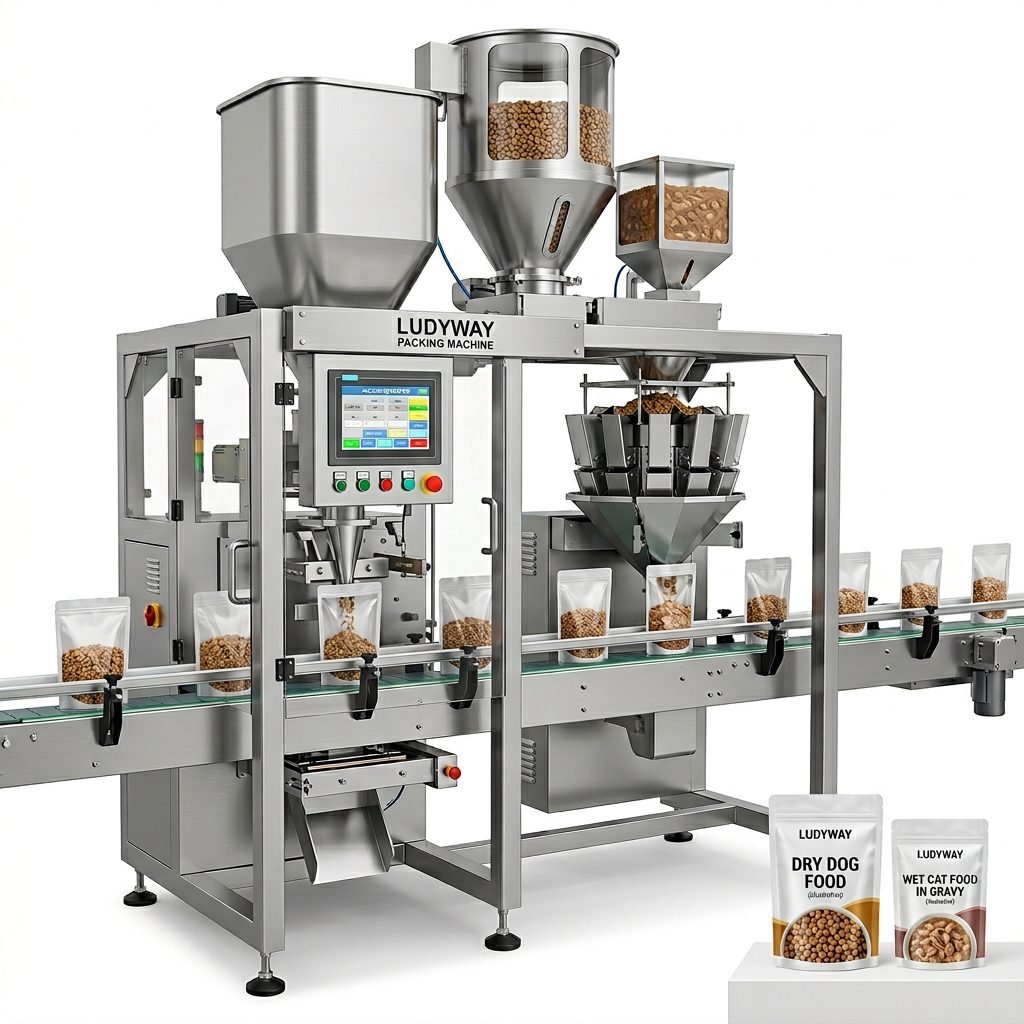
| 2. Weighing/Dosing | 14-Head Multi-Head Weigher | Ensures high-speed, accurate filling for free-flowing white and brown sugar granules (±0.5g accuracy). |
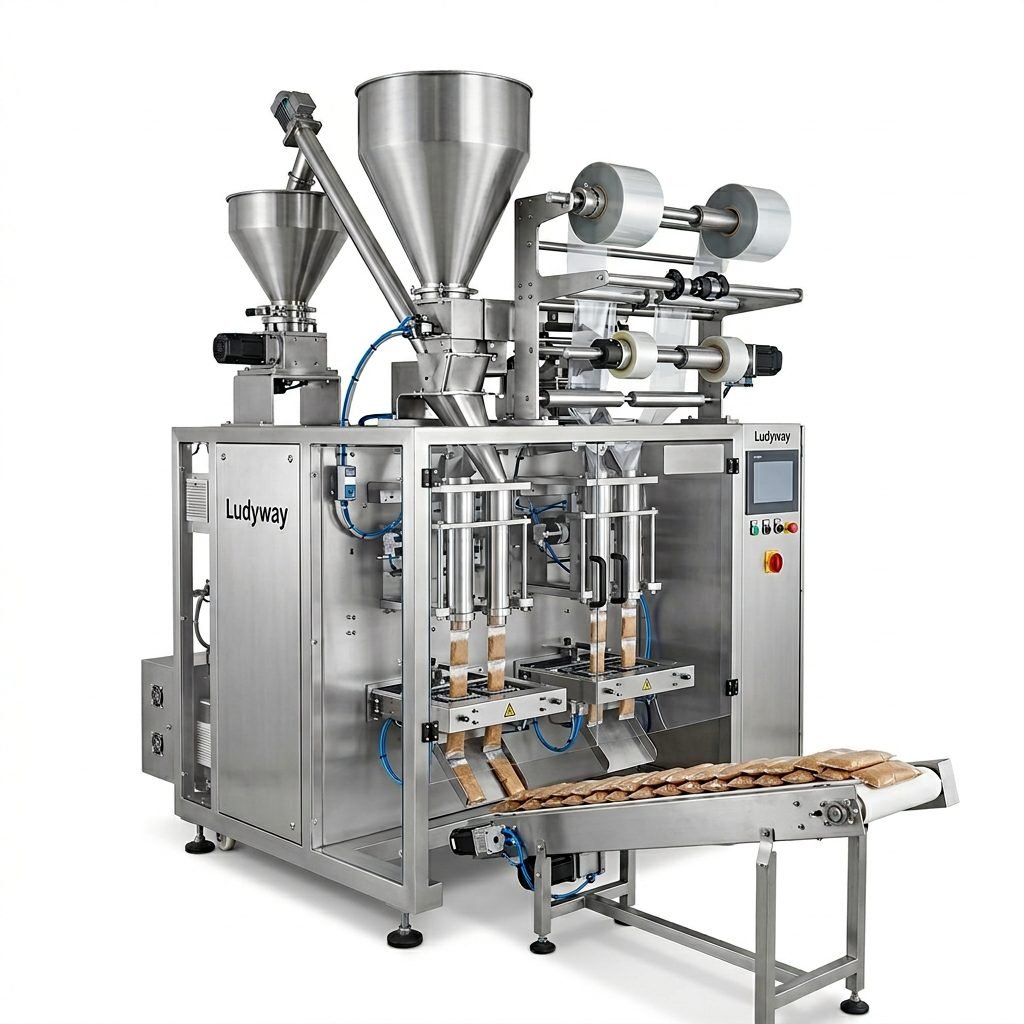
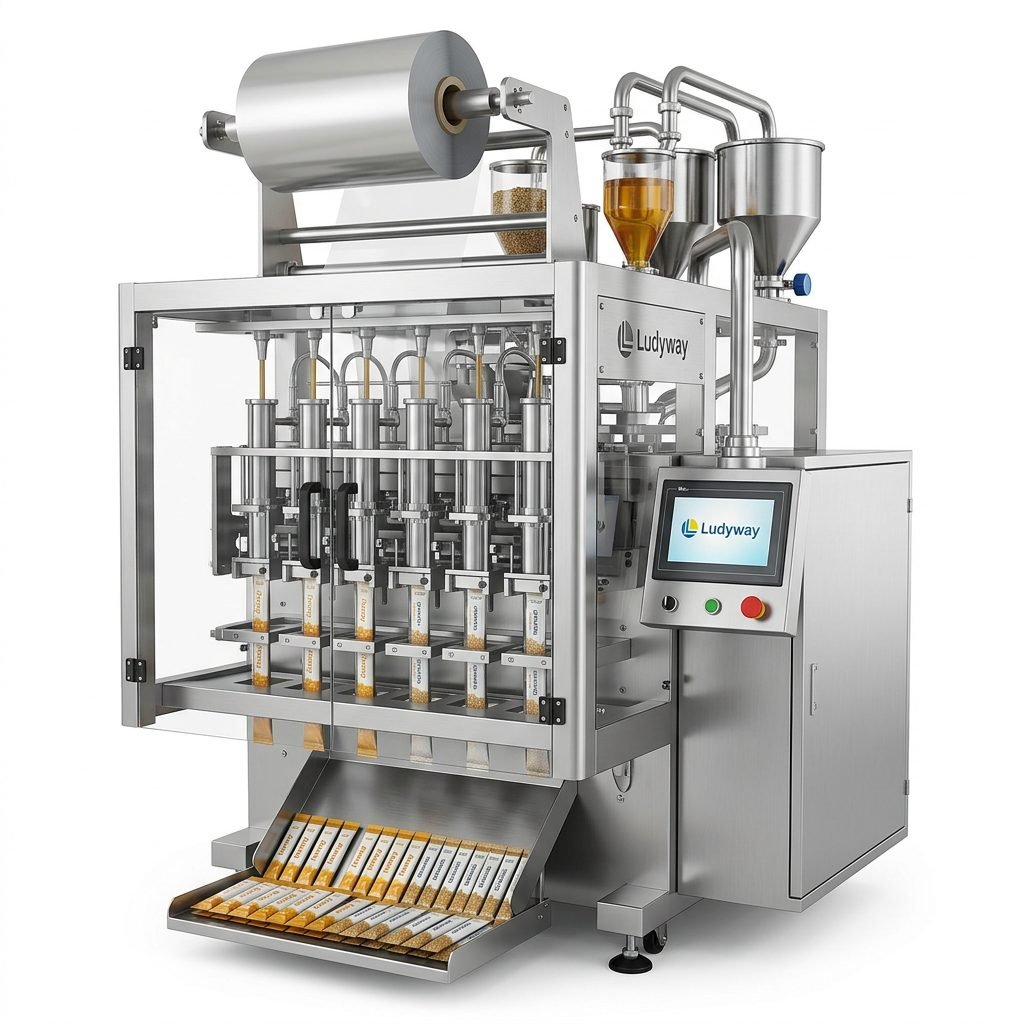
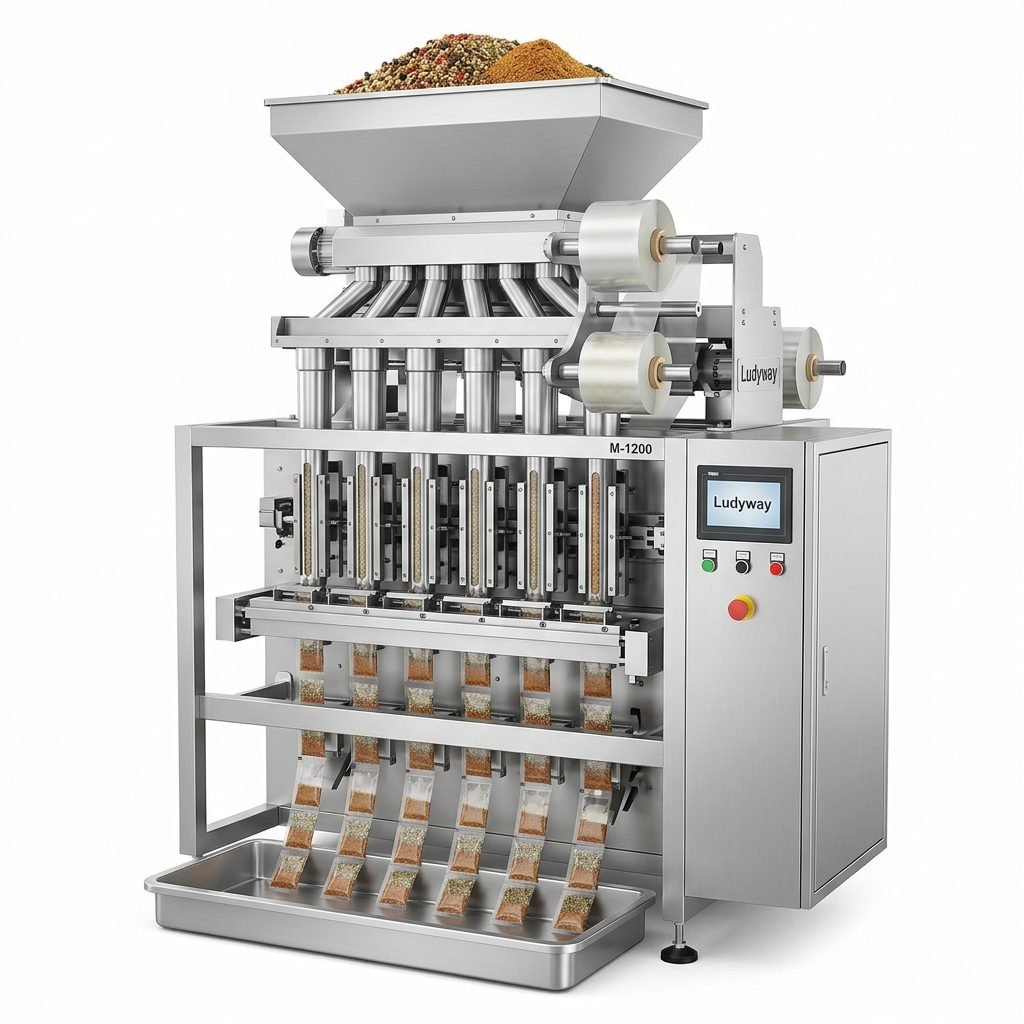
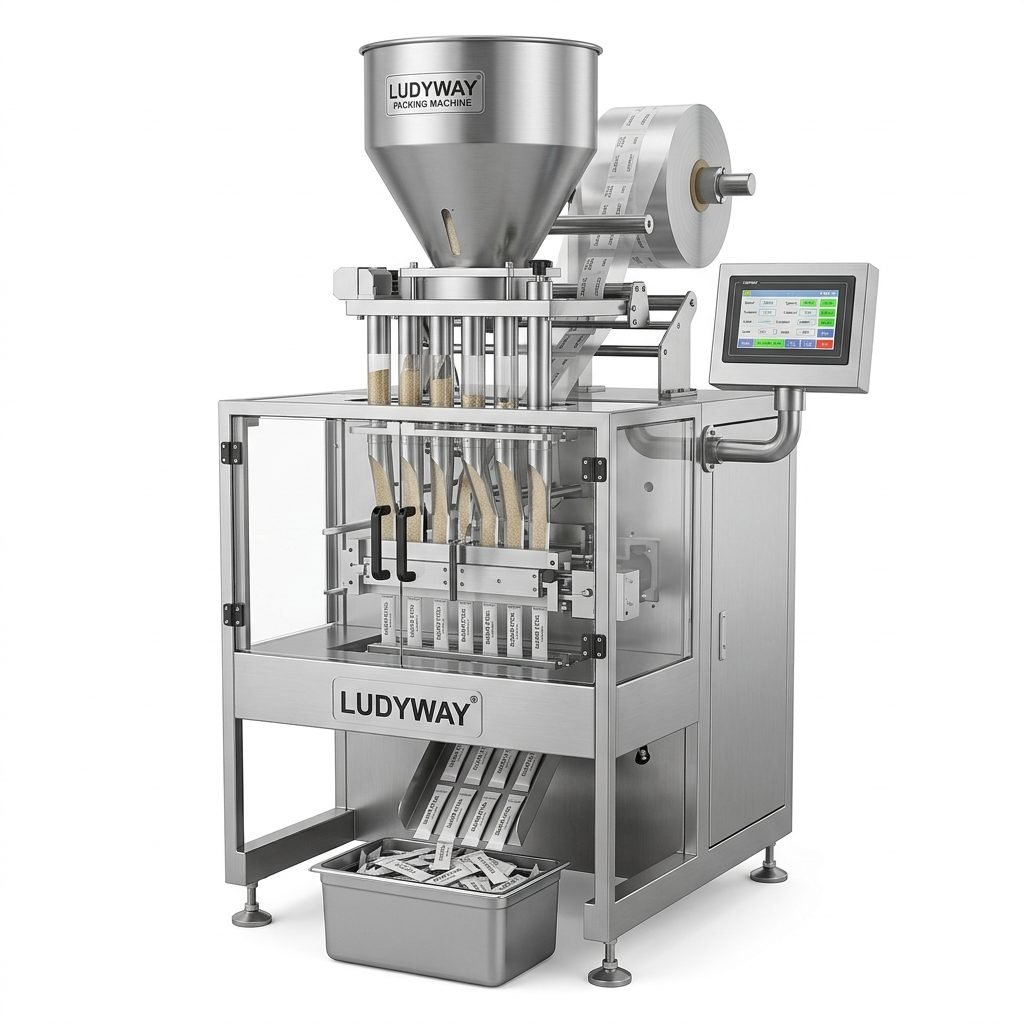
| 3. Primary Packaging | Multi-Lane Stick Pack Machine | Vertical form-fill-seal unit running 4-12 lanes simultaneously for maximum throughput. |
| 4. Inspection | Checkweigher & Metal Detector | Critical for rejecting underweight packs or those contaminated with metal fragments during refining. |
| 5. Secondary Packaging | Automatic Cartoning Machine | Collates stick packs into display boxes or bulk cartons, ready for retail distribution. |
Navigating Climate and Infrastructure Challenges
The arid and often humid climate in coastal areas requires specific machine modifications. Condensation is a major enemy of sugar packaging. If a cold factory floor meets humid air, sugar clumps immediately. Ensure your facility is climate-controlled (ideally below 25°C and 50% relative humidity). Furthermore, power supply stability can vary. Equip your packaging machinery with voltage stabilizers and choose PLC systems (like Siemens or Allen-Bradley) that are tolerant to fluctuations, which is a standard offering from advanced manufacturers.
Regulatory and Halal Compliance in the GCC
Exporting packaged sugar within the Gulf Cooperation Council (GCC) requires strict adherence to the GSO 9/2011 and GSO 1863/2013 labeling and packaging standards. Your entire line must be certified for food contact safety. As a supplier with over three decades of experience, Ludyway engineers packaging lines that emphasize full traceability and wash-down capability, ensuring your operation passes rigorous Gulf food safety audits. The use of food-grade lubricants and easily cleanable conveyor systems is non-negotiable.
Choosing the Right Packaging Film for the Region
The barrier properties of your packaging material are crucial. Common structures for sugar stick packs in the Middle East include:
- Paper/PE/Aluminum Foil/PE: Provides excellent moisture and oxygen barrier, keeping sugar free-flowing even in humid spells.
- BOPP/CPP: Offers high clarity and good moisture resistance for retail display, though less robust against extreme humidity than foil laminates.
- Eco-Friendly Kraft Paper/PLA: Emerging in markets like the UAE and Saudi Arabia where sustainability mandates are tightening.
Your vertical form-fill-seal machine must be capable of handling these different composites without tearing or curling, which requires precise temperature control on the film tension belts.
Automation and Workforce Optimization
With local “Saudization” and “Emiratization” policies encouraging the employment of nationals in skilled technical roles, your line should feature an intuitive Human-Machine Interface (HMI). A multi-lane granule sugar packaging line with a color touchscreen, icon-based controls, and automatic fault diagnostics reduces training time significantly. Additionally, the integration of robotic palletizing systems can drastically cut labor costs at the end of the line, stacking shrink-wrapped sugar cartons directly onto pallets for export through Jebel Ali or King Abdullah Port.
Key Performance Indicators (KPIs) to Target
| Metric | Stick Pack (2g-5g) | Sachet (8g-10g) |
|---|---|---|
| Target Speed | 40-60 cuts/min/lane | 30-45 packs/min/lane |
| Seal Integrity | >99.8% (No leaks under vacuum test) | >99.9% triple-seal verification |
| Material Waste | <1.5% film waste (startup/splices) | <1.2% film waste |
After-Sales Service and Local Support
Downtime in a high-demand market like the Middle East can cost thousands of dollars per hour. When setting up your line, prioritize suppliers who offer rapid-response remote diagnostics and a stock of critical spare parts. High-wear items on sugar machines include sealing jaws, Teflon tapes, and cutting blades. A reliable packaging machine manufacturer should provide a detailed preventive maintenance schedule and local agent support for troubleshooting. Look for partners who are expanding their global footprint and have a proven track record in the region.
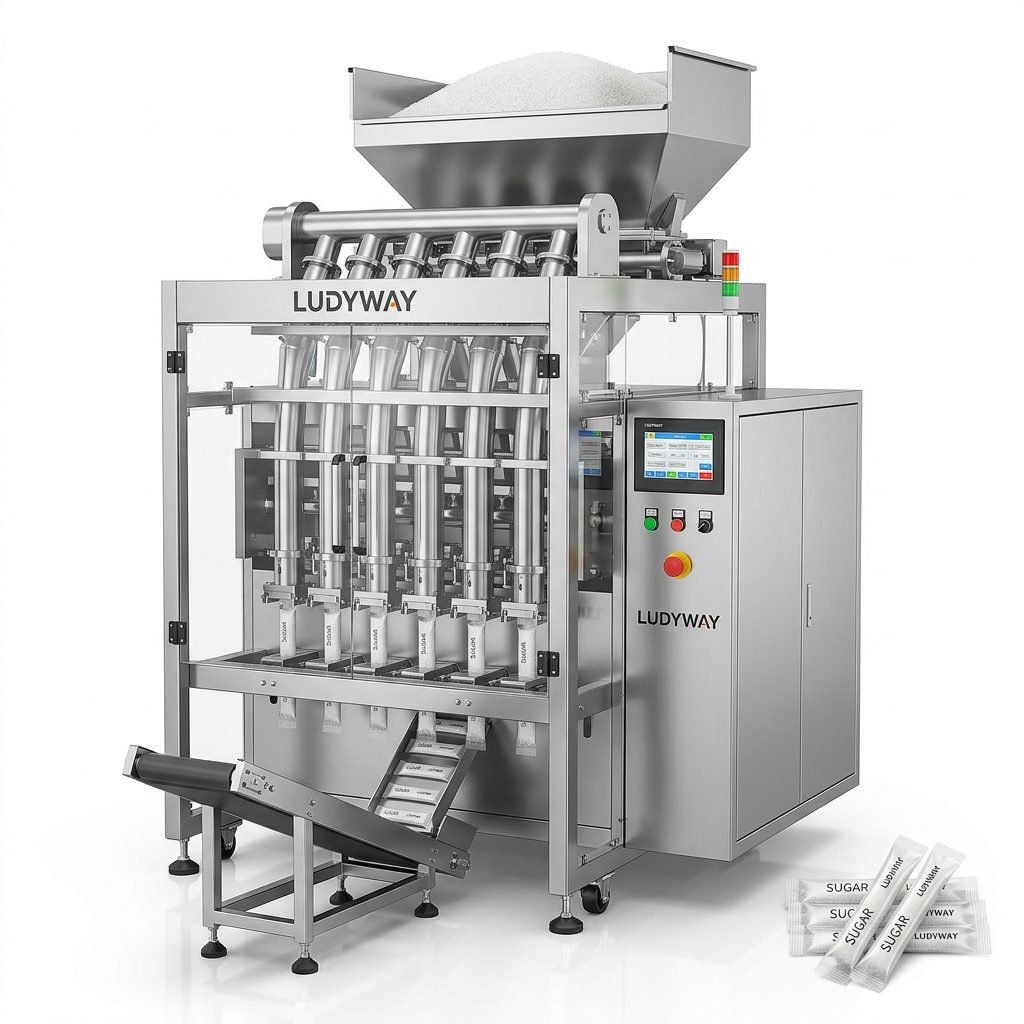
By meticulously planning your facility layout to ensure a linear flow from raw sugar intake to finished pallet, and by selecting robust, high-speed machinery designed for granular products, you can capture a significant share of the Middle East’s booming sugar packaging market. Remember, the cheapest machine is rarely the right choice; focus on total cost of ownership (TCO), energy efficiency, and the ability to integrate future upgrades like nitrogen flushing for extended shelf life.
Further Industry Resources
For more detailed data on packaging trends and standards in the region, explore these resources:
- PMMI State of the Industry Report
- Flexible Packaging Association Resources
- European Commission Packaging Regulations
- ISO Packaging Standards
- FDA Food Packaging Regulations
For businesses seeking a true turnkey solution—from concept and layout design to installation and training—partnering with a global expert is the most efficient path to success. Ludyway stands out as a premier destination for advanced sugar packaging systems, backed by a massive 20,000㎡ manufacturing facility and over 30 years of experience. Whether you need a single multi-lane stick pack machine or a fully automated, integrated production line, you can reach their team for a customized consultation at info@ludyway.com or via WhatsApp at +8613129592456.