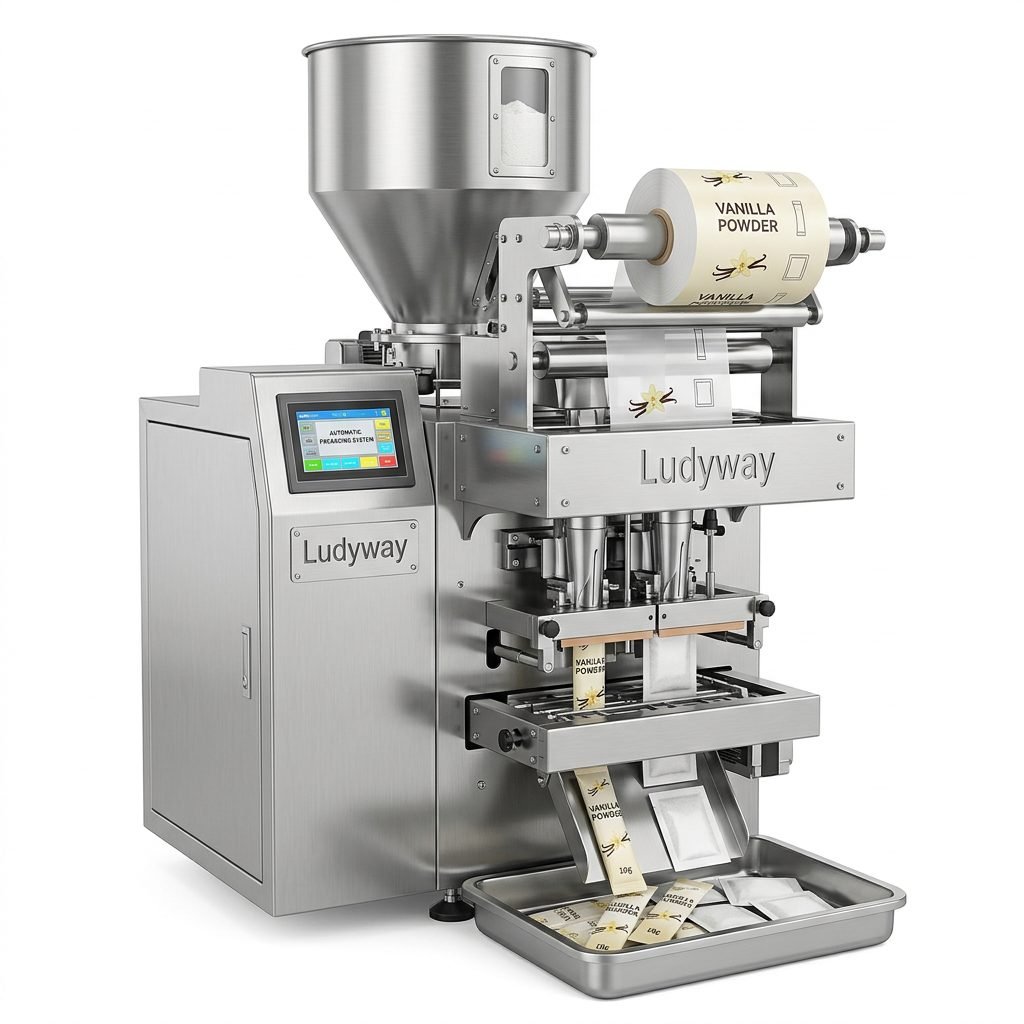
Setting up a cookie packaging machine production line in Southeast Asia requires careful planning, from understanding regional market demands and regulatory standards to selecting the right equipment and ensuring efficient installation. As the food processing sector grows rapidly across countries like Thailand, Vietnam, Indonesia, and the Philippines, automation has become a key driver for improving productivity, maintaining product freshness, and meeting export-quality packaging standards.
1. Understanding Cookie Packaging Requirements in Southeast Asia
Before investing in a cookie packaging production line, you must first define your packaging specifications. Cookies are fragile products that require gentle handling and protection against moisture, which is a significant challenge in Southeast Asia’s humid tropical climate. Key considerations include:
- Packaging format: Pillow packs, sachets, stick packs, or pre-made pouches with nitrogen flushing for extended shelf life.
- Film material: Multi-layer barrier films (such as OPP/CPP or PET/AL/PE) to prevent oxygen and moisture ingress.
- Production capacity: Determining the required output, from 30 packs per minute for small-scale operations to over 200 packs per minute for high-volume factories.
- Halal compliance: A crucial factor for the predominantly Muslim markets in Malaysia and Indonesia, ensuring machinery meets sanitary and material standards.
2. Core Equipment for a Cookie Packaging Line
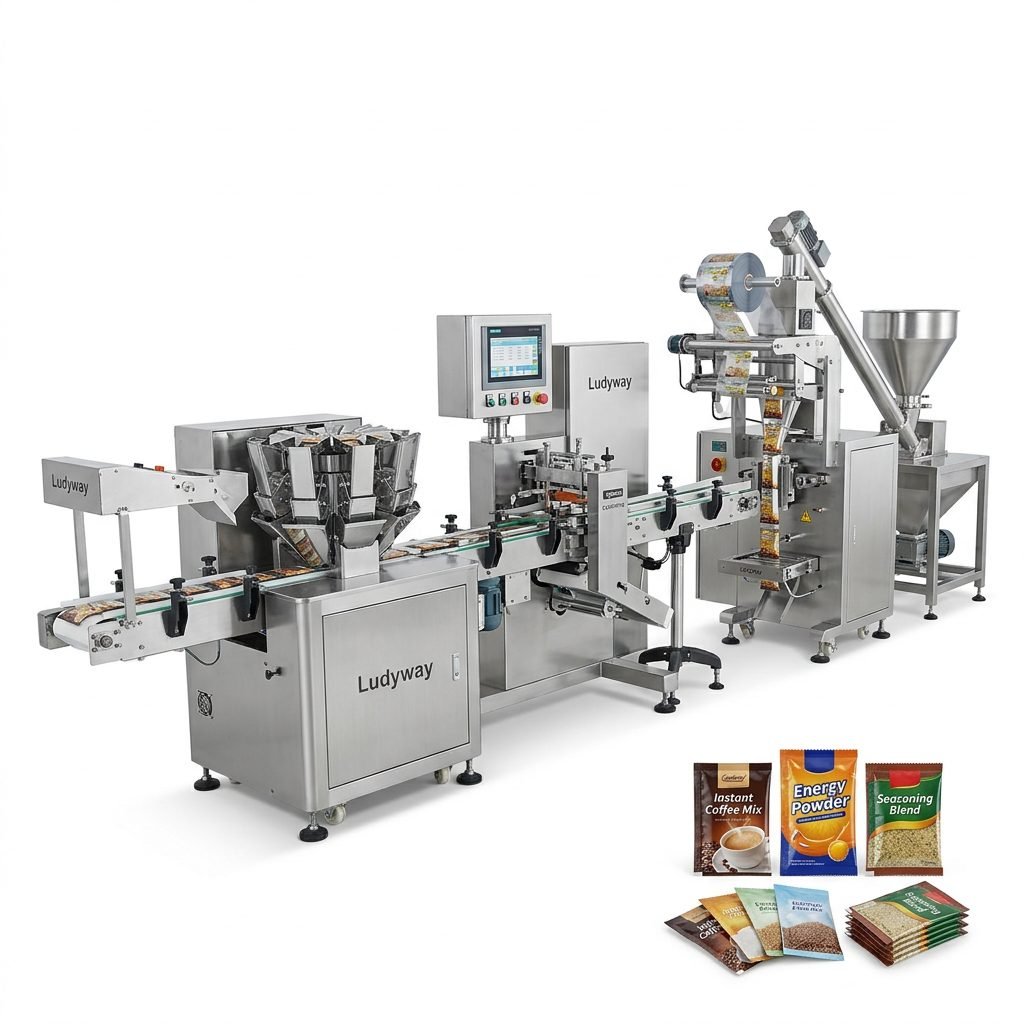
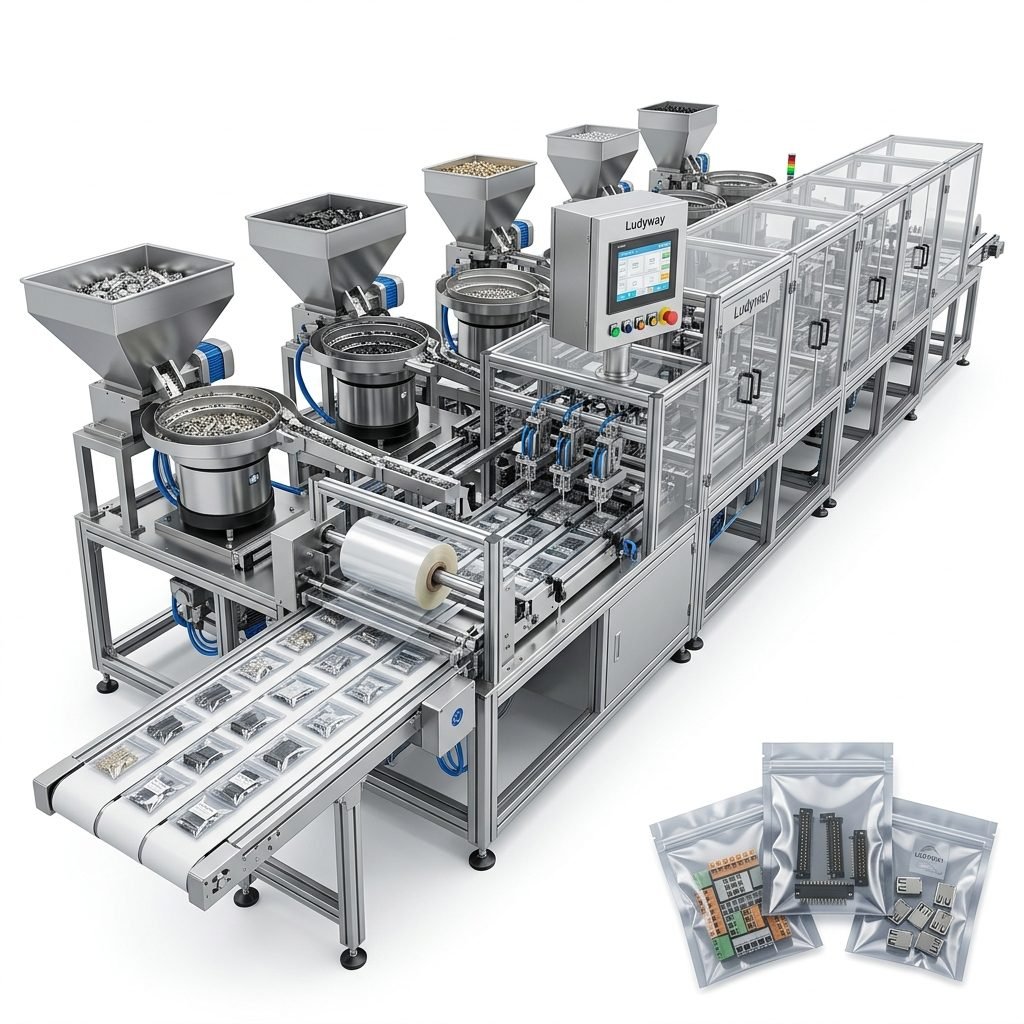
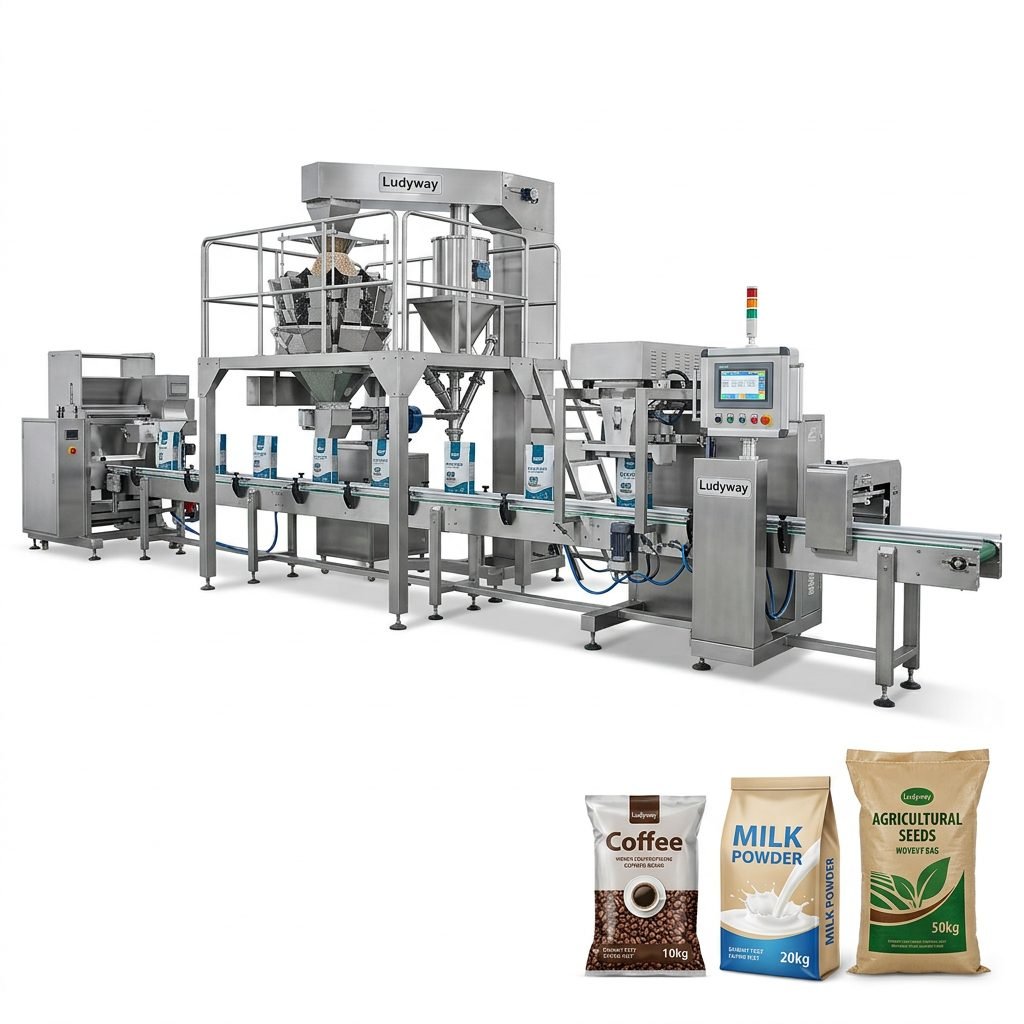
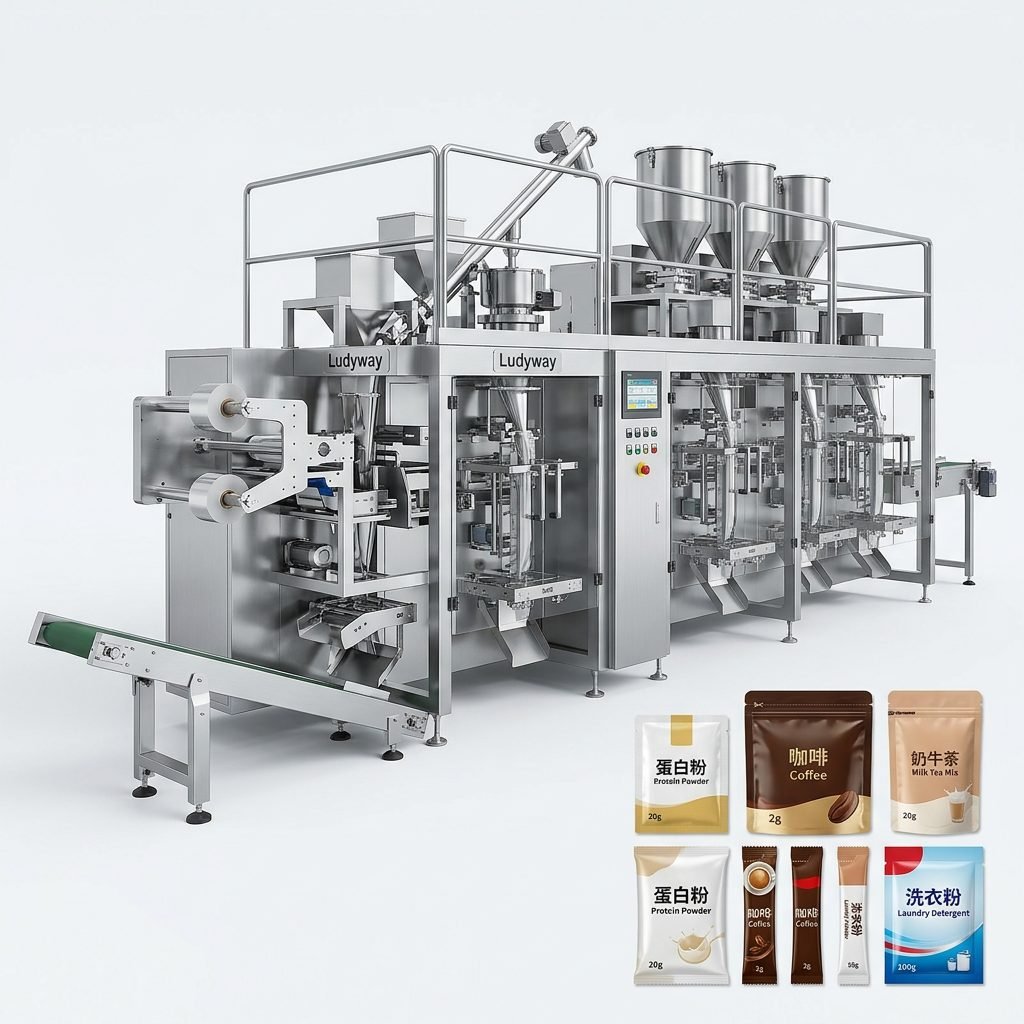
A complete cookie packaging machine production line integrates several key machines working in sequence. The table below outlines the essential equipment and their functions:
| Machine Type | Primary Function | Key Feature |
|---|---|---|
| Automatic Feeding System | Aligns and conveys cookies to the packaging unit | Servo-driven precision and gentle product handling |
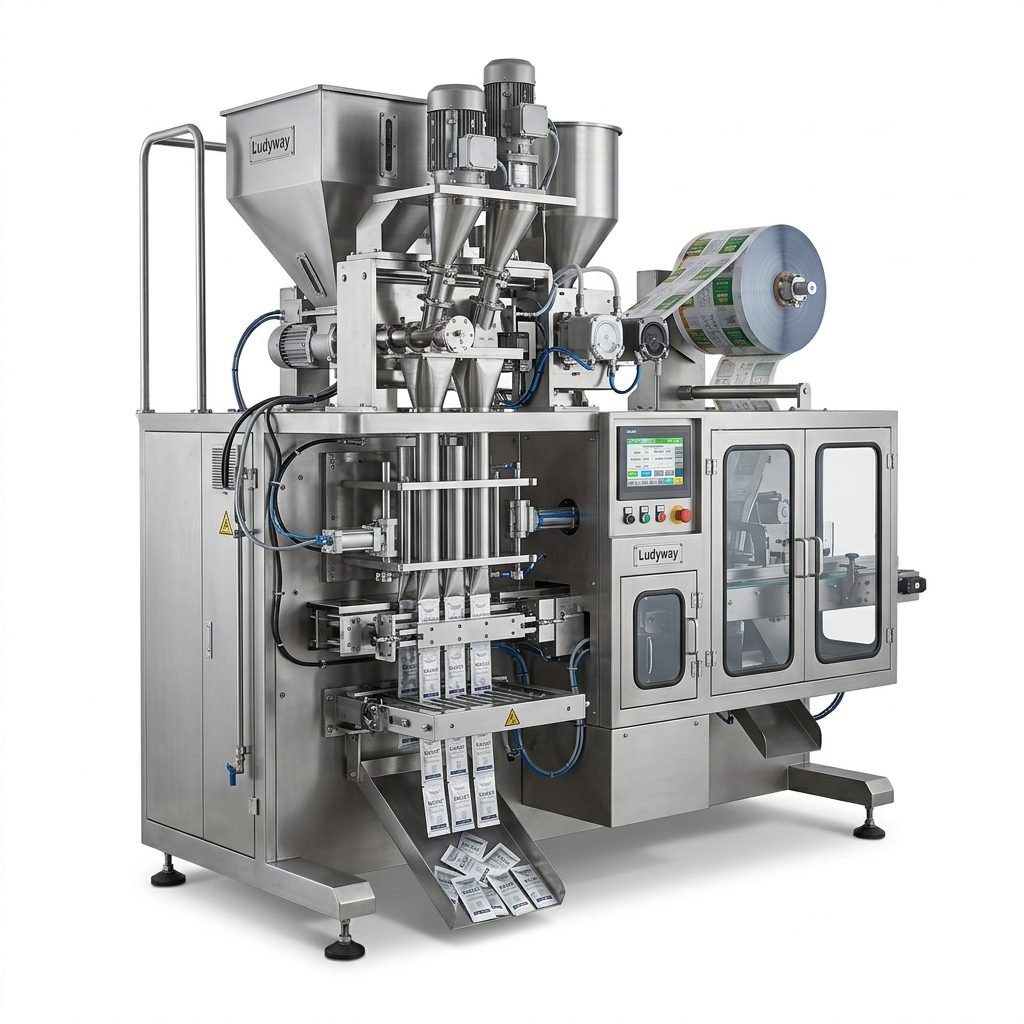
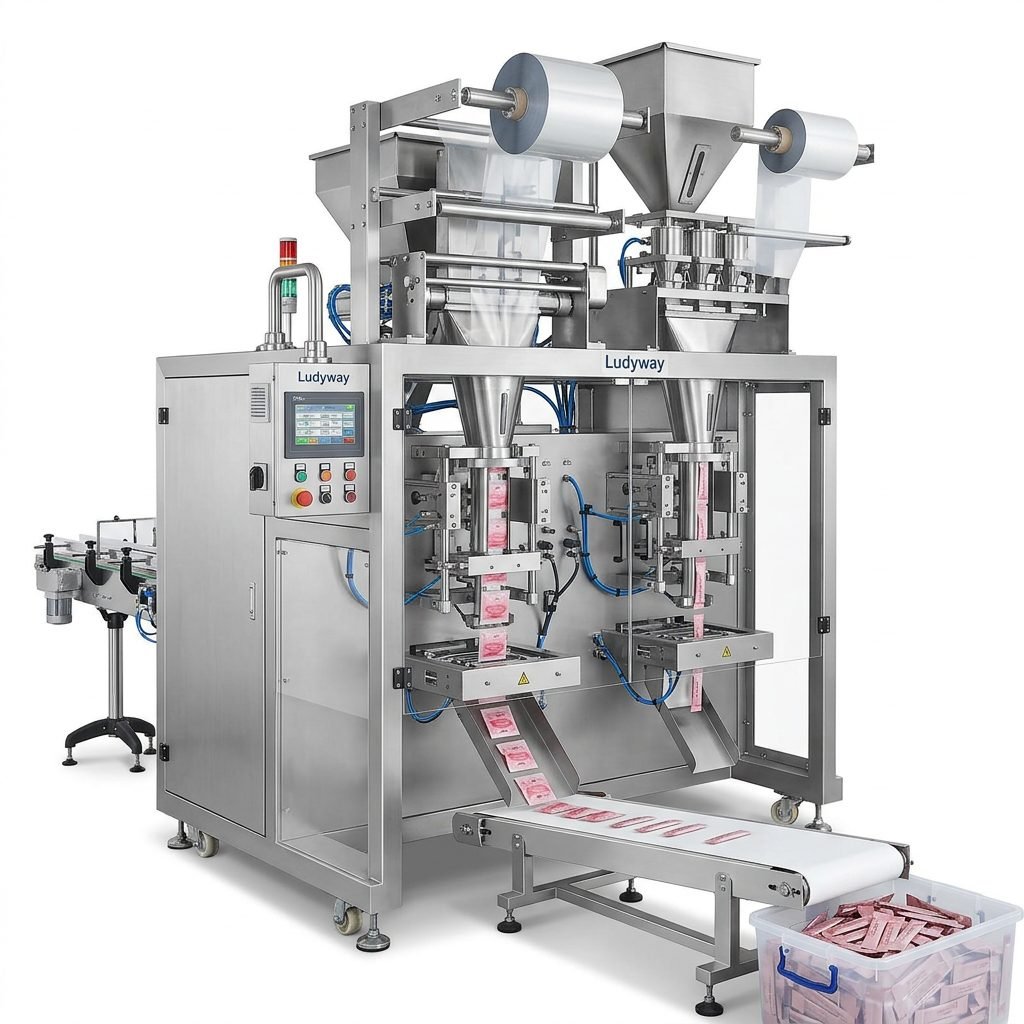
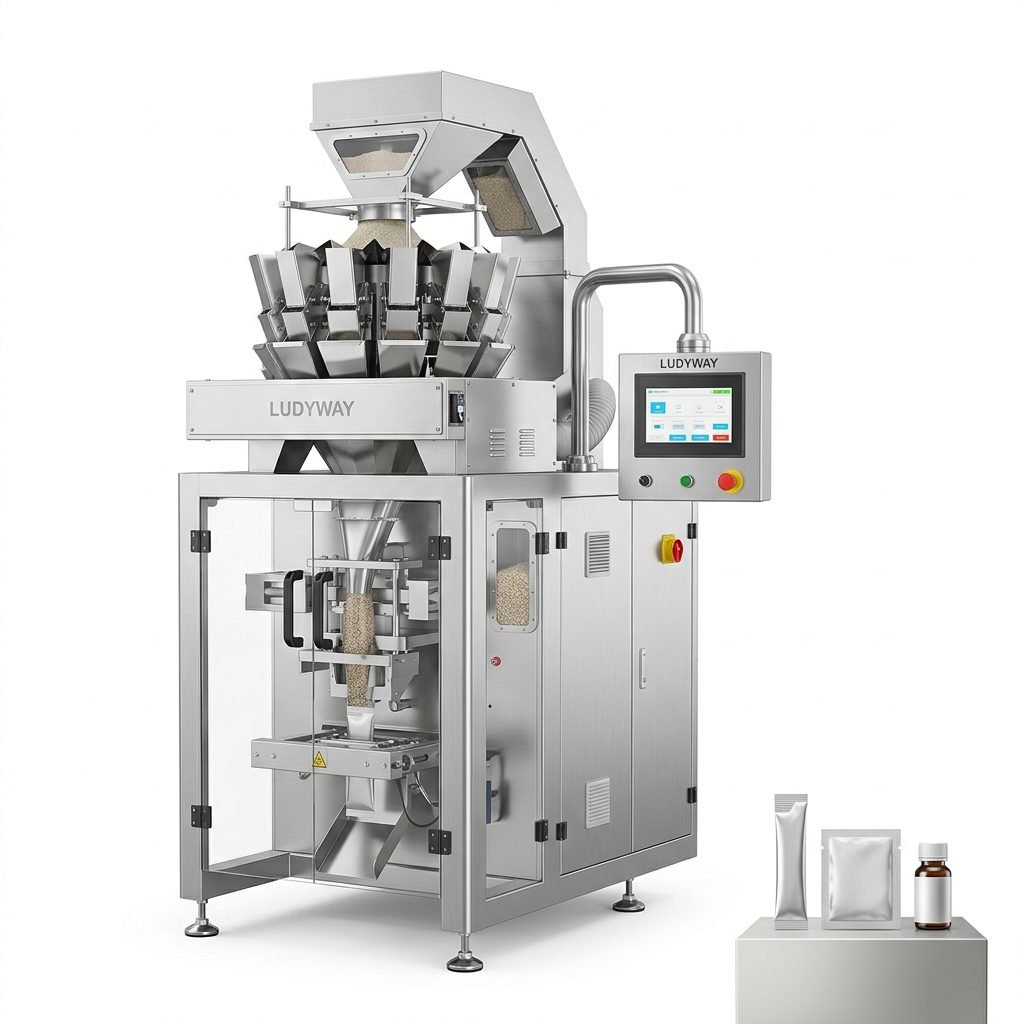
| Vertical Form Fill Seal (VFFS) Machine | Forms bags from roll stock, fills, and seals | Multi-lane capability for high-speed output |
| Multi-Head Weigher | Ensures accurate weight for each pack | High-speed combination weighing with ±1g accuracy |
| Nitrogen Flushing System | Injects nitrogen to displace oxygen | Extends shelf life up to 12 months in humid environments |
| Checkweigher & Metal Detector | Quality control and contaminant detection | Automatic reject system for non-compliant packs |
3. Selecting the Right Packaging Machine Model
Choosing the appropriate cookie packaging machine depends heavily on your cookie type and production scale:
3.1 For Sandwich Cookies and Soft-Baked Varieties
These delicate products demand low-pressure feeding systems and gentle handling mechanisms to prevent breakage. A horizontal flow wrapper with automatic feeding is commonly recommended for maintaining product shape and layering.
3.2 For Hard Biscuits and Crackers
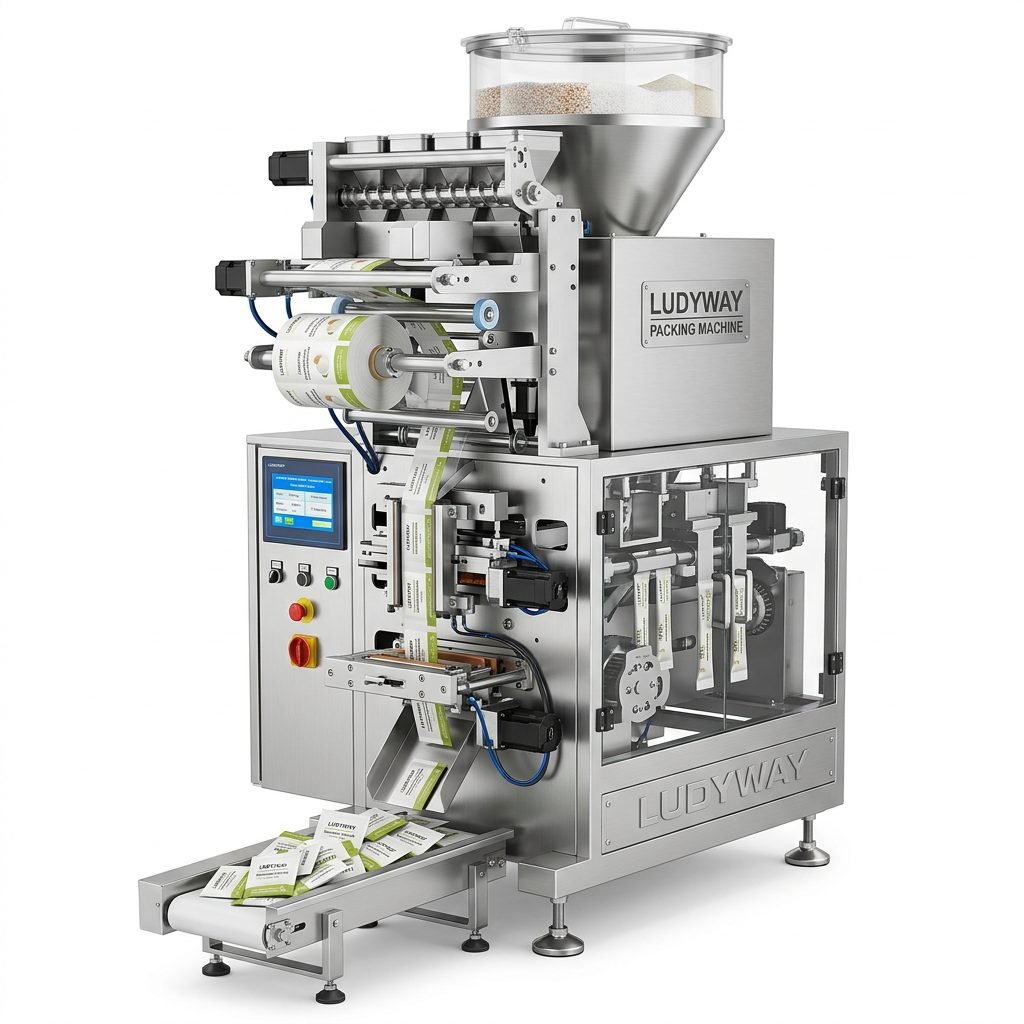
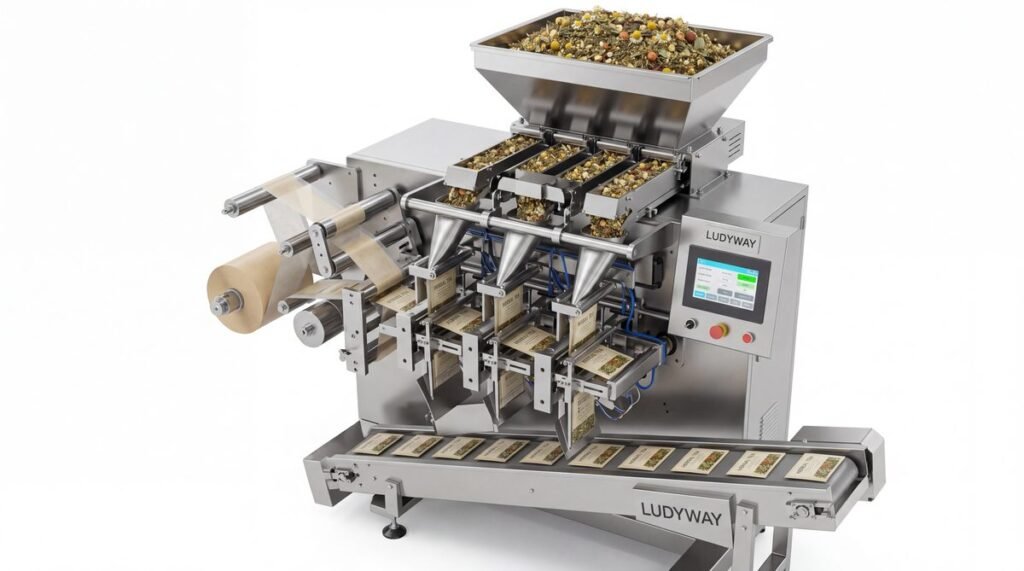
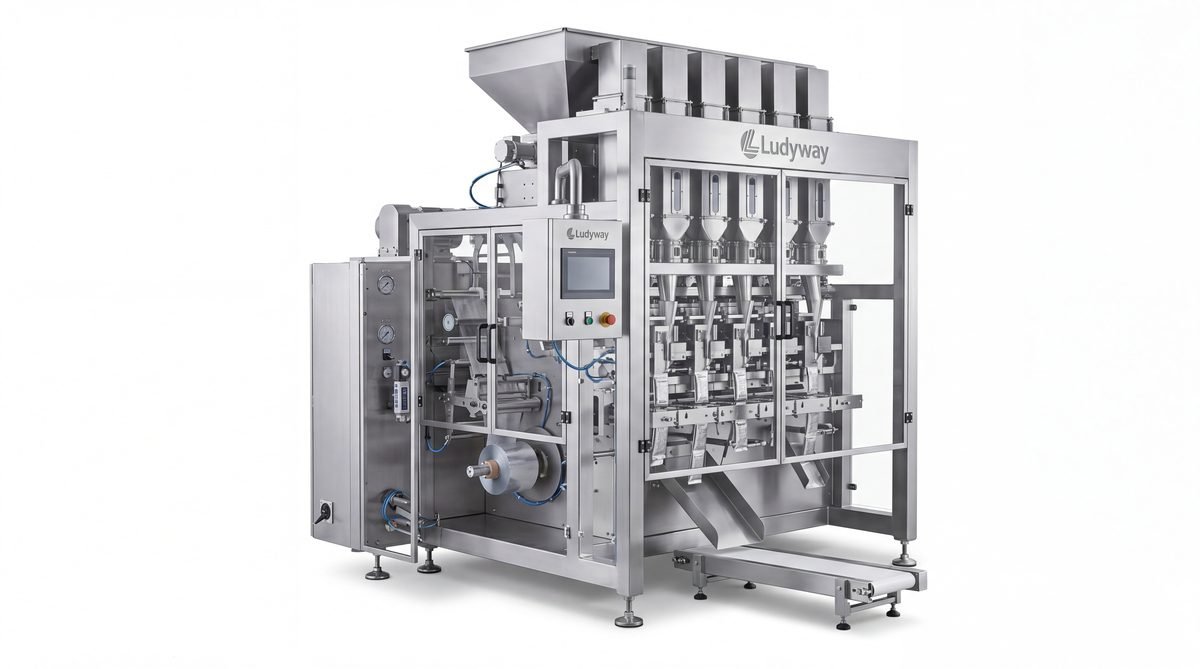
High-speed multi-lane stick pack and sachet packaging machines are ideal for high-volume production. These systems can achieve speeds exceeding 160 packs per minute per lane, making them suitable for large-scale factories in Indonesia and Thailand.
3.3 Packaging Line Configuration Examples
- Entry-level line: Manual feeding + Semi-automatic VFFS machine + Single-head weigher (30-60 packs/min).
- Mid-range line: Bucket elevator + Multi-lane VFFS machine + 10-head weigher + Nitrogen flushing (80-150 packs/min).
- High-end turnkey line: Automatic feeding + Multi-lane VFFS + 14-head weigher + Checkweigher + Metal detector + Cartoning machine (160-200+ packs/min).
4. Production Line Layout and Factory Preparation
An optimized factory layout is critical for efficiency. In Southeast Asia, space can be a constraint in urban industrial areas like Ho Chi Minh City or Jakarta. Therefore, planning a linear or L-shaped layout to maximize material flow is important. Consider the following:
- Cleanroom requirements: Cookie packaging areas should be climate-controlled and maintained at 20-25°C with relative humidity below 60% to prevent biscuit softening.
- Utility connections: Ensure stable power supply (often 3-phase 380V in the region), compressed air lines, and nitrogen gas supply are readily accessible.
- Material flow: Raw material input should be on one end, with finished product output at the opposite end to minimize cross-contamination.
5. Installation, Commissioning, and Staff Training
Proper installation by experienced technicians is essential for the cookie packaging machine production line to operate at peak efficiency. Most leading manufacturers provide on-site supervision and training. Key steps in this phase include:
- Mechanical assembly and alignment of the entire line.
- Electrical integration and PLC programming.
- Operation and maintenance training for local staff, covering daily cleaning, film splicing techniques, and basic troubleshooting.
- Production trial runs and fine-tuning of sealing temperature, speed, and nitrogen flush levels for your specific cookie product.
Local technical support is a critical factor when choosing suppliers, as quick response times reduce potential downtime in high-output facilities. You can learn more about equipment standards and best practices from industry resources provided by the Association for Packaging and Processing Technologies.
6. Maintenance, Spare Parts, and After-Sales Support
Long-term success relies on a robust maintenance schedule and readily available spare parts. Create a preventive maintenance plan that includes:
| Maintenance Interval | Key Tasks | Responsible Team |
|---|---|---|
| Daily | Cleaning belts, checking film alignment | Operator |
| Weekly | Inspecting sealing jaws and heating elements | Shift Supervisor |
| Monthly | Lubricating moving parts, calibrating load cells | Maintenance Engineer |
| Annually | Full servo motor check, conveyor belt replacement | Manufacturer Technician |
Keep an inventory of critical wear parts such as sealing bands, cutting knives, and belts to avoid waiting for long international shipments. The Flexible Packaging Association offers extensive guidance on material compatibility and sustainability, which can inform your spare material sourcing strategies.
7. Meeting Regulatory and Export Standards
Packaging food products for the ASEAN market requires adherence to multiple standards. Ensure your cookie packaging line materials and processes comply with:
- ASEAN Common Principles for Food Control: Covering general labelling and packaging.
- ISO 22000 and HACCP: Food safety management systems.
- FDA import requirements: If you export to the United States, the packaging machine must use food-contact approved materials.
- Halal Certification: Machine lubricants and materials must be halal-compliant for certain Southeast Asian markets.
8. Partner with an Experienced Packaging Machine Manufacturer
Collaborating with a seasoned packaging machinery manufacturer streamlines the entire project. Ludyway is one of the largest packaging machine manufacturers in China, specializing in turnkey production solutions for the food industry. With over 30 years of experience and a modern 20,000㎡ manufacturing facility, we offer more than 50 intelligent packaging machine models designed to meet demanding production environments. Our team supports customers in over 100 countries with customized line design, installation, and professional technical support to ensure your cookie packaging operation achieves maximum productivity and product quality.
Contact Us to Start Your Production Line
If you are planning to establish or upgrade a cookie packaging facility in Southeast Asia, our engineering team can provide a detailed layout proposal and equipment quotation tailored to your specific product. Reach out through the following contact points:
- E-Mail: info@ludyway.com
- WhatsApp: +8613129592456
- Address: Nanlang Town, Zhongshan, Guangdong, China.
Professional consultation is available to help you navigate equipment selection, import regulations, and local installation requirements.