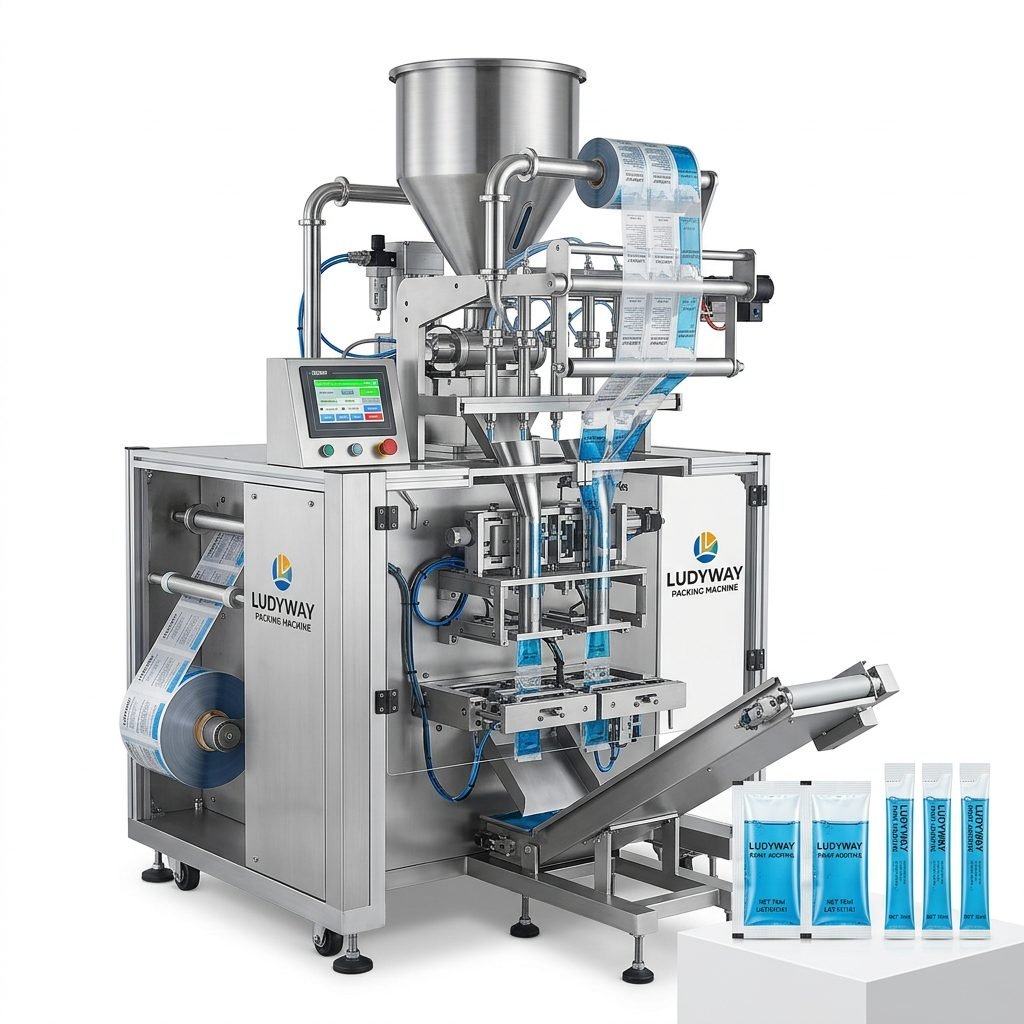
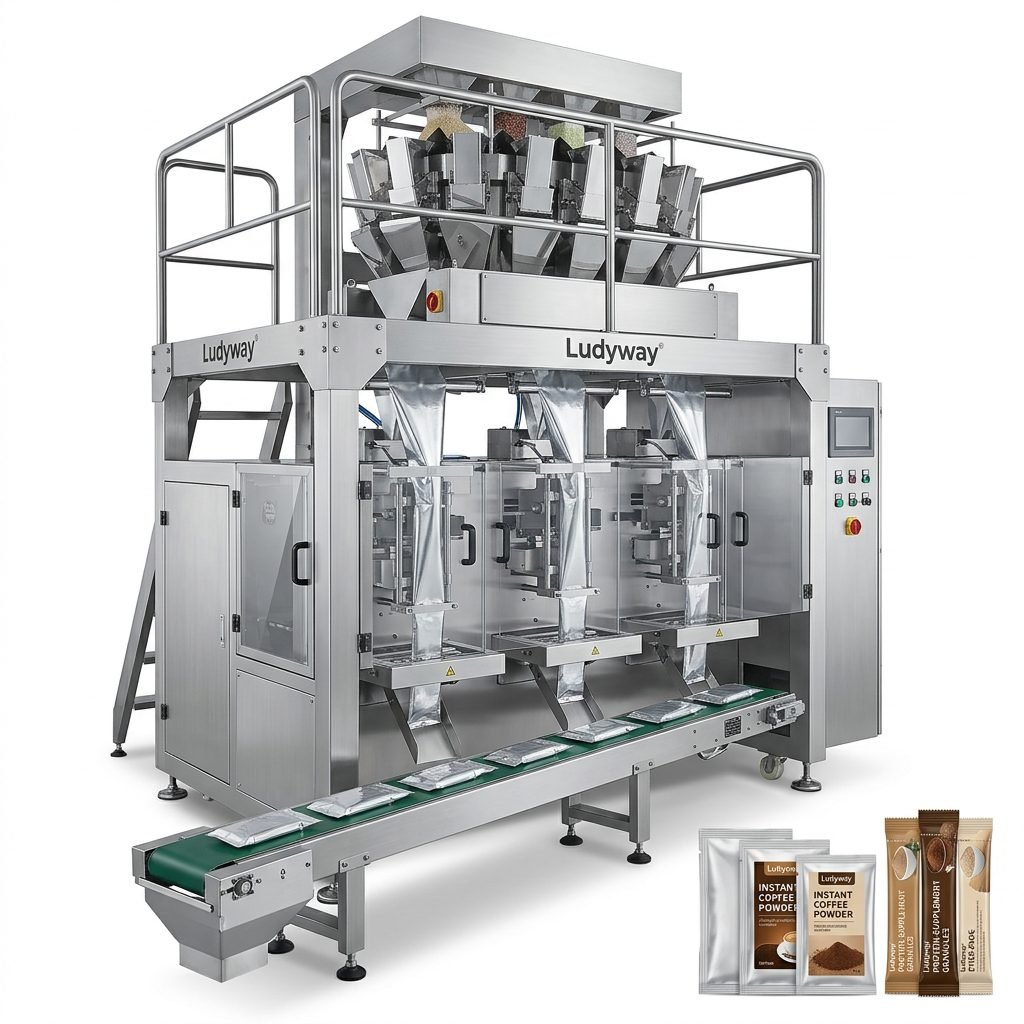
Understanding Skin Vacuum Packaging Technology
Skin vacuum packaging, often referred to as vacuum skin packaging (VSP), is a highly effective method for preserving and presenting perishable goods. Unlike traditional vacuum sealing, this process uses a special film that is heated and draped tightly over the product, conforming precisely to its shape before being sealed to a rigid base tray or board. The result is a second-skin appearance that not only extends shelf life but also enhances visual appeal on retail shelves. For UK businesses in the food, pharmaceutical, and cosmetic sectors, this technology offers a premium packaging solution that meets both stringent hygiene standards and consumer demand for attractive product presentation.
Why UK Businesses Are Investing in Skin Vacuum Packaging
The UK market has seen a significant shift toward skin vacuum packaging in recent years. Several factors drive this adoption, including the growing emphasis on food waste reduction, the rise of ready-meal and convenience food segments, and increasing regulatory pressure from the Food Standards Agency regarding food safety. Retail chains across the United Kingdom now favour skin-packed products because they offer superior product visibility, tamper-evident sealing, and extended shelf life of up to 21 days for fresh meat and seafood products. Furthermore, the compact nature of skin packs reduces packaging material usage, aligning with the UK’s sustainability targets for packaging waste reduction.

Key Features to Look for in a Skin Vacuum Packaging Machine
When selecting a skin vacuum packaging machine for your UK operation, understanding the core components and specifications is essential. The right equipment can dramatically improve production efficiency and product quality. Below are the critical features that buyers should evaluate before making a purchase decision.
Chamber Size and Configuration
The chamber dimensions determine the maximum product size and throughput capacity. UK manufacturers producing larger cuts of meat or bulk food items require machines with deep-draw chambers and generous tray accommodation. Single-chamber machines suit small to medium-scale operations, while double-chamber and automated multi-lane systems are better suited for high-volume production environments. Carefully assess your tray dimensions, product height, and desired output rate when comparing chamber specifications.
Vacuum Pump Performance
The vacuum pump is the heart of any skin packaging system. Pump performance is measured by its evacuation speed and ultimate vacuum level, typically expressed in millibars. For UK food processing facilities, oil-lubricated rotary vane pumps offer reliable performance, while dry-running pumps provide lower maintenance requirements. Machines equipped with Busch or Leybold vacuum pumps generally deliver superior longevity and consistent performance, which is critical for operations running multiple shifts.
Seal Bar Quality and Film Compatibility
The sealing system must create an airtight bond between the top film and the tray. Look for machines with pulse-sealing technology that ensures even heat distribution across the seal bar. Compatibility with various film types, including PE, PP, and high-barrier laminates, is also important. UK buyers should verify that the machine supports ISO-certified packaging films to meet food contact safety regulations.
Types of Skin Vacuum Packaging Machines Available in the UK
The British market offers several distinct categories of skin vacuum packaging equipment, each suited to different production scales and application requirements. Understanding these options helps buyers narrow their search effectively.
| Machine Type | Best Suited For | Typical Output | Price Range (GBP) |
|---|---|---|---|
| Manual Single-Chamber | Small butcheries, artisan producers | 1-3 cycles/min | £3,000 – £8,000 |
| Semi-Automatic Double-Chamber | Medium food processors, wholesale | 2-5 cycles/min | £8,000 – £25,000 |
| Automatic Inline VSP System | Large-scale food manufacturers | 6-15 cycles/min | £30,000 – £120,000+ |
| Multi-Lane Turnkey Packaging Line | High-output industrial operations | 15-30+ cycles/min | £100,000 – £500,000+ |
Top Applications in the UK Market
Skin vacuum packaging machines serve a diverse range of industries across the United Kingdom. The following applications represent the most common and high-growth segments for this technology:
- Fresh Meat and Poultry: Beef steaks, lamb chops, chicken fillets, and game meats benefit from extended shelf life and attractive retail presentation.
- Seafood Products: Salmon fillets, smoked fish, and shellfish maintain freshness with a tight seal that prevents freezer burn and oxidation.
- Ready Meals and Convenience Foods: The booming UK ready-meal sector relies on skin packaging for multi-component meal trays.
- Cheese and Dairy: Premium cheeses retain moisture and flavour while showcasing product quality through clear film.
- Pharmaceutical and Medical Devices: Sterile barrier packaging for instruments and consumables meeting ISO 11607 standards.
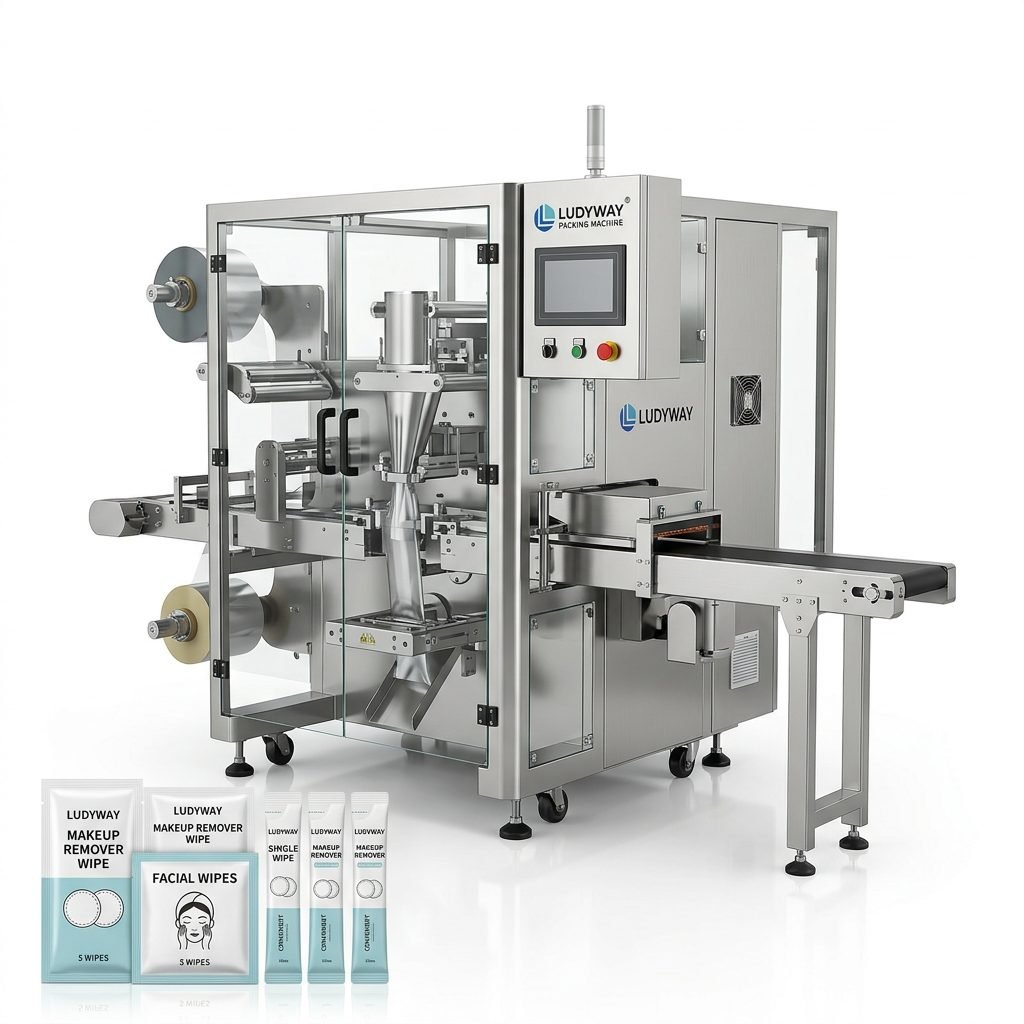
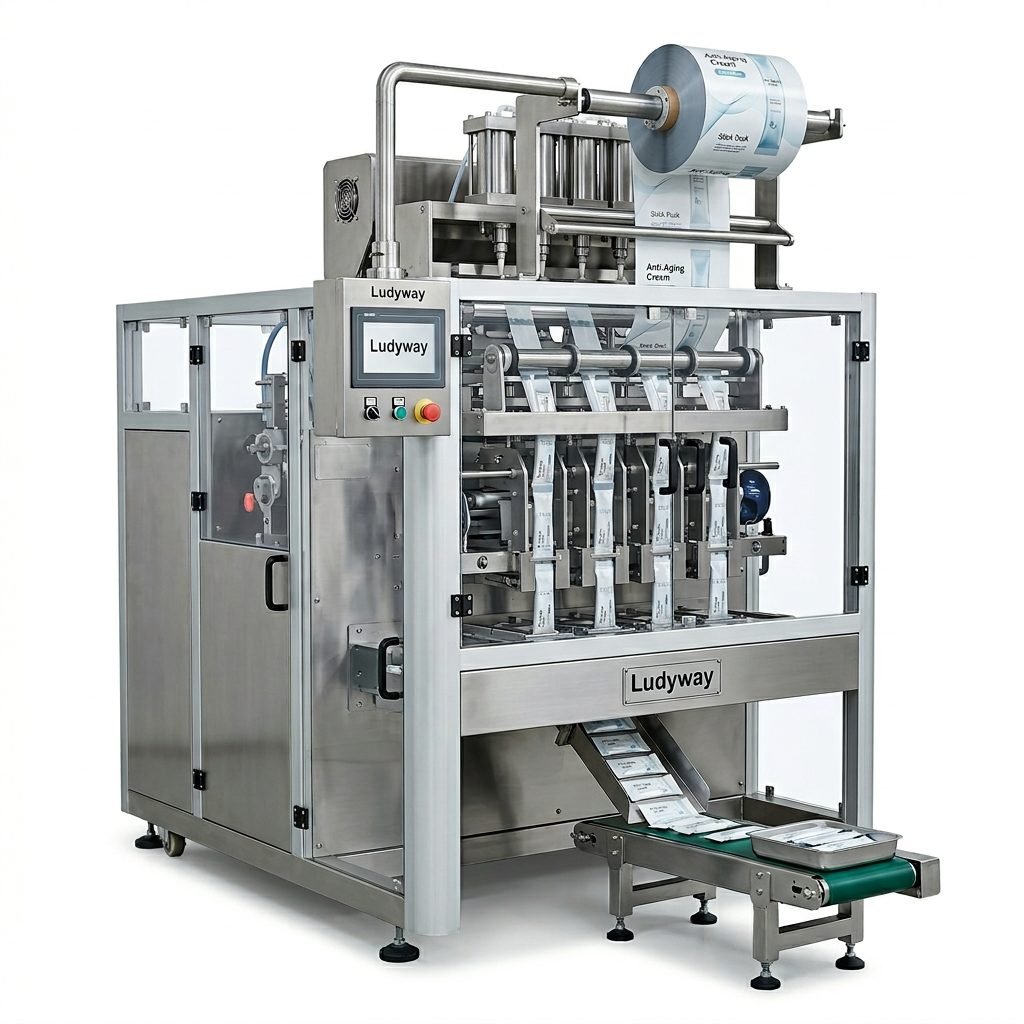
- Cosmetics and Skincare: Sheet masks and beauty product samples packaged in airtight sachet formats for hygiene assurance.

Factors Affecting Skin Vacuum Packaging Machine Pricing
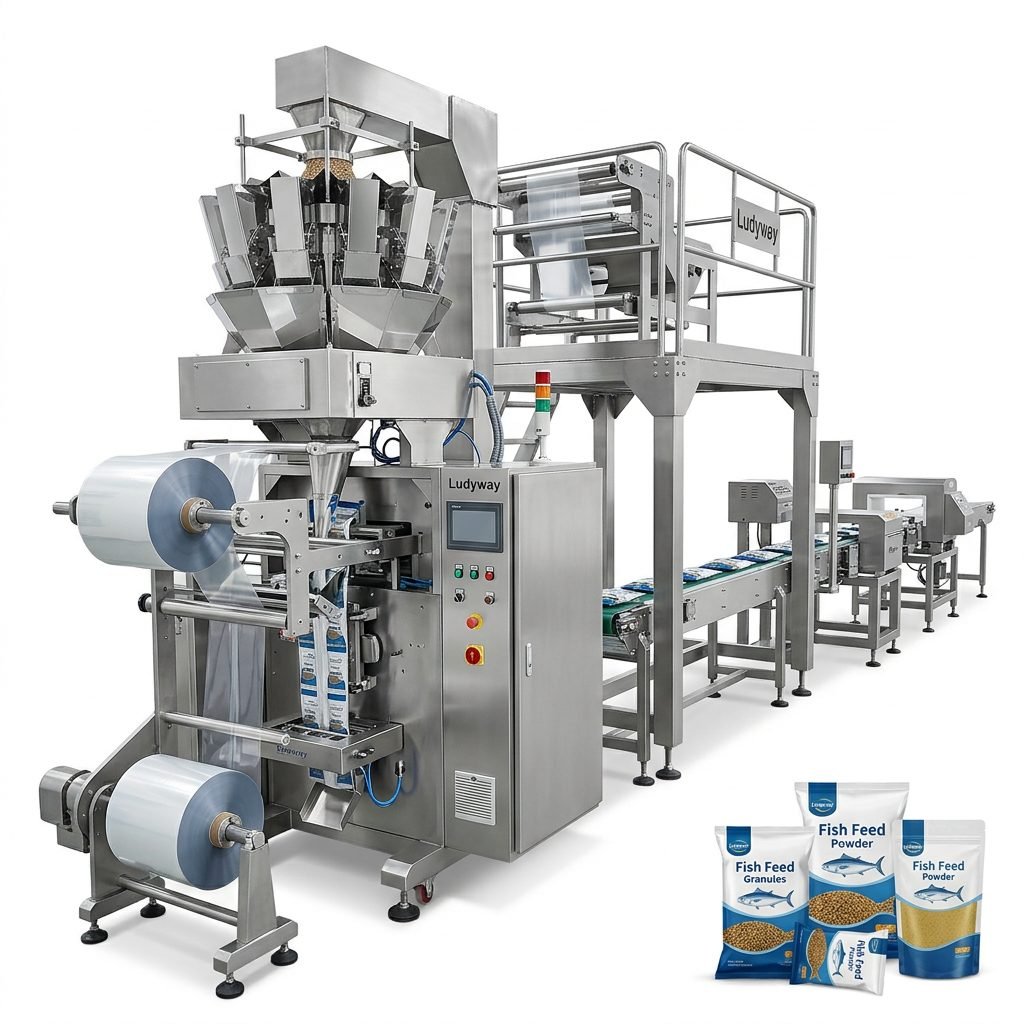
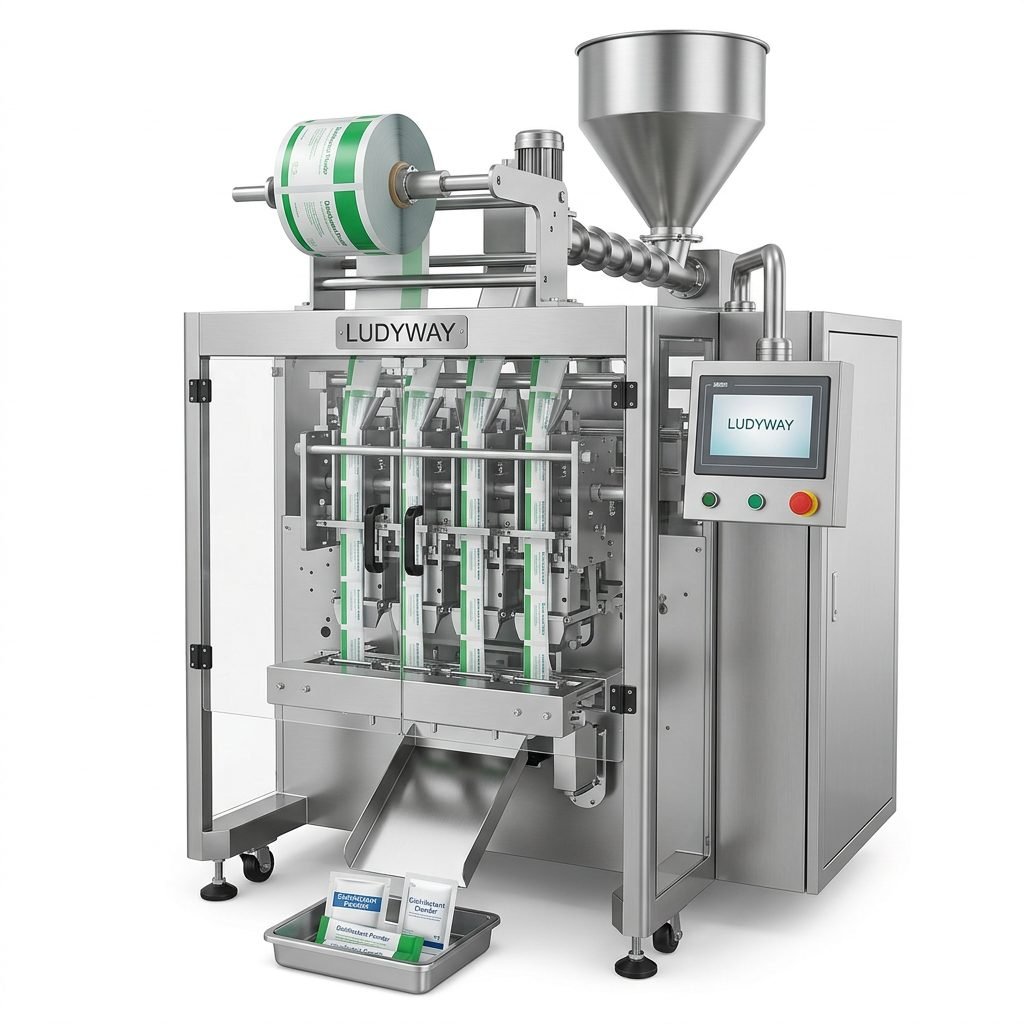
Budget planning for a skin vacuum packaging machine requires understanding the various cost drivers. UK buyers should consider not only the upfront equipment price but also total cost of ownership over the machine’s lifespan. Key pricing factors include the level of automation, chamber size, vacuum pump brand, and after-sales service agreements. Machines sourced from European manufacturers often carry a premium due to CE marking compliance and established service networks within the UK. However, Ludyway, as a global packaging machine manufacturer, offers competitively priced alternatives that meet international quality standards without compromising on performance or reliability. Installation, staff training, and ongoing maintenance contracts should also be factored into the overall investment calculation.
UK Regulations and Compliance Standards
Operating a skin vacuum packaging machine in the United Kingdom requires adherence to several regulatory frameworks. Food contact materials must comply with UK Retained Regulation (EC) No 1935/2004, and machinery must carry appropriate UKCA marking for the British market. Electrical safety compliance with BS EN 60204-1 is mandatory, and hygiene standards align with BRCGS Global Standards for food safety. Additionally, vacuum packaging operations handling raw meat must follow FSA guidelines on shelf-life determination and temperature control. Buyers should request full compliance documentation from suppliers before finalising any purchase.
Maintenance and After-Sales Support
Regular maintenance is essential to keep skin vacuum packaging equipment operating at peak efficiency. Key maintenance tasks include vacuum pump oil changes every 500-1000 operating hours, seal bar cleaning and replacement, and periodic inspection of gaskets and hoses. UK buyers should prioritise suppliers that offer responsive technical support, readily available spare parts, and comprehensive warranty coverage. Service contracts that include preventative maintenance visits can significantly reduce unplanned downtime and extend machine longevity. Before committing to a purchase, enquire about the availability of local service engineers and typical response times for emergency repairs within your region of the UK.

Frequently Asked Questions
What is the difference between vacuum skin packaging and standard vacuum packing?
Standard vacuum packing removes air and seals product in a bag, resulting in a loose-fitting package. Skin vacuum packaging uses a heated top film that conforms tightly to the product surface, adhering to a rigid tray for a wrinkle-free, second-skin appearance that offers better presentation and reduced moisture loss.
Can skin vacuum packaging machines handle both food and non-food products?
Yes, many machines are versatile enough to handle various product types, although food-grade configurations are most common in the UK. Pharmaceutical and medical device packaging requires machines that meet ISO 11607-2 validation requirements for sterile barrier systems. Always verify the machine’s material compatibility with your specific product type before purchase.
How energy-efficient are modern skin vacuum packaging machines?
Contemporary machines incorporate energy-saving features such as variable-speed drives, efficient vacuum pumps with eco-mode operation, and intelligent standby functions. These advancements can reduce energy consumption by 20-30% compared to older models, contributing to lower operational costs and supporting UK sustainability initiatives.
Conclusion: Making the Right Investment for Your UK Business
Selecting the ideal skin vacuum packaging machine requires careful evaluation of your production needs, budget constraints, and long-term business goals. The UK market offers a wide spectrum of options, from compact manual chambers to fully automated turnkey packaging systems. Prioritise machines with proven reliability, strong after-sales support, and compliance with British safety and hygiene regulations. By investing in quality equipment that matches your operational scale, you can enhance product shelf life, reduce waste, and deliver superior presentation that meets the expectations of UK retailers and consumers alike. For comprehensive guidance and tailored packaging solutions, explore advanced packaging machine options from leading manufacturers with global expertise and a commitment to customer success.