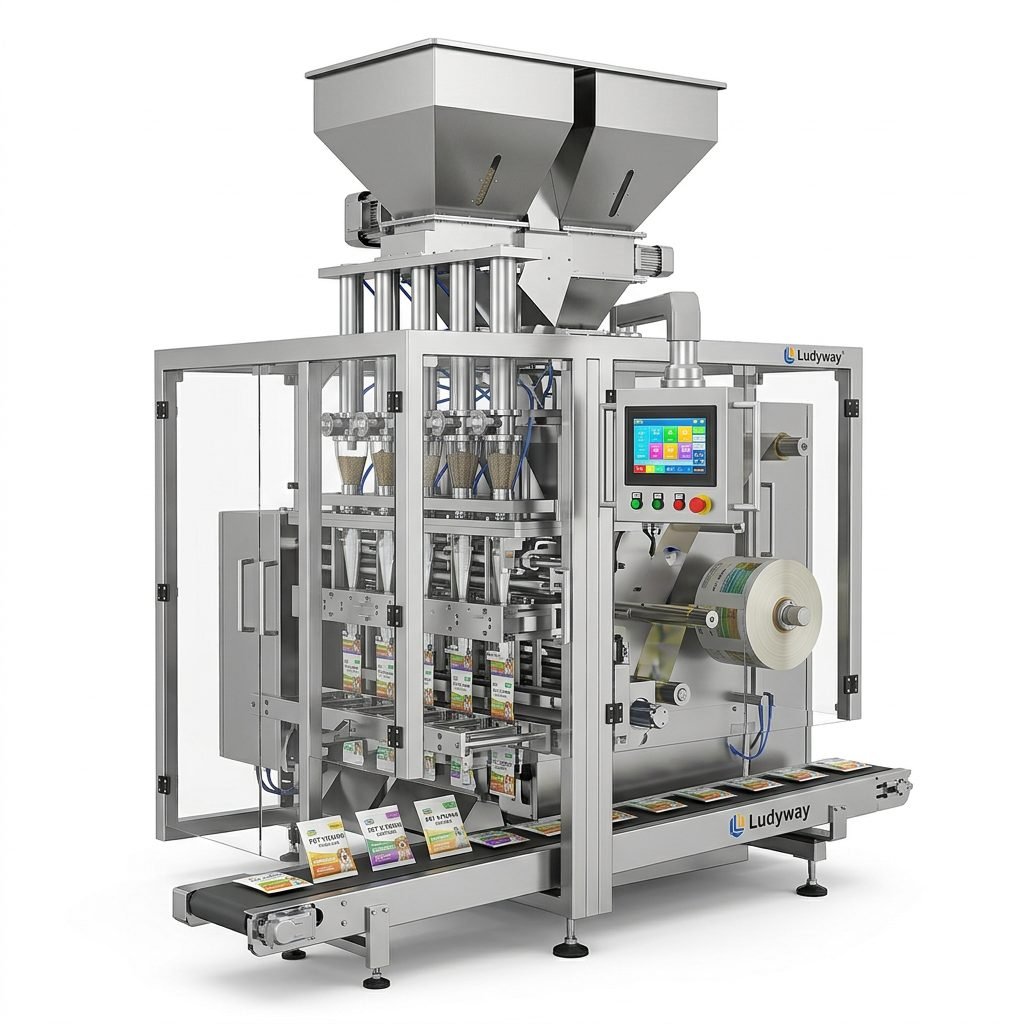
The animal food market in Southeast Asia is experiencing explosive growth. Driven by rising pet ownership and the rapid expansion of aquaculture, demand for high-quality animal feed packaging is surging. For manufacturers looking to enter this market, a critical question arises: how do you build a production line that is efficient, compliant, and scalable? This guide breaks down the entire process, from factory planning to full-scale operation.
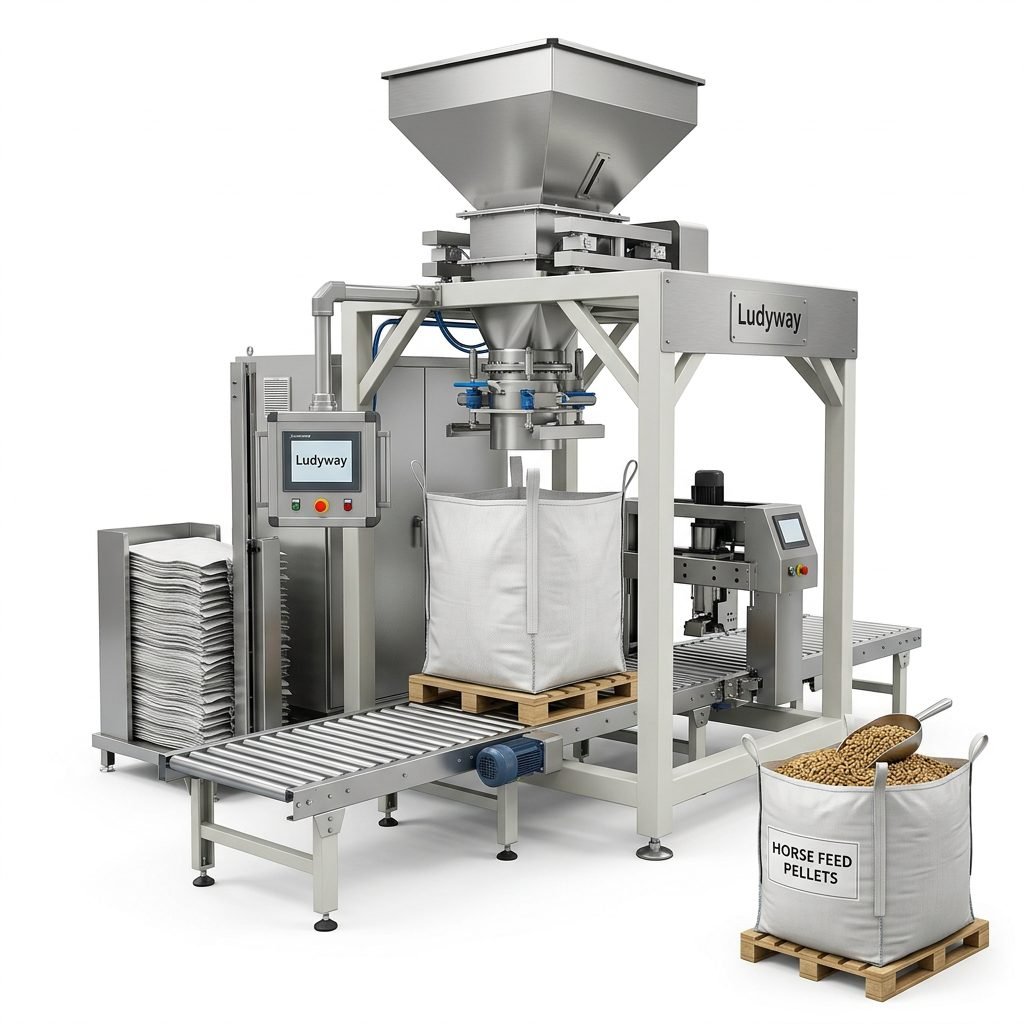
Understanding the Southeast Asian Animal Food Market Dynamics
Before investing in a production line in Southeast Asia, you must understand the local market structure. Countries like Thailand, Vietnam, and Indonesia are leading global producers of aquaculture feed, while the pet food sector is booming in urban centers across the region. The product range is diverse: from sinking fish feed pellets and floating shrimp feed to dry kibble for dogs and cats. Each product type demands specific packaging machine configurations.
Moisture protection is the number one challenge in tropical climates. Your packaging line must ensure hermetic seals to prevent mold and spoilage during storage and shipping. Furthermore, the market demands flexibility; a single packaging technology line may need to handle various bag sizes, from small 100g sachets for premium pet treats to large 25kg bags for farm-level feed distribution.
Key Market Drivers for Automated Packaging
- Labor Cost Fluctuations: Rising minimum wages in manufacturing hubs make automated multi-lane systems more cost-effective than manual packing.
- Export Standards: International buyers require precise weight consistency, vacuum sealing, and lot traceability that only automated turnkey packaging lines can provide reliably.
- Retail Modernization: The shift to modern retail formats requires attractive, shelf-ready pouches and stand-up bags with nitrogen flushing.
Phase 1: Production Line Planning and Factory Layout
The first step is not buying equipment; it is planning the facility. The ideal setup for an animal food packaging machine production line includes separate zones for raw material handling, processing, packaging, and finished goods storage. You must design a linear flow to avoid cross-contamination, which is critical if you process both medicated and non-medicated feed. The layout should consider the vertical integration of upstream grinding and mixing equipment with downstream FDA-compliant filling stations.
Consider the ambient conditions carefully. The packaging hall should ideally be climate-controlled to manage humidity, protecting both the product and the sensitive load cells in multi-lane weighing systems.
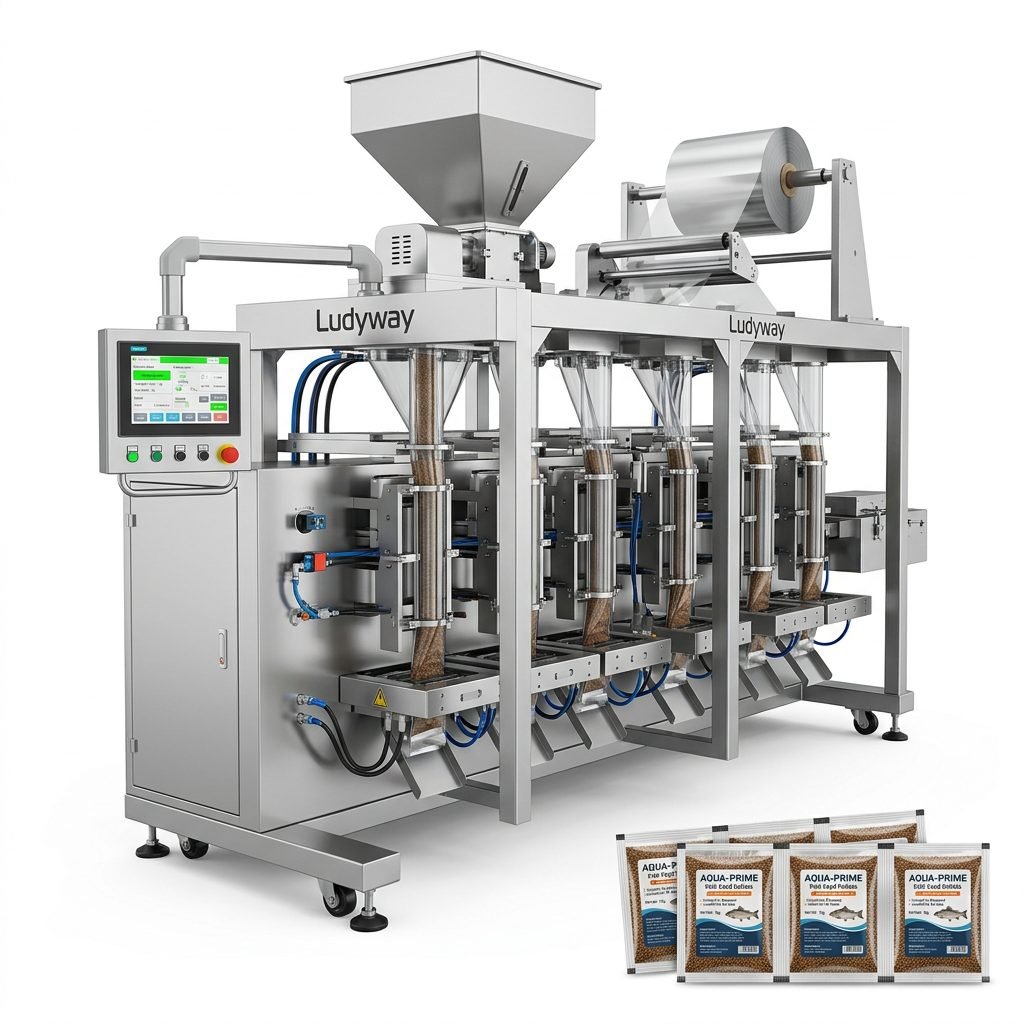
Essential Pre-Installation Checklist
| Requirement Category | Specific Details | Why It Matters |
|---|---|---|
| Power Supply | Stable 380V/50Hz 3-phase with voltage stabilizers | Prevents servo drive faults and inaccurate filling |
| Compressed Air | Clean, dry air at 0.6-0.8 MPa consumption | Protects pneumatic cylinders and sealing jaws from moisture |
| Structural Floor | Level surface with vibration isolation | Ensures multi-head weigher accuracy |
Phase 2: Selecting the Right Packaging Technology
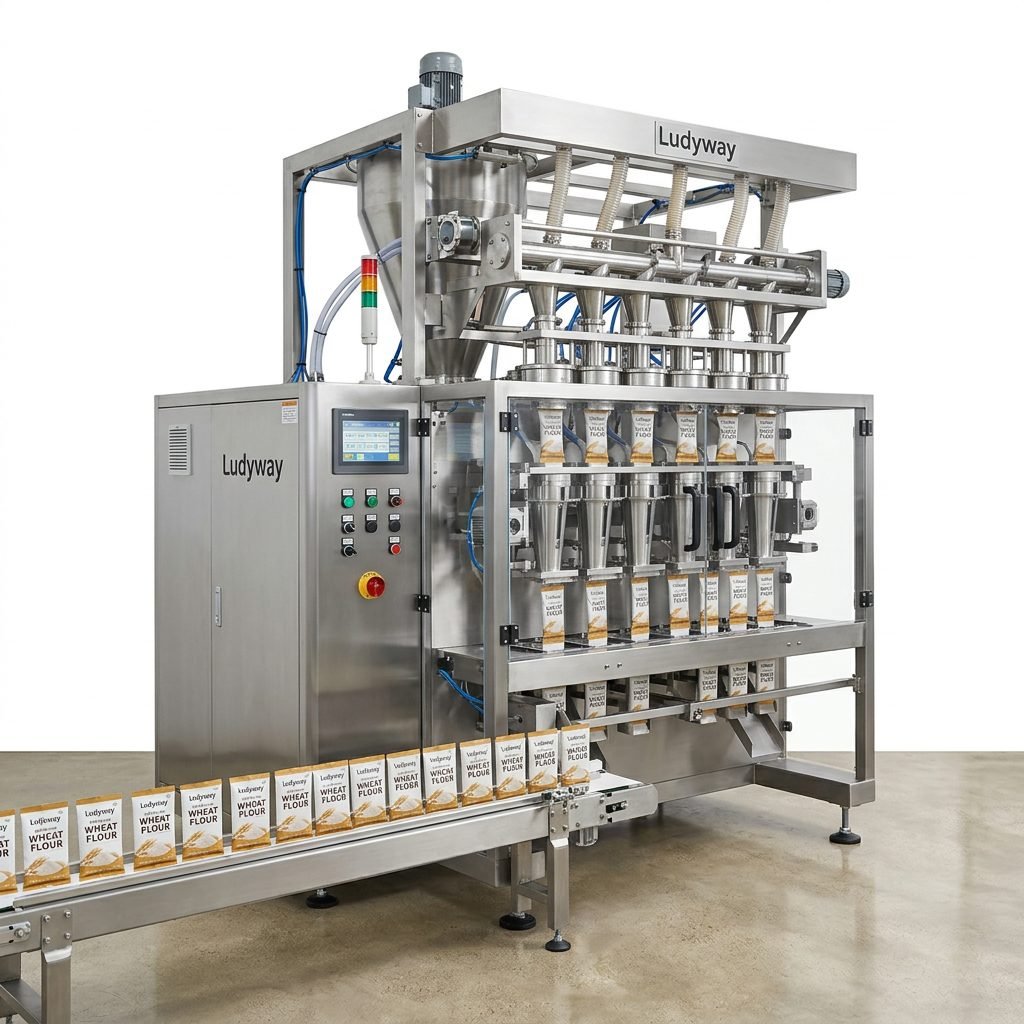
Choosing the right format is crucial. For mass-market pet food and aquaculture feed, bulk bagging systems and multi-lane sachet machines dominate. Stick packs are growing for single-serving wet pet food and supplements. The packaging must be robust enough to withstand the supply chain rigors common in Southeast Asia. You need heavy-duty sealing mechanisms that can handle thick laminated films designed to resist punctures from sharp grain particles or hard kibble.
Comparing Common Packaging Formats
- Pillow Bags / Back-Seal Bags: The most common entry-level format for 500g to 5kg packs of dry kibble and fish feed. High speed but limited shelf differentiation.
- Quad-Seal / Gusseted Bags: Ideal for premium brands. They stand upright on shelves and offer superior barrier properties for oxygen-sensitive formulations.
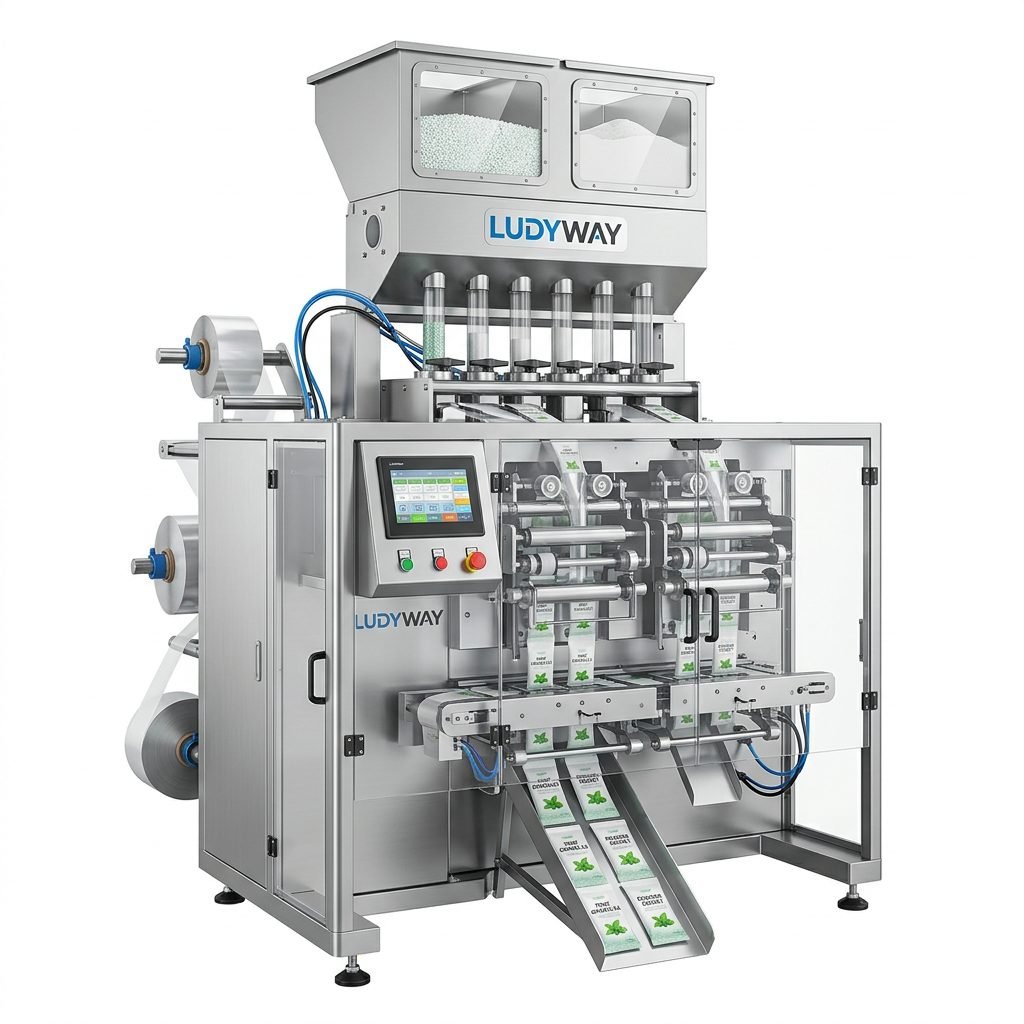
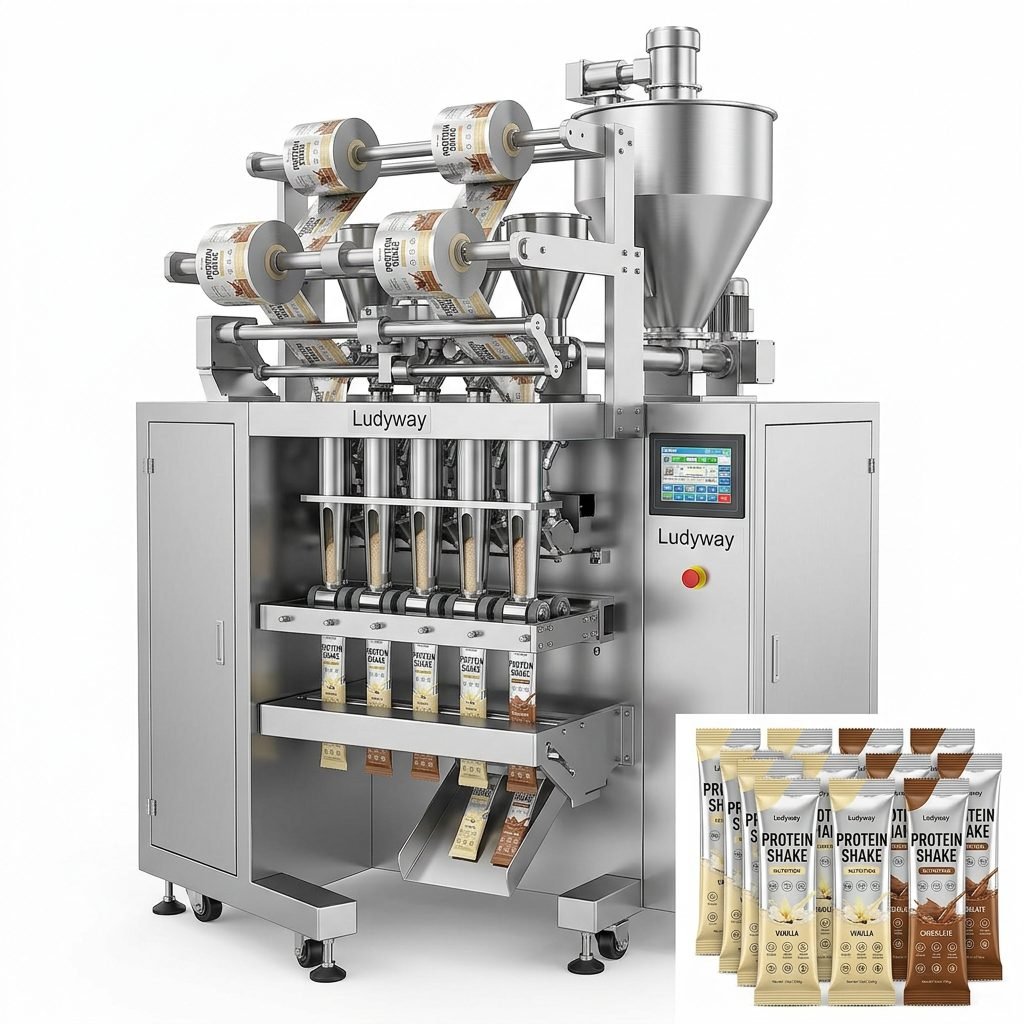
- Multi-Lane Stick Packs: Perfect for portion-controlled wet food, gravies, or probiotic powders added to animal feed. This format is growing rapidly in markets like Indonesia and the Philippines.
- Valve Bags: Common for bulk premixes and mineral supplements packed in 20kg to 25kg industrial formats.
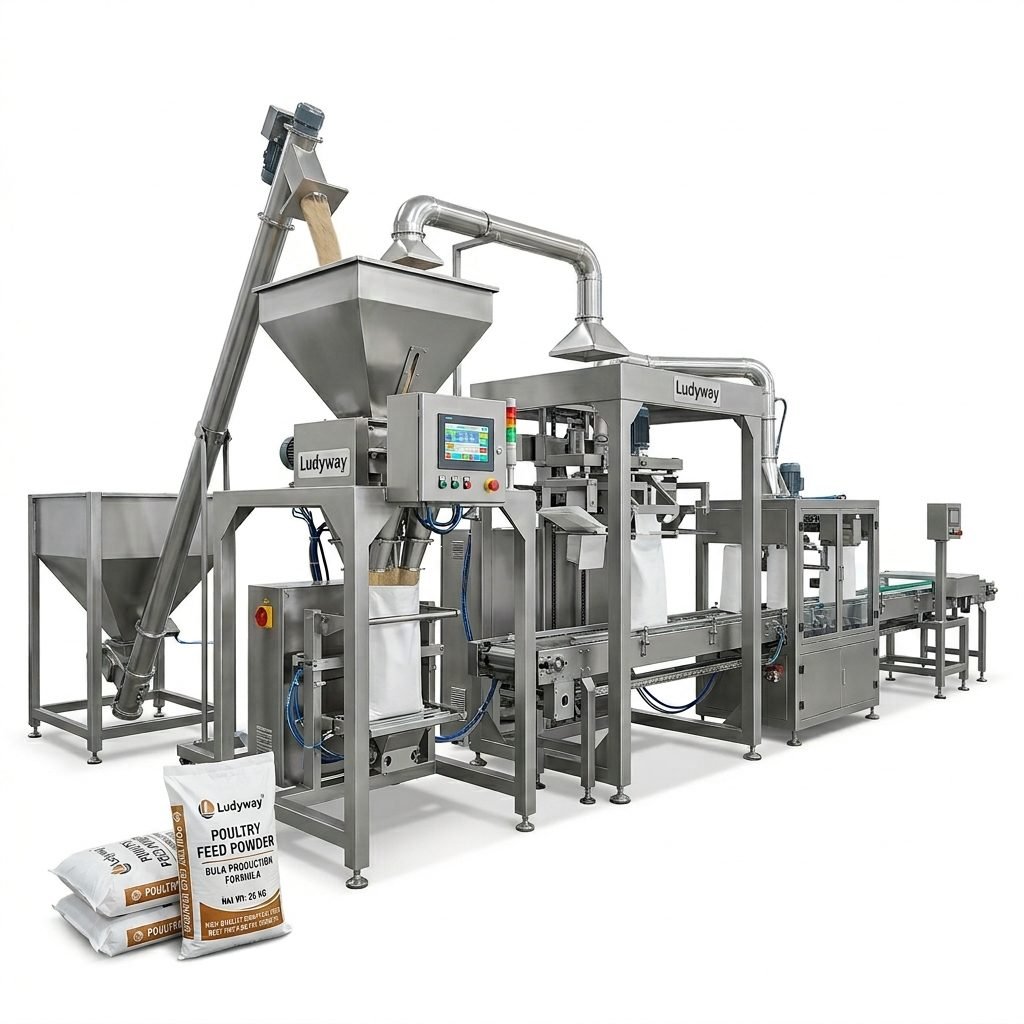
Phase 3: The Complete Packaging Line Configuration
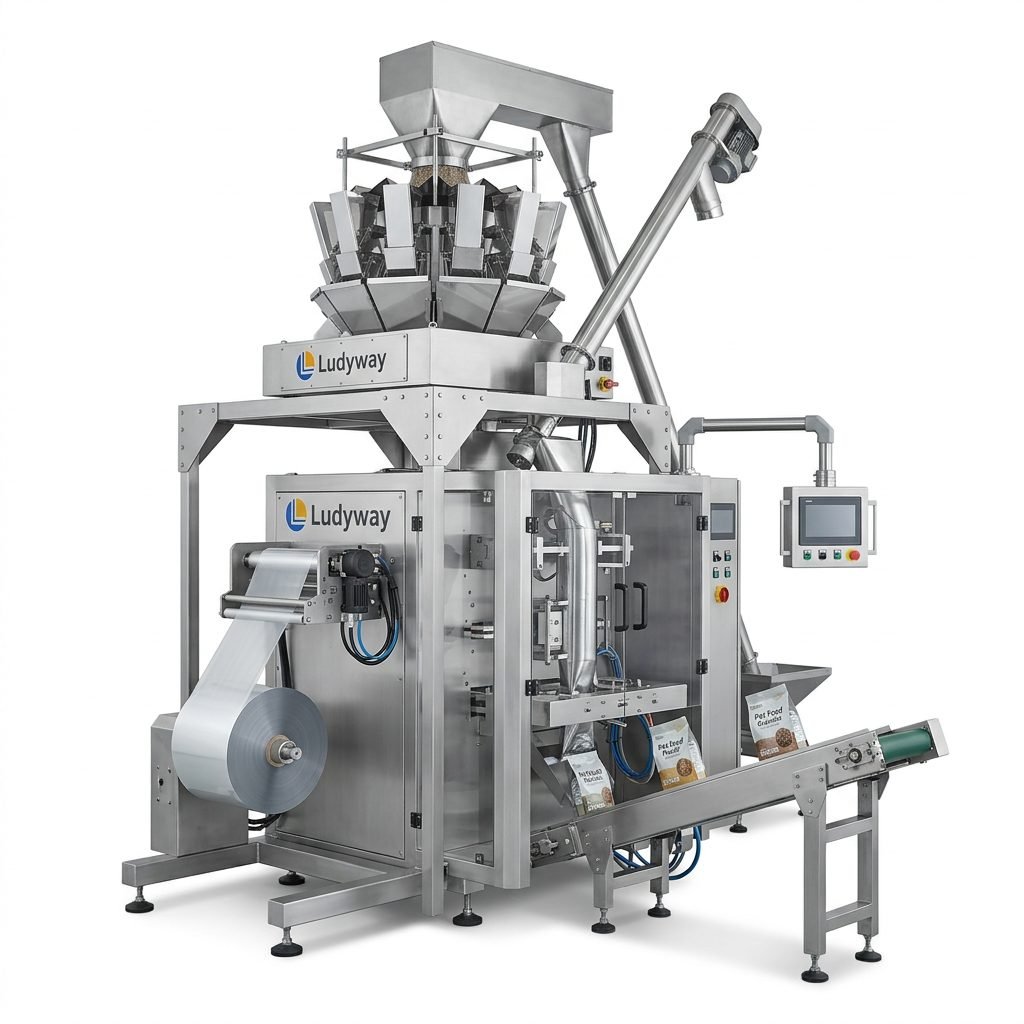
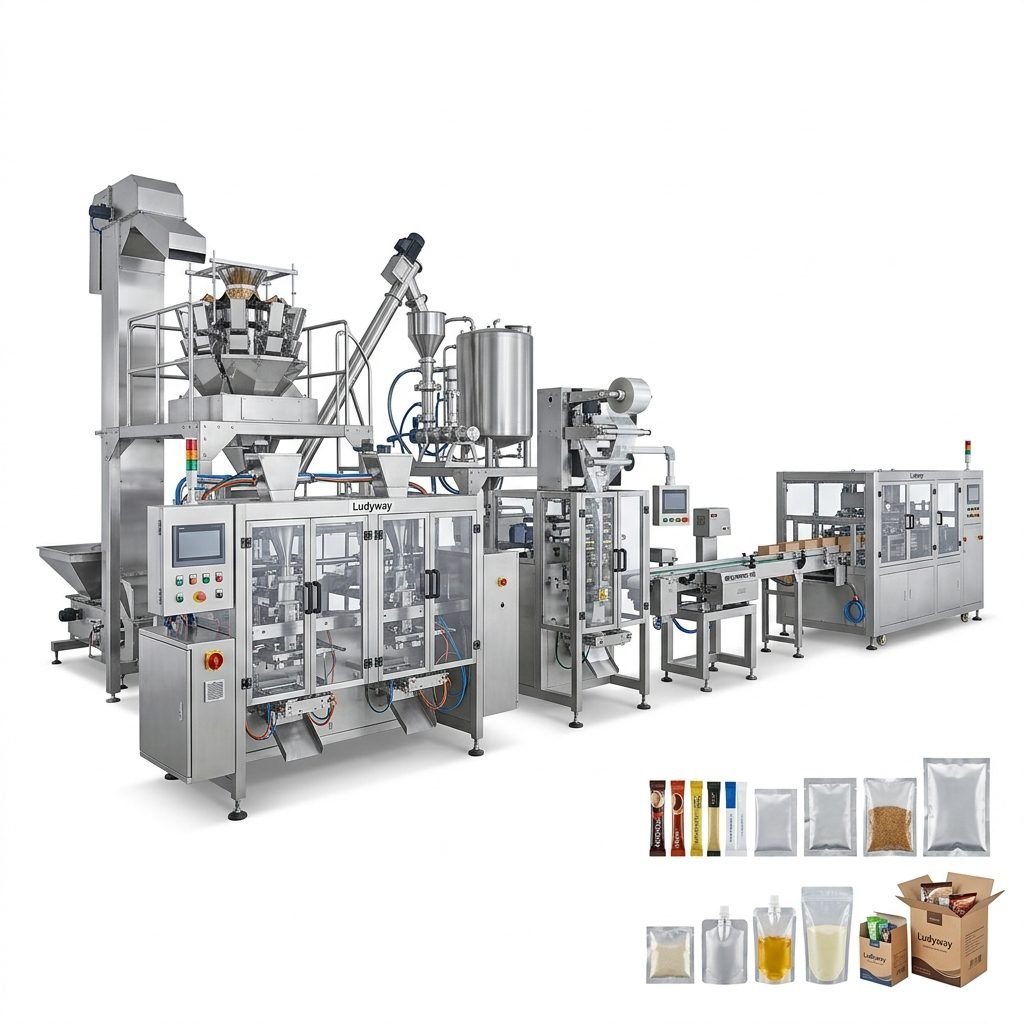
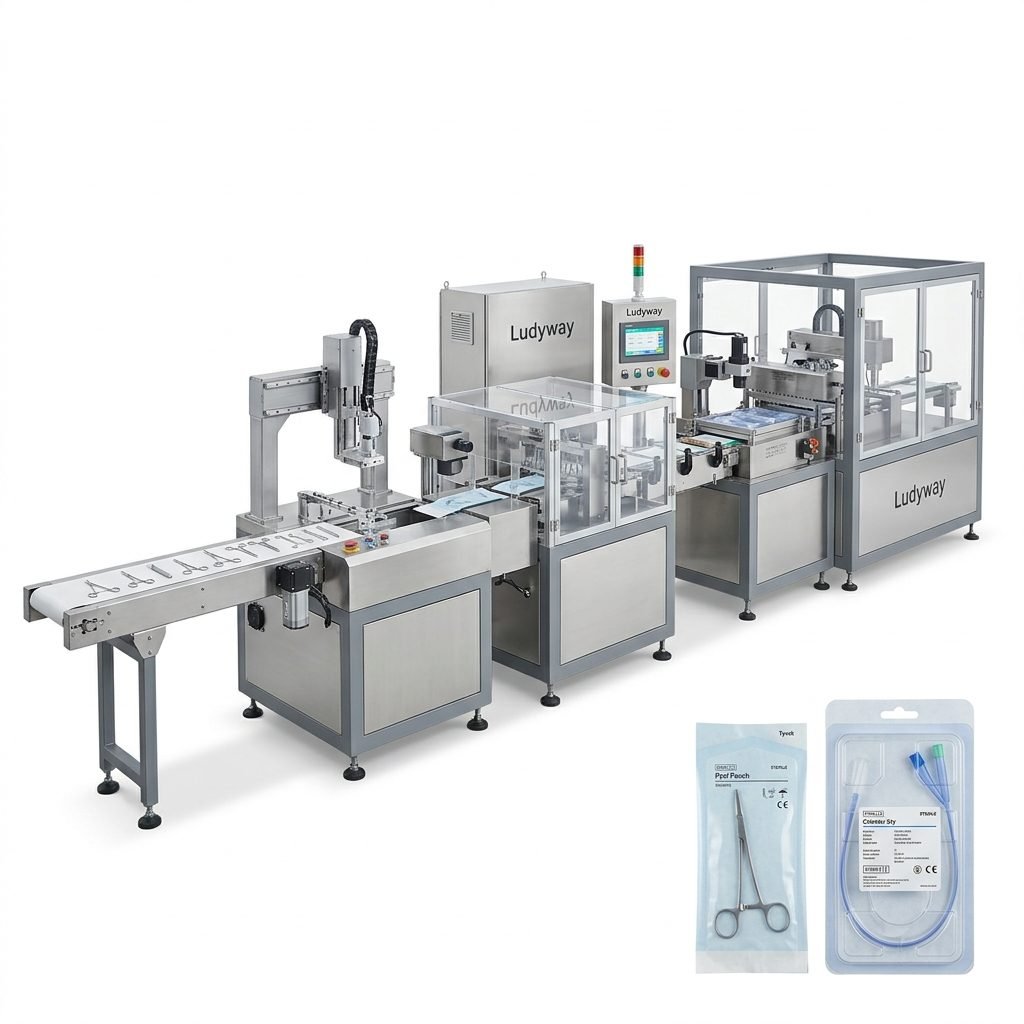
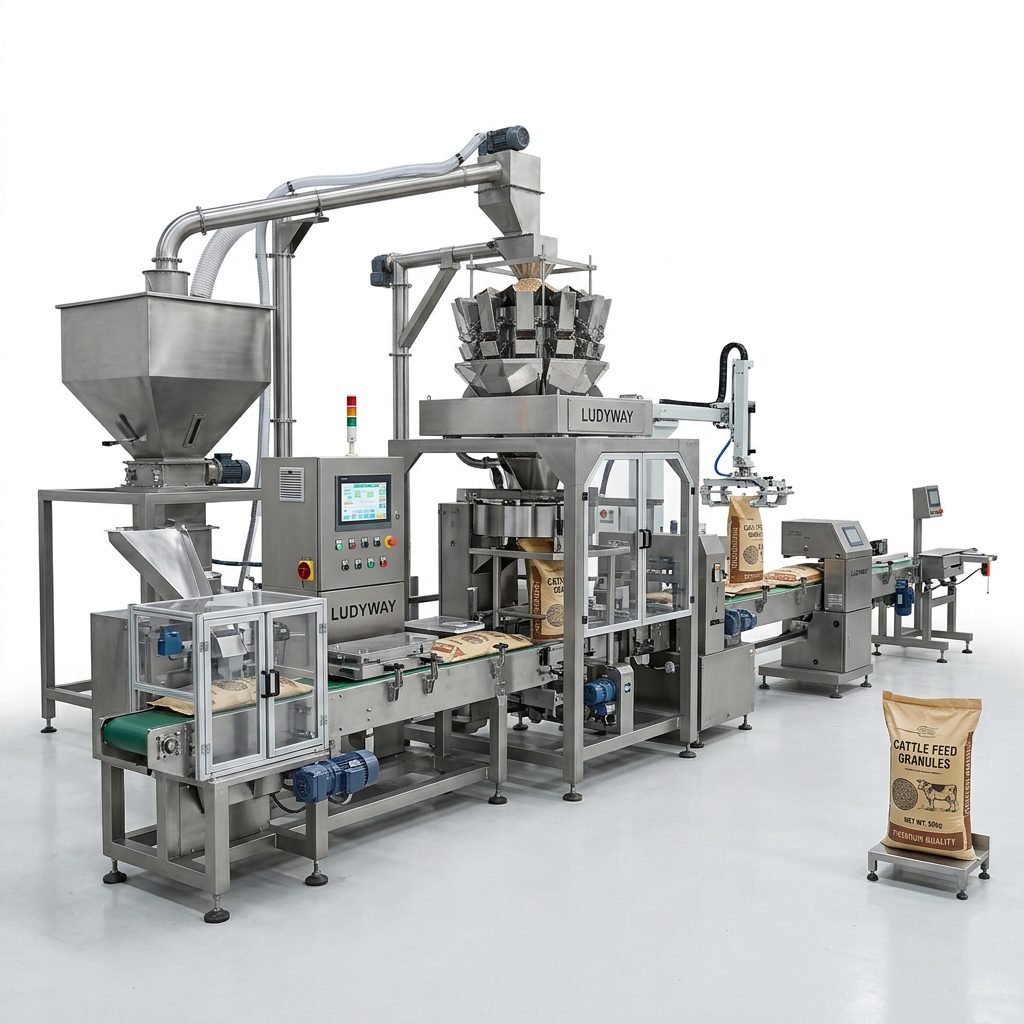
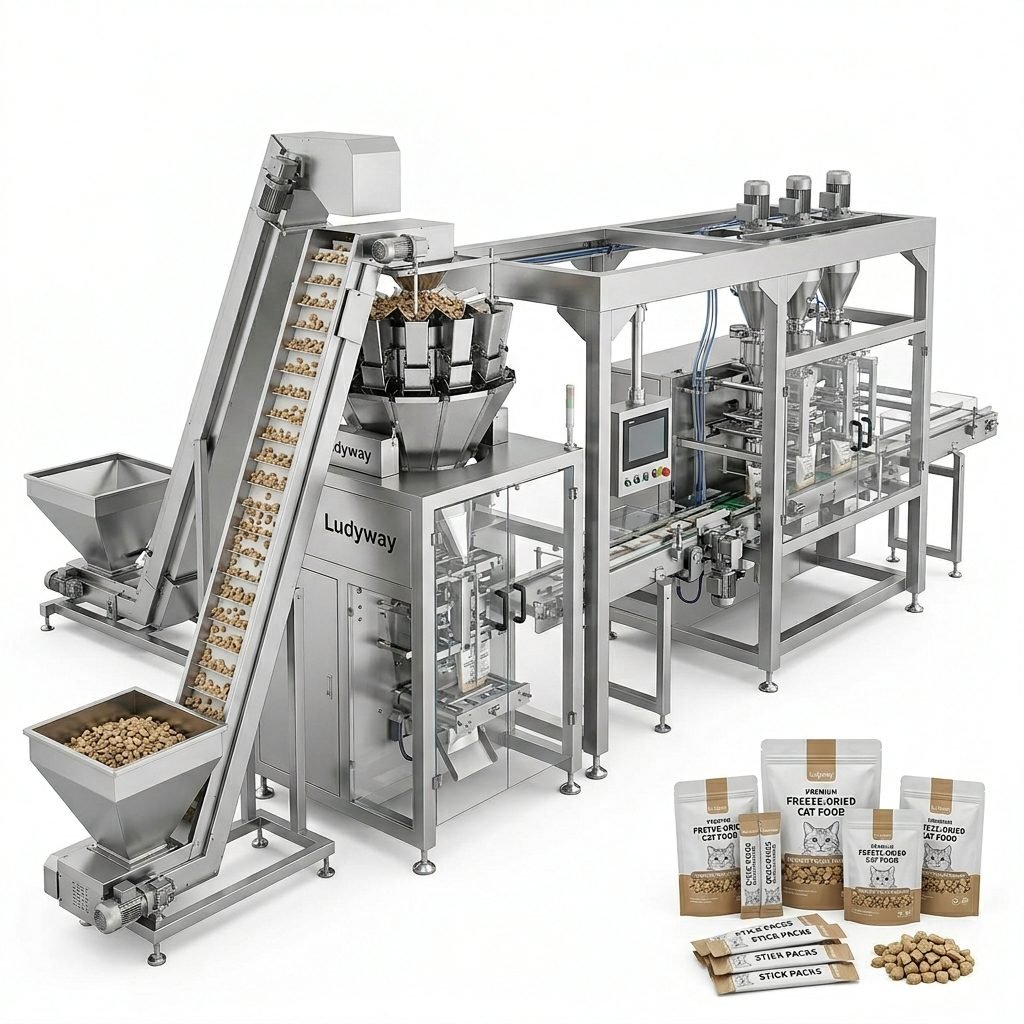
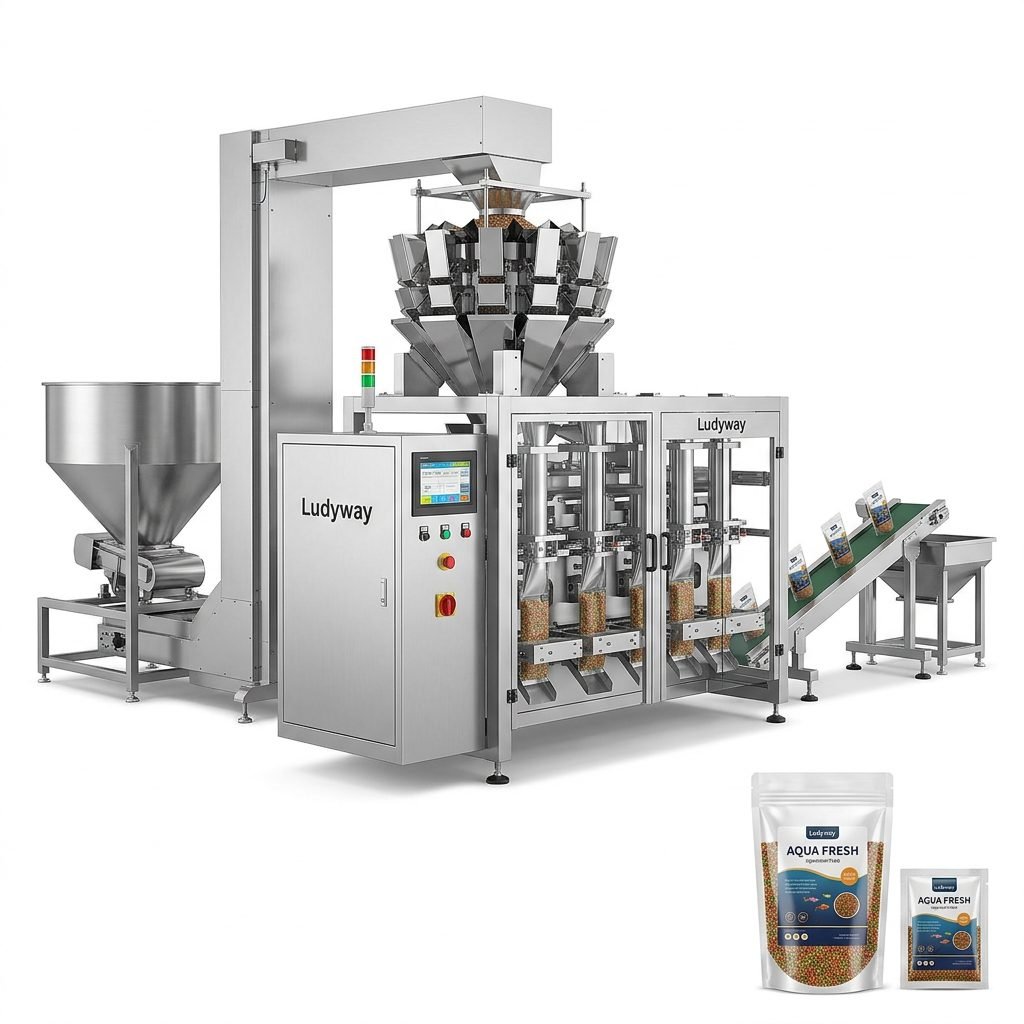
A typical turnkey animal food packaging system is not just one machine; it is an integrated series of modules. The process starts with a conveyor or bucket elevator feeding raw product into a multi-head weigher or volumetric cup filler. The product then flows into a vertical form-fill-seal (VFFS) machine or a pre-made pouch rotary filler. Depending on the product, you may integrate a nitrogen flush system to remove oxygen and extend shelf life. After sealing, the bags pass through a checkweigher and possibly a metal detector before entering a cartoning machine or a robotic palletizing cell.
Core Components for a Robust Line
- Z-Type Bucket Elevator: Moves granules and pellets gently without crushing them, essential for fragile extruded fish feed.
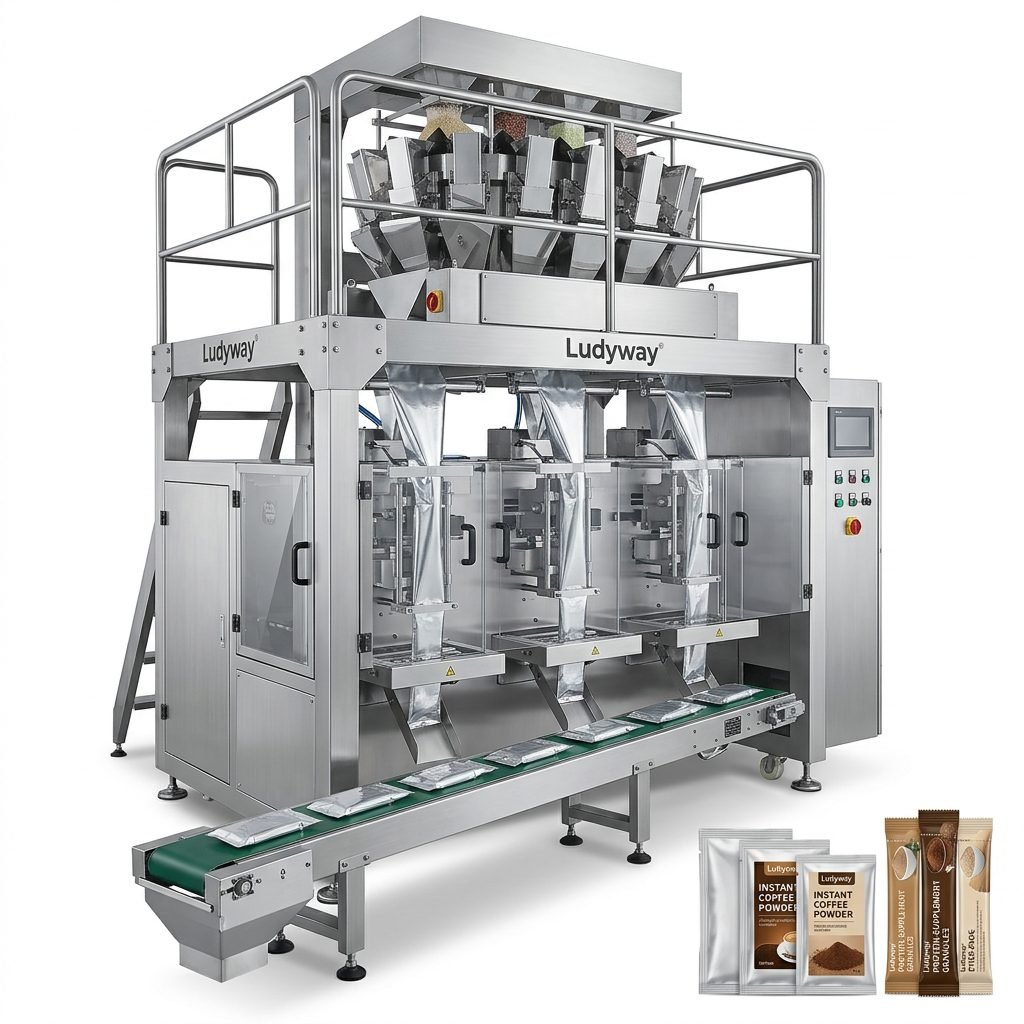
- 14-Head Combination Weigher: Delivers accuracy within 0.5-1.0g per bag, preventing costly product giveaway.
- VFFS Machine with Heavy-Duty Jaws: A machine built to handle the abrasive nature of feed pellets, featuring ceramic-coated or hardened steel forming tubes.
- Inline Checkweigher: Dynamic weighing at high speed to automatically reject under-filled or over-filled packs.
Phase 4: Addressing Regulatory and Safety Standards
Export-oriented production lines must meet international standards. If you plan to export seafood feed, you are likely dealing with HACCP certification and strict biosecurity protocols. The physical machinery must adhere to safety regulations; for example, stainless steel construction is non-negotiable for contact parts. Lubrication points must be food-grade, and the design should facilitate easy cleaning to prevent cross-contamination between batches.
Suppliers familiar with European and North American standards can provide the necessary documentation. Machines must often comply with ISO packaging standards for hygiene and safety. Electrical panels should carry the appropriate IP rating to withstand washdowns, a common practice in feed mills.
Phase 5: Installation, Training, and After-Sales
The effectiveness of a production line in Southeast Asia depends heavily on installation quality and operator training. Language barriers can exist, so visual training manuals and hands-on demonstration videos are invaluable. Look for partners who can offer remote diagnostics via secure internet connections, as this drastically reduces downtime. The local availability of spare parts for common wear items like sealing belts, Teflon tape, and cutting knives is a factor that every plant manager must evaluate.
The climate again plays a role in maintenance. High humidity requires more frequent inspection of electrical contacts and pneumatic systems. A proactive maintenance schedule, including daily cleaning of the weigher buckets and weekly checks on the film tension system, will keep the line running at optimal speed.
Optimization Tips for Tropical Operation
Film Storage: Store laminated films in a cool, dry room for at least 24 hours before loading them onto the machine. Cold storage shock can cause moisture condensation, leading to sealing failures.
Seal Temperature Calibration: Because of higher ambient temperatures, the sealing temperature set-point may need to be slightly adjusted compared to temperate climate settings. A machine with PID temperature control will manage this automatically.
Evaluating Technical Specifications: A Comparative View
| Parameter | Entry-Level Granule Line | High-Speed Multi-Lane Line |
|---|---|---|
| Target Production | 10-25 bags/min (1kg) | 60-120 sachets/min (per lane) |
| Weighing System | Volumetric Cup / Linear Weigher | 14-Head Electronic Combination Weigher |
| Construction | Carbon Steel Frame / SS Contact | Full 304 Stainless Steel & IP65 Washdown |
| Automation Level | Semi-Automatic Bag Feed | Robot Palletizing & Conveyor Integration |
Partnering for Success in the Region
Many food manufacturers are moving towards fully integrated turnkey packaging solutions to maintain a competitive edge. By working with an experienced manufacturer that provides comprehensive engineering, remote support, and a full understanding of international food safety regulations, businesses can significantly shorten their time-to-market. For instance, packaging experts like Ludyway design lines specifically to handle the unique physical properties of animal feed granules and powders, ensuring high speed without compromising seal integrity or bag appearance.
When you assess a supplier, ask specifically about their experience with high-abrasion materials. Animal feed, especially extruded formulations, wears out standard machinery. The correct choice of wear-resistant metals and seal bar engineering directly impacts the longevity of your flexible packaging line.
Future-Proofing Your Investment
The Southeast Asian market will continue to evolve toward premiumization and convenience. Investing in a modular line today allows you to add features like vision inspection systems, advanced date coding, or automated case packing tomorrow. Ensure that your control system is based on a widely recognized platform that local engineers can easily service and program. The ability to remotely monitor Overall Equipment Effectiveness (OEE) and live production data will soon become standard, helping plant managers in Thailand or Vietnam make data-driven decisions to optimize performance.
The complete guide to setting up a line involves recognizing that cheap upfront cost can be deceptive. Quality of construction, availability of local support, and efficiency of the weighing system are the three pillars that will define your profitability in the highly competitive animal nutrition sector across Southeast Asia.
For further reading on packaging standards and industry data, visit the PMMI Business Intelligence Library and review the latest Flexible Packaging Association updates. These resources provide deep insights into material innovations that pair perfectly with modern animal food packaging equipment.