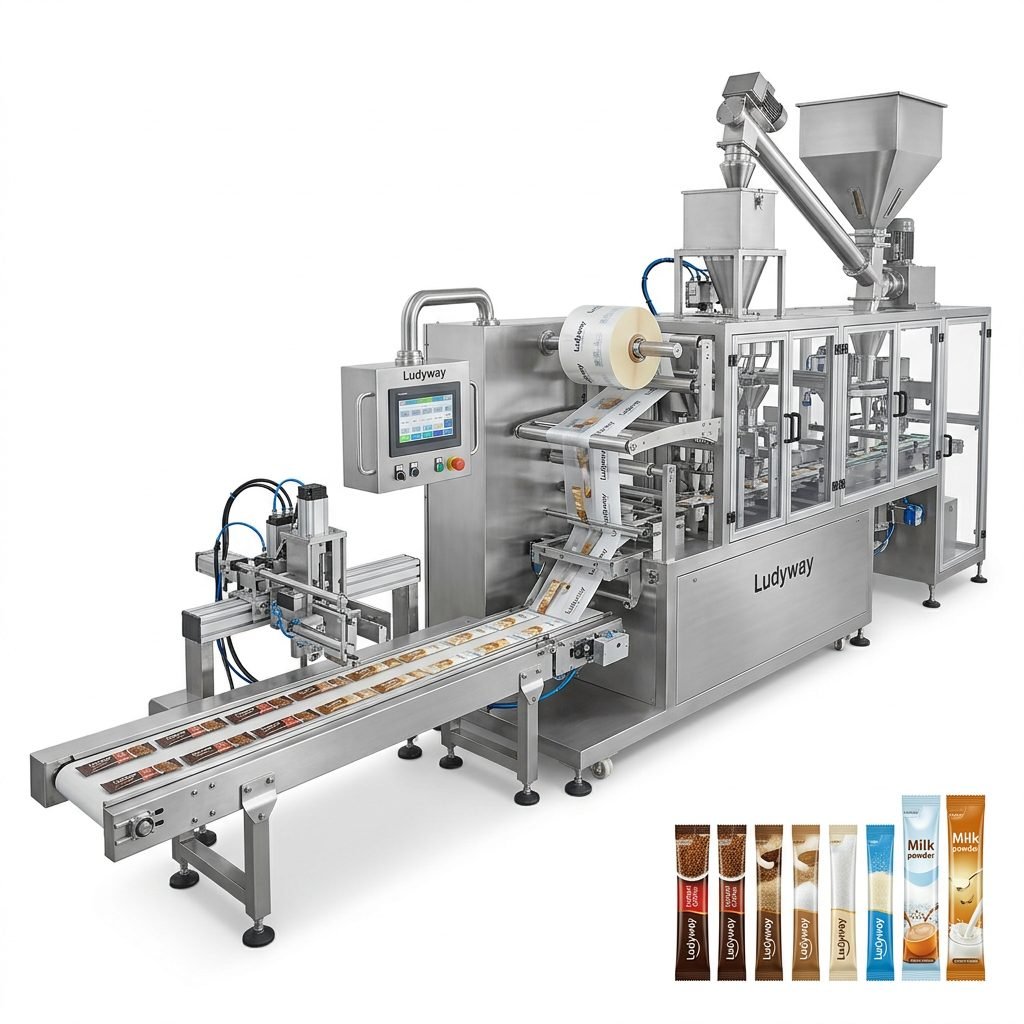
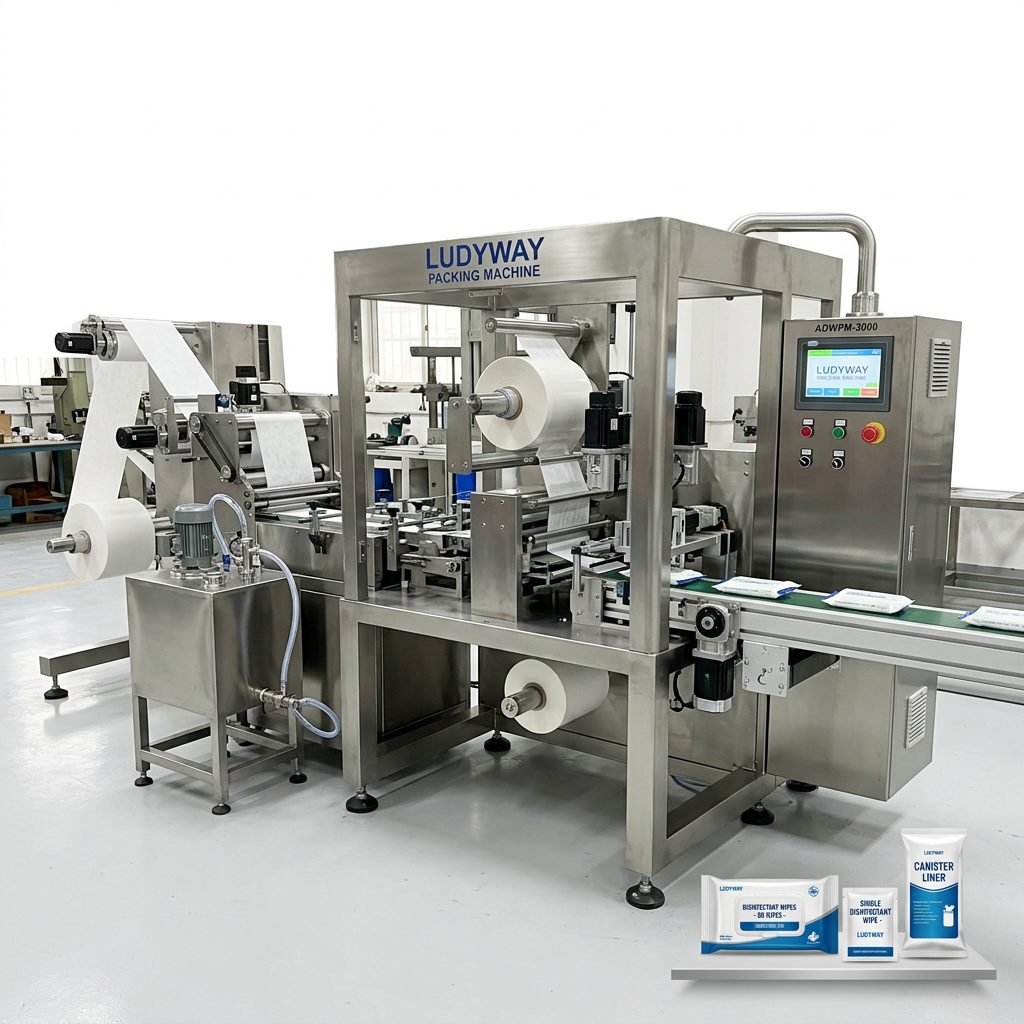
Establishing a biscuit packaging machine production line in France requires careful planning, compliance with European regulations, and a clear understanding of equipment capabilities. France maintains one of the most sophisticated food processing markets in the EU, with biscuit and baked goods consumption reaching over 10 kg per capita annually. Whether you are expanding an existing bakery operation or launching a new industrial biscuit production facility, this guide covers every essential step — from regulatory compliance and line layout to equipment selection and long-term maintenance.
Understanding French Market Regulations for Biscuit Packaging
France enforces strict food packaging standards aligned with both EU packaging directives and national legislation. Before installing any packaging production line, manufacturers must ensure full compliance with food contact material regulations, labeling requirements, and environmental obligations.
EU and French Packaging Compliance at a Glance
| Regulation / Standard | Scope | Key Requirement |
|---|---|---|
| EU Regulation (EC) No 1935/2004 | Food Contact Materials | Materials must not transfer constituents to food in harmful quantities |
| EU Regulation (EU) No 10/2011 | Plastic Materials in Food Contact | Specific migration limits for plastics used in food packaging |
| French Decree No 98-638 (DGCCRF) | National Packaging Enforcement | French-specific enforcement of EU packaging and labeling laws |
| ISO 22000 / FSSC 22000 | Food Safety Management | Certified food safety systems required for most French retailers |
| AGEC Law (Anti-Waste for a Circular Economy) | Packaging Waste & Recyclability | Mandatory recyclability and extended producer responsibility in France |
Planning Your Biscuit Packaging Line Layout
A well-designed biscuit packaging line layout optimizes flow, reduces product breakage, and maximizes throughput. French production facilities typically adhere to stringent hygiene zoning principles, separating raw material handling from primary packaging areas. Key planning considerations include:
- Product characteristics: Biscuit size, shape, fragility, and moisture sensitivity directly influence machine selection.
- Throughput requirements: Define target packs per minute (ppm) based on forecasted demand — most mid-scale French biscuit lines operate between 60 and 180 packs per minute.
- Packaging format: Determine whether you need pillow bags, sachets, stick packs, flow-wrap, or multi-pack cartoning.
- Facility constraints: Ceiling height, floor load capacity, and cleanroom classification impact equipment placement.
- Automation level: Decide between semi-automatic systems and fully automated packaging machinery with robotic pick-and-place integration.

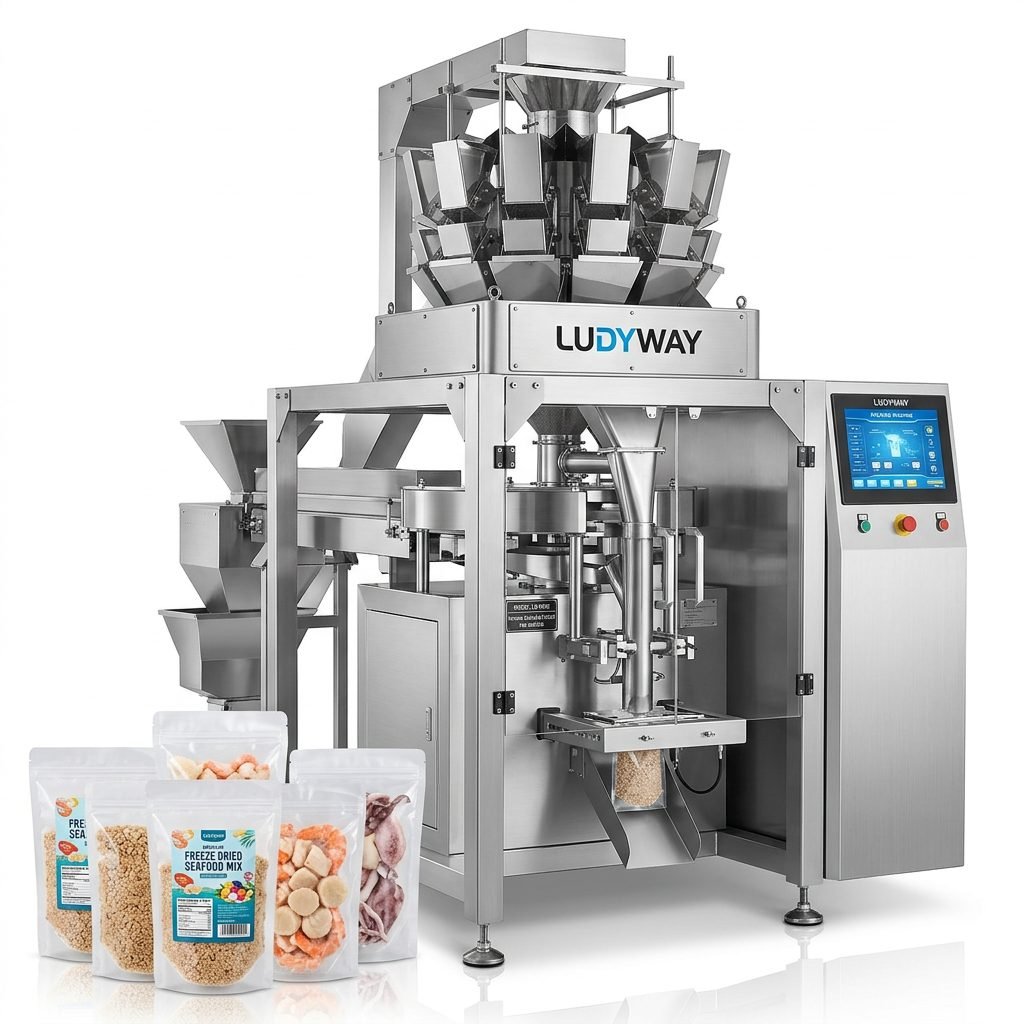
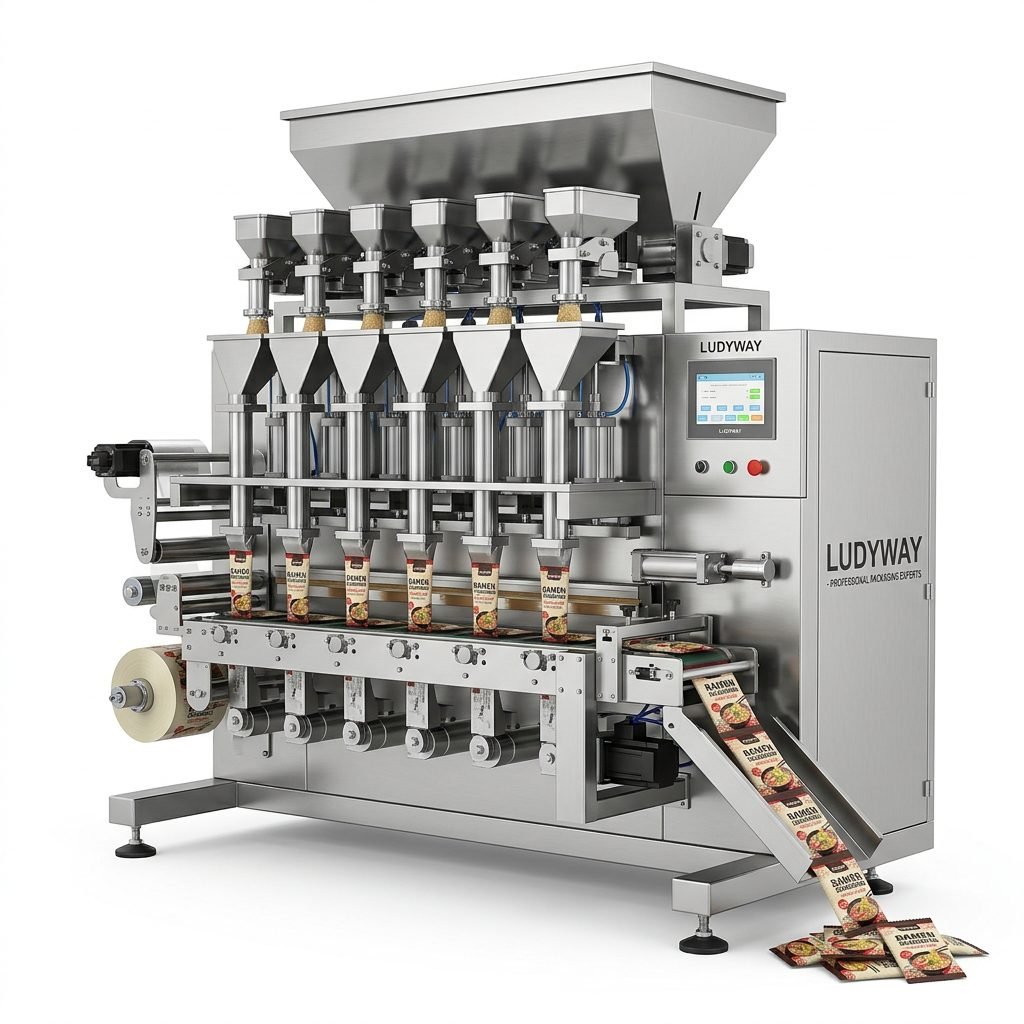
A modern automated food packaging line suitable for biscuit and baked goods production.
Choosing the Right Biscuit Packaging Machine Configuration
Selecting the appropriate biscuit packaging equipment depends on your product range, production volume, and target market. The table below compares the most common machine types deployed in French biscuit manufacturing facilities:
| Machine Type | Best For | Typical Speed Range | Packaging Style |
|---|---|---|---|
| Horizontal Flow Wrapper | Individual biscuits, sandwich biscuits | 80–300 packs/min | Pillow pack, fin seal, lap seal |
| Vertical Form Fill Seal (VFFS) | Bulk-packed biscuits, mini biscuits | 50–150 packs/min | Pillow bag, gusseted bag |
| Multi-Lane Stick Pack Machine | Single-serve biscuit portions | 200–800 packs/min | Stick pack, sachet |
| Cartoning Machine (End-Load / Top-Load) | Retail cartons, multi-pack boxes | 20–80 cartons/min | Carton box, tray, display box |
| Turnkey Integrated Line | Full biscuit packaging automation | Custom-designed | All-in-one: wrapping + cartoning + palletizing |
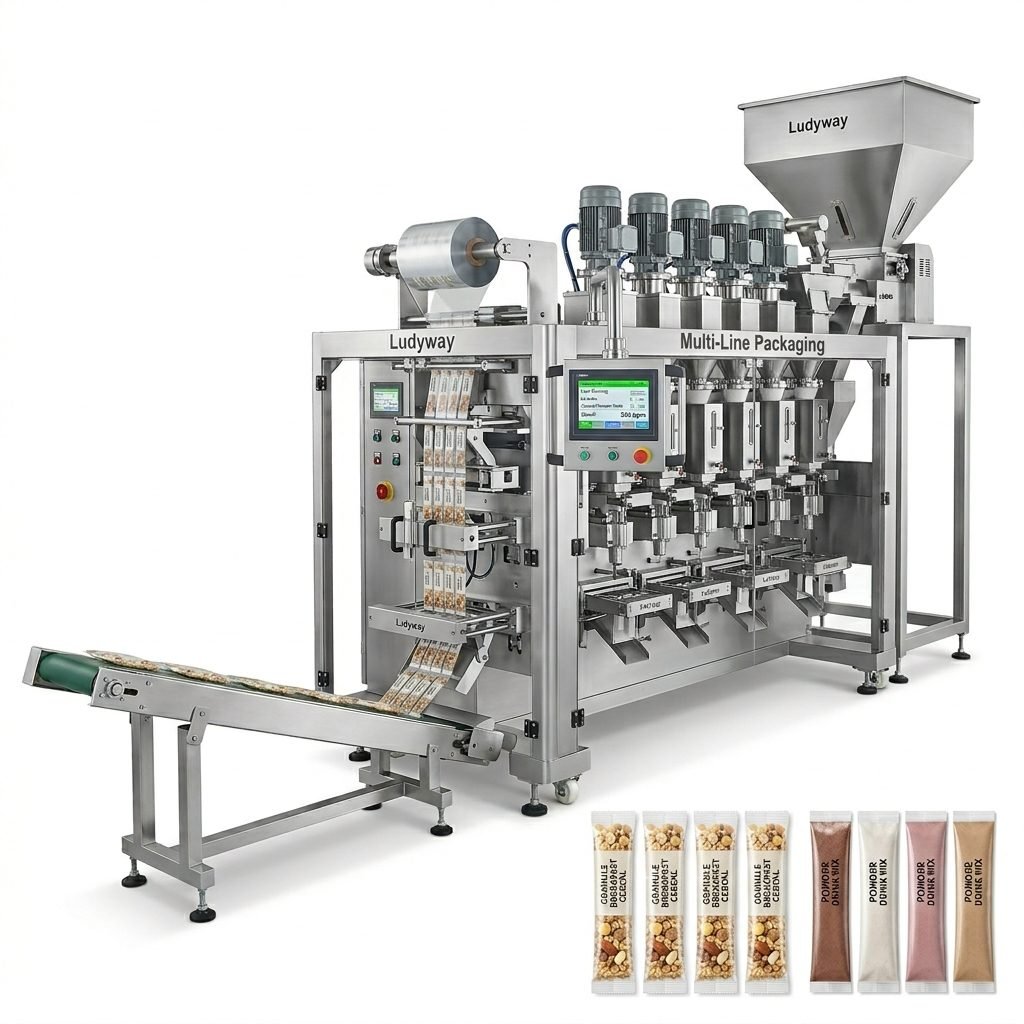
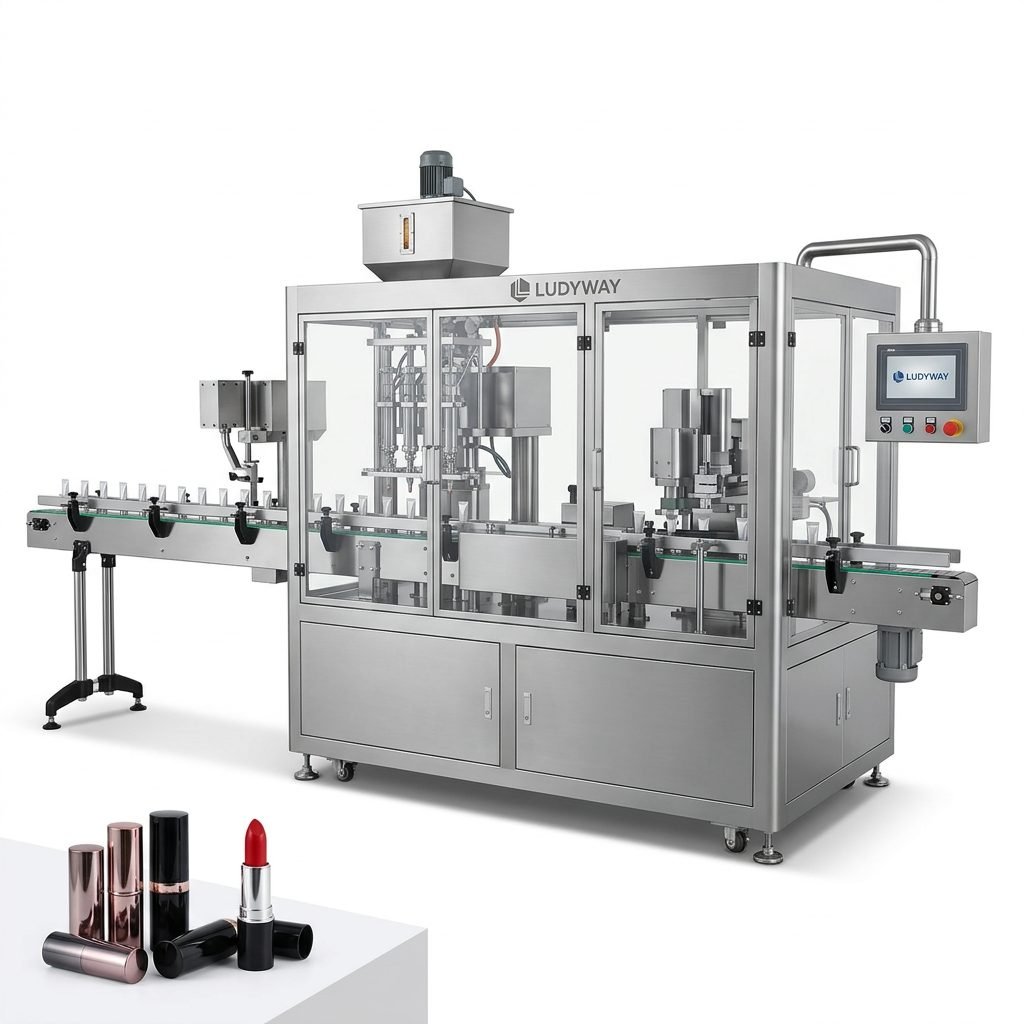
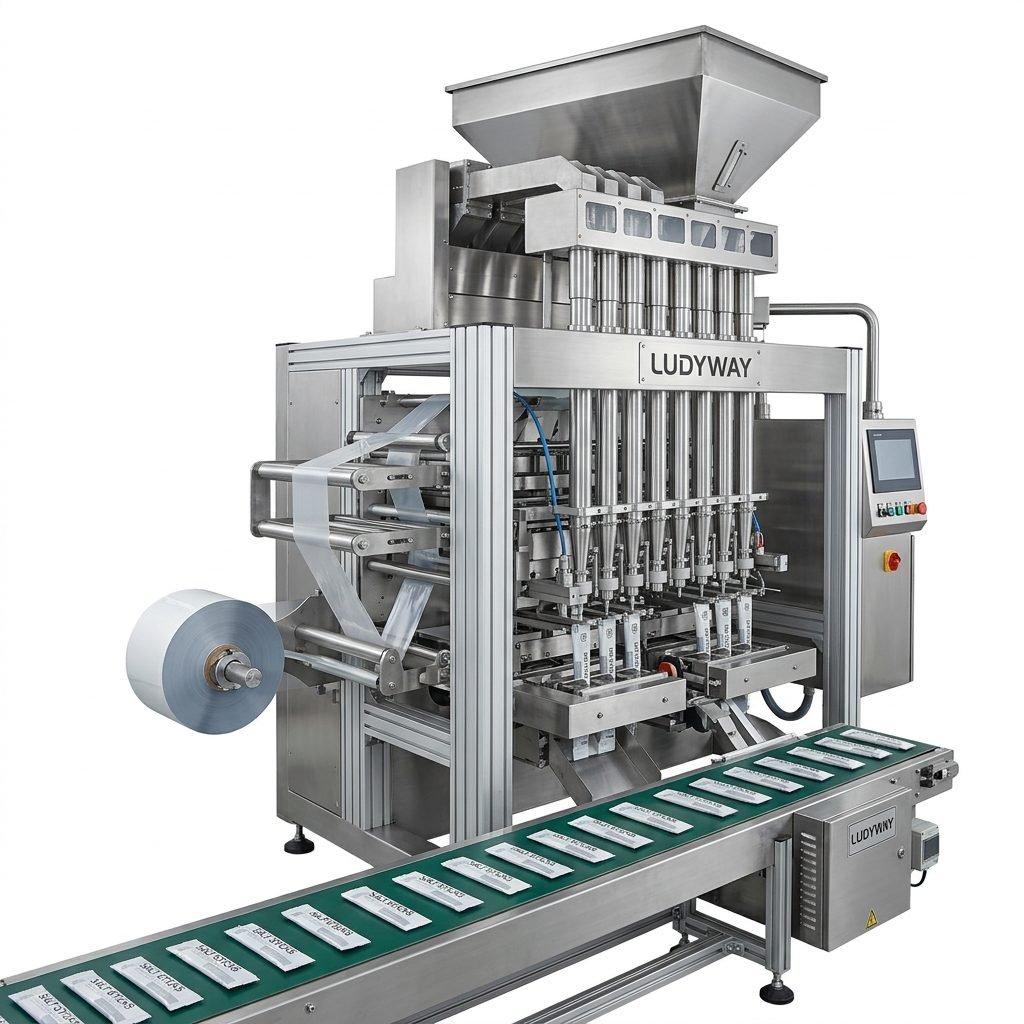
High-speed multi-lane packaging system ideal for portion-packed biscuit snacks.
Key Components of a Biscuit Packaging Production Line
A complete biscuit packaging line integrates multiple subsystems that must work in perfect synchronization. Below are the critical components and their functions:
Feeding and Handling System
The feeding system delivers biscuits gently from the cooling conveyor to the packaging infeed. For fragile French-style biscuits such as sablés or palets bretons, low-drop conveying with adjustable vibration control is essential to minimize product breakage.
Weighing and Filling Accuracy
Precision multi-head weighers ensure consistent portion control — critical for meeting French net weight regulations under DGCCRF enforcement. Modern ISO-compliant packaging standards require average weight systems that meet T1 and T2 tolerances across production batches.
Sealing Technology and Modified Atmosphere Packaging (MAP)
For extended shelf life — a common requirement in French retail distribution — many biscuit lines incorporate modified atmosphere packaging with nitrogen gas flushing. The sealing integrity must be verified through continuous in-line inspection systems to prevent leaks during transit.
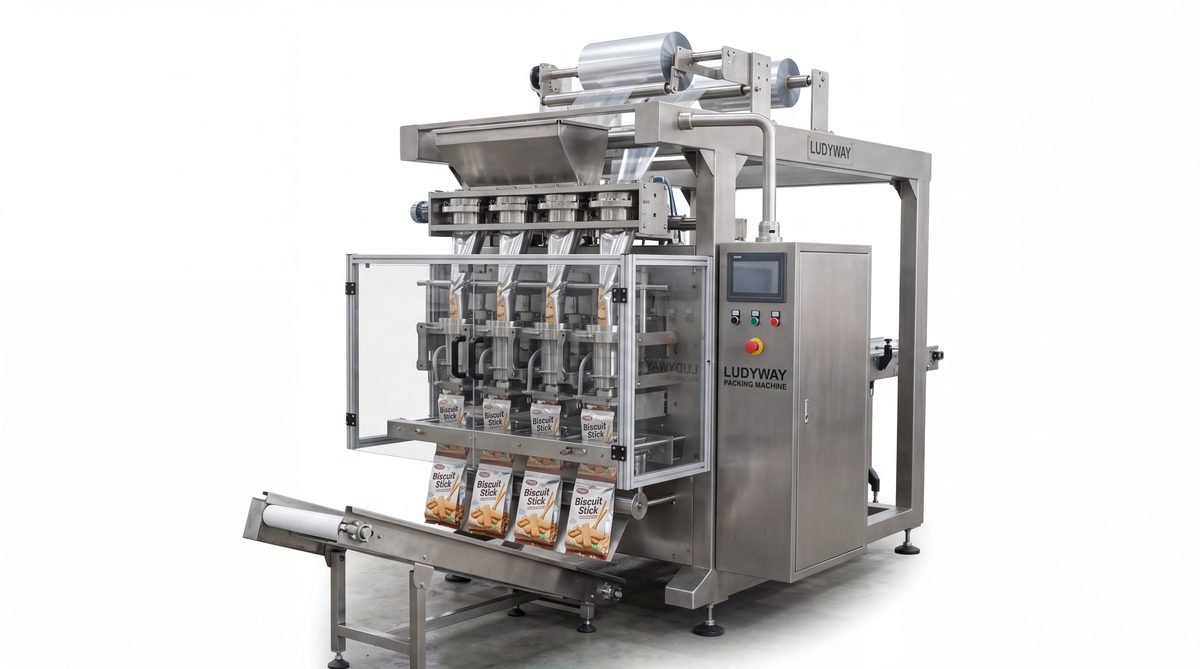
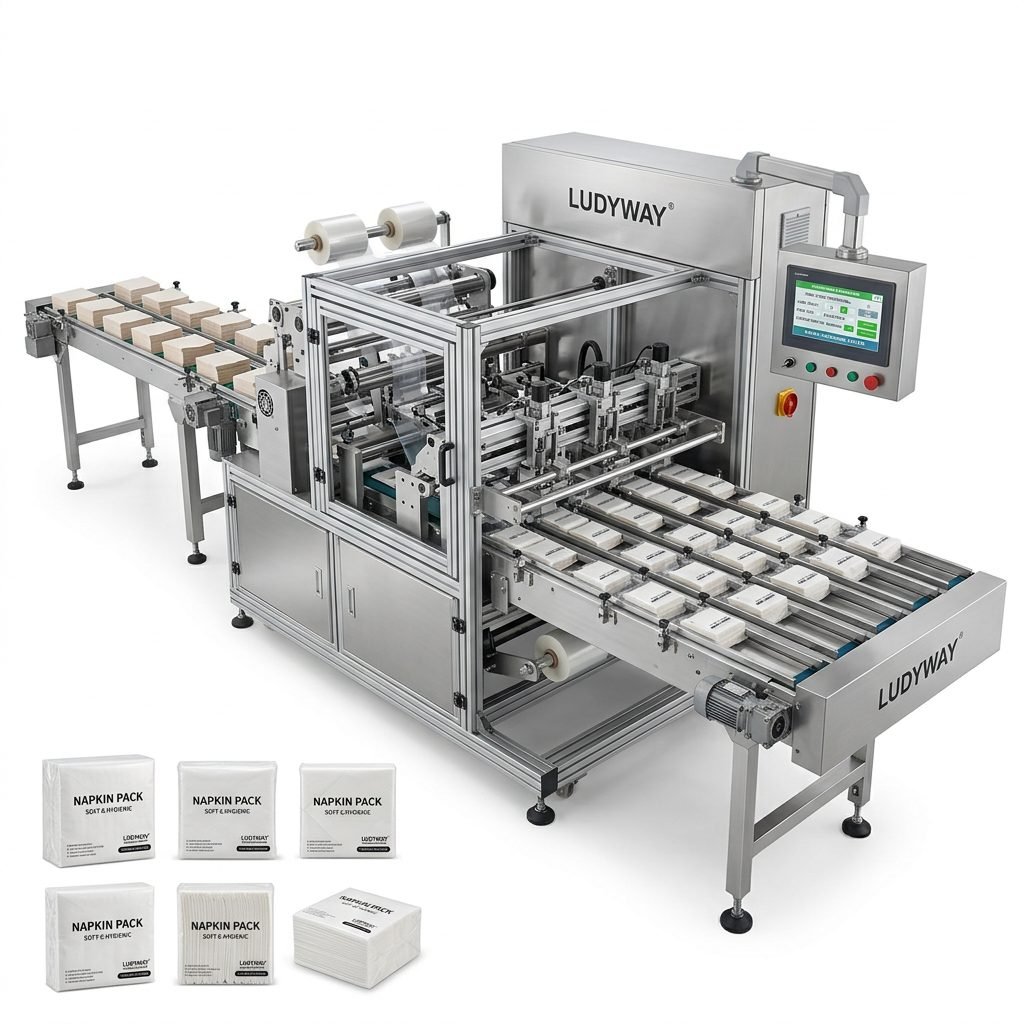
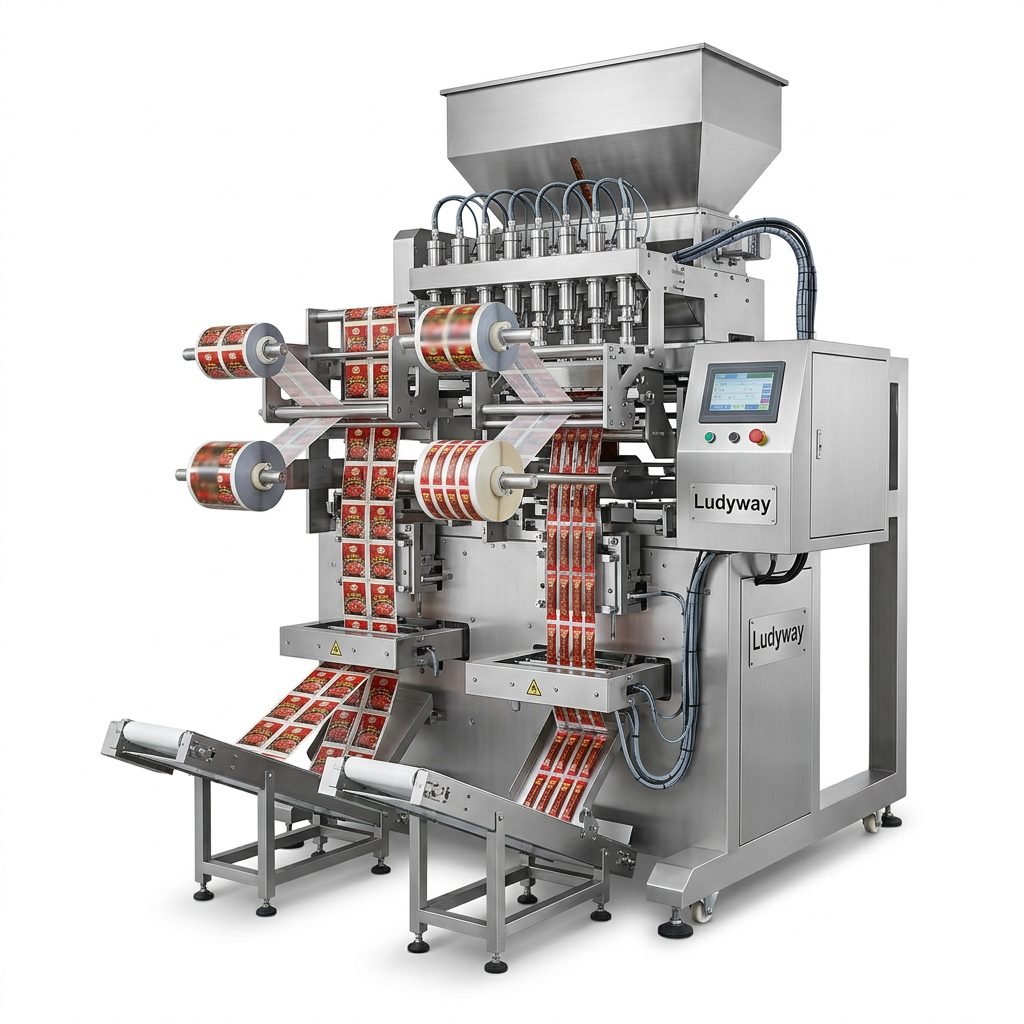
High-speed automatic biscuit packaging machine designed for multi-lane stick pack production.
Installation, Training, and Maintenance Best Practices
Proper installation and ongoing maintenance are critical to achieving the maximum OEE (Overall Equipment Effectiveness) of your packaging line. French engineering standards, including NF EN 415 series for packaging machinery safety, must be followed throughout the installation process.
Factory Acceptance Testing (FAT) and Pre-Shipment Verification
Before the equipment leaves the manufacturer’s facility, a comprehensive FAT protocol should include:
- Dry run testing: Verify all mechanical movements, sensor calibrations, and emergency stop functions over a minimum 8-hour continuous cycle.
- Product trial: Run actual biscuit products to assess packaging quality, seal integrity, and speed consistency.
- Documentation review: Confirm all CE marking documentation, French-language manuals, and safety compliance certificates are complete.
On-Site Installation and Operator Training in France
Installation should be supervised by experienced technicians familiar with French electrical standards (NF C 15-100) and compressed air requirements. Comprehensive operator training in both French and English ensures smooth handover and reduces the learning curve. Key training topics include machine operation, cleaning protocols, basic troubleshooting, and safety procedures.
Cost Considerations and ROI Analysis
Investing in a complete biscuit packaging production line involves significant capital, but the return on investment is driven by labor savings, reduced product waste, and increased throughput. Below is a comparative cost overview for different line configurations suitable for the French market:
| Line Configuration | Estimated Investment (EUR) | Typical Payback Period | Monthly Output Capacity |
|---|---|---|---|
| Semi-Automatic Single Machine | €40,000 – €80,000 | 12–18 months | 100,000 – 250,000 packs |
| Fully Automated Single Format Line | €150,000 – €300,000 | 18–30 months | 400,000 – 800,000 packs |
| Multi-Format Flexible Line | €300,000 – €600,000 | 24–36 months | 600,000 – 1,500,000 packs |
| Turnkey Integrated Production Line | €600,000 – €1,500,000+ | 30–48 months | 2,000,000+ packs |
Note: Costs vary based on automation level, brand, and customization requirements. Additional expenses for freight, import duties into France, and local installation should be budgeted at 10–15% of the equipment value.

Common Challenges When Setting Up a Biscuit Packaging Line in France
Even well-planned installations encounter obstacles. Below are frequent challenges faced by biscuit manufacturers in France and practical solutions:
- Product fragility during high-speed packaging: Use servo-driven infeed systems with gentle product handling and anti-static conveyors to reduce biscuit breakage.
- Humidity control in French coastal regions: Facilities in Brittany or Normandy should integrate dehumidification systems within the packaging zone to maintain biscuit crispness.
- Language and documentation barriers: Ensure all HMI interfaces support French language options and that technical documentation complies with French regulatory requirements.
- Power supply compatibility: Verify that equipment is configured for the French 400V three-phase / 230V single-phase electrical standard (50 Hz) before shipment.
- Spare parts availability: Establish a local spare parts inventory or partner with a supplier who offers rapid EU-wide parts delivery to minimize downtime.
Why Invest in a Comprehensive Turnkey Packaging Solution
For biscuit manufacturers entering or expanding within the French market, a turnkey packaging line offers the advantage of single-source responsibility — from initial design through commissioning and after-sales support. This approach eliminates the complexity of coordinating multiple equipment suppliers and ensures full integration of the entire production workflow. Companies such as Ludyway provide end-to-end packaging solutions that encompass everything from feeding and filling to cartoning and palletizing, helping businesses streamline their operations while maintaining compliance with EU standards.
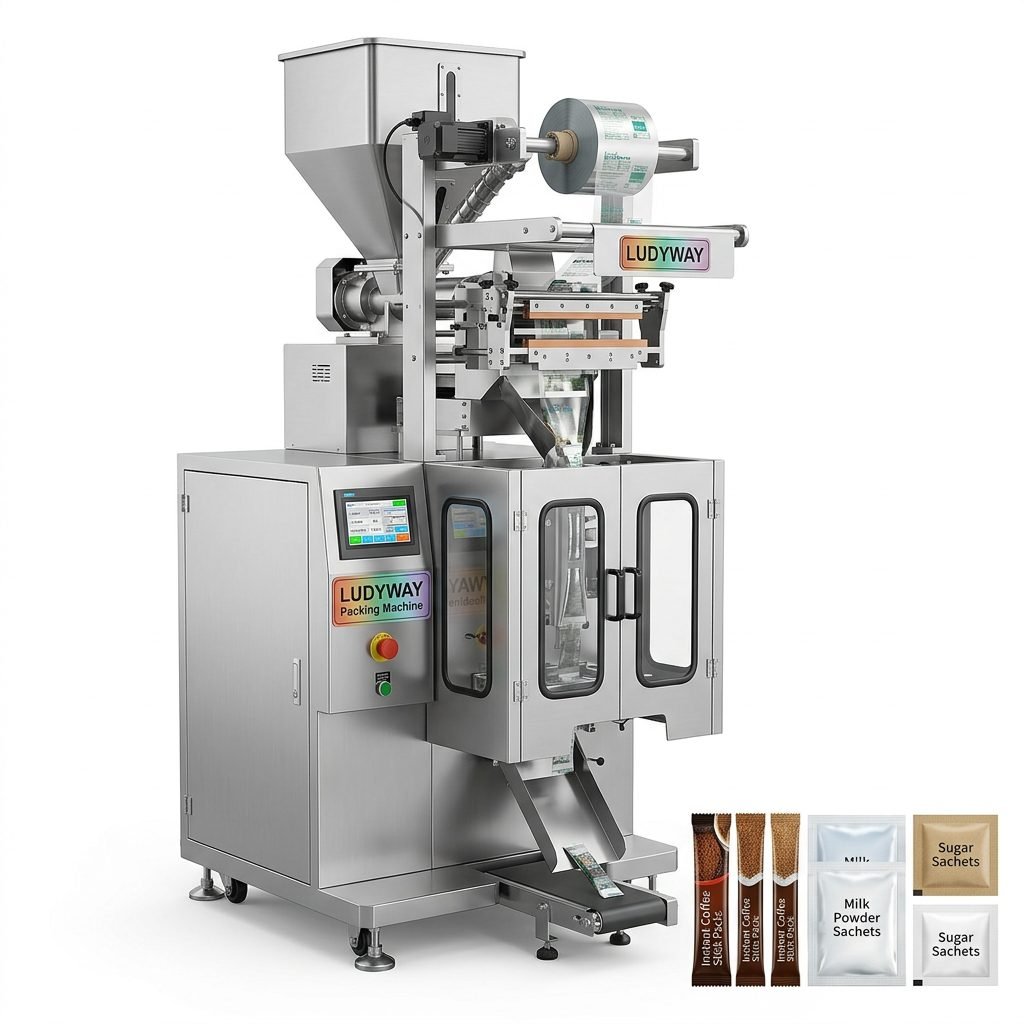
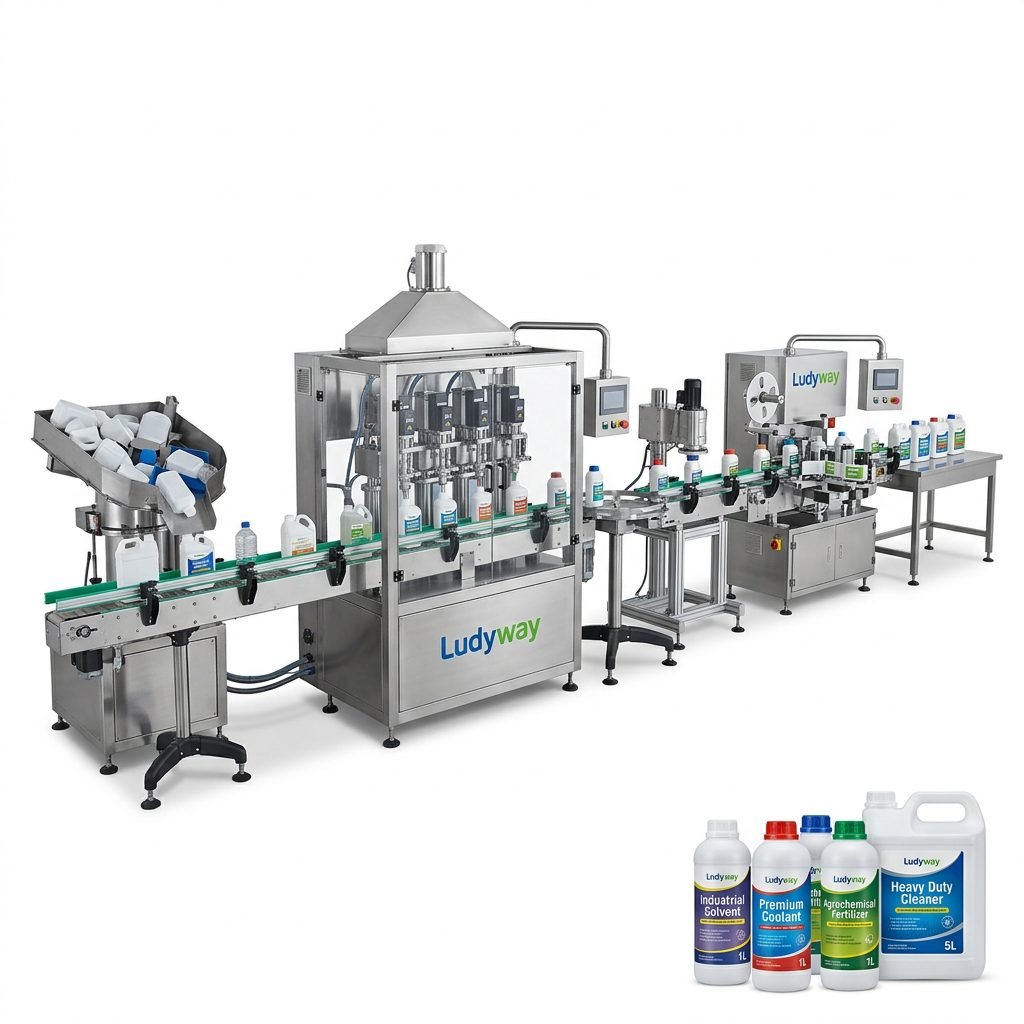
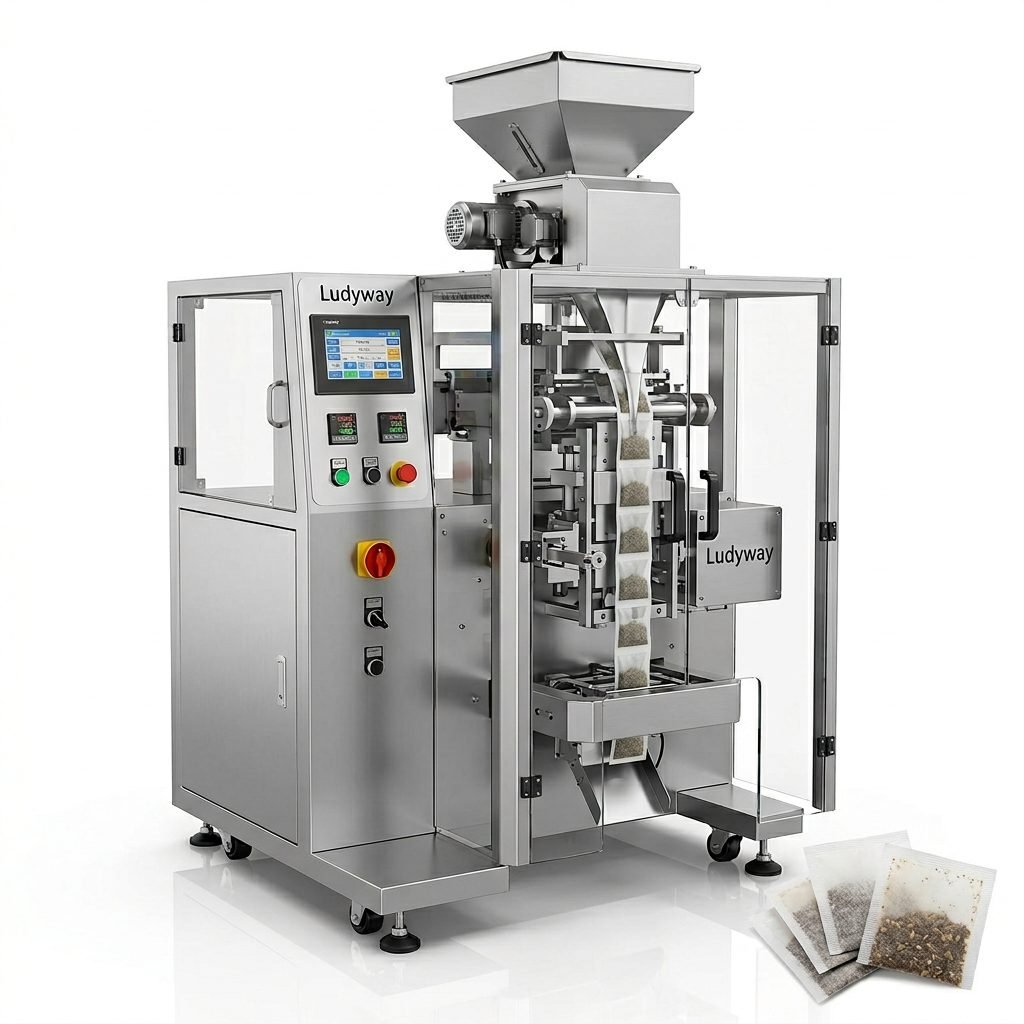
Flexible packaging equipment adaptable for various biscuit and baked goods formats.
Frequently Asked Questions About Biscuit Packaging Lines in France
What types of packaging formats are most popular for biscuits in the French market?
French biscuit packaging commonly uses flow-wrapped pillow packs for individual portions, multi-pack carton boxes for family-sized products, and increasingly portion-controlled stick packs for on-the-go snacking. Sustainable packaging formats made from recyclable mono-materials are also gaining significant traction due to France’s AGEC legislation.
How much does a complete biscuit packaging line cost to install in France?
A complete packaging line investment typically ranges from €150,000 for a basic automated setup to over €1.5 million for a fully integrated turnkey system, depending on capacity, automation level, and customization requirements. Budget should also account for shipping, import clearance, local electrical installation, and operator training within France.
Can the same packaging line handle different biscuit shapes and sizes?
Yes, modern multi-format packaging machines feature quick-change tooling, adjustable forming tubes, and recipe-driven setups that allow switching between different biscuit sizes in under 15 minutes. This flexibility is particularly valuable for French manufacturers producing seasonal or limited-edition biscuit assortments.
What after-sales technical support is available for packaging machinery in France?
Reputable packaging equipment providers offer remote diagnostic support, on-site technical assistance within 24–48 hours across mainland France, and comprehensive spare parts coverage. It is strongly recommended to verify that your chosen supplier has established service infrastructure in the EU before finalizing any packaging machinery investment.

An integrated turnkey packaging line offering end-to-end automation for biscuit production facilities.
Setting up a biscuit packaging machine production line in France is a strategic investment that demands thorough planning, regulatory awareness, and the right technology partner. By understanding French market requirements, selecting appropriate packaging formats, and prioritizing equipment quality and after-sales support, manufacturers can build a production line that delivers consistent output, product integrity, and long-term profitability in one of Europe’s most demanding food markets.