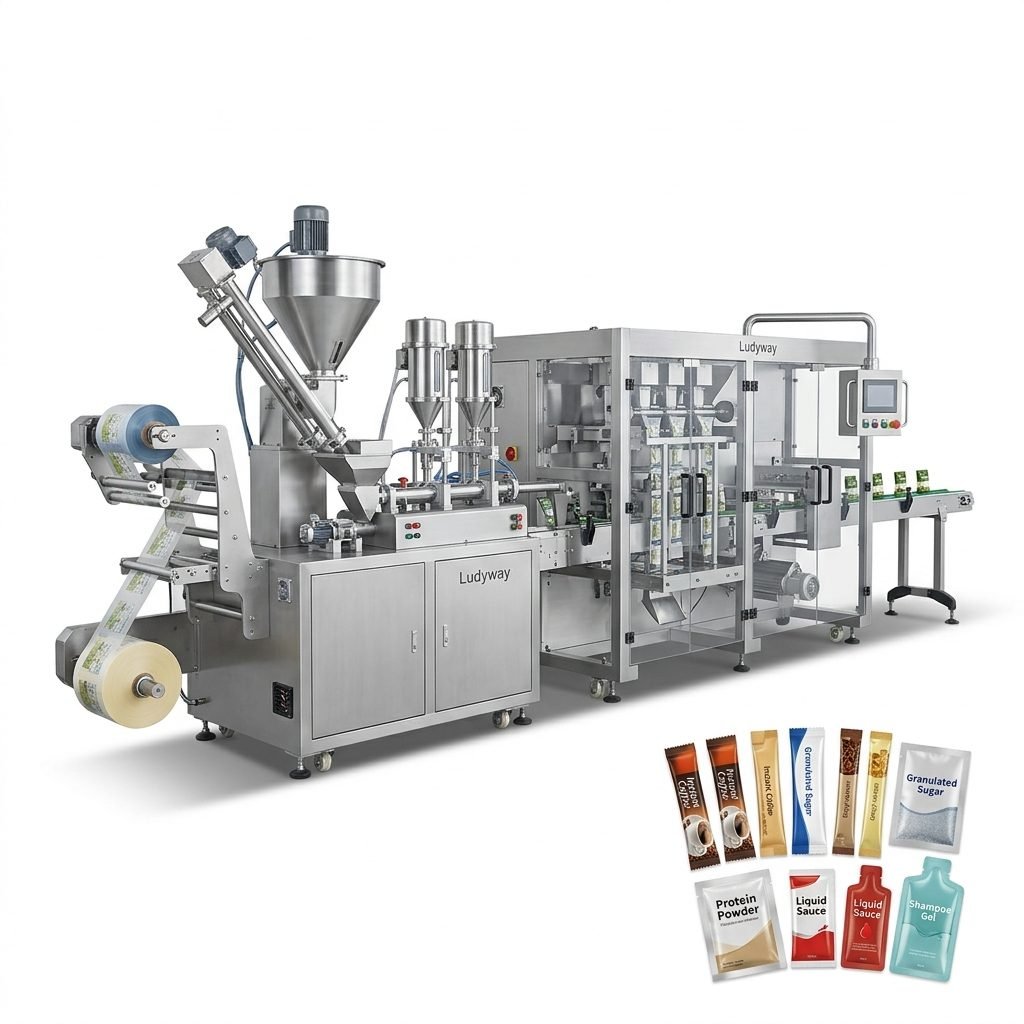
The seafood processing industry in Southeast Asia is experiencing unprecedented growth. Countries like Thailand, Vietnam, Indonesia, and the Philippines are ramping up production to meet both domestic and international demand. Setting up a seafood packaging machine production line requires careful planning, understanding of local regulations, and selection of the right equipment. This guide walks you through every critical step.
Understanding the Southeast Asian Seafood Packaging Market
Southeast Asia is one of the world’s largest seafood exporters. The demand for processed and packaged seafood products — from frozen shrimp to dried fish snacks — is skyrocketing. Modern seafood packaging machinery plays a vital role in maintaining product freshness, extending shelf life, and meeting stringent international food safety standards. When establishing a production line in this region, you must consider factors like high humidity, ambient temperature, and the need for corrosion-resistant materials.
Key Equipment for a Seafood Packaging Production Line
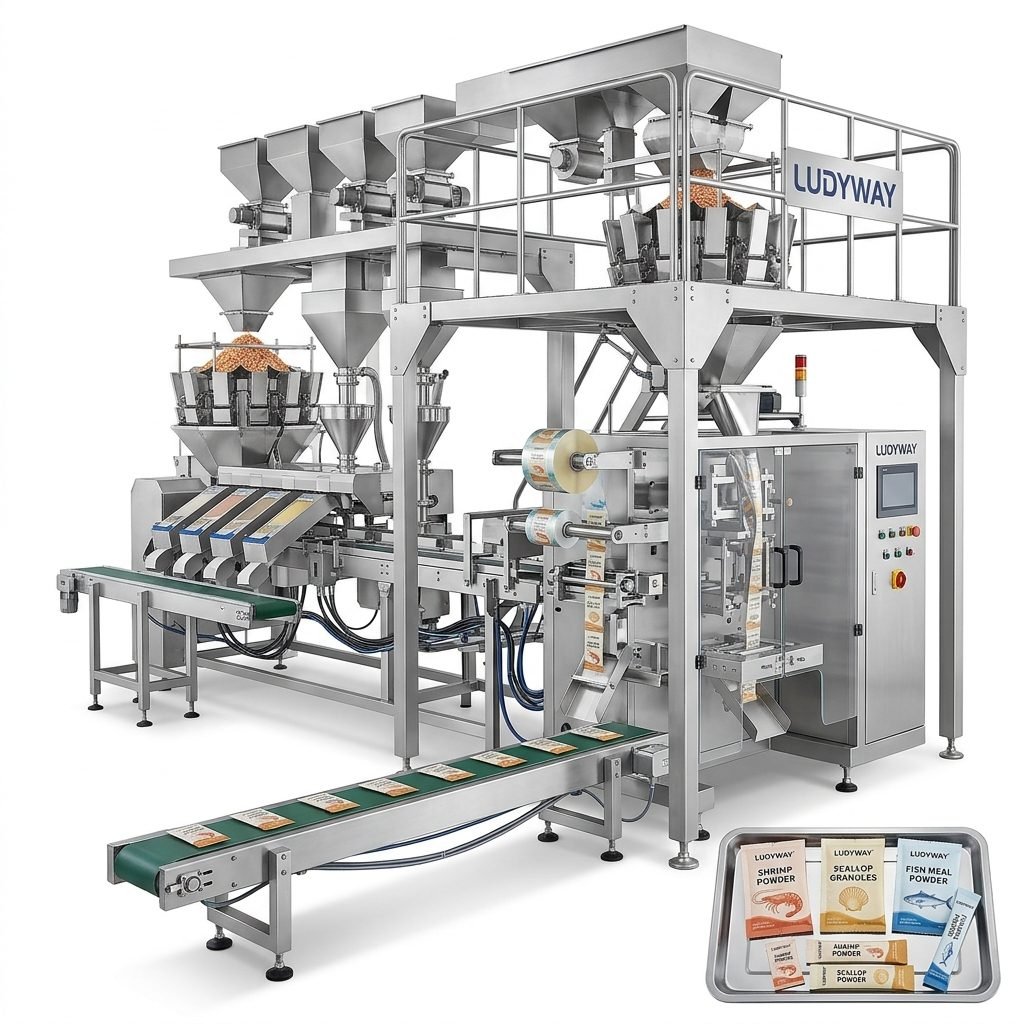
A complete seafood packaging line typically consists of several integrated machines. Selecting the right configuration depends on your product type (fresh, frozen, dried, or processed) and target packaging format (pouch, sachet, stick pack, or vacuum bag). Below is a summary of essential equipment:
| Machine Type | Function | Ideal Application |
|---|---|---|
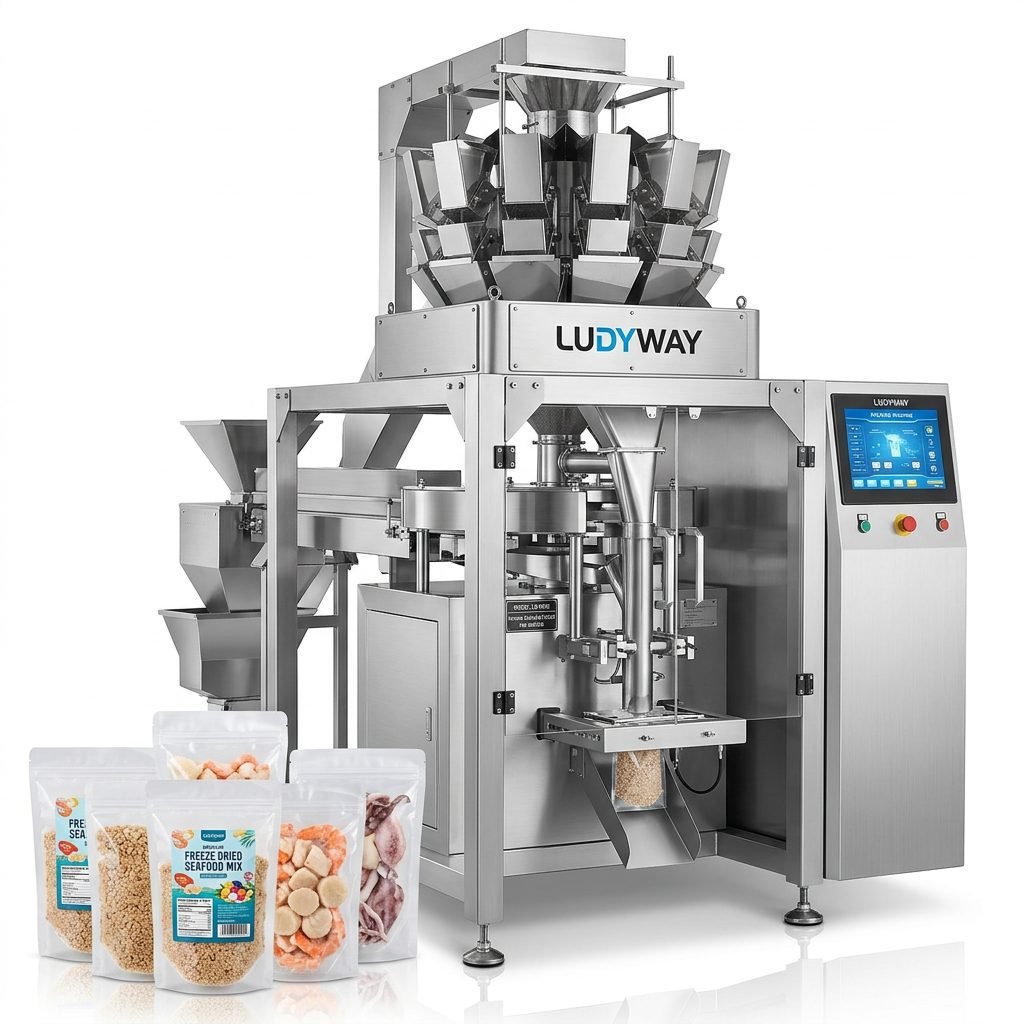
| Weighing & Feeding System | Precise portioning of raw or processed seafood | Multi-head weigher for granules and pieces |
| Vacuum Packaging Machine | Removes oxygen to extend shelf life | Frozen fish fillets, shrimp, value-added seafood |
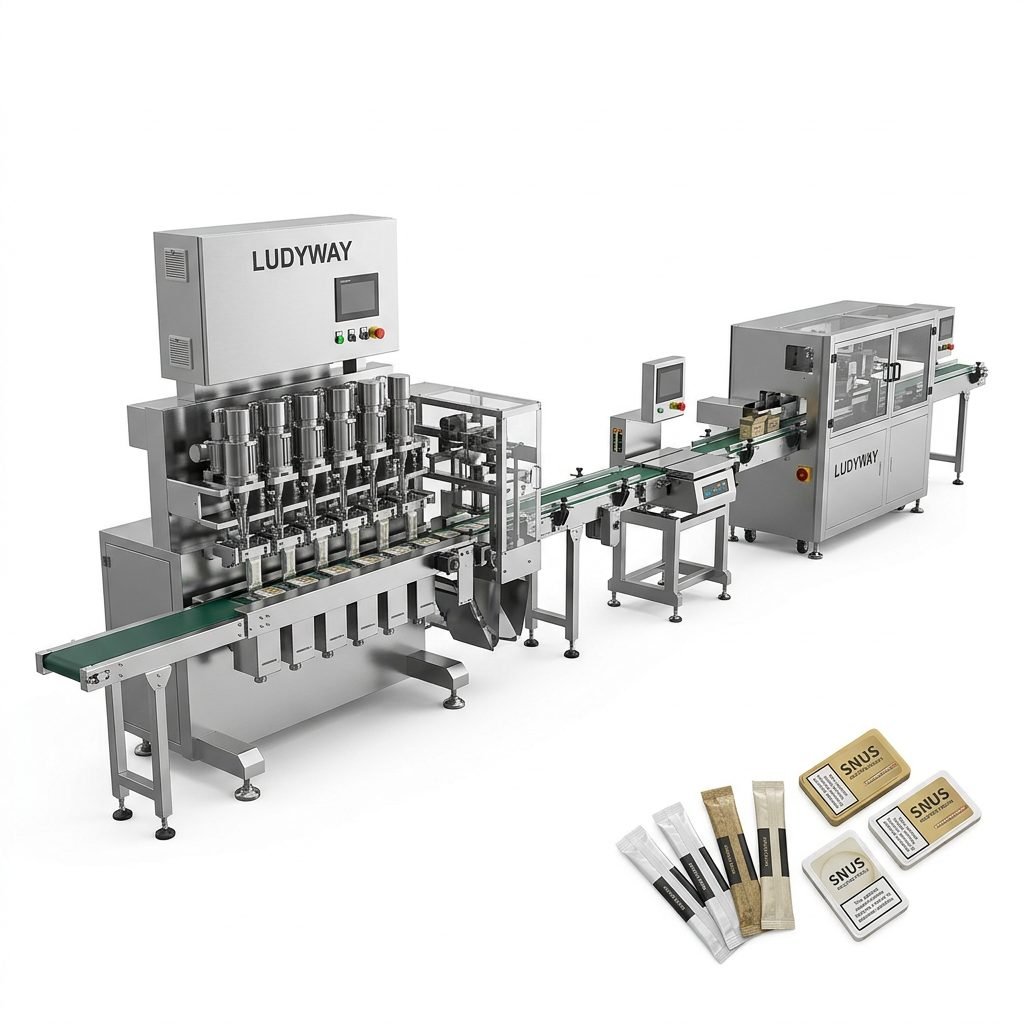
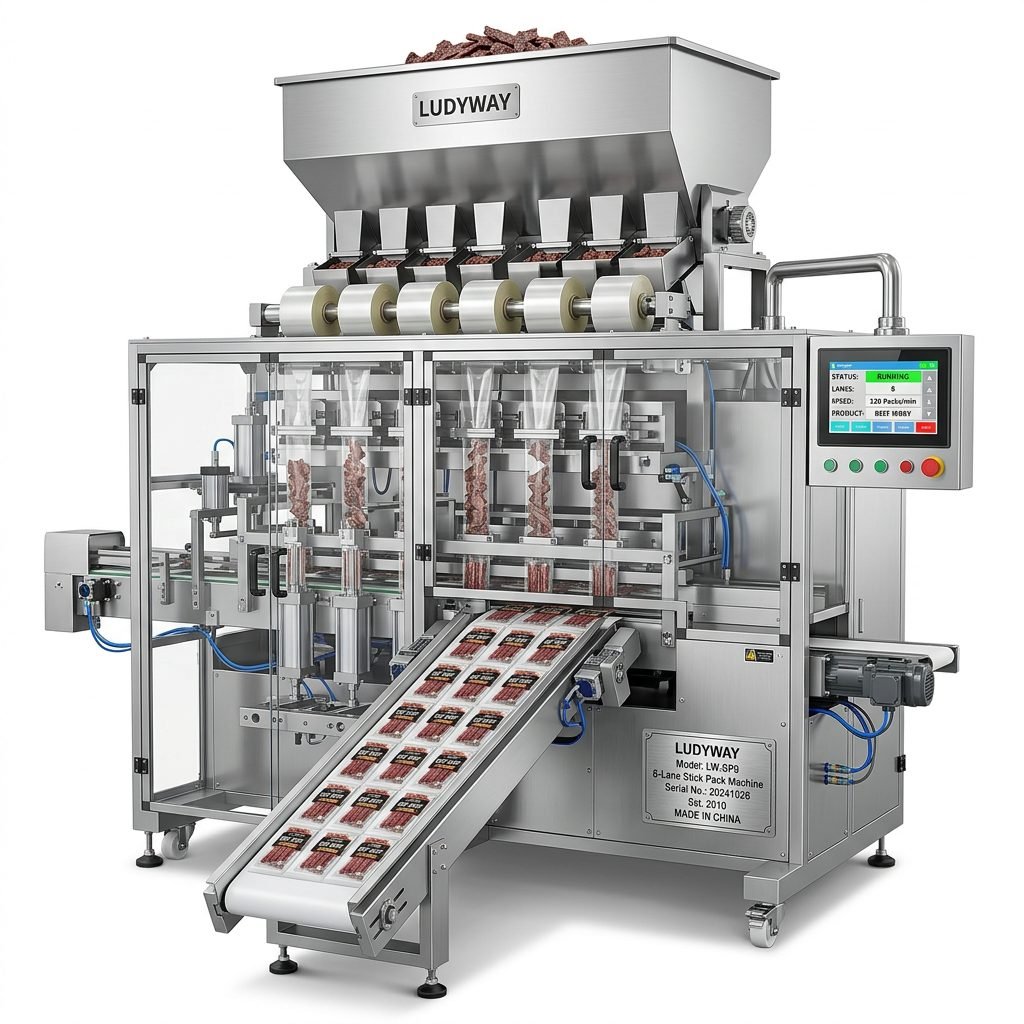
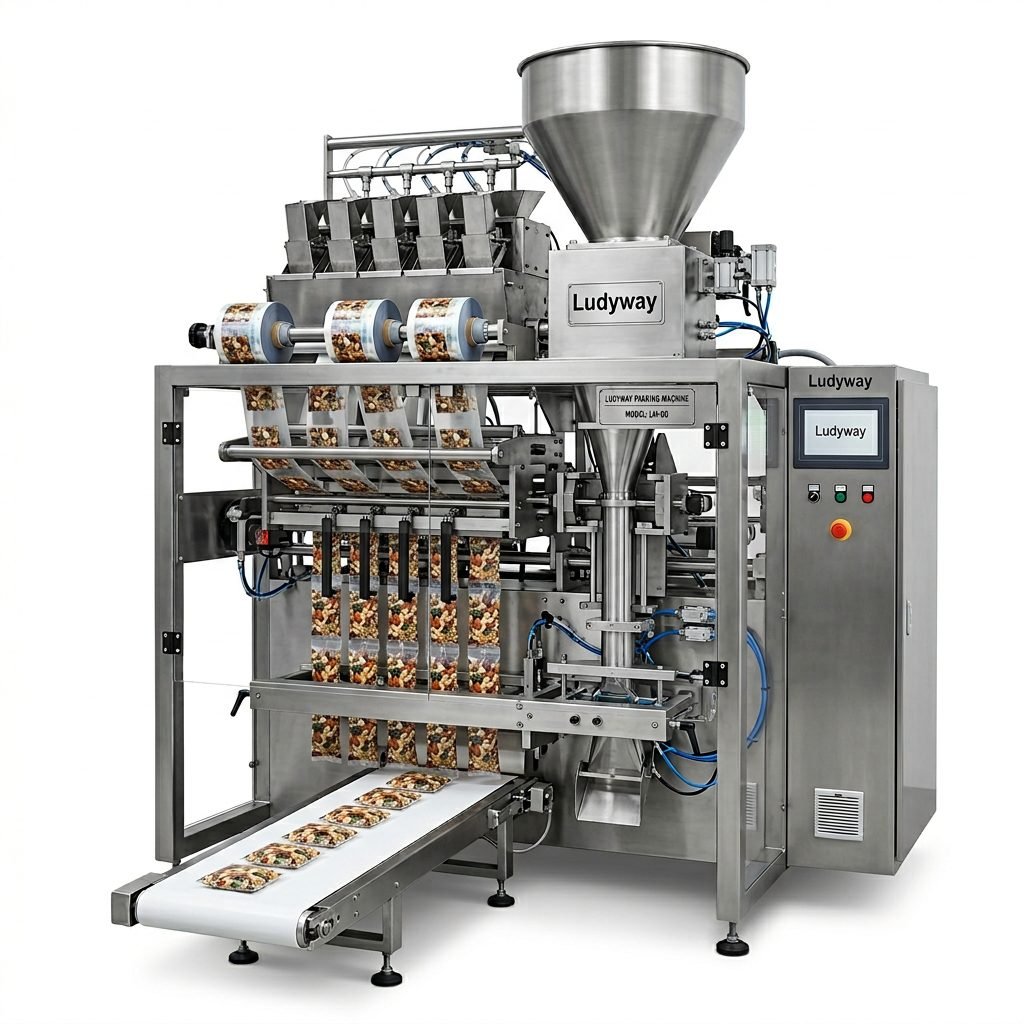
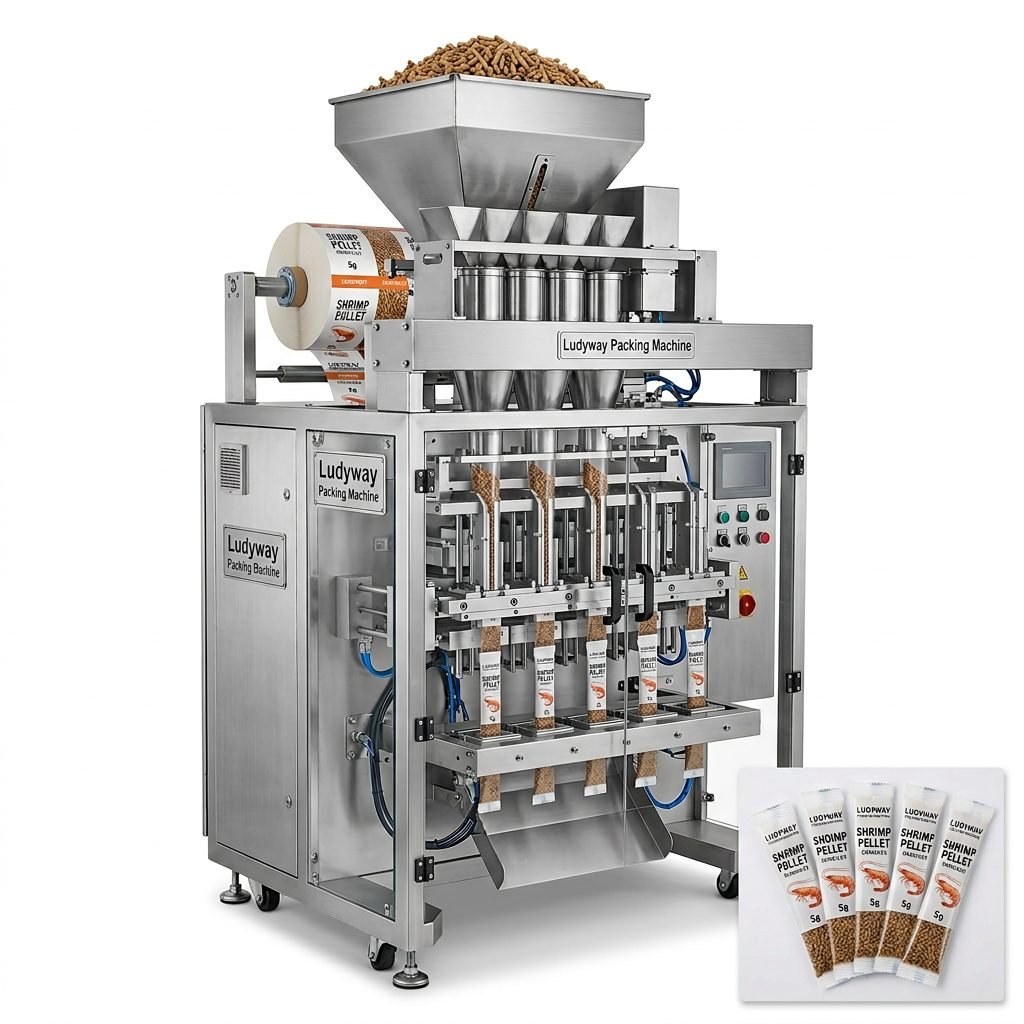
| Multi-Lane Stick Pack Machine | High-speed filling into small stick packs or sachets | Dried seafood snacks, seasonings, powder blends |
| Tray Sealing & MAP Machine | Modified atmosphere packaging for fresh products | Ready-to-cook seafood meals |
| Cartoning & Palletizing System | End-of-line automation for case packing | Export-ready bulk packaging |
Step-by-Step Setup Process
1. Site Assessment and Layout Planning
Evaluate your factory floor space, power supply, and environmental conditions. The production area must comply with HACCP and GMP standards common in Southeast Asian food processing facilities. Ensure proper drainage, ventilation, and easy access for raw material intake and finished product dispatch. A well-planned layout minimizes cross-contamination risks and improves workflow efficiency.
2. Selecting the Right Packaging Technology
Different seafood products demand different packaging technologies. Frozen shrimp often uses pillow pouches with nitrogen flushing, while dried fish snacks run on high-speed multi-lane packaging machines. If you are handling both granules and powders, consider versatile systems capable of switching between formats. Evaluate machine features like IP65 washdown protection, stainless steel construction, and compatibility with local voltage and frequency standards.
3. Installation and Commissioning
Once the equipment arrives, professional installation is critical. Work with suppliers who offer on-site support in Southeast Asia. The commissioning phase includes mechanical assembly, electrical integration, software setup, and trial runs. Pay close attention to calibration of weighing systems and seal integrity testing, as seafood packaging often involves oily or moist environments that challenge seal quality.
4. Operator Training and Safety Protocols
Skilled operators are the backbone of any efficient production line. Comprehensive training should cover machine operation, troubleshooting, cleaning procedures, and safety protocols. In Southeast Asia, language considerations matter — ensure training materials and machine interfaces support local languages or are intuitive enough for quick adoption. Emphasize lockout/tagout procedures and personal protective equipment usage.
Regulatory Compliance in Southeast Asia
Each Southeast Asian country has its own food safety authority and packaging regulations. Thailand follows FDA Thailand guidelines, while Vietnam adheres to VFA standards. Indonesia implements BPOM regulations, and the Philippines enforces FDA Philippines requirements. Your packaging materials must comply with food contact substance regulations, and labeling must meet local language and nutritional information requirements. Additionally, if you export to the EU or US markets, align your processes with FDA food packaging standards and EU packaging regulations.
Maintenance and After-Sales Support
The high humidity in Southeast Asia can accelerate wear on packaging machinery. Implement a preventive maintenance schedule that includes daily cleaning, weekly inspections, and monthly deep servicing. Stock critical spare parts locally to avoid production downtime. Partner with equipment suppliers who provide remote diagnostics, rapid-response technical support, and readily available spare parts across the region. A reliable after-sales network ensures your production line maintains high OEE (Overall Equipment Effectiveness).
Cost Considerations and ROI
Investing in a seafood packaging production line involves capital expenditure for machinery, installation, training, and facility modifications. However, the return on investment can be substantial. Automated packaging reduces labor costs, improves product consistency, and minimizes giveaway, directly impacting your bottom line. In Southeast Asian markets, where labor costs are rising but still competitive, a balanced approach of semi-automated and fully-automated solutions often yields the best ROI. Analyze your production volume, labor availability, and product mix to determine the optimal automation level.
Factors Influencing Equipment Cost
- Production speed requirements: Higher speeds demand more sophisticated machinery.
- Packaging material compatibility: Machines handling multiple film types may cost more.
- Customization needs: Special requirements like gas flushing or easy-tear notches add complexity.
- Compliance certifications: CE, UL, or local certifications may affect pricing.
Choosing a Reliable Packaging Equipment Partner
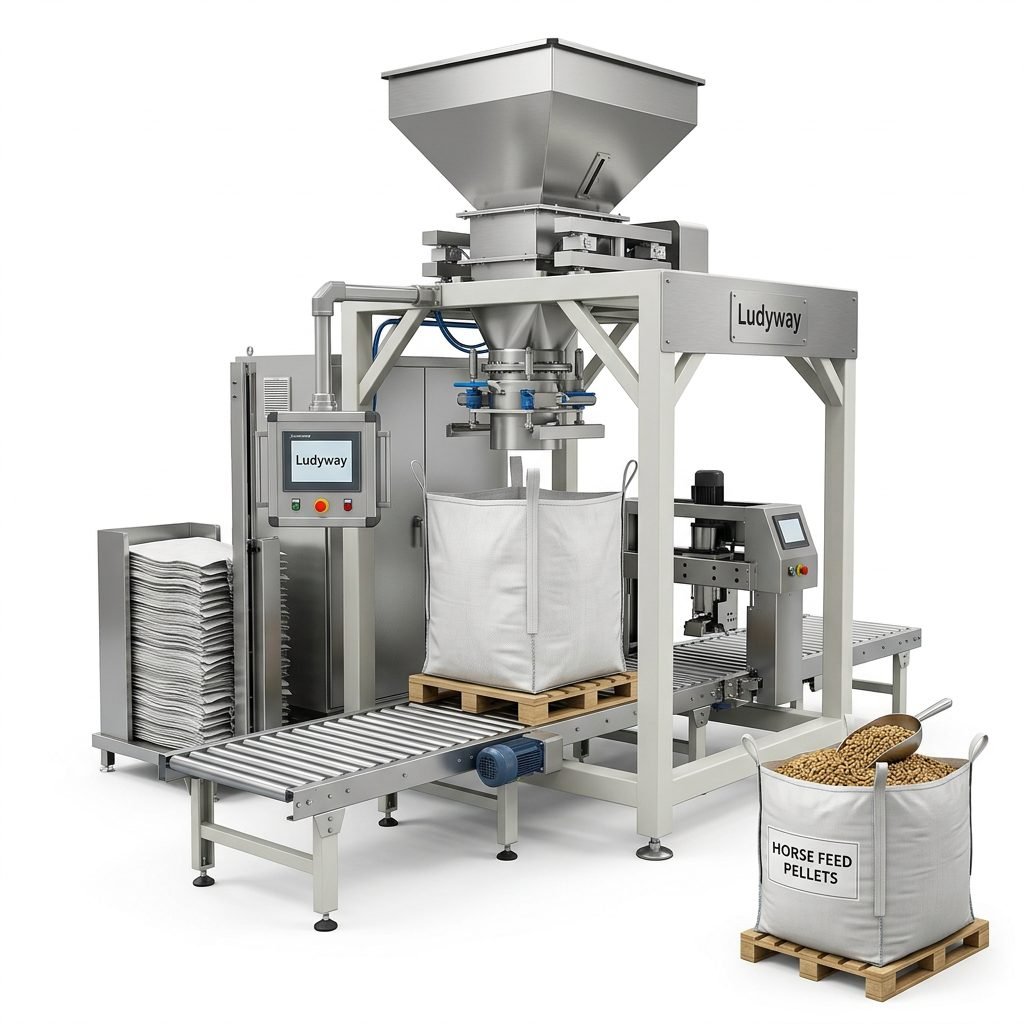
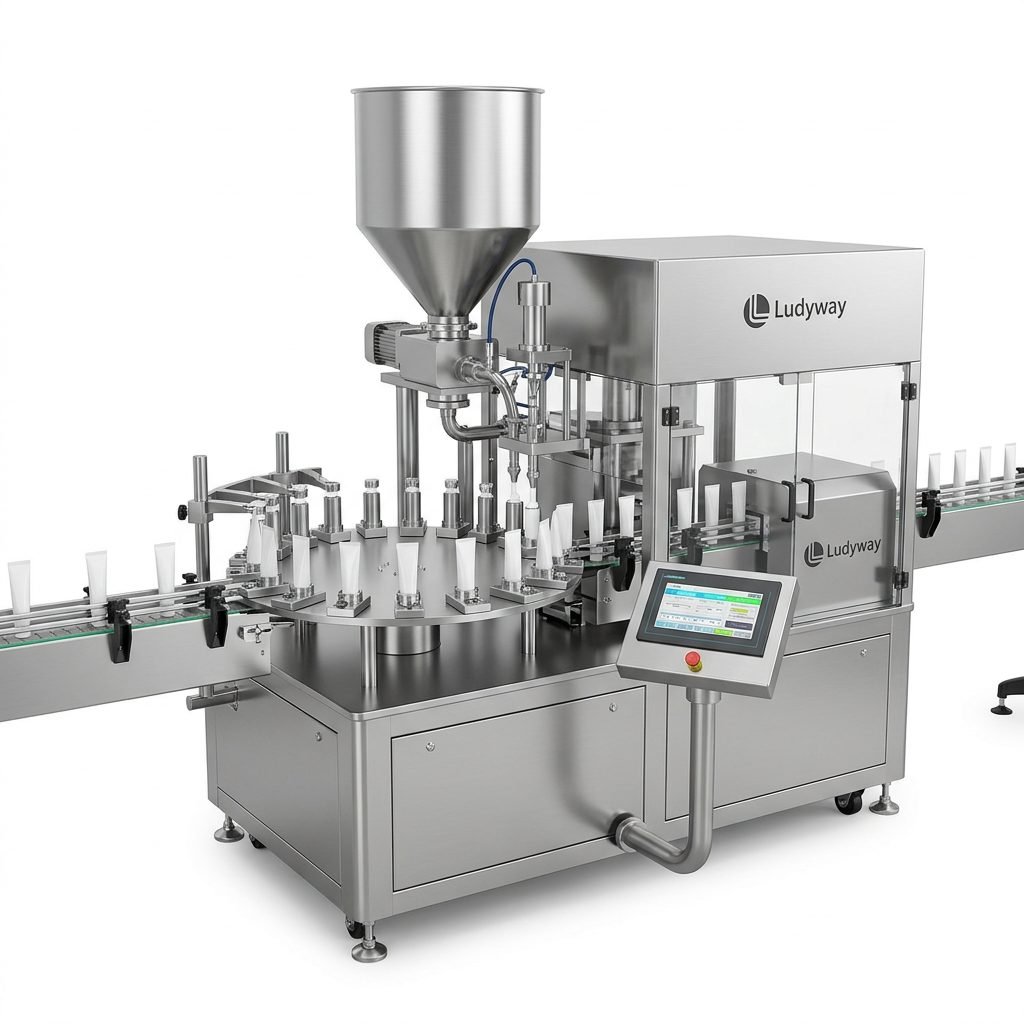
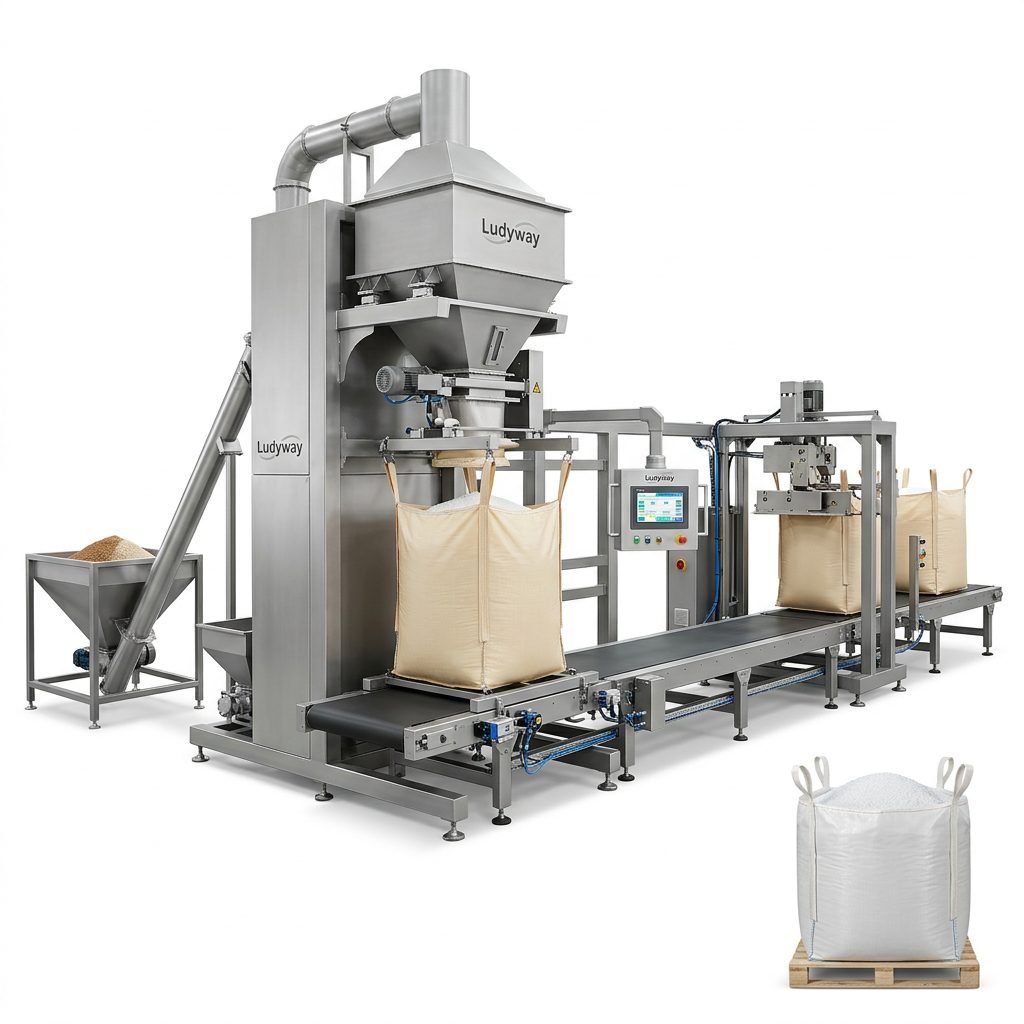
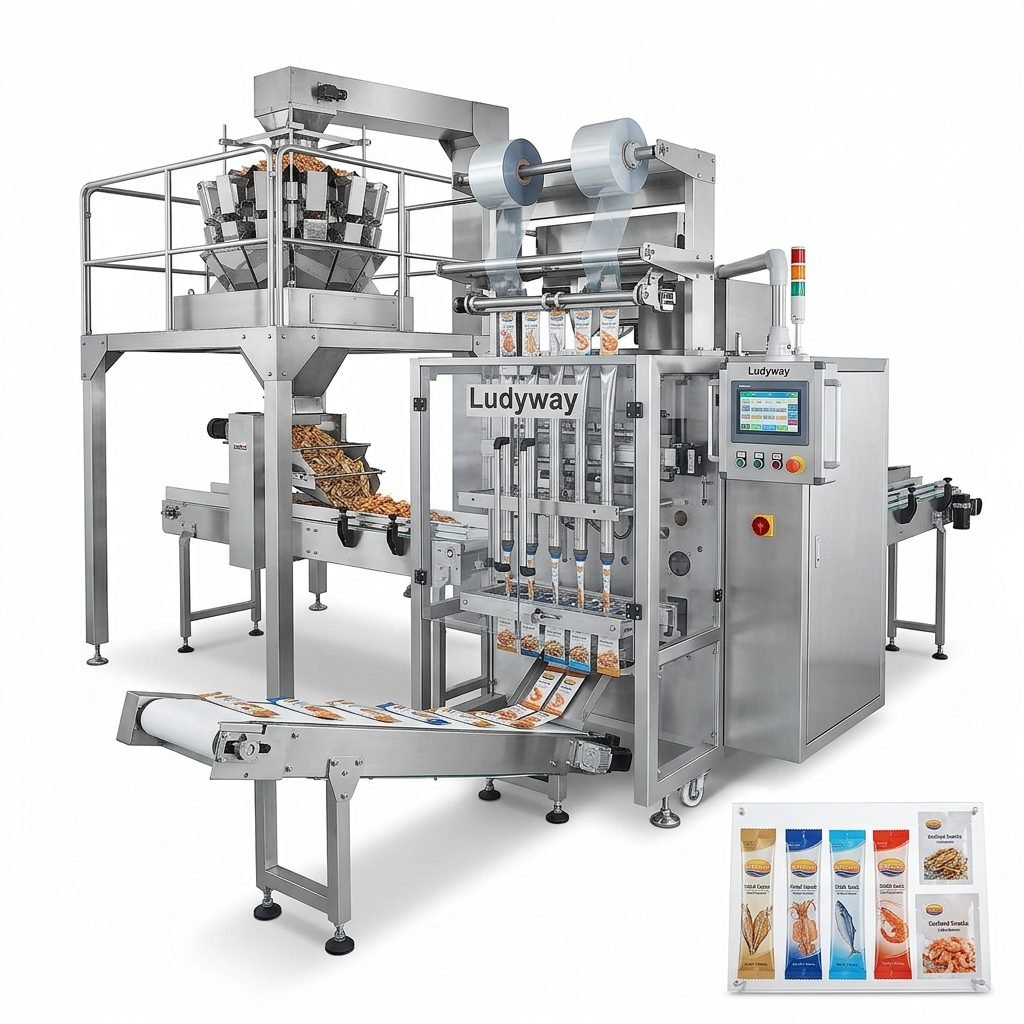
Working with an experienced packaging machinery manufacturer can significantly simplify your setup process. Ludyway, one of the largest packaging machine manufacturers in China, provides turnkey solutions including multi-lane stick pack, sachet, and automated packaging systems. With over 30 years of experience and a modern 20,000m² manufacturing facility, they support seafood processors in configuring production lines tailored to specific product and market requirements. Their equipment is designed for high humidity environments, featuring stainless steel construction and IP-rated components suitable for Southeast Asian conditions.
Future Trends in Seafood Packaging Automation
Smart packaging technologies are reshaping the seafood industry. Integration of IoT sensors, real-time production monitoring, and predictive maintenance capabilities are becoming standard. In Southeast Asia, manufacturers are increasingly adopting sustainable packaging materials and energy-efficient machinery. Flexible packaging formats like stand-up pouches with resealable zippers and single-serve sachets continue to gain popularity among consumers. Staying ahead of these trends ensures your production line remains competitive and aligned with market demands.
Common Challenges and Solutions
| Challenge | Solution |
|---|---|
| Humidity affecting electronics | Select machines with sealed control cabinets and conformal-coated PCBs |
| Corrosion from salt and moisture | Use stainless steel 304 or 316 construction and food-grade lubricants |
| Irregular product shapes | Implement specialized feeding systems and multi-head weighers with custom tooling |
| Local power supply fluctuations | Install voltage stabilizers and UPS backup for control systems |
For more detailed information on packaging machinery market research and industry standards, refer to resources from PMMI and the Flexible Packaging Association. Setting up a seafood packaging line in Southeast Asia is a strategic move that, with proper planning and the right equipment partners, can drive significant business growth and open doors to global markets.