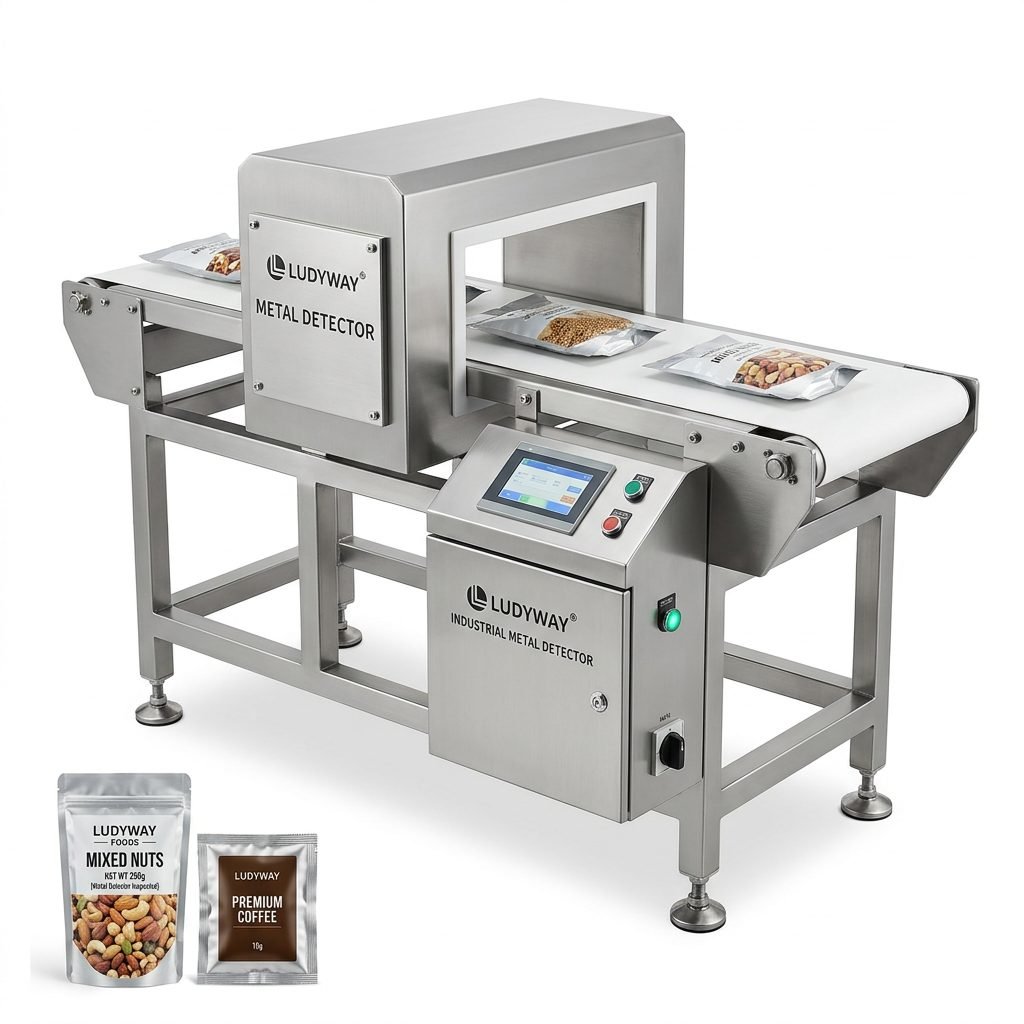
Establishing a meat packaging machine production line in Southeast Asia presents a significant opportunity for food processors, distributors, and investors. With rising demand for processed and packaged meat products across countries like Vietnam, Thailand, Indonesia, the Philippines, and Malaysia, setting up a compliant and efficient packaging operation requires careful planning, the right equipment, and a strong understanding of local food safety regulations.
This guide walks you through every stage — from initial feasibility assessment to full-scale production — helping you navigate equipment selection, facility layout, regulatory compliance, and operational best practices specific to the Southeast Asian market.
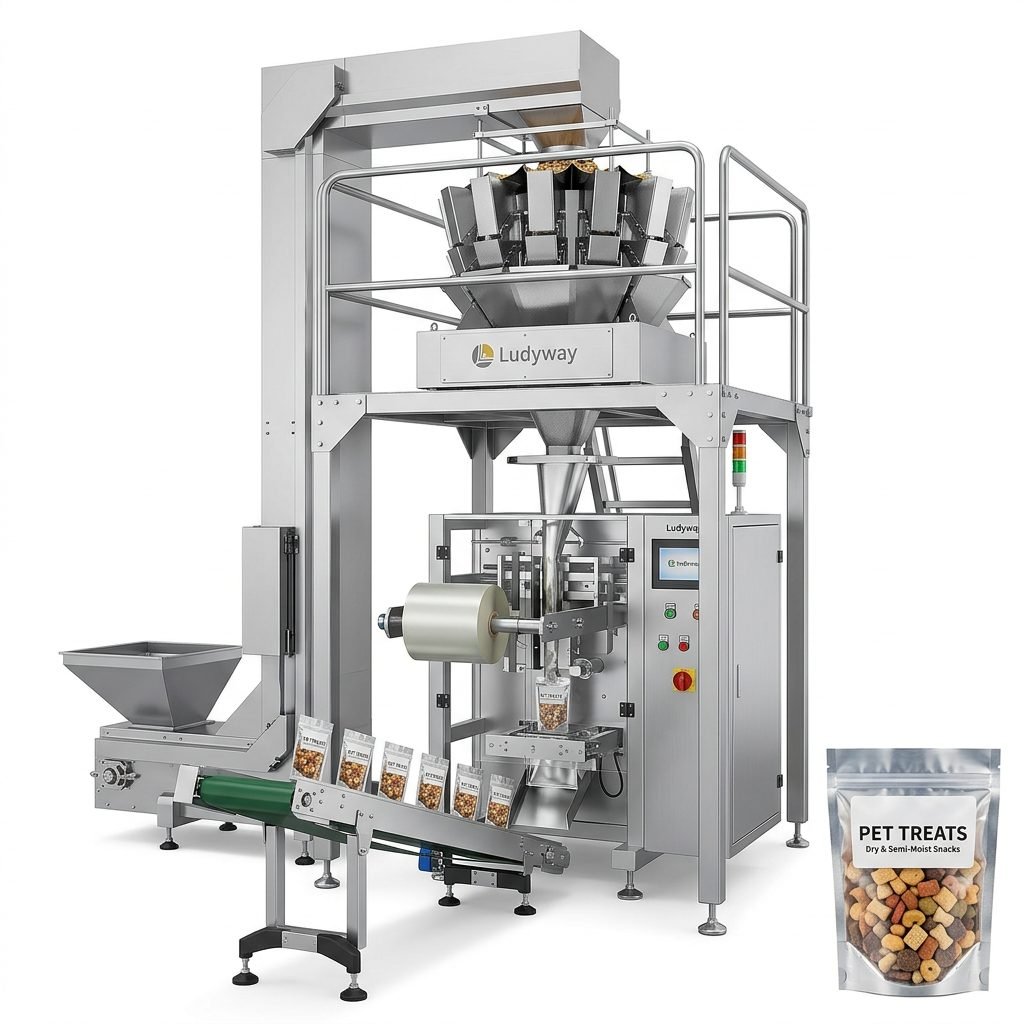
Understanding the Southeast Asian Meat Packaging Landscape
Southeast Asia’s meat processing sector is experiencing rapid growth, driven by urbanization, rising disposable incomes, and changing consumer preferences toward convenience foods. Countries in the region have distinct regulatory frameworks, halal certification requirements, and cold chain infrastructure considerations that directly impact packaging line design.
Before investing in machinery, you must evaluate local market conditions, target product categories (fresh, frozen, processed, or ready-to-eat meat), and distribution channels. Halal compliance is particularly critical in markets like Indonesia and Malaysia, influencing everything from packaging materials to production line segregation.
Key Planning Considerations for Your Production Line
Facility Requirements
- Temperature-controlled processing areas (typically 10-12°C)
- Adequate drainage and sanitation systems
- Separation of raw and cooked product zones
- Proper ventilation and humidity control
- Compliance with local environmental waste regulations
Product Specifications
- Meat type: beef, pork, poultry, seafood, or mixed
- Product format: whole cuts, sliced, minced, or marinated
- Target shelf life and storage conditions
- Package format: vacuum pouches, MAP trays, or shrink bags
- Portion sizes and retail vs. bulk packaging
Essential Equipment for a Meat Packaging Line
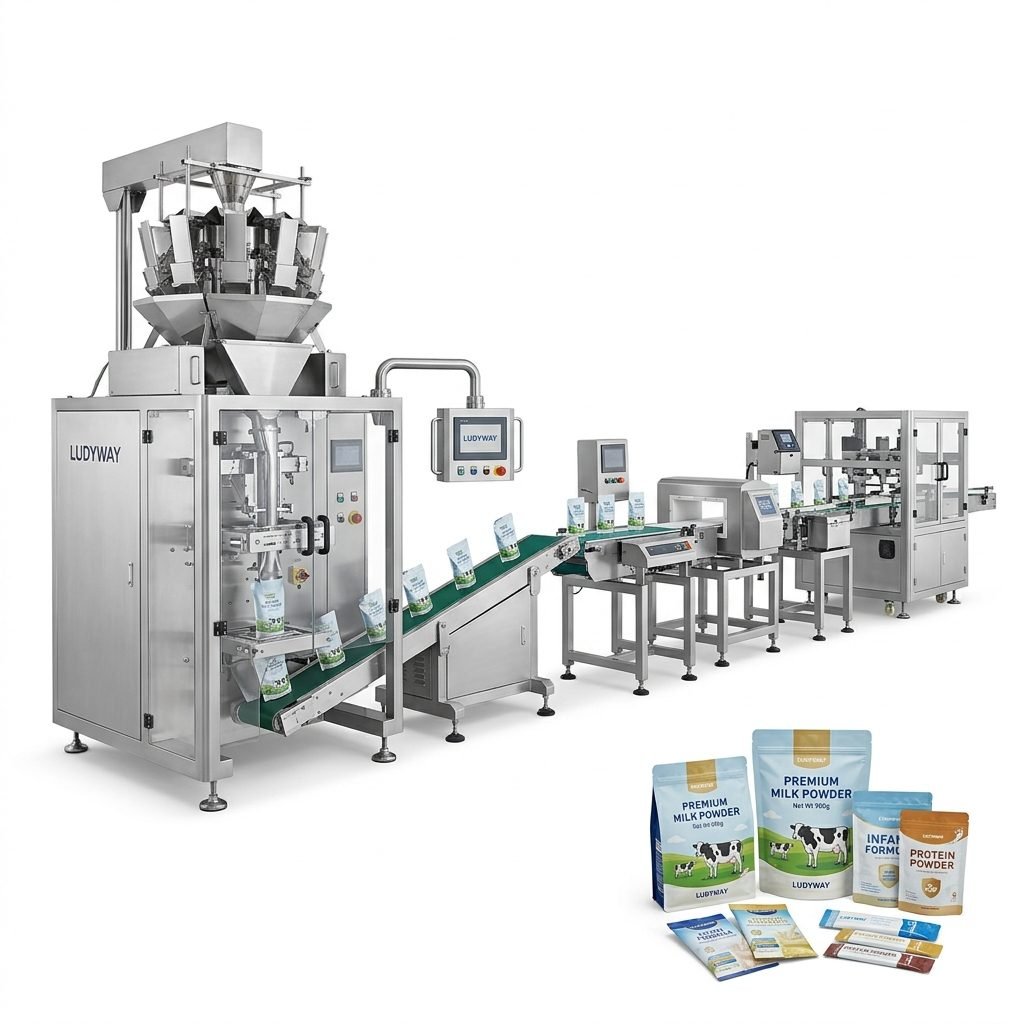
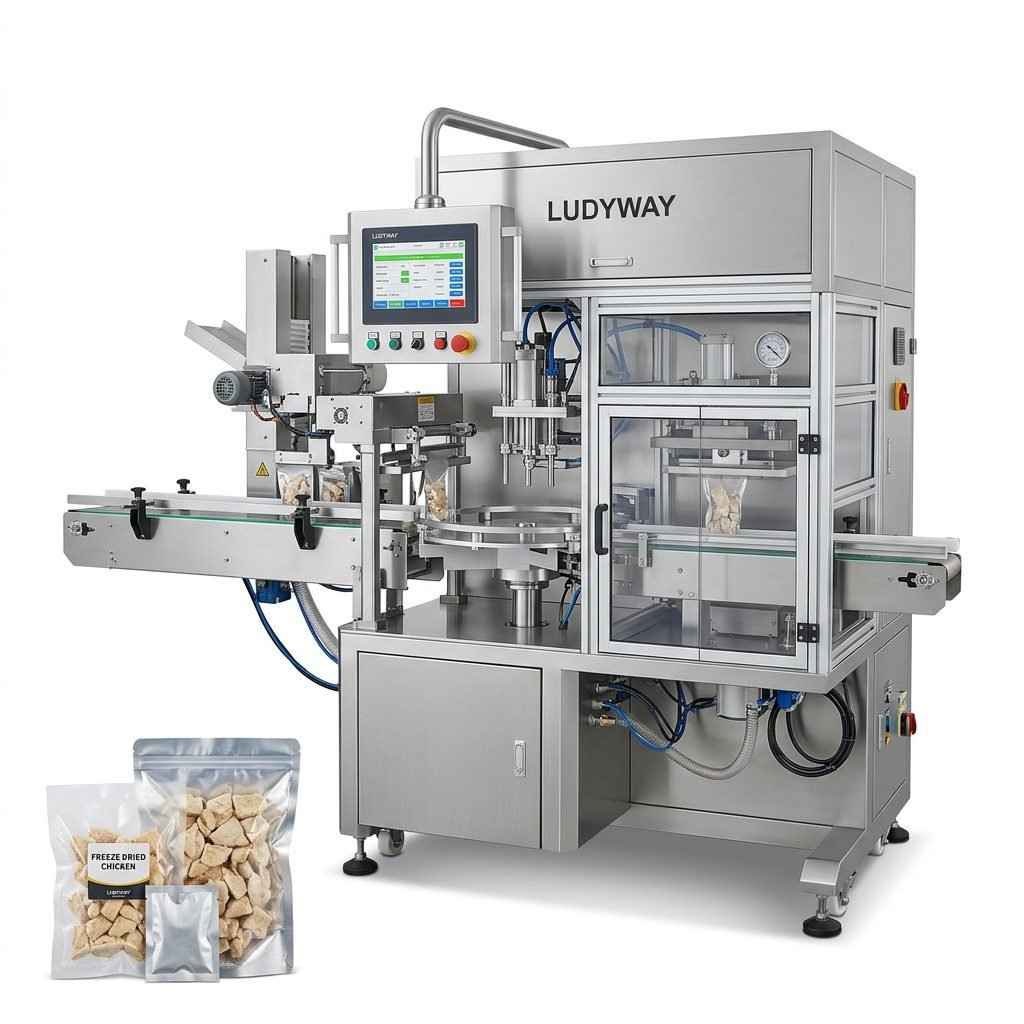
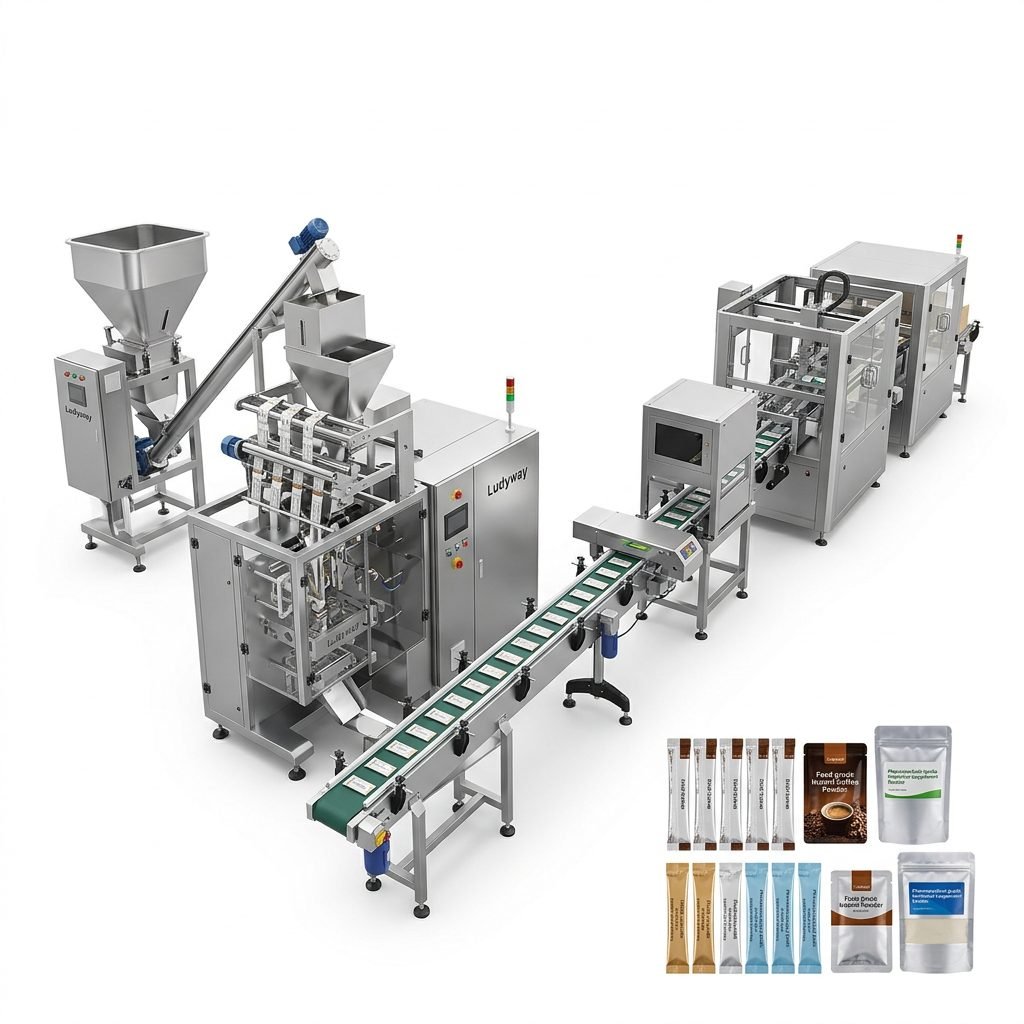
A complete meat packaging production line integrates several core machines. The exact configuration depends on your product type and throughput requirements, but most operations include the following stages:
| Equipment Type | Primary Function | Key Considerations |
|---|---|---|
| Weighing & Portioning System | Accurate measurement of meat portions | Multi-head weighers for speed; legal-for-trade certification |
| Tray / Pouch Forming Machine | Creates packaging containers from film rolls | Compatibility with MAP and vacuum skin packaging |
| Filling & Loading Station | Places meat into formed packages | Manual, semi-automatic, or robotic loading options |
| Sealing Machine | Hermetically seals packages | Heat seal integrity; vacuum and gas-flushing capability |
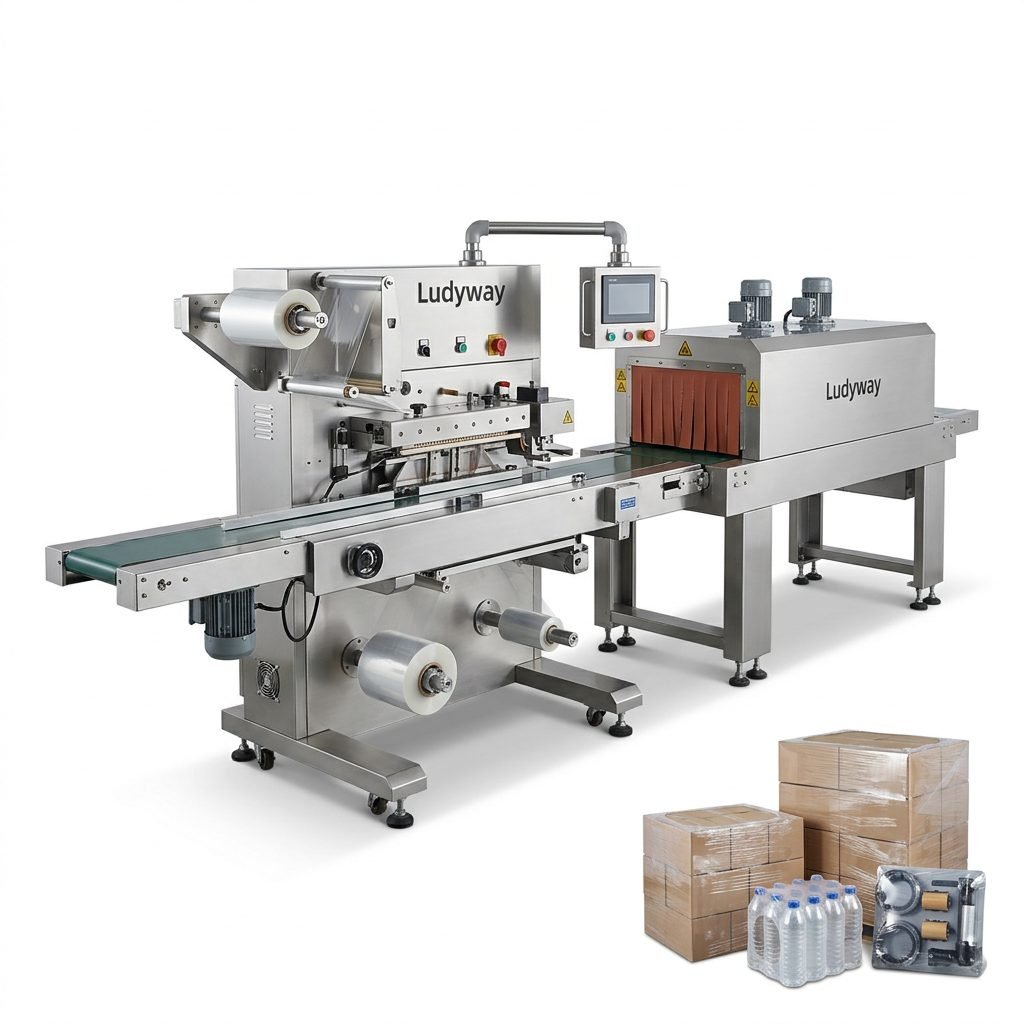
| Shrink Wrapping System | Applies secondary packaging for distribution | Throughput speed; film type compatibility |
| Checkweigher & Metal Detector | Quality control and contaminant detection | Compliance with ISO packaging standards |
| Labeling & Coding System | Applies labels and batch codes | Variable data printing; traceability requirements |
| Cartoning / Case Packing | End-of-line packaging for shipping | Automation level based on production volume |
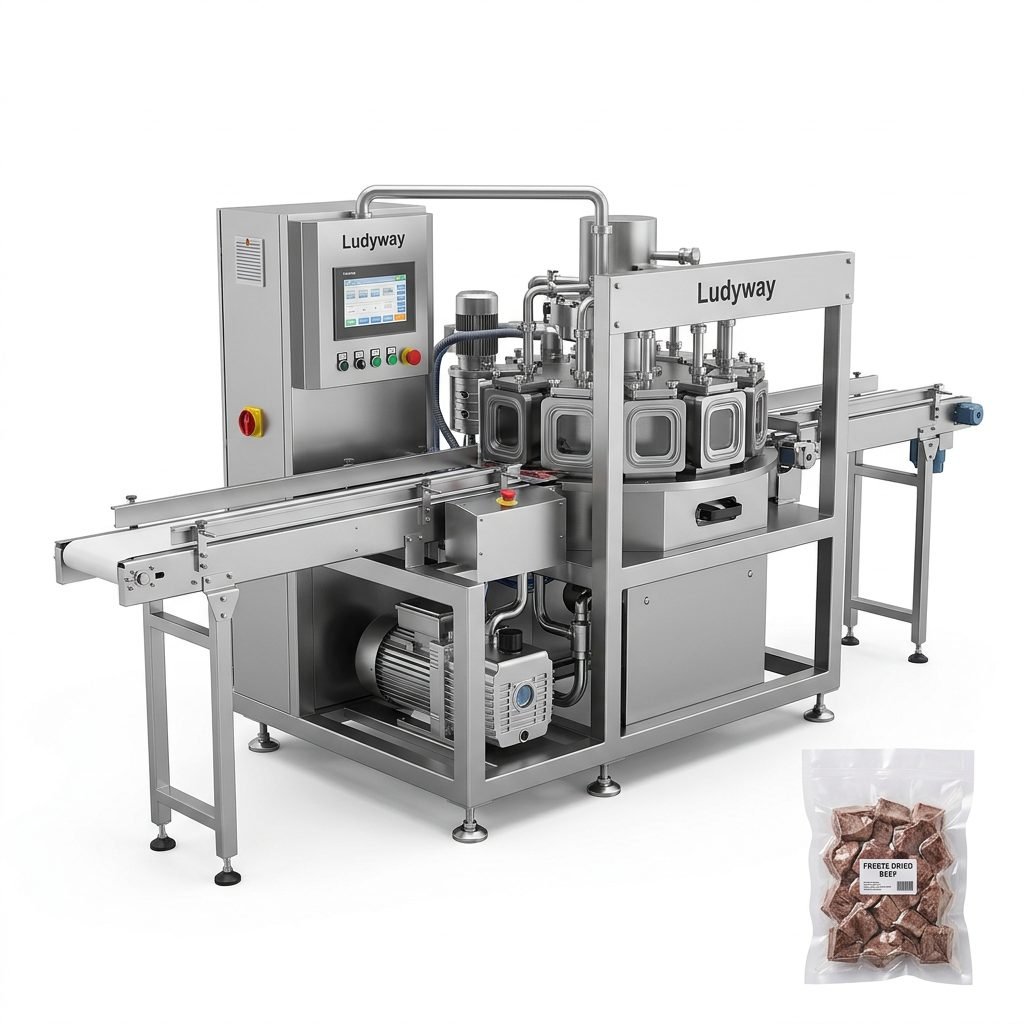
Step-by-Step Setup Process
Step 1: Conduct a Feasibility Study
Begin with a thorough market analysis. Identify your target customers, study competitor packaging formats, and assess cold chain logistics in your region. Engage local food safety consultants to understand specific requirements for food contact material compliance.
Step 2: Design the Facility Layout
Work with an experienced food facility architect to design a layout that follows HACCP principles. Ensure linear product flow from raw material reception to finished goods dispatch, with clear separation between low-risk and high-risk zones. Include adequate space for equipment maintenance access and future expansion.
Step 3: Select and Procure Equipment
Choose machinery suppliers with proven experience in meat packaging applications. Evaluate equipment based on throughput capacity, changeover flexibility, hygienic design (IP65/IP69K ratings where applicable), and local after-sales support. Industry market data can help benchmark specifications and pricing.
Step 4: Installation and Commissioning
Plan for a phased installation approach. Start with utilities and infrastructure, followed by core processing equipment, then packaging machinery. Allow at least 4-8 weeks for installation, commissioning, and operator training. Conduct Factory Acceptance Testing (FAT) and Site Acceptance Testing (SAT) to verify performance.
Step 5: Validation and Certification
Validate all critical control points, including seal integrity, gas mixture ratios for MAP, and metal detection sensitivity. Obtain necessary certifications such as HACCP, ISO 22000, and halal certification where required. Document all procedures per recognized packaging industry resources.
Regulatory Compliance in Southeast Asia
Each Southeast Asian country maintains its own food safety regulations. Below is a summary of key regulatory bodies and standards:
| Country | Regulatory Body | Key Standards |
|---|---|---|
| Vietnam | VFA / MOH | TCVN, HACCP mandatory for export |
| Thailand | FDA Thailand / DLOC | GMP, HACCP, halal certification |
| Indonesia | BPOM / MUI | Halal mandatory; SNI standards |
| Philippines | FDA Philippines / NMIS | GMP, sanitation code compliance |
| Malaysia | MOH / JAKIM | Halal certification; MeSTI scheme |
For exporters targeting international markets, compliance with ISO 11607 packaging standards and FDA requirements is essential. Stay updated on flexible packaging industry trends to ensure your packaging materials meet evolving global standards.
Operational Best Practices
Daily Operations
- Pre-operation equipment checks and sanitation verification
- Calibration of weighing and detection systems
- Monitoring of seal integrity through burst and peel tests
- Temperature logging throughout production
Preventive Maintenance
- Schedule weekly, monthly, and quarterly maintenance tasks
- Maintain critical spare parts inventory locally
- Train in-house technicians on common troubleshooting
- Keep detailed maintenance logs for audit purposes
Quality Assurance
- Implement statistical process control for critical parameters
- Conduct regular microbial testing of food contact surfaces
- Perform traceability exercises and mock recalls
- Review and update HACCP plans annually
Cost Breakdown and ROI Analysis
Setting up a meat packaging line in Southeast Asia involves several cost categories. Below is a representative breakdown for a mid-scale operation processing 2-5 tons per day:
| Cost Category | Estimated Range (USD) | Notes |
|---|---|---|
| Packaging Equipment | $150,000 – $500,000+ | Varies by automation level and capacity |
| Facility Construction / Retrofitting | $200,000 – $600,000 | Includes cold storage, drainage, utilities |
| Installation & Commissioning | $30,000 – $80,000 | Supplier technicians, training, validation |
| Certification & Compliance | $15,000 – $50,000 | HACCP, halal, ISO certifications |
| Initial Consumables Inventory | $20,000 – $60,000 | Film rolls, labels, cleaning chemicals |
Typical payback periods range from 18 to 36 months, depending on production volume, product margins, and operational efficiency. Conduct a detailed ROI analysis incorporating local labor costs, utility rates, and logistics expenses.
Common Challenges and Solutions
Cold Chain Gaps
Challenge: Inconsistent cold storage and transport infrastructure in certain regions.
Solution: Invest in insulated packaging, temperature data loggers, and partner with reliable cold chain logistics providers.
Skilled Labor Shortage
Challenge: Difficulty finding operators with packaging machinery experience.
Solution: Choose equipment with intuitive HMI interfaces and invest in comprehensive training programs.
Regulatory Complexity
Challenge: Navigating different halal and food safety requirements across markets.
Solution: Engage local regulatory consultants and build certification into initial project planning.
Choosing the Right Packaging Partner
Selecting an experienced packaging machinery manufacturer is critical to the success of your production line. Look for suppliers who offer turnkey solutions, including equipment design, installation, training, and after-sales support. Verify their experience in meat and protein packaging applications, and request references from similar projects in Southeast Asia.
Ludyway is one of the leading packaging machine manufacturers with extensive experience in providing complete packaging line solutions for the food industry across over 100 countries. Their range of automated packaging systems can be customized for various meat products, including fresh cuts, processed meats, and ready-to-eat formats, with full support for halal and HACCP-compliant production environments.
For further technical guidance, consult the PMMI State of the Industry reports and Flexible Packaging Association resources for updated market intelligence.
Frequently Asked Questions
What is the minimum investment for a small-scale meat packaging line in Southeast Asia?
For a small-scale operation processing 500 kg to 1 ton per day, expect an initial investment ranging from $80,000 to $200,000 for basic equipment, facility setup, and initial compliance costs. This typically includes a semi-automatic tray sealer, a basic weighing system, and manual loading stations.
How long does it take to set up a fully operational meat packaging line?
From initial planning to full commercial production, the timeline is typically 6 to 12 months. This includes 2-3 months for planning and procurement, 2-3 months for facility preparation, 1-2 months for equipment installation and commissioning, and 1-2 months for validation and certification.
Is halal certification required for all meat packaging operations in Southeast Asia?
Halal certification is mandatory in Indonesia and Malaysia for meat products marketed to Muslim consumers. In other Southeast Asian countries, it is highly recommended but not always legally required. However, obtaining halal certification significantly expands market access across the region.
What packaging formats are most popular for meat products in Southeast Asia?
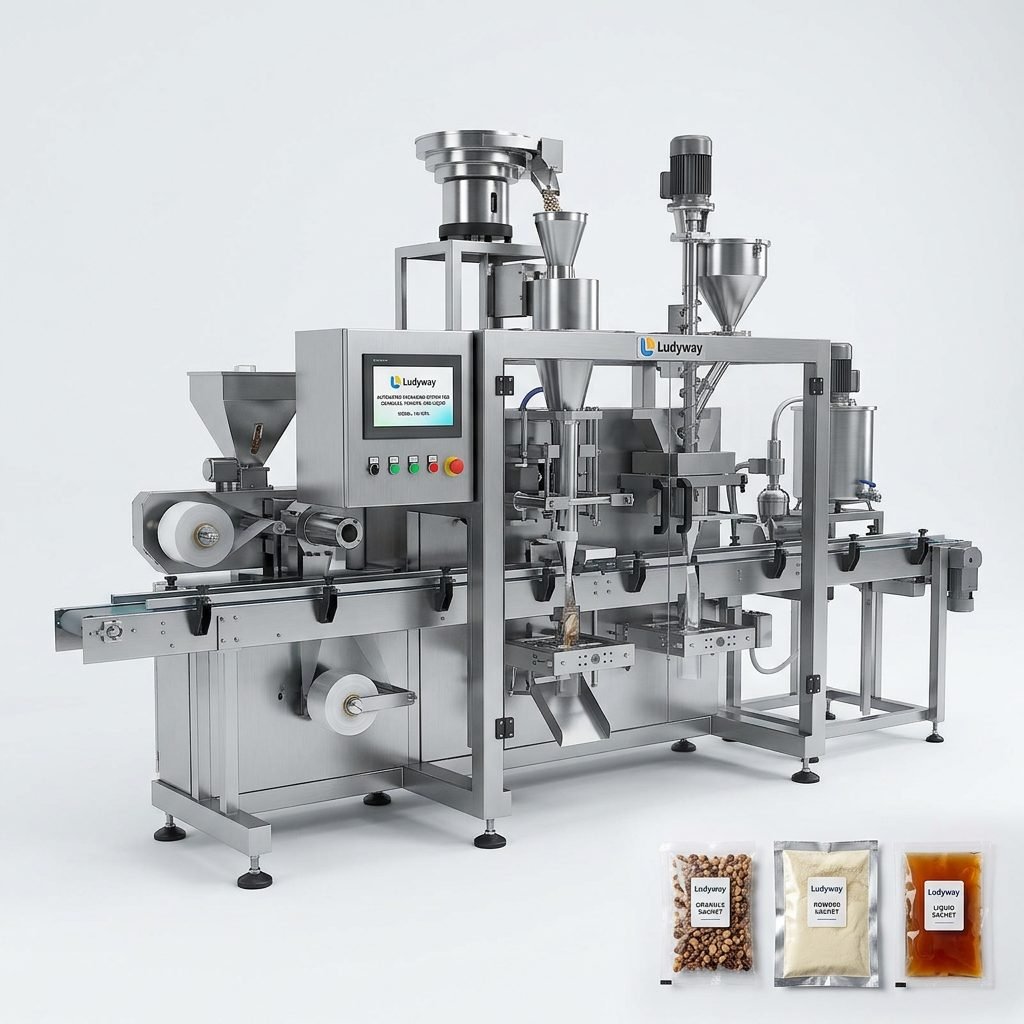
The most common formats include vacuum skin packaging (VSP) for fresh meat cuts, modified atmosphere packaging (MAP) trays for processed meats, and shrink bags for frozen products. Ready-to-eat meat snacks are increasingly packaged in small-format stick packs and sachets.