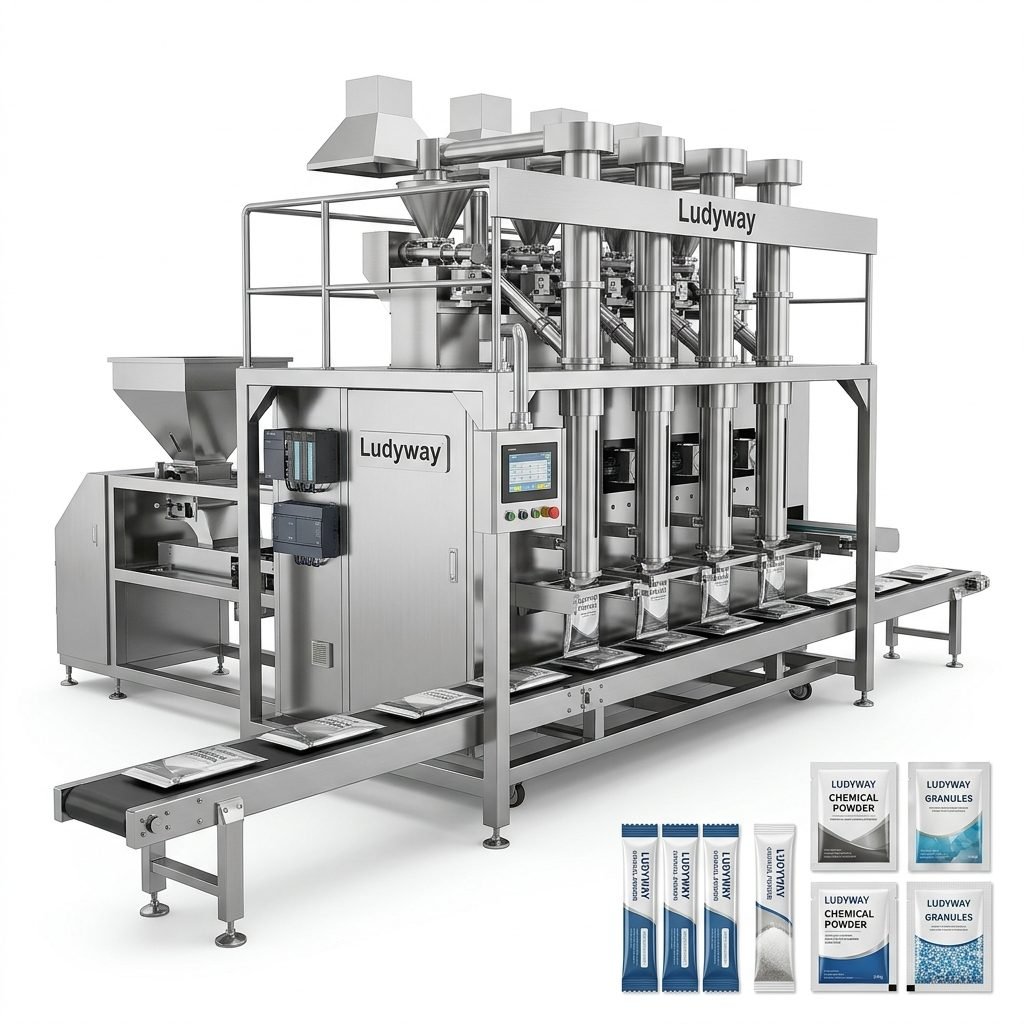
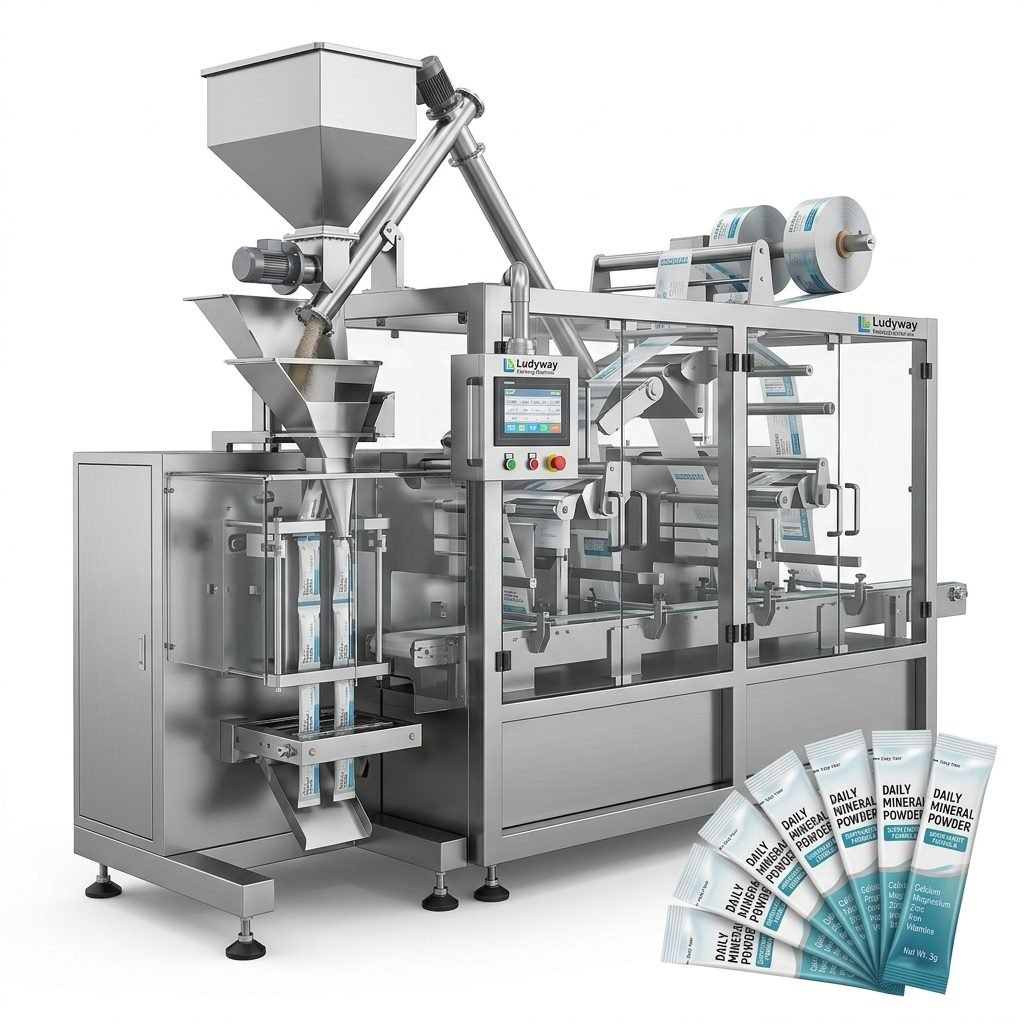
When European bakeries and food manufacturers search for reliable cupcake packaging machine solutions, the decision often comes down to precision, speed, and long-term reliability. The growing demand for single-serve baked goods across Germany, France, the Netherlands, and Scandinavia has created an urgent need for automated packaging systems that can handle delicate products without compromising presentation or shelf life. Cupcakes, with their frosted tops and fragile decorations, present unique challenges that only purpose-engineered equipment can address effectively.
Understanding the European Cupcake Packaging Challenge
Cupcakes are not just baked goods — they are visual products. European consumers judge quality by appearance first, making gentle handling during the packaging process absolutely critical. Traditional flow-wrapping machines often crush frosting or dislodge decorations, leading to unacceptable waste rates and compromised brand reputation. A specialized cupcake packaging machine must balance three conflicting demands: high throughput, delicate product handling, and consistent seal integrity for freshness preservation.
Multi-Lane Technology: The Game-Changer for Bakery Packaging
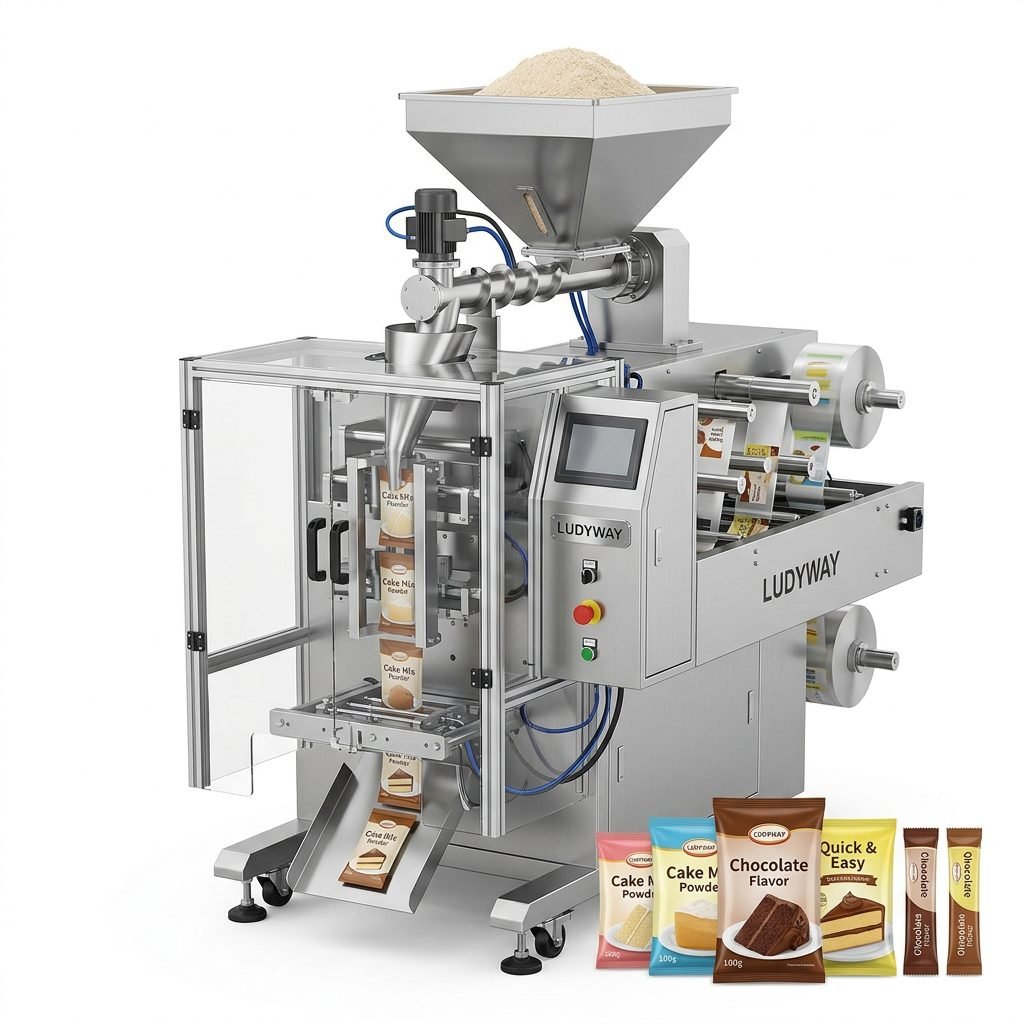
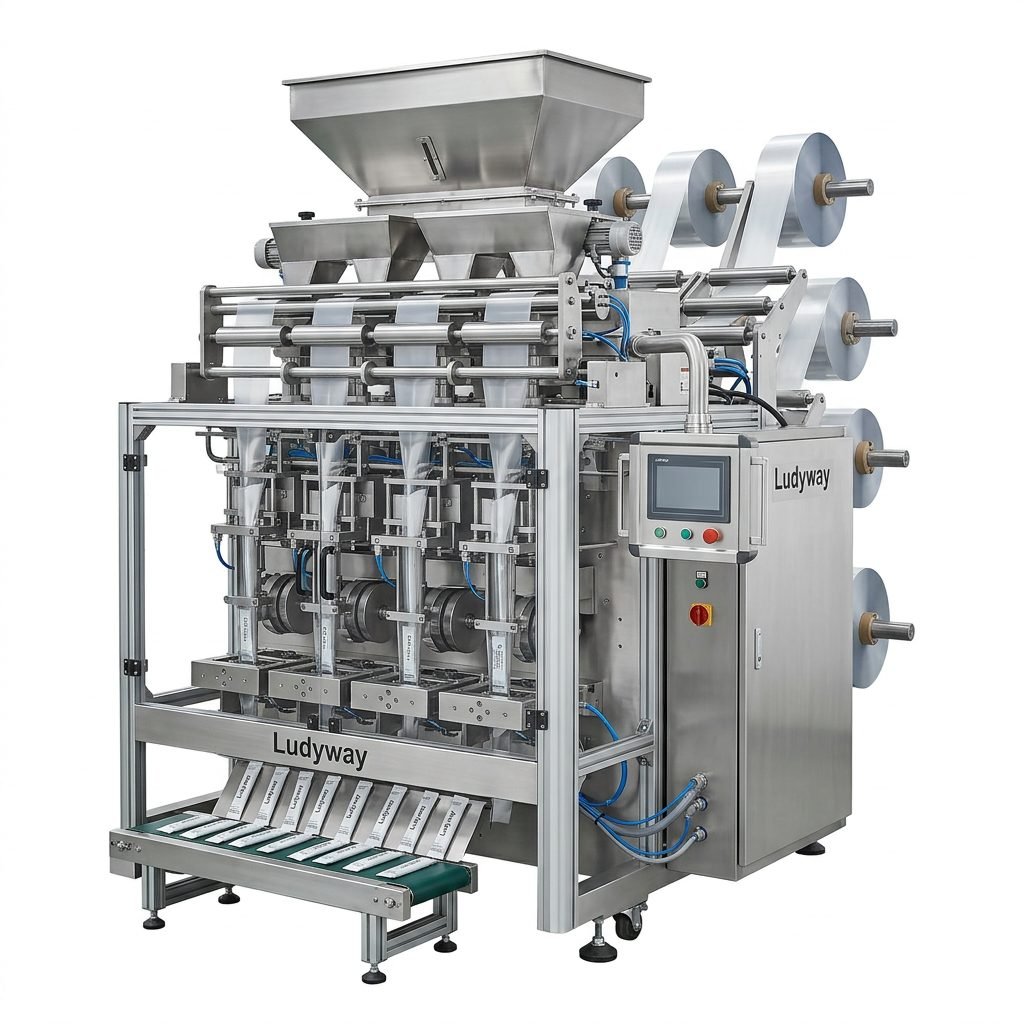
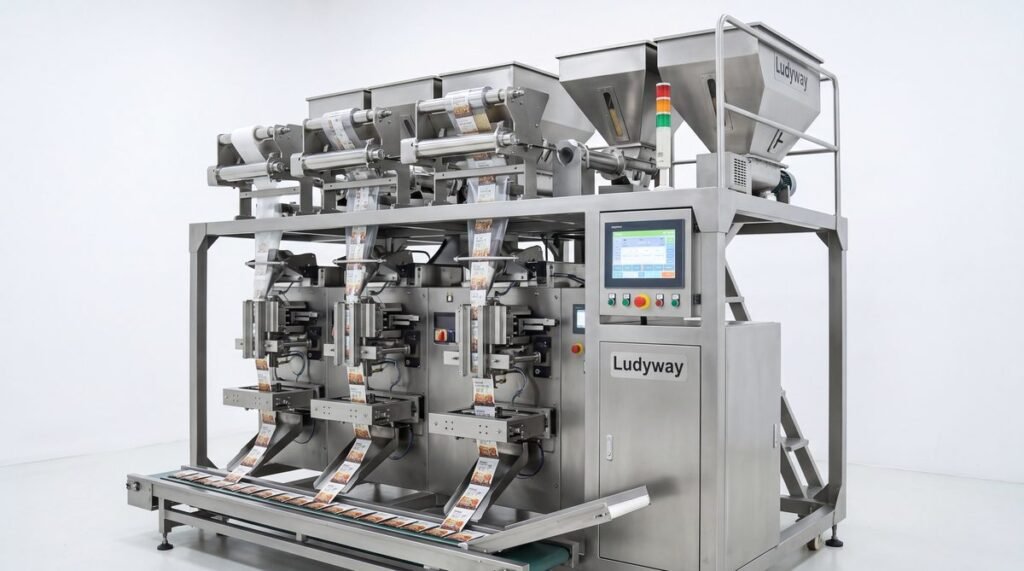
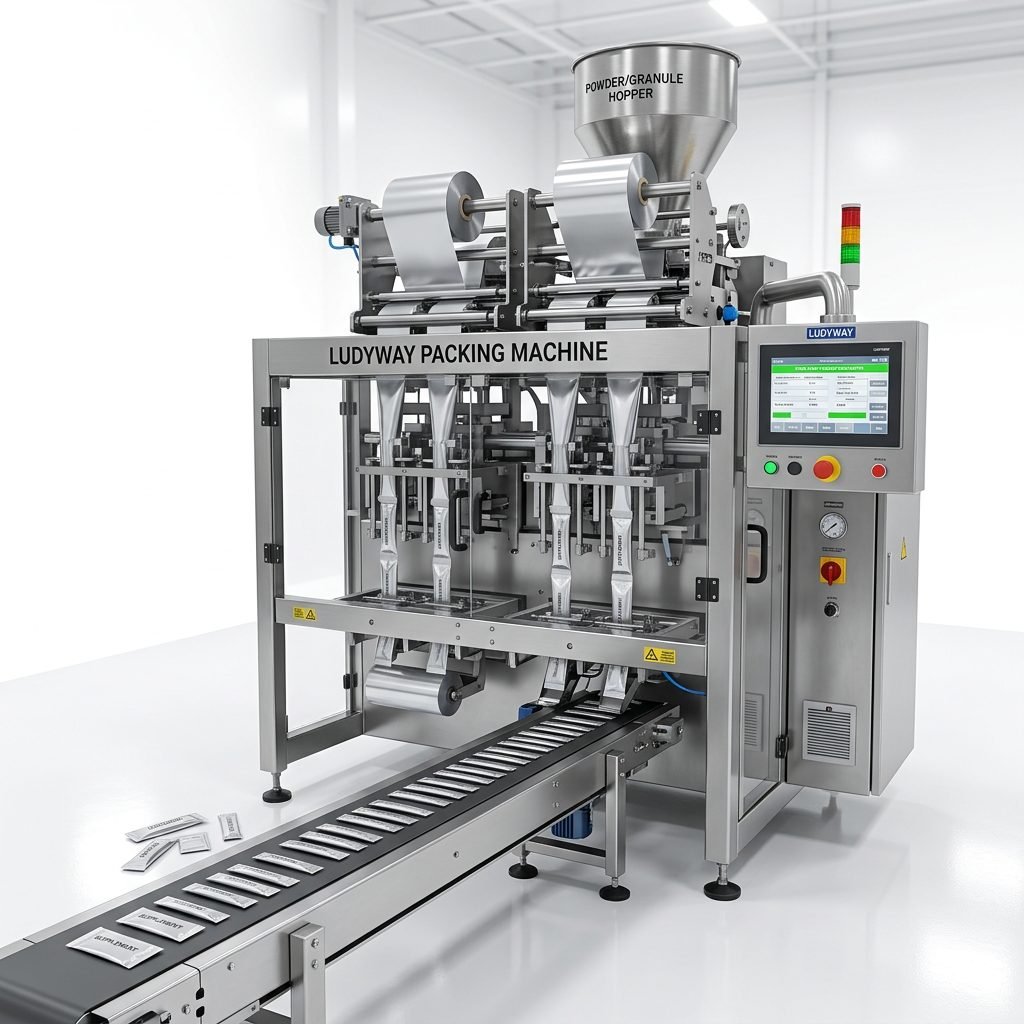
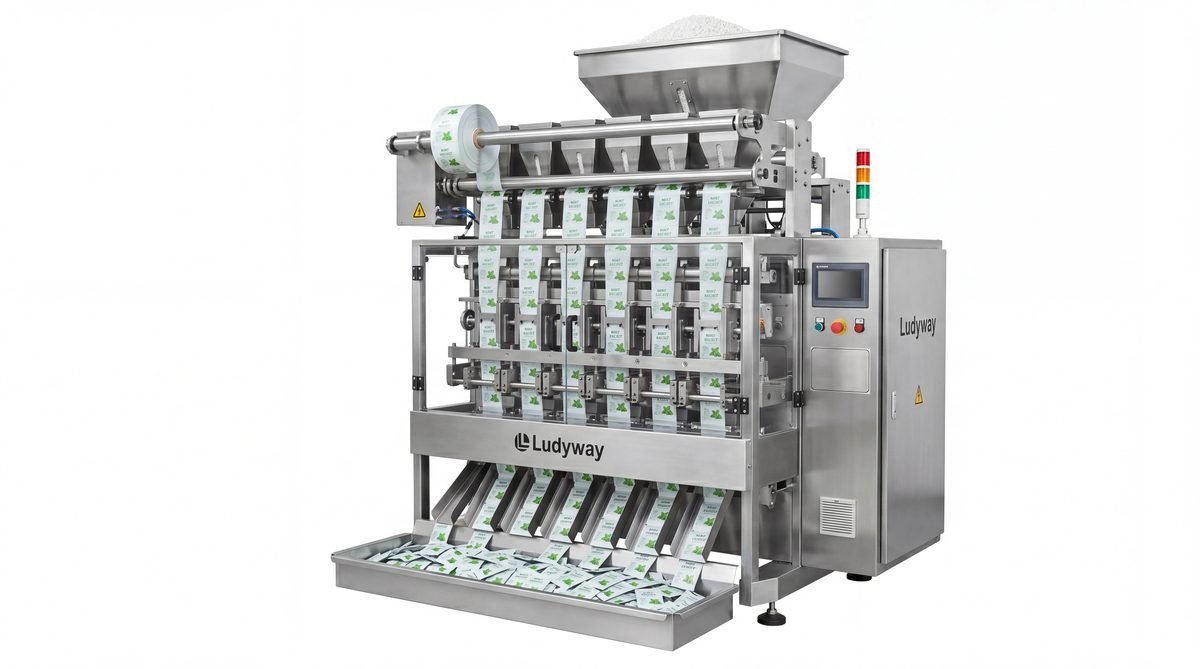
Modern multi-lane packaging systems have transformed how European bakeries approach cupcake packaging. Instead of processing one cupcake at a time, these advanced machines run 4 to 12 lanes simultaneously, dramatically increasing output without requiring additional floor space. For mid-sized European manufacturers producing 50,000 to 200,000 cupcakes daily, this technology represents the difference between meeting seasonal demand peaks and losing contracts to larger competitors.
Key benefits that European buyers prioritize include:
- Precision servo-driven film advancement that eliminates product shifting during the sealing process
- Adjustable lane configurations for different cupcake sizes — from mini bites to oversized muffins
- Quick-change tooling systems that reduce downtime between product runs to under 15 minutes
- Integrated gas flushing capabilities for modified atmosphere packaging (MAP) to extend shelf life
- European-compliant stainless steel construction meeting CE and EU food safety regulations
Cost Efficiency Through Intelligent Automation
European labor costs continue to rise, making manual cupcake packing economically unsustainable for all but the smallest artisanal bakeries. A well-engineered automated packaging line typically achieves ROI within 12 to 18 months through labor reduction alone. When factoring in decreased film waste, reduced product damage, and higher throughput, the financial case becomes compelling even for family-owned operations.

Comparing Packaging Solutions for European Bakeries
Selecting the right equipment requires understanding how different machine configurations perform across the metrics that matter most to European food producers. The following comparison highlights critical decision factors:
| Feature | Single-Lane Machine | Multi-Lane System |
|---|---|---|
| Output per Hour | 2,000 – 5,000 units | 15,000 – 60,000 units |
| Floor Space Required | 8 – 12 m² | 15 – 25 m² |
| Labor Requirement | 2 – 3 operators | 1 – 2 operators |
| Film Waste Rate | 3% – 5% | Below 1.5% |
| Product Damage Rate | 2% – 4% | Below 0.5% |
| Changeover Time | 30 – 45 minutes | 10 – 15 minutes |
| CE Certification Ready | Varies by supplier | Standard inclusion |
European Regulatory Compliance and Food Safety
Any packaging machine manufacturer targeting the European market must demonstrate full compliance with EU directives including the Machinery Directive 2006/42/EC and relevant EN standards for food contact materials. Equipment designed for European bakeries requires full stainless steel construction in all food-contact zones, validated cleaning protocols, and documentation supporting HACCP integration. Buyers should verify that their supplier provides complete technical files in English, German, or French as needed for local regulatory submissions.
Hygienic Design Features That Matter
- IP65-rated electrical enclosures for washdown environments
- Tool-free disassembly of product contact parts for sanitation
- Sloped surfaces preventing liquid pooling and bacterial growth
- Continuous welded seams eliminating crevice contamination risks
- Pharmaceutical-grade sealing integrity validated through dye penetration testing

Service and Support Infrastructure Across Europe
Equipment uptime directly impacts profitability. European buyers should prioritize suppliers offering localized technical support, readily available spare parts stocked within the EU, and remote diagnostic capabilities that minimize the need for on-site service visits. The best packaging partners provide installation supervision, operator training in local languages, and preventive maintenance programs tailored to each production facility’s operating schedule.
Why European Buyers Are Switching to Ludyway
Ludyway has emerged as a preferred partner for European food manufacturers seeking high-performance cupcake packaging machinery that meets rigorous EU standards without the premium pricing typical of legacy European equipment brands. The company’s 20,000 m² manufacturing facility produces over 50 intelligent packaging machine models, with multi-lane systems consistently delivering throughput rates that exceed customer expectations by 15% to 20% in real-world production environments.
Proven Performance Metrics
- 98.5%+ operational efficiency recorded across European installations
- Average 14-month ROI reported by mid-sized bakery clients
- Film material savings exceeding €18,000 annually through precision tension control
- Remote support resolving 85% of technical inquiries within 2 hours
- Comprehensive 2-year warranty with optional extended coverage plans
Film Compatibility and Sustainable Packaging Options
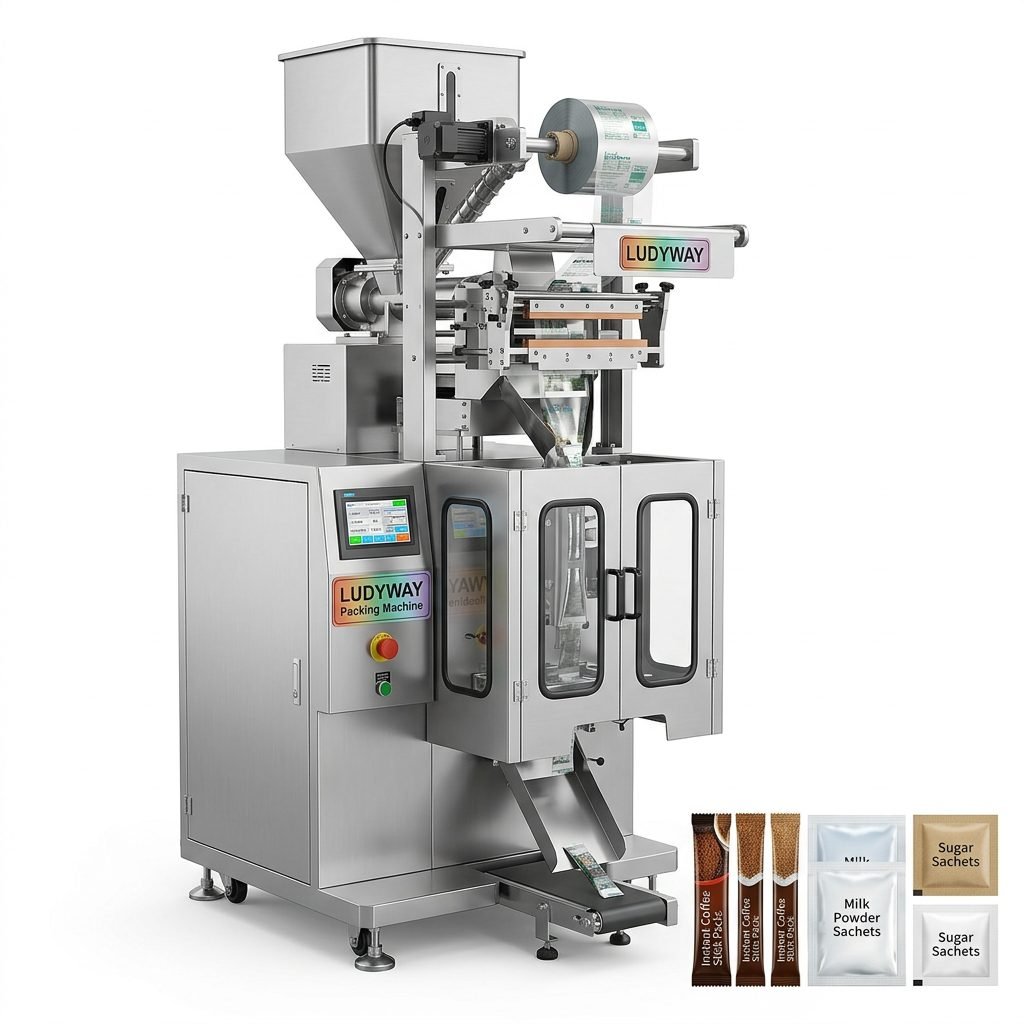
European regulations increasingly mandate recyclable and biodegradable packaging materials. Modern multi-lane cupcake packaging machines must handle a wide range of film substrates — from traditional BOPP laminates to emerging bio-based polymers — without compromising seal quality or machine speed. The ability to process thinner gauge films (down to 18 microns) while maintaining hermetic seals represents a significant competitive advantage for bakeries pursuing sustainability certifications.
Making the Right Investment Decision
Selecting a cupcake packaging machine is a strategic decision that affects product quality, operational costs, and brand reputation for years to come. European buyers should evaluate potential suppliers on demonstrated experience, technical documentation quality, responsive after-sales support, and willingness to provide customer references within the same industry segment. Factory acceptance testing, either in-person or via live video, provides critical validation before shipment.
The European packaged bakery market continues its steady growth trajectory, projected to exceed €42 billion by 2027. Bakeries that invest wisely in automation today position themselves to capture disproportionate market share as competitors struggle with labor shortages and inconsistent product quality. A properly specified multi-lane packaging system — backed by reliable technical support and rapid spare parts availability — transforms cupcake packaging from a production bottleneck into a competitive advantage.
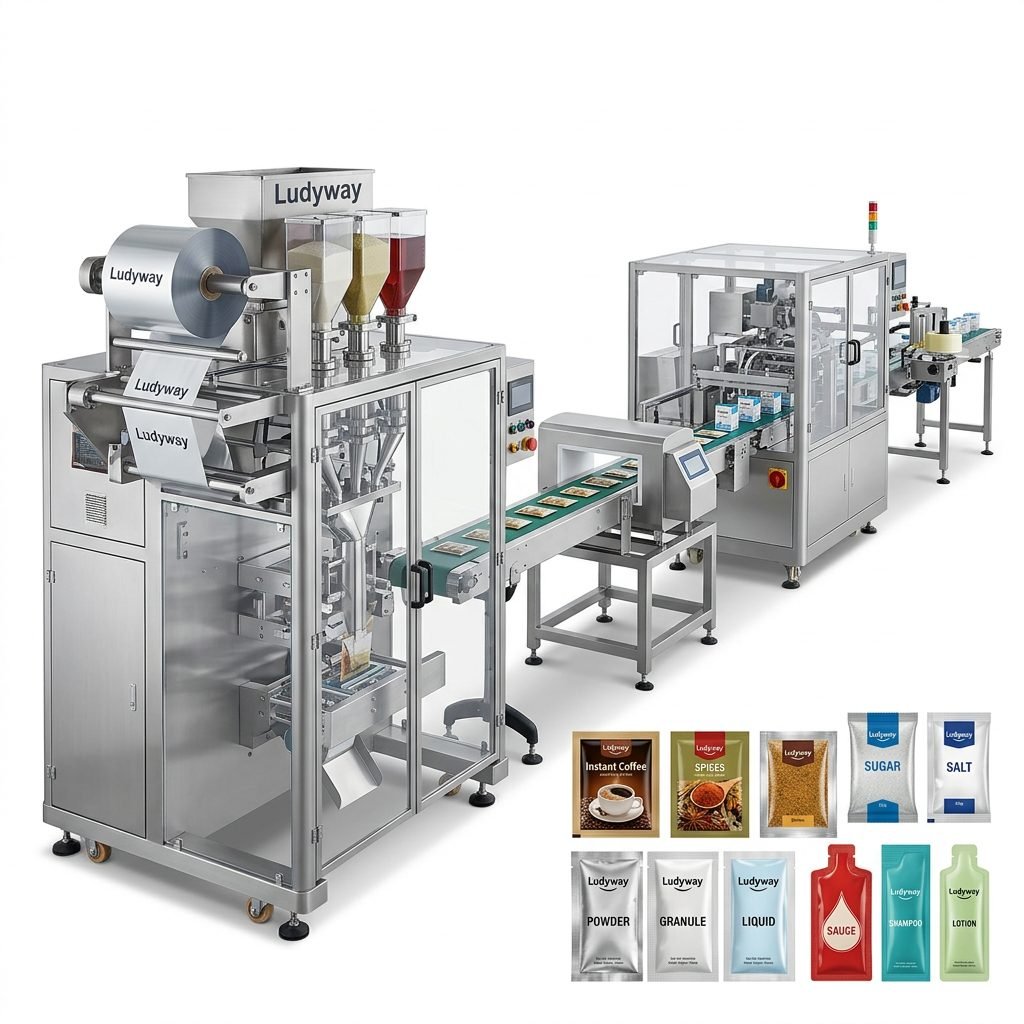
Key Takeaways for European Bakery Decision-Makers
- Prioritize multi-lane technology for throughput requirements above 10,000 units daily
- Verify full CE compliance and food-contact material certifications before purchase
- Evaluate total cost of ownership — not just equipment price — over a 5-year horizon
- Insist on documented film waste guarantees below 1.5% for sustainable operations
- Confirm availability of EU-based spare parts inventory and multilingual technical support
- Request customer case studies specific to bakery and confectionery applications
With the right equipment partner, European cupcake manufacturers can achieve the automation efficiency previously reserved for multinational food corporations — at investment levels accessible to ambitious mid-market producers. The technology exists today; success belongs to those who deploy it strategically.