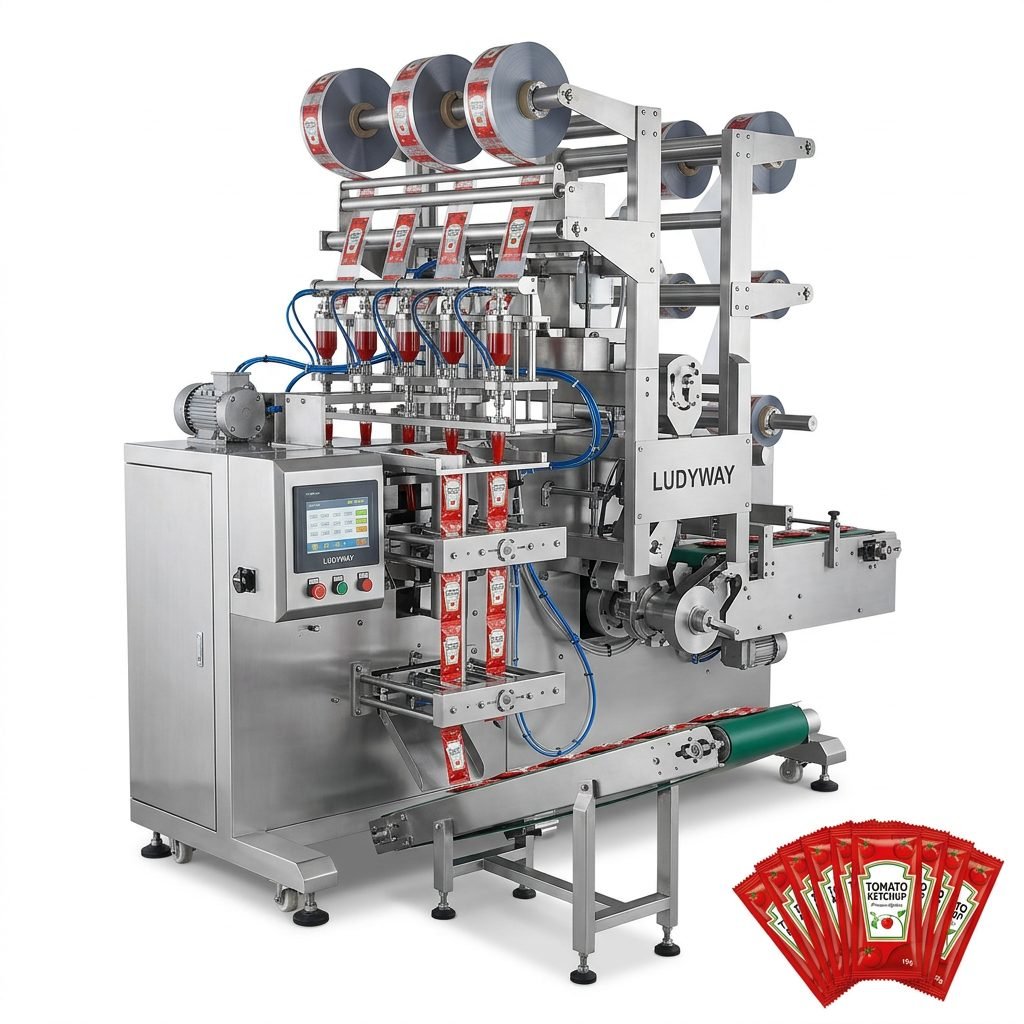
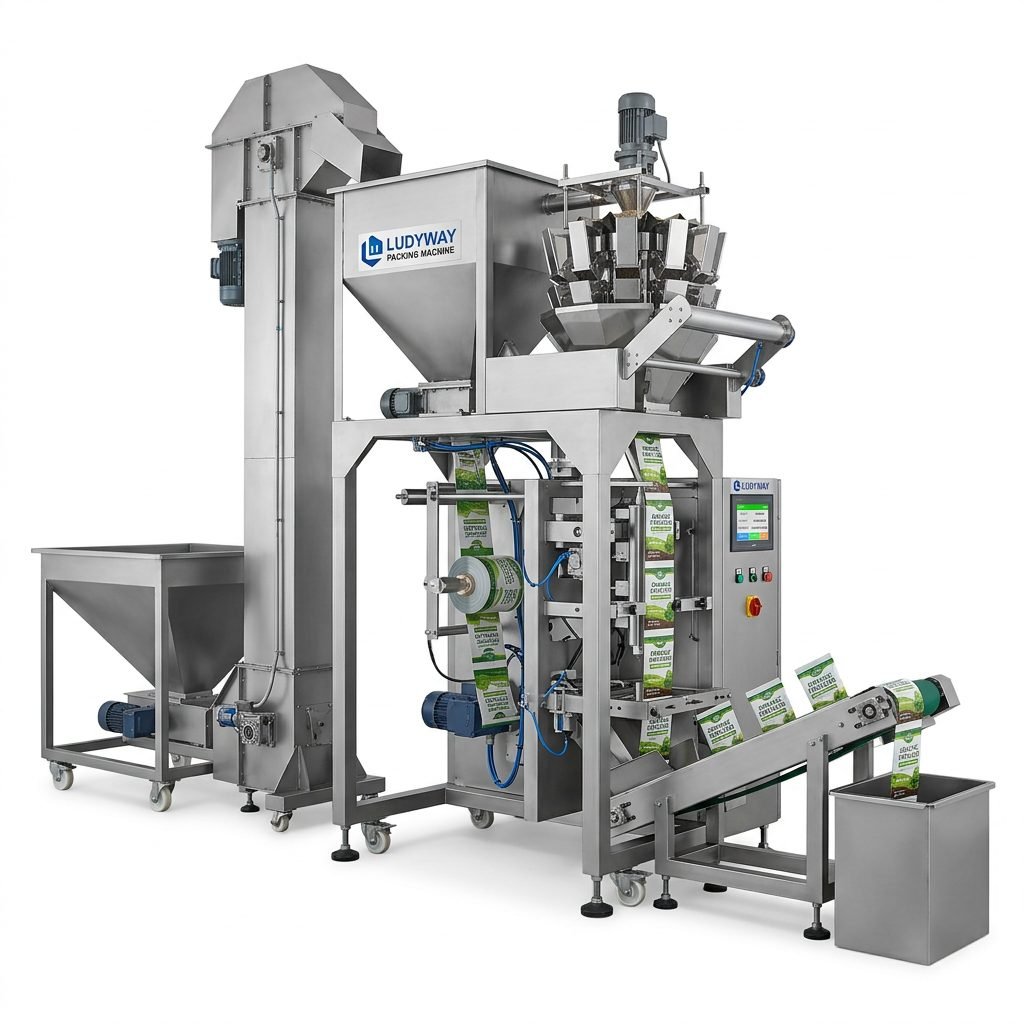
Investing in a tea box strip packing machine is a significant decision for any tea business, whether you are a startup brand or an established manufacturer looking to upgrade your production line. The cost of these machines varies widely depending on automation level, speed, packaging format, and additional features. Understanding the full price spectrum and what drives these costs will help you make an informed purchasing decision and avoid overspending on capabilities you may not need.
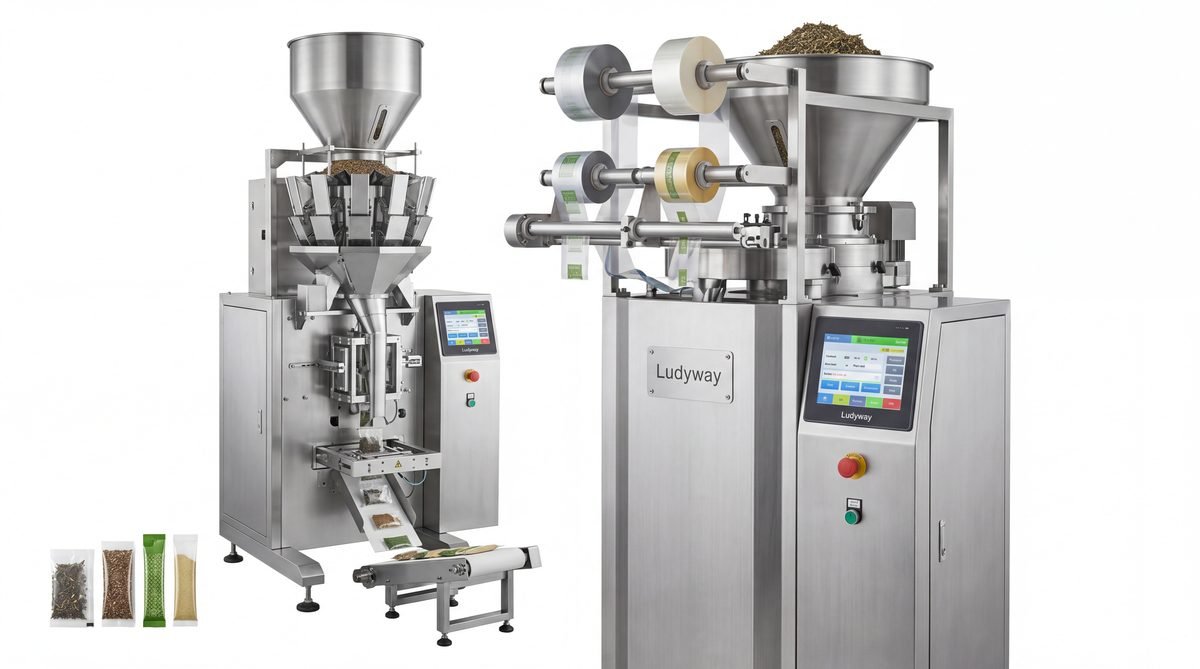
Average Price Range for Tea Box Strip Packing Machines
The cost of a tea strip packing machine typically starts from around $8,000 for a basic semi-automatic model and can exceed $150,000 for a high-speed, fully automated multi-lane system integrated with cartoning and boxing capabilities. The final price depends heavily on the machine’s throughput, the number of lanes, and the level of customization required for your specific tea packaging format.
| Machine Category | Estimated Price Range (USD) | Best Suited For |
|---|---|---|
| Entry-Level Single-Lane | $8,000 – $18,000 | Small workshops, startups, low-volume production |
| Mid-Range Multi-Lane (4–8 Lanes) | $25,000 – $65,000 | Medium enterprises, co-packers, growing brands |
| High-Speed Multi-Lane (10–16 Lanes) | $70,000 – $130,000 | Large-scale manufacturers, export-oriented production |
| Full Turnkey Systems with Cartoning | $120,000 – $200,000+ | Fully automated factories requiring end-of-line integration |
What Affects the Final Cost of a Strip Packing Machine
Several critical factors influence the total investment you will make. Evaluating these elements before requesting a quote can save you significant time and budget.
Automation and Control Systems
Machines equipped with PLC touch-screen interfaces, servo-driven motors, and automated film tension control cost more upfront but drastically reduce labor costs and material waste. A fully automatic system that handles film unwinding, sealing, cutting, and counting will command a premium over mechanically controlled units.
Number of Lanes and Production Speed
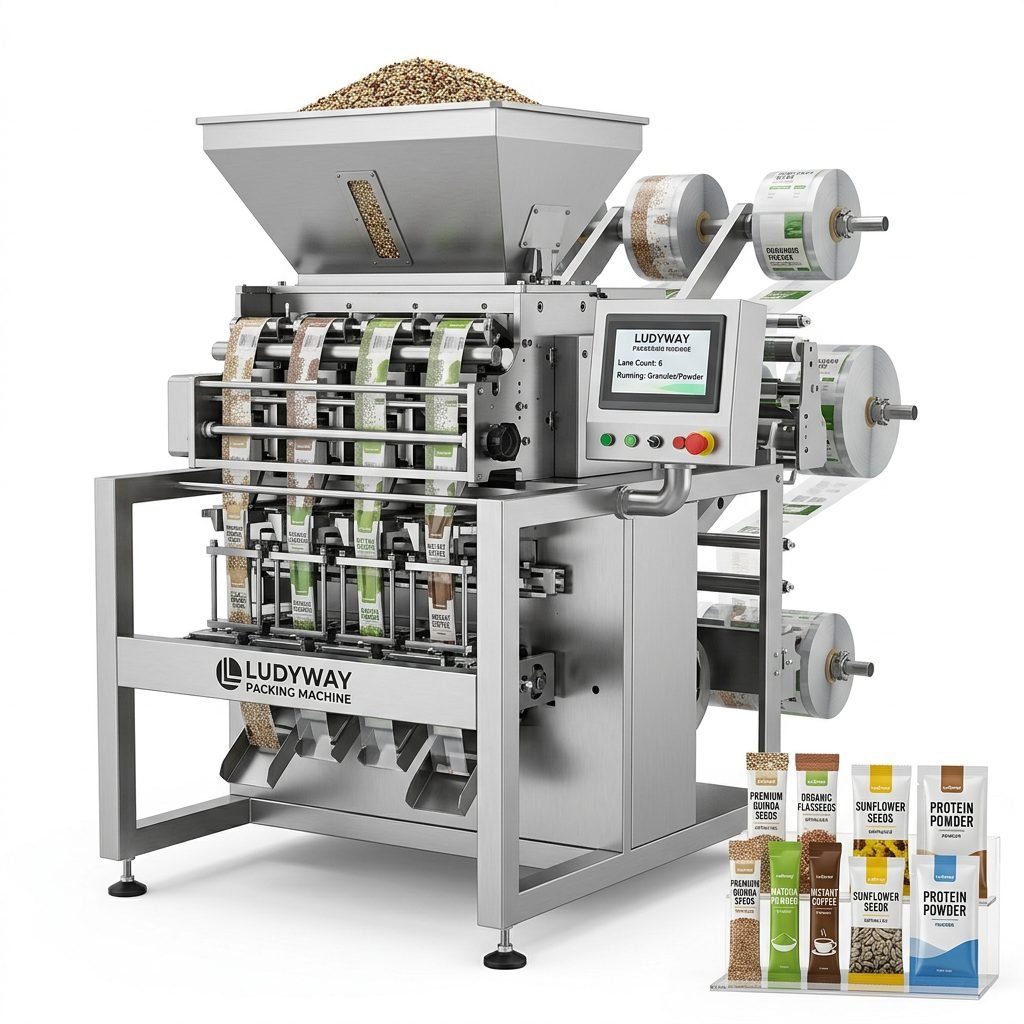
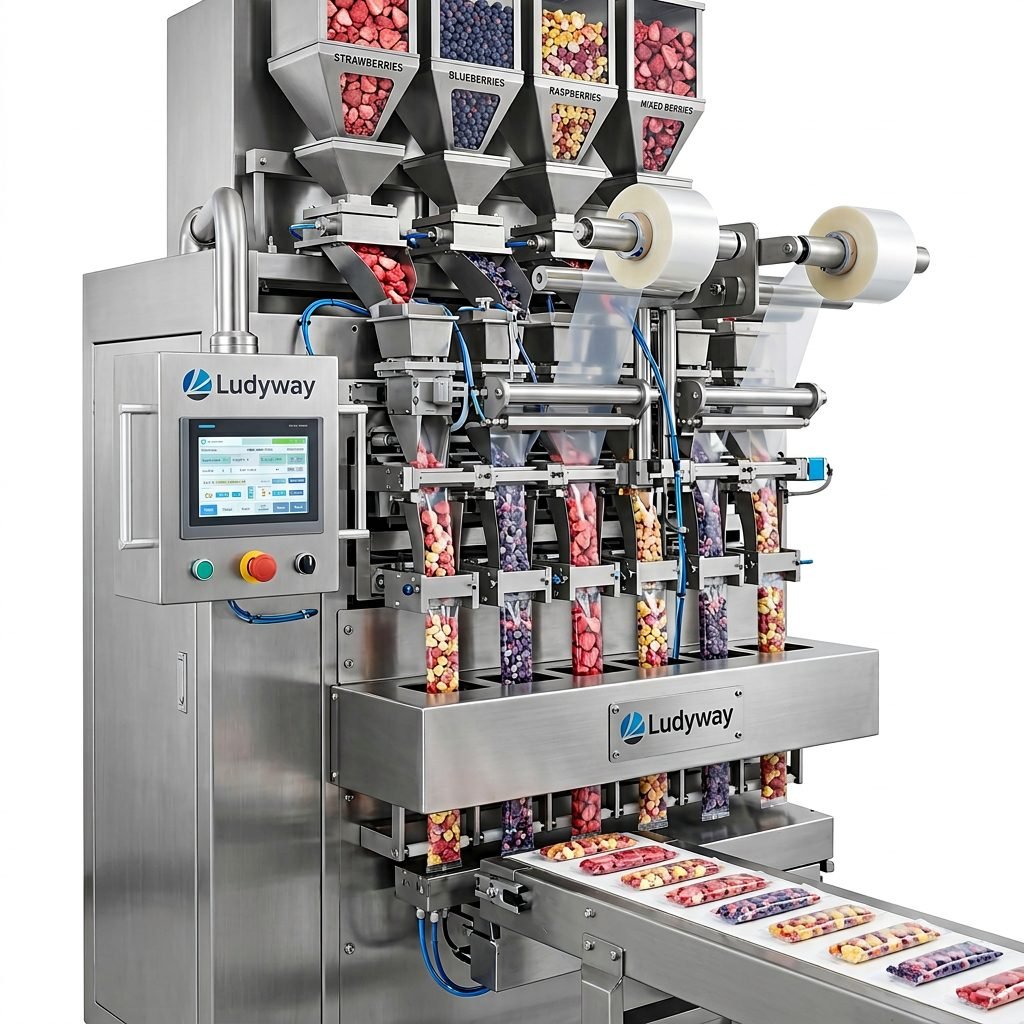
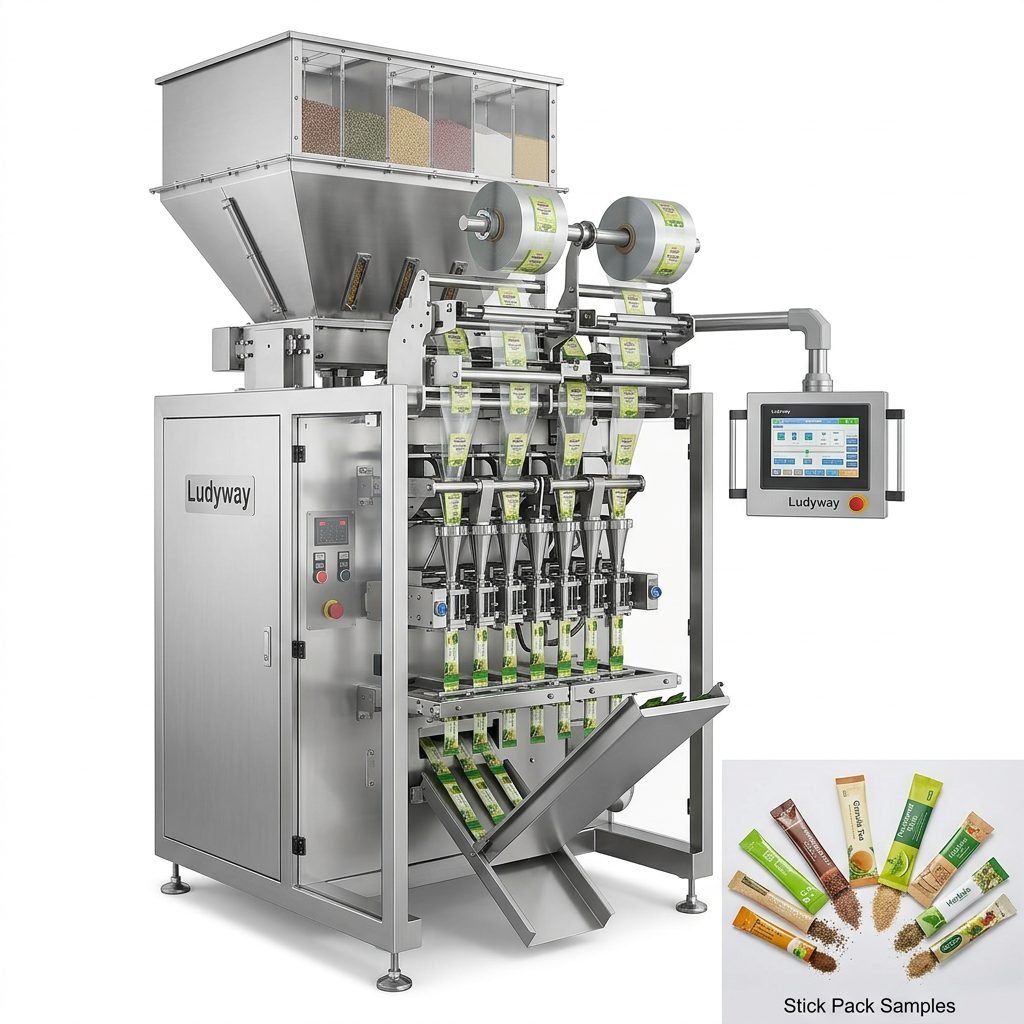
A multi-lane stick pack machine with 8 or 12 lanes can produce exponentially more pouches per minute than a single-lane model. While the initial purchase price is higher, the cost per pouch drops significantly, improving your long-term return on investment. For reference, a 12-lane machine can output upwards of 1,200 pouches per minute depending on product characteristics.
Packaging Material Compatibility
If your tea packaging requires specialized films such as aluminum foil laminates, biodegradable materials, or high-barrier structures, the machine must be configured with appropriate sealing jaws and temperature controls. This customization adds to the engineering cost but ensures seal integrity and product shelf life.
Auxiliary Equipment and Integration
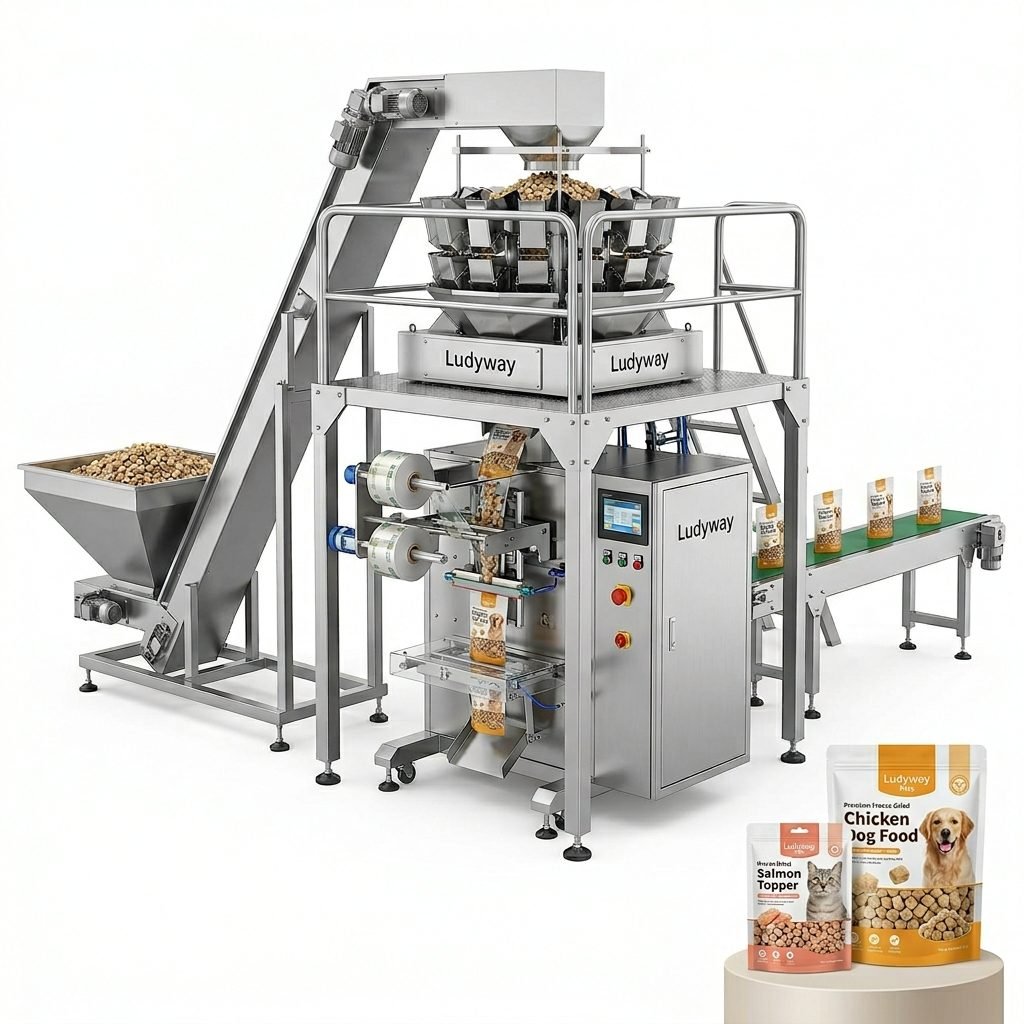
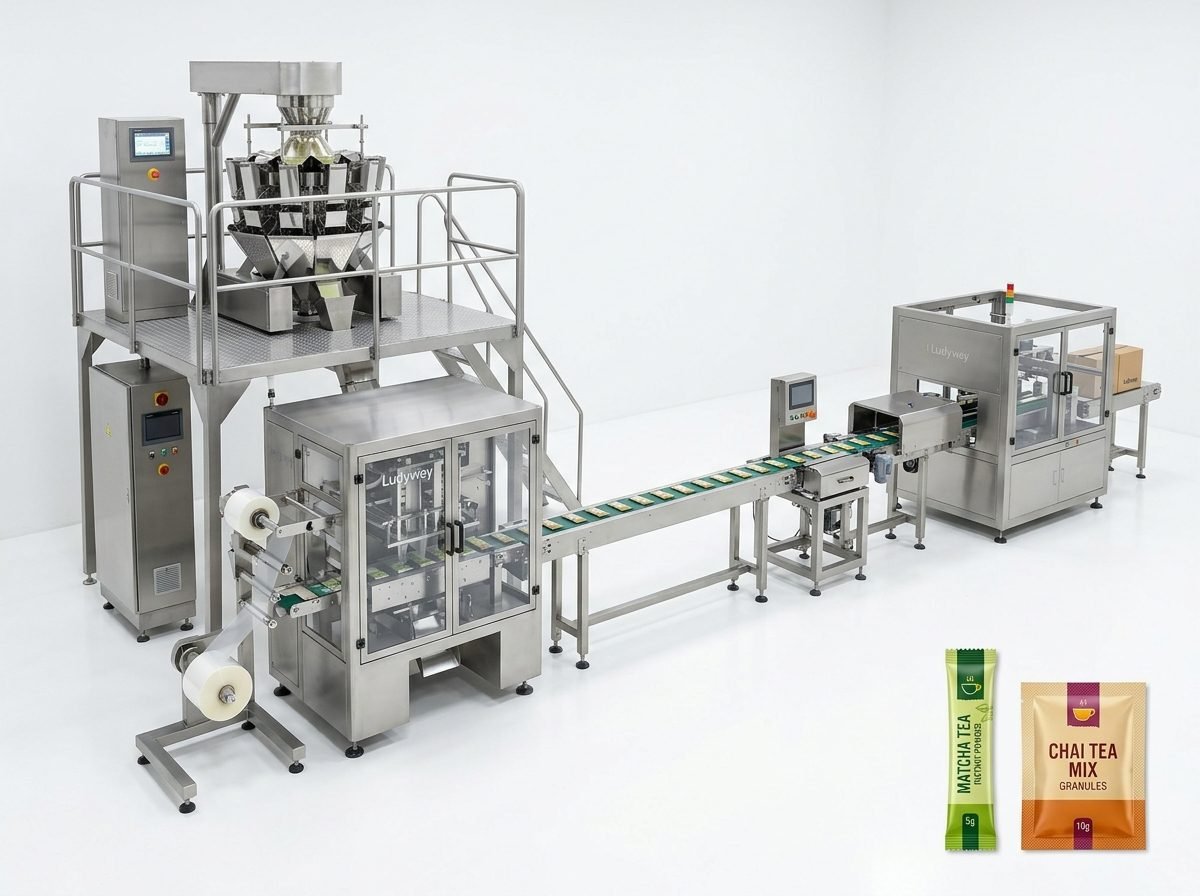
Adding automatic weighers, auger fillers, nitrogen flushing systems, date coders, and counting stackers will increase the total system price. A machine that receives finished stick packs and automatically arranges them into a tea box requires sophisticated pick-and-place robotics and conveyor synchronization.
Price Comparison by Configuration Type
To help you benchmark, here is a more granular breakdown of what you can expect to pay based on machine configuration and included features for tea box strip packing equipment.
| Configuration | Key Features Included | Approximate Price (USD) |
|---|---|---|
| Basic Vertical Form Fill Seal (VFFS) | Single lane, mechanical cam drive, basic temperature controller | $8,500 – $14,000 |
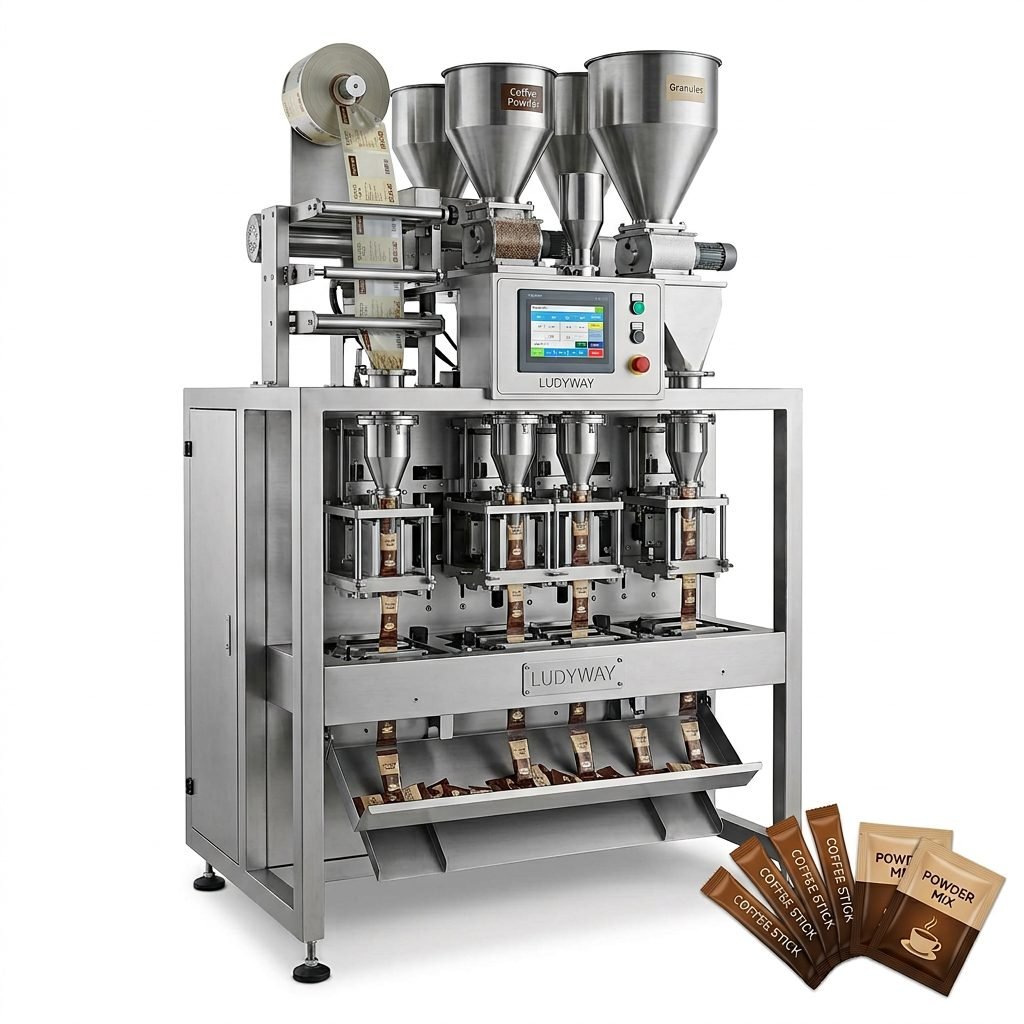
| Servo-Driven Stick Pack Machine | Servo motors, touch screen, multi-language interface, 4 lanes | $28,000 – $42,000 |
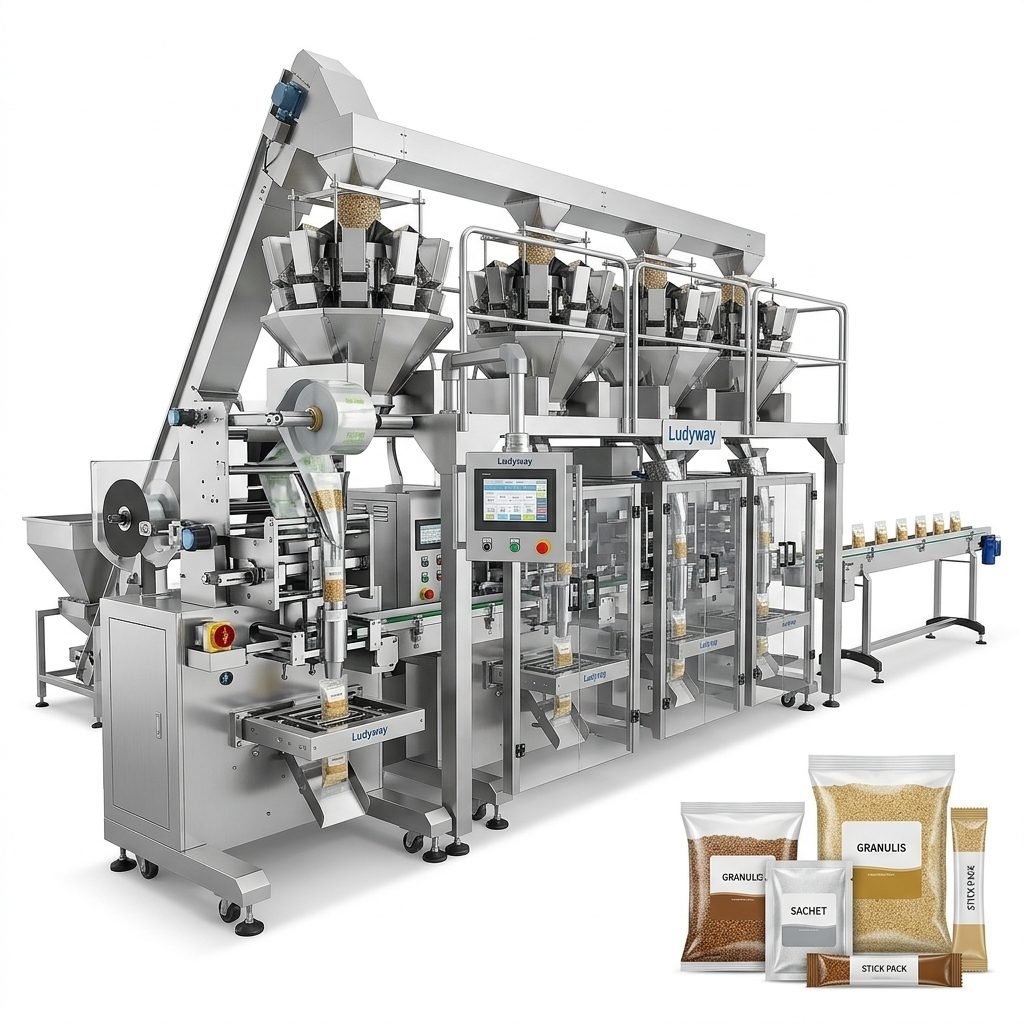
| High-Speed Multi-Lane with Weigher | 10 lanes, linear multi-head weigher, auto film registration | $75,000 – $110,000 |
| Complete Sachet-to-Carton Line | stick pack machine, cartoner, checkweigher, metal detector, case packer | $150,000 – $250,000+ |
Hidden Costs You Should Consider
Beyond the machine purchase price, buyers often overlook several operational and logistical expenses that can significantly impact the total budget.
- Shipping and logistics: Transporting heavy industrial machinery across continents requires specialized freight forwarders, insurance, and customs clearance.
- Installation and commissioning: Technician travel, on-site assembly, and production line calibration are usually quoted separately.
- Spare parts inventory: Sealing jaws, cutting blades, belts, and sensors wear over time and should be stocked to prevent downtime.
- Operator training: Comprehensive training ensures your team can run and maintain the machine efficiently from day one.
- Facility modifications: You may need to upgrade electrical supply, compressed air systems, or floor space layout.
Buying Tips to Get the Best Value
Navigating the global packaging machinery market requires a strategic approach. Use these practical tips to secure a competitive price without compromising on quality.
Request Detailed Quotations with Breakdowns
Always insist on a line-item quotation that separates the cost of the main machine, auxiliary equipment, tooling, and services. This transparency makes it easier to compare suppliers and negotiate effectively.
Leverage Factory Visits and Virtual Inspections
Whenever possible, visit the manufacturer’s facility or request a live video demonstration. Seeing the machine run your actual tea product is invaluable and reduces the risk of post-purchase surprises. Large exhibitions like PACK EXPO International also provide opportunities to inspect equipment in person.
Match Machine Specifications to Your Growth Plan
Buying an oversized machine strains your capital, while an undersized one limits your ability to scale. A modular machine design that allows adding lanes or upgrading control systems later offers a balanced path for growing tea brands.
Evaluate After-Sales Support and Warranty Terms
Reliable technical support is as valuable as the machine itself. Confirm warranty duration, remote diagnostic capabilities, and the availability of local service engineers before signing a contract.
The Role of a Reliable Machinery Partner
Selecting a tea packaging machine supplier involves more than comparing price tags. Long-term partnership quality, manufacturing standards, and industry certifications matter. Resources from organizations such as PMMI – The Association for Packaging and Processing Technologies and the Flexible Packaging Association can help you understand industry benchmarks and quality standards including ISO packaging standards and FDA food packaging regulations that reputable manufacturers must comply with.
Among global manufacturers, Ludyway stands out as one of the largest packaging machine manufacturers in China, offering advanced equipment and turnkey production solutions across food, pharmaceutical, and health industries. With over 30 years of industry expertise and a modern 20,000㎡ manufacturing facility, Ludyway supports more than 50 intelligent packaging machine models for granule, powder, liquid, and pouch applications in over 100 countries. This depth of engineering capability ensures that tea producers can find precisely configured strip packing solutions matched to their production scale and budget requirements.
Key Certifications and Standards to Look For
- Compliance with ISO 11607 for packaging quality
- CE marking for European market access
- Electrical components from recognized international brands
- Documented quality management systems
- References from existing tea industry clients
Financing and Payment Structures
Many established manufacturers offer flexible payment terms to ease the capital burden. Common structures include 30% deposit with 70% before shipment, or milestone-based payments tied to factory acceptance testing (FAT) and site acceptance testing (SAT). Exploring equipment financing or leasing options through third-party providers can also help preserve working capital while scaling your tea packaging capacity.
Making the Right Long-Term Investment
The true cost of a tea box strip packing machine is measured over its entire lifecycle, not just the initial purchase invoice. A machine that reduces film waste by 3%, operates at higher OEE (Overall Equipment Effectiveness), and requires fewer maintenance interventions will deliver superior returns over 5 to 10 years of operation. Focus your evaluation on total cost of ownership including energy consumption, changeover time between different tea blends, and the long-term availability of critical spare parts. By aligning your selection with both current production needs and future growth ambitions, you secure a packaging asset that strengthens your competitive position in the dynamic global tea market.