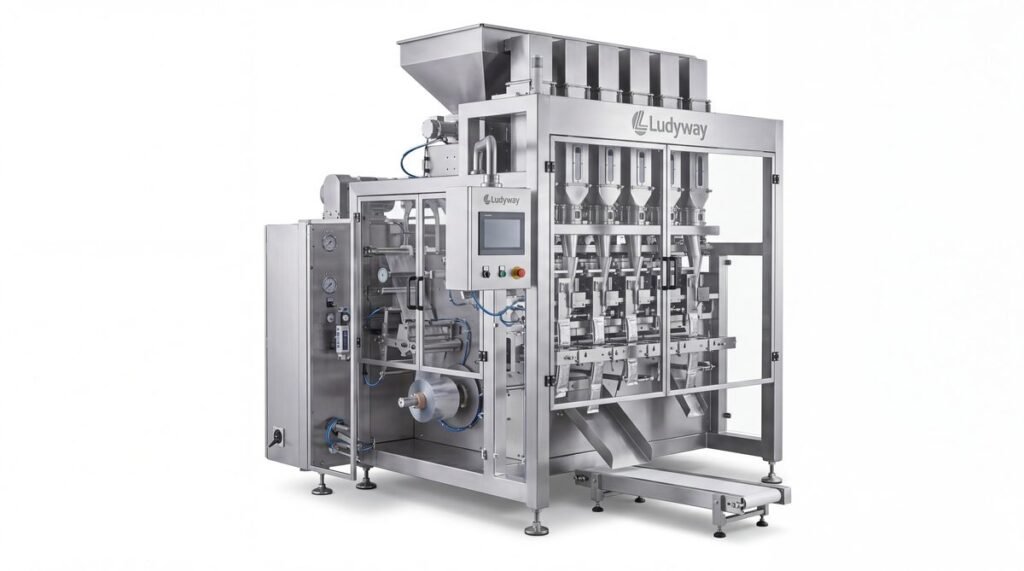
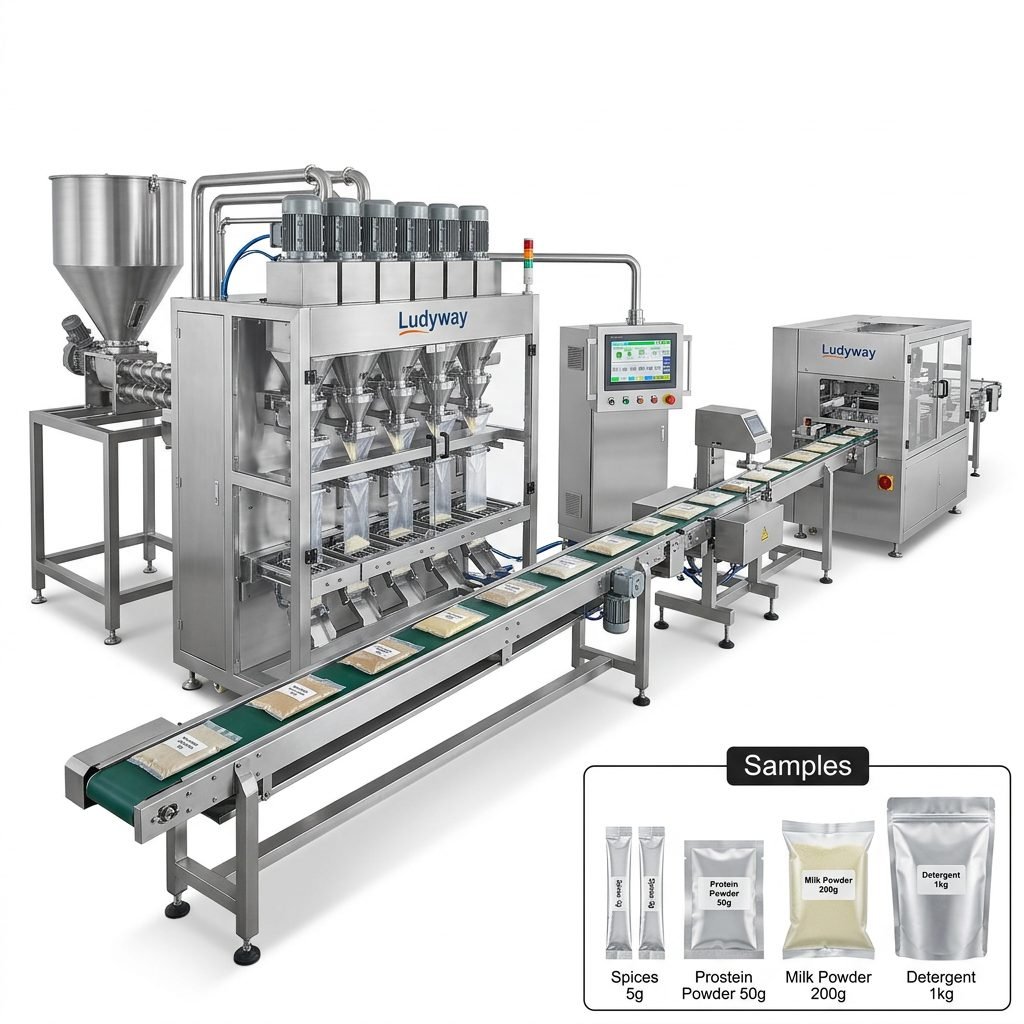
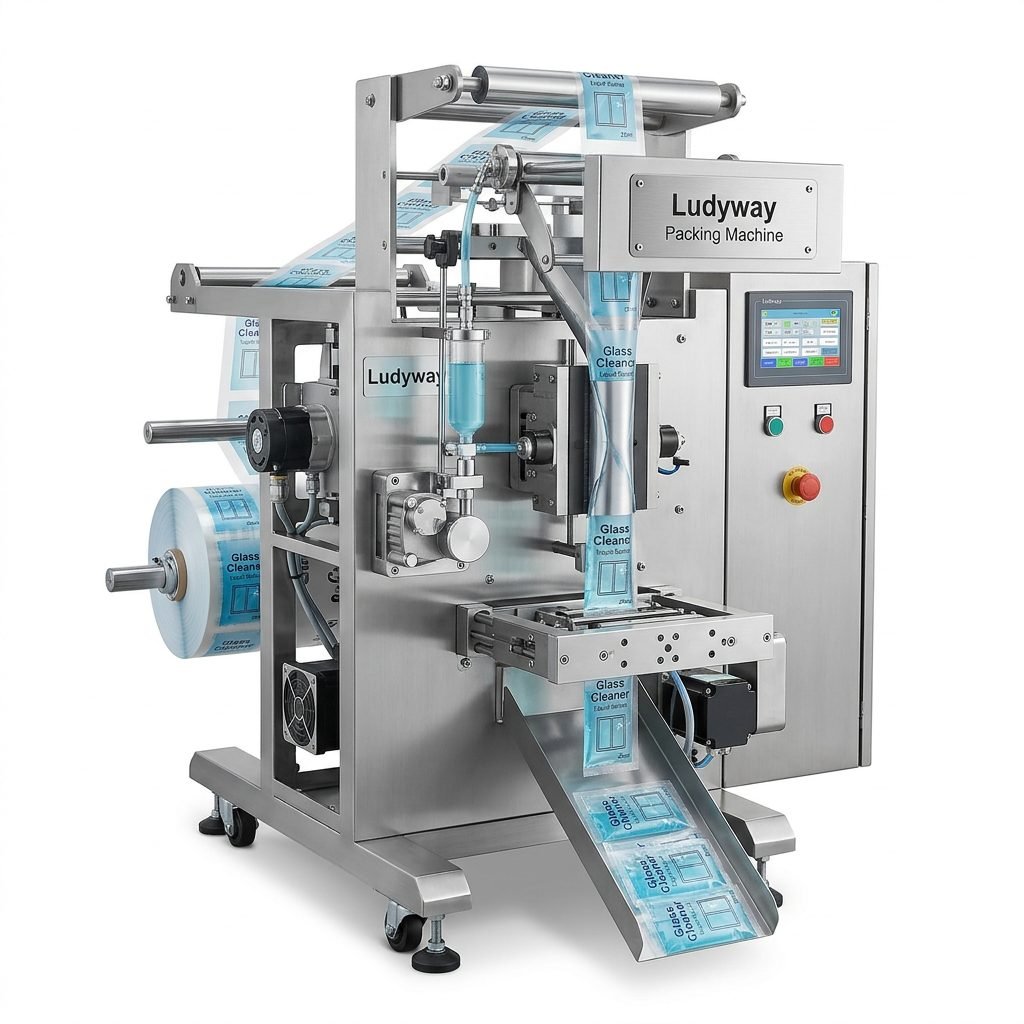
Proper maintenance of a lassi pouch packing machine is the most critical factor in ensuring consistent output, minimizing downtime, and extending the operational life of your equipment. Whether you are running a single-lane unit or a fully automated pouch packing machine for high-volume production, a structured maintenance routine protects your investment and helps avoid costly emergency repairs.
Neglecting routine care often leads to seal failures, inaccurate filling, film tracking issues, and premature wear of critical components. This guide outlines practical, actionable steps you can implement immediately to keep your machine running at peak performance. From daily cleaning checklists to annual overhauls, following these recommendations will help you achieve reliable performance and a longer service life for your lassi pouch packaging equipment.
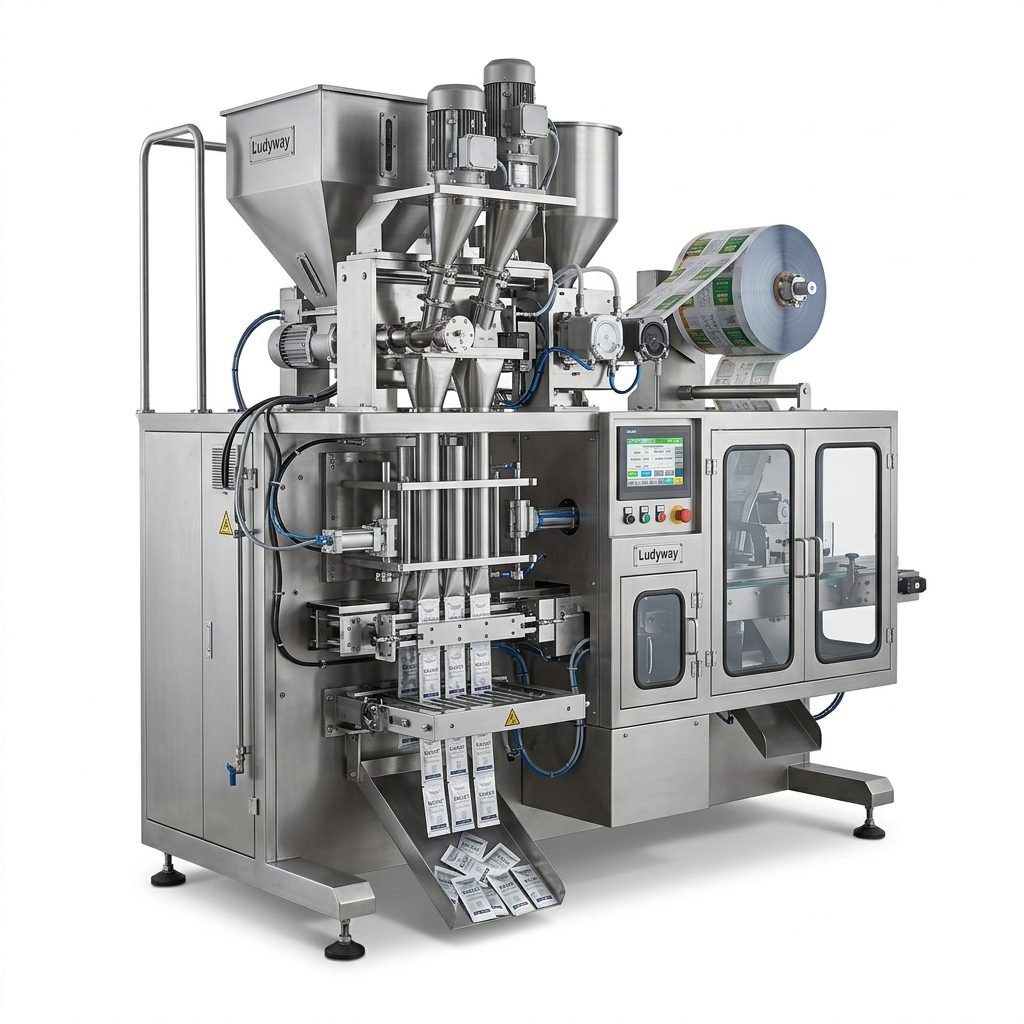
1. Establish a Daily Cleaning Protocol
Residue from lassi—a fermented dairy product—can quickly accumulate on machine surfaces, sealing jaws, and filling nozzles. Dairy residues are particularly problematic because they harden over time and can harbor bacteria, leading to hygiene issues and mechanical sticking. A rigorous daily cleaning schedule is non-negotiable.
- Sealing jaw surfaces: Wipe down heated sealing jaws with a soft cloth and approved food-grade cleaner after every shift. Carbonized product buildup on the jaws causes uneven heat transfer and weak seals.
- Filling nozzles and product contact parts: Disassemble, wash, and sanitize all product contact components daily. Dairy-based products like lassi require thorough cleaning to prevent microbial growth.
- Film path and rollers: Inspect the entire film path for sticky residue. Clean all rollers with a lint-free cloth and mild solvent if necessary. Dust and debris on rollers can cause film misalignment.
- Drip trays and catchment areas: Empty and sanitize drip trays at the end of each production run to prevent odor and contamination.
- Exterior surfaces: Wipe down the machine frame and control panel with a damp cloth. Avoid spraying water directly onto electrical components or sensors.
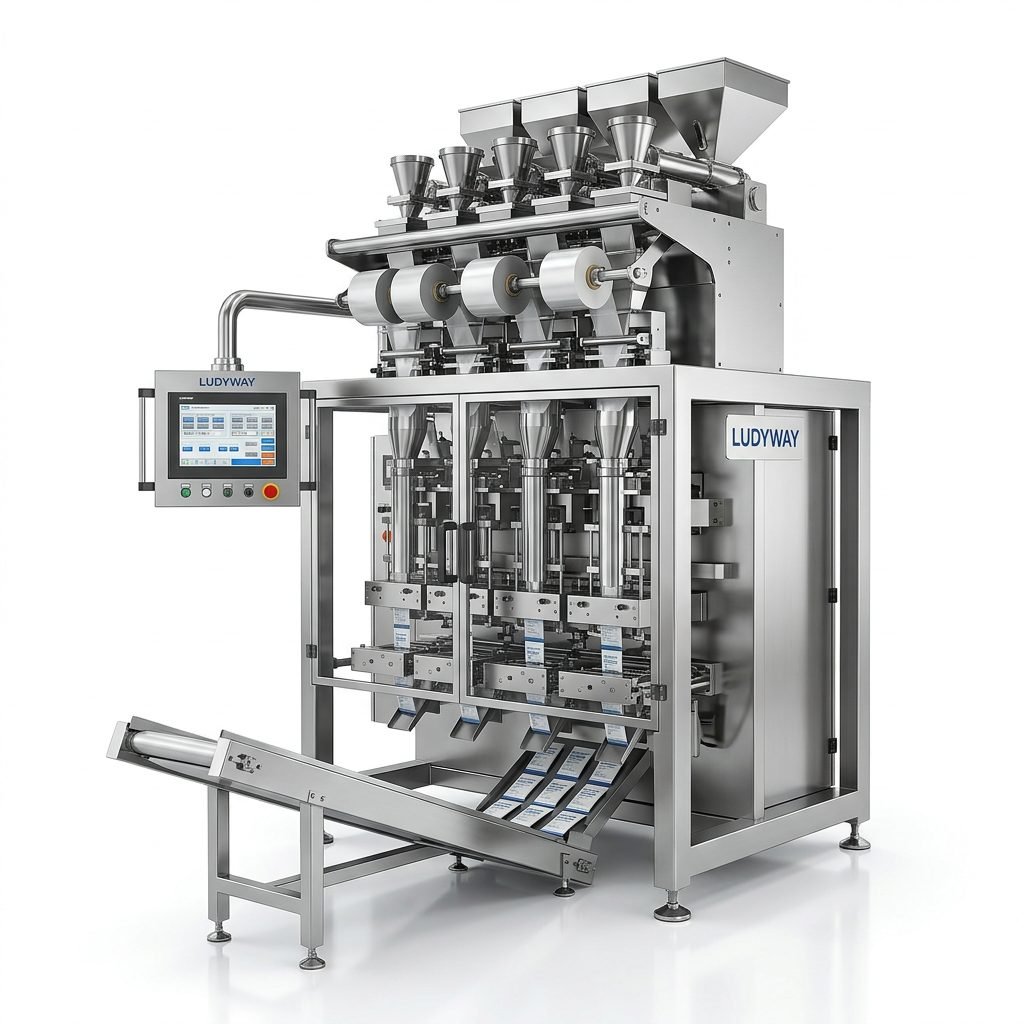
2. Implement a Lubrication Schedule
Moving parts in a lassi pouch packing machine require consistent lubrication to reduce friction and prevent premature wear. Over-lubrication can be just as damaging as under-lubrication, attracting dust and creating a grinding paste that accelerates component degradation.
- Bearings and bushings: Apply food-grade grease to all bearings every 40–60 operating hours. Listen for unusual noises that may indicate dry bearings.
- Chain drives and sprockets: Clean chains with a dry brush before applying lubricant. Build-up on chain links causes jerky movement and inconsistent film feeding.
- Cam followers and linear guides: Lightly lubricate guide rails and cam tracks weekly. Use manufacturer-recommended lubricants only.
- Pneumatic cylinders: Check for smooth operation. Apply a few drops of pneumatic oil if specified in the equipment manual.
- Gears and transmission components: Inspect gearboxes for oil levels monthly. Top up or replace oil according to the maintenance schedule provided by your packaging machine manufacturer.
3. Inspect and Replace Wear Components Proactively
Every lassi pouch packing machine has components designed to wear over time. Replacing these parts before they fail is the cornerstone of preventive maintenance. Waiting until a part breaks often results in secondary damage to adjacent components, significantly increasing repair costs.
Key Wear Components to Monitor
- Sealing elements (heaters and thermocouples): Check heating elements for signs of oxidation or uneven heating. Replace thermocouples if temperature readings fluctuate beyond acceptable tolerances. Faulty temperature control leads directly to seal failures and product leaks.
- Cutting blades and knives: Dull blades produce ragged pouch edges and incomplete cuts. Inspect cutting edges weekly and sharpen or replace as needed.
- Rubber rollers and pull belts: Worn rollers lose grip on the packaging film, causing slippage and inconsistent pouch lengths. Check for hardening, cracking, or smooth spots.
- Seals and gaskets on filling systems: Leaking seals waste product and create hygiene problems. Inspect all gaskets and O-rings in the filling section monthly.
- Sensors and photoelectric cells: Clean sensor lenses regularly. Dusty or fogged sensors can cause registration errors and film tracking problems.
- Filter screens in product hoppers: Clogged filters restrict product flow. Clean or replace filter screens according to the product characteristics of lassi.
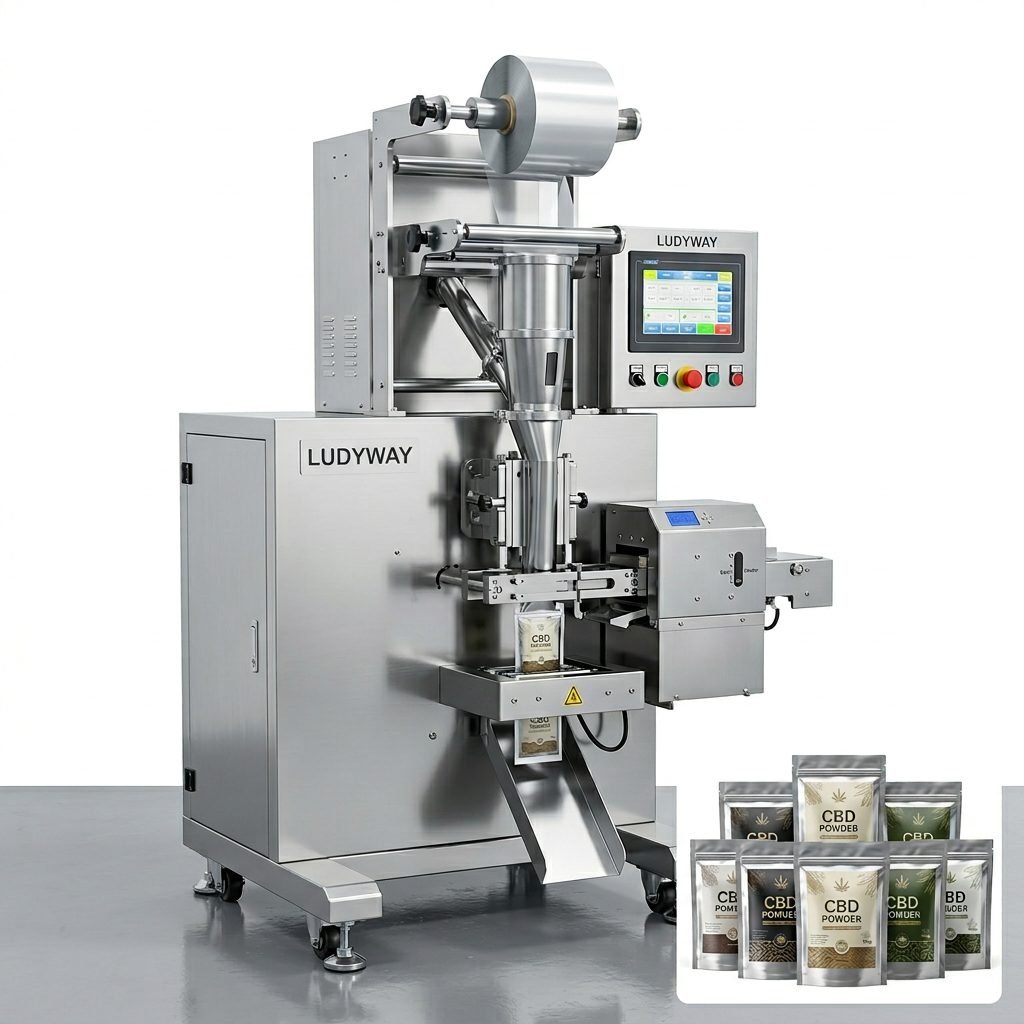
4. Calibrate and Verify Machine Settings Regularly
Drift in calibration is gradual and often goes unnoticed until product quality is compromised. For lassi pouch packing, accurate filling volumes and consistent seal integrity are critical quality parameters that depend on proper calibration.
- Temperature calibration: Verify that actual sealing jaw temperatures match the controller setpoints. Use a calibrated surface thermocouple probe monthly to confirm accuracy.
- Fill volume verification: Weigh sample pouches at the start of each shift and after any product changeover. Document results to identify trends before they become out-of-spec issues.
- Pouch length and registration: Measure pouch dimensions and check print registration at least twice per shift. Adjust photocell sensitivity and film tension as needed.
- Pressure settings: Verify pneumatic pressure settings for sealing jaws and cutting stations. Incorrect pressure causes weak seals or excessive film stress.
- Speed synchronization: Ensure all drive motors are synchronized. De-synchronization causes film stretching, misaligned seals, and jam-ups.
5. Create a Structured Preventive Maintenance Plan
A formal preventive maintenance plan transforms sporadic repairs into scheduled, predictable activities. Documentation is essential—it creates accountability and provides valuable data for predicting component life cycles. The following table outlines a recommended maintenance schedule for a lassi pouch packing machine operating in a typical dairy environment.
| Frequency | Maintenance Task | Responsible Party |
|---|---|---|
| Daily | Clean product contact surfaces, inspect seals, check fill volume accuracy, wipe down exterior | Operator |
| Weekly | Inspect cutting blades, clean sensors and photocells, check roller grip condition, verify pneumatic pressure | Maintenance Technician |
| Monthly | Calibrate temperature controllers, inspect bearings and chains, check gearbox oil levels, test safety interlocks | Maintenance Technician |
| Quarterly | Replace worn rubber rollers, inspect all electrical connections, verify motor drive synchronization, deep clean film path | Senior Technician |
| Annually | Complete overhaul—replace all wear components, re-grease all bearings, inspect/replace pneumatic seals, full calibration | Manufacturer Service Team |
For high-speed operations running multiple shifts, increase the frequency of inspections proportionally. A machine running 24/7 will accumulate wear approximately three times faster than a single-shift operation. Companies like Ludyway, one of the largest packaging machine manufacturers in China with over 30 years of industry experience, provide detailed maintenance manuals and service support tailored to each machine model, helping customers implement effective preventive maintenance programs.

6. Troubleshoot Common Issues Before They Escalate
Early detection of irregular machine behavior allows you to address minor problems before they become major failures. Train operators to recognize early warning signs and report them immediately. Below are common issues encountered in lassi pouch packing operations and their typical root causes.
Seal Integrity Problems
- Weak or leaking seals: Check sealing temperature, jaw pressure, and dwell time. Contaminated sealing surfaces are the most common cause—ensure thorough cleaning between runs.
- Burned or distorted seals: Temperature set too high or film speed too slow. Verify thermocouple accuracy before adjusting settings.
- Intermittent seal quality: Inspect for fluctuations in power supply or pneumatic pressure. Worn heater elements may also cause inconsistent heating.
Filling Accuracy Issues
- Overfilling or underfilling: Calibrate the filling mechanism. For piston fillers, check piston seals for wear. For pump-based systems, verify pump calibration and check for air pockets in the product line.
- Inconsistent fill across lanes: In multi-lane machines, check individual nozzle settings and ensure equal product distribution in the manifold.
Film Handling Problems
- Film tracking off-center: Adjust film guides and check roller alignment. Uneven tension across the film width causes drifting.
- Film wrinkling or creasing: Reduce film tension, check for worn or misaligned rollers, and verify that the film roll is mounted correctly.
- Registration errors: Clean the registration sensor, check print quality on the film, and adjust sensor sensitivity.
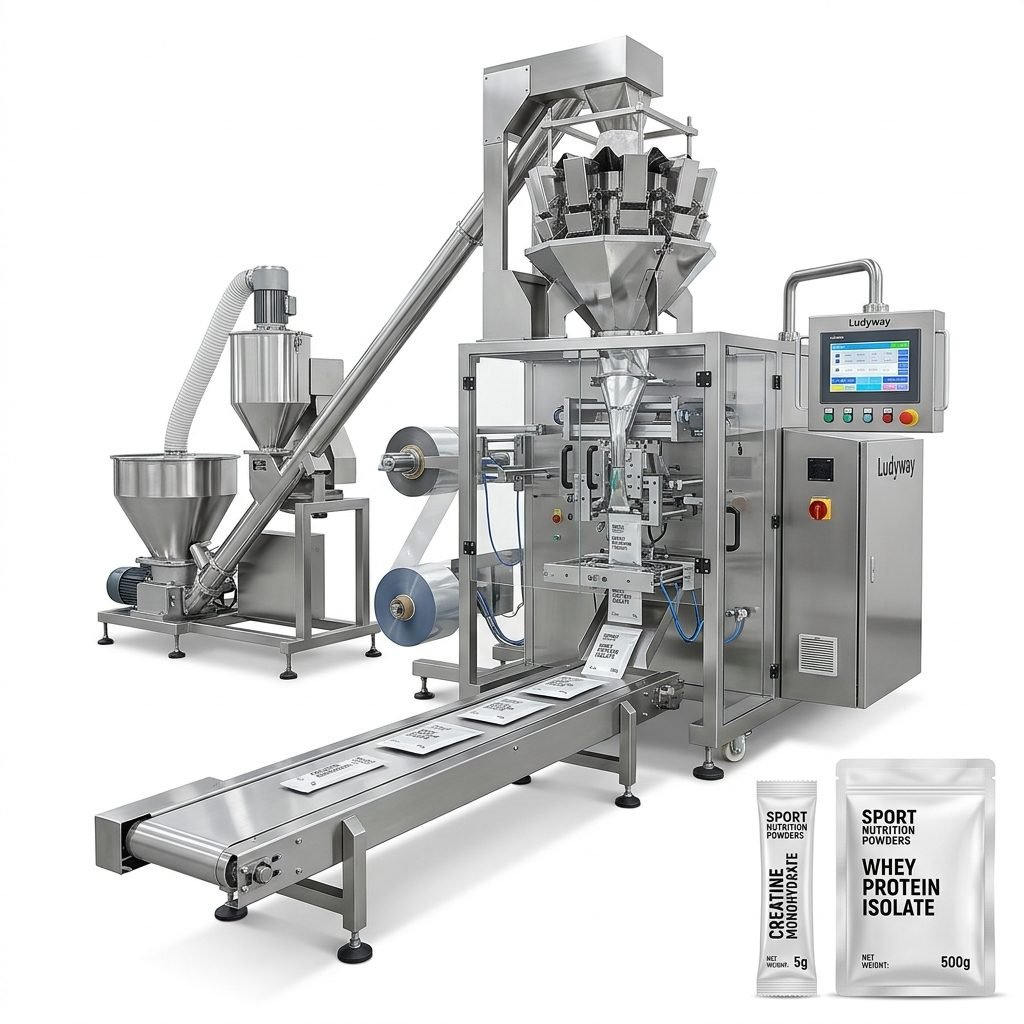
7. Maintain Proper Environmental Conditions
The operating environment significantly impacts the reliability of your lassi pouch packing machine. Dairy processing environments present unique challenges including humidity, temperature fluctuations, and the need for frequent washdowns.
- Humidity control: High humidity accelerates corrosion on metal components and can affect film properties. Maintain relative humidity below 65% in the packaging area when possible.
- Temperature stability: Ambient temperature fluctuations affect sealing consistency. Keep the packaging room temperature stable, ideally between 20–25°C (68–77°F).
- Dust and airborne particles: Use positive air pressure or air filtration in the packaging room to minimize dust accumulation on machine surfaces and sensors.
- Electrical panel integrity: Keep control cabinet doors closed and ensure all gaskets are intact. Inspect for signs of moisture ingress regularly.
- Vibration isolation: Ensure the machine is properly leveled and isolated from external vibration sources that can affect filling accuracy and seal quality.
8. Document Everything and Train Continuously
A well-documented maintenance history is invaluable for optimizing your machine’s performance over its service life. Detailed records reveal patterns that help predict when components are likely to fail and enable data-driven decisions about spare parts inventory.
- Maintenance log: Record every maintenance activity including date, components inspected or replaced, measurements taken, and observations. Use a digital system or a physical logbook kept near the machine.
- Spare parts inventory: Maintain an organized inventory of critical spare parts including sealing elements, sensors, belts, filters, and gaskets. Lead times for specialized components can be significant.
- Operator training: Conduct refresher training sessions quarterly. Well-trained operators catch minor issues before they cause downtime. Cross-train multiple staff members so expertise is never concentrated in one person.
- Manufacturer support: Keep contact information for your equipment supplier readily available. Many issues can be resolved quickly with remote guidance, avoiding the cost and delay of an on-site service visit.
For additional guidance on packaging machinery standards, refer to resources from PMMI, the leading association for packaging and processing technologies, or review regulatory requirements from the FDA regarding food contact packaging equipment. The ISO packaging standards also provide valuable frameworks for establishing maintenance and quality management systems.

Key Takeaways for Maximizing Machine Service Life
Consistent maintenance is an investment that pays dividends through reduced downtime, consistent product quality, and extended equipment life. A disciplined approach to cleaning, lubrication, calibration, and proactive component replacement will keep your lassi pouch packing machine operating reliably for years beyond its expected service life. Engage with your equipment manufacturer for model-specific guidance and prioritize operator training as the foundation of your maintenance program. The combination of daily diligence and structured preventive maintenance is the proven formula for dependable, long-term performance in dairy pouch packaging operations.
For more detailed information about liquid filling machines for sachet packaging and comprehensive turnkey solutions, explore available resources from experienced packaging equipment suppliers who can provide machine-specific maintenance documentation and technical support tailored to your production requirements.