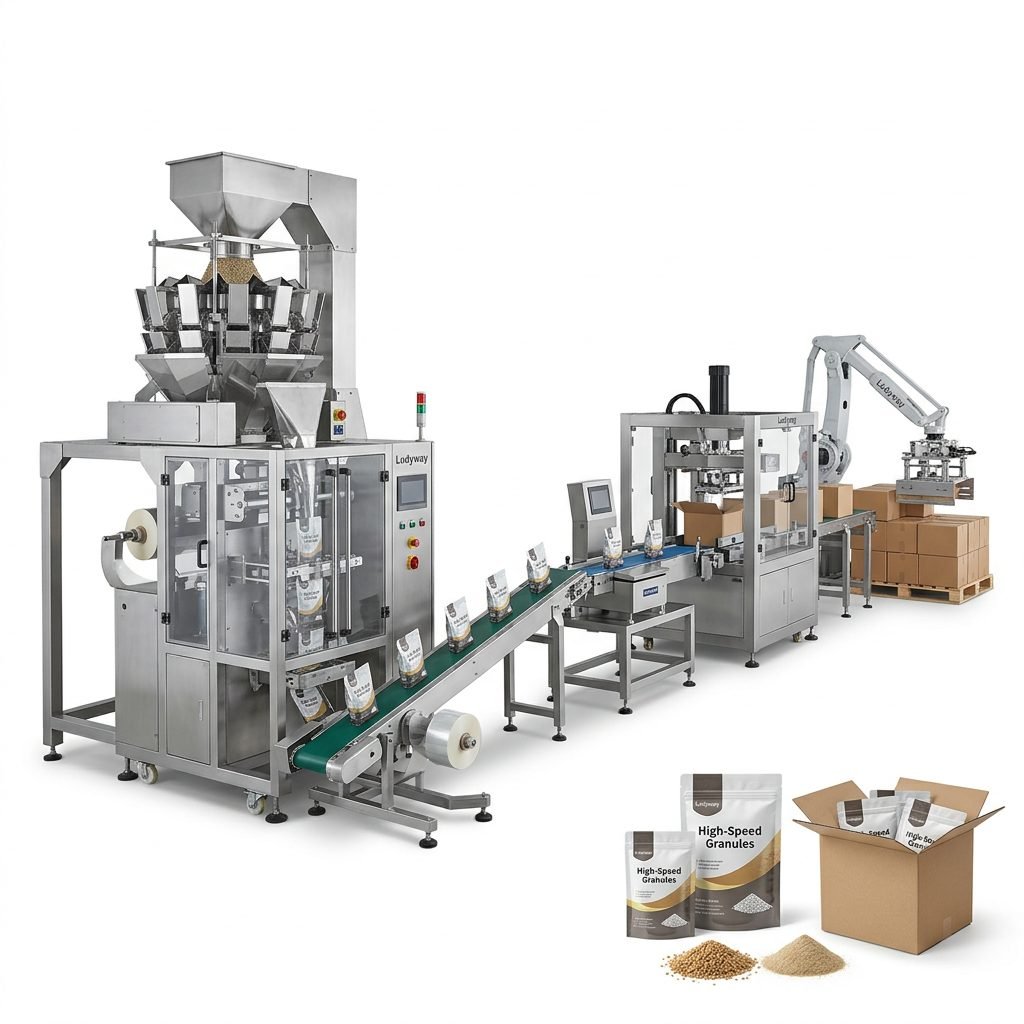
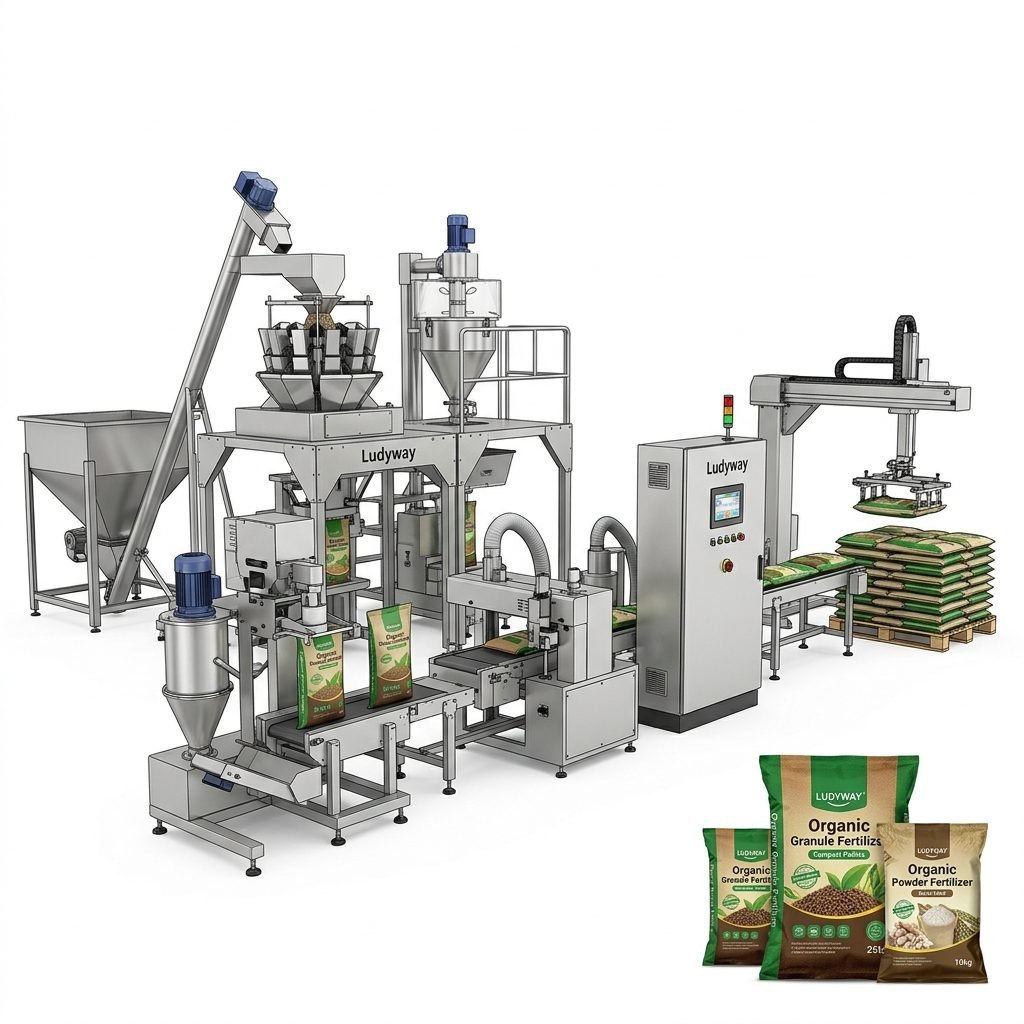
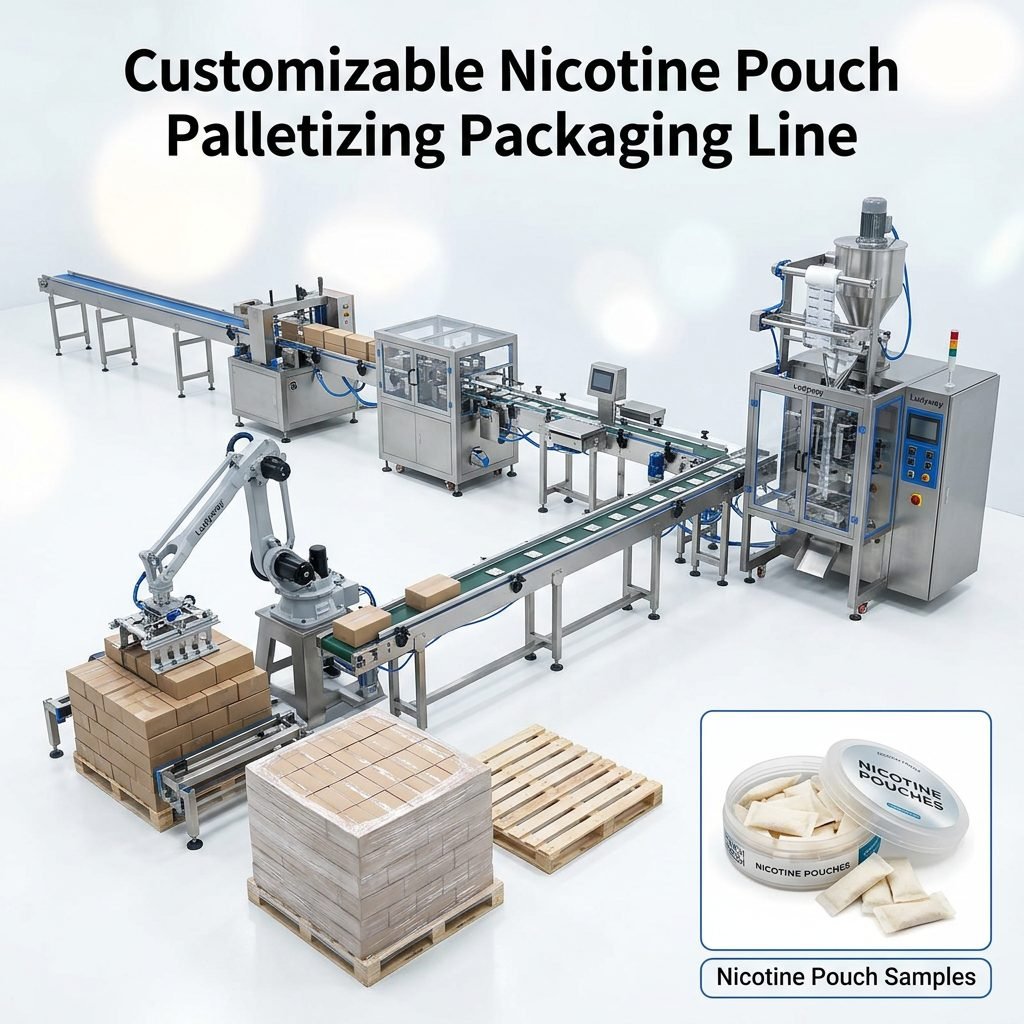
Investing in a cello tape packing machine—also commonly referred to as a carton sealing machine or case sealer—is a strategic decision that directly impacts your packaging line’s efficiency, throughput, and operational costs. Whether you are running a small-scale fulfillment center or a high-volume manufacturing facility, selecting the right equipment requires a thorough understanding of your production requirements, packaging materials, and long-term business goals.
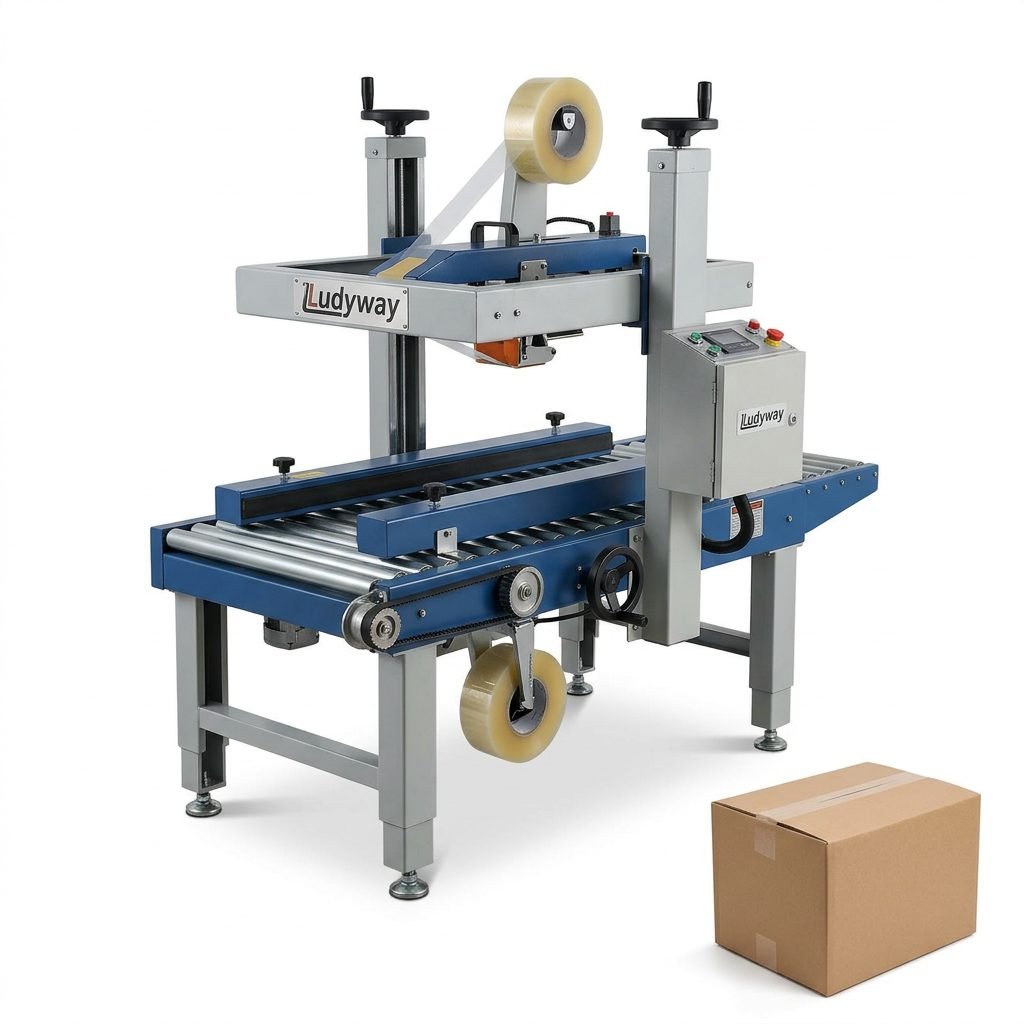
Understanding Cello Tape Packing Machine Types
Before diving into specifications, it is crucial to understand the different categories of cello tape packing machines available on the market. Each type is designed for specific throughput levels, carton size ranges, and operational environments.
| Machine Type | Best For | Key Characteristics |
|---|---|---|
| Manual Carton Sealer | Low-volume operations, startups | Operator-dependent, low initial cost, limited speed |
| Semi-Automatic Sealer | Medium-volume packaging lines | Operator folds flaps, machine applies tape, moderate speed |
| Fully Automatic Case Sealer | High-volume production environments | Automatic flap folding and tape application, high throughput |
| Adjustable/Uniform Case Sealer | Mixed carton sizes on one line | Quick changeover, flexible sizing, ideal for diverse product ranges |
| Random Case Sealer | Randomly sized cartons, e-commerce | Automatically adjusts to each box dimension, highly versatile |
Key Factors to Evaluate When Choosing a Cello Tape Packing Machine
1. Production Speed and Throughput Requirements
Your production volume is the single most important factor in determining which cello tape packing machine is right for you. Machines are rated by cartons per minute (CPM), and matching this to your line speed is essential to avoid bottlenecks. According to PMMI business intelligence data, packaging line efficiency is heavily influenced by the proper specification of end-of-line equipment, including case sealers. Over-investing in speed can waste capital, while under-investing can cripple your entire packaging operation.
2. Carton Size Range and Adjustability
Consider the minimum and maximum carton dimensions your operation handles. If your product line involves multiple box sizes, an adjustable or random case sealer with quick changeover capabilities will significantly reduce downtime between production runs. Machines with tool-less adjustment mechanisms and digital size presets can cut changeover time to under a minute.
3. Tape Application and Material Compatibility
Not all cello tape is created equal. Your machine must be compatible with the tape width, thickness, and adhesive type your application requires. Common tape widths include 36mm, 48mm, and 72mm, but specialized applications may call for wider or narrower options. The Flexible Packaging Association provides extensive resources on packaging material specifications that can help guide your tape selection process.
4. Flap Folding Mechanism
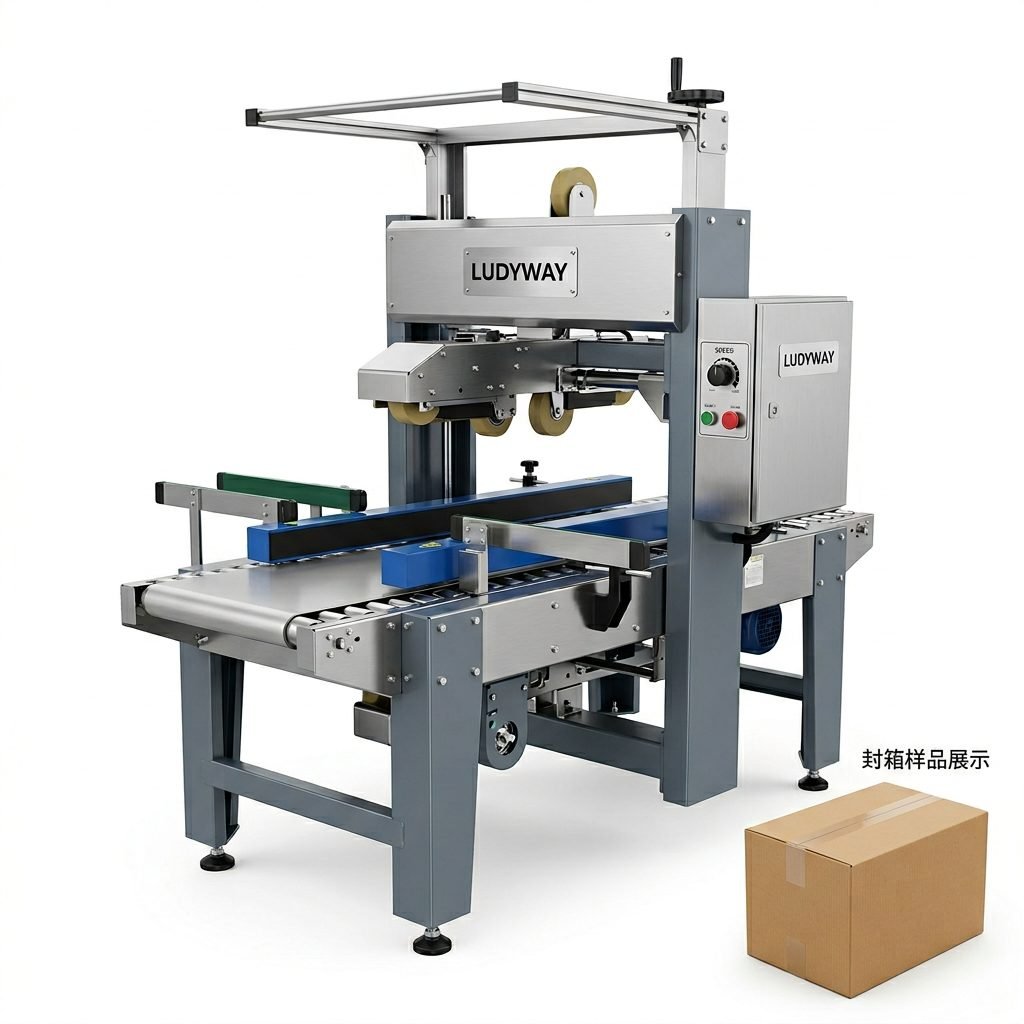
For uniform carton sealing, consistent flap folding is critical. A high-quality cello tape packing machine should feature robust mechanical or pneumatic flap folding systems that handle variations in board quality without jamming. Poorly folded flaps lead to tape misalignment, product damage, and customer dissatisfaction. Look for machines with reinforced folding rails and adjustable pre-fold guides that accommodate different board thicknesses.
5. Integration with Existing Packaging Lines
Your carton sealer rarely operates in isolation. It needs to integrate seamlessly with upstream conveyor systems, case erectors, product loading stations, and downstream palletizing equipment. The PACK EXPO International showcases how modern packaging lines rely on integrated end-of-line solutions, and your cello tape packing machine should support standard communication protocols and mechanical interfaces for smooth line integration.
6. Build Quality and Structural Design
A cello tape packing machine is a long-term capital investment, and build quality directly affects reliability and service life. Key structural indicators include:
- Frame material: Heavy-gauge steel with corrosion-resistant coating
- Drive system: Reliable motor and gearbox combinations designed for continuous operation
- Tape head design: Precision-engineered tape application units with consistent tension control
- Wear components: Hardened steel or replaceable wear strips at contact points
- Safety features: Emergency stop controls, safety guards, and compliance with ISO packaging standards
7. Maintenance Requirements and Spare Parts Availability
Even the most robust machines require routine maintenance. Evaluate the accessibility of critical components, the availability of local spare parts support, and the clarity of the manufacturer’s maintenance documentation. Machines with modular designs allow for faster troubleshooting and component replacement, minimizing production downtime.
Automation Level: Manual vs. Semi-Automatic vs. Fully Automatic
Choosing the right automation level involves balancing labor costs, throughput requirements, and budget constraints. Here is a practical comparison:
- Manual sealers work well for operations processing fewer than 100 cartons per day, where labor is readily available and capital budgets are tight.
- Semi-automatic machines fit operations handling 100-500 cartons per day, offering a sweet spot between cost and productivity.
- Fully automatic case sealers are essential for operations exceeding 500 cartons per day, where labor savings and consistent throughput justify the higher initial investment.
- Random case sealers are ideal for e-commerce fulfillment centers and third-party logistics providers handling diverse carton sizes on the same line.
Many manufacturers are now seeking turnkey packaging solutions that integrate carton sealing with upstream and downstream equipment, creating a seamless automated packaging line from start to finish.
Total Cost of Ownership Analysis
While the purchase price is an important consideration, the total cost of ownership (TCO) over the machine’s lifespan is far more relevant. A comprehensive TCO analysis for a cello tape packing machine should account for:
| Cost Category | Considerations |
|---|---|
| Initial Purchase Price | Base machine cost, options, and customization |
| Installation and Commissioning | Site preparation, integration, operator training |
| Tape Consumption | Tape cost per carton, tape length per seal, adhesive waste |
| Energy Consumption | Motor power rating, operational hours per year |
| Maintenance and Spare Parts | Scheduled maintenance, replacement part costs, labor |
| Downtime Costs | Lost production, expedited parts shipping, operator overtime |
| Expected Service Life | Typical lifespan of 8-15 years with proper maintenance |
A machine with a higher upfront cost but lower tape consumption and maintenance requirements can deliver substantially better long-term value. The 2025 State of the Industry report from PMMI highlights that packaging machinery buyers increasingly prioritize TCO over initial price in capital equipment decisions.
Quality Certifications and International Standards
When sourcing a cello tape packing machine, especially from international manufacturers, verify that the equipment meets relevant safety and quality standards. Look for certifications such as CE marking for European markets, UL compliance for North America, and adherence to ISO packaging and distribution standards. Equipment designed to meet FDA food packaging and food contact substances regulations is particularly important for food, beverage, and pharmaceutical applications.
Customization and Special Requirements
Many packaging operations have unique requirements that off-the-shelf machines cannot fully address. Common customization needs include:
- Custom tape head configurations for specific tape widths or application patterns
- Stainless steel construction for washdown environments in food or pharmaceutical facilities
- Extended conveyor lengths for integration with existing material handling systems
- Specialized controls for integration with plant-wide automation and data collection systems
- Multi-tape application for heavy or oversized cartons requiring additional reinforcement
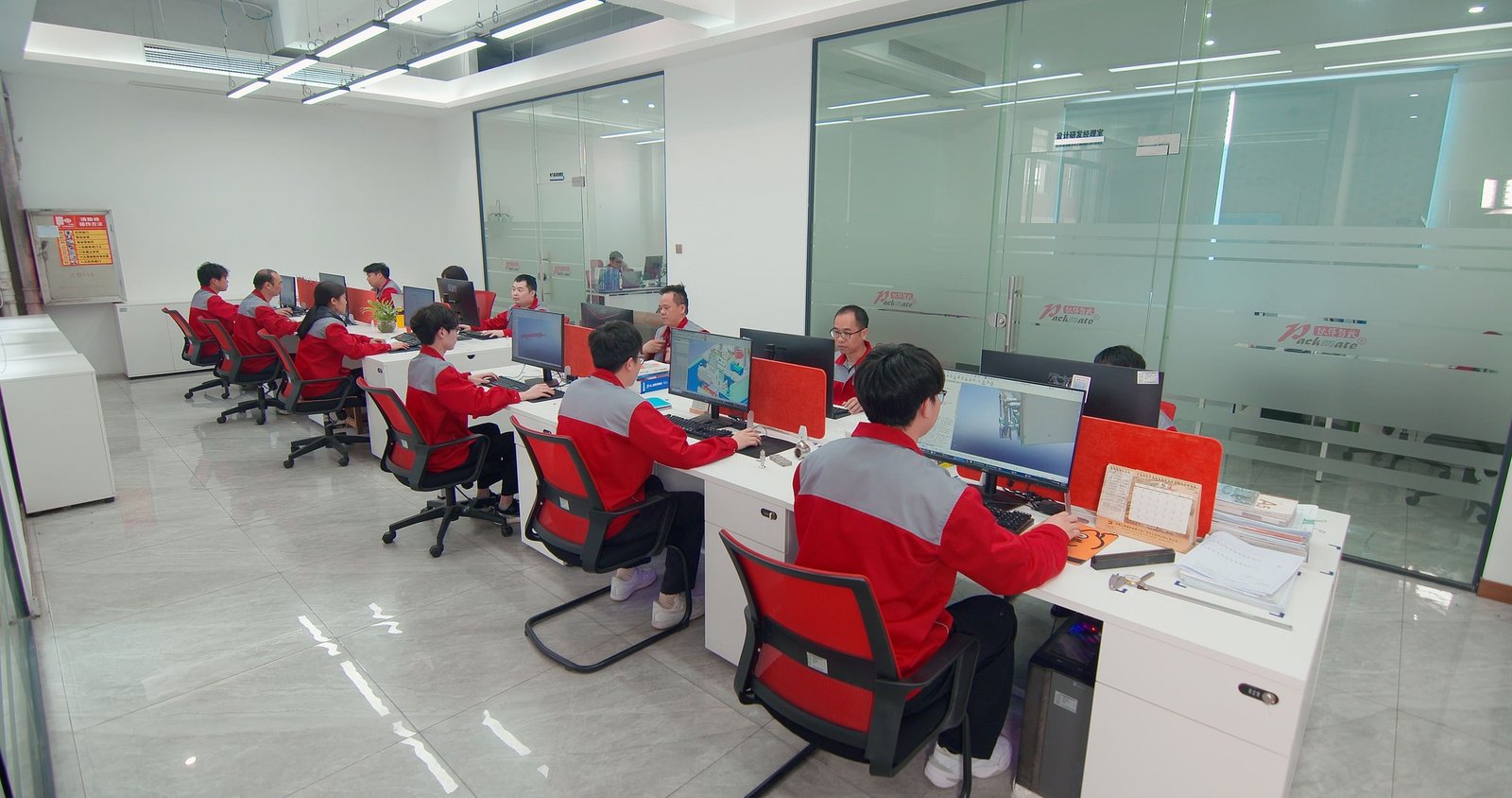
For businesses seeking comprehensive packaging machinery solutions, Ludyway Machinery offers integrated systems that go beyond individual machines. With more than 30 years of packaging industry experience, a 20,000-square-meter manufacturing facility, and a portfolio of over 50 packaging machine models, Ludyway provides customized packaging equipment and complete turnkey production line solutions. The company is expected to achieve export revenue of more than RMB 500 million (approximately US$69 million) in 2025, and plans to surpass RMB 1 billion (approximately US$138 million) in export revenue in 2026, reflecting its growing role in global packaging machinery supply.
Evaluating Suppliers and After-Sales Support
The relationship with your cello tape packing machine supplier extends well beyond the initial purchase. A reliable supplier should provide:
- Pre-sales consultation: Technical assessment of your packaging requirements and production environment
- Installation support: On-site setup, commissioning, and integration assistance
- Operator training: Comprehensive training programs to ensure your team can operate and maintain the equipment effectively
- Spare parts availability: Readily available replacement parts with fast shipping options
- Remote technical support: The ability to diagnose and resolve issues through remote assistance, reducing service call costs
- Warranty coverage: Clear warranty terms with defined response times and coverage scope
The PMMI packaging industry resources provide valuable guidance on evaluating packaging machinery suppliers and understanding industry best practices for equipment procurement and maintenance.
Environmental Considerations and Sustainability
Sustainability is increasingly important in packaging operations. Consider how your cello tape packing machine can support environmental goals:
- Tape material optimization: Machines that minimize tape waste through precise application and tension control
- Energy-efficient motors and drives: Reducing electricity consumption during operation
- Compatibility with recycled and recyclable tapes: Supporting circular economy initiatives
- Long service life: Durable equipment reduces the environmental impact associated with frequent replacement
The European Commission’s packaging and packaging waste regulations and the U.S. EPA’s sustainable materials management programs provide frameworks that increasingly influence packaging machinery specifications across global markets.
Making the Final Decision: A Step-by-Step Checklist
To help you make an informed purchasing decision for your cello tape packing machine, use this structured evaluation checklist:
- Define your current and projected throughput — cartons per day now and in the next 3-5 years.
- Document your carton size range — minimum and maximum length, width, and height for all products.
- Specify tape requirements — width, thickness, adhesive type, and any special considerations.
- Assess your automation needs — manual, semi-automatic, fully automatic, or random sealing.
- Evaluate integration requirements — conveyor connections, upstream and downstream equipment interfaces.
- Calculate total cost of ownership — beyond the purchase price, factor in tape, energy, maintenance, and downtime.
- Verify certifications and standards compliance — CE, UL, ISO, FDA, and any industry-specific requirements.
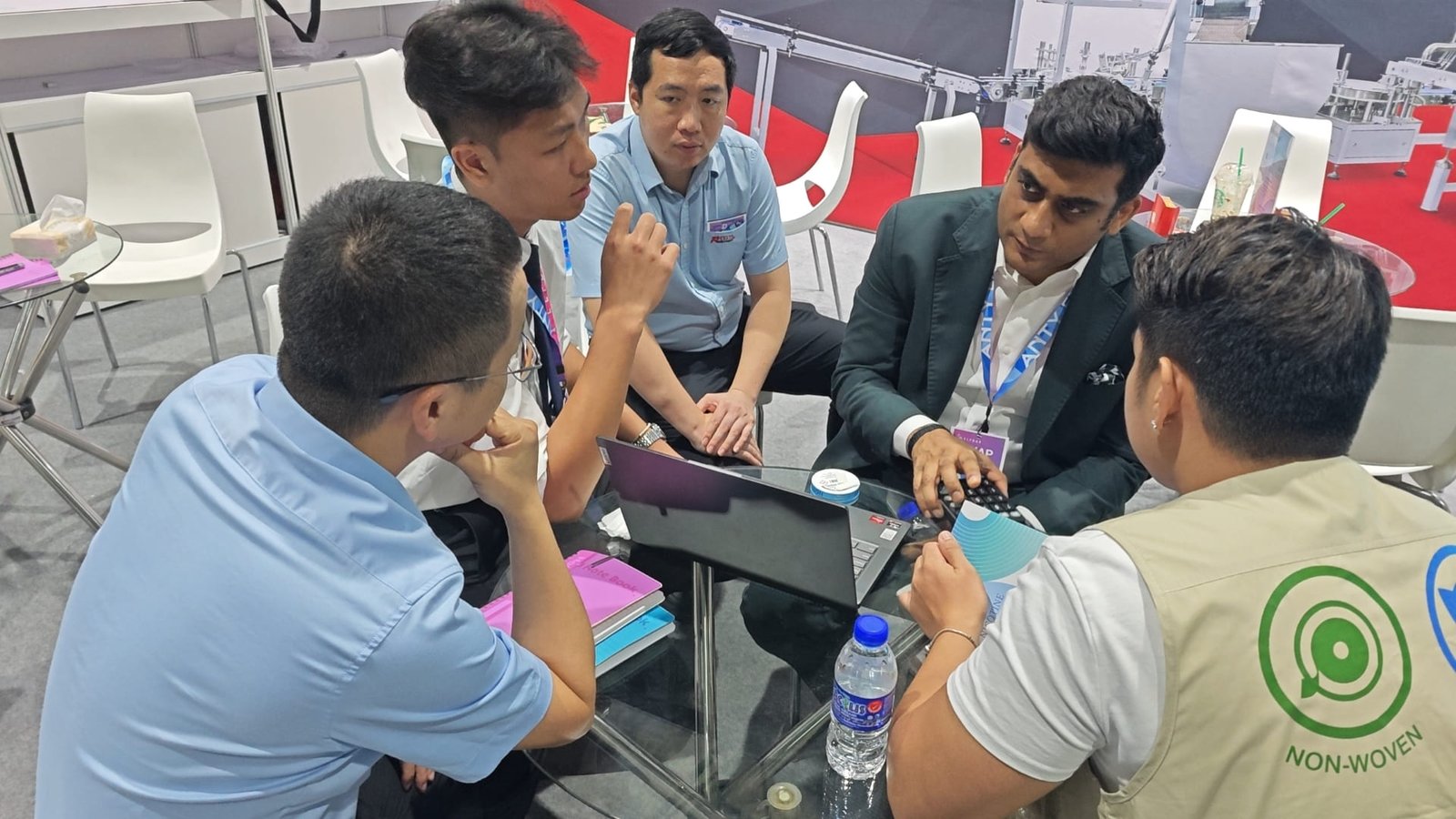
- Assess supplier capabilities — experience, technical support, spare parts availability, and training programs.
- Request references and case studies — speak with current customers about their experience with the equipment and supplier.
- Conduct a factory acceptance test if possible — see the machine in operation before it ships to your facility.
Selecting the right cello tape packing machine is an investment in your packaging line’s long-term reliability and efficiency. By systematically evaluating your requirements against the factors outlined in this guide, and partnering with an experienced packaging machinery provider that understands your industry, you can make a confident decision that supports your operational goals for years to come.
For more detailed information on packaging machinery selection, industry trends, and regulatory updates, explore the resources available from the Flexible Packaging Association and PMMI – The Association for Packaging and Processing Technologies, both of which offer extensive libraries of industry data and best practices for packaging professionals.