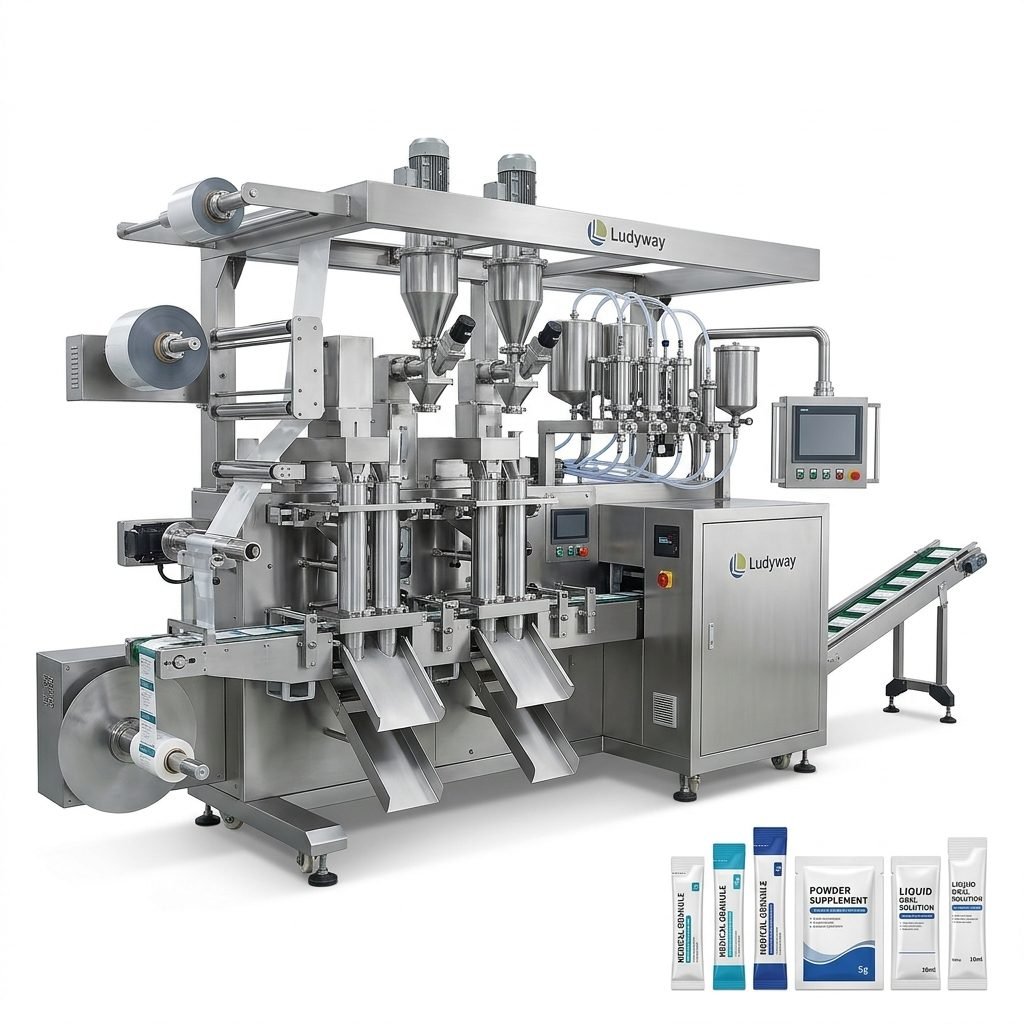
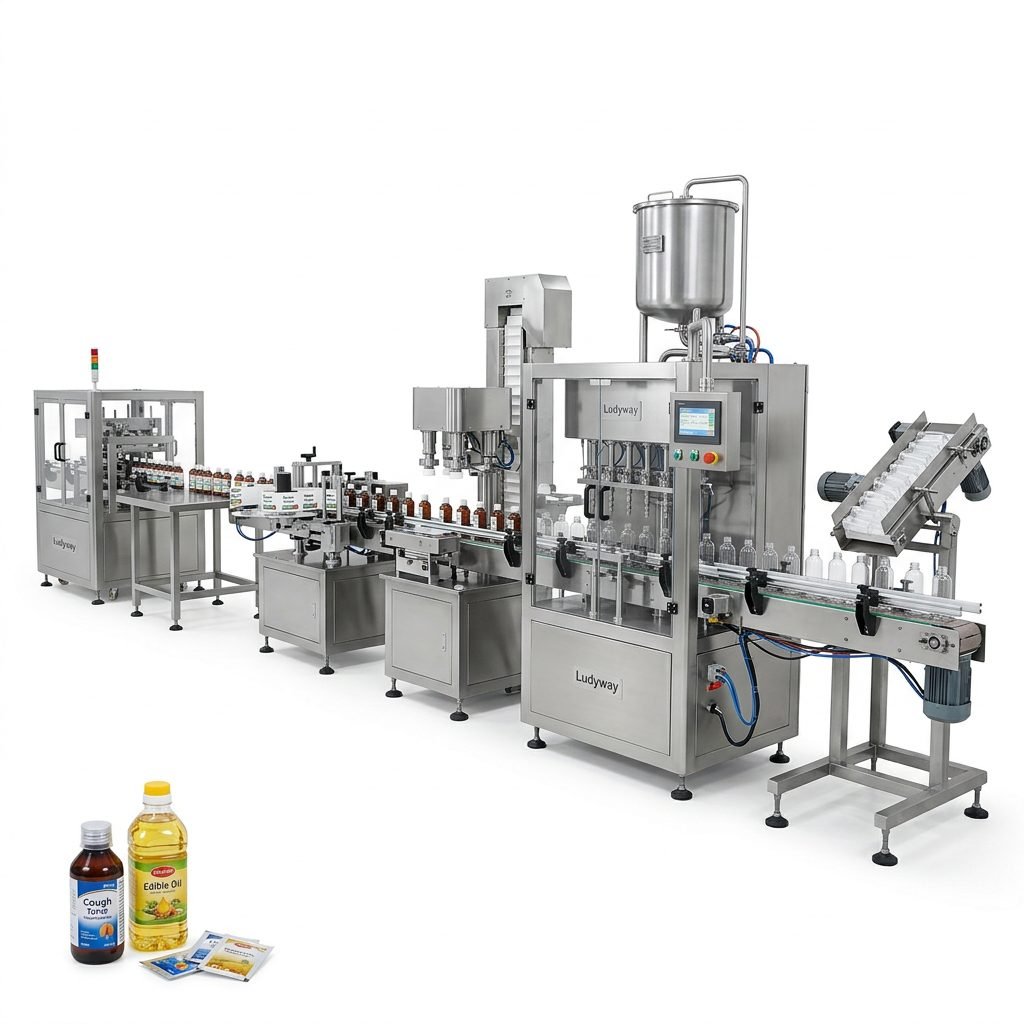
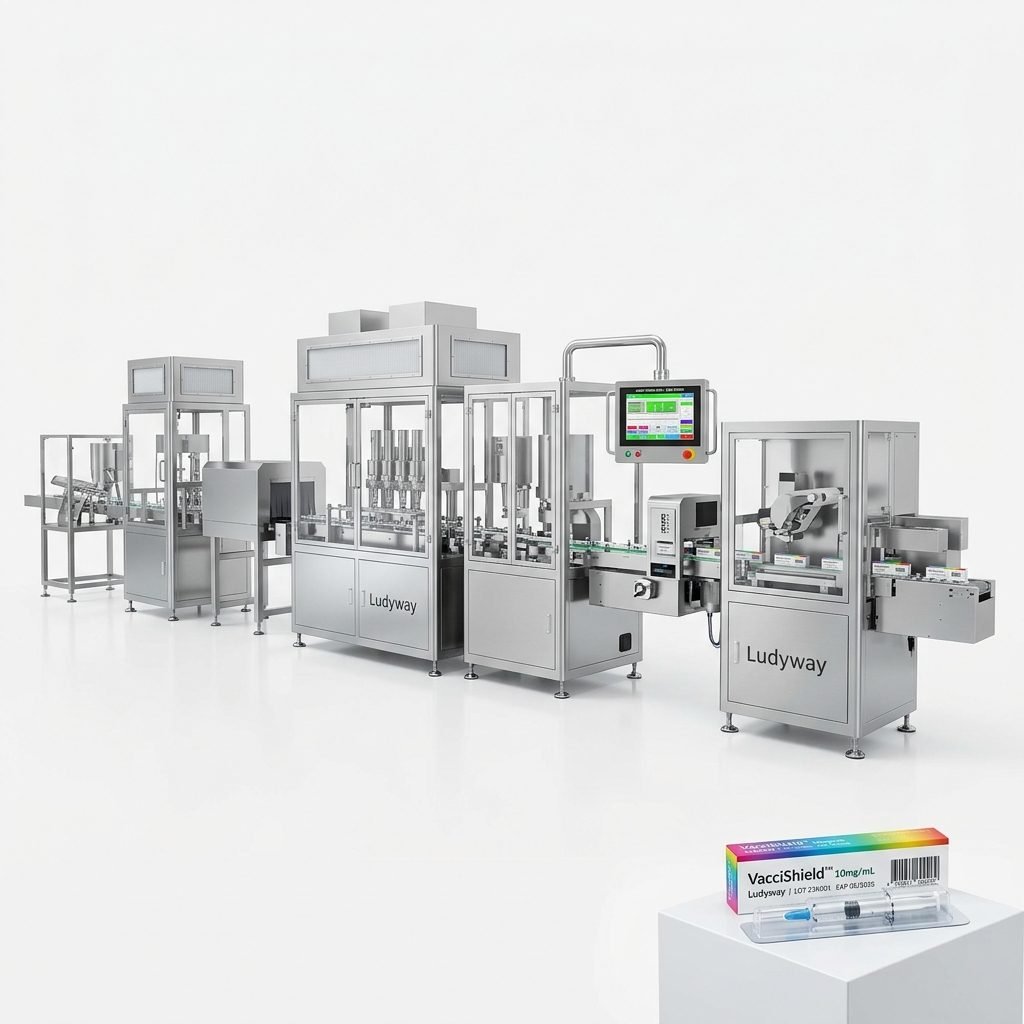
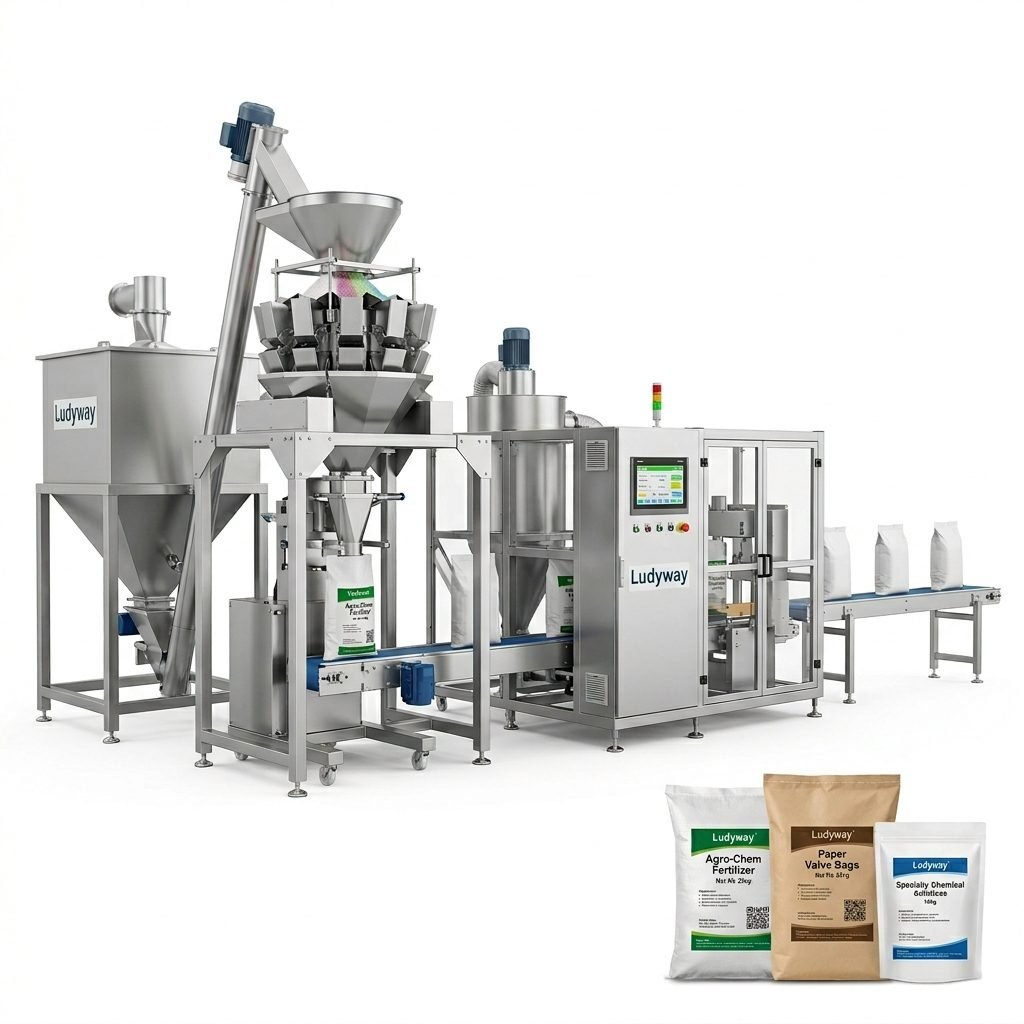
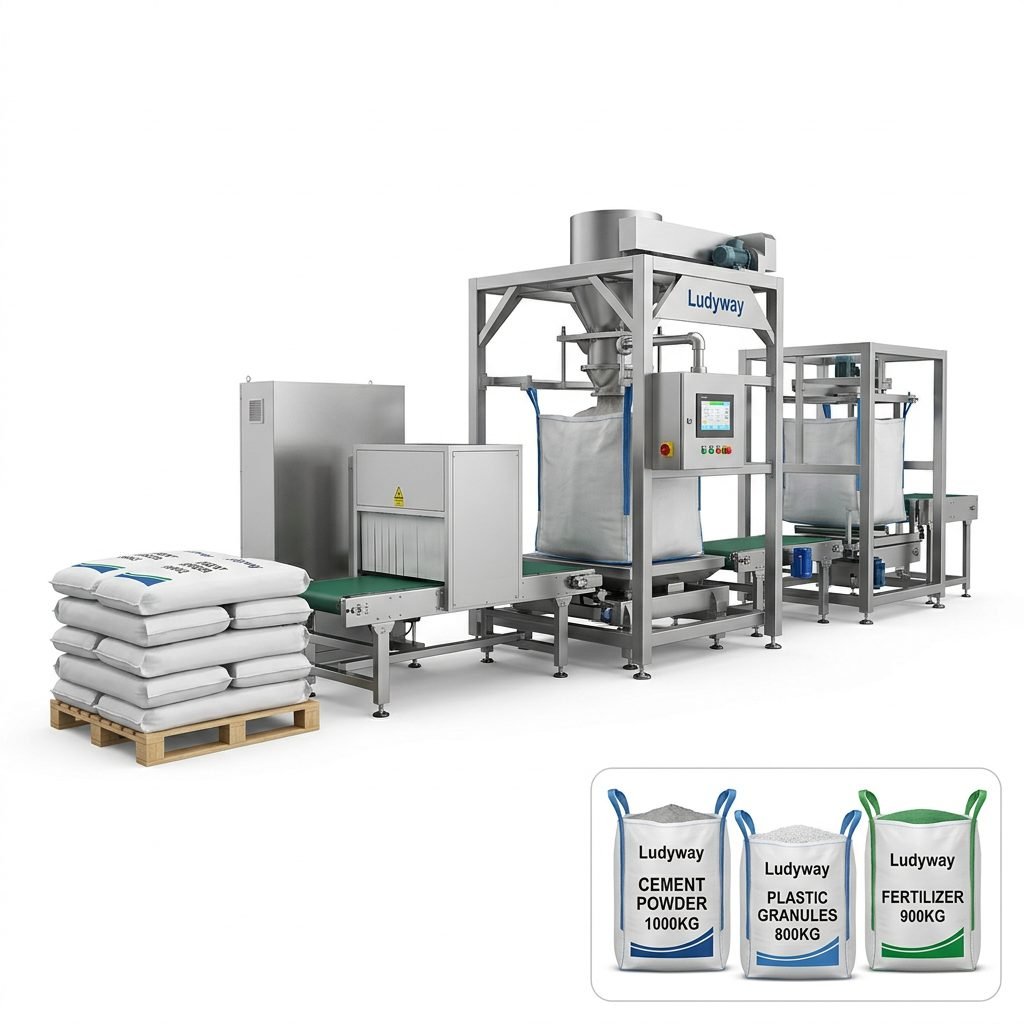
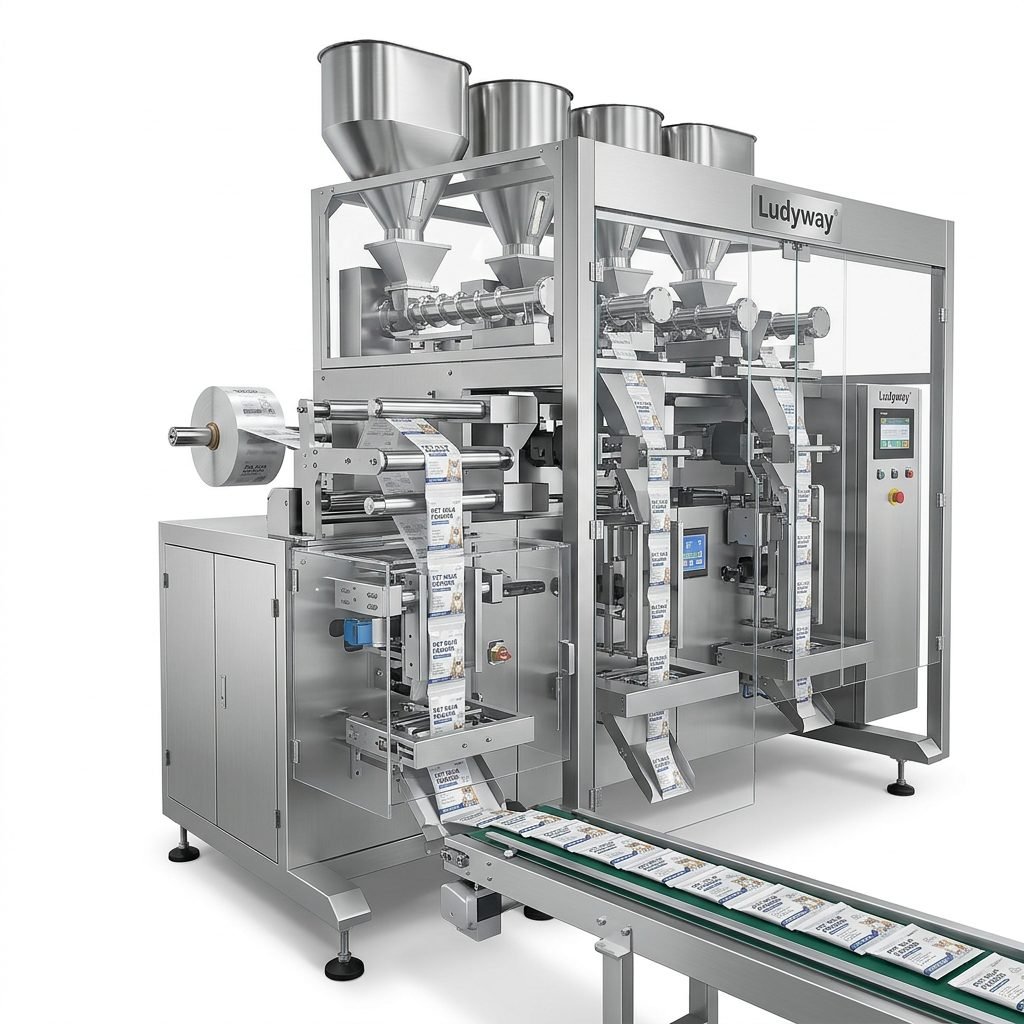
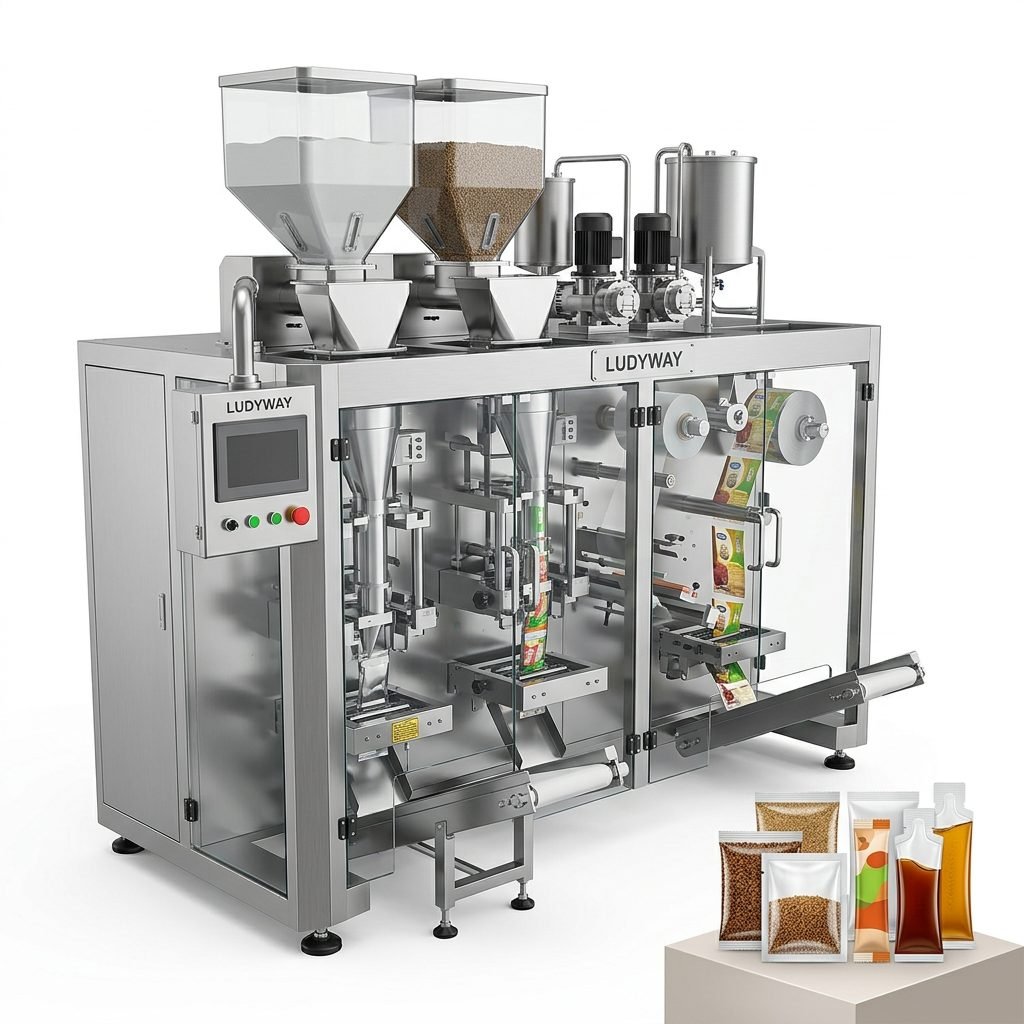
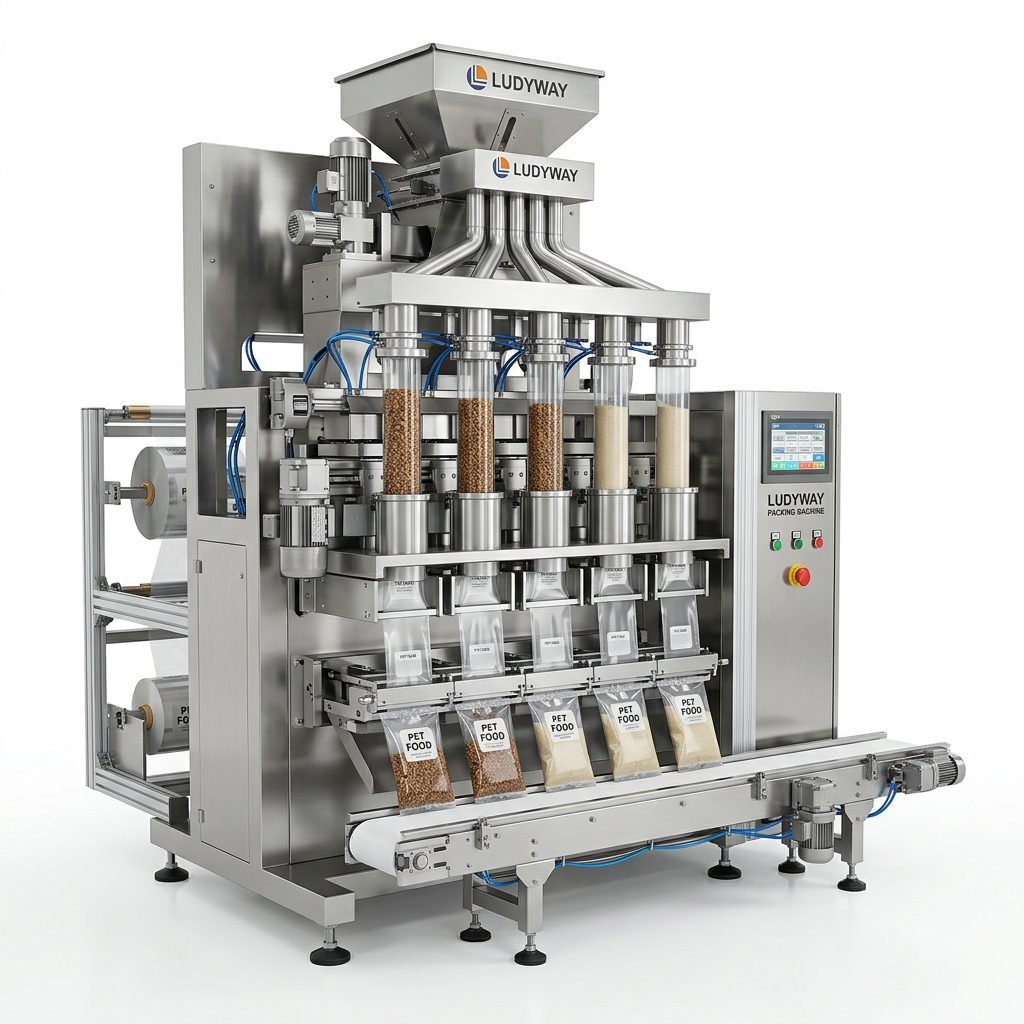
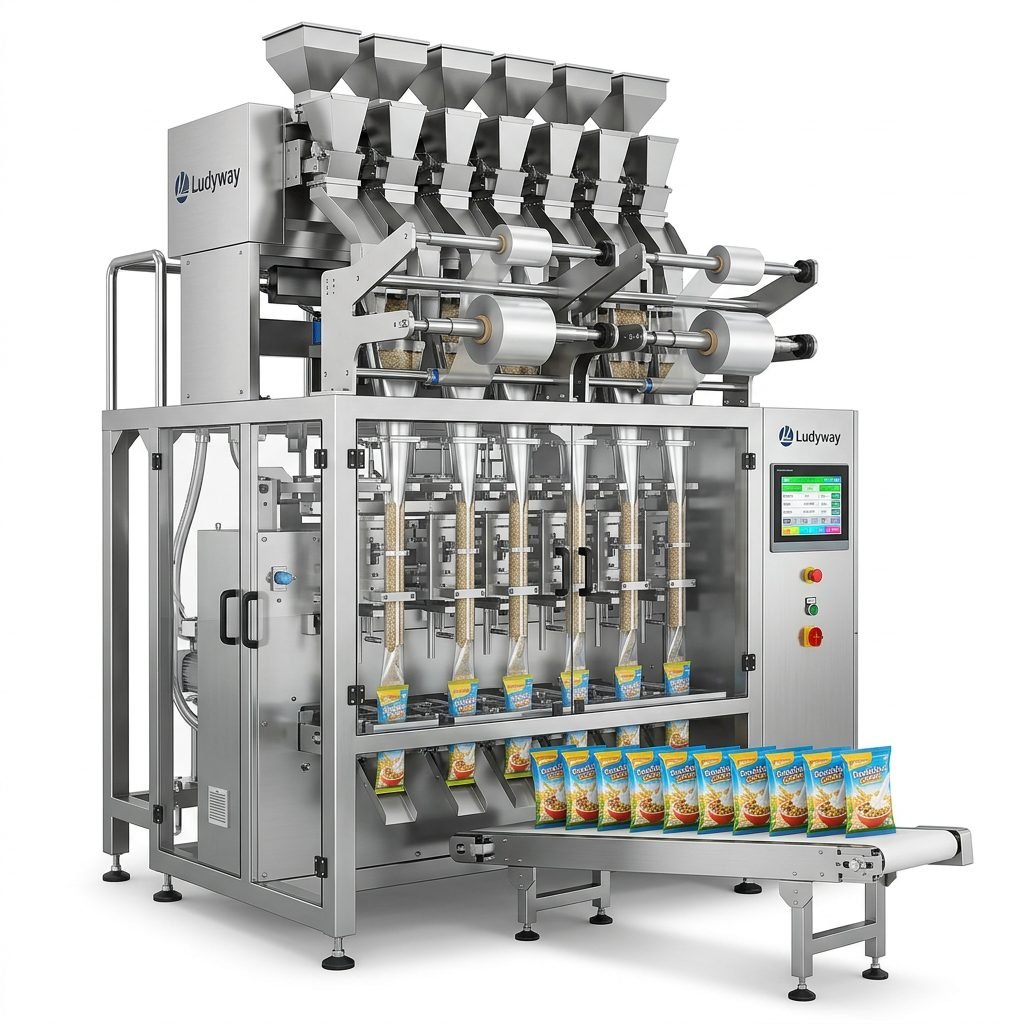
Investing in a tea sipup packing machine is a critical step for scaling your tea business, whether you’re producing herbal blends, matcha powders, or traditional loose-leaf varieties. The cost of this equipment is not a one-size-fits-all figure; it’s influenced by a matrix of technical specifications, production capacity, and automation levels. A basic semi-automatic model might start at around $8,000, while a fully integrated, high-speed multi-lane system can exceed $80,000. This significant range means understanding what drives the price is essential for making a sound capital investment. Let’s break down the key factors that determine your final budget.
Key Factors Influencing the Price
Before requesting a quote, it’s crucial to map out your production requirements. The following variables have the most direct impact on the final quote you’ll receive from a packaging machine manufacturer.
1. Level of Automation
The degree of human intervention required directly correlates with cost:
- Semi-Automatic Machines: Ideal for startups and low-volume producers. They require manual feeding and often separate sealing steps but offer an affordable entry point.
- Fully Automatic Vertical Form Fill Seal (VFFS) Machines: These are the industry standard for medium to large-scale operations. They automate bag forming, filling, sealing, and cutting, significantly boosting output.
- Turnkey Production Lines: The premium tier, integrating multi-head weighers, bucket elevators, and sometimes cartoners. These systems are designed for 24/7 operation with minimal staffing.

2. Multi-Lane vs. Single-Lane Systems
This is arguably the biggest cost multiplier. A single-lane machine produces one sachet per cycle, which might be sufficient if your hourly target is under 1,500 pouches. However, if you need to produce 10,000 sachets per hour, a multi-lane packing machine (typically 4 to 10 lanes) is necessary. The mechanical complexity and synchronization required for multi-lane units drive up the engineering costs, but the ROI is rapid for high-demand brands.
3. Filling Technology and Product Characteristics
Tea comes in many forms—fine dust, cut leaves, or dense granules—and each demands a specific dosing mechanism:
- Volumetric Cup Fillers: Economical and reliable for free-flowing granules and leaf tea.
- Auger Fillers: Essential for powder packaging machines handling matcha, instant tea, or spices. The precision of the servo-driven auger adds to the cost but prevents costly product giveaway.
- Multi-Head Weighers: The gold standard for speed and accuracy, often adding $15,000 to $25,000+ to the system price, but paying for itself quickly through material savings.
4. Material and Build Quality
Machines constructed with stainless steel 304 or 316L, widely recognized for superior corrosion resistance, are more expensive than carbon steel alternatives. If you’re packaging moist or sticky herbal extracts, or require compliance with food-grade standards, stainless steel is non-negotiable. Similarly, branded PLC components (like Siemens or Omron) and pneumatic parts (like Festo or SMC) increase reliability and upfront cost compared to generic alternatives.
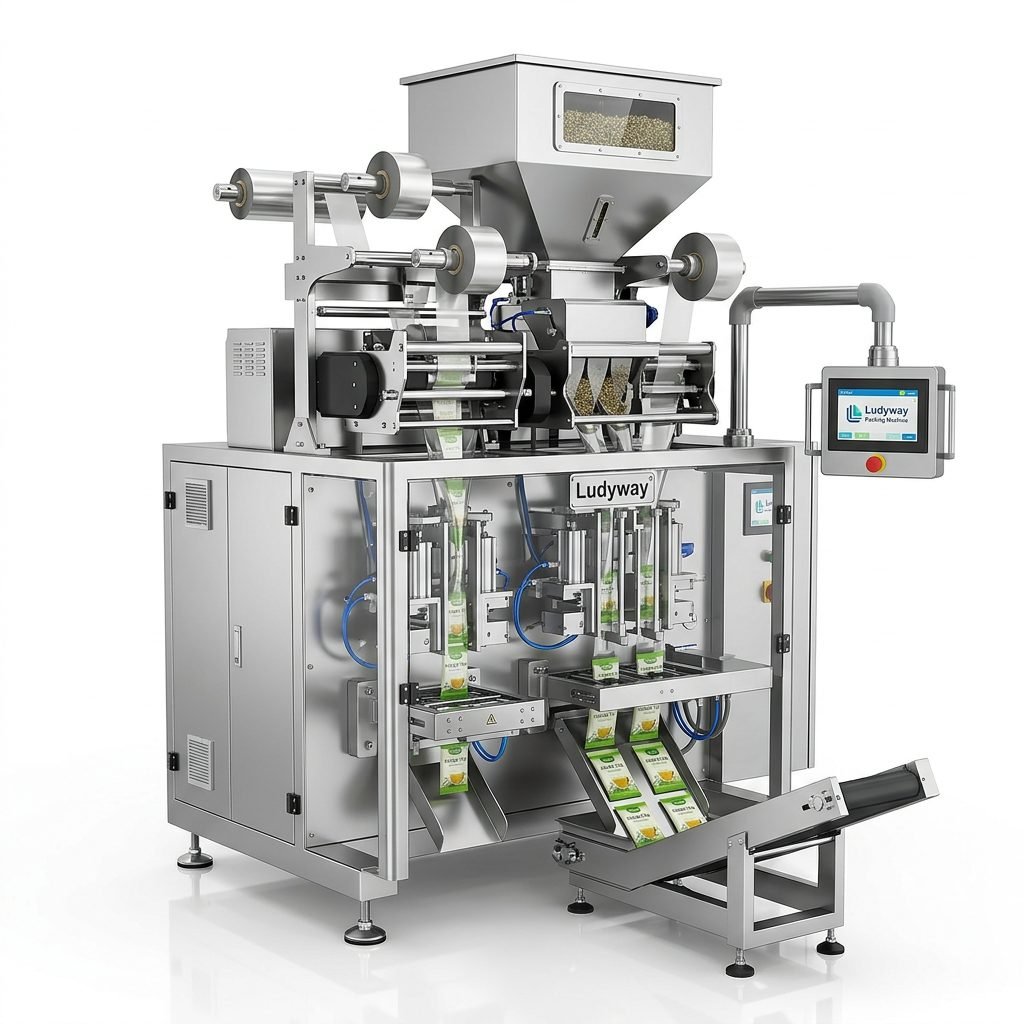
General Price Ranges by Machine Type
While custom configurations are the norm, a general market benchmark can guide your initial budgeting process.
| Machine Category | Target Output | Estimated Cost Range (USD) |
|---|---|---|
| Semi-Automatic / Entry VFFS | Up to 1,200 sachets/hour | $8,000 – $15,000 |
| Standard Automatic Single-Lane | 1,500 – 2,500 sachets/hour | $15,000 – $30,000 |
| High-Speed Multi-Lane (4-6 Lanes) | 4,000 – 8,000 sachets/hour | $35,000 – $60,000 |
| Fully Integrated Turnkey Line | 10,000+ sachets/hour | $65,000 – $100,000+ |
Optional Features That Increase Costs
Beyond the base machine, several accessories and features can enhance productivity but add to the total investment. Consider whether these align with your current and future needs:
- Gas Flushing / Nitrogen Injection: Essential for extending shelf life for tea powders, it adds a gas management system to the hardware list.
- Notch and Tear Notch Devices: For stick packs, adding easy-tear notches requires additional mechanical stamping or laser modules.
- Coding and Printing: Thermal transfer overprinters for batch numbers and expiry dates represent a standard add-on.
- Automated Cartoning: Often integrated into turnkey solutions, a cartoning machine significantly raises the line budget but automates the final packaging stage.
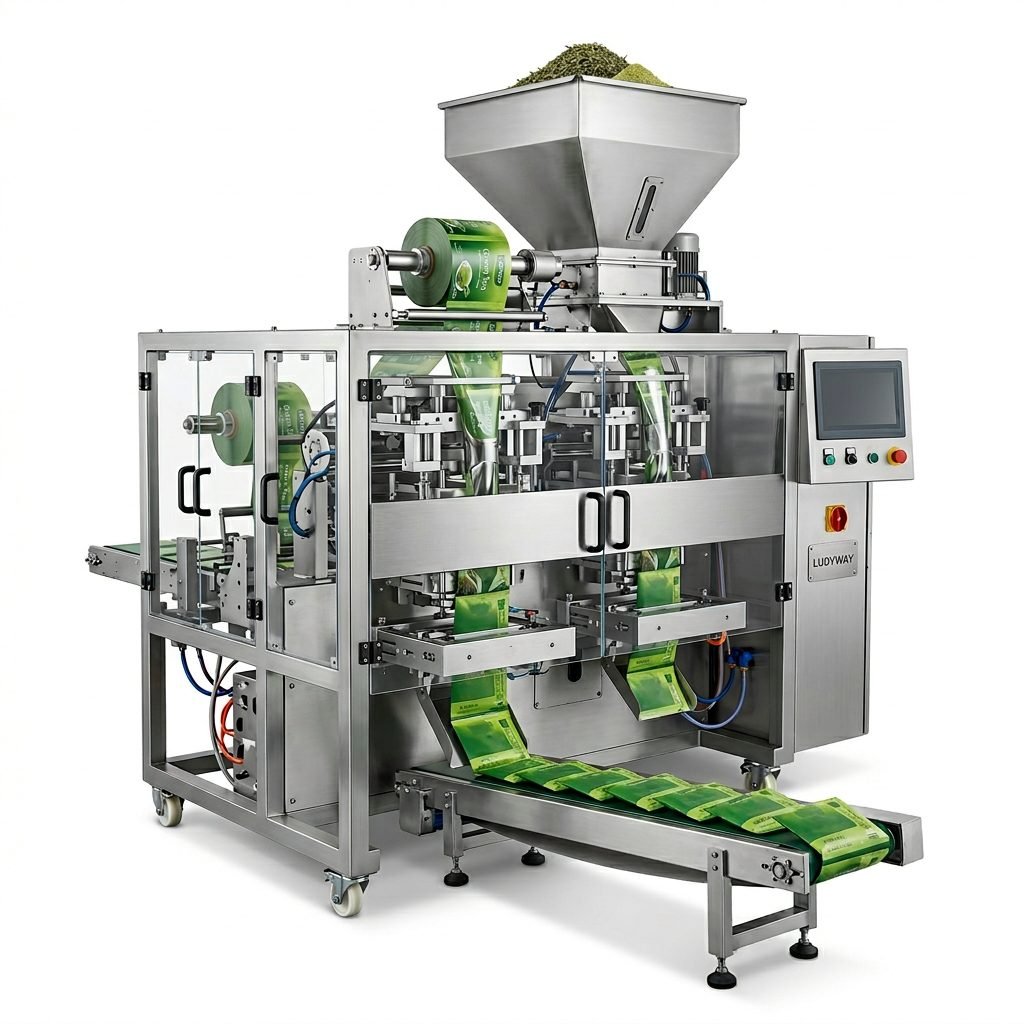
Understanding the Real Cost Drivers
It’s easy to focus solely on the sticker price, but a tea sipup packing machine is a long-term asset. A lower-cost machine might seem attractive initially, but if it uses generic parts, it may suffer from higher downtime and maintenance costs over its lifecycle. By contrast, a machine built with robust components from a dedicated packaging machine manufacturer may offer greater reliability and faster access to replacement parts. Additionally, the machine’s ability to handle different bag styles—such as three-side seal or gusseted pouches—can influence your production versatility.
Total Cost of Ownership
When calculating your return on investment, don’t overlook:
- Spare Parts: Availability of standard spare parts and lead times for shipping. A machine using globally available sensors and drives is easier to maintain.
- Operator Skill Requirement: Highly automated touchscreen interfaces reduce training time but require sophisticated software engineering initially.
- Energy Consumption: Efficient servo motors can substantially reduce electricity costs compared to pneumatic-heavy systems over a few years of operation.
Making the Right Choice for Your Business
Choosing the right equipment involves balancing your current budget with projected growth. A small tea startup might begin with a single-lane stick pack machine capable of 30-50 bags per minute, reserving capital for marketing and raw materials. On the other hand, a large co-packing facility targeting supermarket contracts will need a multi-lane sachet packaging machine that ensures annual output targets are met consistently and that product quality remains uniform across every pack.
Several factors determine the final price point for a tea sipup packing machine, from simple manual units to fully automated industrial systems. The key is to prioritize precision and reliability for your specific tea variety, whether you’re handling delicate herbal blends or dense granular mixes. For operations looking into advanced, scalable systems, one notable resource is Ludyway, a major packing machine manufacturer that offers over 50 intelligent packaging machine models backed by more than 30 years of industry experience and a modern 20,000㎡ production facility, supporting customers in over 100 countries. Their engineering team can assist with everything from multi-lane stick pack machines to fully automated turnkey packaging solutions.
Research and Industry Insights
Staying informed on industry trends and standards can help you make a better long-term decision. The following resources offer valuable data on packaging machinery market trends, standards, and regulatory information: