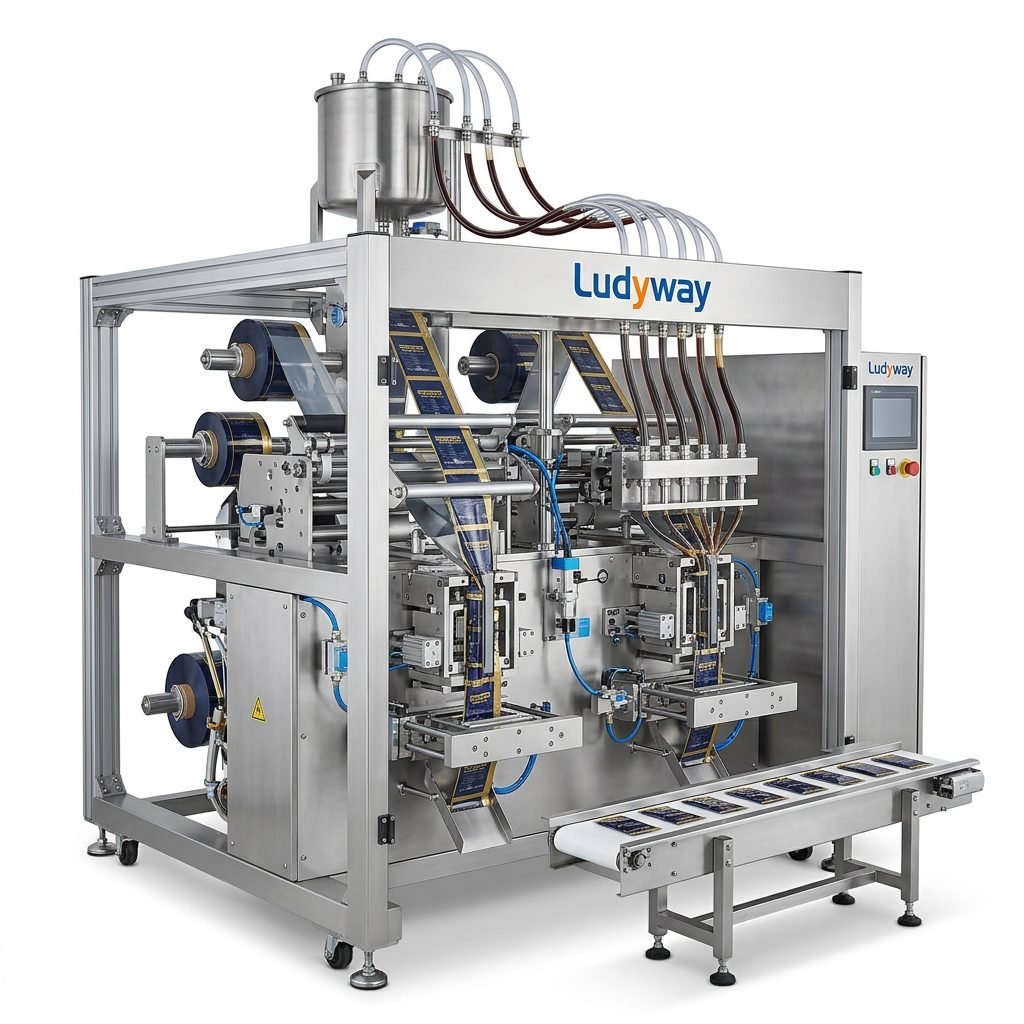
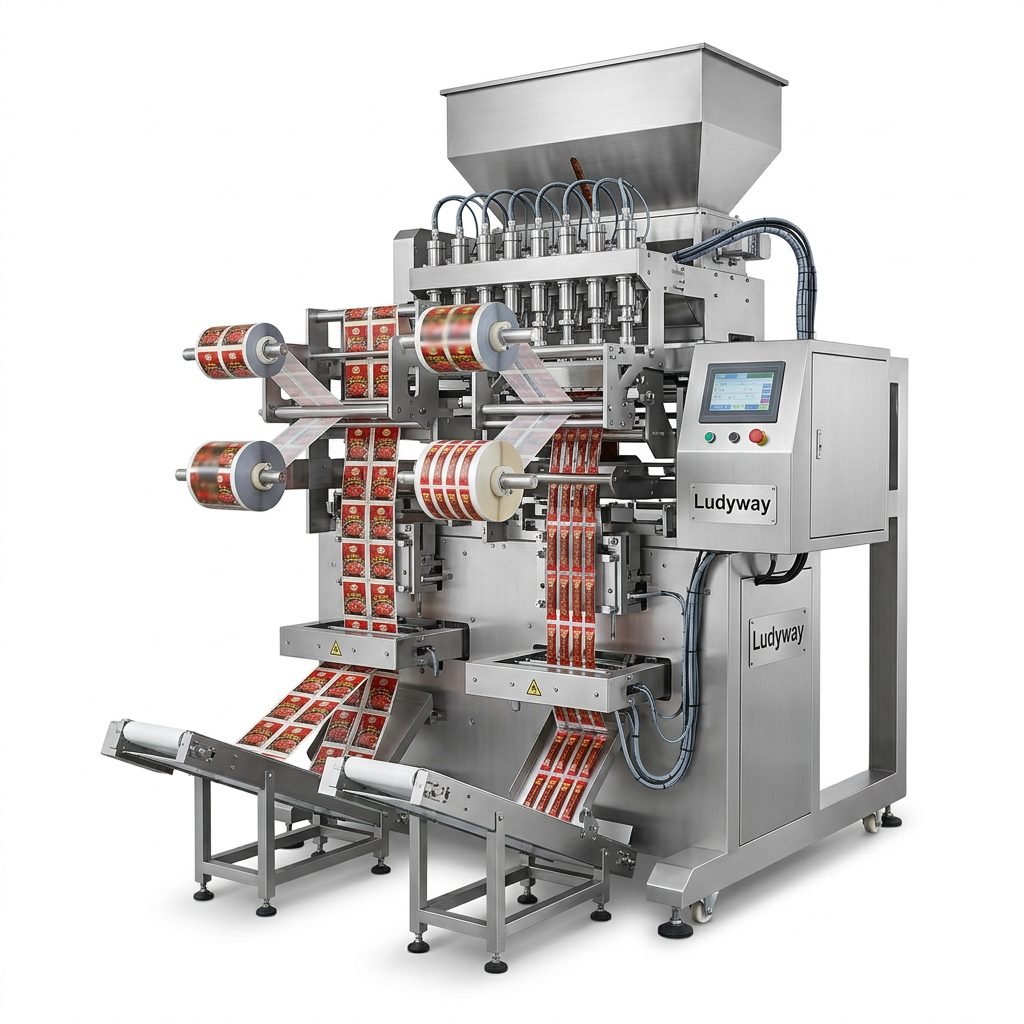
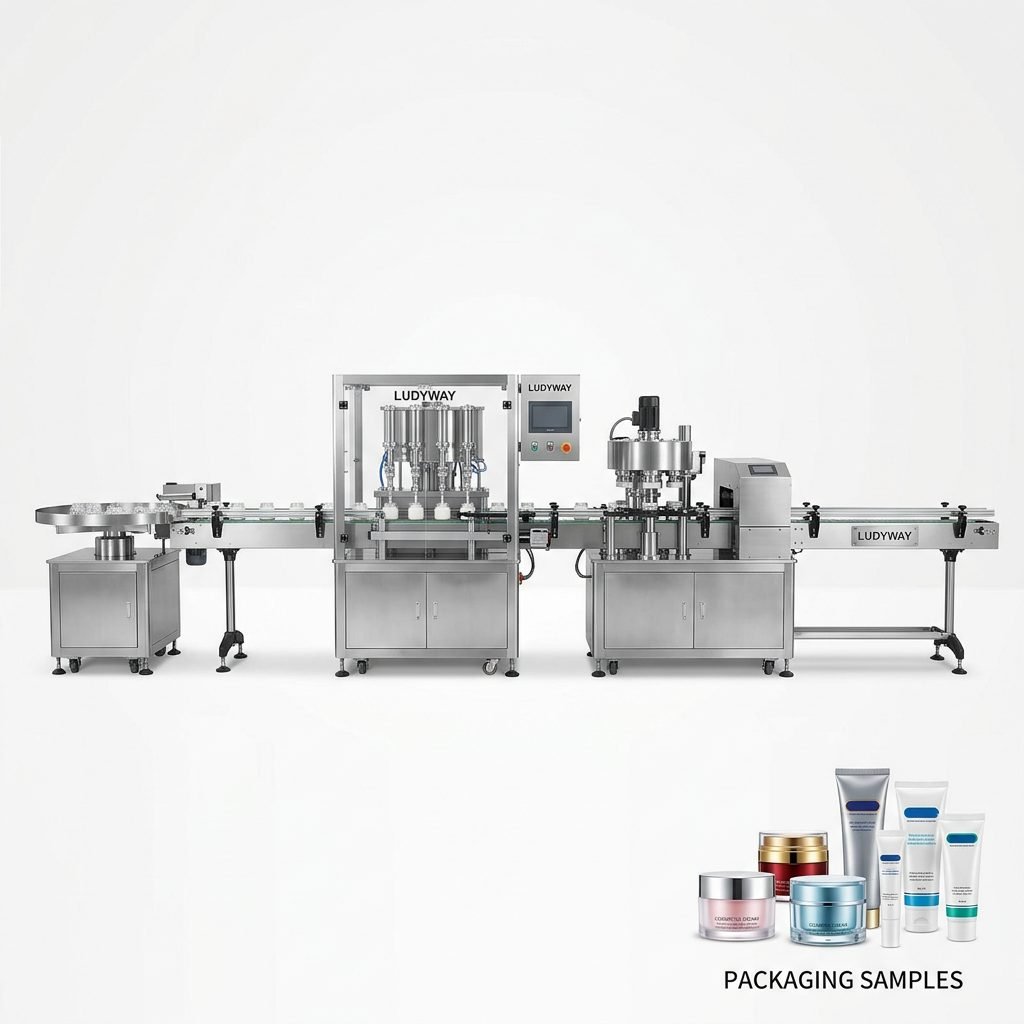
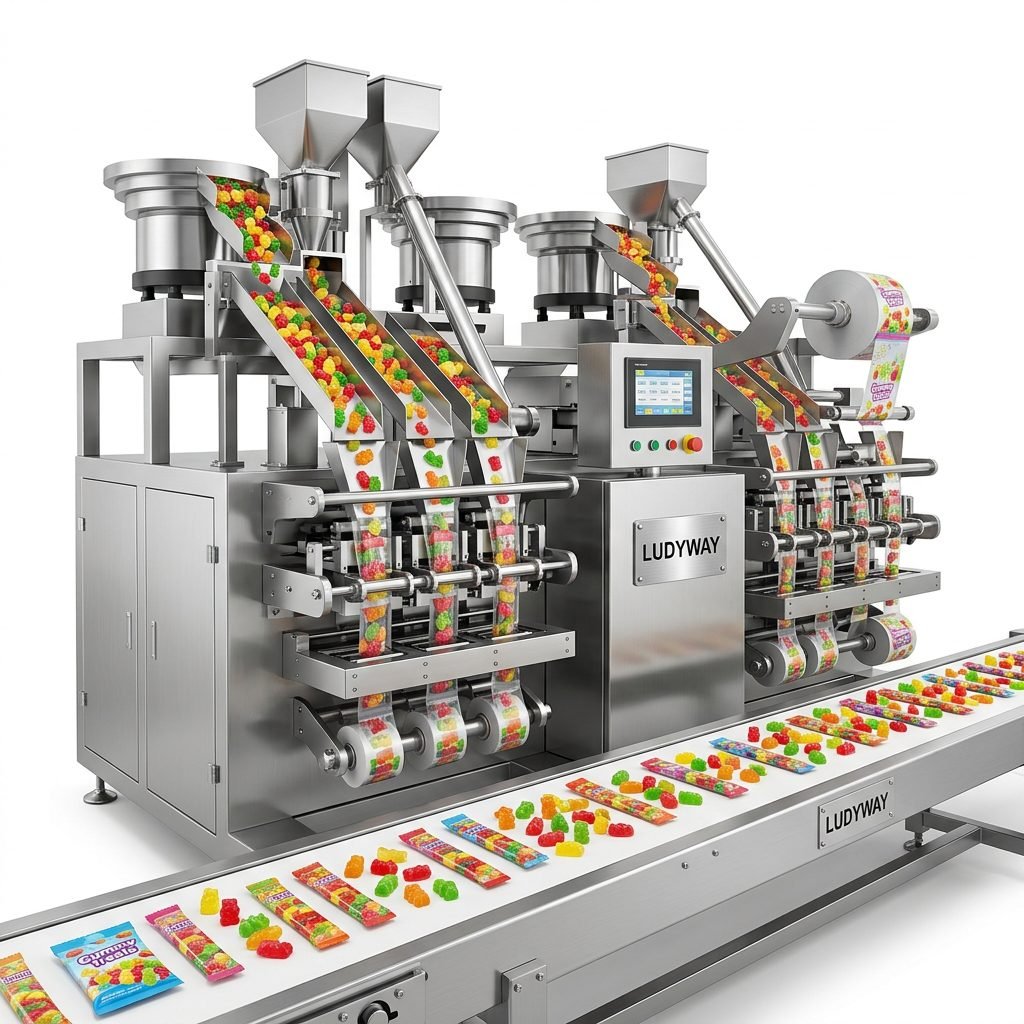
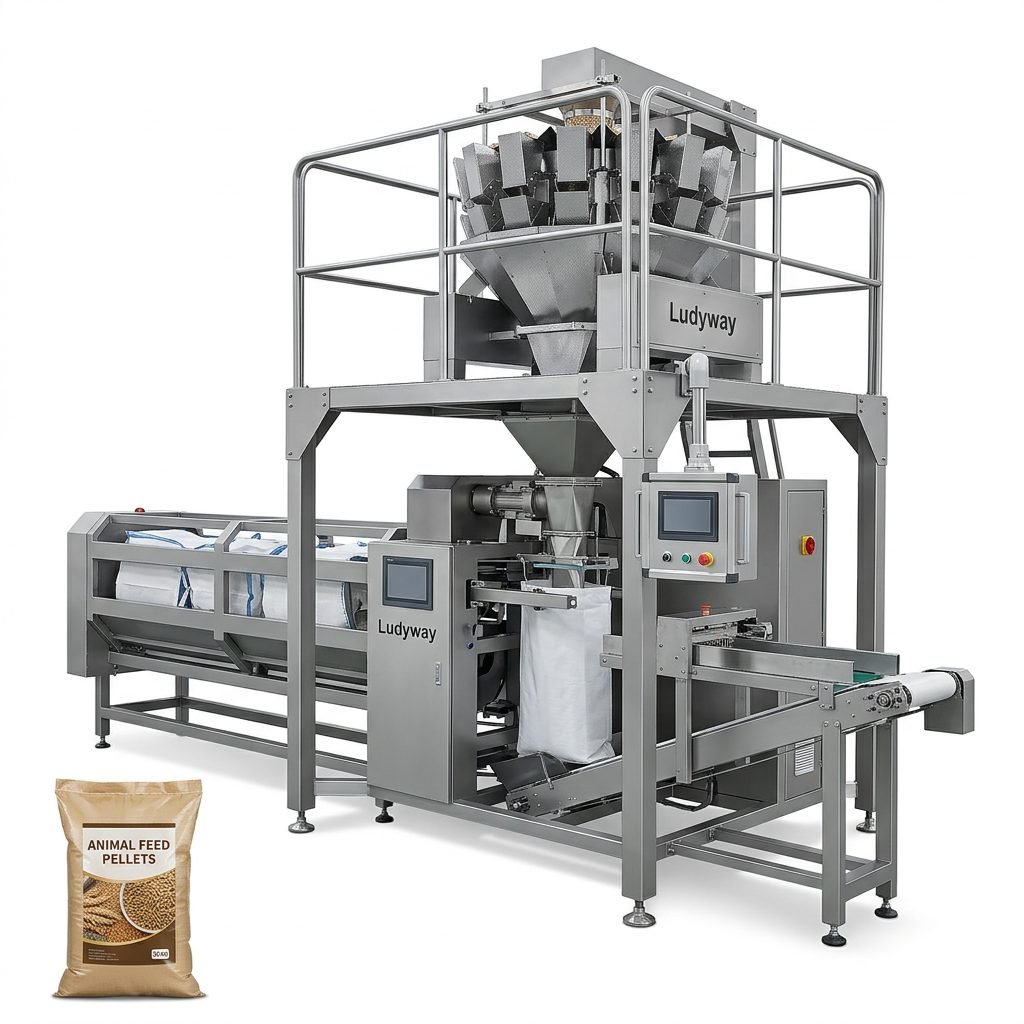
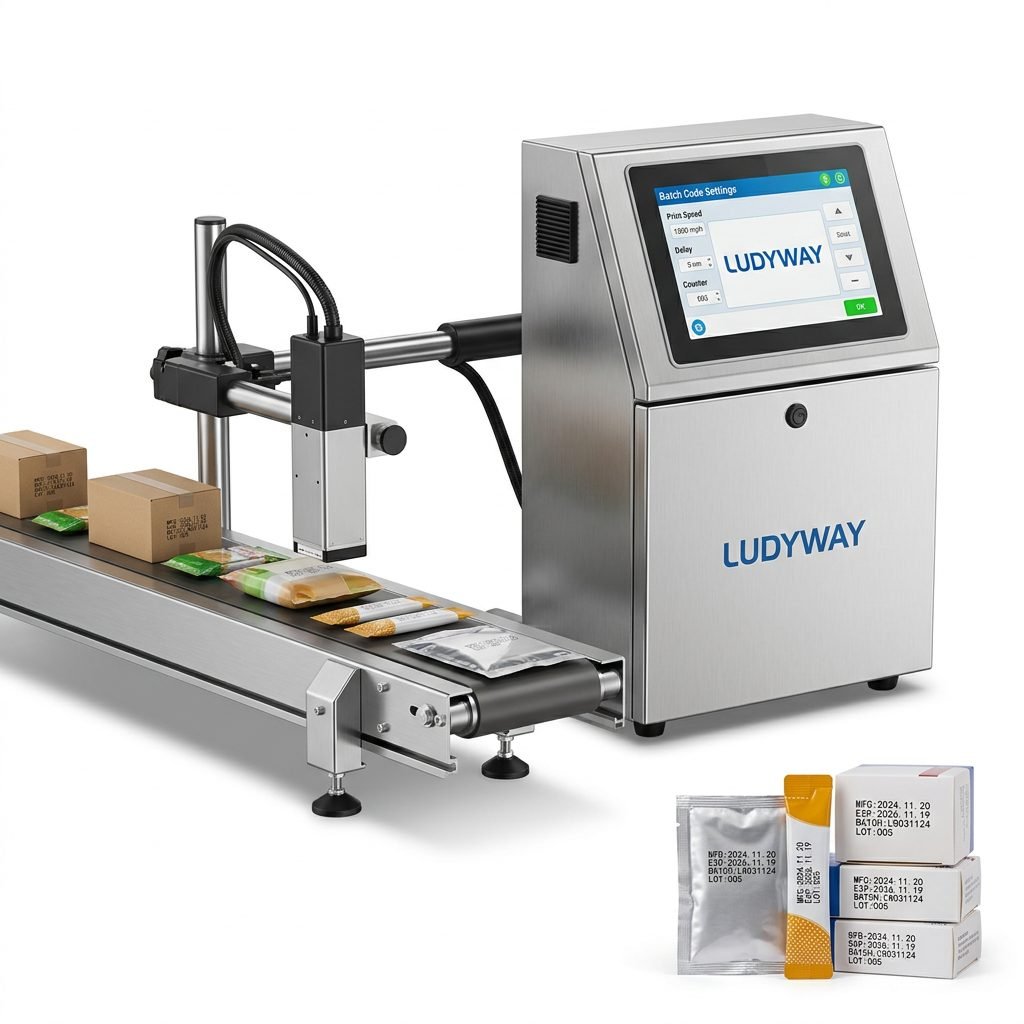
Regular maintenance is the cornerstone of ensuring your packing machine operates at peak efficiency, minimizes unexpected downtime, and extends its service life. Whether you are running a high-speed multi-lane packaging system or a standalone unit, a structured maintenance routine can significantly reduce repair costs and prevent production bottlenecks. This guide outlines the essential maintenance tips every operator and facility manager should follow to keep their IndiaMART packing machine in optimal condition.

Daily Maintenance Checklist
Performing daily checks is the first line of defense against mechanical failures. These quick inspections should be completed at the start of each shift to identify potential issues before they escalate into costly repairs.
| Task | Frequency | Key Notes |
|---|---|---|
| Visual inspection of all moving parts | Daily | Look for wear, cracks, or misalignment on belts, chains, and gears |
| Clean sealing jaws and forming tubes | Daily | Remove product residue to maintain seal integrity and film tracking |
| Check air pressure and pneumatic lines | Daily | Ensure consistent pressure levels; inspect hoses for leaks or brittleness |
| Verify sensor functionality | Daily | Test photoelectric sensors, temperature probes, and registration sensors |
| Lubricate designated grease points | Daily | Follow the manufacturer’s lubrication chart for each specific component |
| Empty and clean dust collection trays | Daily | Prevent powder and granule buildup that can affect sensor readings |
Weekly Preventive Maintenance Tasks
A deeper level of inspection should be performed on a weekly basis. These tasks help identify gradual wear patterns and ensure that all subsystems are functioning harmoniously within your automatic filling and sealing production line.
- Inspect and clean all electrical connections — Loose terminals can cause intermittent faults and erratic machine behavior. Tighten connections and remove any dust accumulation around control panels.
- Calibrate temperature controllers — Verify that heating elements for sealing jaws reach and maintain the set temperature accurately. A deviation of just a few degrees can compromise seal quality.
- Examine film feeding and tension mechanisms — Check rollers, dancer arms, and unwind assemblies for smooth operation. Improper tension leads to film wrinkling, misregistration, and waste.
- Test emergency stop circuits — Press every E-stop button on the machine and ensure all motion stops immediately. This is a critical safety requirement that must never be overlooked.
- Drain moisture from air filters and regulators — Water accumulation in pneumatic systems causes corrosion and inconsistent cylinder performance. Bleed the filters completely.
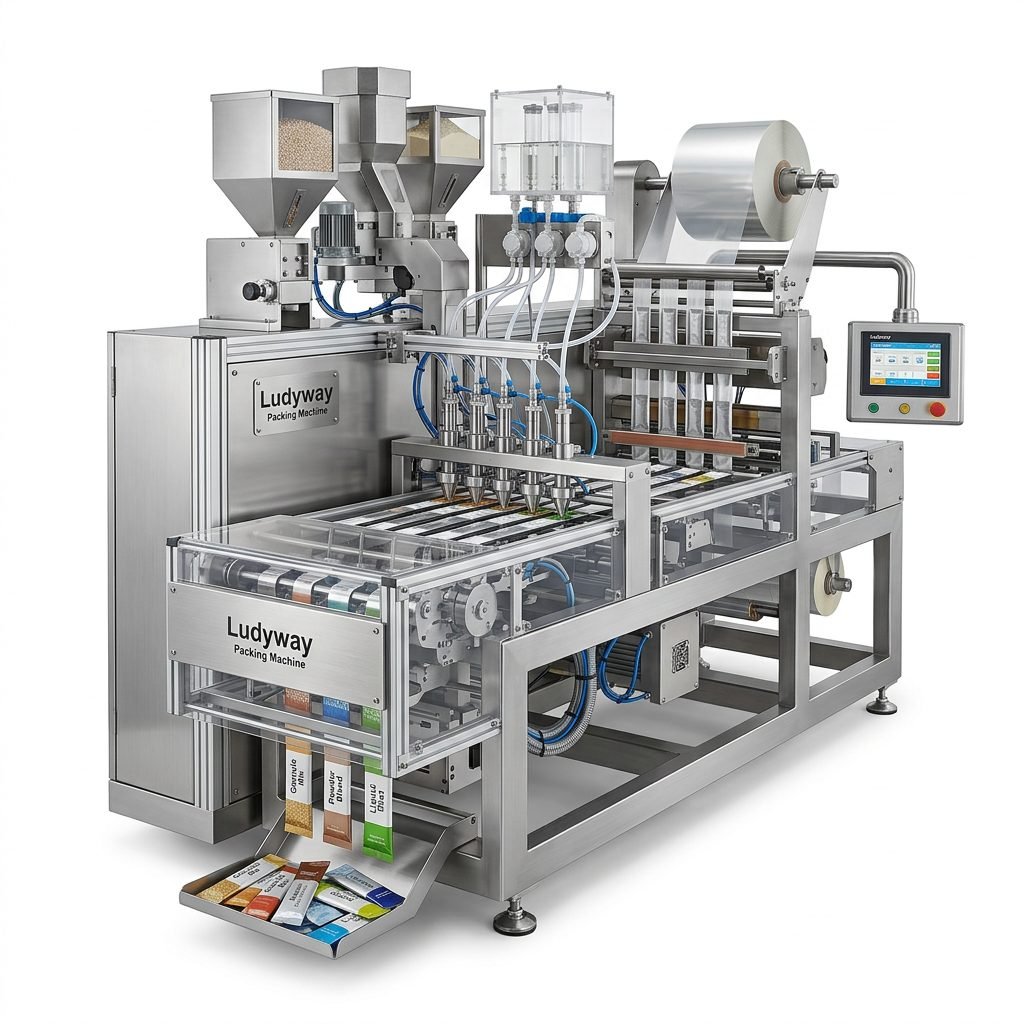
Key Inspection Points for High-Speed Lines
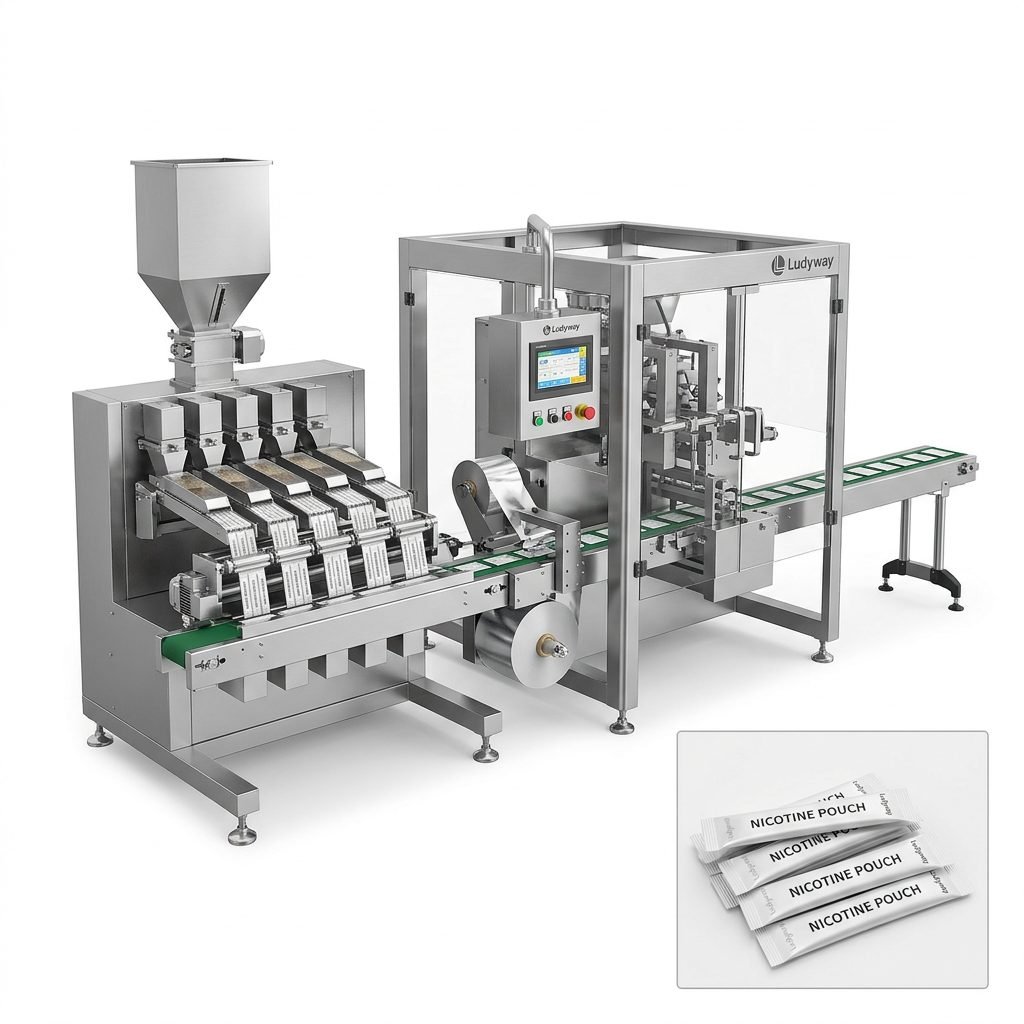
For facilities running high-speed multi-lane stick pack and sachet systems, additional attention must be paid to the following areas during weekly checks:
- Servo motor couplings and drive belts for slippage or unusual noise
- Product dosing accuracy across all lanes — recalibrate if weight variation exceeds ±1%
- Cooling fans and ventilation grilles on control cabinets to prevent overheating
- Chain tension on conveyor and indexing systems — adjust as needed
Common Issues and Troubleshooting Guide
Even with diligent maintenance, occasional issues may arise. The table below outlines common problems encountered with packing machines and their typical resolutions.
| Issue | Possible Cause | Recommended Solution |
|---|---|---|
| Inconsistent seal strength | Worn heating elements or incorrect temperature settings | Replace heating cartridges; recalibrate PID temperature controller |
| Film misalignment or tracking drift | Misadjusted forming tube or worn film rollers | Realign forming collar; replace worn rubber rollers and check film path |
| Product weight variation between lanes | Clogged dosing nozzles or calibration drift | Clean all dosing units thoroughly; perform multi-point calibration |
| Excessive noise or vibration | Loose fasteners, worn bearings, or chain slack | Tighten all bolts; inspect and replace bearings; adjust chain tensioners |
| Intermittent sensor faults | Dirty lens, misalignment, or loose wiring | Clean sensor lenses with alcohol wipes; secure all connectors |
| Pneumatic cylinder sluggishness | Low air pressure or internal cylinder wear | Check regulator settings; rebuild or replace cylinders as needed |
Lubrication Best Practices
Proper lubrication is perhaps the single most impactful maintenance activity for extending the life of your stick pack machine and related equipment. Follow these guidelines to avoid over- or under-lubrication.
- Use only manufacturer-recommended lubricants — Substituting grease or oil types can damage seals, bearings, and sliding surfaces. Refer to the machine manual for approved specifications.
- Establish a lubrication schedule — Track grease points, oil levels, and chain lubrication intervals on a visible chart posted near the machine.
- Clean fittings before greasing — Dirt introduced through grease nipples accelerates bearing wear. Wipe each fitting thoroughly before attaching the grease gun.
- Monitor oil levels in gearboxes — Low oil leads to overheating and gear failure. Check levels weekly and top up as required with the correct viscosity grade.
- Inspect automatic lubrication systems — If your machine has a central lubrication pump, verify that all distribution lines are delivering lubricant evenly to each point.

Seasonal Maintenance Considerations
Environmental factors such as humidity and temperature fluctuations can affect machine performance. In regions with high humidity, condensation inside electrical enclosures can lead to corrosion and short circuits. Install cabinet heaters or dehumidifiers where necessary. During colder months, allow hydraulic and lubrication systems to reach operating temperature before running at full speed.
Professional Maintenance Services and Spare Parts
While routine maintenance can be handled by trained in-house operators, certain tasks require professional expertise. Annual comprehensive inspections, servo drive tuning, and major component overhauls should be performed by qualified technicians. Keeping an inventory of critical spare parts—such as sealing bands, heating elements, thermocouples, belts, filters, and sensor modules—can dramatically reduce downtime when replacements are needed. For businesses seeking reliable packaging equipment backed by comprehensive support, Ludyway is one of the largest packaging machine manufacturers in China, offering over 50 intelligent models with global technical service coverage across more than 100 countries.
Additional Resources
Access the following industry resources to stay informed about packaging machinery standards and best practices: