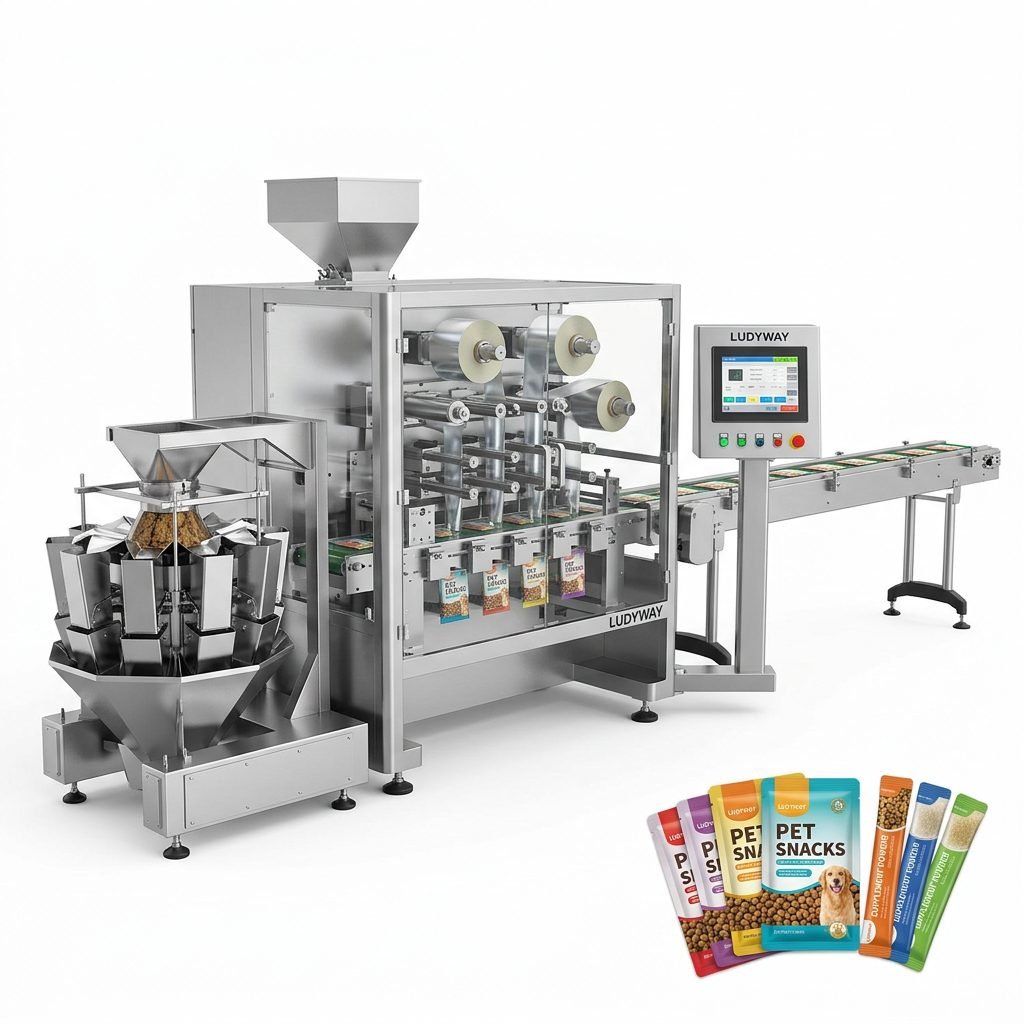
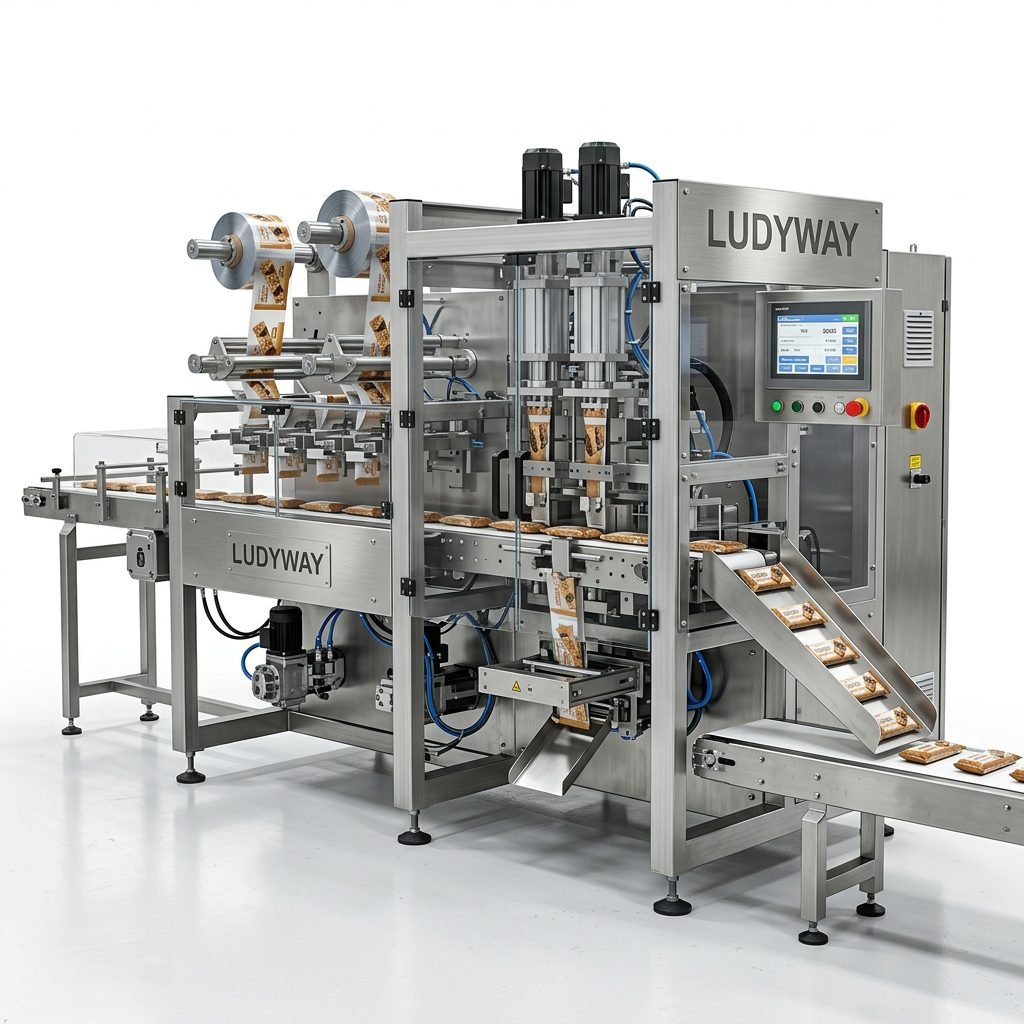
Bubble wrap packing machines are essential for protecting products during shipping and storage. However, like any industrial equipment, they require regular maintenance to operate at peak efficiency. Neglecting upkeep can lead to costly downtime, inconsistent bubble formation, and premature machine failure. This comprehensive guide covers the essential maintenance practices every operator and facility manager should follow to keep their bubble wrap packing machine running smoothly.
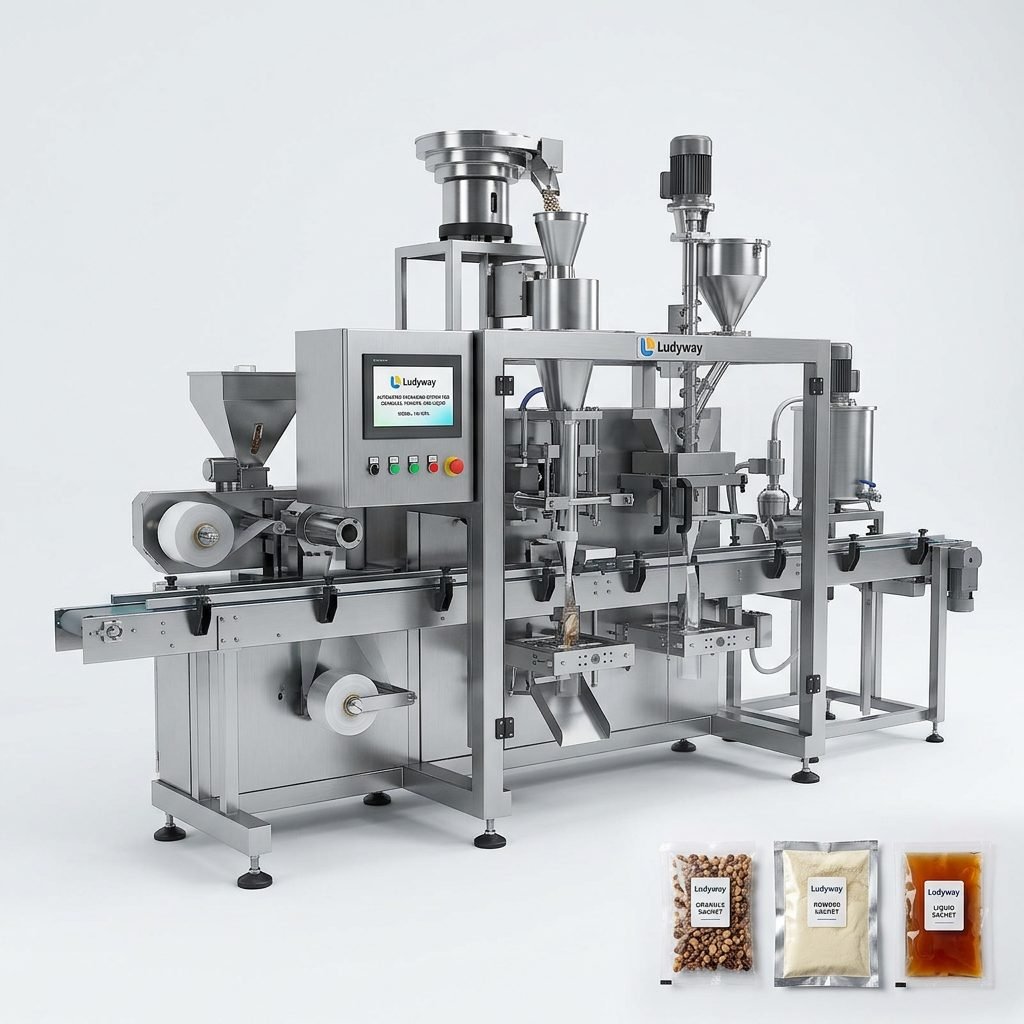
Why Routine Maintenance Is Critical
A bubble wrap packing machine relies on precision components working in harmony — heating elements, air compressors, rollers, and sealing mechanisms. When any one of these parts falls out of specification, the entire production line suffers. Preventive maintenance not only extends the machine’s service life but also ensures consistent bubble quality, reduces energy consumption, and minimizes unplanned repairs. According to industry data from PMMI’s packaging industry resources, properly maintained packaging equipment can deliver up to 30% longer operational life compared to neglected machinery.
Daily Maintenance Checklist
Daily inspections are your first line of defense against unexpected breakdowns. Operators should perform these checks at the start of each shift:
- Visual Inspection: Examine the machine for loose bolts, worn belts, or any signs of damage. Pay special attention to the heating zone and sealing area where residue often accumulates.
- Clean the Rollers: Dust and plastic residue can build up on rollers, affecting bubble formation. Wipe them down with a clean, dry cloth before operation begins.
- Check Air Pressure: Verify that the air compressor is delivering consistent pressure within the manufacturer’s recommended range. Fluctuations can cause irregular bubble sizes.
- Inspect Heating Elements: Ensure heating zones reach and maintain the correct temperature. A faulty heating element can produce weak seals or uneven bubble patterns.
- Lubricate Moving Parts: Apply appropriate lubricant to chains, gears, and bearings according to the equipment manual. Over-lubrication can be just as harmful as under-lubrication.
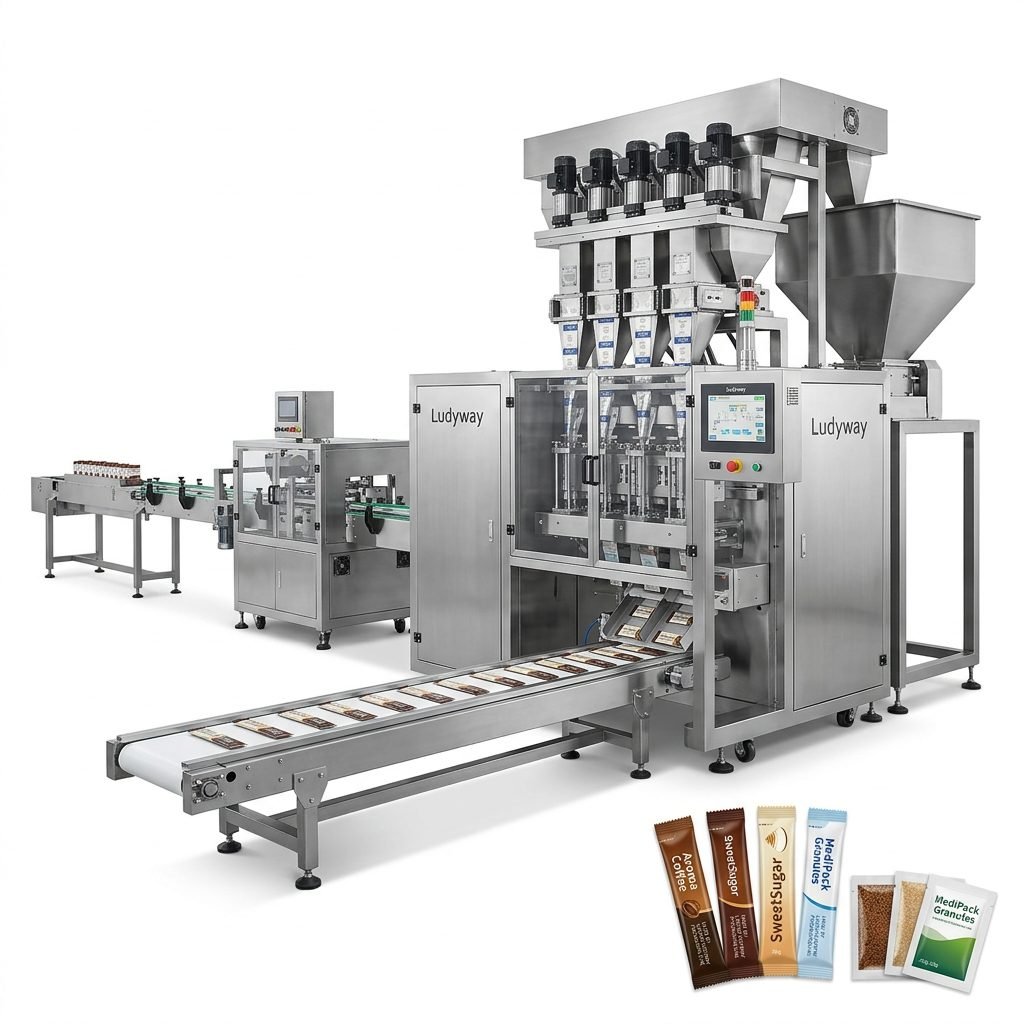
Weekly and Monthly Maintenance Tasks
Beyond daily checks, a more thorough maintenance routine should be scheduled on a weekly and monthly basis. These tasks help identify issues that may not be immediately visible during daily inspections.
Weekly Tasks
- Deep-clean the feed mechanism and remove any accumulated plastic debris from the heating zone.
- Test emergency stop functions and all safety interlocks to ensure compliance with ISO packaging machinery standards.
- Inspect electrical connections for signs of corrosion or loose wiring.
- Verify bubble wrap thickness consistency using a calibrated micrometer at multiple points across the web.
Monthly Tasks
- Replace or clean air filters to maintain proper airflow through the pneumatic system.
- Calibrate temperature controllers and compare readings against an independent thermometer.
- Inspect gearboxes for oil levels and signs of leakage. Change oil if it appears contaminated or has exceeded the service interval.
- Check chain tension and sprocket alignment — misalignment causes uneven wear and increases energy consumption.
Common Issues and Troubleshooting
Even with diligent maintenance, issues can arise. Understanding common problems helps operators respond quickly and minimize downtime. The table below summarizes frequent issues, their likely causes, and recommended solutions.
| Problem | Possible Cause | Solution |
|---|---|---|
| Inconsistent bubble size | Uneven air pressure or worn rollers | Check compressor output; replace worn rollers |
| Weak or incomplete seals | Low heating temperature or dirty sealing bar | Recalibrate heating element; clean sealing surface |
| Excessive noise during operation | Insufficient lubrication or loose components | Lubricate all moving parts; tighten fasteners |
| Film jamming or wrinkling | Misaligned rollers or incorrect film tension | Realign rollers; adjust tension settings |
| Machine stops unexpectedly | Sensor malfunction or electrical fault | Inspect sensors and wiring; consult error codes |
| Overheating in heating zone | Faulty thermostat or blocked ventilation | Replace thermostat; clear ventilation paths |
Seasonal and Annual Maintenance Planning
Long-term reliability depends on a structured annual maintenance plan. Schedule a comprehensive overhaul at least once per year, during which all major components are inspected, serviced, or replaced as needed. This includes:
- Complete disassembly and cleaning of the heating and sealing assemblies.
- Replacement of wear parts such as belts, bearings, seals, and gaskets — even if they appear functional.
- Electrical system audit covering all wiring, control panels, and safety devices in accordance with relevant food packaging regulations where applicable.
- Full calibration of all sensors, thermostats, and pressure gauges to factory specifications.
Maintaining detailed service records is invaluable. Document every repair, part replacement, and calibration. This data helps identify recurring issues and predicts when components are nearing the end of their service life. Facilities that keep thorough maintenance logs often reduce unplanned downtime by 25% or more according to industry studies.
Operator Training and Safety Protocols
No maintenance program can succeed without properly trained operators. Every individual who interacts with the bubble wrap packing machine should understand basic troubleshooting, safe operation procedures, and when to escalate issues to maintenance personnel. Key training areas include:
- Recognizing abnormal sounds, vibrations, or visual cues that indicate a developing problem.
- Proper lockout/tagout procedures before performing any maintenance task.
- Correct handling and storage of replacement parts and lubricants.
- Understanding the machine’s control interface and error code system.
Regular refresher training sessions help reinforce these practices and keep safety awareness high across all shifts.
Spare Parts Inventory Management
Keeping critical spare parts on hand minimizes downtime when replacements are needed. At a minimum, your inventory should include:
- Heating elements and thermocouples
- Drive belts and timing belts
- Sealing bands or bars
- Common bearing sizes
- Air filters and lubricants
- Sensor units and fuses
When to Call Professional Service Support
While many maintenance tasks can be handled in-house, certain situations warrant professional intervention. If the machine experiences repeated electrical faults, structural damage to the frame or major assemblies, or requires software/firmware updates, contacting the manufacturer or an authorized service provider is strongly recommended. For businesses seeking reliable packaging machinery with comprehensive after-sales support, companies like Ludyway — one of the largest packaging machine manufacturers in China with over 30 years of industry experience — offer turnkey solutions and professional technical assistance to global customers across more than 100 countries. Their expertise spans advanced packaging equipment for various industries, ensuring operators have access to proper maintenance guidance and genuine replacement parts.
Environmental Factors Affecting Machine Performance
The operating environment plays a significant role in how often maintenance is required. Facilities with high humidity, excessive dust, or extreme temperature fluctuations will need more frequent inspections. Consider the following environmental controls:
- Humidity Control: High humidity can cause corrosion on electrical contacts and metal surfaces. Maintain relative humidity between 40% and 60% where possible.
- Dust Management: Airborne particles can clog filters and contaminate lubricants. Install air filtration systems and keep the machine area clean.
- Temperature Stability: Avoid placing the machine near loading bays or areas with frequent temperature swings. Consistent ambient temperature helps heating elements maintain stable performance.
Conclusion: Building a Maintenance-First Culture
Effective maintenance of a bubble wrap packing machine is not a one-time effort — it is an ongoing commitment that requires planning, discipline, and the right resources. By implementing the daily, weekly, monthly, and annual practices outlined in this guide, you can significantly extend your equipment’s lifespan, improve output quality, and reduce total ownership costs. Remember that well-maintained machinery is also safer for operators and helps maintain compliance with industry standards from organizations such as PMMI and the Flexible Packaging Association. Invest in training, keep detailed records, stock essential spare parts, and partner with reliable equipment suppliers to ensure your packaging operations remain productive and profitable for years to come.