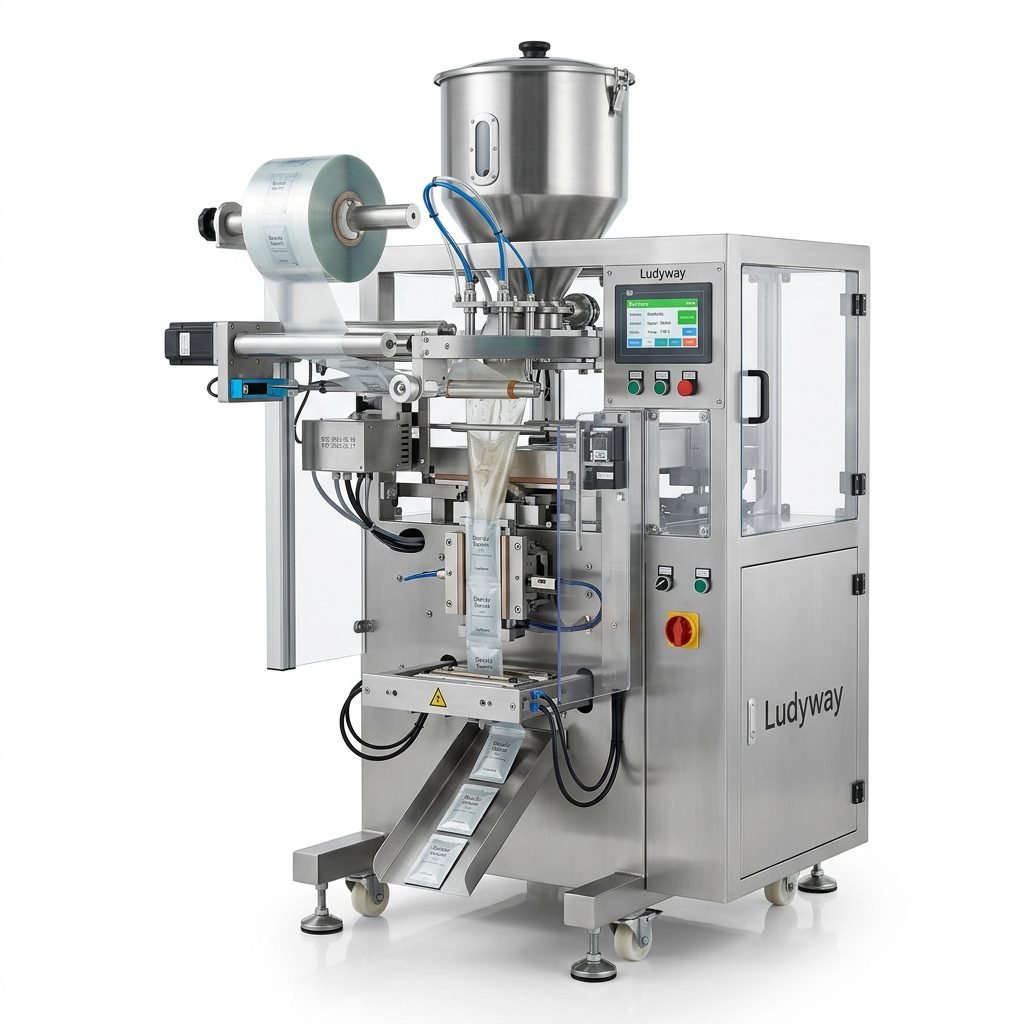
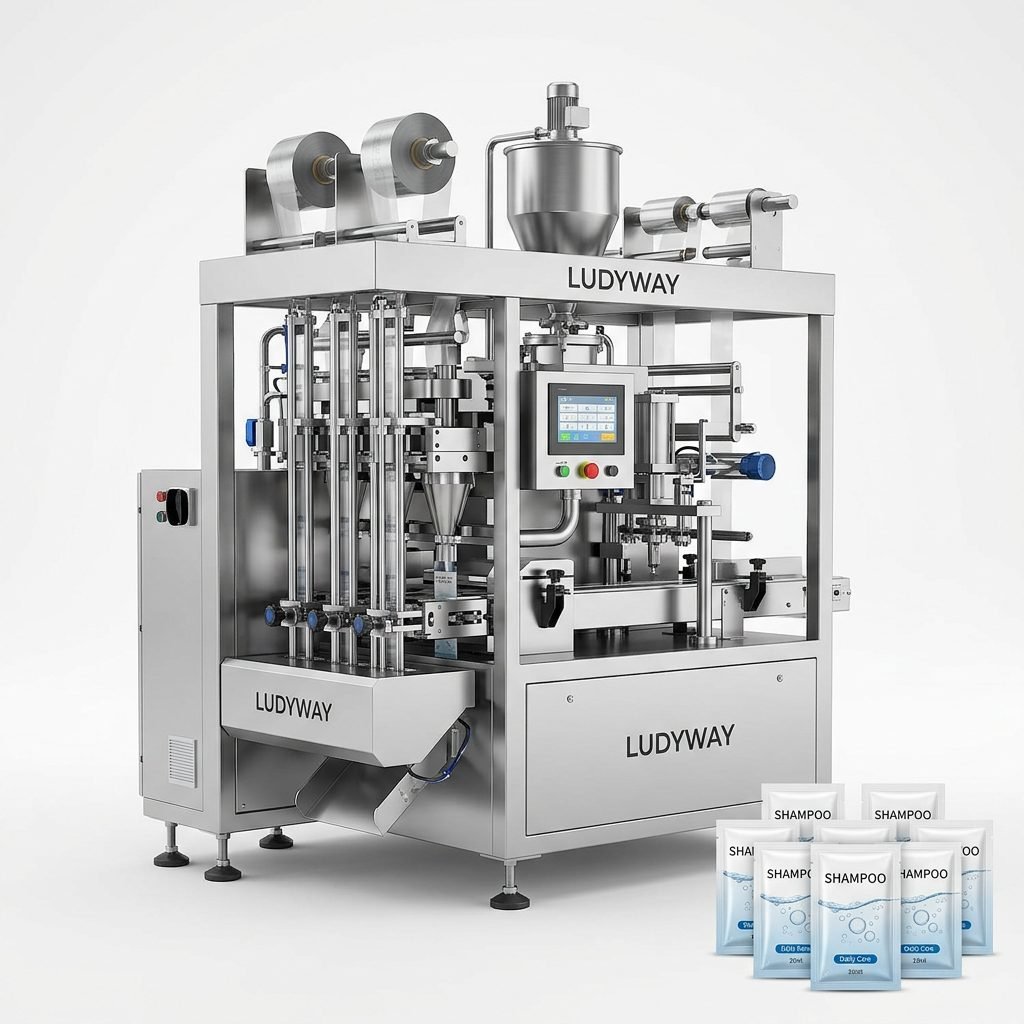
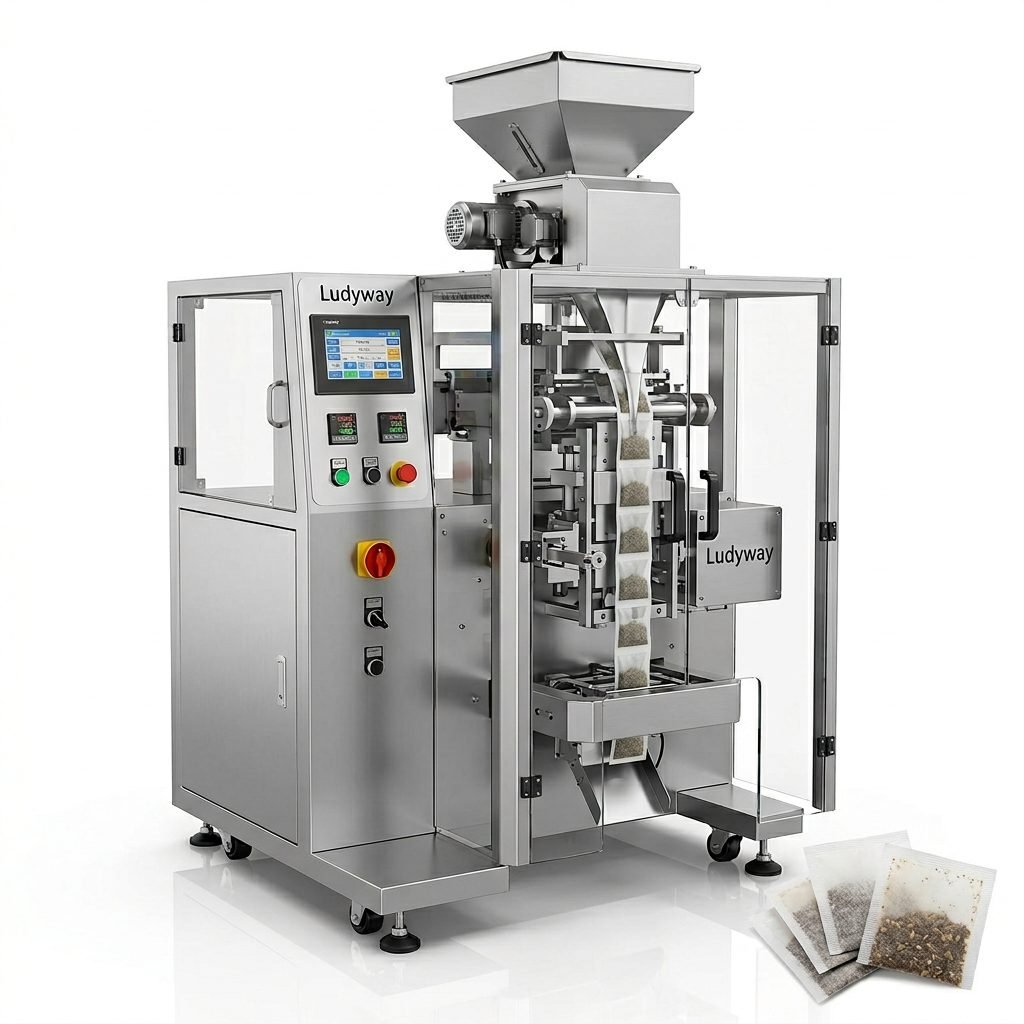
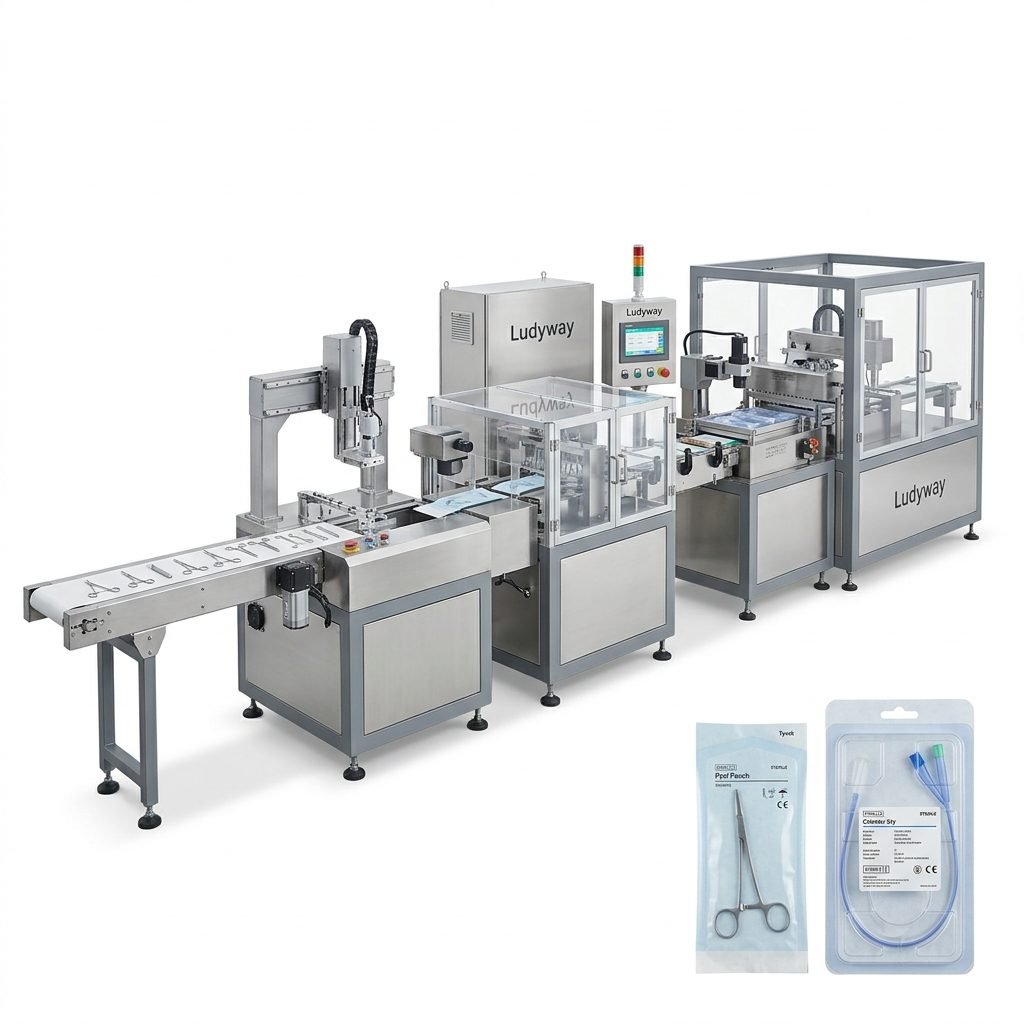
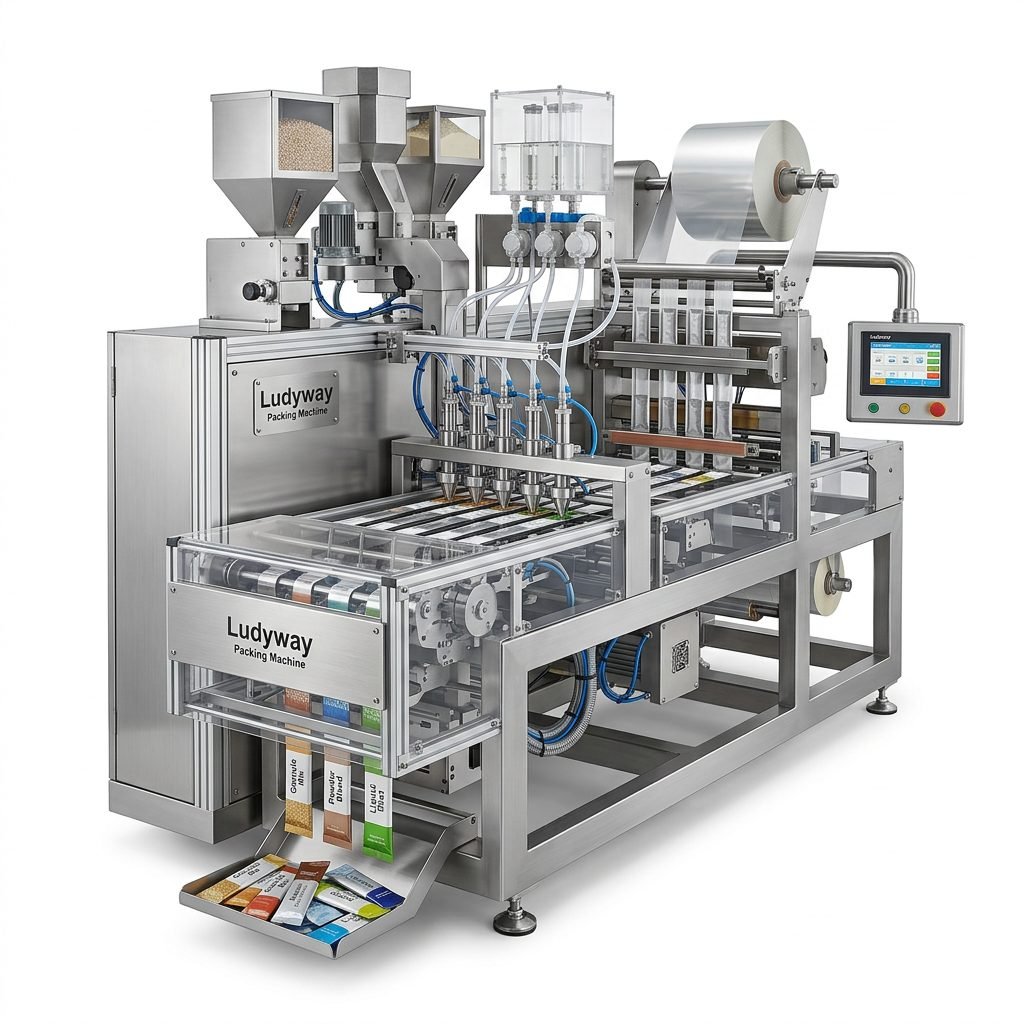
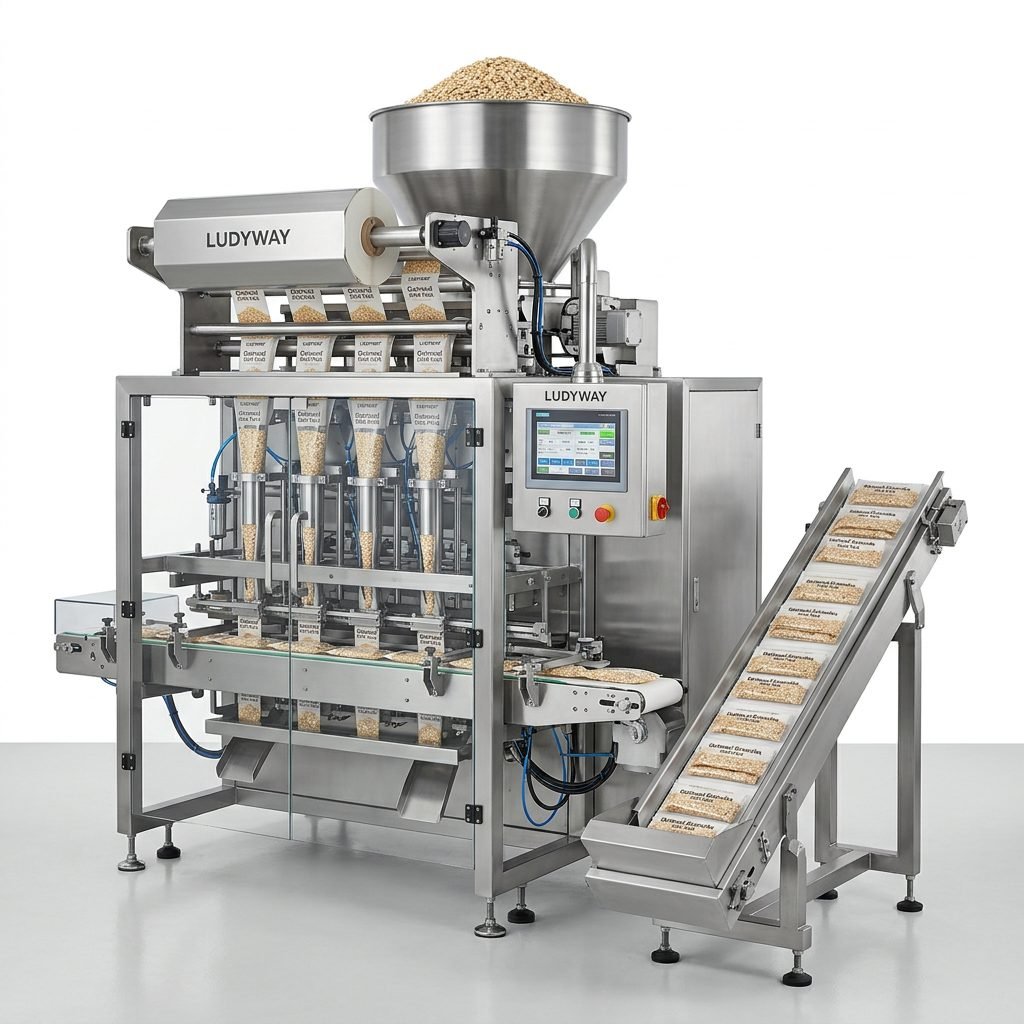
Proper maintenance of a cone packing machine is essential for ensuring consistent product quality, minimizing downtime, and extending the service life of your equipment. Without a structured care routine, even the most robust machines can develop issues that lead to costly repairs. This guide outlines practical, actionable steps to keep your cone packing system running at peak efficiency.
Regular maintenance is not just about fixing problems—it is about preventing them. According to packaging machinery industry best practices, a well-maintained machine can operate reliably for years while maintaining high throughput and precision. Whether you are running a single-lane or multi-lane configuration, these tips apply across the board.
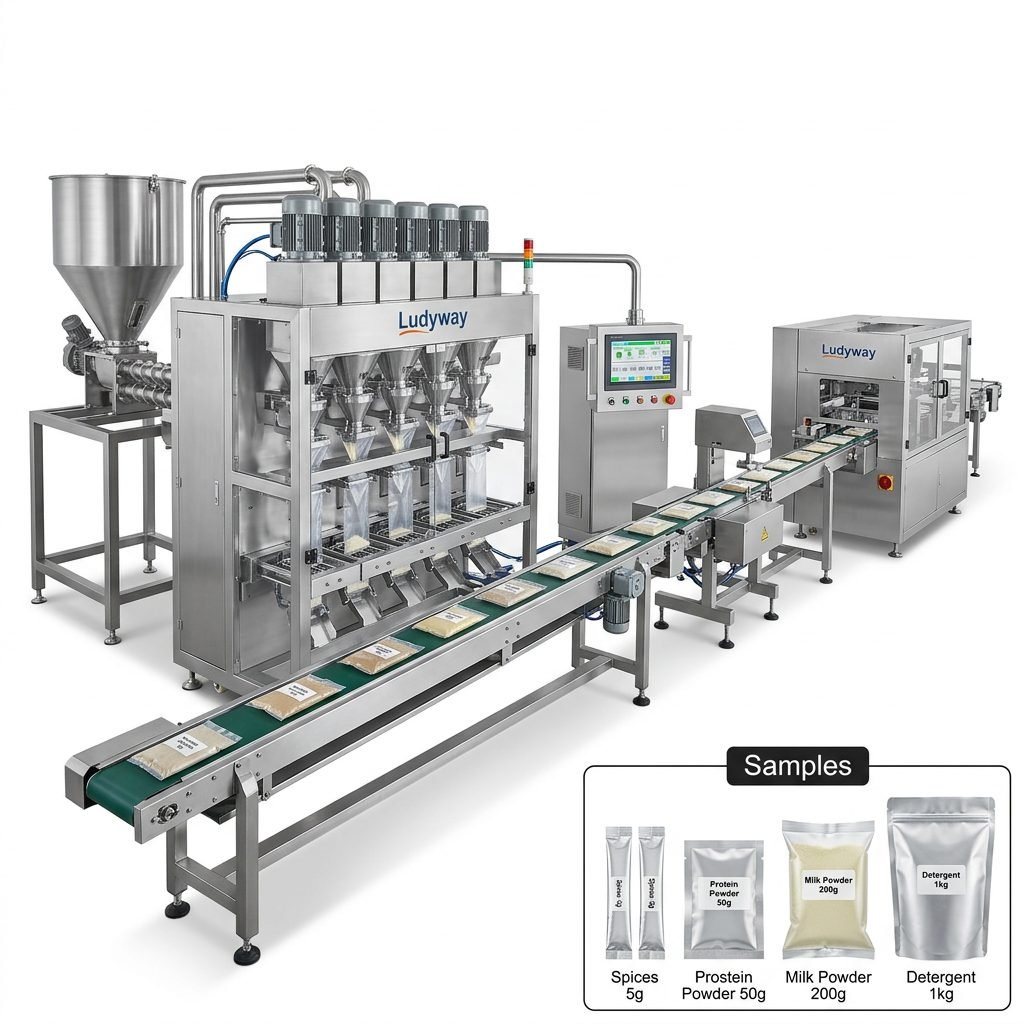
Daily Inspection Checklist
A consistent daily walkthrough helps you catch early signs of wear before they escalate. Use the following table as a quick-reference guide for your operators:
| Component | What to Check | Frequency |
|---|---|---|
| Sealing Jaws | Wear patterns, residue buildup, alignment | Every Shift |
| Film Feed Rollers | Smooth rotation, surface cleanliness, tension | Every Shift |
| Filling Nozzles | Blockages, drips, positioning accuracy | Every Shift |
| Conveyor Belt | Tracking, tension, edge fraying | Daily |
| Sensors & Photo Eyes | Lens cleanliness, proper signal response | Daily |
| Emergency Stops | Functional test, no obstructions | Weekly |
Cleaning Procedures
Keeping your cone packing machine clean is one of the simplest yet most impactful maintenance tasks. Product dust, film fragments, and lubricant residue can all interfere with precision components over time.
Recommended Cleaning Routine
- Remove loose debris with a soft brush or vacuum before wiping surfaces. Avoid compressed air that can push particles deeper into sensitive areas.
- Wipe down sealing surfaces using a non-abrasive cloth and an approved cleaning solvent. Residual product on jaws leads to inconsistent seal quality.
- Clean film path rollers with isopropyl alcohol to remove adhesive buildup from packaging films. Pay special attention to tension rollers and dancer arms.
- Inspect and clean product contact parts including hoppers, augers, and filling tubes. Cross-contamination risks increase when old product residue remains.
- Check air filters on pneumatic systems and replace clogged elements that can reduce actuator performance.
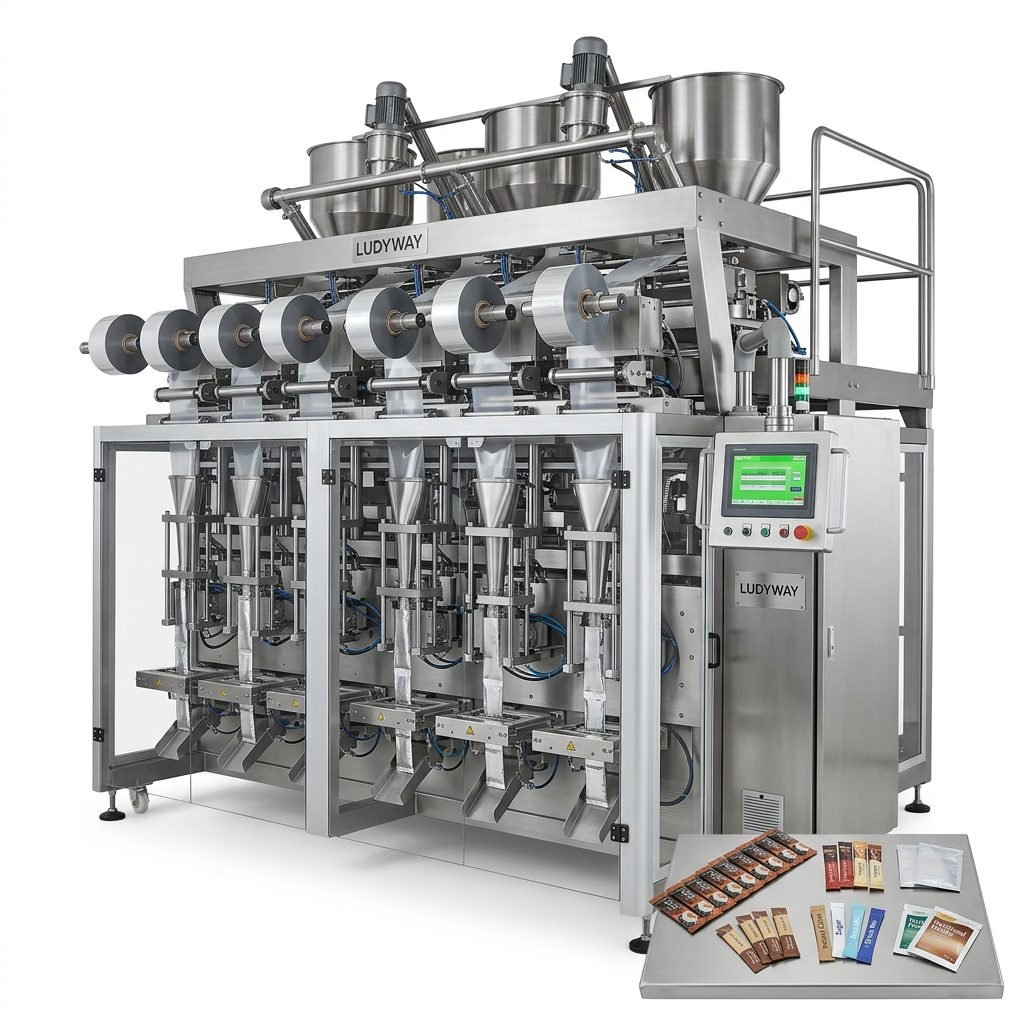
Lubrication Guidelines
Proper lubrication reduces friction, prevents premature wear, and maintains smooth mechanical operation. However, over-lubrication can be just as damaging as under-lubrication, attracting dust and causing component buildup.
- Use manufacturer-recommended lubricants only. Substituting generic greases or oils may not provide adequate protection under the machine’s operating temperatures and speeds.
- Establish a lubrication schedule based on runtime hours rather than calendar days during high-production periods. Critical bearings running continuously may require weekly attention.
- Apply grease sparingly to linear guides, cam followers, and rotary joints. A small amount distributed evenly is better than excessive application.
- Wipe away excess lubricant immediately after application to prevent it from migrating onto product contact surfaces or film path components.
- Document all lubrication activities in your maintenance log. This creates accountability and helps identify patterns in component wear over time.
Critical Component Inspection
Certain parts of your cone packing machine demand closer attention due to their direct impact on package quality and machine reliability. These components should be inspected on a structured schedule.
Sealing System
The sealing mechanism is the heart of any packing machine. Check sealing jaw temperature calibration monthly using an external thermometer to verify accuracy against the controller display. Uneven temperature distribution causes weak seals or film burn-through. Inspect Teflon covers for cuts or peeling, as damaged covers transfer heat unevenly. Replace jaw bearings at the first sign of roughness or play.
Film Tension Control
Inconsistent film tension leads to misaligned seals, wrinkling, and registration errors. Verify that the dancer arm moves freely through its full range of motion. Check pneumatic regulators for stable pressure output and inspect all idler rollers for bearing smoothness. A single sticky roller can cause intermittent tracking problems that are difficult to diagnose.
Filling Accuracy
For cone packing machines handling granule, powder, or liquid products, filling accuracy directly affects profitability. Calibrate weigh cells or volumetric fillers quarterly. Clean product contact surfaces thoroughly between product changeovers. Monitor fill weight trends—gradual drift often indicates component wear rather than calibration issues.
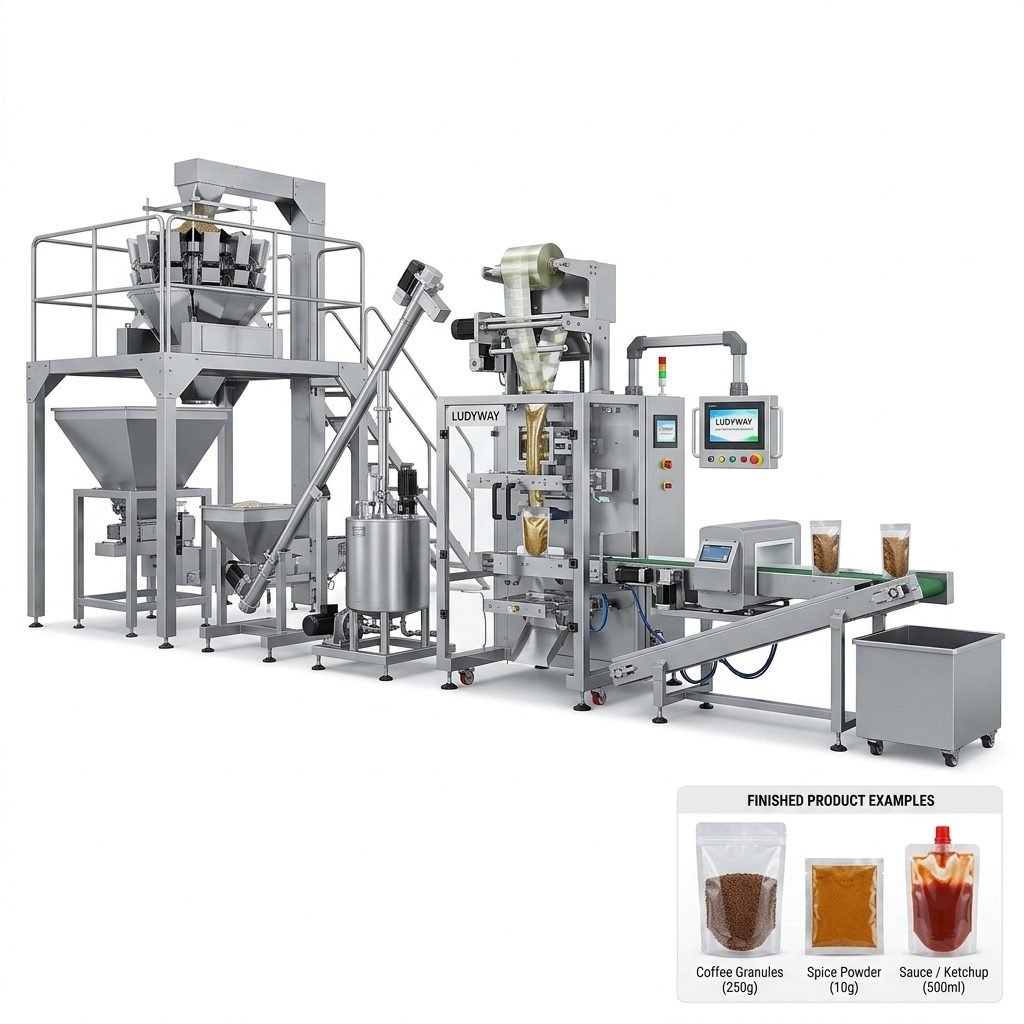
Common Issues and Troubleshooting
Understanding typical problems helps your team respond quickly when issues arise. The table below summarizes frequent cone packing machine challenges and their likely causes:
| Symptom | Possible Cause | Suggested Action |
|---|---|---|
| Intermittent weak seals | Temperature fluctuation, dirty jaws, worn Teflon | Calibrate heater, replace Teflon cover, clean jaw surfaces |
| Film registration drift | Slipping rollers, incorrect tension, sensor misalignment | Check brake adjustment, clean photo eye, verify roller grip |
| Product leakage at seals | Overfilling, jaw pressure too low, contamination in seal area | Adjust fill volume, increase jaw pressure, improve cleaning |
| Unusual noise or vibration | Loose fasteners, worn bearings, misaligned components | Tighten all bolts, replace worn bearings, check alignment |
| Inconsistent cut length | Knife dullness, feed roller wear, encoder signal loss | Sharpen or replace knife, calibrate feed system, check wiring |
Spare Parts Inventory Management
Unplanned downtime often results from not having critical spare parts on hand. Maintain a lean but strategic inventory of components that are most likely to need replacement. We recommend keeping the following items available:
- Sealing jaw Teflon covers and heating elements — these are consumable items with predictable wear rates.
- Drive belts and timing belts — a snapped belt can halt production for days if a replacement is not stocked.
- Sensor and photo eye units — having at least one spare of each type simplifies troubleshooting.
- Common bearing sizes used across the machine — bearing failure is unpredictable but inevitable over time.
- Pneumatic seals and O-ring kits — small leaks in air systems cause gradual performance degradation.
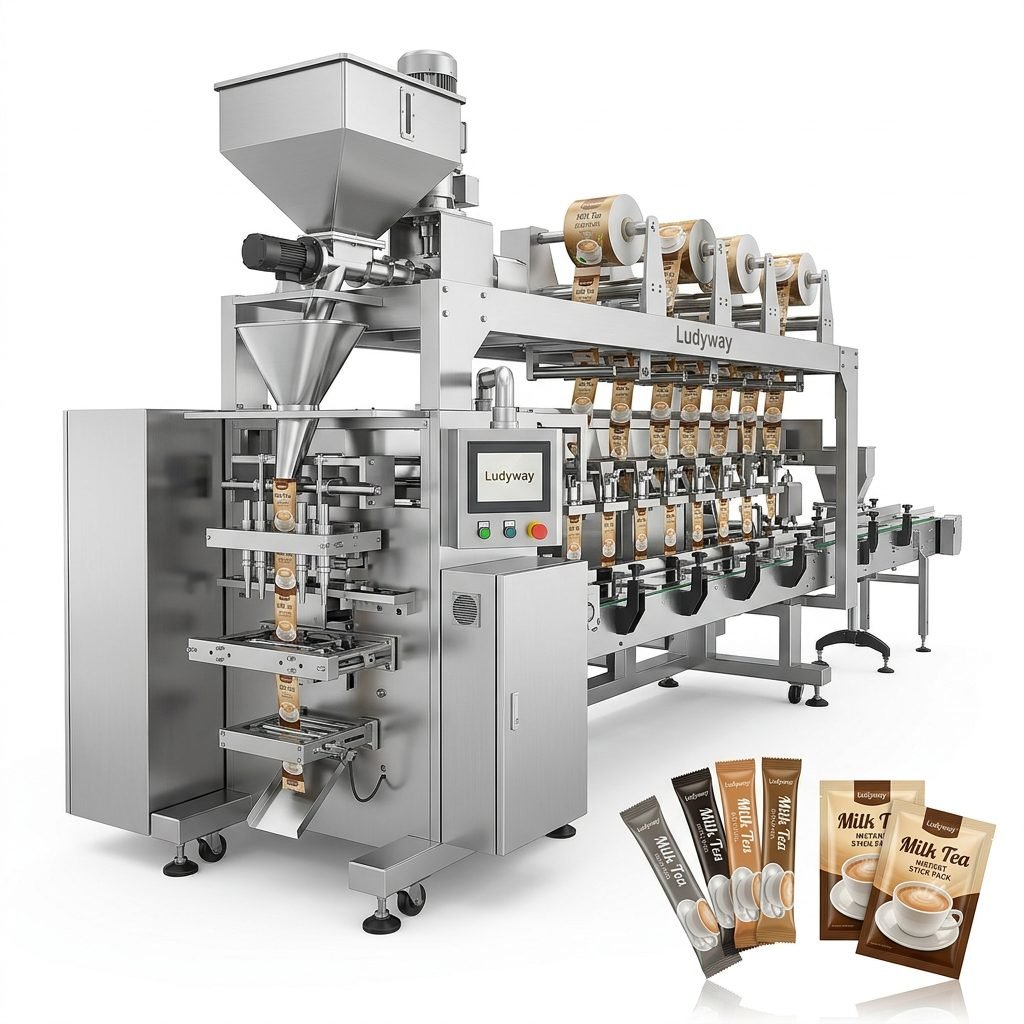
Work with your equipment supplier to identify the specific spare parts recommended for your machine model. Companies like Ludyway, one of the largest packaging machine manufacturers in China with over 30 years of industry experience, provide detailed spare parts lists and maintenance documentation tailored to each machine configuration, helping customers maintain optimal performance across food, pharmaceutical, and health industry applications.
Documentation and Record Keeping
A disciplined approach to maintenance documentation pays dividends over the life of your equipment. Create a maintenance log that captures the following information for every service event:
- Date and machine runtime hours at the time of service.
- Specific tasks performed and components inspected or replaced.
- Operator observations regarding any unusual behavior noticed during operation.
- Parts used including part numbers and quantities for inventory tracking.
- Follow-up actions required or scheduled for the next maintenance window.
This historical data becomes invaluable for predicting component lifecycles, justifying capital expenditures for upgrades, and training new maintenance personnel. Review logs quarterly to identify recurring issues that may indicate a need for process changes or equipment modifications. Adhering to packaging machinery standards for documentation also supports compliance with industry regulations and quality audits.
Annual Professional Servicing
Beyond daily and weekly operator-level care, your cone packing machine benefits significantly from an annual comprehensive service performed by qualified technicians. This deep-dive inspection addresses areas that routine maintenance may overlook:
- Complete mechanical inspection including shaft alignments, gearbox oil analysis, and frame bolt torque verification.
- Electrical system evaluation covering wiring integrity, control panel component condition, and ground fault testing.
- Pneumatic system audit including leak detection, valve response testing, and air quality measurement.
- Software and firmware updates to ensure your machine benefits from the latest control system improvements.
- Comprehensive calibration of all temperature controllers, load cells, and timing functions.
Scheduling professional servicing during planned production downtime minimizes operational disruption. The investment in expert attention typically returns multiple times its cost through improved reliability and extended machine life. Refer to packaging and food contact regulations to ensure your maintenance practices remain compliant with relevant standards, especially in food and pharmaceutical applications.
Operator Training Essentials
Well-trained operators are your first line of defense against equipment problems. Invest in thorough training that covers the following areas:
- Machine startup and shutdown procedures — improper sequencing can stress components and lead to premature failure.
- Recognition of abnormal sounds, vibrations, or visual indicators that signal developing issues.
- Basic cleaning and lubrication tasks assigned to operators between maintenance shifts.
- Safe clearing of jams and misfeeds without damaging sensitive components.
- Proper recording of issues in the maintenance log for technician follow-up.
Refresh operator training annually and whenever new personnel join the production team. An operator who understands the machine’s normal operating characteristics can often identify problems hours or days before a catastrophic failure occurs.
Consistent, structured maintenance of your cone packing machine delivers measurable returns through reduced downtime, lower repair costs, consistent package quality, and extended equipment lifespan. By implementing the daily checks, cleaning routines, lubrication schedules, and professional servicing recommendations outlined above, you create a foundation for reliable, high-performance packaging operations year after year.