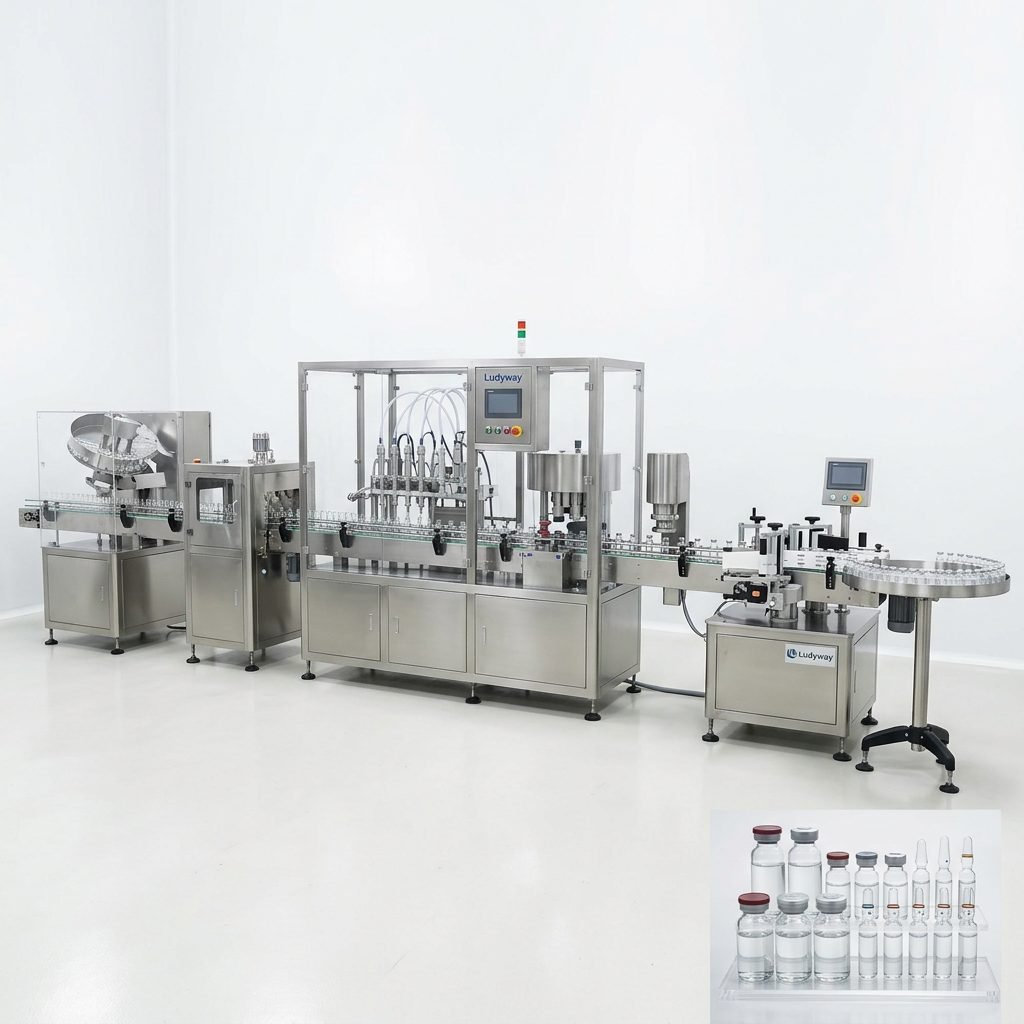
Investing in a wolf tea packaging machine requires a clear understanding of the cost structure before making a purchasing decision. Whether you are launching a new tea product line or upgrading an existing facility, the price of packaging equipment can vary significantly based on capacity, automation level, and machine configuration. This pricing guide breaks down the key factors that influence cost and what buyers can expect across different machine categories.
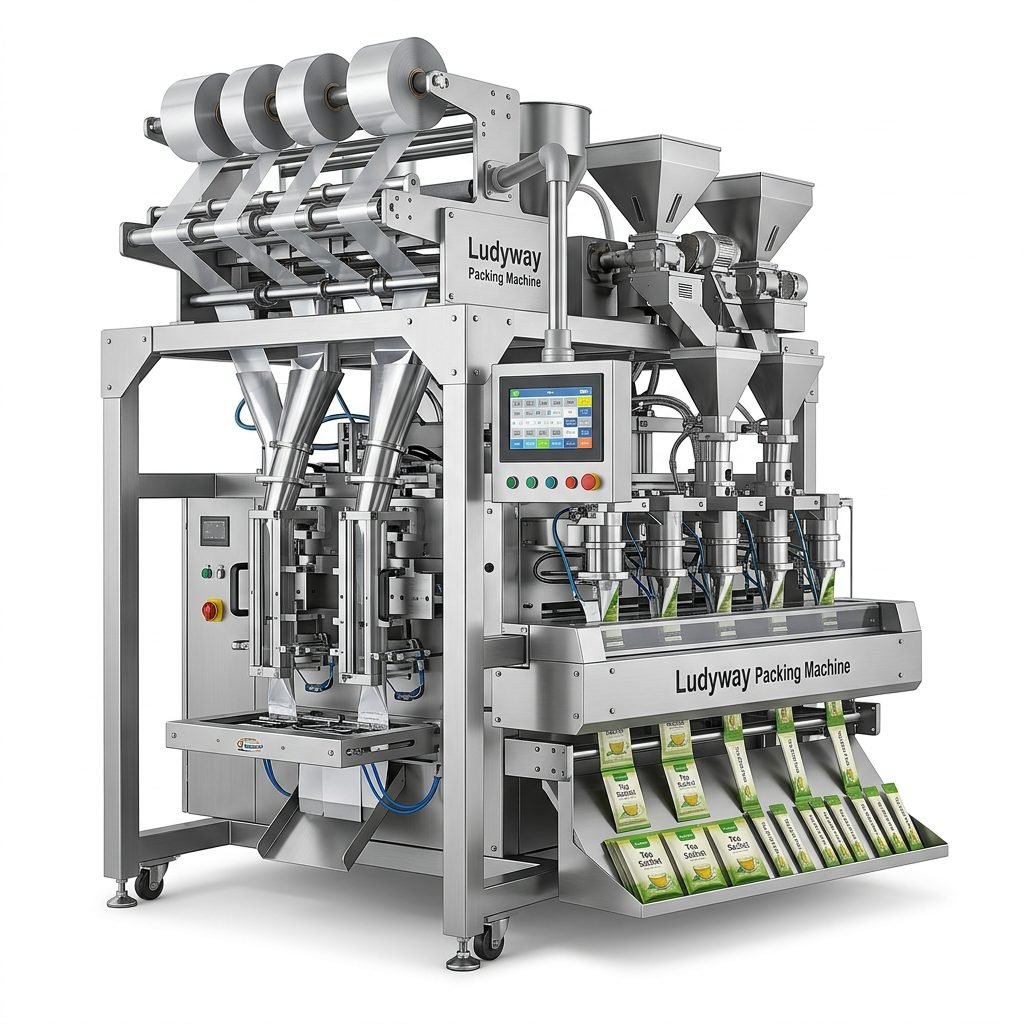
Typical Price Range for Wolf Tea Packaging Machines
The cost of a wolf tea packaging machine depends heavily on the level of automation and the packaging format you need. Below is a general pricing table that outlines the most common configurations available on the market today.
| Machine Type | Packaging Format | Estimated Price Range (USD) |
|---|---|---|
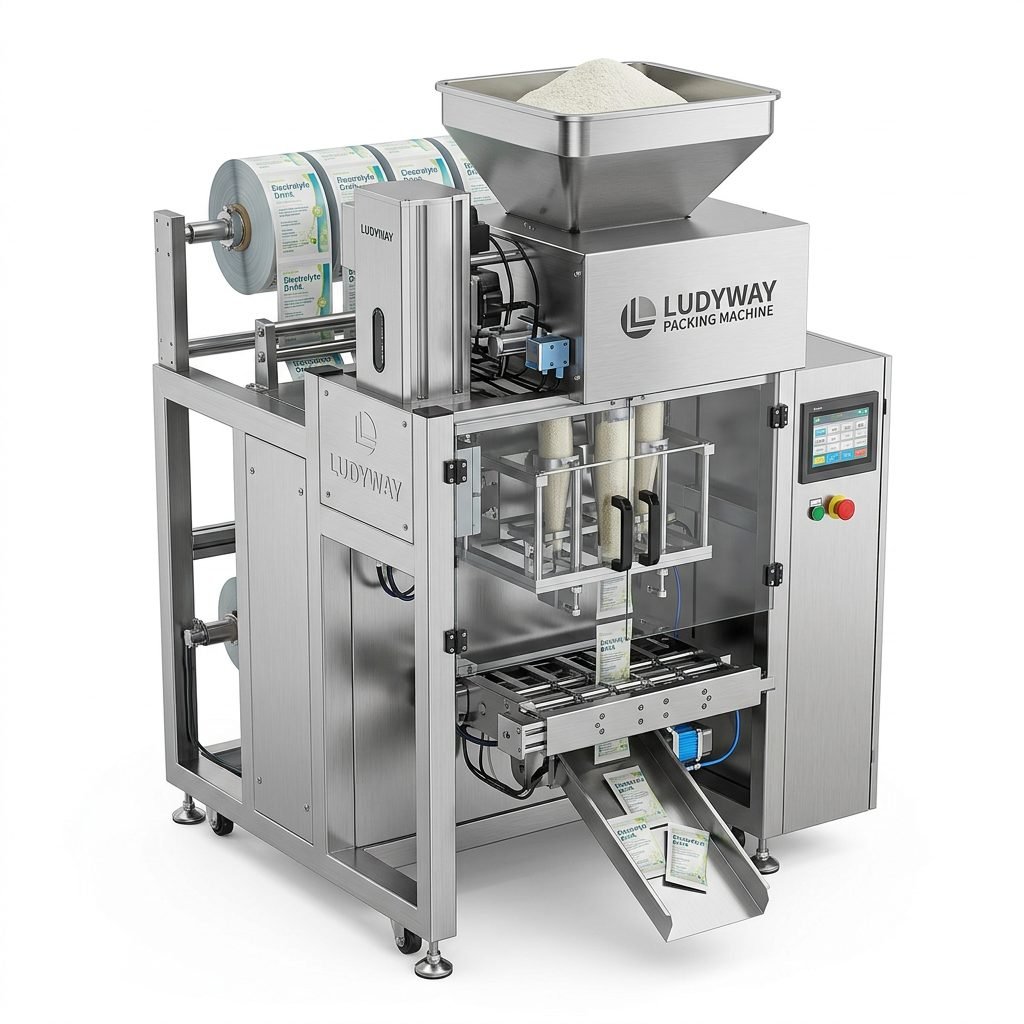
| Entry-Level Single-Lane | Sachet / Stick Pack | $8,000 – $18,000 |
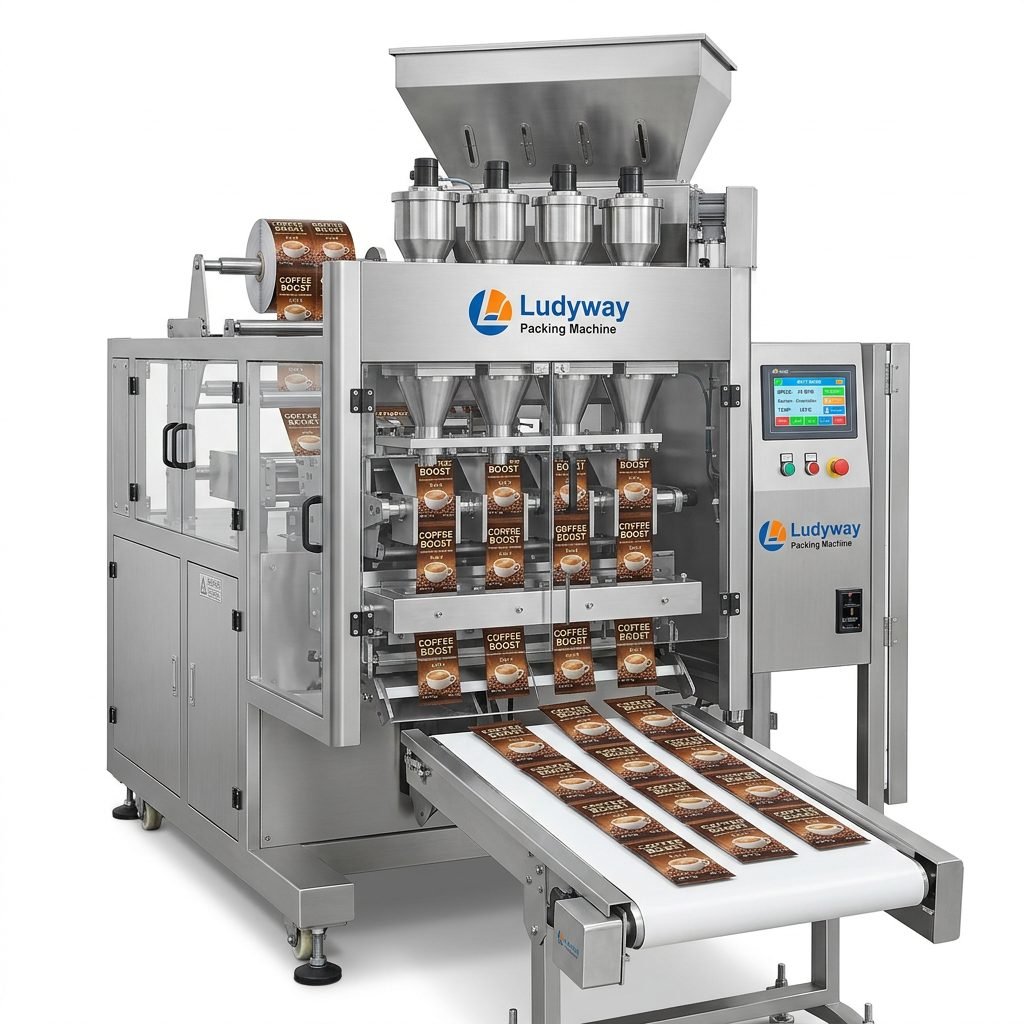
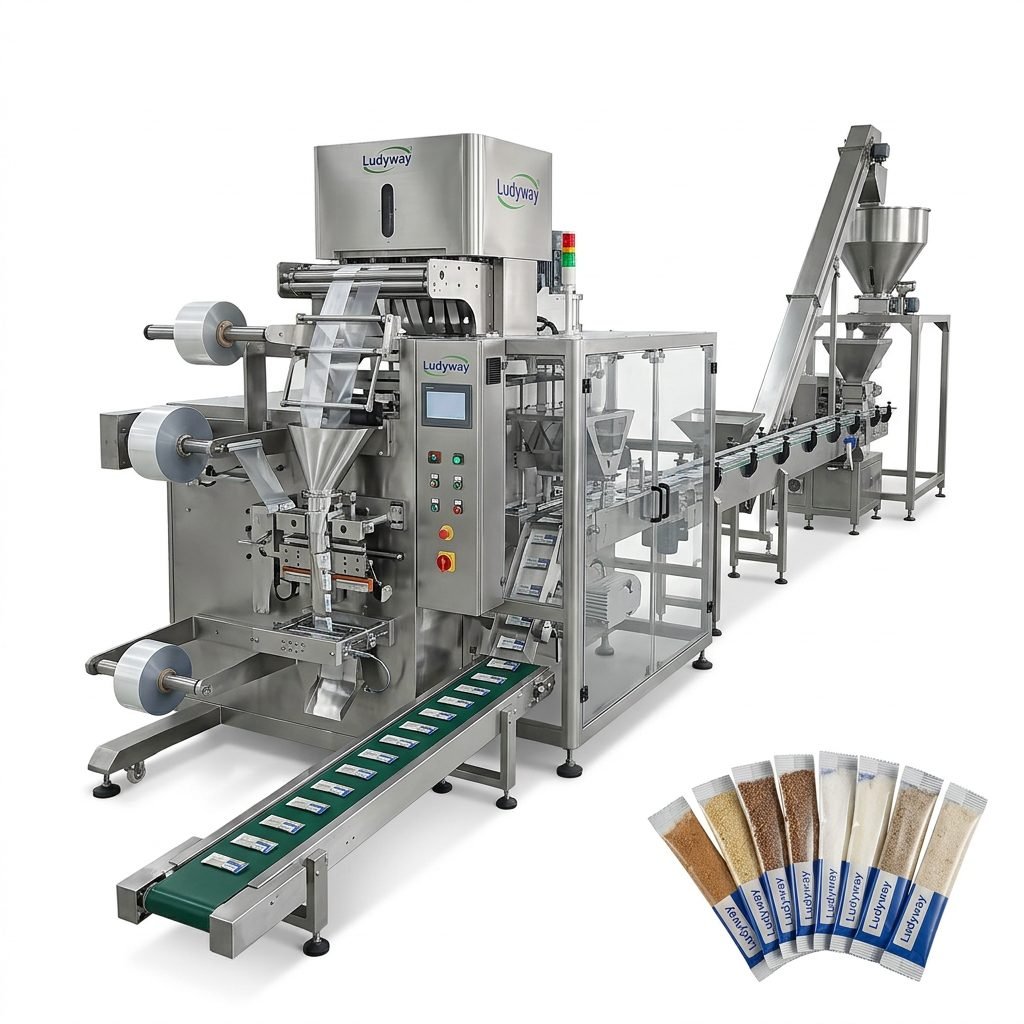
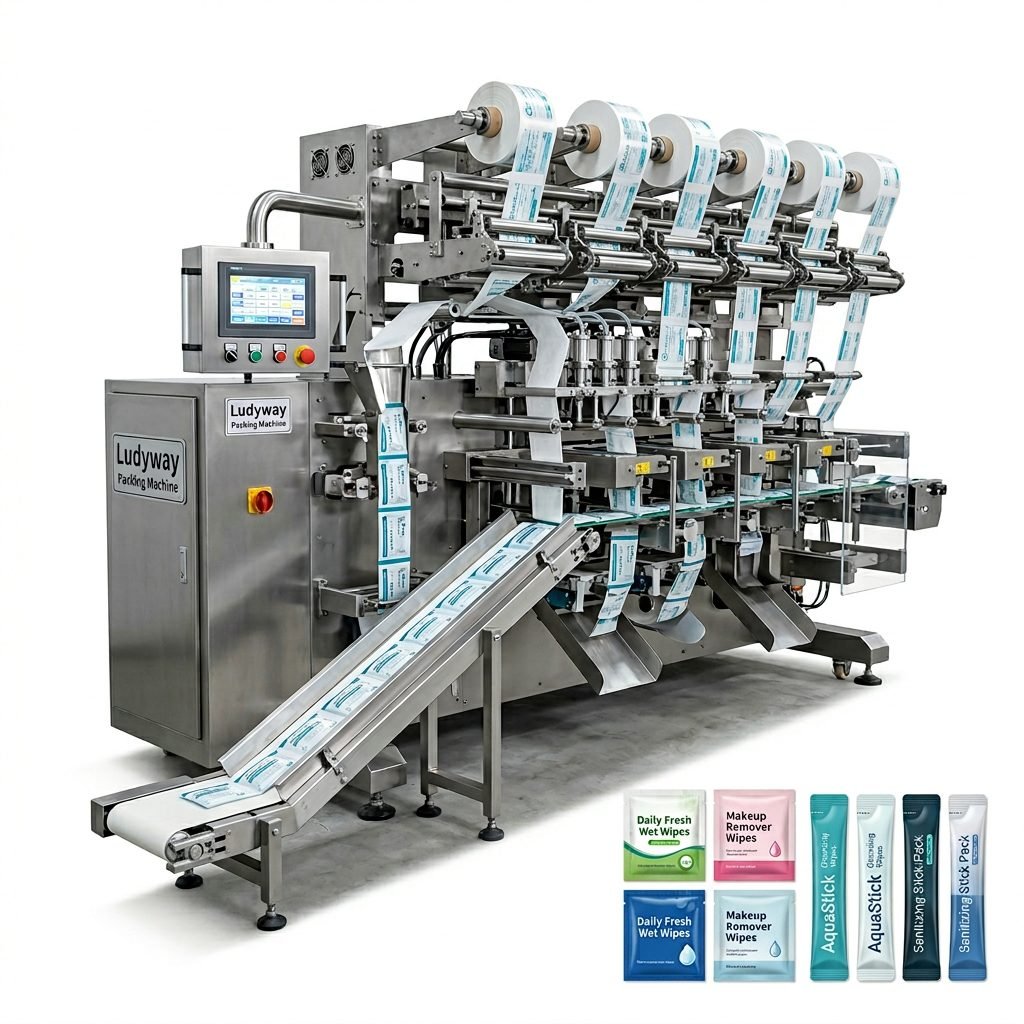
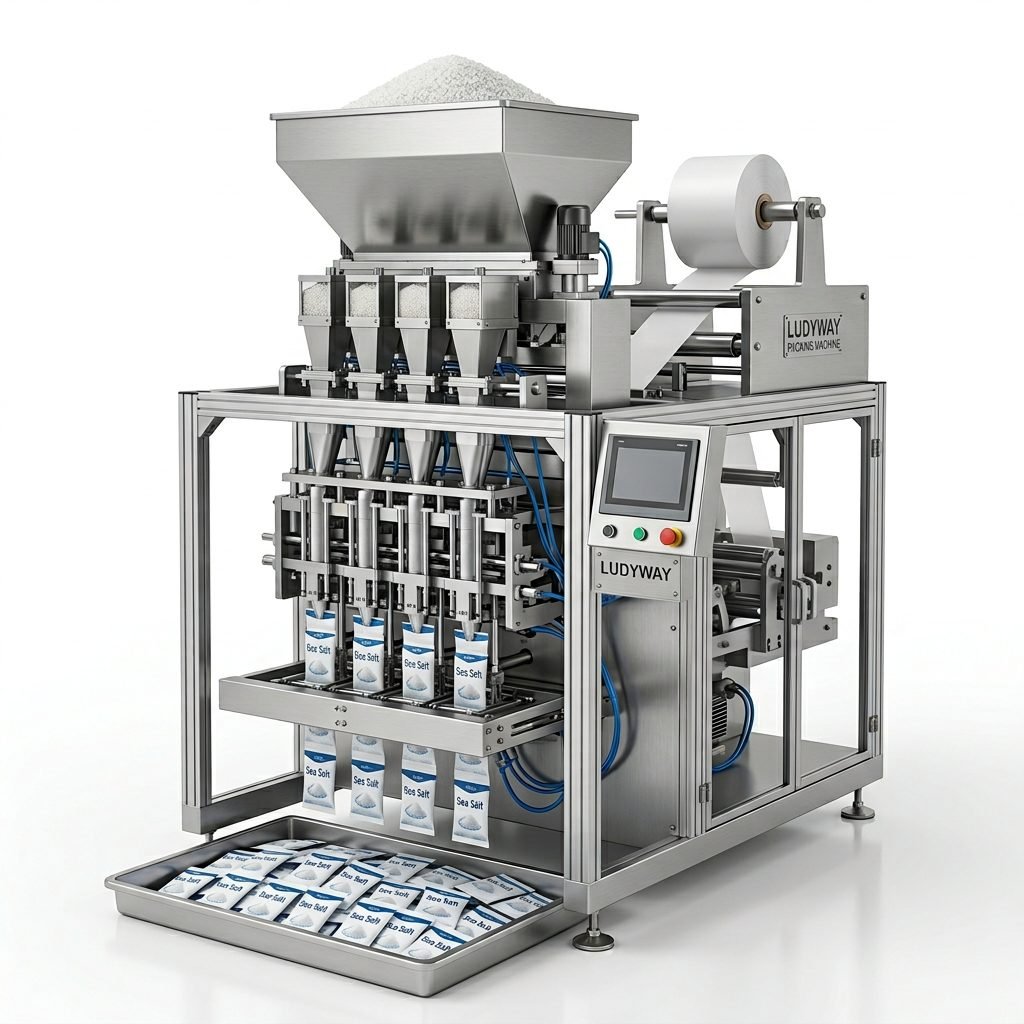
| Mid-Range Multi-Lane (4–8 Lanes) | Stick Pack / Sachet | $25,000 – $55,000 |
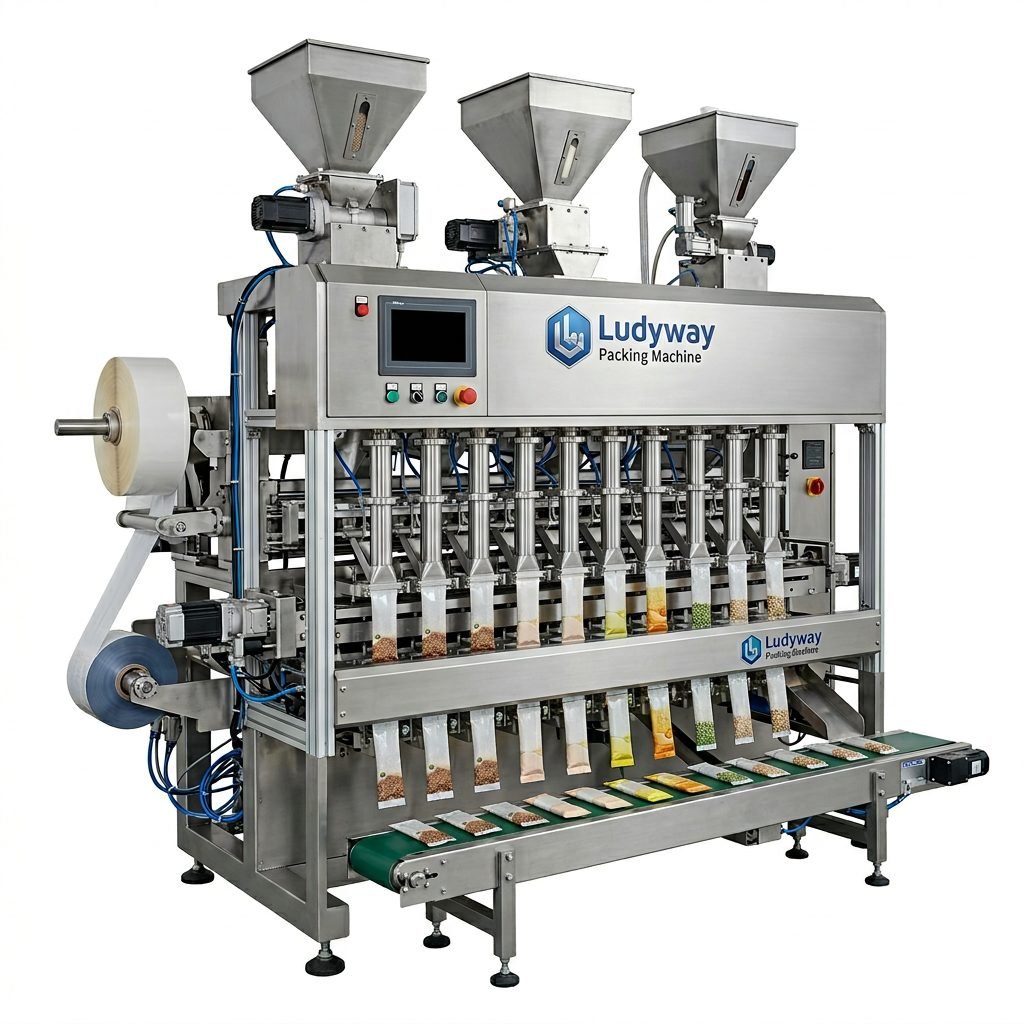
| High-Speed Multi-Lane (10–16 Lanes) | Stick Pack / Sachet | $60,000 – $120,000 |
| Fully Automated Turnkey Line | Including feeding, filling, cartoning | $130,000 – $350,000+ |
| Custom / OEM Configured System | Tailored to unique tea blends | Quote-Based |
Key Factors That Influence the Cost
Several variables directly impact the final price of a wolf tea packaging machine. Understanding these factors helps buyers budget accurately and avoid overpaying for unnecessary features.
- Number of Lanes: Multi-lane machines dramatically increase output but come at a higher upfront cost. A 4-lane machine costs significantly less than a 12-lane system.
- Level of Automation: Manual, semi-automatic, and fully automatic systems each fall into different price brackets. Fully integrated lines with robotic palletizing and packaging machinery market research data show these systems command premium pricing.
- Packaging Material Compatibility: Machines designed to handle multiple film types — including aluminum foil, paper-plastic laminates, and biodegradable materials — often cost more due to advanced sealing and tension control systems.
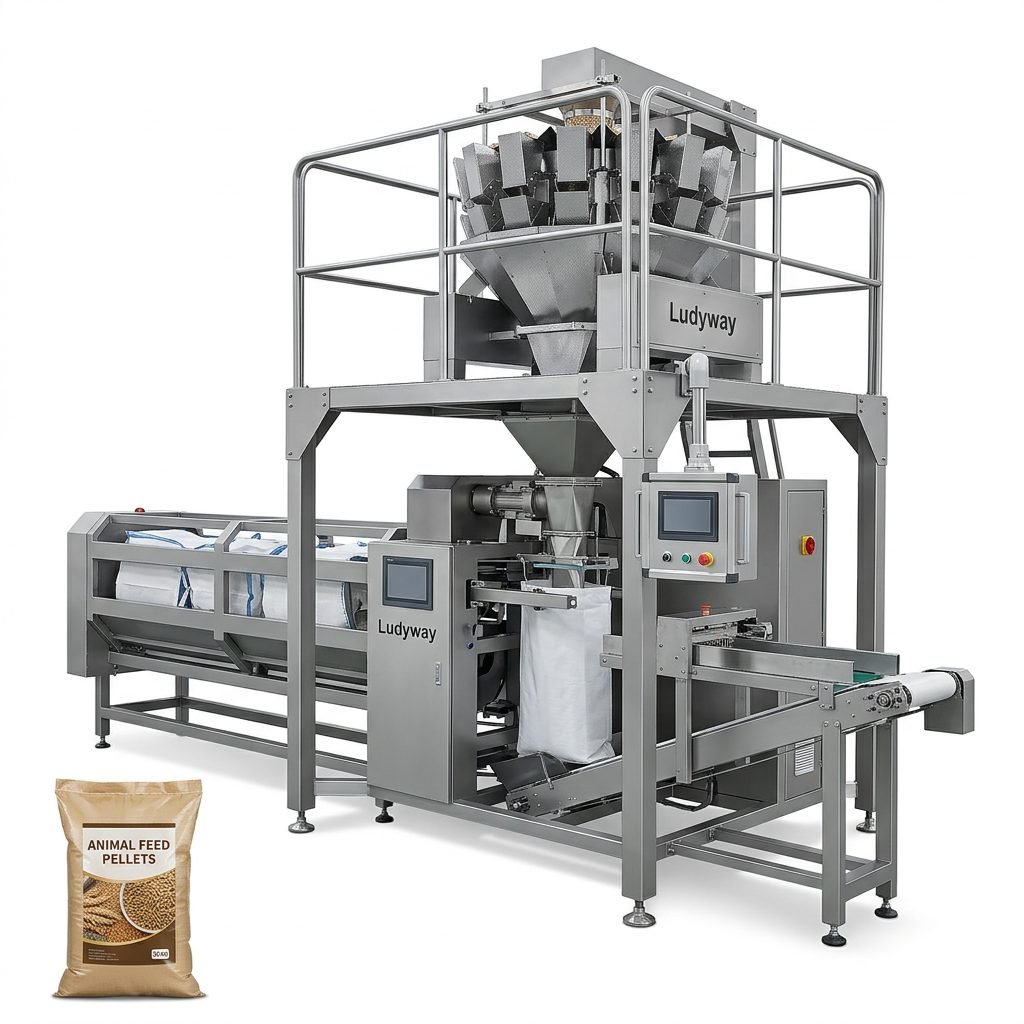
- Filling Accuracy and Weighing System: High-precision multi-head weighers and auger fillers add to the overall equipment cost but are essential for tea products where consistency is critical.
- Auxiliary Equipment: Add-ons such as nitrogen flushing systems, checkweighers, metal detectors, and batch coding printers increase the total investment.
- Certifications and Compliance: Machinery meeting ISO packaging standards or FDA requirements for food contact may carry a higher price tag due to stricter manufacturing tolerances.
- After-Sales Support and Warranty: Extended warranties, on-site installation, and training packages can add 5–15% to the overall cost but provide long-term operational security.
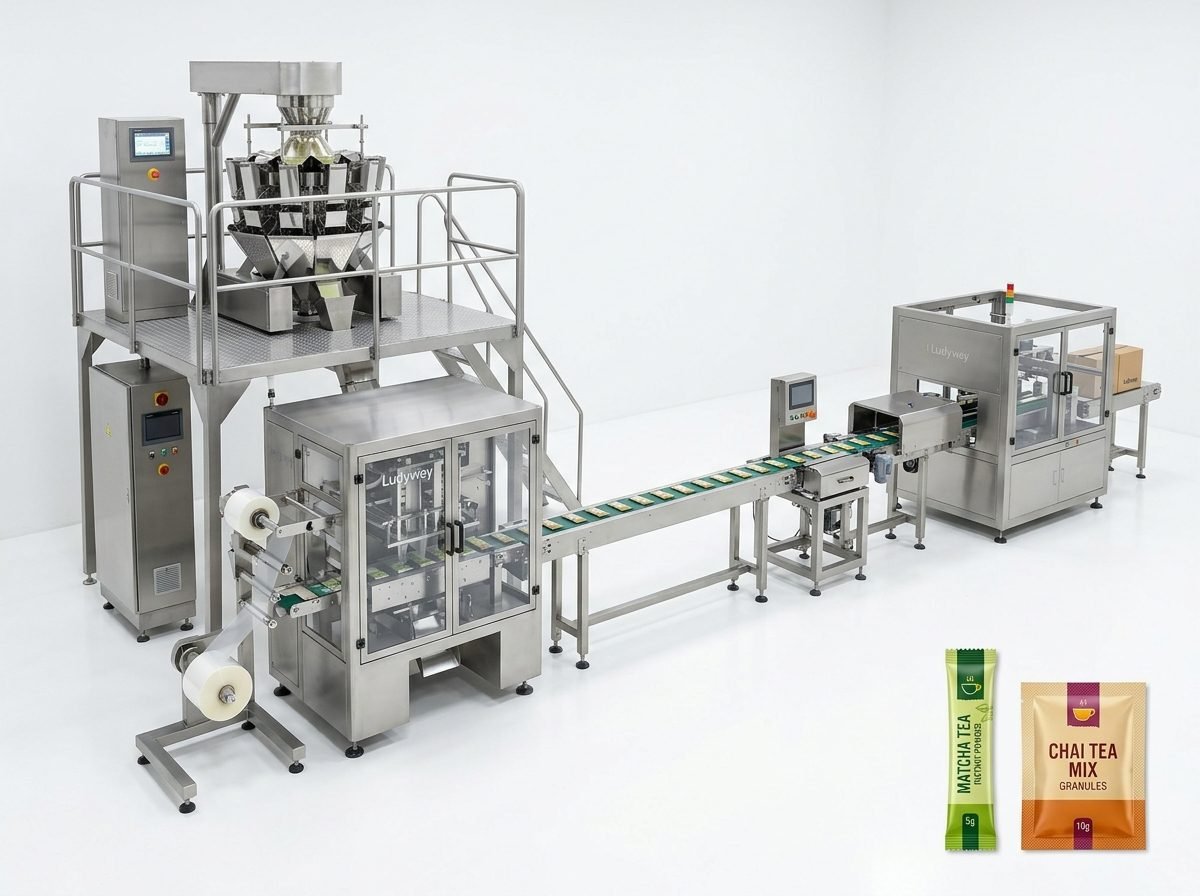
Sachet vs. Stick Pack: Cost Comparison
The choice between sachet and stick pack formats has a notable impact on machine pricing and operational efficiency. Here is a quick breakdown:
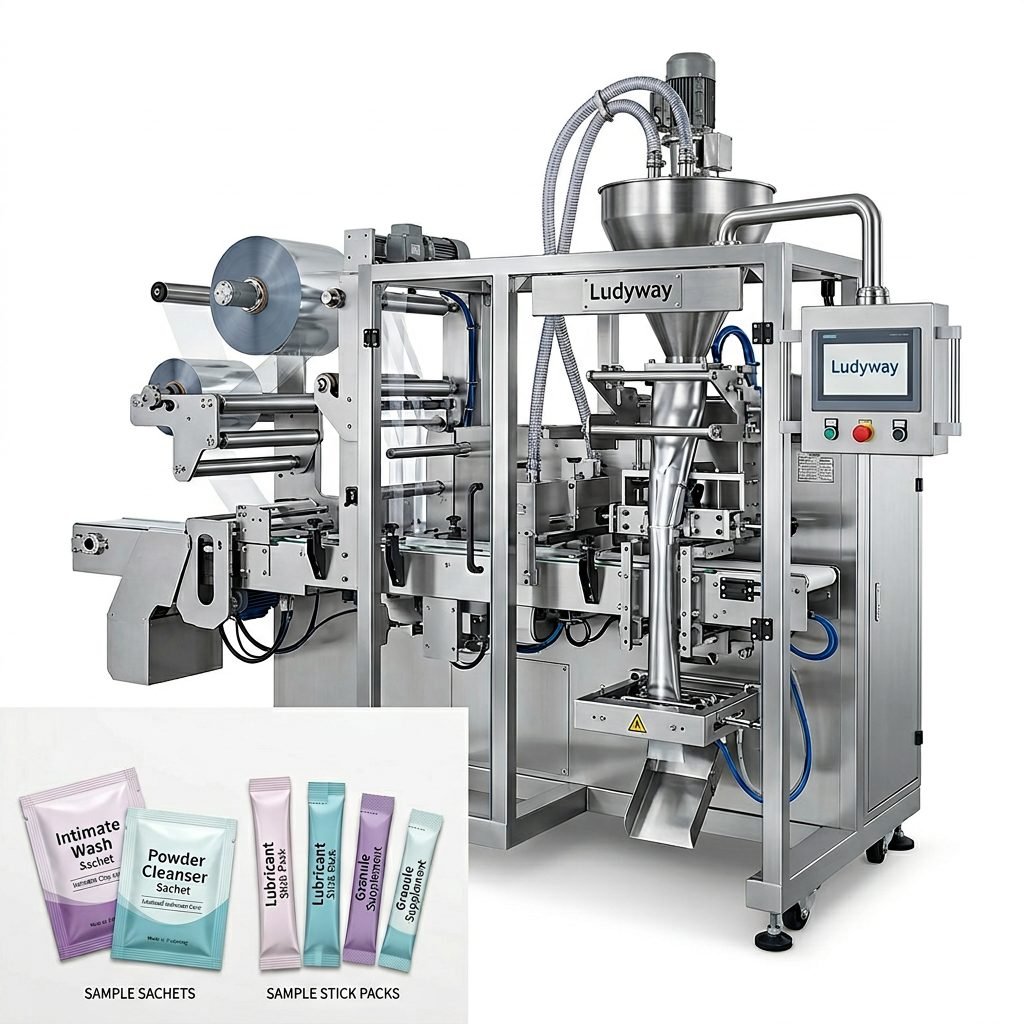
- Sachet Packaging Machines: Typically more affordable for entry-level production. Suitable for larger portion sizes and tea blends that include whole leaves or larger granules.
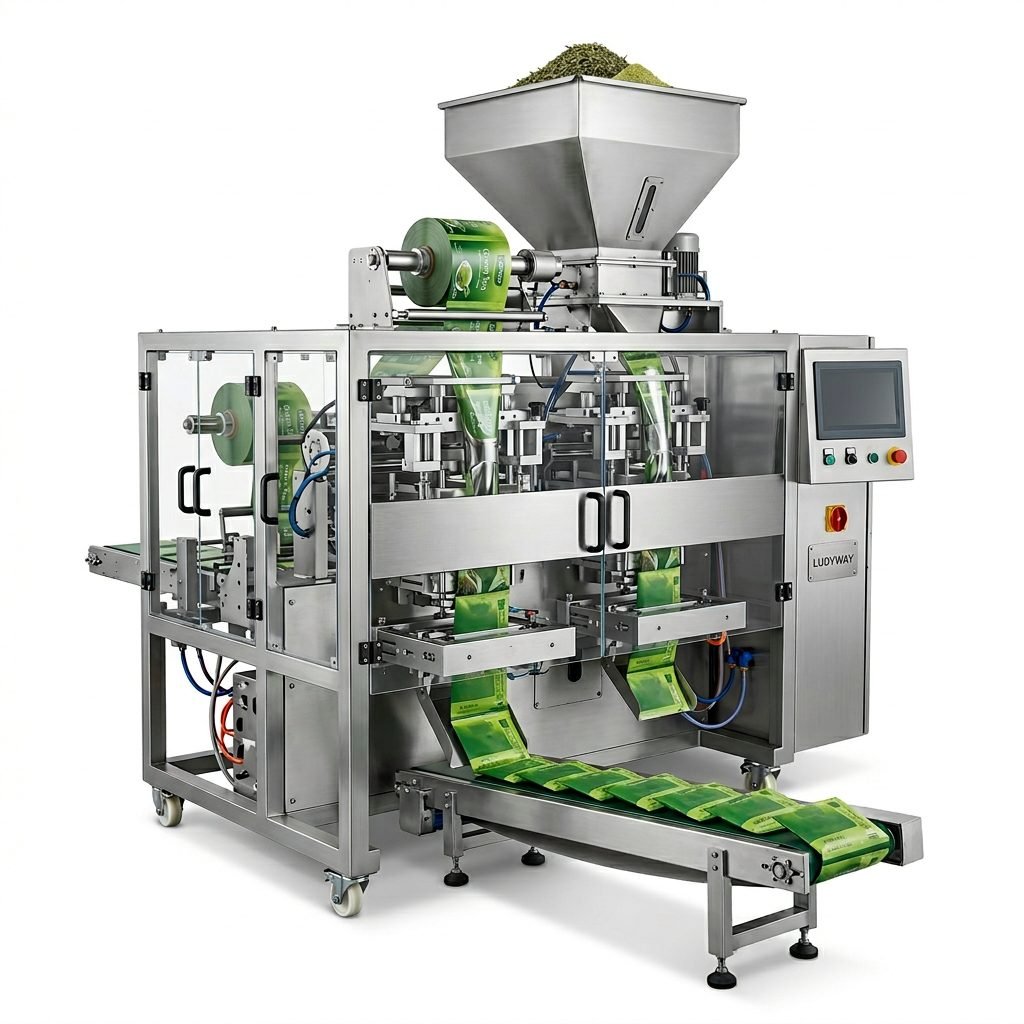
- Stick Pack Machines: Generally priced 10–20% higher due to the precision required for narrow, elongated pouch forming. These are ideal for single-serve instant tea powders and finely ground herbal blends.
New vs. Used Equipment: What Buyers Should Know
Purchasing a used wolf tea packaging machine can reduce upfront costs by 30–50%, but there are trade-offs to consider. Used equipment may lack the latest sealing technology, have limited warranty coverage, and might not meet current energy efficiency standards. For businesses scaling production or entering regulated markets, investing in new machinery from a reputable source is often the more strategic long-term decision.
According to PMMI’s 2025 State of the Industry report, demand for flexible packaging machinery continues to grow, driven by the tea and functional beverage sectors. This sustained demand supports strong resale values for well-maintained equipment.
Additional Cost Considerations
- Shipping and logistics — international freight can add $2,000–$8,000 depending on the destination.
- Installation and commissioning — on-site setup by technicians typically costs $1,500–$5,000.
- Spare parts inventory — an initial spare parts kit is recommended and may cost $500–$2,000.
- Training — operator training programs range from complimentary on-site sessions to comprehensive paid packages.
How to Get an Accurate Quote
To receive a precise quotation for a wolf tea packaging machine, prepare the following information before contacting suppliers:
- Product characteristics: Tea type (loose leaf, powder, granule), particle size, density, and moisture content.
- Target output: Required packs per minute or packs per day.
- Packaging format: Sachet dimensions, stick pack size, or custom pouch specifications.
- Film material: Type and thickness of packaging film you intend to use.
- Facility details: Available floor space, power supply voltage, and compressed air availability.
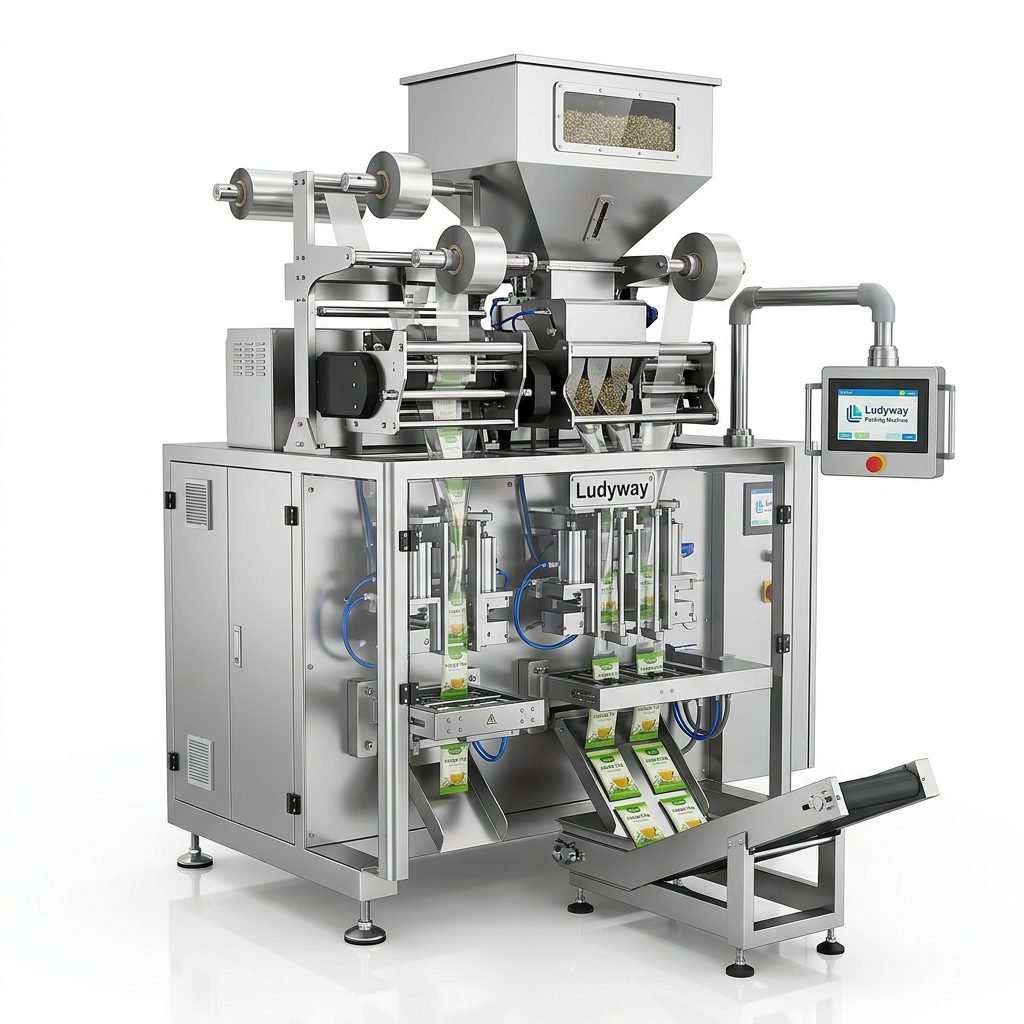
Experienced manufacturers like Ludyway, one of the largest packaging machine manufacturers in China with over 30 years of industry expertise and a 20,000㎡ modern production facility, can provide tailored recommendations and detailed quotations based on your specific production requirements. For buyers seeking flexible packaging industry resources, consulting with multiple suppliers and comparing technical specifications is strongly advised before making a final decision.
Final Thoughts on Budgeting for a Tea Packaging Machine
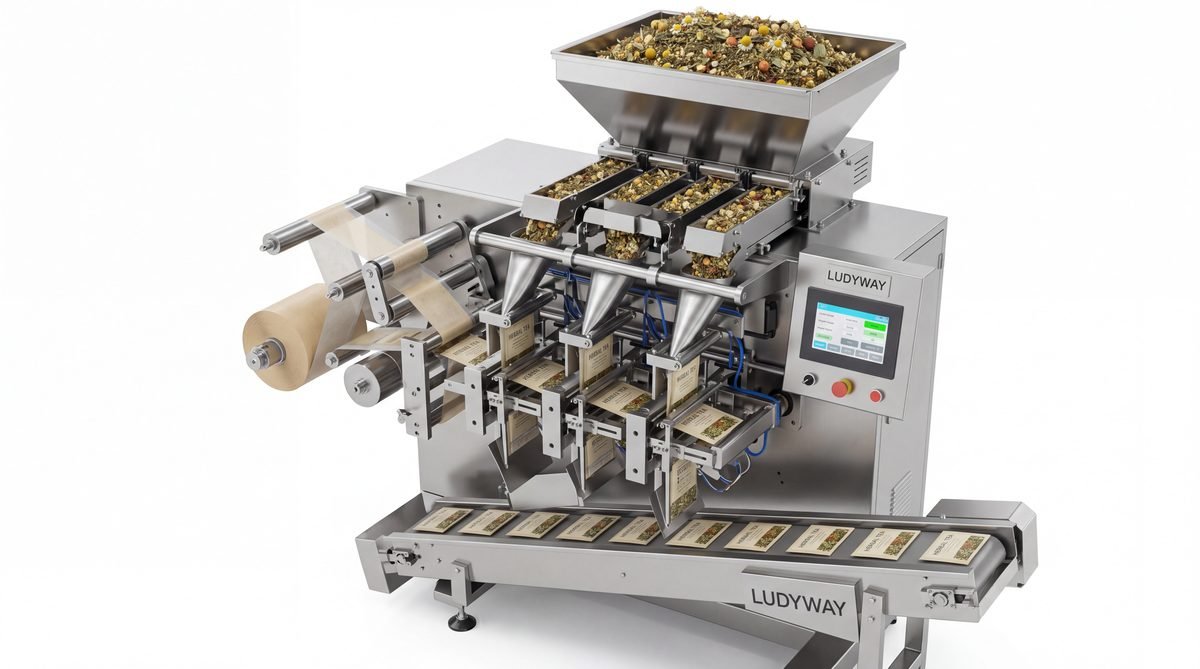
Budgeting for a wolf tea packaging machine involves more than simply comparing base prices. Buyers must evaluate total cost of ownership, including maintenance, energy consumption, and potential production downtime. A mid-range multi-lane machine often delivers the best balance between cost and productivity for growing tea brands, while fully automated turnkey lines are better suited for high-volume contract packagers and established brands expanding into international markets.
For authoritative data on packaging machinery trends, refer to the PMMI 2026 State of the Industry report and Flexible Packaging Association resources, both of which provide valuable benchmarks for equipment pricing and market forecasts.