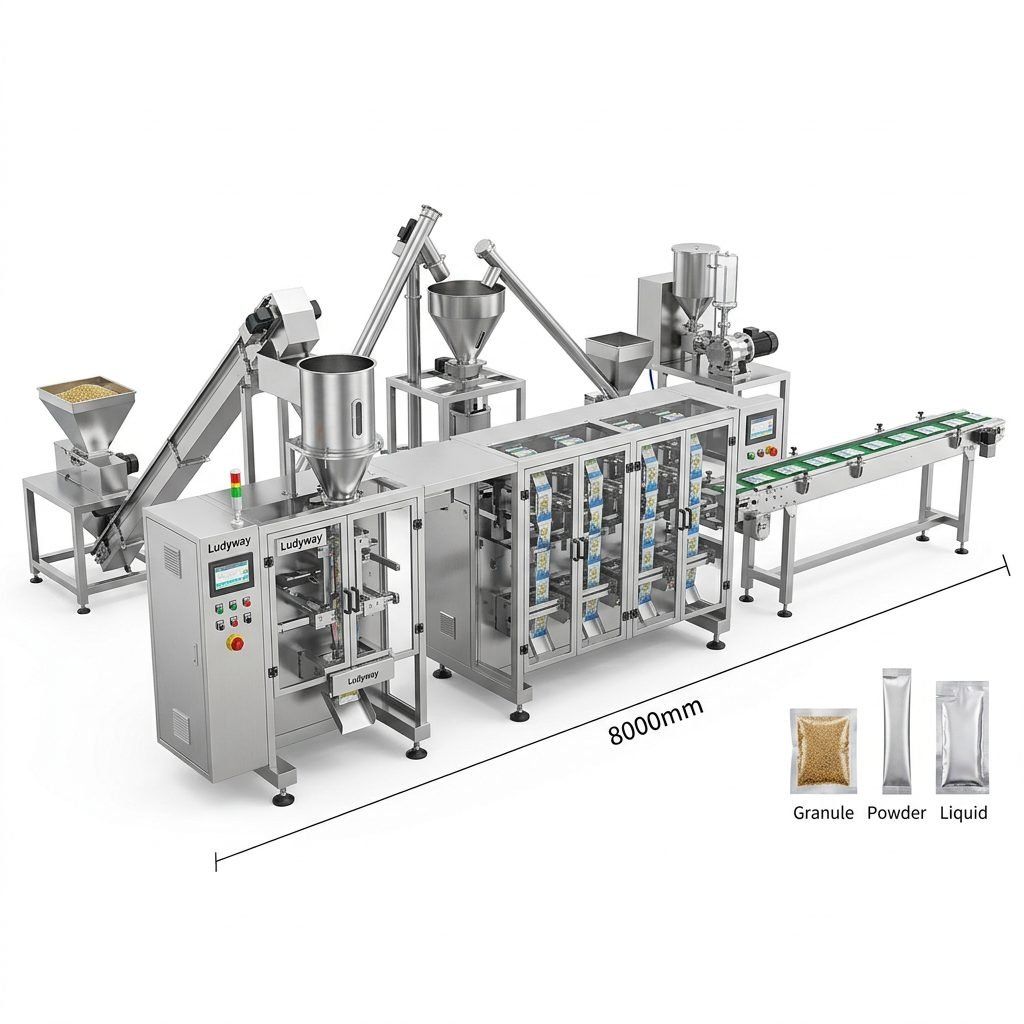
The global market for beverage packaging machinery continues to expand rapidly, driven by growing consumer demand for convenient, ready-to-drink products and premium tea offerings. Whether you’re launching a new tea brand, scaling up cold drink production, or upgrading an existing line, understanding the cost of a tea and cold drink packing machine is essential for budgeting and operational planning. Prices vary significantly based on automation level, packaging format, speed, and material compatibility.

Key Factors That Influence Tea and Cold Drink Packing Machine Pricing
Before diving into specific price ranges, it’s important to understand the variables that affect the final cost. Machine configuration, production capacity, and packaging type are the primary cost drivers.
Packaging Format and Machine Type
Different packaging styles require different machine architectures. The most common formats for tea and cold drinks include:
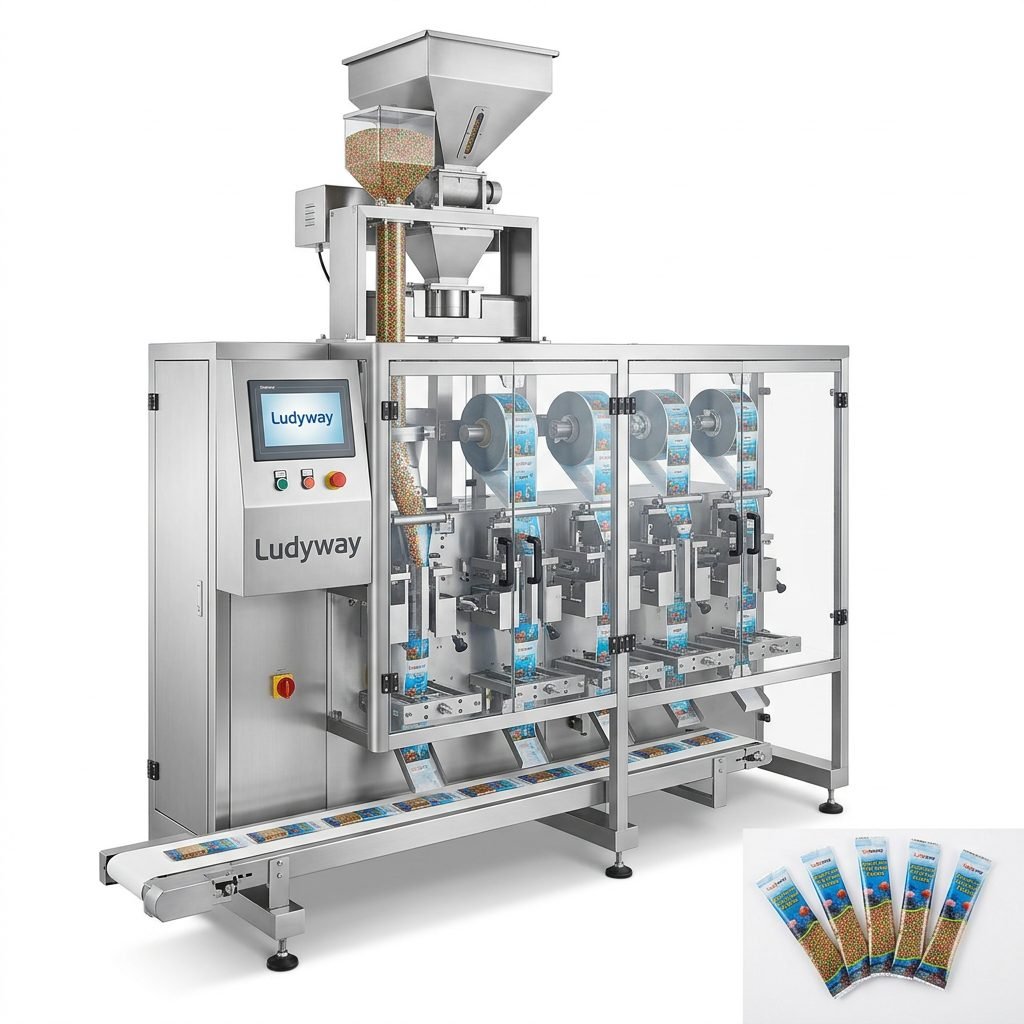
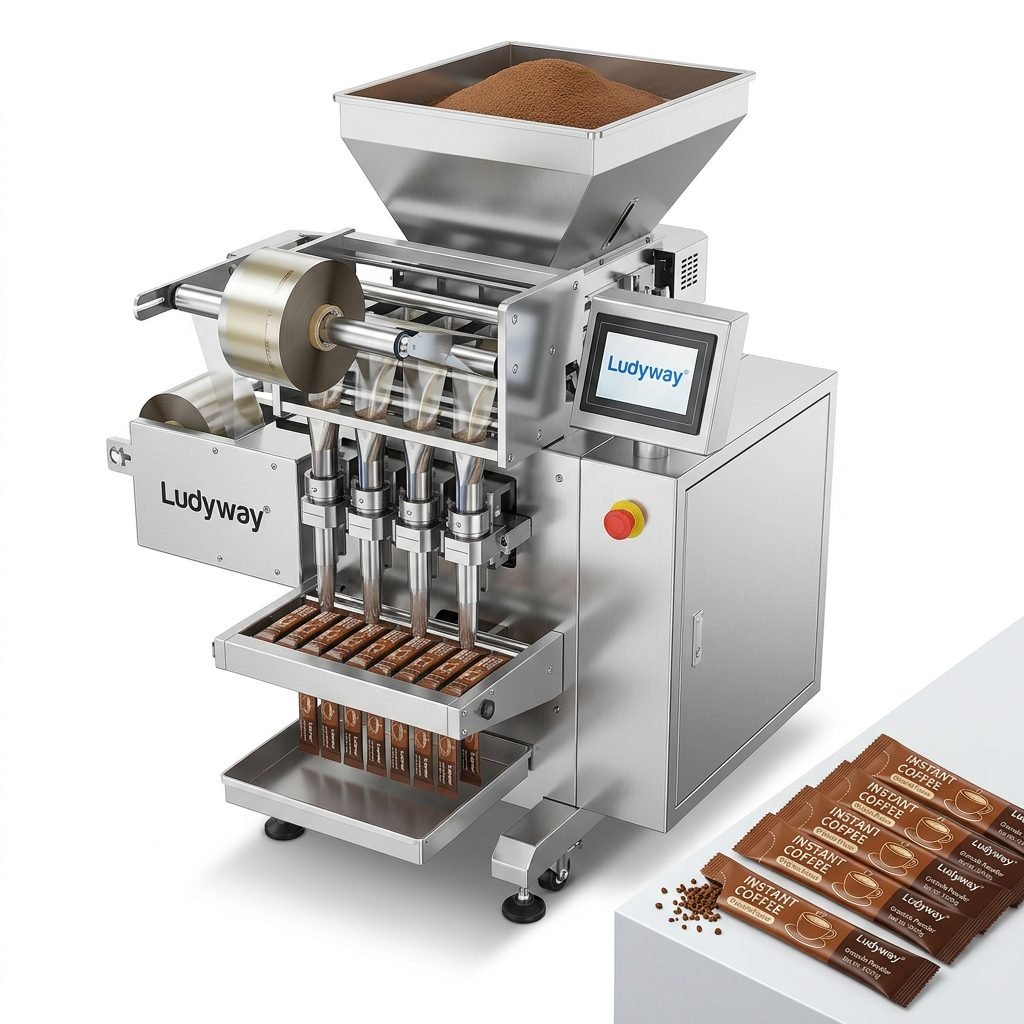
- Stick packs – Ideal for single-serve tea powders, instant coffee, and cold drink mixes; popular for their portability and portion control.
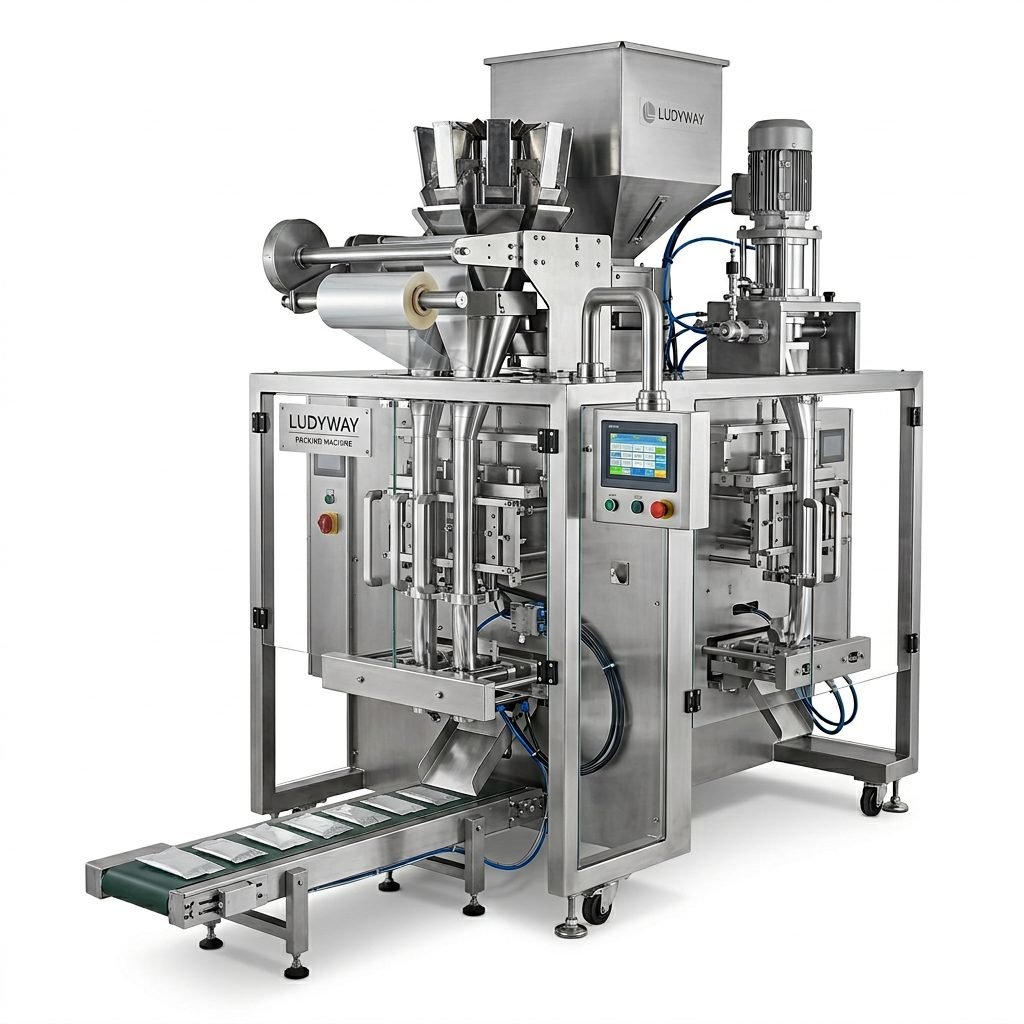
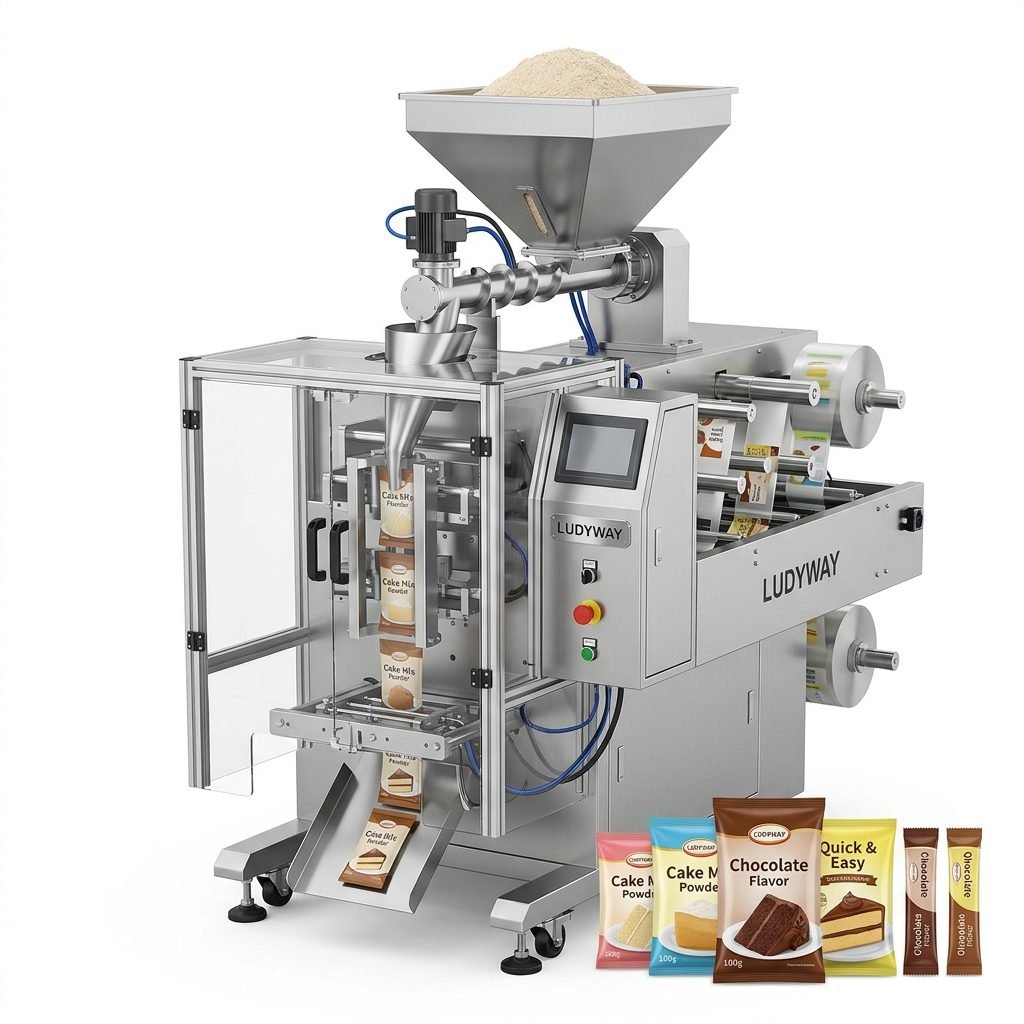
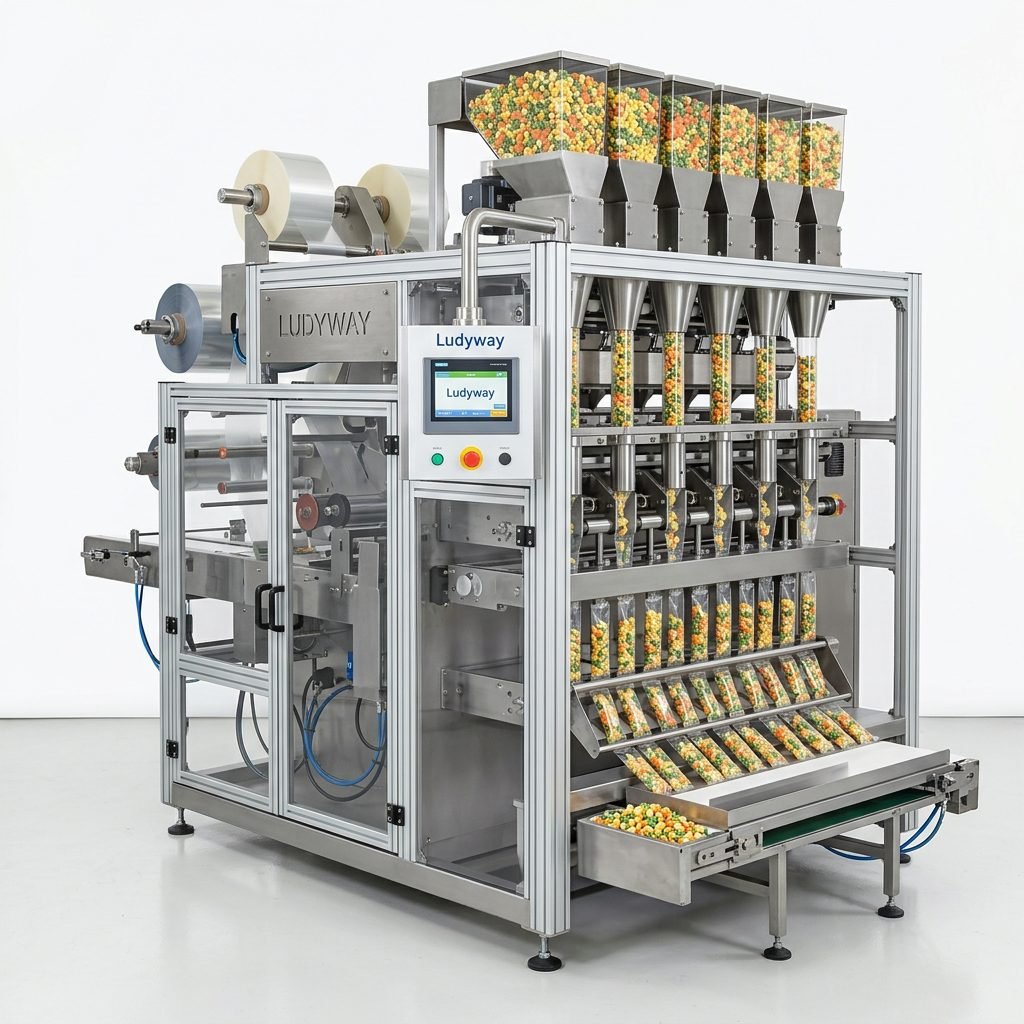
- Multi-lane sachet machines – High-output systems designed for granule and powder products, including tea and cold beverage powders.
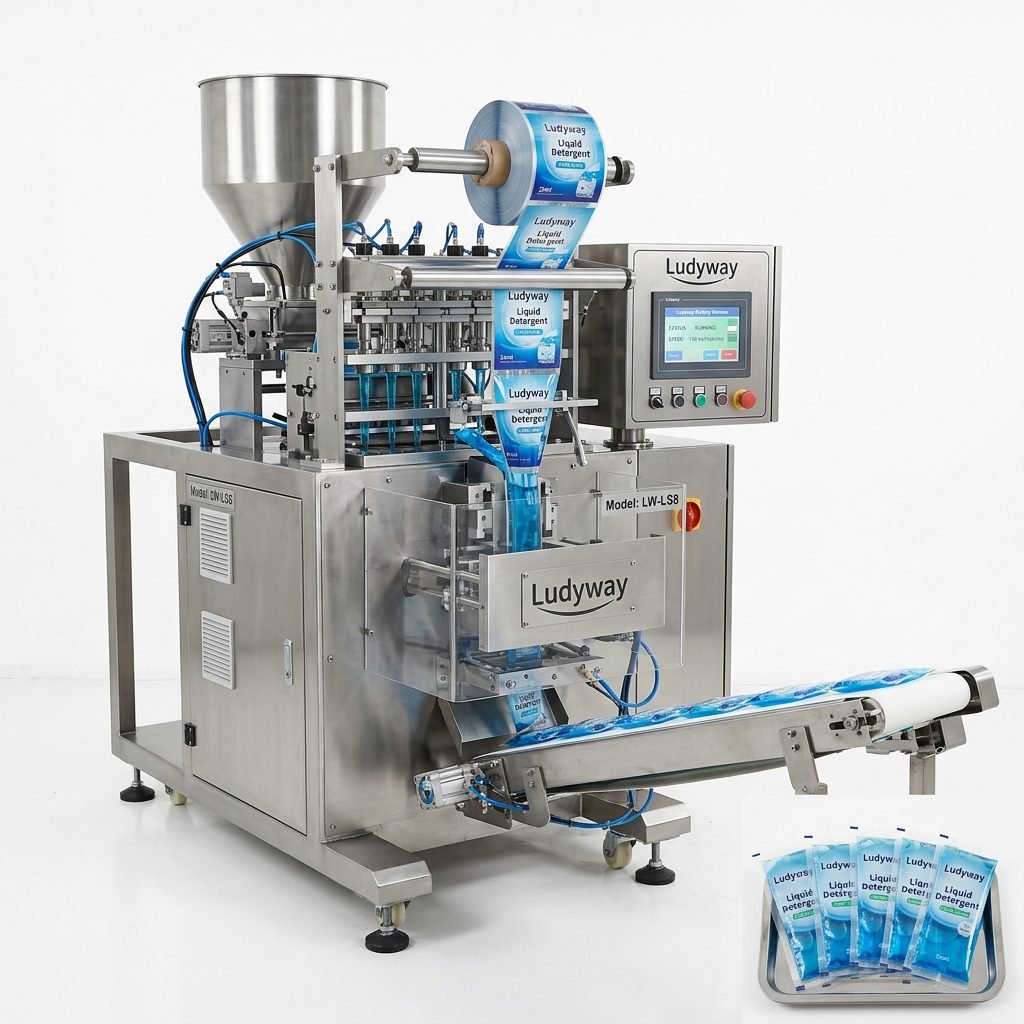
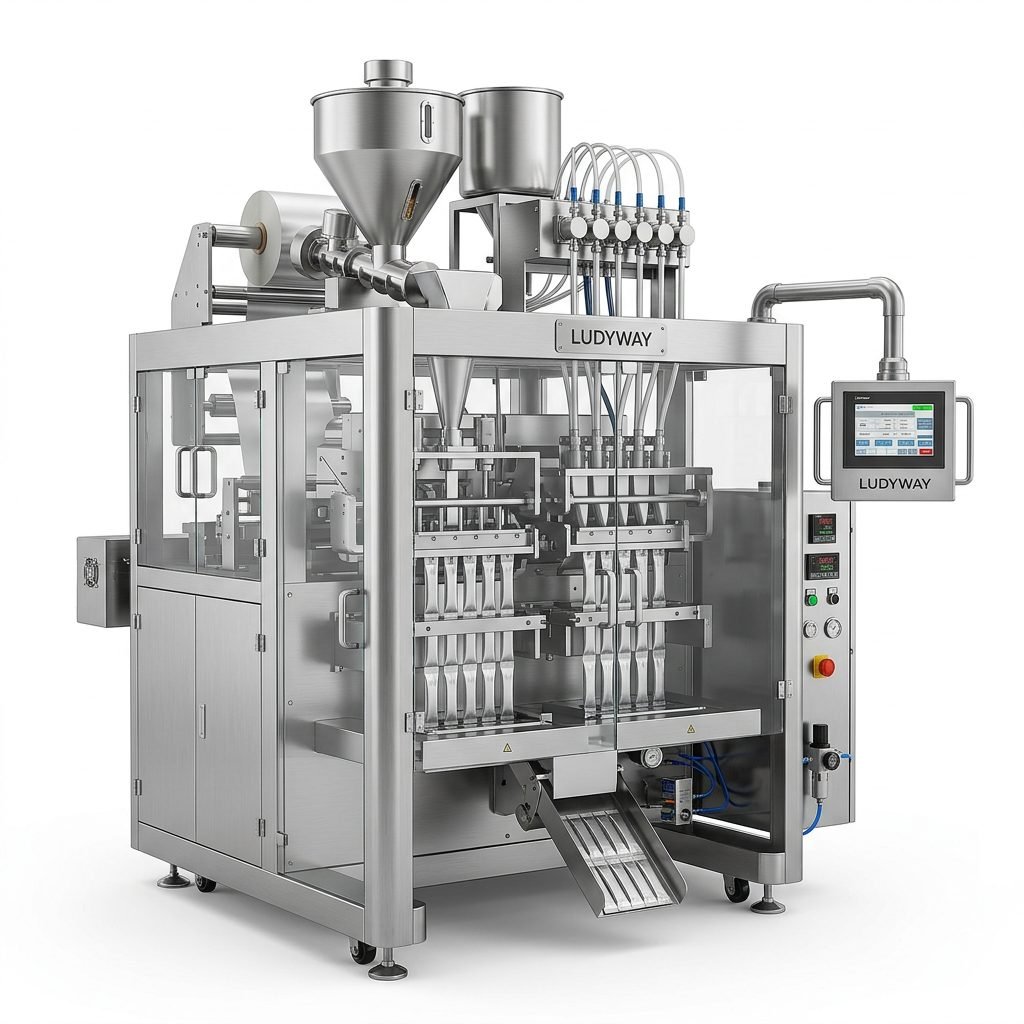
- Liquid filling and sealing machines – Used for ready-to-drink cold beverages in pouches or sachets, such as juice concentrates or liquid tea extracts.
- Premade pouch packaging lines – Rotary or inline systems for larger format pouches, often used for cold brew teas and specialty drinks.
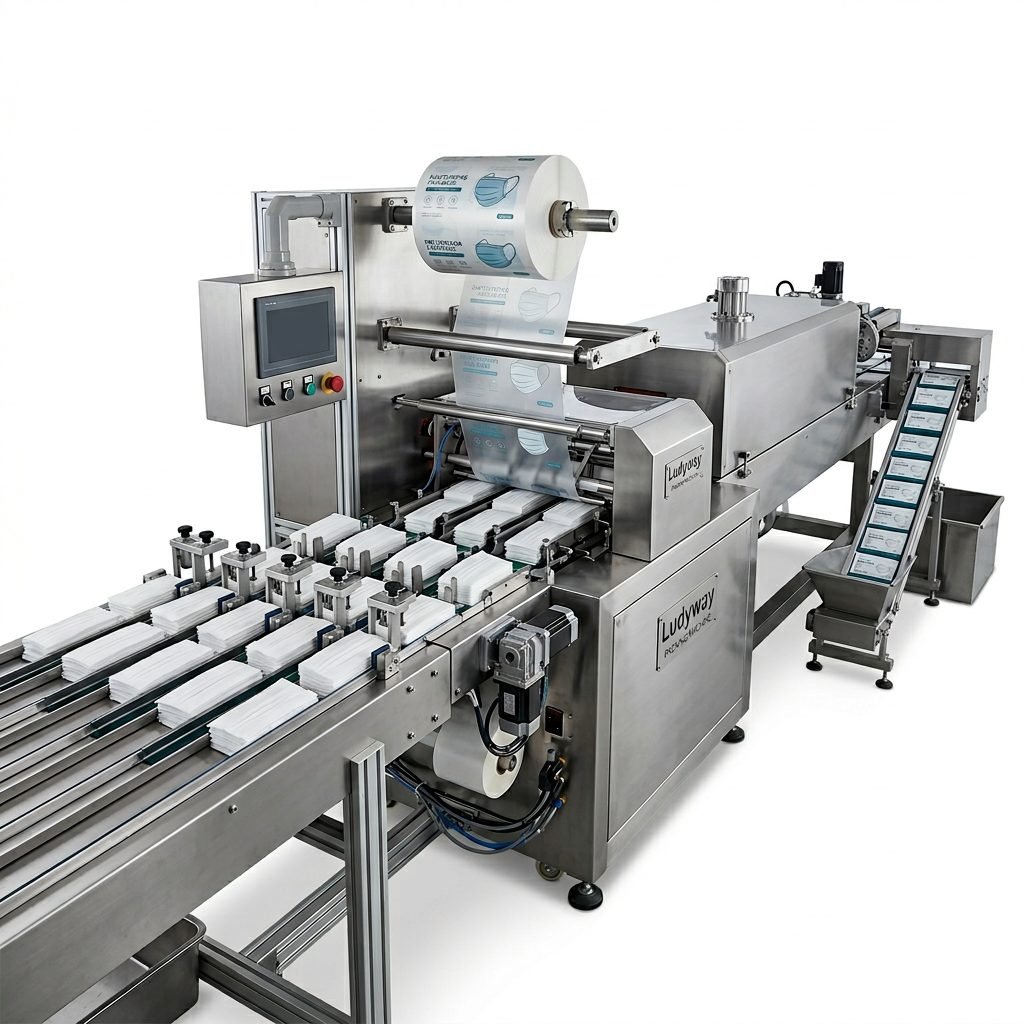
- Tea bag packaging machines – Specifically engineered for traditional tea bag formats with string and tag or envelope-style wrapping.

Automation Level and Production Speed
The degree of automation dramatically affects cost. A semi-automatic machine suitable for small-batch production may start at a lower price point, while a fully automated multi-lane system with integrated weighing, filling, sealing, and cartoning can represent a significant capital investment. Production speed, measured in packs per minute, directly correlates with machine sophistication. Packaging machinery market research consistently shows that higher-speed models command premium pricing due to advanced servo drives, precision controls, and robust construction.
Material Handling and Product Characteristics
Tea and cold drink products vary widely in form: whole leaf tea, granulated tea, fine powders, liquid concentrates, and syrups each require specific dosing and filling mechanisms. Auger fillers for powders, volumetric cup fillers for granules, and piston or peristaltic pumps for liquids all add different cost components. Additionally, machines designed to handle multiple product types (granule, powder, and liquid) on a single platform tend to be more expensive but offer greater flexibility.
Estimated Cost Ranges by Machine Category
The following table provides approximate price ranges based on current industry data. Actual costs will vary depending on configuration, manufacturer, and optional features such as nitrogen flushing, date coding, and checkweighing systems.
| Machine Type | Packaging Format | Estimated Price Range (USD) | Best Suited For |
|---|---|---|---|
| Single-Lane Stick Pack Machine | Stick packs (powder/granule) | $5,000 – $20,000 | Small tea brands, startups |
| Multi-Lane Stick Pack Machine (4–12 lanes) | Stick packs / sachets | $25,000 – $80,000 | Mid-size beverage manufacturers |
| High-Speed Multi-Lane System (12–20 lanes) | Sachets, stick packs | $80,000 – $200,000+ | Large-scale tea and cold drink production |
| Liquid Sachet Filling & Sealing Machine | Liquid pouches, sachets | $15,000 – $60,000 | Cold drink liquid concentrates |
| Premade Pouch Packaging Line | Stand-up pouches, spouted pouches | $30,000 – $150,000 | Premium cold brew tea, specialty drinks |
| Fully Automated Turnkey Packaging Line | Complete system with cartoning | $150,000 – $500,000+ | High-volume industrial operations |

Tea Bag Packaging Machine Costs
Traditional tea bag machines with string-and-tag capabilities typically range from $10,000 to $50,000 for entry to mid-level models. High-speed tea bag machines capable of producing 300–500 bags per minute with envelope wrapping can exceed $100,000. Machines supporting pyramid-shaped tea bags or biodegradable materials often fall in the $40,000–$120,000 range.
Cold Drink Liquid Packaging Machine Costs
For liquid cold drink products like iced tea concentrates, juice shots, or energy drink sachets, multi-lane liquid filling machines start around $15,000 for basic models. Fully automated systems with CIP (Clean-in-Place) capabilities, servo-driven filling, and integrated sealing can range from $50,000 to $200,000+. The complexity of the liquid — viscosity, particulate content, and fill temperature — all impact the final equipment cost.
Additional Cost Considerations Beyond the Machine Price
When budgeting for a tea or cold drink packing machine, factor in these supplementary costs:
- Installation and commissioning – Typically 5–15% of the machine cost, including on-site setup, calibration, and operator training.
- Auxiliary equipment – Conveyors, feeders, checkweighers, metal detectors, date coders, and nitrogen flush systems add to the total investment.
- Spare parts and maintenance – Annual maintenance contracts and critical spare parts should be budgeted at approximately 3–5% of the machine cost per year.
- Facility requirements – Electrical upgrades, compressed air systems, and floor space modifications may be necessary for larger production lines.
- Packaging material compatibility – Machines optimized for specific film types or laminates may require adjustments if you switch materials, potentially adding costs.
Ongoing Operational Costs
Beyond the initial purchase, operational expenses include labor (though automation reduces this significantly), energy consumption, packaging film and materials, and regular servicing. Energy-efficient servo-driven machines may have a higher upfront cost but offer substantial savings over the equipment’s lifespan. According to PMMI state of the industry reports, many manufacturers achieve ROI within 18–36 months when upgrading from semi-automatic to fully automated systems.
Choosing the Right Machine for Your Production Scale
Your production volume should guide your machine selection. Here’s a practical breakdown:
Startup and Small-Scale Operations
For businesses producing fewer than 50,000 packs per month, a single-lane stick pack or sachet machine in the $5,000–$20,000 range is typically sufficient. These machines offer flexibility for multiple product types and are easier to operate with minimal training.
Mid-Range Growing Businesses
Companies producing 50,000 to 500,000 packs per month benefit from multi-lane machines with 4–8 lanes. Budget $25,000–$80,000 for a reliable system that balances speed with versatility. At this level, features like automatic film registration, servo-driven sealing, and PLC controls become standard.
High-Volume Industrial Production
Manufacturers outputting over 500,000 packs per month should consider fully automated multi-lane systems with integrated cartoning and palletizing. These systems range from $150,000 to $500,000+ but deliver the lowest cost per pack at scale. Industry economic reports consistently show that automation investments at this level yield significant long-term operational savings.
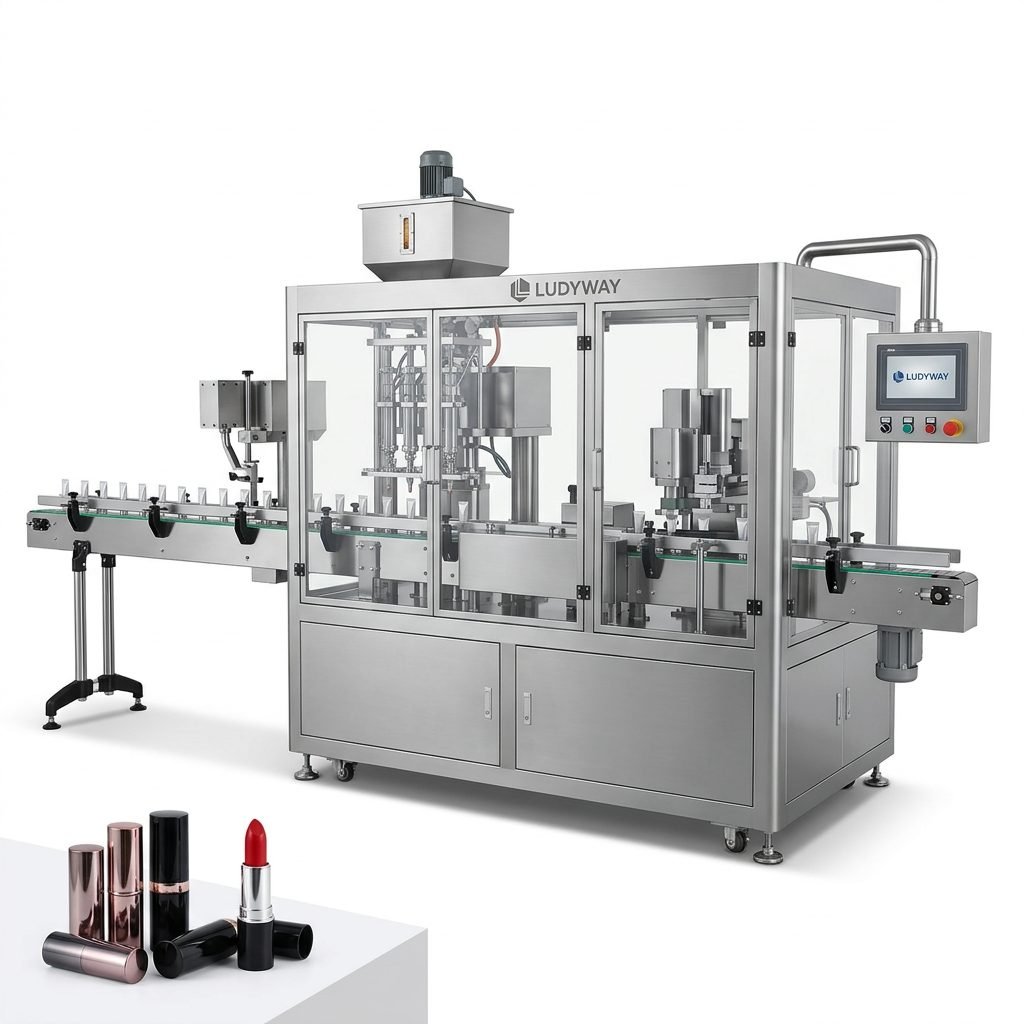
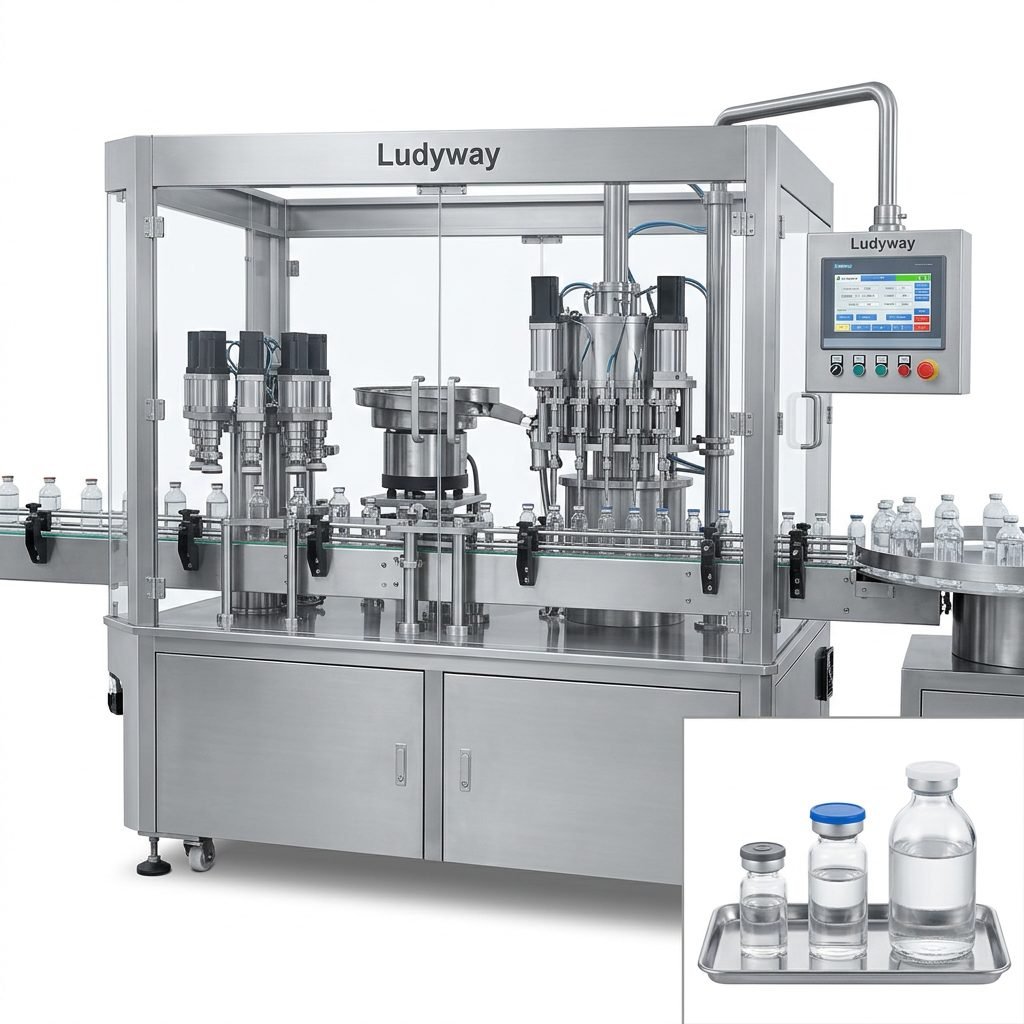
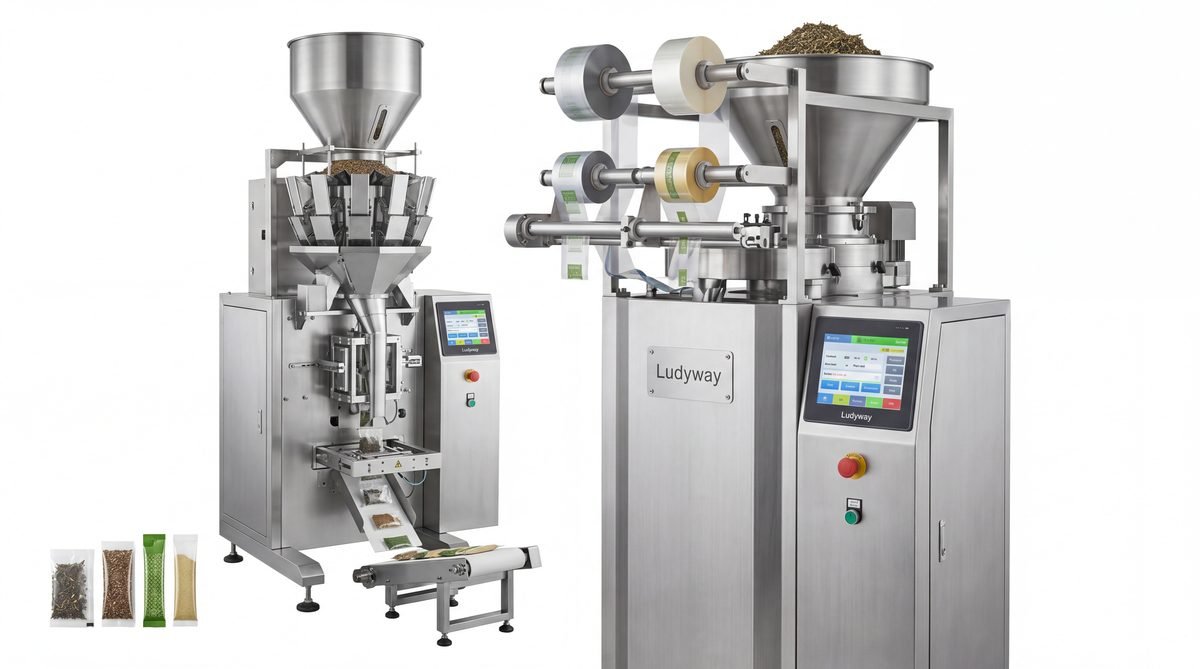
For businesses exploring custom packaging line solutions for tea and cold drink applications, established manufacturers like Ludyway — with over 30 years of industry experience and a 20,000㎡ modern production facility — offer a wide range of multi-lane stick pack, sachet, and fully automated systems designed to meet diverse production requirements across more than 100 countries and regions.
Regulatory Compliance and Quality Standards
Tea and cold drink packaging machines must comply with food safety regulations. Machines constructed with stainless steel contact parts, designed for easy cleaning, and compliant with standards such as ISO packaging standards and FDA food contact requirements typically cost more than non-compliant alternatives. Investing in compliant equipment from the outset avoids costly retrofits and regulatory issues later. The FDA food packaging regulations provide important guidelines for materials and equipment used in beverage packaging.
Certifications and Documentation
Depending on your target market, you may need machines with CE certification, UL compliance, or GMP-ready design. These certifications add to the machine cost but are essential for exporting products to regulated markets. Verify that your selected machine meets the applicable standards before purchase.
Key Takeaways for Tea and Cold Drink Packing Machine Buyers
- Define your packaging format first — stick pack, sachet, pouch, or tea bag — as the machine type determines the baseline cost.
- Match automation level to production scale — overspending on capacity you won’t use or underspending on a machine that can’t keep up are both costly mistakes.
- Budget for auxiliary equipment and installation — the machine itself is often 60–70% of the total project cost.
- Prioritize food-grade materials and certifications — especially for export-oriented tea and cold drink businesses targeting regulated markets.
- Evaluate total cost of ownership — energy efficiency, maintenance requirements, and spare parts availability impact long-term profitability.
Understanding how much a tea and cold drink packing machine costs requires a holistic view of your production needs, packaging goals, and growth trajectory. By aligning machine specifications with business requirements, you can make a confident investment that supports efficient, scalable, and profitable beverage packaging operations.