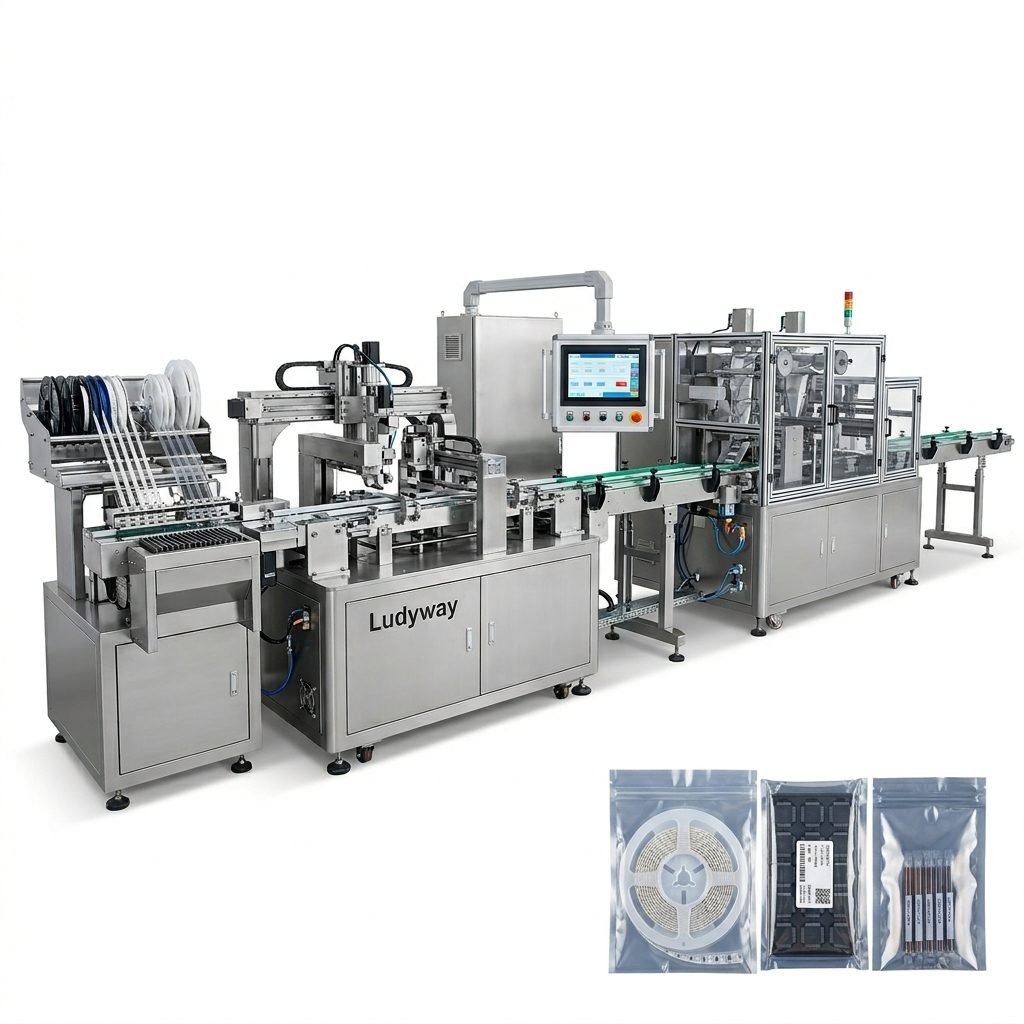
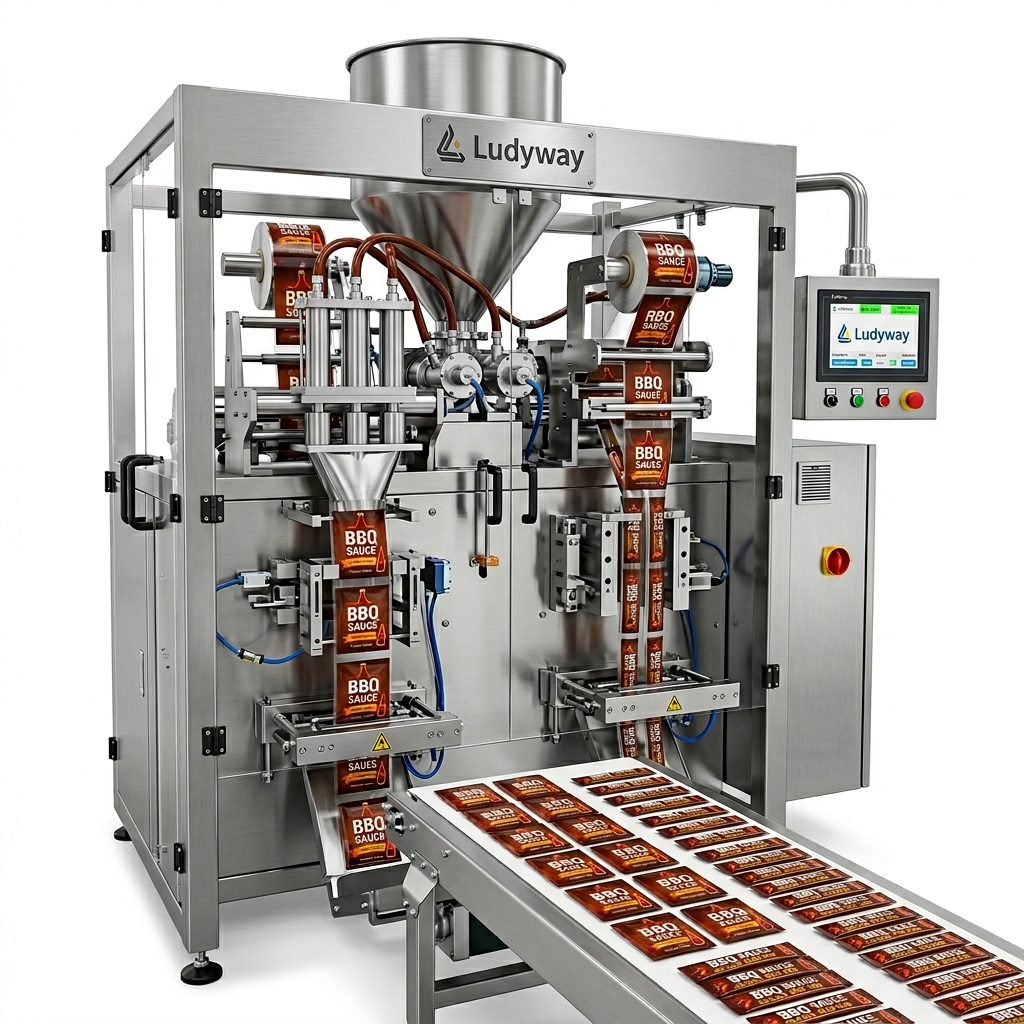
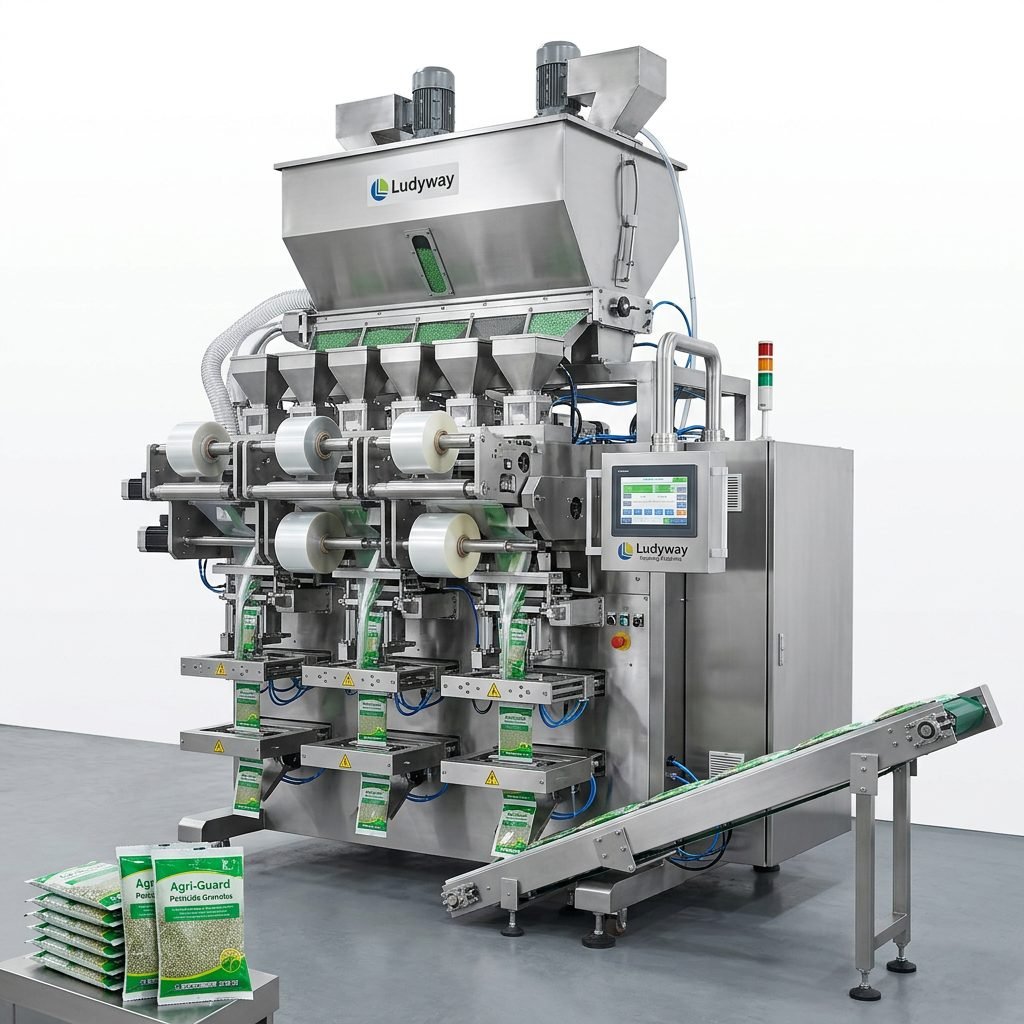
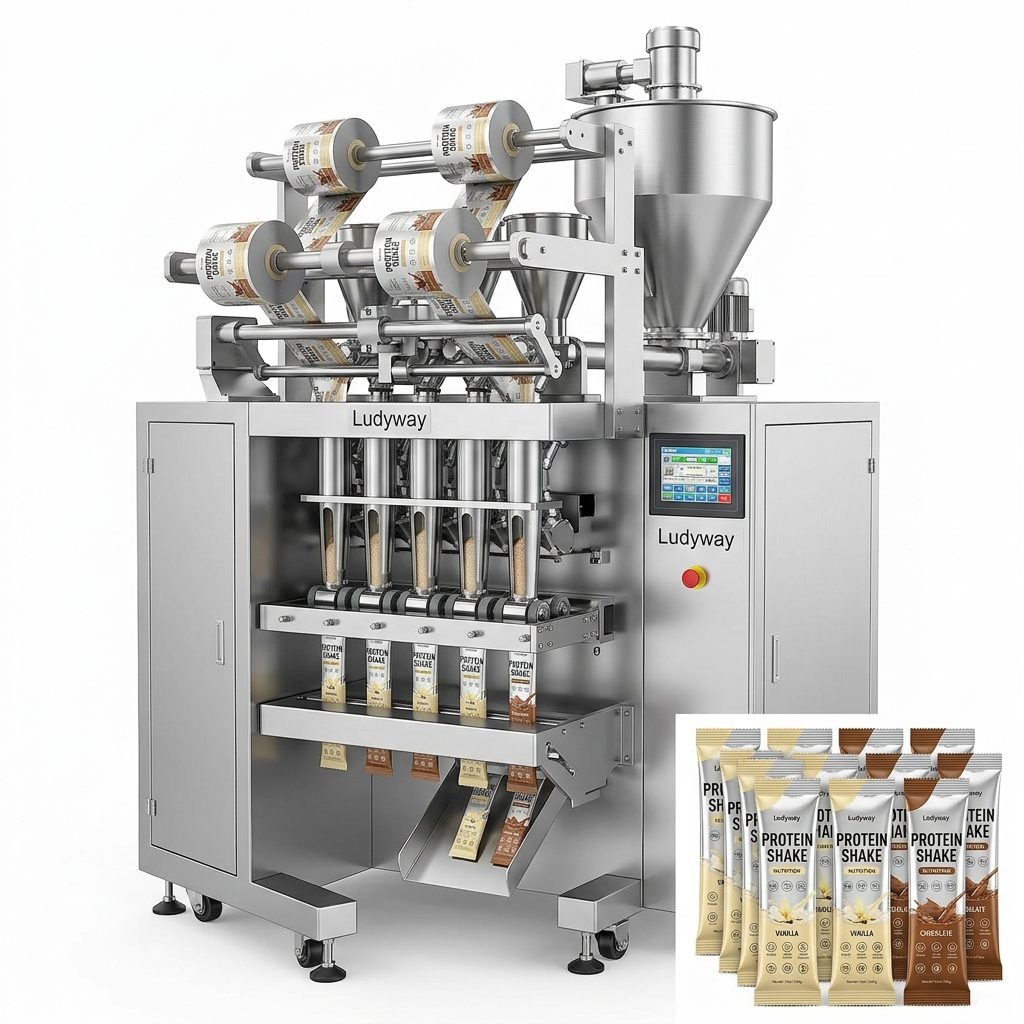
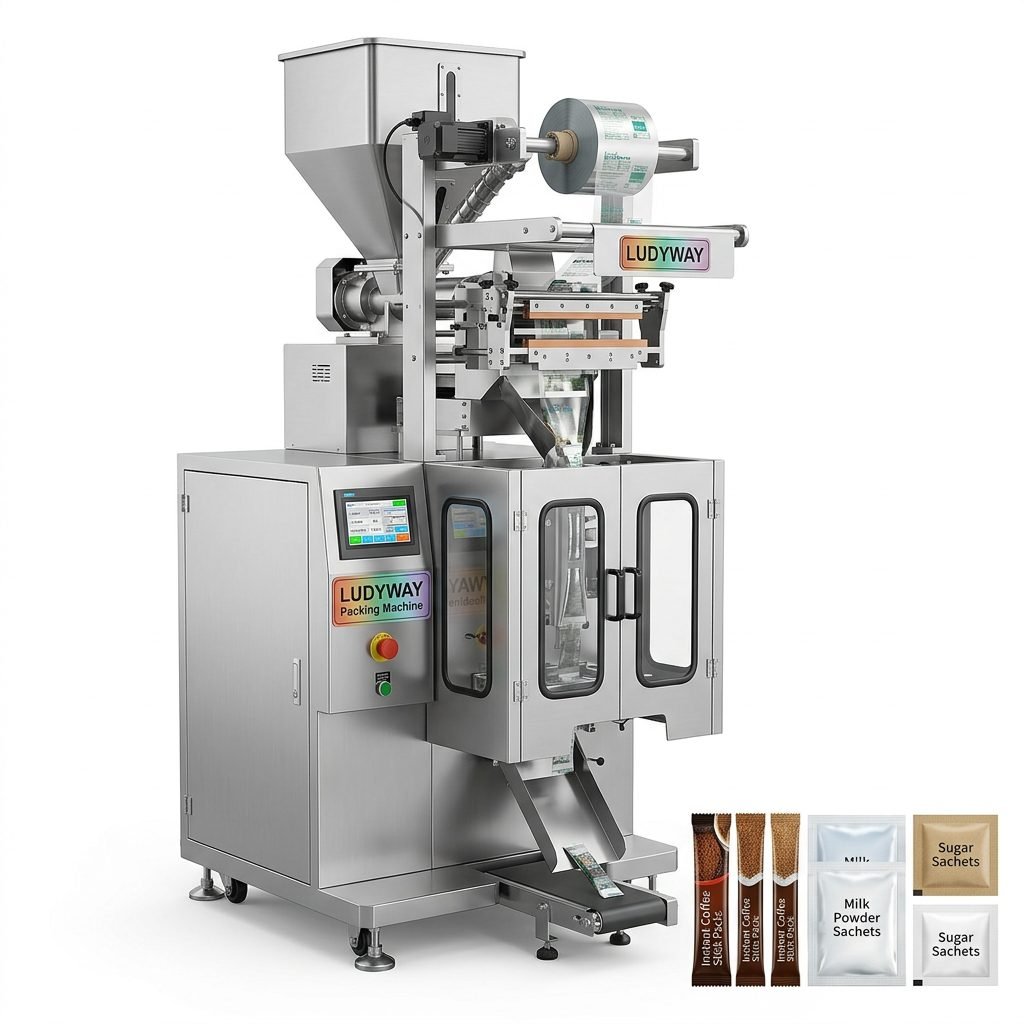
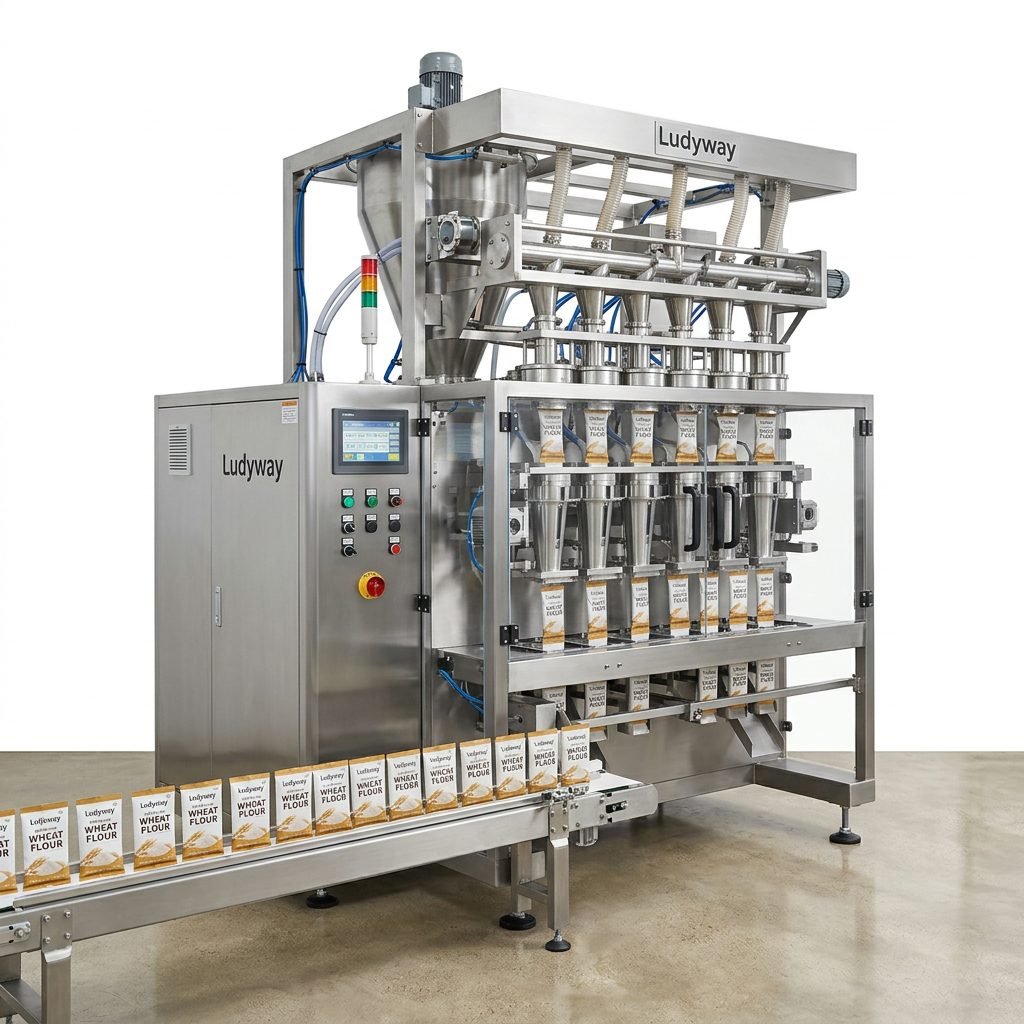
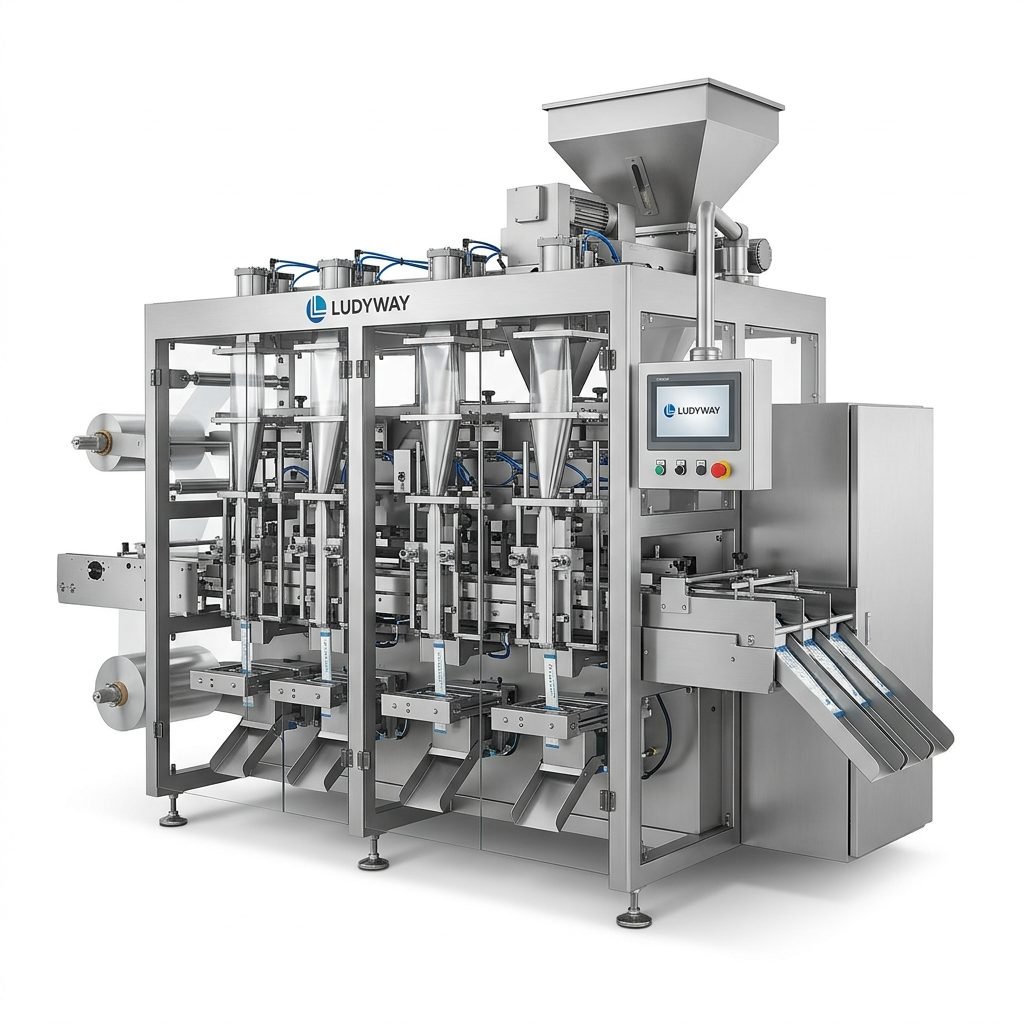
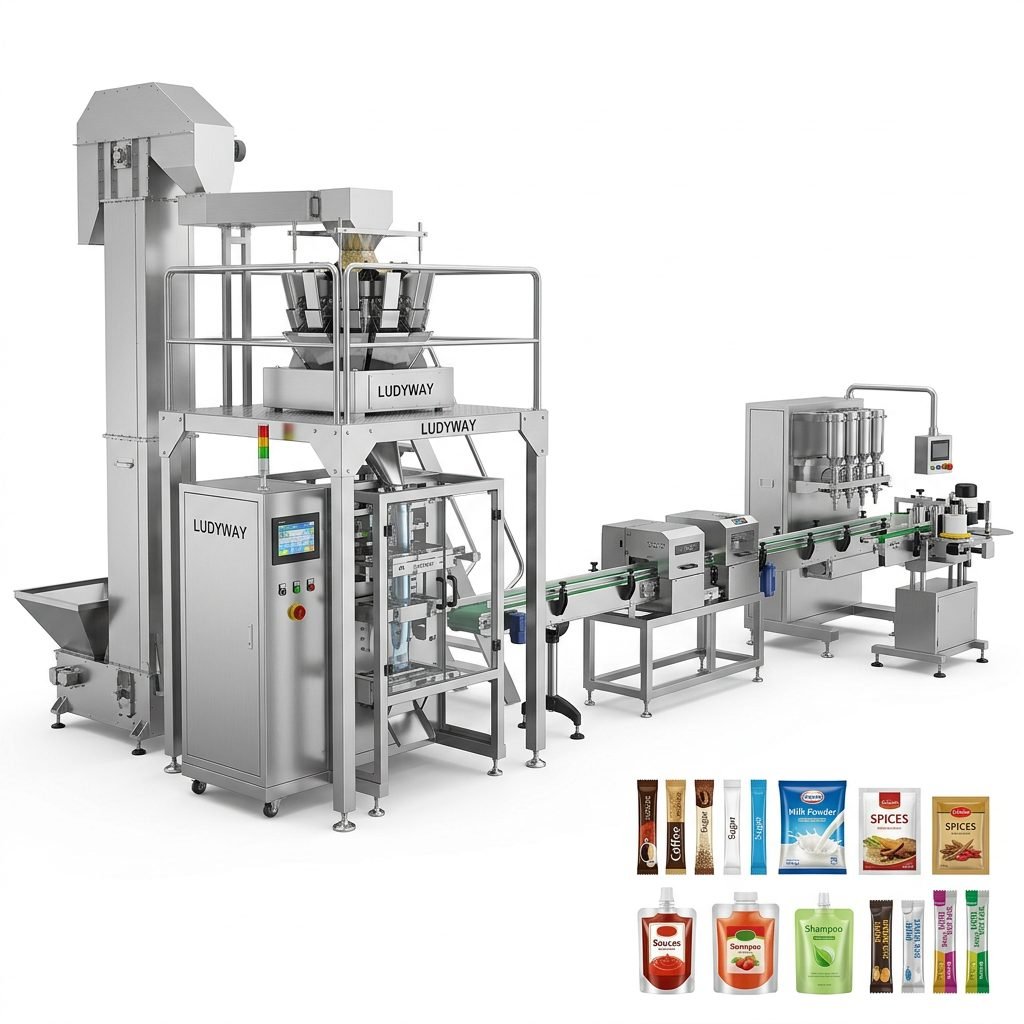
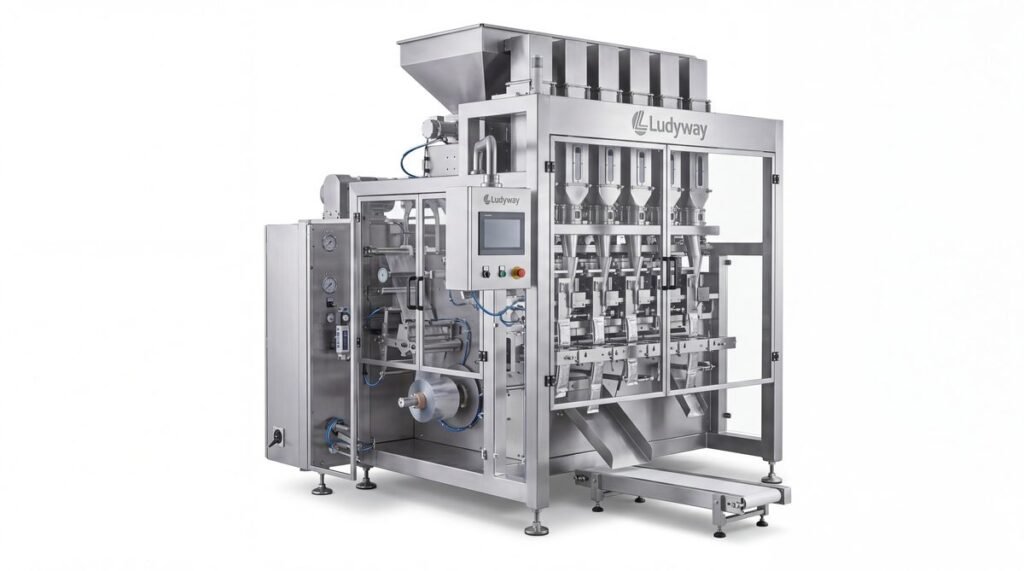
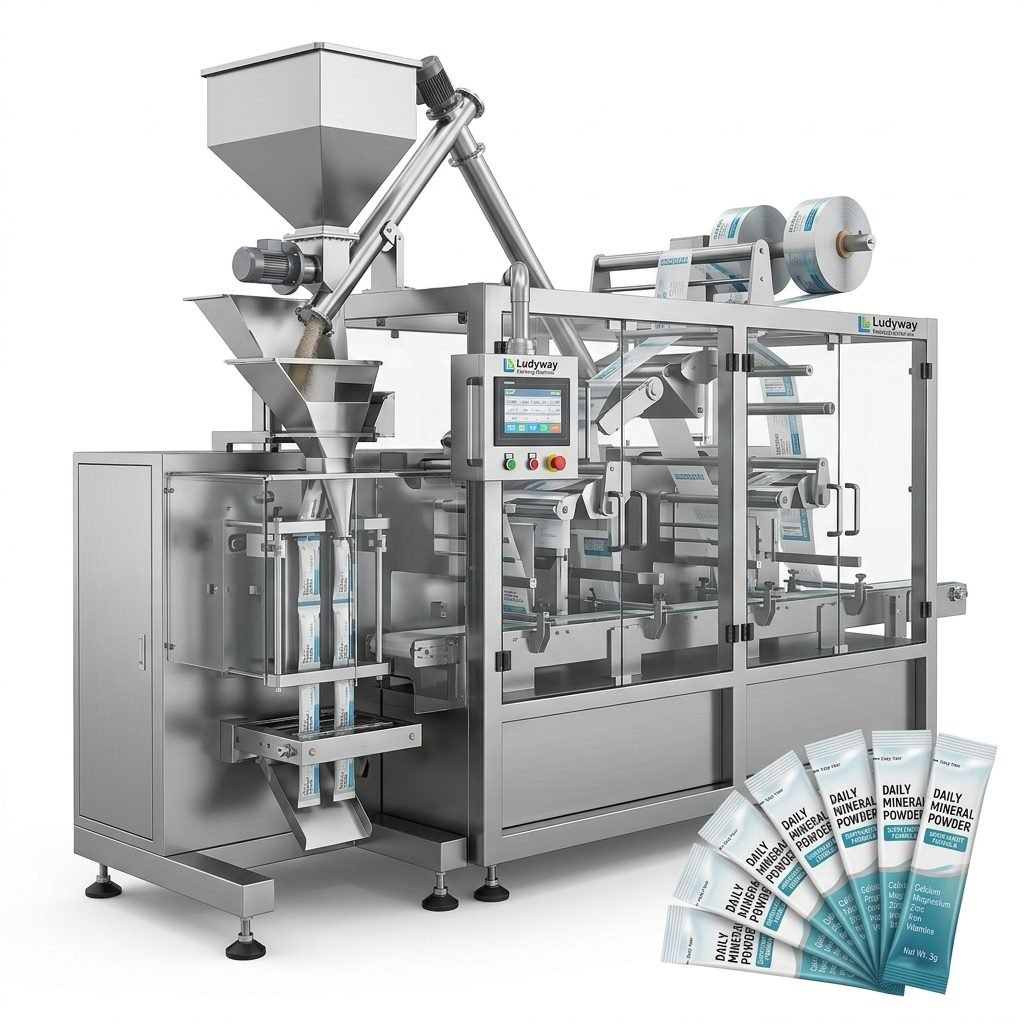
Regular maintenance of a small spice packing machine is the foundation of consistent production output and product quality. For businesses relying on these systems for daily operations, a well-structured maintenance program can extend equipment lifespan by years and significantly reduce unexpected downtime. This guide covers practical maintenance steps that operators and facility managers can implement immediately.
Why Consistent Maintenance Matters for Spice Packaging Equipment
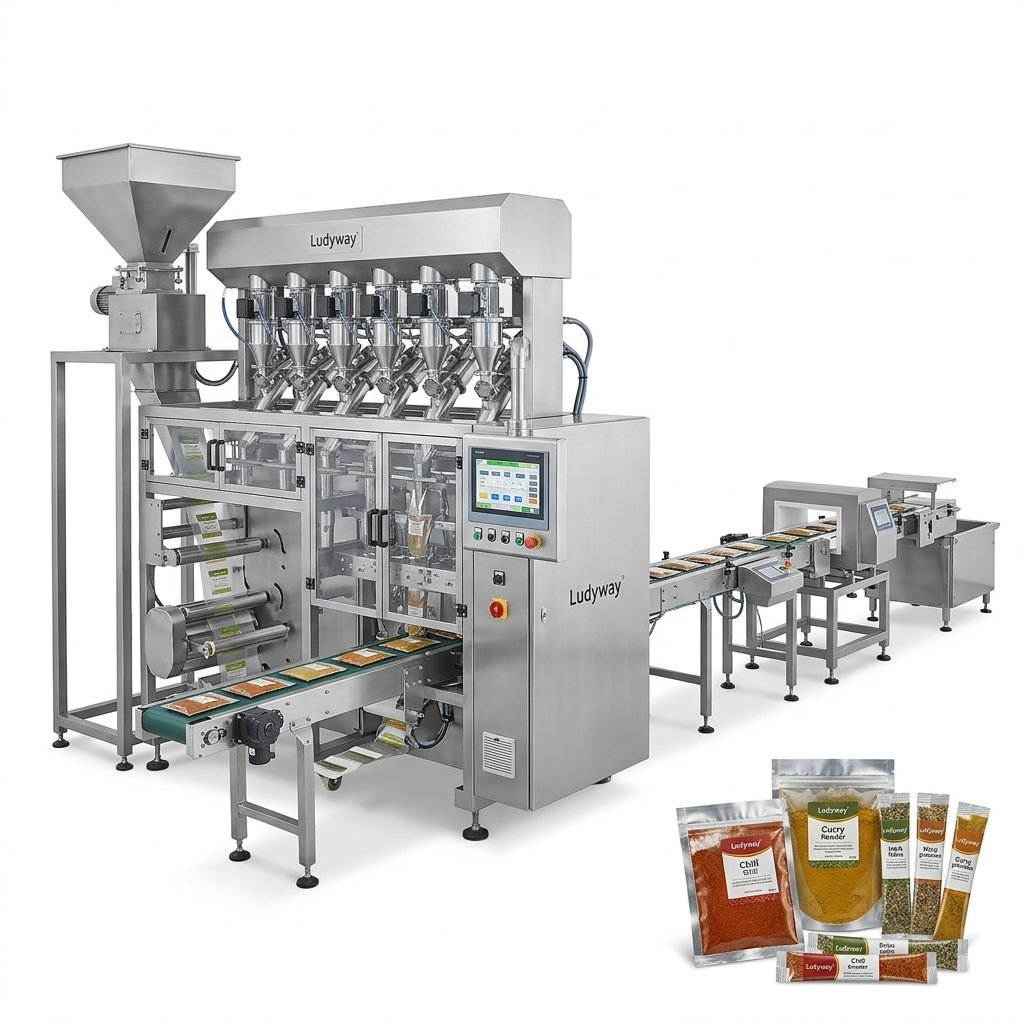
Spice powders and granules present unique challenges for packaging machinery. Fine particles can infiltrate mechanical components, while hygroscopic spice blends may cause buildup that affects weighing accuracy. A properly maintained packaging system delivers consistent fill weights, reduces product waste, and maintains seal integrity — all critical factors for food safety compliance and customer satisfaction.
Key Benefits of a Preventive Maintenance Program
- Reduced unplanned downtime — scheduled inspections catch issues before failures occur
- Extended machine lifespan — well-lubricated and clean components wear more slowly
- Consistent product quality — accurate filling and sealing depend on properly calibrated equipment
- Lower long-term operating costs — preventive care is far less expensive than emergency repairs
Daily Cleaning Procedures for Spice Packing Machines
Daily cleaning is the single most impactful maintenance habit for small spice packing machines. After each production run or at the end of every shift, operators should follow a systematic cleaning protocol. Residual spice powders can absorb moisture from the air, leading to clumping that obstructs filling pathways and compromises seal quality.
Step-by-Step Daily Cleaning Checklist
- Power down and isolate the machine completely before any cleaning begins
- Use compressed air to blow out powder residues from the filling station, sealing jaws, and conveyor areas
- Wipe all product contact surfaces with food-grade cleaning agents and dry thoroughly
- Inspect and clean the forming tube and sealing bars — these are critical for pouch integrity
- Check and empty the dust collection tray or filter if your machine is equipped with one
- Verify that no loose particles remain around sensors or photoelectric cells
Lubrication and Mechanical Maintenance Schedule
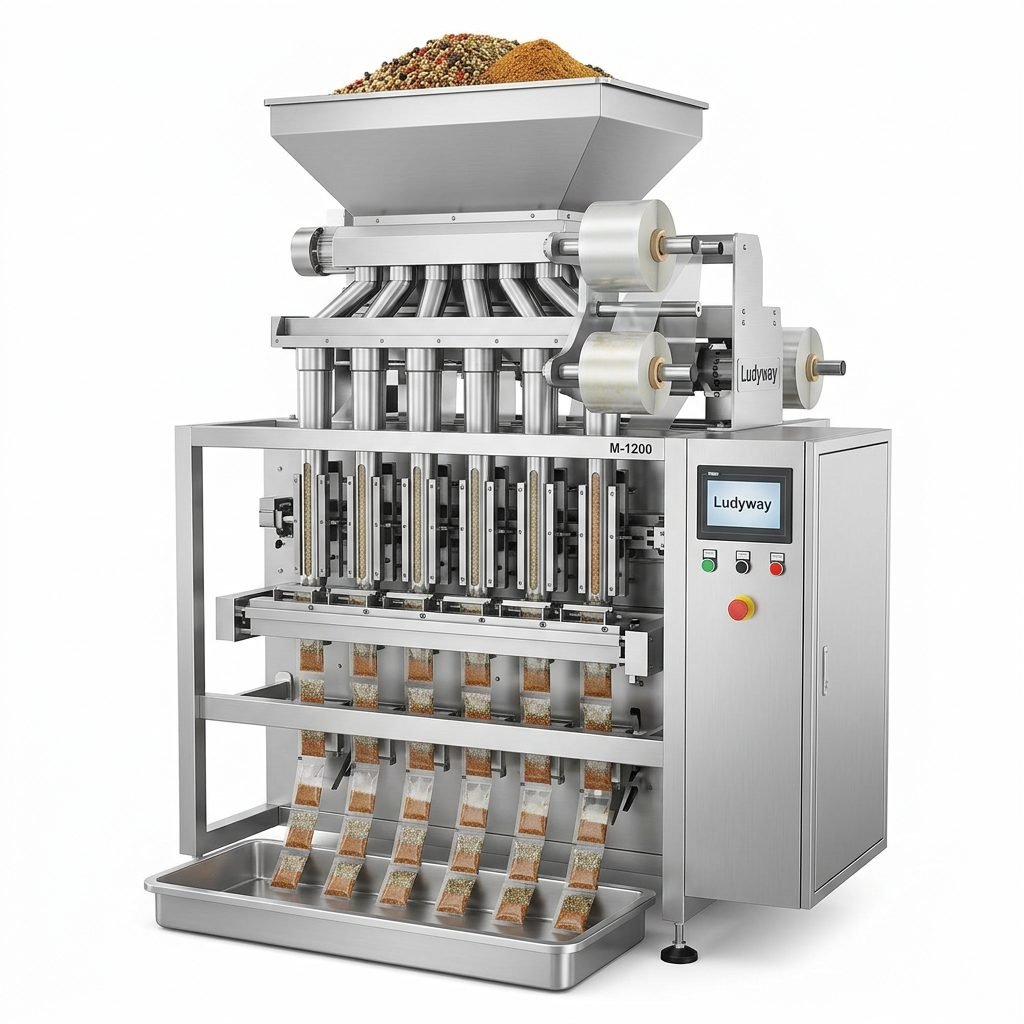
A structured lubrication routine protects moving parts from friction damage caused by abrasive spice particles. Each machine model has specific lubrication points and recommended intervals — always consult your equipment manual first. The table below provides general guidance applicable to most small spice packing machines.
| Component | Maintenance Task | Recommended Frequency |
|---|---|---|
| Sealing Jaws & Bearings | Clean and apply food-grade lubricant | Weekly |
| Filling Auger / Volumetric Cup Assembly | Inspect for wear, clean threads, lubricate shaft | Bi-weekly |
| Chain Drives & Gears | Check tension, clean, and re-grease | Monthly |
| Pneumatic Cylinders & Fittings | Inspect seals for leaks, clean rod surfaces | Monthly |
| Motor & Gearbox | Check oil level, listen for abnormal noise | Quarterly |
Always use food-grade lubricants approved for incidental food contact when servicing any component near the product flow. Cross-contamination from industrial lubricants can lead to batch rejection and regulatory issues.
Electrical System and Sensor Maintenance
Modern spice packing machines rely on an array of sensors, controllers, and electrical components to achieve precise filling speeds. Electrical faults are among the most common causes of unexpected downtime in packaging lines. A proactive inspection routine can prevent many of these issues.
Electrical Maintenance Best Practices
- Inspect all cable connections and wiring harnesses for signs of wear, heat damage, or loose terminals monthly
- Clean photoelectric sensors with a soft, dry cloth — accumulated spice dust can cause false readings
- Verify that temperature controllers and thermocouples on sealing stations are calibrated correctly
- Check the grounding system to prevent static electricity buildup, which is common with powder products
- Keep the electrical cabinet clean and ensure cooling fans are operational
Common Issues and Troubleshooting Guide
Even with diligent maintenance, small spice packing machines can develop operational issues. Early diagnosis often prevents minor problems from escalating into major repairs. Below are several frequently encountered situations and their likely causes.
Inconsistent Fill Weights
When fill weights drift over the course of a production run, check the auger or volumetric filler for partial blockages caused by compacted spice powder. Also verify that the hopper level is maintained consistently — varying head pressure affects fill accuracy. For machines using weigh cells, recalibrate according to the manufacturer’s specifications and ensure the load cell is free of debris.
Poor Seal Integrity
Seal failures in spice pouches can result from incorrect temperature settings, contaminated sealing jaws, or worn sealing surfaces. Clean the sealing area thoroughly and confirm that temperature setpoints match the film specification. If the problem persists, inspect the sealing bar for uneven wear patterns that may require replacement.
Film Tracking Problems
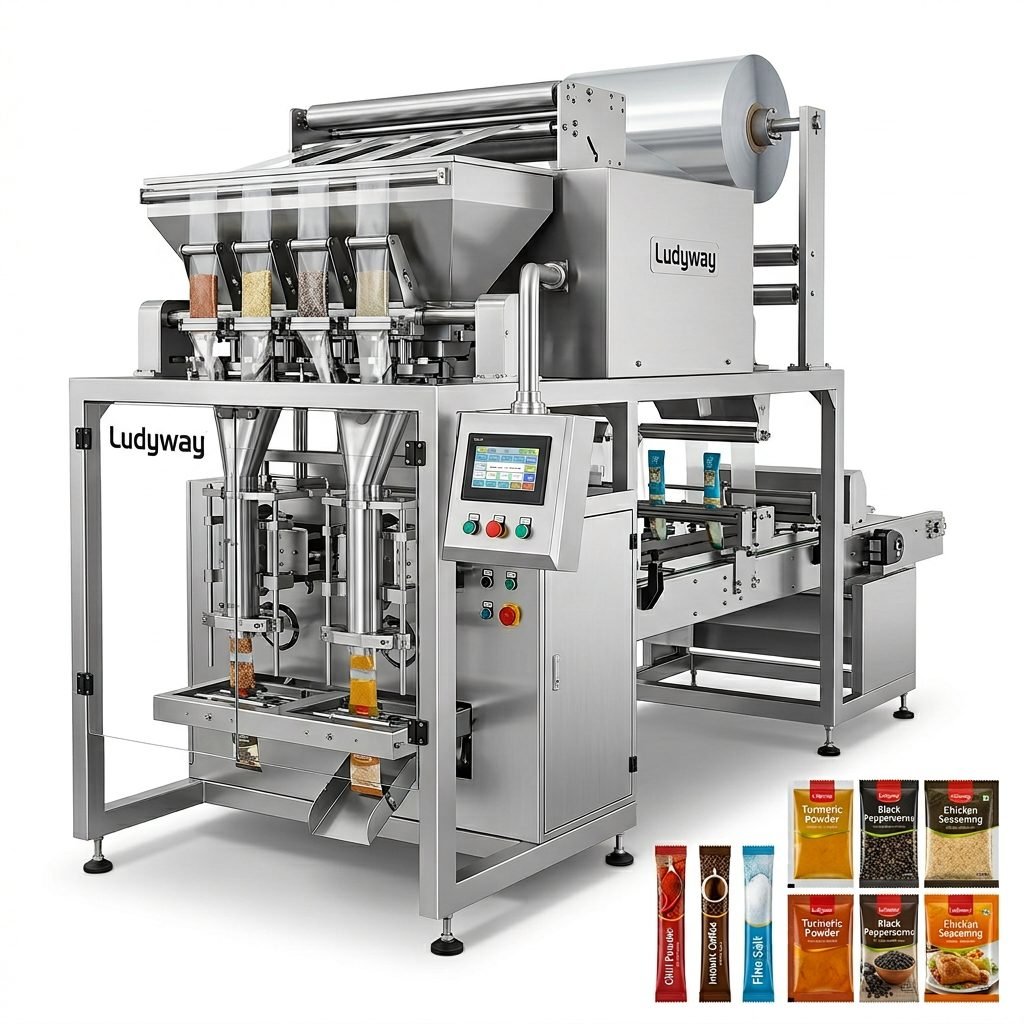
When packaging film drifts or wrinkles during operation, inspect the film roll alignment, tension settings, and guide rollers. Spice dust accumulation on rollers is a frequent culprit — regular cleaning of the entire film path is essential for consistent tracking.
Spare Parts Inventory and Professional Support
Maintaining a strategic inventory of critical spare parts minimizes downtime when components inevitably wear out. At minimum, keep replacement sealing bars, heating elements, belts, sensors, and commonly sized forming tubes on hand. Consult your equipment documentation for a recommended spare parts list specific to your machine model.
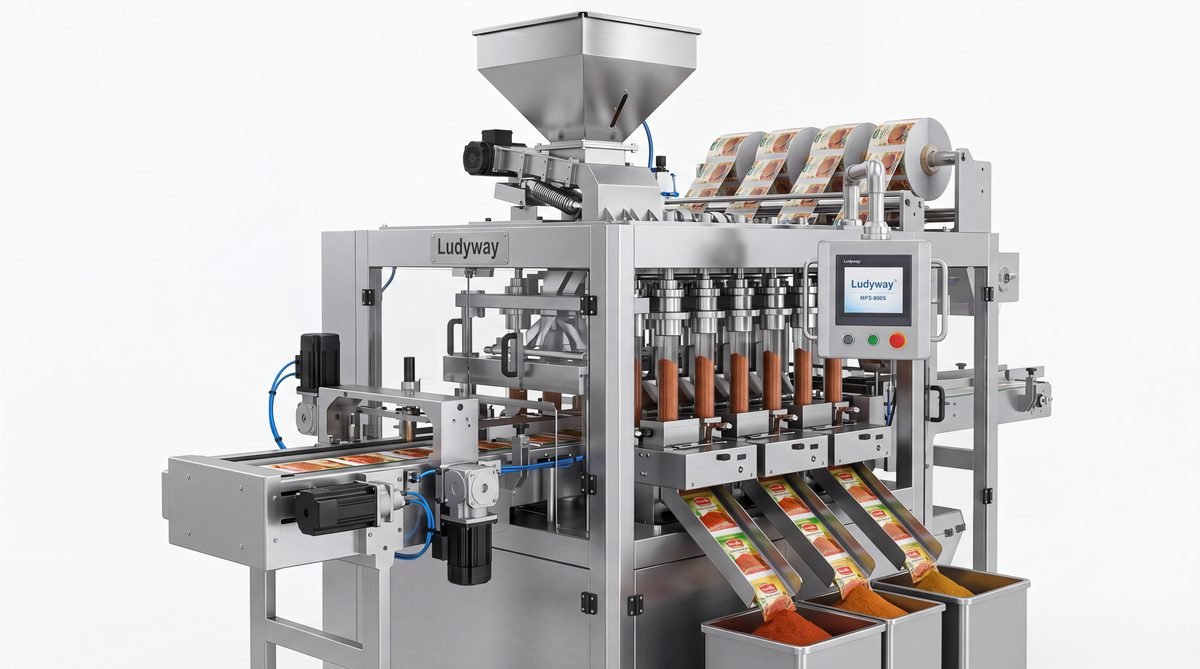
For comprehensive maintenance support and OEM-quality replacement components, leading packaging machinery specialists such as Ludyway provide technical assistance and genuine parts for their range of spice and powder packing equipment. Establishing a relationship with a reliable parts supplier ensures you receive components that meet original specifications rather than generic alternatives that may compromise performance.
Long-Term Performance Optimization
A well-maintained small spice packing machine can deliver reliable service for well over a decade. The key is consistency — daily cleaning habits combined with scheduled preventive maintenance create a cumulative effect that keeps equipment running at peak efficiency. Document all maintenance activities, track part replacements, and train every operator on proper machine care procedures. When the entire production team understands the value of maintenance, equipment longevity becomes a natural outcome rather than an occasional achievement.
For additional guidance on packaging machinery standards and industry best practices, the PMMI business intelligence resources offer valuable reference materials for packaging professionals seeking to optimize their operations.