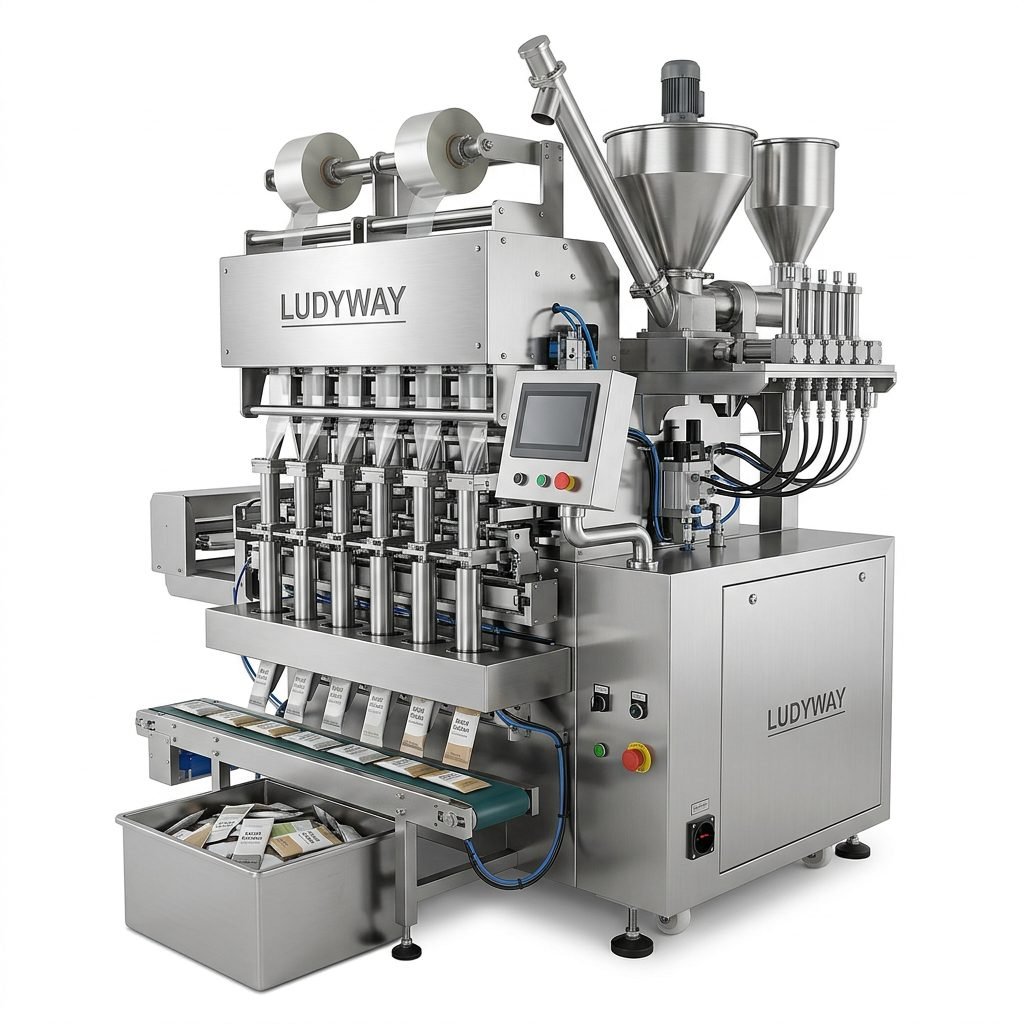
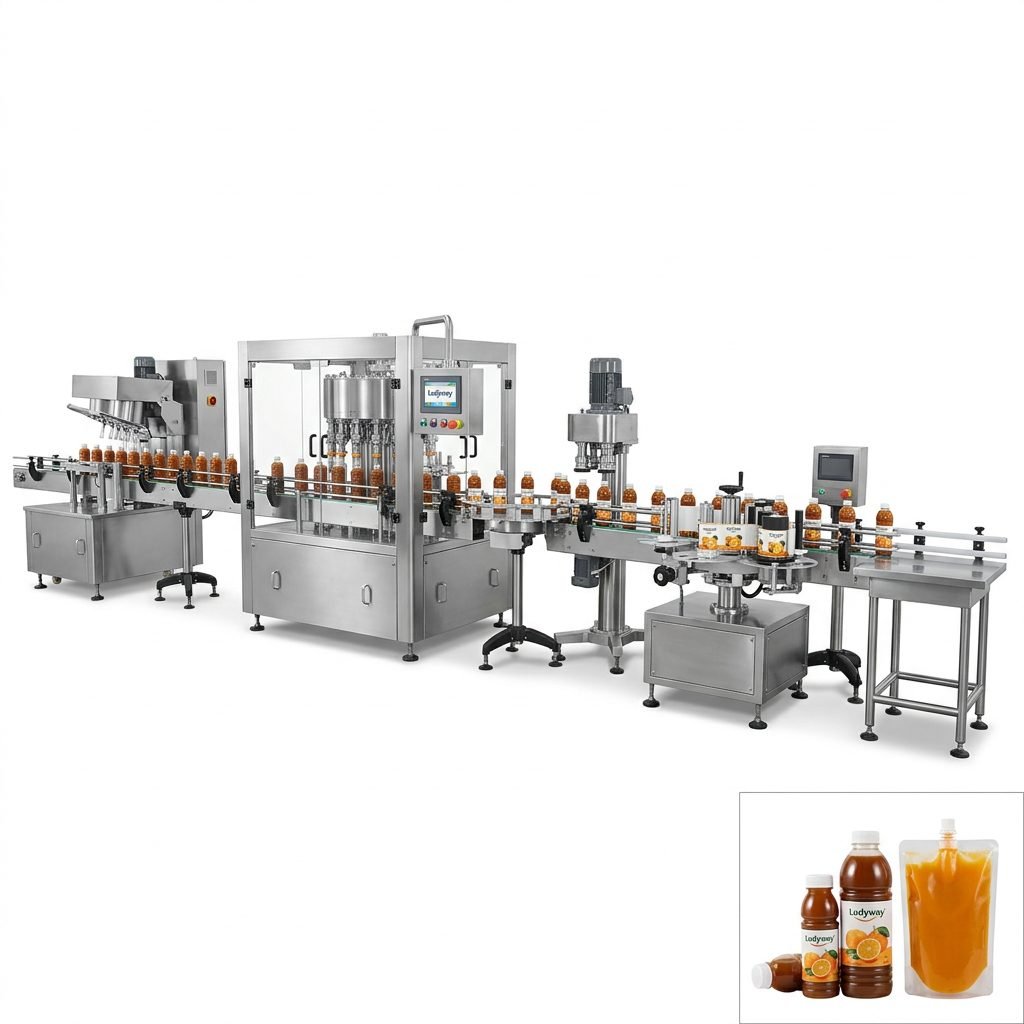
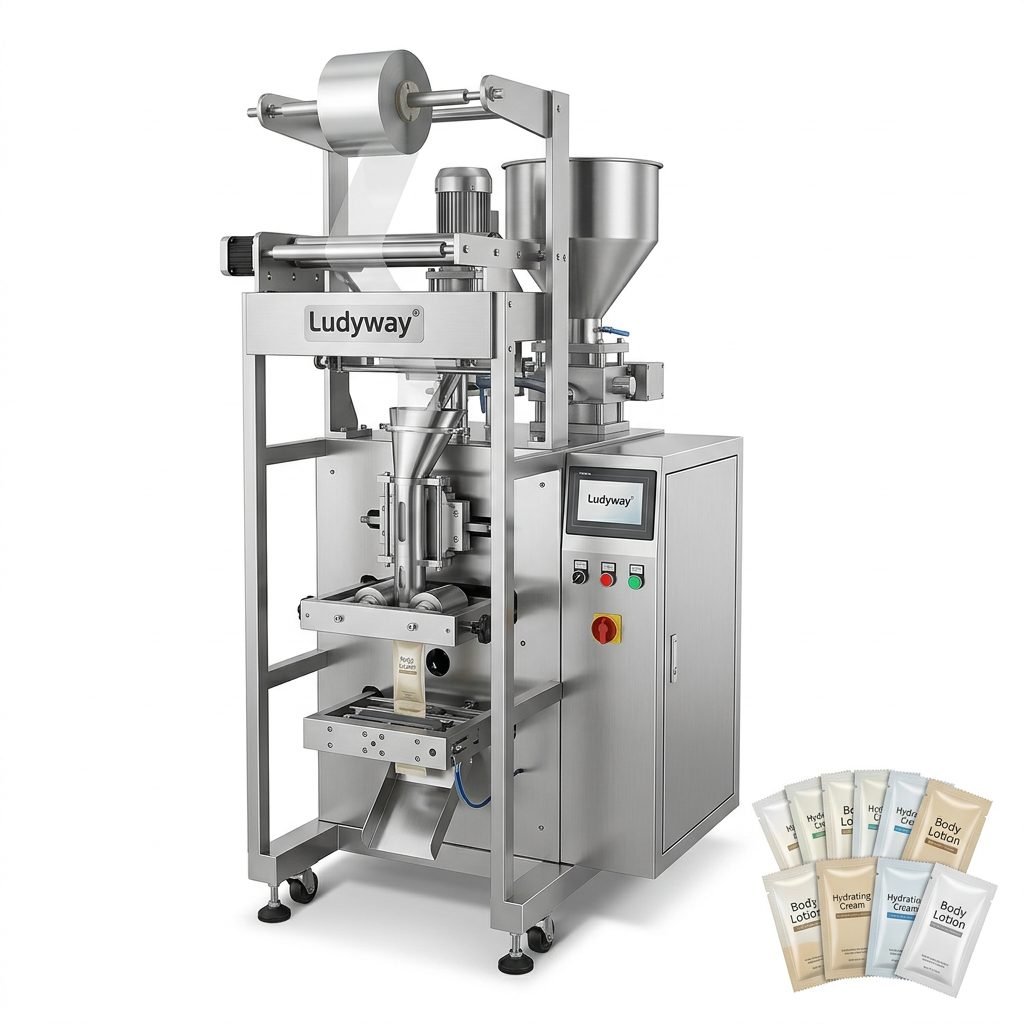
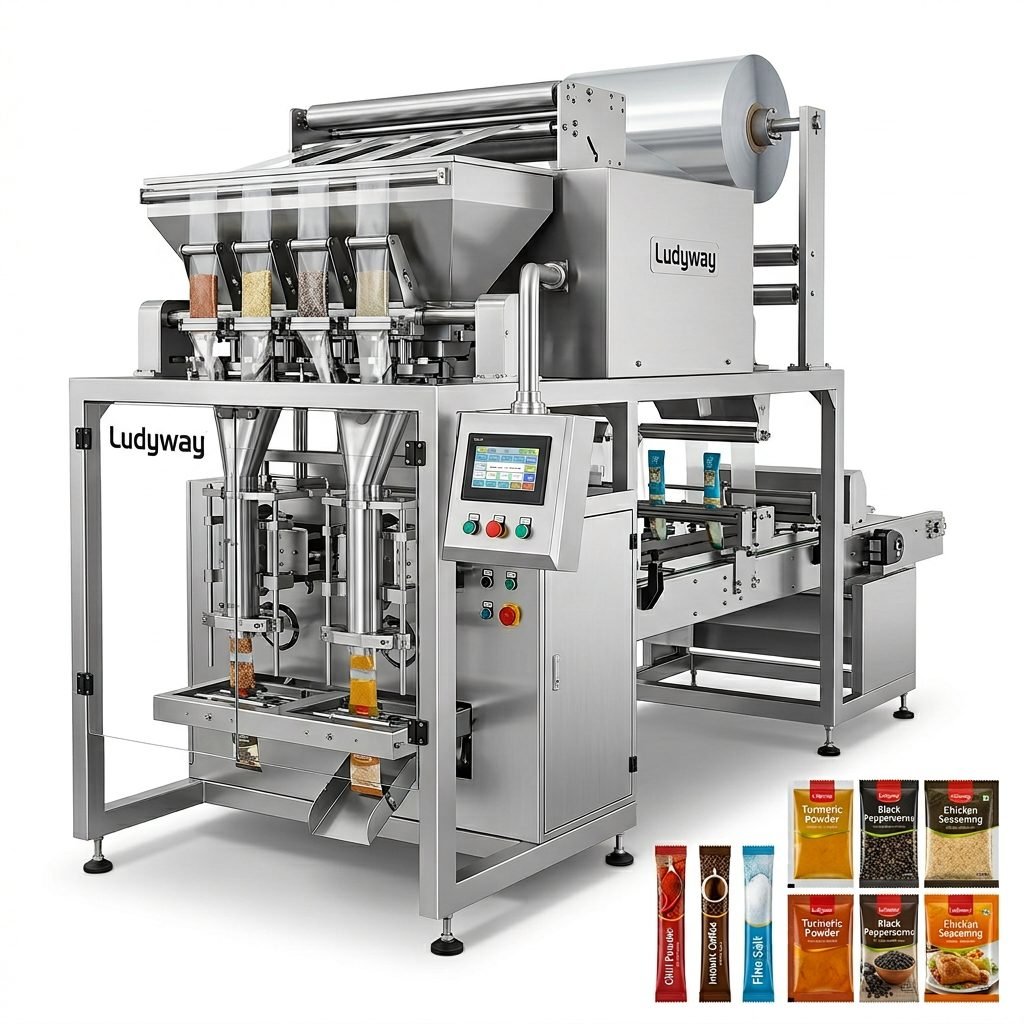
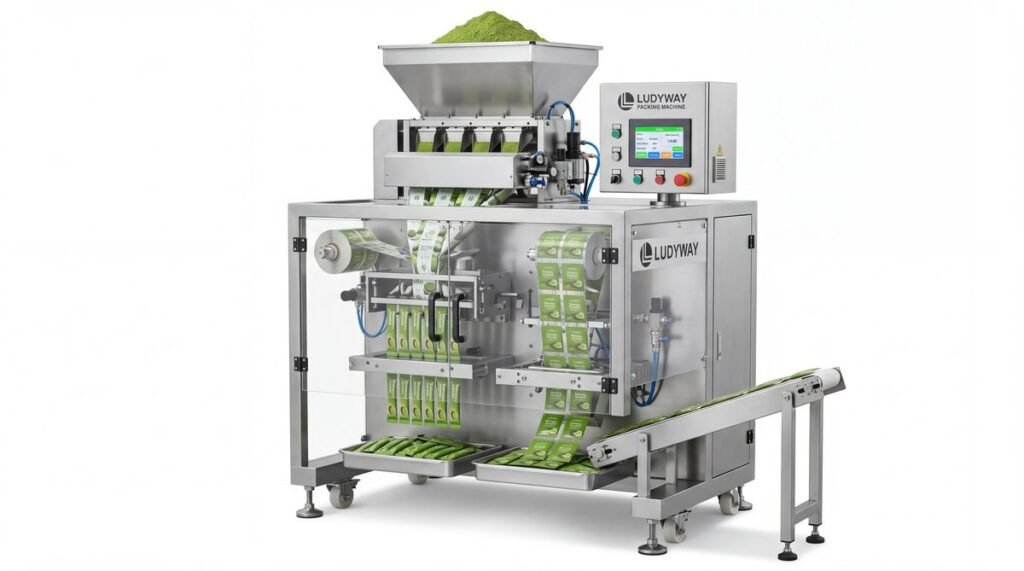
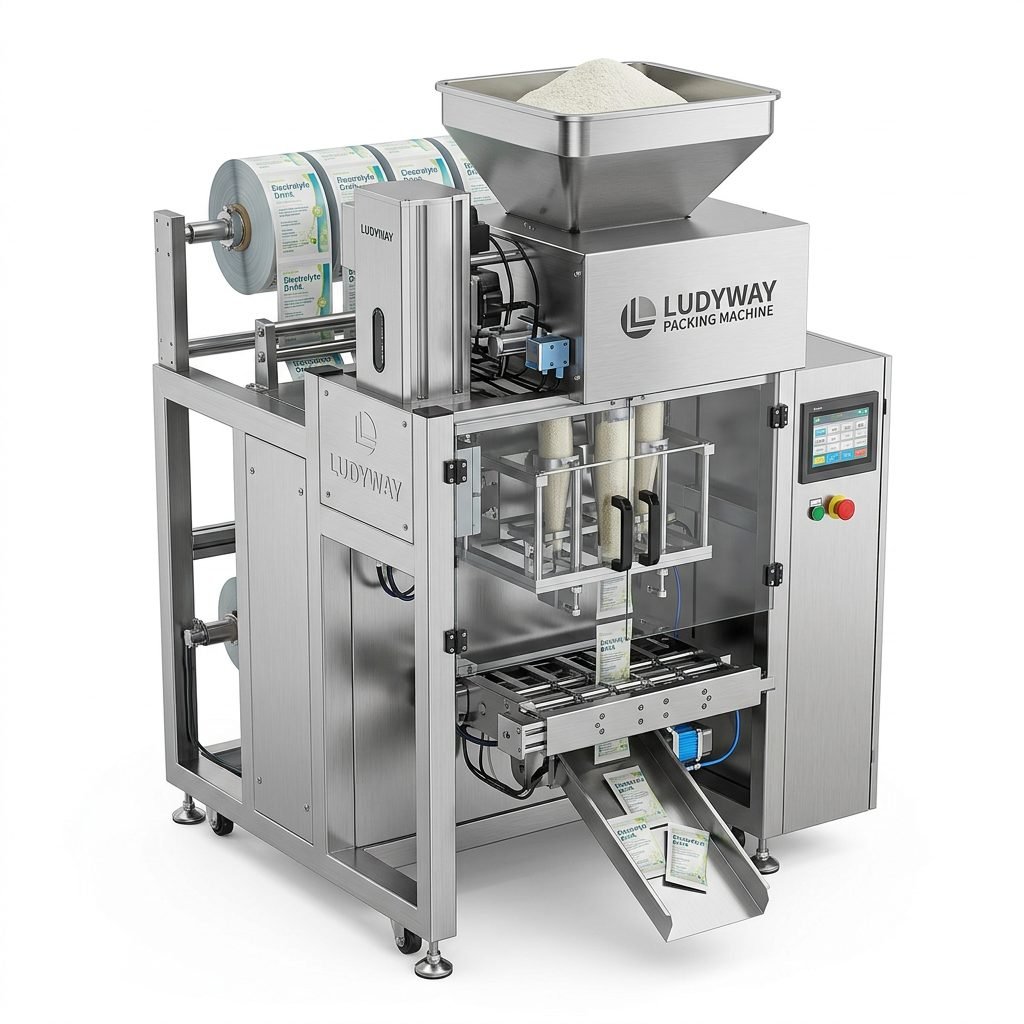
A coconut water packing machine is a critical asset in beverage production, and consistent maintenance is the key to long-term performance. Without a structured care routine, even the most robust liquid packaging equipment can suffer from downtime, inaccurate fills, and costly repairs. This guide covers essential maintenance practices to keep your machine running at peak efficiency for years.
Why Preventative Maintenance Matters
Coconut water is a natural product with sugars and minerals that can leave residues inside filling nozzles, pipes, and sealing components. Over time, this buildup leads to seal contamination, inconsistent fill volumes, and premature wear on moving parts. A preventative maintenance schedule helps you avoid unplanned stoppages and protects your investment in automated packaging lines.
Daily Cleaning Routine
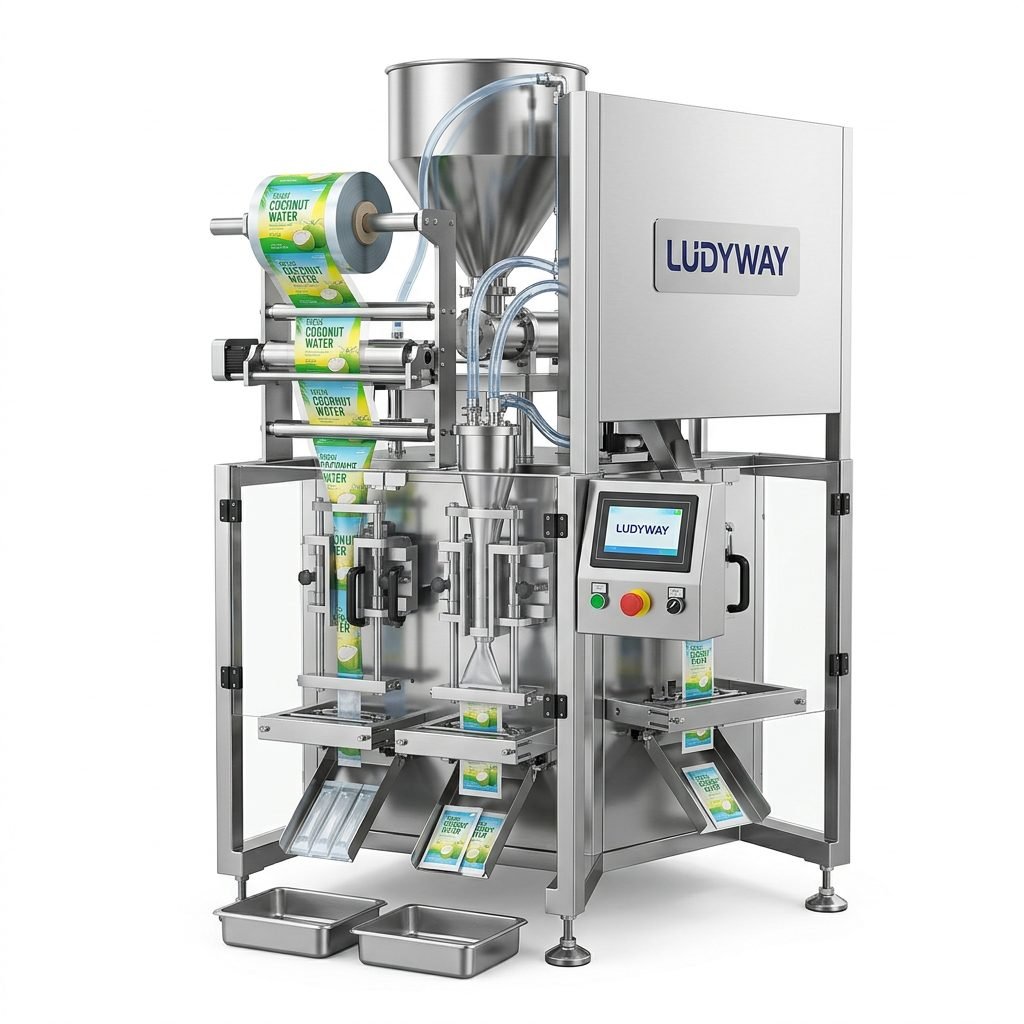
Daily cleaning is the first line of defense against contamination and mechanical issues. Follow these steps at the end of each production shift:
- Flush the filling system with warm, clean water to remove residual coconut water from nozzles and piping.
- Wipe down all product contact surfaces with food-grade sanitizers approved for beverage equipment.
- Inspect sealing jaws and heating elements for any sticky residue or film buildup.
- Check and empty the drip tray and waste collection areas to prevent bacterial growth.
- Verify that air filters and ventilation grilles are free from dust and debris.
Key Areas to Inspect Daily
Pay special attention to the filling nozzles and sealing bars, as these components directly impact package integrity. Any dried coconut residue can cause seals to weaken, leading to leaks and product spoilage during storage and transport.
Weekly Inspection Checklist
A deeper weekly inspection helps catch issues before they escalate into major failures. Set aside time each week to address the following:
- Examine all pneumatic hoses and fittings for signs of air leaks or cracking.
- Lubricate guide rails, bearings, and linear motion components according to manufacturer specifications.
- Test emergency stop functions and safety interlocks to ensure compliance with operational safety standards.
- Calibrate temperature controllers on sealing stations and verify consistent heat distribution.
- Inspect film feed rollers and tension mechanisms for smooth operation.
Monthly Preventative Maintenance
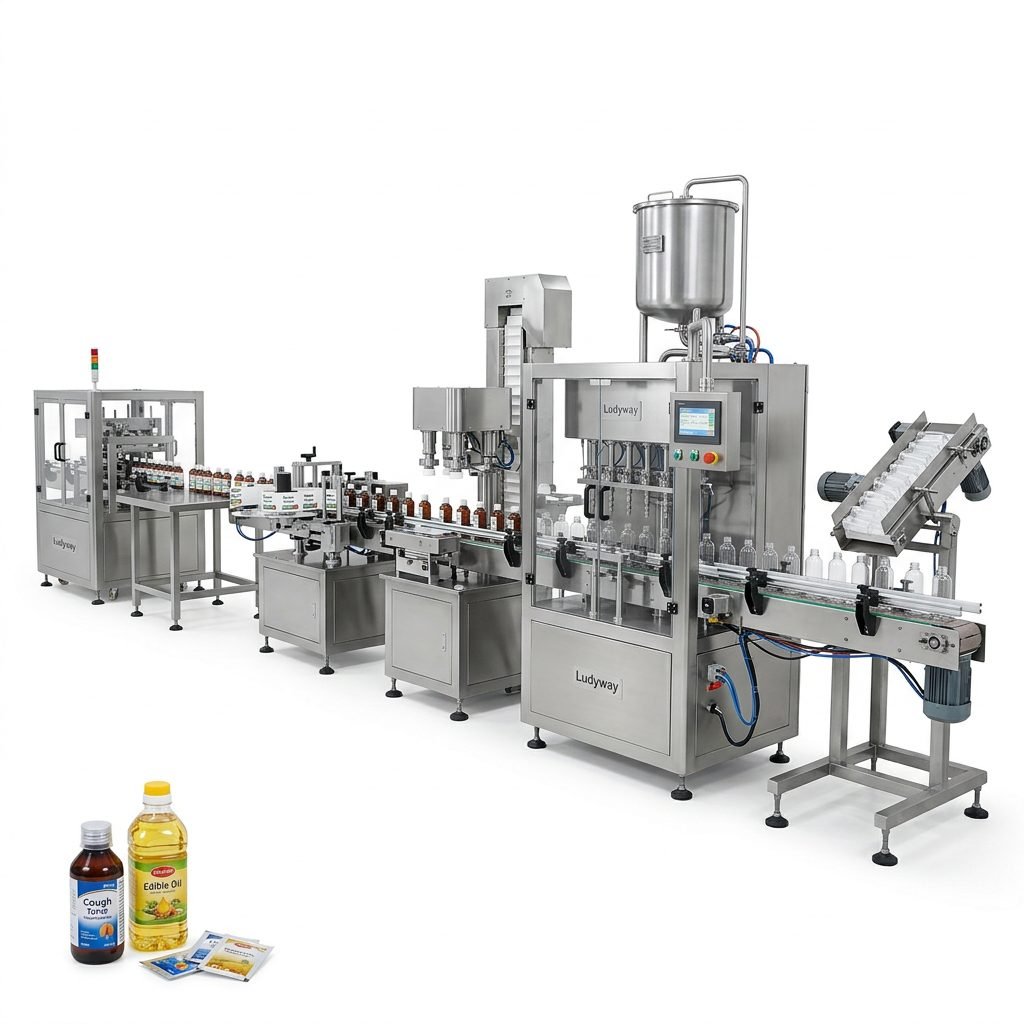
Monthly maintenance tasks are more comprehensive and often require partial disassembly of key modules. These procedures significantly extend the service life of your coconut water packing machine.
Mechanical Systems
- Inspect and tighten all fasteners, bolts, and mounting brackets throughout the machine frame.
- Check belt tension and alignment on all drive systems; replace worn belts promptly.
- Examine chain drives and sprockets for wear patterns and proper lubrication.
- Assess gear reducers and motor couplings for unusual noise or vibration.
Electrical and Control Systems
- Inspect wiring harnesses and connectors for signs of heat damage or corrosion.
- Test all sensors, photoelectric eyes, and proximity switches for accurate detection.
- Back up PLC program parameters and HMI settings to secure storage.
- Clean control panel interiors with dry compressed air to remove accumulated dust.
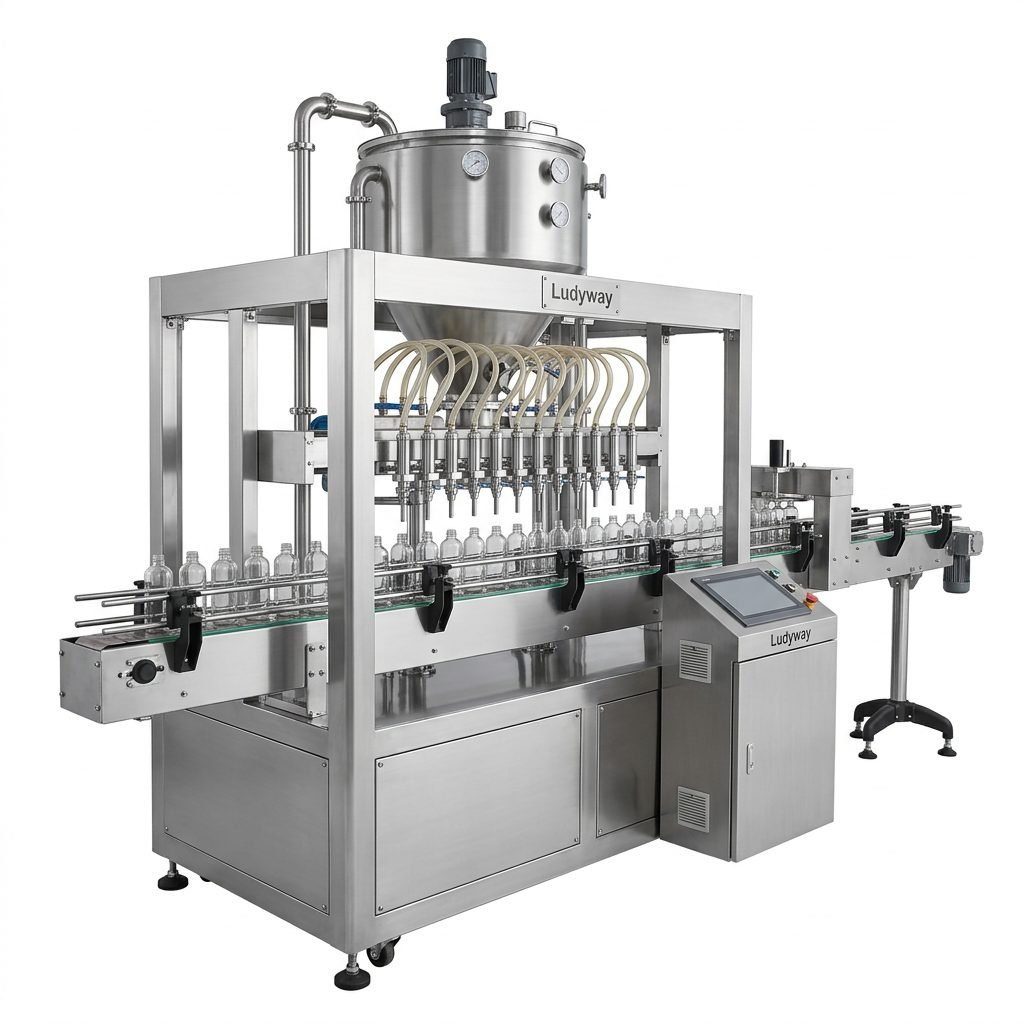
Common Maintenance Issues and Solutions
The following table summarizes frequent problems encountered with liquid packaging machines and their recommended solutions:
| Problem | Possible Cause | Recommended Action |
|---|---|---|
| Inconsistent fill volume | Clogged nozzles or air in the liquid line | Flush system and bleed air from lines |
| Weak or leaking seals | Worn sealing gaskets or incorrect temperature | Replace gaskets and recalibrate heat settings |
| Excessive noise during operation | Loose components or insufficient lubrication | Tighten all fasteners and apply recommended lubricants |
| Film misalignment or wrinkling | Improper tension or worn rollers | Adjust tension and replace damaged rollers |
| Sensor faults or false readings | Dirty sensor lenses or electrical interference | Clean sensors and check grounding connections |
Quarterly and Semi-Annual Deep Maintenance
Every three to six months, schedule a comprehensive maintenance session that involves detailed inspection of internal components. This level of care is especially important for high-volume coconut water production lines running multiple shifts daily.
Quarterly Tasks
- Replace all wear components including seals, gaskets, O-rings, and scraper blades.
- Perform a complete calibration of filling volume accuracy across all lanes.
- Inspect pneumatic cylinders and solenoid valves for smooth actuation and replace if sluggish.
- Test product pumps and flow meters for accuracy and consistent performance.
Semi-Annual Tasks
- Conduct a full electrical safety audit including ground continuity and insulation resistance tests.
- Replace hydraulic fluids and filters if your system uses hydraulic actuation.
- Perform vibration analysis on drive motors to detect bearing wear before failure occurs.
- Update PLC firmware and HMI software to the latest stable versions provided by the manufacturer.
Lubrication Best Practices
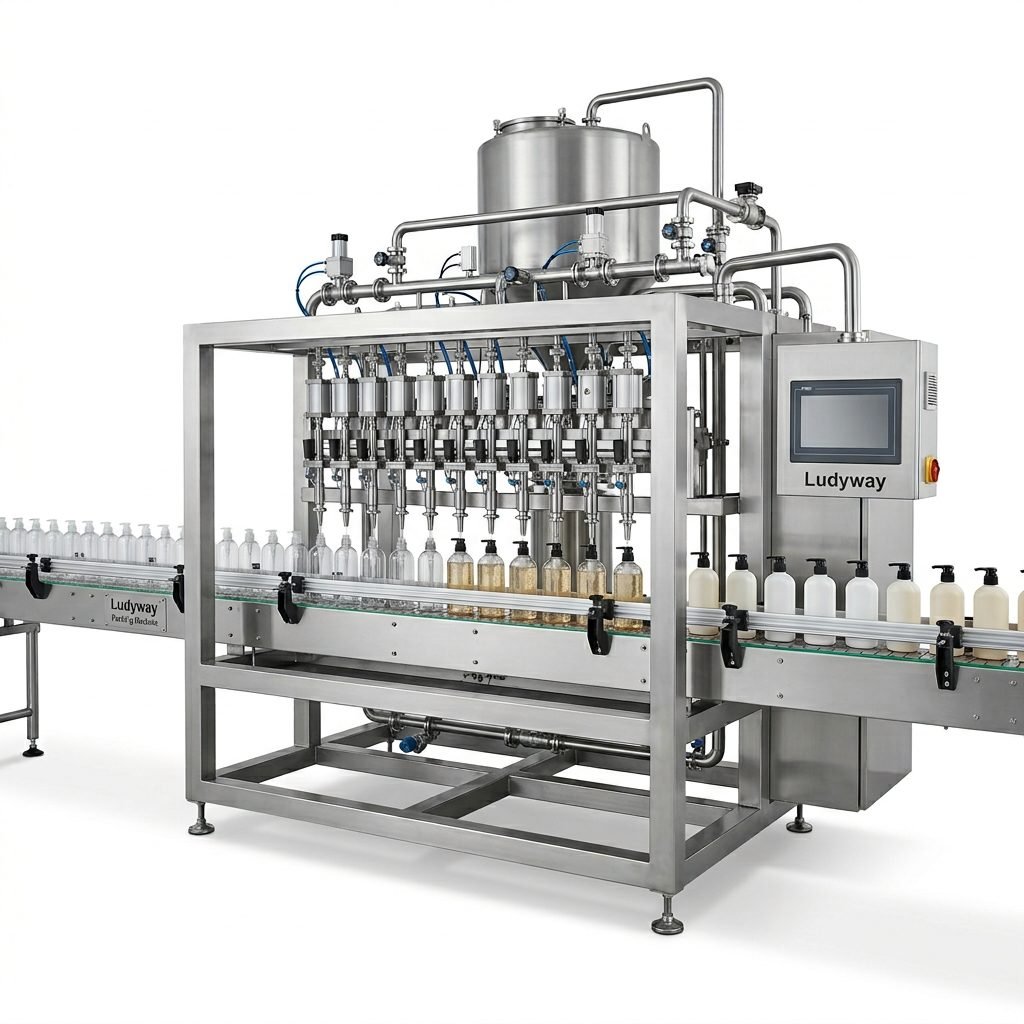
Proper lubrication is critical for the longevity of mechanical components. Use only food-grade lubricants that are NSF H1 registered for incidental food contact, as required by FDA food packaging regulations. Key lubrication points include:
- Linear bearings and guide shafts on the filling station
- Rotary joints and pivot points on sealing jaws
- Chain tensioners and sprocket assemblies
- Cam followers and roller bearings throughout the film transport system
- Gearboxes on main drive and auxiliary motors
Spare Parts Management
Maintaining an adequate inventory of critical spare parts reduces downtime significantly. Recommended spares to keep on hand include sealing gaskets, heating elements, O-ring kits, sensor modules, drive belts, pneumatic fittings, and filling nozzle assemblies. Refer to the standards outlined by ISO packaging machinery standards for guidance on critical component specifications and replacement intervals.
Operator Training and Documentation
Even the best maintenance program falls short without properly trained operators. Ensure all personnel who run the coconut water packing machine receive comprehensive training on daily startup procedures, basic troubleshooting, cleaning protocols, and safety features. Keep detailed maintenance logs that record dates of service, parts replaced, calibration values, and any anomalies observed during operation. These records are invaluable for identifying recurring issues and planning future upgrades.
When to Contact Professional Service Support
While routine maintenance can be handled in-house, certain situations call for professional technical assistance. Contact qualified service engineers when you encounter persistent filling inaccuracies despite calibration, unusual vibrations or sounds from drive systems, PLC or HMI fault codes that cannot be cleared, and major component replacements requiring specialized tools. As one of the largest packaging machine manufacturers, Ludyway provides dedicated after-sales support and technical service to customers in over 100 countries, ensuring your production stays on track.
For further reading on industry best practices, consult resources from the Association for Packaging and Processing Technologies (PMMI) and the Flexible Packaging Association, both of which offer valuable technical guides and industry benchmarks.
Summary: Building a Culture of Preventative Care
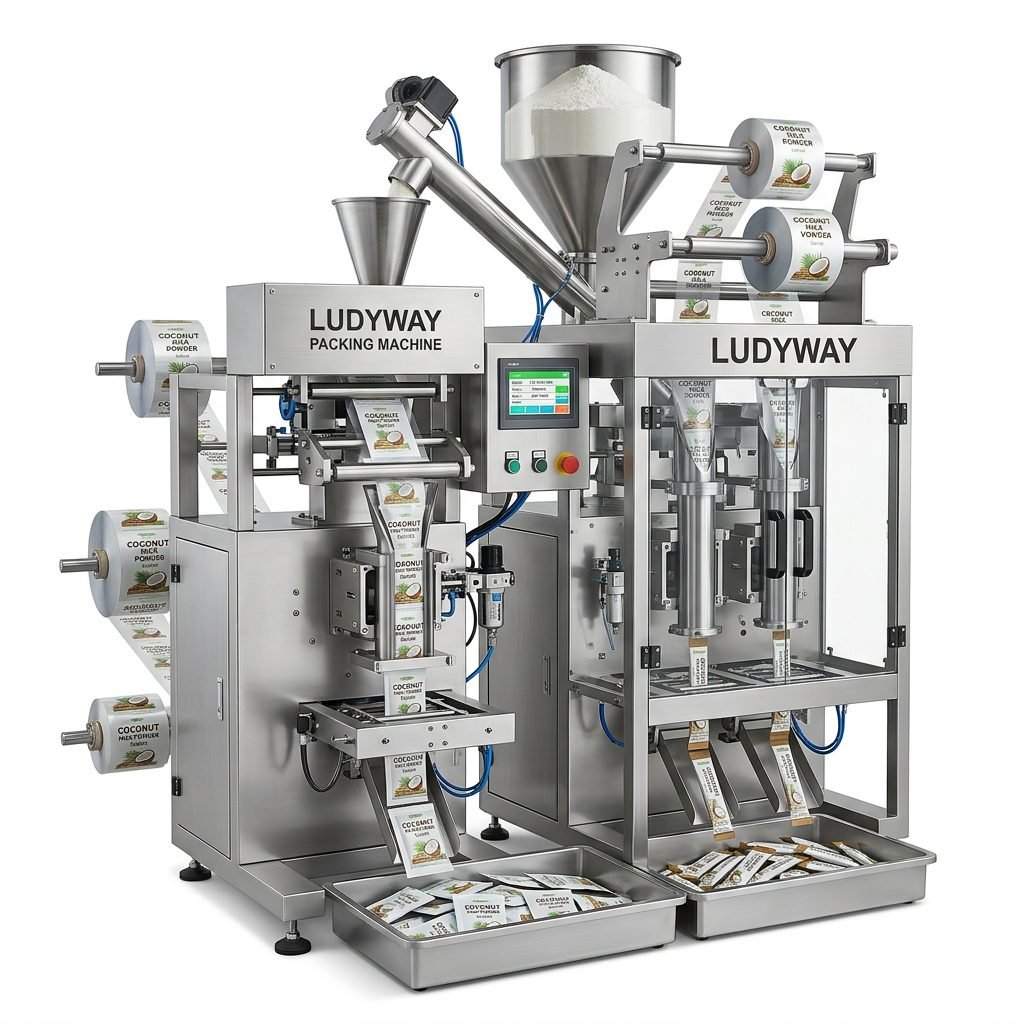
A well-maintained coconut water packing machine delivers consistent output, reduces waste, and lowers total cost of ownership over its operational life. By implementing daily cleaning, weekly inspections, monthly preventative tasks, and quarterly deep maintenance, you protect both your equipment investment and your brand reputation. Combine these practices with trained operators, a stocked spare parts inventory, and a reliable service partner, and your packaging line will continue to perform efficiently for many years to come.