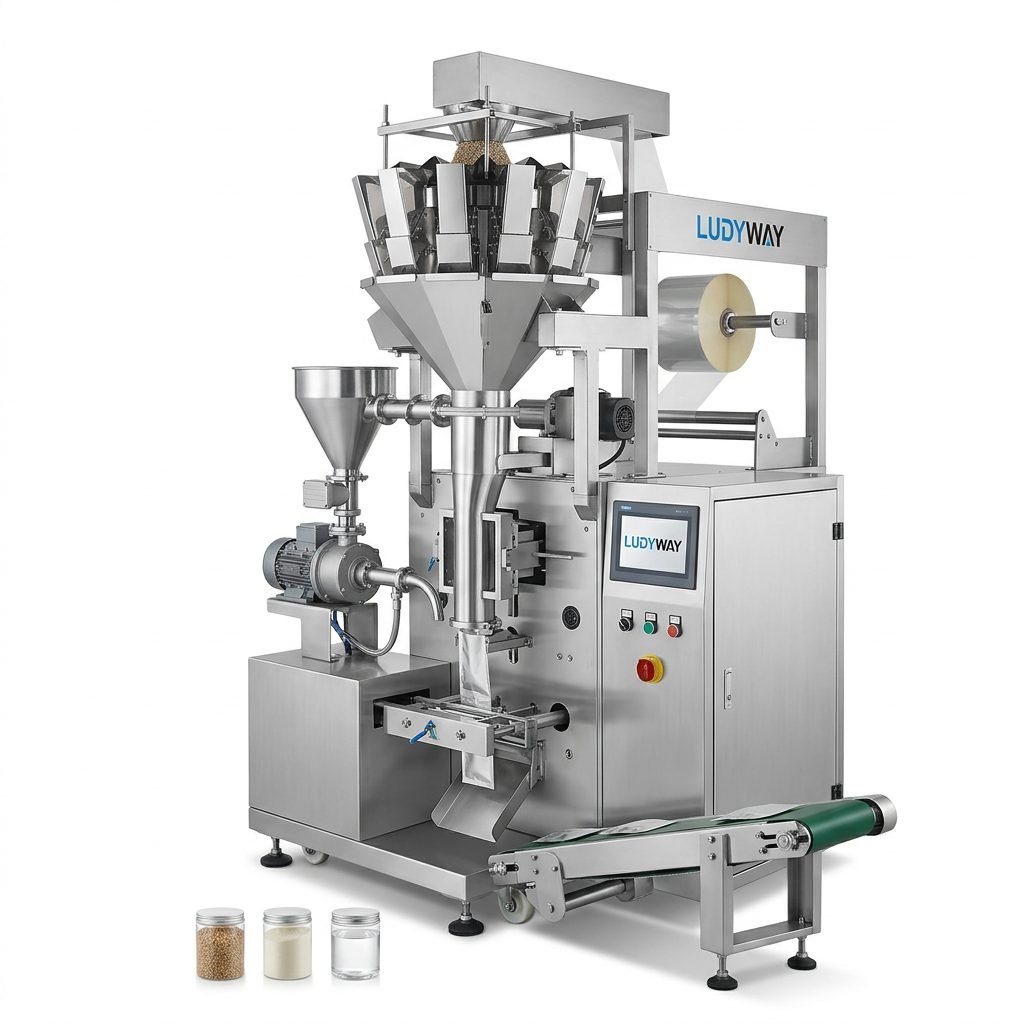
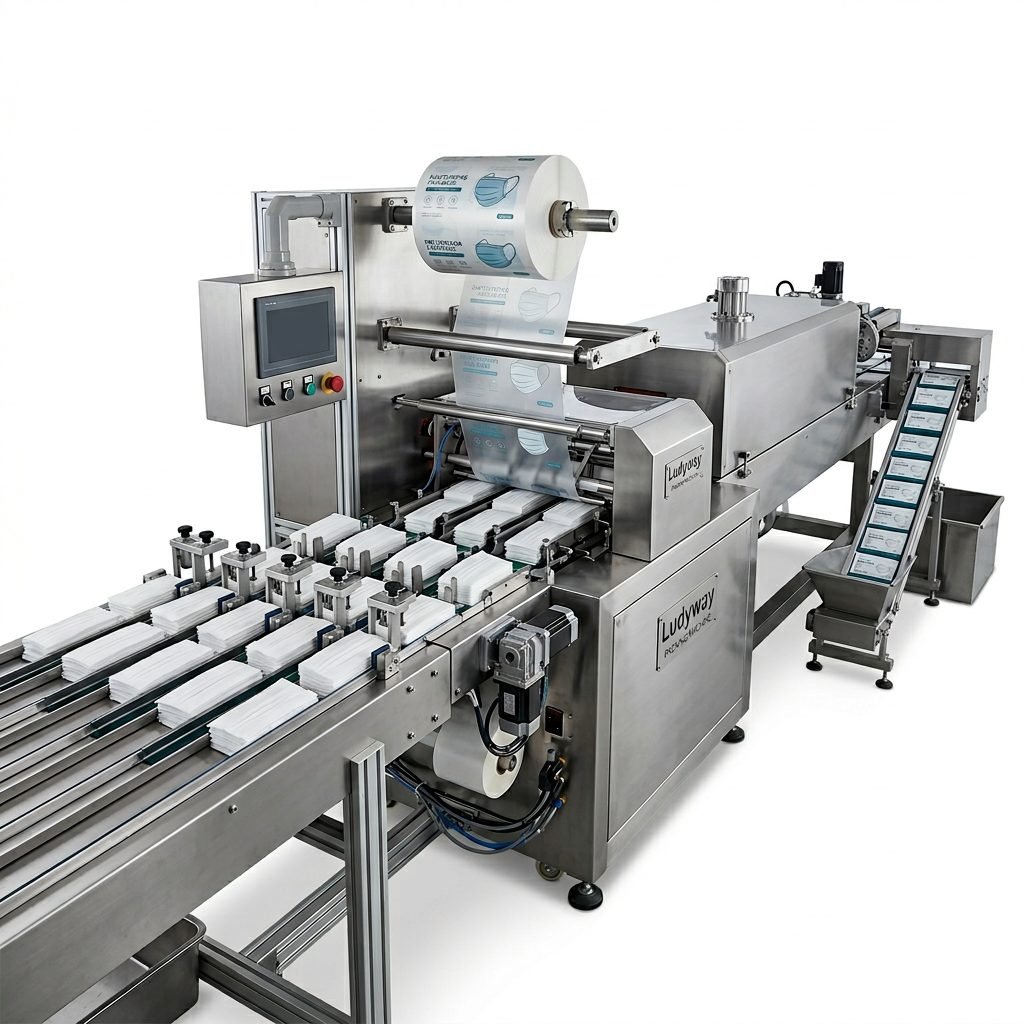
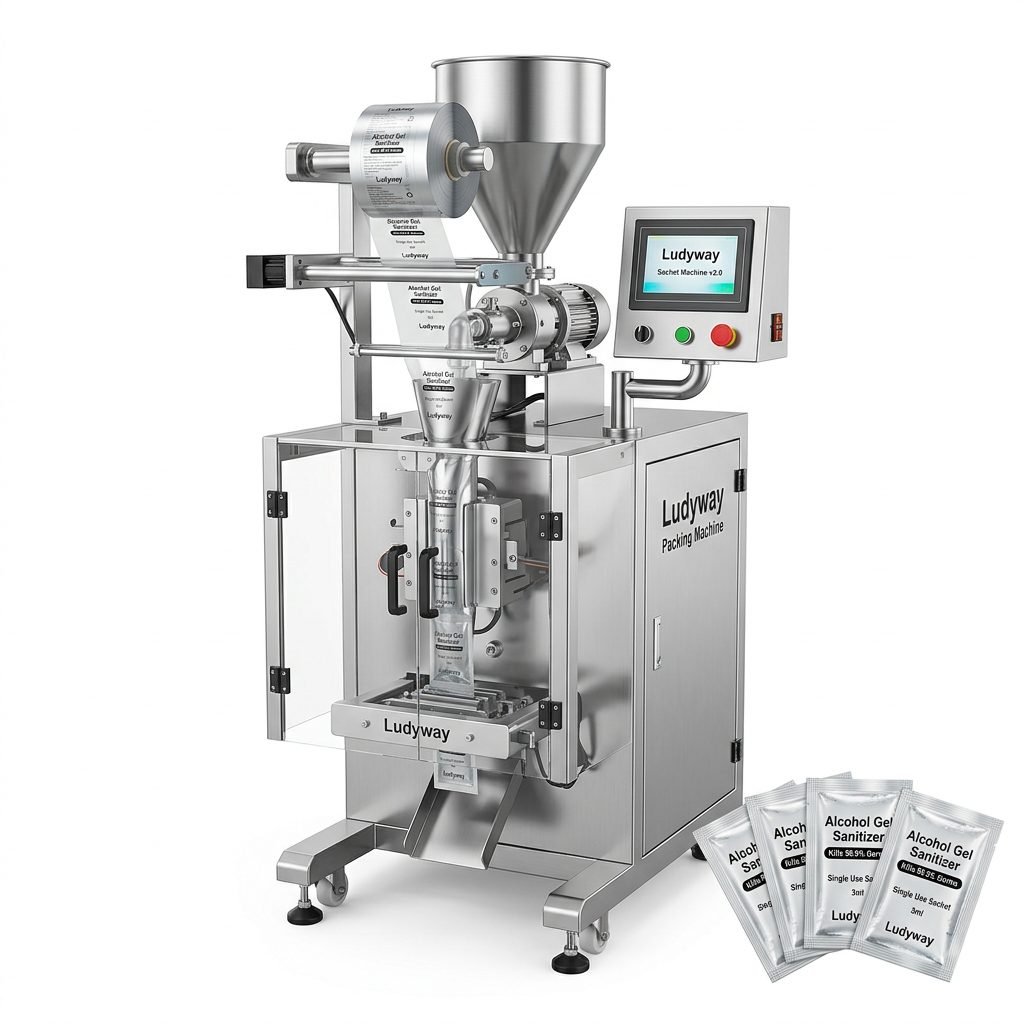
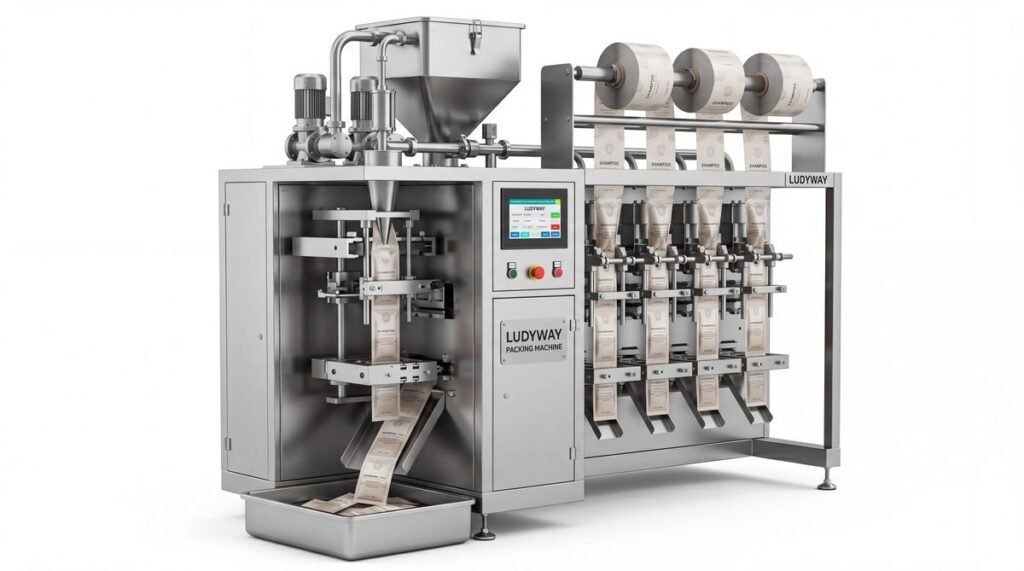
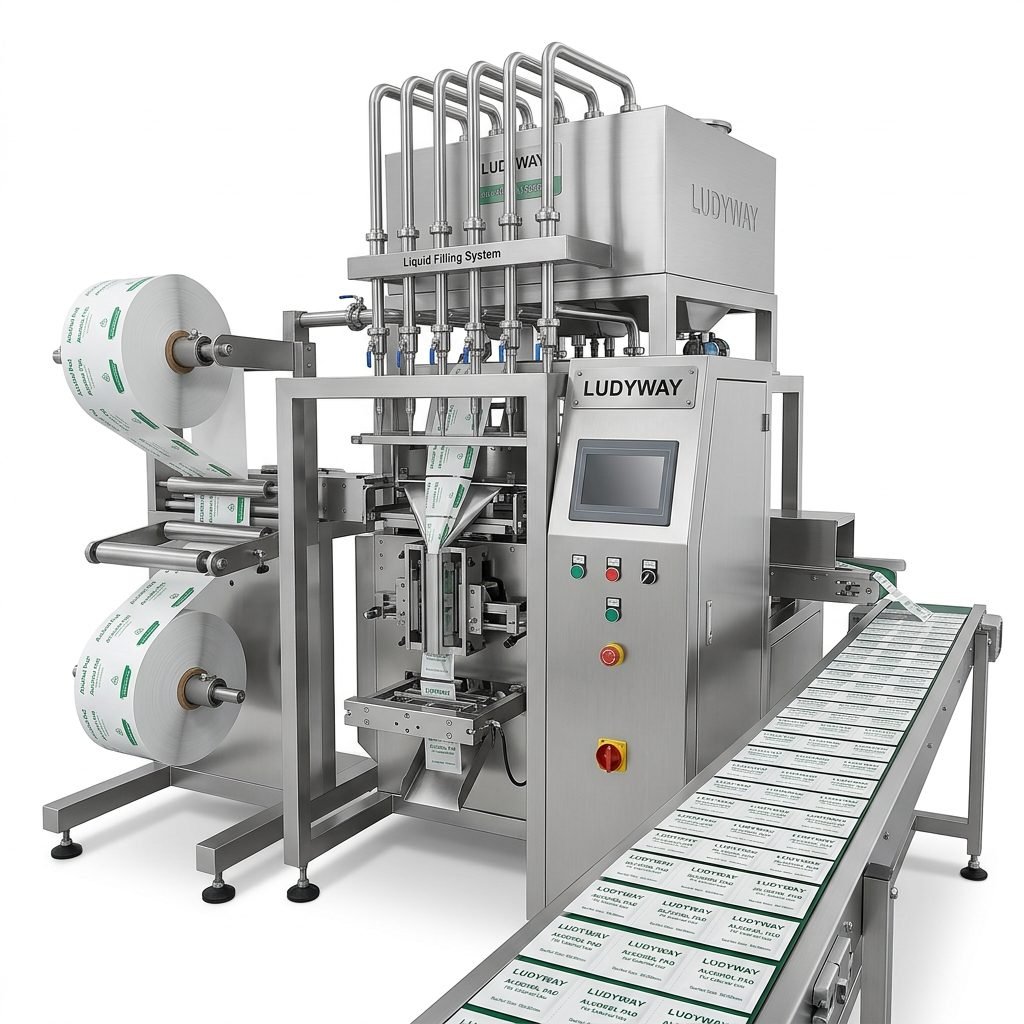
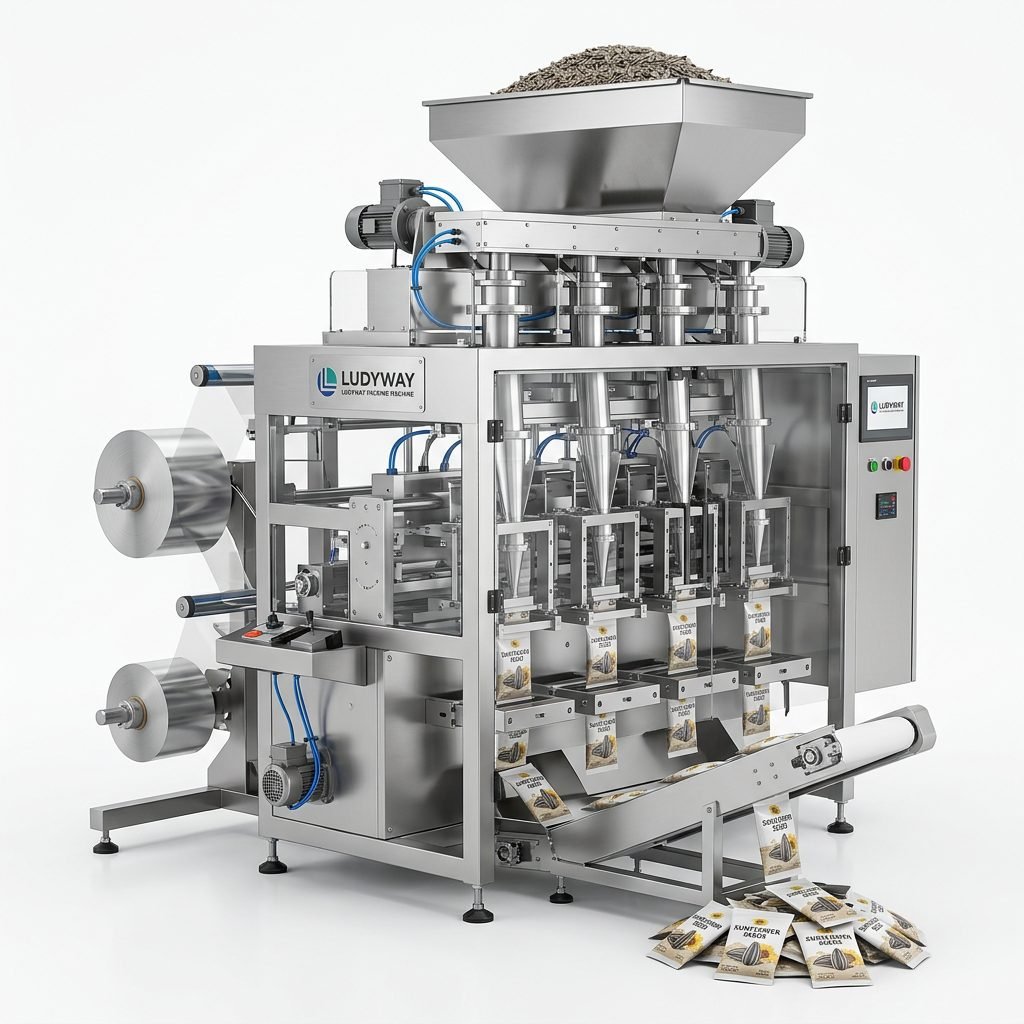
Proper maintenance is the single most important factor in maximizing the return on your investment in a chanachur packing machine. Without a consistent and thorough maintenance routine, even the most robust equipment will suffer from premature wear, inconsistent fills, and unplanned downtime that disrupts your entire production schedule.
By following a structured maintenance plan, you can ensure your packaging machine operates at peak efficiency, producing perfectly sealed packs of this popular savory snack mix day after day. This guide outlines the critical daily, weekly, and monthly procedures, along with essential troubleshooting tips to keep your line running smoothly.

The Importance of a Preventive Maintenance Schedule
Reactive repairs are always more expensive and damaging than preventive care. A seized bearing or a frayed belt on a chanachur packing machine doesn’t just stop that one component—it can lead to misaligned sealing jaws, damaged film tracking, and a massive waste of product and packaging material. Implementing a clear schedule transforms your maintenance from a chaotic firefight into a predictable, manageable process.
Key benefits of a strict preventive schedule include:
- Consistent Seal Integrity: Prevents the leakage of oil and moisture from the chanachur, preserving crunchiness.
- Accurate Weighing: Maintains precision in multi-head weighers to ensure every pack meets the declared weight without excessive give-away.
- Maximized Uptime: Reduces the risk of catastrophic failures during critical production windows.
- Extended Machine Lifespan: Regular lubrication and cleaning prevent the degradation of core mechanical parts like forming tubes and pull belts.
Daily Cleaning and Inspection Procedures
At the end of each shift, a rigorous cleaning protocol is non-negotiable. Chanachur is a notoriously messy product, composed of a blend of fried lentils, peanuts, puffed rice, and fine spices. The combination of abrasive granules, dust, and oil requires specific attention.
Critical Daily Checkpoints
- Dust and Particle Removal: Use compressed air or an industrial vacuum to remove spice dust from sensitive areas like the control panel vents, photo-eye sensors, and electrical enclosures. Accumulated dust is a major fire hazard and can cause sensor errors.
- Film Path Cleaning: Wipe down the forming shoulder and pull belts with a food-grade, non-toxic cleaner. The oily nature of chanachur often leaves a sticky residue on these surfaces, which can cause film jams or tracking issues.
- Sealing Jaw Inspection: Inspect the heated sealing jaws for carbonized product buildup. Even a small amount of burnt spice on the jaw can puncture the packaging film or create a false seal. Use a soft brass brush to gently remove debris without scratching the jaws.
- Weigher Sanitation: Dismantle the contact parts of the multi-head weigher (hoppers, chutes) and wash them thoroughly. Oils from the chanachur will cause granule clumping and incorrect weight readings if left overnight.
Weekly and Monthly Mechanical Upkeep
While daily cleaning keeps the external surfaces clear, deeper mechanical interventions are required to stabilize the long-term performance of the equipment. This involves moving parts that are hidden but vital to high-speed operation.
| Maintenance Task | Frequency | Key Focus Area |
|---|---|---|
| Lubrication of chains and gears | Weekly | Use food-grade grease to avoid contamination; check tensioners. |
| Vacuum pump filter check | Weekly | Clean or replace if suction is low, preventing film slippage. |
| Electrical terminal tightening | Monthly | Vibration loosens screws; check heaters and motor connections. |
| Pneumatic system inspection | Monthly | Drain water traps, check cylinders for smooth actuation. |
Don’t forget the critical step of seal integrity testing. Monthly, use a burst strength tester or a simple water immersion test on sample packs. This validates that your sealing temperature setting is still correct for the film thickness, ensuring your chanachur remains fresh against humidity.
Understanding and Troubleshooting Common Issues
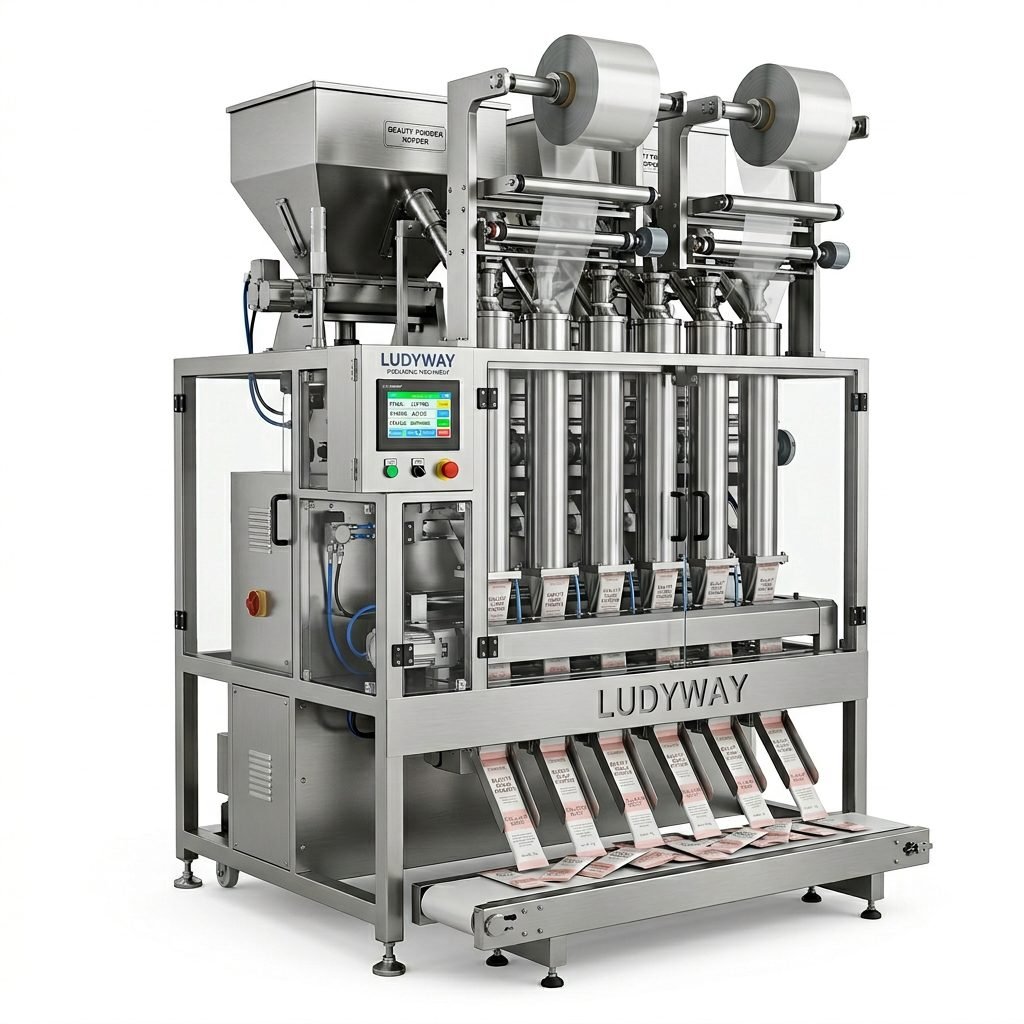
Even with perfect maintenance, operators should be trained to instantly recognize the early signs of malfunction. The sooner you react, the less product you lose. Here are the most frequent problems specific to chanachur packing machines:
Seal Contamination and Leaks
Symptom: Product is visible inside the cross-seal area, or the pack opens easily with light pressure.
Solution: This is almost always caused by product dropping through the filling tube too early or bouncing back up. Adjust the weigher timing to ensure the product is fully settled in the bag before the jaws close. Teflon-coated sealing jaws can also help prevent sticking.
Inconsistent Weight Accuracy
Symptom: Random fills that fluctuate widely from the target weight.
Solution: Beyond cleaning the weigher, check the agitation level. For a mixture like chanachur, the components stratify easily (heavier peanuts sink, lighter puffed rice floats). An agitating hop per or special baffle configuration must be used to maintain a homogeneous blend in the feed hopper.
Film Wrinkling Near the Seal
Symptom: The packaging has a “wrinkled” or “spider-web” appearance near the top or bottom seals.
Key Fix: This indicates a heat issue. If the seal is cloudy and weak, increase the temperature or slightly reduce the machine speed to increase dwell time. If the seal is shiny and brittle (overheated), decrease the temperature immediately to prevent film shrinkage.
Optimizing for Long Service Life
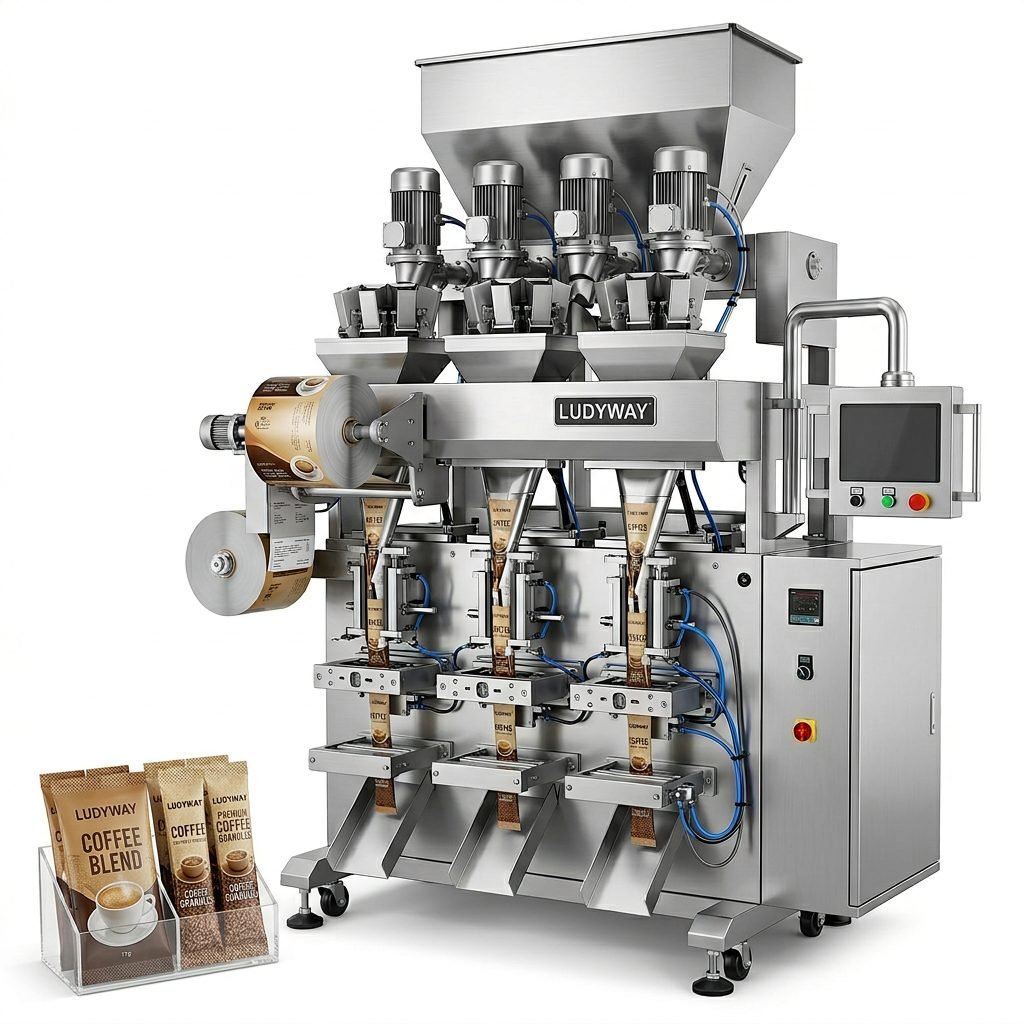
The lifespan of your equipment is defined by how you treat the core drive systems. For manufacturers like Ludyway, a leading name among packaging machine manufacturers, engineering teams design machines for durability, but site conditions dictate actual longevity. Always maintain a clean, cool environment for the electrical cabinet. Install an air conditioner or a filtered fan on the cabinet door if the ambient temperature of your factory exceeds 35°C (95°F). Heat is the single greatest killer of servo drives and PLCs.
Additionally, always keep a critical spare parts kit on hand. You should never have to wait for shipping on standard wear-and-tear items. At a minimum, your shelf should contain:
- Teflon strips for the sealing jaw
- Thermocouples for temperature control
- Pull belts matched to your specific film width
- Fuses and contactors for the main power supply
- A spare forming shoulder for backup production lines
Systematic Record Keeping
A structured maintenance log is not just bureaucratic paperwork; it is a diagnostic tool. Use a digital or physical logbook to track every intervention. If you notice you are replacing thermocouples every three months, it might indicate a voltage fluctuation problem in your factory, not just a part failure. Record the run hours, the issue observed, and the corrective action taken. This data is invaluable for ordering spares proactively and for communicating with remote technical support teams.
By integrating these practices, you can expect your chanachur packing machine to deliver reliable, high-speed performance for years. The key is consistency: cleaning the oil and dust today prevents the electrical fault of tomorrow. Always prioritize operator training so that every person on the line understands that a strange noise or a fluctuating temperature readout is a sign to stop and inspect, not an annoyance to ignore.