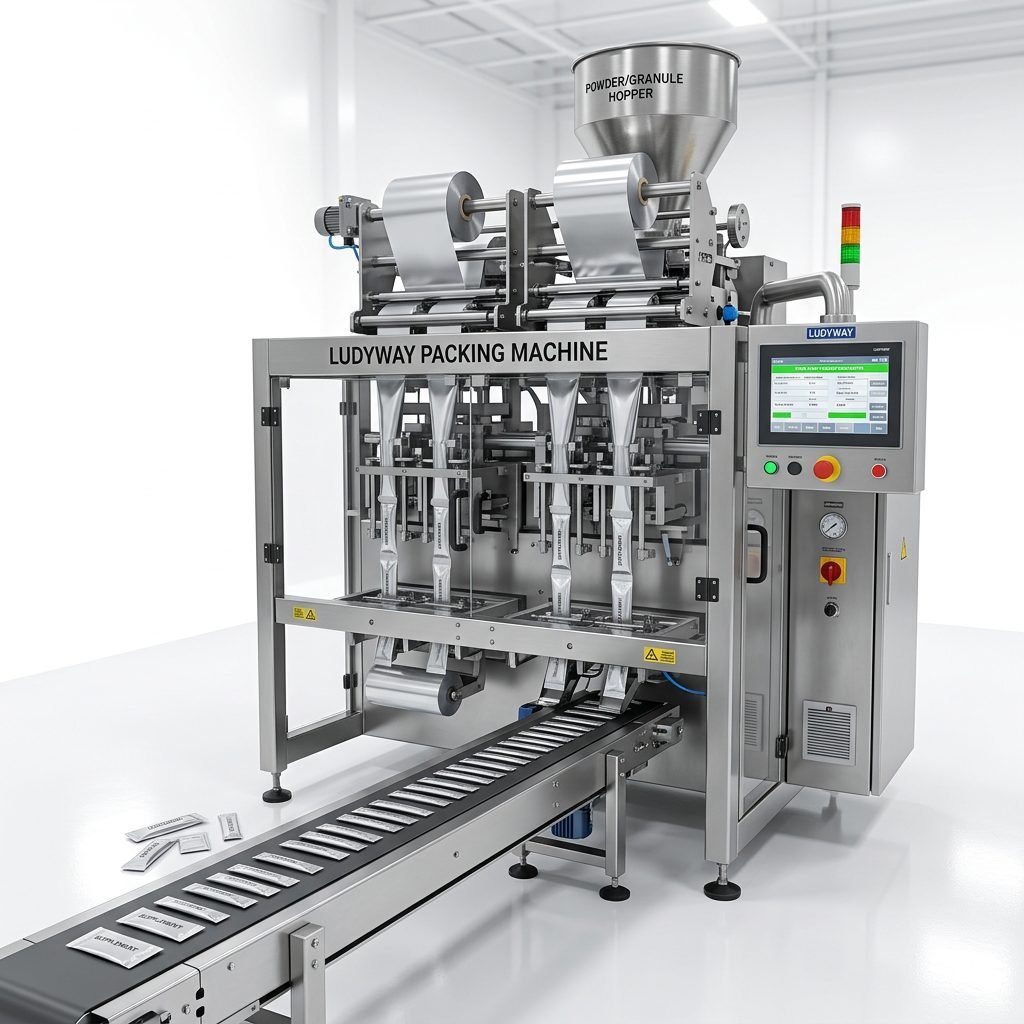
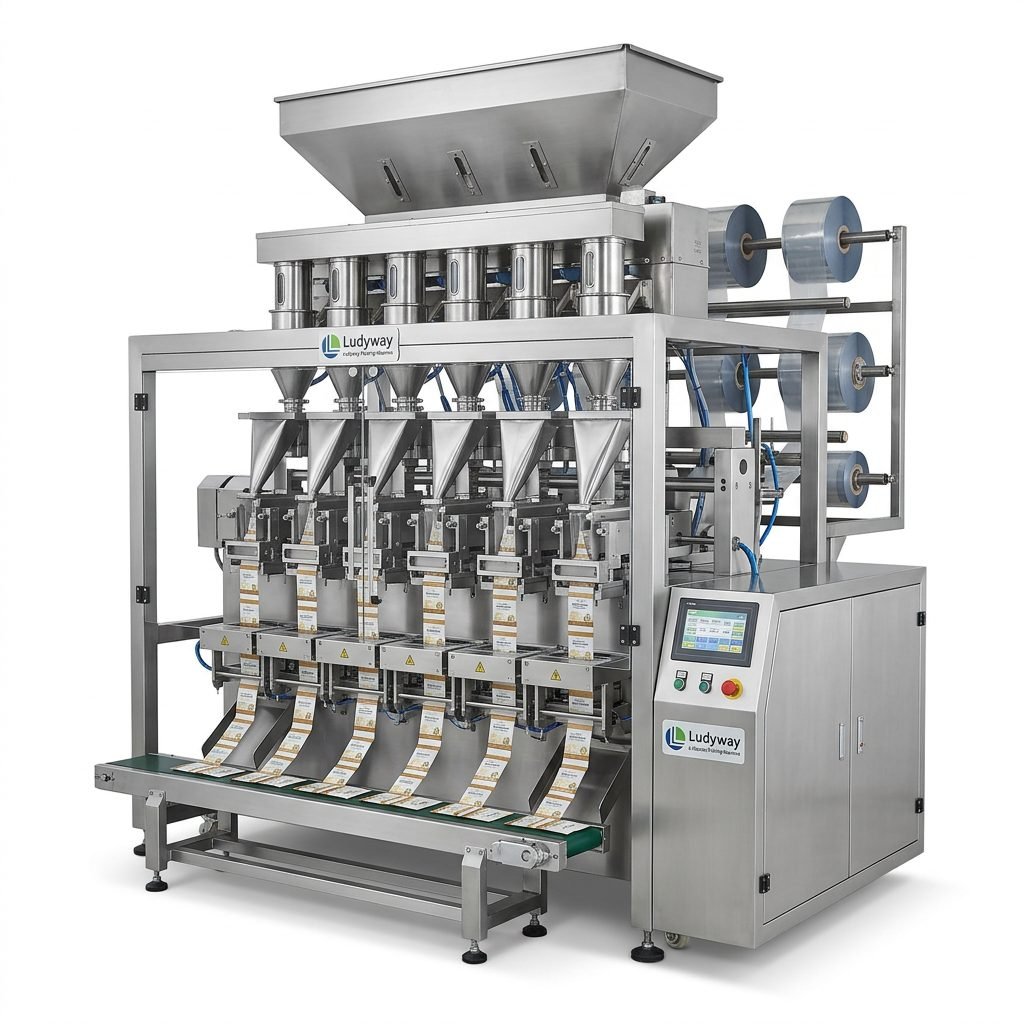
Selecting the right food packaging machine for the Mauritania market requires a strategic approach that balances technical specifications, local market conditions, and long-term operational goals. As the food processing sector in Mauritania continues to expand—driven by growing demand for packaged foods, changing consumer habits, and increasing export opportunities—investing in the right packaging equipment has never been more critical. This guide walks you through the essential factors to evaluate before making a purchase decision.
Understanding the Mauritania Food Packaging Landscape
Mauritania’s food industry is evolving rapidly. From fish and seafood processing along the Atlantic coast to growing demand for packaged grains, dates, dairy products, and beverages, the market presents unique opportunities. However, challenges such as supply chain logistics, climate conditions (high temperatures and dust), and varying electricity stability must be factored into equipment selection. Understanding the local packaging industry trends and consumer preferences is the foundation for making an informed investment.

Key Factor 1: Type of Food Product and Packaging Format
The first and most fundamental consideration is what you are packaging. Different products require distinct machine configurations:
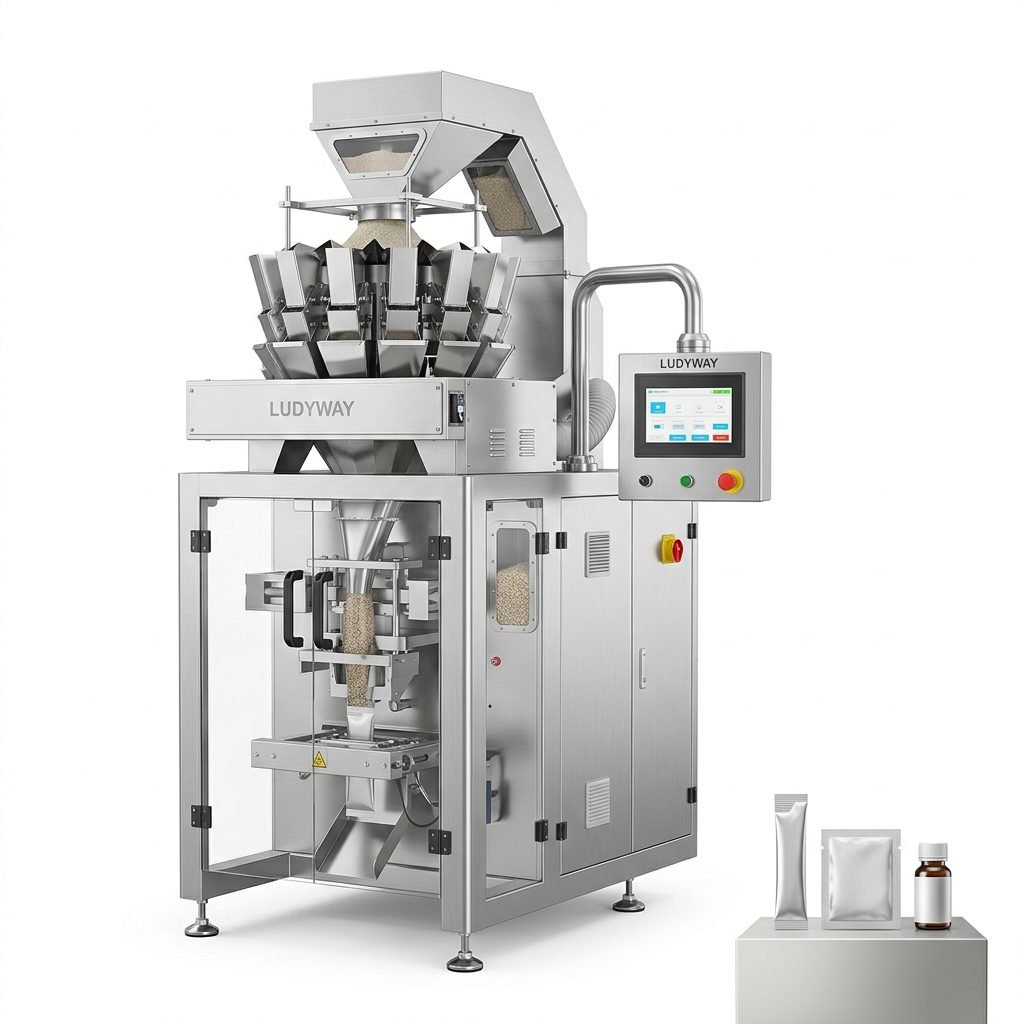
- Granule products (rice, sugar, seeds, grains) — require granule packaging machines with precise weighing systems and dust-resistant sealing.
- Powder products (milk powder, flour, spices, protein supplements) — need specialized powder filling systems with anti-dust features and accurate auger dosing.
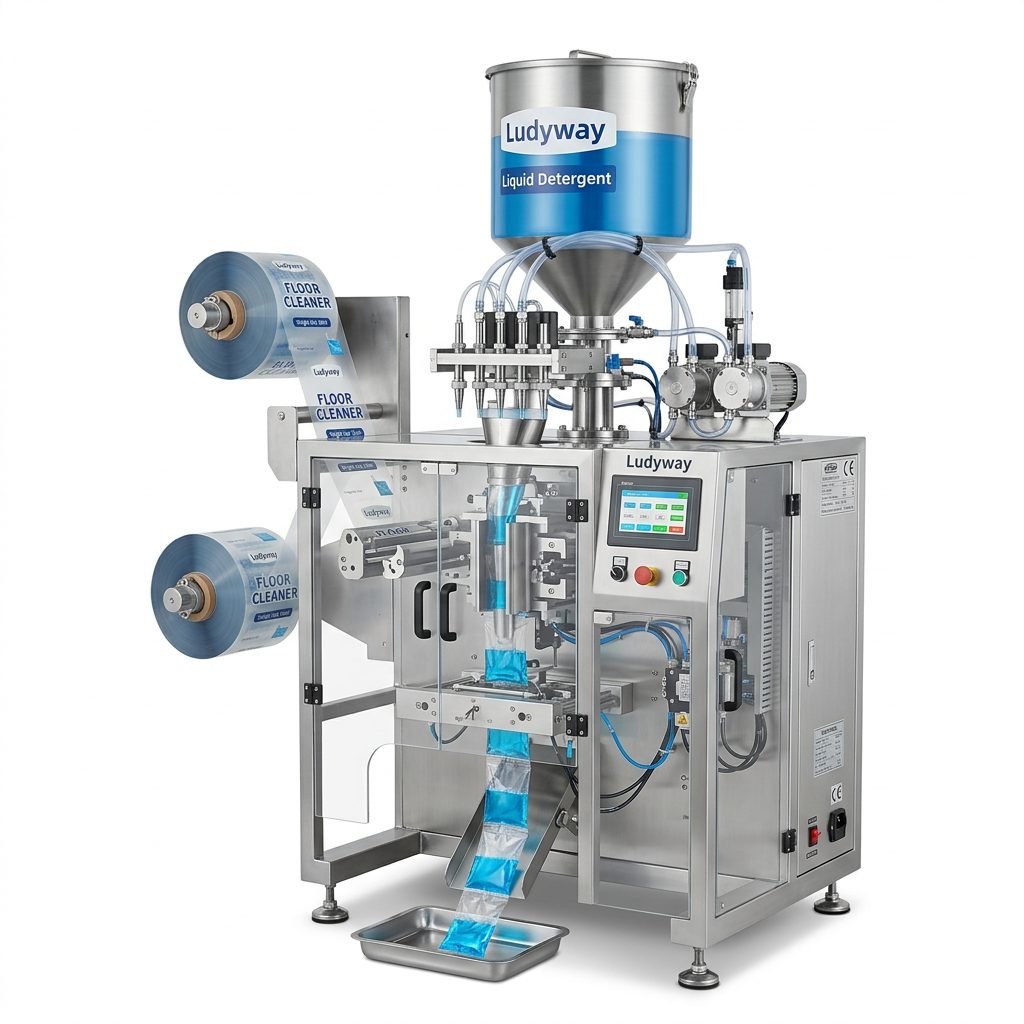
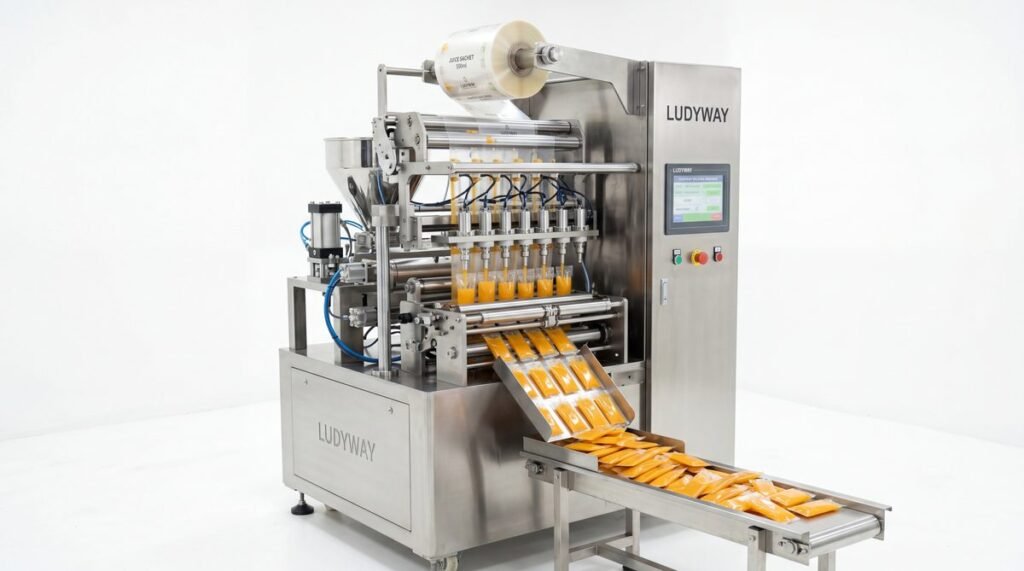
- Liquid products (oils, sauces, juices, dairy) — demand liquid filling machines with sanitary-grade components and leak-proof sealing.
- Paste and viscous products (date paste, honey, condiments) — require piston fillers or pump-based systems for consistent portioning.
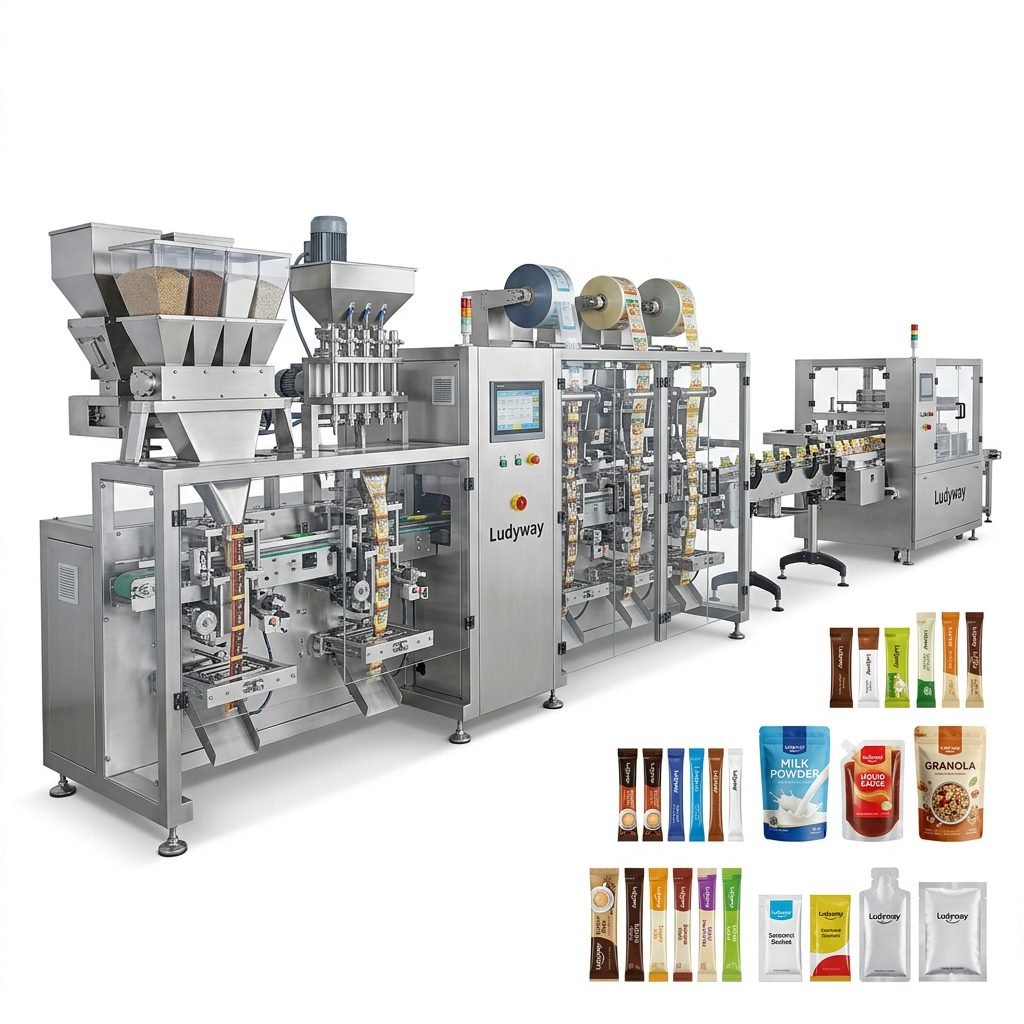
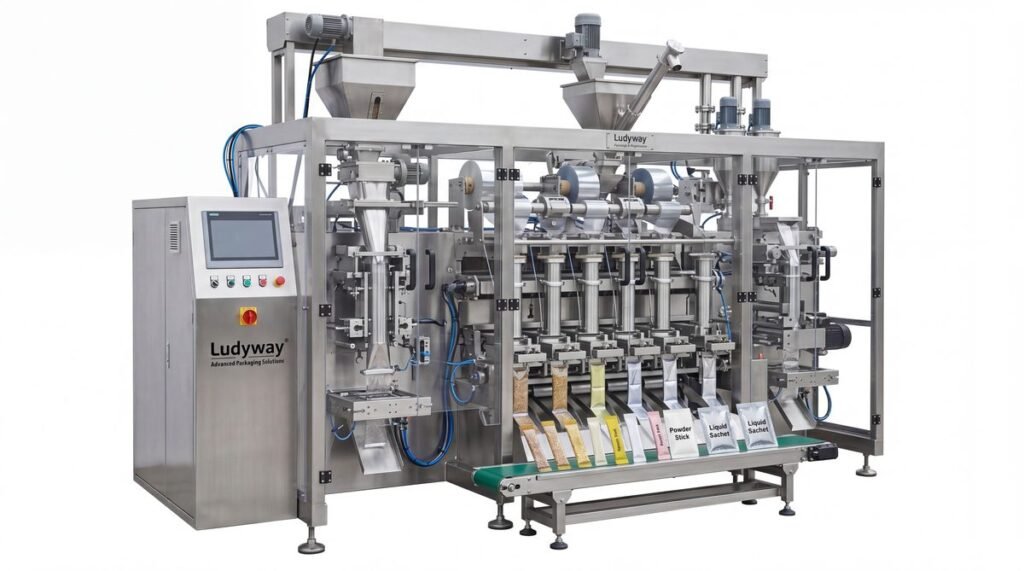
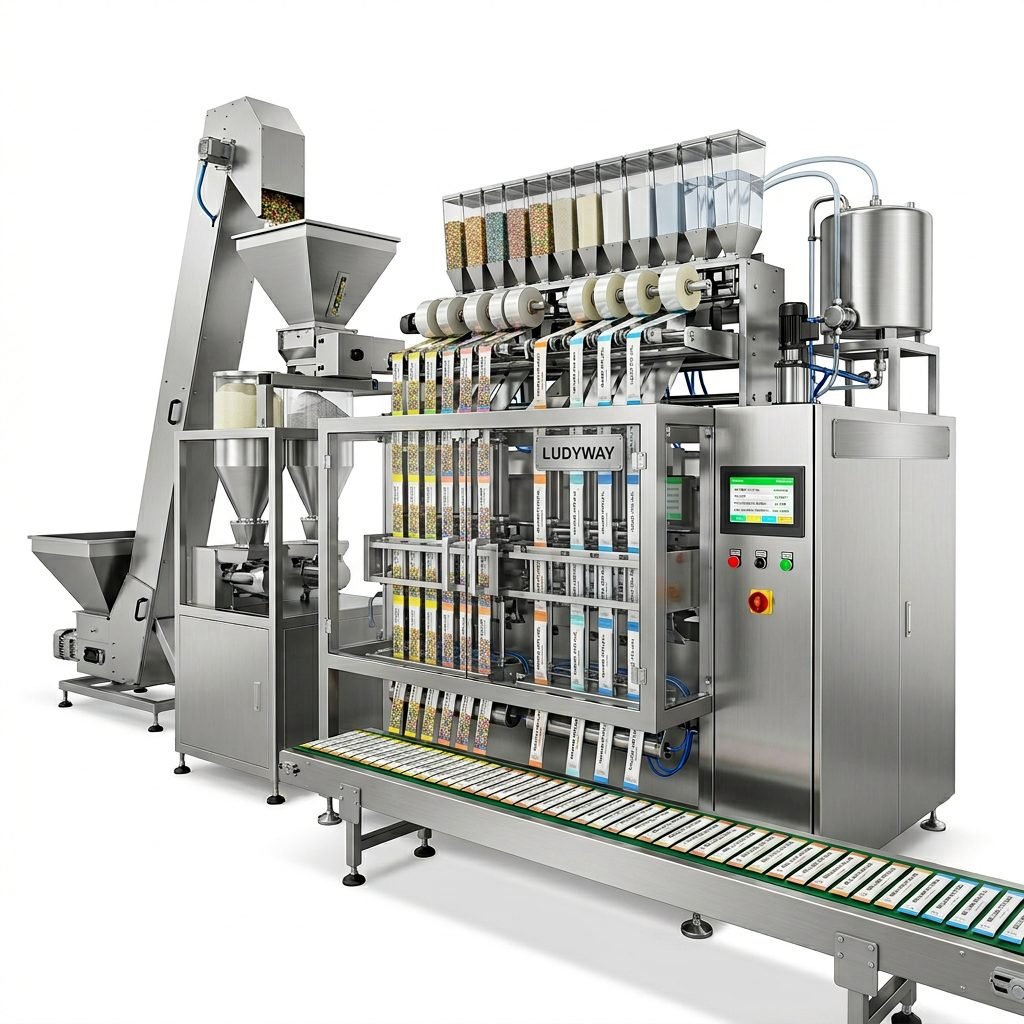
For Mauritania’s growing export-oriented food sector, multi-format flexibility can be a significant advantage. Machines capable of handling multiple packaging styles—such as sachet, stick pack, and pouch formats—offer greater versatility for diverse product lines. Reviewing flexible packaging industry resources can help you stay current on format trends.
Key Factor 2: Production Capacity and Speed Requirements
Your current and projected production volumes directly influence machine selection. Consider the following tiers:
| Production Scale | Typical Speed Range | Recommended Machine Type |
|---|---|---|
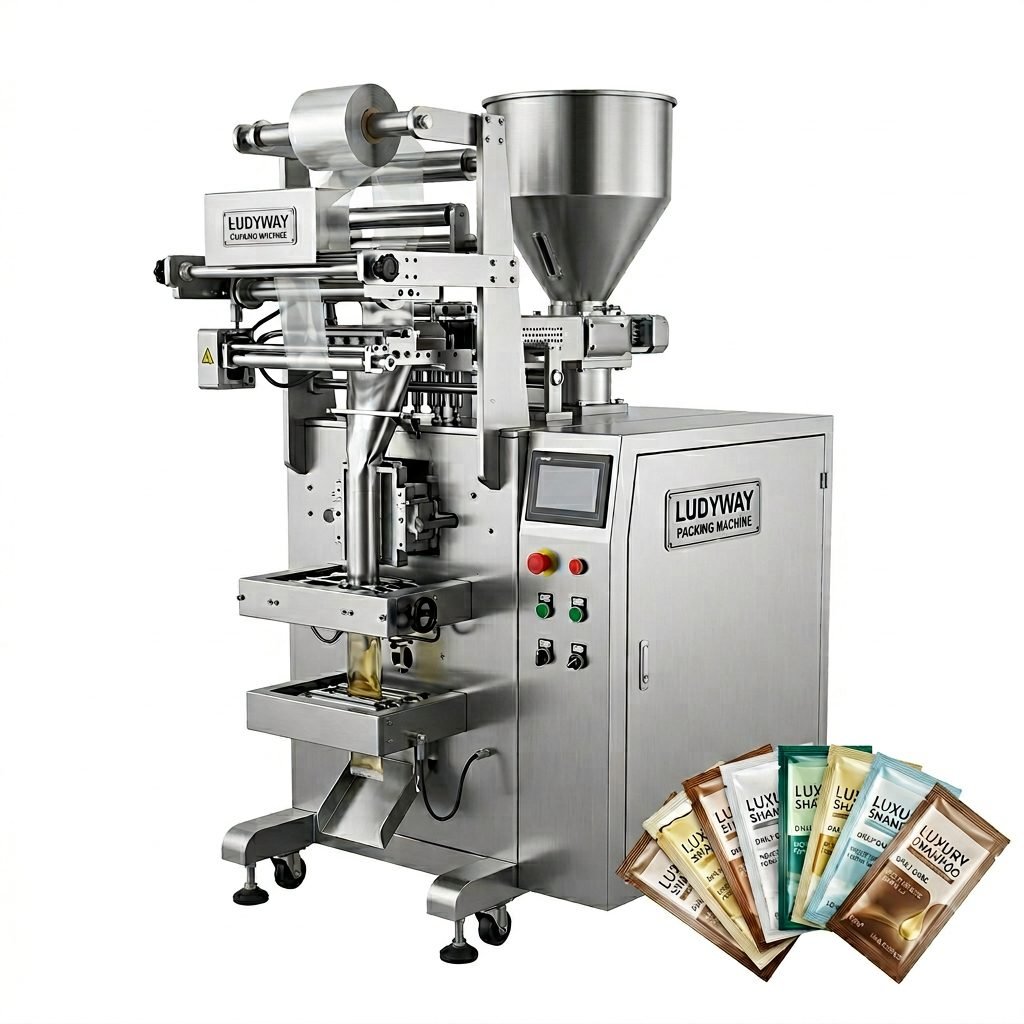
| Small / Startup | 20–40 packs/min | Single-lane vertical form fill seal (VFFS) |
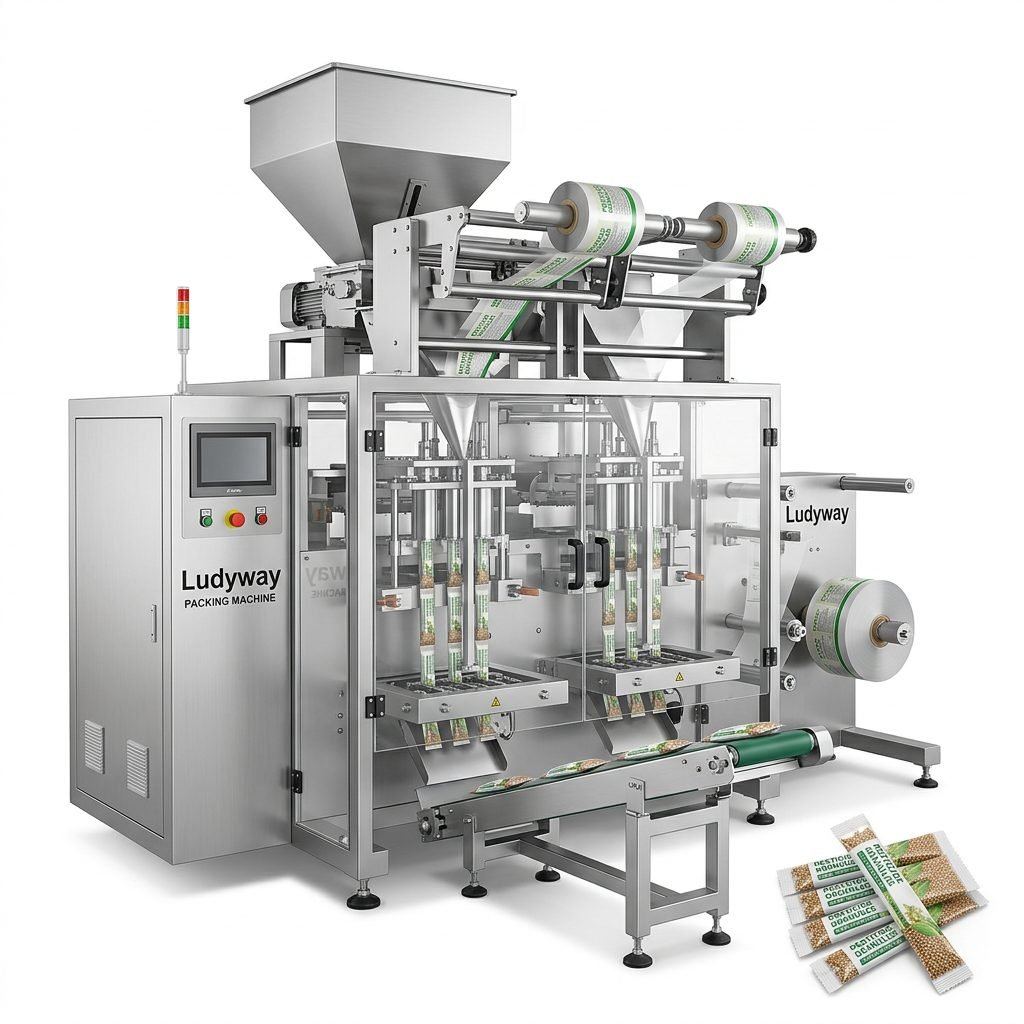
| Medium / Growing | 60–120 packs/min | Multi-lane stick pack or sachet machine (4–6 lanes) |
| Large / Industrial | 200–400+ packs/min | High-speed multi-lane system (8–12 lanes) with automated feeding |
When evaluating speed, always confirm whether the quoted rate reflects sustained production speed or theoretical maximum. Real-world performance in Mauritania’s operating environment—with potential humidity and temperature fluctuations—should be validated through industry performance benchmarks.

Key Factor 3: Packaging Material Compatibility
The type of packaging film or material you plan to use significantly impacts machine choice. In Mauritania, common packaging materials include:
- Laminated films (PET/AL/PE, BOPP/CPP) — excellent barrier properties for shelf-stable products.
- Single-layer polyethylene (PE) — cost-effective for short shelf-life items.
- Biodegradable and eco-friendly films — increasingly relevant for export markets with strict packaging waste regulations.
- Aluminum foil laminates — preferred for moisture-sensitive and oxygen-sensitive products.
Ensure the machine’s sealing temperature range, jaw design, and film tension control are compatible with your chosen materials. Machines with servo-driven sealing systems offer more precise control and reduce material waste—an important factor when importing films into Mauritania can be costly.
Key Factor 4: Compliance with International Standards
For food packaging machines destined for Mauritania, compliance with international standards is essential—particularly if products are intended for export. Key standards to verify include:
- Food-grade materials — all product contact parts should be 316L stainless steel or FDA-approved materials. Refer to FDA food contact substances guidelines for detailed requirements.
- ISO 11607 — relevant for sterile or aseptic packaging applications. See ISO 11607 packaging standards.
- CE marking — required for machines entering markets with European regulatory alignment.
- HACCP compatibility — machine design should support hygienic operation and easy cleaning protocols.
Many West African and North African markets are increasingly aligning with Codex Alimentarius and EU packaging directives, making compliance a competitive advantage for Mauritanian food exporters.
Key Factor 5: Power Supply and Environmental Adaptability
Mauritania’s electrical infrastructure varies by region. When selecting a packaging machine, confirm:
- Voltage and frequency compatibility — machines should support 220V/380V, 50Hz configurations common in Mauritania.
- Voltage fluctuation tolerance — built-in voltage stabilizers or the ability to add external stabilizers is highly recommended.
- Dust and heat resistance — sealed electrical cabinets, cooling fans, and dust-proof enclosures extend machine life in harsh environments.
- Humidity considerations — coastal processing facilities in Nouakchott or Nouadhibou face salt-laden air that can accelerate corrosion on unprotected metal surfaces.
Machines designed with IP65-rated electrical enclosures and corrosion-resistant coatings perform significantly better in these conditions. Always discuss environmental factors with your equipment supplier before finalizing specifications.
Key Factor 6: Automation Level and Labor Considerations
The level of automation you choose should reflect both labor availability and skill levels in your Mauritanian facility. Consider the spectrum:
| Automation Level | Features | Best For |
|---|---|---|
| Semi-Automatic | Manual film loading, basic controls, operator-dependent sealing | Startups, low-volume production, budget-conscious operations |
| Fully Automatic | Auto film tracking, servo-driven sealing, HMI touchscreen, error diagnostics | Medium to large enterprises, multi-shift operations |
| Smart / Integrated | IoT connectivity, remote monitoring, predictive maintenance, ERP integration | Export-focused processors, Industry 4.0 adopters |
While fully automatic systems reduce labor dependency, they also require trained technicians for maintenance and troubleshooting. Assess the availability of skilled labor in your region and factor training requirements into your investment plan.

Key Factor 7: After-Sales Support and Spare Parts Availability
One of the most overlooked yet critical factors is the availability of technical support and spare parts. For the Mauritania market, evaluate:
- Supplier presence in Africa — does the manufacturer have distributors, service partners, or existing installations in West or North Africa?
- Remote support capabilities — video diagnostics, remote PLC access, and multilingual technical documentation significantly reduce downtime.
- Spare parts logistics — critical wear parts (sealing jaws, belts, sensors, heaters) should be readily shippable to Mauritania with minimal lead time.
- Warranty terms — seek a minimum 12-month warranty with clear coverage on major components.
Companies like Ludyway, one of the largest packaging machine manufacturers in China with over 30 years of industry experience and a modern 20,000㎡ manufacturing facility, serve customers in over 100 countries and provide comprehensive after-sales support, making them a reliable partner for Mauritanian food businesses seeking advanced packaging equipment and turnkey production solutions.
Key Factor 8: Total Cost of Ownership (TCO)
Beyond the initial purchase price, calculate the total cost of ownership over a 5–7 year horizon. Key cost components include:
- Energy consumption — servo-driven machines typically consume 20–30% less electricity than pneumatic systems.
- Film waste rates — precision machines achieve waste rates below 2%, compared to 5–8% on entry-level equipment.
- Maintenance and spare parts — budget 2–4% of machine value annually for routine maintenance.
- Operator training — initial training costs, plus ongoing skill development for new staff.
- Downtime costs — every hour of unplanned downtime can cost hundreds of dollars in lost production.
Investing in a higher-quality machine upfront often results in significantly lower TCO over the equipment’s lifecycle. Thoroughly assess packaging machinery market data to benchmark costs and performance expectations.

Key Factor 9: Future Scalability and Flexibility
The Mauritanian food market is projected to grow steadily, driven by urbanization, rising disposable incomes, and export demand to neighboring countries and Europe. Your packaging machine should accommodate future growth:
- Modular design — can additional lanes, filling stations, or automation modules be added later?
- Multi-product capability — can the machine handle different product types (granules, powders, liquids) with minimal changeover time?
- Format flexibility — does the machine support multiple packaging formats (sachet, stick pack, pouch) on the same platform?
- Integration readiness — can the machine integrate with upstream and downstream equipment such as ISO-compliant packaging systems for future line expansion?
Choosing a machine platform that grows with your business prevents costly replacement cycles and ensures consistent production quality as volumes increase. Reviewing flexible packaging association guidelines can provide additional insight into format trends and material innovations.
Making the Final Decision: Checklist for Mauritanian Buyers
Use this summary checklist to evaluate potential packaging machine suppliers and models:
| Evaluation Criteria | Key Questions to Ask | Priority Level |
|---|---|---|
| Product Compatibility | Has the machine been tested with similar food products? | Critical |
| Build Quality | Is the frame and product contact area made of 304/316L stainless steel? | Critical |
| Power Adaptability | Can the machine operate reliably with local voltage conditions? | Critical |
| Spare Parts | What is the lead time for critical spare parts shipped to Mauritania? | High |
| Training | Is on-site or remote operator training included? | High |
| Warranty | What is the warranty period and what does it cover? | High |
| References | Can the supplier provide references from African customers? | Medium |
| Certifications | Does the machine meet CE, ISO, or FDA requirements for food contact? | Medium |

Conclusion: Building a Sustainable Packaging Operation in Mauritania
Selecting the right food packaging machine for the Mauritania market is an investment that pays dividends through improved efficiency, reduced waste, and expanded market access. By carefully evaluating product characteristics, production capacity, material compatibility, environmental conditions, compliance requirements, and total cost of ownership, you can make a confident decision that supports long-term business growth.
The Mauritanian food industry is at an exciting inflection point—with the right equipment and partners, local producers can meet rising domestic demand while capitalizing on export opportunities to ECOWAS markets, North Africa, and beyond. Stay informed on evolving packaging industry trends and regulatory developments to maintain a competitive edge in this dynamic market.