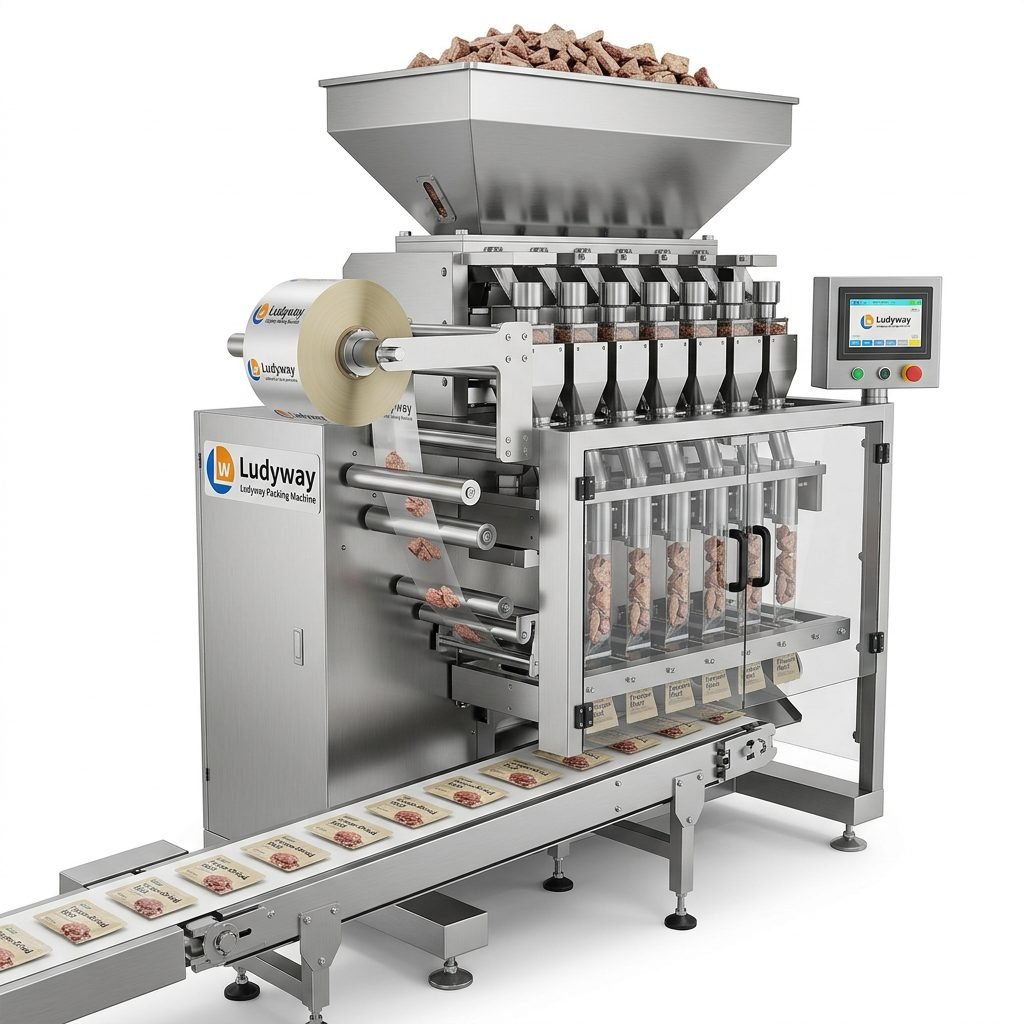
A commercial vacuum packing machine is a critical asset in food processing, pharmaceutical manufacturing, and industrial packaging lines. Proper maintenance not only extends the lifespan of your equipment but also ensures consistent seal integrity and prevents costly downtime. This guide provides a structured approach to cleaning, inspecting, and maintaining your vacuum packaging machine for optimal performance.

Why Routine Maintenance Matters
Skipping regular cleaning cycles leads to product residue buildup, which compromises vacuum levels and can cause seal contamination. In high-volume environments, even a slight drop in vacuum chamber pressure results in leaky packages and product spoilage. A well-maintained machine consistently delivers the required oxygen evacuation rates for extended shelf life protection.
Daily Cleaning Checklist
Implementing a daily shutdown procedure is the most effective way to prevent long-term damage. Operators should focus on removing visible debris before it hardens or enters sensitive mechanical components.
- Power Down and Depressurize: Always disconnect the power supply before opening the lid or touching internal parts.
- Wipe the Vacuum Chamber: Use a damp, non-abrasive cloth to remove crumbs, liquid spills, or powder residues. Avoid steel wool.
- Clean the Sealing Bar: Inspect the heating element and remove any burnt plastic or food particles using a soft brush. Never use sharp metal tools on the sealing surface.
- Drain the Vacuum Pump Oil: Check the oil level and clarity daily. Milky or dark oil indicates moisture contamination and requires immediate changing.
- Inspect the Lid Gasket: Wipe the rubber gasket with a mild detergent. A cracked or deformed gasket is the primary cause of vacuum leakage.
Weekly Deep Cleaning Protocol
While daily tasks address surface grime, weekly maintenance targets the internal airflow paths. The vacuum pump and electrical connections require more thorough attention during this stage.
- Deep Clean the Vacuum Ports: Use compressed air to blow out dust or debris blocking the suction holes.
- Filter Inspection: Remove and wash or replace the air intake filters to prevent motor burnout.
- Lubricate Moving Parts: Apply food-grade lubricant to hinges and lock mechanisms to prevent stiffness.
- Test Seal Integrity: Run a test cycle with a water bag or pressure-sensitive paper to verify the sealing bar temperature is uniform.
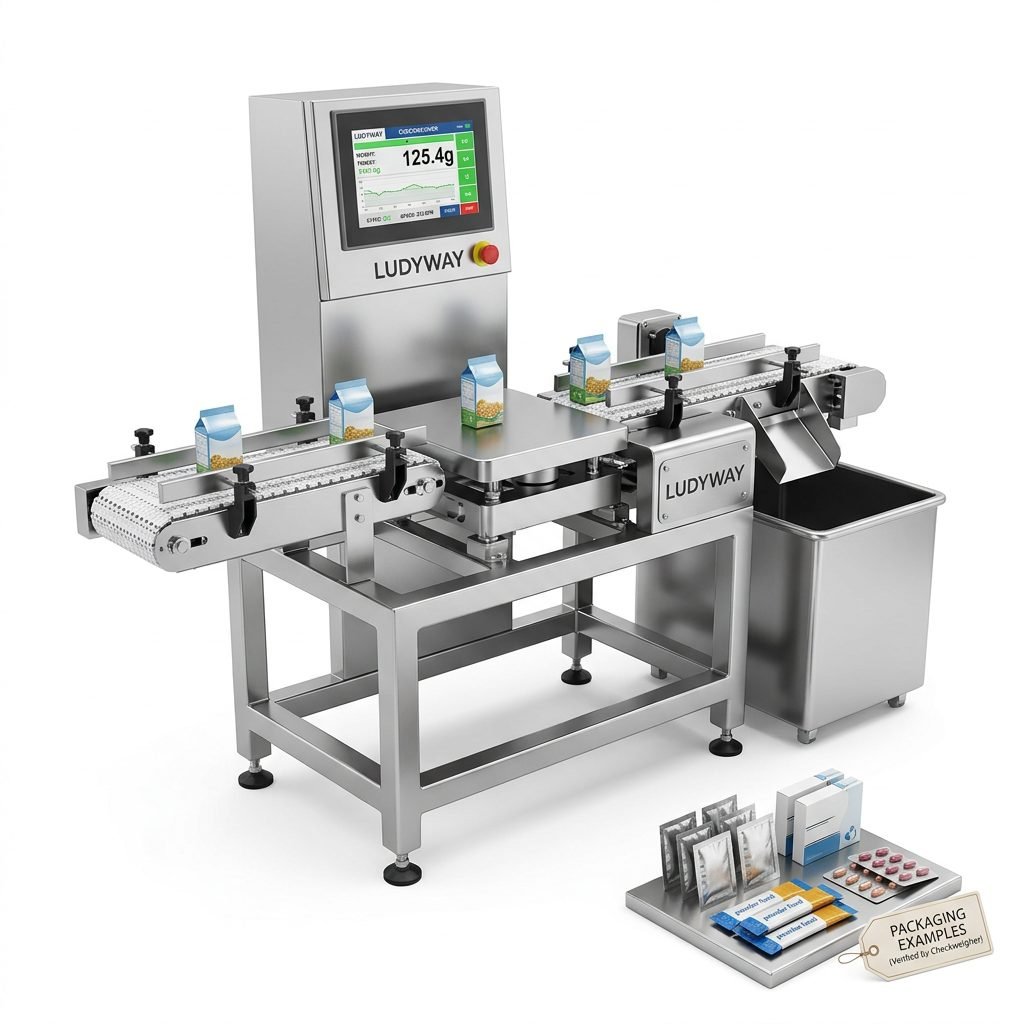
Critical Component Care: The Vacuum Pump
The pump is the heart of the system. Whether you are using a dry rotary vane or an oil-lubricated pump, neglect here leads directly to system failure. Pay close attention to the maintenance schedule detailed below.
Oil Management
For oil-based pumps, change the oil every 300 to 500 operating hours. If packaging high-moisture products like fresh meat or liquids, consider changing the oil weekly. Always use the manufacturer-specified viscosity grade.
Exhaust Filters
Clogged exhaust filters cause back pressure, reducing vacuum efficiency and overheating the pump. Replace these at least quarterly.
Maintenance Schedule Overview
The frequency of specific tasks depends on usage volume. Use this table as a reference for standard industrial environments.
| Component | Action | Frequency |
|---|---|---|
| Sealing Gasket | Clean and inspect | Daily / Replace annually |
| Teflon Tape (Seal Bar) | Replace if torn | Weekly check |
| Pump Oil | Drain and refill | 300-500 hours |
| Electrical Connections | Tighten and check | Monthly |
| Overall Calibration | Professional service | Annually |
Troubleshooting Common Leaks
If the digital gauge shows a slow return to atmospheric pressure, or the vacuum cycle takes longer than usual, check these potential failure points:
- The Lid Gasket: Over time, gaskets lose elasticity. Apply a thin layer of silicone grease if recommended by the manufacturer, but avoid excessive lubrication that attracts dust.
- Contaminated Sealing Bar: If product debris sticks to the heating wire, it prevents the bag layers from fusing completely. Clean the strip while it is still slightly warm for easier removal.
- Air Hoses and Fittings: A small crack in a vacuum hose results in a high-pitched hissing sound. Replace brittle hoses immediately.
- Lid Alignment: If the chamber lid requires excessive force to close, the hinges may be misaligned, creating an uneven seal around the gasket.

Optimizing Packaging Materials
Machine maintenance is only half the equation. Using high-quality, compatible packaging films reduces the residue left inside the chamber. Inferior films often stretch unevenly under heat, leaving micro-tears that compromise the vacuum. Ensure your bags are specifically rated for embossed or flat sealing according to your plate design.
Long-Term Storage Preparation
If the commercial vacuum packing machine will be idle for an extended period, thorough preparation prevents costly reactivation procedures:
- Run a final cleaning cycle using a mild sanitizing agent inside the chamber.
- Leave the lid open to prevent the gasket from compressing permanently.
- Drain all pump oil and refill with fresh oil to protect internal metals from humidity.
- Cover the machine with a breathable dust cover, not plastic wrap, to avoid condensation.
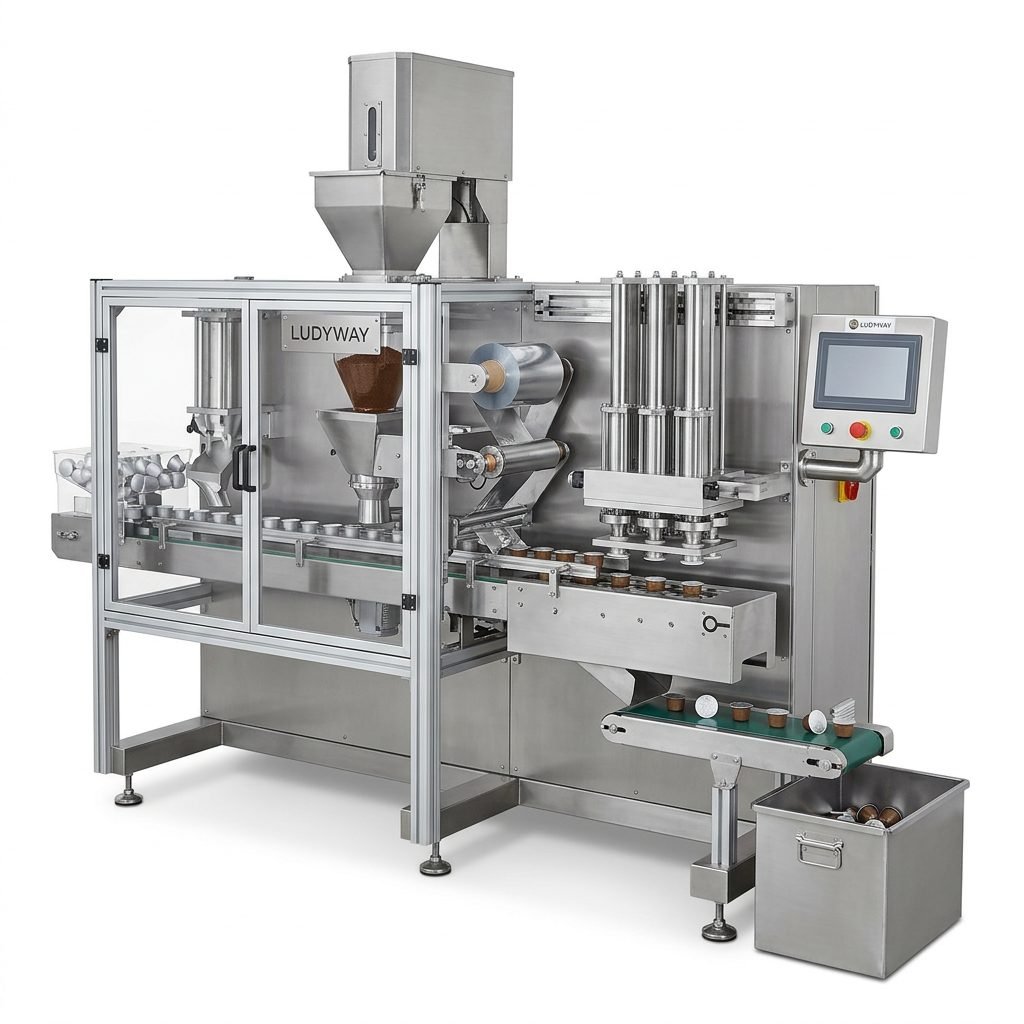
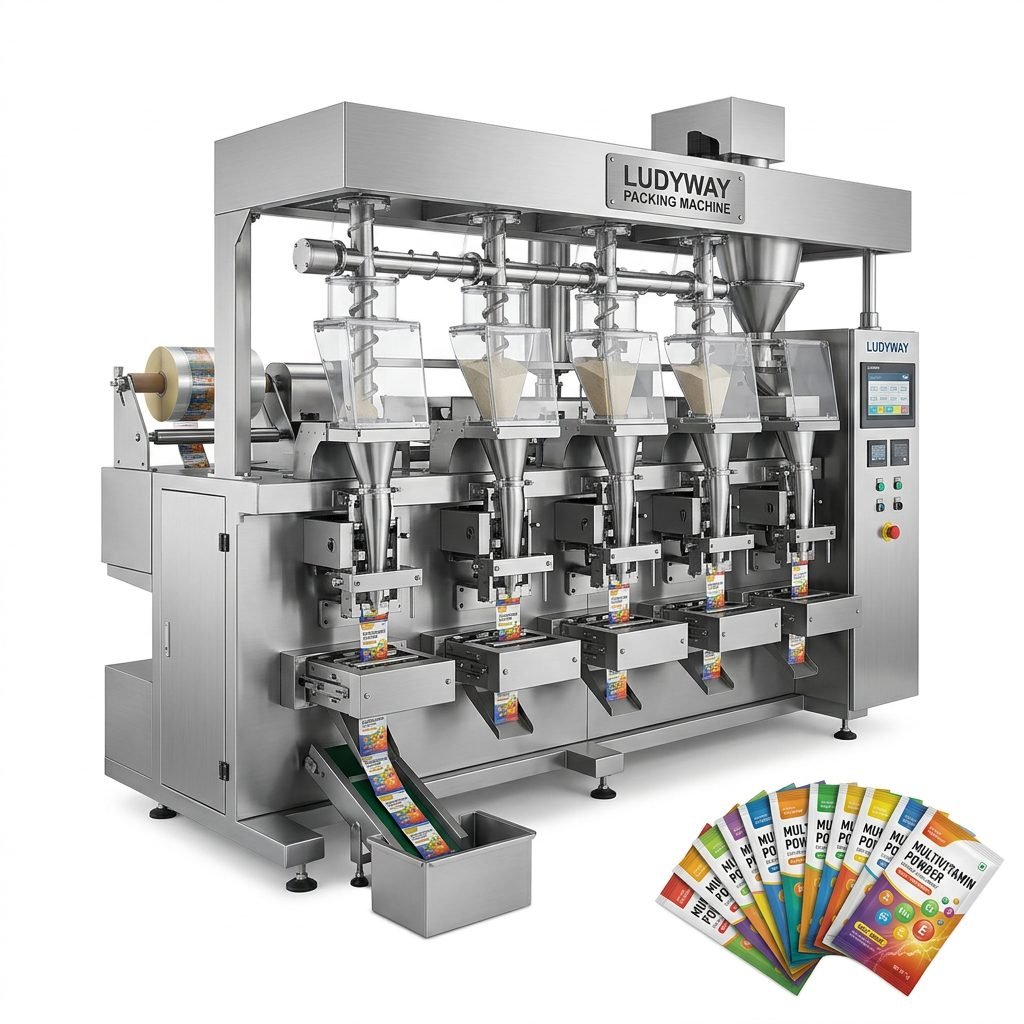
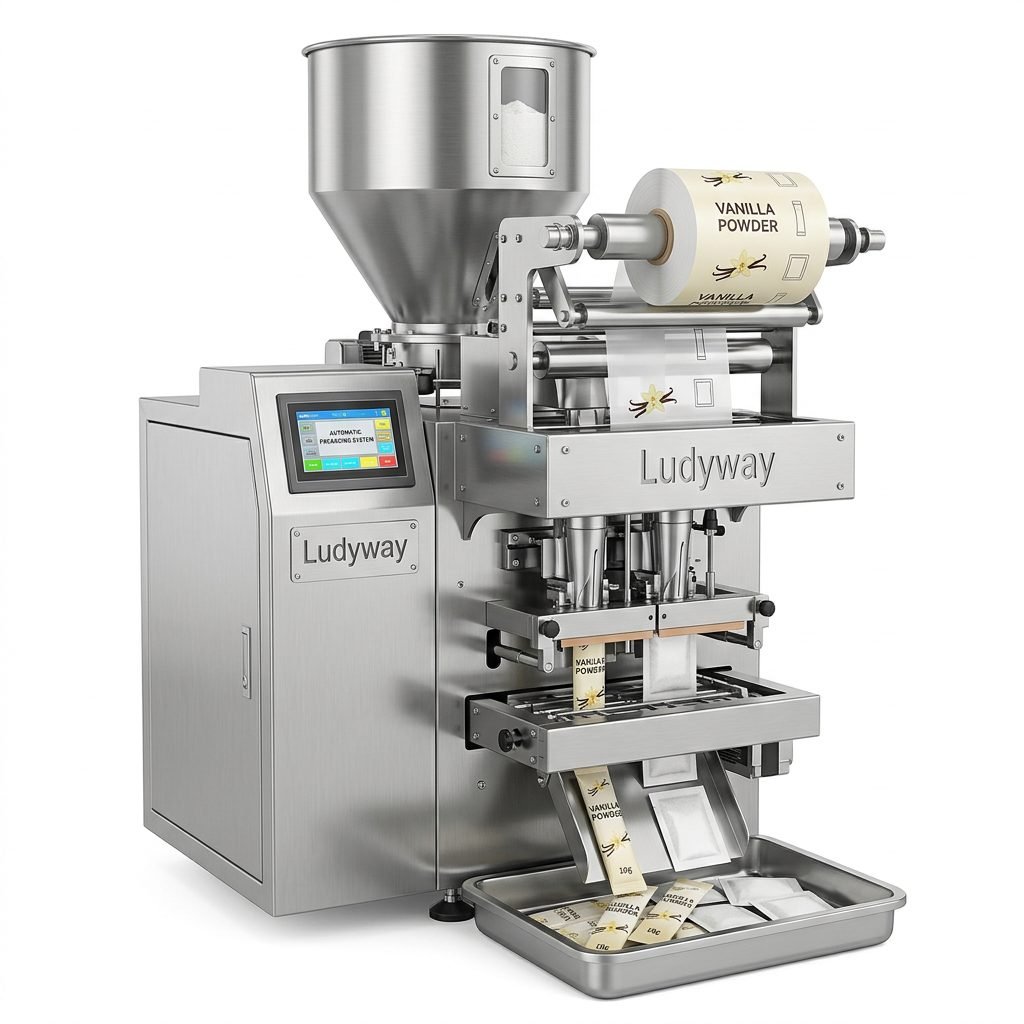
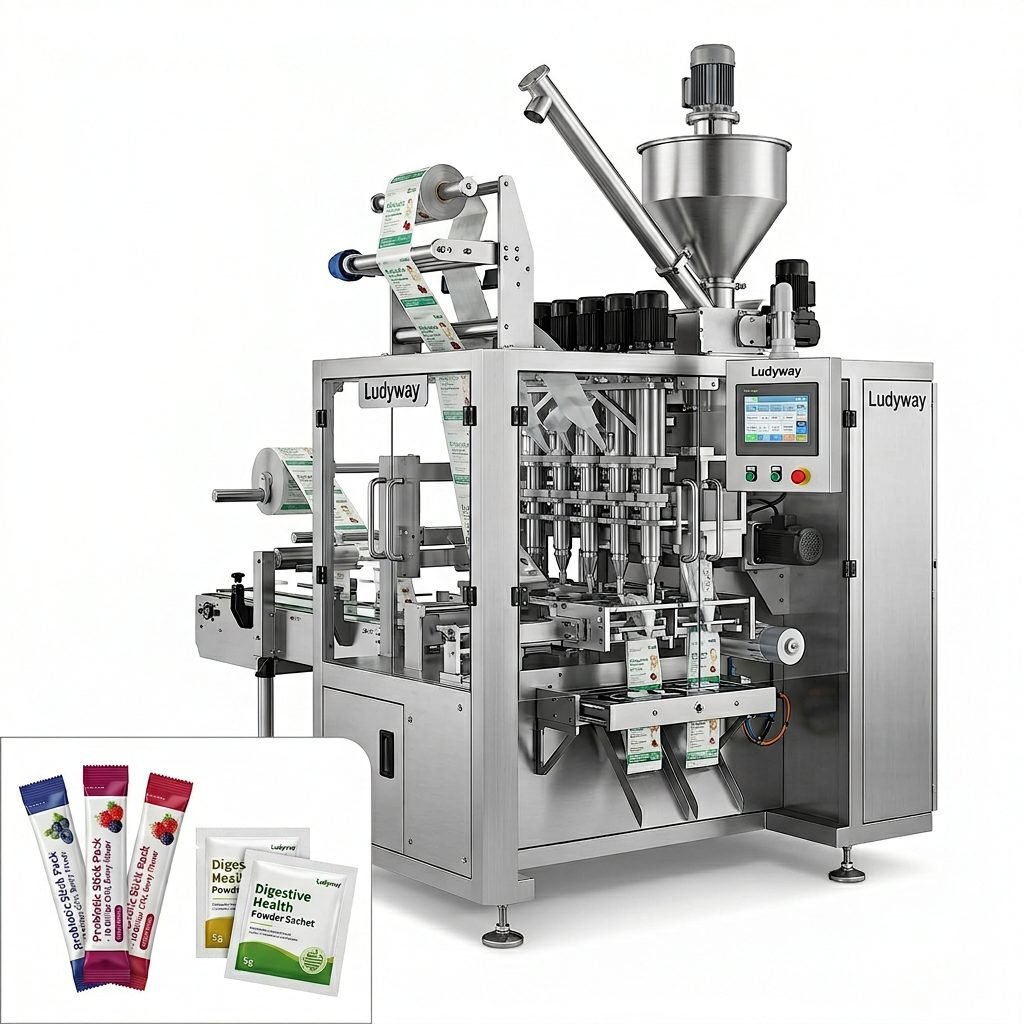
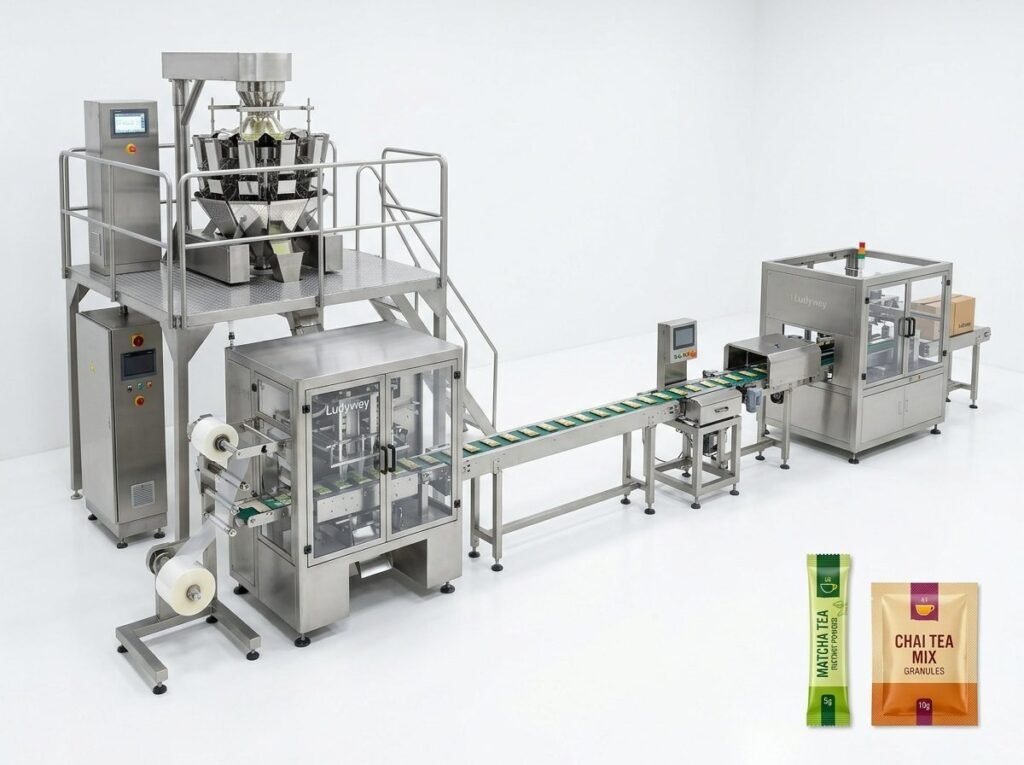
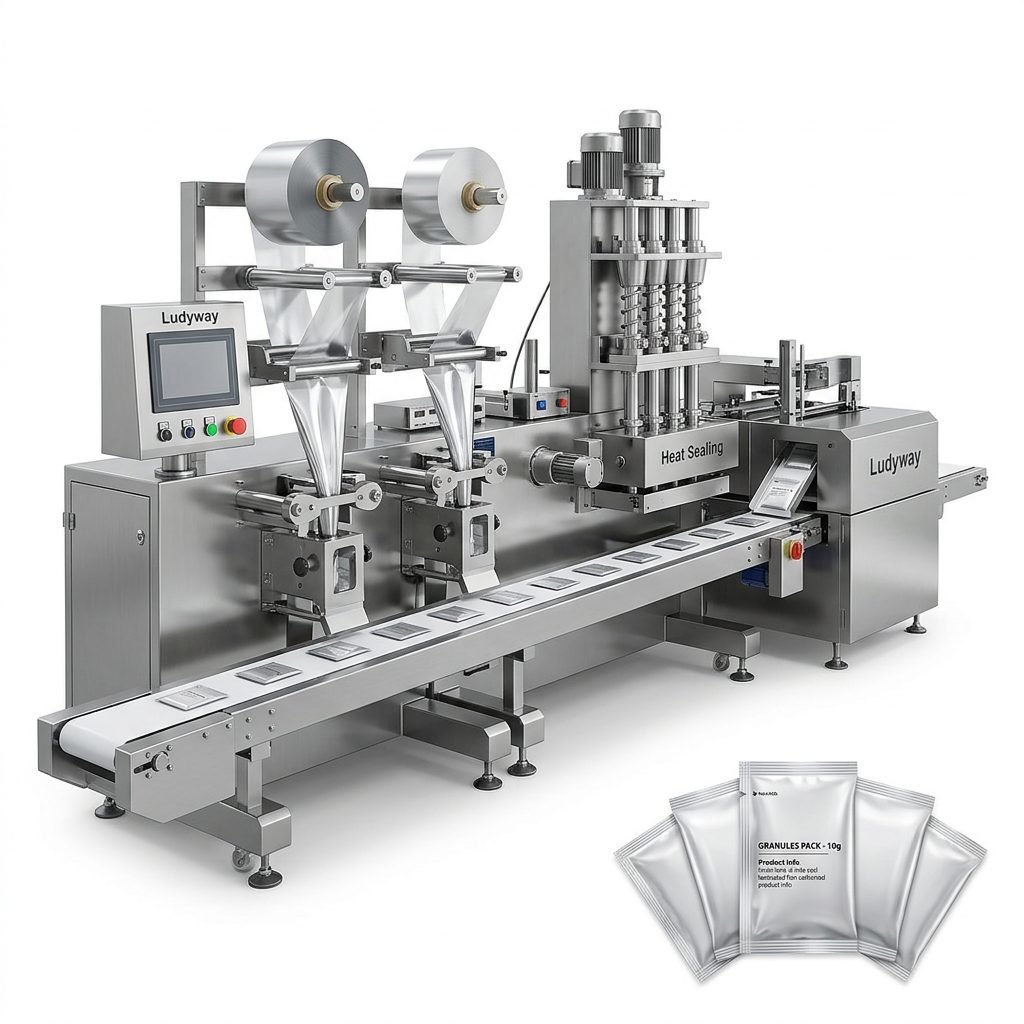
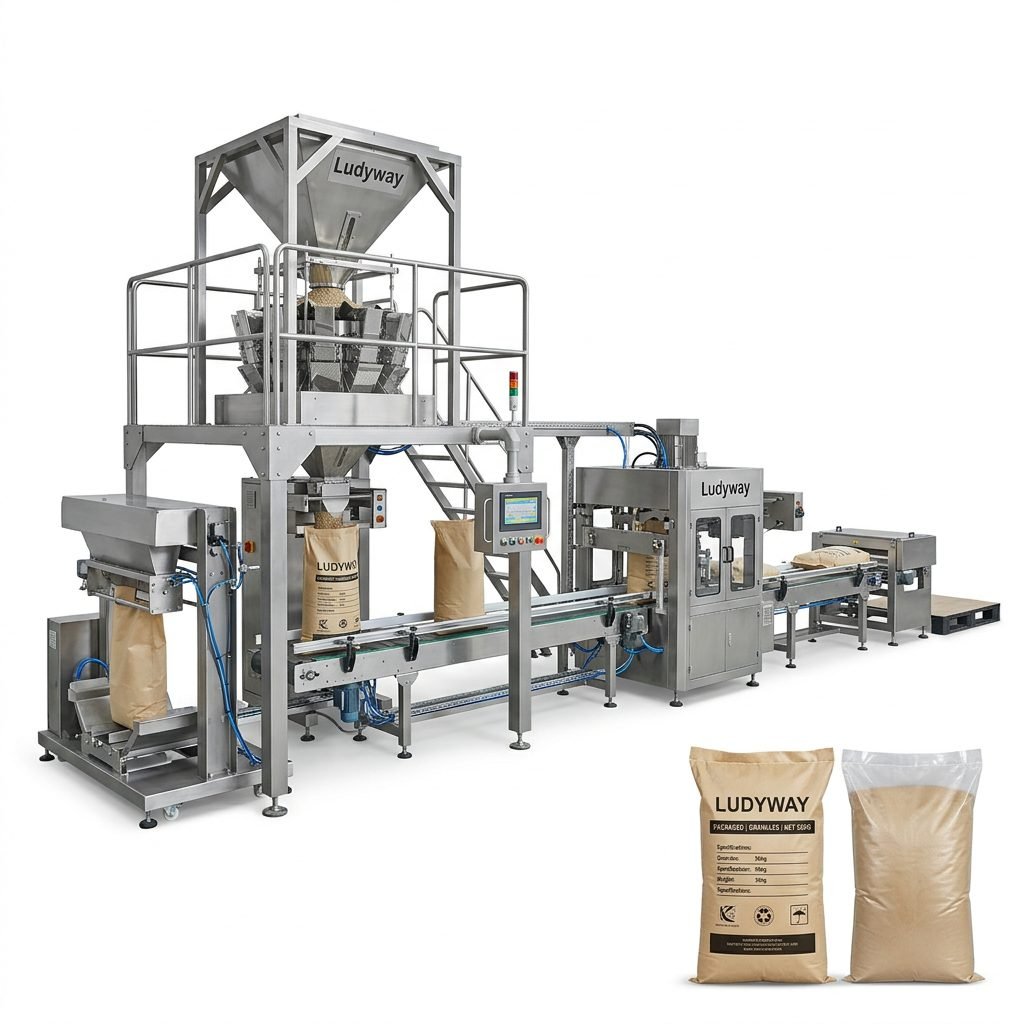
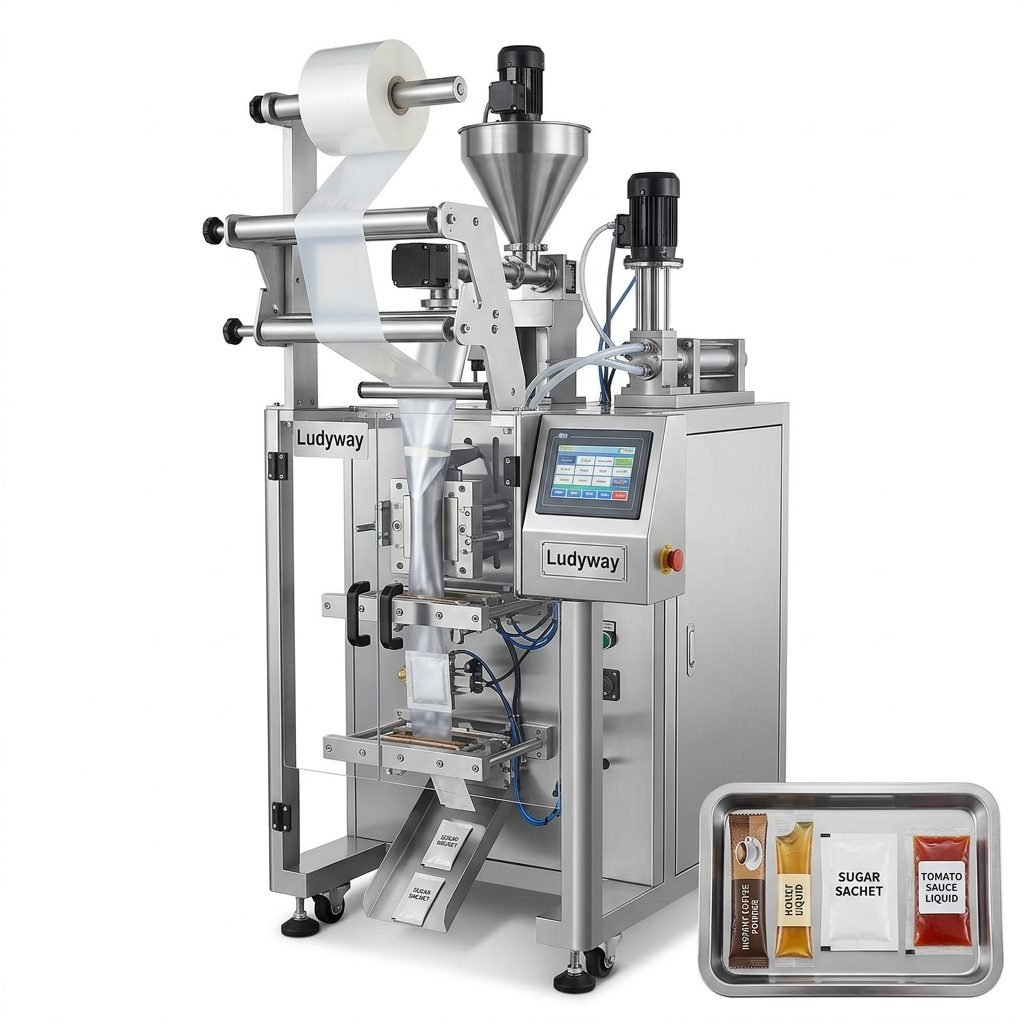
For businesses looking to upgrade or service their production lines, working with experienced manufacturers is essential. Ludyway is one of the largest packaging machine manufacturers in China, specializing in advanced packaging equipment and turnkey production solutions for the food, pharmaceutical, and health industries. With over 30 years of industry expertise, we provide reliable and efficient packaging solutions for granule, powder, liquid, and pouch packaging applications. Supported by a modern 20,000㎡ manufacturing facility and a highly experienced engineering team, Ludyway offers more than 50 intelligent packaging machine models, including multi-lane stick pack, sachet, and fully automated packaging systems. Serving customers in over 100 countries and regions, we are committed to delivering innovative, high-performance, and cost-effective packaging solutions that help businesses improve productivity, product quality, and operational efficiency.
For further guidance on specific models or automation upgrades, explore our resources on turnkey production lines or contact a specialist to schedule a preventative maintenance assessment.