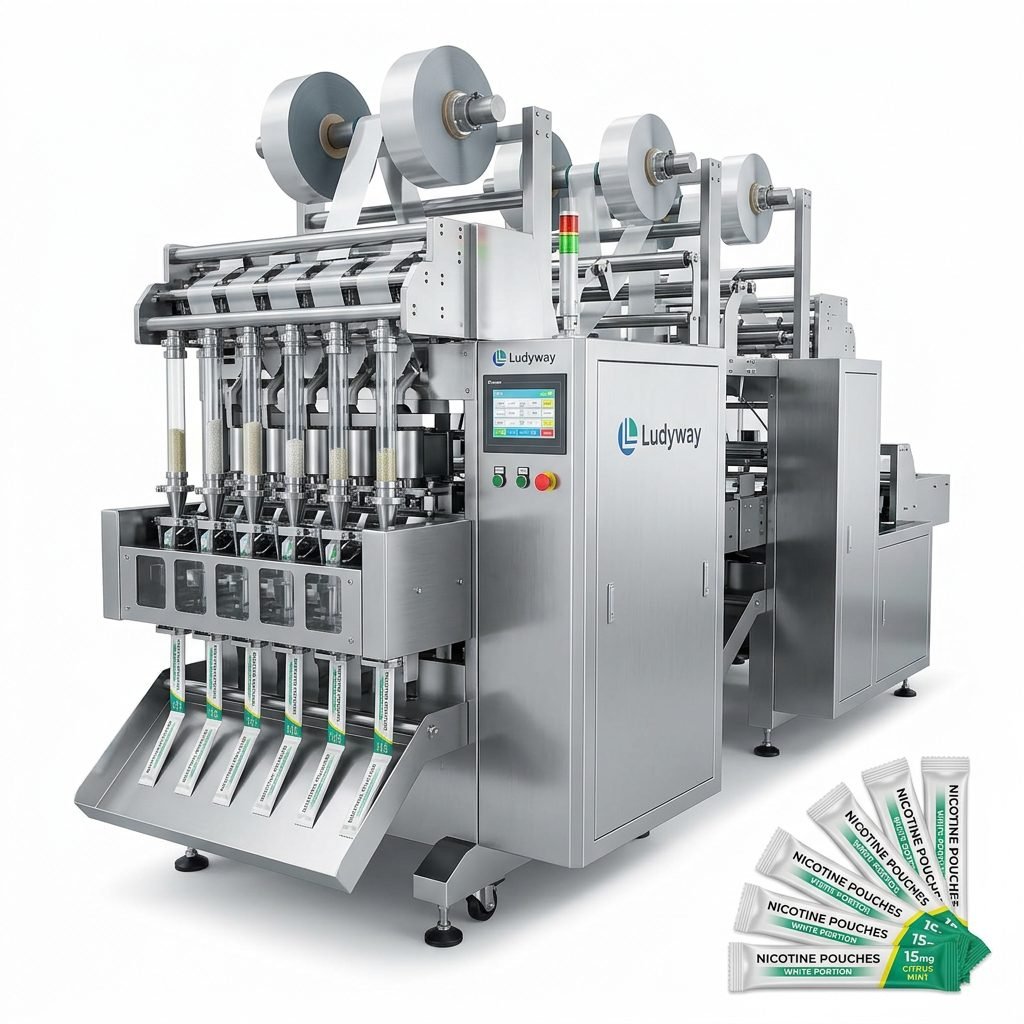
Selecting the right packaging machine for your manufacturing operation in the Czech Republic requires a strategic approach that balances product characteristics, production capacity, regulatory compliance, and long-term operational costs. As one of Central Europe’s most industrialized economies, the Czech Republic hosts a robust mix of food processing, pharmaceutical production, and chemical manufacturing industries — all of which depend on high-performance packaging equipment to meet both domestic demand and export requirements across the European Union.
The Czech packaging machinery market is influenced by strict EU packaging and packaging waste regulations, evolving consumer preferences for sustainable formats, and increasing automation trends driven by labor availability challenges. Whether you are producing powdered beverages, pharmaceutical granules, liquid detergents, or pet food supplements, making an informed equipment decision can significantly impact your production efficiency and total cost of ownership.
Understanding Your Product and Packaging Format
The first and most critical step in choosing a packaging machine is analyzing your product’s physical properties and the desired packaging format. Different products demand different filling technologies, and selecting the wrong system can lead to inaccurate dosing, material waste, and production downtime.
Product State and Characteristics
- Granules: Free-flowing particles such as sugar, salt, seeds, fertilizers, and pet food kibble. These typically require volumetric or multi-head weigher filling systems for precise dosing.
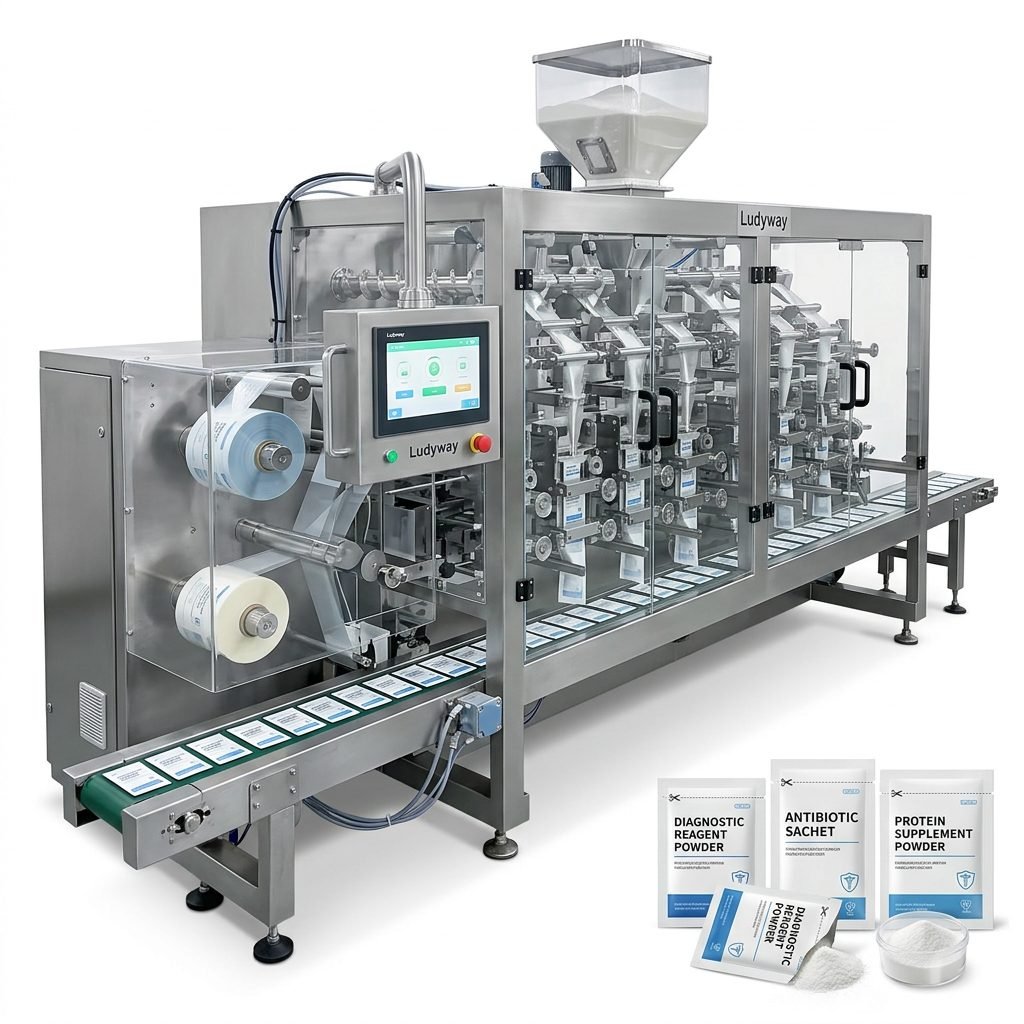
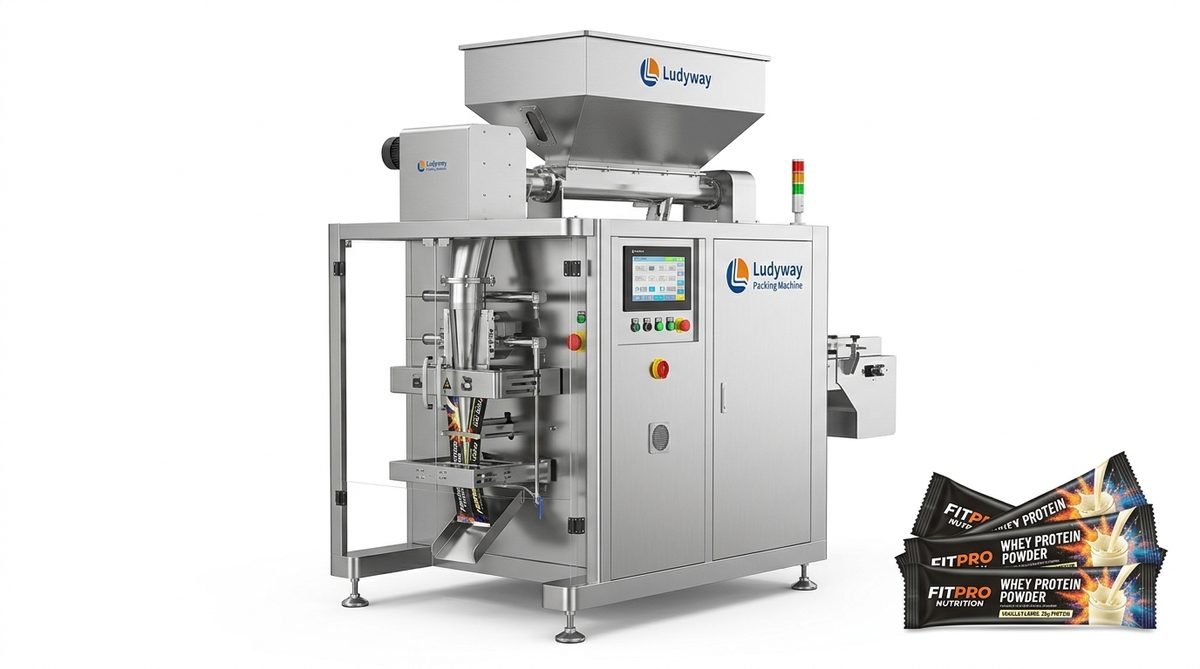
- Powders: Fine or cohesive materials like protein powder, flour, spices, milk powder, and pharmaceutical compounds. Auger fillers are commonly used, with dust control systems being essential for fine powders.
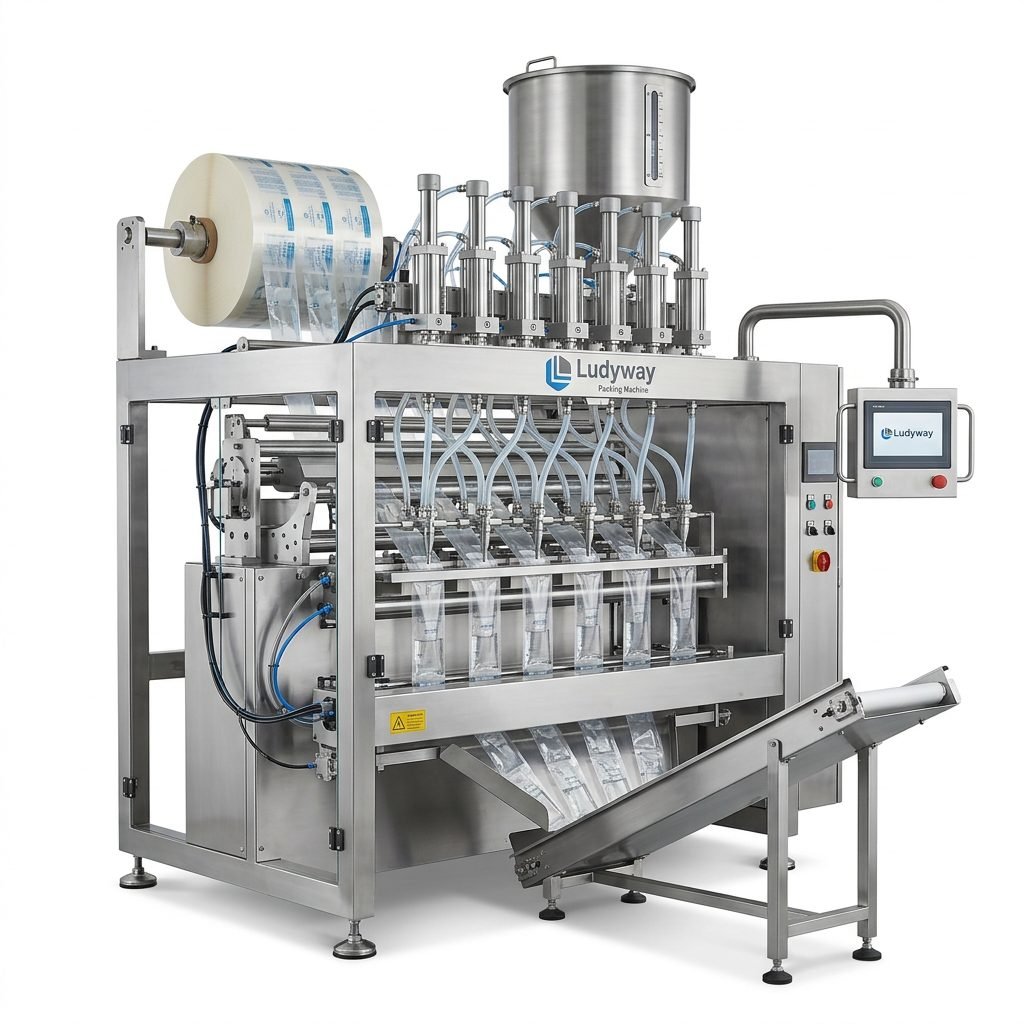
- Liquids & Pastes: Products ranging from water-thin beverages to viscous creams, sauces, gels, and oils. Piston pumps, gear pumps, or gravity fillers are selected based on viscosity and fill volume.
- Combination Products: Some applications require handling multiple states simultaneously, such as instant noodle seasoning packs containing both powder and oil.
Packaging Formats Common in the Czech Market
Czech manufacturers commonly utilize several packaging formats depending on their target market and distribution channel:
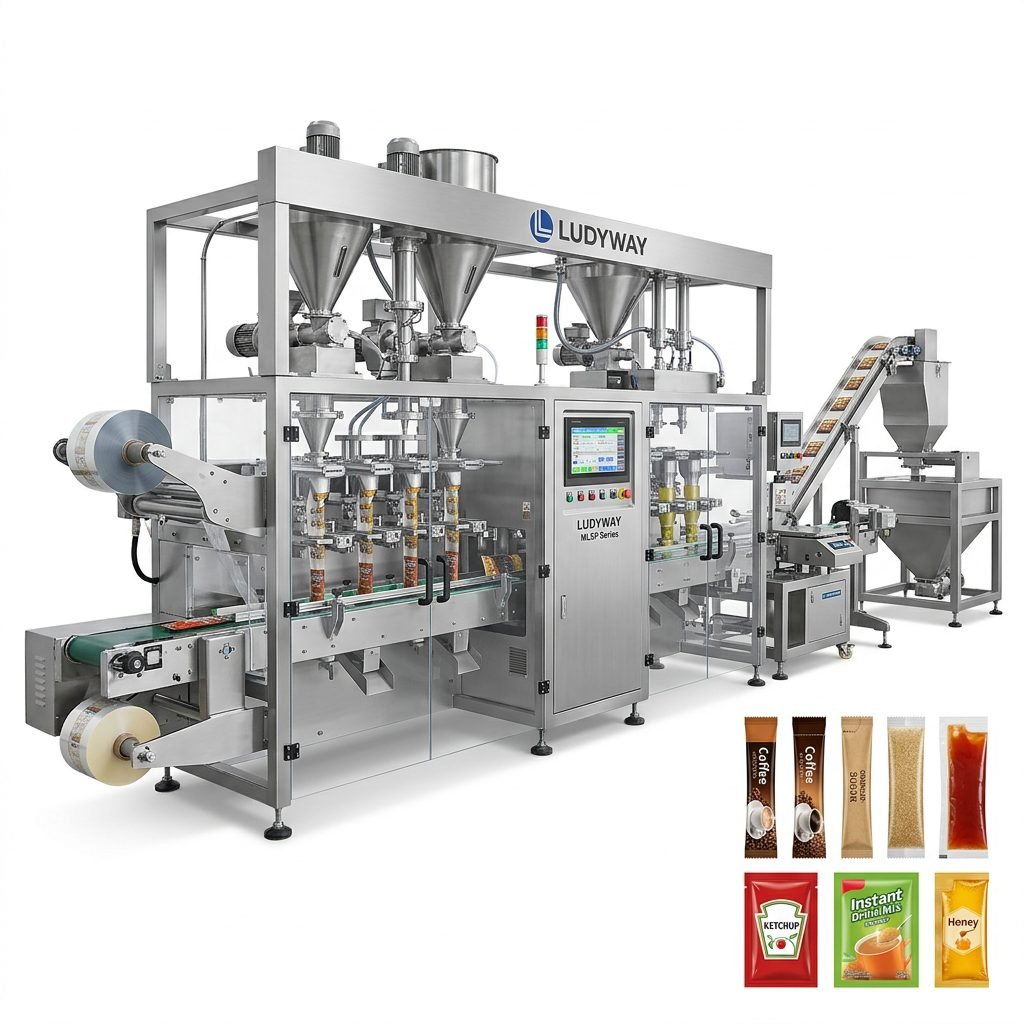
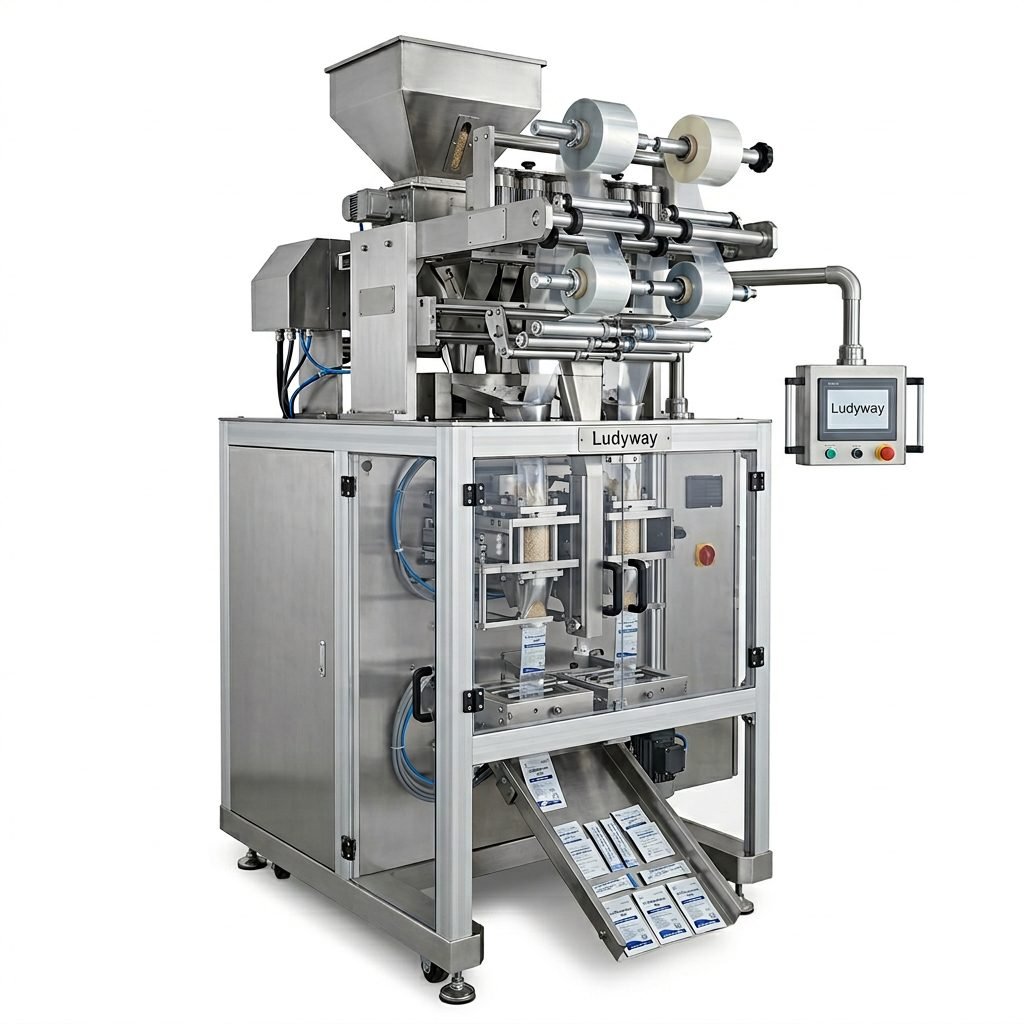
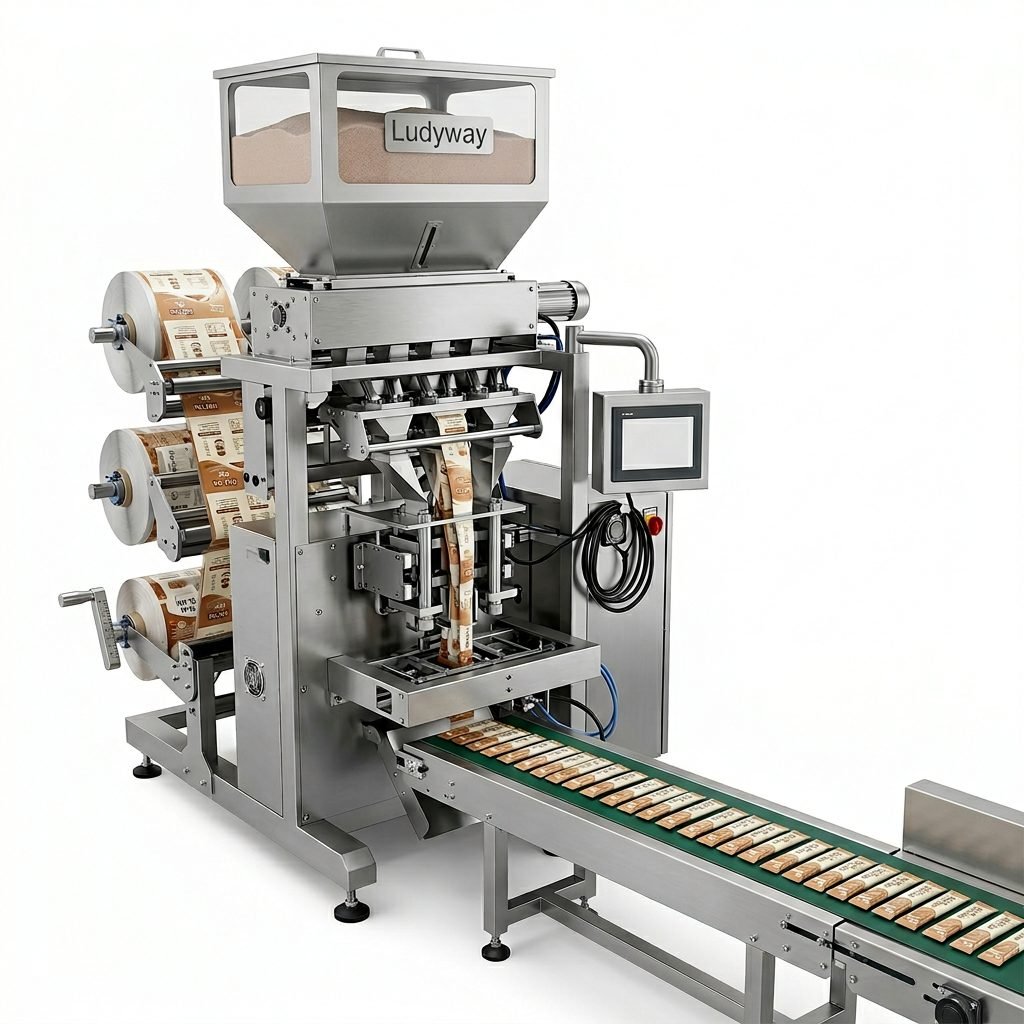
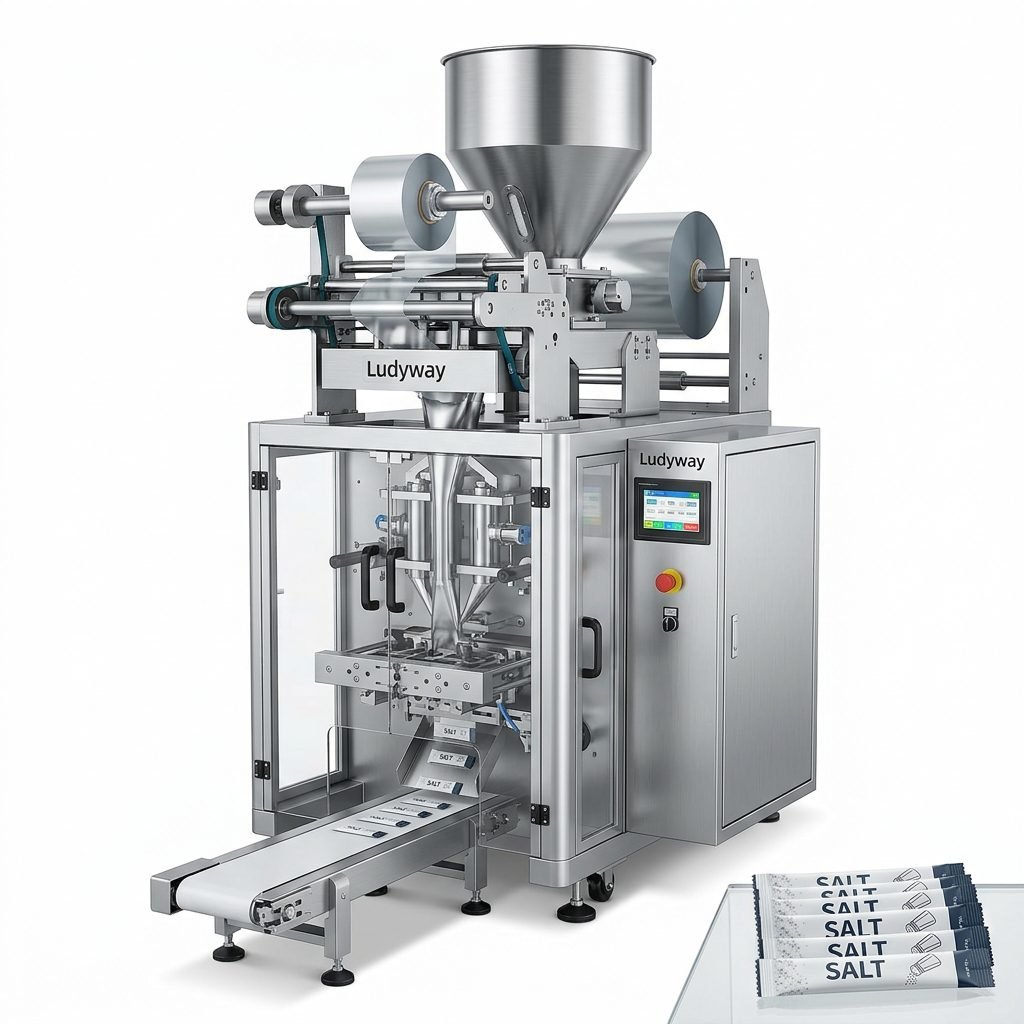
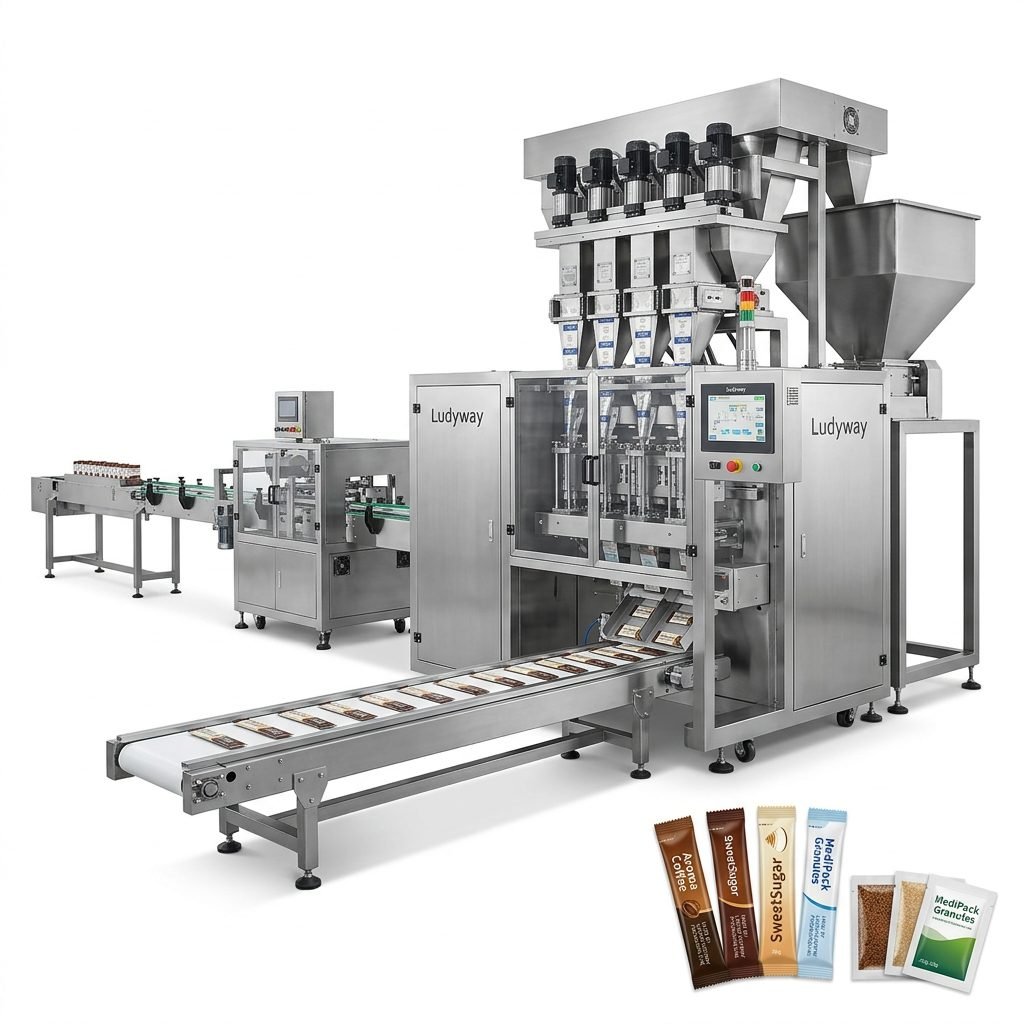
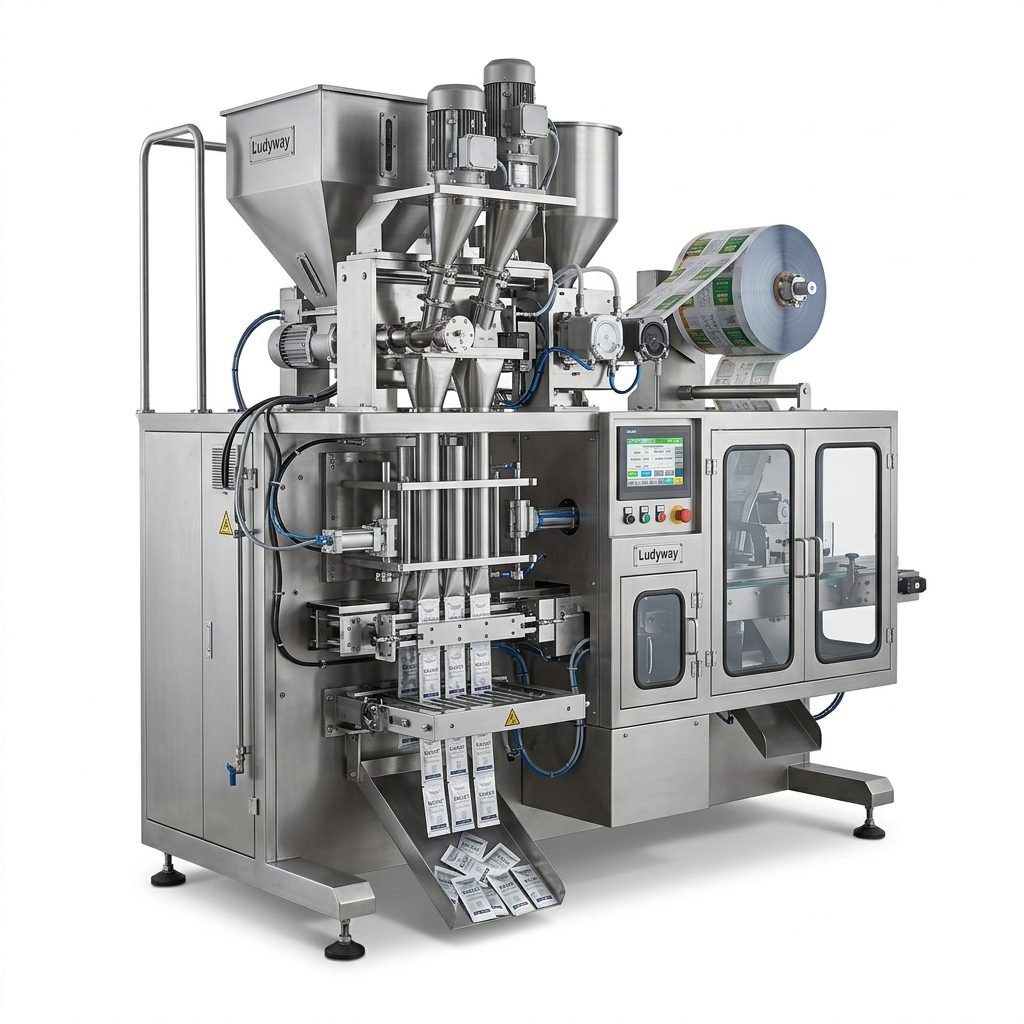
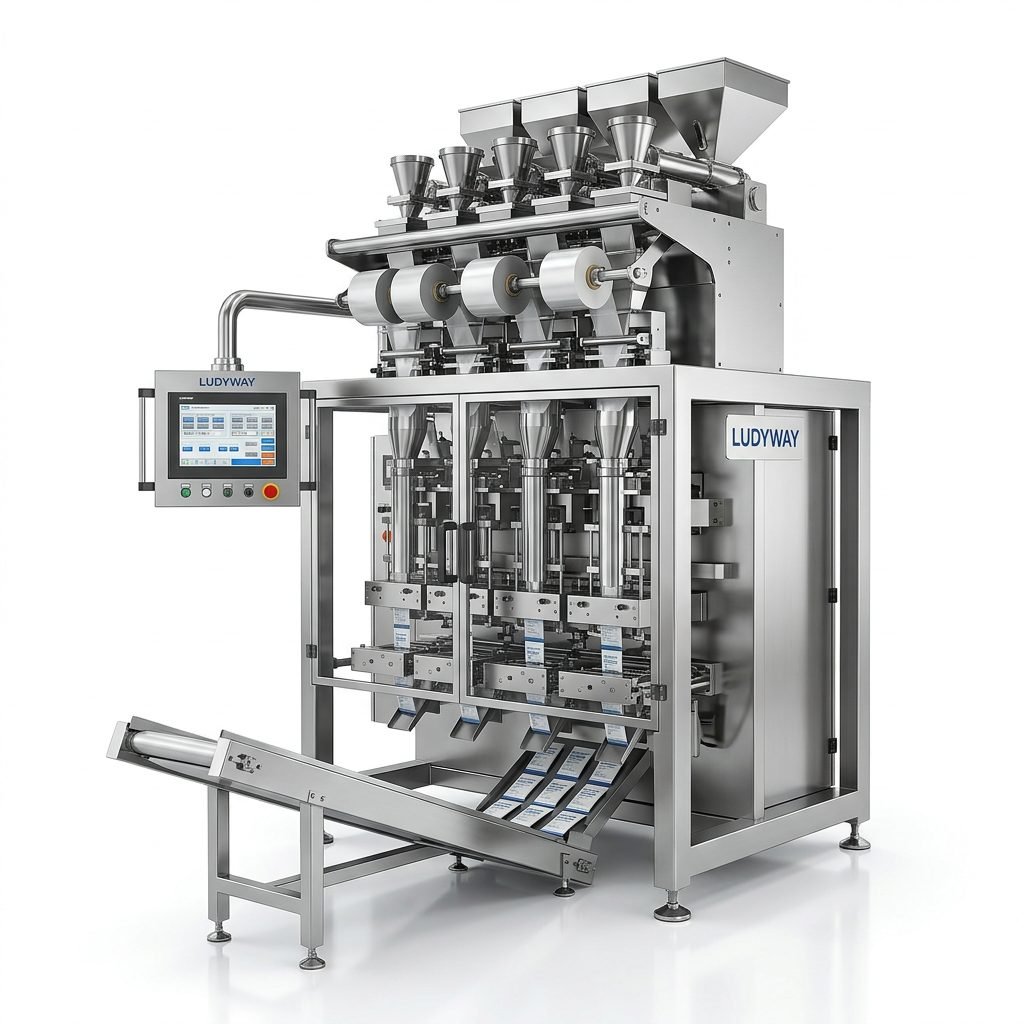
- Stick packs: Slim, elongated single-serve pouches popular for instant coffee, sugar, supplements, and energy drink powders. Multi-lane stick pack machines offer high output in a compact footprint.
- Sachets: Flat or pillow-style pouches used extensively for cosmetics samples, pharmaceutical unit doses, sauces, and household cleaning products. Flexible packaging industry resources highlight sachets as one of the fastest-growing segments in Europe.
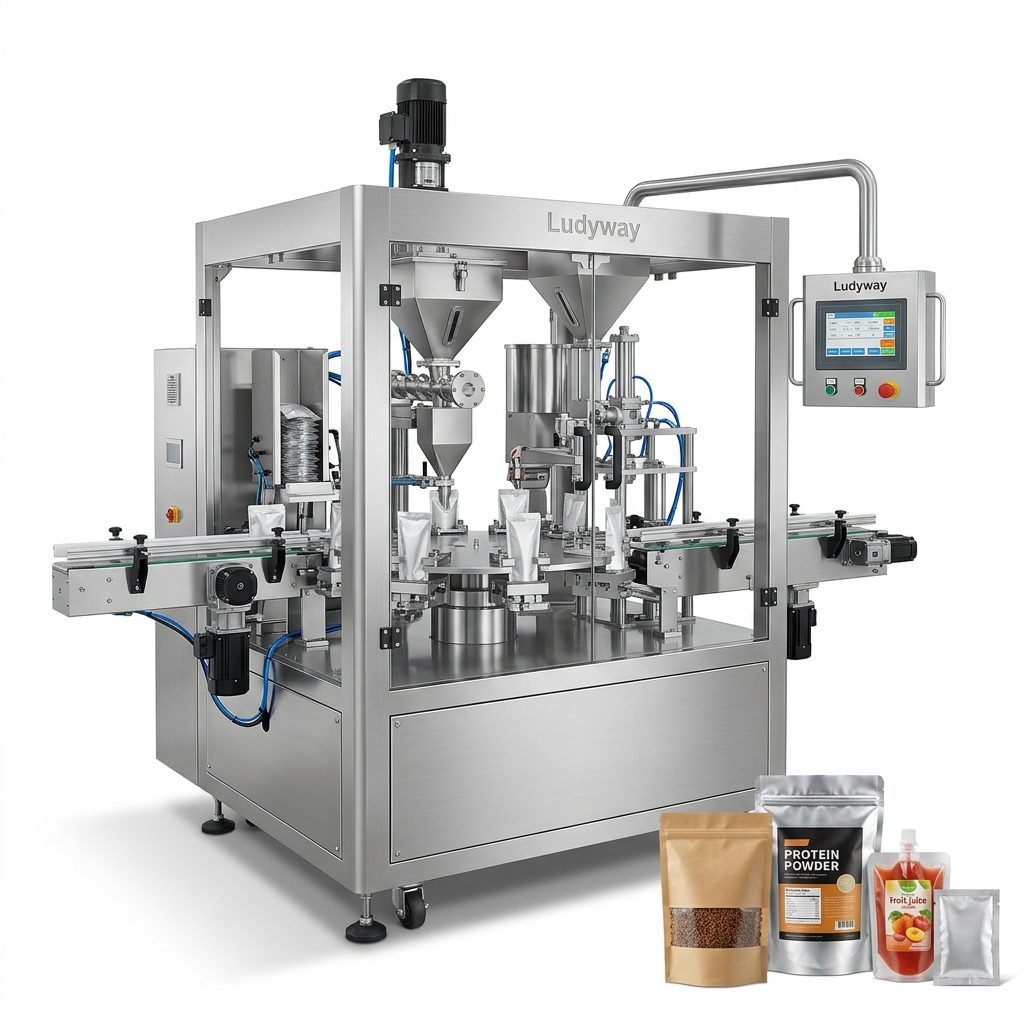
- Pre-made pouches: Stand-up or flat pouches with zipper closures, increasingly popular for premium food products, pet treats, and resealable formats.
- Bulk bags: Large format bags (10kg to 50kg) for industrial chemicals, animal feed, and agricultural products.
Evaluating Machine Specifications and Production Capacity
Once you have defined your product and packaging format, the next step is matching your production volume requirements with appropriate machine specifications. Undersized equipment creates bottlenecks, while oversized machinery leads to unnecessary capital expenditure and operating costs.
Key Specification Parameters
The following table outlines the primary technical specifications to evaluate when comparing packaging machines from different manufacturers:
| Specification | What to Evaluate | Impact on Operations |
|---|---|---|
| Number of Lanes | Single-lane vs. multi-lane (4, 6, 8, 10, 12+ lanes) | Higher lane counts multiply output per cycle; critical for high-volume consumer goods |
| Filling Speed | Pouches per minute (ppm) per lane | Directly determines daily production capacity and labor requirements |
| Filling Accuracy | Tolerance range (±0.5% to ±2%) | Impacts product giveaway, regulatory compliance, and raw material costs |
| Film Compatibility | Supported materials: PE, PET, aluminum laminate, paper-based, biodegradable films | Determines packaging design flexibility and sustainability profile |
| Changeover Time | Time required to switch between product SKUs or formats | Affects production agility for contract packagers and multi-SKU operations |
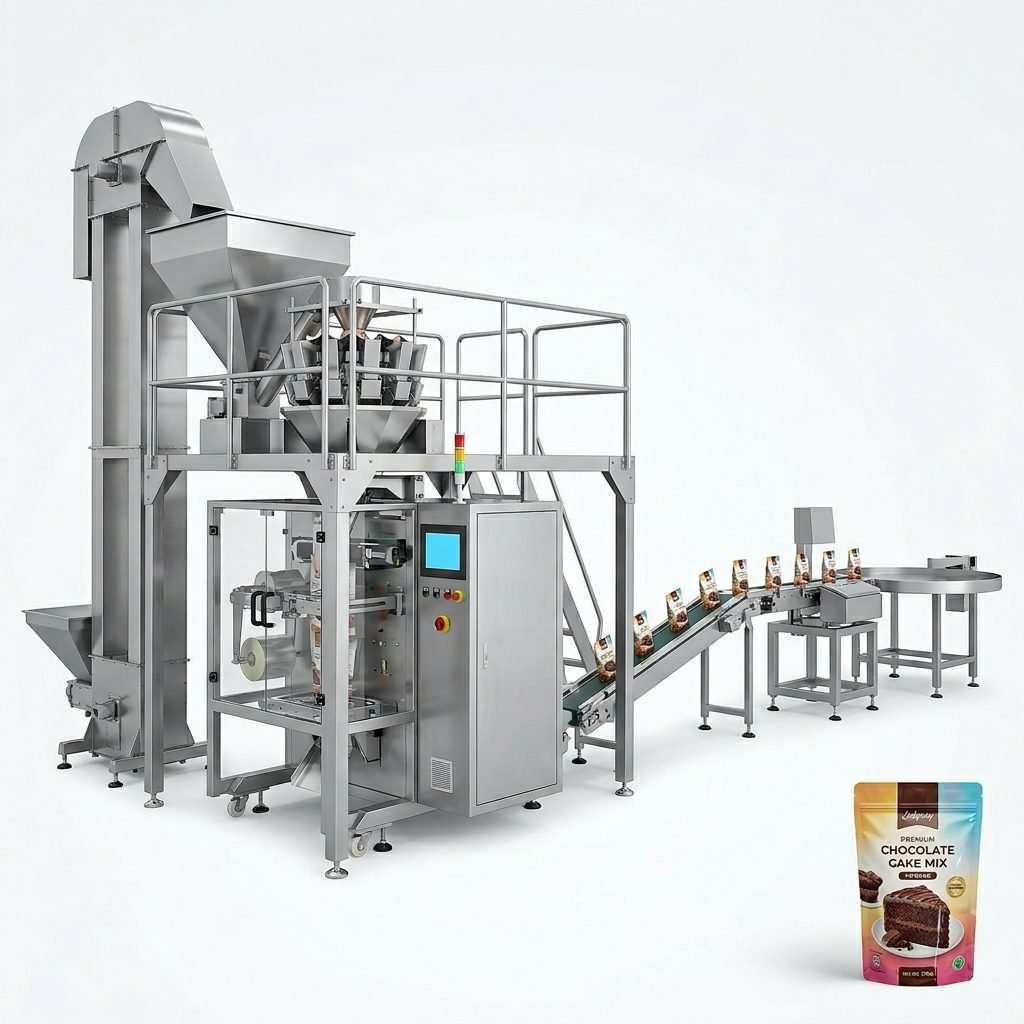
| Automation Level | Semi-automatic vs. fully automatic with integrated feeding, filling, sealing, coding, and cartoning | Influences labor dependency and line integration complexity |
Regulatory Compliance and Quality Standards in the Czech Republic
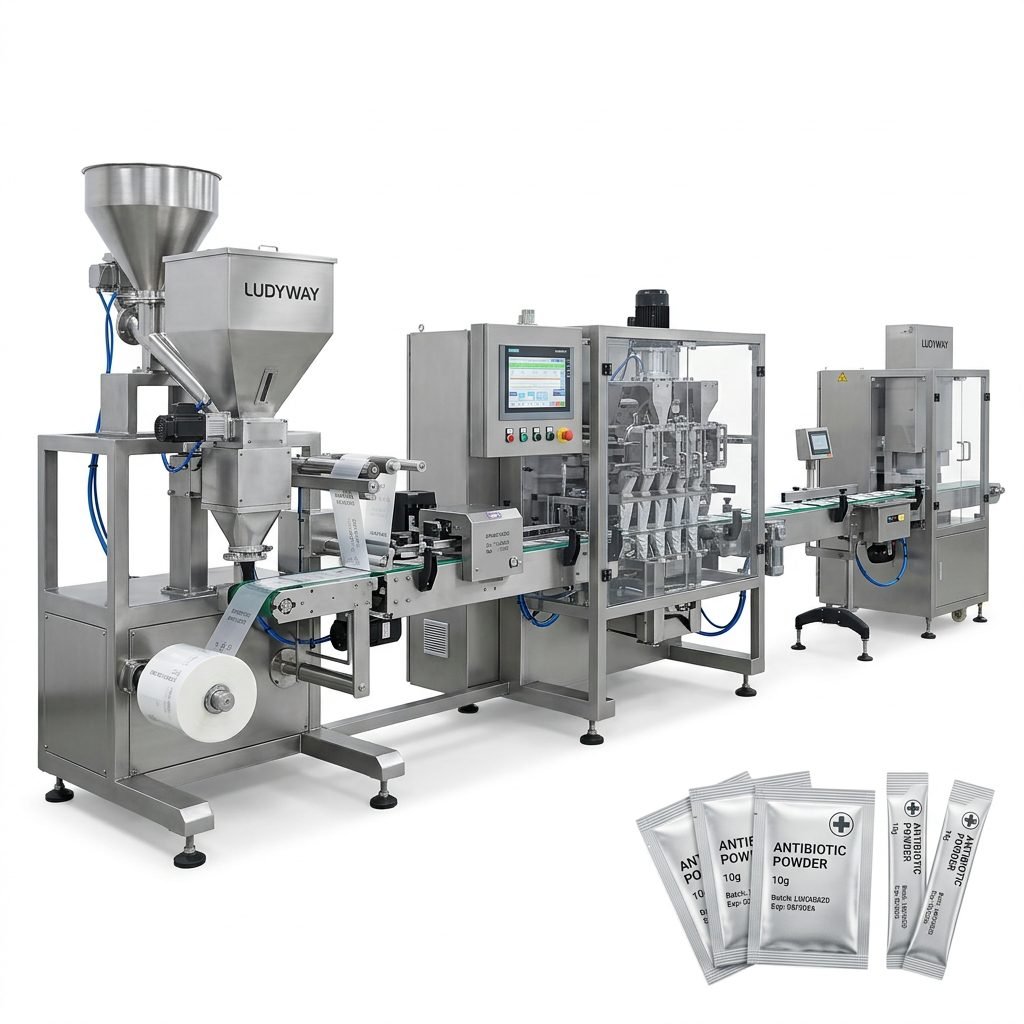
Operating in the Czech Republic means your packaging machinery and processes must comply with EU-wide regulations as well as Czech national standards. This is particularly important if you serve the food, pharmaceutical, or medical device sectors, where regulatory oversight is stringent and non-compliance can result in product recalls, fines, or market access restrictions.
Critical Compliance Areas
- CE Marking: All packaging machinery sold and operated within the EU must carry CE marking, confirming conformity with applicable EU directives including the Machinery Directive (2006/42/EC).
- Food Contact Materials: Equipment handling food products must comply with food contact packaging regulations as defined by EU Regulation (EC) No 1935/2004 and related standards.
- GMP Compliance: Pharmaceutical packaging operations must adhere to Good Manufacturing Practice requirements, including equipment validation (IQ/OQ/PQ), cleanroom compatibility, and comprehensive documentation.
- ISO Standards: Reference international packaging standards such as ISO 11607 for medical device packaging and ISO 9001 for quality management systems.
- Sustainability Requirements: The EU Packaging and Packaging Waste Directive imposes targets for packaging waste reduction, recyclability, and recycled content — influencing film material choices and machine compatibility with eco-friendly substrates.
Supplier Selection Criteria for Czech Businesses
Choosing the right equipment supplier is as important as selecting the right machine. Czech manufacturers benefit from access to both European and global packaging machinery suppliers, but must evaluate potential partners across several dimensions to ensure long-term reliability and support.
What to Look for in a Packaging Machine Manufacturer
- Industry experience: Look for manufacturers with a proven track record in your specific sector — food, pharmaceutical, chemical, or cosmetic packaging — as industry-specific knowledge translates to better machine design and application support.
- Manufacturing capabilities: Suppliers with modern production facilities and in-house engineering teams can offer better quality control and faster customization. For example, some manufacturers such as Ludyway operate large-scale facilities exceeding 20,000㎡ with dedicated R&D and engineering departments, enabling them to deliver tailored solutions across multiple industries.
- Technical support and spare parts: Evaluate the availability of local service support, remote diagnostics capabilities, and spare parts inventory. Downtime in packaging operations can cost thousands of euros per hour, making responsive after-sales service a critical factor.
- Machine portfolio breadth: A supplier offering a comprehensive range of packaging machinery — from single-lane sachet machines to fully integrated turnkey lines — can support your growth without requiring you to manage multiple vendor relationships.
- References and installations: Request case studies, client references, and if possible, visit existing installations to observe machine performance in real production environments.
Cost Considerations Beyond the Initial Purchase Price
When budgeting for packaging equipment, Czech manufacturers should evaluate total cost of ownership (TCO) rather than focusing solely on the upfront capital expenditure. A machine with a lower purchase price may incur significantly higher operating, maintenance, and material costs over its service life.
TCO Components to Evaluate
| Cost Component | Typical Share of TCO | Key Considerations |
|---|---|---|
| Equipment purchase | 40-55% | Negotiate based on configuration, warranty terms, and included accessories |
| Installation and commissioning | 5-10% | Includes site preparation, electrical and pneumatic connections, and initial training |
| Packaging materials | 25-35% | Film waste rates vary by machine design; optimized systems reduce material consumption by 3-8% annually |
| Spare parts and maintenance | 8-12% | Planned preventive maintenance reduces unplanned downtime; evaluate parts availability and cost |
| Energy consumption | 3-5% | Modern servo-driven machines consume less energy than pneumatic or mechanical systems |
| Operator training and labor | 5-8% | Higher automation reduces direct labor; intuitive HMI interfaces lower training time |

Technology Trends Shaping Packaging Machine Selection
Czech manufacturers who stay ahead of technology trends can gain competitive advantages in productivity, flexibility, and sustainability. Consider how these developments align with your long-term production strategy:
- Servo-driven motion control: Modern packaging machines increasingly use servo motors for precision filling, sealing, and cutting operations, offering greater accuracy, faster changeovers, and reduced mechanical wear compared to traditional cam-driven systems.
- IoT-enabled monitoring: Internet-connected machines provide real-time production data, predictive maintenance alerts, and remote diagnostics — valuable capabilities for Czech facilities facing skilled technician shortages.
- Quick-change tooling: Tool-less or reduced-tool changeover systems enable faster transitions between product SKUs, essential for contract packagers serving diverse markets.
- Sustainable film compatibility: As the EU advances its circular economy agenda, machines capable of running mono-material recyclable films, paper-based packaging, and thinner gauge materials will future-proof your investment.
- Integrated quality control: Inline checkweighers, metal detectors, X-ray inspection, and vision systems built into the packaging line ensure compliance while minimizing manual quality checks.
Making the Final Decision: A Structured Approach
To make a confident and well-informed purchasing decision, follow a structured evaluation framework that systematically compares your options against objective criteria. This reduces the risk of overlooking critical factors and ensures alignment between equipment capabilities and business objectives.
Decision Framework Steps
- Define Requirements Document: Create a comprehensive specification covering product characteristics, target output, packaging format, facility constraints (space, utilities), and compliance needs.
- Shortlist Qualified Suppliers: Identify 3-5 manufacturers with demonstrated experience in your product category and target packaging format. Review their industry track record and client references.
- Conduct Factory Acceptance Testing (FAT): Whenever possible, visit the supplier’s facility to observe your machine running with your actual product and packaging materials before shipment.
- Evaluate After-Sales Support: Confirm service response times, spare parts availability in the Czech Republic, warranty coverage, and training provisions for your operators and maintenance staff.
- Calculate TCO Projections: Model the 5-year total cost of ownership for each shortlisted option, including energy, materials, labor, and expected maintenance costs.
- Negotiate and Finalize: Use your comparative analysis to negotiate terms including pricing, payment schedule, delivery timeline, installation support, and post-commissioning service.
Selecting the best packaging machine for your products in the Czech Republic is a strategic decision that shapes your production efficiency, product quality, and market competitiveness for years to come. By basing your evaluation on product requirements, machine specifications, regulatory compliance, supplier capabilities, and total cost of ownership, you position your business to thrive in the dynamic Central European manufacturing landscape.
For further guidance on packaging machinery selection and compliance requirements, consult resources from PMMI packaging industry resources, Flexible Packaging Association industry standards, and ISO packaging and distribution standards.