Investing in a tea bag packing machine is a critical decision for tea producers, from small artisan brands to large-scale manufacturers. The cost varies widely based on automation level, speed, and packaging format. Understanding what drives these prices helps you make an informed purchasing decision.
Typical Tea Bag Packing Machine Price Ranges
The market for tea packaging equipment is broad. Below is a general overview of what you can expect to pay based on the machine category.
| Machine Type | Speed Range | Estimated Price (USD) |
|---|---|---|
| Semi-Automatic Single Lane | 30-50 packs/min | $5,000 – $15,000 |
| Automatic Single Lane (Tag & Envelope) | 60-100 packs/min | $15,000 – $35,000 |
| High-Speed Multi-Lane Stick Pack | 200-600 packs/min | $30,000 – $80,000 |
| Complete Turnkey Packaging Line | Customizable | $80,000 – $250,000+ |
Key Factors Influencing the Cost
The final price tag is rarely fixed. Several variables can significantly shift the cost of your tea bag packaging machine. Before requesting a quote, it is essential to understand these core elements.
1. Level of Automation
This is the single biggest price driver. A manual or semi-automatic machine requires significant operator intervention but costs less upfront. In contrast, a fully automatic multi-lane stick pack machine minimizes labor and maximizes output but requires a higher capital investment.
2. Packaging Style and Material
Are you packing standard double-chamber bags, pyramid bags, or flat rectangular sachets? The complexity of the forming mechanism directly impacts the price. Machines designed for delicate pyramid bags or those requiring string and tag application typically cost more. Similarly, equipment capable of handling biodegradable materials like PLA mesh needs specialized sealing components.
3. Production Speed
Speed requirements dictact the engineering specifications. A high-speed model producing 300 to 600 bags per minute utilizes advanced servo-driven motors, precision cams, and robust framing, which elevates the manufacturing cost. For small businesses, a mid-range speed of 60-120 bags per minute often provides the best balance between cost and efficiency.
Breaking Down Costs by Machine Configuration
To budget effectively, it helps to look at specific configurations. Below are common setups and their relative costs.
- Entry-Level Manual Fillers: Suitable for startups testing the market. These often consist of a manual dosing unit and a basic pedal sealer. They are labor-intensive but accessible.
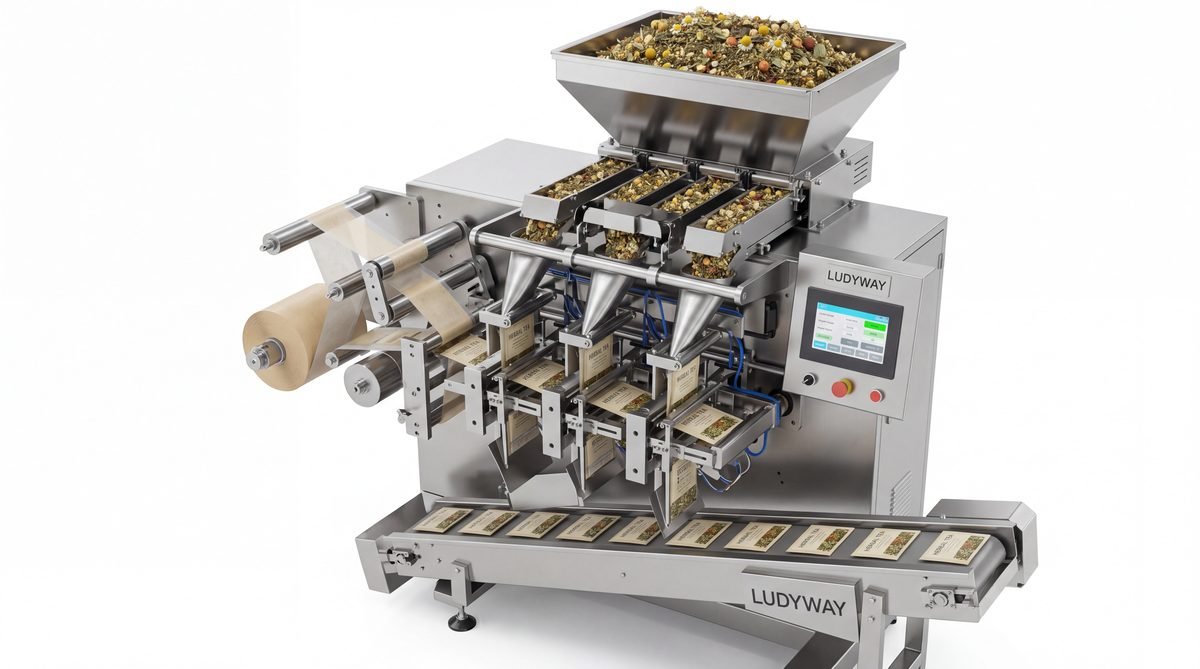
- Single-Lane Automatic Machines: The workhorse for medium enterprises. These units automatically form, fill, and seal the bag. Adding features like external envelope wrapping or hot-foil date coders increases the price incrementally.
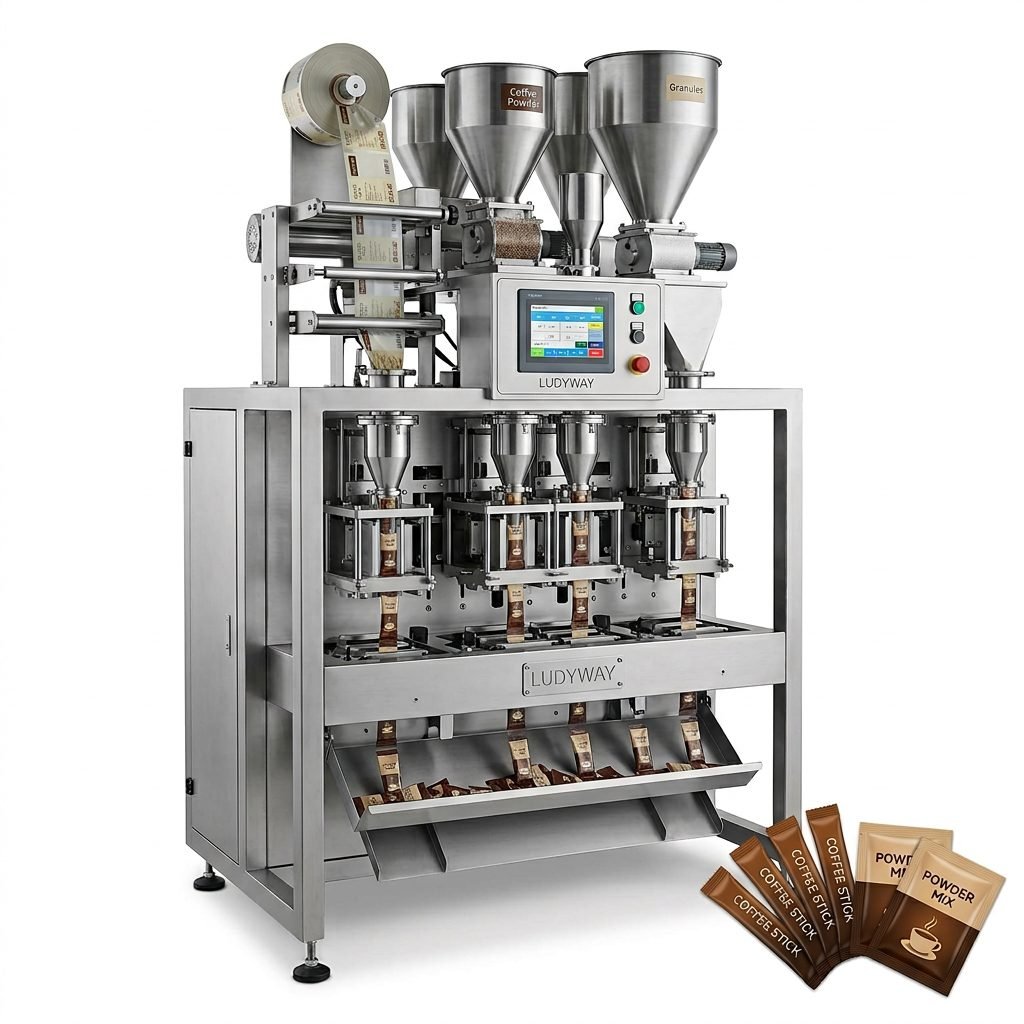
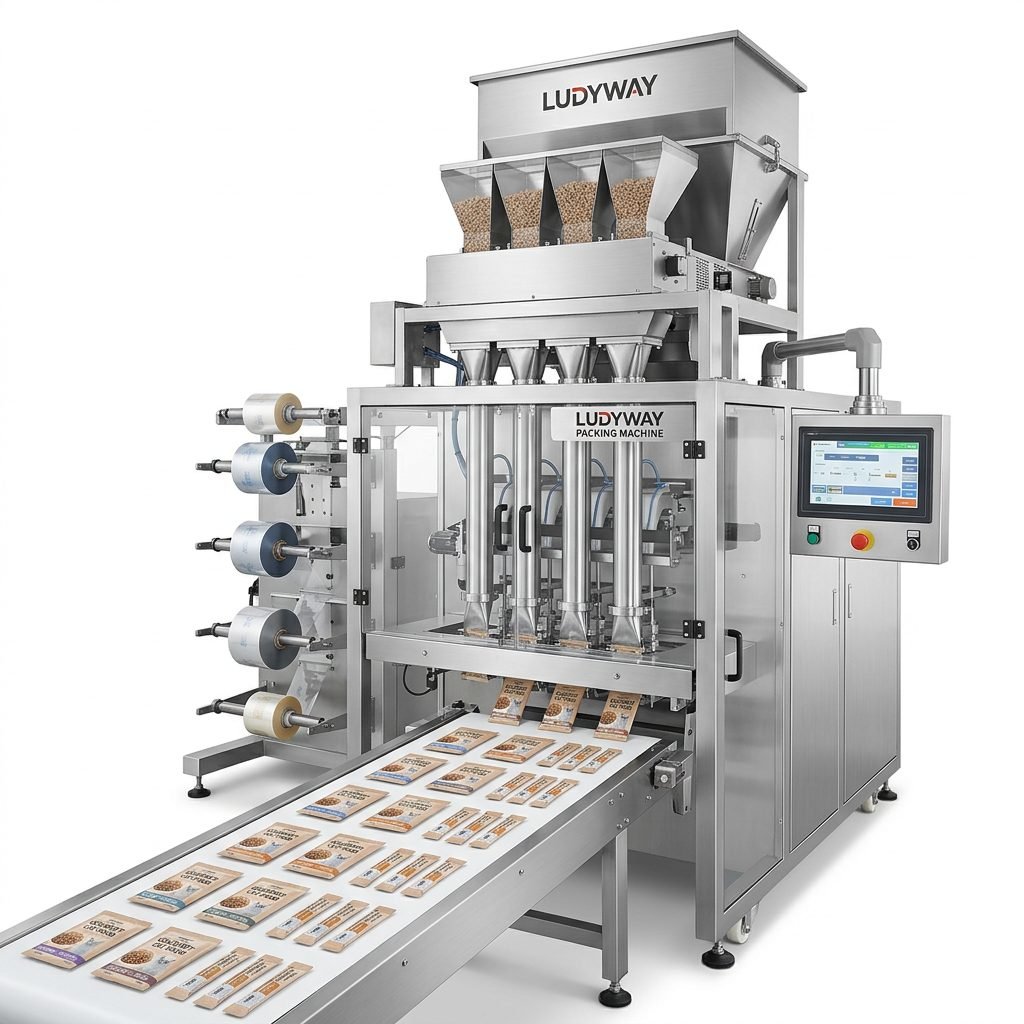
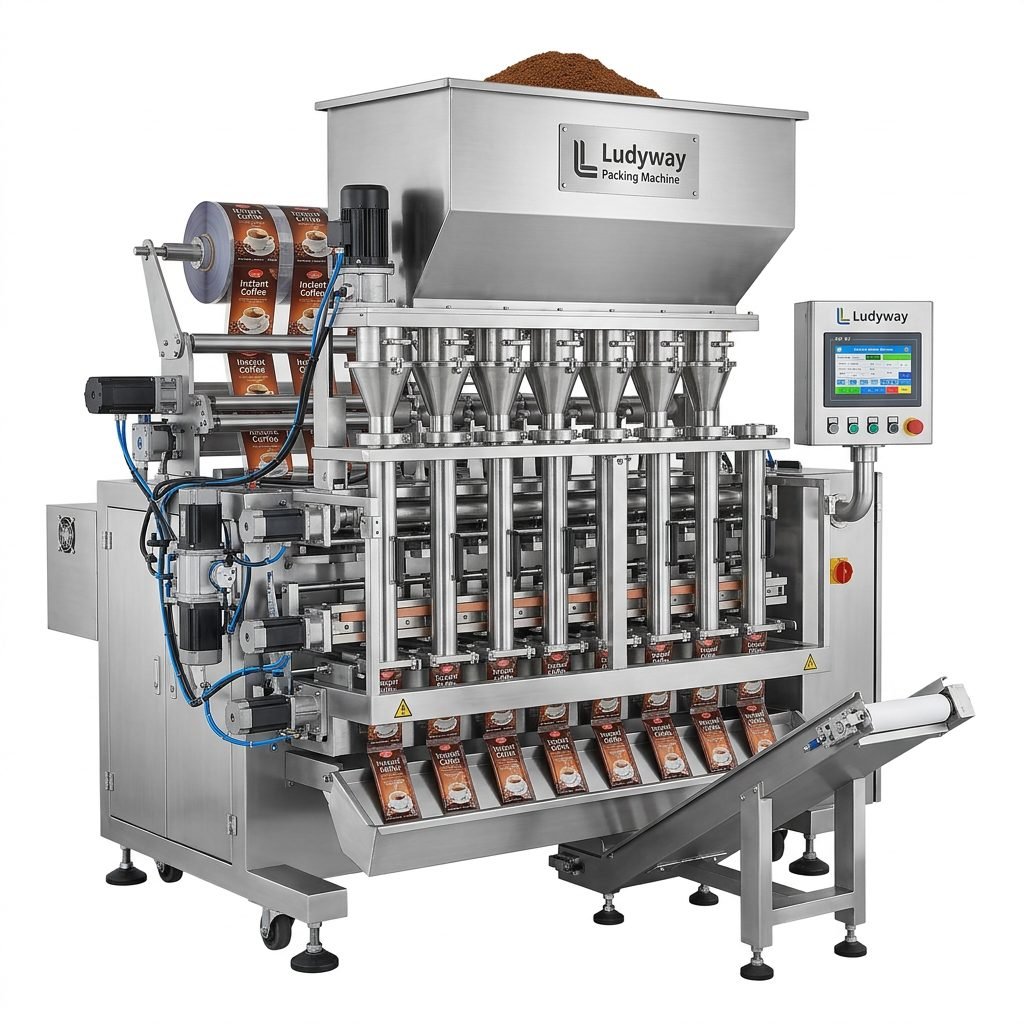
- Multi-Lane High-Speed Systems: These are industrial-grade solutions. A high-speed packaging line may include 4, 6, or even 12 lanes running simultaneously, significantly multiplying the output without multiplying the floor space.
4. Included Features and Auxiliary Equipment
The base price often only covers the bare machine. Advanced features that enhance efficiency and product integrity come at a premium:
- Integrated Weighing Systems: Multi-head combination weighers ensure accurate dosing, crucial for high-value tea blends.
- String & Tag Attachment: Adds mechanical complexity but is essential for traditional tea bag presentation.
- Nitrogen Flushing: Vacuum and gas flushing systems preserve freshness and shelf life, a must for premium loose-leaf teas.
- Outer Envelope Wrapping: An automatic mechanism that wraps individual tea bags into paper or foil envelopes.
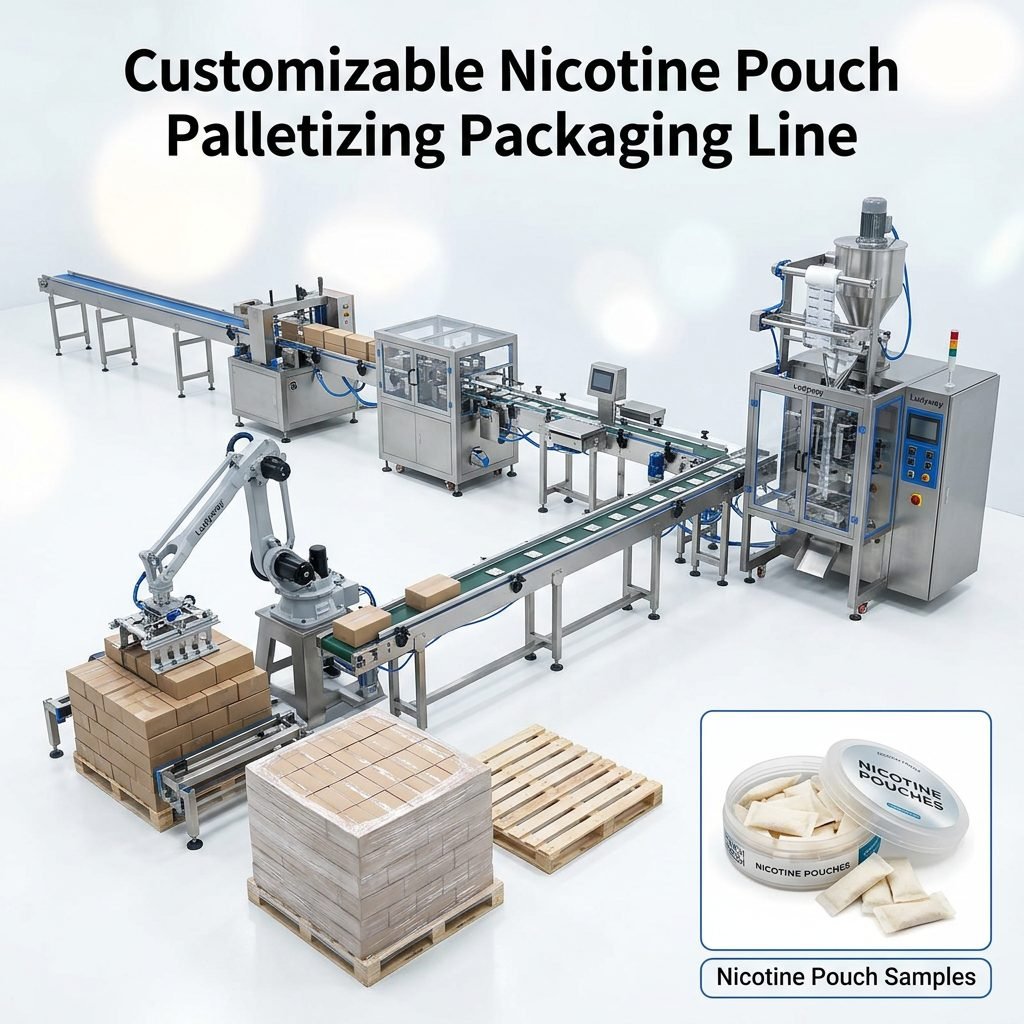
- Automatic Cartoning: Conveyors and robotic arms that pack finished sachets into boxes reduce end-of-line labor.
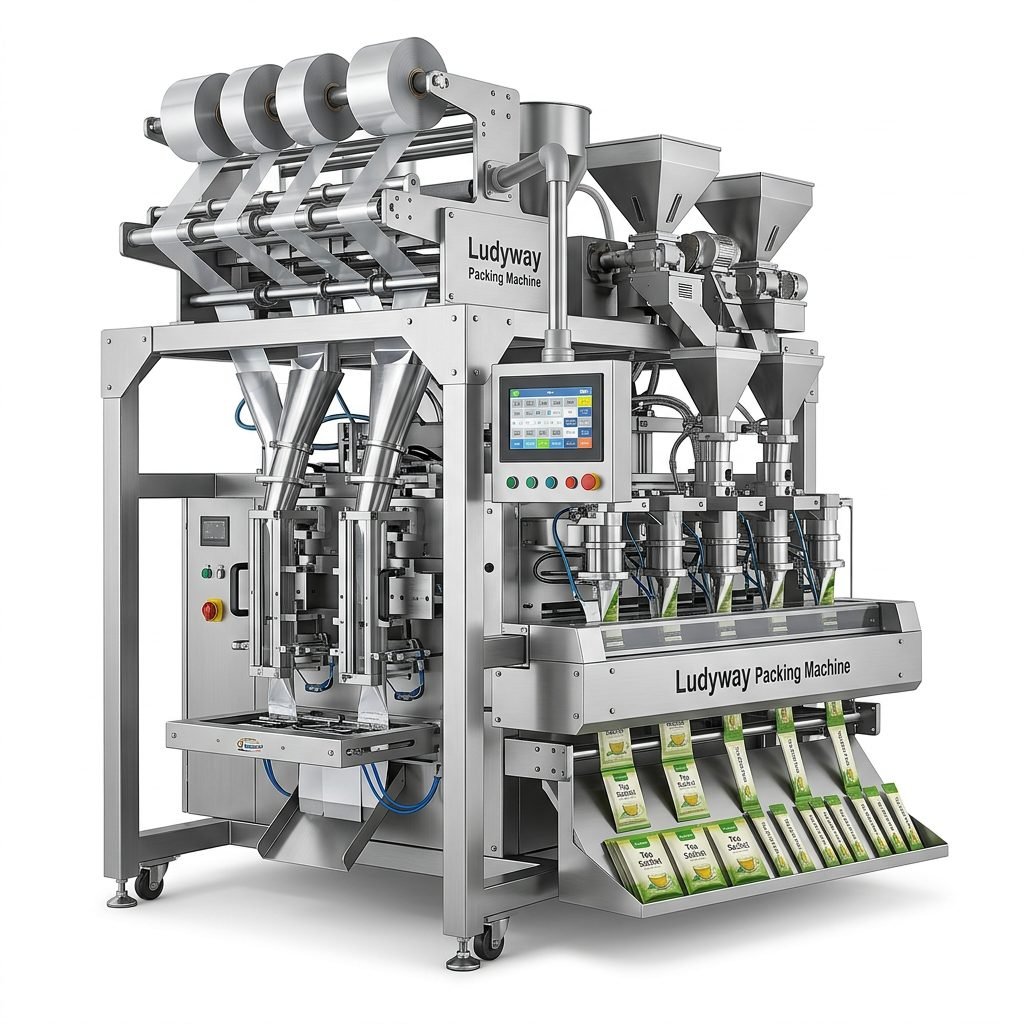
Global Sourcing: Western vs. Asian Manufacturers
Geography plays a substantial role in pricing. Machines manufactured in Europe or North America often carry a price premium due to higher labor costs, stringent safety certifications, and localized service networks. However, the landscape is shifting.
Asian manufacturers, particularly in China, have closed the quality gap dramatically. They now offer heavy-duty, CE-certified equipment with international components (like Siemens PLCs or Omron sensors) at a much more competitive price point. The total cost of ownership becomes significantly lower when choosing a manufacturer that exports globally, though buyers must factor in shipping, import duties, and potential installation support.
5. Hidden Costs: Don’t Overlook the Details
When comparing quotes, ensure you are looking at the complete picture. The cheapest machine on paper can become the most expensive if hidden costs are ignored.
- Shipping and Logistics: Heavy machinery requires sea freight or air freight, insurance, and crating.
- Installation and Commissioning: Sending a technician overseas, or having one travel to your factory, can add several thousand dollars.
- Spare Parts Kit: A recommended inventory of wear parts (forming tubes, sealing jaws, sensors) is an upfront cost that prevents future downtimes.
- Training: Comprehensive operator training reduces the risk of user-error breakdowns.
Why Multi-Lane Stick Pack Machines Are Popular
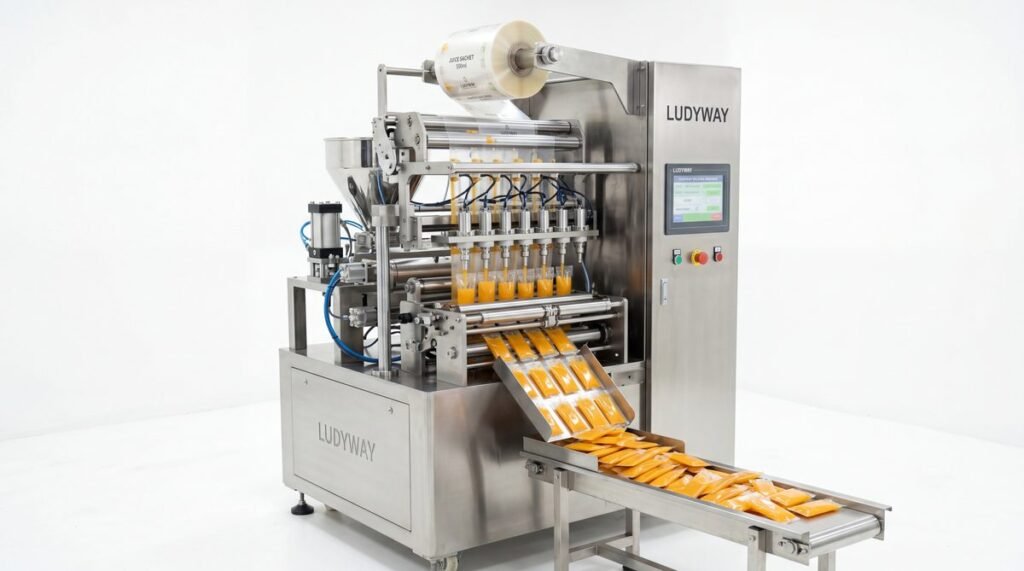
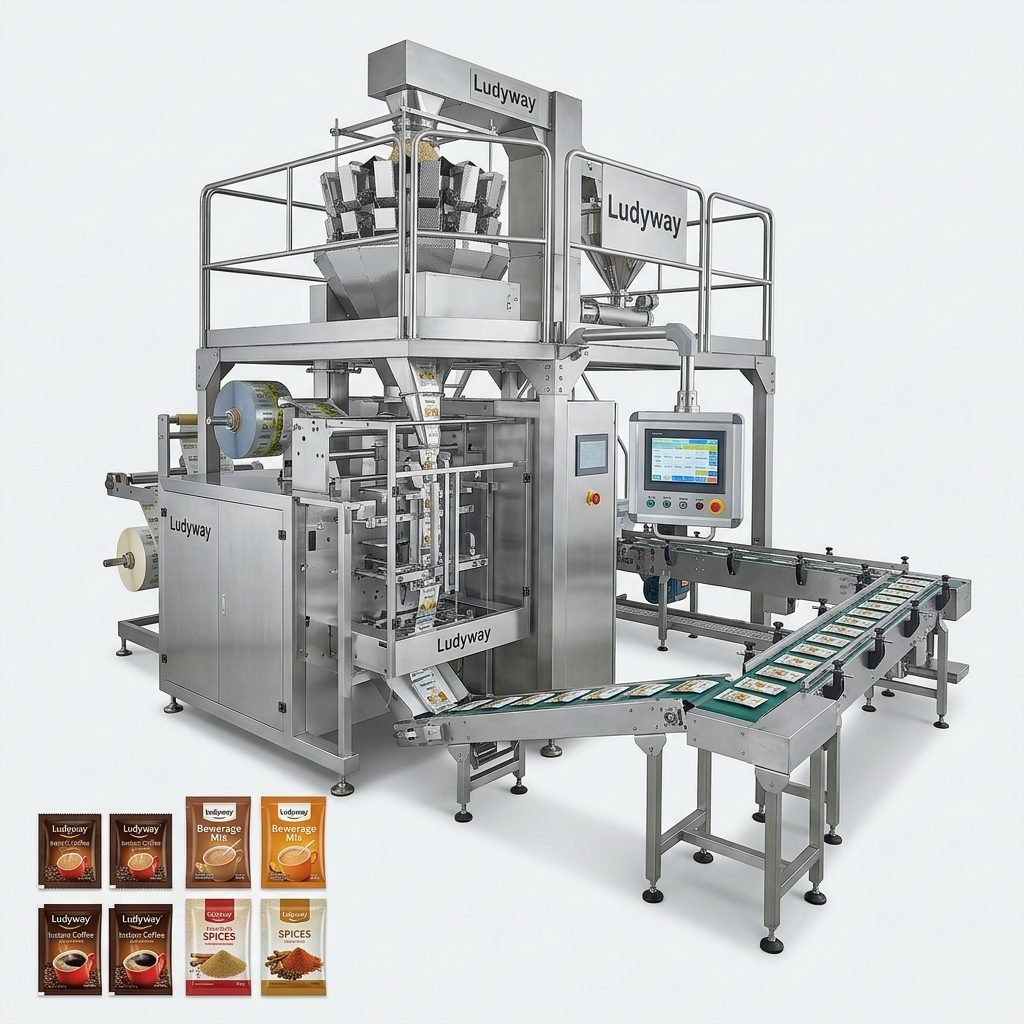
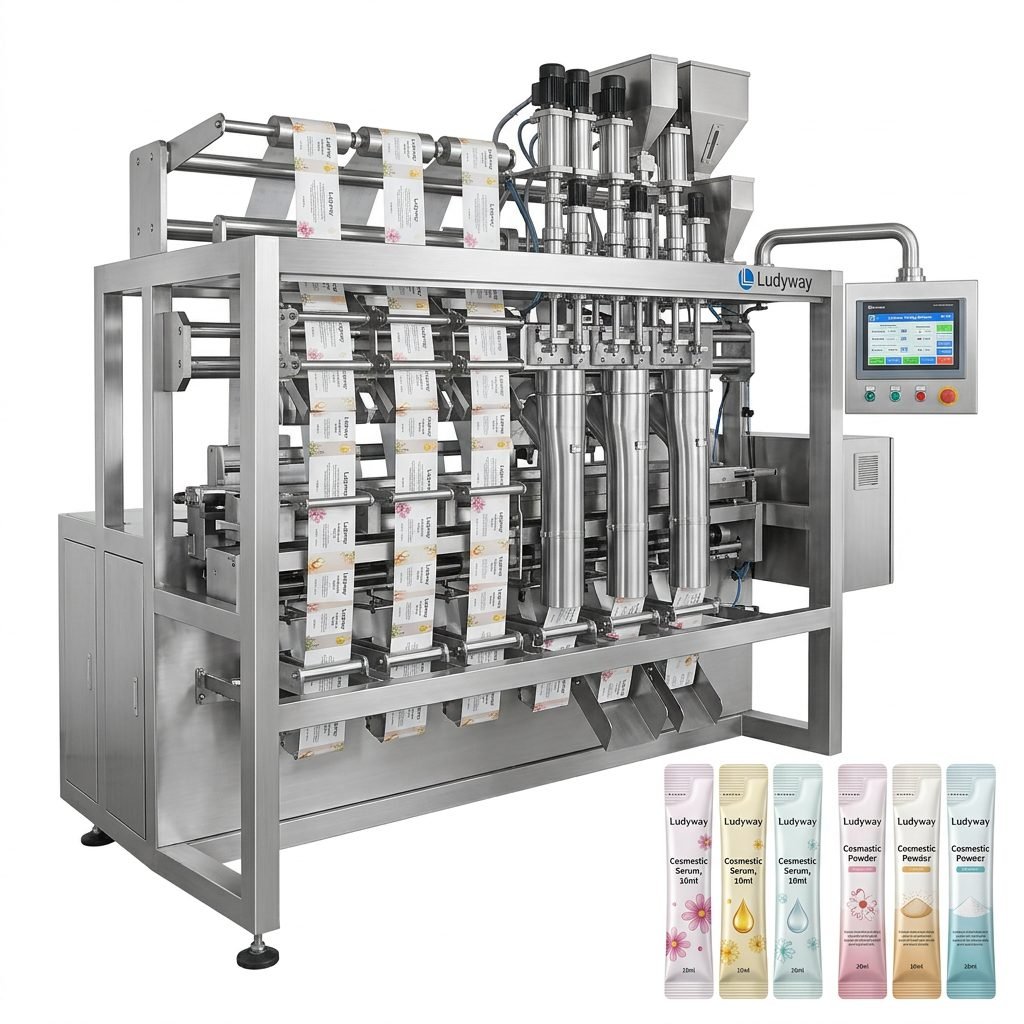
The shift toward convenience and portion control has made the stick pack format incredibly popular for everything from instant tea powders to whole-leaf infusions. Multi-lane machines allow producers to pack tea into long, narrow sachets at incredible speeds. While the initial cost is higher, the per-unit packaging cost is drastically lower than single-lane alternatives, providing a faster return on investment for high-volume producers of multi-lane stick pack and sachet packaging systems.
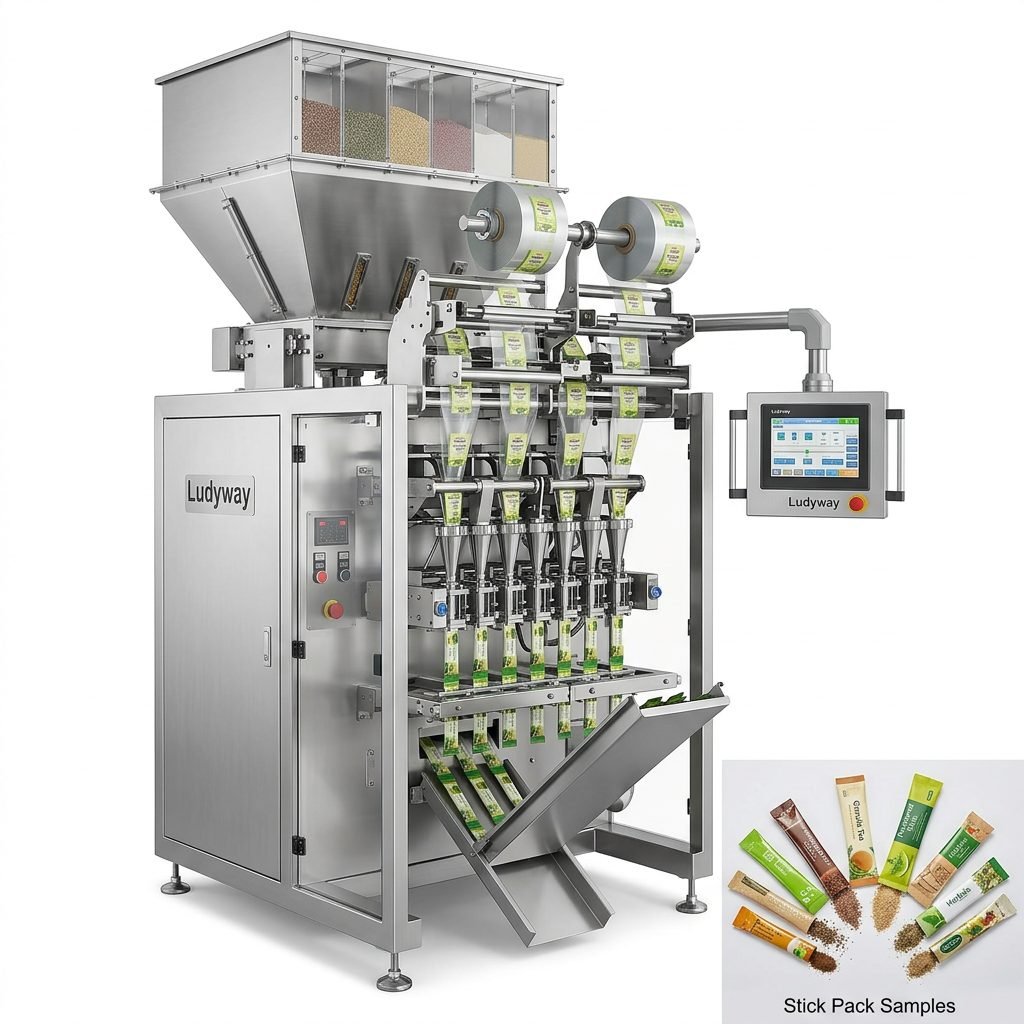
Selecting a Reliable Manufacturer
Price should not be your only compass. A reliable packaging machine manufacturer provides more than hardware; they provide a partnership. Ludyway Machinery, for instance, serves customers in over 100 countries with advanced equipment designed for durability and precision. Whether you need a simple sachet filler or a complex turnkey packaging line, verifying the supplier’s global experience and after-sales service record is vital.

Questions to Ask Before Signing a Contract
-
✅ Is the quoted price FOB, CIF, or DDP?
-
✅ What are the electrical requirements for my factory?
-
✅ Is remote technical support available after installation?
-
✅ What is the warranty period on sealing components?
Frequently Asked Questions
Can I get a cheap tea bag machine for under $3,000?
Yes, simple manual impulse sealers and table-top models exist in this range, but they are only suited for very low production volumes or laboratory testing, not commercial manufacturing.
How much does a fully automatic pyramid tea bag machine cost?
Pyramid tea bag machines, especially those using nylon mesh, are specialty items. They typically range from $25,000 to $60,000 depending on speed and ultrasonic sealing capabilities.
Is it cheaper to buy a used packaging machine?
It can be, but used machines come without warranties and may have obsolete electronics. If purchasing used, factor in the cost of a full mechanical and electrical overhaul.
How long does delivery usually take?
Standard machines may be in stock, but customized configurations often have a lead time of 45 to 90 days, depending on the factory’s production schedule.
About Ludyway
Ludyway is one of the largest packaging machine manufacturers in China, specializing in advanced packaging equipment and turnkey production solutions for the food, pharmaceutical, and health industries. With over 30 years of industry expertise, we provide reliable and efficient packaging solutions for granule, powder, liquid, and pouch packaging applications.
| 130+ | 20000㎡ | 30+ | 200+ |
|---|---|---|---|
| Professional Packaging Experts | Modern Production Facility | Years of Industry Experience | Manufacturing Equipment Units |
Contact Details
E-Mail: info@ludyway.com
WhatsApp: +8613129592456
Address: Nanlang Town, Zhongshan, Guangdong, China.