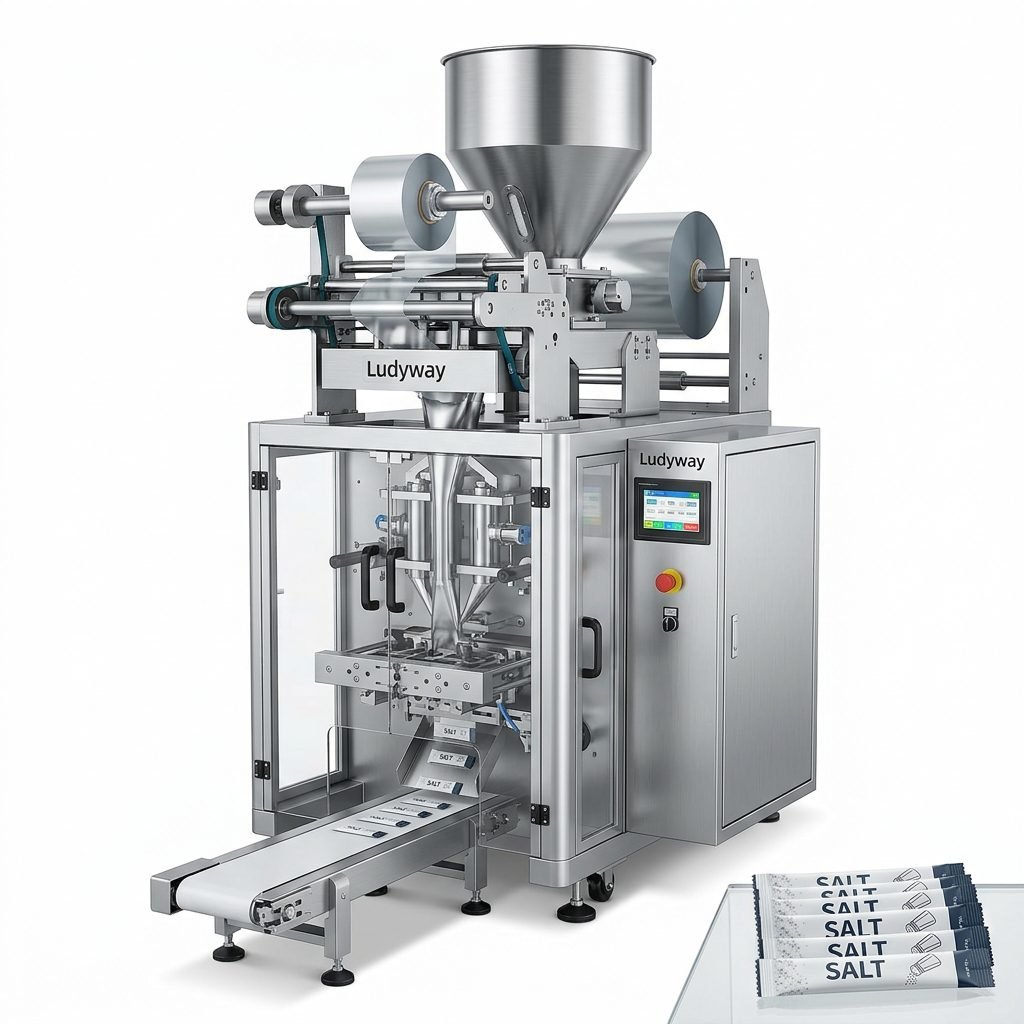
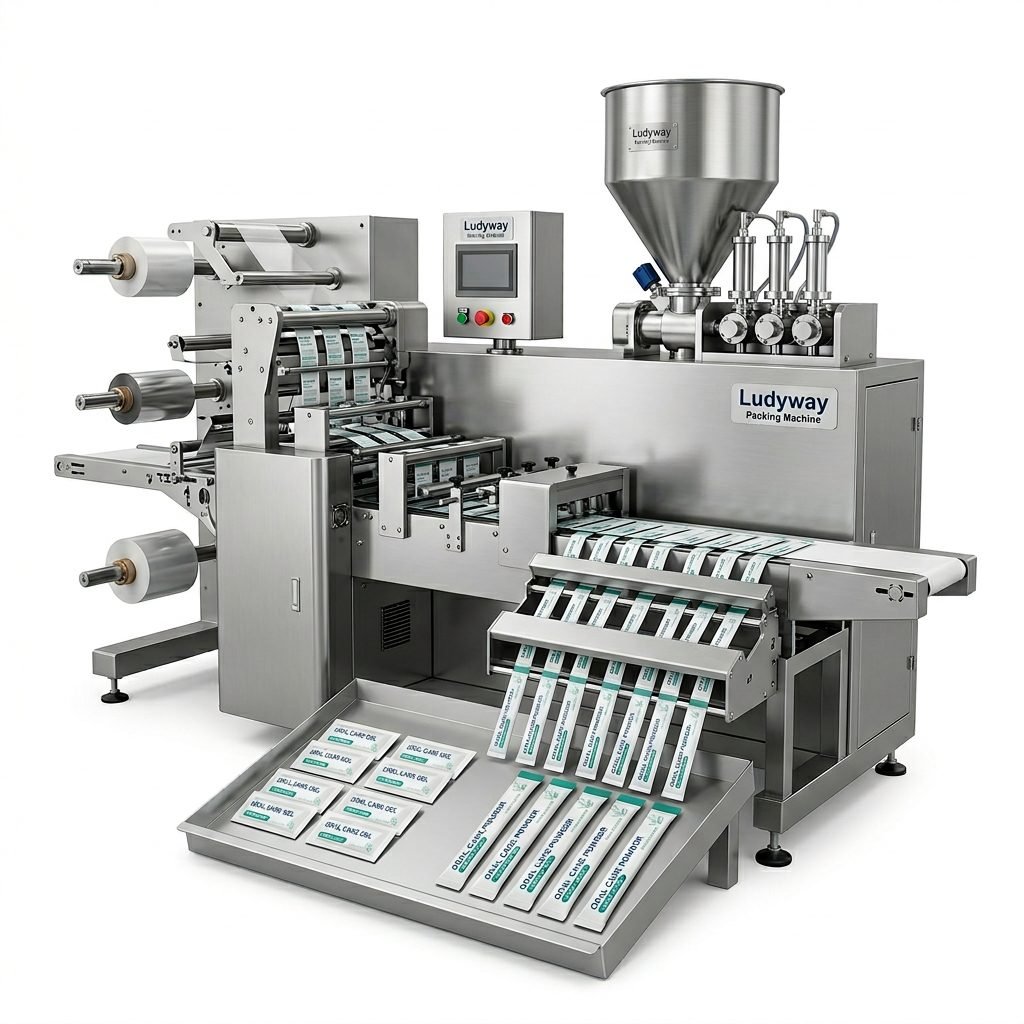
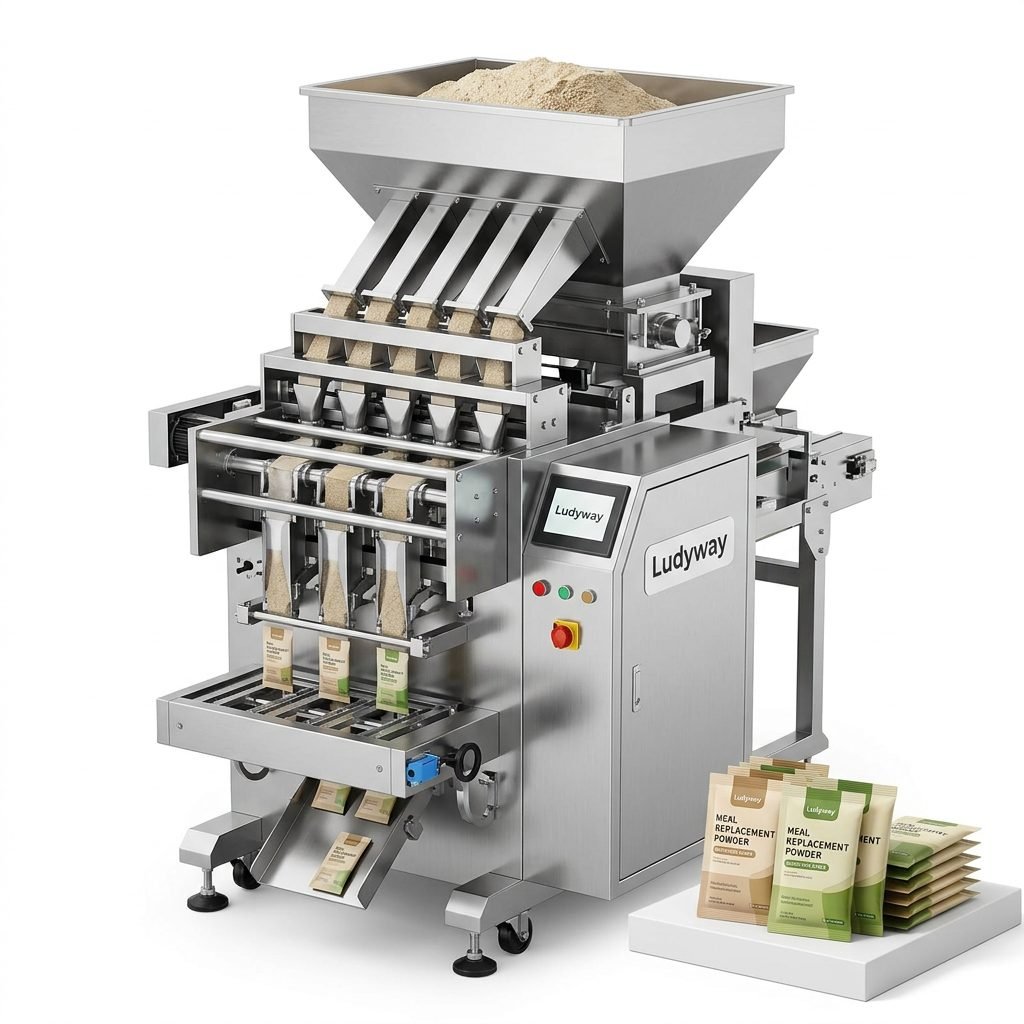
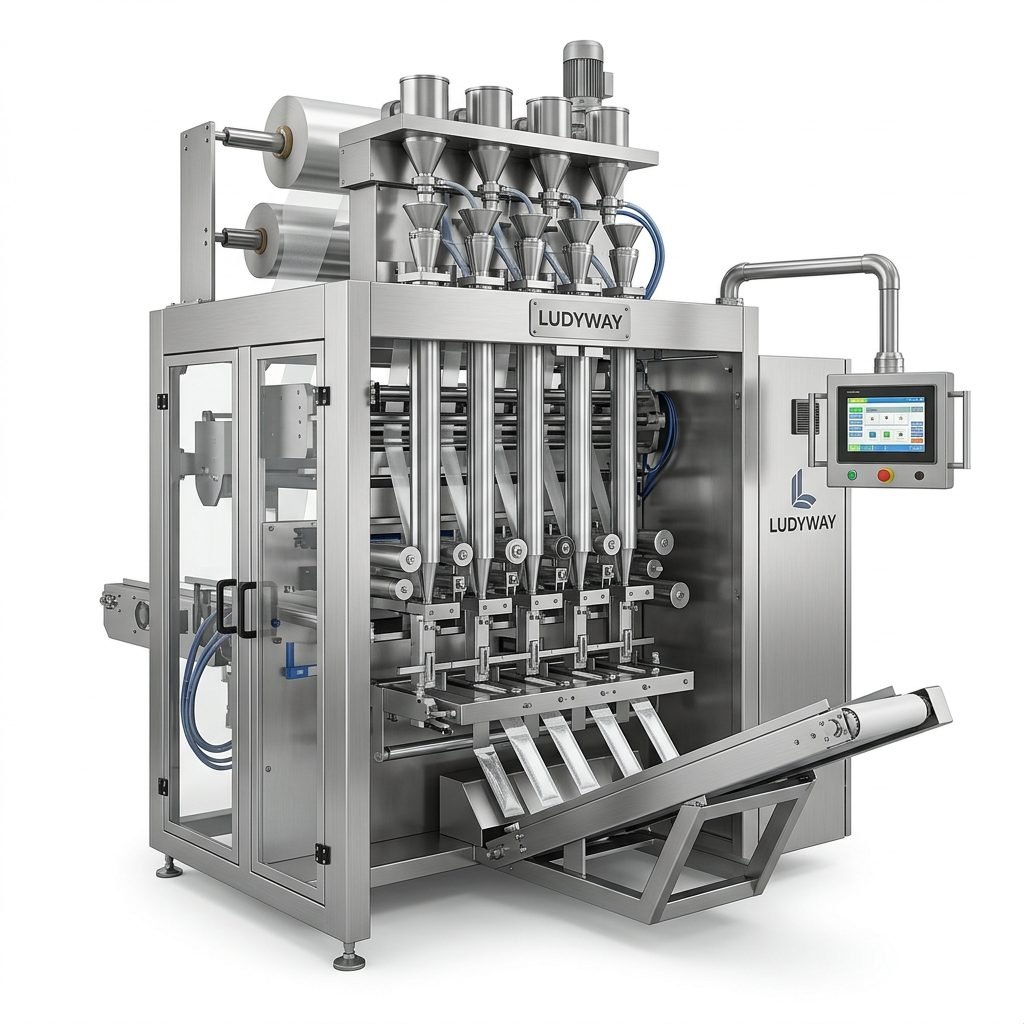
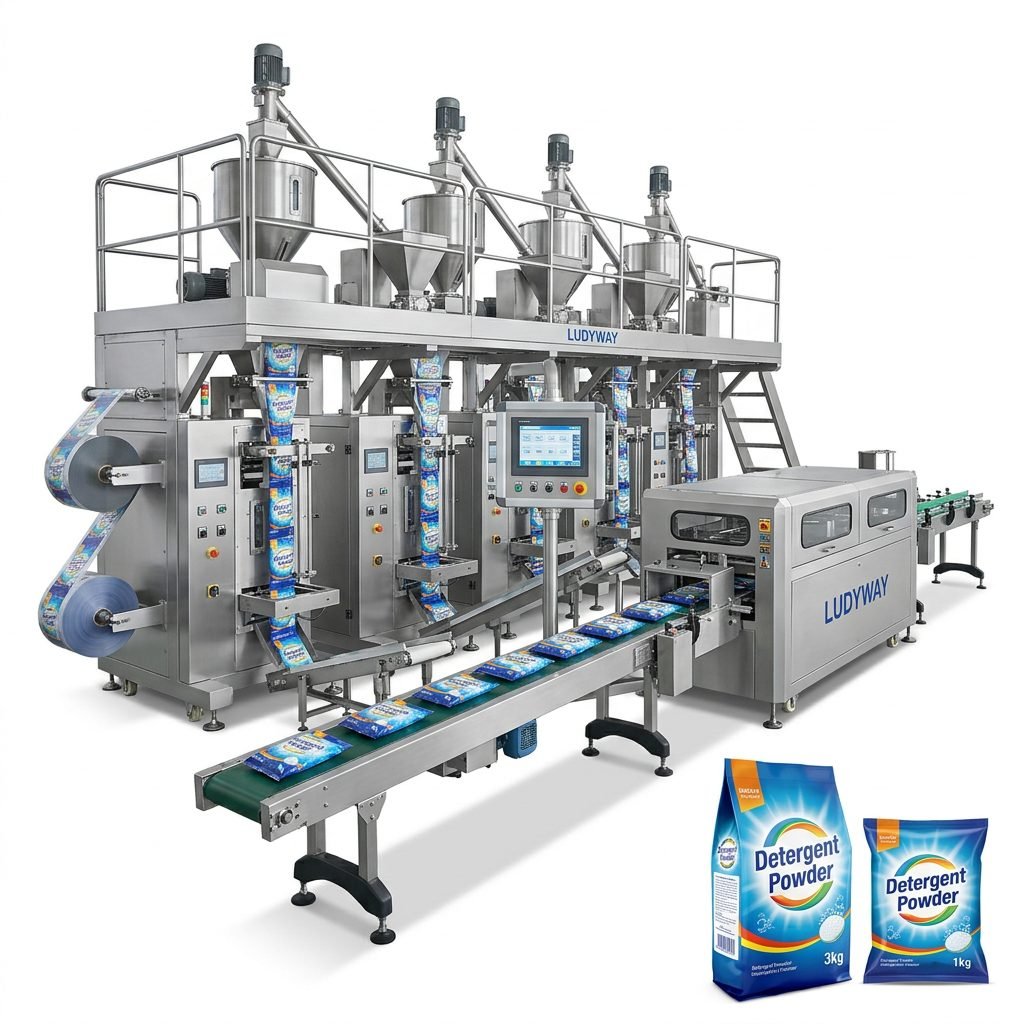
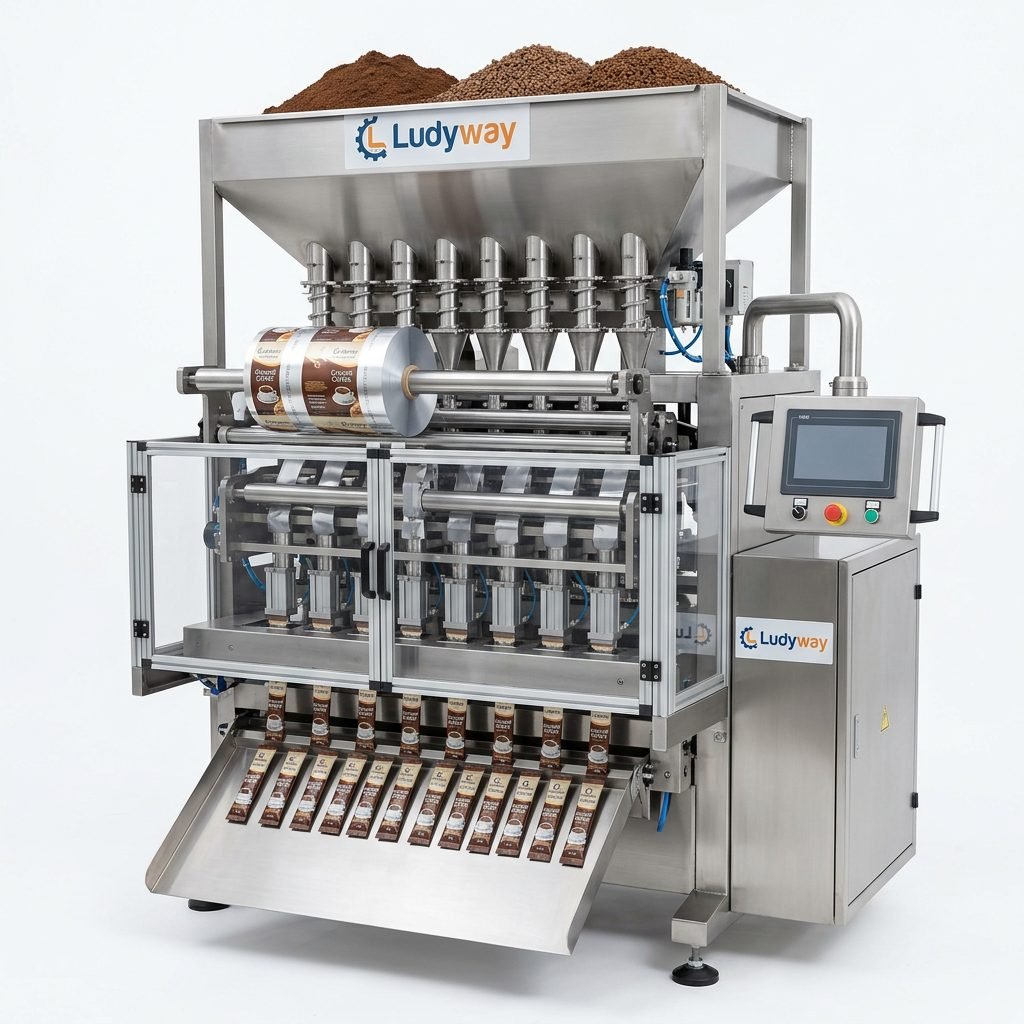
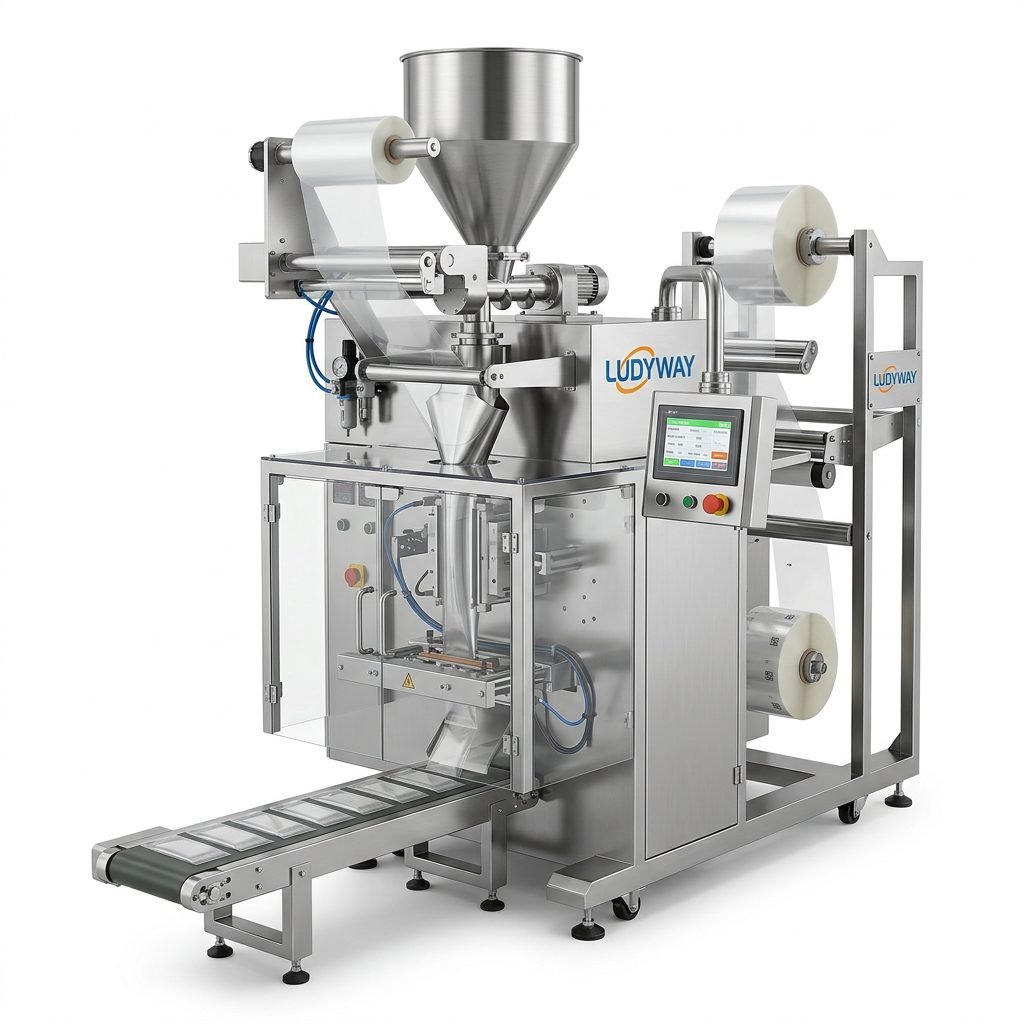
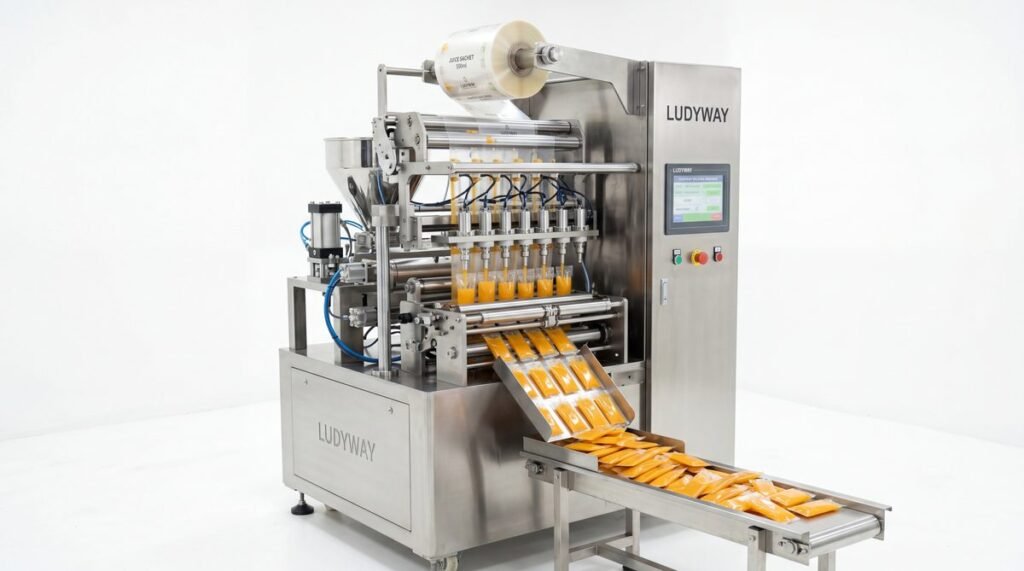
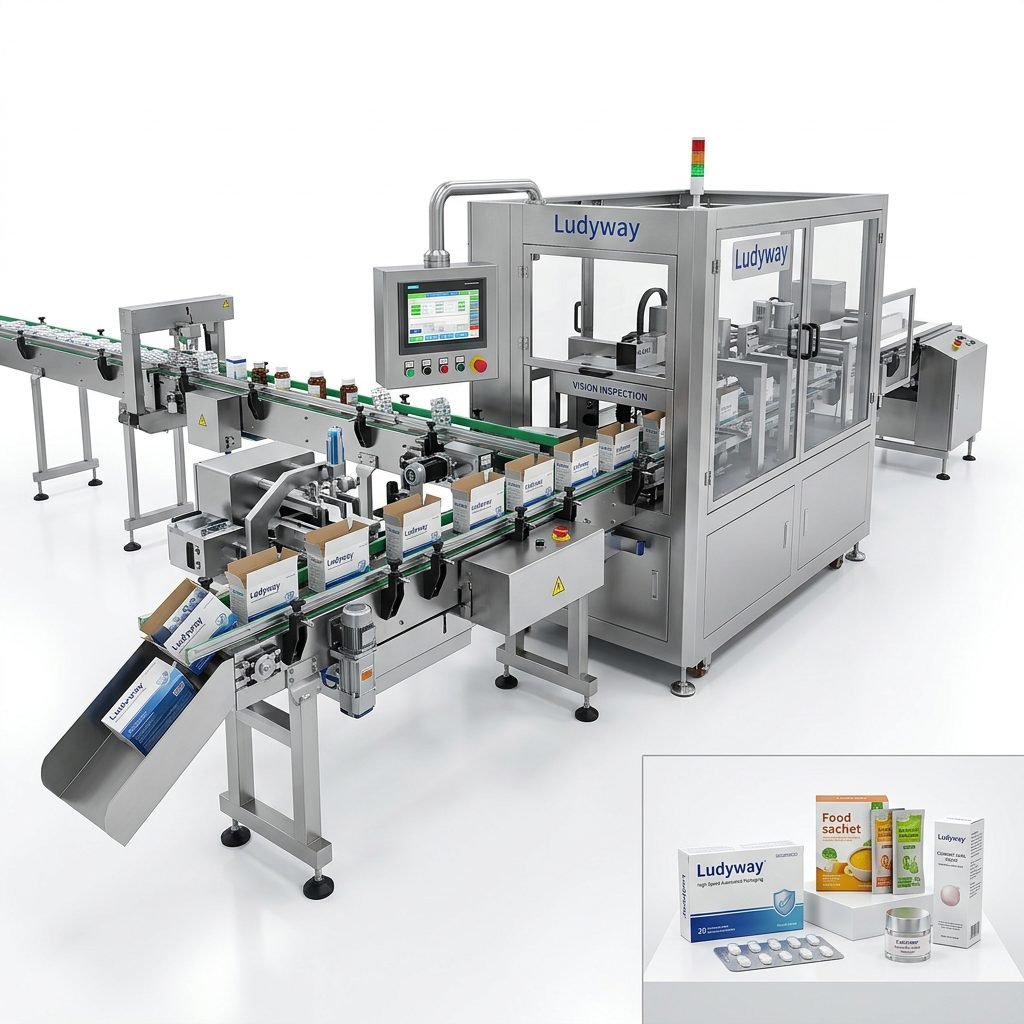
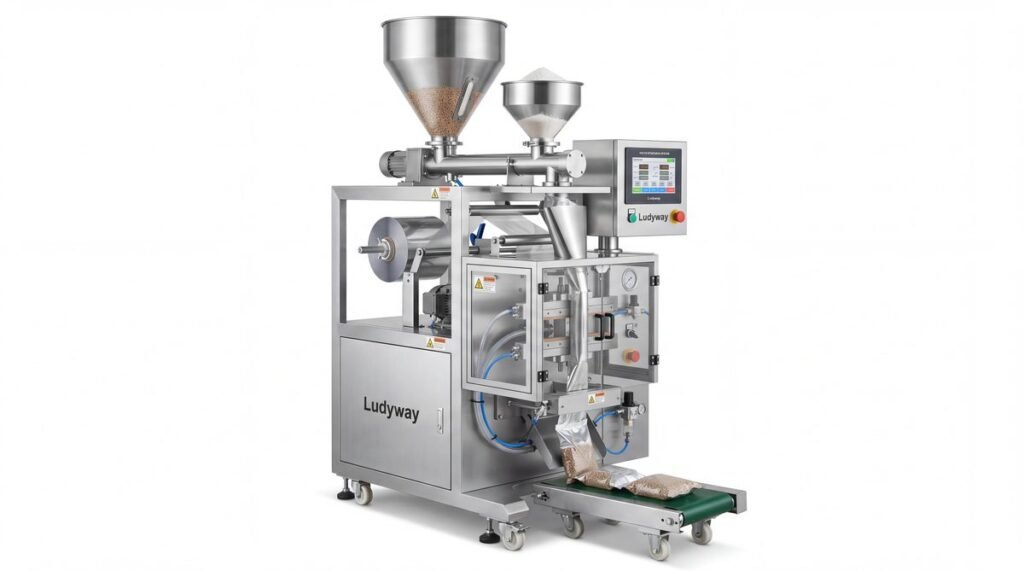
Unexpected downtime in packaging and printing operations quickly impacts your bottom line. Whether you are running high-speed packaging machines or precision labeling lines, a proactive maintenance strategy is essential. Skipping routine checks causes mechanical wear, misaligned seals, and costly breakdowns. This guide outlines expert strategies to keep your equipment in peak condition for reliable, long-term performance.

Understanding Critical Maintenance Areas
Effective maintenance goes beyond simply wiping down surfaces. For industrial packaging and printing machines, you must focus on specific components that directly influence output quality. Ignoring the detailed mechanics of your filler, sealer, or coder means risking product contamination and misprints. The most critical areas include the film feed path, temperature control modules for heat sealing, and the print registration system.
To ensure precision, operators should check the alignment of the stripping film and the sharpness of the cutting blade weekly. A dull blade leads to jagged pouch edges, while a misaligned film path results in off-center codes. Refer to established ISO packaging standards for tolerance guidelines. These resources help you set benchmarks for machine accuracy and safety compliance.
Lubrication and Contamination Control
Friction kills manufacturing efficiency. Applying the correct food-grade lubricant to chains, gears, and moving shafts reduces power consumption and wear. Equally important is contamination control. In powder and granule packaging environments, fine particles infiltrate sensors and motors. A daily compressed air routine prevents debris buildup that causes sensor faults.
The Essential Daily, Weekly, and Monthly Schedule
Data from the Association for Packaging and Processing Technologies (PMMI) shows that structured maintenance schedules extend machine life by up to 30%. Don’t rely on reactive fixes. Implement a visual checklist for your team and track every intervention in a digital logbook. A well-organized schedule stabilizes operating efficiency and reduces emergency repair costs.
| Frequency | Maintenance Task | Key Focus Area |
|---|---|---|
| Daily | Clean printheads and photo-eyes; inspect film rolls | Print quality, Sensor accuracy |
| Weekly | Lubricate linear rails; test emergency stops | Mechanical smoothness, Safety compliance |
| Monthly | Check belt tension; replace air filters | Drive integrity, Pneumatic efficiency |
| Quarterly | Calibrate temperature controllers; inspect wiring | Seal integrity, Electrical safety |
Optimizing Printing Performance and Heat Sealing
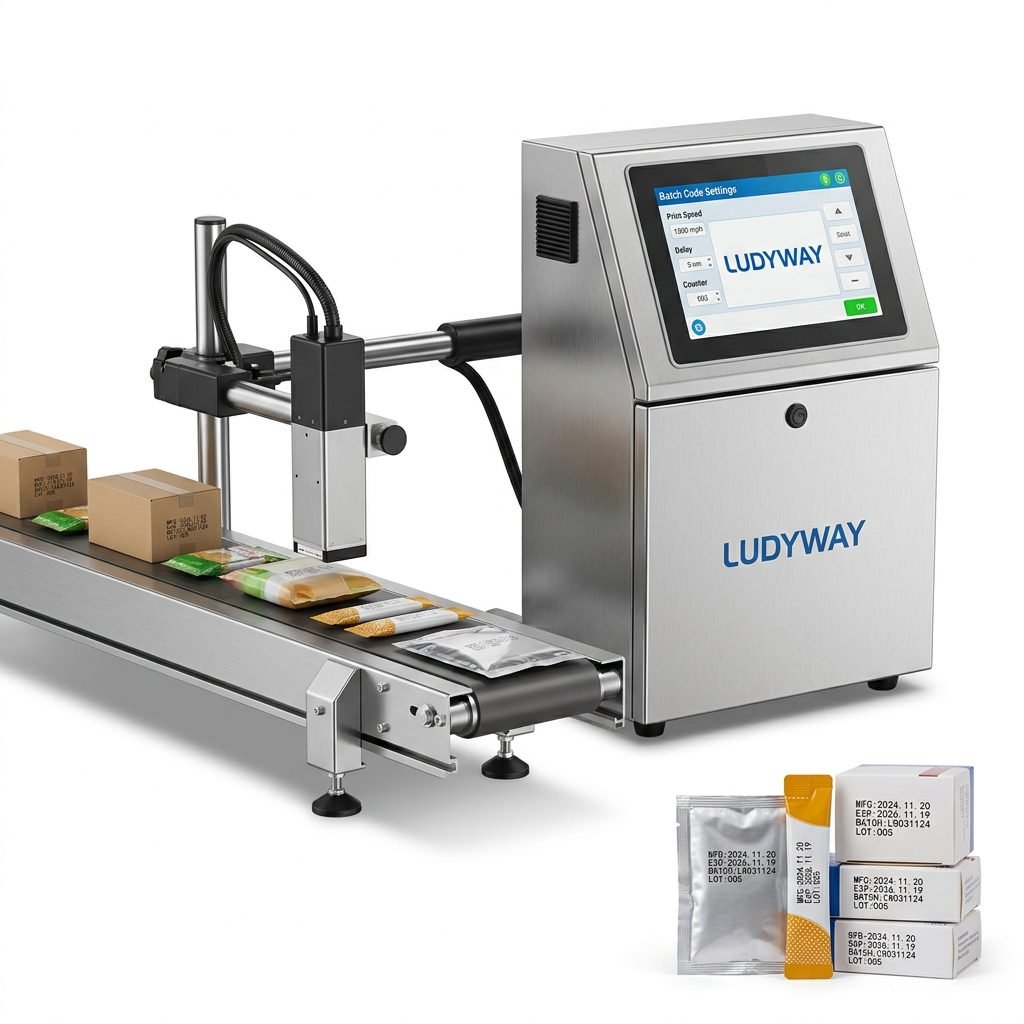
Your integrated or standalone printing system requires specific attention. Thermal inkjet and thermal transfer printers fail if contaminants block the ribbon path. Always wipe down the printhead stock before running a new batch. For machines handling sachets and stick packs, the heat-sealing bar must maintain uniform temperature. Fluctuations of even 5 degrees cause weak or burnt seals.
- Use a laser thermometer to verify the actual surface temperature versus the controller display.
- Clean the coder’s air purge system to prevent dust from settling on critical optics.
- Replace worn out Teflon coating on seal jaws immediately to avoid plastic adhesion.
Spare Parts Inventory Management
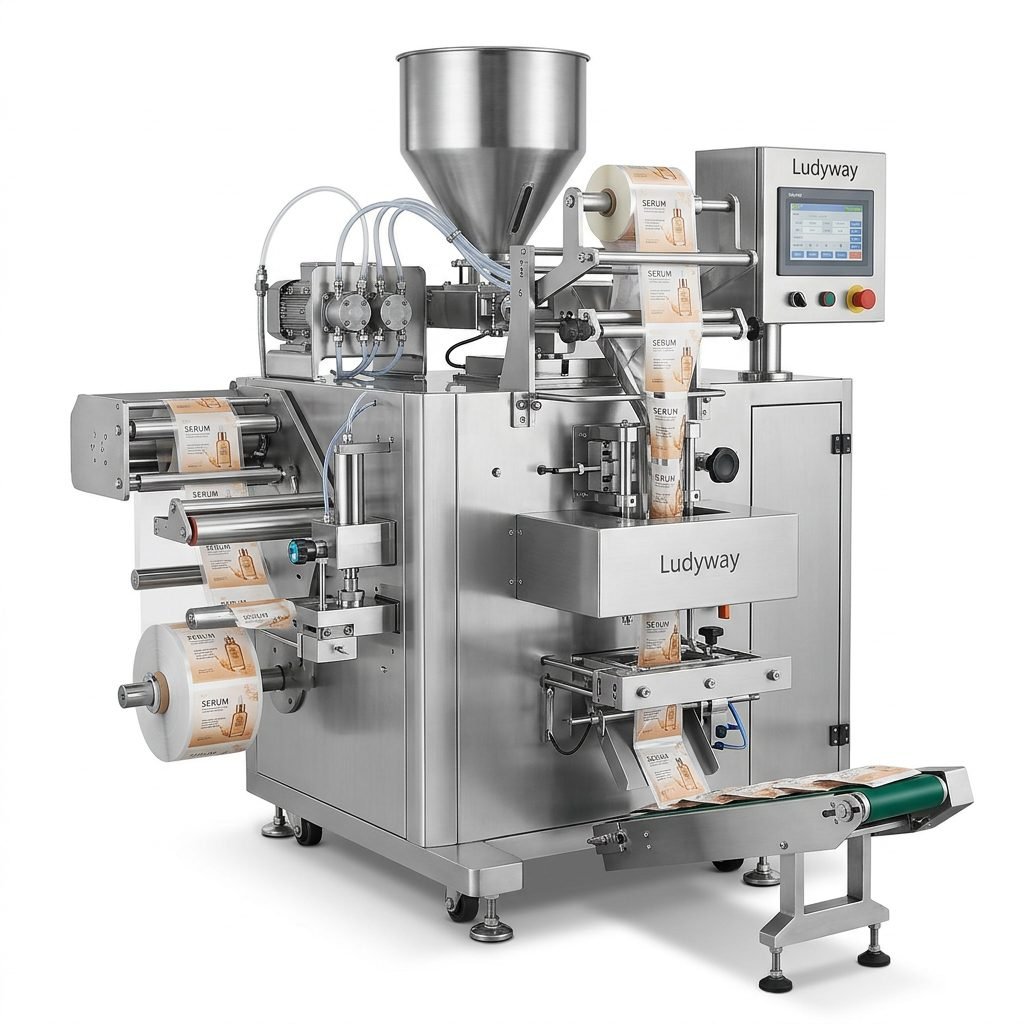
Waiting for critical parts to ship causes unnecessary downtime. Your inventory should contain more than just generic bolts. Stock specific wear parts like heater cartridges, thermocouples, forming tubes, and drive belts. For rotary equipment, keep spare brushes and slip rings on hand. A well-managed spare parts strategy is a priority for high-output production floors.
Operator Training and Professional Support
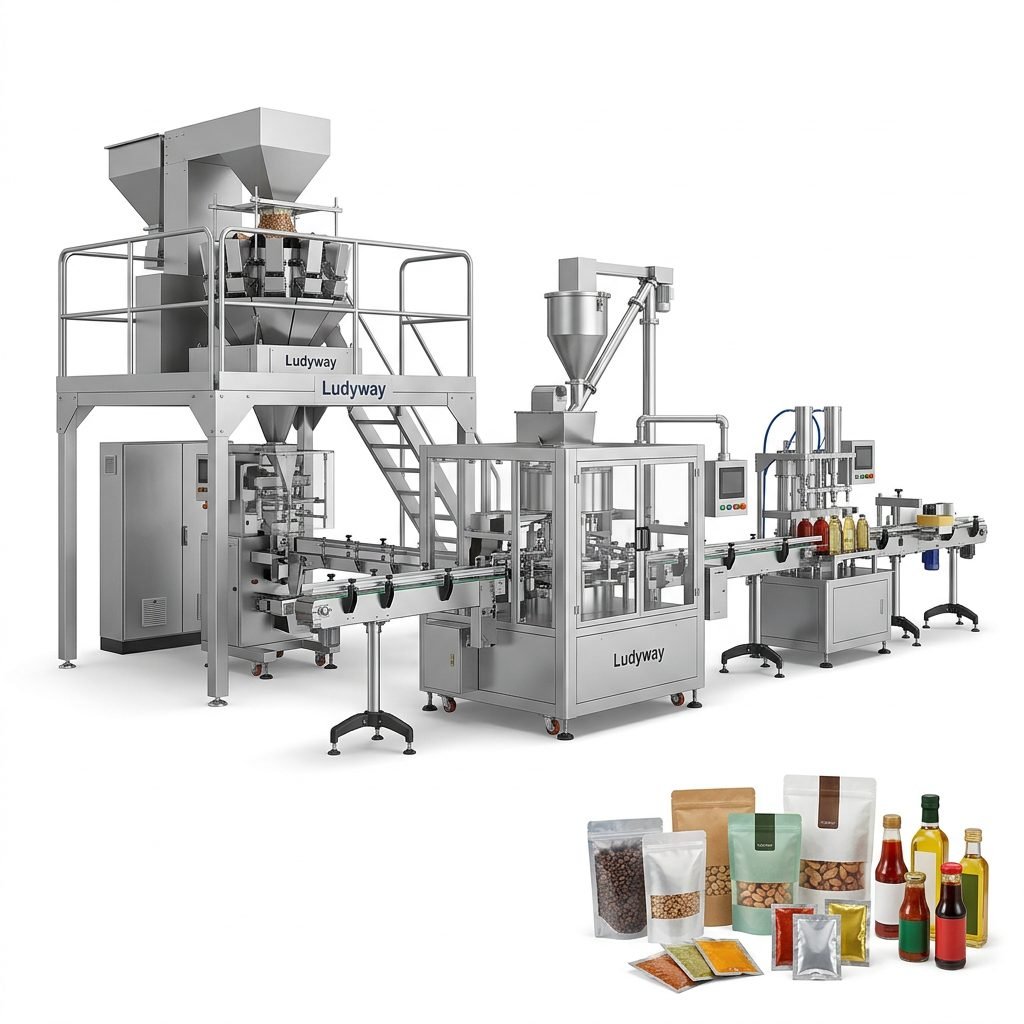
Even the most rugged equipment fails without skilled operators. Human error is often the root cause of catastrophic damage. Ensure your staff can interpret error codes and perform minor adjustments efficiently. Companies looking to invest in robust technology should partner with experienced manufacturers like Ludyway, who provide detailed operational guidance and reliable high-performance machinery for the food, pharmaceutical, and health industries. Focused training reduces the risk of crashes and ensures high-speed production lines run at maximum capacity.
Documenting Every Intervention
Paper checklists are outdated. A digital maintenance log helps you predict failures. Record the date, fault code, action taken, and parts used for every intervention. Analyzing this log reveals patterns. If a film tracking roller requires replacement every 8 months, you can schedule the fix during planned shutdowns rather than facing a surprise failure. This analytical approach aligns with modern packaging industry business intelligence practices.
A strict maintenance regimen protects your profit margins. By combining routine cleaning, scheduled parts replacement, and consistent training, you guarantee your packaging and printing machines deliver flawless results year after year. Start auditing your current processes today to identify gaps that cause unnecessary mechanical stress.