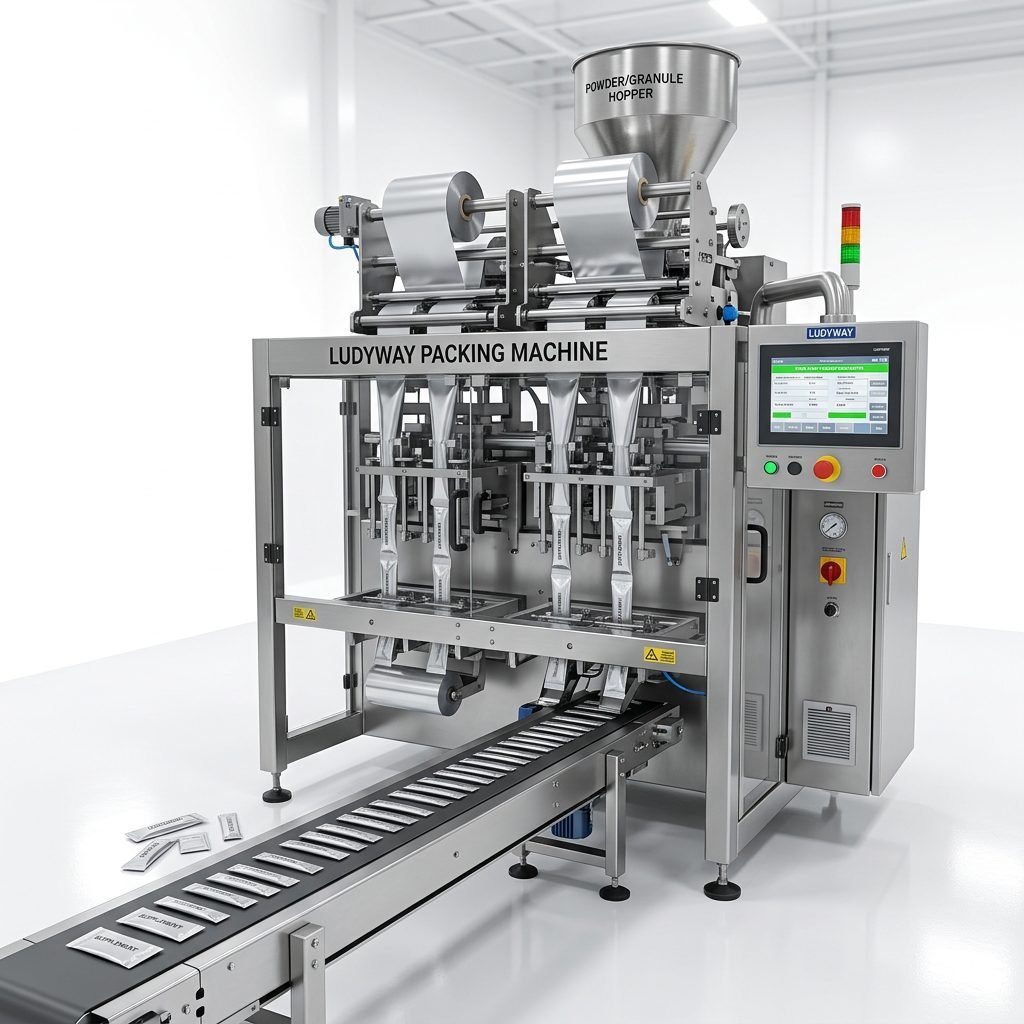
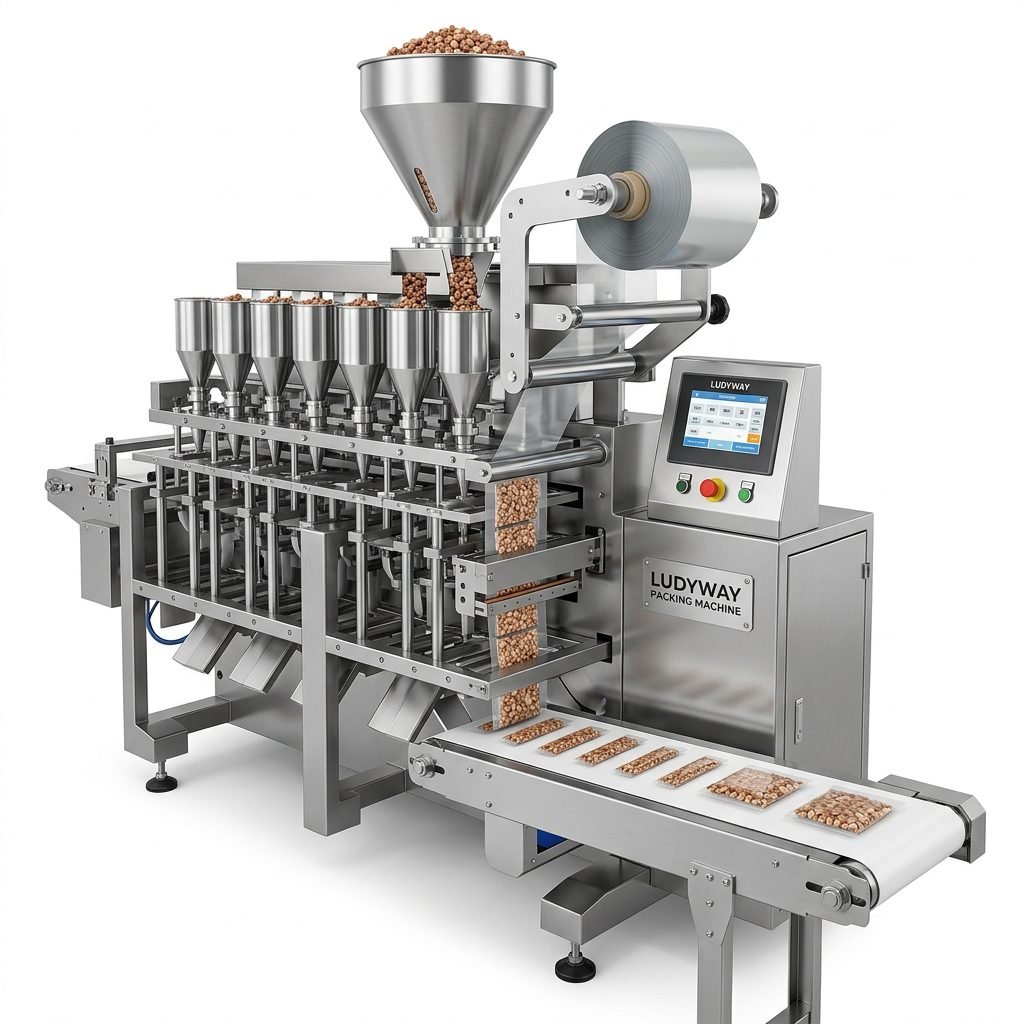
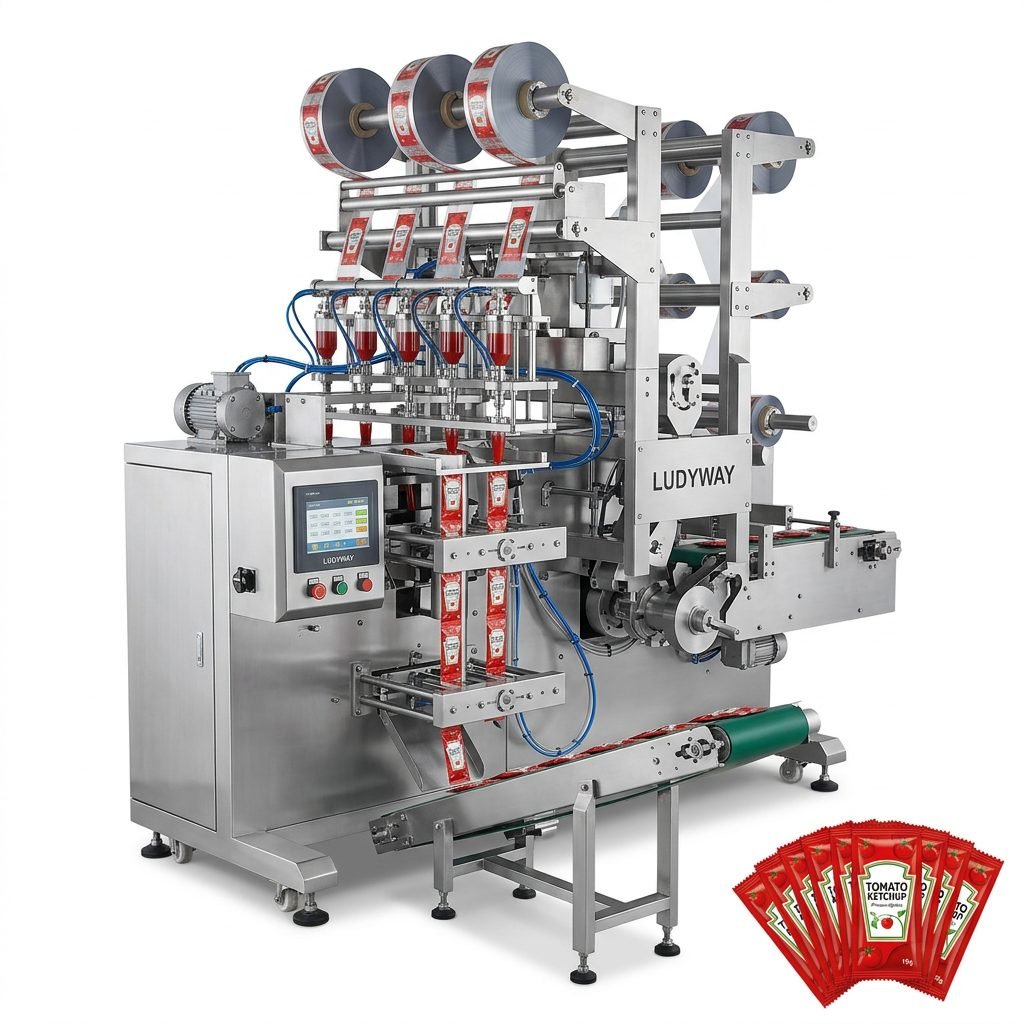
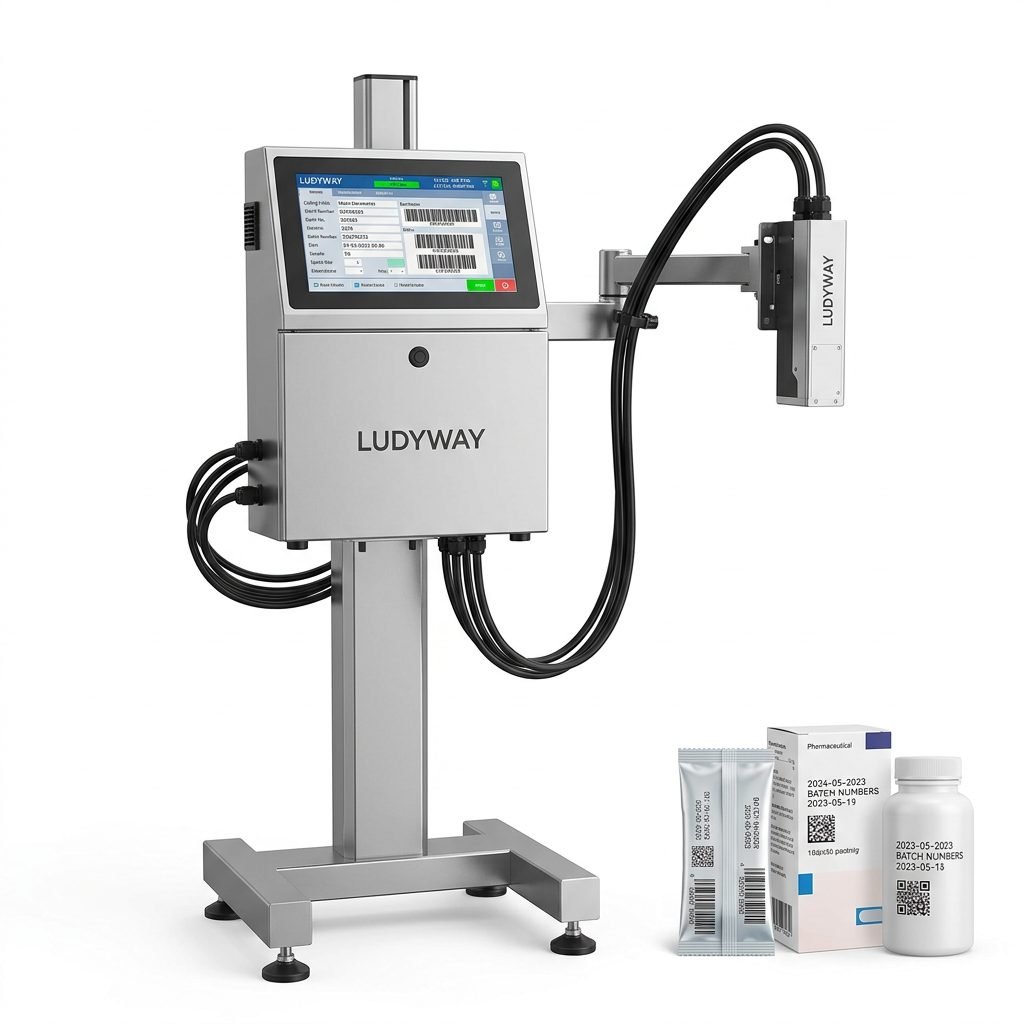
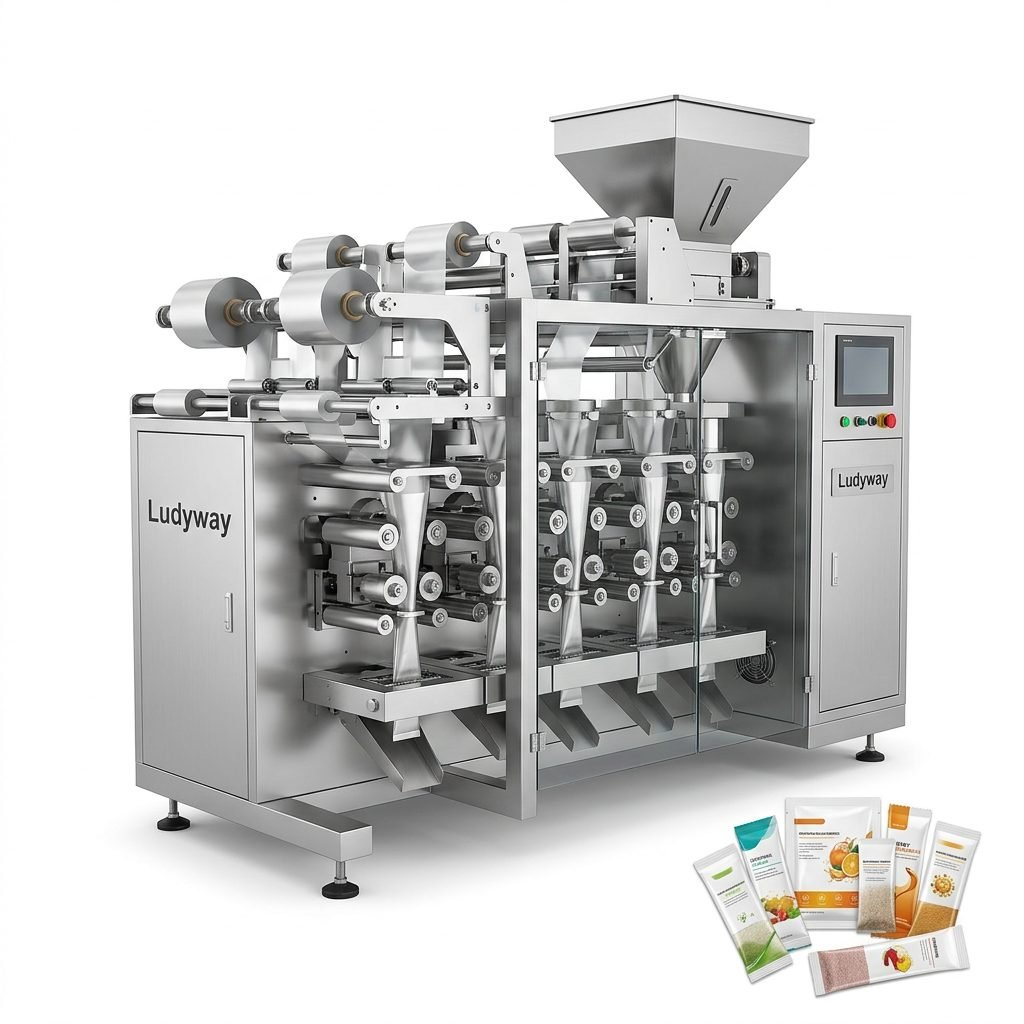
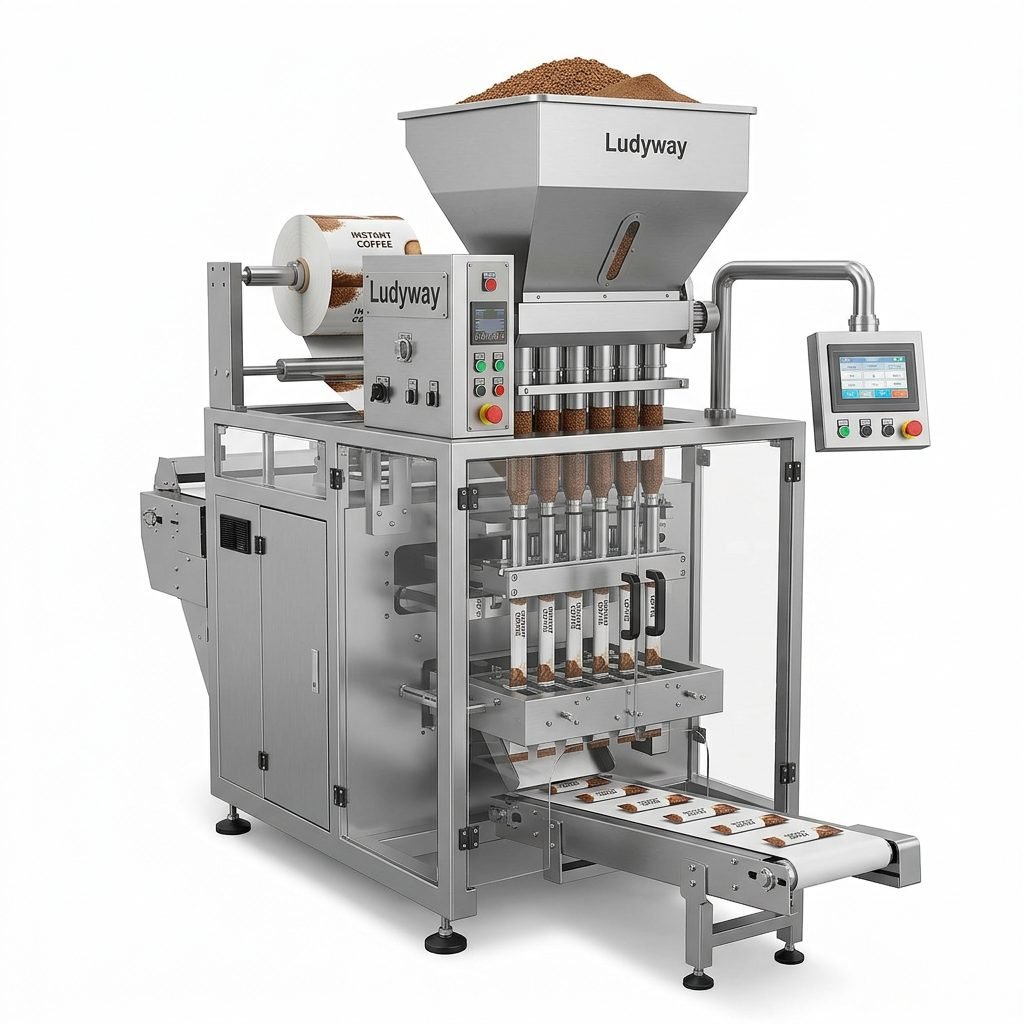
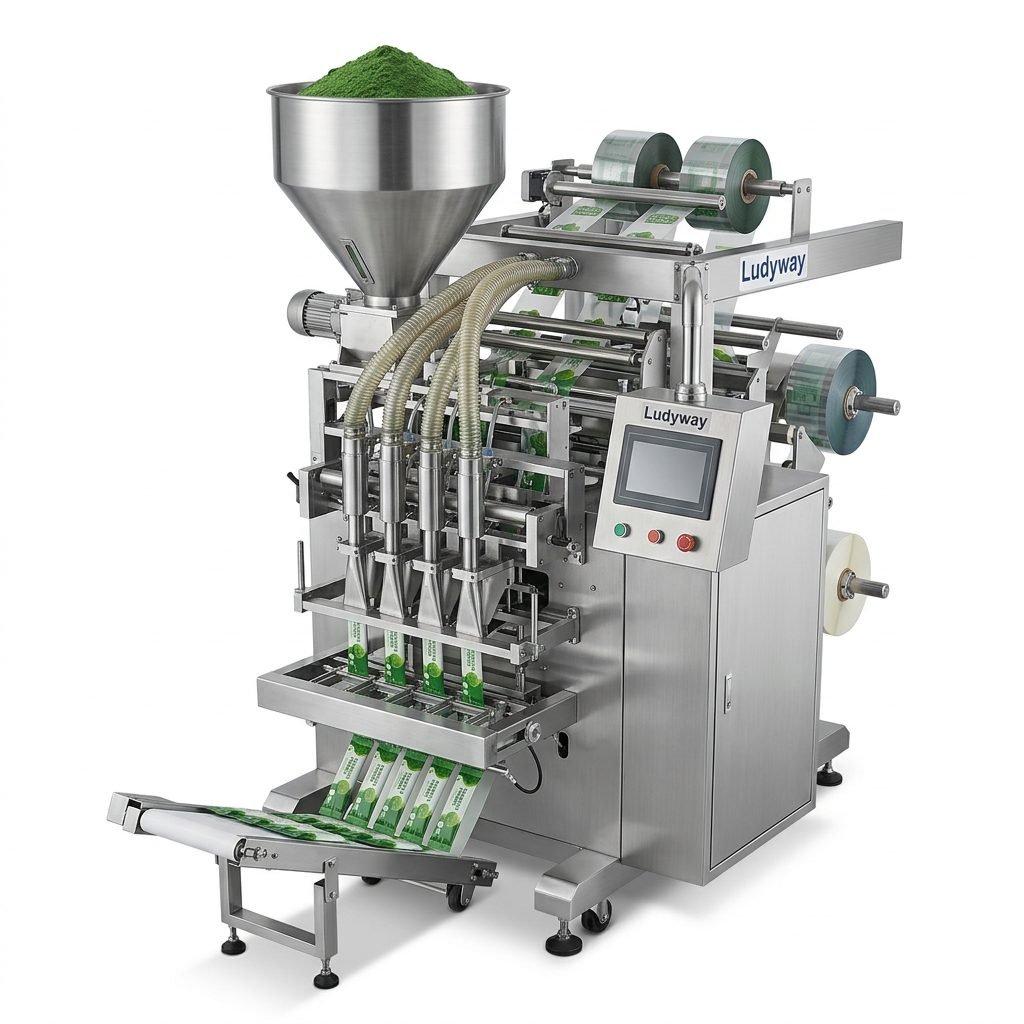
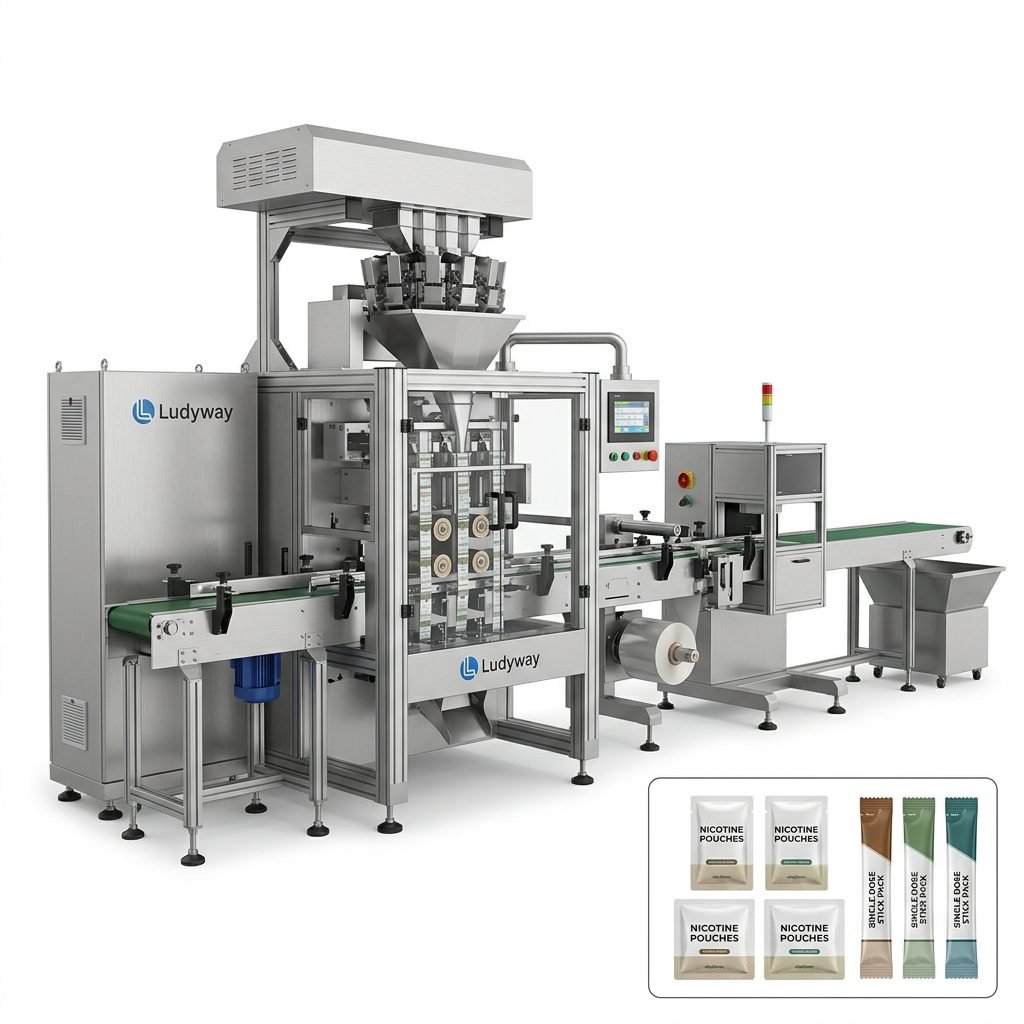
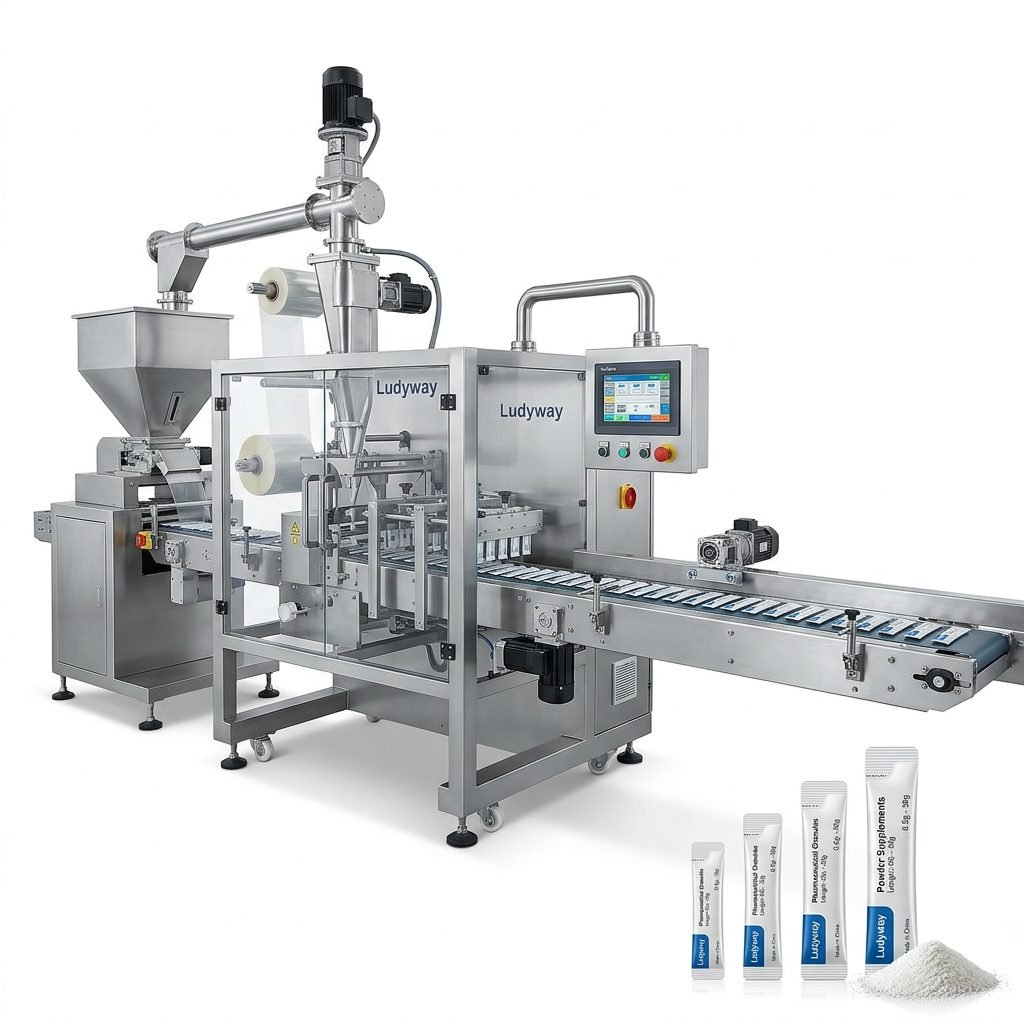
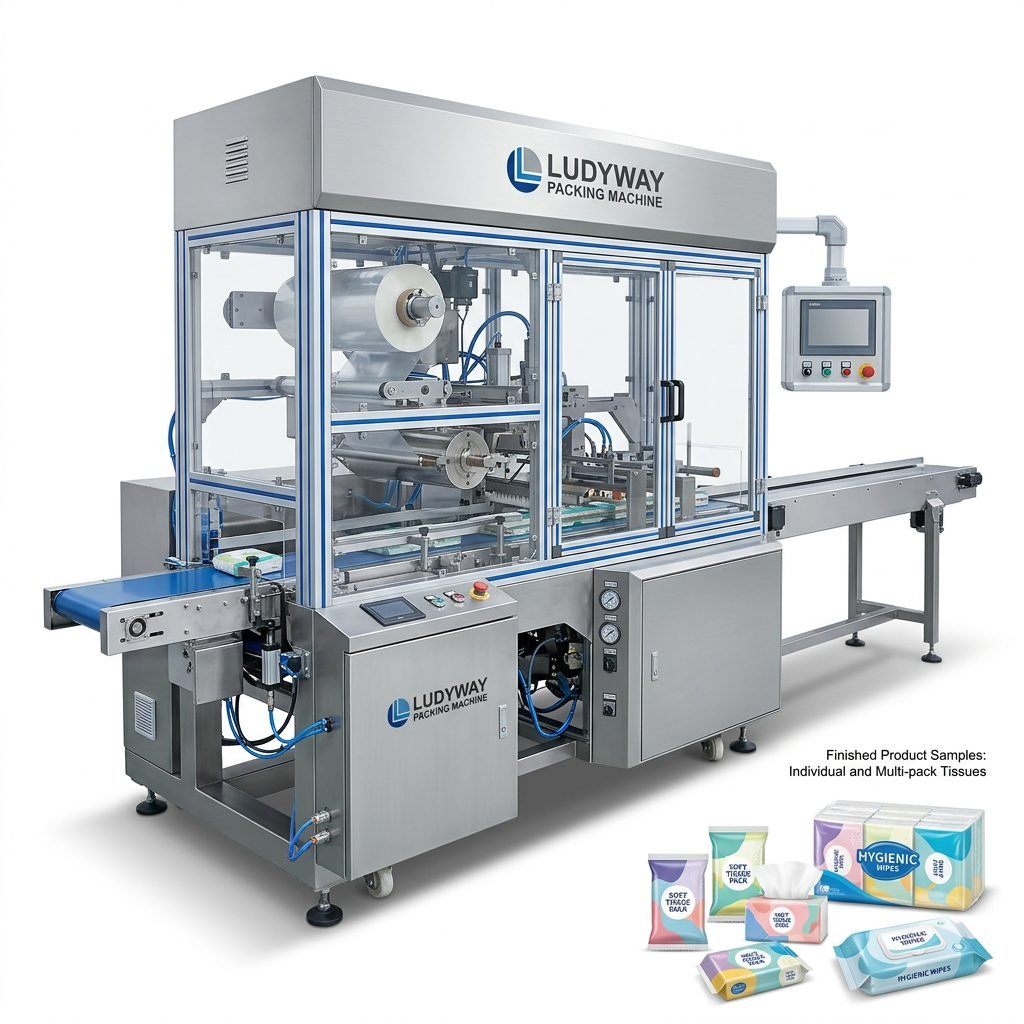
Investing in a tea pellet packing machine is a strategic decision for tea producers aiming to scale up their operations, improve product consistency, and meet growing consumer demand. The price of this specialized equipment varies widely, typically ranging from $8,000 to over $80,000, depending on the level of automation, speed, and precision you require. Understanding the cost breakdown and the core factors that influence it will empower you to make a well-informed procurement decision tailored to your specific production needs.
Key Factors Influencing Tea Pellet Packing Machine Pricing
Several critical elements directly impact the final cost of a tea pellet packaging system. By analyzing these components, you can better align your budget with your operational goals and avoid paying for unnecessary features.
- Level of Automation: Manual and semi-automatic machines offer an entry-level price point but require more labor. Fully automatic multi-lane stick pack machines represent the higher end of the spectrum, integrating automated feeding, weighing, filling, and sealing, which dramatically boosts throughput.
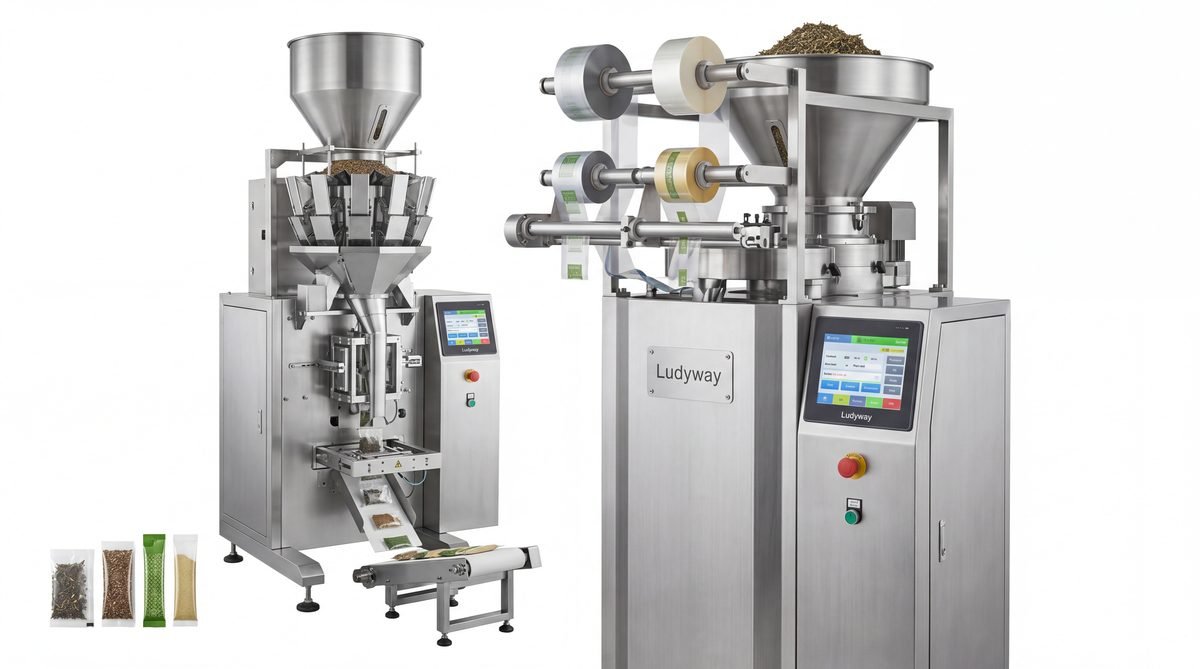
- Filling and Weighing Technology: The precision of the dosing system is paramount for tea pellets. Volumetric cup fillers are cost-effective for uniform granule sizes, while multi-head linear weighers or combination weighers increase both cost and accuracy, minimizing product giveaway on high-value tea blends.
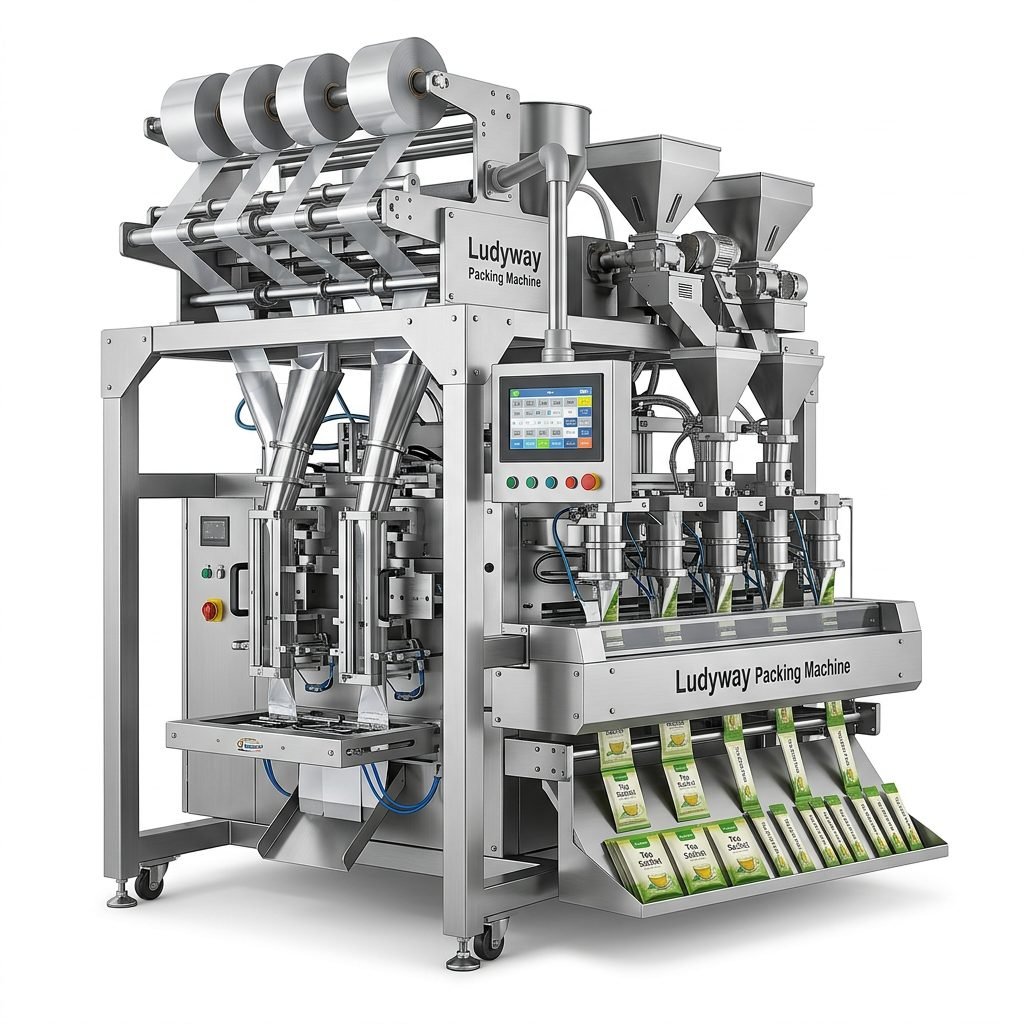
- Packaging Style and Speed: A single-lane machine producing 30-50 pouches per minute is far less expensive than a high-speed 4-lane or 8-lane sachet machine capable of producing hundreds of packs per minute. The desired pouch style, such as a 3-side seal or 4-side seal stick pack, also dictates the required machinery.
Price Range Comparison by Machine Type
The table below offers a comparative overview of estimated price brackets based on common machine categories for tea pellet packaging. These figures serve as a market guide and can vary based on optional add-ons.
| Machine Category | Typical Speed Range | Estimated Cost Range (USD) |
|---|---|---|
| Entry-Level Single-Lane Packer | 20 – 45 ppm | $8,000 – $25,000 |
| Mid-Range Multi-Lane (2-4 Lanes) | 80 – 200 ppm | $28,000 – $55,000 |
| High-Speed Fully Automatic Lines (6+ Lanes) | 250 – 600+ ppm | $60,000 – $85,000+ |

Understanding Configuration vs. Customization Costs
When planning your budget, it’s crucial to distinguish between standard machine configurations and full customization. A standard tea stick pack machine with fixed lane widths is always more economical. However, if your tea pellets require nitrogen flushing for extended shelf life, specialized tear notches, or integration with a turnkey cartoning and case packing system, expect an additional investment in engineering and hardware modules.
Auxiliary Equipment that Impacts the Total Investment
The core filler is just one part of the financial equation. To build a seamless production line, you often need supporting machinery, which adds to the overall capital expenditure. Common requirements include a bucket elevator for gentle product transfer and a high-precision checkweigher to ensure regulatory compliance.
- Product Handling: Z-type bucket elevators or vacuum feeders for dust-free loading.
- Quality Control: Checkweighers and visual inspection systems to reject incomplete or underweight packs.
- End-of-Line: Automatic cartoning machines, case packers, and palletizers for bulk handling.
Key Buying Tips for Long-Term Value
Securing the best price doesn’t always mean choosing the cheapest initial quote. The operational efficiency, durability, and service support behind the machine define its true return on investment. A reputable manufacturer like Ludyway, with decades of engineering expertise, designs equipment that prioritizes sustainable high performance and easy maintenance over mere short-term savings.
- Verify Build Quality and Components: Insist on food-grade SUS304 stainless steel construction and globally recognized electrical components (e.g., Siemens PLC, Schneider relays) to guarantee longevity and spare parts availability.
- Request Material Trials: Always send samples of your specific tea pellets for a factory acceptance test (FAT). This validates the machine’s actual performance with your product and packaging film before shipment.
- Evaluate Total Cost of Ownership: Investigate the cost and availability of wear parts, the ease of machine changeovers, and the manufacturer’s global service support network.
Navigating Shipping, Installation, and Post-Purchase Support
A comprehensive budget should include freight, import duties, and installation support. Machines that are significantly underpriced often come with limited after-sales support, leading to costly downtime. Choosing a partner that offers remote diagnostics and a responsive service team is just as critical as the mechanical specifications of the tea pellet packing machine itself. Understanding the wider trends in the industry, such as those reported by the PMMI State of the Industry analysis, can help you future-proof your investment.
Making a Confident Purchase Decision
Ultimately, the correct machine seamlessly bridges the gap between your current production volume and your ambitious growth targets. By strategically analyzing your required speed, the necessary hygienic standards, and the true scope of a granule stick pack system, you ensure that every dollar spent contributes directly to superior product quality and market competitiveness. The goal is not just to buy a machine, but to secure a reliable production advantage.