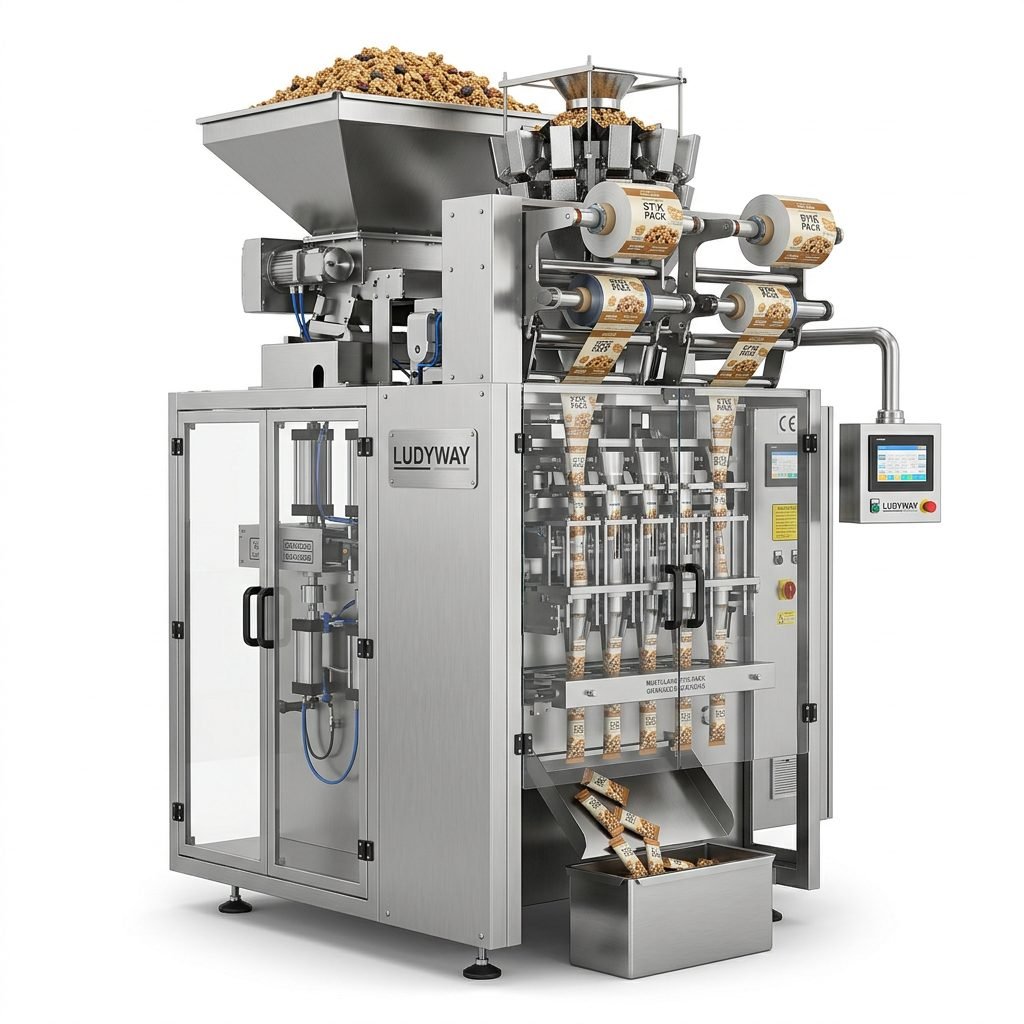
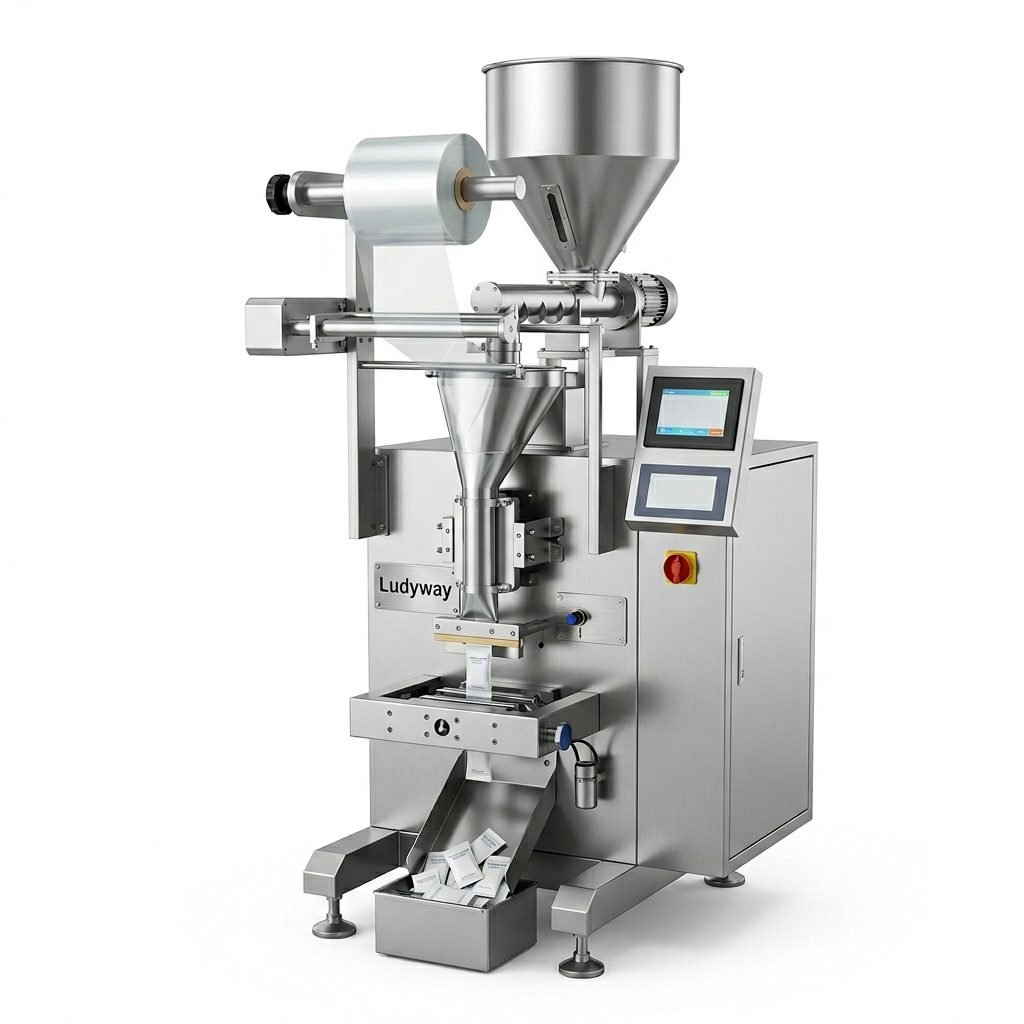
Investing in a tea roller packing machine is a significant decision for any tea producer, co-packer, or brand looking to scale operations. Whether you are packaging loose leaf tea, herbal blends, or powdered matcha, understanding the cost breakdown is crucial. The price of a tea packing machine is not a one-size-fits-all figure; it varies dramatically based on automation level, speed, and configuration. This guide will walk you through the key pricing tiers, factors that influence cost, and how to evaluate the long-term value of your investment.
Understanding the Entry-Level Price Range
For small businesses or startups, entry-level tea roller packing machines are available starting from approximately $8,000 to $25,000. These machines typically offer basic automation, suitable for lower production volumes. They often handle simple sachet formats and might require manual intervention for weighing or feeding.
- Basic 2-lane or 4-lane models: Ideal for small batch production.
- Lower speed: Generally packing 30 to 60 bags per minute per lane.
- Material constraints: Might be limited to certain film types.
Mid-Range and High-Speed Solutions
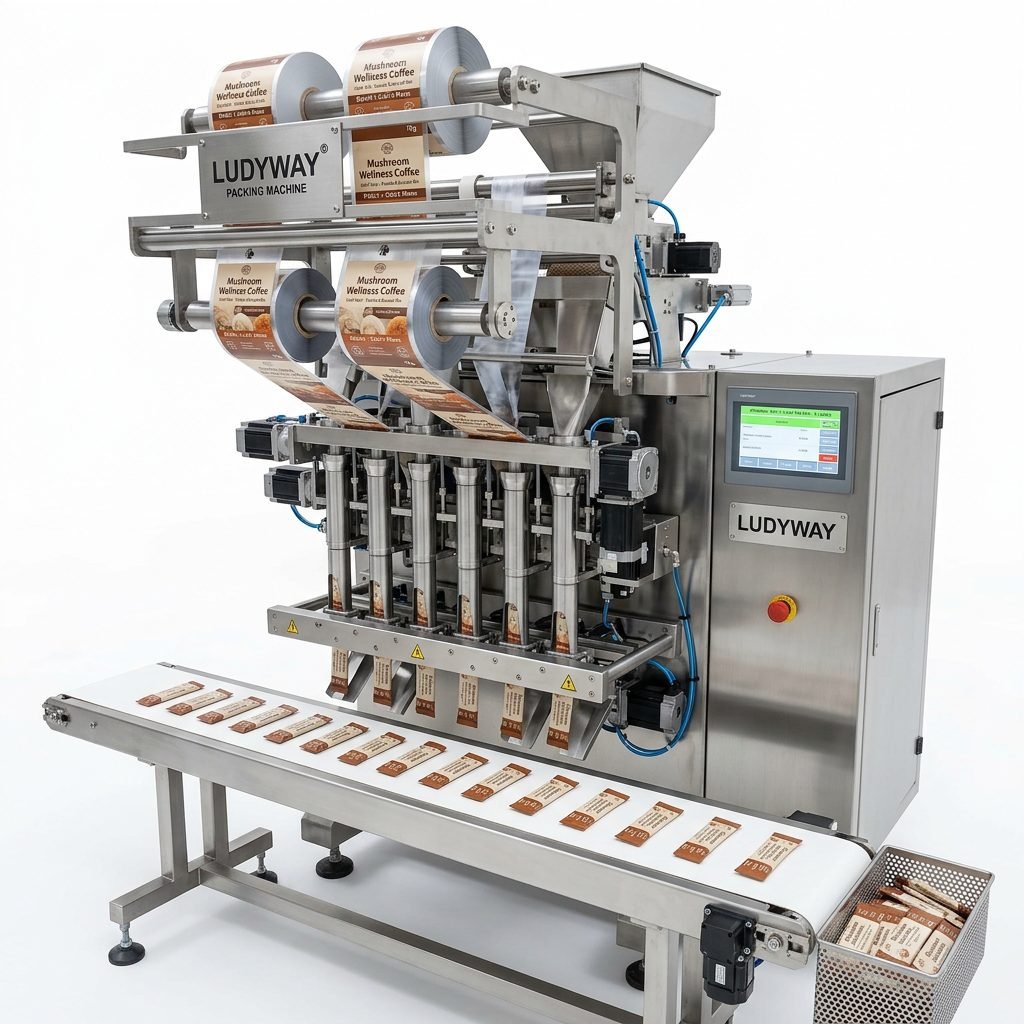
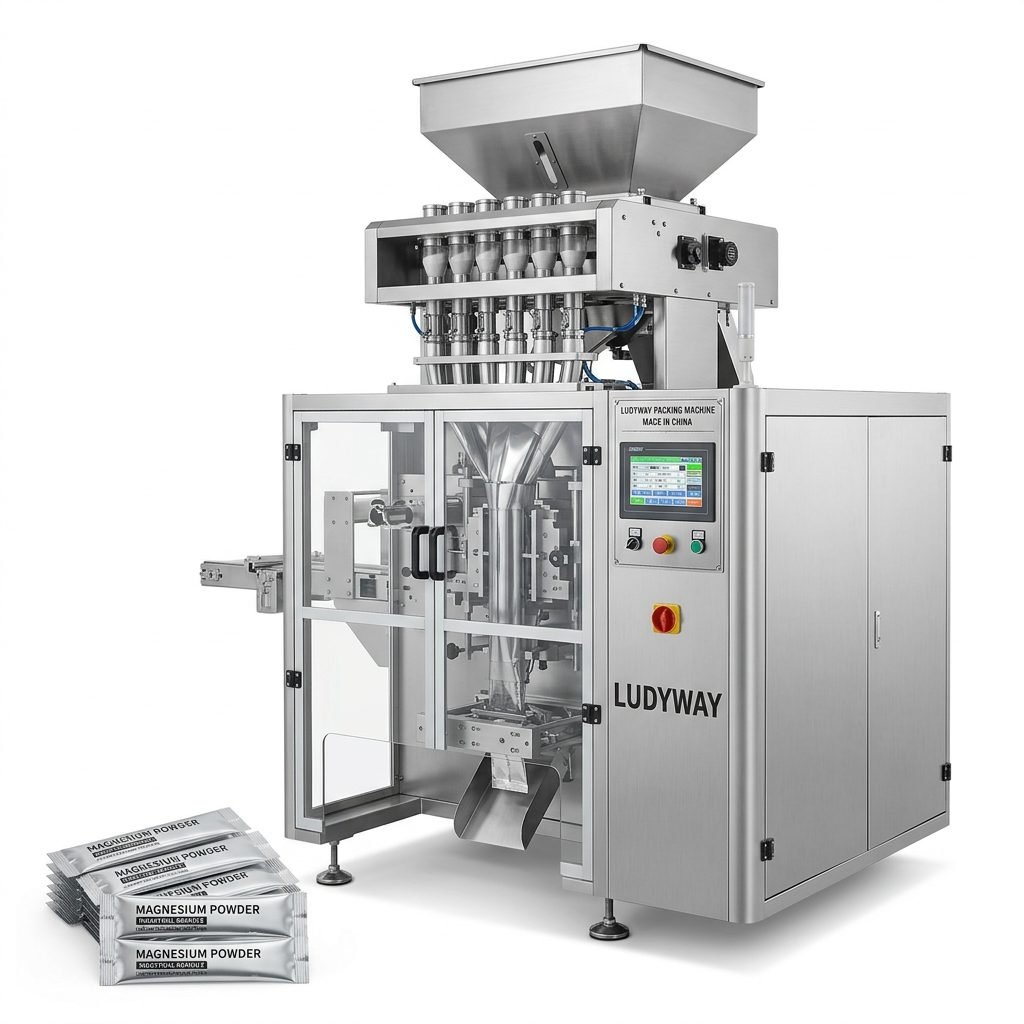
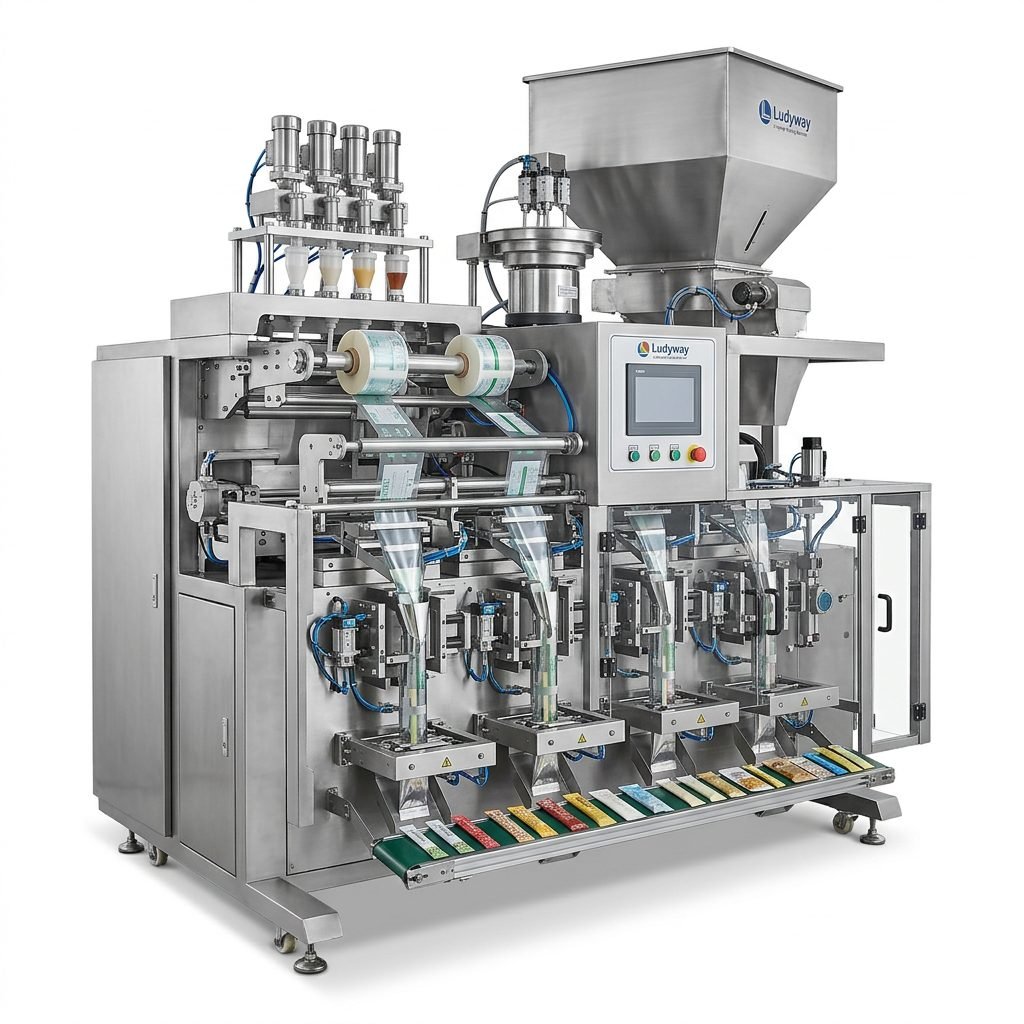
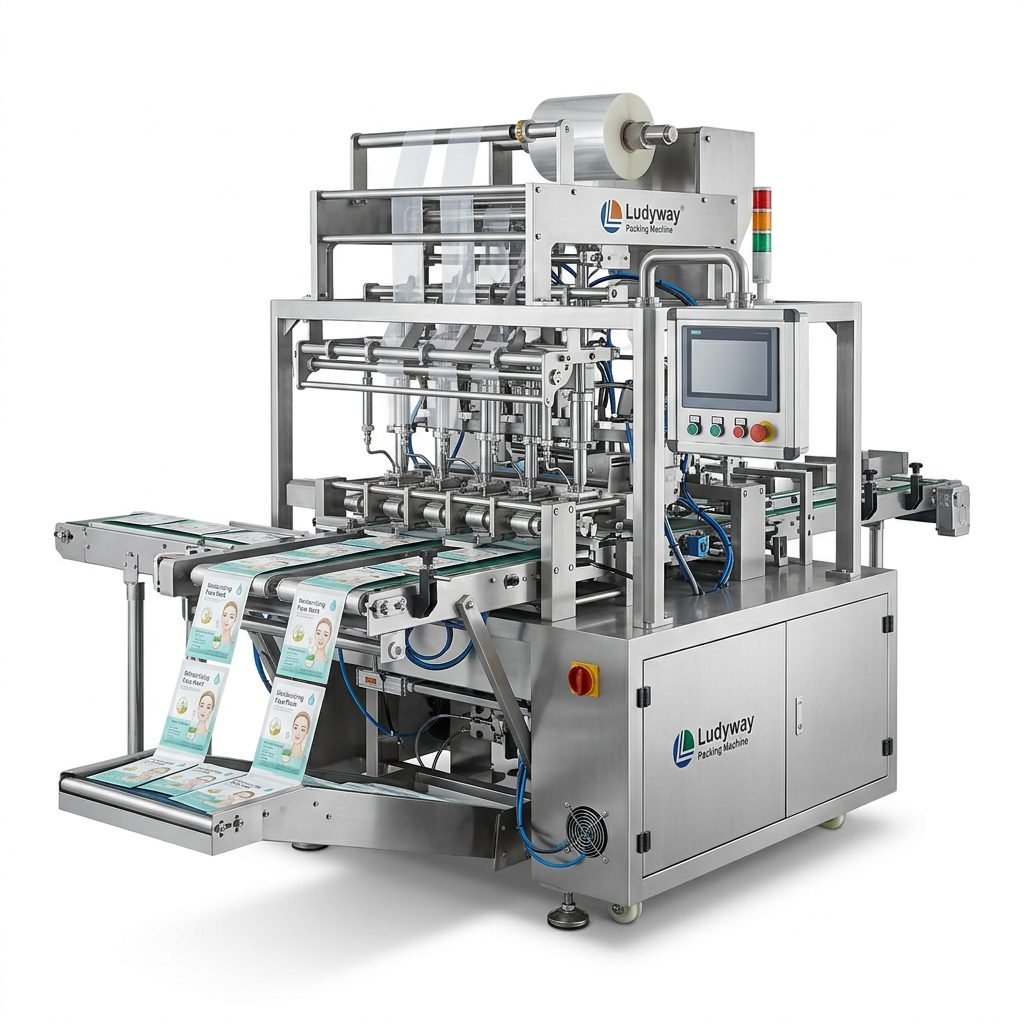
The mid-range market, where most established businesses operate, falls between $30,000 and $80,000. At this price point, you significantly upgrade to multi-lane systems (6 to 12 lanes), servo-driven controls, and integrated multi-head weighers. These granule packing machines offer better accuracy, higher speeds, and data tracking capabilities.
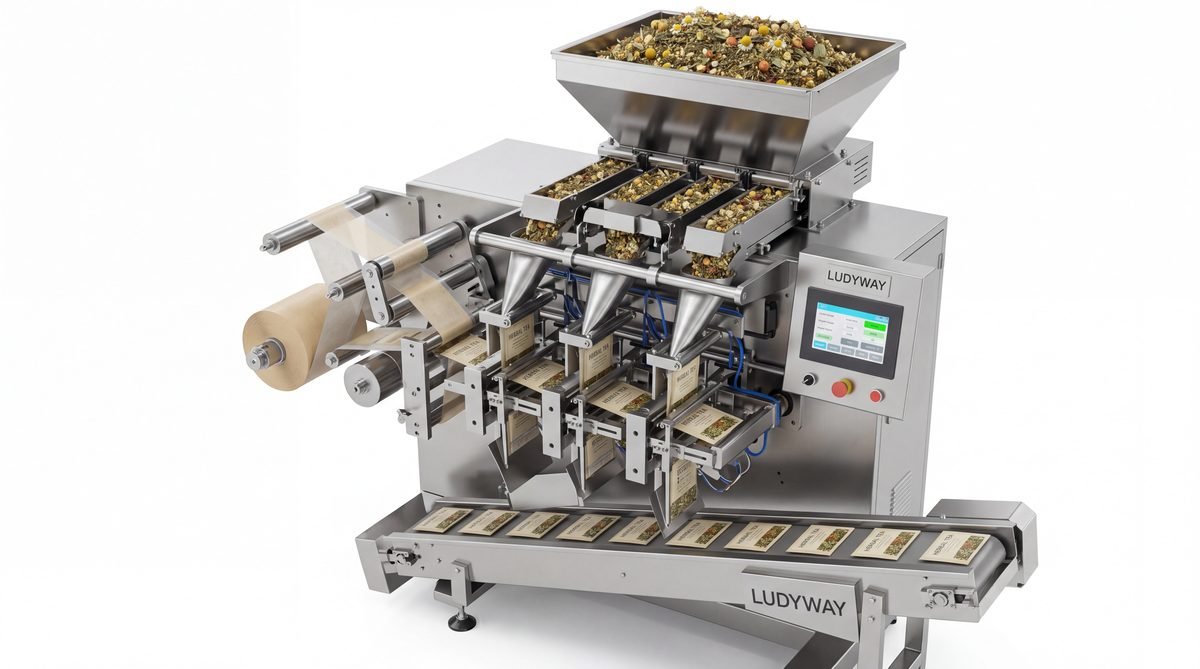
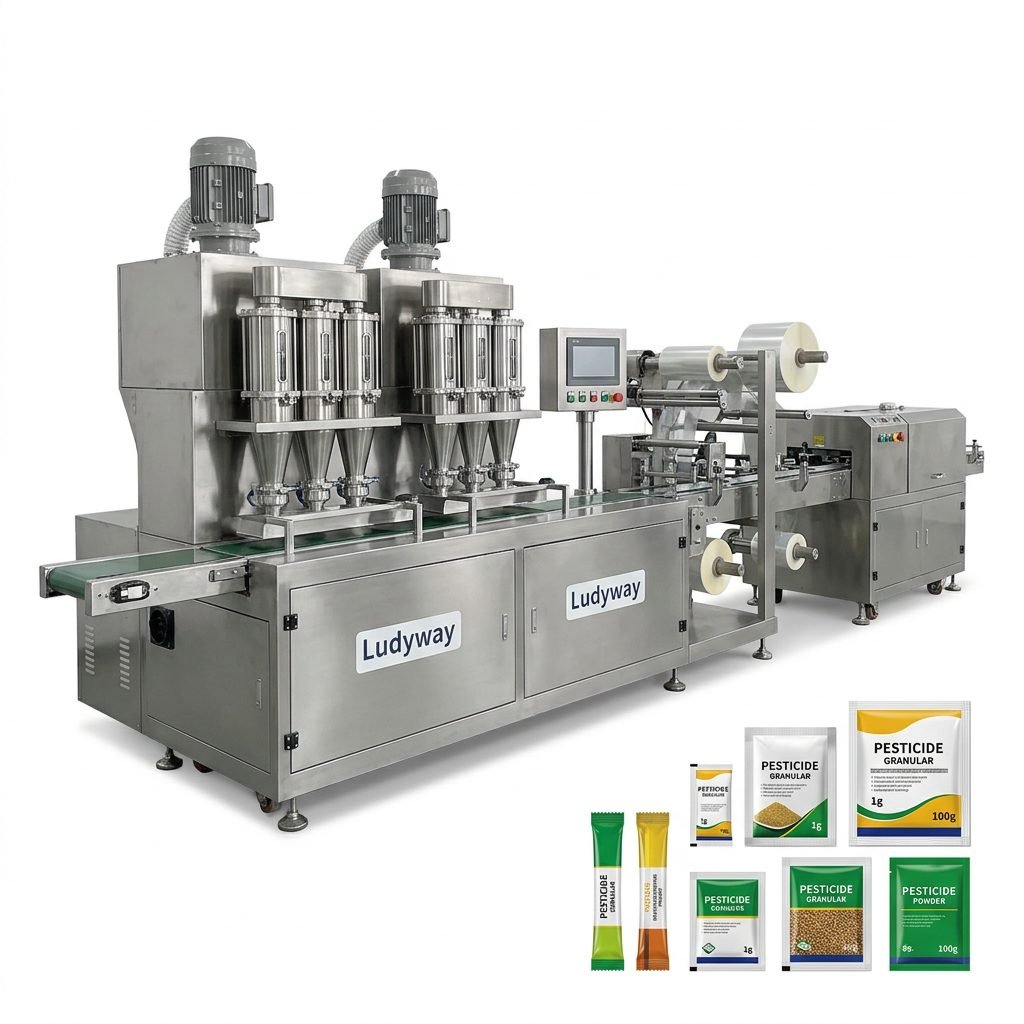
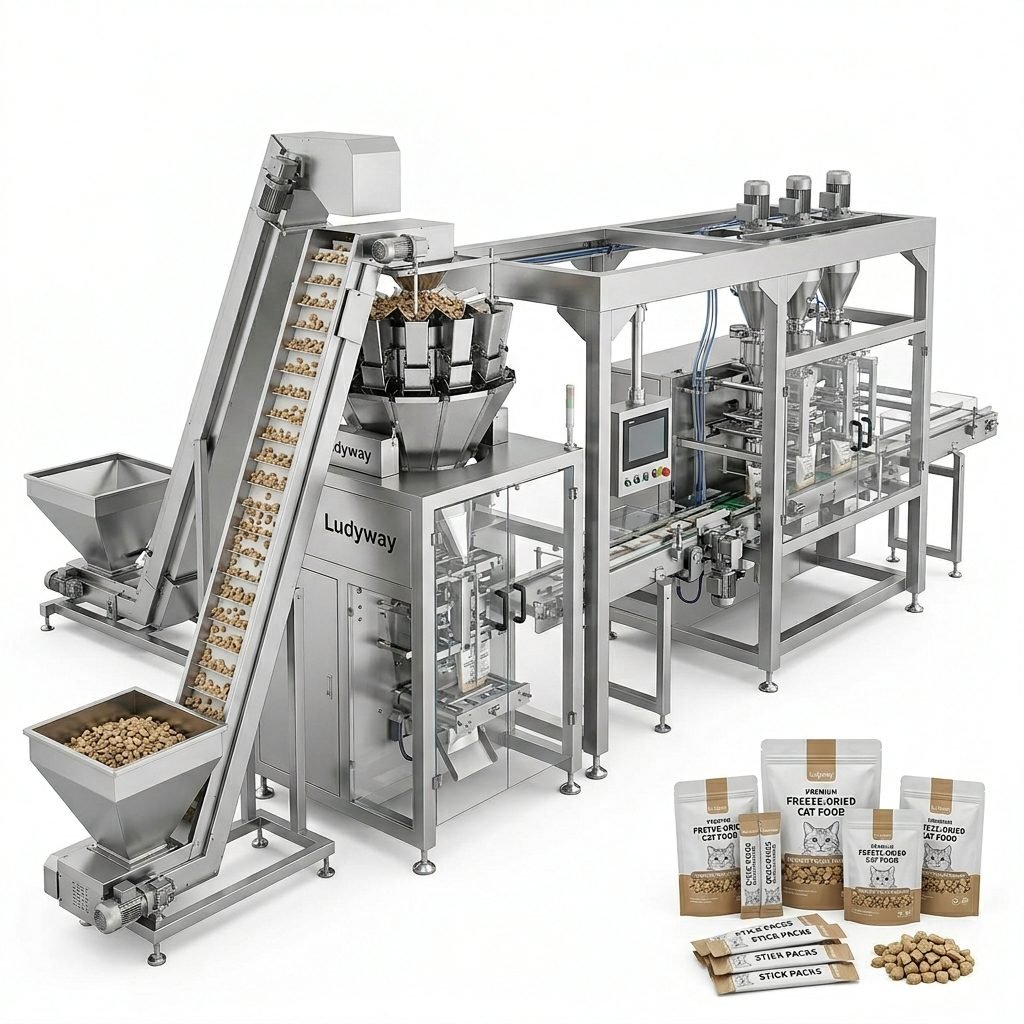
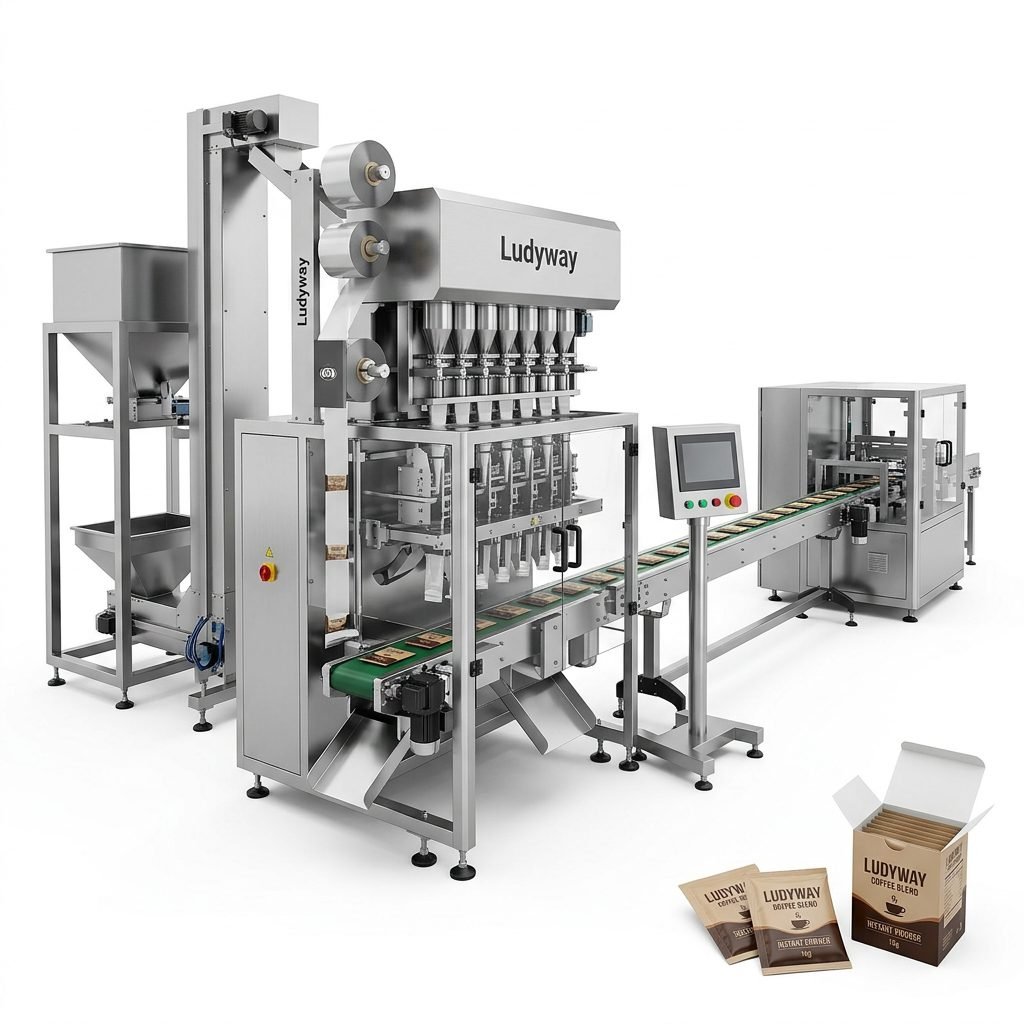
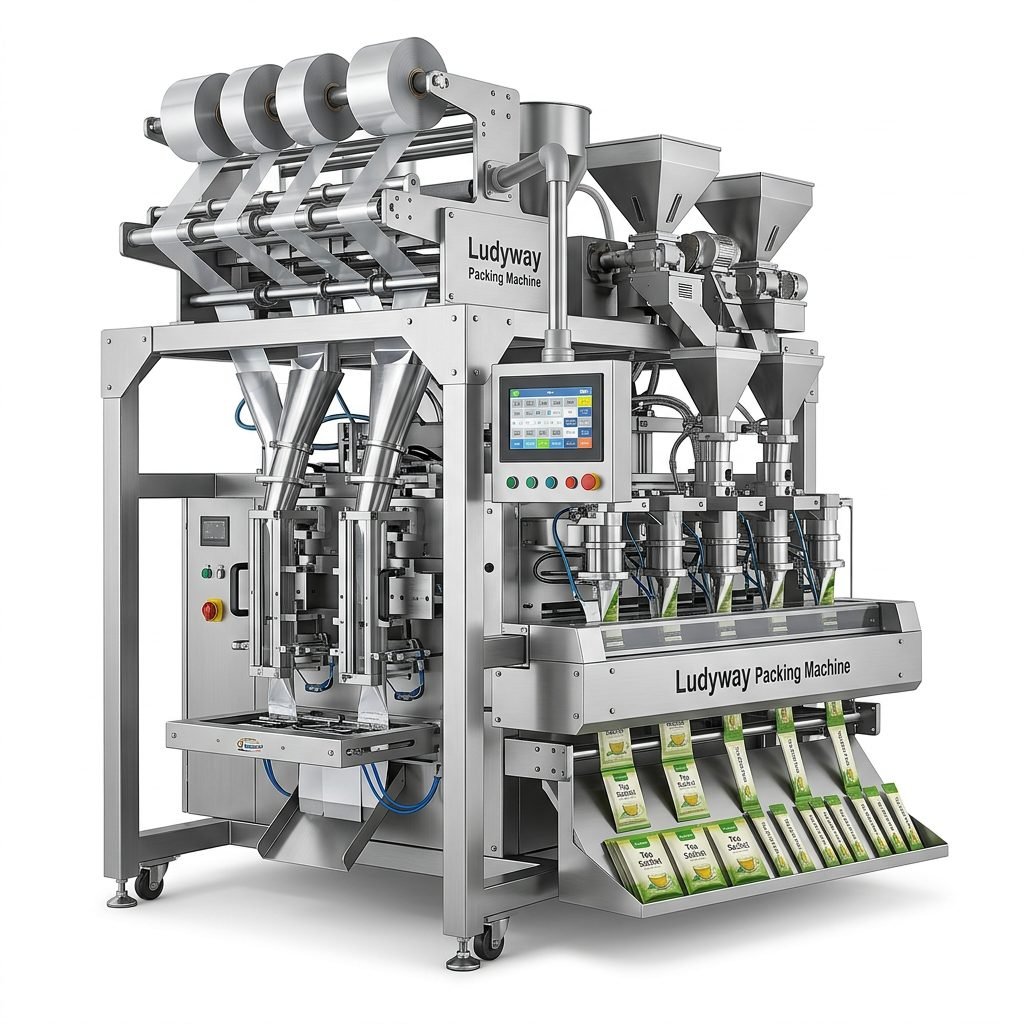
For industrial-scale production, fully automatic tea packaging lines can range from $100,000 to over $300,000. These turnkey solutions often include automatic feeding, multi-lane stick pack machinery, cartoning, and case packing. These systems are designed for 24/7 operation and produce millions of tea sachets per month.
Key Features Affecting the Price
Several technical specifications will shift the final quote of your tea stick pack machine. Here is a detailed breakdown of the primary cost drivers:
| Feature | Low-Cost Option | High-End Option | Impact on Price |
|---|---|---|---|
| Number of Lanes | 1-4 Lanes | 10-16 Lanes | +50% to +150% |
| Weighing System | Volumetric Cup | Multi-Head Weigher | +$10,000 to +$30,000 |
| Sealing Type | Standard Heat Seal | Ultrasonic or Nitrogen Flush | +$5,000 to +$20,000 |
| Material | Carbon Steel | SUS304/316L Stainless Steel | +15% to +30% |
| Control System | Basic PLC | Servo-Driven with IoT | +$8,000 to +$25,000 |
New vs. Used Tea Packing Machines
A common question from buyers is whether to purchase a new or used tea sachet packing machine. Used machines can be tempting, often priced at 40% to 60% of the original value. However, tea packaging requires precision and hygiene. A used machine may come with hidden costs related to worn-out sealing jaws or outdated electronics. New machines from reputable packaging machine manufacturers come with warranties, remote support, and compliance with global safety standards.
Pro Tip: Always request a Factory Acceptance Test (FAT) video before shipping. This validates that the machine meets your specified speed and accuracy without needing an in-person visit.
Cost Breakdown of a Typical Turnkey Line
If you are looking at a complete solution, understanding the modular costs is vital for budgeting. A full turnkey packaging line for tea typically includes the following components:
- Feeding System: Z-type bucket elevator or vacuum conveyor to transport raw tea leaves or powder.
- Multi-Head Weigher: The brain of the accuracy, accounting for roughly 20% of the total line cost.
- Main Packing Machine: The vertical form fill seal (VFFS) or multi-lane stick pack unit.
- Checkweigher and Metal Detector: Quality control stations that ensure product integrity.
- Cartoning Machine: Automates the process of boxing the finished sachets.
How to Evaluate a Quotation: Looking Beyond the Unit Price
The sticker price is just the beginning. Smart buyers calculate the Total Cost of Ownership (TCO). A cheap machine that breaks down frequently costs more in lost production than a premium machine. Consider these factors when comparing quotes from different suppliers:
- Spare Parts Availability: Are critical parts like heat-sealing bands and controllers available off-the-shelf?
- Energy Consumption: High-efficiency servo motors in a granule stick pack machine can save thousands in electricity annually.
- Changeover Time: How long does it take to switch from a 2g pouch to a 10g pouch? Faster changeovers mean higher Overall Equipment Effectiveness (OEE).
Packaging Material Compatibility
Your choice of packaging film—whether it’s paper, aluminum-laminated, or biodegradable PLA—will dictate the type of sealing station required. Not all powder packing machines handle eco-friendly films well due to their low melting points. Machines equipped with precision temperature controllers are essential for these materials.
Investing in Automation and Smart Features
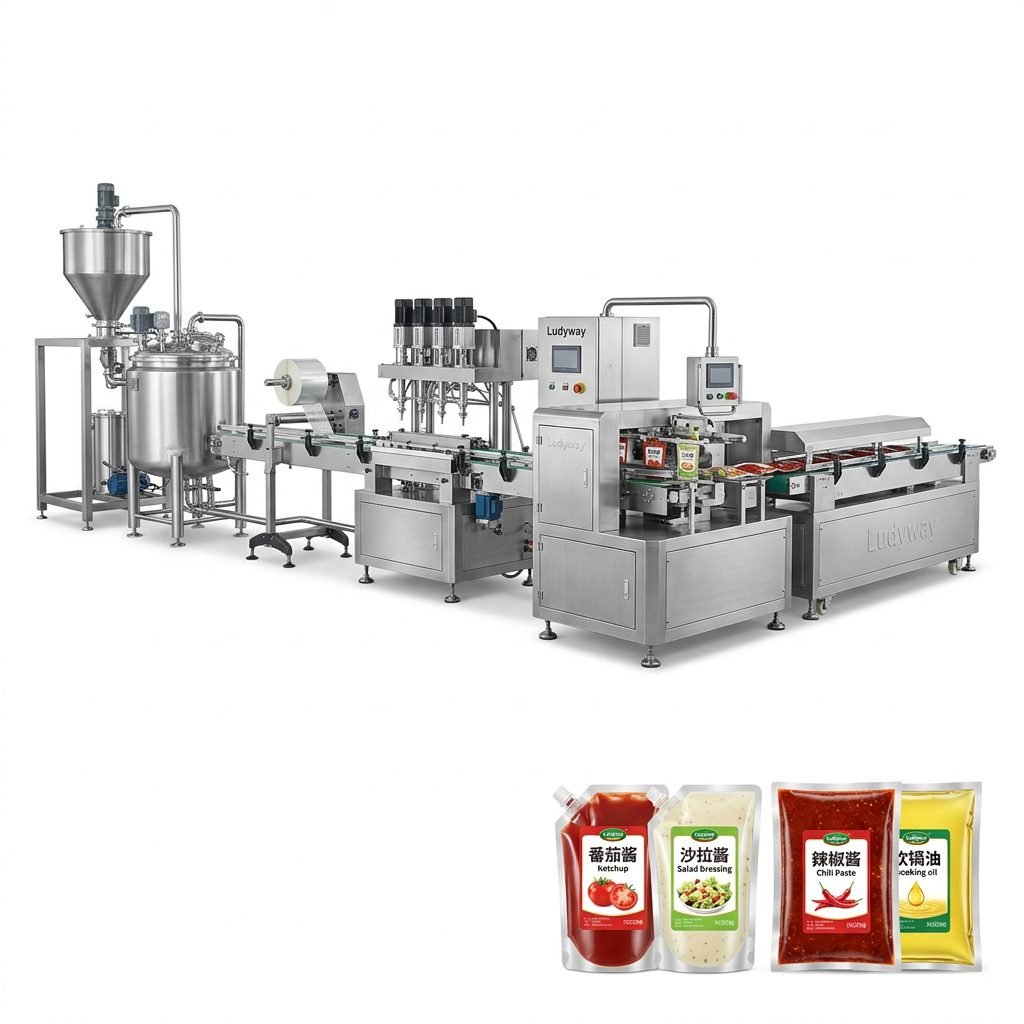
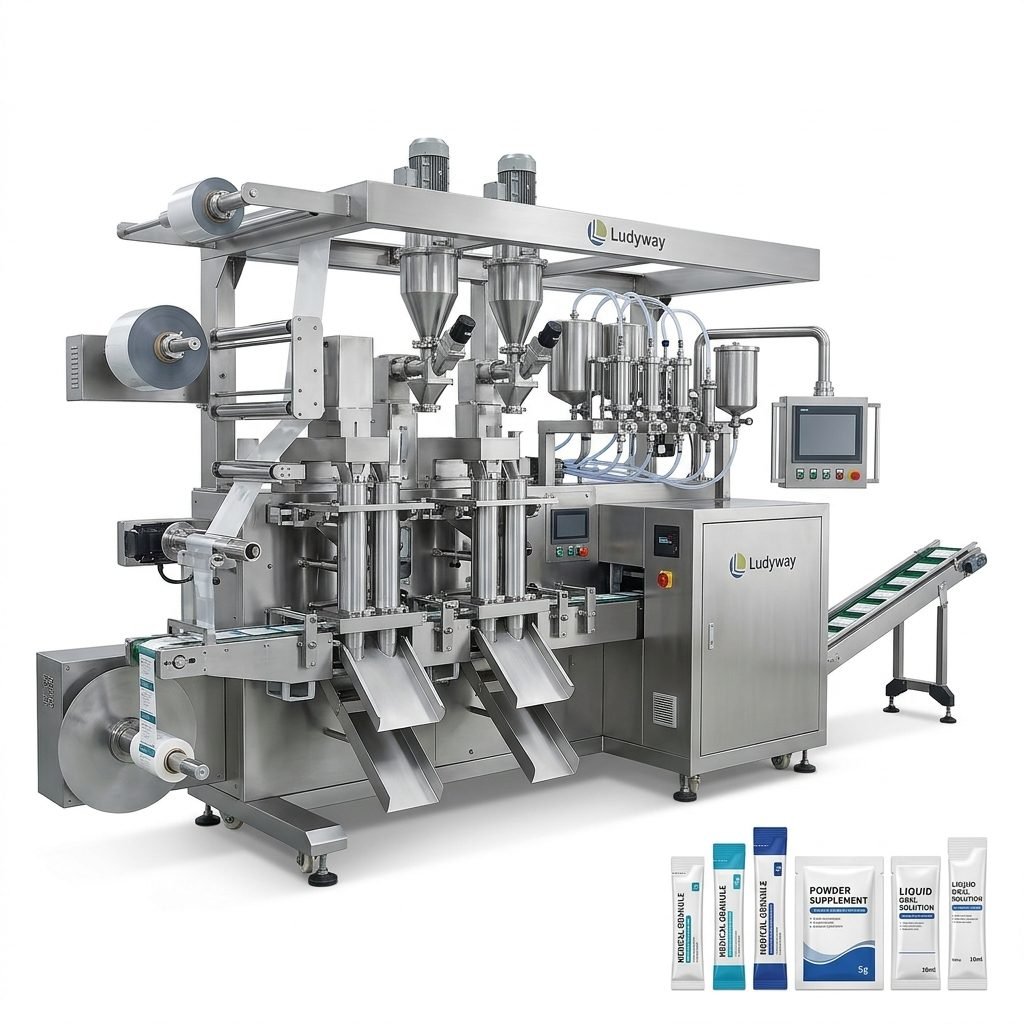
Industry 4.0 is reshaping the tea industry. Modern packing machines now feature remote access for troubleshooting, allowing technicians to diagnose issues from the other side of the world. This technology significantly reduces downtime. For a liquid packaging machine that handles tea concentrates, CIP (Clean-in-Place) systems add to the upfront cost but drastically reduce labor and cleaning chemicals over time.
Ensuring Quality Through Certifications
When sourcing machinery, especially for food-grade tea production, compliance is non-negotiable. Ensure your supplier’s equipment meets international hygiene standards. This not only protects the consumer but streamlines your own regulatory audits. Leading manufacturers, including our company, design machines that align with these rigorous benchmarks.
Ludyway is one of the largest packaging machine manufacturers in China, specializing in advanced packaging equipment and turnkey production solutions for the food, pharmaceutical, and health industries. With over 30 years of industry expertise, we provide reliable and efficient packaging solutions for granule, powder, liquid, and pouch packaging applications.
Conclusion: Making the Right Choice for Your Business
Determining how much a tea roller packing machine costs involves balancing the upfront payment against productivity, accuracy, and service support. While a basic model might meet current needs, a scalable, servo-driven multi-lane stick pack machine is often the smarter long-term investment. Requesting a detailed technical proposal and a test run with your specific product is the best way to ensure your budget translates into a reliable asset.
For more information on how different machines handle various products, you can explore resources on packaging machinery market research or learn about flexible packaging sustainability resources. If you want to see the machinery in action, consider visiting events like PACK EXPO International.