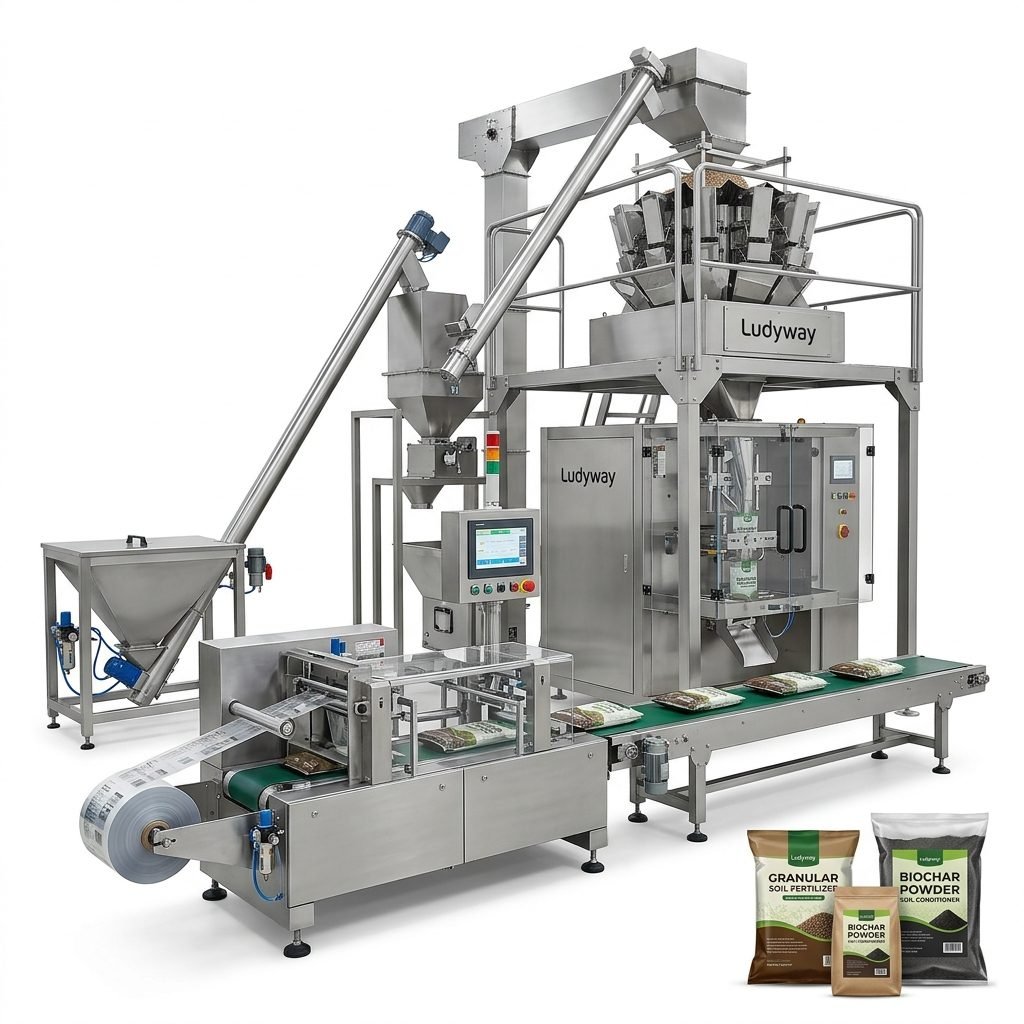
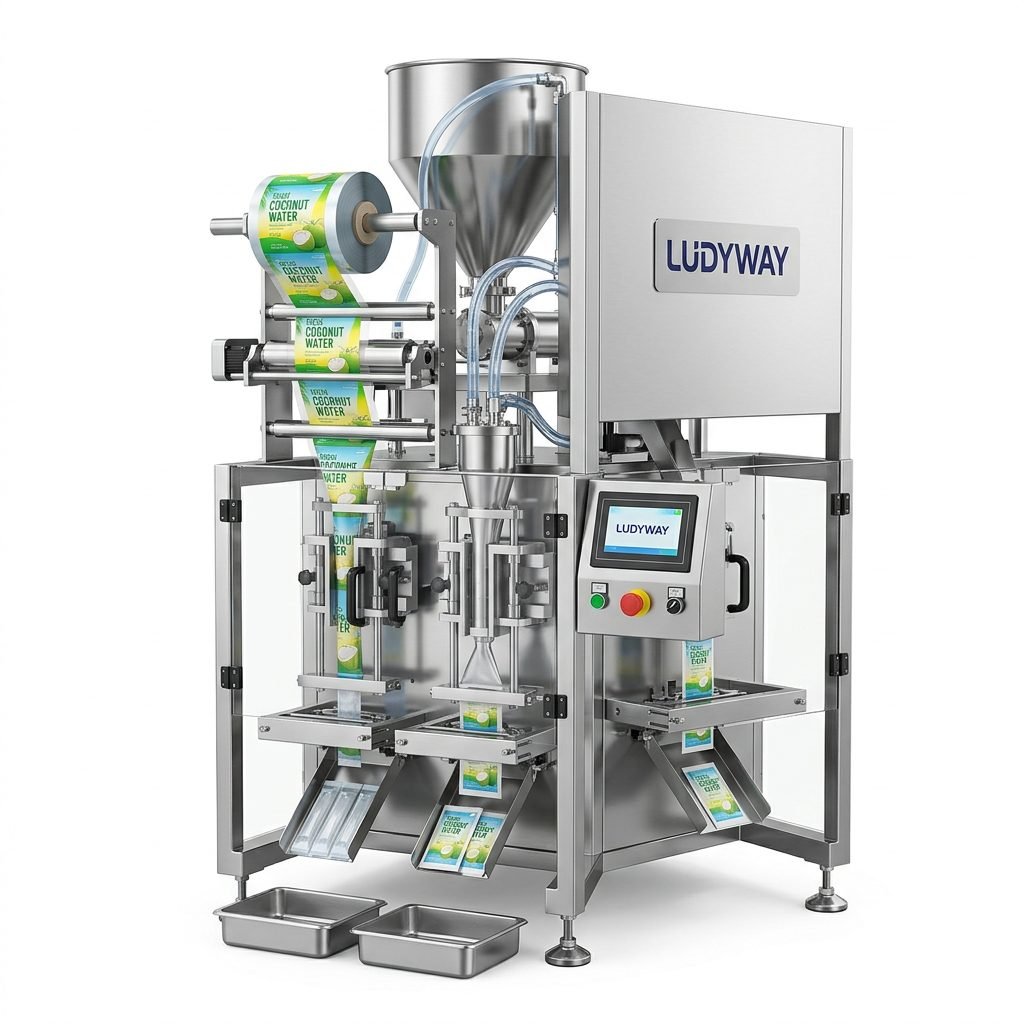
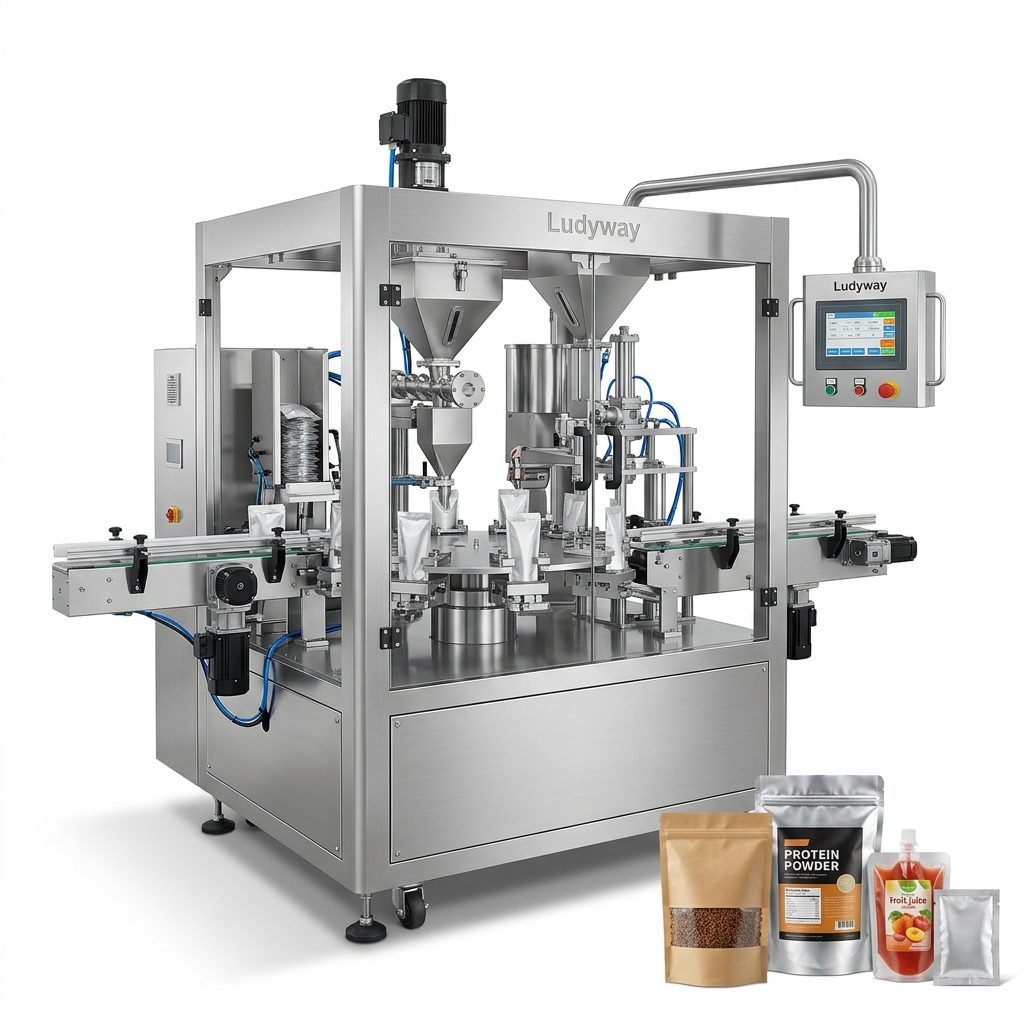
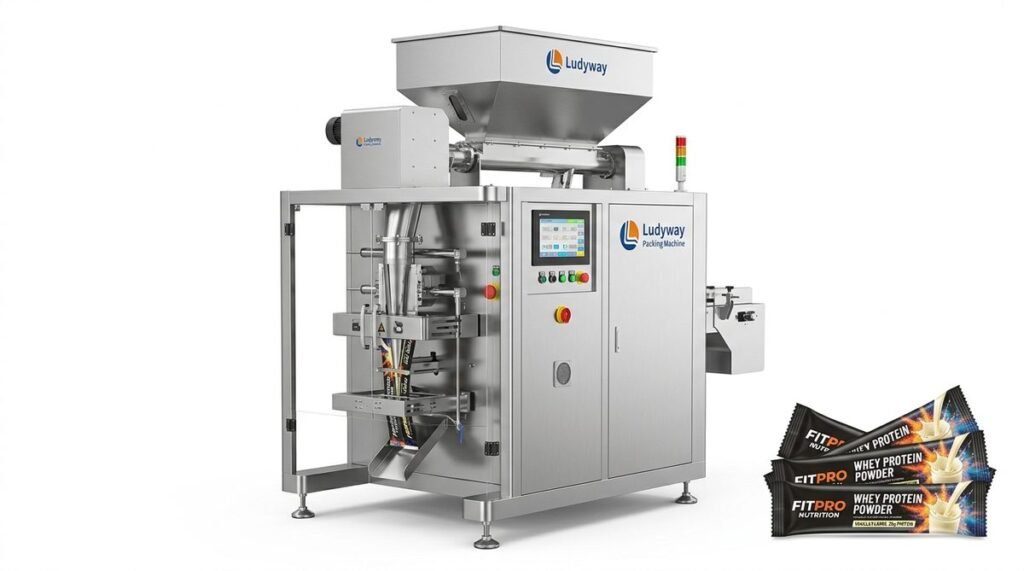
Proper maintenance of a cushion vacuum packing machine is essential for ensuring consistent product quality, extending equipment lifespan, and minimizing costly downtime. Whether you are packaging food, pharmaceuticals, or industrial components, a well-maintained vacuum system delivers reliable sealing performance and protects your cushion products from moisture, oxidation, and contamination. This guide provides practical cleaning and maintenance strategies that production managers and machine operators can implement immediately.

Why Routine Maintenance Matters for Vacuum Packaging Equipment
Vacuum packaging machines operate under demanding conditions. Over time, residue from cushion materials, dust accumulation, and wear on mechanical components can compromise vacuum integrity. Neglecting regular upkeep often leads to inconsistent sealing, reduced pump efficiency, and unexpected breakdowns. By following a structured maintenance schedule, you not only protect your investment but also ensure compliance with packaging machinery standards and food safety regulations. A proactive approach to equipment care significantly reduces repair costs and keeps production running smoothly.
Daily Cleaning Procedures for Vacuum Chamber and Sealing Area
Daily cleaning is the first line of defense against contamination buildup. After each production shift, operators should perform the following tasks:
- Remove residual debris: Clear all cushion material particles, dust, and loose fragments from the vacuum chamber using a soft brush or compressed air.
- Wipe down sealing bars: Use a non-abrasive cloth with a mild cleaning solution to remove adhesive residue from heating elements and sealing bars.
- Inspect silicone gaskets: Check the door seals and chamber gaskets for any signs of wear, cracks, or deformation that could compromise vacuum performance.
- Clean the control panel: Gently wipe the touchscreen or button panel with a dry microfiber cloth to prevent dust ingress into electronic components.
- Empty and clean drip trays: Remove any accumulated liquids or oils from collection trays beneath the sealing area.
Consistent daily cleaning prevents the accumulation of contaminants that can cause seal failures and vacuum leaks. For operations running multiple shifts, cleaning should be performed between each shift change.
Weekly Inspection and Lubrication Checklist
A thorough weekly inspection helps identify potential issues before they escalate. The following table outlines key inspection points and recommended actions:
| Component | Inspection Task | Frequency |
|---|---|---|
| Vacuum Pump | Check oil level and clarity; top up or replace if darkened | Weekly |
| Sealing Gaskets | Examine for compression set, tears, or hardening | Weekly |
| Heating Elements | Test temperature consistency and inspect for hot spots | Weekly |
| Air Filters | Clean or replace intake and exhaust filters | Weekly |
| Hinges and Latches | Lubricate moving parts with food-grade lubricant | Weekly |
| Vacuum Hoses | Inspect for cracks, kinks, or loose connections | Weekly |
Proper lubrication of mechanical linkages and pivot points reduces friction wear. Always use food-grade lubricants when servicing machines used in food or pharmaceutical packaging applications. If your equipment handles cushion materials that generate fine dust, consider increasing the frequency of filter cleaning.

Monthly Deep Maintenance Tasks
Monthly maintenance goes beyond surface-level cleaning and addresses internal components that directly affect vacuum performance. Operators and maintenance technicians should focus on the following areas:
- Replace vacuum pump oil: Old or contaminated oil reduces pumping efficiency. Drain and refill with manufacturer-recommended oil grade.
- Calibrate temperature controllers: Verify that sealing bar temperatures match set points using an infrared thermometer.
- Inspect electrical connections: Tighten all terminal screws and check for signs of overheating or corrosion on wiring.
- Test vacuum sensors: Run a vacuum cycle with a calibrated gauge to confirm sensor accuracy.
- Deep clean the vacuum chamber: Remove all removable panels and thoroughly clean internal surfaces with approved solvents.
- Check valve operation: Ensure solenoid valves open and close properly without sticking or delayed response.
Monthly deep maintenance is particularly critical for machines running high-volume cushion packaging operations. Facilities operating around the clock may benefit from bi-weekly deep maintenance intervals. Refer to industry research on packaging machinery for benchmarking maintenance schedules against sector best practices.
Vacuum Pump Oil Change Procedure
Changing vacuum pump oil correctly is one of the most important monthly tasks:
- Run the pump for 5-10 minutes to warm the oil for easier drainage.
- Turn off and unplug the machine before servicing.
- Place a collection container beneath the oil drain plug.
- Remove the drain plug and allow all oil to drain completely.
- Replace the drain plug and refill with fresh oil to the indicated level.
- Dispose of used oil according to local environmental regulations.
Quarterly and Annual Maintenance Planning
Long-term reliability depends on comprehensive periodic servicing. Quarterly maintenance should include replacing all air and oil filters, testing safety interlocks, and inspecting vacuum piping for internal buildup that can restrict airflow. Annual maintenance typically involves a full system audit, including replacement of worn gaskets, recalibration of all sensors, and a thorough assessment of pump performance. Many manufacturers, including Ludyway, recommend keeping detailed service logs to track machine health over time and predict when components will need replacement. This data-driven approach to maintenance aligns with flexible packaging industry best practices for operational efficiency.

Troubleshooting Common Vacuum Packaging Issues
Even well-maintained machines can develop problems. Understanding common symptoms helps operators respond quickly and accurately. The table below summarizes frequent issues, their likely causes, and recommended solutions:
| Symptom | Probable Cause | Solution |
|---|---|---|
| Weak vacuum | Dirty pump oil or worn gaskets | Change oil; replace gaskets |
| Inconsistent seals | Contaminated sealing bars or incorrect temperature | Clean bars; recalibrate temperature |
| Excessive noise | Worn pump vanes or loose components | Inspect pump; tighten all fasteners |
| Slow cycle time | Clogged filters or leaking hoses | Replace filters; repair leaks |
| Error codes on display | Sensor malfunction or electrical fault | Consult manual; test sensors |
Best Practices for Extending Equipment Lifespan
Maximizing the service life of your cushion vacuum packing machine requires a holistic approach. Beyond scheduled cleaning and part replacement, consider these operational best practices:
- Train operators thoroughly: All personnel should understand proper machine operation, cleaning procedures, and basic troubleshooting.
- Use genuine spare parts: OEM-approved gaskets, filters, and pump components ensure proper fit and performance.
- Monitor environmental conditions: Excessive humidity, dust, or temperature fluctuations can accelerate component wear.
- Document all maintenance activities: Detailed records help identify recurring issues and optimize service intervals.
- Schedule professional servicing: Annual inspections by qualified technicians catch issues that routine checks may miss.
For comprehensive guidance on packaging line optimization, explore resources from the Association for Packaging and Processing Technologies, which provides valuable insights on equipment lifecycle management and industry standards.
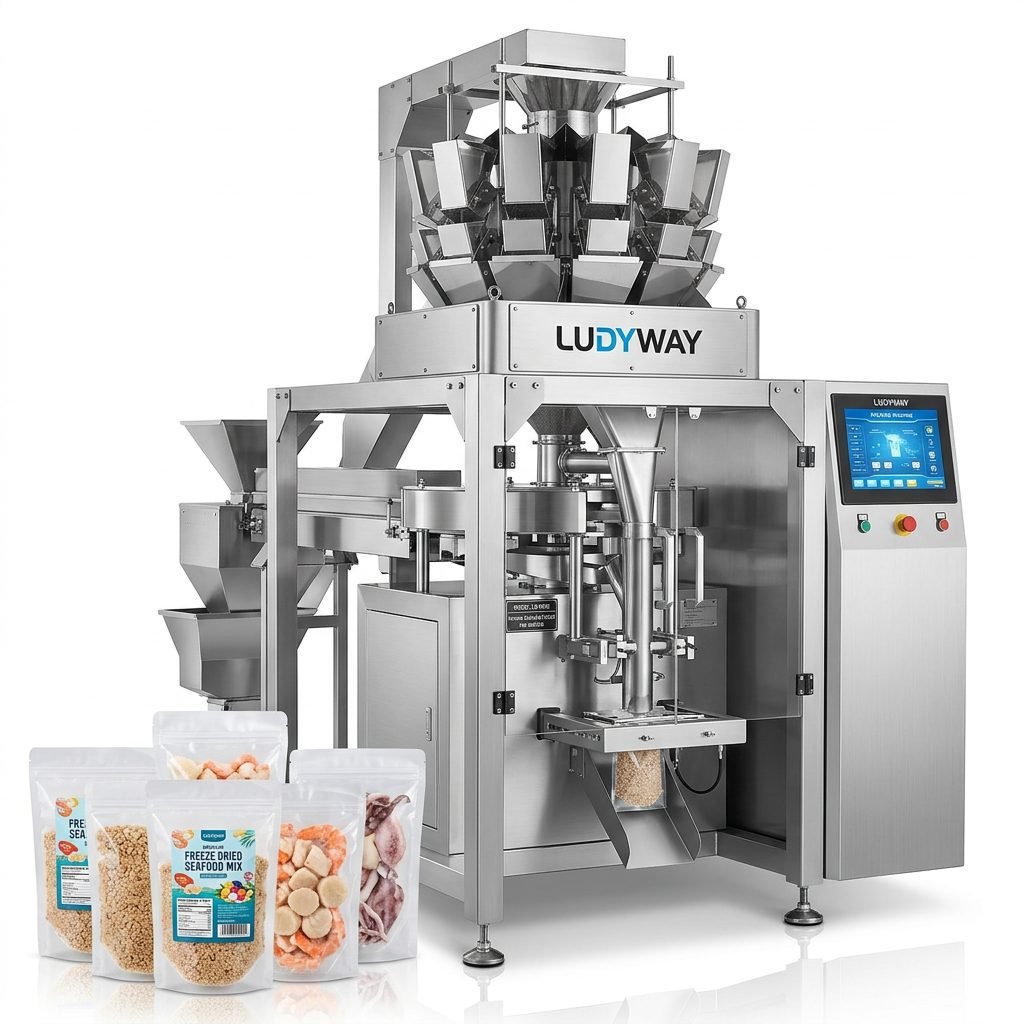
Safety Considerations During Maintenance
Safety must always be the top priority when performing any maintenance on packaging equipment. Always disconnect power before opening panels or accessing internal components. Allow heating elements to cool completely before cleaning sealing bars. Use appropriate personal protective equipment including gloves and safety glasses. When handling cleaning solvents, ensure adequate ventilation and follow the FDA guidelines for food contact surfaces if your machine packages consumable products. Lockout-tagout procedures should be strictly enforced during all maintenance activities.
Quick Reference: Daily Opening and Closing Checklist
| Checkpoint | Opening Shift | Closing Shift |
|---|---|---|
| Vacuum chamber cleanliness | Inspect and wipe | Full cleaning |
| Sealing bar condition | Visual check | Clean thoroughly |
| Pump oil level | Verify level | Log if low |
| Gasket integrity | Quick inspection | Detailed check |
| Error log review | Check history | Record any issues |
Conclusion: Building a Maintenance-First Culture
Maintaining a cushion vacuum packing machine is not merely a technical requirement but a strategic investment in production reliability and product quality. By implementing the daily, weekly, monthly, and annual maintenance protocols outlined above, packaging operations can significantly reduce unplanned downtime, lower repair costs, and extend equipment service life. A well-documented maintenance program, combined with properly trained staff and high-quality spare parts, creates a foundation for consistent, efficient packaging performance. Stay informed about evolving packaging industry developments to continuously refine your maintenance strategies and keep your equipment operating at peak efficiency.