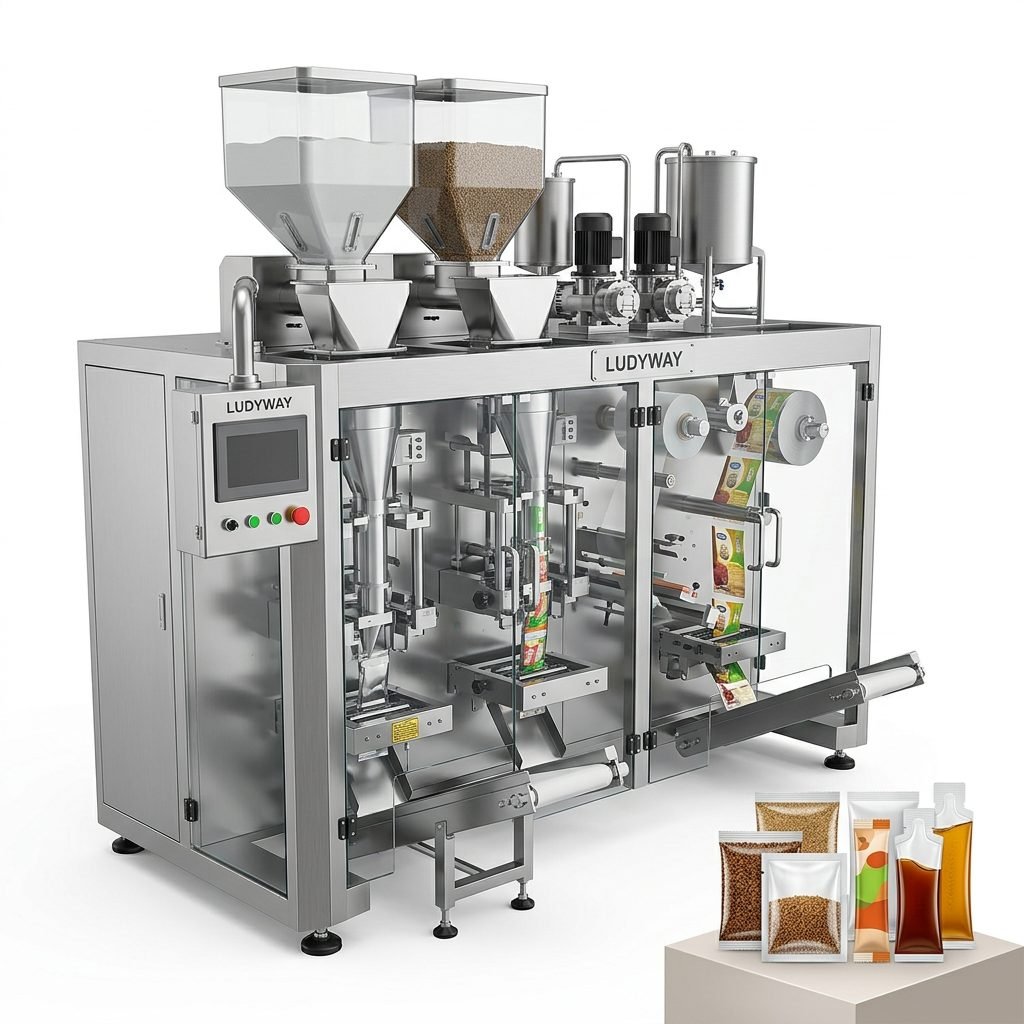
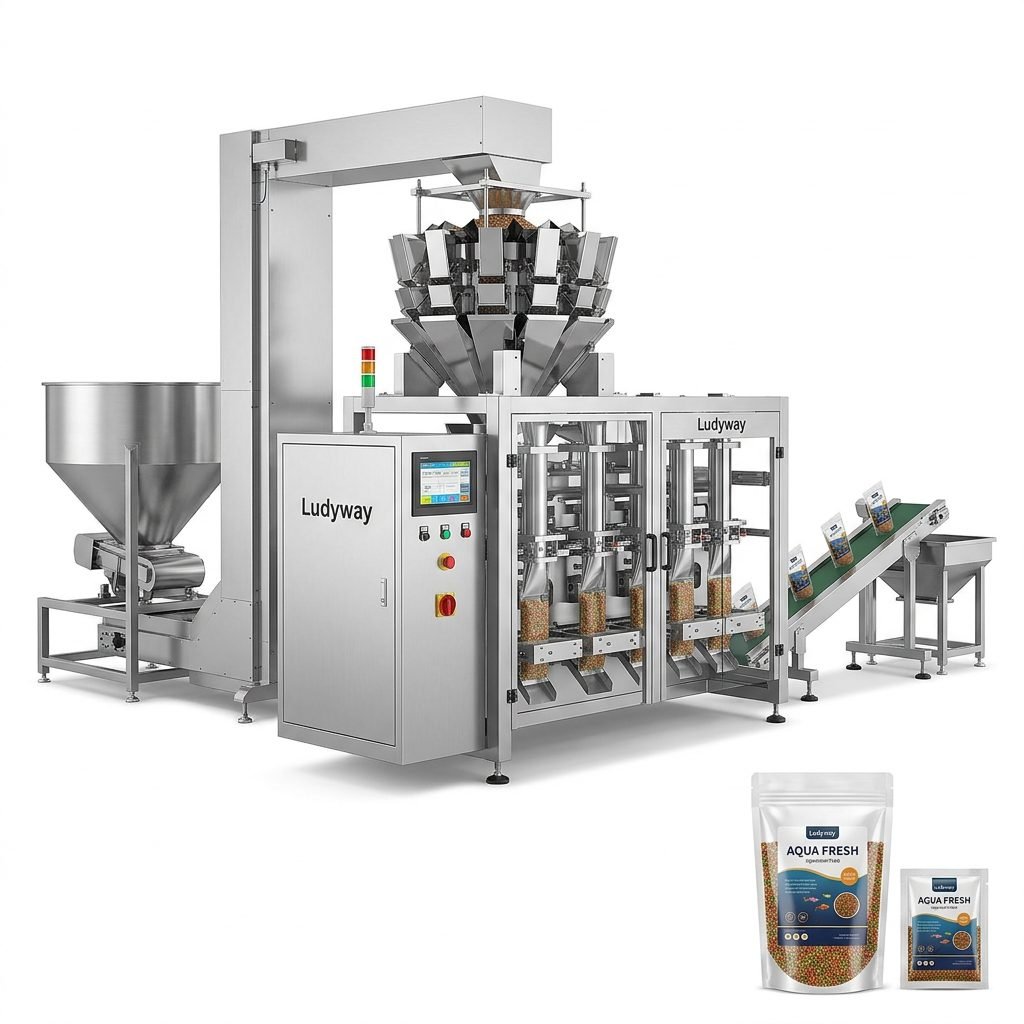
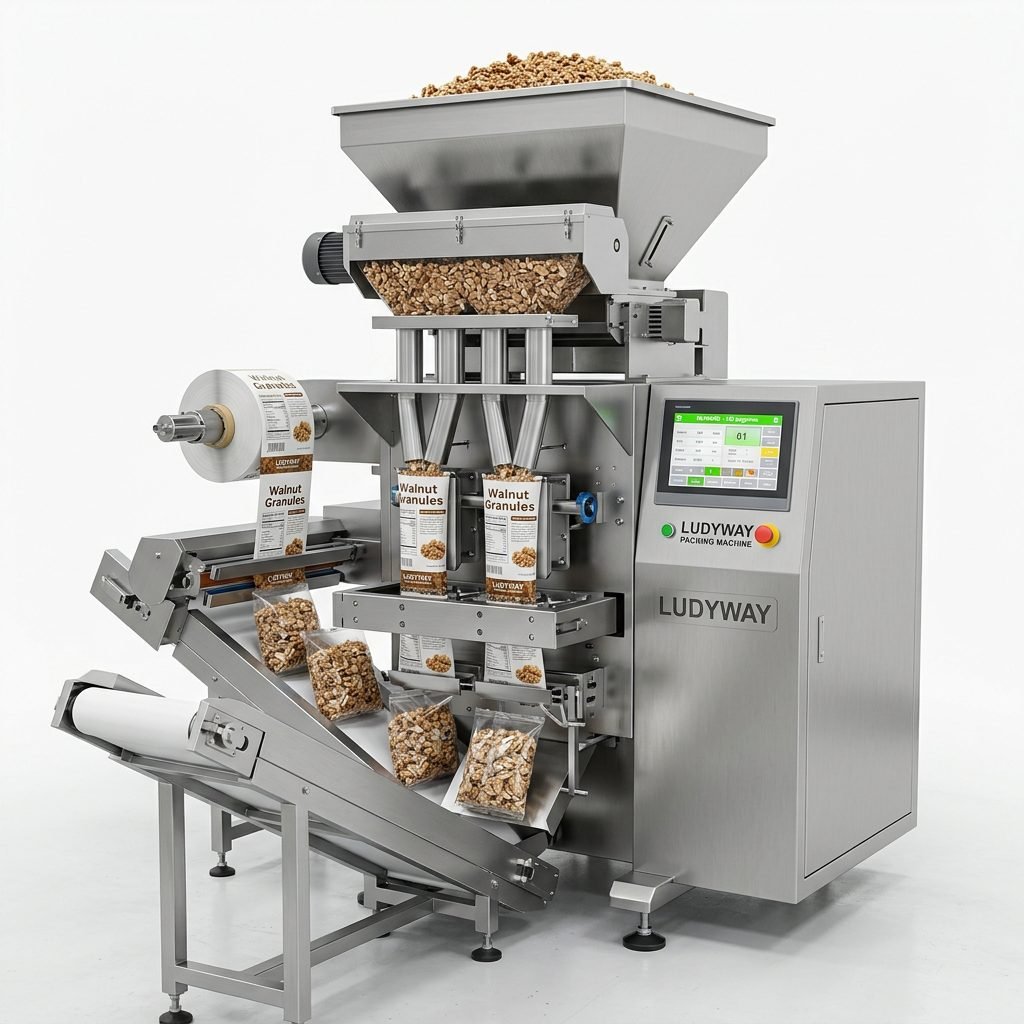
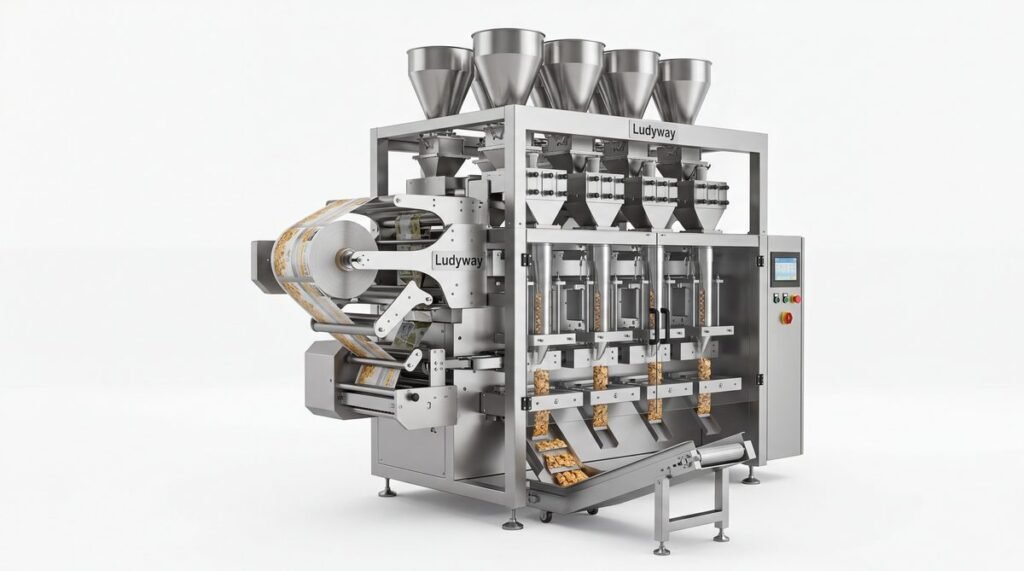
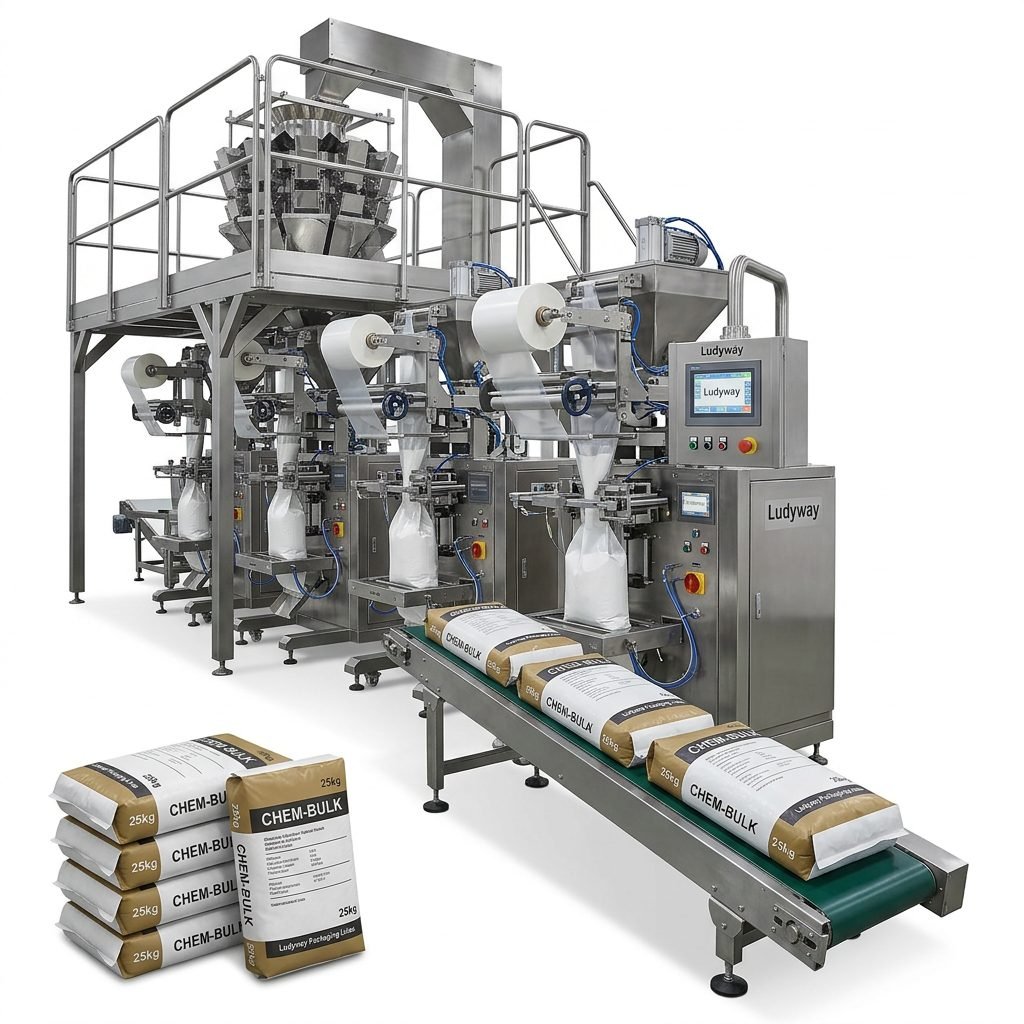
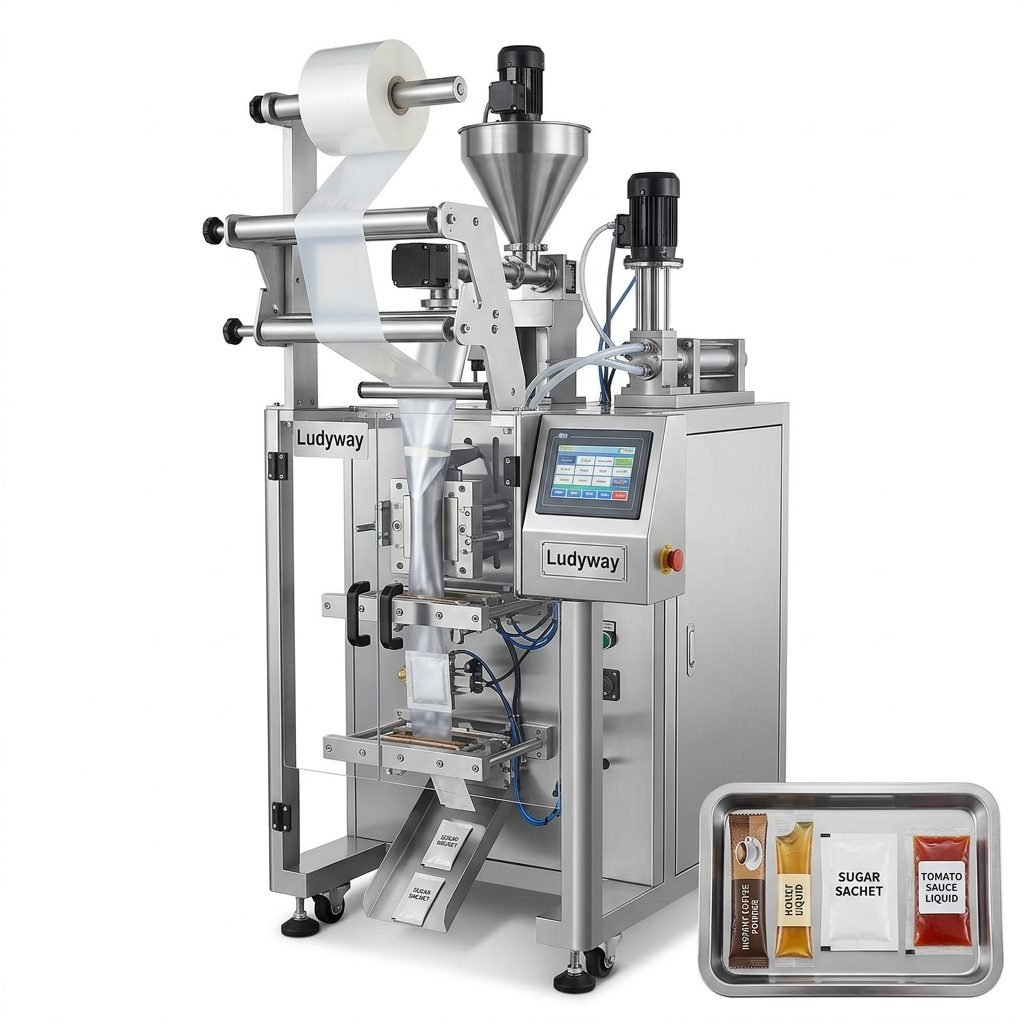
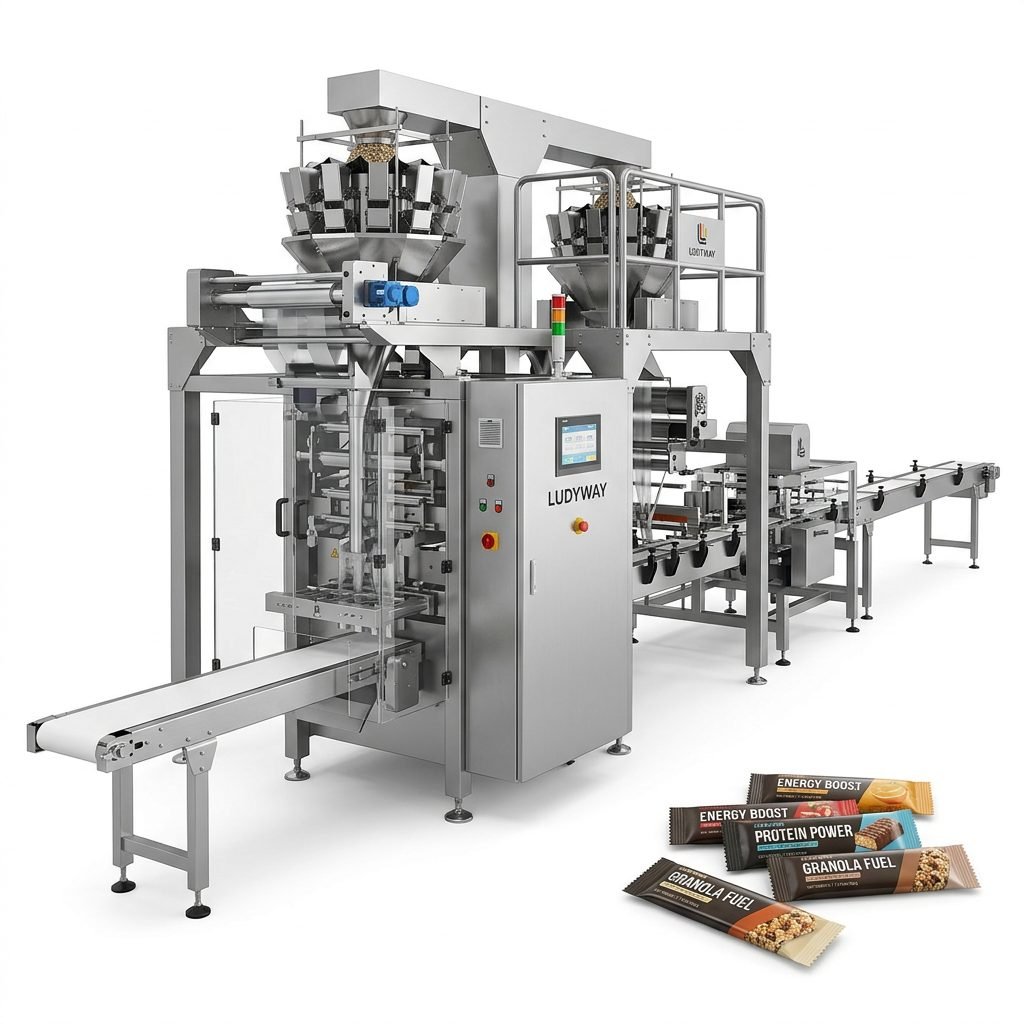
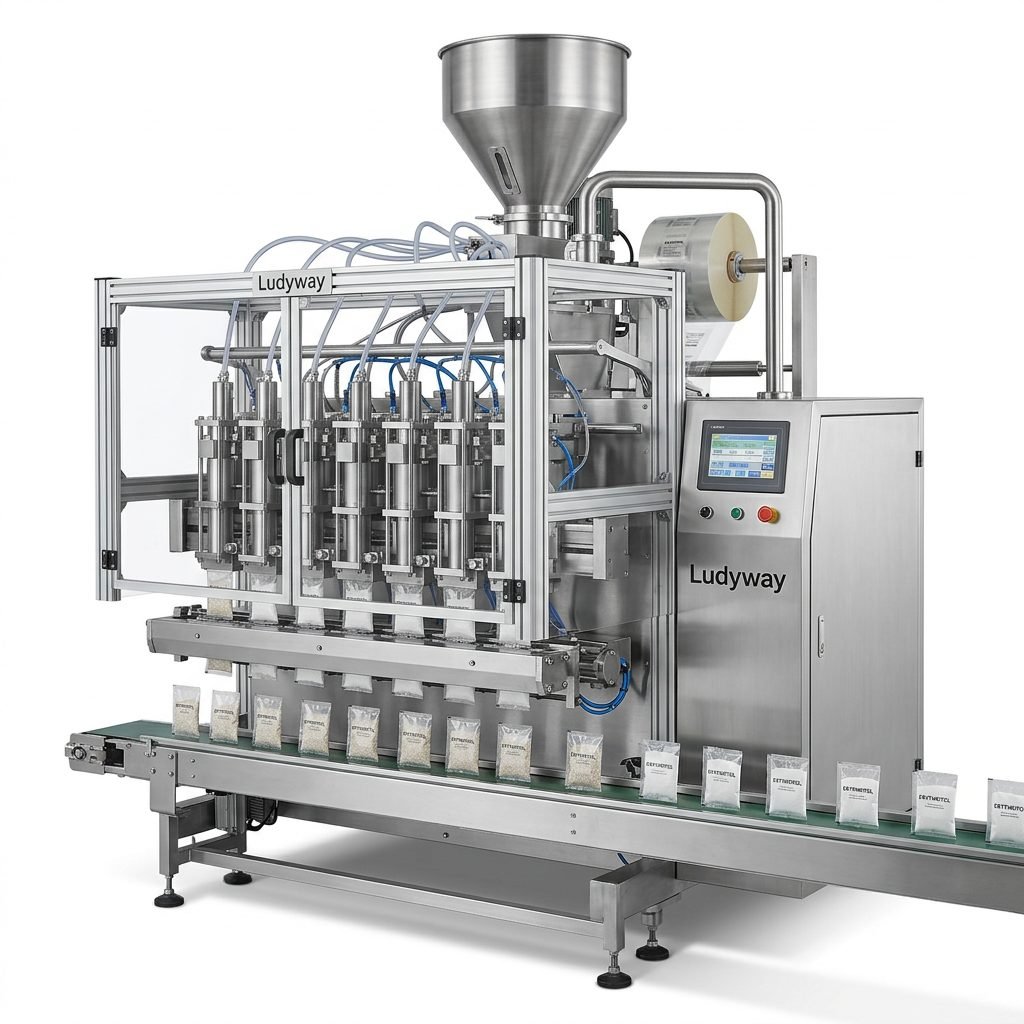
Regular maintenance of an incense stick packing machine is essential to ensure consistent output, reduce downtime, and extend the service life of your equipment. Whether you operate a single-lane unit or a high-speed packaging machinery system, following a structured maintenance routine can prevent costly breakdowns and preserve packaging precision. Below, we outline the key maintenance practices every operator and technician should follow.
Daily Cleaning and Inspection Routine
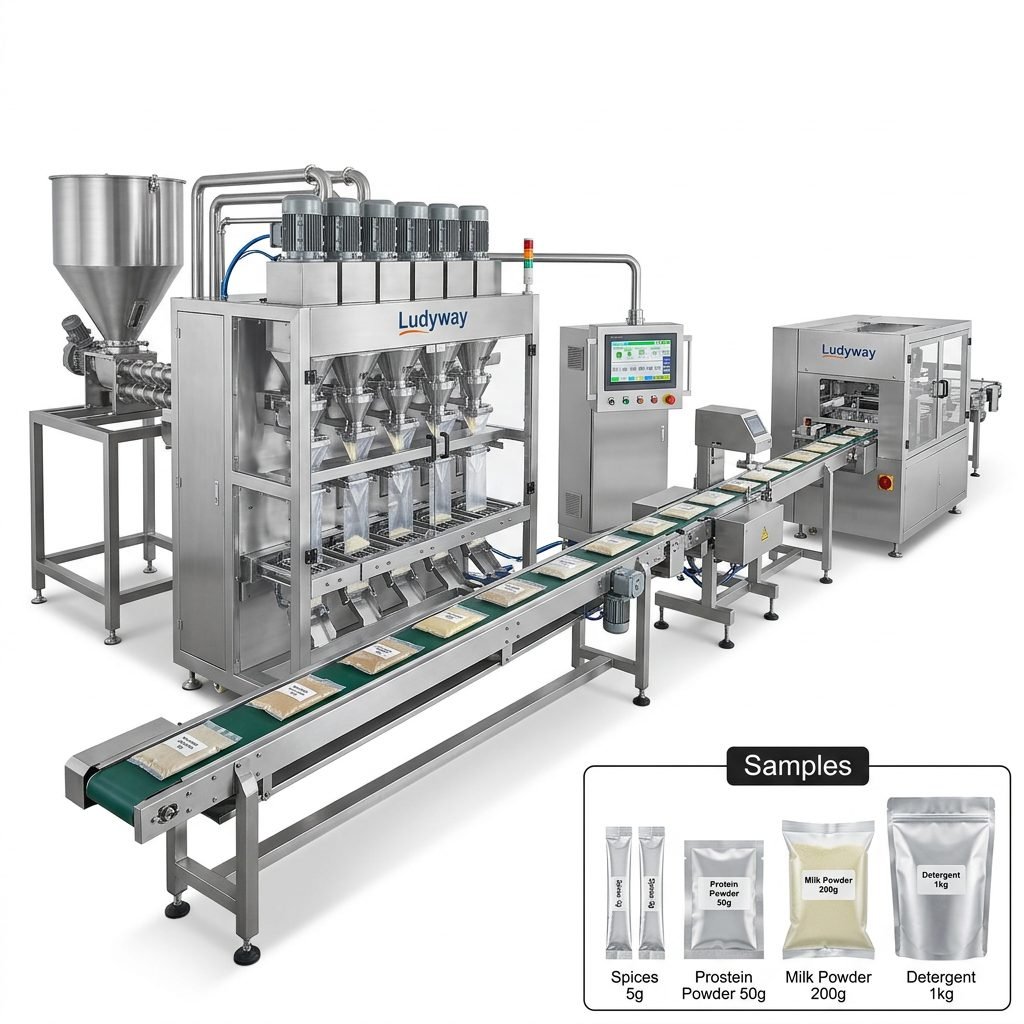
A clean machine is the foundation of reliable packaging performance. At the end of each production shift, operators should perform a thorough cleaning of all contact surfaces. Incense powder residue can accumulate quickly and cause jamming, inaccurate filling, or seal failures if left unattended.
- Remove and clean the filling nozzles and hopper assembly daily to prevent powder buildup.
- Wipe down sealing jaws with a non-abrasive cloth to remove adhesive residue from film sealing.
- Inspect the film tension rollers for dust accumulation that can affect tracking alignment.
- Check that all sensors and photoelectric eyes are free from dust and debris.
- Verify that the emergency stop buttons and safety interlocks are functioning correctly before starting production.
Daily cleaning not only improves packaging quality but also allows operators to spot early signs of wear or damage before they escalate into major issues.
Weekly Lubrication and Mechanical Checks
Proper lubrication reduces friction, prevents overheating, and extends the life of moving components. A weekly lubrication schedule should be established based on the manufacturer’s recommendations and the machine’s operating hours.
Key Lubrication Points
- Cam mechanisms and linkages: Apply food-grade grease to all cam-driven assemblies that control the sealing and cutting actions.
- Chain drives and sprockets: Lubricate drive chains weekly and check for proper tension to avoid slippage during high-speed operation.
- Linear bearings and guide rails: Use light machine oil on bearing surfaces to ensure smooth reciprocating motion of the filling carriage.
- Rotary joints and bushings: Inspect for play or looseness and lubricate as needed to maintain alignment precision.
Always refer to ISO packaging standards and your equipment manual for specific lubricant types and application intervals.

Monthly Electrical and Sensor Calibration
Modern incense stick packing machines rely on precise electronic controls, temperature regulators, and optical sensors to maintain packaging accuracy. Monthly electrical inspections help prevent unexpected failures and ensure consistent seal quality.
- Temperature controllers: Calibrate the sealing jaw thermocouples to ensure they reach and maintain the correct setpoint temperature for the film material being used.
- Photoelectric sensors: Clean lenses and verify that sensor sensitivity is correctly adjusted for reliable film registration mark detection.
- Wiring and connections: Inspect all terminal blocks, connectors, and cable entries for signs of looseness, corrosion, or heat damage.
- PLC and HMI systems: Back up machine parameters and verify that all programmed settings are within the recommended operating ranges.
- Servo motor drives: Check for error codes, unusual vibrations, or overheating during extended operation cycles.
Seasonal Preventative Maintenance Schedule
In addition to daily, weekly, and monthly tasks, a comprehensive seasonal maintenance program should be implemented every three to six months. The table below outlines a recommended maintenance schedule for optimal long-term performance.
| Maintenance Interval | Task Description | Responsible Party |
|---|---|---|
| Daily | Clean filling nozzles, hopper, and sealing jaws; inspect sensors and safety devices | Machine Operator |
| Weekly | Lubricate cam mechanisms, chain drives, bearings; check film tension and tracking | Maintenance Technician |
| Monthly | Calibrate temperature controllers, sensors, and servo drives; inspect wiring connections | Electrical Engineer |
| Quarterly | Replace worn sealing bands, belts, and bearings; deep clean all pneumatic components | Maintenance Team |
| Annually | Complete overhaul: replace major wear parts, update software, comprehensive testing | Manufacturer Service Team |
Spare Parts Management and Inventory Planning
Effective spare parts management is a critical aspect of maintenance planning. Keeping essential components in stock minimizes downtime when replacements are needed. Key spare parts to keep on hand include sealing bands, heating elements, photoelectric sensors, drive belts, and filling augers specific to your stick pack machine model. As Ludyway continues to expand its global presence with advanced packaging solutions, maintaining a well-organized spare parts inventory becomes even more essential for international operations seeking uninterrupted production.

Common Maintenance Mistakes to Avoid
- Skipping daily cleaning: Powder residue hardens over time and can damage sealing surfaces and sensors, leading to costly repairs.
- Using incorrect lubricants: Non-food-grade lubricants can contaminate products and damage machine components. Always verify lubricant specifications before application.
- Ignoring unusual noises: Grinding, clicking, or squeaking sounds often indicate worn bearings, loose fasteners, or misaligned components that require immediate attention.
- Overlooking software updates: PLC and HMI firmware updates from the manufacturer may include important performance improvements and bug fixes that enhance machine reliability.
- Delaying belt and seal replacement: Worn sealing bands and drive belts reduce packaging quality and can cause secondary damage to adjacent components if they fail during operation.
Documentation and Record Keeping
Maintaining detailed maintenance logs is essential for tracking machine performance over time and identifying recurring issues. Record every service activity, including the date, type of maintenance performed, parts replaced, and the technician’s name. This documentation supports flexible packaging industry best practices and helps plan future preventative maintenance more effectively while providing valuable data for troubleshooting chronic problems.
Training and Operator Accountability
Well-trained operators are the first line of defense against machine failures. All personnel should receive comprehensive training on proper operation, cleaning procedures, and basic troubleshooting techniques. Operators who understand how the packing machine functions are more likely to detect subtle changes in performance and report them early. Regular refresher training sessions and clear standard operating procedures ensure consistent maintenance practices across all shifts.
Key Takeaways for Long-Term Reliability
- Implement a structured maintenance program that covers daily, weekly, monthly, and seasonal tasks without gaps.
- Keep the machine and surrounding work area clean to prevent contamination and allow for easy visual inspections.
- Train all operators thoroughly and maintain clear documentation of every maintenance activity performed on the equipment.
- Stock critical spare parts locally to minimize downtime when components need replacement during peak production periods.
- Stay informed about packaging industry standards and manufacturer recommendations to continuously improve your maintenance strategy.
- Schedule professional service inspections at least annually to identify hidden issues and optimize machine performance for the long term.
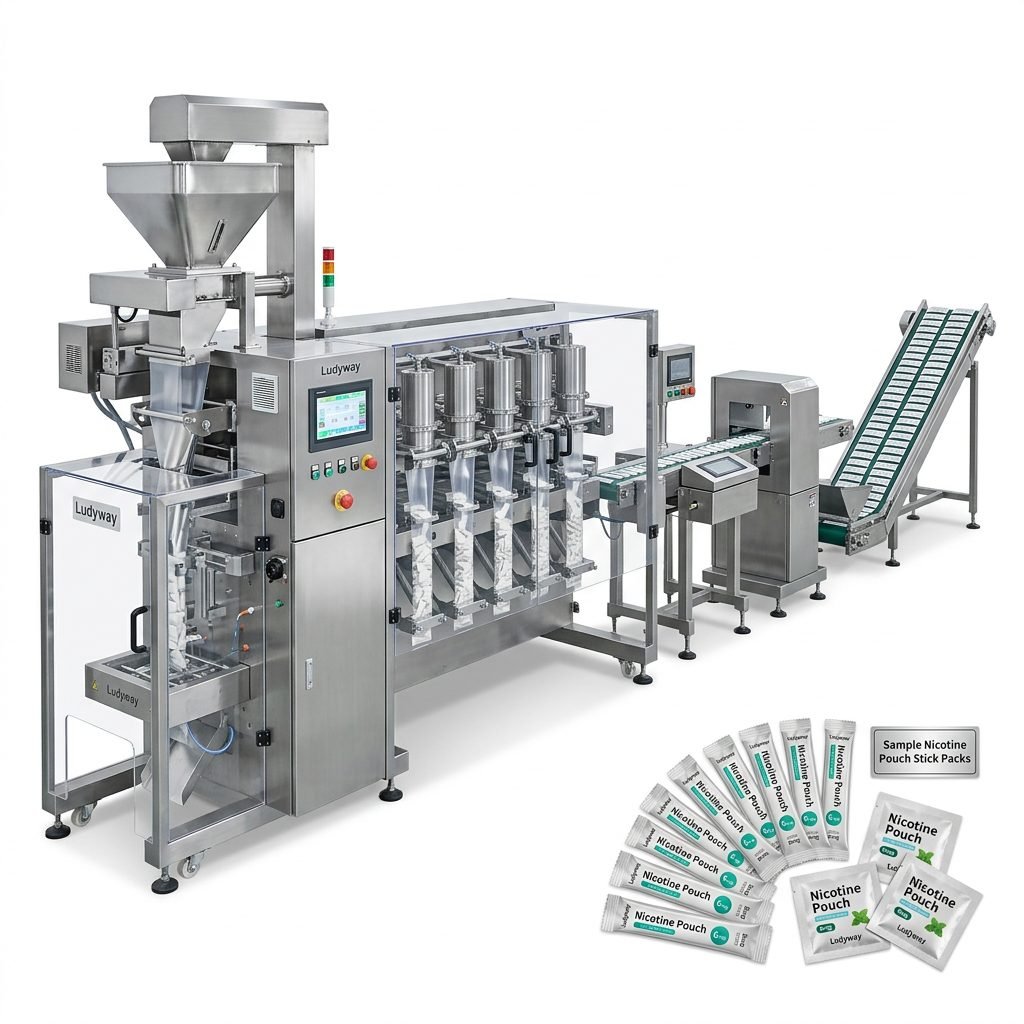
A well-maintained incense stick packing machine delivers consistent packaging quality, higher throughput, and a longer operational lifespan. By following these essential maintenance tips and adhering to a disciplined service schedule, manufacturers can protect their investment and maintain a competitive edge in the growing stick pack market. Consistent care and attention to detail in daily operations translate directly into reliable long-term performance and reduced total cost of ownership.