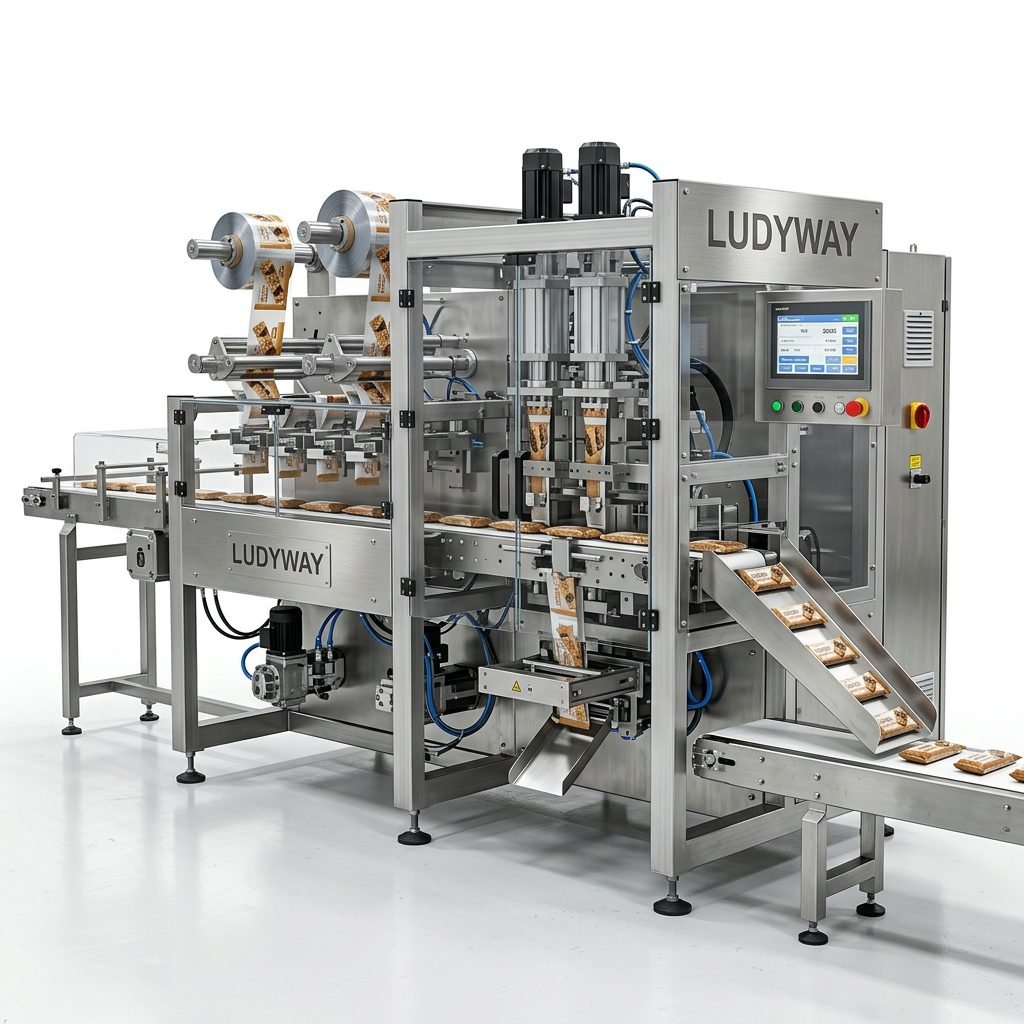
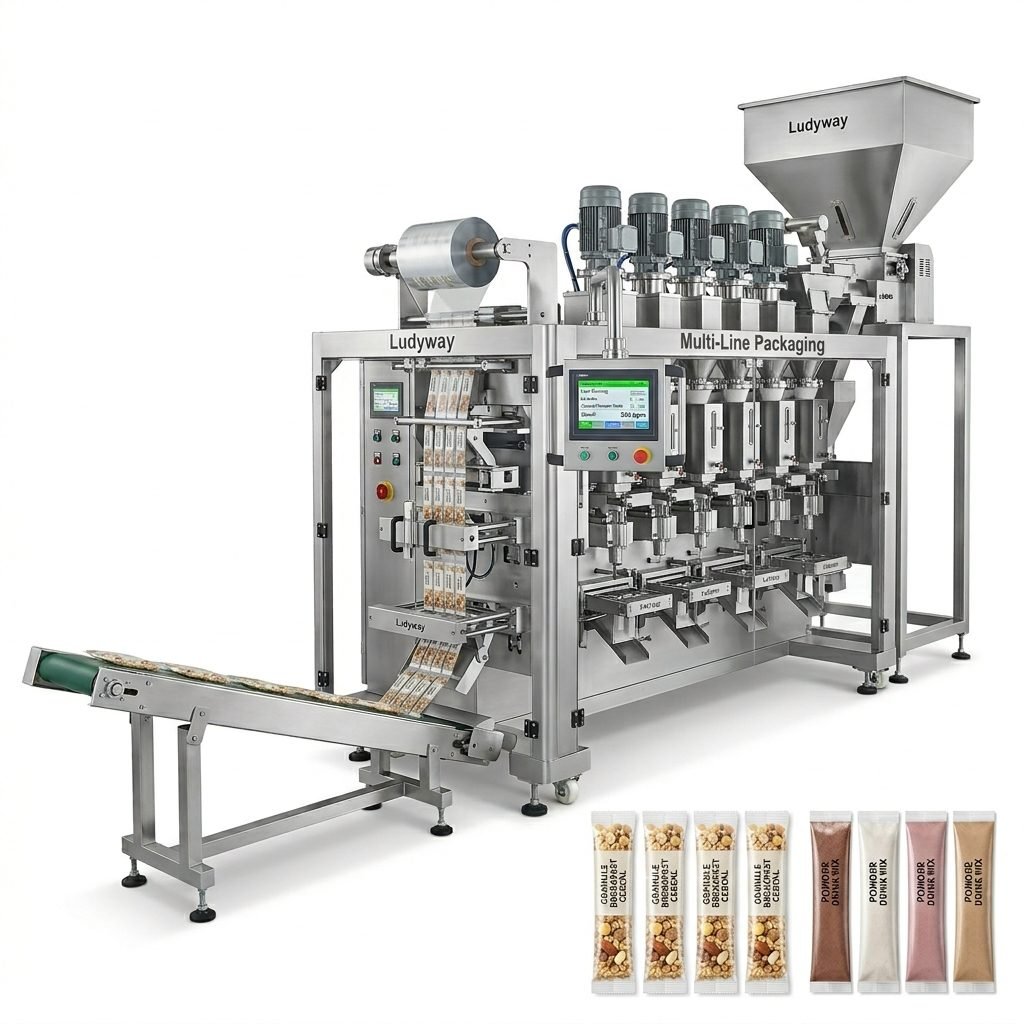
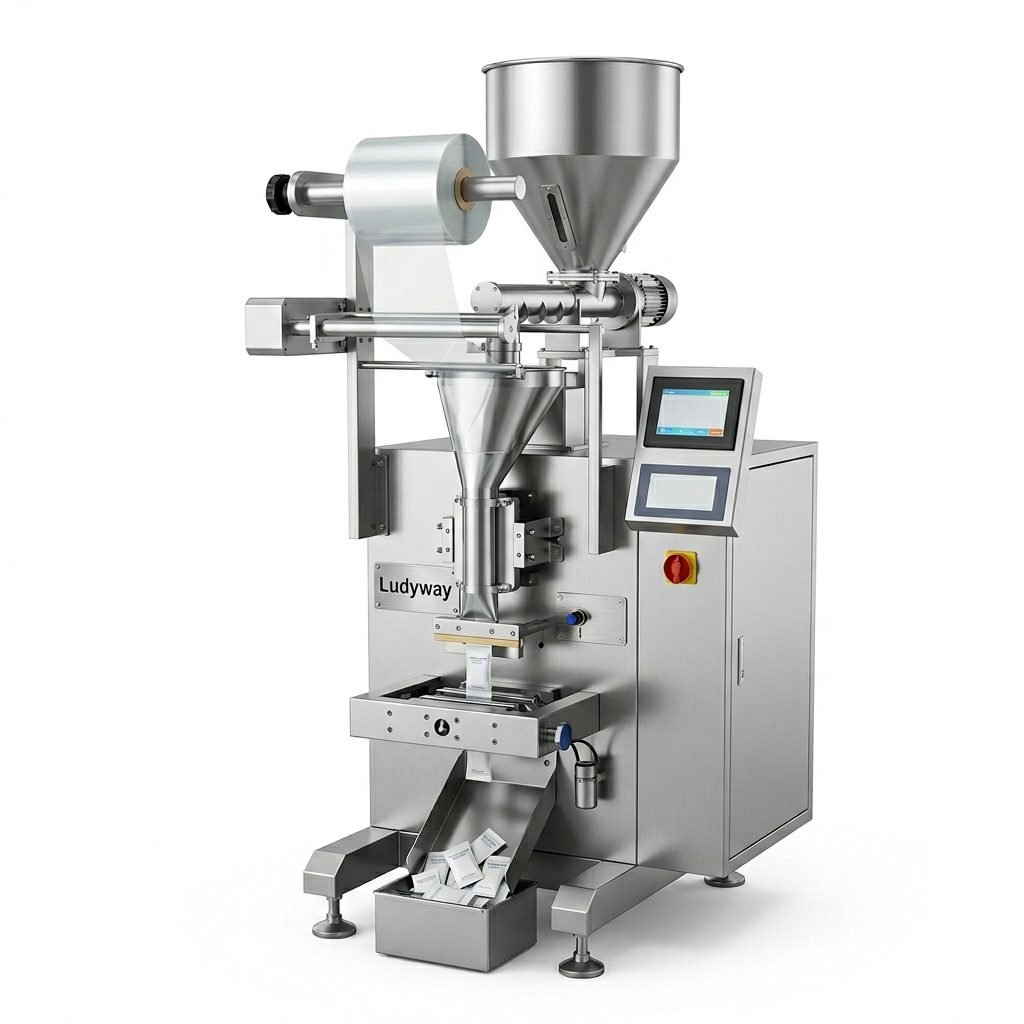
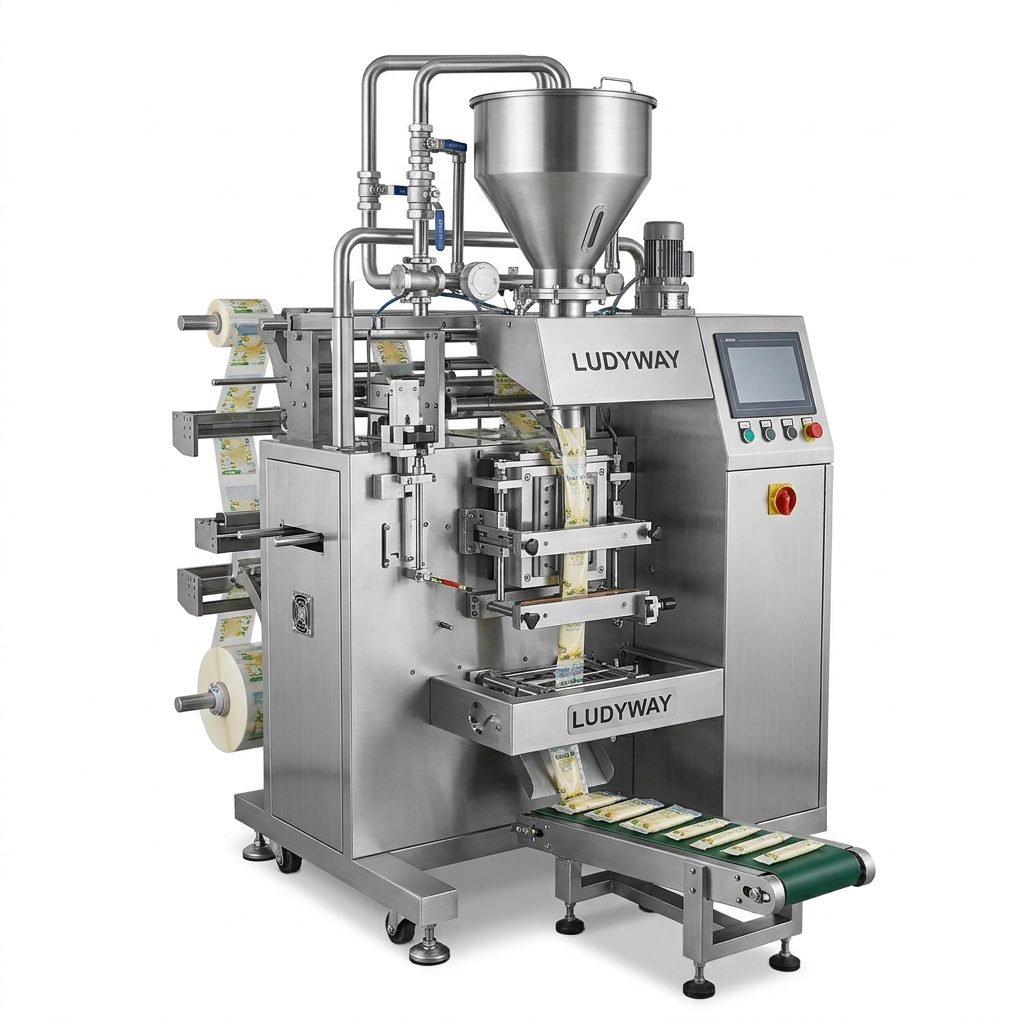
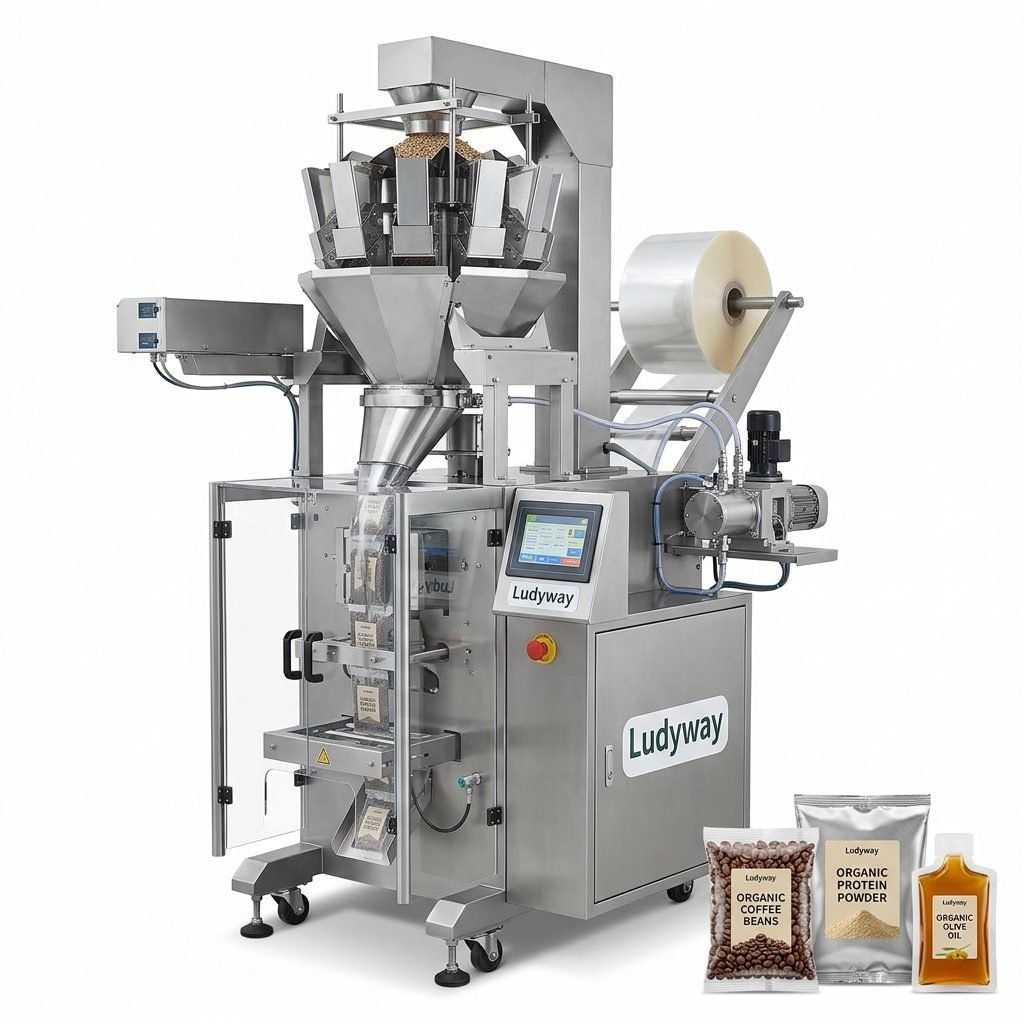
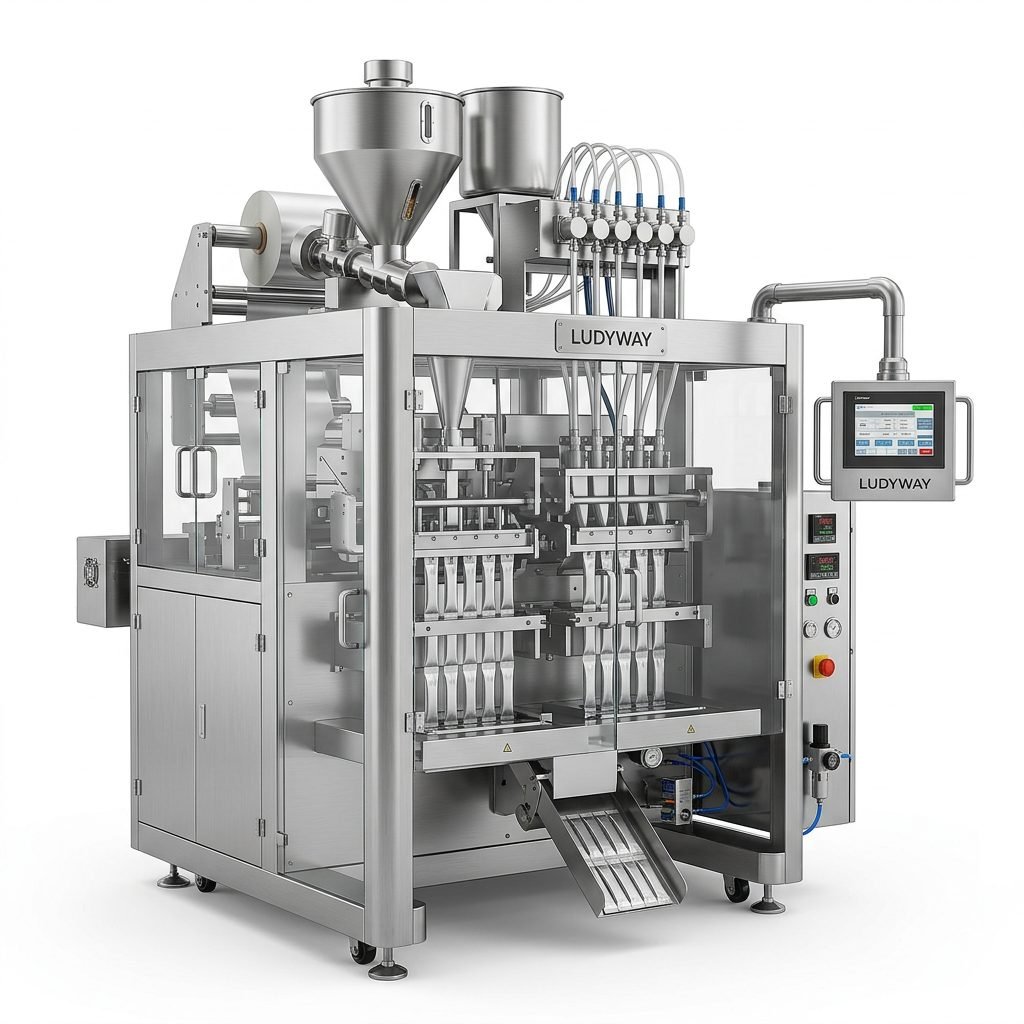
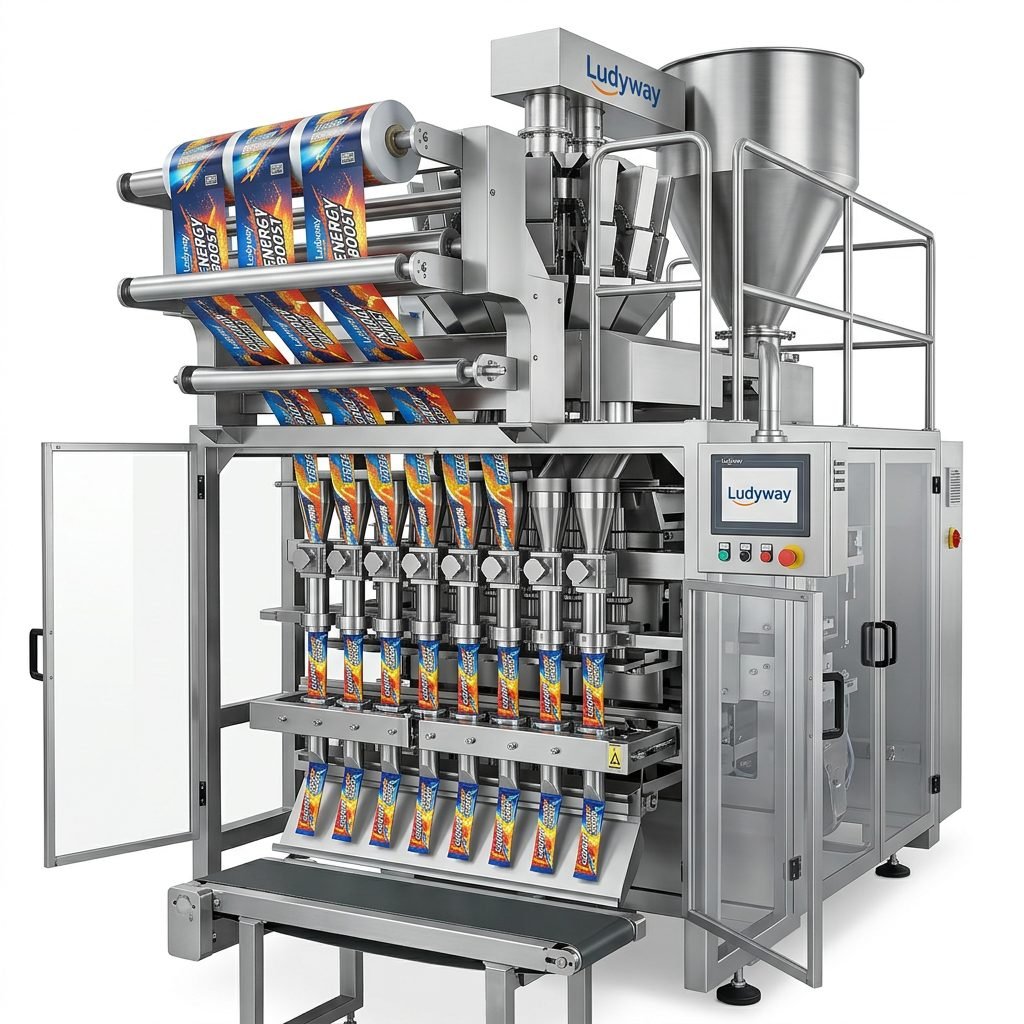
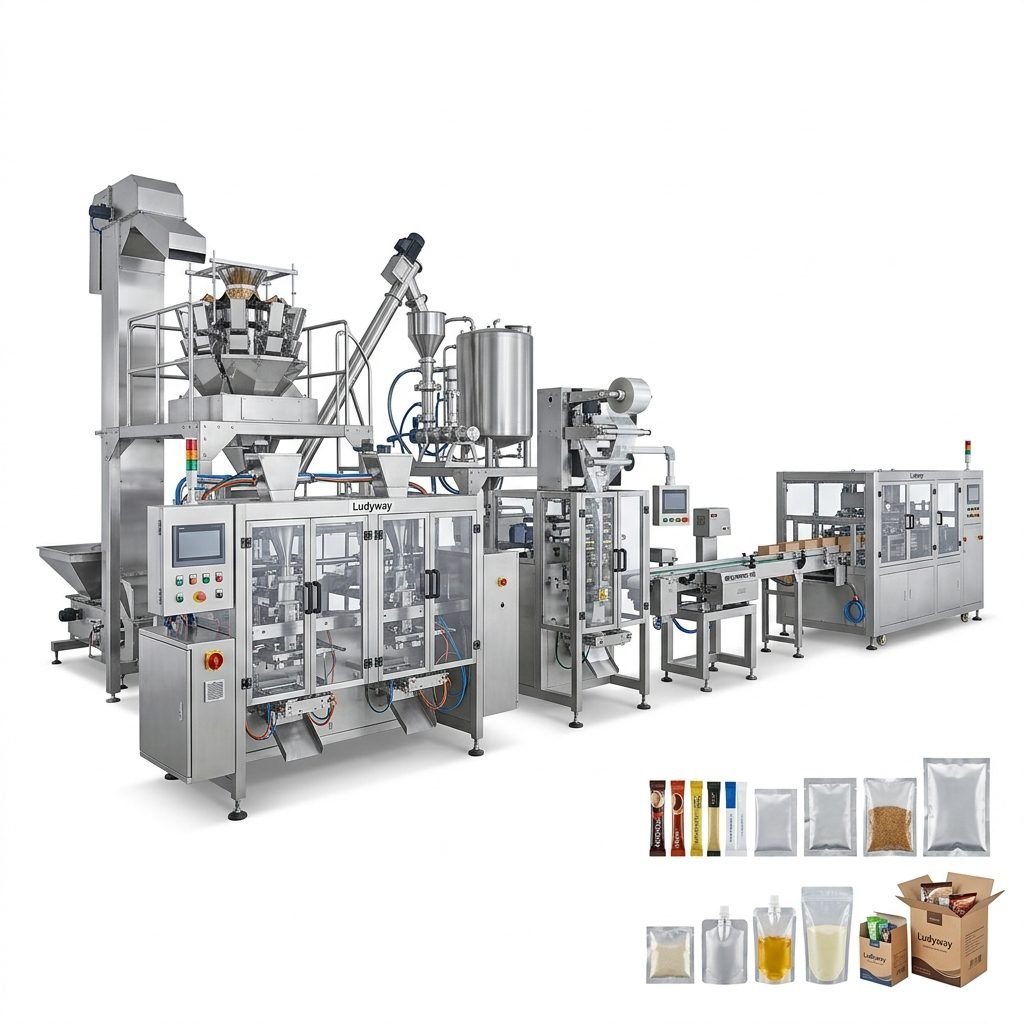
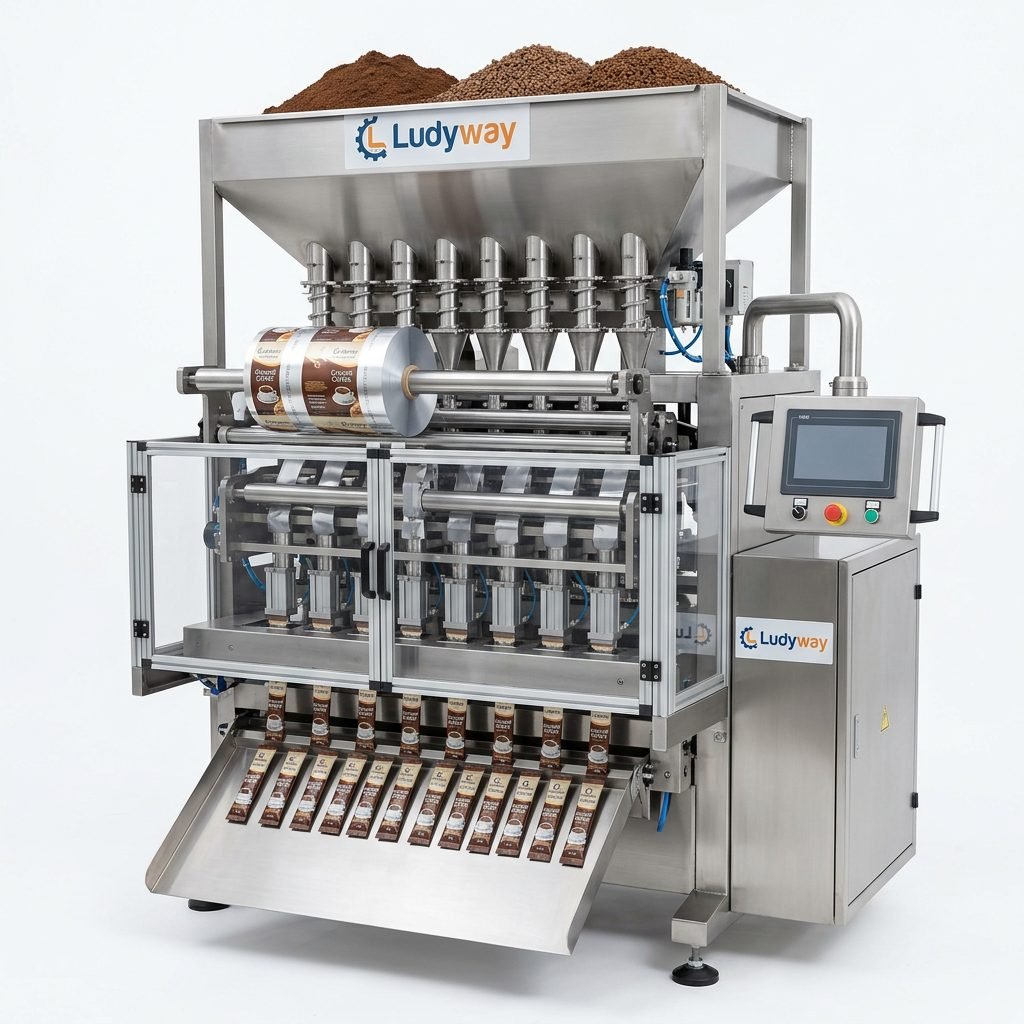
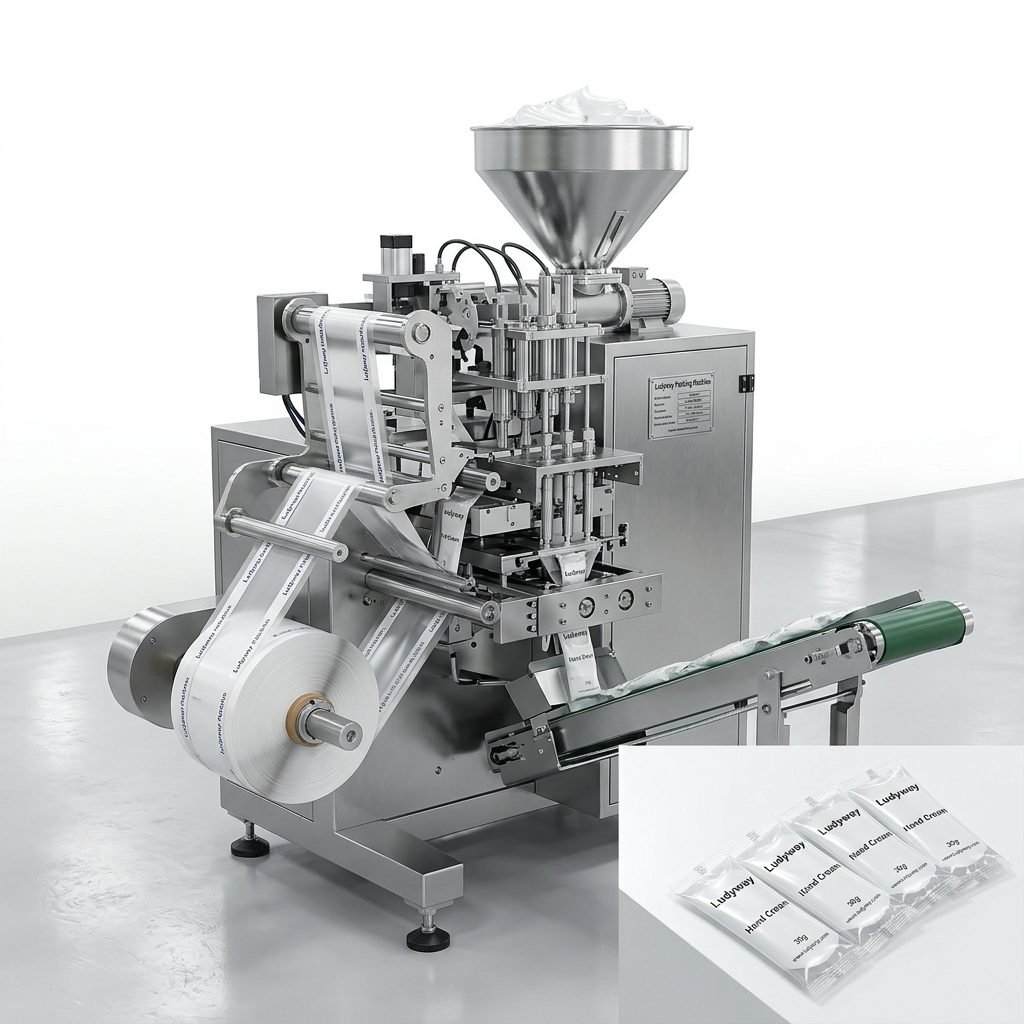
Proper maintenance is the foundation of reliable production. A well-maintained roll packaging machine ensures consistent output, reduces costly downtime, and extends equipment lifespan. Whether you’re running high-speed multi-lane systems or single-lane sachet lines, the principles of effective maintenance remain the same: cleanliness, inspection, lubrication, and calibration. Neglecting these fundamentals can lead to film tracking errors, seal failures, and unexpected breakdowns that disrupt your entire packaging operation.
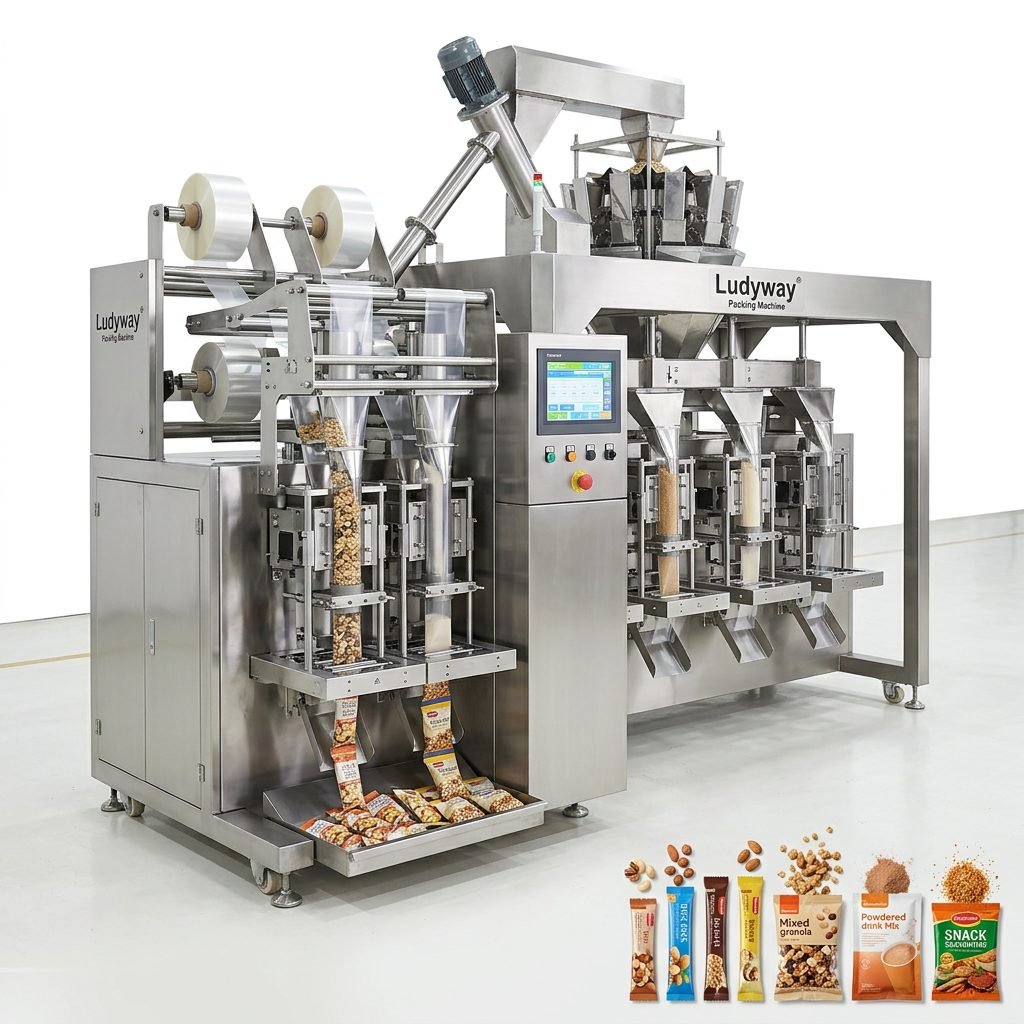
1. Daily Maintenance Checklist for Roll Packaging Machines
Daily care is your first line of defense. Operators should perform a visual inspection at the start of each shift. Look for worn sealing jaws, loose bolts, and debris buildup around the film path. A consistent daily routine prevents small issues from escalating into major repairs. Below are the essential daily tasks every operator should complete before running production.
- Clean the sealing surfaces – Remove residue from heat seal bars using a soft brush or approved cleaning solution. Burnt product on the jaws causes uneven seals and leakage.
- Inspect film rollers and tensioners – Check that all rollers rotate freely and that film tension is consistent across the web width.
- Verify temperature settings – Confirm that seal bar temperatures match the specifications for your film type. Overheating damages film and underheating causes weak seals.
- Check safety guards and sensors – Ensure all protective covers are in place and emergency stop circuits are functional.
- Lubricate moving parts – Apply food-grade lubricant to chains, bearings, and cam followers as specified in the machine manual.
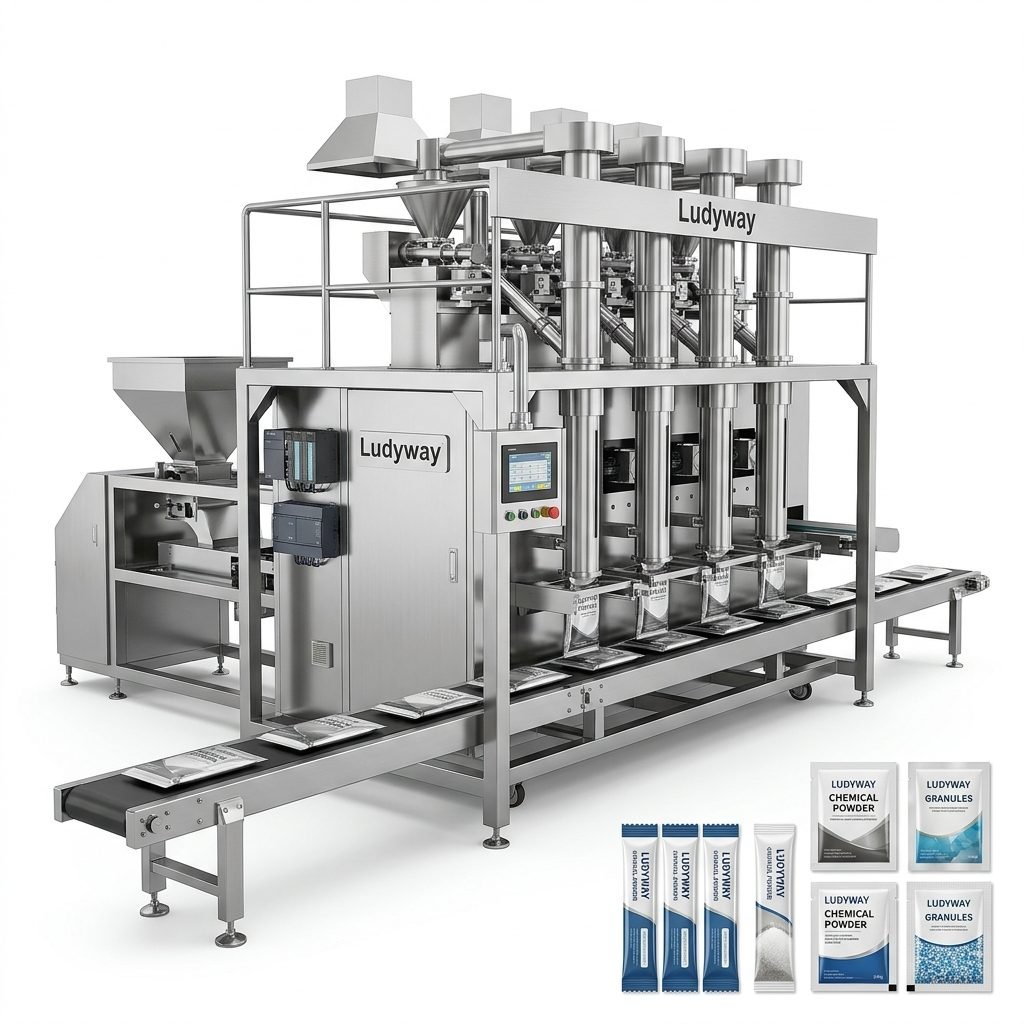
2. Weekly and Monthly Preventative Maintenance
Beyond daily tasks, a structured preventative maintenance program ensures long-term machine health. Weekly and monthly checks should be documented in a maintenance log. This creates accountability and helps identify wear patterns before components fail. The table below outlines a recommended packaging machinery maintenance schedule.
| Frequency | Maintenance Task | Key Focus Areas |
|---|---|---|
| Weekly | Inspect drive belts and chains | Tension, alignment, wear patterns |
| Weekly | Clean photoelectric sensors | Film registration, cut accuracy |
| Weekly | Check pneumatic system | Air pressure, filter condition, leaks |
| Monthly | Calibrate temperature controllers | Seal integrity, energy efficiency |
| Monthly | Inspect electrical connections | Loose terminals, wire insulation, grounding |
| Monthly | Replace worn wear strips and guides | Film alignment, reduced friction |
Why Preventative Maintenance Matters
Data from packaging industry research consistently shows that reactive maintenance costs 3 to 5 times more than planned preventative care. For roll packaging machines running multi-shift operations, unplanned downtime can cost thousands of dollars per hour in lost production. A disciplined maintenance approach protects both your equipment investment and your bottom line.
3. Common Roll Packaging Machine Issues and Troubleshooting
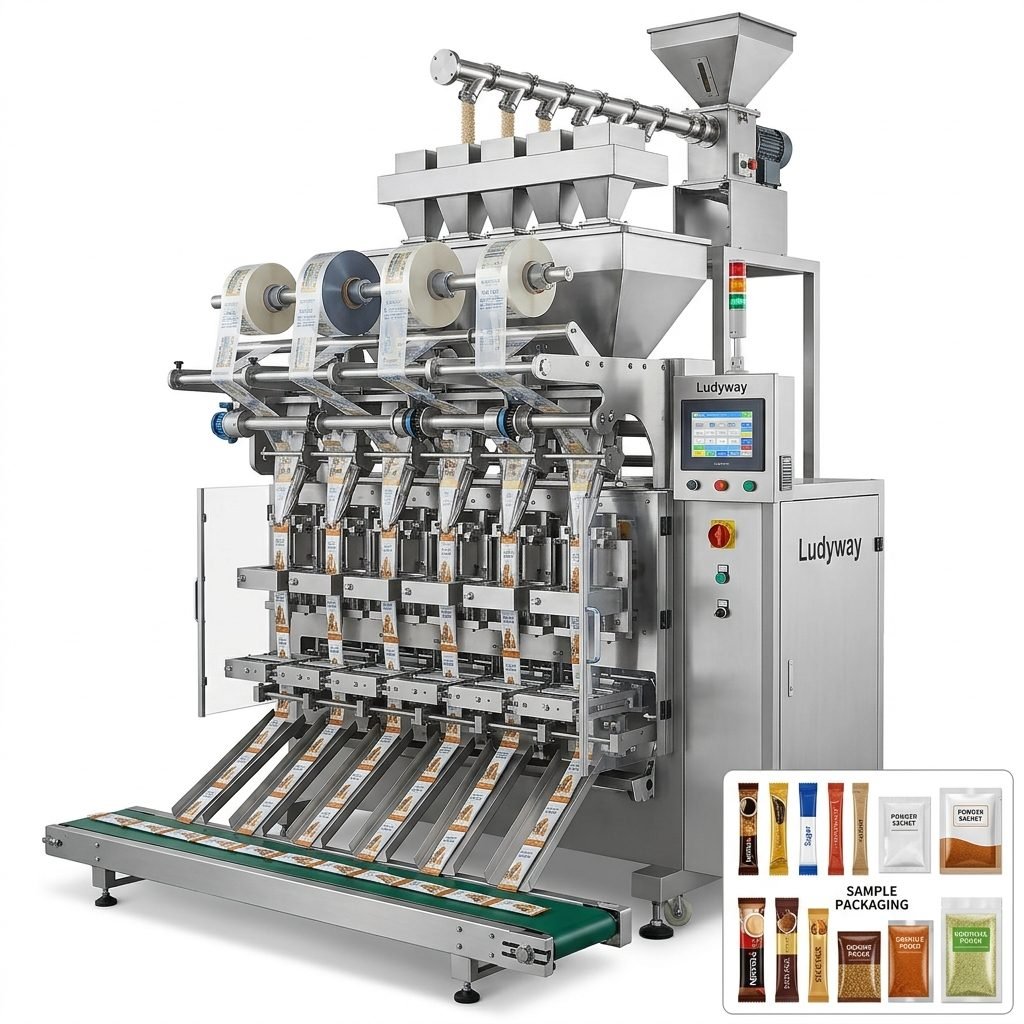
Even with regular maintenance, issues can arise. Understanding common problems helps operators respond quickly and correctly. Here are the most frequent challenges encountered with vertical form fill seal roll packaging machines and how to address them.
Film Tracking and Wrinkling Problems
When film wanders off-center or develops wrinkles, the cause is usually mechanical misalignment. Check the film roll holder for proper centering, inspect all guide rollers for parallel alignment, and verify that the forming tube is not bent or damaged. Worn roller bearings are another common culprit that causes intermittent tracking errors.
Seal Integrity Failures
Weak or leaking seals often result from incorrect temperature settings, contaminated seal bars, or inconsistent film tension. Use a seal strength tester to verify seal quality at regular intervals. If seal bars show signs of pitting or uneven wear, they should be resurfaced or replaced. Clean seal bars thoroughly between product changeovers to prevent cross-contamination buildup.
Inconsistent Cut Length
Variations in bag length typically point to film feed issues. Inspect the film registration sensor for dirt or misalignment. Check that the film unwind system provides smooth, consistent tension. Worn drive rollers can also cause slippage that results in length variations.
4. Lubrication Best Practices for Packaging Equipment
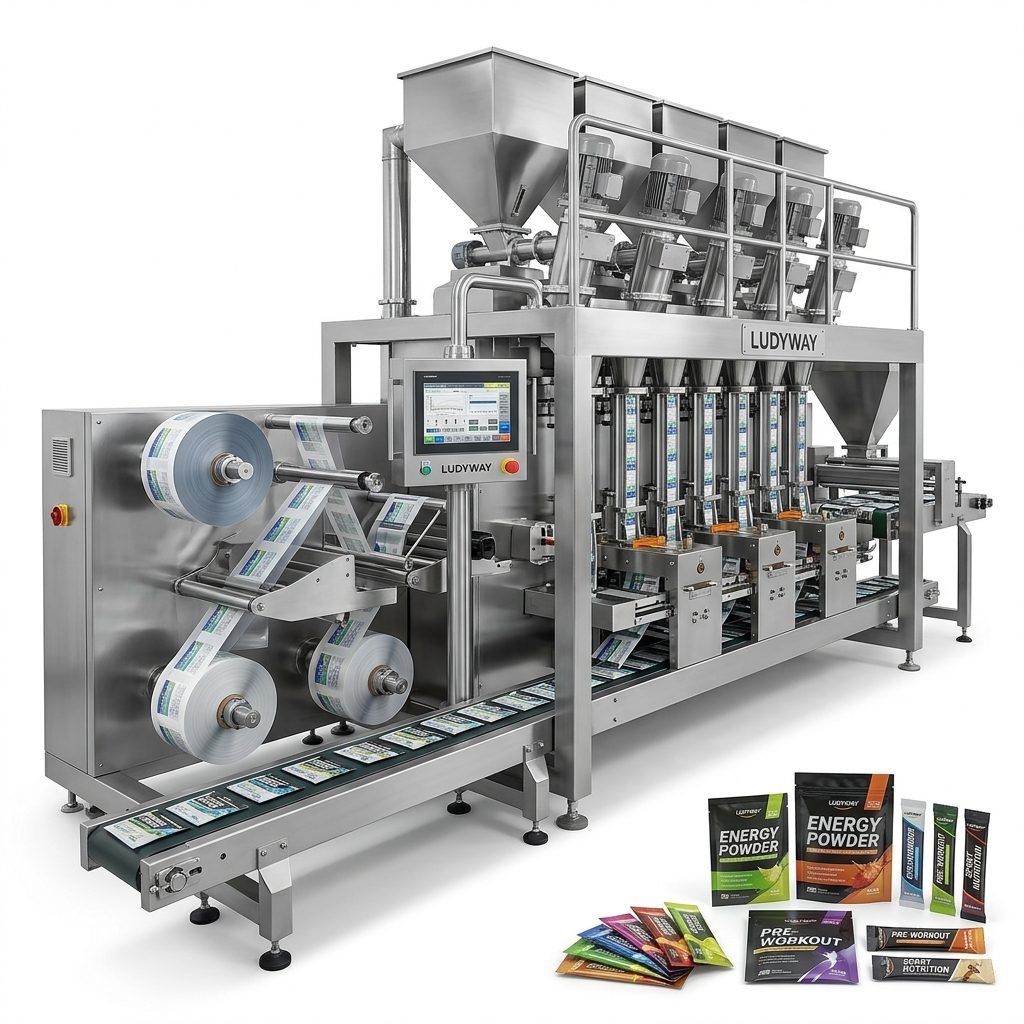
Proper lubrication is one of the most overlooked aspects of packaging equipment maintenance. Using the right lubricant in the right amount at the right interval can dramatically extend component life. For food and pharmaceutical applications, always use food-grade lubricants that meet FDA and NSF H1 standards.
- Sealing jaw bearings – Lubricate weekly with high-temperature grease rated for continuous thermal cycling.
- Cam followers and linear guides – Apply light machine oil monthly, wiping away excess to prevent product contamination.
- Chain drives – Use chain-specific lubricant every 200 operating hours or as specified by the chain manufacturer.
- Gearboxes – Check oil levels quarterly and replace gear oil annually to prevent premature gear failure.
5. Spare Parts Management for Roll Packaging Machines
Waiting for replacement parts during a breakdown is one of the most expensive mistakes in packaging operations. A well-planned spare parts inventory allows you to resolve issues in hours rather than days. Based on industry best practices, every roll packaging machine should have the following critical spares on hand.
| Spare Part Category | Recommended Quantity | Replacement Interval |
|---|---|---|
| Seal bars (complete set) | 2 sets | 6-12 months |
| Teflon tape / seal covers | 1 roll | Weekly to monthly |
| Drive belts | 1 set per size | 12-18 months |
| Heater cartridges | 4-6 units | As needed |
| Thermocouples | 4 units | 6-12 months |
| Photoelectric sensors | 2 units | As needed |
| Pneumatic cylinders and seals | 1 kit | 12-24 months |
6. Operator Training and Documentation
Even the best maintenance program fails without properly trained operators. Every operator should understand not just how to run the roll packaging machine, but how to identify early warning signs of mechanical issues. Comprehensive training reduces operator error, which is a leading cause of machine damage in high-speed packaging environments.
Essential Training Topics
- Machine startup and shutdown procedures
- Film threading and tension adjustment techniques
- Temperature and pressure parameter settings for different products
- Recognition of abnormal sounds, vibrations, or visual indicators
- Emergency stop procedures and safety lockout protocols
- Basic troubleshooting flowcharts and escalation procedures
Maintain detailed maintenance logs documenting every inspection, repair, and parts replacement. These records become invaluable for identifying recurring problems, planning capital replacements, and demonstrating compliance with ISO packaging standards and regulatory requirements.
7. Long-Term Machine Optimization Strategies
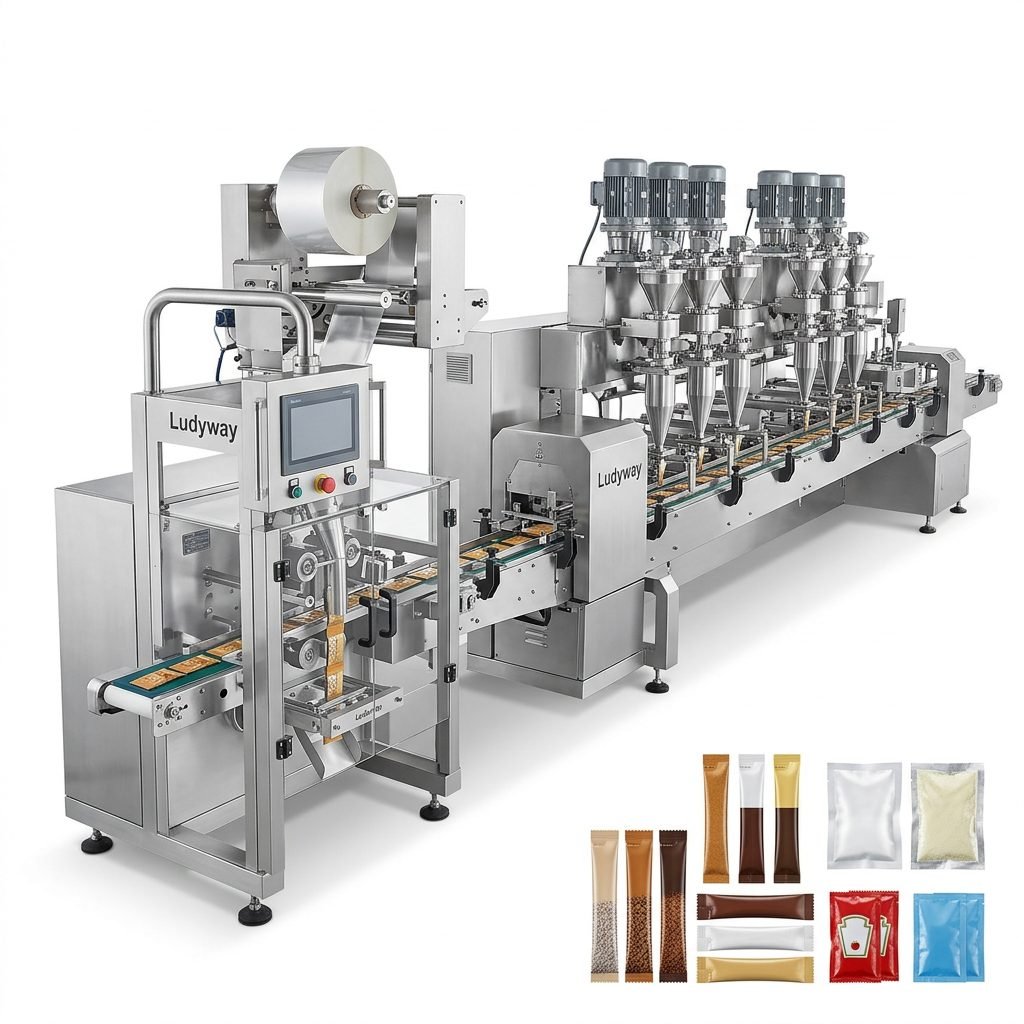
Beyond routine maintenance, consider these strategies to maximize the lifespan and performance of your roll packaging equipment. A proactive approach to machine optimization delivers measurable returns through increased uptime, reduced waste, and improved product quality.
Annual Professional Servicing
Schedule an annual comprehensive service by a qualified technician. This includes deep cleaning of internal components, replacement of all wear items, full calibration of temperature and pressure systems, and software updates for PLC-controlled machines. Companies like Ludyway, one of the largest packaging machine manufacturers in China, recommend annual professional servicing to keep equipment running at peak efficiency and to identify potential issues before they cause production disruptions.
Retrofit and Upgrade Opportunities
Technology evolves rapidly in the packaging industry. Older roll packaging machines can often be retrofitted with modern controls, improved sealing systems, or energy-efficient drives. These upgrades can extend machine life by years while improving speed, accuracy, and energy consumption. Evaluate retrofit opportunities every 3-5 years as part of your capital planning process.
Essential Resources for Packaging Machine Maintenance
Stay informed with these authoritative resources covering packaging machinery standards, industry data, and regulatory guidance: