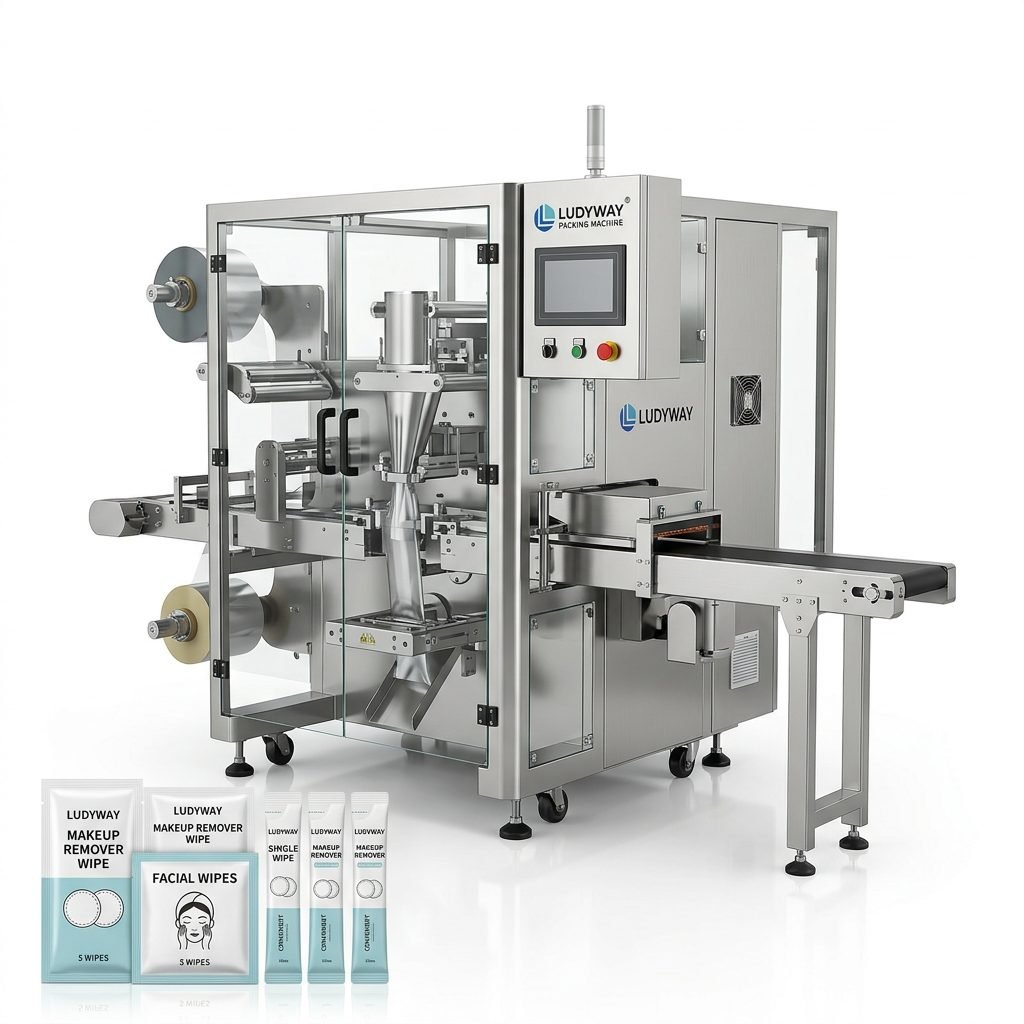
The cost of a tea paper pouch packing machine is a critical consideration for tea producers, exporters, and packaging businesses. Whether you’re packaging loose leaf tea, herbal blends, or powdered matcha in paper pouches, the investment in the right equipment directly impacts product quality, production efficiency, and long-term profitability. Prices can range from a few thousand dollars for basic semi-automatic models to over $100,000 for advanced, high-speed multi-lane systems designed for large-scale tea packaging operations.
When evaluating tea paper pouch packing machine options, it is important to understand that the final cost is influenced by a wide range of factors beyond the initial equipment price. These include the machine’s configuration, automation level, speed, precision of weighing and filling systems, and after-sales support. This article provides a comprehensive breakdown of these cost factors, helping you plan your budget and choose a solution that delivers strong return on investment.
Key Factors Influencing Tea Paper Pouch Packing Machine Cost
Several core components and specifications drive the pricing of a tea packaging machine. Understanding these variables is essential for comparing quotes from different packaging machine manufacturers and making an informed decision. The following factors are the primary determinants of overall machine cost.
1. Level of Automation
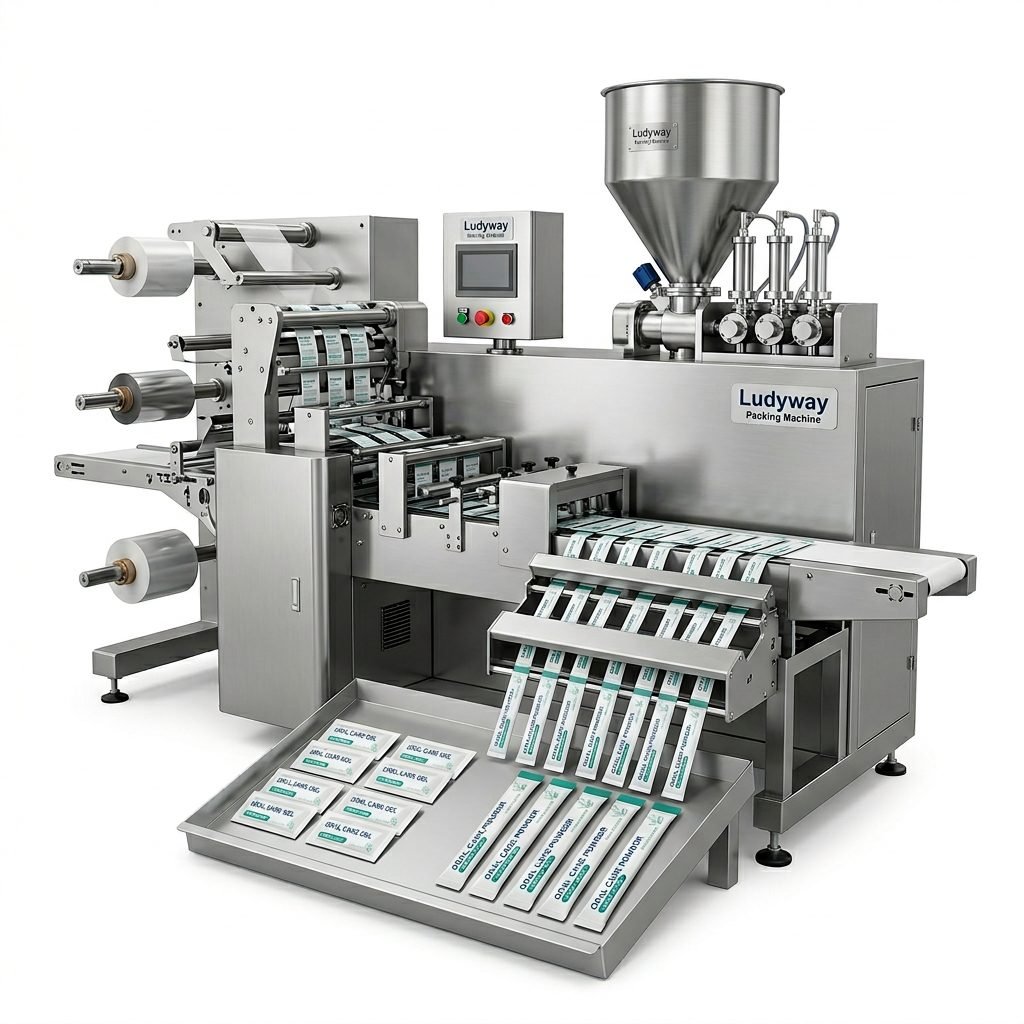
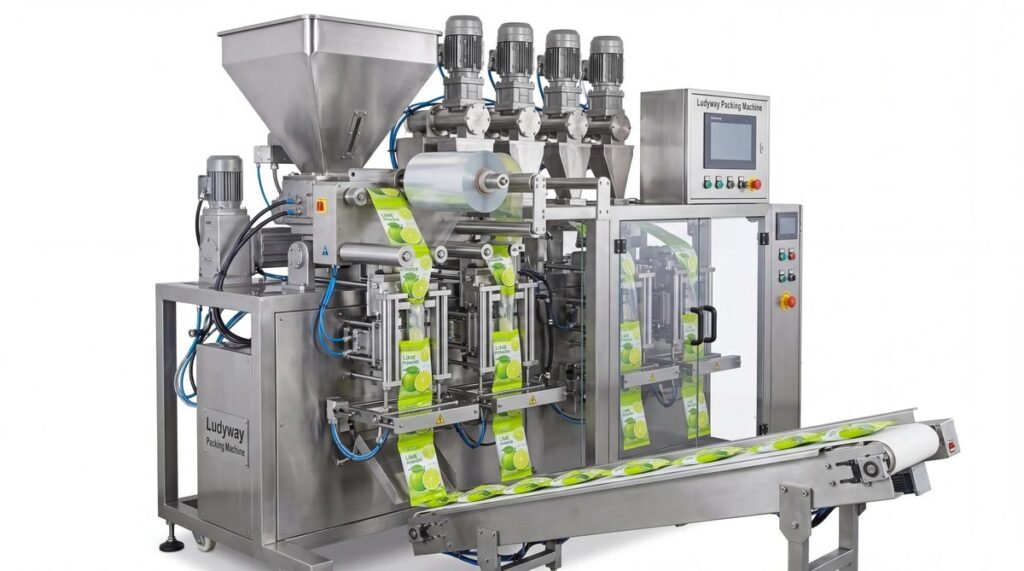
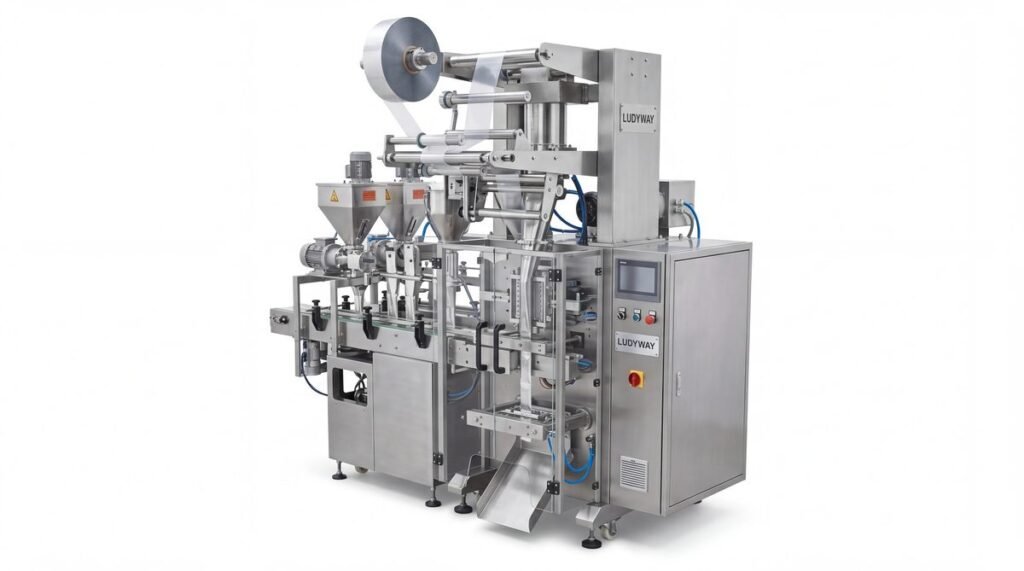
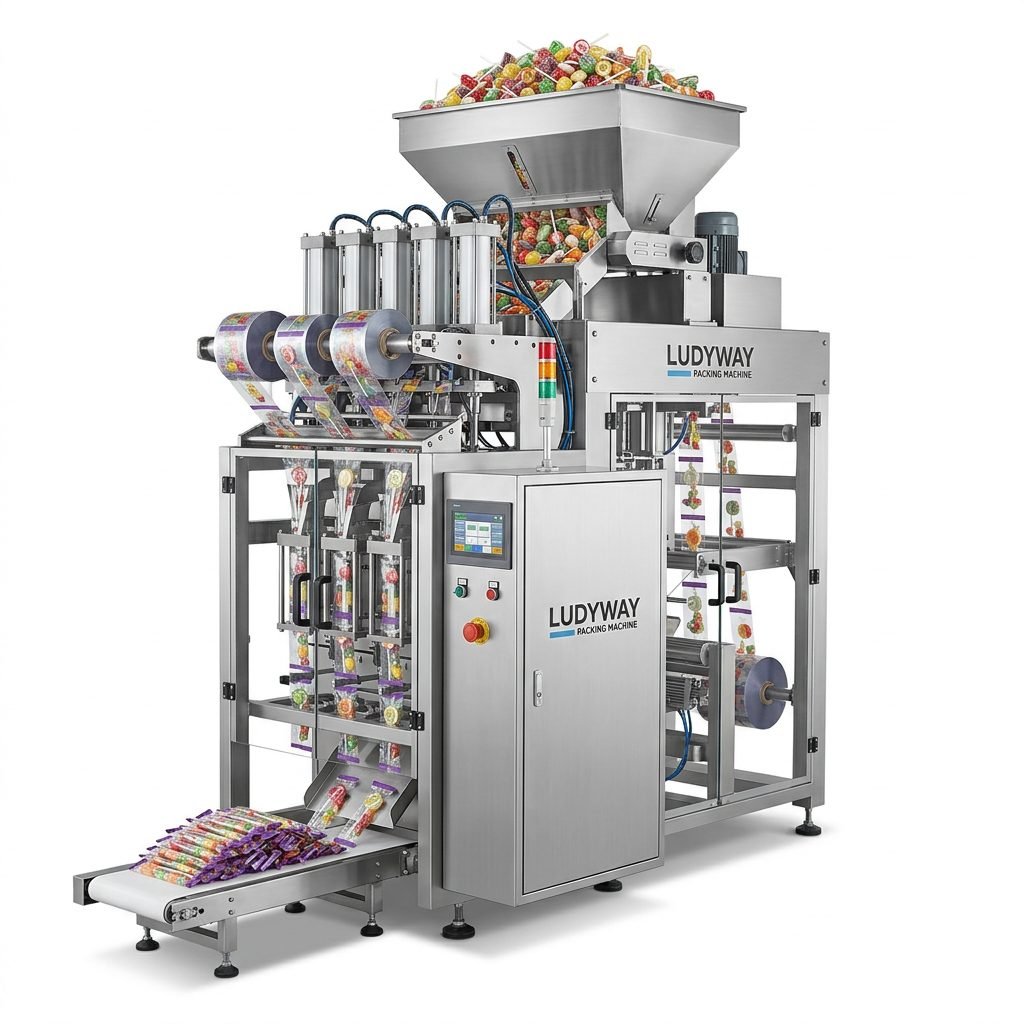
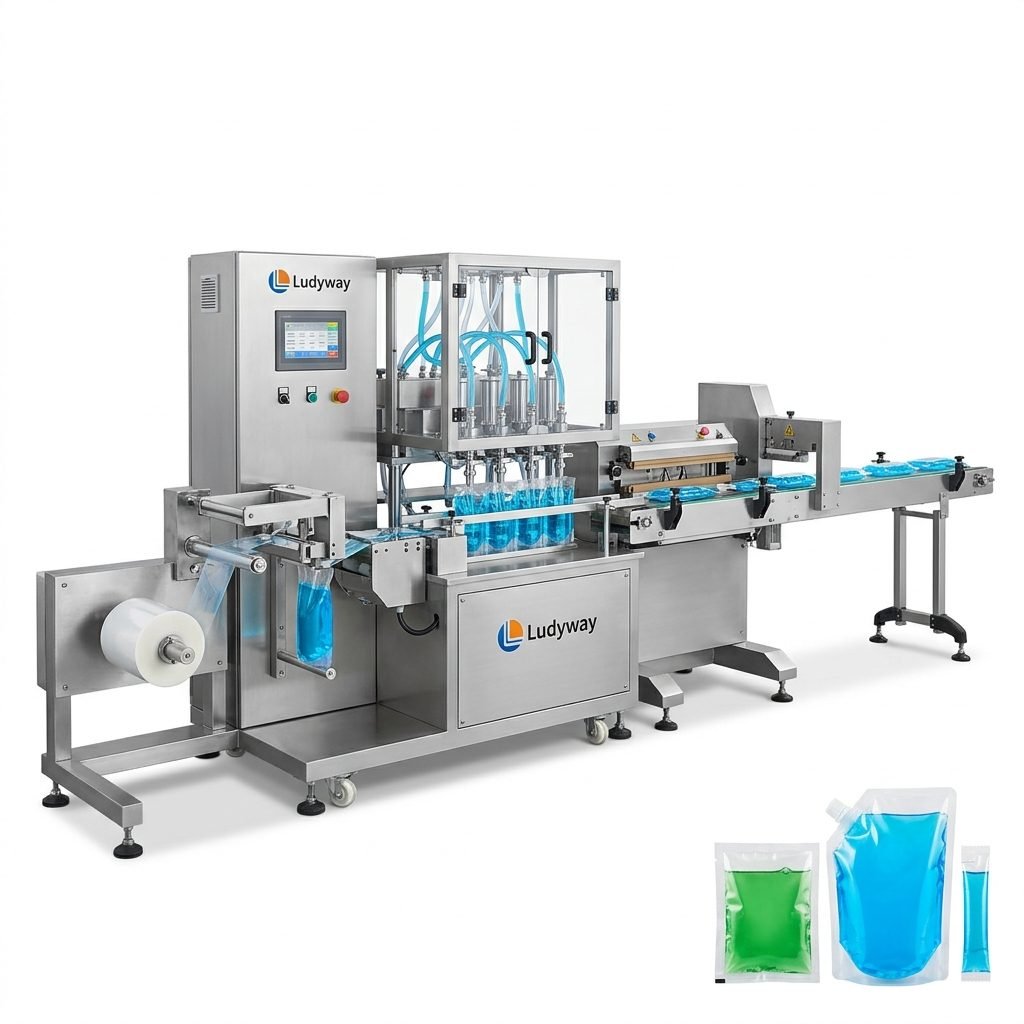
The degree of automation is perhaps the single biggest cost driver. Semi-automatic machines require manual intervention for tasks like pouch placement, product feeding, or sealing initiation, making them more affordable but slower. In contrast, fully automatic tea paper pouch packing machines handle the entire process—from film unwinding, forming, filling, sealing, to cutting and counting—with minimal human oversight. Further integration with robotic palletizers or automated carton packers significantly increases the total system cost but also massively boosts operational efficiency.
2. Machine Speed and Capacity
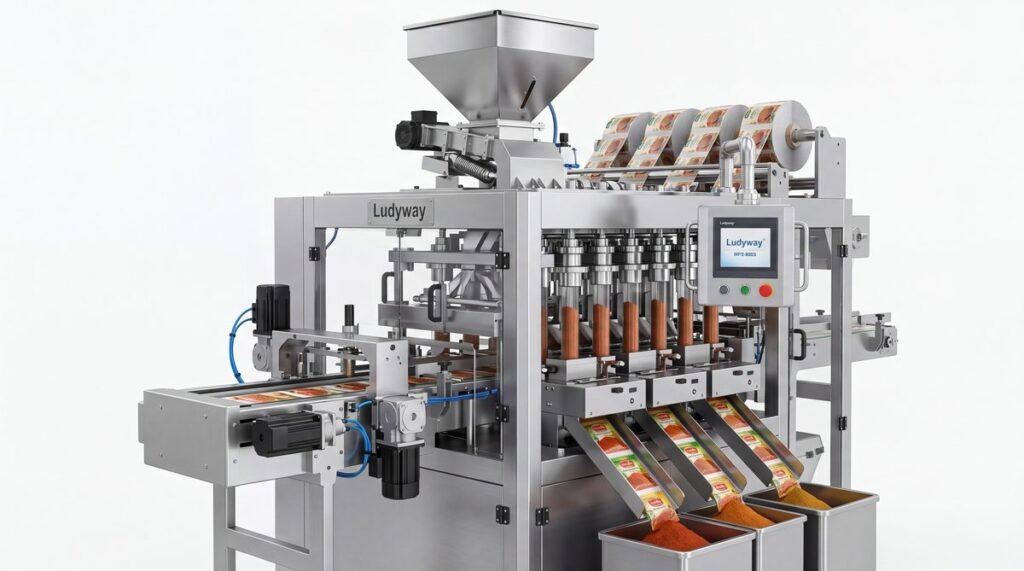
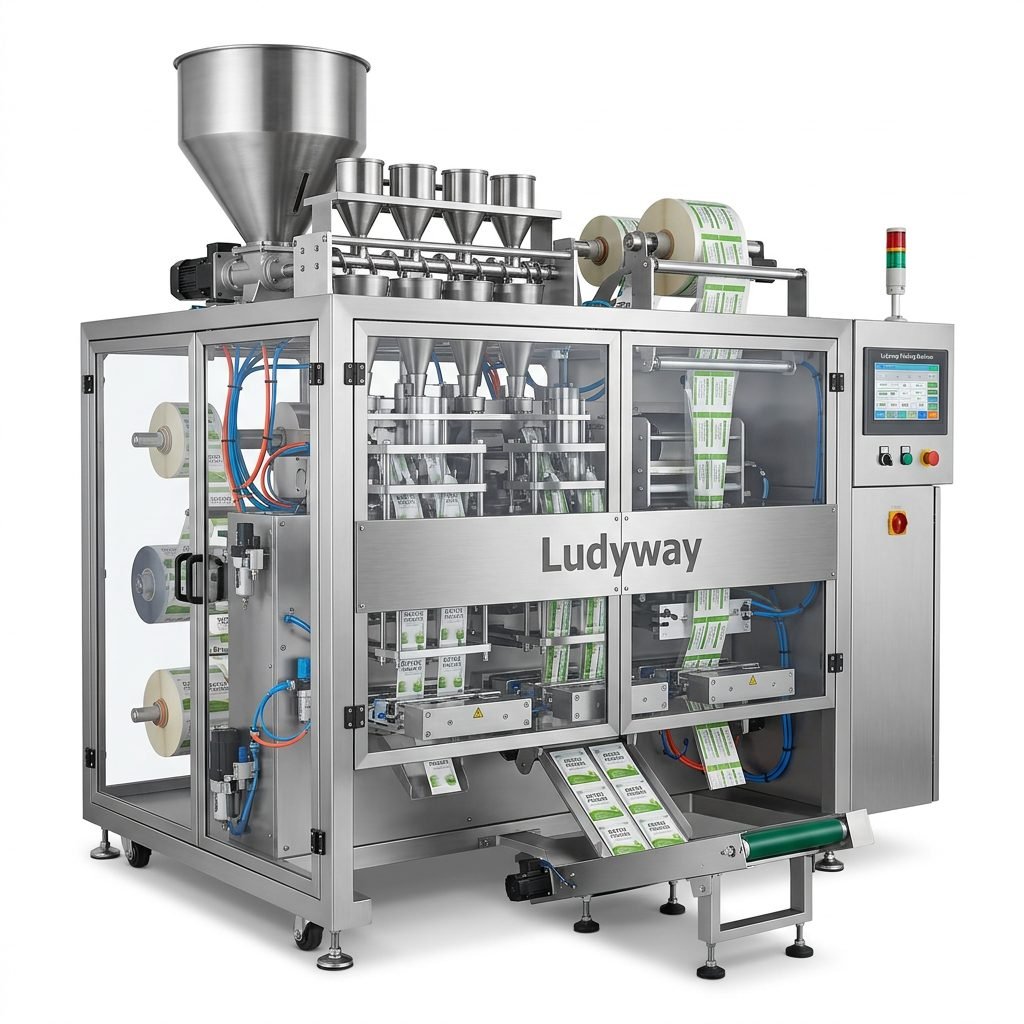
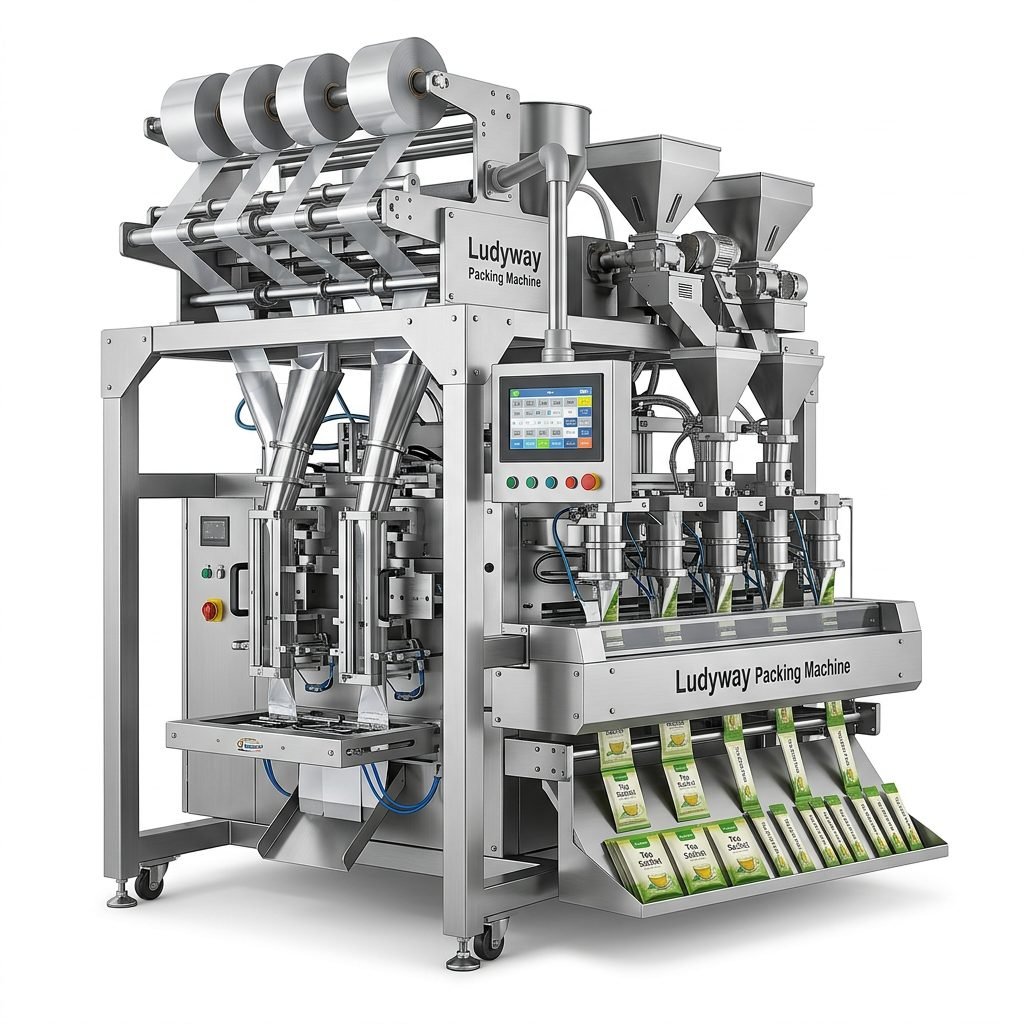
Speed, typically measured in pouches per minute (ppm), directly correlates with motor quality, structural robustness, and control system sophistication. A machine running at 30-40 ppm will cost considerably less than a high-speed model capable of 80-120 ppm or more. For businesses with growing demand, investing in a higher capacity machine like a multi-lane system often proves more cost-effective in the long run by reducing per-pouch production costs.
3. Weighing and Filling Systems
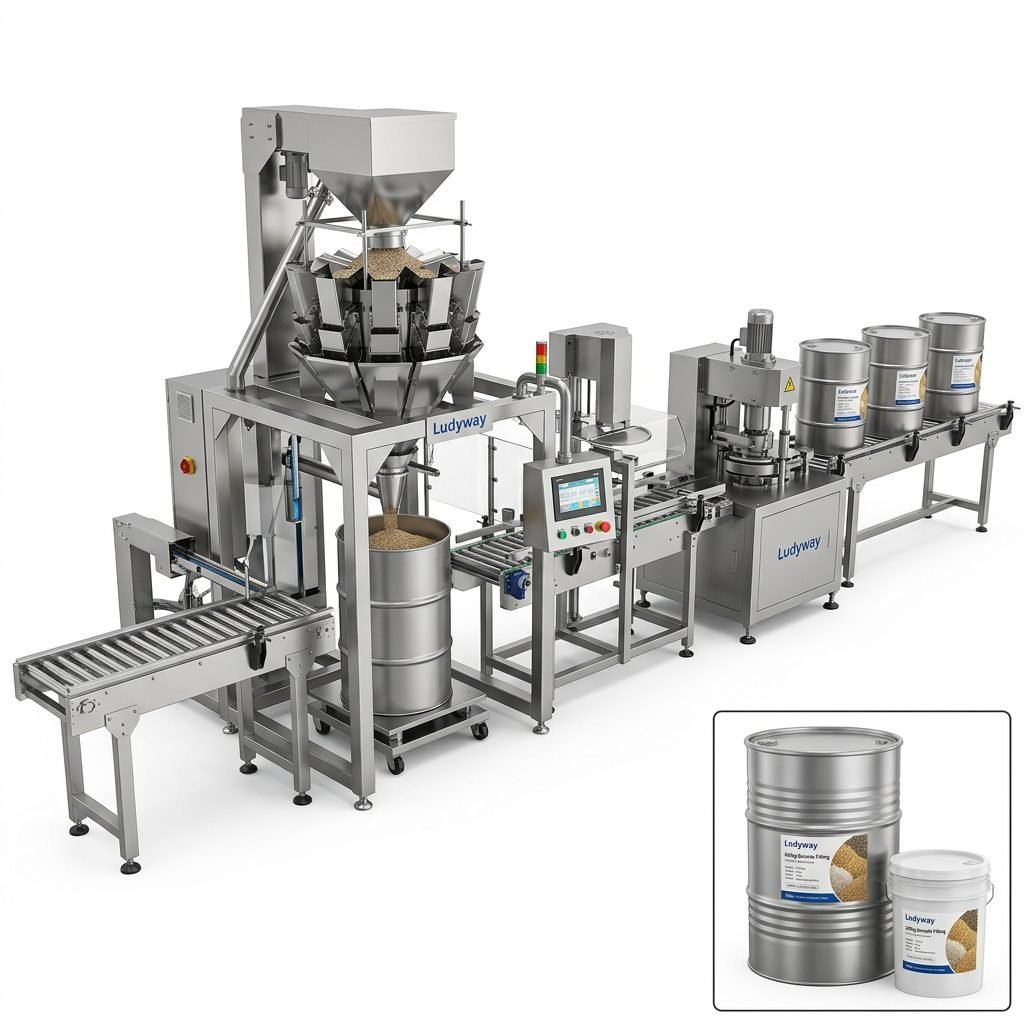
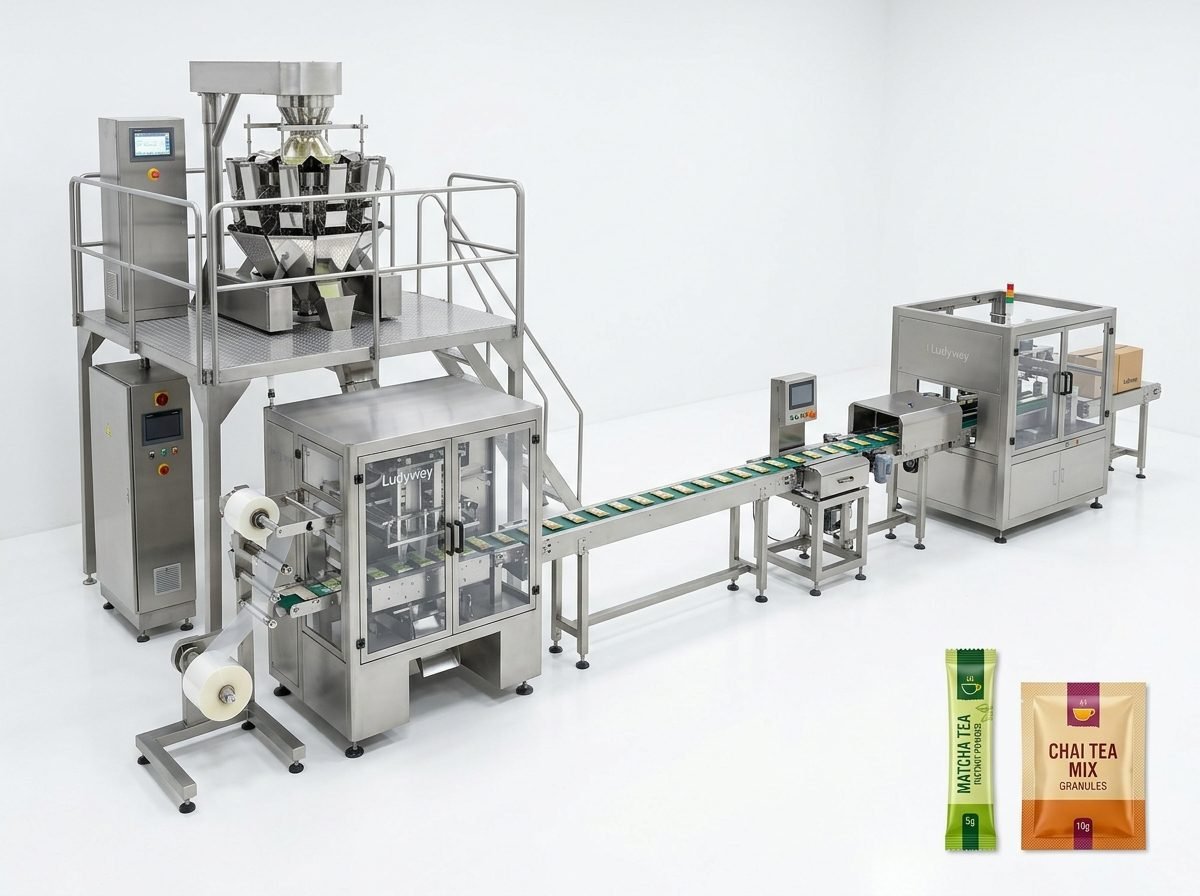
For tea products, dosing accuracy is critical to maintain consistent taste and meet labeling regulations. The type of filling system greatly affects machine cost. Volumetric cup fillers are generally more economical and suitable for consistent granular teas. Multi-head weighers offer superior accuracy and speed, especially for blends with varying particle sizes, but add significantly to the upfront cost. Auger fillers are preferred for powdered teas like matcha, providing high precision in dosing fine powders. Selecting the right combination of weighing and filling technology is a balance between initial cost and product quality requirements.
4. Construction Materials and Build Quality
Machines built predominantly with 304 or 316 stainless steel and food-grade components are more expensive but essential for compliance with food safety standards. The quality of electrical components and the robustness of the frame determine the machine’s service life and maintenance frequency. Equipment from established manufacturers often commands a higher price due to better materials, precision machining, and stringent quality control processes.
5. Additional Features and Customizations
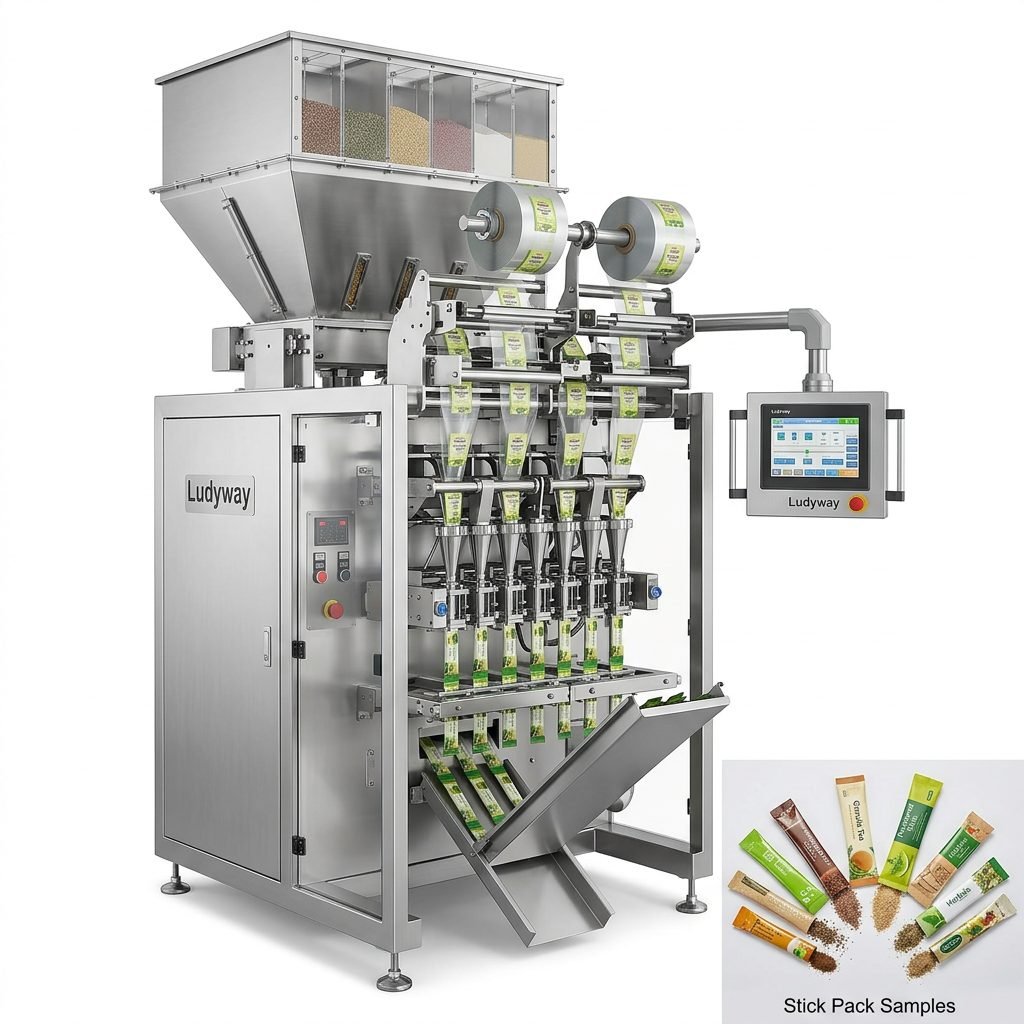
Optional features can substantially increase the base price of a stick pack machine or pouch packing system. Common add-ons include nitrogen gas flushing for extended shelf life, hot stamp or inkjet date coders, tear-notch or zipper application devices, and IoT-enabled remote monitoring systems. Each added feature improves product quality, traceability, or convenience but must be evaluated against its contribution to the overall packaging industry goals.
Typical Cost Ranges for Tea Paper Pouch Machines
While specific quotes depend on configuration, the table below outlines general cost expectations based on machine type and production scale. These figures are indicative and intended for initial budget planning.
| Machine Type | Speed Range | Typical Applications | Estimated Cost (USD) |
|---|---|---|---|
| Semi-Automatic Single Lane | 15-25 ppm | Small tea workshops, startups | $3,000 – $8,000 |
| Fully Automatic Single Lane | 30-50 ppm | Medium-scale tea packers | $10,000 – $25,000 |
| High-Speed Multi-Lane (4-6 lanes) | 80-150 ppm | Export-oriented tea brands, large manufacturers | $30,000 – $70,000 |
| Integrated Turnkey Line | 100+ ppm | Complete tea packaging factories | $80,000 – $150,000+ |
Understanding Total Cost of Ownership
The initial purchase price is just one component of the total cost of ownership. A comprehensive financial analysis should include several long-term factors. A lower upfront cost can sometimes lead to higher expenses over time due to increased downtime or maintenance requirements.
- Operational Efficiency: High-speed automated machines reduce labor costs and increase output, directly improving manufacturing productivity.
- Spare Parts and Maintenance: The availability and cost of genuine spare parts, as well as the accessibility of technical support, are crucial for minimizing production interruptions.
- Energy Consumption: More efficient motors and drive systems can significantly reduce electricity costs over the machine’s lifespan.
- Film and Material Wastage: Precision forming and sealing systems minimize plastic and paper waste, contributing to both cost savings and sustainability targets.
- Compliance and Longevity: Investing in robust, certified equipment reduces regulatory risks and ensures a longer service life, which is particularly important for food packaging compliance.
Why Choose Ludyway for Your Tea Packaging Needs
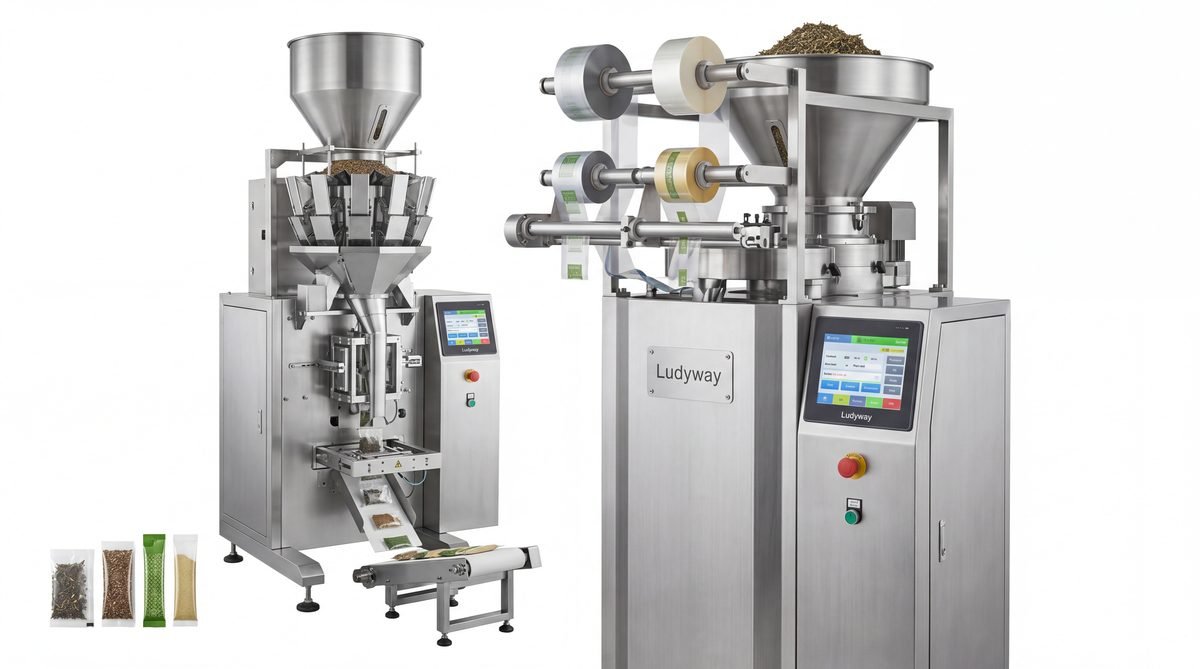
When sourcing a reliable and cost-effective tea packaging solution, partnering with a manufacturer that combines technical expertise with comprehensive service is essential. Ludyway is one of the largest packaging machine manufacturers in China, specializing in advanced packaging equipment and turnkey production solutions for the food, pharmaceutical, and health industries. With over 30 years of industry experience, we provide reliable and efficient systems for granule, powder, liquid, and pouch packaging applications. Our modern 20,000㎡ manufacturing facility and dedicated engineering team support over 50 intelligent packaging machine models, including multi-lane stick pack and sachet machines.
Beyond the Machine: Service and Support
The relationship with your equipment supplier does not end with the purchase. Installation, commissioning, operator training, and ongoing technical support are vital for achieving maximum machine uptime. Comprehensive warranties and readily available remote or on-site service significantly reduce the risk of prolonged production stoppages. Evaluating the true value of a machine means considering the warranty terms, the responsiveness of the technical team, and the supplier’s commitment to long-term partnership and continuous improvement.
Additional Resources and Industry Standards
For further insights into packaging machinery standards and market trends, explore these authoritative resources:
- PMMI – The Association for Packaging and Processing Technologies
- Flexible Packaging Association – Official Website
- ISO – Packaging Standards
- PMMI – PACK EXPO International
Making the Final Decision
Selecting the right tea paper pouch packing machine requires a holistic assessment of your production volume, product characteristics, growth projections, and total investment capacity. A low initial price often hides higher operational costs, while a seemingly high investment in a high-speed, reliable, and efficient system typically yields greater profitability over time. We recommend contacting experienced manufacturers to discuss your specific requirements, request a detailed quotation, and if possible, arrange a visit to their production facilities or a live machine demonstration.
By carefully analyzing the factors outlined in this guide and understanding the full spectrum of costs involved, you can make a strategic investment that positions your tea brand for sustainable growth and operational excellence in the competitive global market.