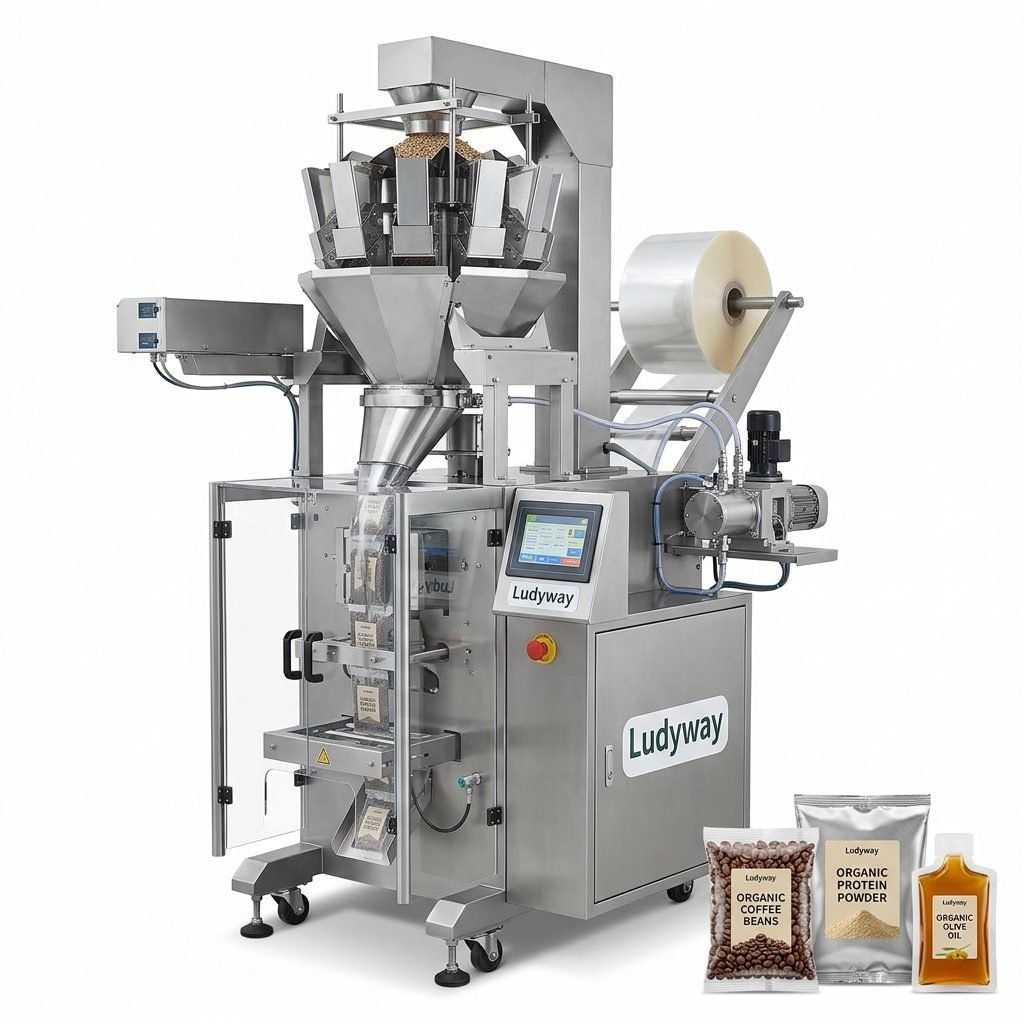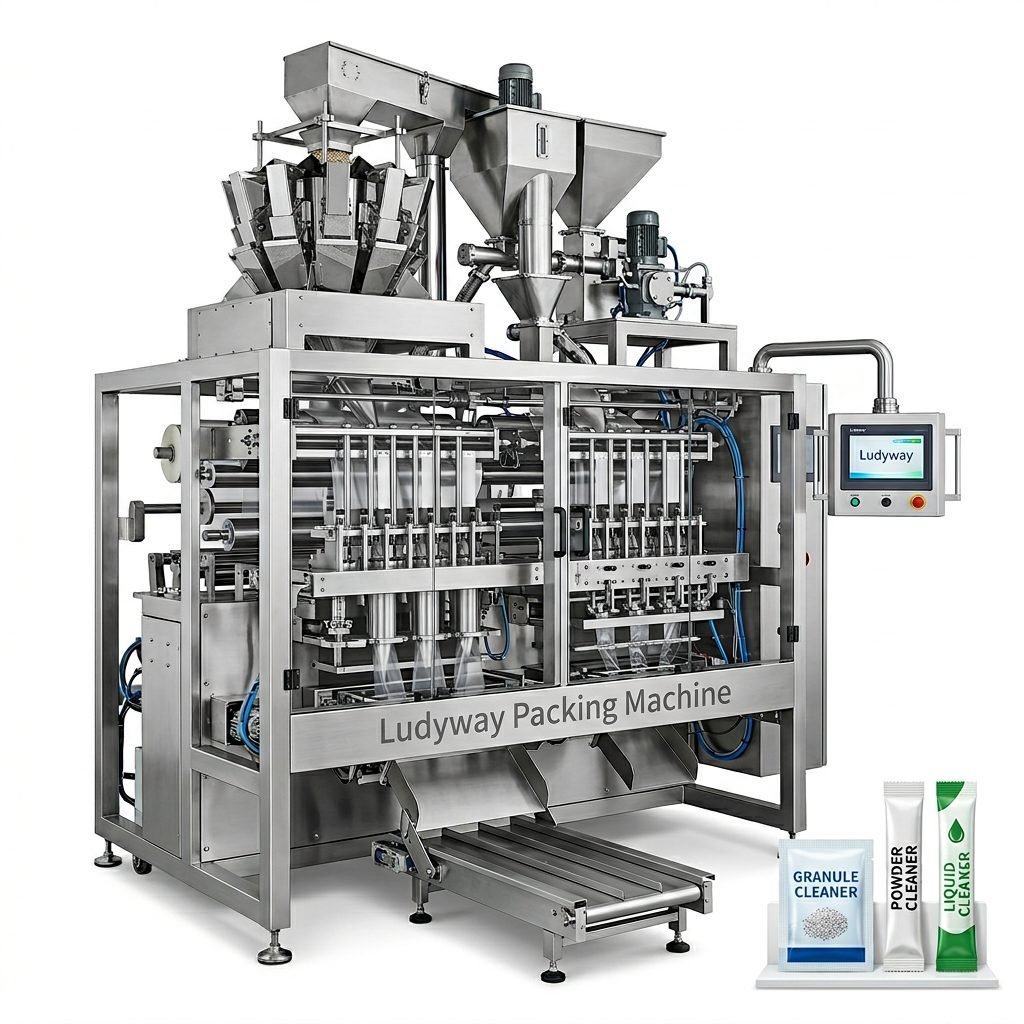
Consistent maintenance of your bar soap packaging machine is the single most effective strategy to prevent unplanned downtime and ensure consistent product quality. A well-structured maintenance program extends equipment lifespan, reduces waste, and keeps your production line running at peak efficiency.
Why a Daily Cleaning Routine is Non-Negotiable
Soap dust and residue are abrasive. If left to accumulate, they wear down sealing jaws, cutting blades, and guide rails. A strict end-of-shift cleaning protocol protects your investment. Focus on removing all soap particles from the forming tube, sealing areas, and film path using compressed air and a clean, dry cloth. Never use water directly on electrical components; instead, rely on approved industrial cleaners for stainless steel surfaces.
The Critical Role of Lubrication
Friction is the enemy of any high-speed packaging machine. A proper lubrication schedule for bearings, chains, and cam mechanisms drastically reduces mechanical wear. However, over-greasing can attract dust and create a paste that accelerates damage. Always apply lubricants sparingly according to the manufacturer’s specifications. Pay special attention to the main drive chain and the sealing jaw pivot points, as these are under constant stress during high-volume bar soap wrapping.
Key Inspection Points Before Every Shift
A quick visual check can catch minor issues before they escalate into major failures. Operators should standardize a 10-minute pre-shift checklist covering these critical areas:
- Sealing Integrity: Inspect heating elements and thermocouples for consistent temperature readings. Fluctuations can cause weak seals or burn-through.
- Film Registration: Verify that the printed film aligns correctly. Misalignment leads to off-center graphics and potential seal contamination.
- Pneumatic Pressure: Check the air pressure unit for moisture and verify that the pressure gauge reads within the optimal green zone.
- Sensor Cleanliness: Wipe photo-eye sensors with a lint-free cloth to prevent false readings that cause machine stoppages.
Deep Dive: Monthly Preventive Maintenance Tasks
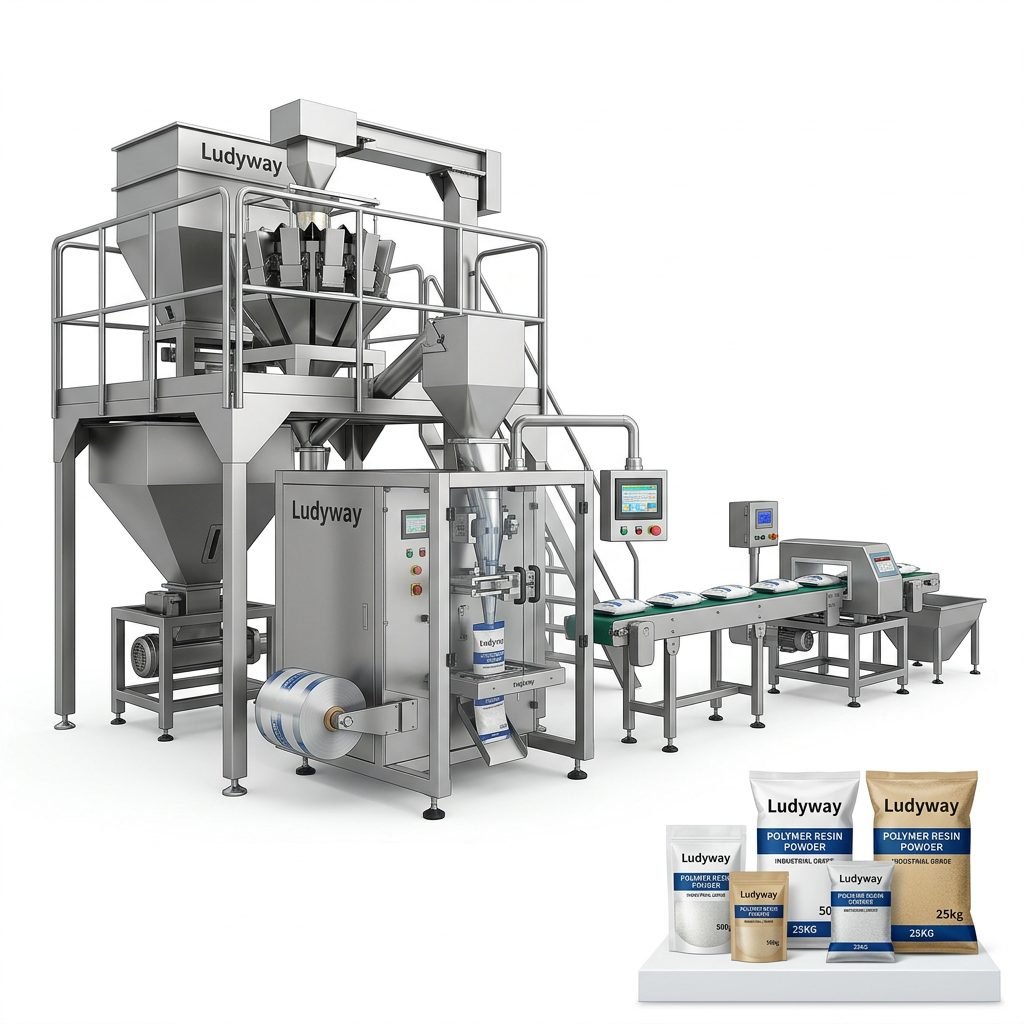
Beyond daily care, a monthly deep dive is essential to catch the hidden wear patterns that are invisible to the naked eye. This involves verifying electrical connections, testing emergency stops, and calibrating load cells for weight accuracy. V-belts often stretch over time; a monthly tension check prevents slippage. Furthermore, recalibrating the film-tracking photoelectric sensor ensures that the machine maintains precision at high speeds, minimizing film waste.
Managing the Sealing System
The sealing unit is the heart of a bar soap wrapping machine. To avoid cold seals or burnt packages, operators must periodically clean the Teflon coating on the sealing bars. Residue buildup creates a barrier that inhibits heat transfer. When cleaning, use a soft brass brush to avoid scratching the surface. Additionally, monitor the thermocouple slip rings for wear; electrical noise in temperature readings often signals a failing slip ring that requires immediate replacement.
Film Feed and Tension Troubleshooting
Erratic film feeding is often misdiagnosed as a motor fault, but the root cause is usually mechanical. Check the film roll holder for any resistance to rotation. Sticky rollers or worn bearings interrupt the web tension, causing jerking movements. Make sure the dancing arm potentiometer swings freely and provides stable feedback to the PLC. If you notice inconsistent bag lengths, recalibrating the system through the HMI can instantly restore production efficiency.
Optimizing Spare Parts Inventory
A reactive supply chain kills productivity. Smart maintenance teams keep a safety stock of critical wear items. Using an organized spare parts strategy not only reduces lead times but also cuts logistical costs.
| Part Category | Recommended High-Wear Parts | Inspection Frequency |
|---|---|---|
| Sealing Assembly | Teflon Strips, Cartridge Heaters, Thermocouples | Weekly |
| Cutting Mechanism | Blades, Knife Sliders, Tension Springs | Bi-Weekly |
| Pneumatic System | Filters, Regulators, Cylinder Gaskets | Monthly |
| Film Transport | Rubber Rollers, Belts, Guide Rails | Weekly |
Leveraging Digital Tools for Predictive Maintenance
Moving from reactive to predictive maintenance is a game-changer. Modern packaging machine manufacturers integrate IoT sensors that track vibration, temperature, and operating hours. By analyzing this data, you can predict when a bearing will fail or when a drive belt is approaching the end of its lifecycle. This data-driven approach eliminates the guesswork, allowing you to schedule maintenance during planned breaks rather than during an unexpected crisis that halts your entire soap packaging line.
Training Operators for First-Level Maintenance
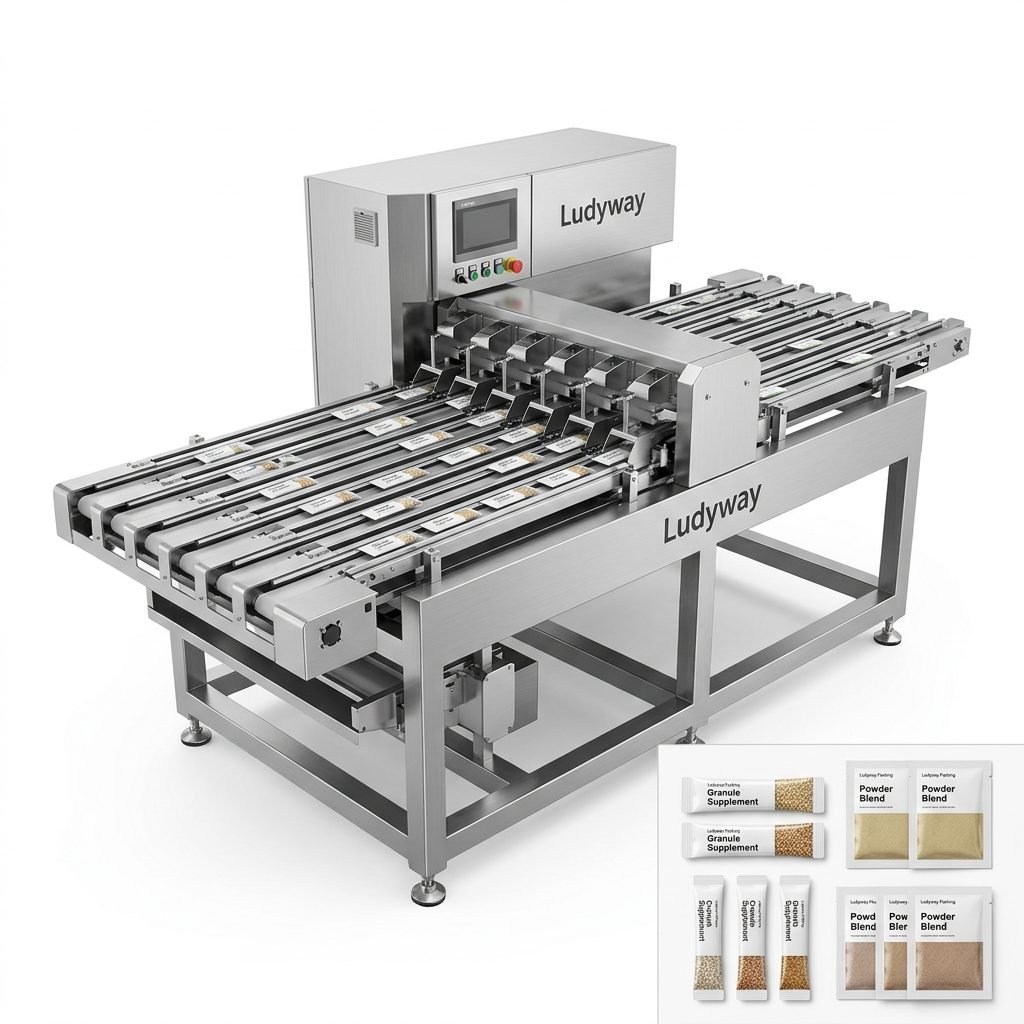
Your machine operators are the first line of defense. They should be trained to identify abnormal sounds, like grinding gears or hissing air leaks, immediately. Empower them to perform basic corrective actions such as re-homing axes or clearing simple jams without waiting for a technician. A well-trained operator can distinguish between a simple mis-feed and a serious mechanical fault, saving valuable diagnostic hours and preventing small problems from wrecking major assemblies.
Common Pitfalls to Avoid
Many plants inadvertently damage equipment through overly aggressive cleaning. Using metal scrapers on polished surfaces or directing high-pressure water jets at electrical cabinets breeds corrosion and short circuits. Another common error is ignoring software updates. PLC and HMI firmware updates often contain crucial patches that optimize motion profiles, reducing stress on mechanical components. Always ensure your maintenance protocols are updated to match the latest revision of your equipment manual.
About Precision Maintenance for Long-Life Reliability
Process consistency is what delivers a decade of reliable service. By requiring technicians to use torque wrenches instead of standard spanners when tightening jaw fasteners, you prevent deformation. Documenting every calibration adjustment creates a history that helps trace problems like creeping temperature setpoints. This holistic focus on detail transforms your maintenance team from a repair crew into a reliability asset for your business.
For businesses looking to upgrade their maintenance capabilities or acquire new, robust systems, choosing a partner with a proven track record is vital. Ludyway is one of the largest packaging machine manufacturers in China, specializing in advanced equipment and turnkey solutions for the food and pharmaceutical sectors. With a 20,000㎡ facility and a vast portfolio of over 50 intelligent models, their machines are engineered for sustained, high-performance operation in over 100 countries worldwide.
Explore Industry-Leading Resources
Staying updated with industry standards enhances your maintenance protocols. We recommend visiting the following authoritative resources for packaging regulations and best practices:
- PMMI – The Association for Packaging and Processing Technologies
- Flexible Packaging Association – Official Website
- ISO – Packaging Standards
- FDA – Food Packaging and Food Contact Substances