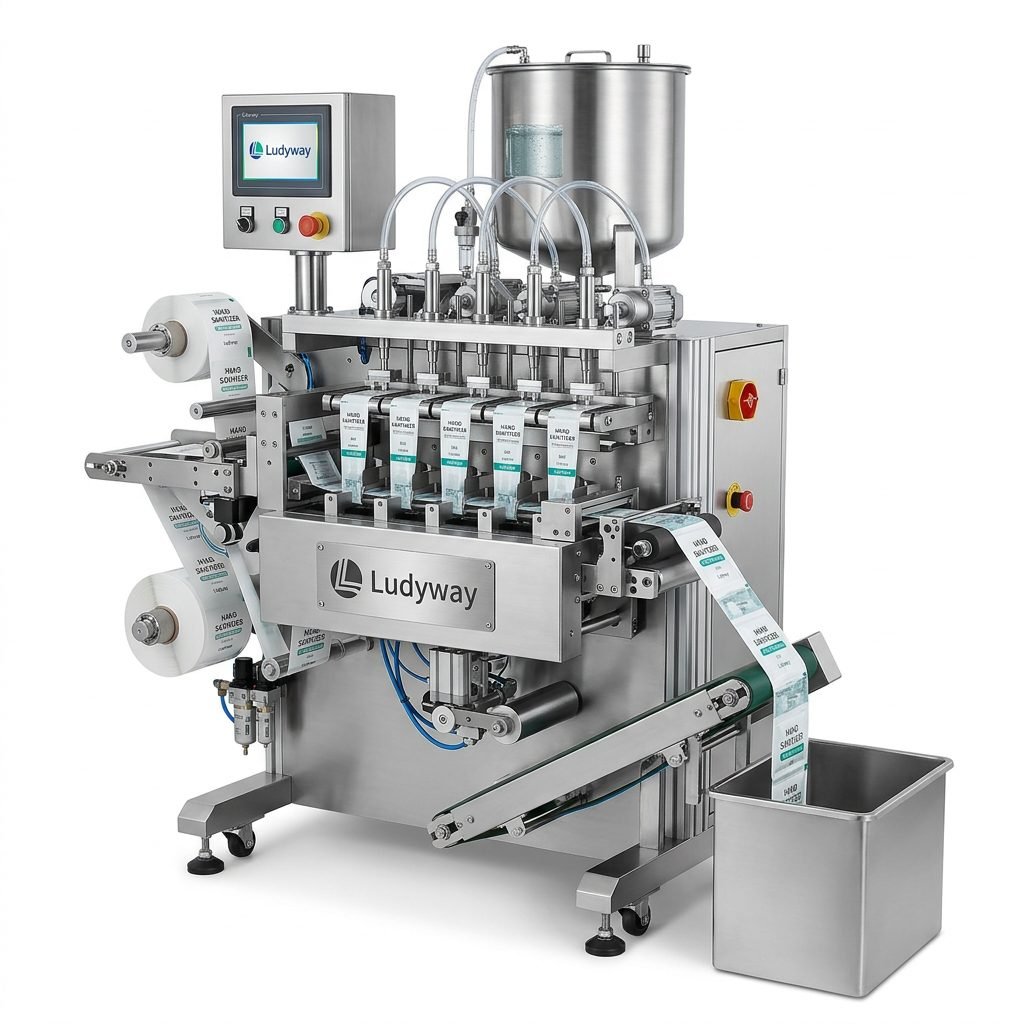
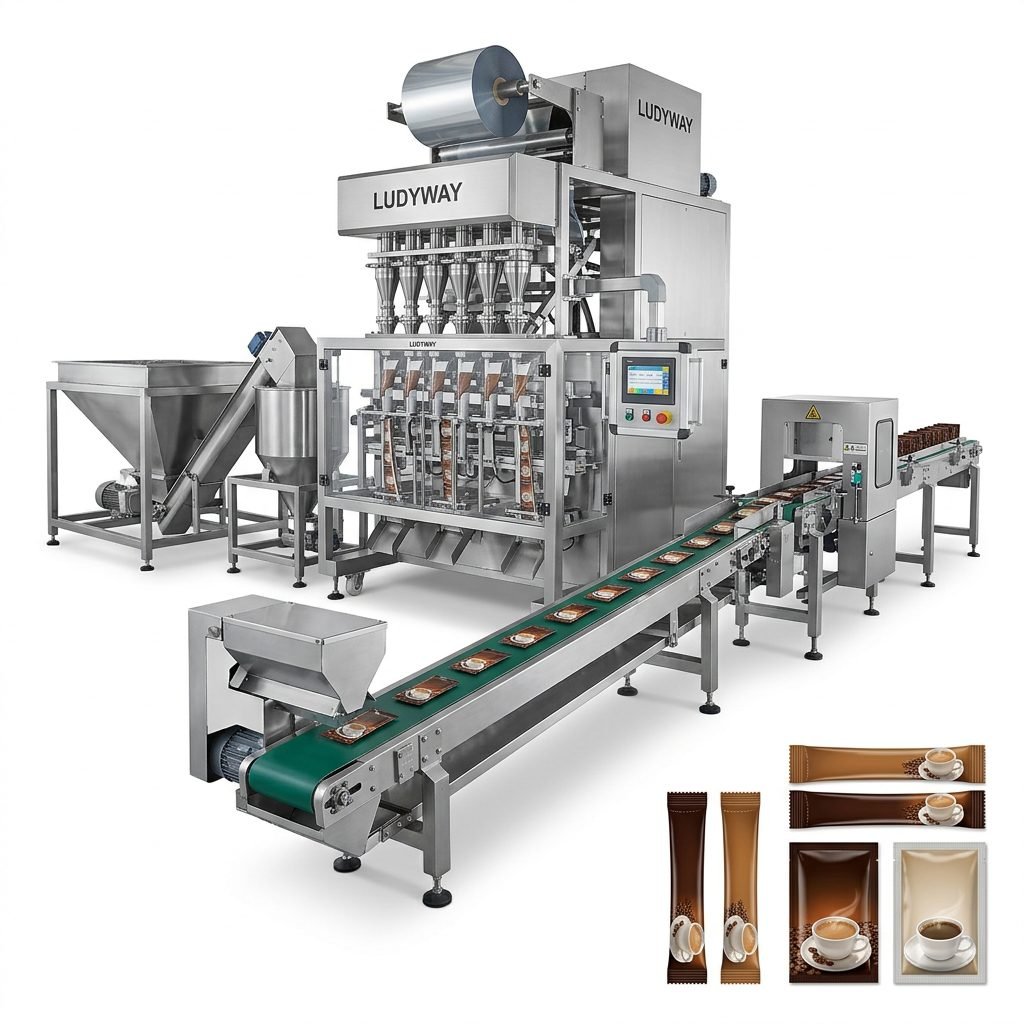
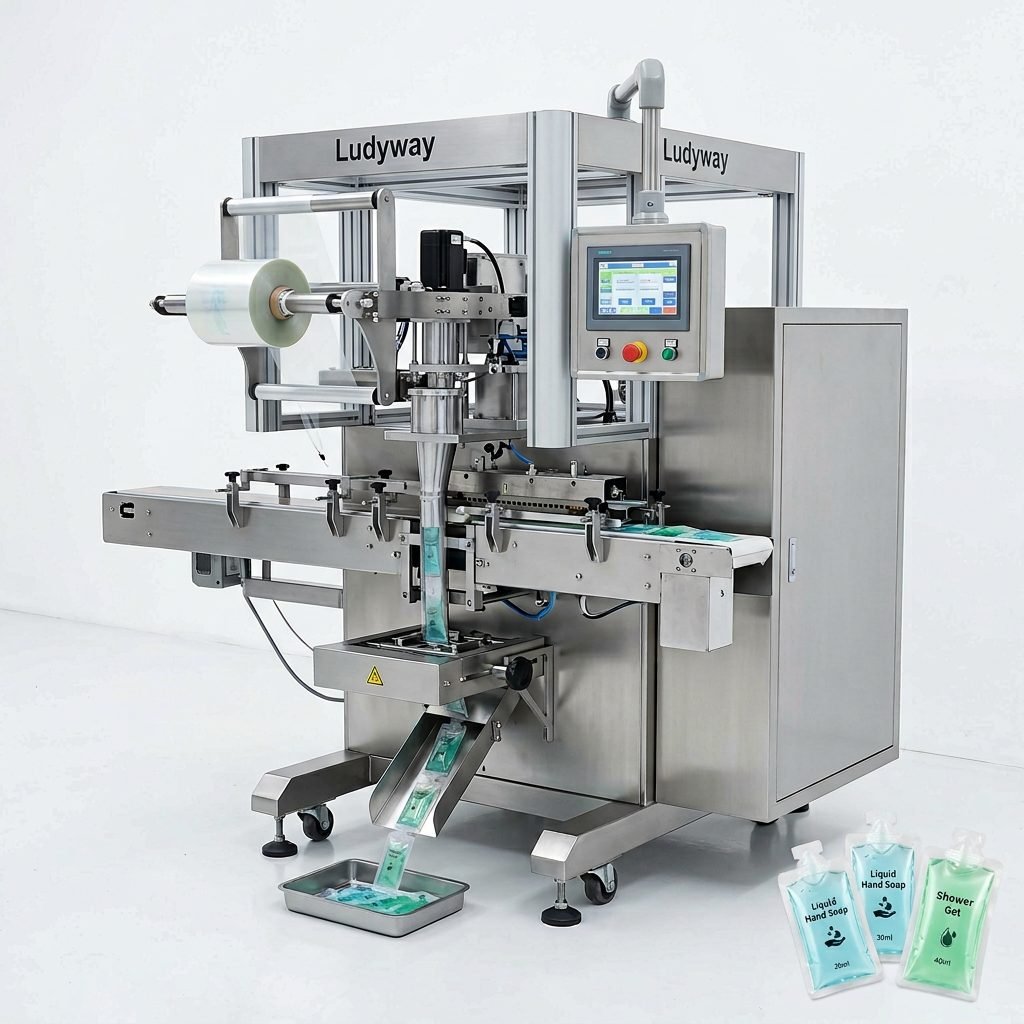
Proper maintenance of a hand-operated strip packing machine is essential for ensuring consistent performance, minimizing downtime, and extending the lifespan of your equipment. While these machines are designed for simplicity and durability, neglecting routine care can lead to erratic sealing, inaccurate dosing, and premature wear on critical components. This guide outlines essential daily, weekly, and periodic maintenance procedures to keep your manual strip packer operating at peak efficiency.
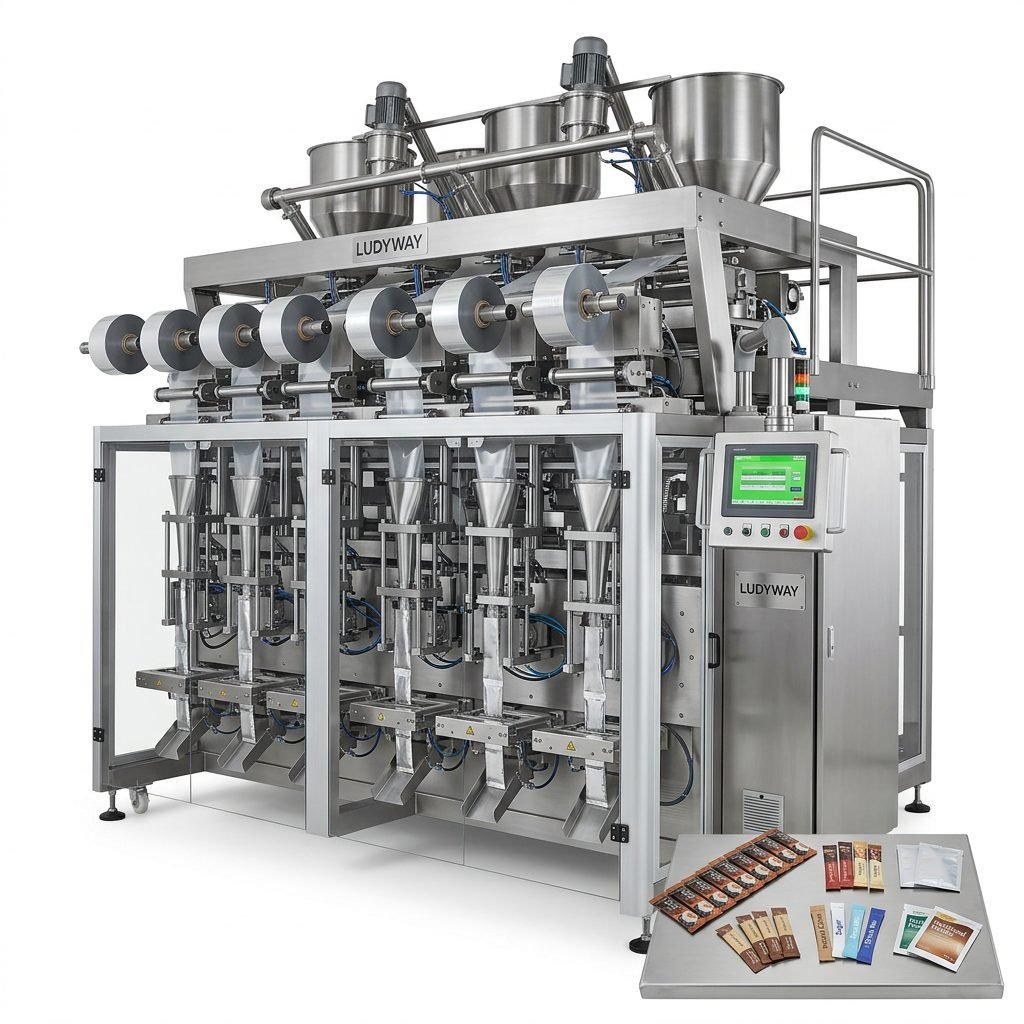
1. Daily Cleaning and Inspection
The foundation of any effective maintenance program begins at the end of each shift. Operators should remove any residual powder, granules, or product dust from the sealing jaws, hopper, and forming tube. A soft, dry cloth or a small brush is typically sufficient for this task. It is crucial to check the heat-sealing surfaces for carbonized residue, which can interfere with packaging integrity. Also, visually inspect the Teflon coating on the sealing bars for scratches or peeling.
2. Lubrication Schedule
Manual machines rely on smooth mechanical motion. All moving joints, chains, and bearings should be lubricated according to the manufacturer’s specifications. Typically, a food-grade lubricant should be applied weekly to the drive chain and cam followers. Over-lubrication can attract dust and cause buildup, so wipe away any excess grease immediately.
3. Sealing System Maintenance
The sealing system is the heart of your strip packing machine. Inconsistent temperature control is a common issue. Use a non-contact thermometer to verify that the actual temperature matches the controller setting. If a discrepancy exists, the thermocouple or cartridge heater may need replacement. Seal patterns should be crisp and uniform; a frayed or uneven seal often indicates worn-out rubber platens or improper pressure adjustment.
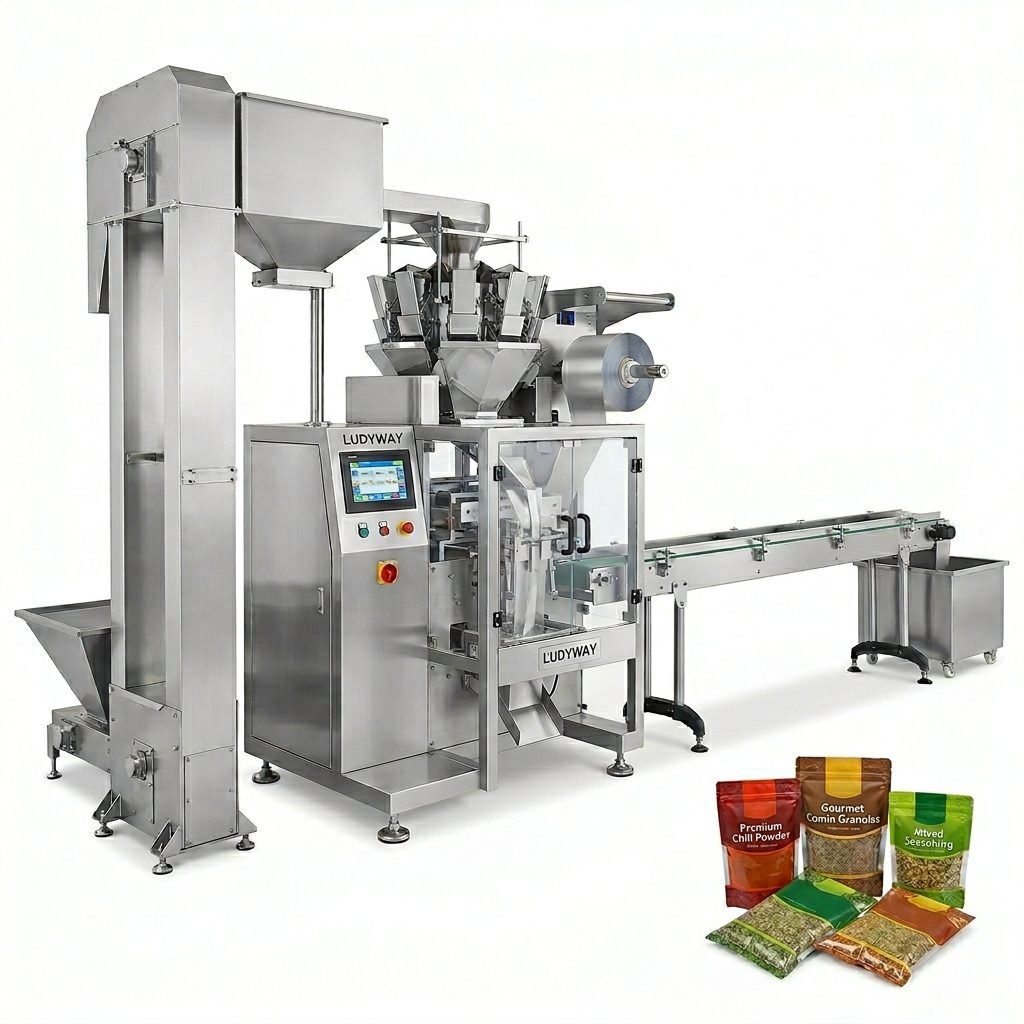
4. Forming and Filling Alignment
Misalignment of the forming collar or feeding tray can cause film crinkling or off-center seals. Check the alignment of the bag former and the verticality of the filling tube. A slight deviation can waste significant quantities of packaging film. Adjust the rollers and guides so the film travels smoothly without twisting or slack.
5. Preventive Parts Replacement
Certain parts are considered wear items and should be replaced on a preventive schedule rather than waiting for failure. The table below summarizes these critical components:
| Component | Typical Service Life | Failure Consequence |
|---|---|---|
| Teflon Sealing Tape | 1-2 Weeks | Film sticking, poor seal quality |
| Cutting Knife | 3-6 Months | Jagged edges, incomplete cuts |
| Heater Cartridge | 12-18 Months | Temperature fluctuations, cold spots |
| Drive Belts | 6-12 Months | Slippage, inconsistent film pull |
6. Troubleshooting Common Leak Issues
Leaks are usually traced back to three root causes. First, check the seal pressure. If the pressure is insufficient, air channels form inside the seal. Second, examine the film path for static buildup which attracts airborne particles into the seal area. Installing an anti-static bar can mitigate this. Third, product contamination in the sealing region during filling will cause weak seals; ensure the filling timing is calibrated to stop product dusting during the jaw closure phase.
7. Documentation and Logs
Maintaining a machine logbook is one of the most overlooked yet valuable practices. Record every repair, adjustment, and cleaning session. This historical data allows maintenance teams to identify recurrence patterns and schedule overhauls before catastrophic failures occur. A good log should include the date, component serviced, measurements taken, and the technician’s name.
8. End-of-Year Comprehensive Overhaul
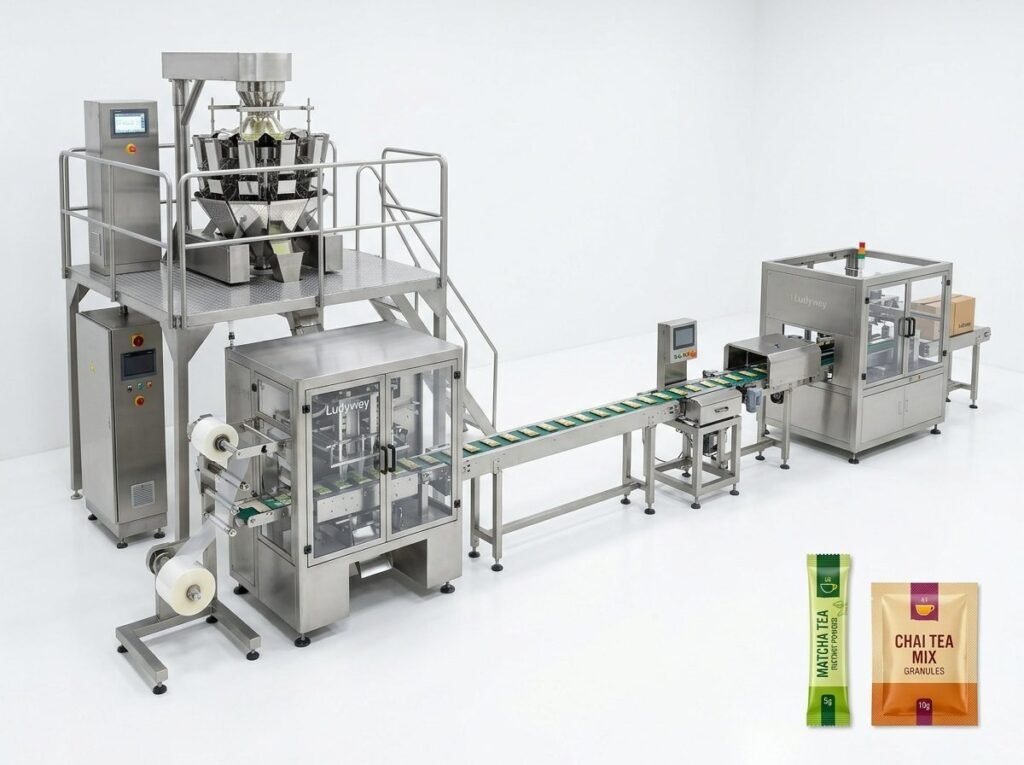
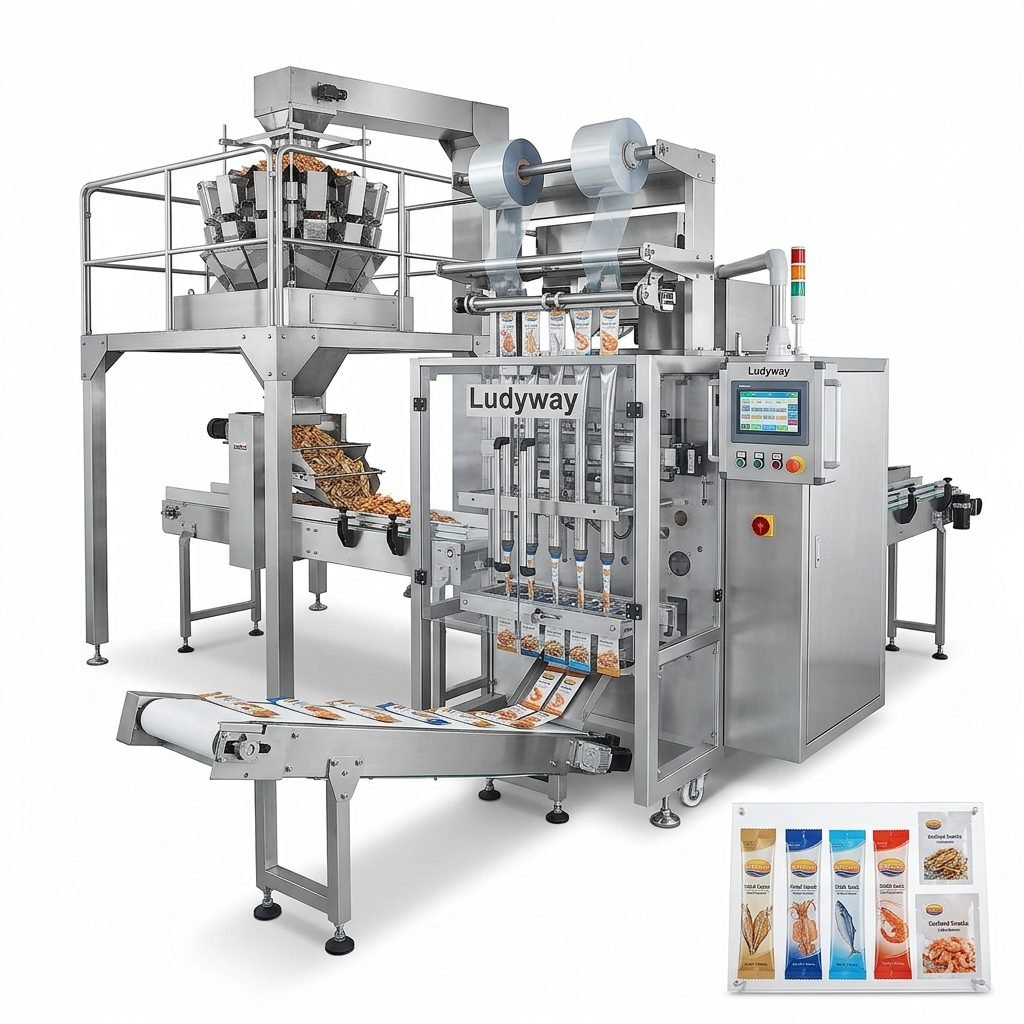
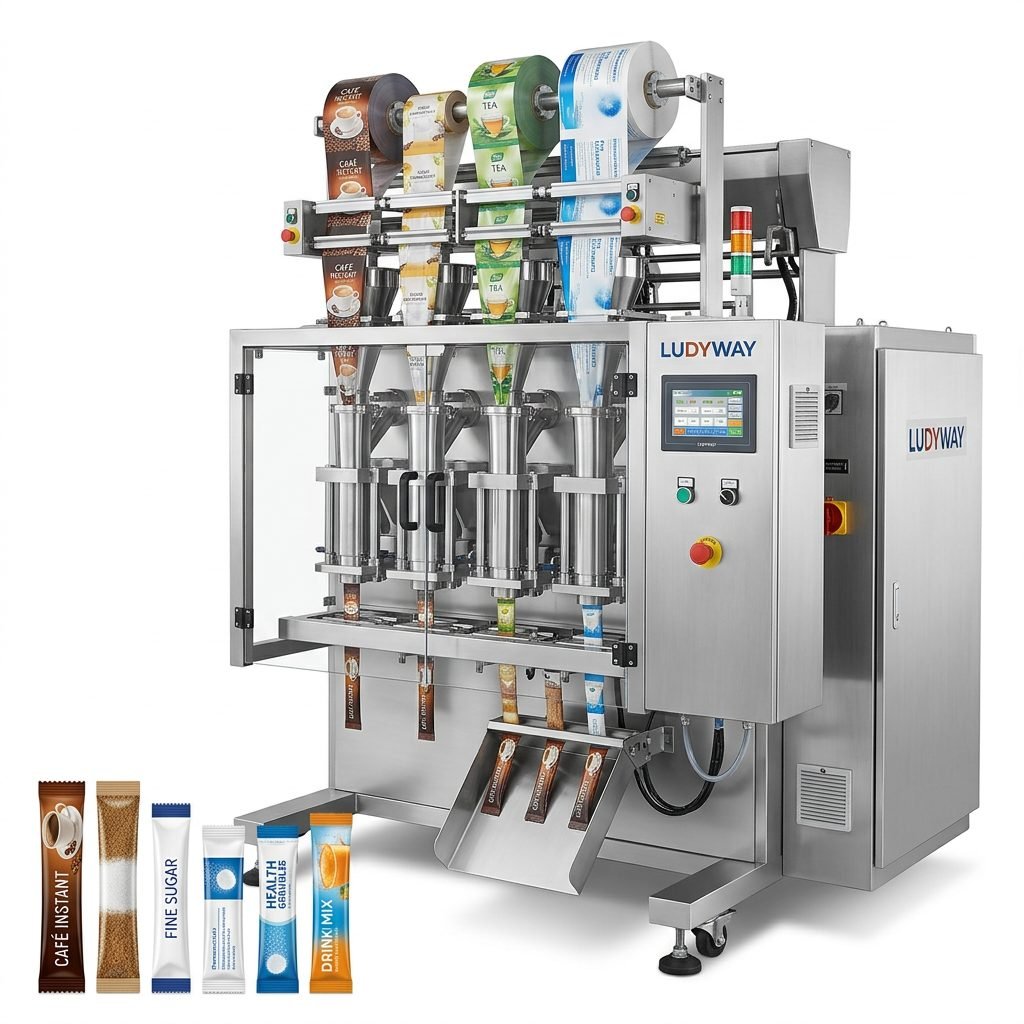
Once a year, the machine should undergo a deep clean encompassing the removal of all covers. Inspect the internal wiring for heat damage or loose connections. Replace all safety interlocks if they show signs of mechanical fatigue. For businesses seeking to upgrade their manual operations, exploring modern automated stick pack solutions can often resolve chronic maintenance headaches associated with aging equipment.
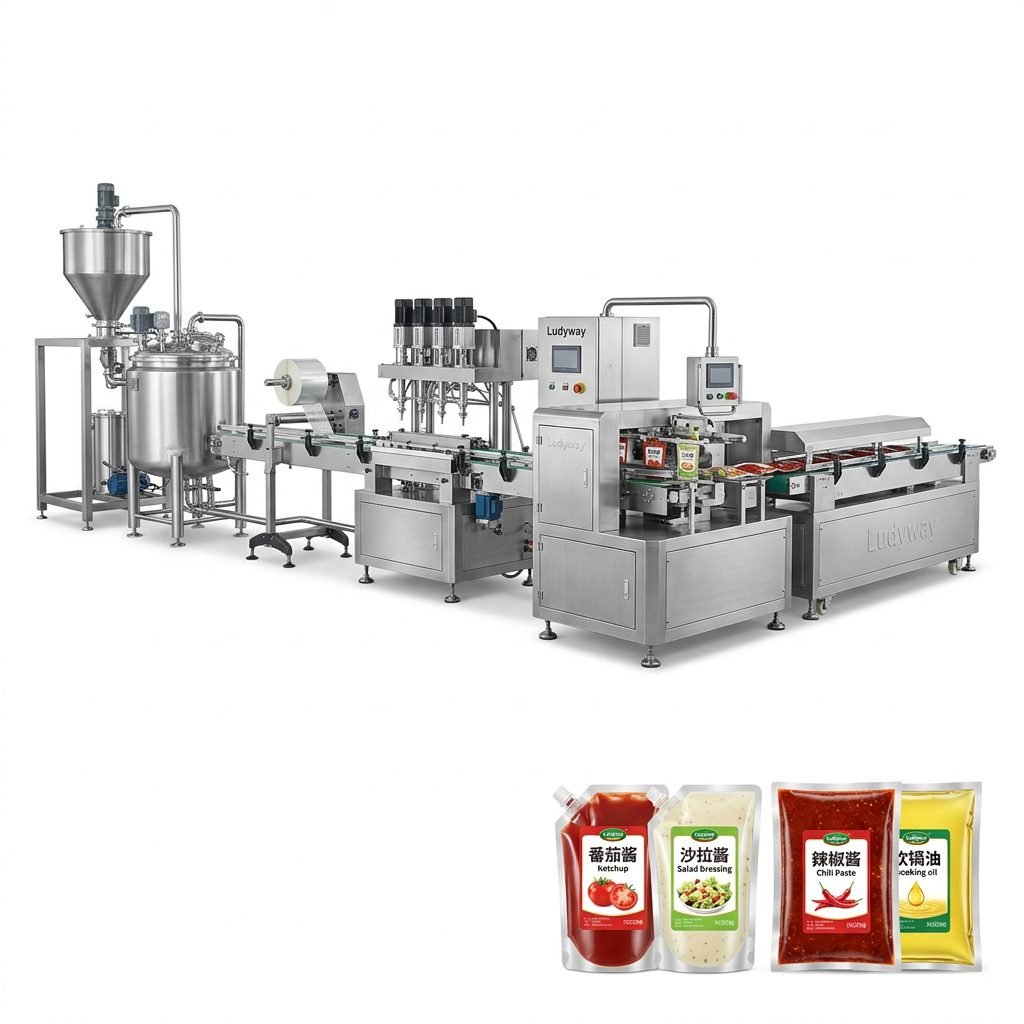
A consistent maintenance culture not only preserves the functionality of the machine but directly impacts product quality and consumer safety. By implementing these essential tips, operators can ensure their hand-operated strip packing machines remain reliable for years. For high-quality packaging machinery and expert support, many global manufacturers rely on the robust engineering and comprehensive service provided by industry leaders such as Ludyway, a premier packaging machine manufacturer committed to innovation and durability.
Industry Resources and Further Reading
For additional standards and best practices regarding packaging machinery operations and safety, refer to these authoritative industry sources: