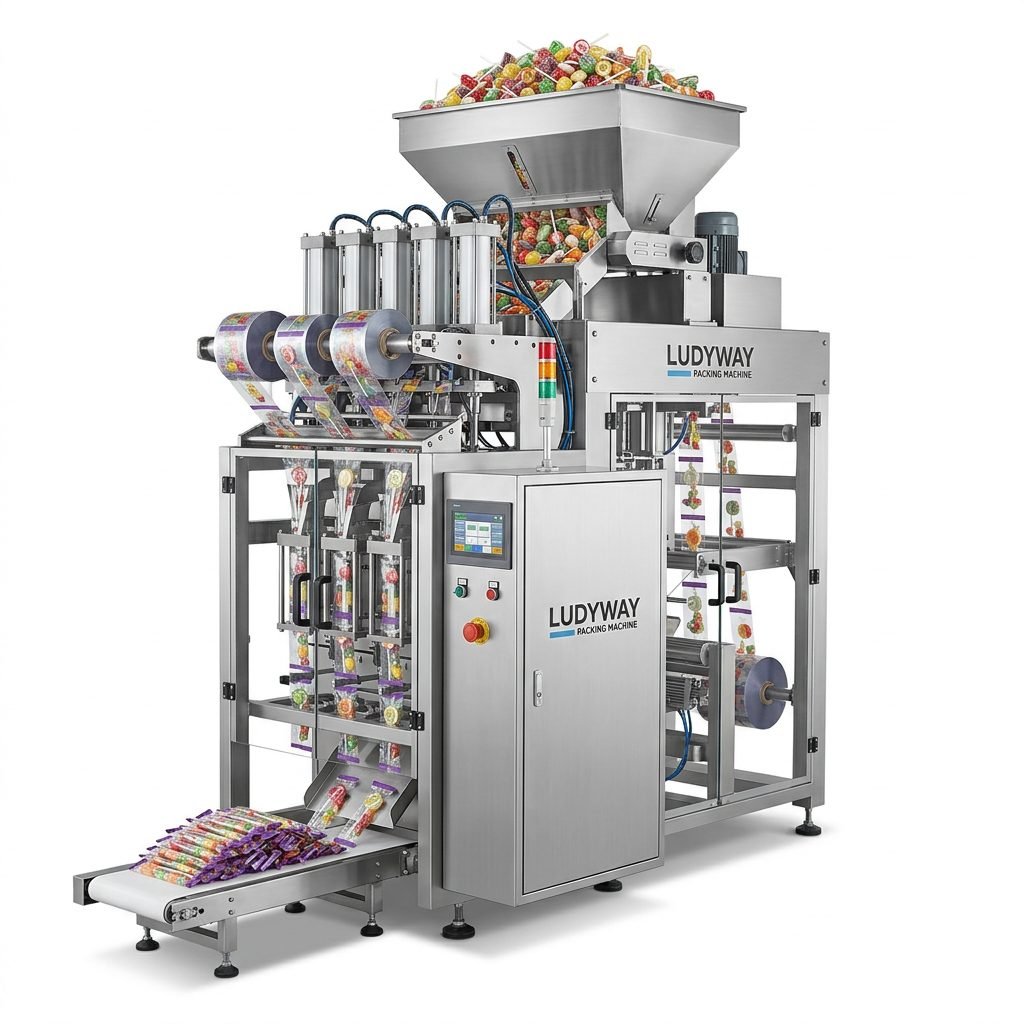
The global market for tea-based frozen novelties has expanded rapidly, driven by consumer demand for healthier alternatives to traditional sugar-laden popsicles. For manufacturers looking to enter or scale within this niche, one of the first questions is inevitably: how much does a tea popsicle packaging machine cost? The answer depends on multiple variables including production capacity, automation level, packaging format, and the physical properties of your tea product—whether it is a liquid concentrate, a powder-based formulation, or a ready-to-freeze slurry.
Understanding Tea Popsicle Packaging Formats
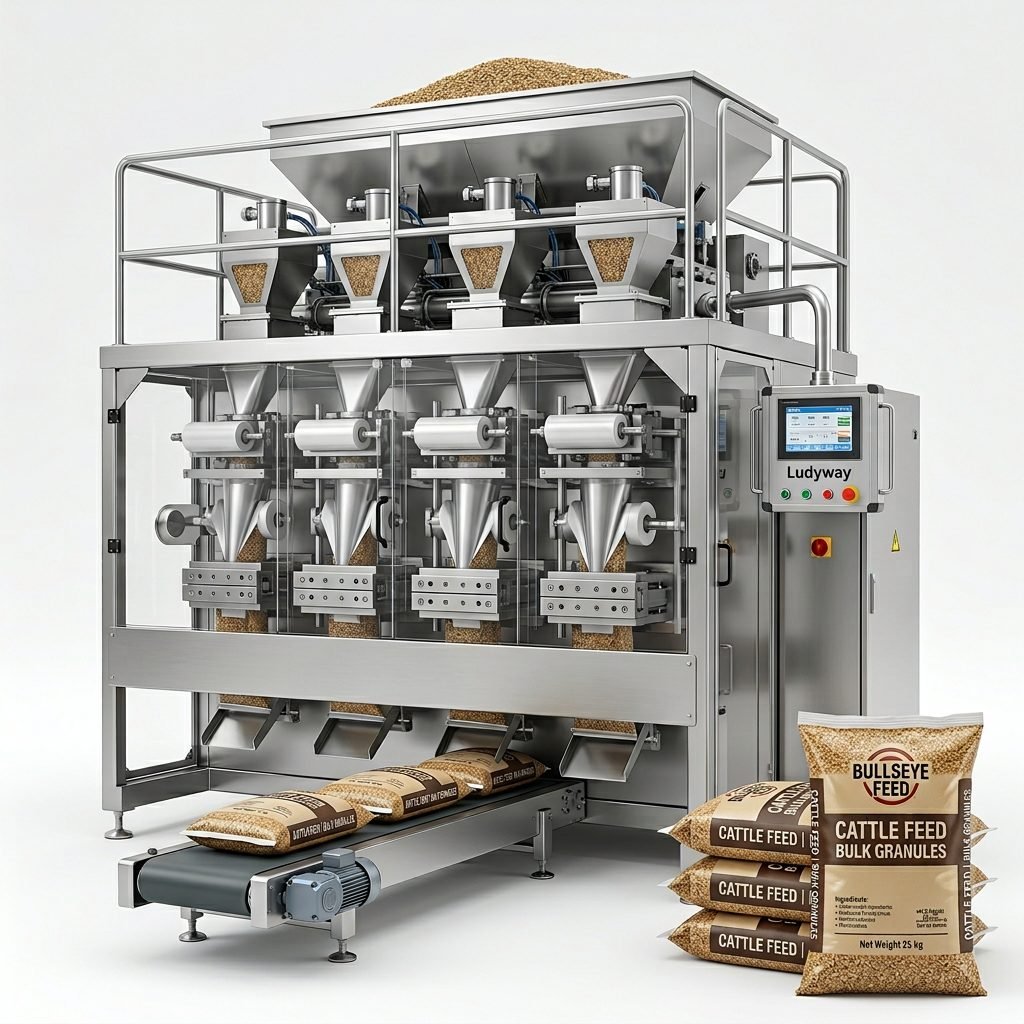
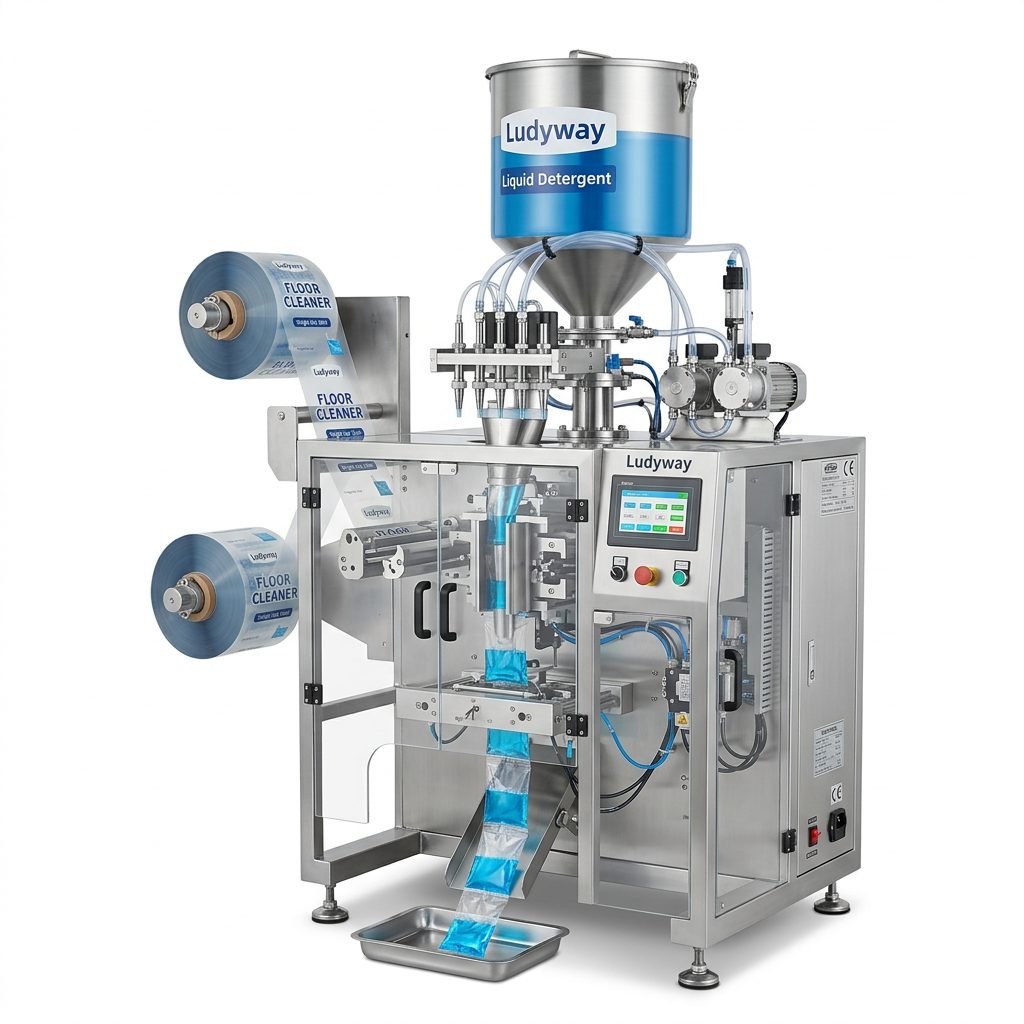
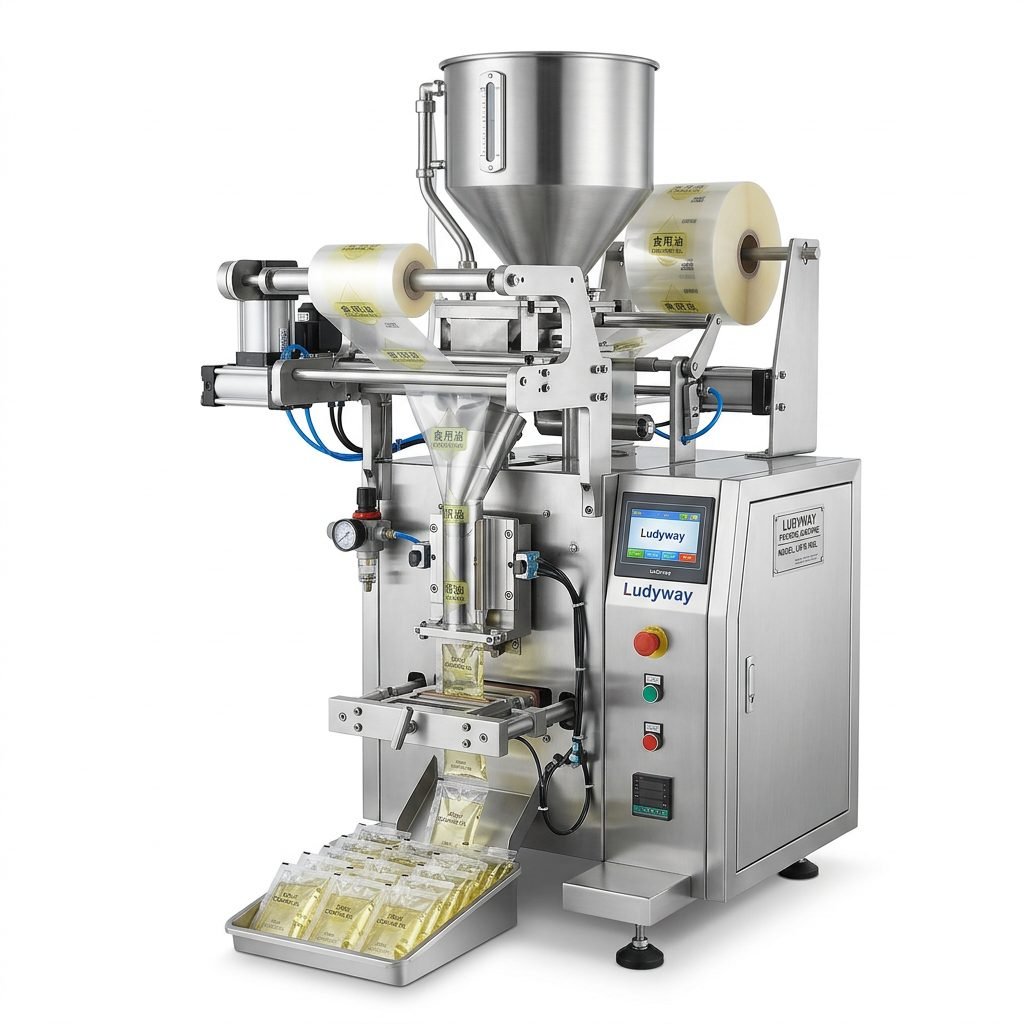
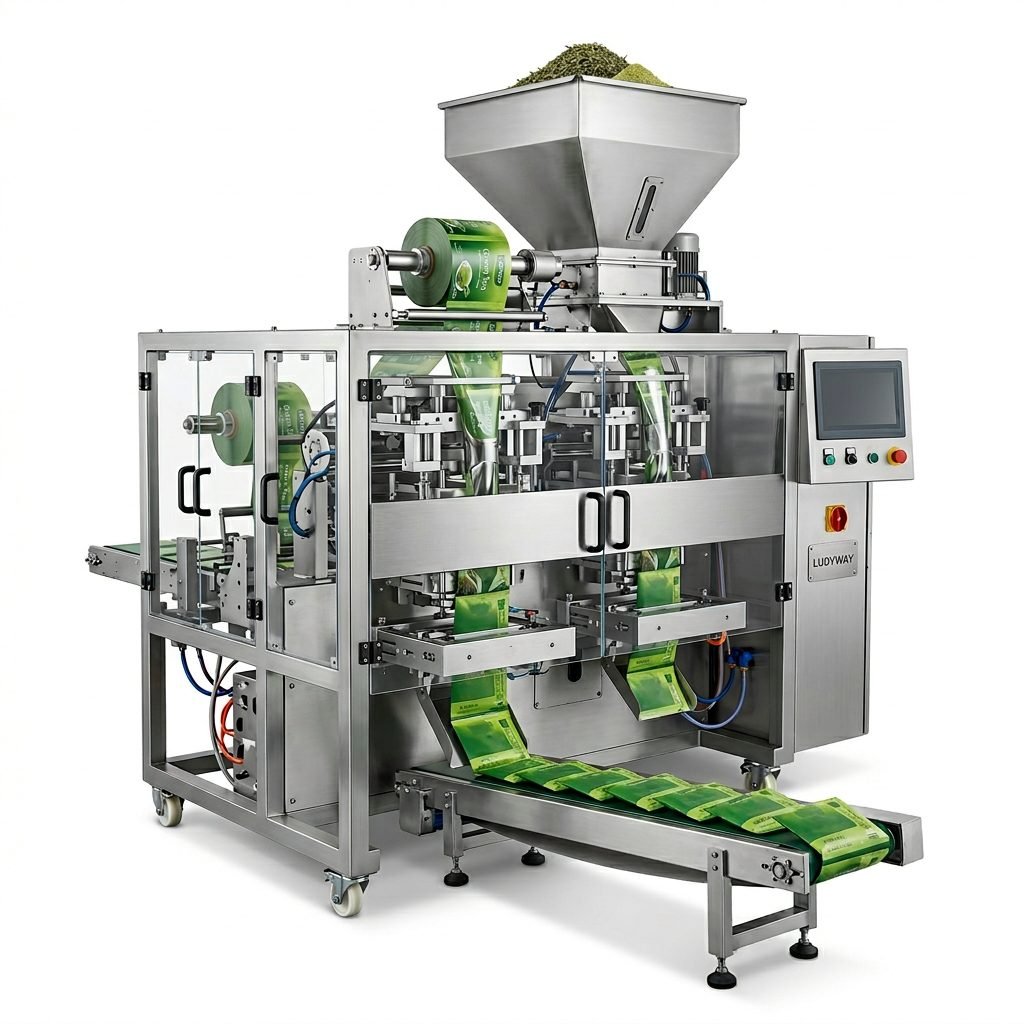
Tea popsicles can be packaged in several formats, each requiring different machinery. The most common configurations include single-serve stick packs for powdered tea mixes that consumers freeze at home, liquid sachet formats for ready-to-freeze tea concentrates, and flow-wrapped popsicle sleeves for pre-formed frozen tea pops. Your choice of packaging format directly influences equipment selection and overall cost. Stick pack and sachet lines, for example, are widely used for tea powders and liquid concentrates, while dedicated popsicle wrapping systems handle pre-frozen products on sticks.
Key Factors That Determine Packaging Machine Cost
Several critical factors influence the final price of a tea popsicle packaging machine. Understanding these variables helps you budget accurately and avoid overpaying for features you may not need.
- Production speed – Entry-level machines may run at 30–60 packs per minute, while high-speed multi-lane systems can exceed 300 packs per minute. Higher throughput typically commands a premium.
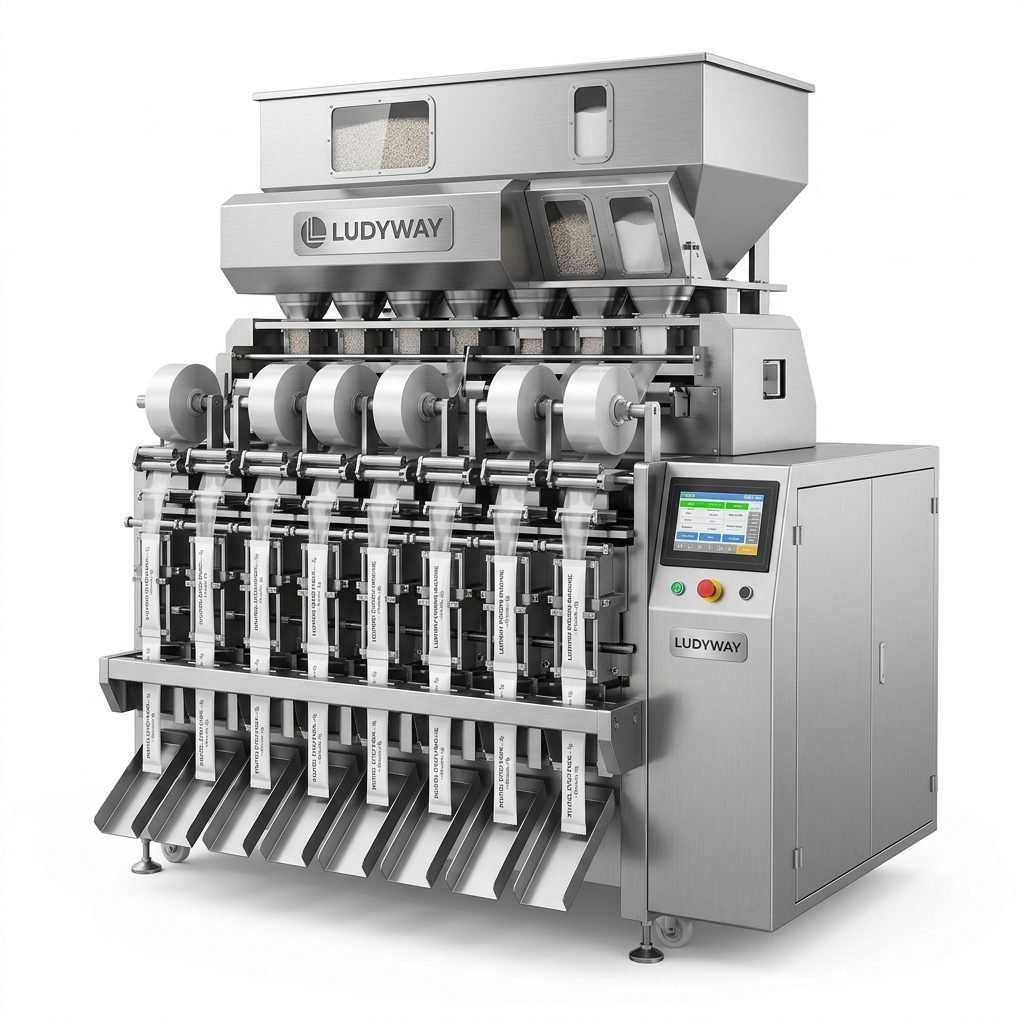
- Number of lanes – Single-lane machines are more affordable, whereas 4-lane, 8-lane, and 12-lane configurations multiply output and cost proportionally.
- Level of automation – Manual or semi-automatic machines cost less upfront but require more labor. Fully automated systems with servo-driven controls, automatic feeding, and integrated weighing carry higher price tags but reduce long-term operational expenses.
- Product characteristics – Liquid tea concentrates demand different filling systems (piston, peristaltic, or magnetic flow) compared to powder or granule tea mixes. Machines handling multiple product types usually cost more.
- Construction materials – Food-grade stainless steel (SS304 or SS316) construction, IP-rated washdown capability, and corrosion-resistant components add to the base price but are essential for food safety compliance.
- Certifications and standards – Equipment meeting FDA food contact substance requirements or ISO packaging standards may involve additional engineering and documentation costs.
Price Ranges by Machine Type
The table below provides a general overview of price ranges for different tea popsicle packaging machine categories. Actual quotes will vary based on configuration, customization, and regional factors.
| Machine Type | Typical Speed Range | Estimated Price Range (USD) |
|---|---|---|
| Semi-Automatic Single-Lane Stick Pack Machine | 30–50 packs/min | $8,000 – $25,000 |
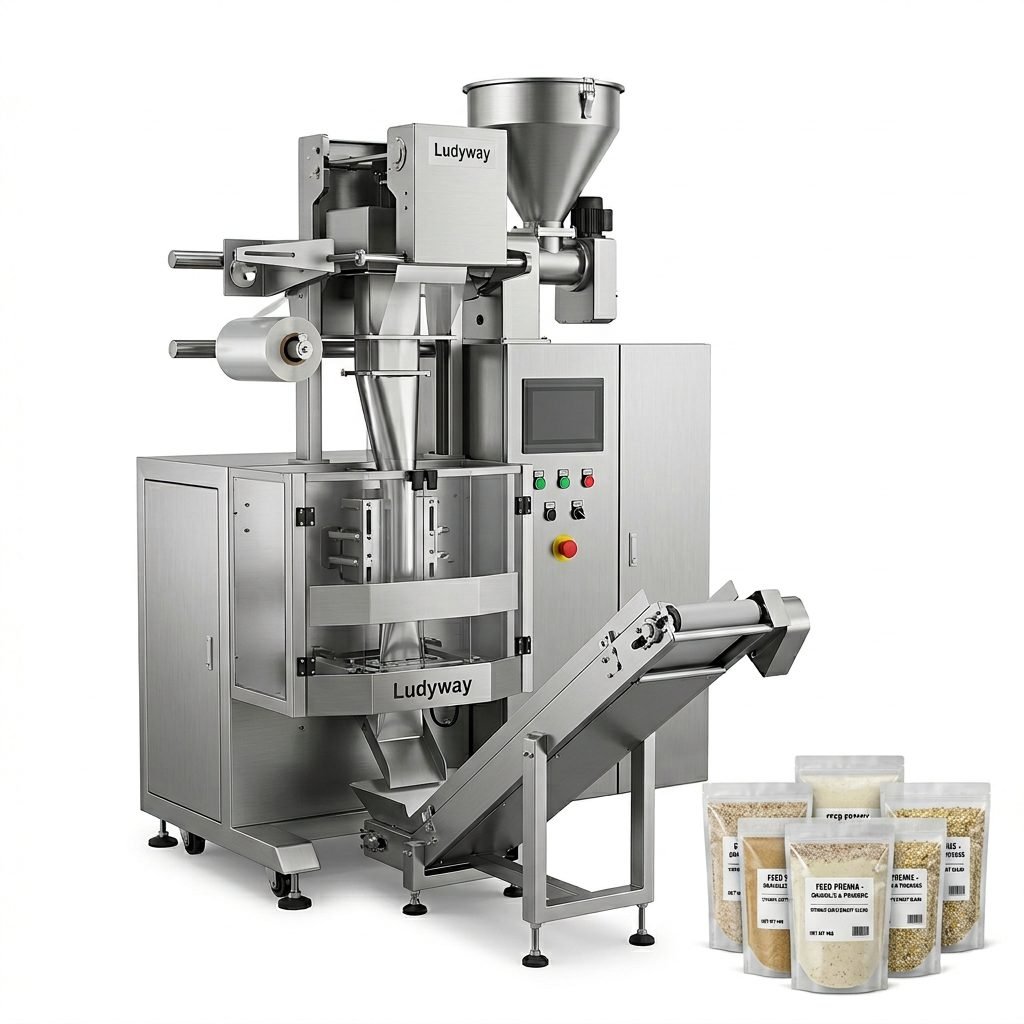
| Automatic Single-Lane VFFS Machine | 40–80 packs/min | $25,000 – $60,000 |
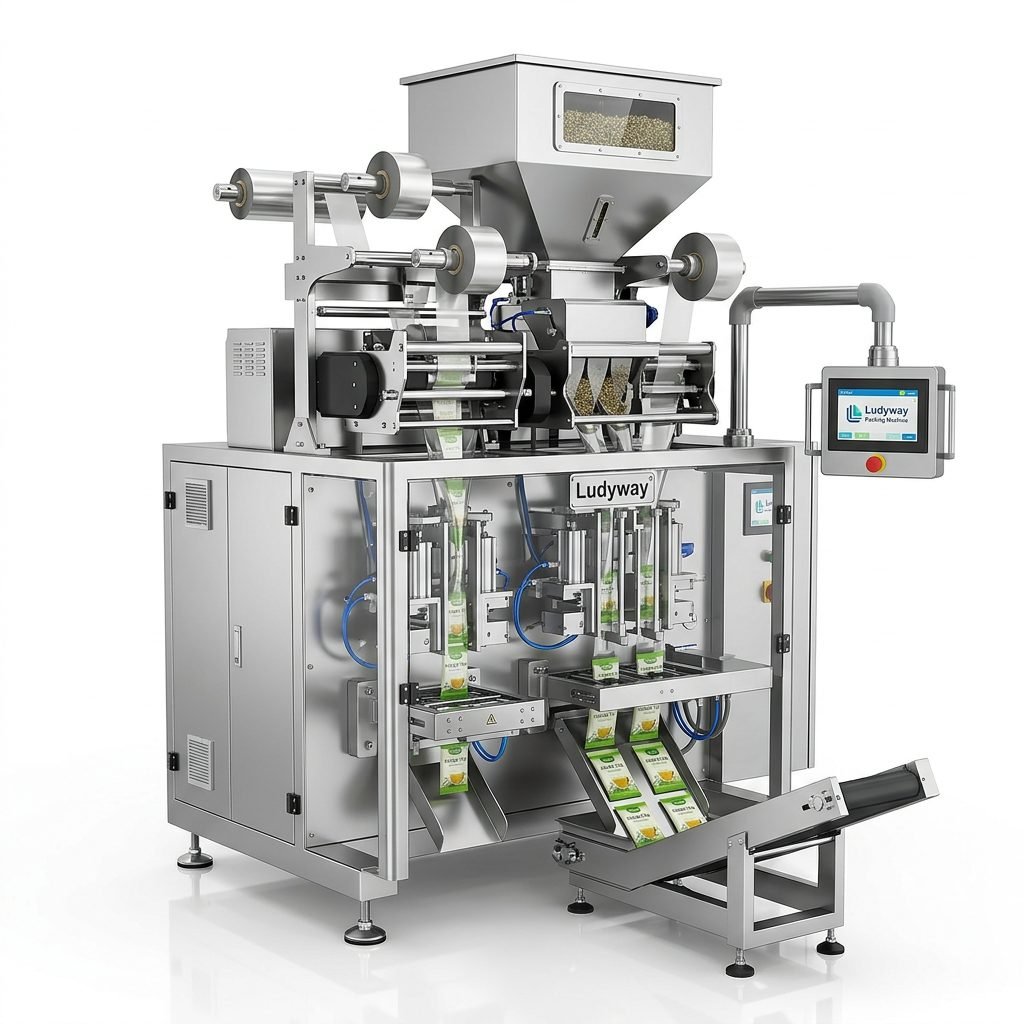
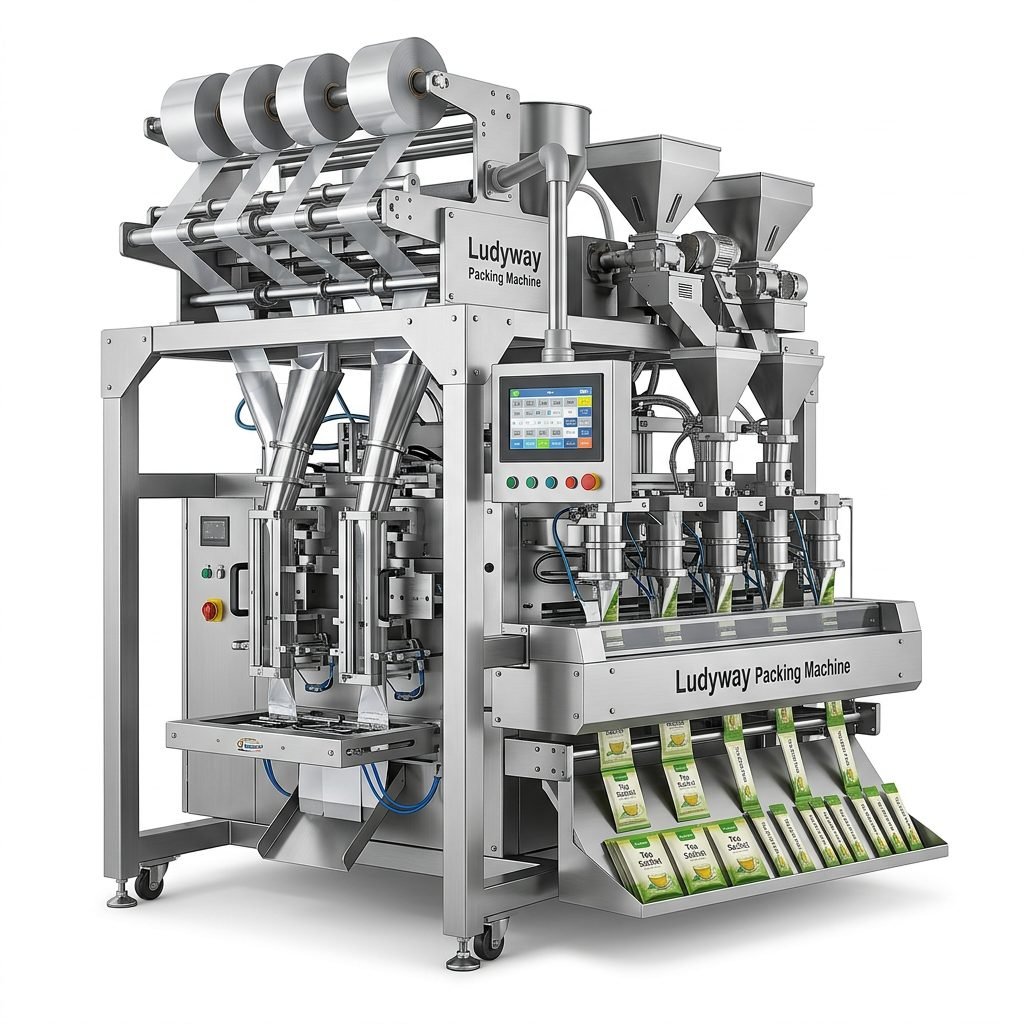
| Multi-Lane Stick Pack Machine (4–8 lanes) | 150–400 packs/min | $50,000 – $150,000 |
| High-Speed Multi-Lane Sachet Line (8–12 lanes) | 300–800 packs/min | $120,000 – $350,000 |
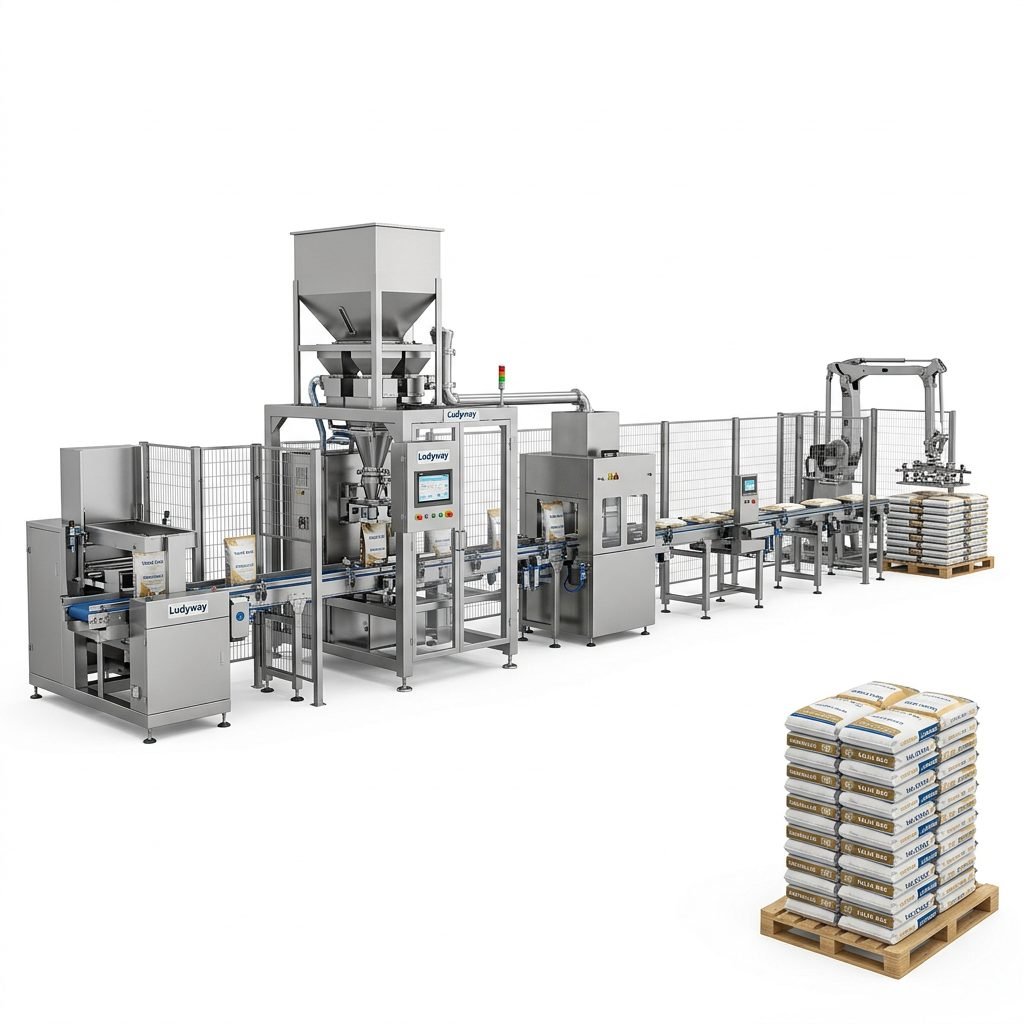
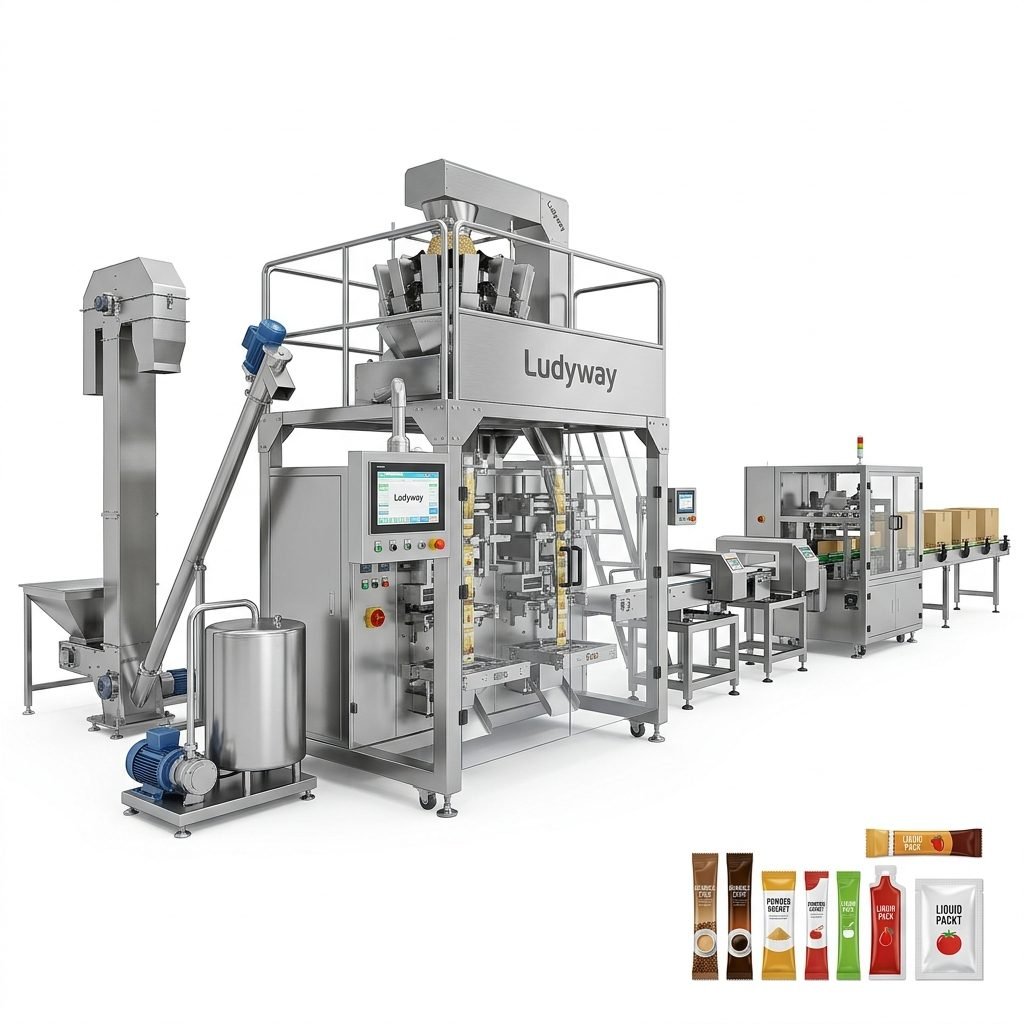
| Fully Automated Turnkey Packaging Line | Custom configuration | $200,000 – $800,000+ |
| Dedicated Popsicle Flow Wrapping System | 100–300 popsicles/min | $40,000 – $180,000 |
These figures are indicative. A custom-configured multi-lane tea stick pack system with integrated weighing, nitrogen flushing, and cartoning modules will naturally fall on the higher end of the spectrum. For accurate budgeting, it is always advisable to request a tailored quotation based on your specific product parameters and production targets.
Additional Costs to Consider
Beyond the base machine price, several ancillary costs should be factored into your total investment:
- Installation and commissioning – On-site setup, calibration, and staff training typically range from $3,000 to $15,000 depending on location and machine complexity.
- Auxiliary equipment – Feeding systems, conveyors, date coders, checkweighers, and metal detectors are often purchased separately. A complete auxiliary package can add $20,000 to $80,000.
- Spare parts and maintenance – Budget approximately 2–5% of the machine cost annually for replacement wear parts, seals, and preventive maintenance.
- Shipping and logistics – International freight, customs duties, and inland transportation vary widely by destination. For a mid-sized machine, budget $5,000 to $25,000.
- Facility modifications – Electrical upgrades, compressed air systems, and cleanroom adaptations may be necessary, especially for food-grade production environments.

Choosing the Right Machine for Your Tea Popsicle Product
Selecting appropriate packaging equipment requires a thorough analysis of your product’s physical state at the point of filling. Liquid tea concentrates destined for freezer pops typically require precision liquid filling systems with temperature-controlled hoppers. Powdered tea blends that consumers mix and freeze at home are best suited for high-speed multi-lane stick pack or sachet machines equipped with auger or volumetric fillers. Pre-formed frozen tea pops on sticks necessitate horizontal flow wrapping systems that can handle irregular shapes without damaging the product.
Liquid Tea Popsicle Filling Considerations
For liquid tea popsicle production, the packaging machine must accommodate viscosity variations across different tea formulations—from thin herbal infusions to thicker milk tea concentrates. Piston fillers offer excellent accuracy for a wide range of viscosities, while magnetic flow meters provide non-contact precision for lower-viscosity products. Many manufacturers also require aseptic or hot-fill capabilities to extend shelf life, which adds to equipment complexity and cost. The flexible packaging industry continues to develop innovative film structures that support these demanding filling conditions.
Powder-Based Tea Mix Packaging
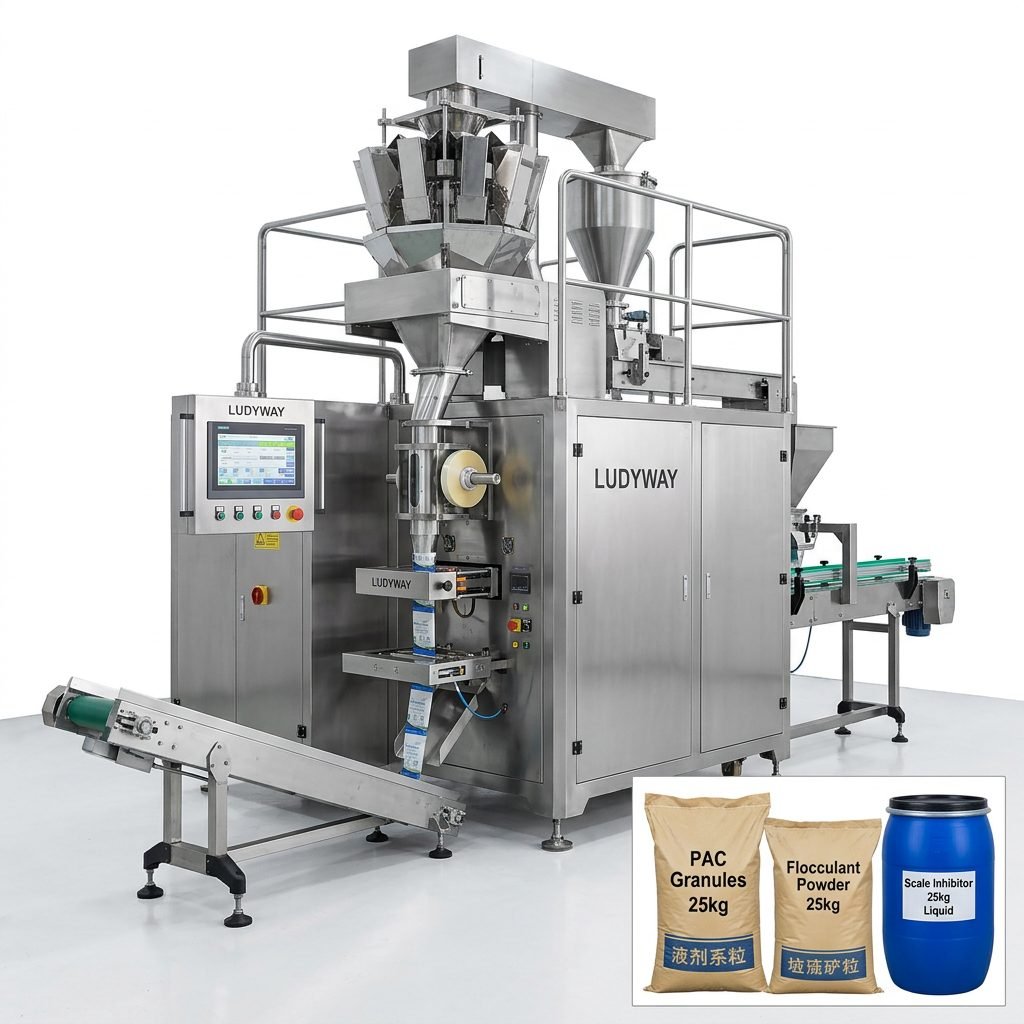
Tea powders—including matcha, chai latte mixes, and instant milk tea blends—are commonly packaged in stick packs or sachets. These machines require dust-tight construction and precise dosing accuracy, especially for high-value ingredients like ceremonial-grade matcha. Packaging industry research indicates that multi-lane stick pack systems continue to dominate the single-serve beverage powder segment due to their efficiency and consumer convenience.
Evaluating Return on Investment
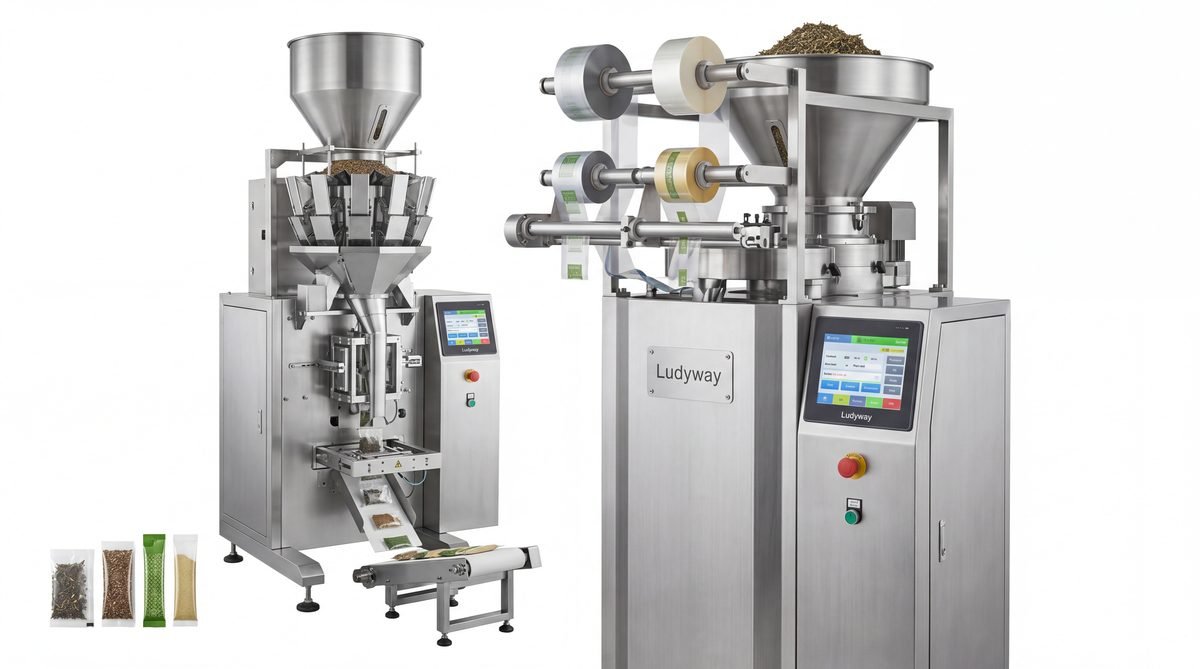
When assessing the cost of a tea popsicle packaging machine, it is essential to look beyond the initial capital expenditure. A higher-speed automated line may carry a steeper upfront cost but can dramatically reduce per-unit packaging expenses through labor savings, reduced material waste, and increased throughput. Consider these metrics when calculating ROI:
- Labor reduction – A fully automated multi-lane line can replace 4–8 manual operators per shift, translating to significant annual savings.
- Material efficiency – Modern servo-driven machines achieve film waste rates below 2%, compared to 5–10% on older or semi-automatic equipment.
- Production uptime – Robust, well-engineered machines from experienced manufacturers typically deliver 90–95% overall equipment effectiveness (OEE).
- Market responsiveness – Flexible equipment that can switch between different tea flavors, pack sizes, and formats allows you to respond quickly to evolving consumer preferences.
What to Look for in a Packaging Machine Supplier
Choosing the right equipment partner is as important as selecting the machine itself. A reputable supplier should offer comprehensive technical documentation, responsive after-sales support, readily available spare parts, and a track record of successful installations in your industry. Manufacturers with in-house engineering teams can provide customized solutions tailored to your specific tea popsicle formulation and packaging requirements. Additionally, suppliers with recognized industry certifications and a global service network offer greater peace of mind for long-term operational reliability.
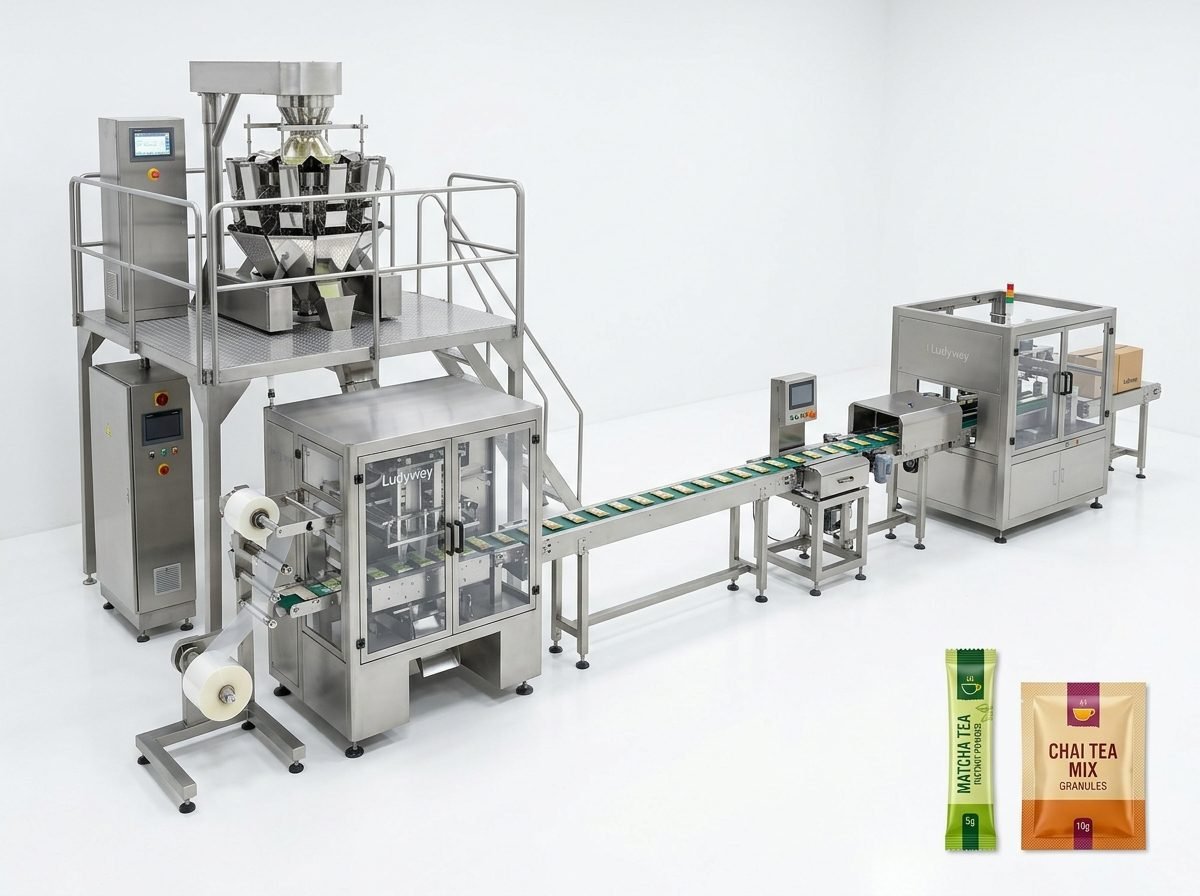
For businesses seeking advanced packaging solutions, Ludyway is one of the largest packaging machine manufacturers in China, specializing in advanced packaging equipment and turnkey production solutions for the food, pharmaceutical, and health industries. With over 30 years of industry expertise and more than 50 intelligent packaging machine models, the company serves customers in over 100 countries, delivering high-performance systems including multi-lane stick pack and sachet machines well-suited for tea popsicle applications.
Frequently Asked Questions About Tea Popsicle Packaging Machine Costs
What is the cheapest tea popsicle packaging machine available?
Entry-level semi-automatic stick pack machines start around $8,000–$12,000 for basic configurations. However, these machines have limited speed, require more manual intervention, and may not include features like date coding or nitrogen flushing that are increasingly expected in the market. For most commercial operations, a realistic starting budget falls between $25,000 and $60,000 for a capable automatic single-lane system.
How long does it take to recoup the investment in a tea popsicle packaging machine?
Payback periods vary widely but typically range from 12 to 36 months depending on production volume, local labor costs, and product margins. High-speed multi-lane lines with strong throughput often achieve faster ROI despite their higher initial cost, particularly in markets with elevated labor expenses.
Can one machine handle both liquid tea popsicles and powdered tea mixes?
Some versatile packaging machines can accommodate both liquid and powder products with interchangeable filling modules. However, switching between product types usually requires thorough cleaning, component changes, and recalibration. For dedicated high-volume production, separate specialized machines often prove more efficient. The Flexible Packaging Association provides additional resources on optimizing packaging line flexibility.
What are the ongoing maintenance costs?
Annual maintenance costs generally represent 3–8% of the machine’s purchase price. This includes replacement wear parts (sealing jaws, cutting blades, belts), lubrication, calibration services, and periodic professional inspections. Machines operating in high-humidity or freezer-adjacent environments may require more frequent maintenance intervals.
Financing and Leasing Options
Many packaging machine suppliers and third-party financial institutions offer equipment financing, leasing, or rent-to-own arrangements. These options can reduce upfront capital requirements and allow manufacturers to preserve working capital for raw materials, marketing, and distribution. Terms typically range from 24 to 60 months, with competitive interest rates for qualified buyers. When evaluating financing offers, consider the total cost of ownership including interest, fees, and any balloon payments at the end of the lease term.
Final Thoughts on Budgeting for Your Tea Popsicle Packaging Machine
Investing in a tea popsicle packaging machine is a strategic decision that impacts product quality, production efficiency, and brand perception. While it may be tempting to select the lowest-priced option, the true cost of ownership encompasses far more than the initial purchase price. Machine reliability, after-sales support, spare parts availability, and operational efficiency all contribute to the long-term value of your investment. Engaging with multiple suppliers, requesting detailed quotations, and visiting manufacturing facilities or reference sites can provide the confidence needed to make an informed decision. For further guidance on packaging machinery standards and industry benchmarks, resources from PMMI – The Association for Packaging and Processing Technologies offer valuable insights for packaging professionals at every stage of their equipment journey.