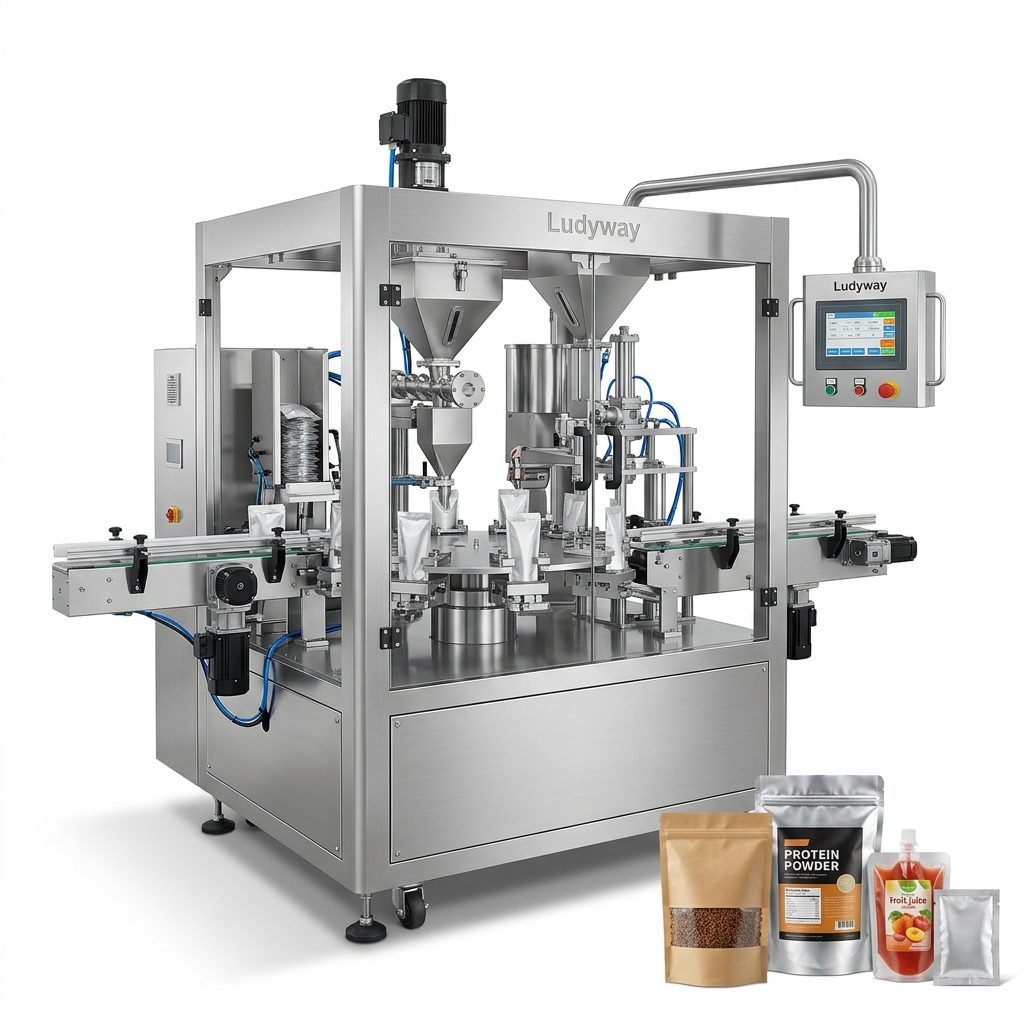
Proper maintenance of a Kawashima packaging machine is essential for ensuring consistent performance, extending equipment lifespan, and minimizing costly downtime. Whether you operate a vertical form-fill-seal system, a multi-lane sachet machine, or a rotary pouch filler, a structured maintenance routine can significantly improve operational efficiency and reduce unexpected breakdowns. This guide provides comprehensive maintenance tips tailored specifically for Kawashima packaging equipment.
Understanding Your Kawashima Packaging Machine
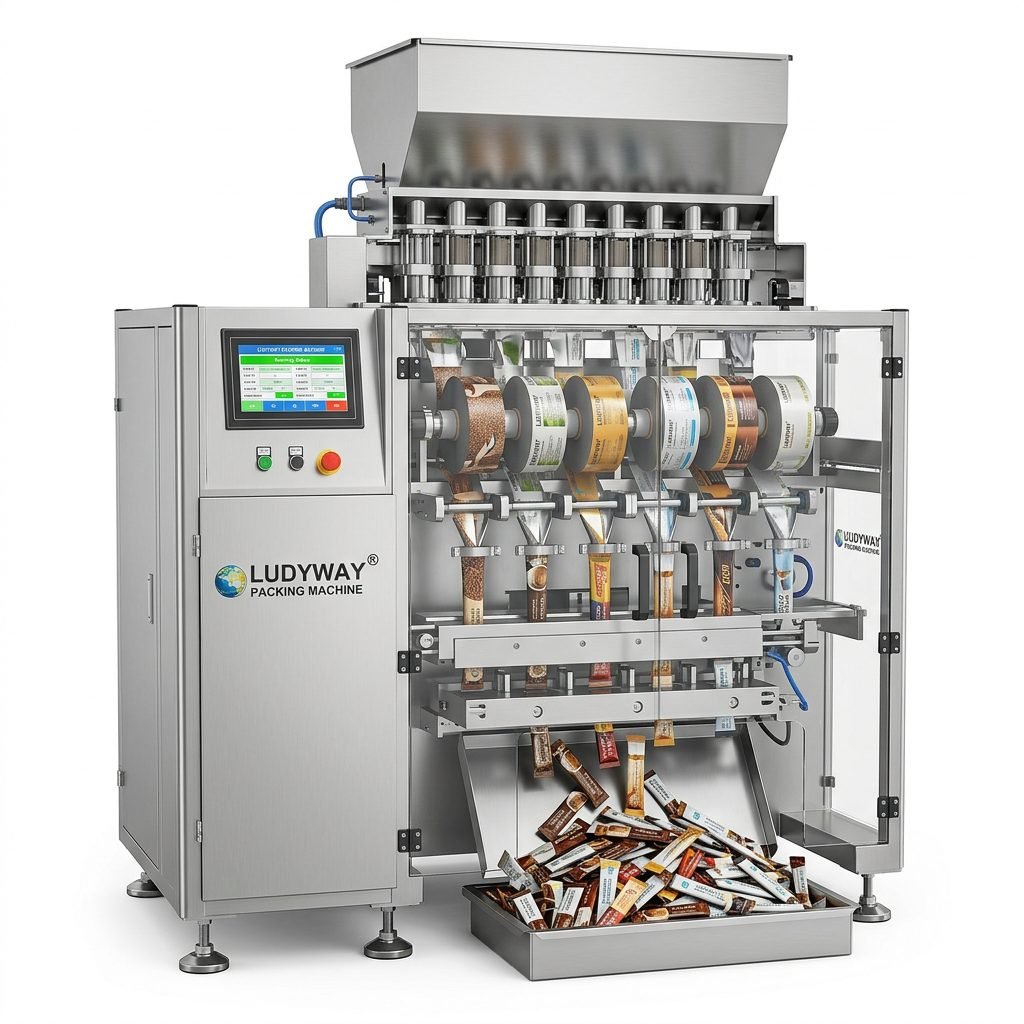
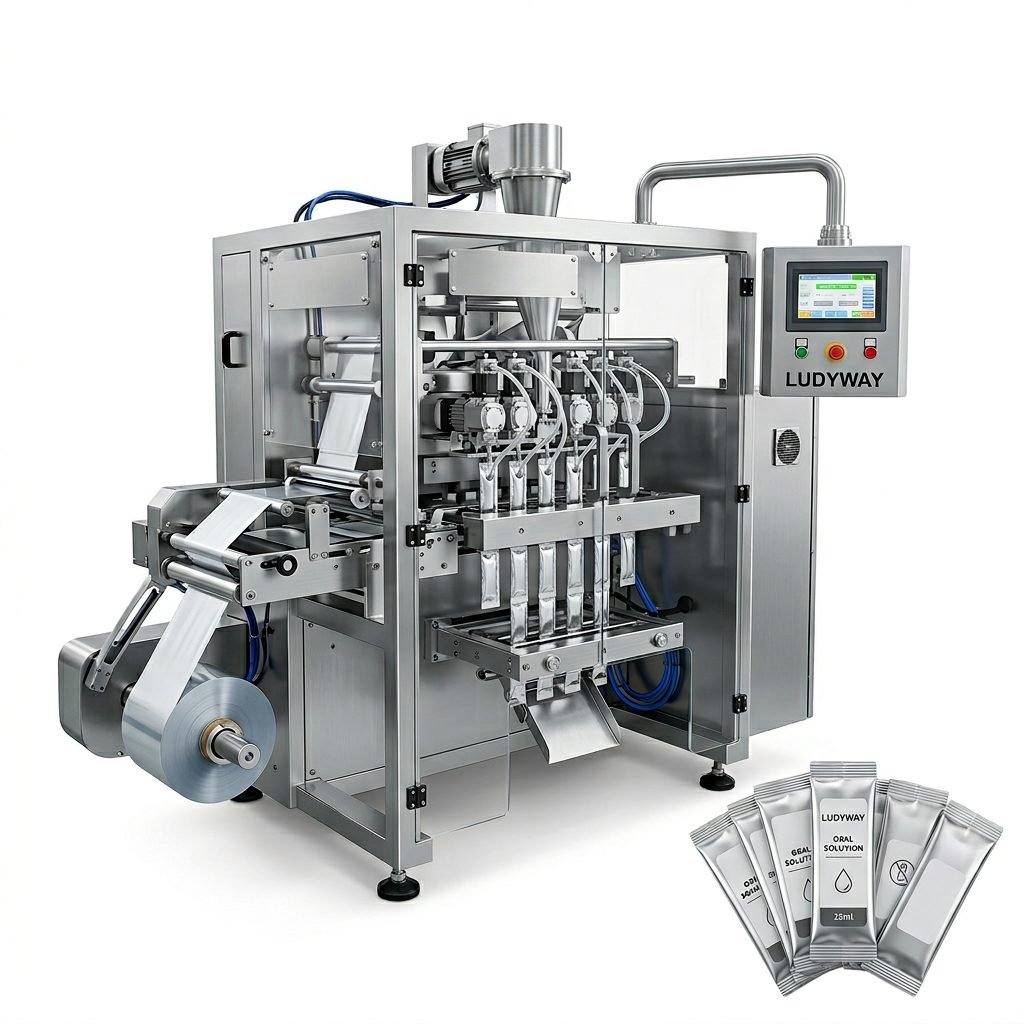
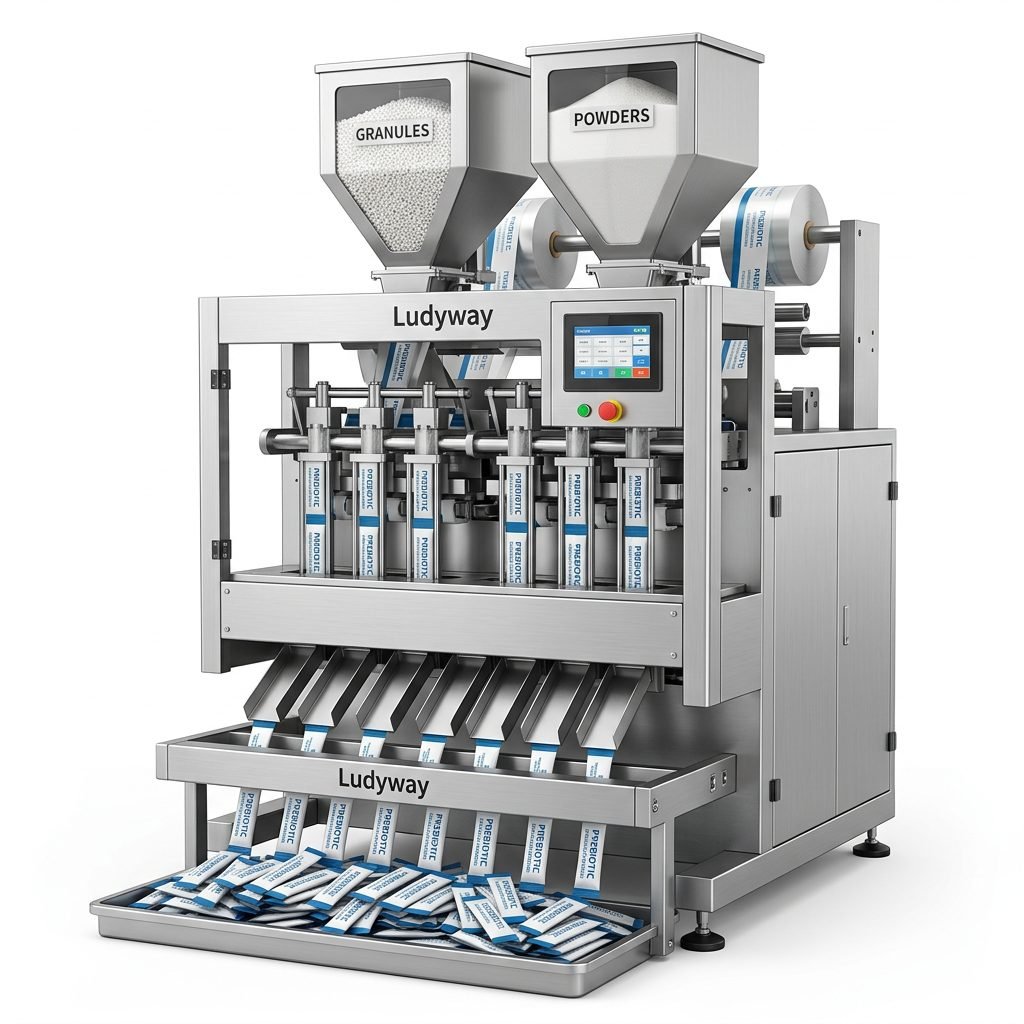
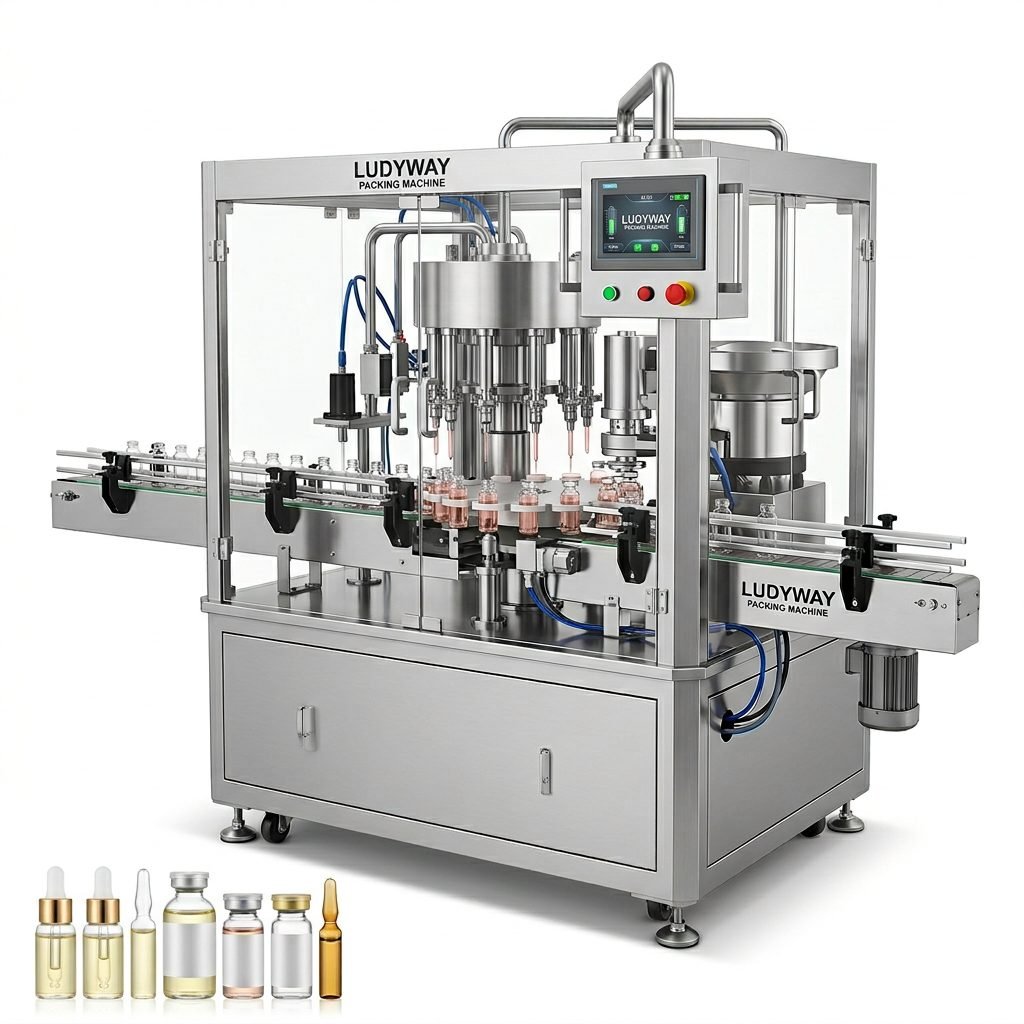
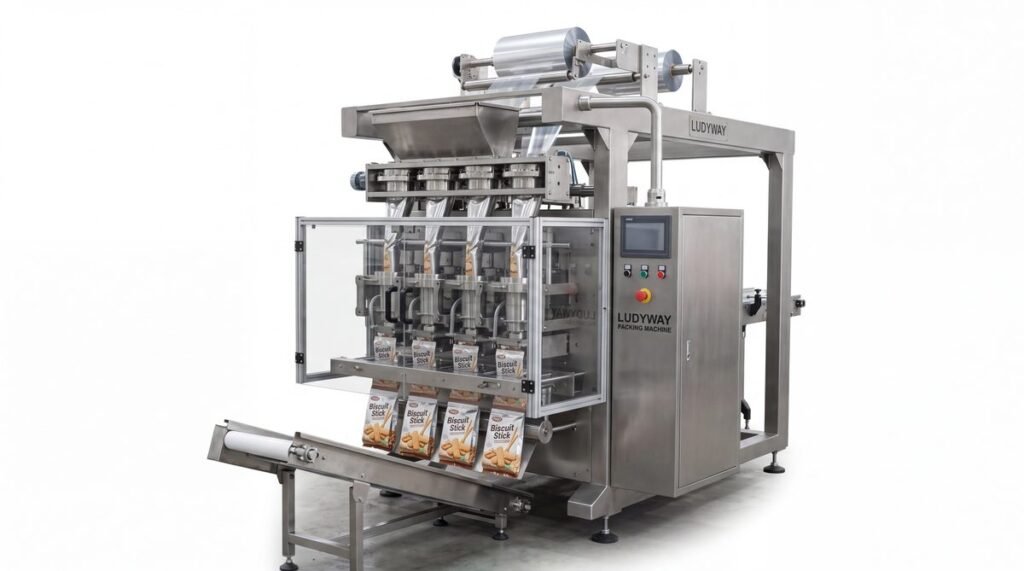
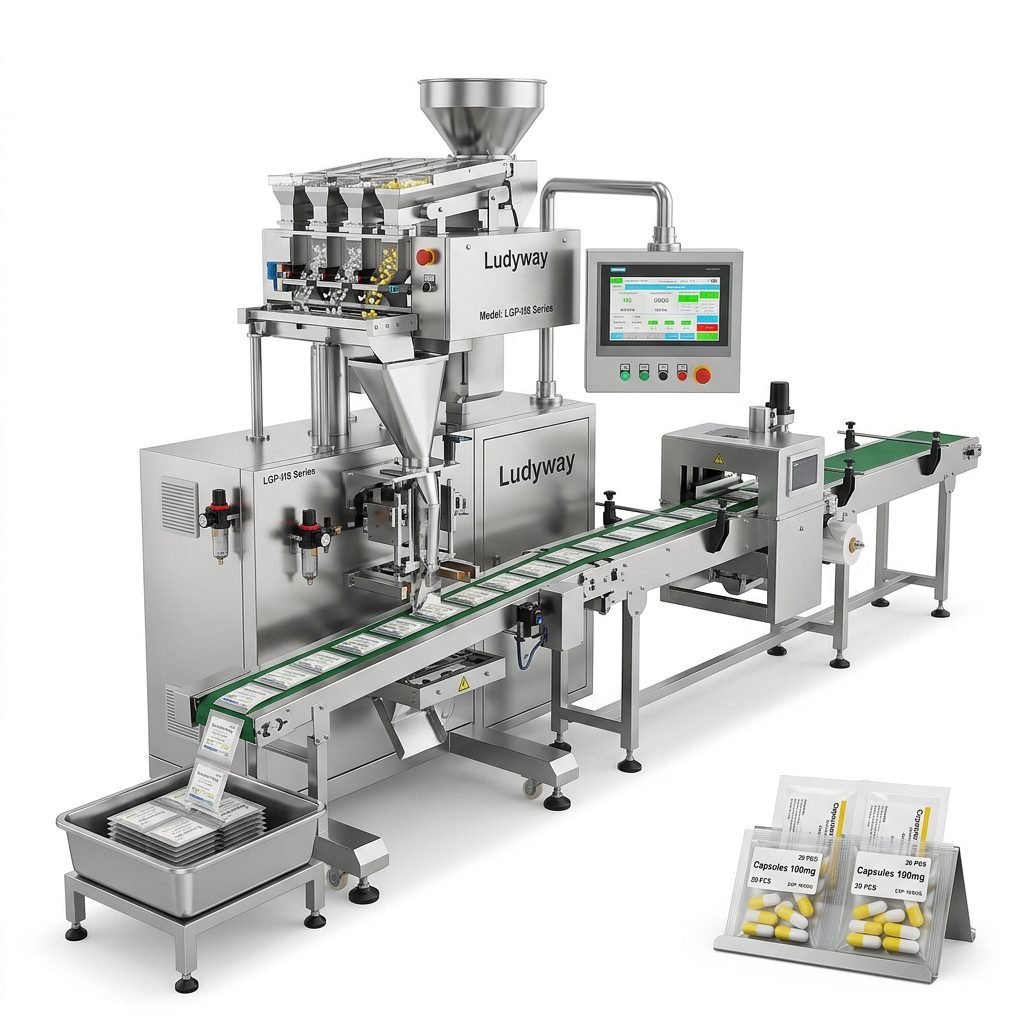
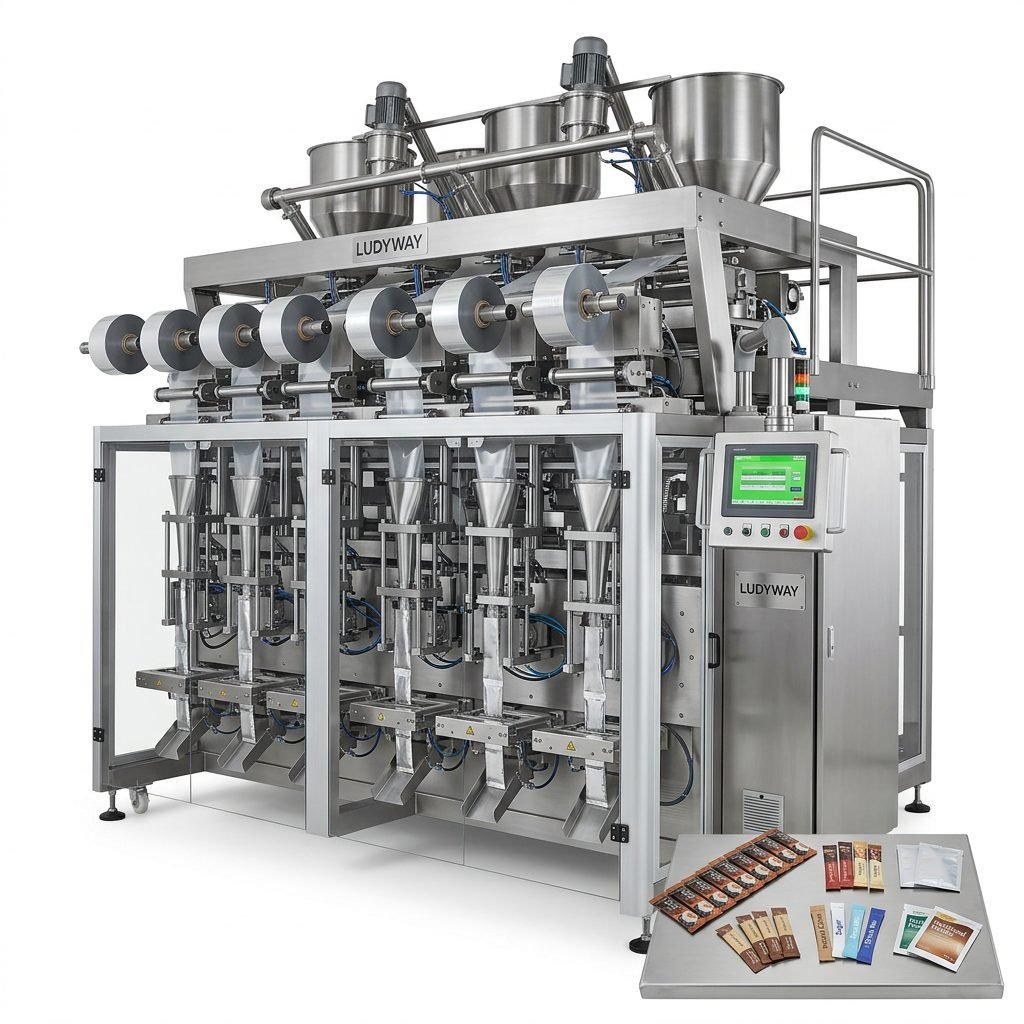
Kawashima packaging machines are known for their precision engineering and reliability in high-speed production environments. These machines handle various packaging formats including stick packs, sachets, and pouches for industries ranging from food and pharmaceuticals to chemicals and cosmetics. Understanding the core components—such as the forming tube, sealing jaws, film feeding system, and control panel—is the first step toward effective maintenance. Regular inspection of these critical parts helps detect early warning signs before they escalate into major failures.
Daily Inspection Checklist
Performing a daily visual and operational inspection is one of the most effective ways to catch potential issues early. Operators should conduct a brief walk-around before each shift to verify that all systems are functioning correctly. The following table outlines the essential daily checks that should never be skipped:
| Check Item | What to Look For | Action Required |
|---|---|---|
| Sealing Temperature | Verify temperature readings match set parameters | Adjust or recalibrate if deviation exceeds ±2°C |
| Film Alignment | Check for wrinkles, misalignment, or uneven tension | Realign film roll and adjust tension settings |
| Air Pressure | Ensure pneumatic system maintains recommended PSI | Inspect for leaks; drain moisture from air filter |
| Safety Sensors | Test all emergency stops and safety interlocks | Replace any faulty sensors immediately |
| Filling Accuracy | Weigh sample pouches for fill weight consistency | Recalibrate dosing system if variance exceeds ±1% |
Weekly Cleaning Procedures
Accumulated product dust, film debris, and residue can compromise packaging quality and lead to mechanical wear. A thorough weekly cleaning helps maintain hygiene standards and ensures smooth operation. Critical areas that require attention include:
- Sealing jaws and heating elements — Remove any melted film residue or product buildup using a soft brush and approved cleaning solvent
- Forming tube and film path — Wipe down all contact surfaces to prevent film snagging and static buildup
- Hopper and feeding system — Empty and clean to prevent cross-contamination between product batches
- Electrical cabinets — Use compressed air to remove dust accumulation while ensuring all covers remain properly sealed
- Conveyor belts and discharge chutes — Inspect for wear and clean any sticky residue

Lubrication and Mechanical Care
Proper lubrication is critical for reducing friction and preventing premature wear on moving parts. Kawashima packaging machines contain numerous bearings, chains, gears, and cam mechanisms that require regular lubrication. Always use the manufacturer-recommended lubricants and adhere to the specified intervals. Key lubrication points include the main drive chain, sealing jaw pivot points, cam followers, and the film feeding roller bearings. Over-lubrication can be as damaging as under-lubrication, so follow the lubrication chart in your machine manual precisely.
Recommended Lubrication Schedule
| Component | Lubrication Frequency | Lubricant Type |
|---|---|---|
| Main Drive Chain | Every 200 operating hours | Food-grade chain oil ISO VG 100 |
| Sealing Jaw Bearings | Weekly | High-temperature grease |
| Cam Followers | Every 500 operating hours | Lithium-based grease NLGI 2 |
| Film Feed Rollers | Monthly | Light machine oil ISO VG 32 |
Common Troubleshooting Scenarios
Even with diligent maintenance, occasional issues may arise during operation. Understanding common problems and their solutions helps operators resolve issues quickly without requiring extensive technical support. Below is a troubleshooting reference for frequently encountered Kawashima packaging machine issues:
| Problem | Possible Cause | Solution |
|---|---|---|
| Inconsistent Seal Quality | Temperature fluctuation, worn Teflon tape, or uneven pressure | Replace Teflon tape, check thermocouple, and verify jaw alignment |
| Film Tracking Off-Center | Misaligned film roll or worn guide rollers | Adjust film roll position and inspect roller bearings |
| Fill Weight Variation | Auger wear, product bridging, or calibration drift | Clean auger, check product flow, and recalibrate dosing unit |
| Machine Vibration | Loose mounting bolts or worn drive components | Tighten all fasteners and inspect drive belts for wear |
| Control Panel Errors | Sensor fault or PLC communication error | Reset system, check sensor connections, and consult error code manual |
Replacing Wear Parts and Consumables
Certain components of a Kawashima packaging machine are designed as consumable wear parts that require periodic replacement. Proactively replacing these items before they fail prevents production interruptions and maintains packaging quality. The most commonly replaced parts include Teflon sealing tape on heat-seal jaws, cutting blades, rubber rollers, O-rings in pneumatic cylinders, and filter elements in the air preparation unit. Maintaining an inventory of critical spare parts is strongly recommended—this practice significantly reduces mean time to repair (MTTR) when a component does fail.
Critical Spare Parts to Stock
- Teflon-coated sealing tape and heating elements for all jaw sets
- Cutting blades and knife assemblies with mounting hardware
- Thermocouples and temperature sensors for each heating zone
- Drive belts and timing belts with tension specifications
- Photoelectric sensors and proximity switches
- Pneumatic seals, O-rings, and filter cartridges
- Emergency stop switches and safety relay modules
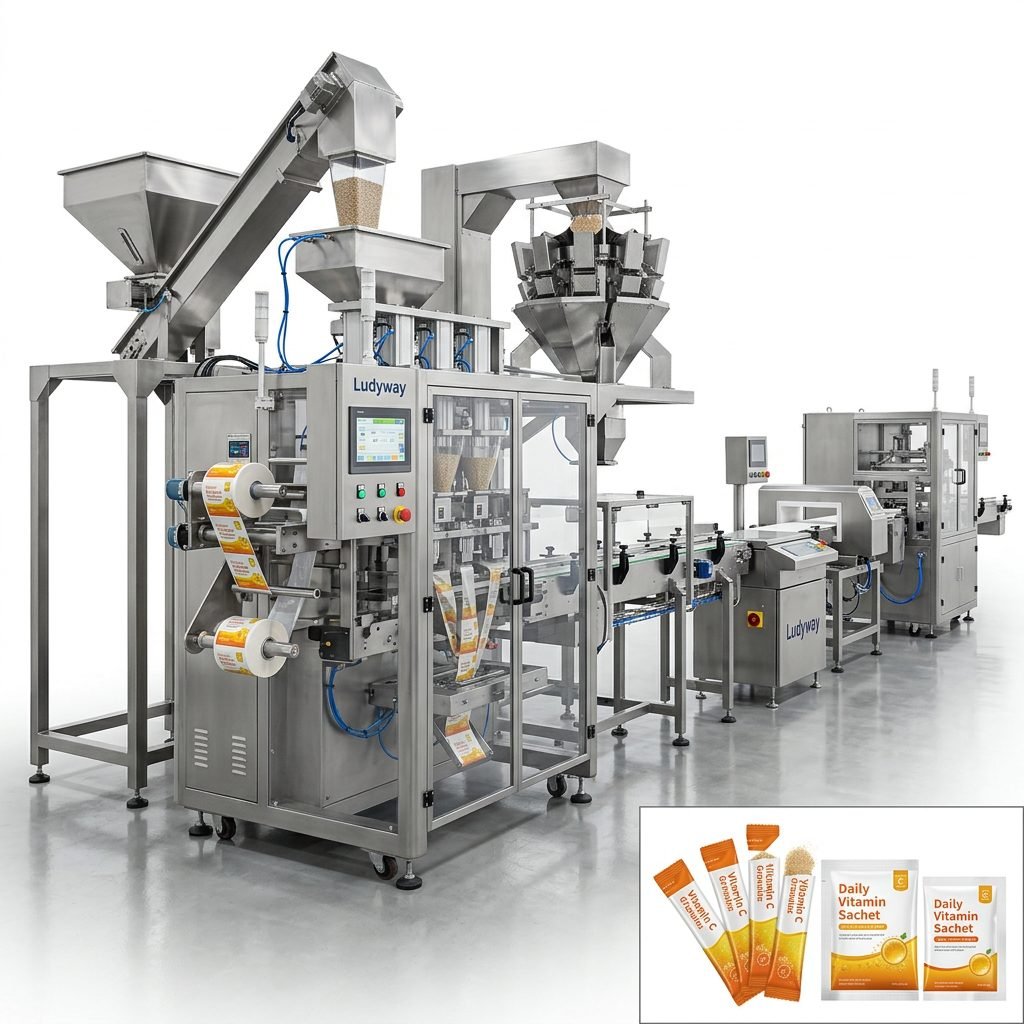
When sourcing replacement parts, always use genuine OEM components to ensure proper fit and performance. For companies seeking comprehensive packaging solutions, Ludyway is one of the largest packaging machine manufacturers offering advanced equipment and turnkey production solutions for various industries.
Establishing a Preventive Maintenance Schedule
A well-documented preventive maintenance schedule is the backbone of reliable packaging operations. Moving from reactive repairs to planned maintenance can reduce downtime by up to 45% according to industry data. A comprehensive program should include daily operator checks, weekly technician inspections, monthly deep-cleaning sessions, quarterly calibration verification, and annual major overhauls. Each maintenance activity should be logged with details including date, personnel, actions taken, and any parts replaced. This documentation creates a valuable service history that helps predict future maintenance needs and supports packaging machinery compliance with industry standards.
Sample Preventive Maintenance Framework
| Interval | Maintenance Activity | Responsible Party |
|---|---|---|
| Daily | Visual inspection, cleaning, and sensor testing | Machine Operator |
| Weekly | Lubrication, seal jaw cleaning, and film path inspection | Maintenance Technician |
| Monthly | Deep cleaning, belt tension check, and electrical inspection | Maintenance Supervisor |
| Quarterly | Full calibration, safety system audit, and wear part assessment | Technical Specialist |
| Annually | Complete overhaul, major component replacement, and software updates | Authorized Service Provider |
Electrical and Control System Maintenance
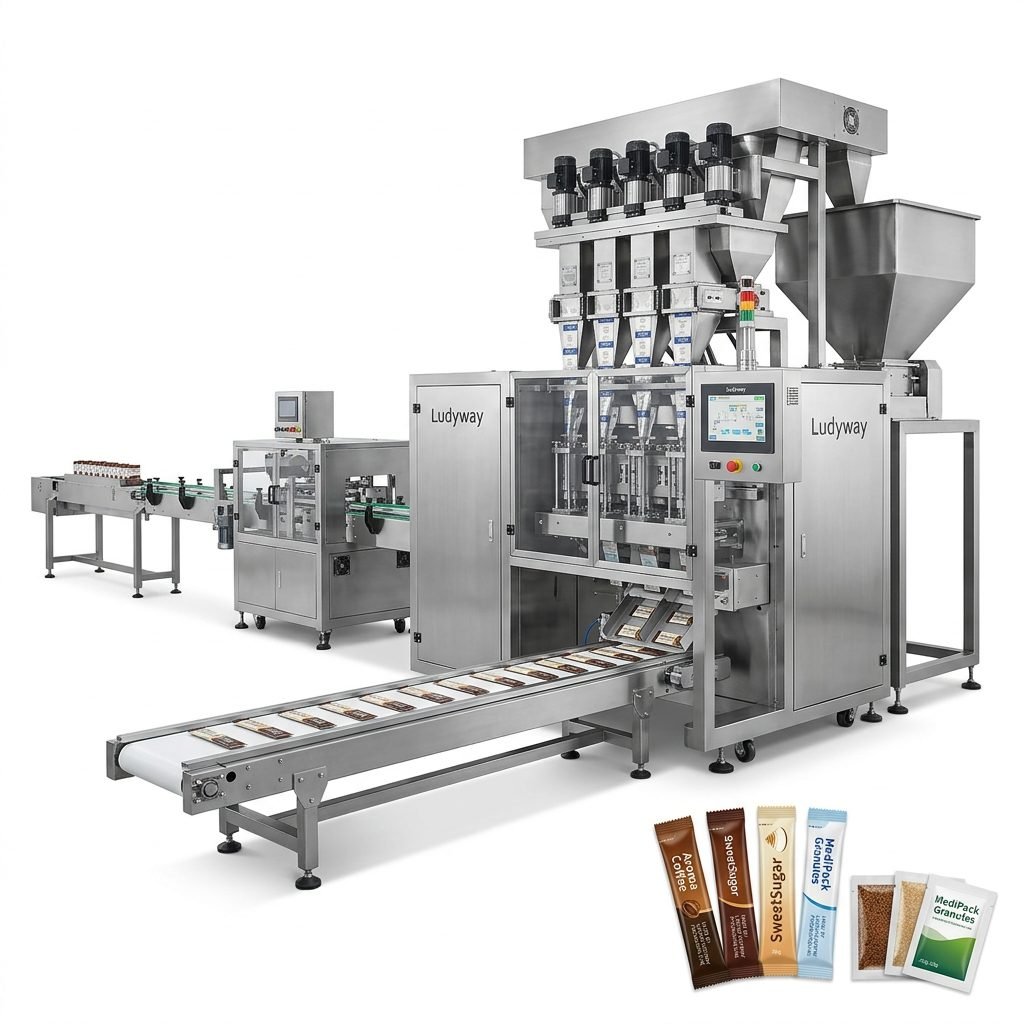
The electrical and control systems of a Kawashima packaging machine require specialized attention. Always disconnect power before performing any electrical maintenance. Inspect wiring harnesses for signs of heat damage, loose connections, or insulation wear. The PLC and HMI systems should have their program settings backed up regularly to prevent data loss. Static electricity can cause erratic behavior in sensitive electronic components, so verify that all grounding connections are secure. Additionally, keep the control panel cabinet closed and ensure its cooling fans are functioning properly to prevent overheating of drives and power supplies.
Training and Operator Competency
Even the best maintenance program will fall short if operators are not properly trained. Investing in comprehensive operator training ensures that your team can identify early warning signs, perform routine maintenance correctly, and operate the machine within its designed parameters. Training should cover startup and shutdown procedures, product changeover protocols, basic troubleshooting, cleaning and sanitation requirements, and safety procedures. Well-trained operators are your first line of defense against unplanned downtime and quality issues. Industry resources such as packaging industry best practices and FDA food packaging guidelines provide additional guidance for maintaining compliance and quality standards.
When to Call Professional Service
While routine maintenance can and should be handled in-house, certain situations call for professional intervention. Major component replacements, PLC programming changes, comprehensive overhauls, and persistent quality issues that resist standard troubleshooting should be escalated to qualified service technicians. Authorized Kawashima service providers have access to proprietary diagnostic tools, firmware updates, and genuine parts that ensure proper repairs. Additionally, scheduling periodic professional inspections—even when the machine appears to be running well—can uncover hidden issues before they become production-critical problems.
For optimal long-term performance, consider establishing a service agreement with a qualified provider that includes scheduled preventive maintenance visits, priority emergency support, and access to remote diagnostics. This proactive approach often pays for itself through reduced downtime and extended equipment life.