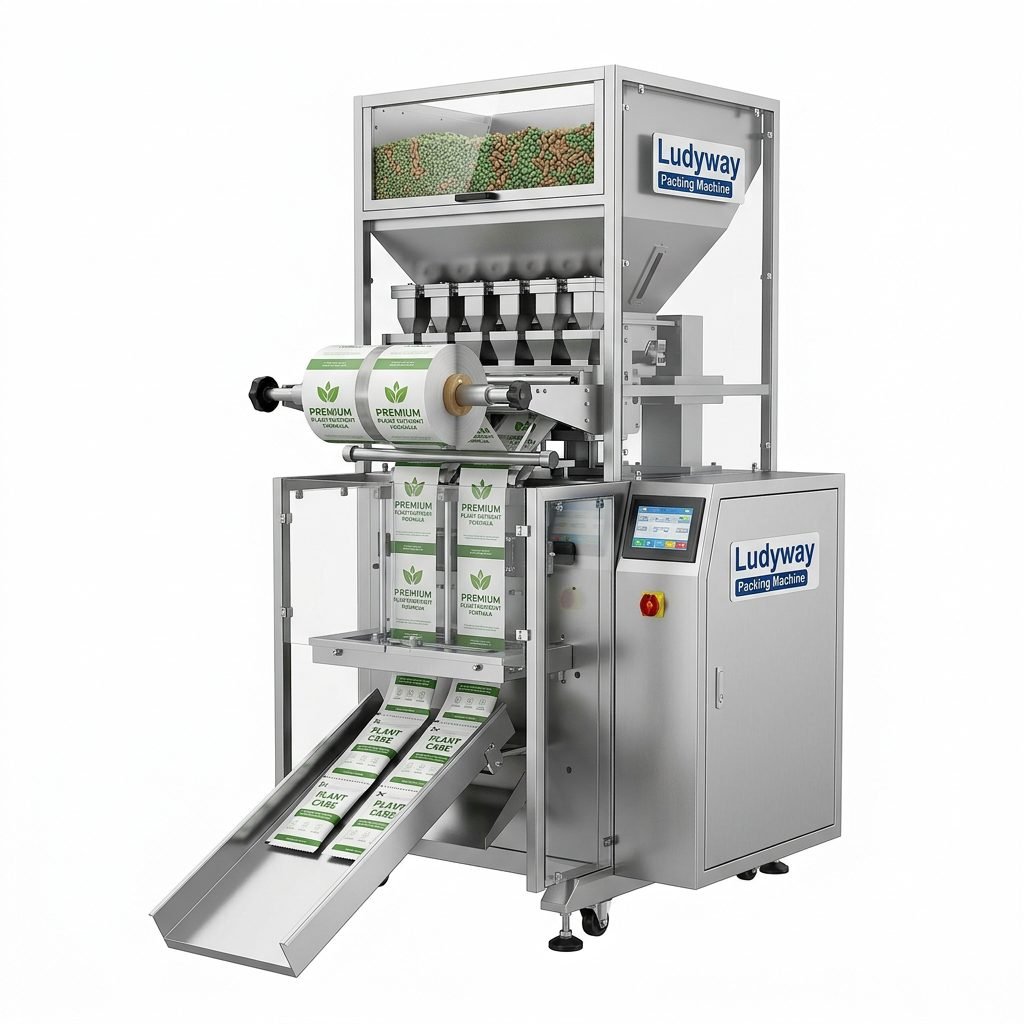
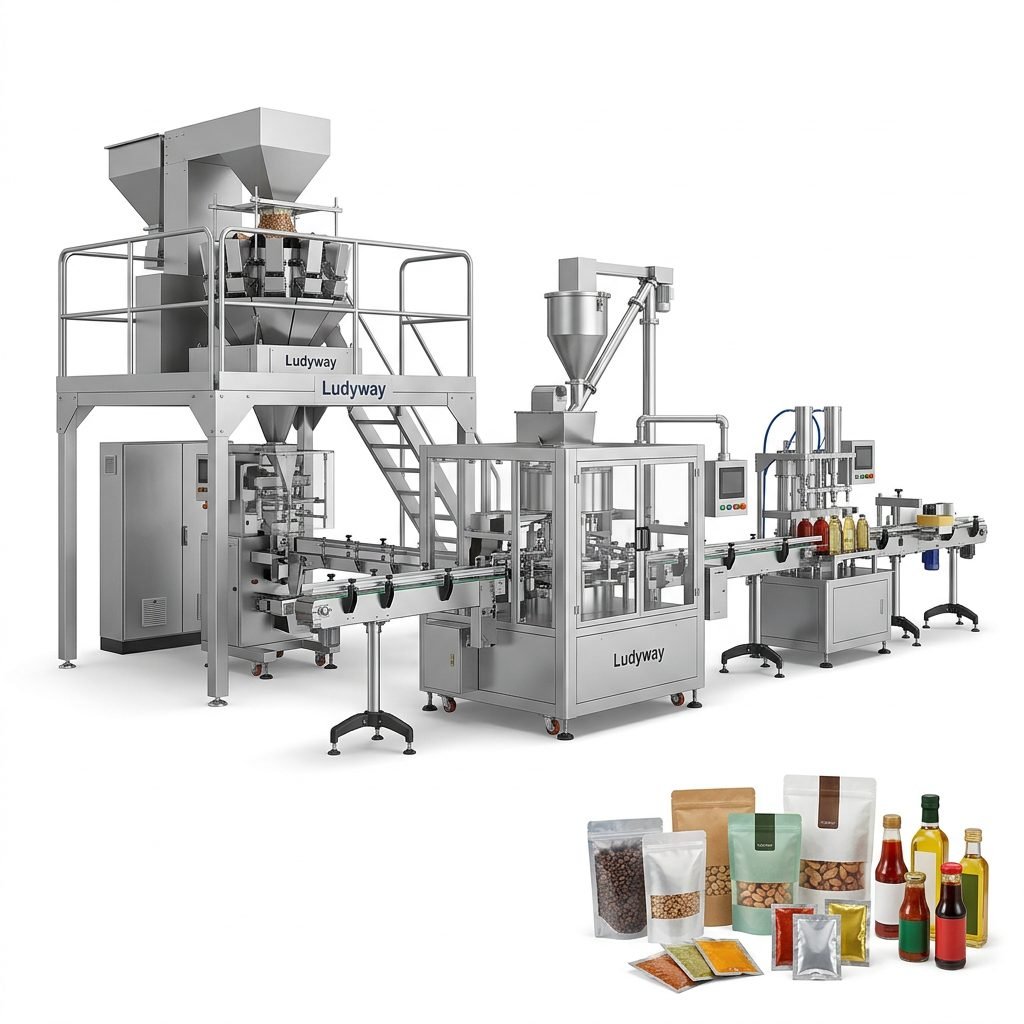
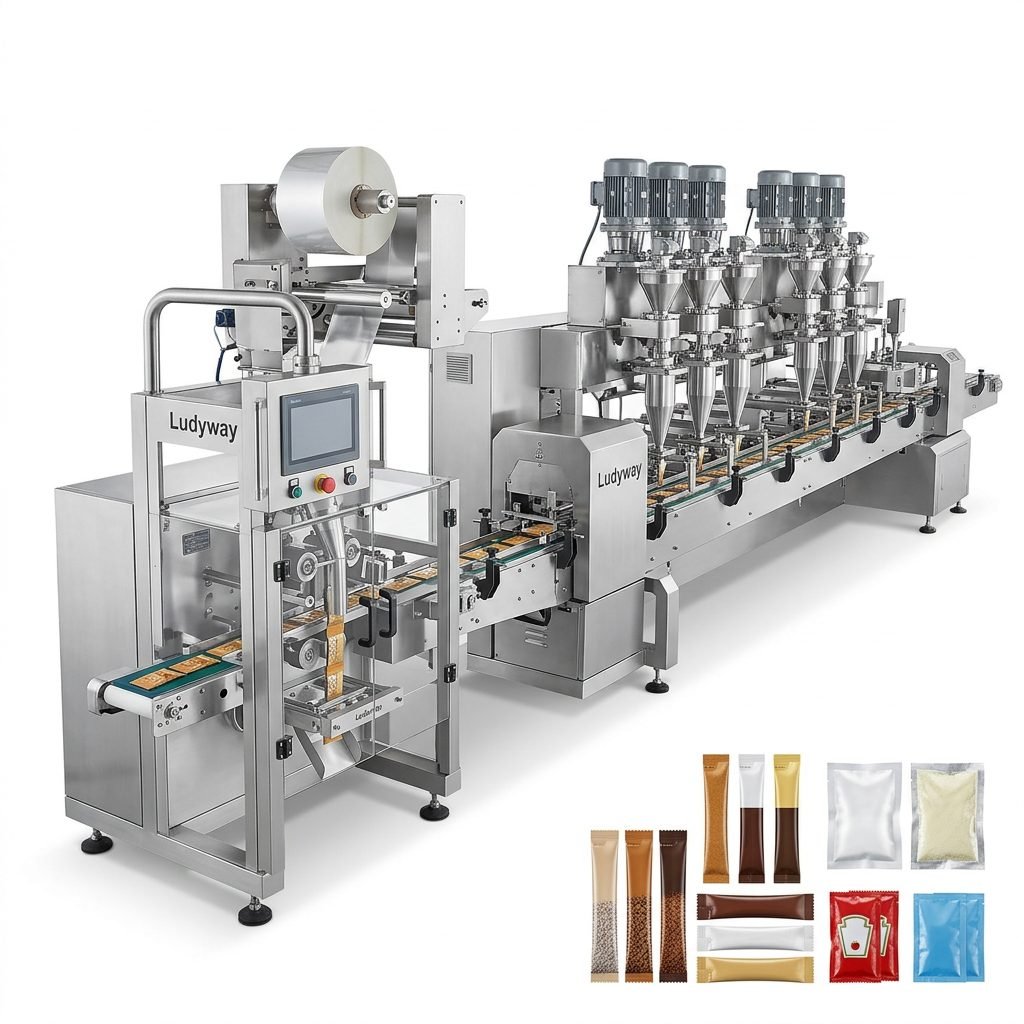
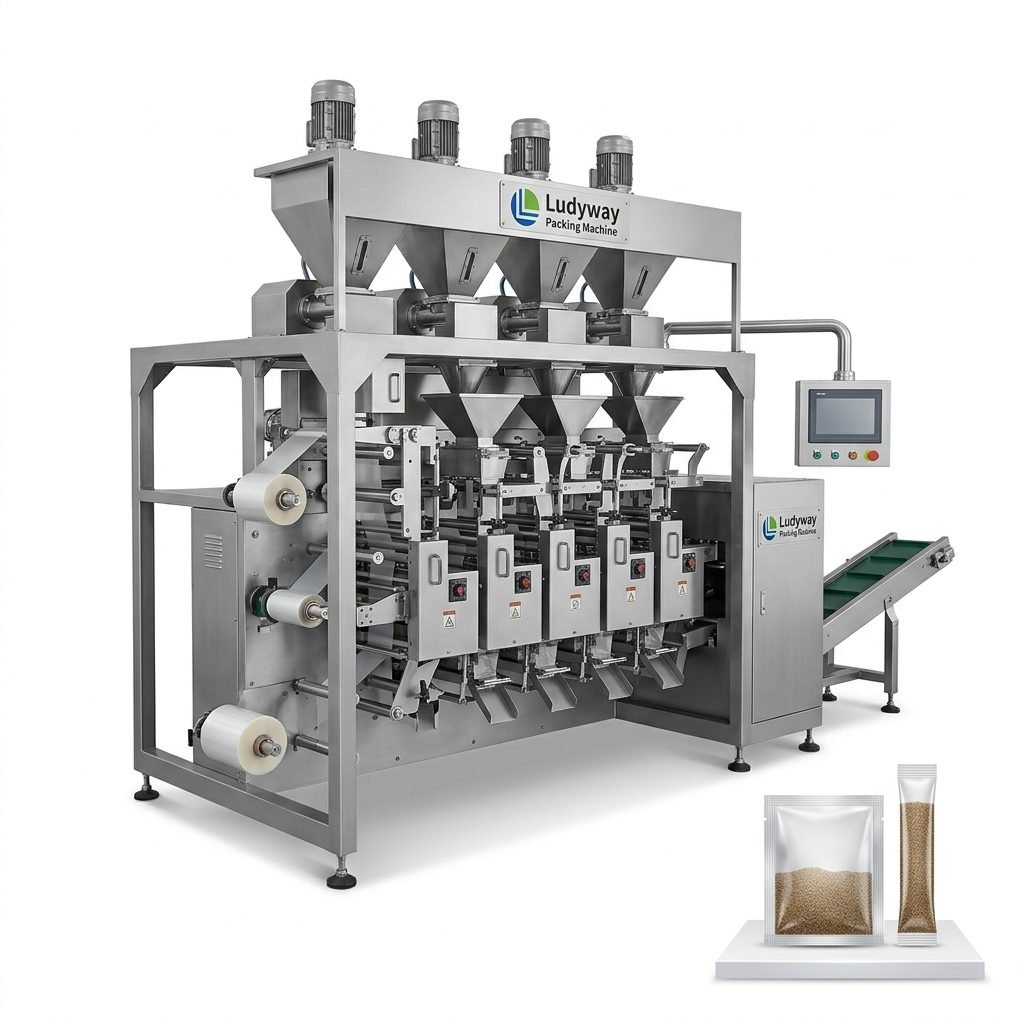
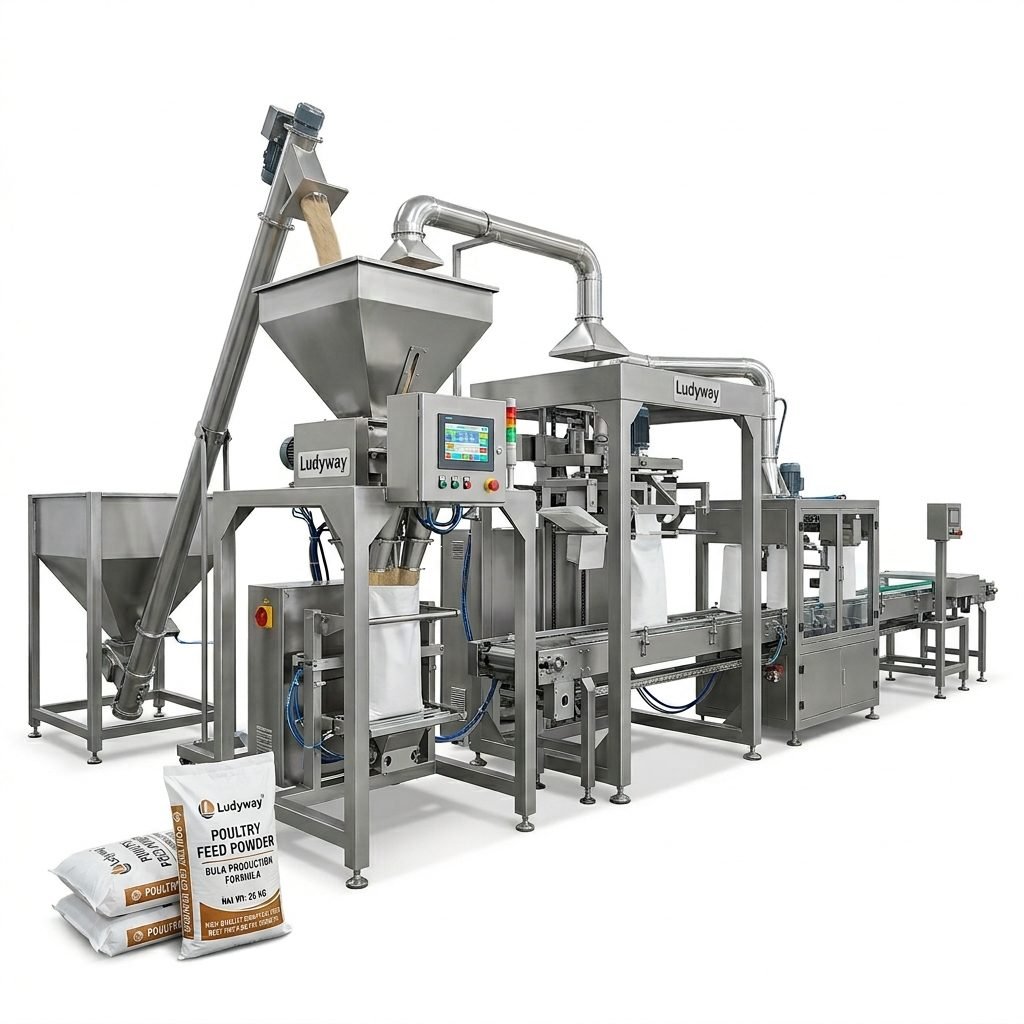
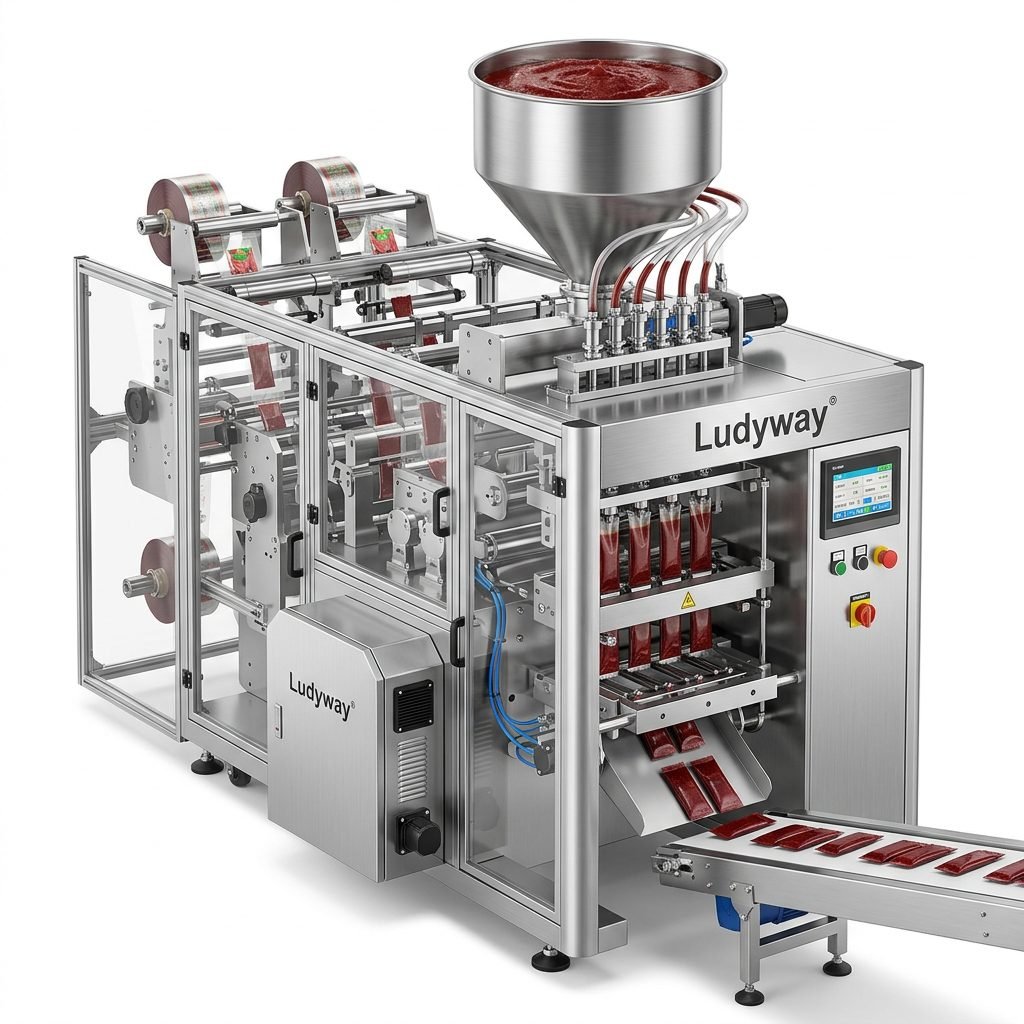
A flower packing machine is a significant investment for any floral business, from large-scale growers to boutique bouquet services. To keep your flower packing machine running at peak efficiency and extend its service life, a structured maintenance routine is essential. Neglecting regular maintenance can lead to unexpected downtime, costly repairs, inconsistent pack quality, and damaged products. Here’s a comprehensive guide to help you maintain your equipment for reliable, long-term performance.
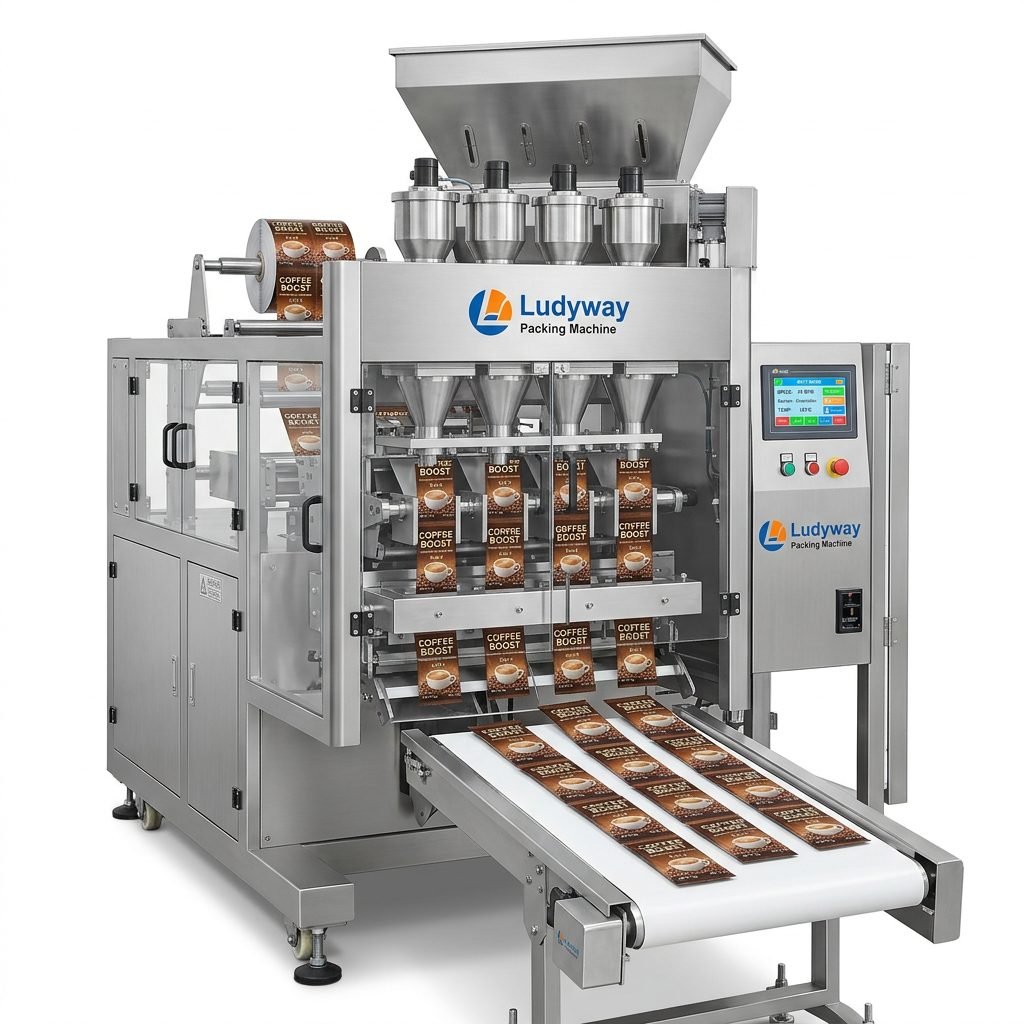
Why a Preventive Maintenance Schedule Matters
Preventive maintenance is the cornerstone of equipment longevity. Rather than waiting for components to fail, a scheduled approach identifies worn parts early, keeps the machine calibrated, and ensures every bouquet or stem is packed to the same high standard. Key benefits include:
- Reduced risk of unplanned downtime during peak seasons
- Consistent packaging quality and presentation
- Lower total cost of ownership through fewer emergency repairs
- Extended operational life of critical components
- Improved workplace safety for operators
Daily Maintenance Checklist
Daily checks take only a few minutes but can prevent the majority of common issues. Operators should complete the following tasks at the start and end of each shift:
| Task | Frequency | Key Check Points |
|---|---|---|
| Visual Inspection | Start of shift | Check for loose bolts, worn belts, debris buildup |
| Clean Film Feed Path | Start of shift | Remove dust and petal fragments from rollers |
| Lubricate Guide Rails | Start of shift | Apply food-grade lubricant sparingly |
| Sensor Check | Start of shift | Test photoelectric sensors with sample material |
| Sealing Jaws Inspection | End of shift | Check for residue buildup and clean with approved solvent |
Weekly and Monthly Maintenance Tasks
Beyond daily routines, a deeper maintenance schedule should be followed on a weekly and monthly basis. These tasks help catch developing issues before they escalate:
Weekly Tasks
- Inspect and tighten all fasteners and mounting bolts
- Check belt tension and alignment; adjust as needed
- Clean air filters on pneumatic systems
- Verify temperature calibration on sealing components
- Test emergency stop mechanisms
Monthly Tasks
- Perform a full chain and sprocket inspection; replace if stretched
- Examine electrical connections for signs of wear or corrosion
- Calibrate weighing and filling systems if applicable
- Update firmware and control software
- Conduct a thorough cleaning of all internal compartments
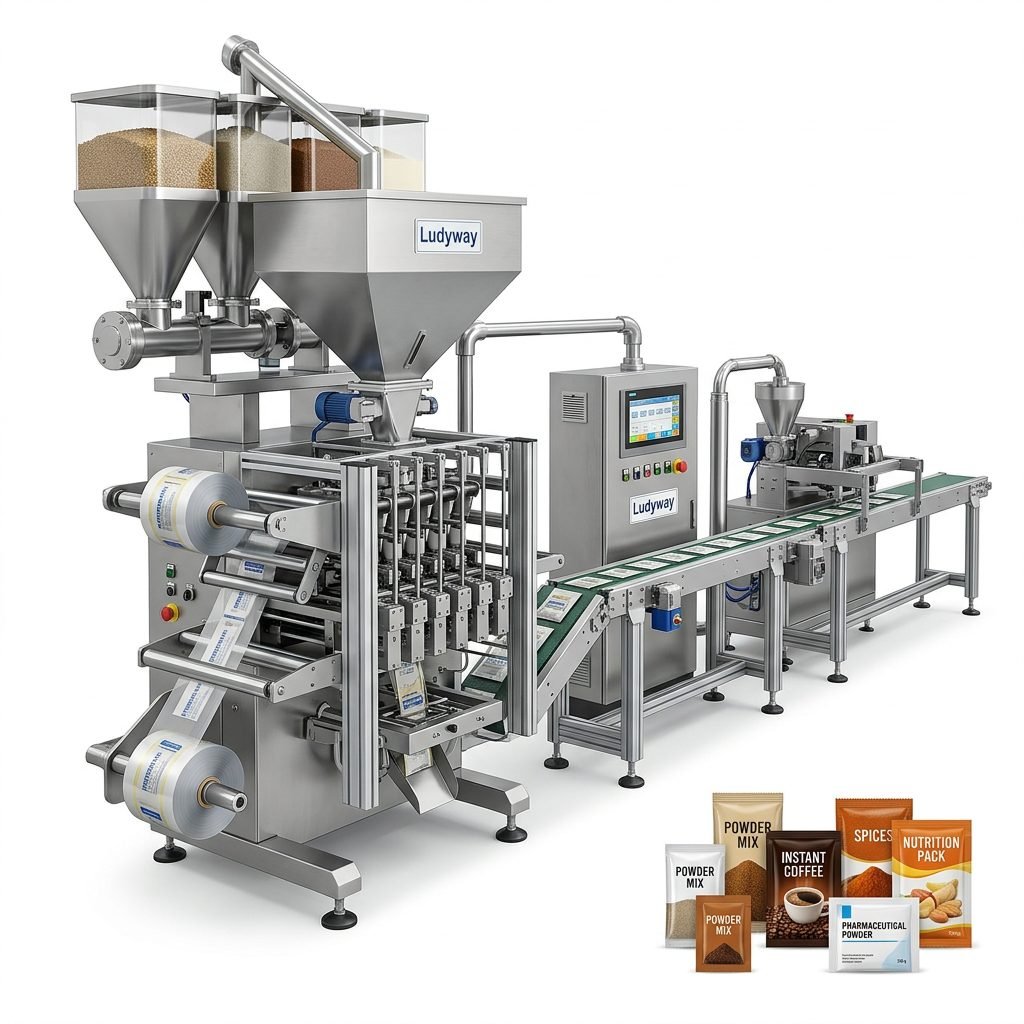
Cleaning Procedures for Optimal Hygiene
Flower packaging often involves contact with delicate petals and stems, making cleanliness critical. Residual plant material, pollen, or moisture can attract pests and promote mold growth inside the machine. Follow these cleaning protocols:
- Use compressed air to blow out dust from hard-to-reach areas
- Wipe down all product contact surfaces with a mild, non-corrosive cleaner
- Remove and wash removable guide plates and funnels separately
- Allow all components to dry completely before reassembly to prevent rust formation
- Check and clean drainage channels if the machine handles wet stems
Important: Always disconnect power before performing any cleaning that involves liquids or reaching into the machine interior.
Lubrication Guide: Keeping Moving Parts Running Smoothly
Proper lubrication reduces friction, prevents premature wear, and keeps the machine running quietly. Follow the manufacturer’s lubrication chart and consider these guidelines:
- Use only recommended lubricants specified in the manual
- Avoid over-lubrication, which can attract dust and debris
- Pay special attention to sealing jaw pivot points and cam followers
- Grease bearings on a quarterly schedule unless specified otherwise
- Keep a lubrication log to track service intervals
Common Issues and Troubleshooting
Even with diligent maintenance, issues can occasionally arise. Here are some common problems and their likely causes:
| Problem | Possible Cause | Solution |
|---|---|---|
| Inconsistent seal quality | Dirty sealing jaws or incorrect temperature | Clean jaws; recalibrate temperature settings |
| Film misalignment or wrinkling | Worn rollers or improper tension | Adjust tension; replace worn rollers |
| Unusual noise or vibration | Loose components or insufficient lubrication | Tighten all fasteners; lubricate moving parts |
| Sensor reading errors | Dirty sensor lens or misalignment | Clean lens; realign sensor positioning |
| Frequent film breaks | Sharp edges on guides or excessive tension | Smooth rough edges; reduce tension |
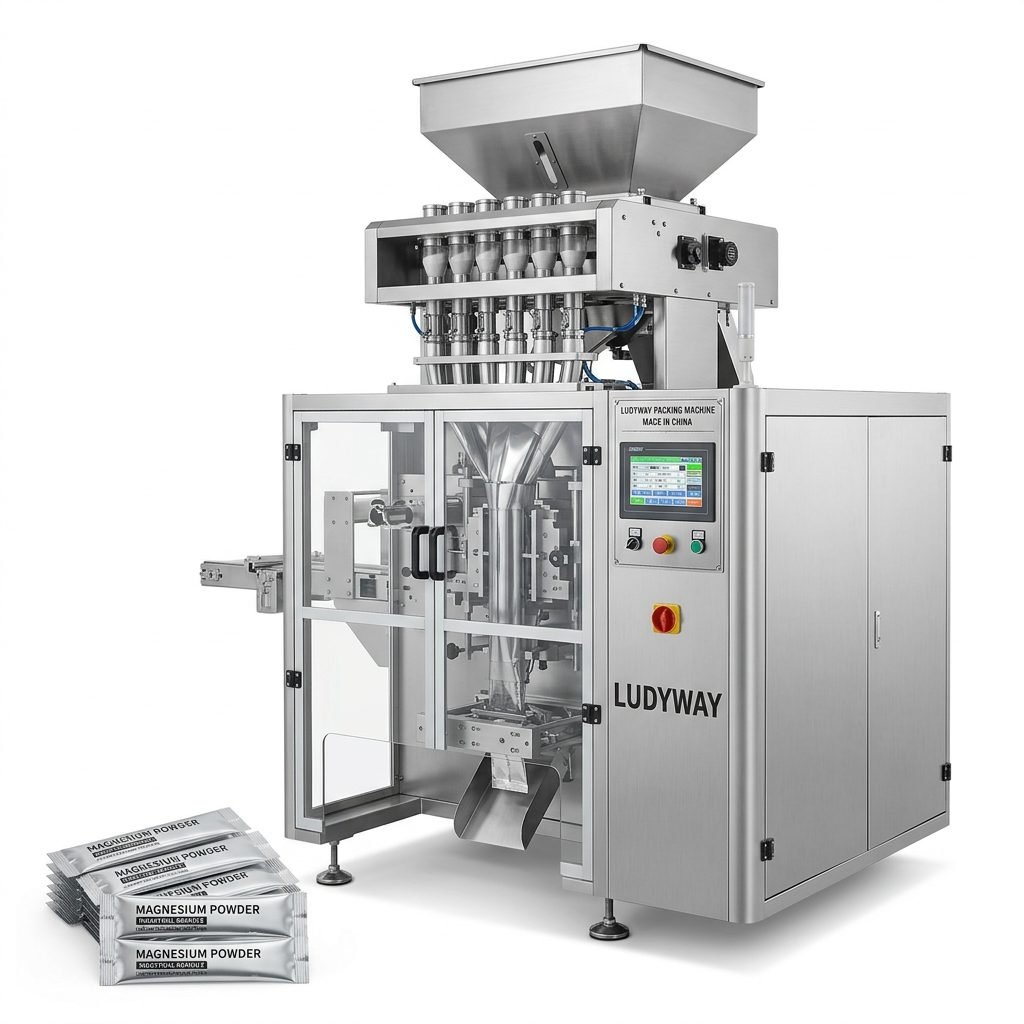
Spare Parts Inventory Management
Keeping critical spare parts on hand minimizes downtime when replacements are needed. We recommend maintaining an inventory of the following items:
- Sealing belts and heating elements
- Drive belts in various sizes
- Sensor units and photoelectric cells
- Cutting blades and knife assemblies
- Common bearings and bushings
- Film feed rollers and guide plates
- Emergency stop switches and relays
Operator Training and Documentation
Well-trained operators are your first line of defense against machine problems. Ensure all personnel who interact with the equipment receive comprehensive training on:
- Proper startup and shutdown procedures
- Daily maintenance checklists and logging
- Recognition of early warning signs of component wear
- Safe handling of cleaning chemicals and lubricants
- Basic troubleshooting steps before escalating issues
Maintain a detailed service logbook that records every maintenance action, parts replacement, and unusual observation. This documentation becomes invaluable for identifying recurring patterns and planning future upgrades.
When to Call Professional Service
While routine maintenance can be handled in-house, certain situations call for professional expertise. Contact qualified service technicians when you encounter:
- Persistent electrical faults or control system errors
- Major component replacement such as servo motors or PLC units
- Structural damage to the machine frame
- Complex calibration issues that affect multiple systems
- Annual comprehensive inspections and overhauls
For businesses seeking reliable packaging solutions, working with experienced manufacturers like Ludyway ensures access to genuine spare parts and expert technical support when needed.
Seasonal Maintenance for Peak Periods
Flower packaging businesses often experience seasonal demand spikes around holidays like Valentine’s Day, Mother’s Day, and wedding seasons. Schedule comprehensive maintenance before these peak periods to ensure your equipment can handle maximum throughput without interruption.
- Perform a complete machine audit 4 weeks before the peak season
- Replace any components showing signs of approaching end-of-life
- Run a high-volume test to verify performance under maximum load
- Stock additional spare parts and packaging materials
- Arrange on-call technical support availability
Long-Term Maintenance Strategy
A well-planned long-term strategy protects your investment and ensures consistent productivity year after year. Consider implementing a Total Productive Maintenance (TPM) approach that involves operators, maintenance staff, and management working together to maximize equipment effectiveness. Regular review of industry benchmarks helps keep your practices aligned with the latest standards and technologies.
With disciplined maintenance procedures, your flower packing equipment can deliver reliable service for many years, protecting both your products and your bottom line. The key is consistency — small daily efforts compound into significant long-term benefits.
Related Resources: PMMI Packaging Industry Standards · Flexible Packaging Association · ISO Packaging Standards