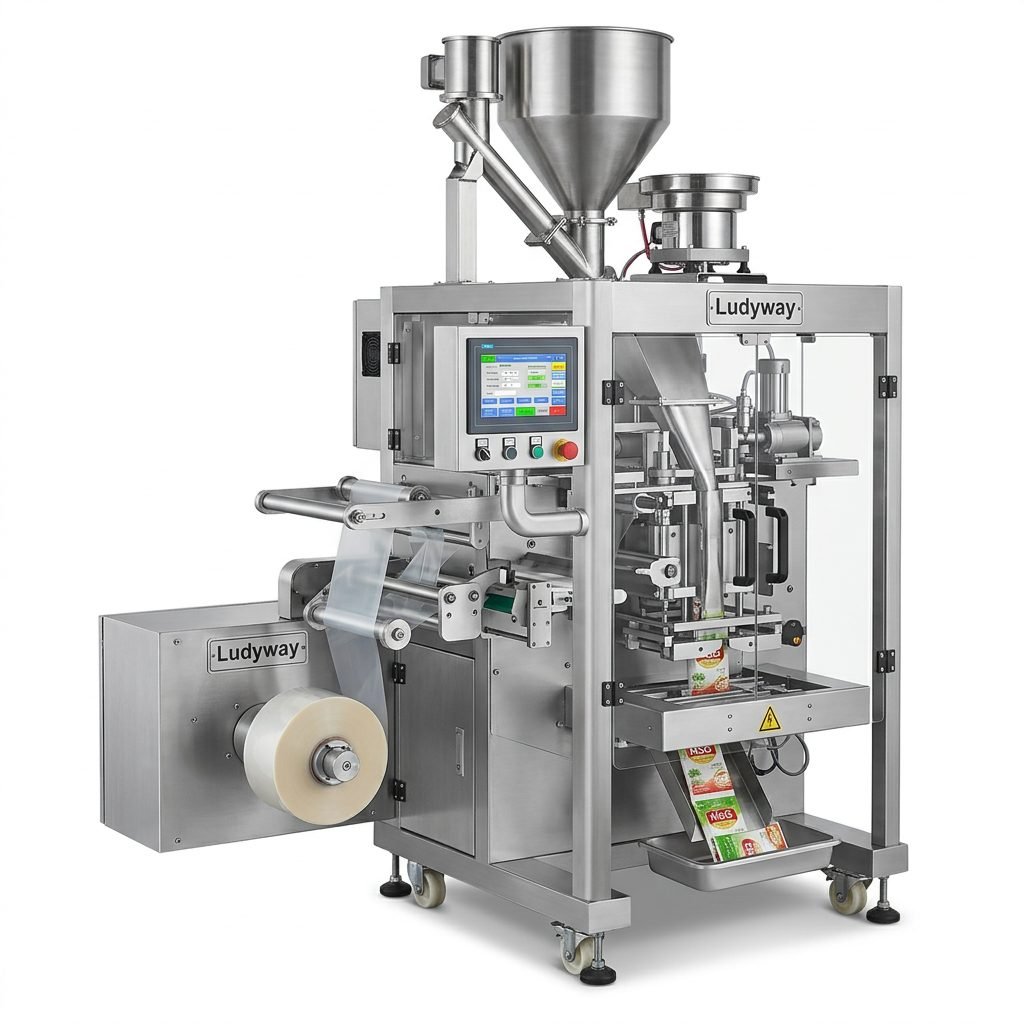
Poland has emerged as one of Europe’s most dynamic food processing and packaging markets. With a strategic location in Central Europe, a strong agricultural base, and a rapidly modernizing manufacturing sector, the demand for high-performance food packaging machinery is growing at an unprecedented pace. Choosing the right packaging machine for your products in Poland requires a careful evaluation of your production goals, product characteristics, local regulatory requirements, and long-term operational costs. This guide provides a structured approach to selecting the optimal food packaging equipment for the Polish market.

Understanding the Polish Food Packaging Landscape
Poland’s food industry is one of the largest in Central and Eastern Europe, driven by strong exports to EU markets and beyond. The country is a leading producer of dairy products, meat, confectionery, processed fruits and vegetables, and functional foods. This diverse production base demands a wide range of packaging technologies, from simple bagging systems to advanced multi-lane stick pack and sachet lines. According to industry data from PMMI’s business intelligence resources, Eastern European packaging machinery investments have been steadily increasing as manufacturers upgrade to meet EU standards and consumer expectations.
When selecting a machine, Polish manufacturers must consider not only the current production capacity but also future scalability, energy efficiency, and compatibility with sustainable packaging materials—a growing priority under the European Commission’s packaging and packaging waste regulations.
Defining Your Product Characteristics
The first and most critical step in choosing a food packaging machine is a thorough analysis of your product’s physical and chemical properties. Different products demand different handling, filling, and sealing technologies.
Product Form and Flowability
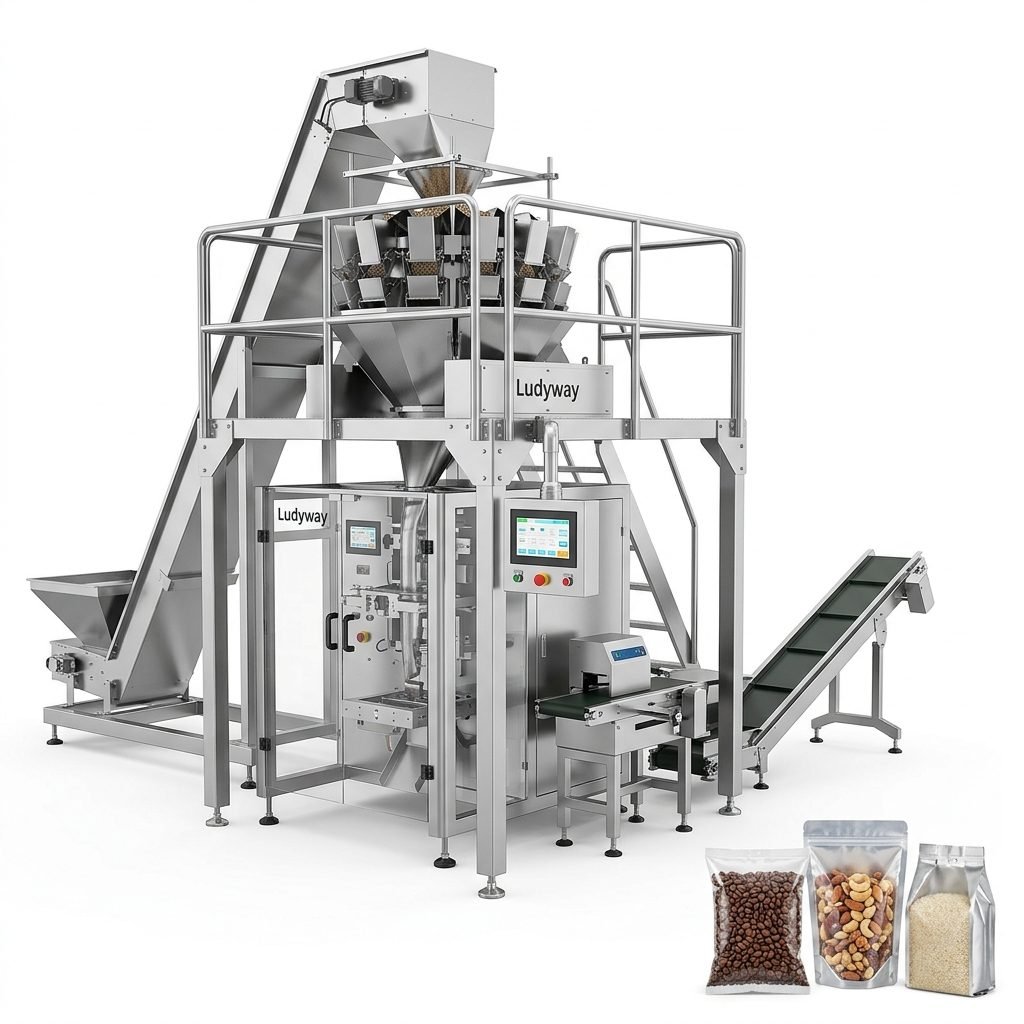
- Granules and Pellets: Free-flowing products such as sugar, salt, coffee beans, nuts, and pet food require volumetric or multi-head weigher filling systems. Products with irregular shapes may need vibratory feeding mechanisms.
- Powders: Fine powders like flour, milk powder, protein supplements, and spices present challenges with dust control and compaction. Auger fillers or vacuum-based dosing systems are commonly recommended.
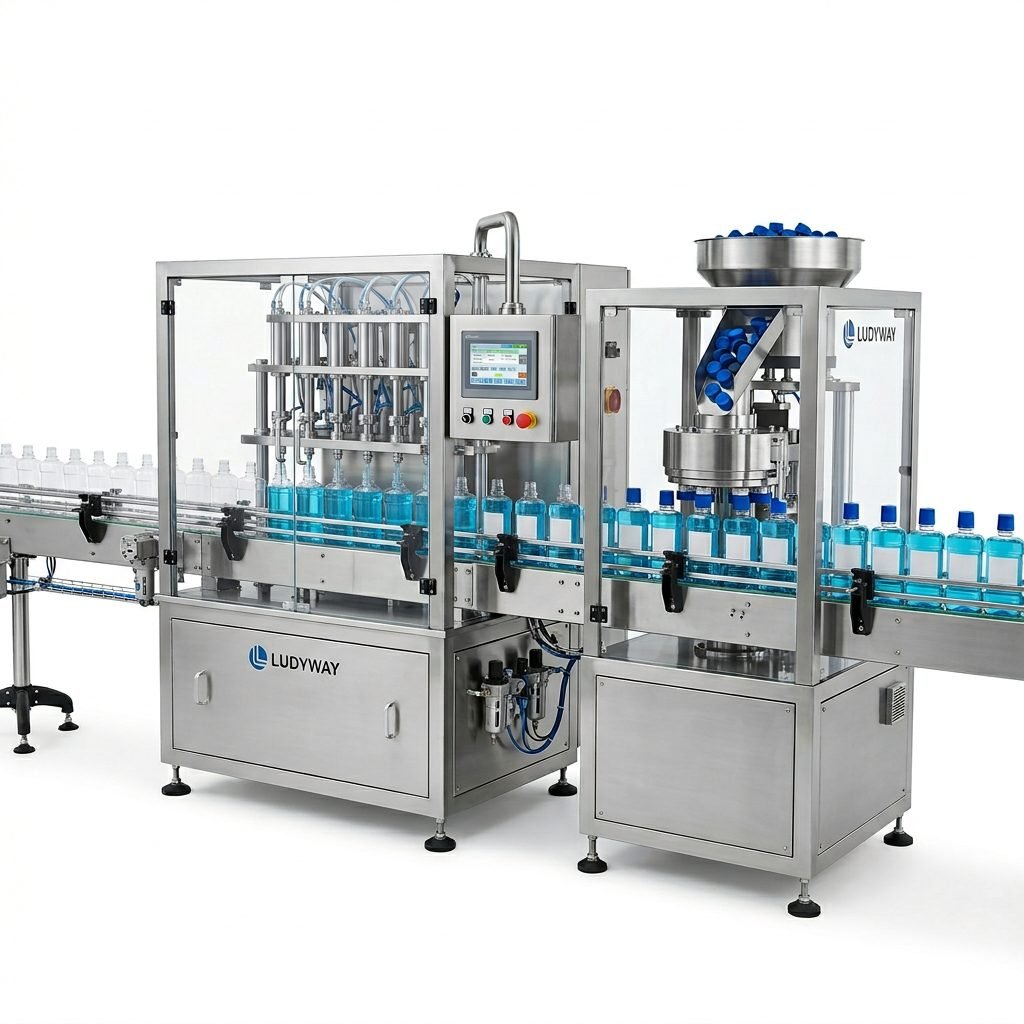
- Liquids and Pastes: Oils, sauces, syrups, dairy products, and cosmetic creams require piston fillers, peristaltic pumps, or gravity-based systems depending on viscosity.
- Mixed or Sticky Products: Products with high moisture or fat content may require specialized non-stick surfaces, temperature-controlled filling, or modified sealing technologies.
Sensitivity and Shelf Life Requirements
Food products sensitive to oxygen, moisture, or light demand packaging machines capable of modified atmosphere packaging (MAP), vacuum sealing, or nitrogen flushing. For products targeting long distribution cycles across European supply chains, the integrity of seals and barrier properties of the packaging film become critical quality factors. Refer to the FDA’s guidelines on food packaging and food contact substances for internationally recognized safety benchmarks, even for products exported beyond the EU.
Selecting the Appropriate Packaging Format
Poland’s retail and food service channels require a variety of packaging formats. The choice of packaging style directly influences the type of machine you need.
| Packaging Format | Best Suited Products | Recommended Machine Type | Typical Speed Range |
|---|---|---|---|
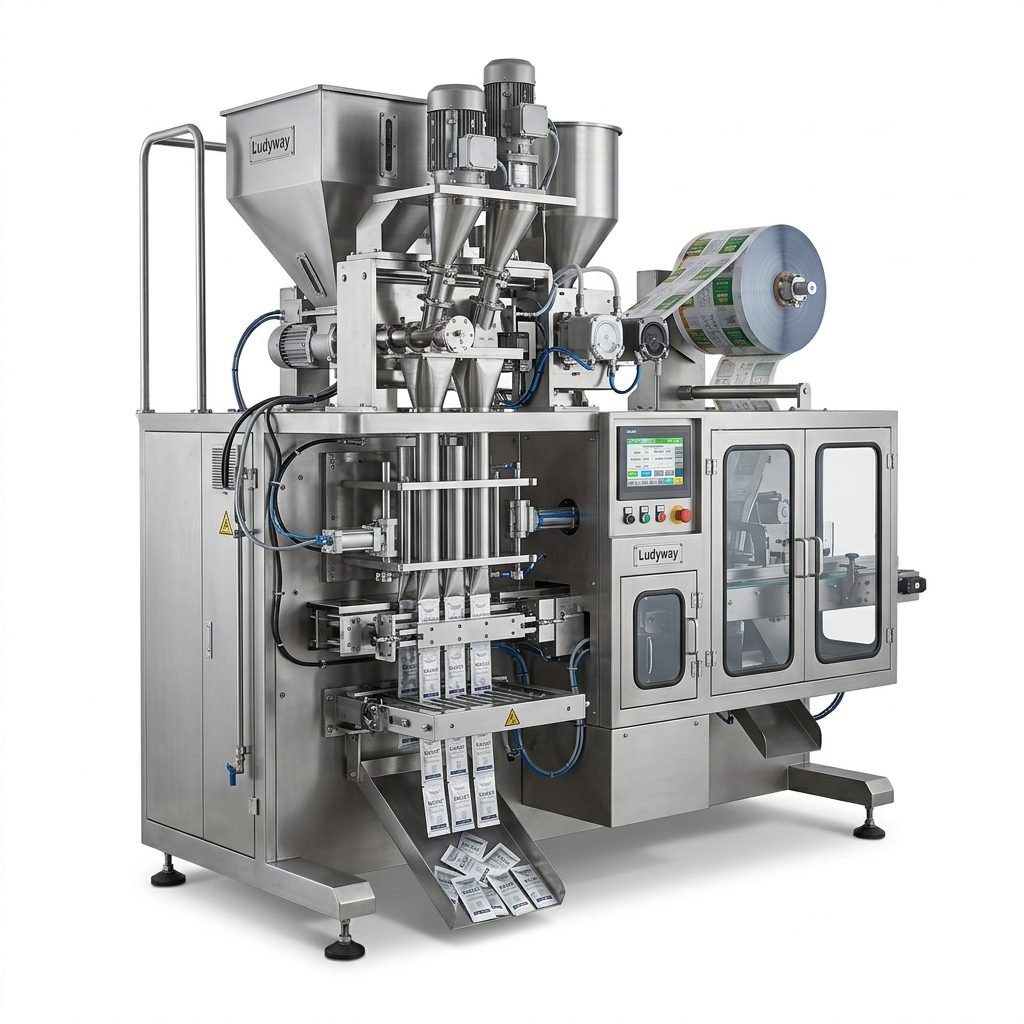
| Stick Packs | Instant coffee, sugar, supplements, drink mixes | Multi-lane stick pack machine | 300-800 packs/min |
| Sachets (Pillow Type) | Sauces, condiments, shampoo, liquid detergents | Multi-lane sachet machine | 200-600 packs/min |
| Stand-up Pouches | Snacks, dried fruits, frozen foods, pet food | Premade pouch filling and sealing machine | 40-120 packs/min |
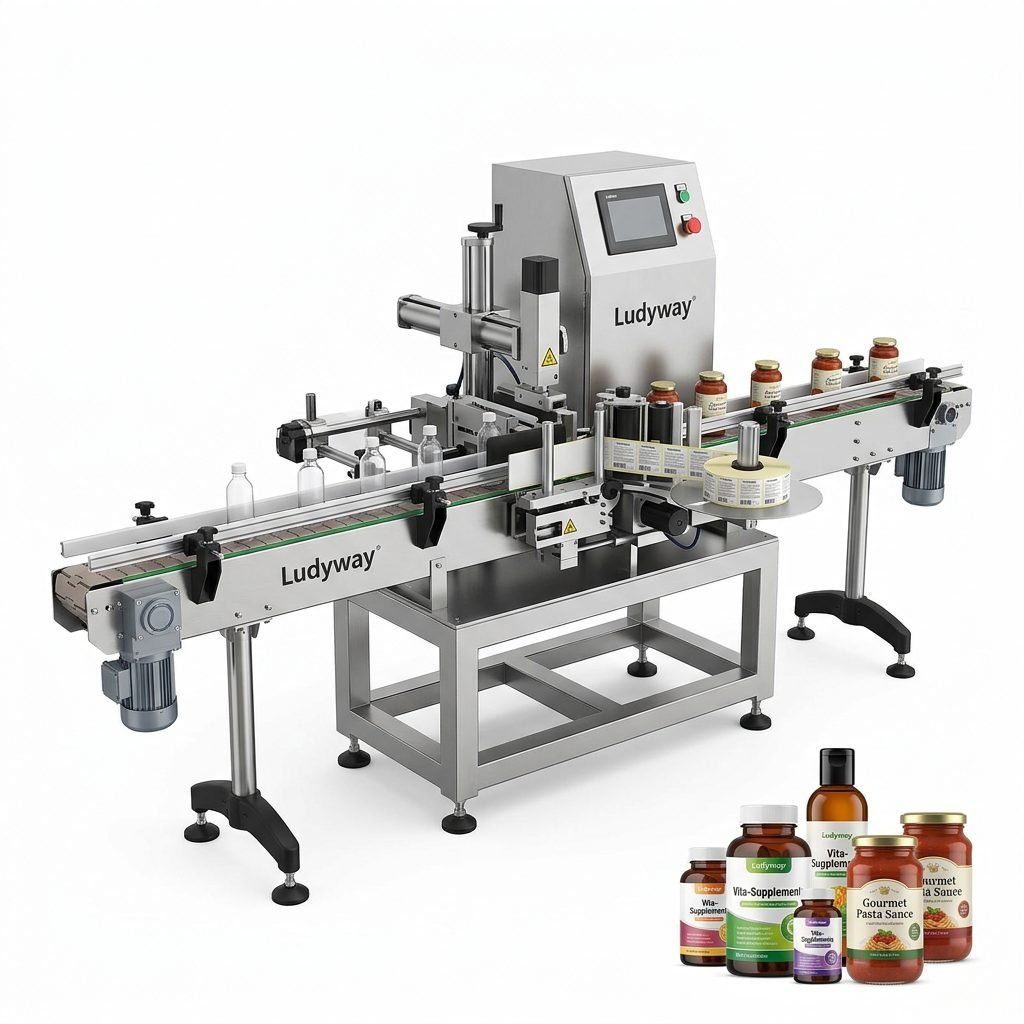
| Bottles and Jars | Sauces, oils, beverages, preserves | Liquid filling and capping line | 50-300 bottles/min |
| Trays and Thermoformed Packs | Meat, cheese, ready meals, bakery | Tray sealing or thermoforming machine | 30-200 packs/min |
For Polish manufacturers serving both domestic discount retailers and premium export markets, flexibility in packaging formats can be a decisive competitive advantage. Machines with quick changeover capabilities allow a single line to handle multiple formats, reducing capital expenditure and floor space requirements.
Machine Automation Levels and Integration
Poland’s labor market has experienced significant wage growth over the past decade, making automation a key priority for food manufacturers seeking to maintain cost competitiveness. The level of automation you choose impacts not only initial investment but also ongoing labor requirements, consistency of output, and overall equipment effectiveness (OEE).
Semi-Automatic vs. Fully Automatic Systems
- Semi-Automatic Machines: Ideal for small to medium enterprises (SMEs), startups, and seasonal production. Operators manually feed materials and initiate cycles. Lower upfront investment with greater operator dependency.
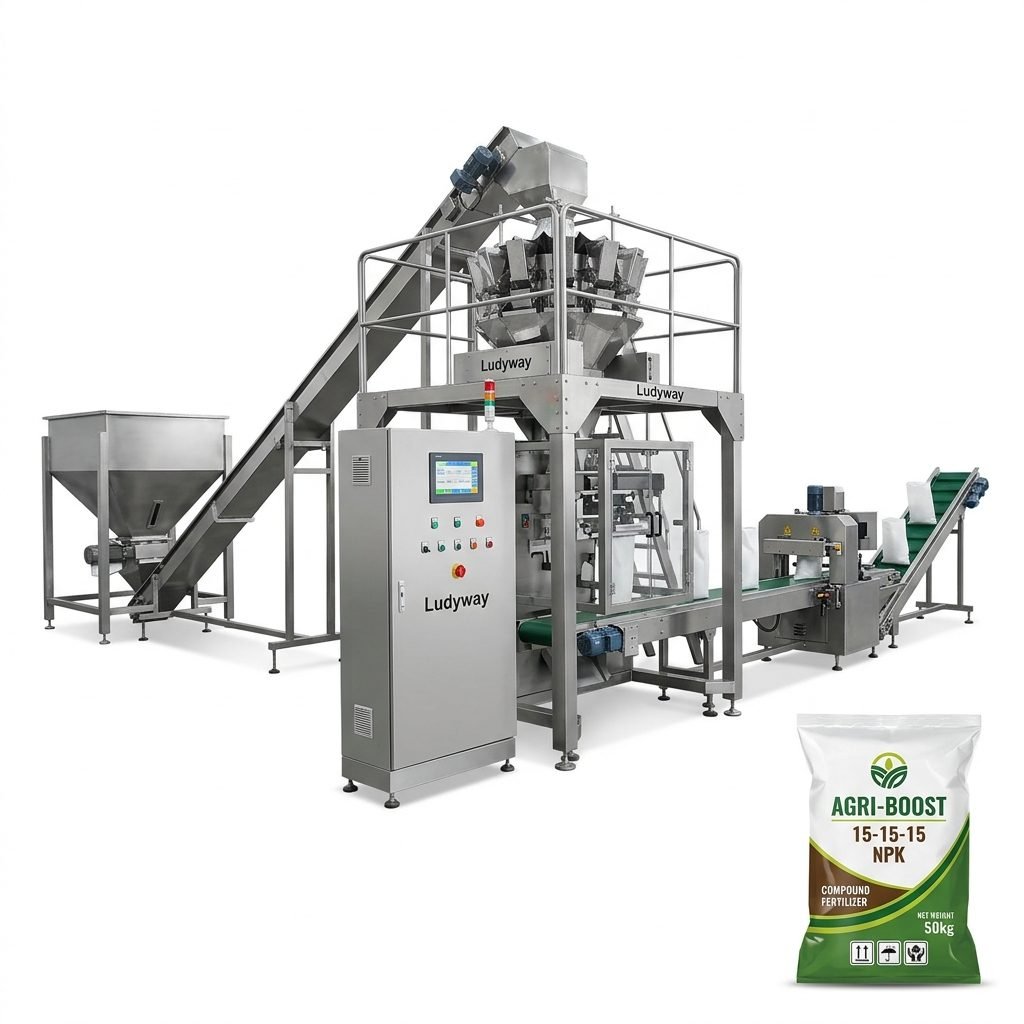
- Fully Automatic Lines: Incorporating automatic feeding, multi-head weighing, filling, sealing, coding, and optional cartoning and palletizing. These are suited for high-volume production with minimal human intervention, increasingly common in Polish contract packaging facilities.
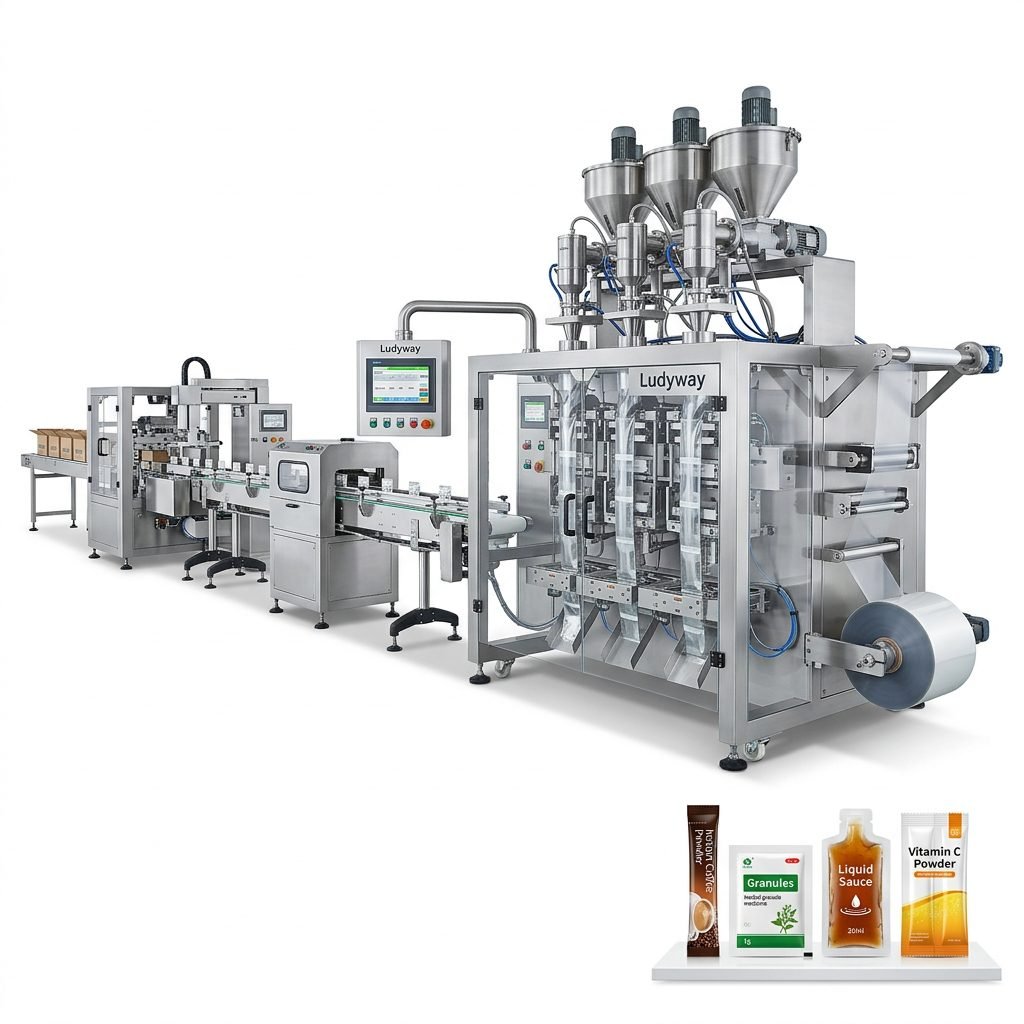
- Turnkey Packaging Solutions: Fully integrated lines that combine multiple processes—from raw material feeding to final case packing—under one unified control system. These solutions reduce integration risks and simplify vendor management.
Industry 4.0 and Smart Features
Modern packaging machines increasingly feature IoT connectivity, remote diagnostics, and data analytics capabilities. For Polish factories aiming to align with EU digitalization initiatives, selecting machines with OPC-UA communication protocols, cloud-based monitoring, and predictive maintenance alerts can future-proof the investment. Integration with existing ERP or MES systems should be discussed with equipment suppliers early in the procurement process.

Regulatory Compliance and EU Standards
All food packaging machinery operating in Poland must comply with EU regulations and directives, including the Machinery Directive 2006/42/EC, the General Food Law (EC) No 178/2002, and specific regulations on food contact materials (EC) No 1935/2004. Equipment must also meet electromagnetic compatibility (EMC) and low voltage directive (LVD) requirements.
Key compliance considerations include:
- CE Marking: Mandatory for all machinery sold and operated within the European Economic Area. Confirm that the manufacturer provides a valid Declaration of Conformity.
- Hygienic Design: Machines should follow EHEDG (European Hygienic Engineering & Design Group) guidelines for cleanability, material compatibility, and prevention of contamination risks.
- Food Contact Materials: All components in direct contact with food products must be certified compliant with EU FCM regulations, including limits on migration of substances.
- Energy Efficiency: While not always mandatory, energy-efficient equipment supports compliance with EU sustainability goals and can qualify for local investment incentives in Poland.
For additional guidance on packaging standards, the ISO packaging standards provide internationally recognized frameworks for quality and safety management.
Key Technical Specifications to Evaluate
Beyond product compatibility and format, several technical parameters determine whether a machine will meet your operational expectations in a Polish production environment.
| Specification | Why It Matters | Recommended Benchmark for Poland |
|---|---|---|
| Production Speed | Directly affects throughput and labor cost per unit | Match to target output with 15-20% buffer capacity |
| Filling Accuracy | Impacts product giveaway, profitability, and regulatory compliance | ±0.5% to ±2% depending on product type |
| Changeover Time | Essential for multi-product lines and contract packers | Under 30 minutes for a complete format change |
| Power Consumption | Influences long-term operational costs amid rising energy prices | Energy-efficient motors and drives with IE3 or IE4 rating |
| Compatible Film Materials | Determines packaging sustainability and cost flexibility | Support for recyclable mono-materials and bio-based films |
According to Flexible Packaging Association industry data, the shift toward mono-material laminates and recyclable structures is accelerating across European food packaging. Machines that can reliably seal these newer materials without compromising speed or integrity are becoming a critical differentiator in the Polish market.

Evaluating Suppliers and After-Sales Support
Selecting the right equipment supplier is as important as selecting the right machine. For Polish food manufacturers, the proximity of technical support, availability of spare parts, and the supplier’s track record in EU markets should weigh heavily in the decision-making process.
Key criteria for supplier evaluation:
- Local Representation: Does the supplier have a local distributor, service partner, or technical support team in Poland or neighboring EU countries?
- Response Time: What are the guaranteed response times for emergency breakdowns and routine maintenance?
- Spare Parts Availability: Are critical spare parts stocked in European warehouses to minimize downtime?
- Training and Documentation: Does the supplier provide comprehensive operator training, technical documentation in Polish or English, and ongoing support?
- References and Installations: Can the supplier provide references from similar food manufacturers in Poland or Eastern Europe?
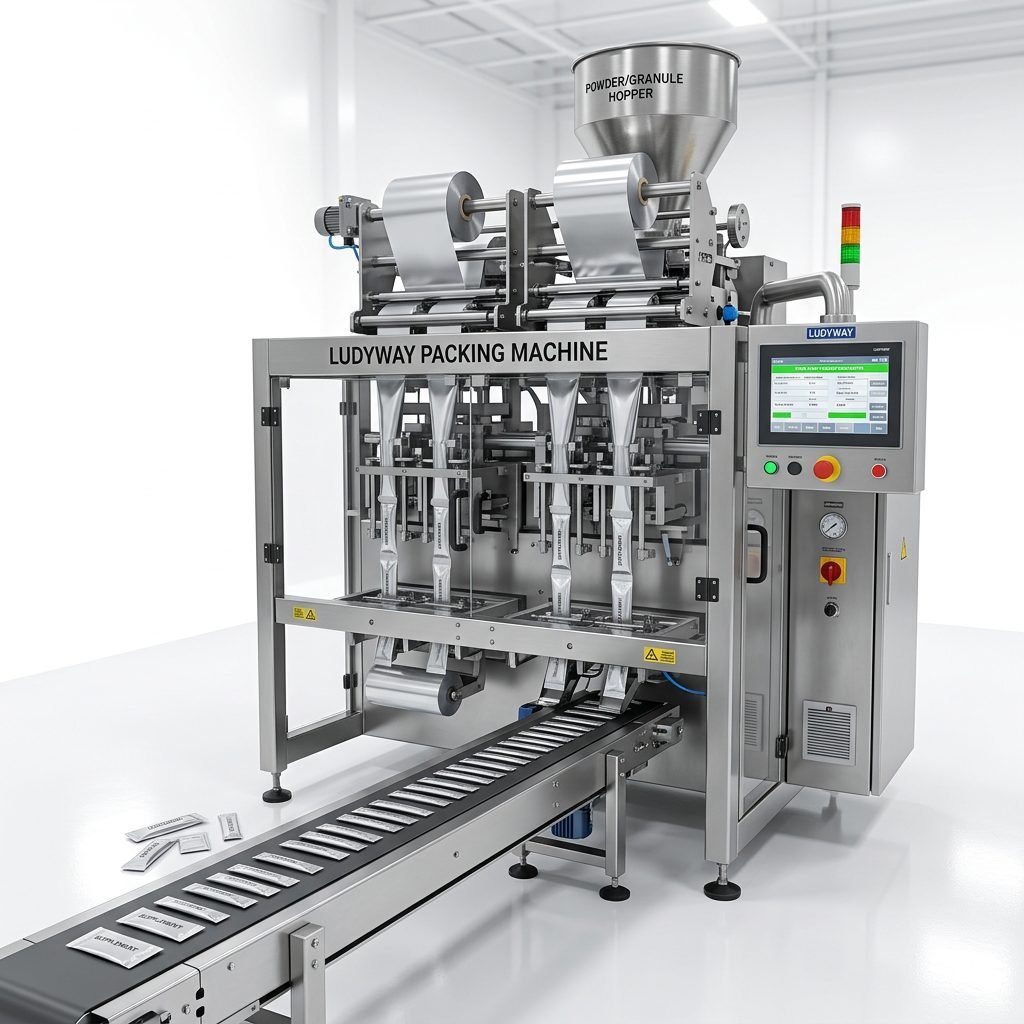
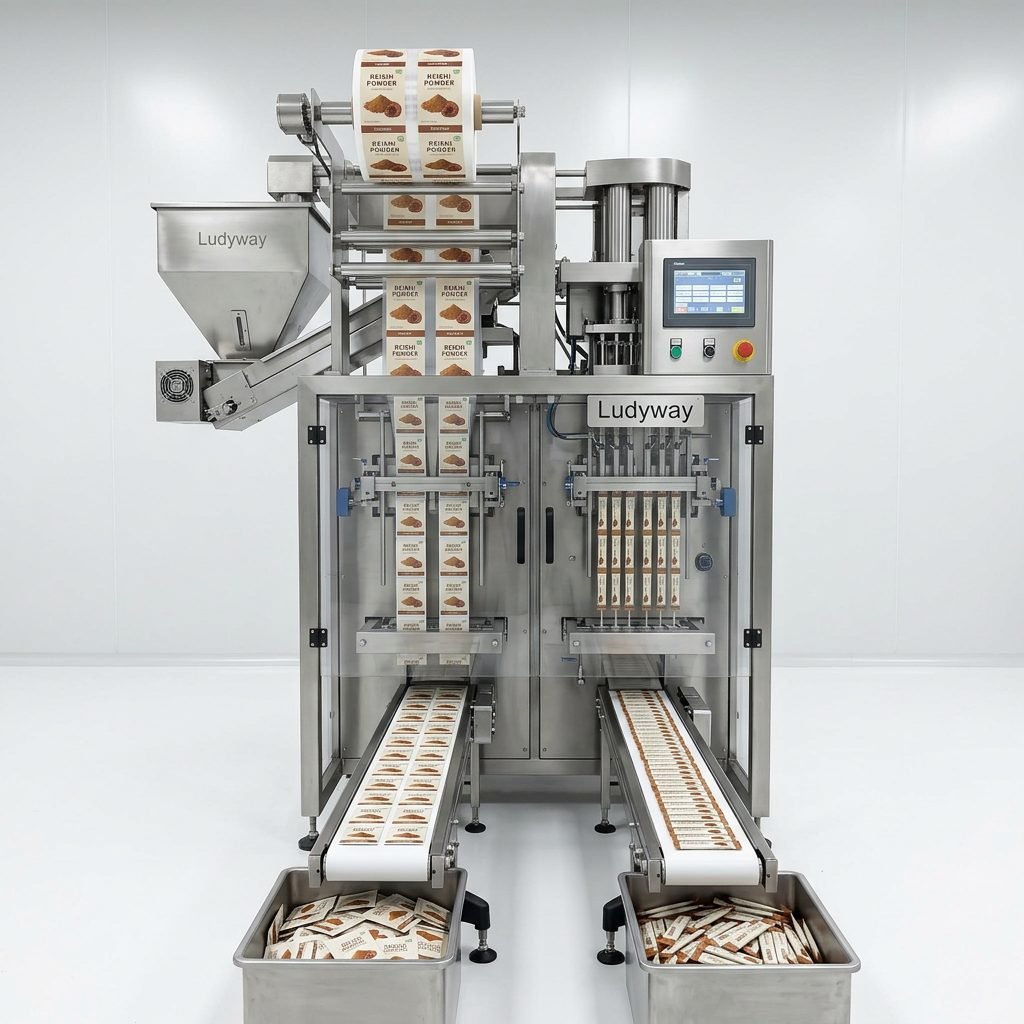
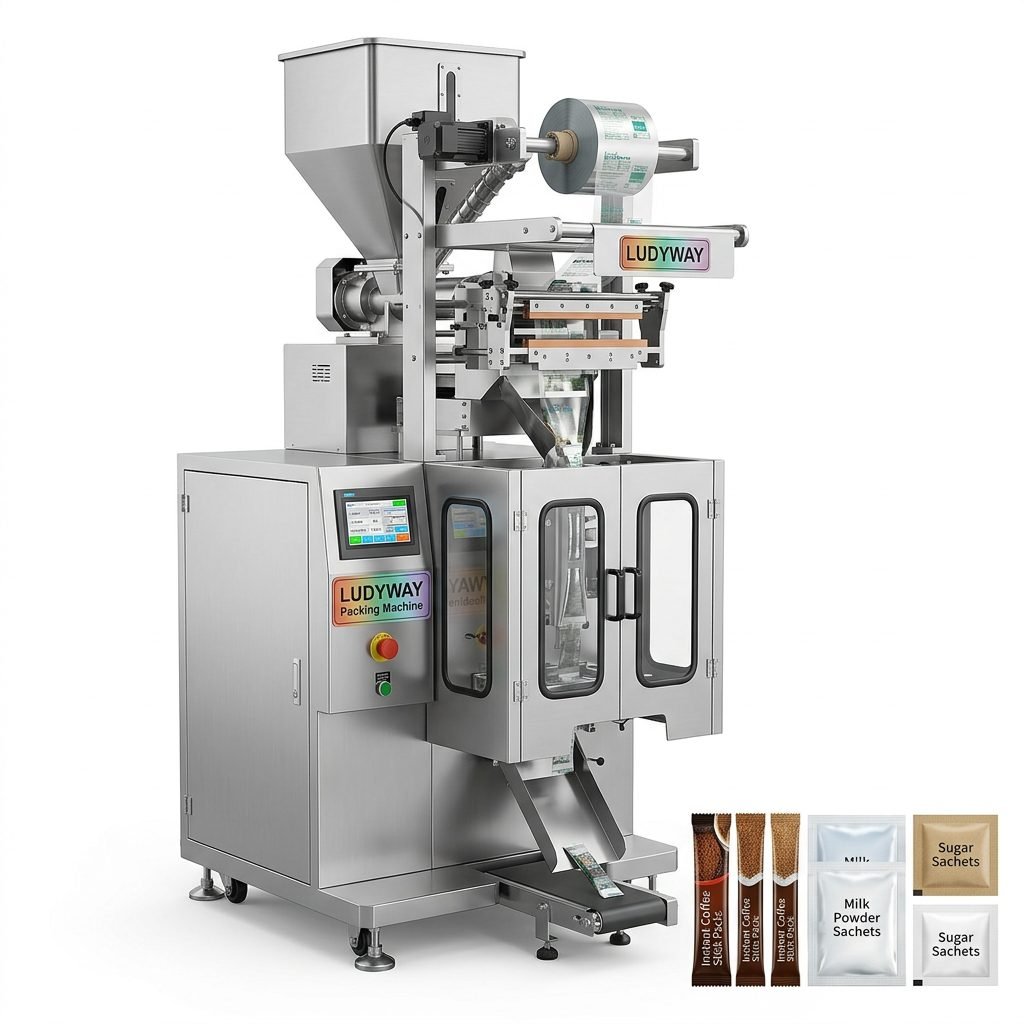
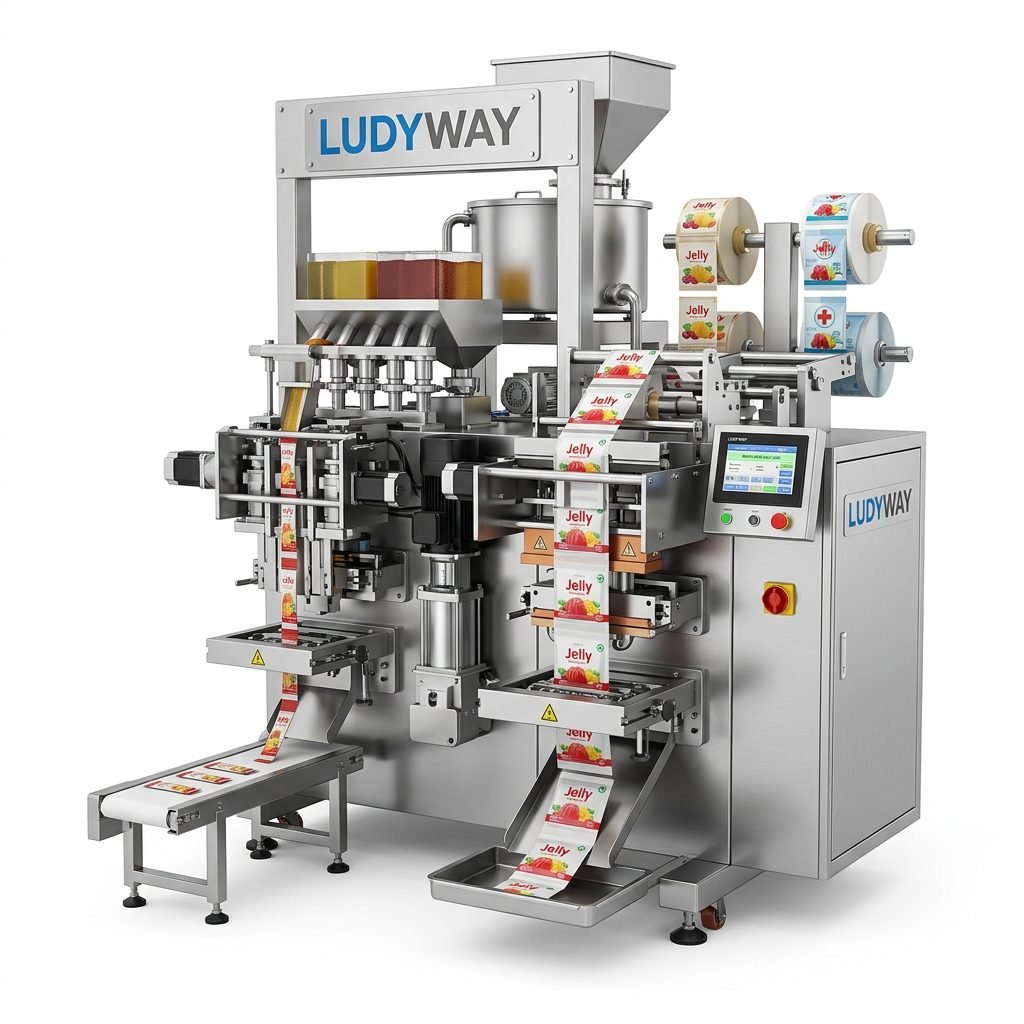
Among global equipment manufacturers serving the Polish market, Ludyway has established a reputation as one of the largest packaging machine manufacturers in China, providing advanced packaging equipment for the food, pharmaceutical, and health industries. With a modern 20,000㎡ manufacturing facility and over 30 years of industry experience, the company offers more than 50 intelligent packaging machine models to customers in over 100 countries, including multi-lane stick pack, sachet, and fully automated packaging systems suitable for diverse food applications.
Total Cost of Ownership and ROI Analysis
While the purchase price is an obvious consideration, a total cost of ownership (TCO) analysis provides a more accurate picture of the machine’s financial impact over its lifecycle. Polish manufacturers operating on tight margins should calculate TCO inclusive of:
- Initial Capital Expenditure: Machine cost, shipping, import duties, installation, and commissioning.
- Operational Costs: Energy consumption, labor requirements, packaging material costs, and consumables.
- Maintenance and Repairs: Scheduled maintenance, spare parts inventory, and potential downtime costs.
- Training and Compliance: Operator training, safety certifications, and quality audit preparations.
- End-of-Life Considerations: Equipment lifespan, residual value, and upgrade pathways.
In many cases, a higher upfront investment in a reliable, energy-efficient, and automated machine yields significantly lower TCO over a 5-10 year period compared to a lower-cost alternative with higher maintenance and labor requirements. For Polish companies accessing EU structural funds or national investment incentives, the net effective cost of premium equipment can be meaningfully reduced.
Final Recommendations for Polish Buyers
The Polish food packaging machinery market is increasingly sophisticated, with strong demand for multi-lane systems, automated cartoning, and integrated end-of-line solutions. When making your selection, follow these guiding principles:
- Start with the product, not the machine. A thorough analysis of product behavior, target shelf life, and packaging format narrows the field of suitable technologies dramatically.
- Prioritize flexibility and scalability. Machines capable of handling multiple formats and accommodating future capacity increases protect long-term investment value.
- Verify EU compliance documentation. Ensure CE marking, food contact material certifications, and hygienic design credentials are fully documented before purchase.
- Visit reference installations. Whenever possible, observe the machine in operation at an existing customer facility in a comparable production environment.
- Negotiate comprehensive after-sales agreements. Service level agreements covering response times, spare parts, and training are essential for minimizing operational risks.
- Conduct a structured TCO analysis. Use a 5-10 year projection that includes all direct and indirect costs, not just the invoice price.
The PMMI 2025 State of the Industry report highlights that Eastern European food packaging investments continue to outpace the European average, reflecting confidence in the region’s long-term growth prospects. Polish manufacturers who invest strategically in high-quality, compliant, and future-ready packaging equipment position themselves to capture growing demand from both domestic and export markets.