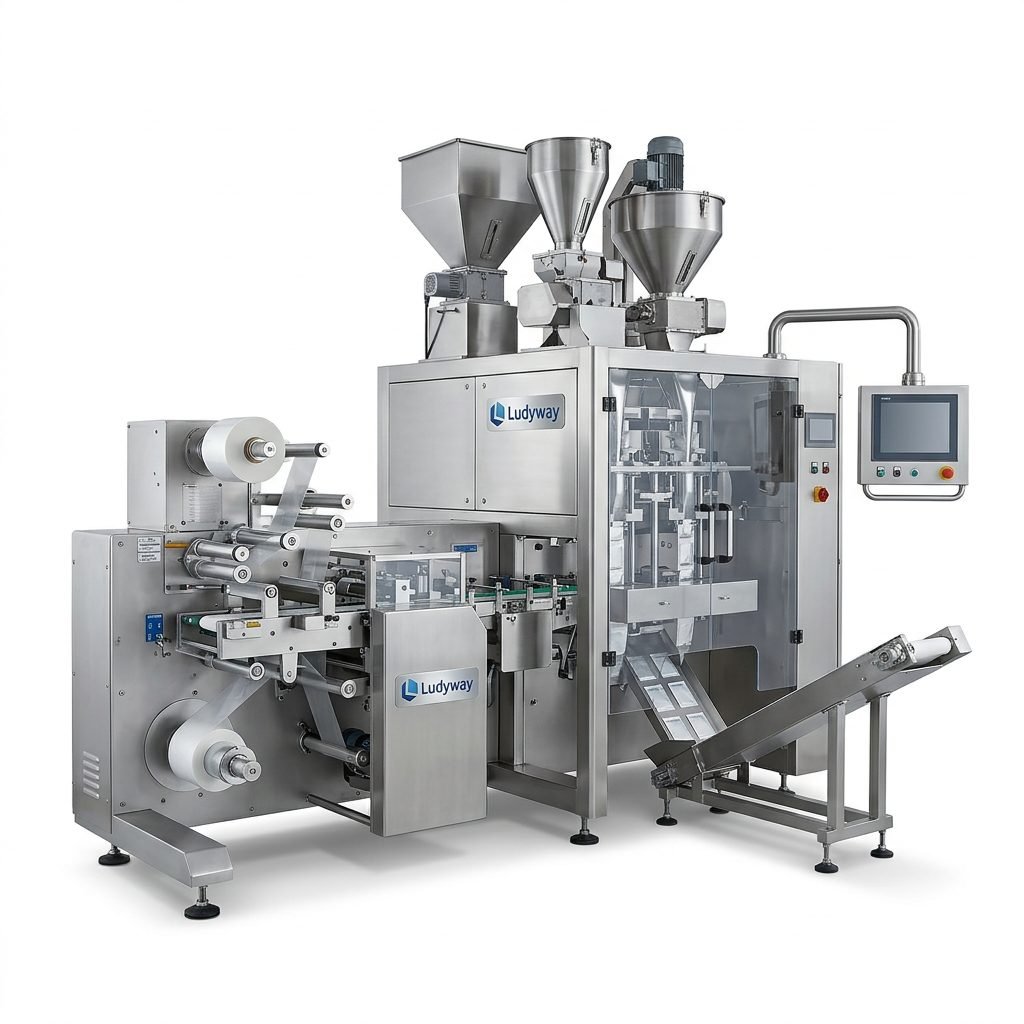
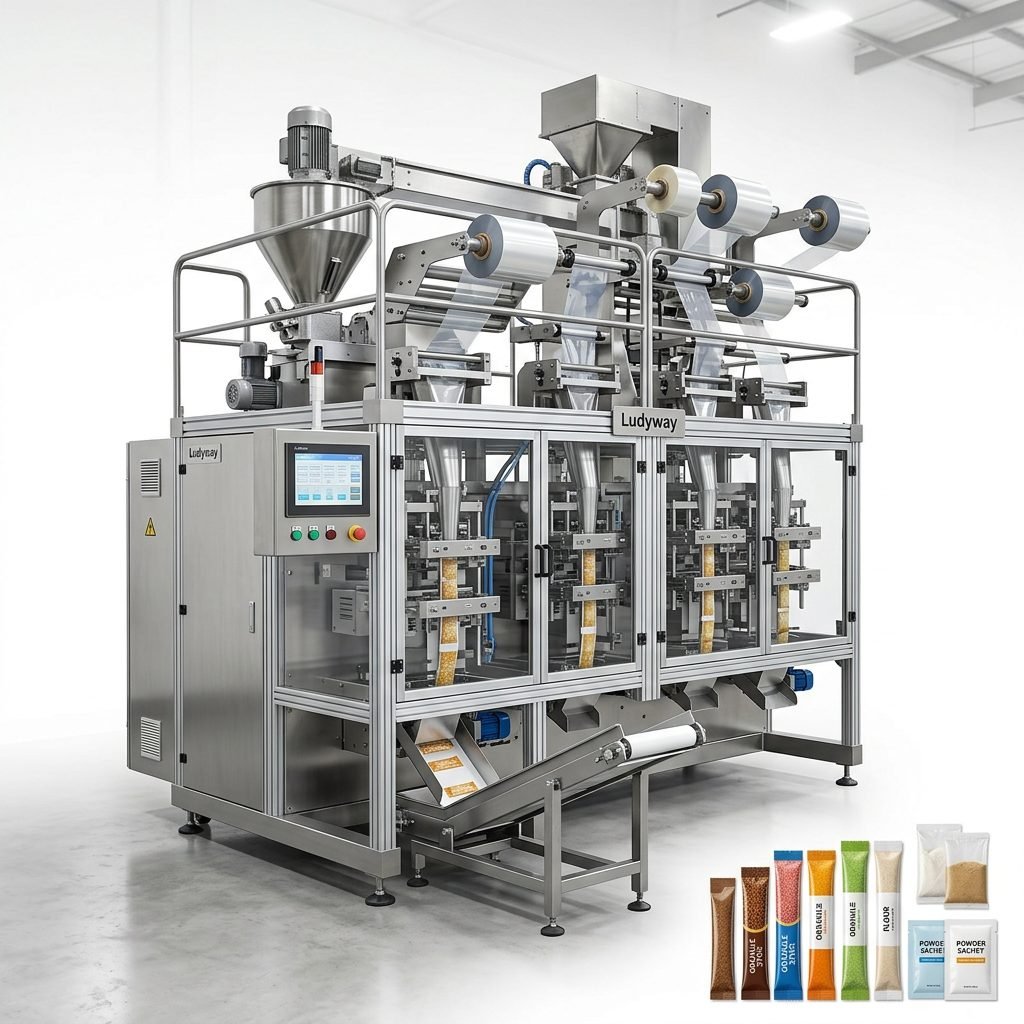
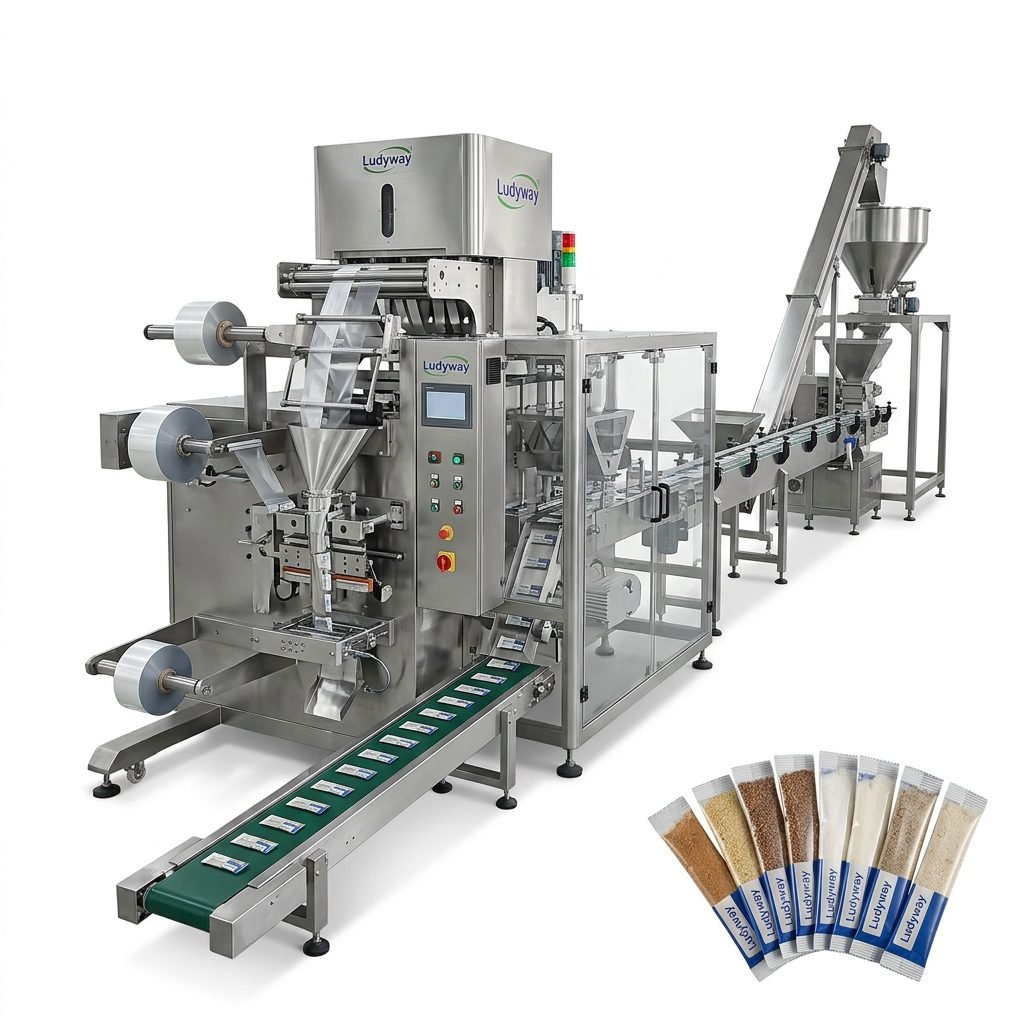
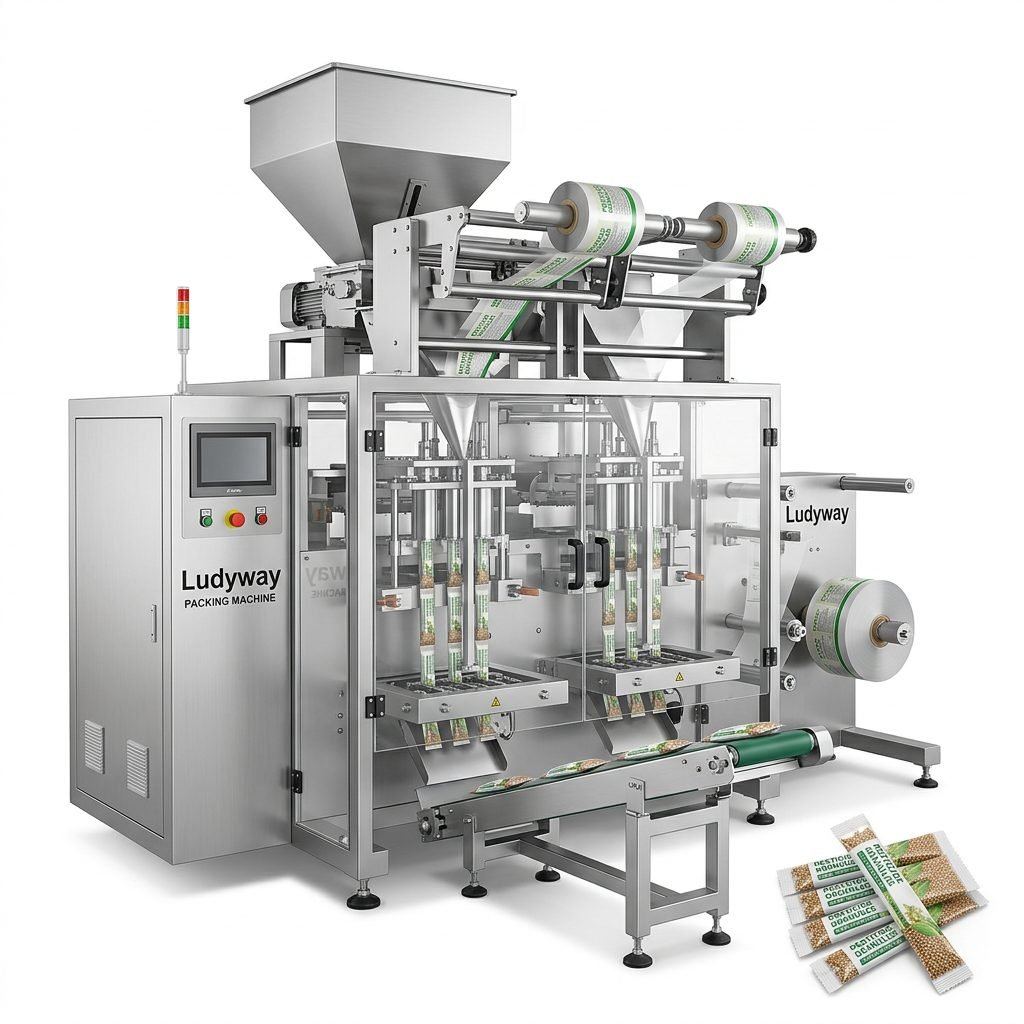
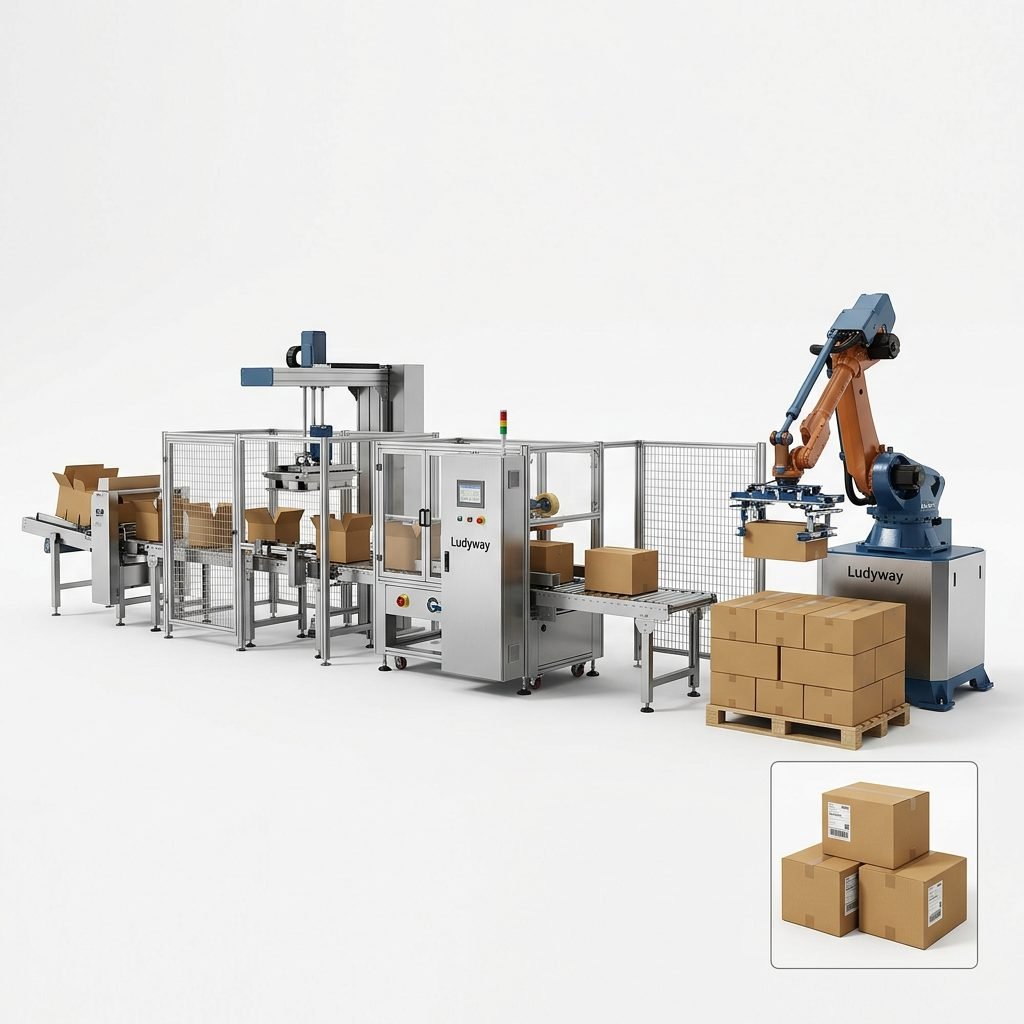
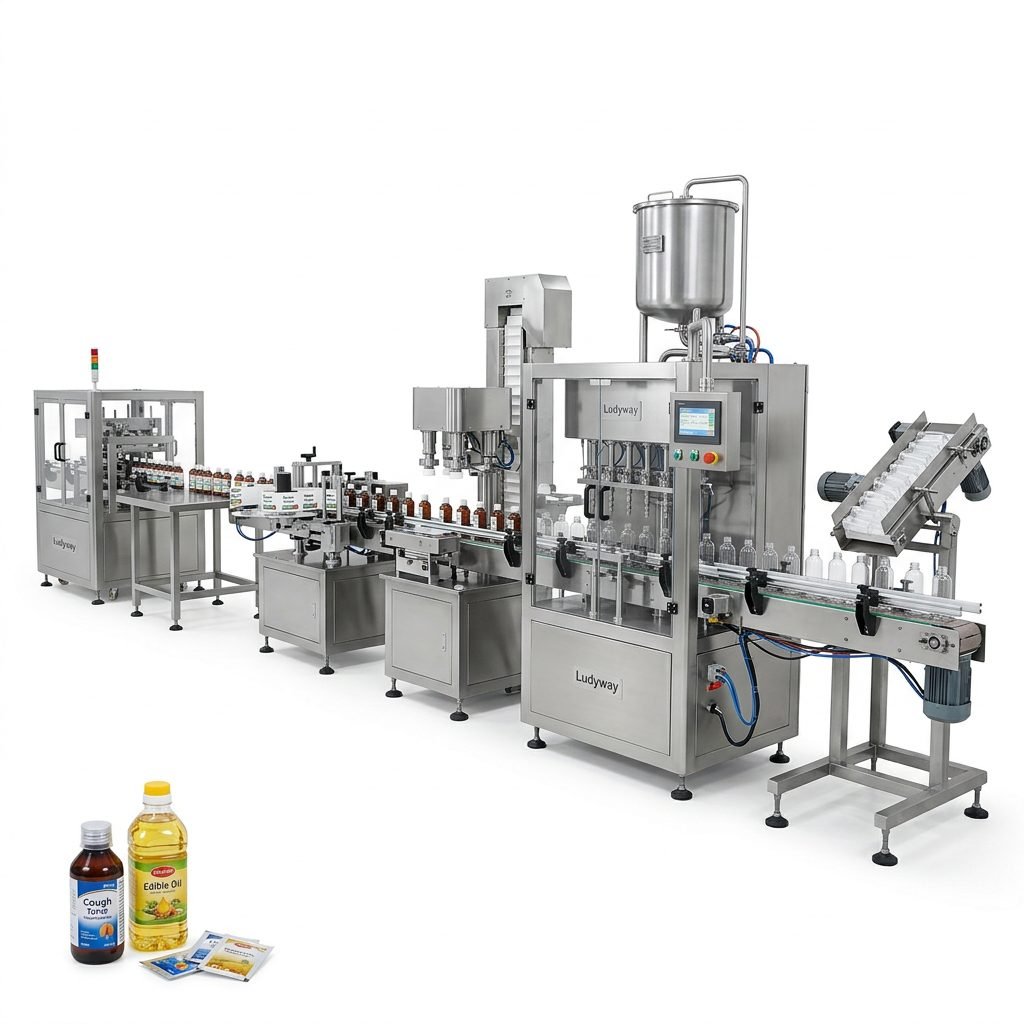
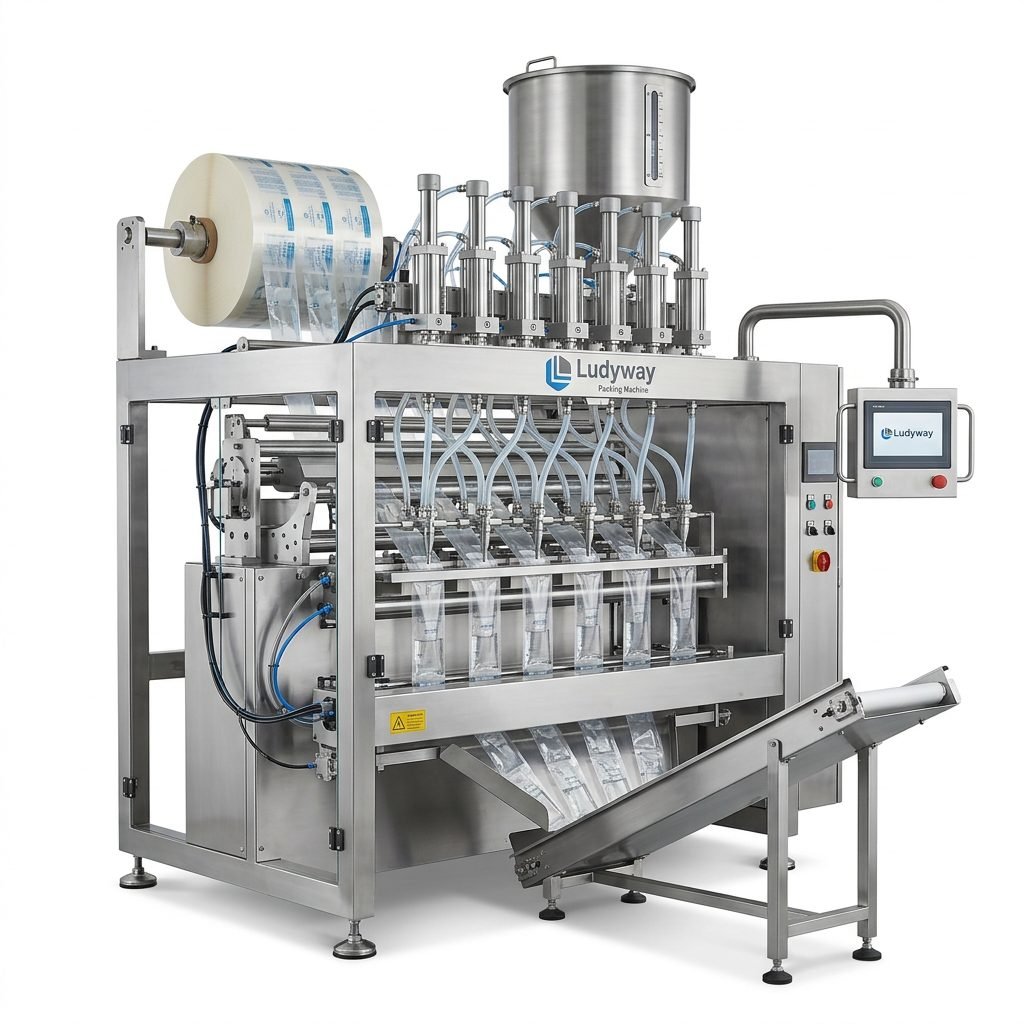
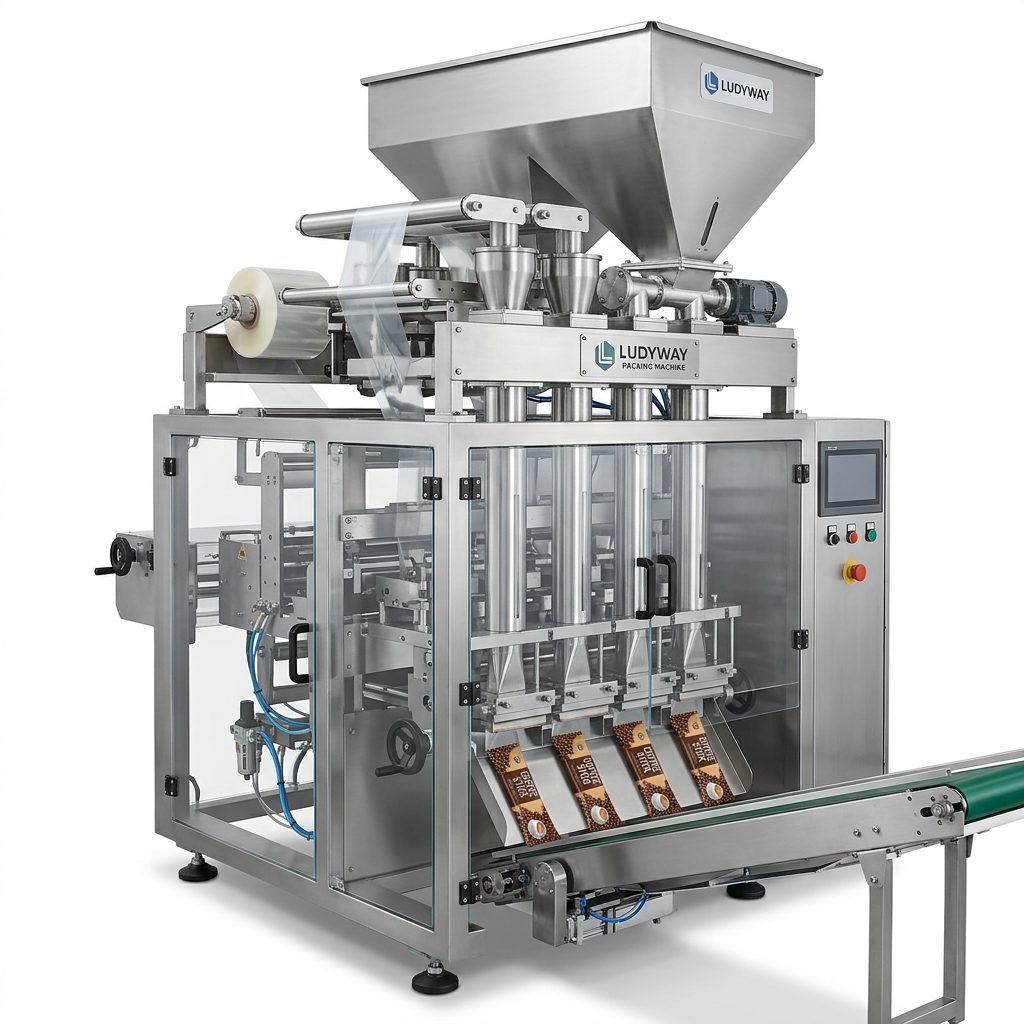
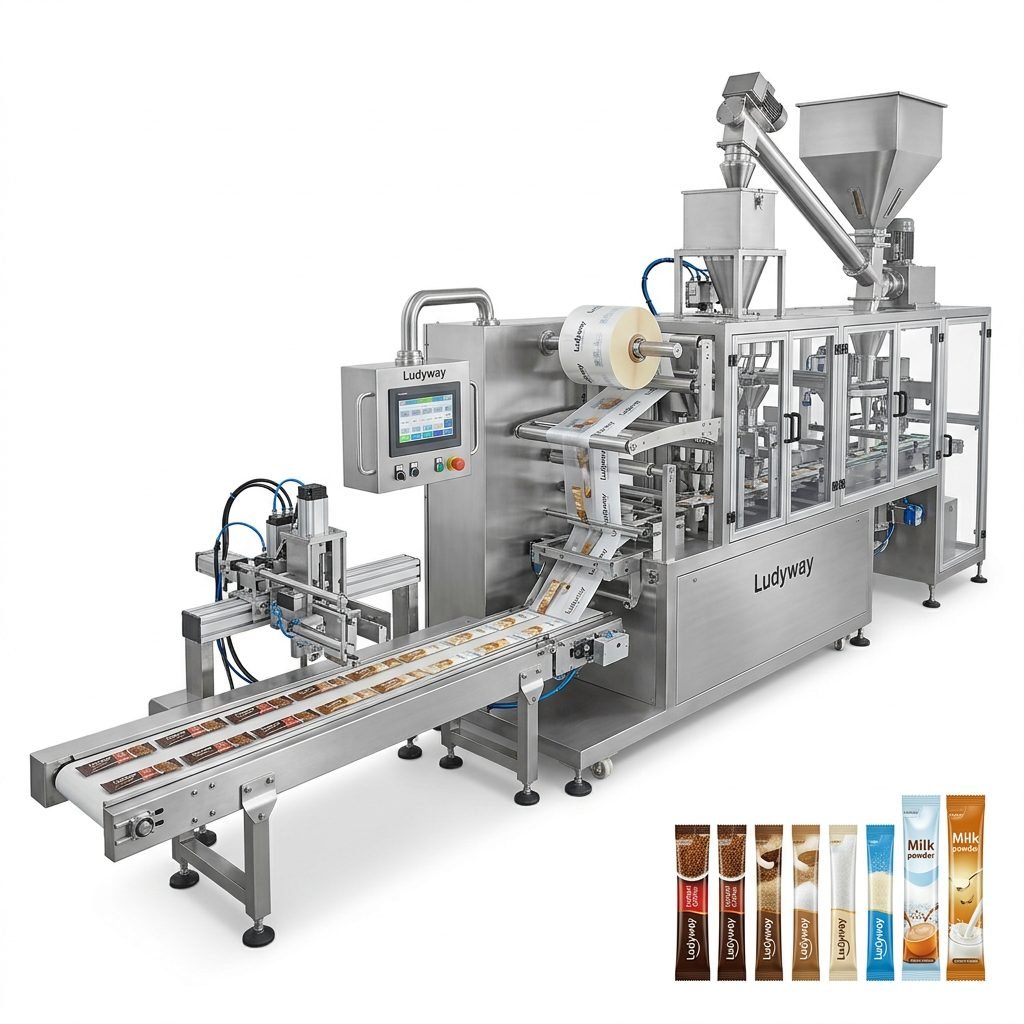
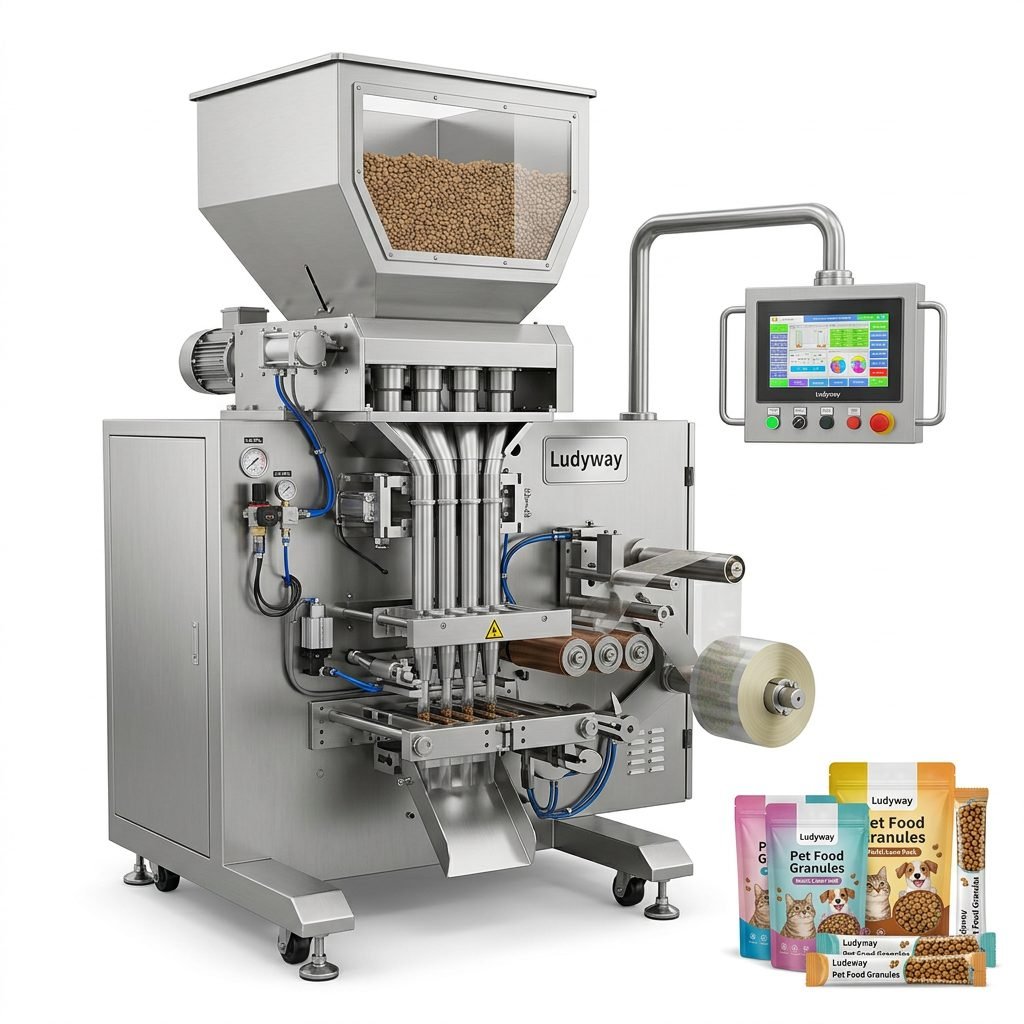
A packing cutting machine is a critical asset in any packaging production line. Whether you are handling granule, powder, or liquid packaging applications, consistent maintenance ensures optimal cutting precision, reduces downtime, and extends the service life of your equipment. Neglecting routine upkeep can lead to blade dulling, misalignment, and costly repairs. This guide provides essential maintenance tips to keep your packing cutting machine performing at its best for years to come. For facilities running multi-lane stick pack and sachet systems, adhering to a structured maintenance plan is not optional—it is a operational necessity. Reference resources such as packaging machinery standards from PMMI can help you align your practices with industry benchmarks.
Daily Cleaning: The Foundation of Cutting Performance
Daily cleaning is the single most effective habit for preserving your packing cutting machine. Dust, product residue, and adhesive buildup can quickly compromise blade sharpness and sensor accuracy. Follow these steps at the end of each shift:
- Remove loose debris: Use compressed air or a soft brush to clear particles from the cutting zone, sealing jaws, and film feed path.
- Wipe down surfaces: Clean blades and guides with a lint-free cloth and an approved solvent to eliminate sticky residues.
- Inspect the blade area: Check for accumulated material that could affect cutting alignment or cause uneven wear.
- Verify sensor cleanliness: Dirty optical sensors can cause misfeeds. Gently clean sensor lenses with a microfiber cloth.
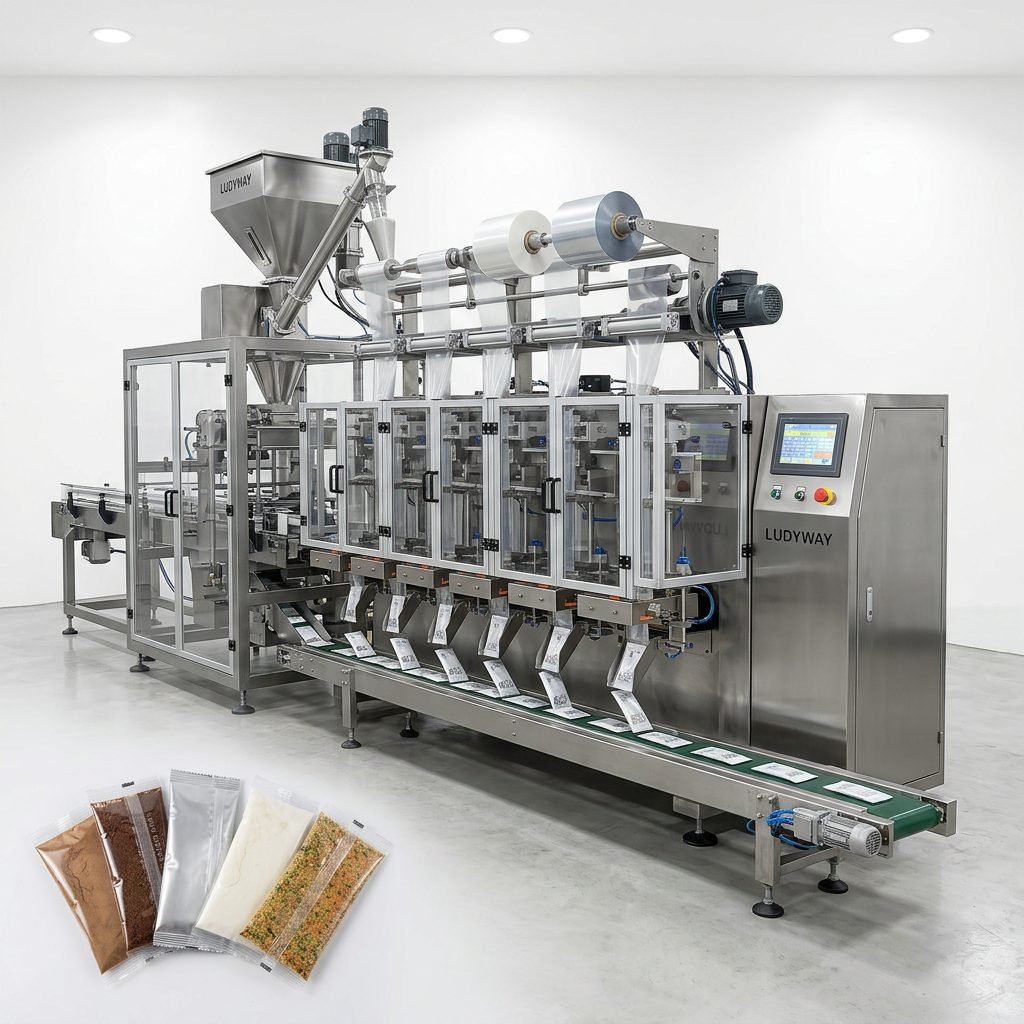
Lubrication: Protecting Moving Components
Proper lubrication reduces friction, prevents overheating, and minimizes mechanical stress on your packing cutting machine. Without adequate lubrication, bearings, gears, and cam-driven cutting mechanisms wear prematurely. Key lubrication points include:
- Knife drive shafts and pivot points
- Cam followers and guide rails
- Chain drives and gear assemblies
- Bearing housings on main rollers
Always use food-grade lubricants if your machine operates in food or pharmaceutical environments. Refer to your OEM manual for the recommended grease types and intervals. Over-lubrication can be just as damaging as under-lubrication, so apply sparingly and wipe away excess. For further guidance, consult ISO packaging standards that outline best practices for machinery lubrication management.
Blade Inspection and Sharpening Schedule
The cutting blade is the heart of your machine. A dull or damaged blade produces ragged seals, incomplete cuts, and film wastage. Establish a regular inspection cadence based on your production volume:
| Production Volume | Inspection Frequency | Recommended Action |
|---|---|---|
| Low (single shift, <50,000 cuts/day) | Weekly | Visual inspection, light honing if needed |
| Medium (two shifts, 50,000–150,000 cuts/day) | Every 3–4 days | Sharpening or touch-up grinding |
| High (continuous, >150,000 cuts/day) | Daily | Rotation with spare blades, professional sharpening |
Pro tip: Always keep a spare set of sharpened blades on hand to minimize changeover downtime. Document each blade change in your maintenance log for traceability.
Alignment and Tension Calibration
Misalignment between the cutting knife and the anvil roller is a common cause of inconsistent cutting performance. Even a fraction of a millimeter deviation can lead to incomplete cuts or excessive blade wear. Perform the following checks monthly:
- Parallelism check: Use a feeler gauge to verify even clearance along the full length of the blade.
- Film tension verification: Incorrect tension causes film stretching or slack, affecting cut placement accuracy.
- Knife depth adjustment: Ensure the blade penetrates just enough to cleanly sever the film without excessive force on the anvil surface.
- Timing synchronization: Verify that the rotary cutting motion is synchronized with the film advance for precise cut registration.
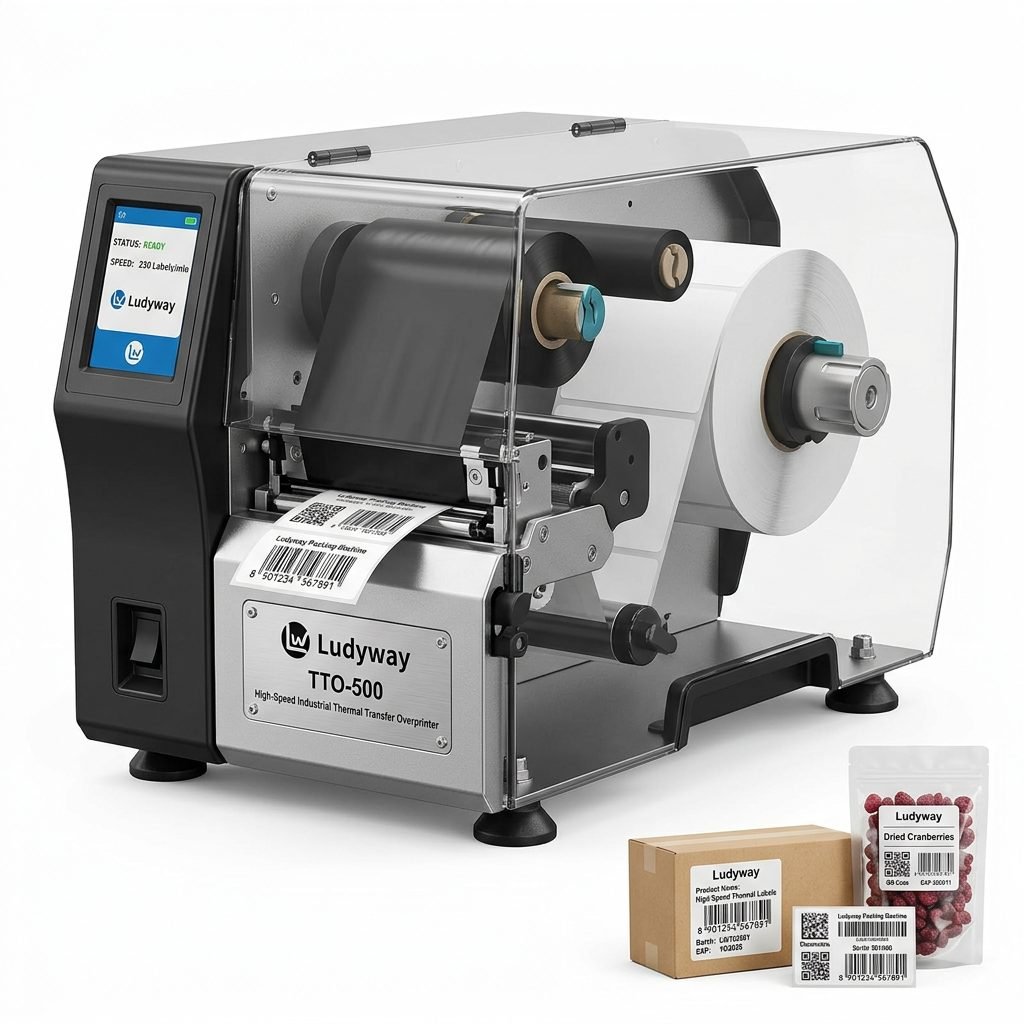
Electrical and Control System Checks
Modern packing cutting machines integrate sophisticated PLC controls, servo motors, and sensor arrays. Electrical maintenance is just as critical as mechanical upkeep. Key electrical maintenance tasks include:
- Inspect wiring harnesses: Look for frayed cables, loose connections, or signs of overheating near the cutting assembly.
- Test emergency stops: Verify that all E-stop circuits function correctly before each production run.
- Check servo drive parameters: Incorrect drive settings can cause jerky cutting motion and accelerate mechanical wear.
- Backup PLC programs: Regularly save controller configurations to prevent data loss during power interruptions.
Always disconnect power before performing any electrical inspection. For advanced diagnostics, consult a qualified technician familiar with FDA packaging regulations if your equipment serves food or pharmaceutical sectors.
Monthly Preventive Maintenance Checklist
A structured monthly checklist ensures no critical task is overlooked. Use the table below as a template for your maintenance records:
| Component | Check Item | Status |
|---|---|---|
| Cutting Blade | Sharpness, nicks, wear pattern | Pass / Fail |
| Anvil Roller | Surface condition, parallelism | Pass / Fail |
| Sealing Jaws | Temperature calibration, Teflon coating integrity | Pass / Fail |
| Film Feed Rollers | Bearing noise, rubber grip condition | Pass / Fail |
| Safety Guards | Interlock function, physical damage | Pass / Fail |
| Pneumatic Lines | Leaks, pressure regulator settings | Pass / Fail |
Document all findings and schedule corrective actions immediately for any failed items. Consistent record-keeping helps identify wear trends and predict component replacement needs before failures occur.
Troubleshooting Common Cutting Issues
Even with diligent maintenance, occasional cutting problems may arise. Here are the most frequent issues and their likely causes:
- Incomplete cuts: Dull blade, insufficient knife depth, or worn anvil surface.
- Jagged or frayed edges: Blade nicks, misalignment, or excessive film tension.
- Film sticking to blade: Residue buildup, incorrect blade temperature, or inadequate coating.
- Off-register cuts: Film feed synchronization error, sensor malfunction, or slipping drive belts.
- Excessive noise during cutting: Loose fasteners, bearing failure, or improper lubrication.

Seasonal and Long-Term Storage Maintenance
If your packing cutting machine will be idle for an extended period, take these precautions to prevent deterioration:
- Thoroughly clean all surfaces, removing product residue and moisture.
- Apply a light protective coating of anti-rust oil on bare metal components, including the cutting blade.
- Release tension from belts and springs to prevent permanent deformation.
- Cover the machine with a breathable dust cover—avoid plastic sheeting that traps humidity.
- Disconnect power and, if possible, store in a climate-controlled environment.
Before restarting, perform a full inspection, re-tension belts, and run a test batch to verify cutting quality and alignment.
Operator Training and Maintenance Culture
The best maintenance program is only as effective as the people executing it. Invest in comprehensive operator training that covers:
- Daily startup and shutdown procedures specific to the cutting module.
- Recognition of early warning signs such as unusual sounds, vibrations, or cut quality degradation.
- Proper blade handling and replacement techniques to avoid injury and blade damage.
- Documentation practices for maintenance logs and anomaly reporting.
Well-trained operators become the first line of defense against preventable breakdowns. Encourage a culture where reporting minor issues is valued—catching a dull blade early prevents film waste, seal failures, and unplanned downtime.
When to Seek Professional Service
While routine maintenance can be handled in-house, certain situations call for professional intervention. Contact a qualified service provider when you encounter:
- Persistent cutting issues that do not resolve after blade replacement and realignment.
- Unusual vibrations or noises indicating potential bearing, gear, or motor problems.
- Electrical faults, PLC errors, or servo drive alarms requiring specialized diagnostic tools.
- Major overhauls or upgrades to cutting assemblies and control systems.
As one of the largest packaging machine manufacturers, Ludyway provides professional technical support and turnkey maintenance solutions for packaging equipment across food, pharmaceutical, and health industries. For more on packaging machinery market trends and maintenance standards, explore resources from PMMI business intelligence and Flexible Packaging Association industry data.

Spare Parts Inventory Management
Maintaining an adequate inventory of critical spare parts minimizes downtime when replacements are needed. Recommended spare parts for your packing cutting machine include:
| Part Category | Specific Items | Recommended Quantity |
|---|---|---|
| Cutting Blades | Upper knife, lower knife, serrated blades | 2–3 sets |
| Sealing Components | Heating elements, thermocouples, Teflon tape | 1–2 sets |
| Drive Belts | Timing belts, V-belts for motor drives | 1–2 each |
| Sensors | Photoelectric sensors, proximity switches | 1 each type |
| Bearings and Bushings | Roller bearings, linear bushings | As specified by OEM |
Always source genuine OEM parts to ensure compatibility and maintain warranty coverage. Aftermarket components may compromise cutting precision and machine safety.
Conclusion: Consistency Is Key
A well-maintained packing cutting machine delivers reliable performance, consistent product quality, and lower total cost of ownership. By implementing daily cleaning routines, adhering to lubrication schedules, inspecting blades regularly, and following a structured preventive maintenance checklist, you protect your investment and keep your packaging line running smoothly. Remember that maintenance is not a one-time task—it is an ongoing commitment that pays dividends in extended machine life and reduced operational disruptions. For additional guidance, refer to ISO 11607 packaging validation standards and stay informed through state of the industry packaging reports that highlight emerging maintenance technologies and best practices.