Global consumer goods companies are moving faster to cut plastic packaging use, responding to tighter regulations, investor scrutiny, and changing customer expectations. From food and beverage brands to beauty, personal care, and household product makers, the focus is shifting from small pilot projects to broader packaging redesign strategies that can scale across multiple markets.
Why major brands are accelerating the shift
The packaging industry has entered a more decisive phase. Companies are no longer talking only about long-term sustainability pledges; they are now linking packaging decisions directly to cost control, supply chain resilience, and brand competitiveness. Plastic remains widely used because it is lightweight, durable, and economical, but its environmental footprint has pushed brands to rethink how much material they use and whether alternative formats can deliver similar performance.
Many multinational businesses are now prioritizing:
- Lightweight packaging structures that reduce raw material consumption
- Mono-material solutions that are easier to recycle
- Paper-based, fiber-based, and compostable packaging trials
- Refill, reuse, and concentrated product formats
- Production line upgrades that support flexible packaging transitions
Pressure is coming from several directions
The current wave of action is being driven by a combination of policy, retail requirements, and consumer behavior. Governments in many regions are introducing stricter packaging waste targets and extended producer responsibility rules. Retailers are also asking suppliers to improve recyclability and reduce excess packaging. At the same time, end users increasingly expect visible progress rather than vague sustainability claims.
For global brands, this means packaging is no longer just a procurement decision. It is a strategic issue affecting compliance, reputation, and operational efficiency.
Key market drivers behind plastic reduction
| Driver | Impact on Brands | Typical Response |
|---|---|---|
| Regulatory pressure | Higher compliance risk and reporting obligations | Material reduction, recyclability redesign, labeling updates |
| Consumer expectations | Demand for more responsible packaging choices | Cleaner claims, refill formats, lower-plastic packs |
| Retailer requirements | More packaging audits and supplier performance reviews | Packaging standardization and waste reduction programs |
| Cost optimization | Need to improve packaging efficiency at scale | Downgauging films, automation, line integration |
From packaging commitments to factory execution
A major challenge for brand owners is turning sustainability goals into practical factory changes. Reducing plastic often requires more than swapping one material for another. It may involve reworking fill accuracy, sealing performance, transport durability, coding systems, and downstream cartoning or palletizing. As a result, packaging machinery suppliers are playing a more important role in helping manufacturers adapt.
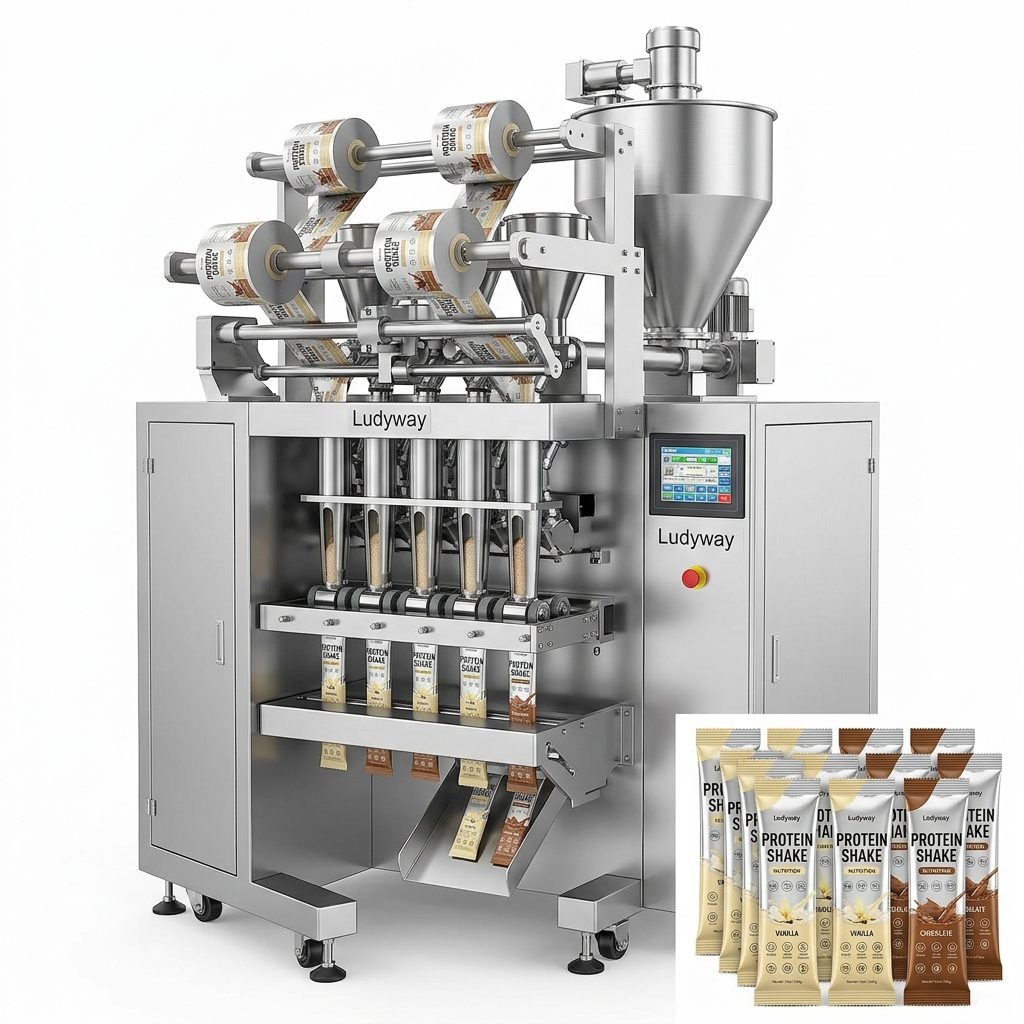
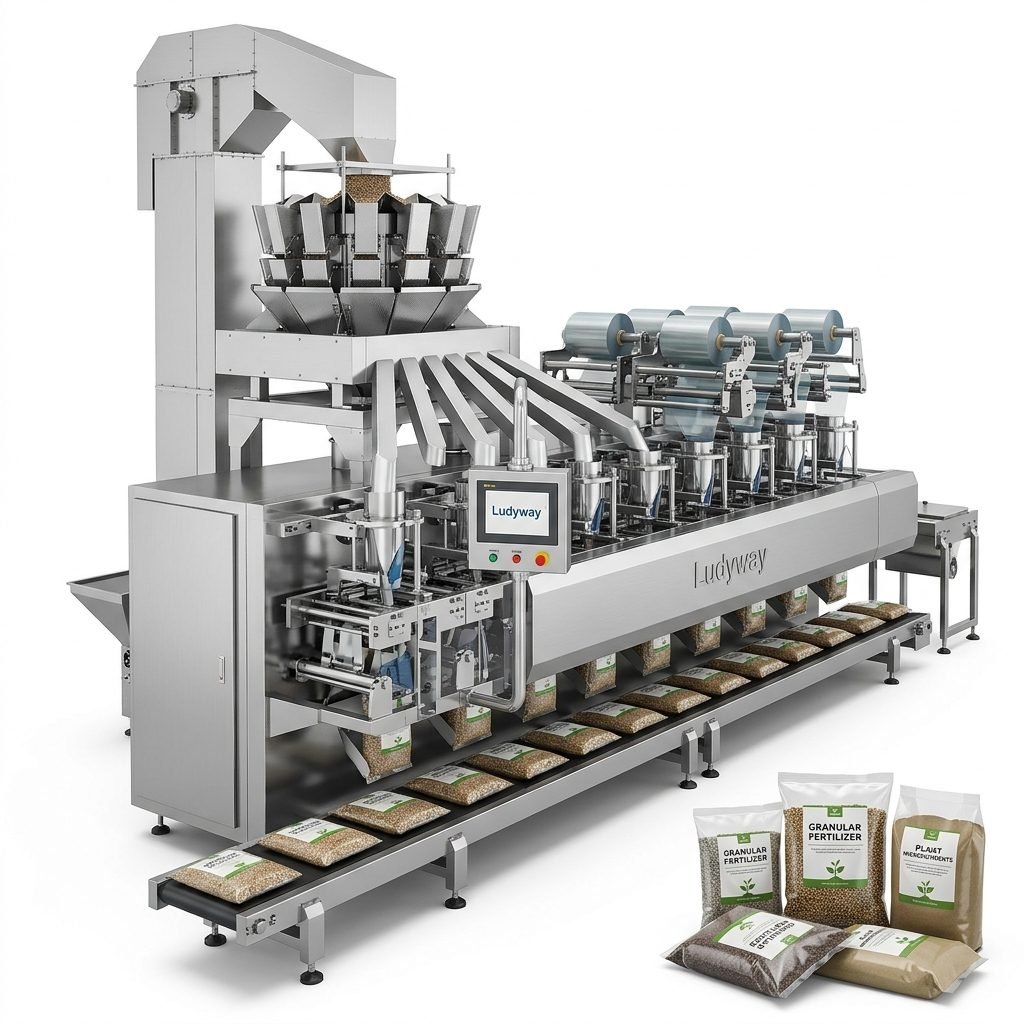
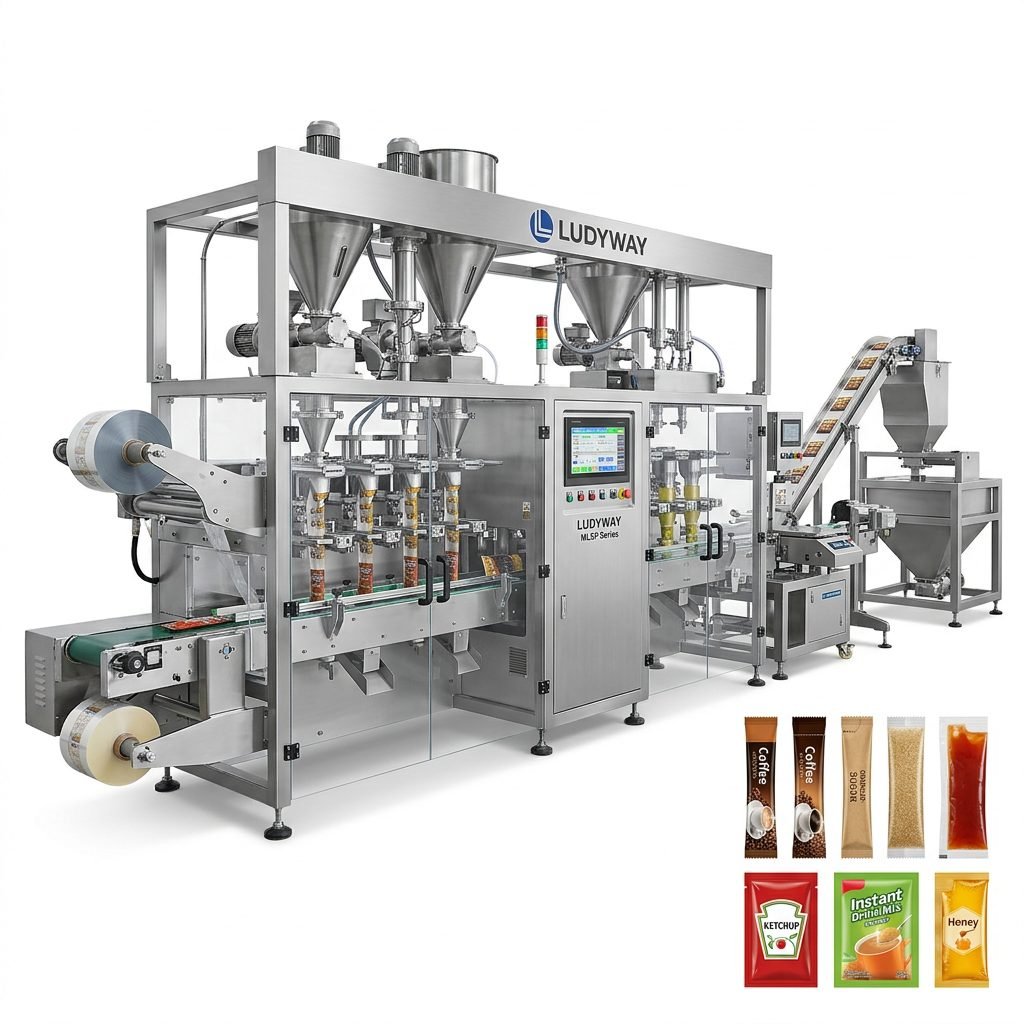
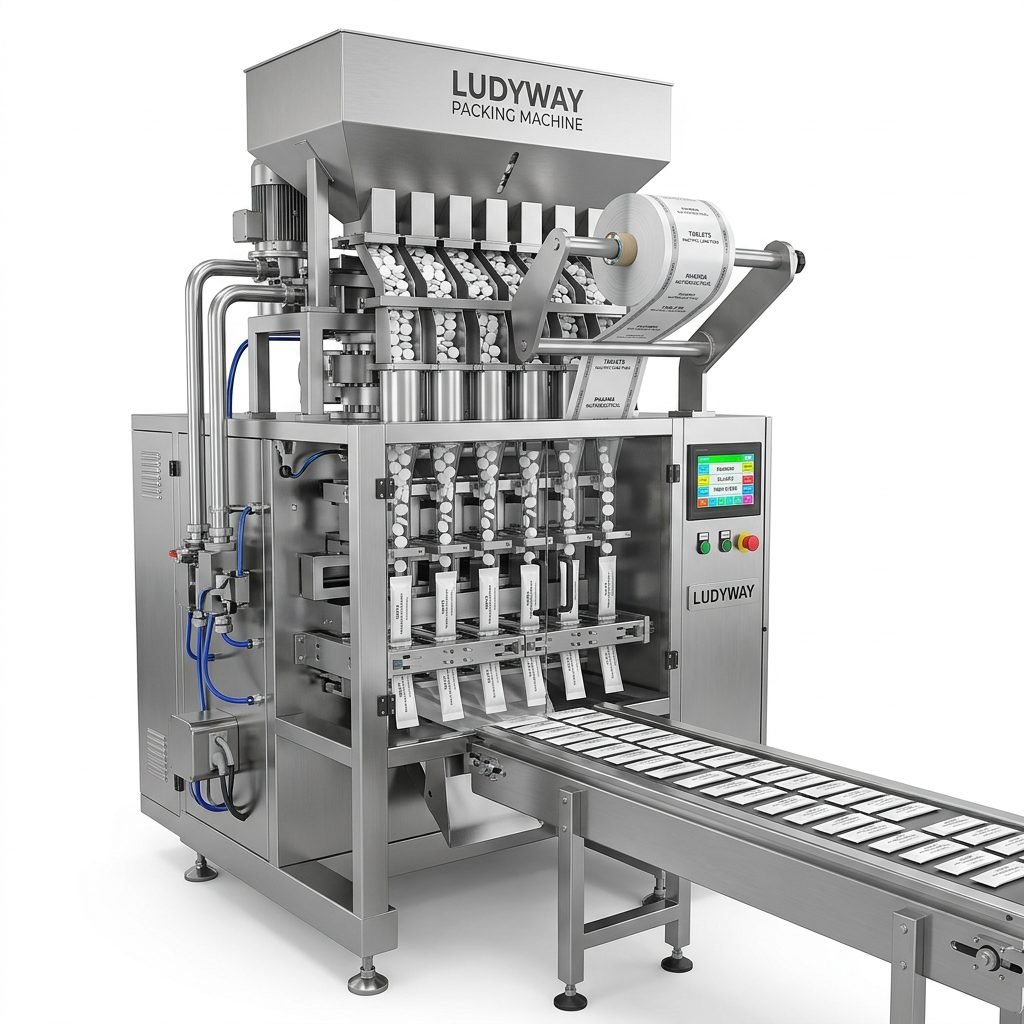
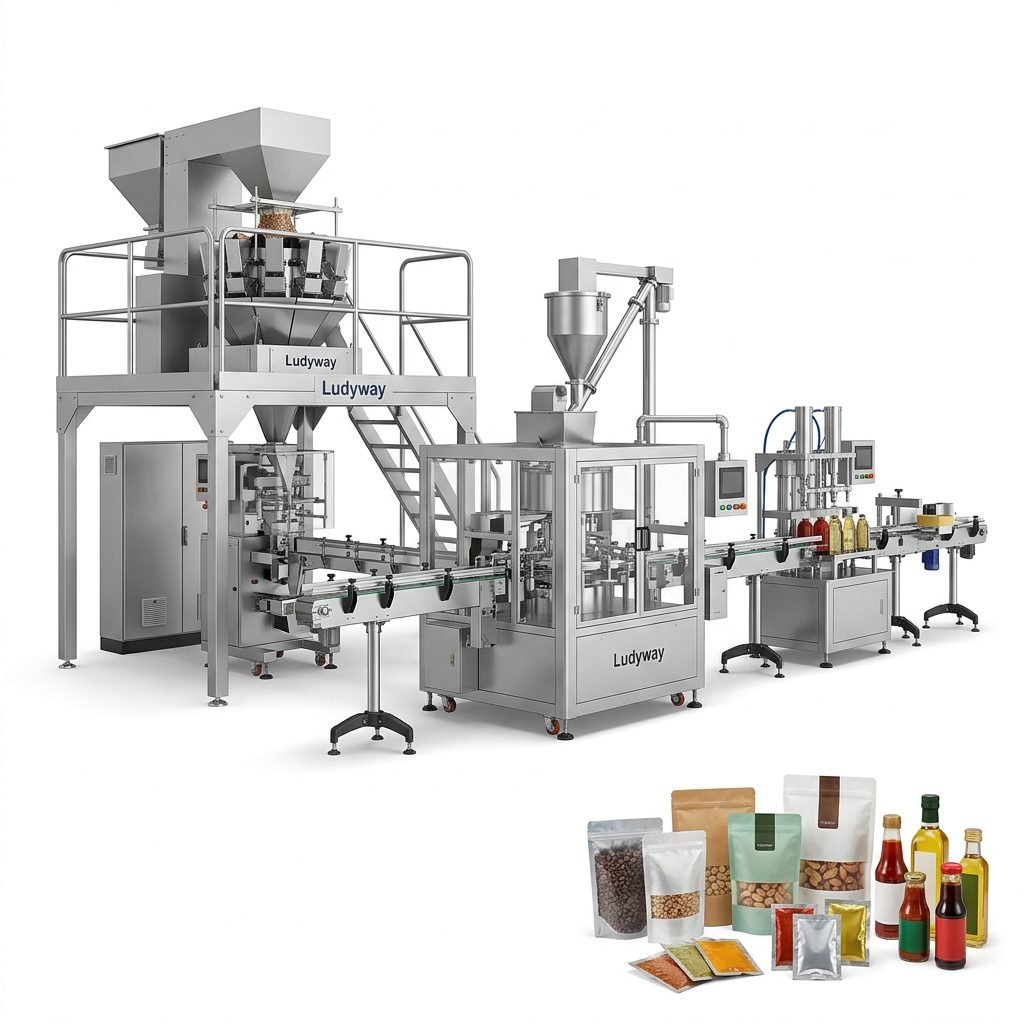
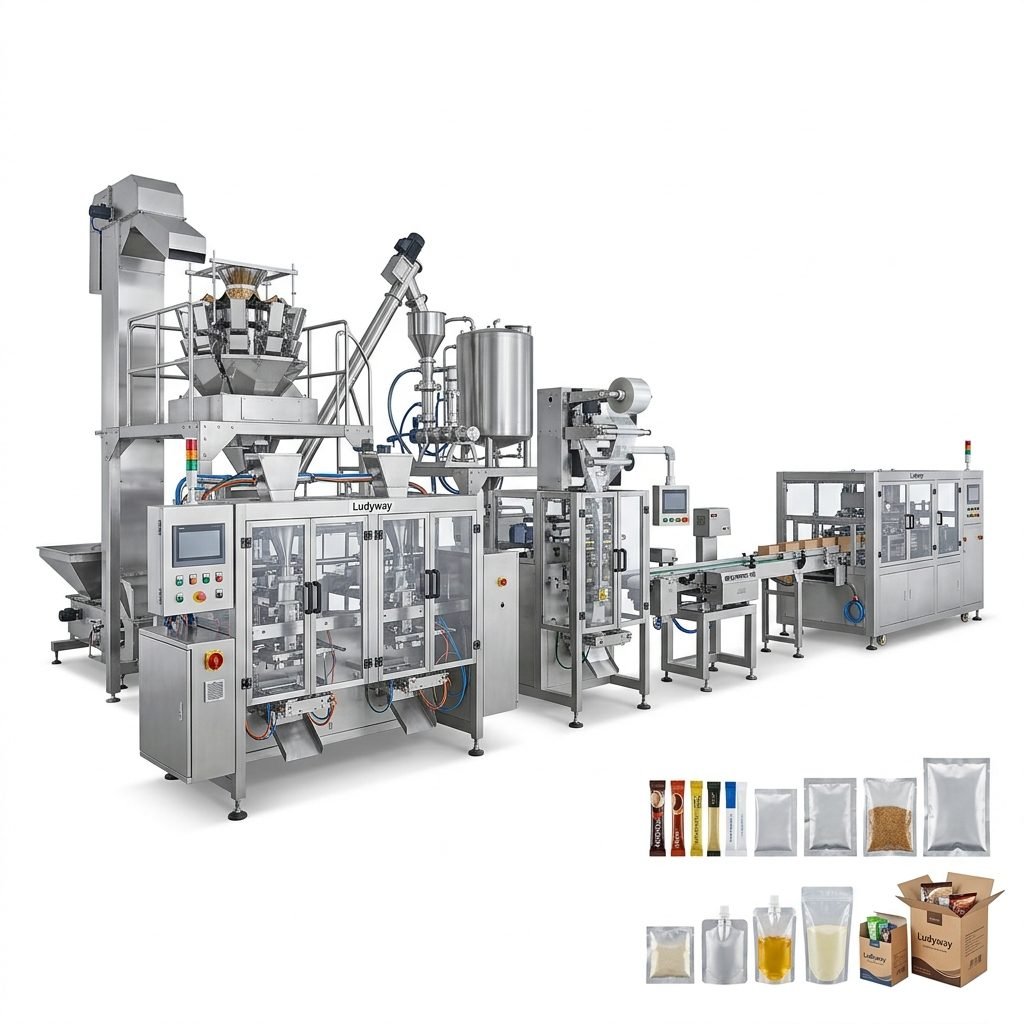
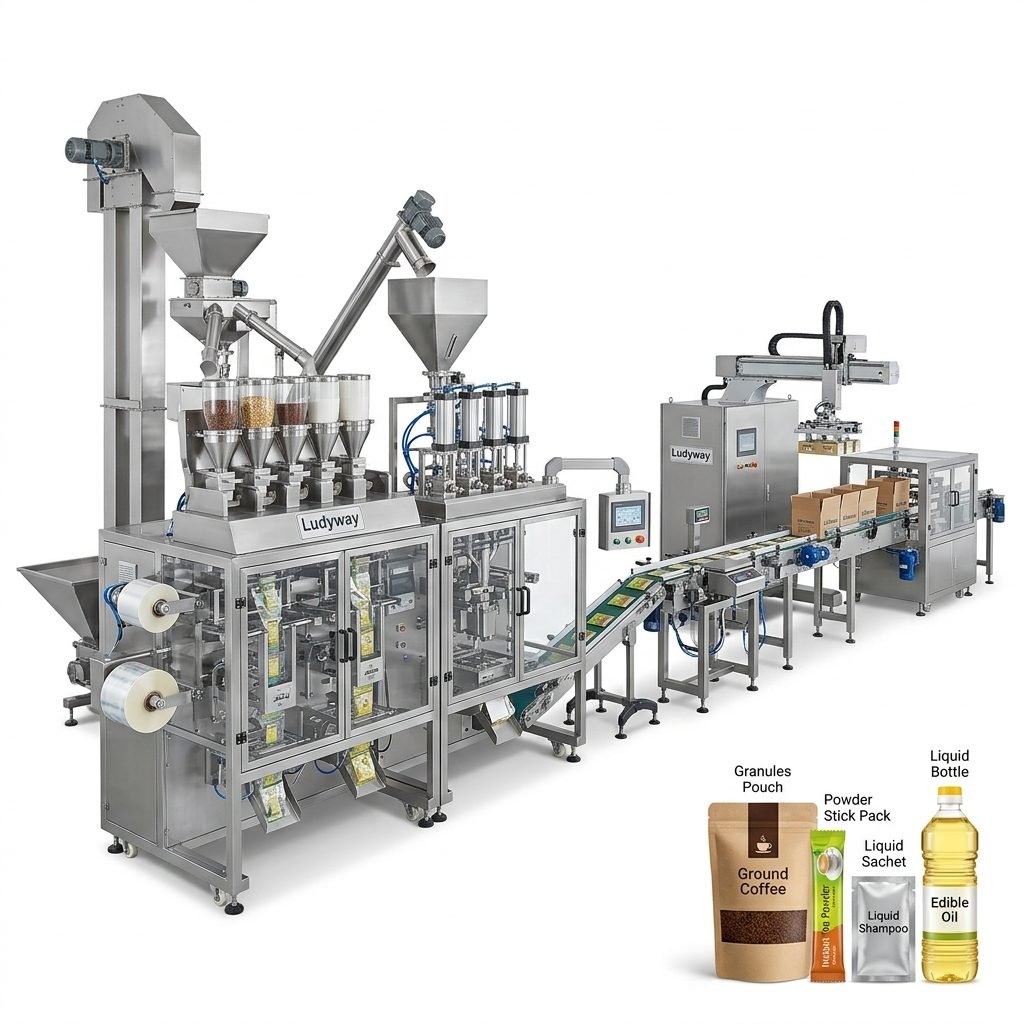
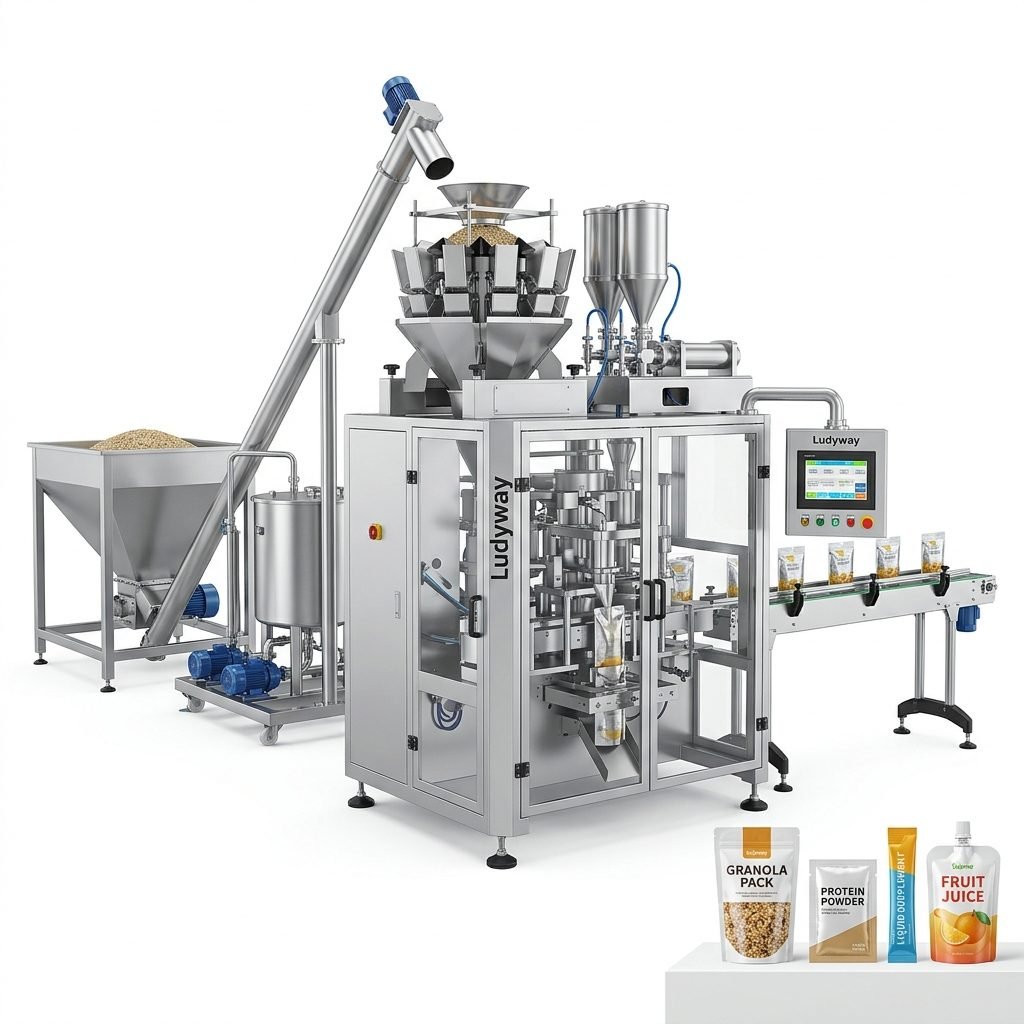
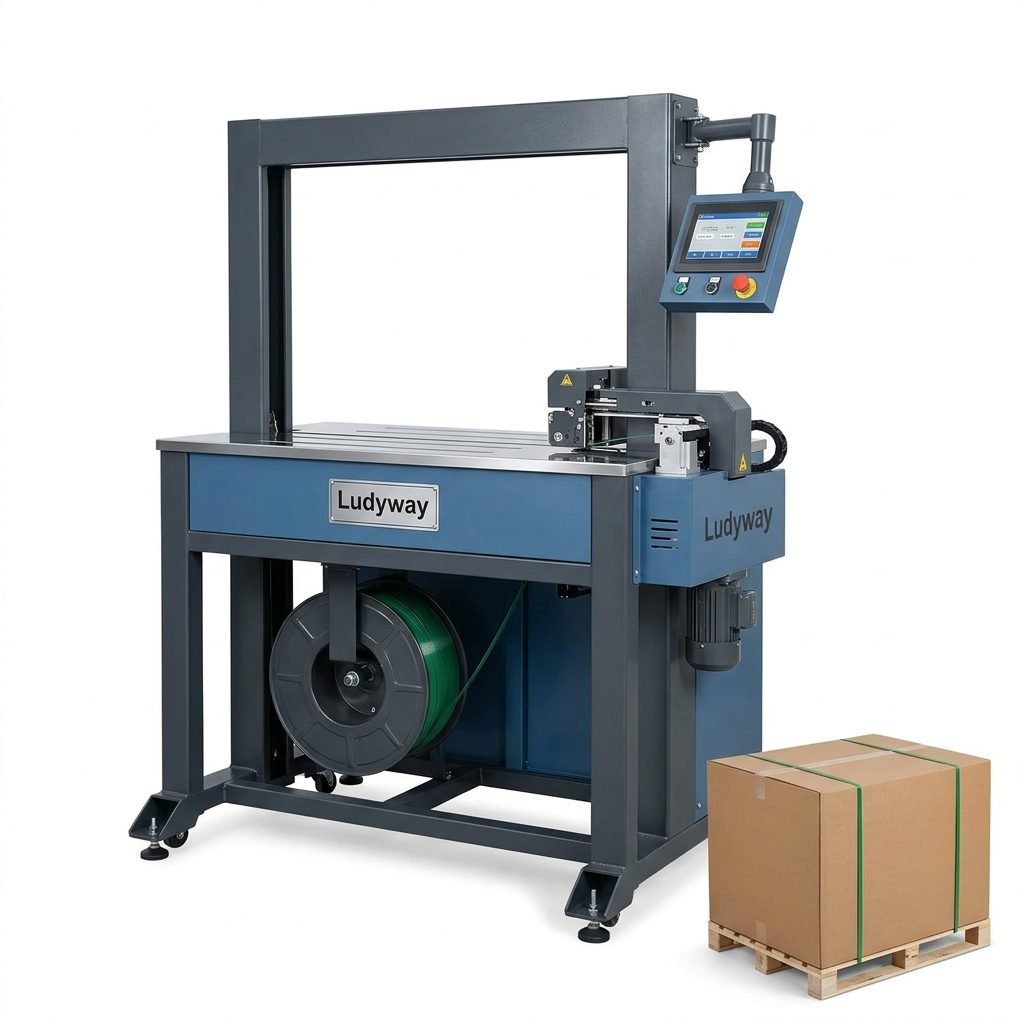
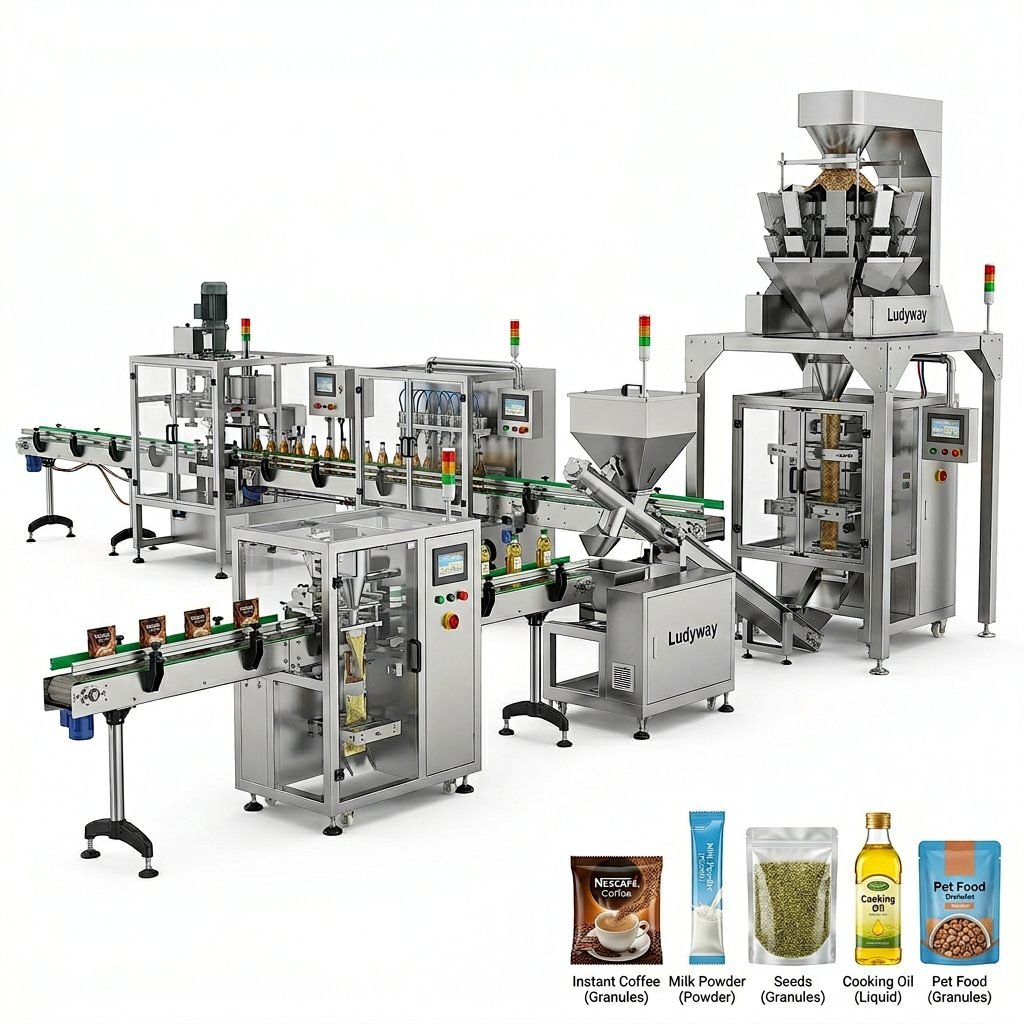
For many producers, the path forward includes investments in smarter packaging equipment, digital monitoring, and complete line integration. Equipment partners such as Ludyway are increasingly relevant in this shift, especially for companies seeking automated packaging systems and turnkey production lines that can improve material efficiency while maintaining output stability.
What brands are changing on the production floor
- Optimizing package dimensions to reduce material use
- Improving dosing precision to minimize product giveaway and pack waste
- Switching to equipment compatible with a wider range of films and pouch formats
- Adding inspection systems to maintain quality during material transitions
- Integrating secondary and end-of-line automation for higher efficiency
Food, beauty, and healthcare sectors are leading activity
The strongest movement is visible in high-volume categories where packaging waste is easy for consumers to notice. In food and beverage, single-serve sachets, pouches, and flexible packs are being redesigned for lower plastic content or easier recovery. In beauty and personal care, refill packs and lightweight sample formats continue to gain traction. In healthcare and supplements, companies are looking for ways to balance sustainability ambitions with strict safety, barrier, and compliance requirements.
These industries have one thing in common: packaging must remain functional, attractive, and efficient at scale. That is why many projects now combine sustainability targets with automation upgrades rather than treating them as separate investments.
Sector outlook
| Sector | Current Packaging Trend | Main Challenge |
|---|---|---|
| Food & Beverage | Material reduction and recyclable flexible packs | Shelf life and sealing consistency |
| Beauty & Personal Care | Refill models and lighter sachet formats | Brand appearance and leak prevention |
| Pharmaceutical & Health | Lower-waste packs with strict process control | Regulatory and barrier performance demands |
The next phase: scalable packaging transformation
Industry observers expect the next stage of plastic reduction to focus less on isolated packaging launches and more on scalable system change. Brands that succeed will likely be those that coordinate material innovation, packaging design, machinery capability, and supply chain execution at the same time.
In practical terms, that means the winners will be companies able to move from sustainability messaging to measurable results: lower plastic intensity, improved recyclability, and stronger production efficiency. For packaging machinery manufacturers, this creates a growing opportunity to support brand owners with equipment that is flexible, reliable, and ready for evolving packaging materials.
Industry takeaway
The global push to reduce dependence on plastic packaging is no longer a niche sustainability effort. It is becoming a core industrial priority, shaping how products are designed, filled, sealed, packed, and delivered. As brands accelerate action, packaging automation and line modernization will remain central to achieving both environmental goals and commercial performance.