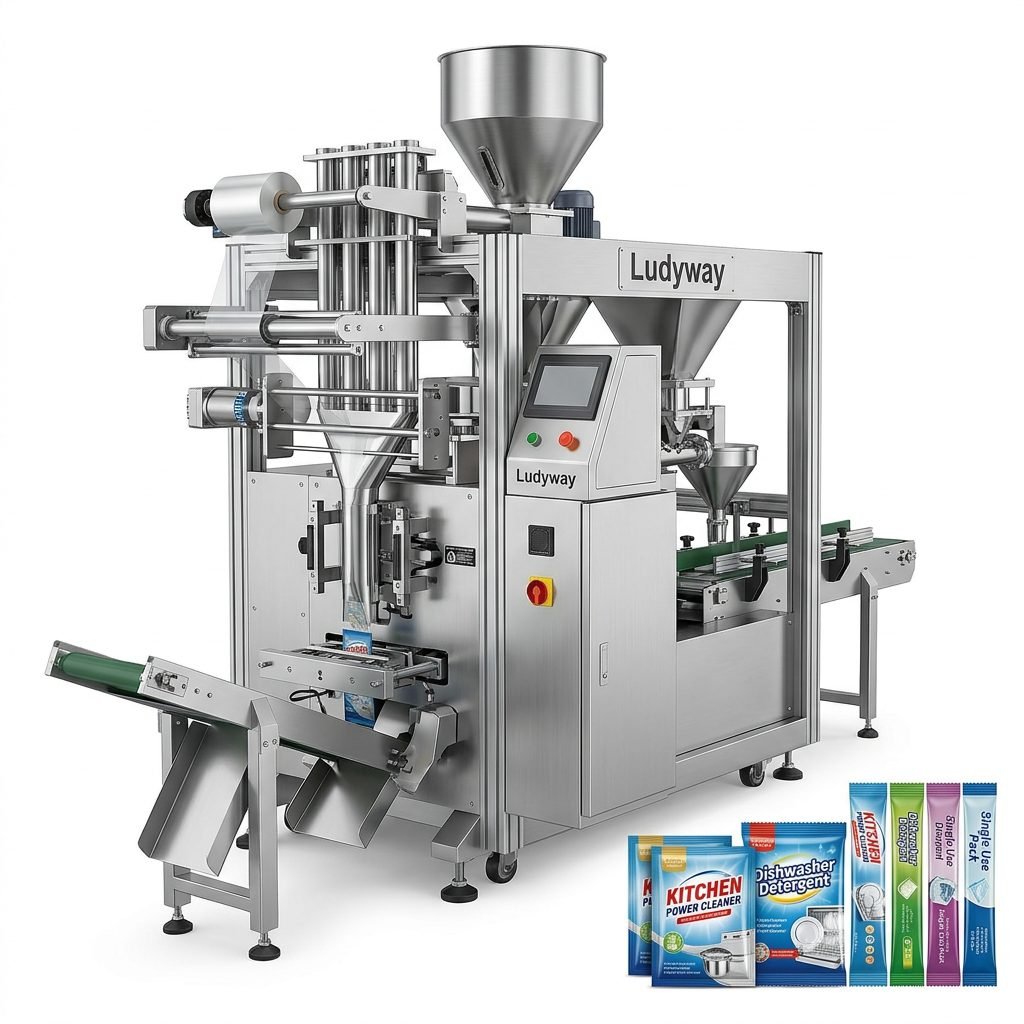
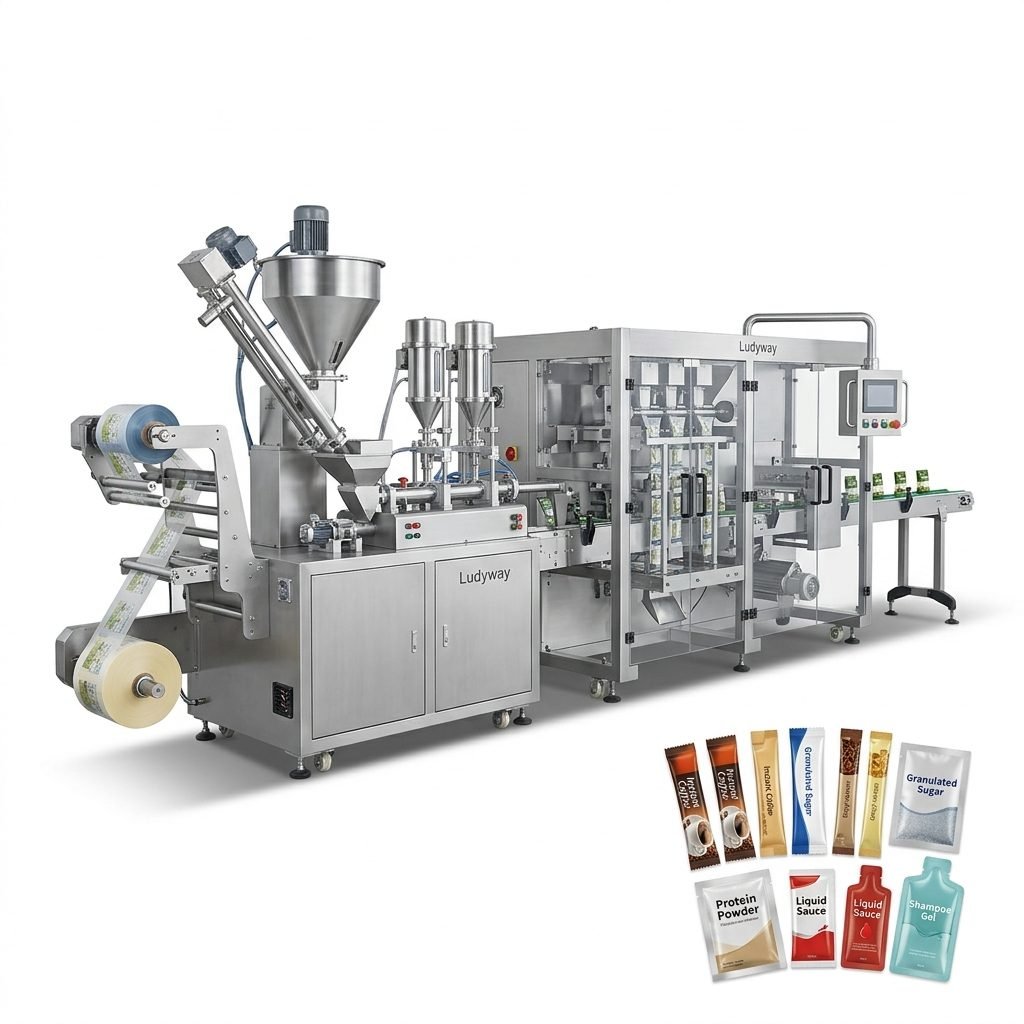
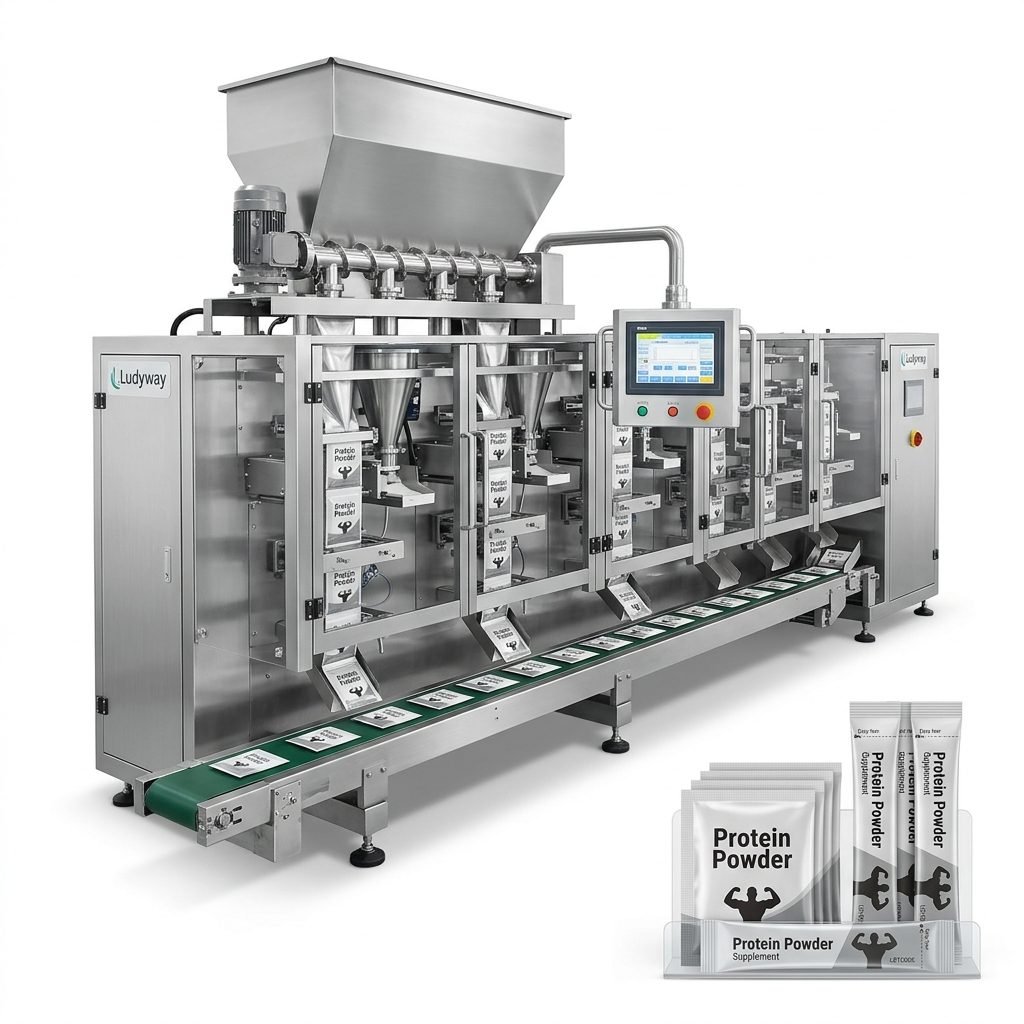
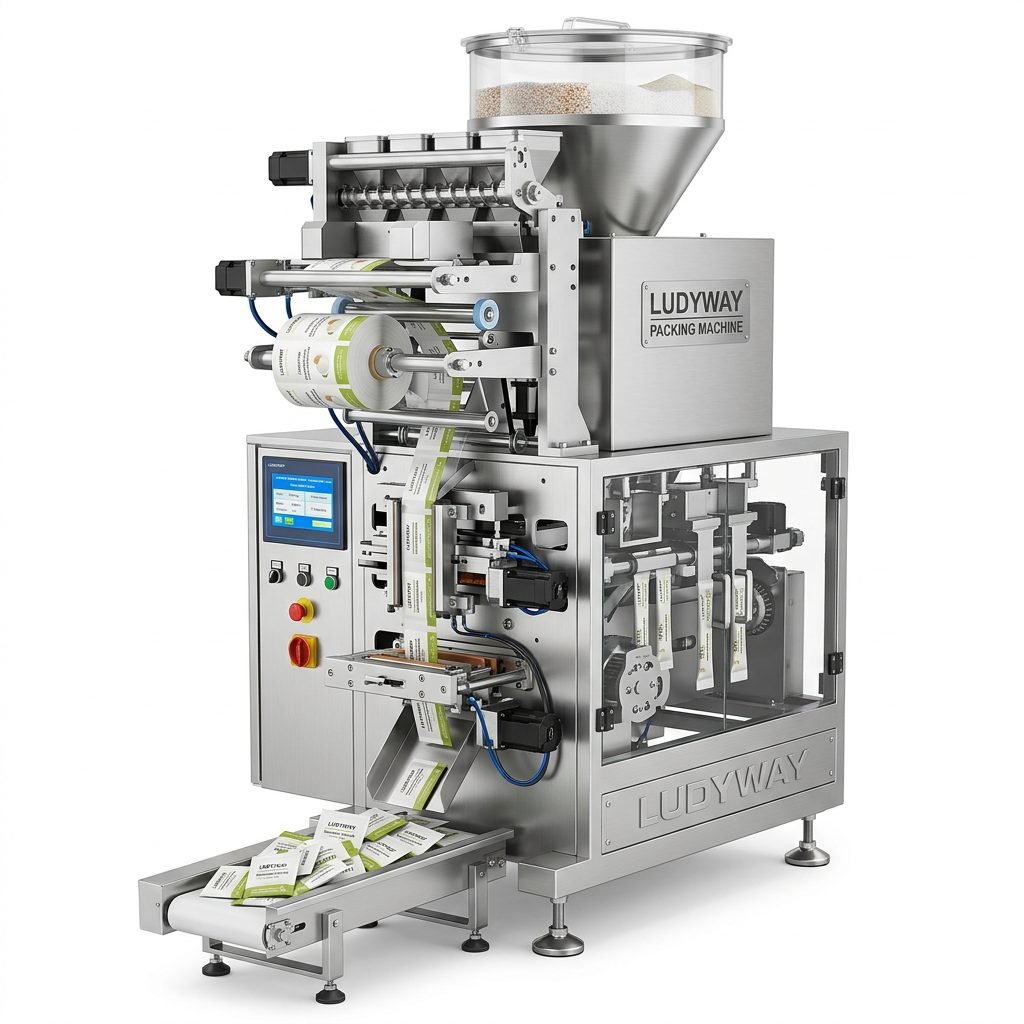
Investing in a butter packaging machine in Germany requires understanding local manufacturing standards, automation trends, and the specific demands of the European dairy sector. Whether you operate a mid-sized creamery or a high-output food processing plant, selecting the right equipment directly impacts shelf life, portion accuracy, and overall production efficiency.
Why the German Market Demands High-Precision Butter Packaging
Germany’s food industry is governed by strict hygiene regulations and consumer expectations for sustainable packaging. Butter, as a temperature-sensitive dairy product, requires machinery that maintains cold chain integrity. Modern systems now integrate modified atmosphere packaging (MAP) and automatic weight calibration to comply with EU directives.
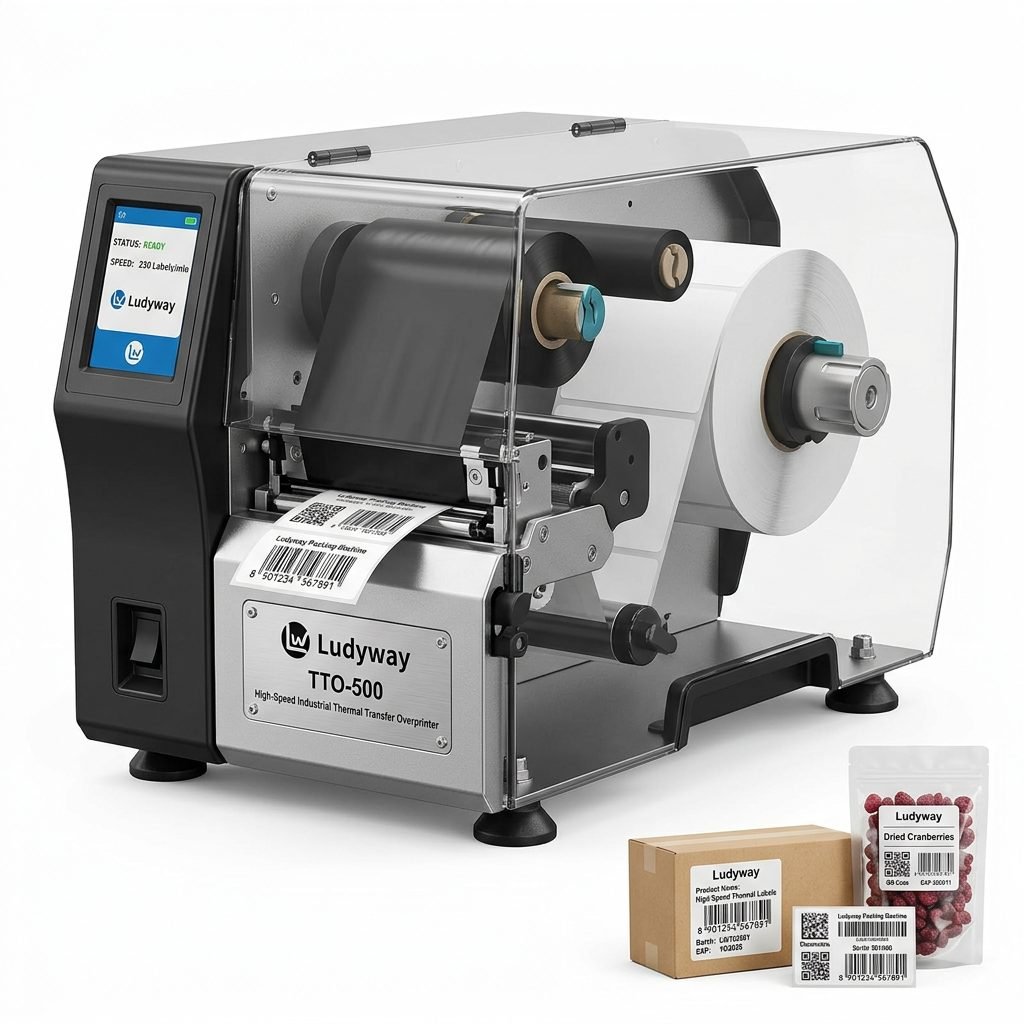
Key Machine Configurations Available
Depending on your output volume, you will typically encounter the following butter packaging machine formats in German facilities:
- Stick and portion pack lines: Ideal for single-serve hospitality butter packs (10g–20g).
- Block wrapping systems: For standard 250g household butter blocks using parchment or foil.
- Tub filling and sealing machines: Popular for spreadable butter blends and margarine.
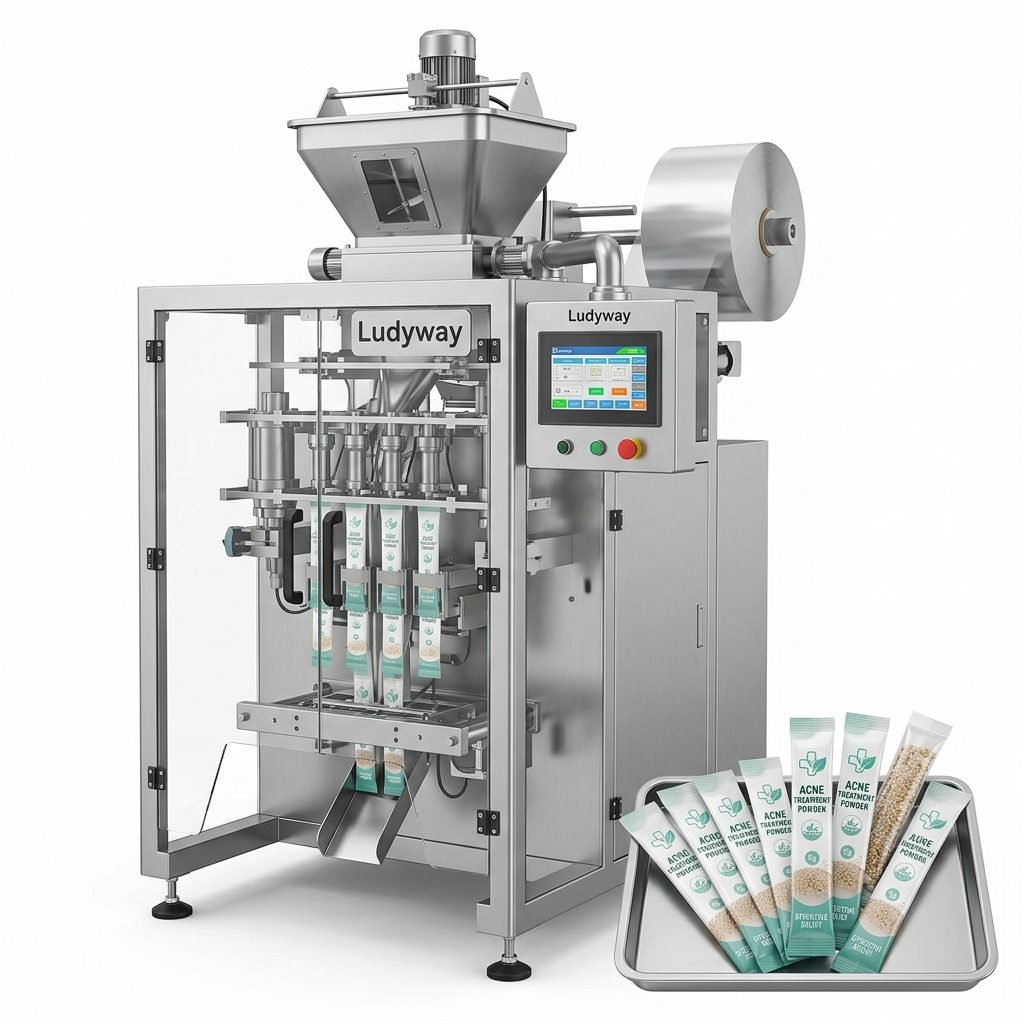
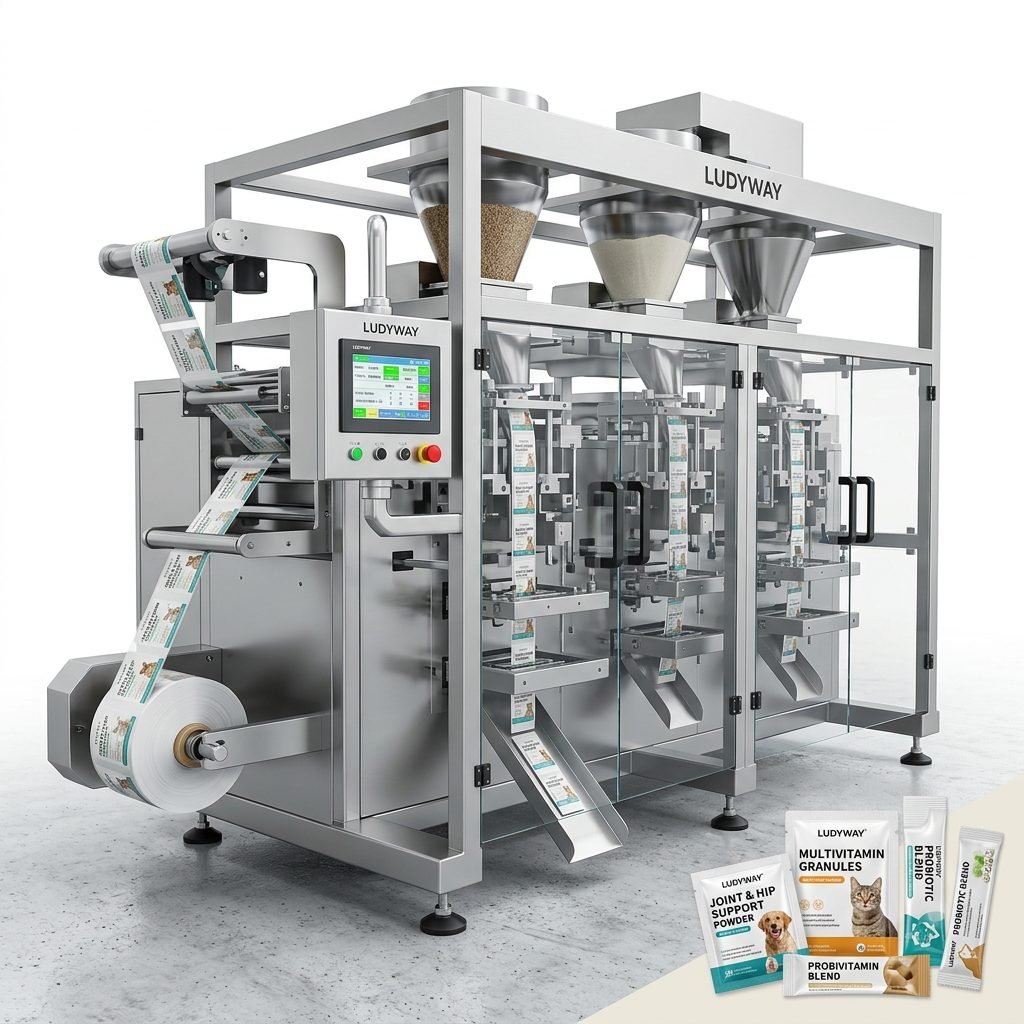
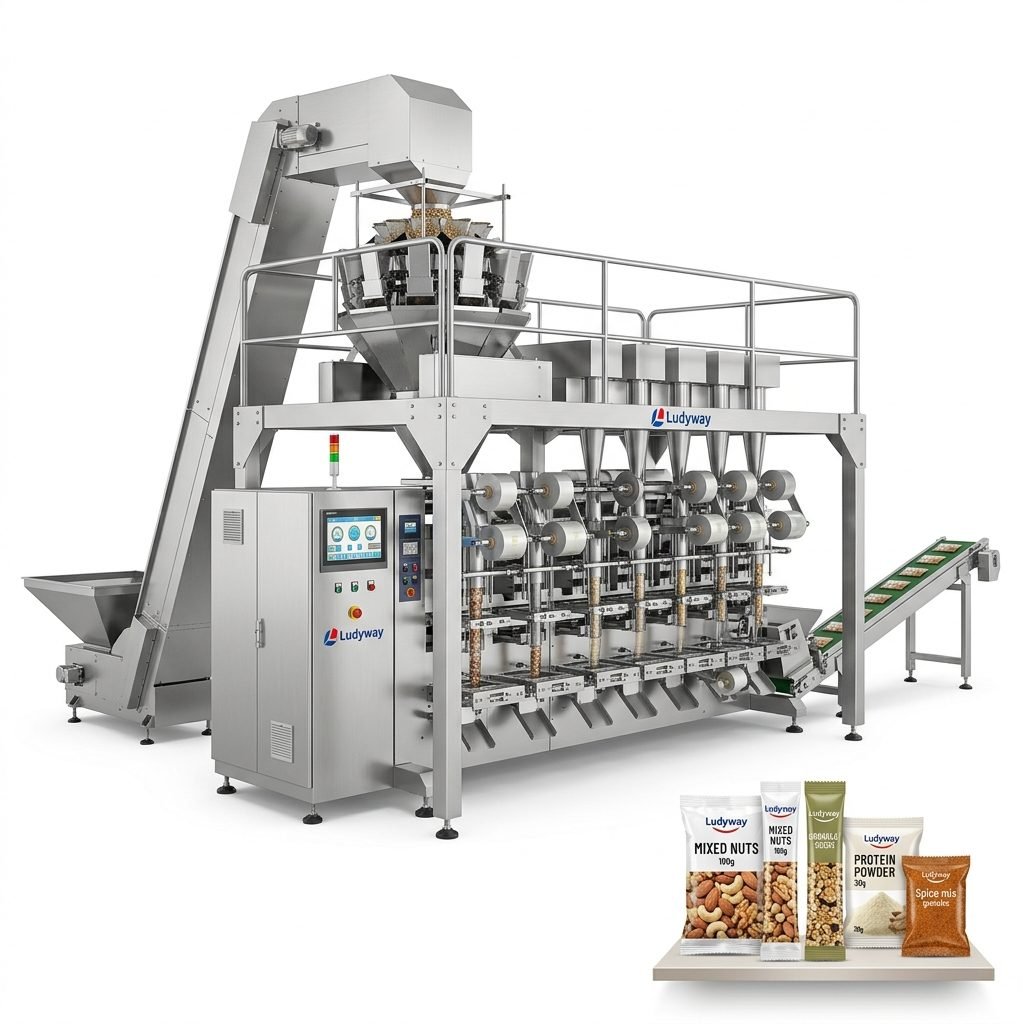
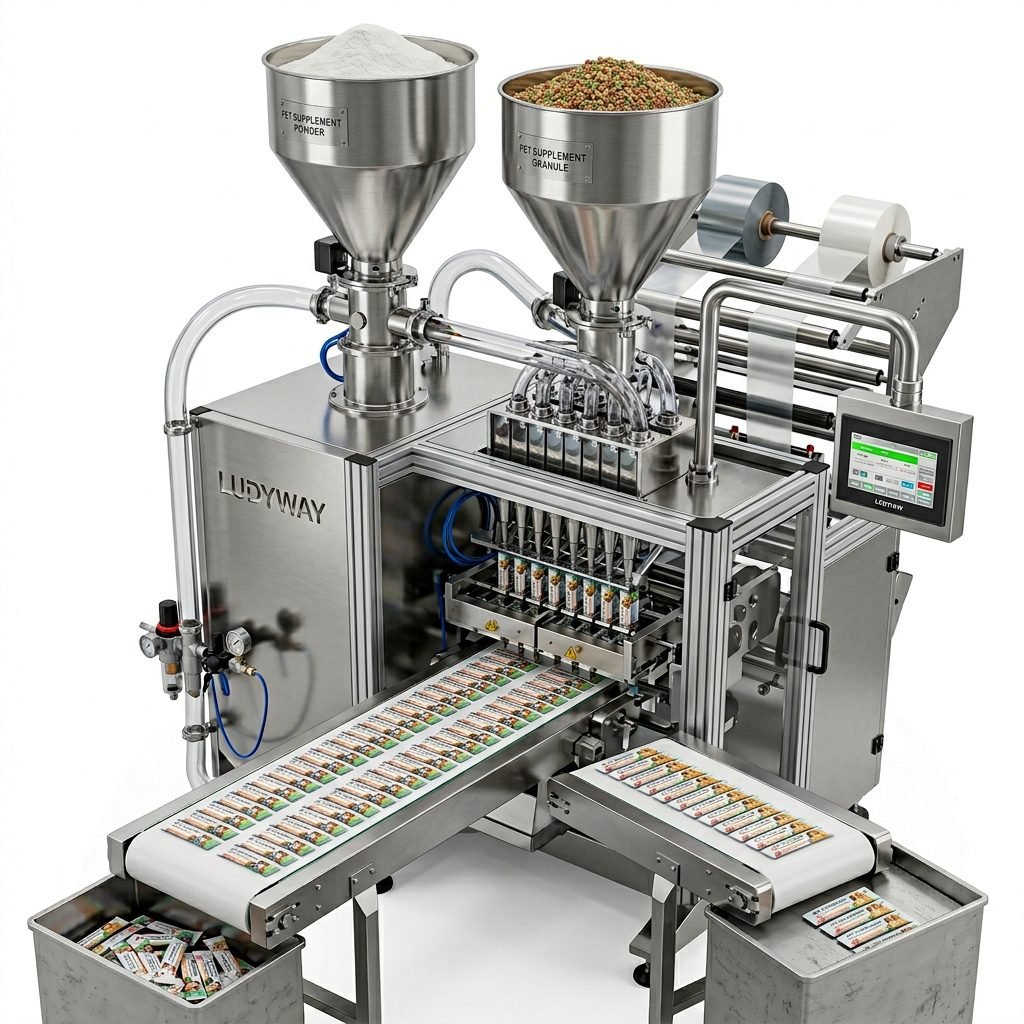
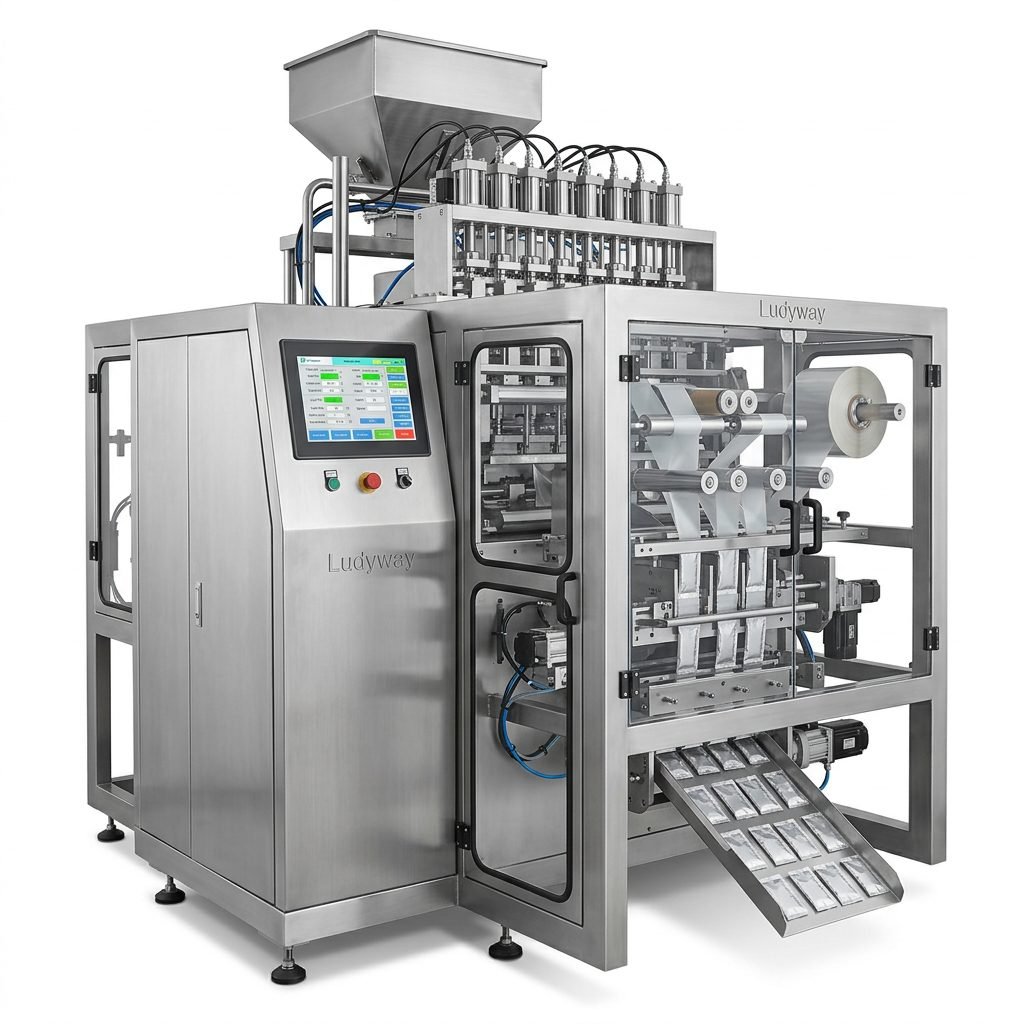
- Multi-lane stick pack machines: High-speed solutions for the food service industry, often running 12–20 lanes simultaneously.
Automation and Industry 4.0 Integration
Modern German packaging lines increasingly rely on IoT sensors and predictive maintenance. A butter packaging machine equipped with servo-driven motors ensures precise film registration and reduces material waste. Additionally, integration with centralized ERP systems allows real-time tracking of OEE (Overall Equipment Effectiveness).
Hygiene and Material Compatibility
Stainless steel 304 or 316L construction is non-negotiable for German dairy compliance. The machine must handle a variety of wrapping substrates, including aluminum composite films and biodegradable PLA laminates. CIP (Clean-in-Place) capable systems are preferred for minimizing downtime during product changeovers.
Evaluating Throughput and Technical Specifications
Below is a comparison of common technical parameters you should evaluate when sourcing a butter packaging machine in Germany:
| Machine Type | Max Speed (Packs/Min) | Suitable Format | Material Options |
|---|---|---|---|
| Small Stick Pack (Multi-Lane) | 400-600 | 10g–15g portions | Parchment/Foil laminate |
| Block Butter Wrapper | 80-120 | 250g blocks | Aluminum composite |
| Tub Filling Sealer | 60-100 | 150g–500g tubs | PP/PE plastics |
| Rotary Preformed Pouch | 40-70 | 500g–1kg pouches | Flexible multi-layer |
Supply Chain and Local Support in Germany
When importing machinery into Germany, consider CE certification requirements and the availability of local technical service engineers. A supplier with a robust international logistics network can significantly reduce lead times for critical spare parts. You can explore further industry insights through authoritative resources like the PMMI Business Intelligence Library and the Flexible Packaging Association Industry Data.
Cost-Benefit Analysis and ROI
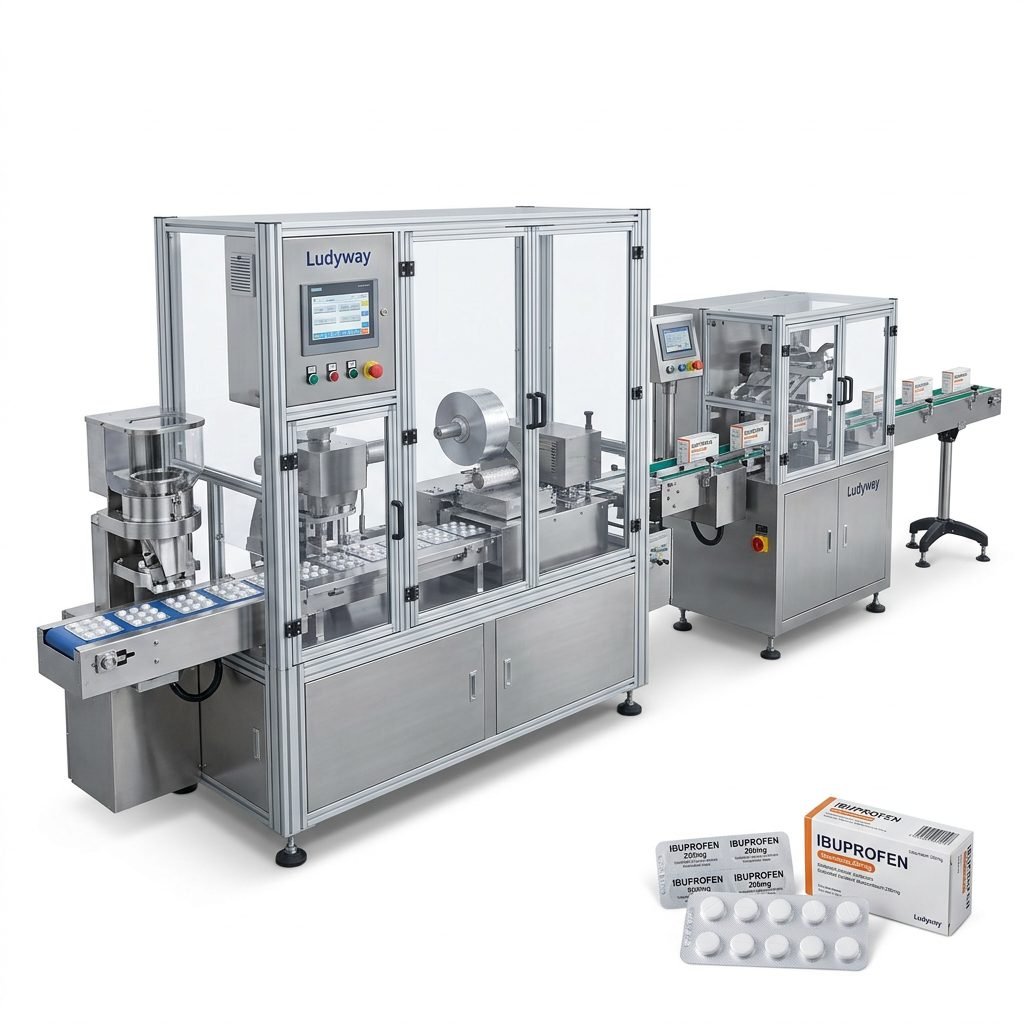
While initial capital outlay for a high-end butter packaging machine is significant, payback is calculated through reduced film consumption, lower give-away rates, and minimized labor. German manufacturers often see a return on investment within 18–24 months when switching from manual to automated multi-lane portion systems.
Avoiding Common Purchasing Pitfalls
- Underestimating film tension control: Inconsistent tension leads to poor seal integrity and leakers.
- Ignoring future scalability: Modular machines allow adding lanes later as your distribution expands across the EU.
- Neglecting temperature control: Butter softens rapidly; the machine’s sealing area must maintain an ambient temperature below 12°C.
Custom Engineering for Specialty Butter Products
Whether packaging infused compound butter, clarified butter ghee, or protein-enriched spreads, the dosing mechanism must be adapted. Piston fillers are generally preferred for high-viscosity products, while auger fillers work well for aerated butter creams. Collaborating with an experienced packaging machine manufacturer ensures the design matches your product’s rheology.
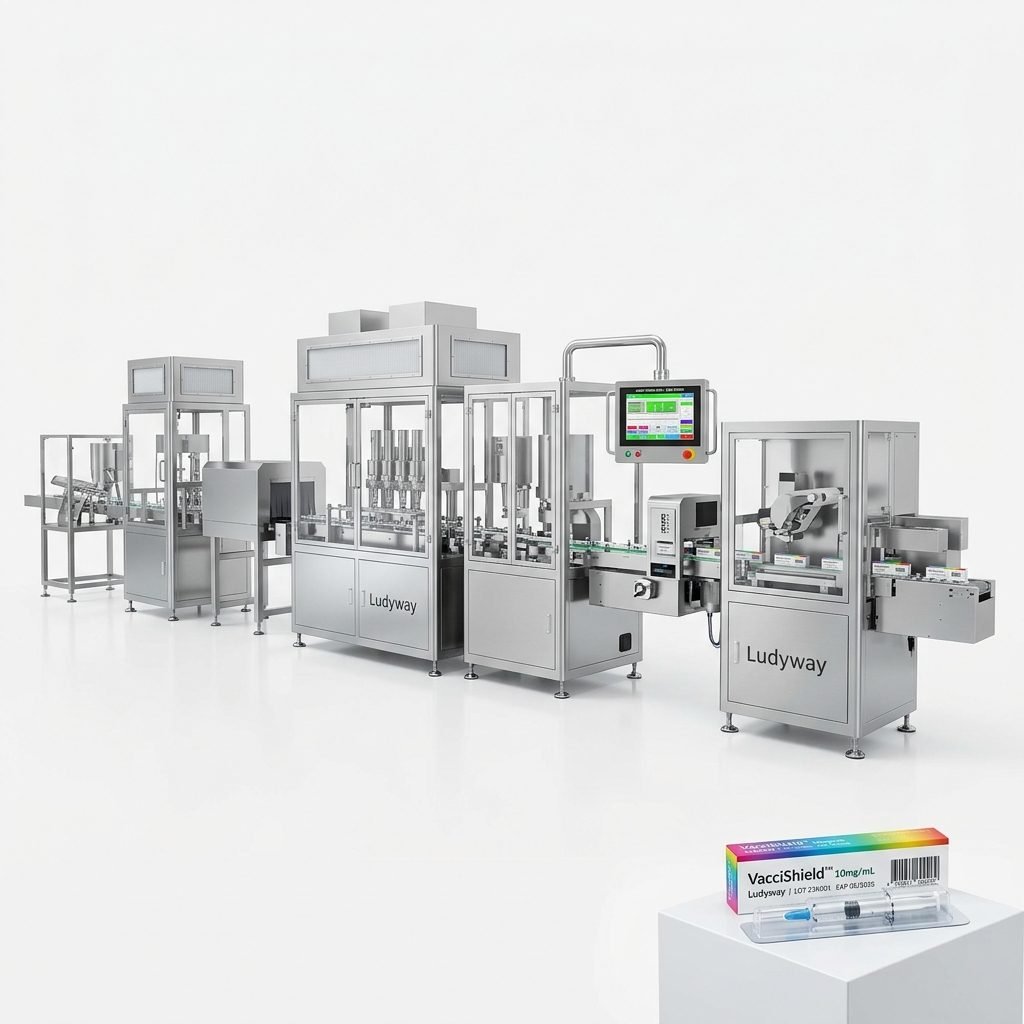
For large-scale operations, Ludyway manufactures a comprehensive range of automated multi-lane packaging systems suitable for high-volume butter and dairy applications. To understand how global machinery trends are evolving, refer to the State of the Industry 2025 Report or the latest ISO Packaging Standards for international guidance.
Final Verification Checklist Before Ordering
- Confirm CE marking and TUV certification for the German market.
- Request FAT (Factory Acceptance Test) video proof of a 24-hour continuous run.
- Validate that the machine supports your specific film thickness (typically 20-80 microns).
- Ensure the HMI interface includes German language support.
- Clarify the warranty terms for the servo drives, PLCs, and main sealing jaws.
By focusing on these technical specifications and compliance factors, you will secure a reliable butter packaging machine that boosts your production capacity and meets Germany’s rigorous food quality standards.